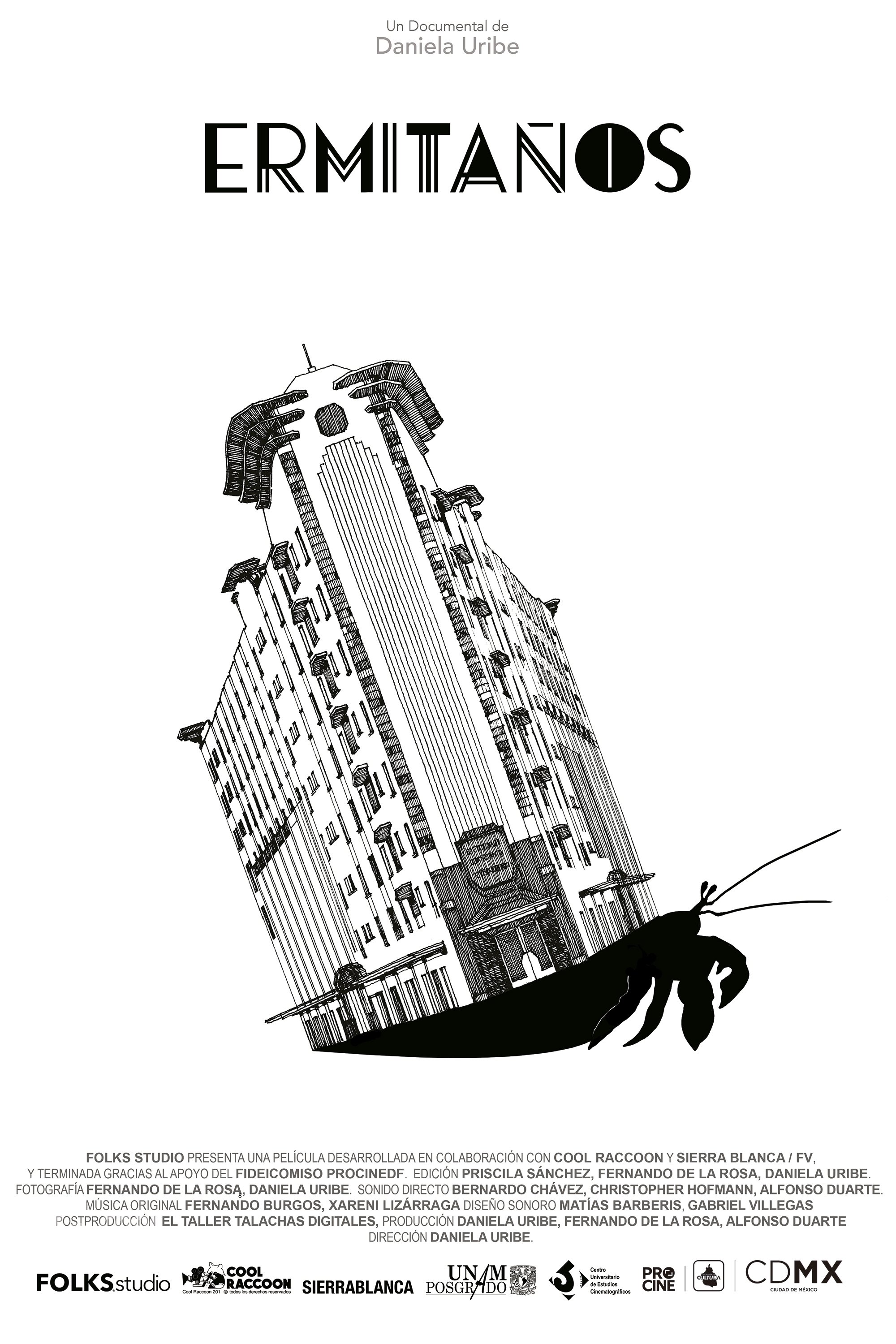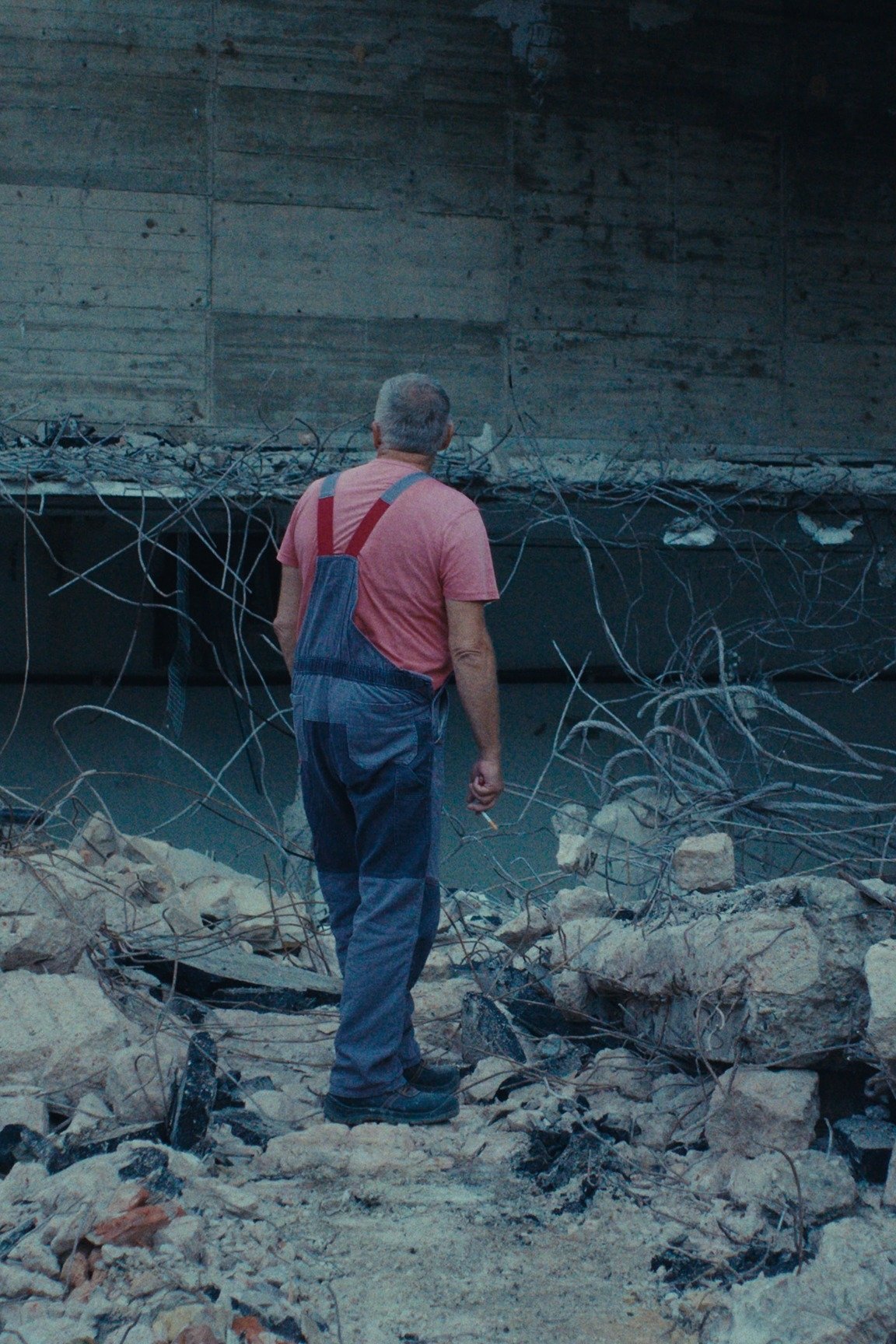
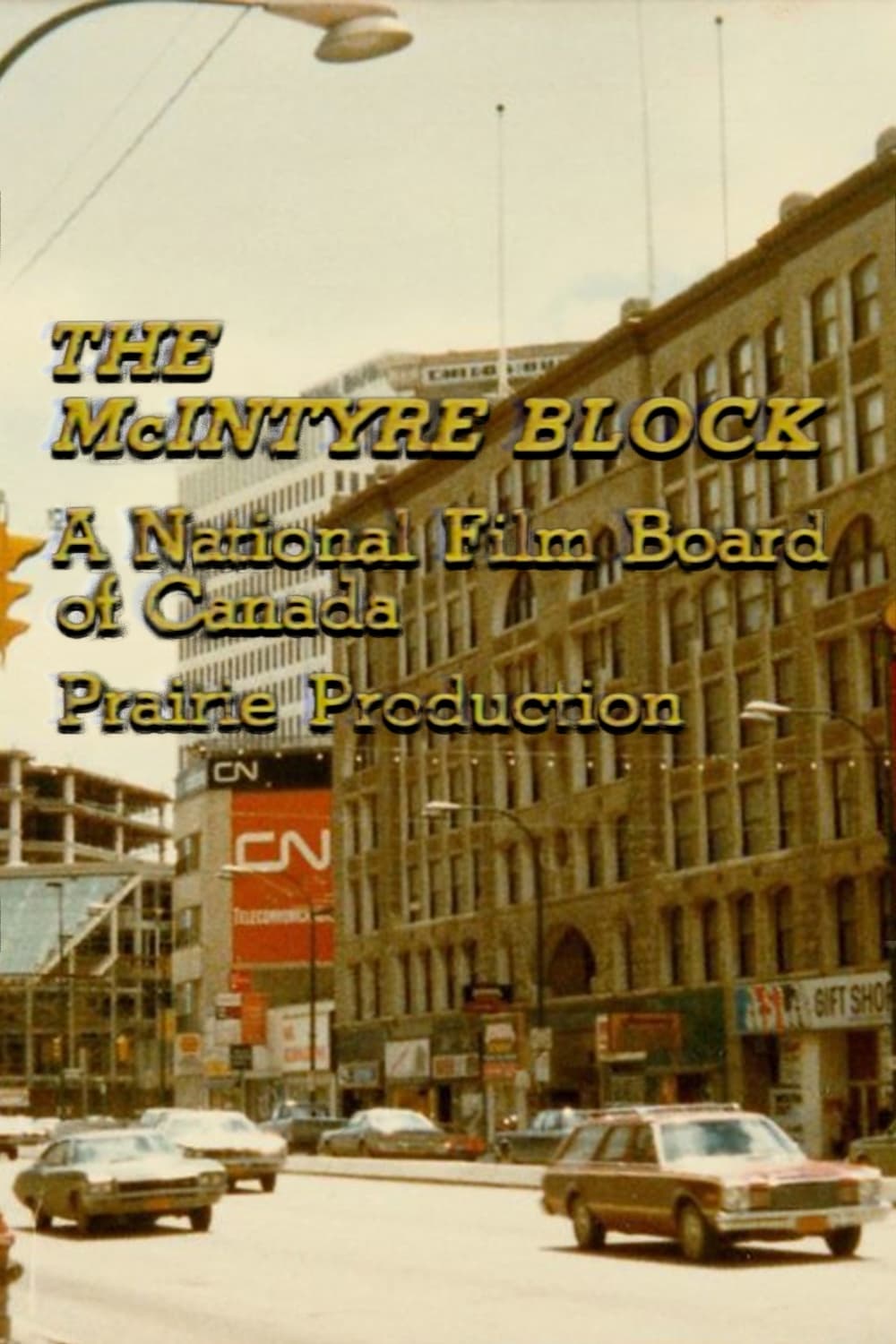
A turn of the 20th Century office block at Portage and Main. What was once Winnipeg's most prestigious commercial address has become a catch-all for the marginalized and history's leftovers. A snapshot of a fading era, now gone for good.

Social & External
Narrator
The Eames House and Studio is explored via a series of slides.
Famed Swiss architect and artist Robert Maillart was renowned for his concrete bridges; this documentary examines the elegant design of his engineering masterpieces, which, the film argues, embrace both functionality and aesthetics. Instead of following a traditional journalistic structure, director Heinz Emigholz's spellbinding film reads more like ethereal visual poetry, allowing the beauty of Maillart's work to speak for itself.
Chicago is filled with Architectural wonders from the famous to the hidden treasures waiting to be discovered! Join Geoffrey Baer as he explores seven of the best Chicago has to offer! The seven wonders include: Amazing Hotels, The Ferris Wheel, Heavenly Buildings, Scraping the Sky in Style, Architecture for Animals, That Tiffany Town, The Making of Millennium Park and so much more!
In 1935, Frank Lloyd Wright designed a country house for the Kaufmann family over a small stream in Western Pennsylvania. He named it Fallingwater. It, perhaps more than any other building, exemplifies Wright's concept of 'Organic Architecture,' which seeks to harmonize people and nature by integrating the building, the site, and its inhabitants into a unified whole. And today, the iconic image of the house over the waterfall, remains a testament to a great architect working at the height of his career. Highlights include interviews with Fallingwater director Lynda Waggoner and architectural historian Richard Cleary, who explain Wright's concept of "organic architecture" and the qualities that make the structure so exceptional.

Filmed in Rome in the 1980s, the work draws on Borromini’s Baroque architecture and Il Sassetta’s St. Martin and the Beggar. Beavers contrasts winter’s subdued light with the verdant growth of spring, constructing a precise montage in which image and sound form a poetic dialogue.
The film juxtaposes/compares two museums: The Museum of Art, Ein Harod, Israel, which Samuel Bickels (1909-1975) built there in 1948, and The Menil Collection in Houston, Texas, built by Renzo Piano (b. 1937) 1986 . The method of natural lighting in Bickels‘s construction was the direct model for Piano, who adopted for his construction at the request of its patroness Dominique de Menil.
This documentary provides an astonishing journey through innovative, futuristic, utopian and sometimes bizarre architecture projects—including concrete illusions of grandeur and Lego-like modular apartments to an Instant City Airship and round, grass-covered subterranean dwellings—from the beginning of the 20th century to today.
A film about modern Japanese architecture, its roots in the Japanese tradition and its impact on the Nordic building-tradition. Winding its way through visions of the future, traditions, nature, concrete, gardens and high-tech, KOCHUU tells us how contemporary Japanese architects strive to unite the ways of modern man with the old philosophies in astounding constructions. Interviews with, and works by, Japanese architects Tadad Ando, Kisho Kurokawa, Toyo Ito and Kazuo Shinohara and Scandinavian architects Sverre Fehn, Kristian Gullichsen and Juhani Pallasmaa.
Regular or Super is a fascinating and informative introduction to the work of Mies van der Rohe (1886–1969), one of the 20th century's most influential architects, and a thought-provoking demonstration of the social and artistic contributions that architecture at its best can make to our urban environments
The award-winning feature-length documentary about the revolutionary and brilliant Chicago architect Louis Sullivan (1856-1924). Known by historians as the 'father of the skyscraper' and creator of the iconic phrase 'form follows function,' Sullivan was on top of his profession in 1890. Then a series of setbacks plunged him into destitute obscurity from which he never recovered. Yet his persistent belief in the power of his ideas created some of America's most beautiful buildings ever created, and inspired Sullivan's protégé, Frank Lloyd Wright, to fulfill his own dream of a truly American style of architecture.
Make No Little Plans: Daniel Burnham and the American City reveals the fascinating life and complex legacy of architect and city planner Daniel Hudson Burnham. In the midst of the late nineteenth century urban disorder, Burnham offered a powerful vision of what a civilized American city could look like, one that provided a compelling framework for Americans to make sense of the world around them. A timely, intriguing story in the American experience, Make No Little Plans explores Burnham's impact on the development of the American city as debate continues today about what urban planning means in a democratic society.
A self-narrated portrait of a Polish immigrant in Winnipeg whose unglamorous job keeping streetcar switches working reveals dignity, resilience, and pride in everyday labor.
“In this legendary sculpture/performance Acconci lay beneath a ramp built in the Sonnabend Gallery. Over the course of three weeks, he masturbated eight hours a day while murmuring things like, "You're pushing your cunt down on my mouth" or "You're ramming your cock down into my ass." Not only does the architectural intervention presage much of his subsequent work, but all of Acconci's fixations converge in this, the spiritual sphincter of his art. In Seedbed Acconci is the producer and the receiver of the work's pleasure. He is simultaneously public and private, making marks yet leaving little behind, and demonstrating ultra-awareness of his viewer while being in a semi-trance state.” – Jerry Saltz (via: http://www.ubu.com/film/acconci_seedbed.html)
The architect André Ravéreau spent a large part of his life in Algeria, he is today an essential reference for Algerian builders of several generations. His daughter Maya, an architect herself, accompanies us to the places of his creations and his research, in the Mzab first where he lived, created, trained other architects in the "desert workshop" and had the oases of the Mzab classified as a UNESCO World Heritage Site. Inspired by tradition to better innovate as in the construction of the Ghardaïa post office, or in that of a very surprising villa... Then in Algiers where he worked to preserve the ancestral heritage of the Casbah, faithfully describing the principles of his construction in line with current concerns, such as the choice of environmentally friendly materials and avoiding energy waste, as testified by the architect Yasmine Terki, a great specialist in earth materials.
Tracing the history of blue jeans around the globe.
The documentary rebuilds the life of the Brazilian architect João Batista Vilanova Artigas. His relatives, friends, students and six of his major works tell the history of this iconic Latin-American modernist.
In The Nature of Space, Frank Scheffer juxtaposes the ideas of two Dutch architects: the Benedictine monk Dom H. van der Laan and the anthroposophic architect Ton Alberts. Van der Laan represents a plain and pure architecture, based on his own research into ratios. He designed churches and monasteries, among them a monastery in Vaals. Ton Alberts works from organic forms, as demonstrated by his design of the NMB Bank headquarters in Amsterdam. Director Frank Scheffer stresses the difference in style between these architects, both of whom allow their spiritual background to be reflected in their work, by adopting a very different camera style in the case of each. (filmcommission.nl)
10 Buildings that Changed America presents 10 trend-setting works of architecture that have shaped and inspired our American landscape. These aren’t just historic structures by famous architects. These buildings have dramatically influenced our built environment in many ways – and in one case, for over two centuries.
Hans Scharoun has built houses which show not only structural substance and aesthetic forms but also how human beings should live in buildings. This depiction can only be imaginary - like reading invisible writing on walls. Bitomsky's film looks at several of Scharoun's buildings.
Styles of architecture used in the 1951 South Bank Exhibition, London.
A documentary about the design of cities, which looks at the issues and strategies behind urban design and features some of the world's foremost architects, planners, policymakers, builders, and thinkers.
The supermarket giant that rose high by taking prices low.
Martin Scorsese spends an evening with larger-than-life raconteur Steven Prince—a former drug addict, road manager for Neil Diamond, and actor—as he recounts stories from his colorful life.
An unflinching look at the how the battle over abortion rights has played out in the United States over the last 15 years.
A documentary that explores the downloading revolution; the kids that created it, the bands and the businesses that were affected by it, and its impact on the world at large.
A documentary on the life of John Lennon, with a focus on the time in his life when he transformed from a musician into an antiwar activist.
Through deeply personal interviews with her siblings and an examination of the photographs, letters, and belongings left behind, Mariska assembles a new portrait of her mother Jayne Mansfield, an extraordinary and complex woman.
Martin Scorsese's documentary intertwines footage from The Band's incredible farewell tour with probing backstage interviews and featured performances by Eric Clapton, Bob Dylan, Joni Mitchell, Van Morrison, and other rock legends.
Film adaptation of French economist Thomas Piketty's ground-breaking global bestseller of the same name: an eye-opening journey through wealth and power.
The life and career of an actor, artist, and icon. His own journey through his own camera.
Having forged a 20-year run as one of the most innovative and influential hip hop bands of all time, the Queens NY collective known as 'A Tribe Called Quest' have kept a generation hungry for more of their groundbreaking music since their much publicized breakup in 1998. Michael Rapaport documents the inner workings and behind the scenes drama that follows the band to this day. He explores what's next for, what many claim, are the pioneers of alternative rap.
A visual montage portrait of our contemporary world dominated by globalized technology and violence.
A portrait of the day-to-day operations of the National Gallery of London, that reveals the role of the employees and the experiences of the Gallery's visitors. The film portrays the role of the curators and conservators; the education, scientific, and conservation departments; and the audience of all kinds of people who come to experience it.
One Life captures unprecedented and beautiful sequences of animal behaviour guaranteed to bring you closer to nature than ever before, as well as a second disc packed full of never before seen extras including an exclusive making of featurette narrated by Daniel Craig.
On the 30th of January, 1969, the Beatles performed an unannounced concert from the rooftop of their Apple Corps headquarters at Savile Row, within central London's office and fashion district. Experience the final and unforgettable iconic performance of The Beatles in a special 60-minute presentation, digitally remastered into the image and sound quality of IMAX DMR technology.
A documentary exploring the legacy of Star Trek: Deep Space Nine, the reasons it went from the black sheep of Star Trek to a beloved mainstay of the franchise, and a brainstorm with the original writers on what a theoretical eighth season of the show could look like.
Over seven decades, actor and activist George Takei journeyed from a World War II internment camp to the helm of the Starship Enterprise, and then to the daily news feeds of five million Facebook fans. Join George and his husband, Brad, on a wacky and profound trek for life, liberty, and love.
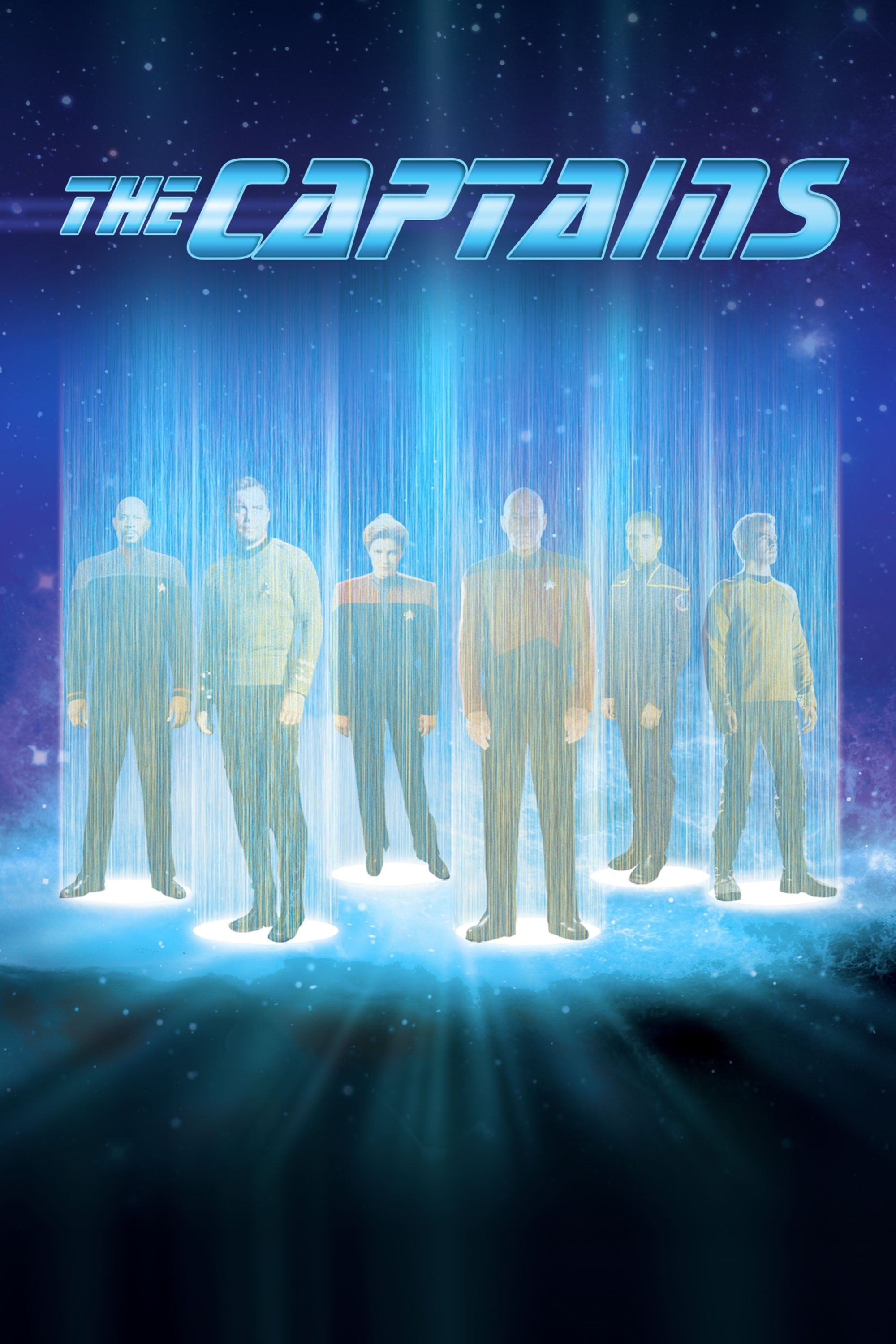
The Captains is a feature-length documentary film written and directed by William Shatner. The film follows Shatner as he interviews the other actors who have portrayed starship captains in the Star Trek franchise.
A woman walks into a New York gallery with a cache of unknown masterworks. Thus begins a story of art world greed, willfulness and a high-stakes con.
Lyrical and powerfully personal essay film that reflects on the deaths of her husband Lou Reed, her mother, her beloved dog, and such diverse subjects as family memories, surveillance, and Buddhist teachings.