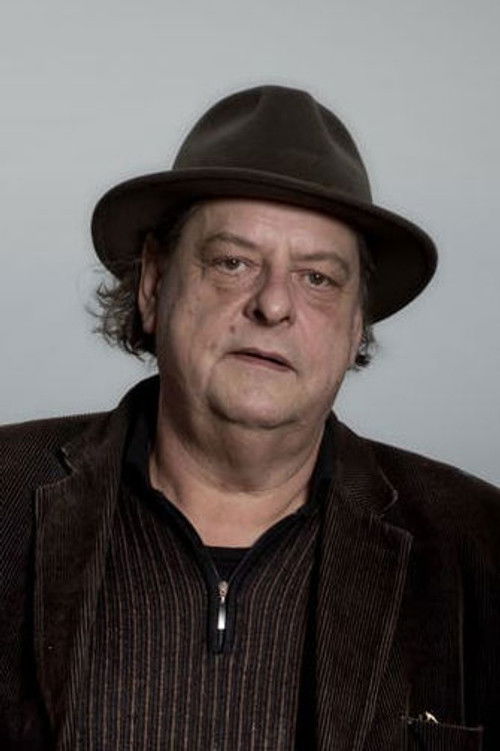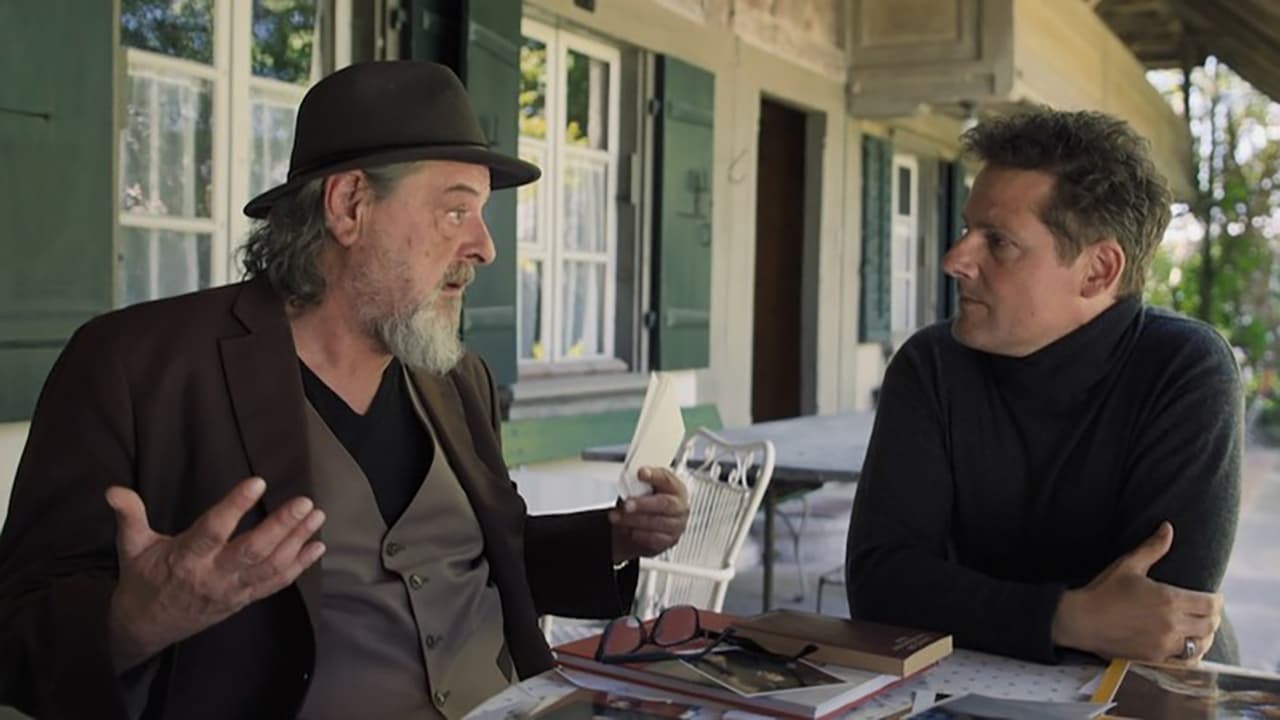
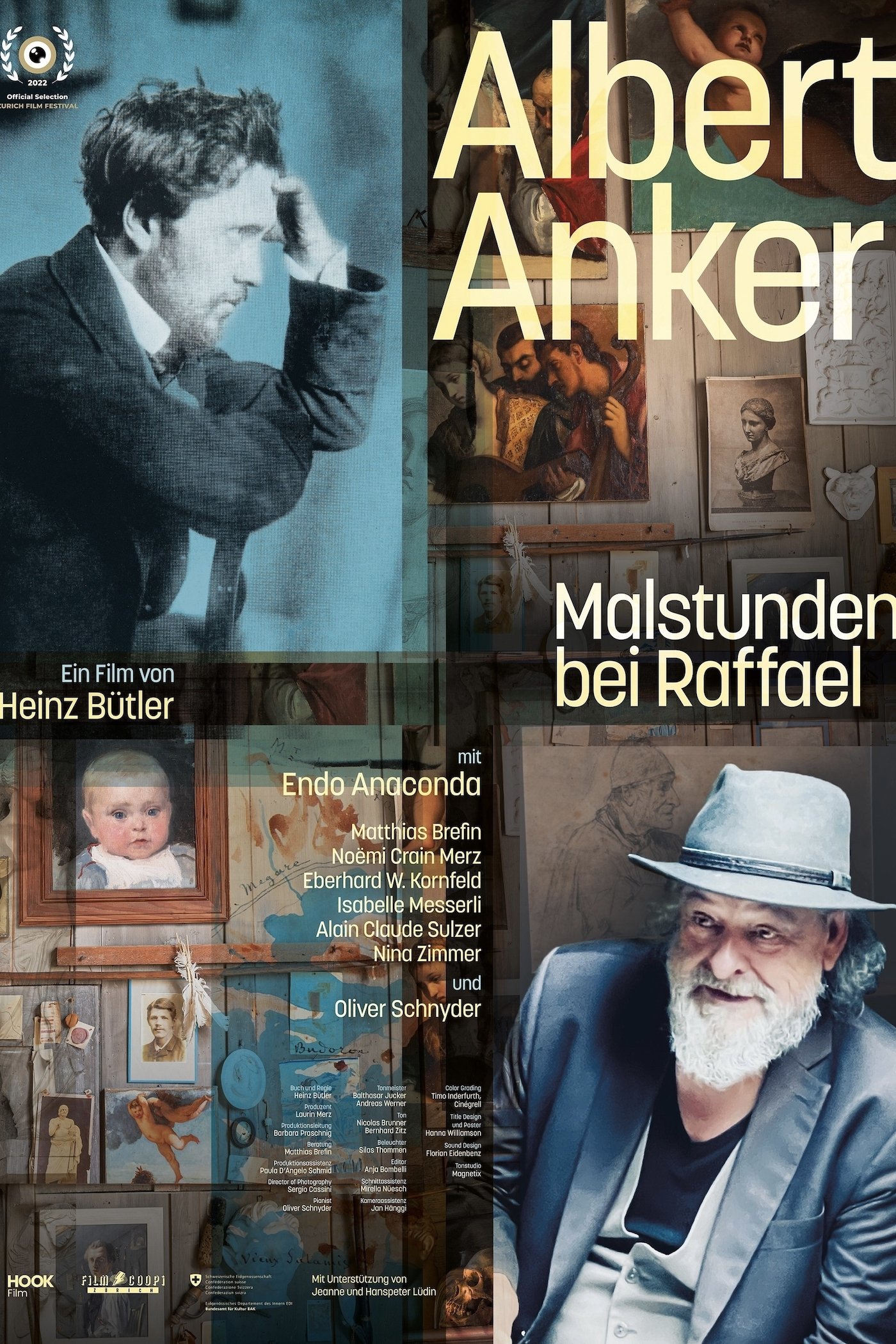
With his vivid oil paintings, Albert Anker captured Swiss folk life like no other. Together with musician Endo Anaconda we discover the "Anker-House", Anker's old studio.
Social & External
Self
A one-of-a-kind cinematographic experiment. A grotesque fairy tale, staged in the real lives of the characters. A completely self-produced movie, designed and directed by two visual artists, with the purpose of telling the tale of Artaserse, a retired worker, boxer, trainer and life-long painter. Everything is staged in an industrial, now decadent Terni; like a steel bay without the sea, here it's difficult to dream about becoming an artist. This movie is like a suburban western movie; the boxer and the painting dancing the communal square dance together, in life and death, the meeting-match between Artaserse and an allegorical and remorseless art world, and more generically, the battle of all the colorful characters, appearing throughout.
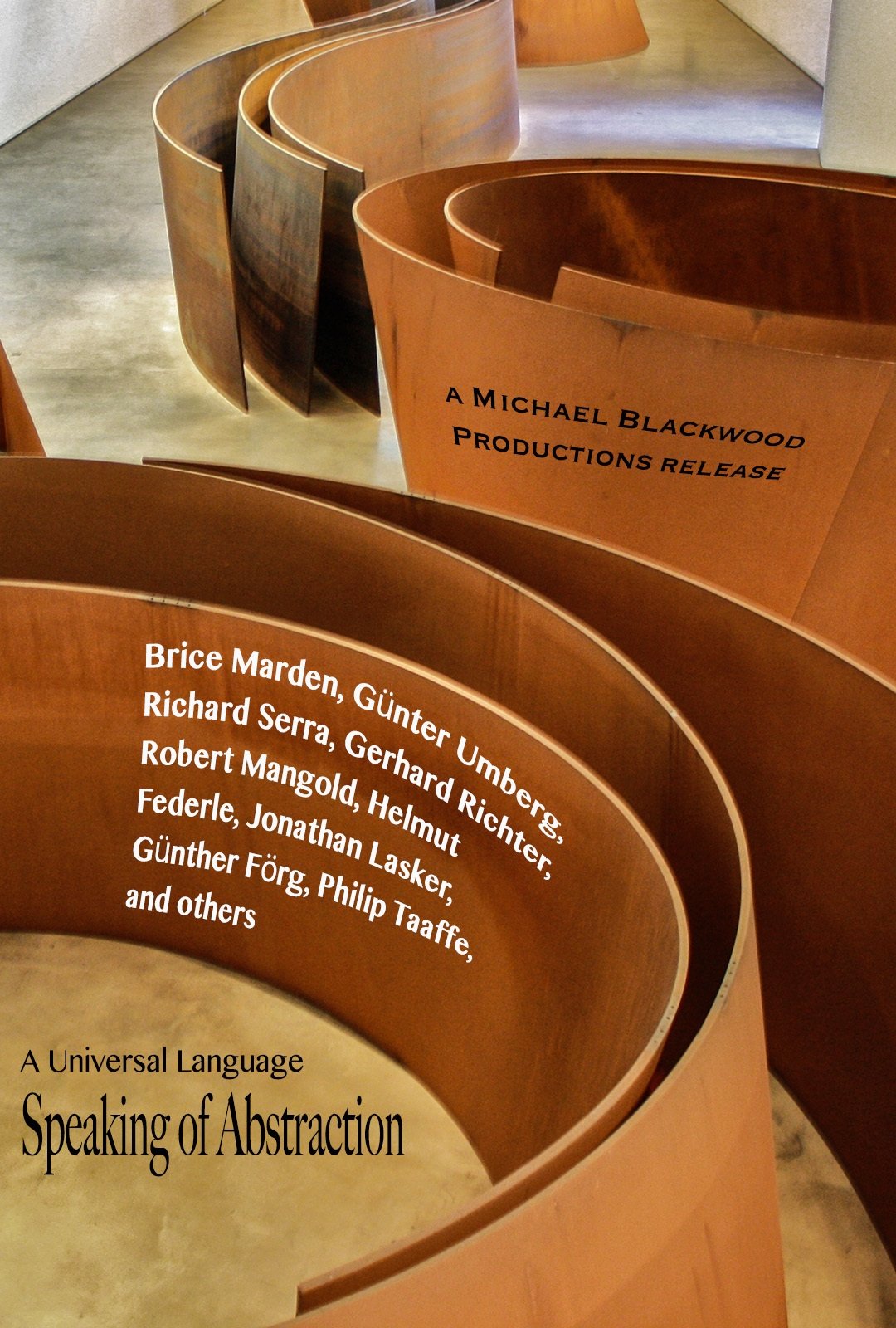
At the beginning of the twenty-first century, abstraction - that most quintessentially modernist innovation - maintains a peculiarly contradictory position. Used, on one hand, by post-modernist artists as just one more quotable style amongst many, it is on the other hand still considered an elitist or hermetic language by audiences intimidated by its lack of recognizable subject matter. Yet ultimately, abstraction continues to be a viable creative path for contemporary artists of all generations, many of whom embrace it as the most inclusive and fundamentally resonant of artistic languages. Filmed at the artists' studios, the Dia Center for the Arts, and the Guggenheim Museum during their exhibition, "Abstraction in the Twentieth Century."
Vincent Castiglia paints in human blood.
Dick Perez, official Baseball Hall of Fame artist for over 20 years, painted the game's history and every inductee - a project he continues in his 80s. This childhood immigrant's portraits changed commemoration of America's iconic pastime.
"The Man We Want to Hang" is a 12-minute short, consisting of Anger filming borrowed paintings done by legendary and controversial occultist Aleister Crowley.
A portrait of the artist as a "sublime demon with the archangel's face", with an innovative musique concrète soundtrack.
To mark the artist Fernando Botero's 75th birthday, Peter Schamoni made a documentary film about his moving life. Fernando Botero is immediately recognizable by his colourful and exuberant works. Schamoni convinces us that, behind the cliché of the naïve, Fernando Botero is an artist who also devotes himself to serious and profound themes. Schamoni not only accompanies Botero to Tuscany, where he creates his sculptures, and to his Parisian painter's studio. The film also takes us on a journey to Colombia, where Schamoni lets the viewer take part in the world in which the artist lives and works, in the highs and lows of his life.
An intimate portrait of Matthew Shepard, the gay young man murdered in one of the most notorious hate crimes in U.S. history. Framed through a personal lens, it's the story of loss, love, and courage in the face of unspeakable tragedy.
Orientalism is a literary and artistic movement born in Western Europe in the 18th century. Through its scale and popularity, throughout the 19th century, it marked the interest and curiosity of artists and writers for the countries of the West (the Maghreb) or the Levant (the Middle East). Orientalism was born from the fascination of the Ottoman Empire and followed its slow disintegration and the progression of European colonizations. This exotic trend is associated with all the artistic movements of the 19th century, academic, romantic, realistic or even impressionist. It is present in architecture, music, painting, literature, poetry... Picturesque aesthetics, confusing styles, civilizations and eras, orientalism has created numerous clichés and clichés that we still find today in literature or cinema.
Dedicated to the portrait work of Paul Cézanne, the exhibition opens in Paris before traveling to London and Washington. One cannot appreciate 20th century art without understanding the significance and genius of Paul Cézanne. Filmed at the National Portrait Gallery in London, with additional interviews from experts and curators from MoMA in New York, National Gallery of Art in Washington DC, and Musée d’Orsay in Paris, and correspondence from the artist himself, the film takes audiences to the places Cézanne lived and worked and sheds light on an artist who is perhaps one of the least known and yet most important of all the Impressionists.
This film tells Jean-Michel's story through exclusive interviews with his two sisters Lisane and Jeanine, who have never before agreed to be interviewed for a TV documentary. With striking candour, Basquiat's art dealers - including Larry Gagosian, Mary Boone and Bruno Bischofberger - as well as his most intimate friends, lovers and fellow artists, expose the cash, the drugs and the pernicious racism which Basquiat confronted on a daily basis. As historical tableaux, visual diaries of defiance or surfaces covered with hidden meanings, Basquiat's art remains the beating heart of this story.
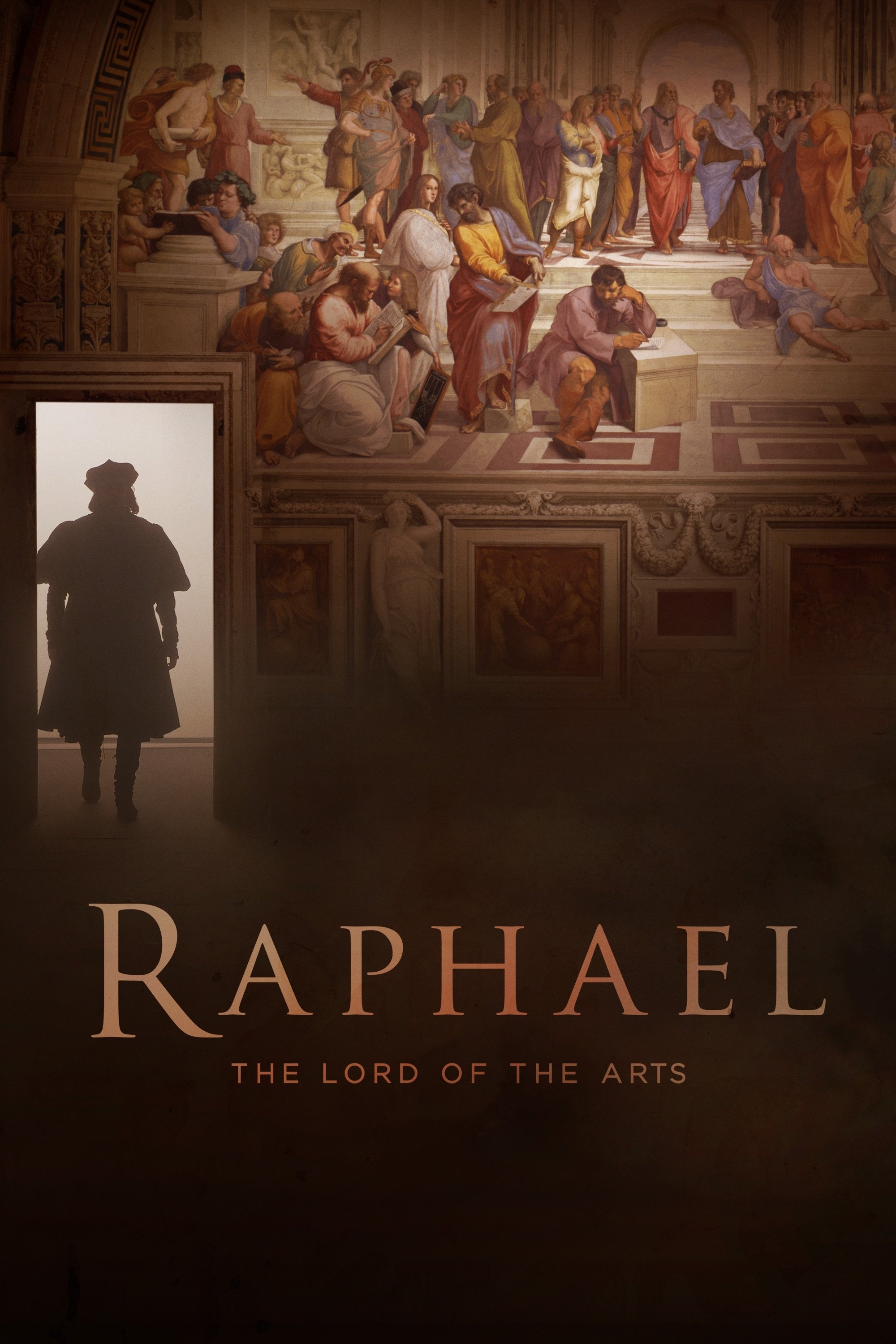
Raphael: The Lord of the Arts is a documentary about the 15th century Italian Renaissance painter Raphael Sanzio.
We go behind the scenes and into the minds of artists as they capture, commemorate, and, at times, condemn our presidents.
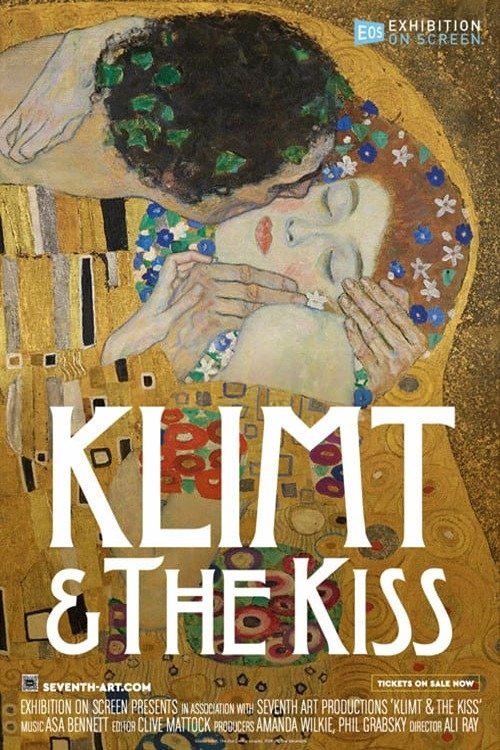
The Kiss by Gustav Klimt is one of the most recognised and reproduced paintings in the world. It is perhaps the most popular poster on student dorm walls from Beijing to Boston. Painted in Vienna around 1908, the evocative image of an unknown embracing couple has captivated viewers with its mystery, sensuality and dazzling materials ever since it was created. But just what lies behind the appeal of the painting – and just who was the artist that created it? Delving into the details of real gold, decorative designs, symbolism and simmering erotica, a close study of the painting takes us to the remarkable turn of the century Vienna when a new world was battling with the old.
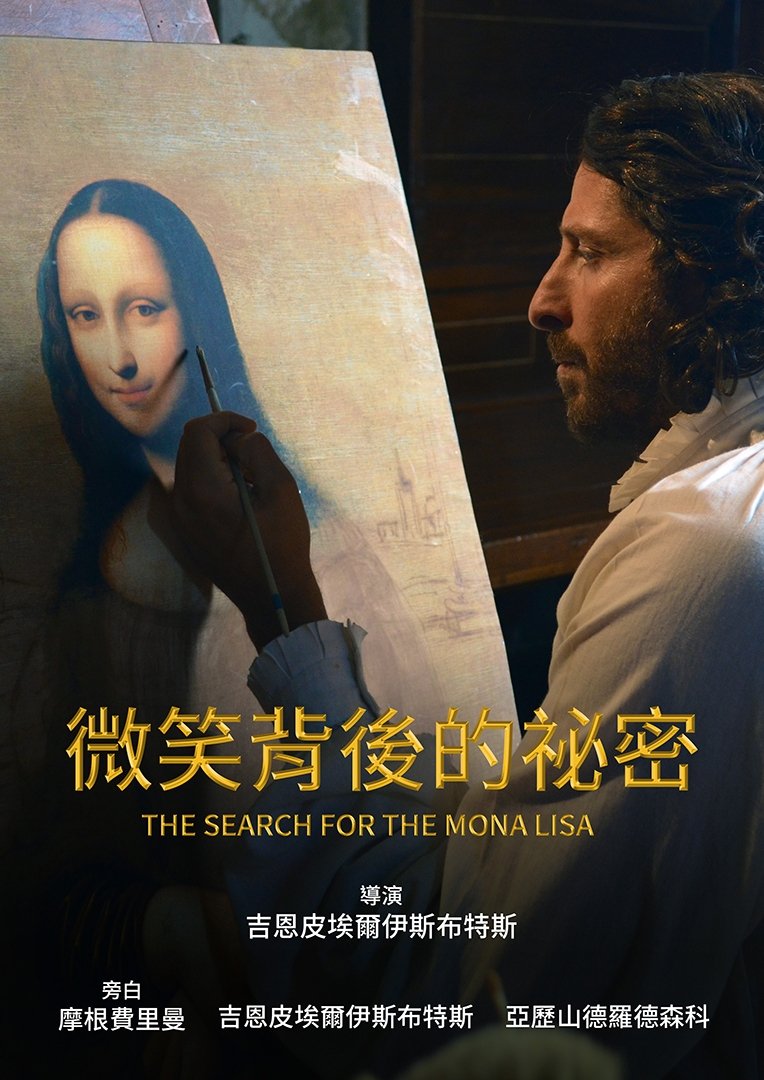
Janina Ramirez explores the BBC archives to create a TV history of Leonardo Da Vinci, discovering what lies beneath the Mona Lisa and even how he acquired his anatomical knowledge.
The Victorian era is often cited for its lack of sexuality, but as this documentary reveals, the period's artists created a strong tradition surrounding the classical nude figure, which spread from the fine arts to more common forms of expression. The film explains how 19th-century artists were inspired by ancient Greek and Roman works to highlight the naked form, and how that was reflected in the evolving cultural attitudes toward sex.
A young working class Baltimore man spends 10 years on a single portrait, believing it is his means to fame and fortune. But he also believes that only one man can lead him there---the famous artist David Hockney. What happens when you finally meet the god of your own making?
Portrait of the Italian sculptor Donatello (1386-1466), a precursor of the High Renaissance who considerably influenced sculptural art with his innovative way of conceiving space. Donatello is already a legend in his own lifetime. The sculptor is the forefather of the High Renaissance and pioneer for artists such as Raphael or Michelangelo. His bronze sculpture of the "David" or the "Pazzi Madonna" in marble are icons of art history and testify to his sculptural power of renewal.
This unique cinematic experience dives deep into an artist’s work and reveals his life path, inspiration, and creative process. It explores his fascination with myth and history. Past and present are interwoven to diffuse the line between film and painting, allowing the audience to be completely immersed in the remarkable world of one of the greatest contemporary artists, Anselm Kiefer. Wim Wenders shot this unique portrait over the course of two years in stunning 3D.
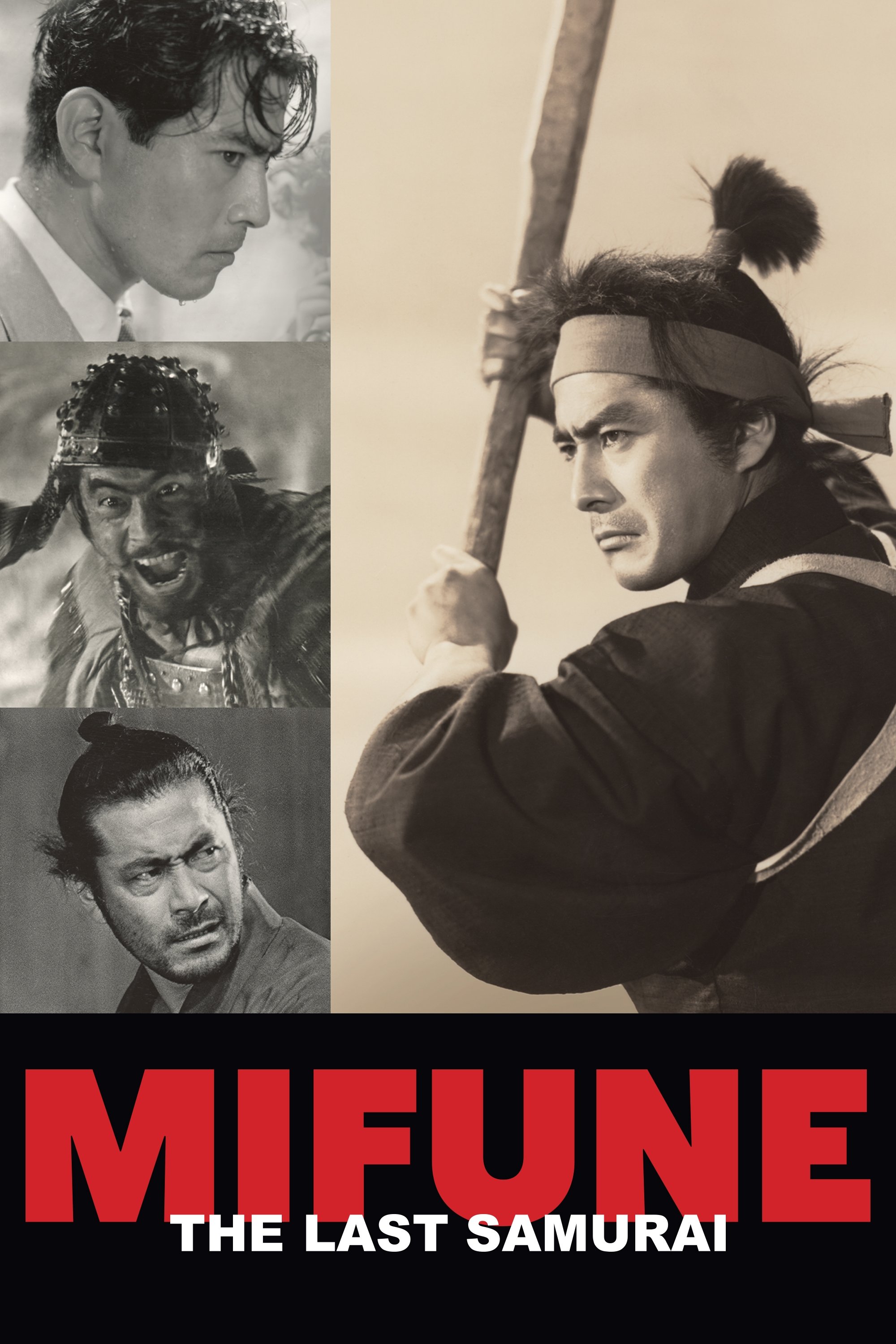
An account of the life and work of legendary Japanese actor Toshirō Mifune (1920-97), the most prominent actor of the Golden Age of Japanese cinema.
The wild West Berlin of the 1980s became the creative melting pot of pop subcultures: music, art and chaos. Before the Iron Curtain fell, anything and everything seemed possible.
Before computer graphics, special effects wizardry, and out-of-this world technology, the magic of animation flowed from the pencils of two of the greatest animators The Walt Disney Company ever produced -- Frank Thomas and Ollie Johnston. Frank and Ollie, the talent behind BAMBI, PINOCCHIO, LADY AND THE TRAMP, THE JUNGLE BOOK, and others, set the standard for such modern-day hits as THE LION KING. It was their creative genius that helped make Disney synonymous with brilliant animation, magnificent music, and emotional storytelling. Take a journey with these extraordinary artists as they share secrets, insights, and the inspiration behind some of the greatest animated movies the world has ever known!
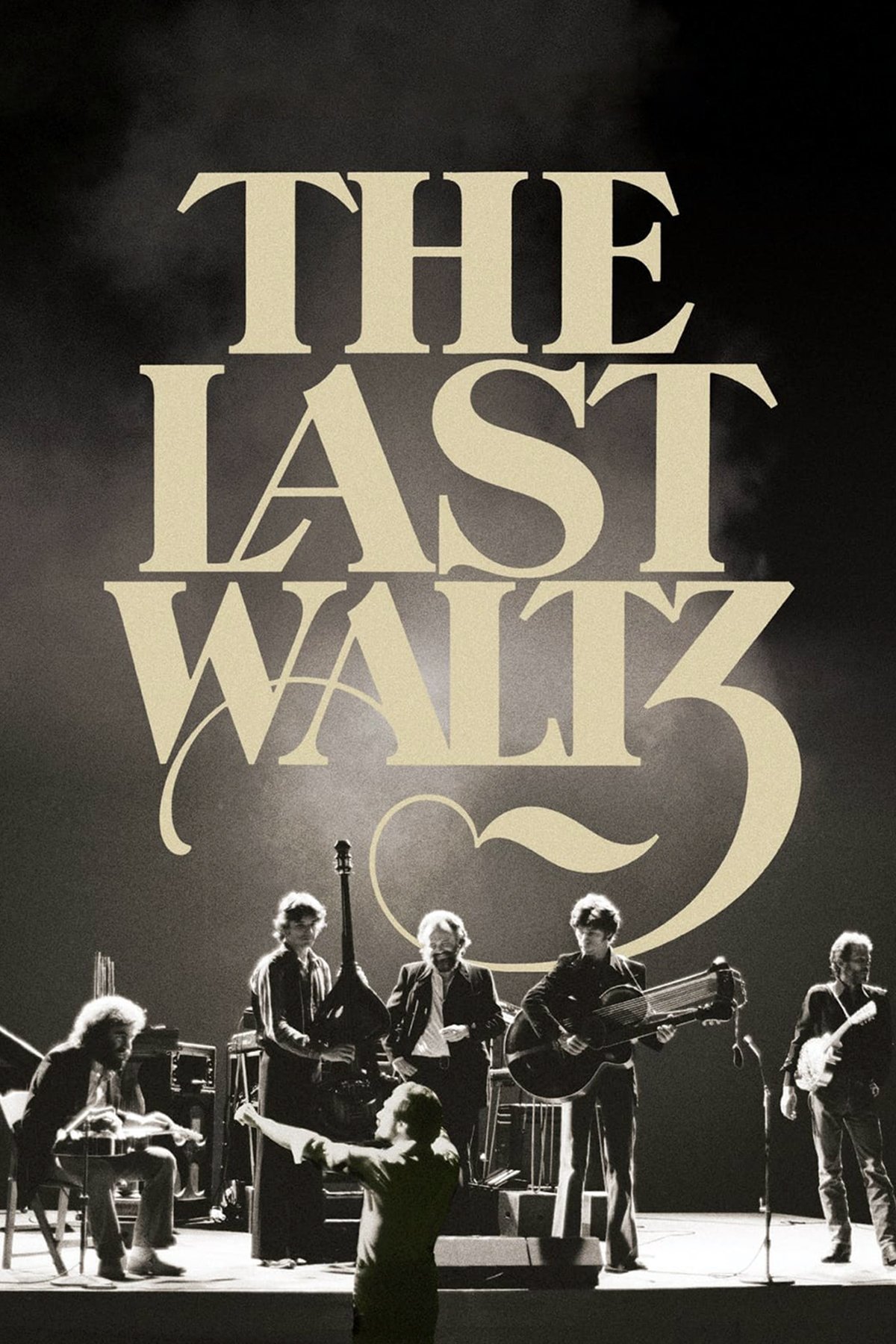
Martin Scorsese's documentary intertwines footage from The Band's incredible farewell tour with probing backstage interviews and featured performances by Eric Clapton, Bob Dylan, Joni Mitchell, Van Morrison, and other rock legends.
A study of the psychology of a champion ski-flyer, whose full-time occupation is carpentry.
After experiencing traumatic nightmares of a time now past, the Sorceress summons Prince Adam and Cringer to Castle Grayskull to give Adam a precious, jeweled sword and send the pair to the planet Etheria to investigate its secrets.
As his life comes to its end, famous Hollywood director Orson Welles puts it all on the line at the chance for renewed success with the film The Other Side of the Wind.
Artists in LA discover the work of forgotten Polish sculptor Stanislav Szukalski, a mad genius whose true story unfolds chapter by astounding chapter.
A visual montage portrait of our contemporary world dominated by globalized technology and violence.
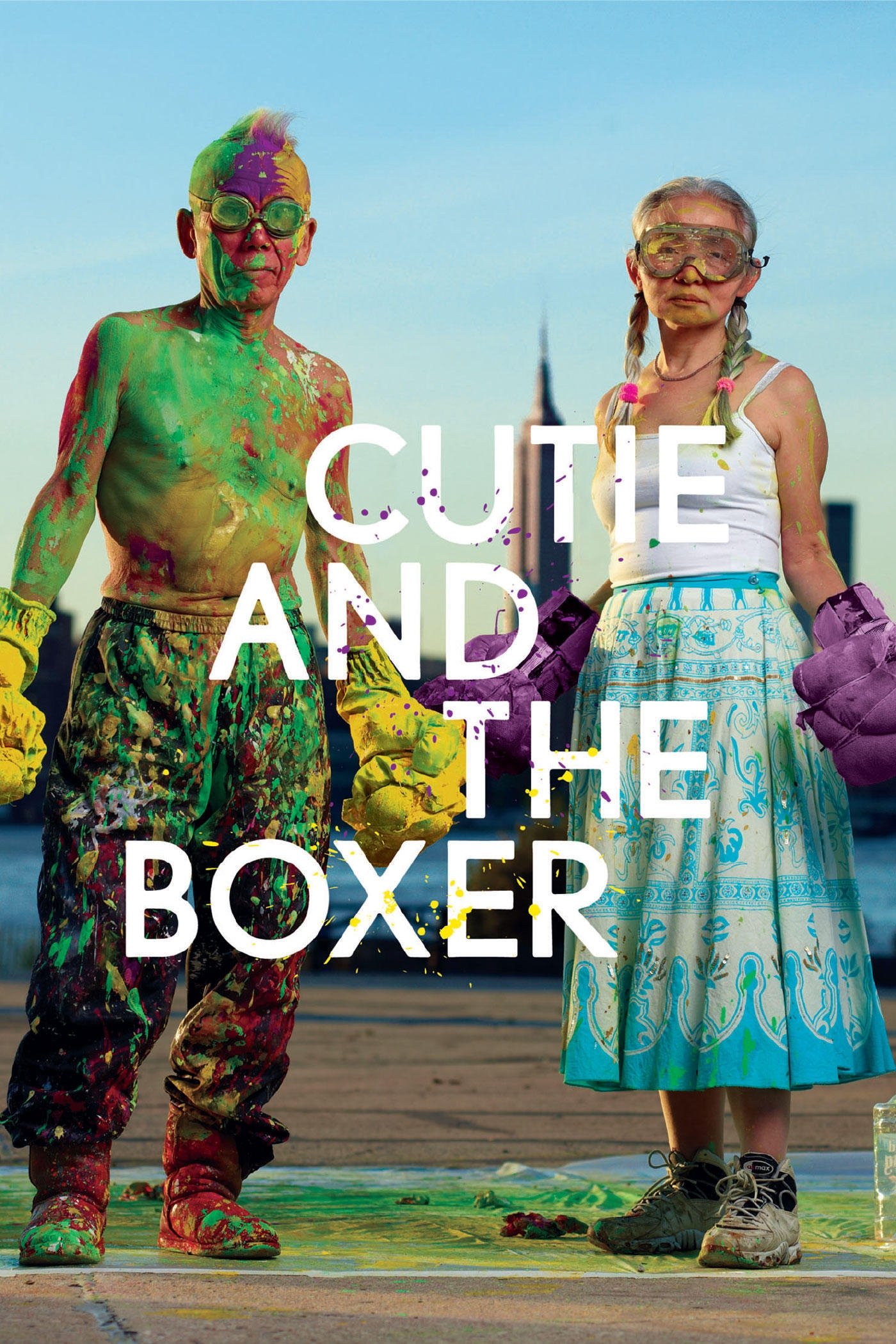
This candid New York love story explores the chaotic 40-year marriage of famed boxing painter Ushio Shinohara and his wife, Noriko. Anxious to shed her role as her overbearing husband's assistant, Noriko finds an identity of her own.
Those who knew iconic funnyman John Candy best share his story, in their own words, through never-before-seen archival footage, imagery, and interviews.
An intimately raw and magical journey through the life, mind, and heart of iconic artist Frida Kahlo. Told through her own words for the very first time — drawn from her diary, revealing letters, essays, and print interviews — and brought vividly to life by lyrical animation inspired by her unforgettable artwork.
A chronological account of the influential late 1970s English rock band.
A backstage and on-stage look at Justin Bieber during his rise to super stardom.
A documentary examining the decade of the 1970s as a turning point in American cinema. Some of today's best filmmakers interview the influential directors of that time.
Follow the evolution of the 'Halloween' movies over the past twenty-five years. It examines why the films are so popular and revisits many of the original locations used in the films - seeing the effects on the local community. For the first time, cast, crew, critics and fans join together in the ultimate 'Halloween' retrospective.
When Allied forces liberated the Nazi concentration camps in 1944-45, their terrible discoveries were recorded by army and newsreel cameramen, revealing for the first time the full horror of what had happened. Making use of British, Soviet and American footage, the Ministry of Information’s Sidney Bernstein (later founder of Granada Television) aimed to create a documentary that would provide lasting, undeniable evidence of the Nazis’ unspeakable crimes. He commissioned a wealth of British talent, including editor Stewart McAllister, writer and future cabinet minister Richard Crossman – and, as treatment advisor, his friend Alfred Hitchcock. Yet, despite initial support from the British and US Governments, the film was shelved, and only now, 70 years on, has it been restored and completed by Imperial War Museums under its original title "German Concentration Camps Factual Survey".
The life and career of one of comedy's most inimitable modern voices, Mr. Gilbert Gottfried.
Through deeply personal interviews with her siblings and an examination of the photographs, letters, and belongings left behind, Mariska assembles a new portrait of her mother Jayne Mansfield, an extraordinary and complex woman.