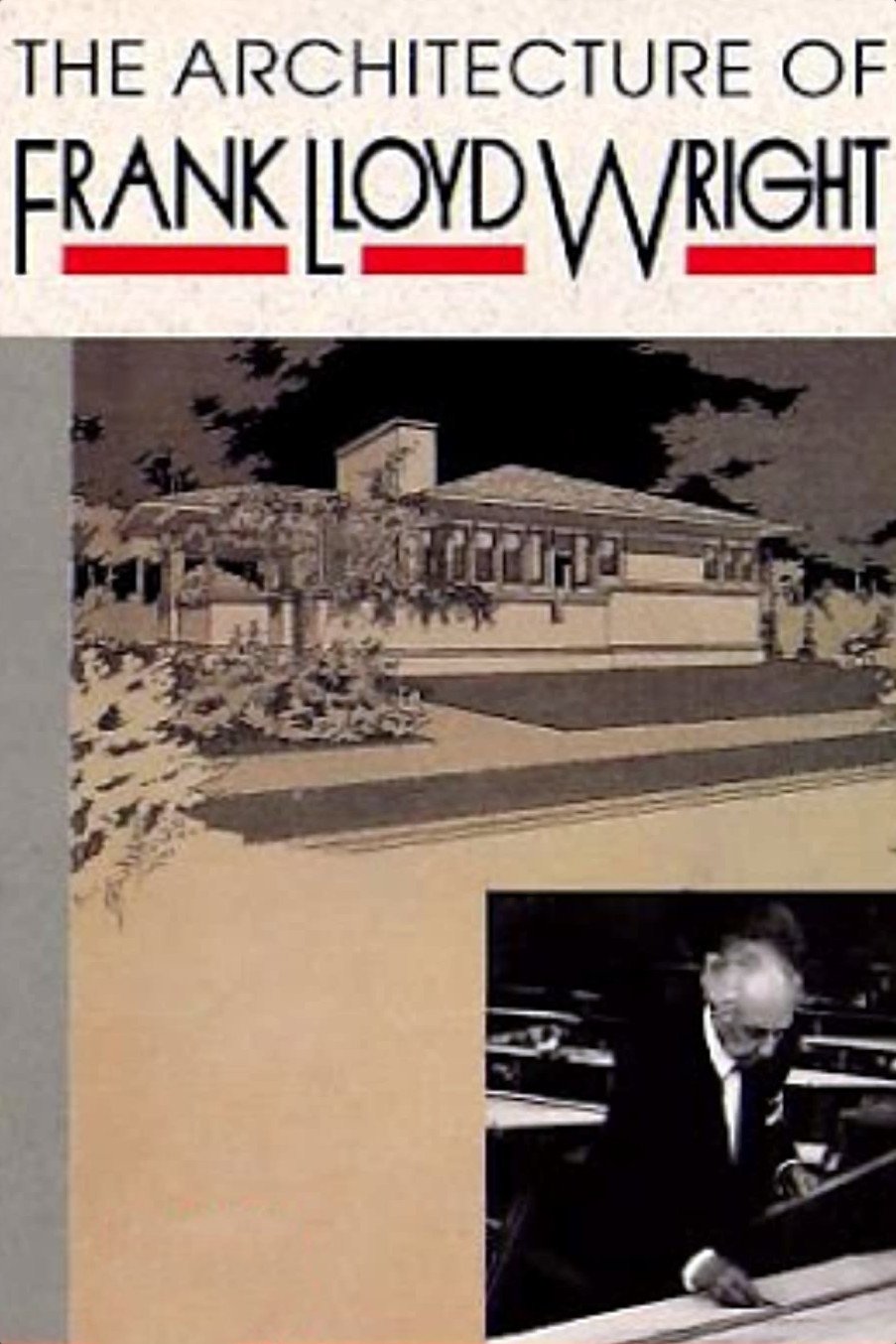
Documentary on the work of Frank Lloyd Wright's architecture.
Social & External
The people behind it
Anne Baxter
Narrator
Frank Lloyd Wright
Self
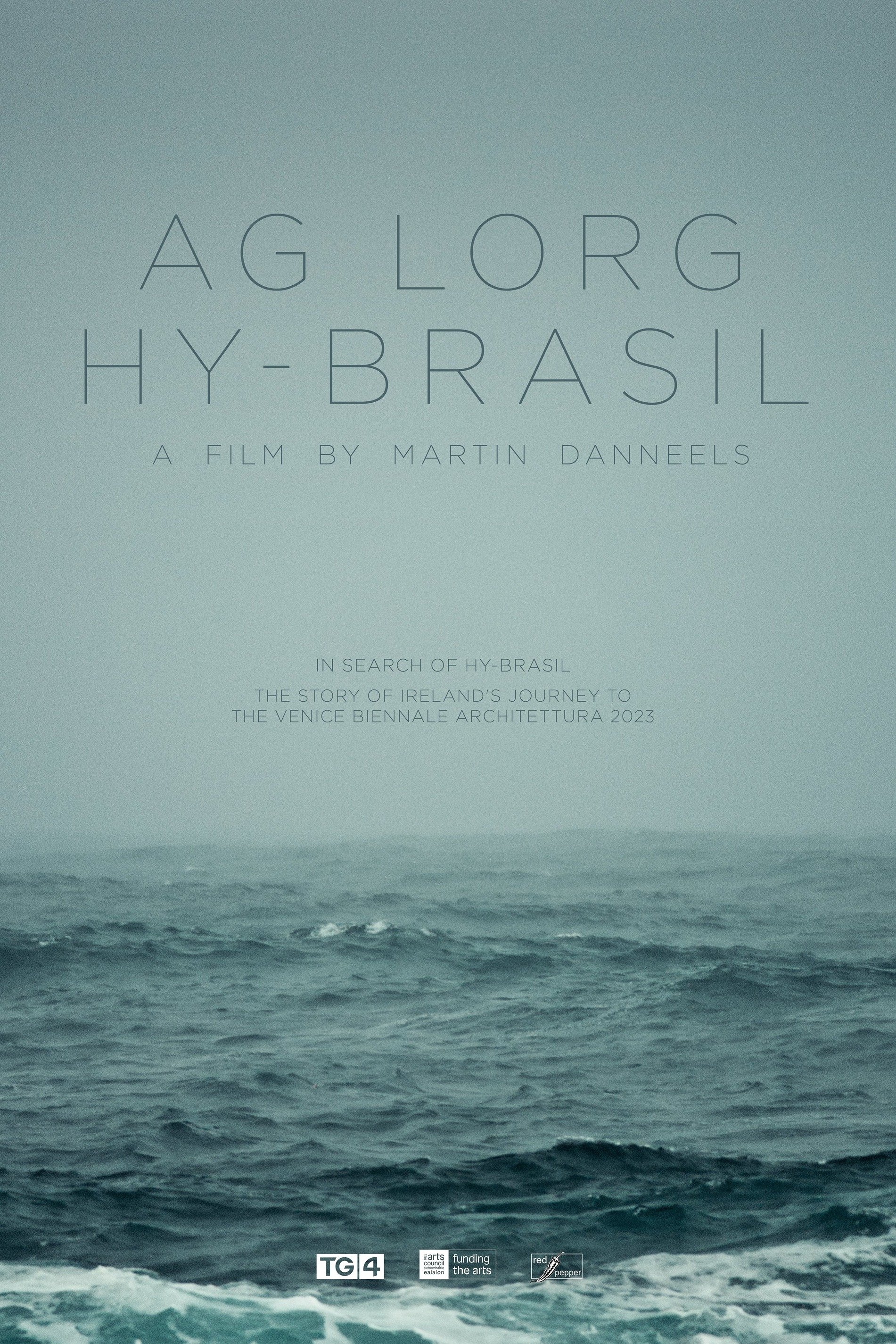
In Search of Hy-Brasil contemplates the textures and rhythms of island life. It brings to the fore the symbiotic relationship that exists between islanders and their elemental surroundings, and how their existences are formed and shaped by raw materials.
Behind the iconic Eiffel Tower lies the story of an incredible challenge to erect a thousand-foot tower that went far beyond a design competition, and marked a major turning point in engineering history. It was the beginning of radical transformation where iron was pitted against stone, engineering against architecture, and modern design against ancients. Press campaigns, lobbying, public conferences, denigration of opposing projects, bragging about big names - all participants engaged in a fierce battle without concession. Using 3D recreations, official sources (reports, letters, drawings...) and intimate archives obtained from their descendants, this film will bring to life this vertical race through a fresh and visual way to mark the centenary of Eiffel death.
A portrait of the German city of Ulm and it's social activities, fassades, court building. Also about the role of the district court during National Socialism.
Presented in the guise of an autobiography, this program describes the life and work of Antoni Gaudí. It highlights his personality, his sensitivity and the images of his art.
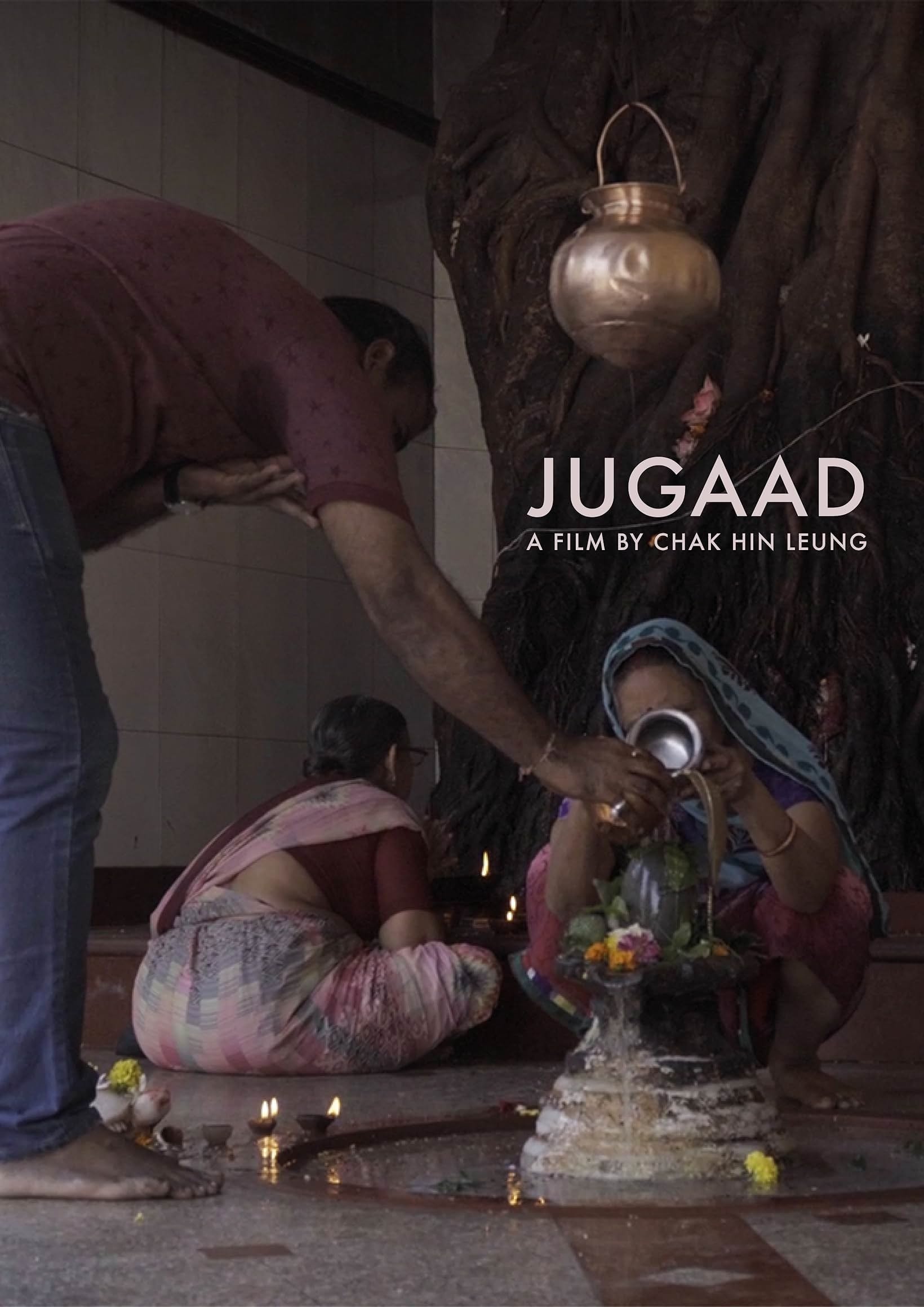
Jugaad is a Hindi word that can be translated as "innovative or effective solution that bends the rules". It refers to the extreme capacity developed by Mumbai's inhabitants to adapt and get around any type of constraint or obstacle posed by the city's urban structure. In a relatively small piece of land where 21 million people live today, the inhabitants of Mumbai demonstrate great creativity when it comes to managing the spaces (for sale, for prayer, for traffic) and the flows that cross them every day. Without using language, Hong Kong artist Chak Hin Leung brings together in this video a dozen unique situations in which people, animals, vehicles and natural elements intermingle and brush up against each other, without ever colliding.
A biography documentary of the Argentine modernist architect Amancio Williams.
A short film about traditional crafts and culture that can still be found in the Wallachian mountains today.
The testimony of an artist who continues to believe in the socialist ideal. The story of a man who loves women.
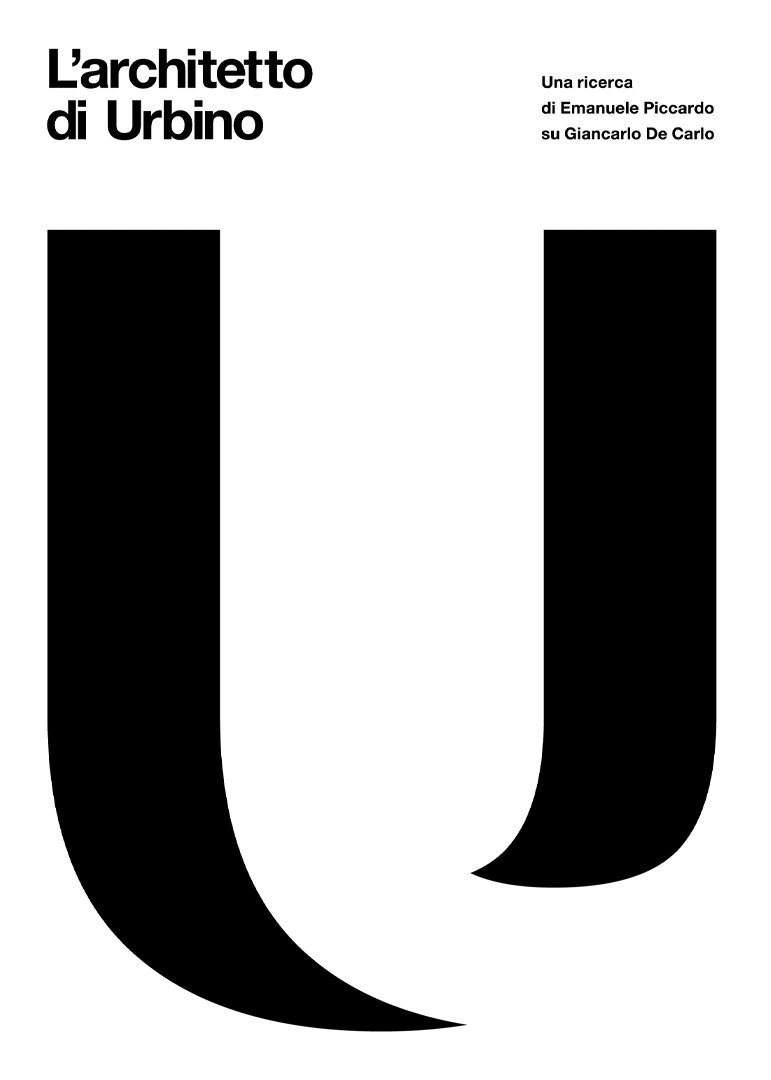
The Italian architect Giancarlo De Carlo (Genoa 1919 - Milan 2005), inspires generations of architects all over the world. His philosophy still remain a school subject. The film, inspired by Franco Buncuga's book “Conversations with Giancarlo de Carlo”, recalls an imaginary trip from Genoa to Urbino, guiding the audience through the historical town center, the Palazzo Ducale and the masterpieces of the Italian Renaissance architect Francesco di Giorgio Martini, which made the Urbino so great.
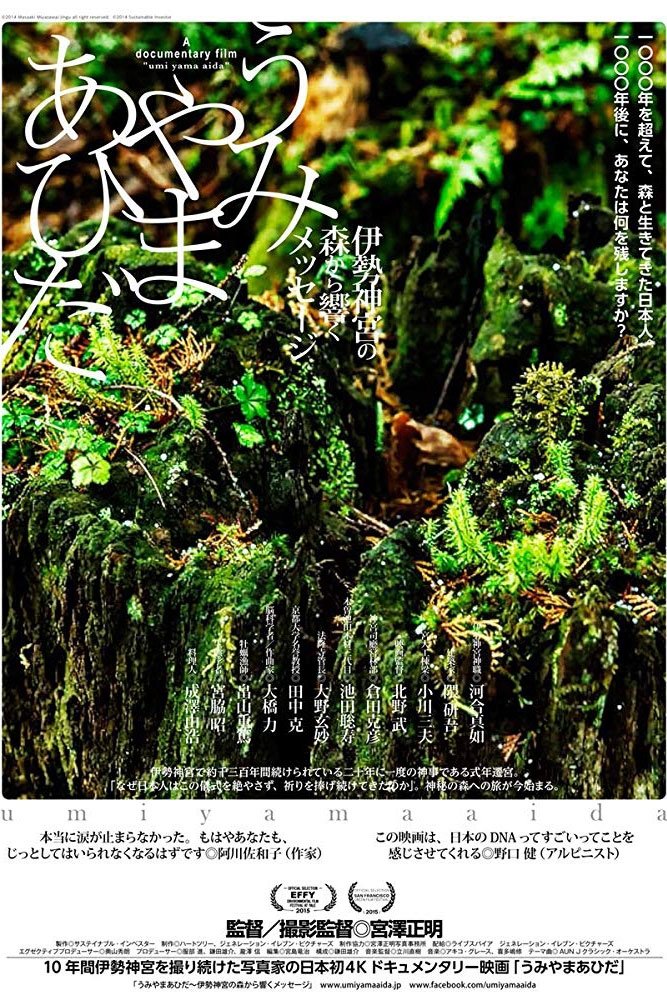
Finding their place between the forest and the sea, the Japanese have always felt awe and gratitude toward Nature. Since ancient times, they have negotiated their own unique relationship with their natural surroundings. Acclaimed photographer Masa-aki Miyazawa discovered the essence of that ancient way of living in Ise Jingu, Japan’s holiest Shinto shrine. Inspired by the idea of sending a message to the future in the same way this ancient shrine keeps alive the traditions of the past, Miyazawa used an ultra-high resolution 4K camera to create a breathtaking visual journey linking the Ise forest with other forests throughout Japan.
Poème Électronique is an 8-minute piece of electronic music by composer Edgard Varèse, written for the Philips Pavilion at the 1958 Brussels World’s Fair. The Philips corporation commissioned Le Corbusier to design the pavilion, which was intended as a showcase of their engineering progress. The pavilion was shaped like a stomach, with a narrow entrance and exit on either side of a large central space. As the audience entered and exited the pavilion, the electronic composition Concret PH by Iannis Xenakis (who also acted as Le Corbusier's architectural assistant for the pavilion's design) was heard. Poème électronique was synchronized to a film of black and white photographs selected by Le Corbusier which touched on vague themes of human existence.
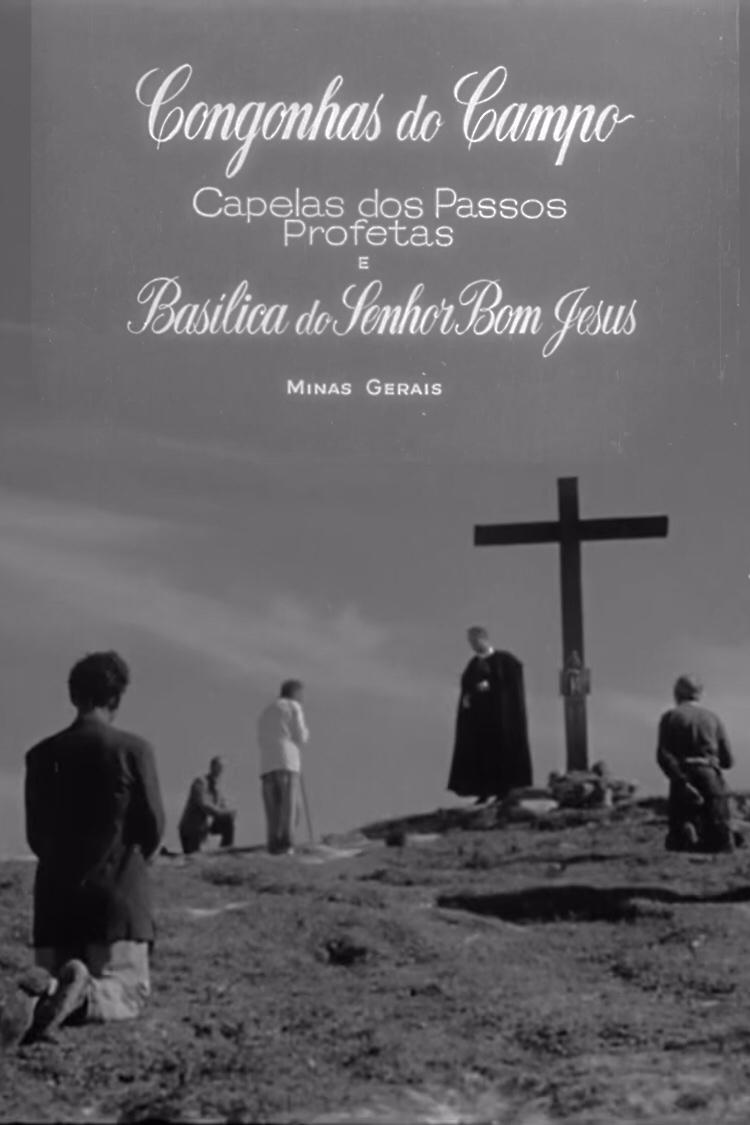
Aspects of the city of Congonhas do Campo. The preponderance of baroque architecture, the Basilica of Senhor Bom Jesus de Matozinho, the six chapels on the terrace leading to Morro do Maranhão. Each chapel contains statues representing moments of the Passion of Christ. While in the first chapel there is Santa Ceia figuration, in the second there is the Passo Horto scene. The kiss of betrayal and the imprisonment of Christ before the scene of the third chapel. In the fourth, two scenes are gathered: the coronation and the flagellation. On the fifth, the Christ bears the cross and the crucifixion is featured in the sixth chapel. The twelve apostles of Aleijadinho and the Latin inscriptions of each one. The interior of the Basilica and its main altar, with the figure of the Lord Dead.
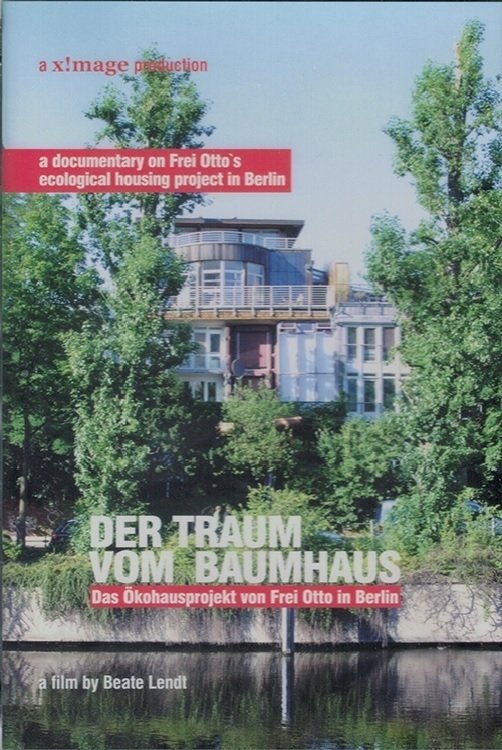
A film about the pioneering community-building project of the world-famous architect Frei Otto in Berlin, called the Okohaus-an experimental, ecological, customized housing project in the city center. Including interviews with Frei Otto, Christine Kanstinger-Otto, Hermann Kendel, Yona Friedman, Anne Lacaton and Jean-Philippe Vassal, and other involved architects, planners, and inhabitants, the film shows the development and the philosophy of the project, which was built for the International Building Exhibition in Berlin 1987 (IBA).
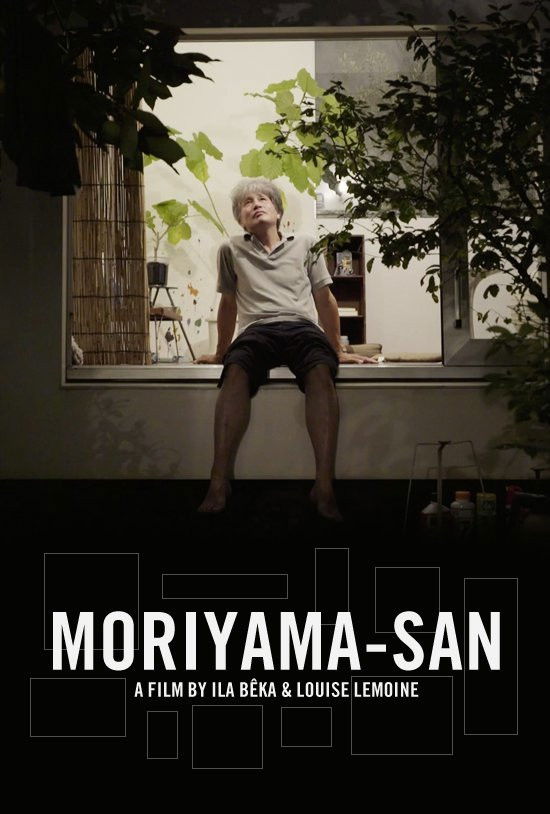
One week in the extraordinary-ordinary life of Mr. Moriyama, a Japanese art, architecture and music enlighted amateur who lives in one of the most famous contemporary Japanese architecture, the Moriyama house, built in Tokyo in 2005 by Pritzker-prize winner Ryue Nishizawa (SANAA). Introduced in the intimacy of this experimental microcosm which redefines completely the common sense of domestic life, Ila Bêka recounts in a very spontaneous and personal way the unique personality of the owner: a urban hermit living in a small archipelago of peace and contemplation in the heart of Tokyo. From noise music to experimental movies, the film let us enter into the ramification of the Mr. Moriyama's free spirit. Moriyama-San, the first film about noise music, acrobatic reading, silent movies, fireworks and Japanese architecture!
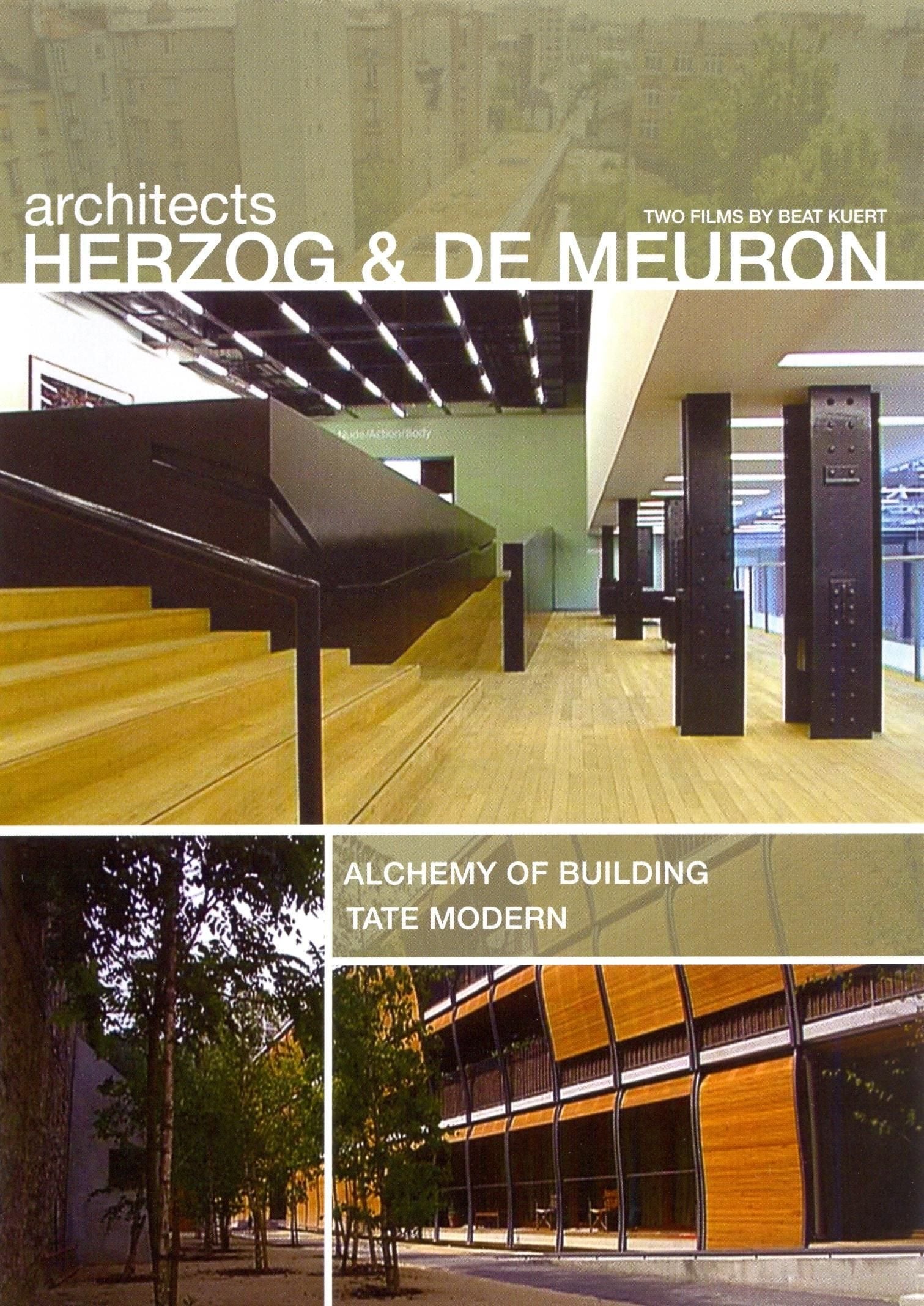
Visiting examples of Herzog and de Meurons ground-breaking style, this film reflects their capacity to astonish and explore the way in which they transform what might otherwise be ordinary through new treatments and techniques.
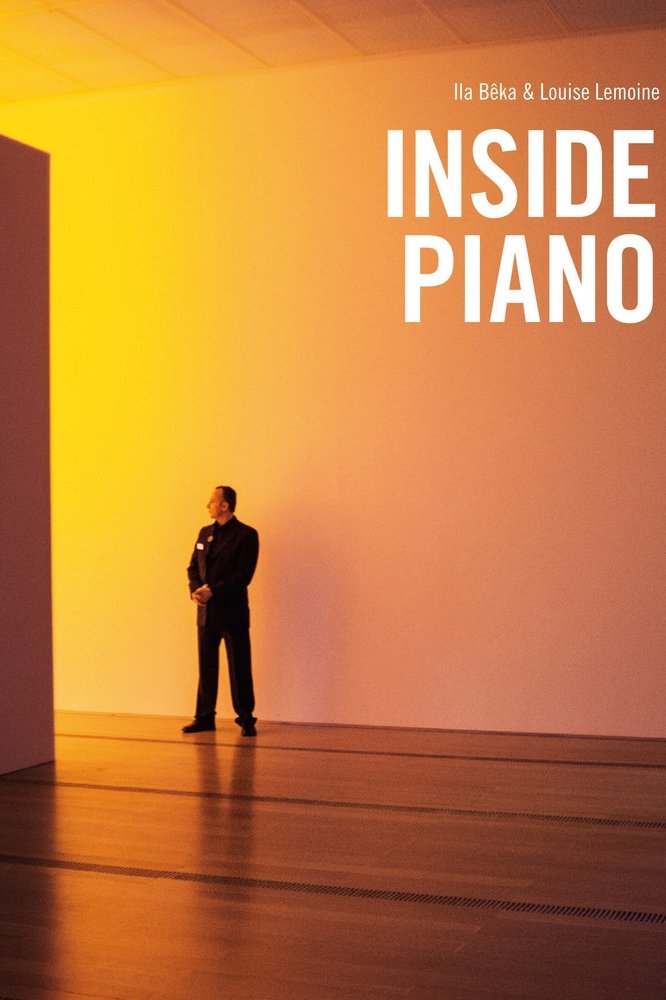
The fifth project of the Living Architectures series, Inside Piano is composed of three films on three symbolic buildings of Renzo Piano's career. A visit throughout the prototype-building of the Centre Pompidou. An immersion in the soundproof world of a submarine floating in the depths of the Parisian underground. A journey aboard a luminous magic carpet of a highly sophisticated architectural machine. A humorous, caustic and quirky point of view.
The life and career of an actor, artist, and icon. His own journey through his own camera.
The film follows adventurer Jeff Johnson as he retraces the epic 1968 journey of his heroes Yvon Chouinard and Doug Tompkins to Patagonia.
Daniel Craig candidly reflects on his 15 year adventure as James Bond. Including never-before-seen archival footage from Casino Royale to the upcoming 25th film No Time To Die, Craig shares his personal memories in conversation with 007 producers, Michael G Wilson and Barbara Broccoli.
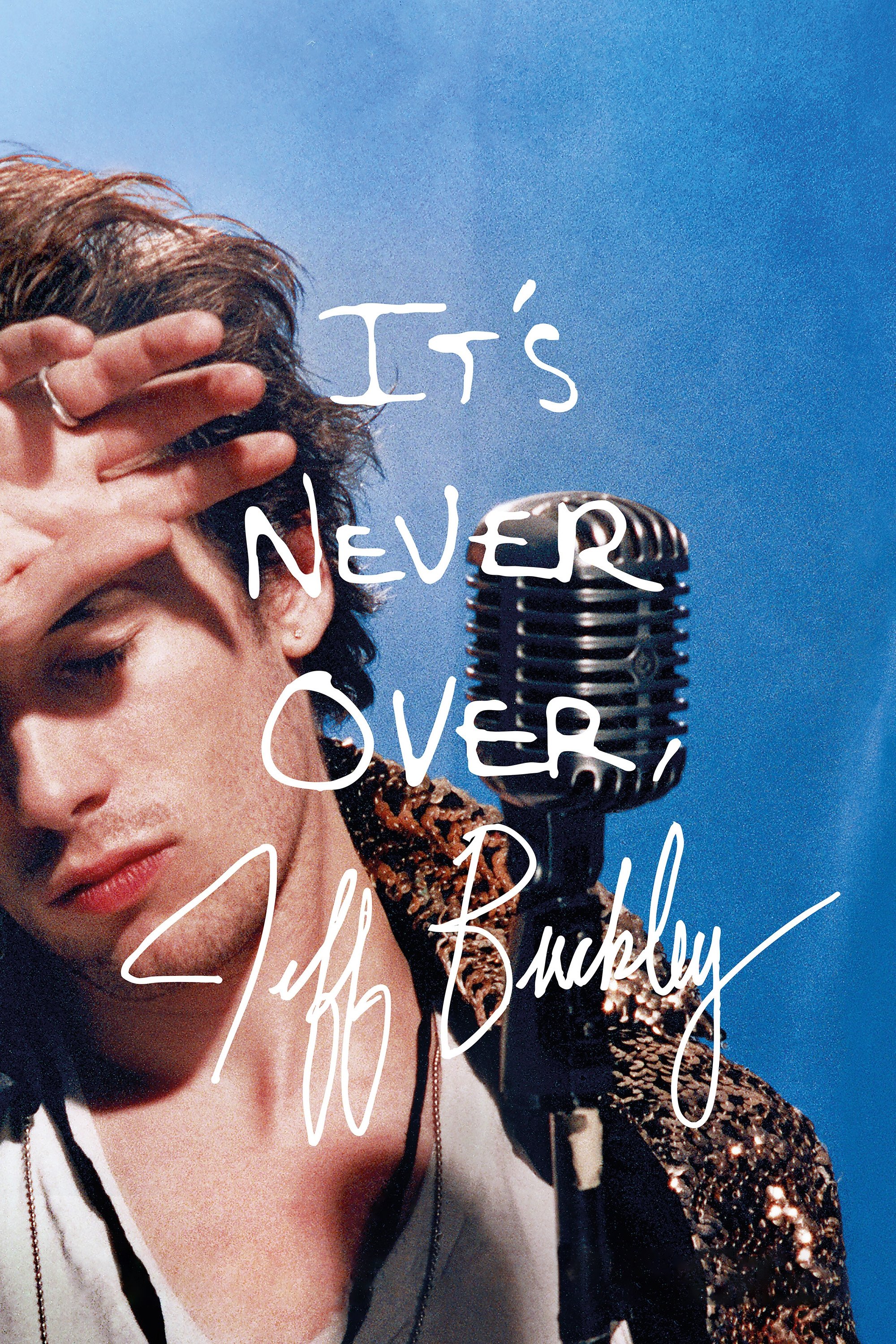
Rising musician Jeff Buckley had only released one album when he died suddenly in 1997. Now, never-before-seen footage, exclusive voice messages, and accounts from those closest to him offer a portrait of the captivating singer.
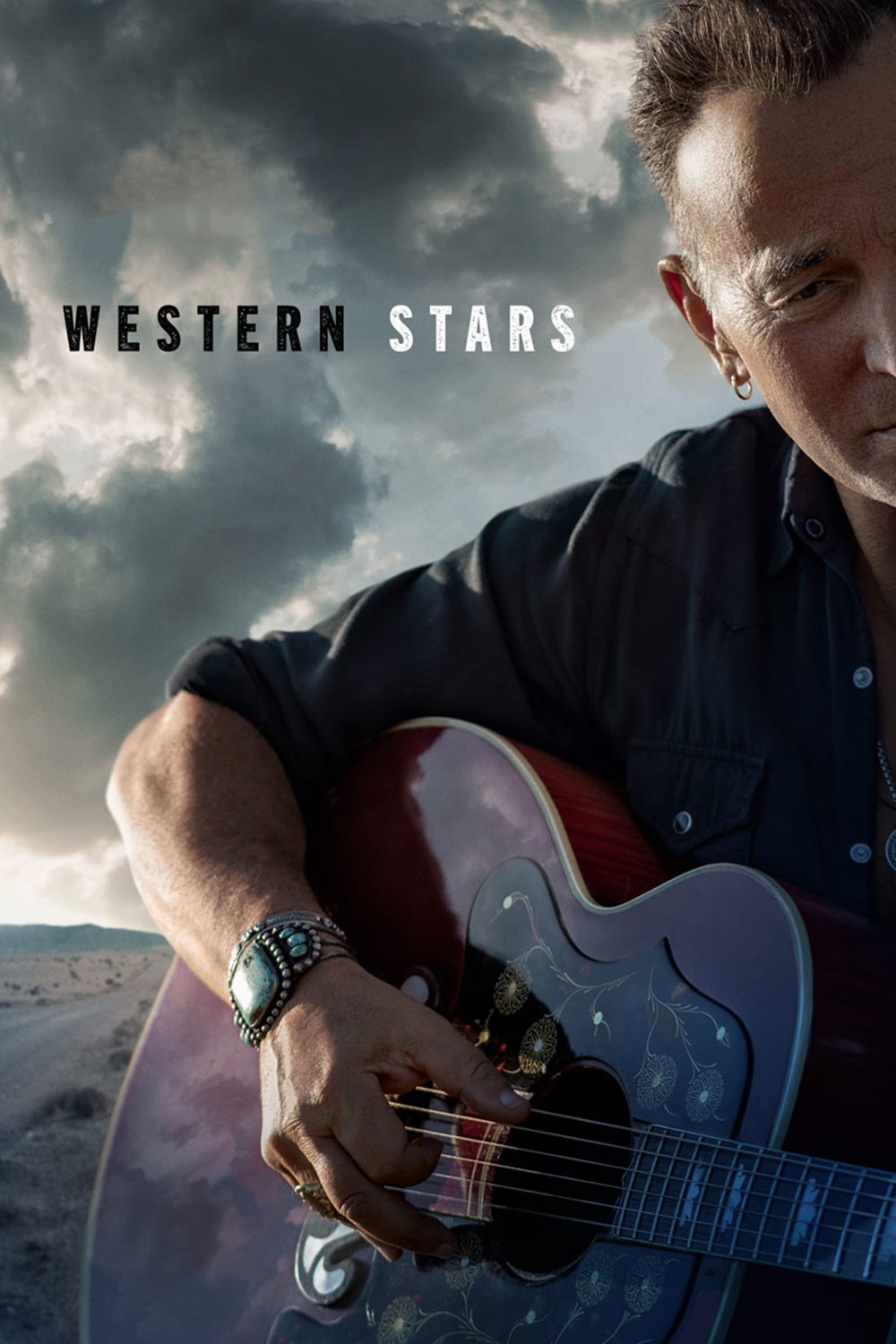
The incomparable Bruce Springsteen performs his critically acclaimed latest album and muses on life, rock, and the American dream, in this intimate and personal concert film co-directed by Thom Zimny and Springsteen himself.
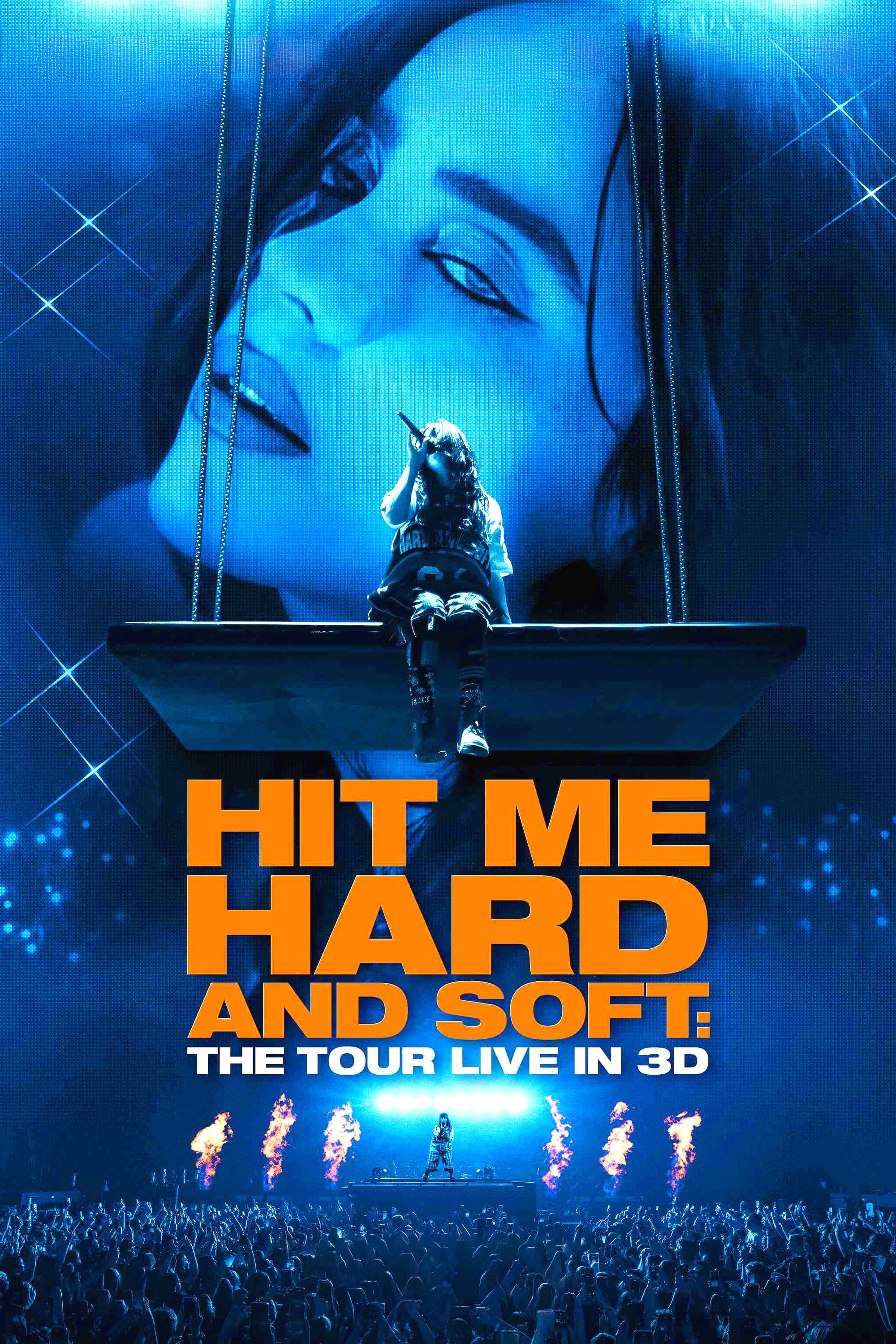
Captured during Billie Eilish's sold-out world tour, a concert experience from one of the most celebrated and successful artists of her generation, presented in immersive 3D.
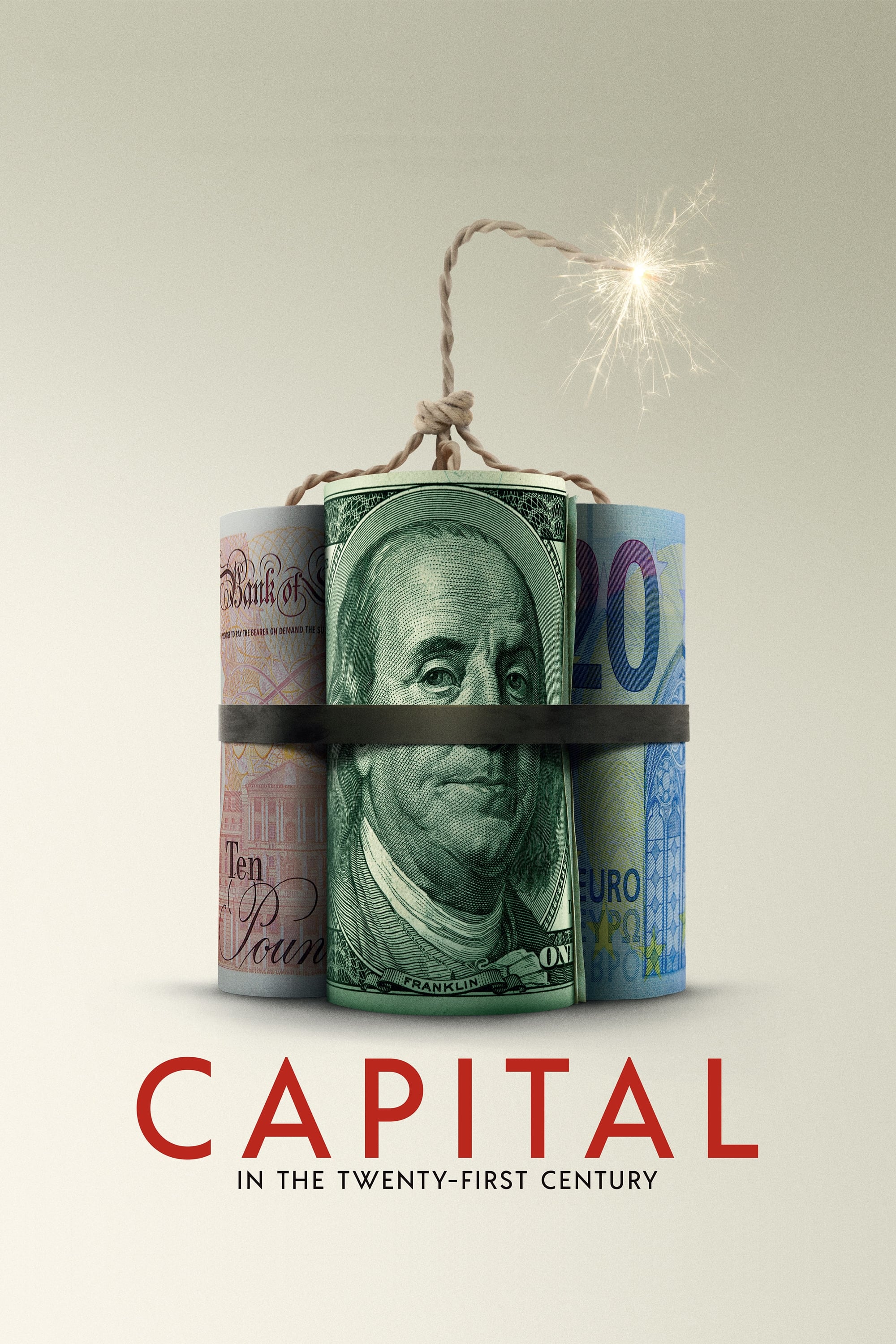
Film adaptation of French economist Thomas Piketty's ground-breaking global bestseller of the same name: an eye-opening journey through wealth and power.
The elite pilots of the Air Force Thunderbirds display exceptional skill, trust and courage during a high-stakes training season.
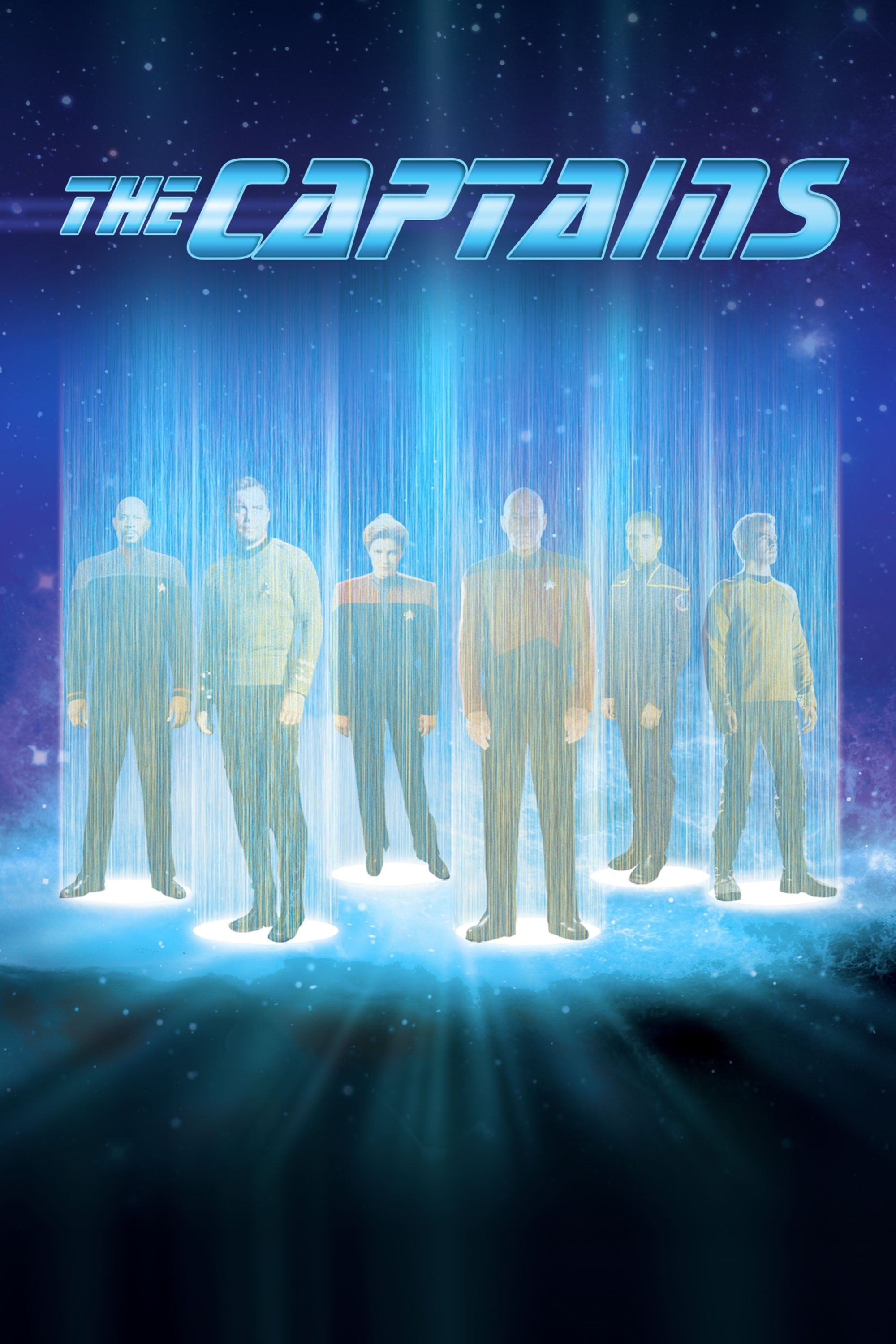
The Captains is a feature-length documentary film written and directed by William Shatner. The film follows Shatner as he interviews the other actors who have portrayed starship captains in the Star Trek franchise.
A look at the origins, history and conspiracies behind the "Majestic 12", a clandestine group of military and corporate figureheads charged with reverse-engineering extraterrestrial technology.
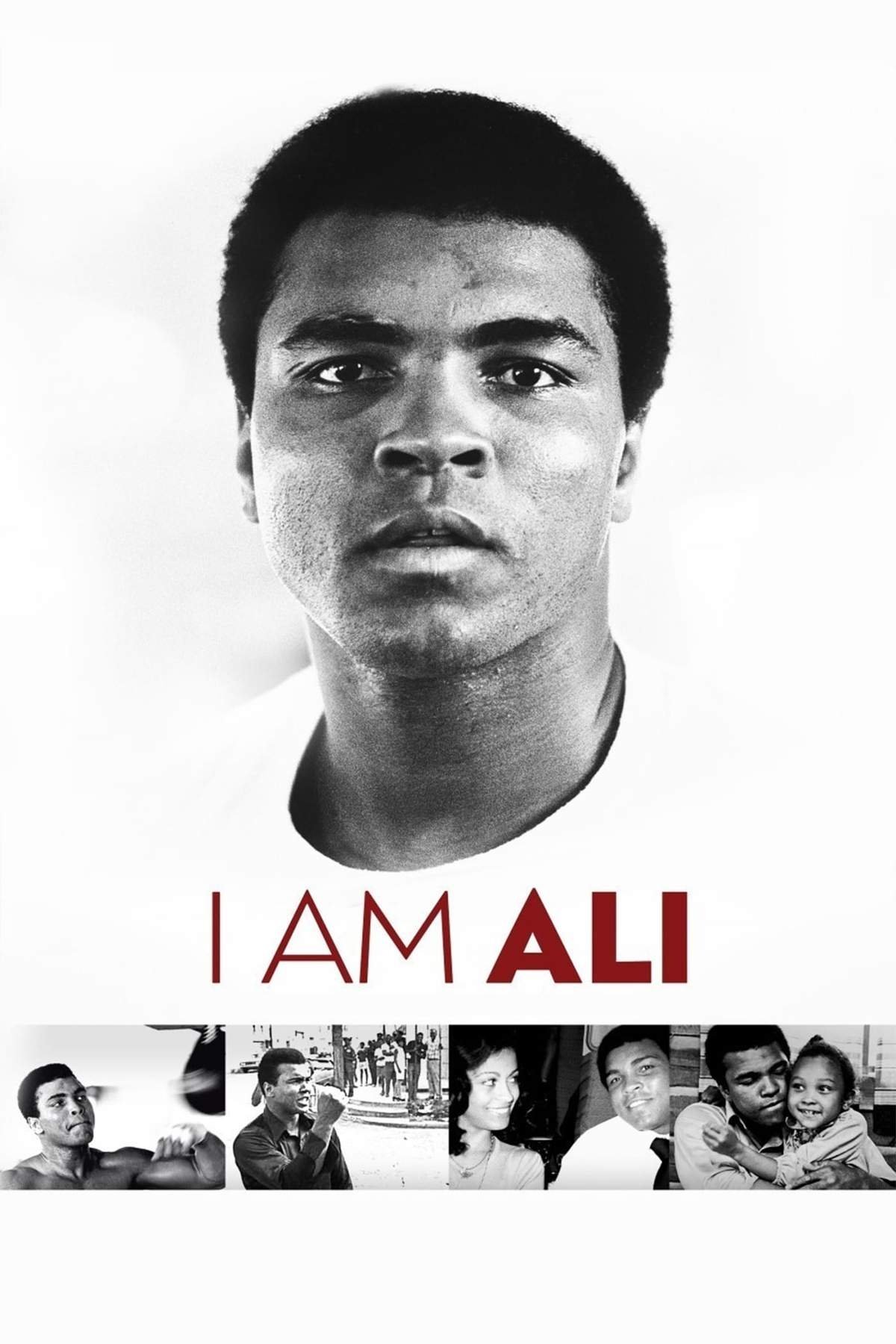
Unprecedented access to Muhammad Ali's personal archive of "audio journals" as well as interviews and testimonials from his inner circle of family and friends are used to tell the legend's life story.
A visual montage portrait of our contemporary world dominated by globalized technology and violence.
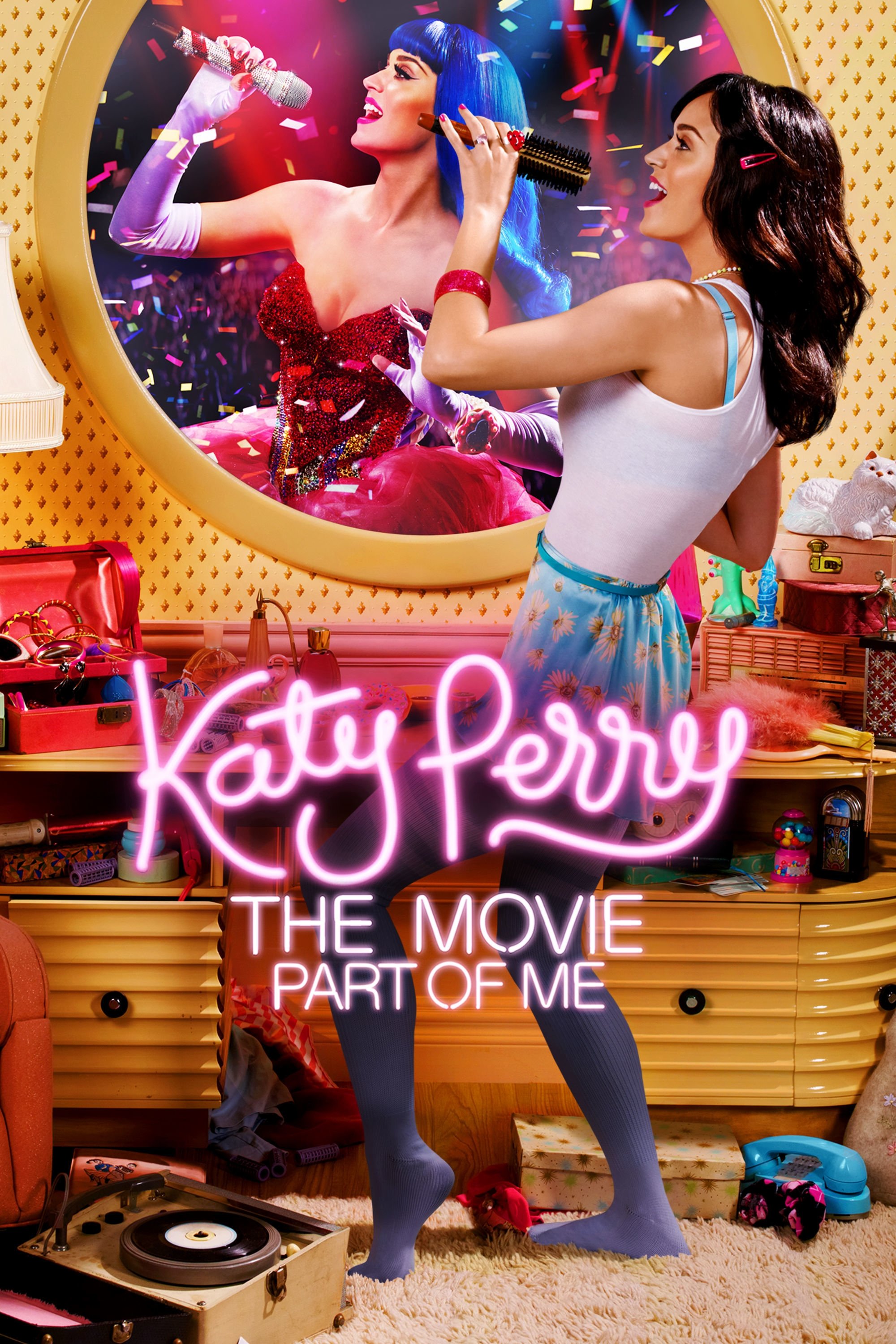
Giving fans unprecedented access to the real life of the music sensation, Katy Perry: Part of Me exposes the hard work, dedication and phenomenal talent of a girl who remained true to herself and her vision in order to achieve her dreams. Featuring rare behind-the-scenes interviews, personal moments between Katy and her friends, and all-access footage of rehearsals, choreography, Katy’s signature style and more, Katy Perry: Part of Me reveals the singer’s unwavering belief that if you can be yourself, then you can be anything.
An exploration of technologically developing nations and the effect the transition to Western-style modernization has had on them.
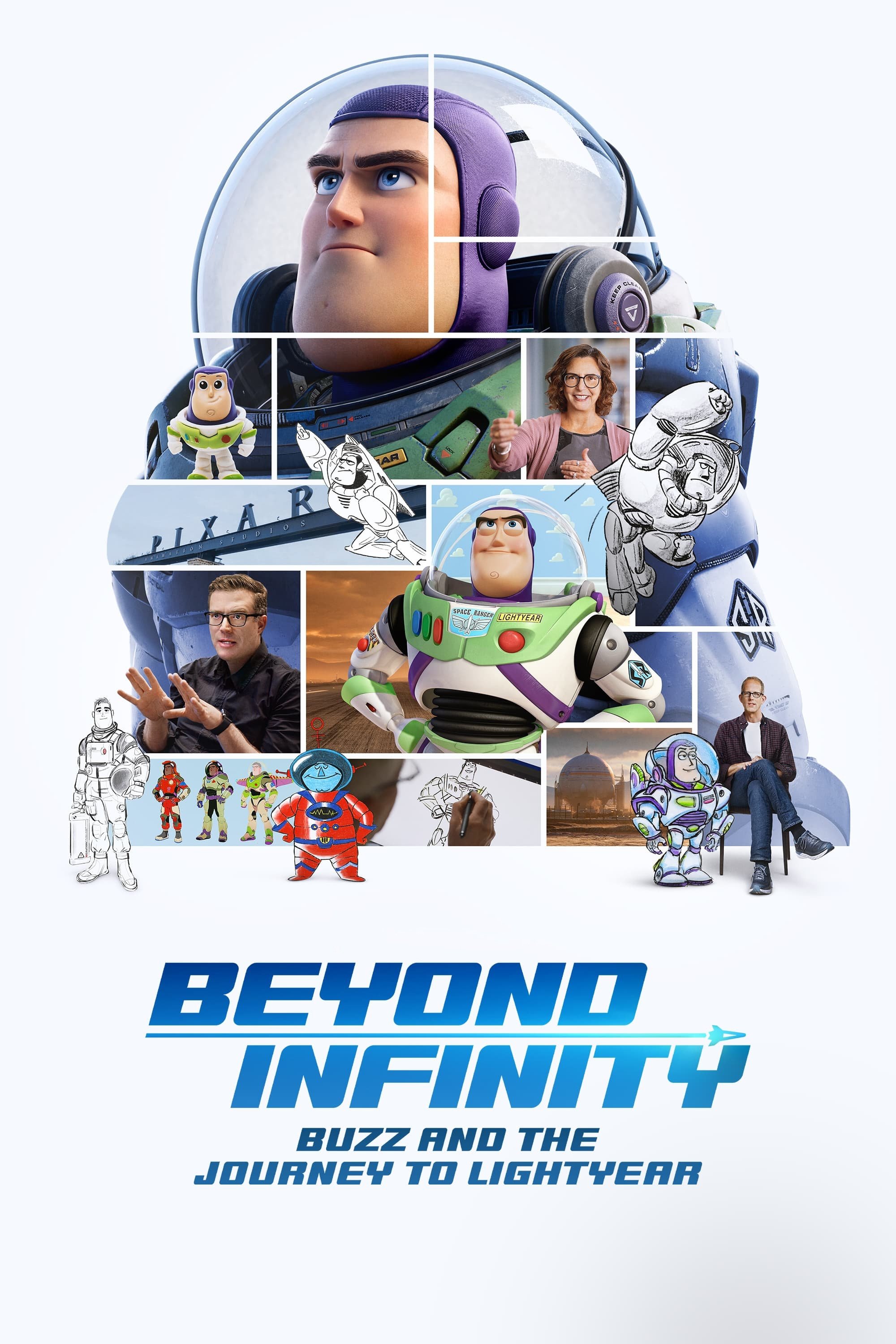
Explore the evolution of Buzz Lightyear from toy to human in the making of Pixar’s Lightyear. Dive into the origin and cultural impact of everyone’s favorite Space Ranger, the art of designing a new “human Buzz,” and the challenges faced by the Lightyear crew along the way.
Al Pacino's deeply-felt rumination on Shakespeare's significance and relevance to the modern world through interviews and an in-depth analysis of "Richard III."
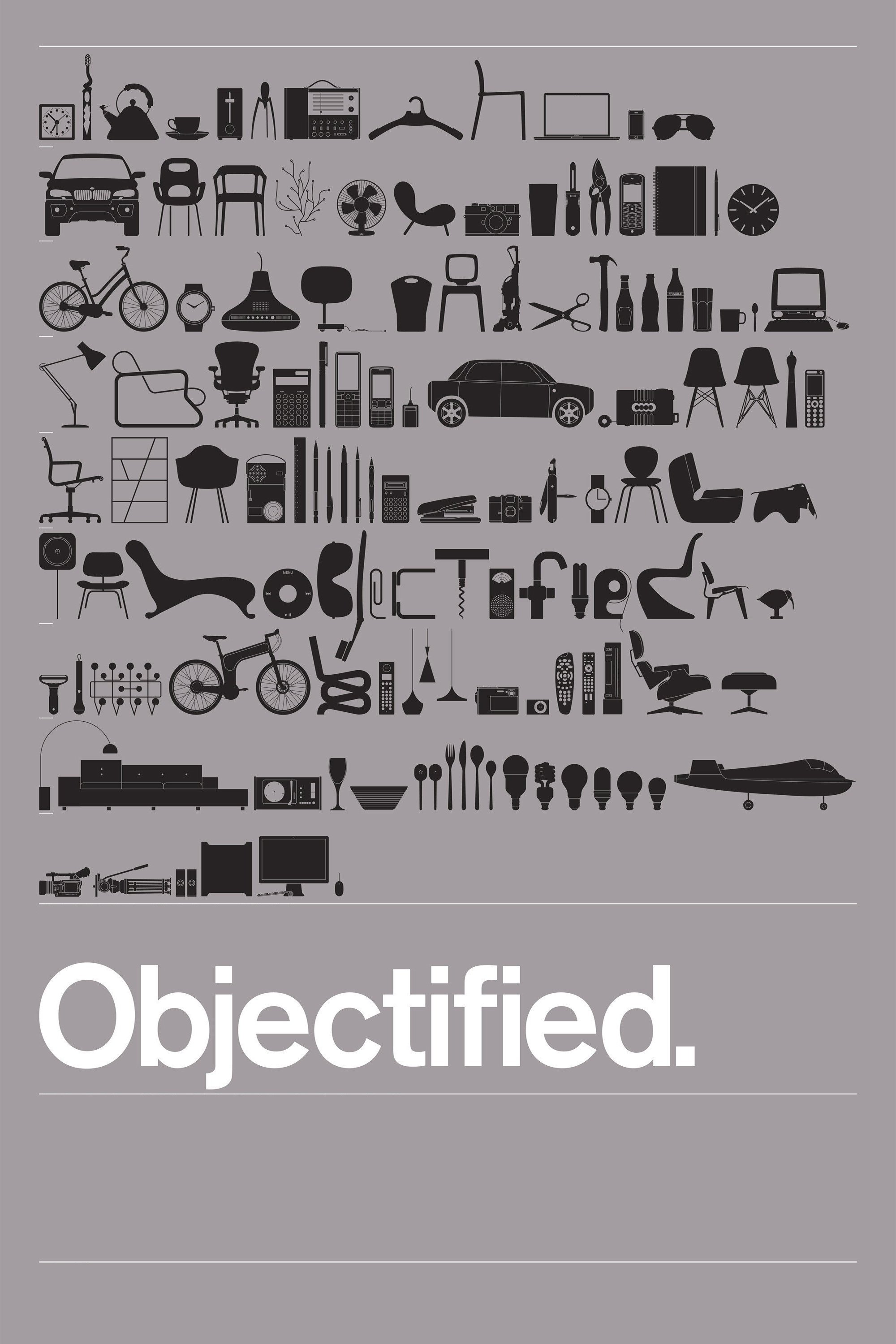
A feature-length documentary about our complex relationship with manufactured objects and, by extension, the people who design them.
Using the book 'Fragments', which collects Marilyn Monroe's poems, notes and letters, and with participation from the Arthur Miller and Truman Capote estates who have contributed more material, each of the actresses will embody the legend at various stages in her life.
THE SPIRIT MOLECULE weaves an account of Dr. Rick Strassman's groundbreaking DMT research through a multifaceted approach to this intriguing hallucinogen found in the human brain and hundreds of plants, including the sacred Amazonian brew, ayahuasca. Utilizing interviews with a variety of experts to explain their thoughts and experiences with DMT, and ayahuasca, within their respective fields, and discussions with Strassman’s research volunteers, brings to life the awesome effects of this compound, and introduces us to far-reaching theories regarding its role in human consciousness.
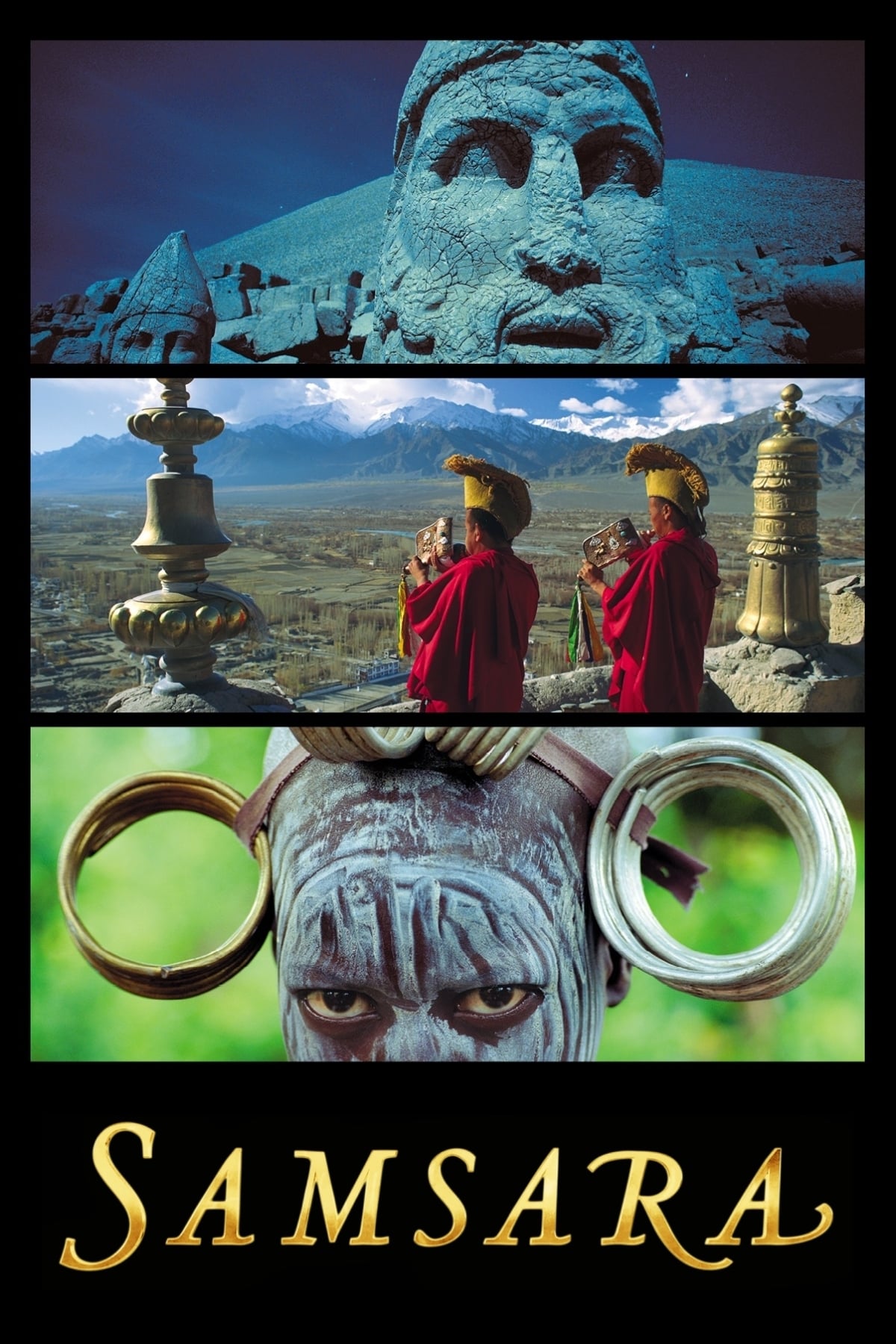
Filmed over nearly five years in twenty-five countries on five continents, and shot on seventy-millimetre film, Samsara transports us to the varied worlds of sacred grounds, disaster zones, industrial complexes, and natural wonders.