Social & External
The people behind it
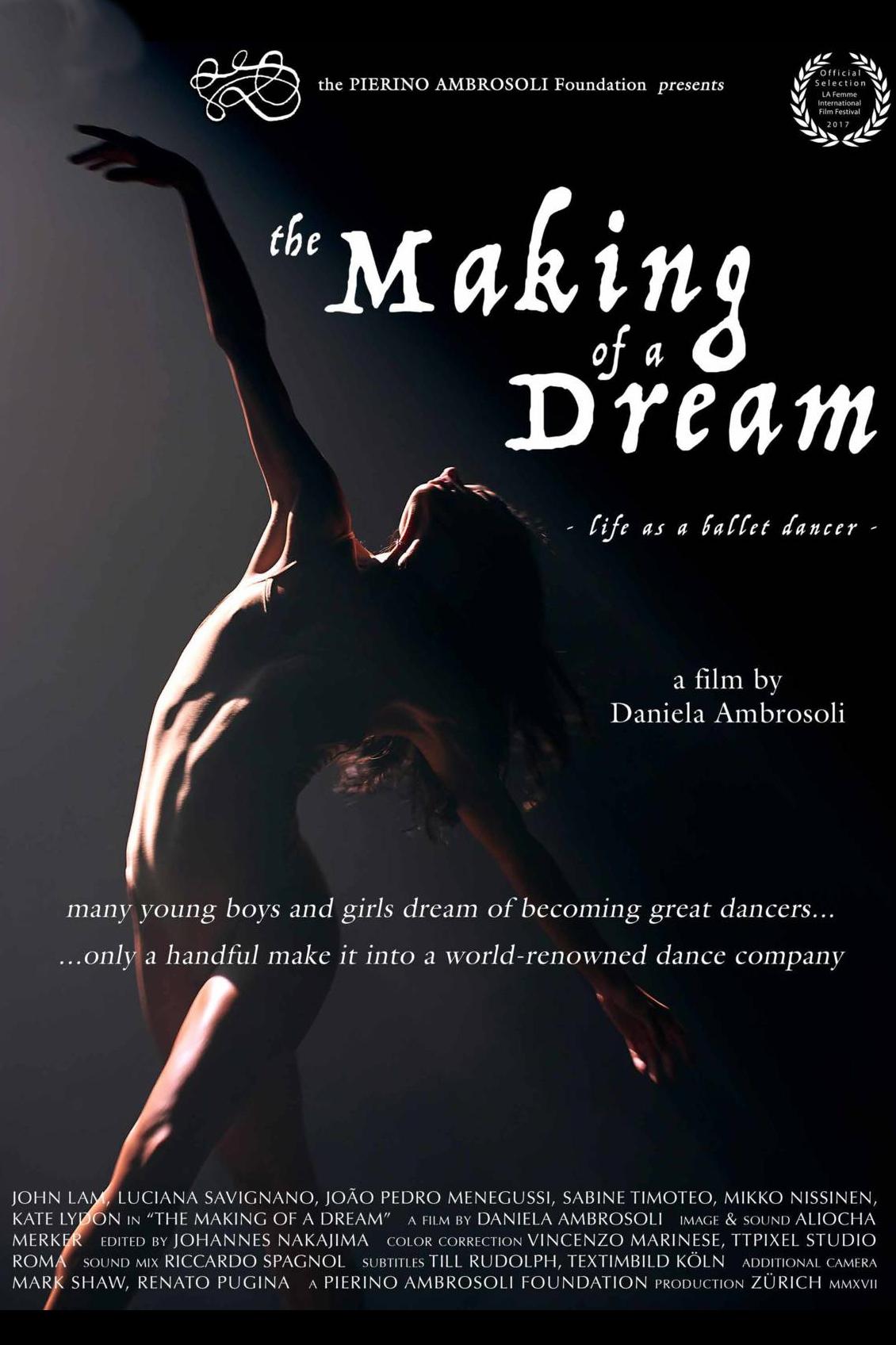
The Making of a Dream is a cinematic essay on stories of dancers. It shows joys and pains from the first steps in an amateur school to the goal to become a principal dancer in a world known ballet company.
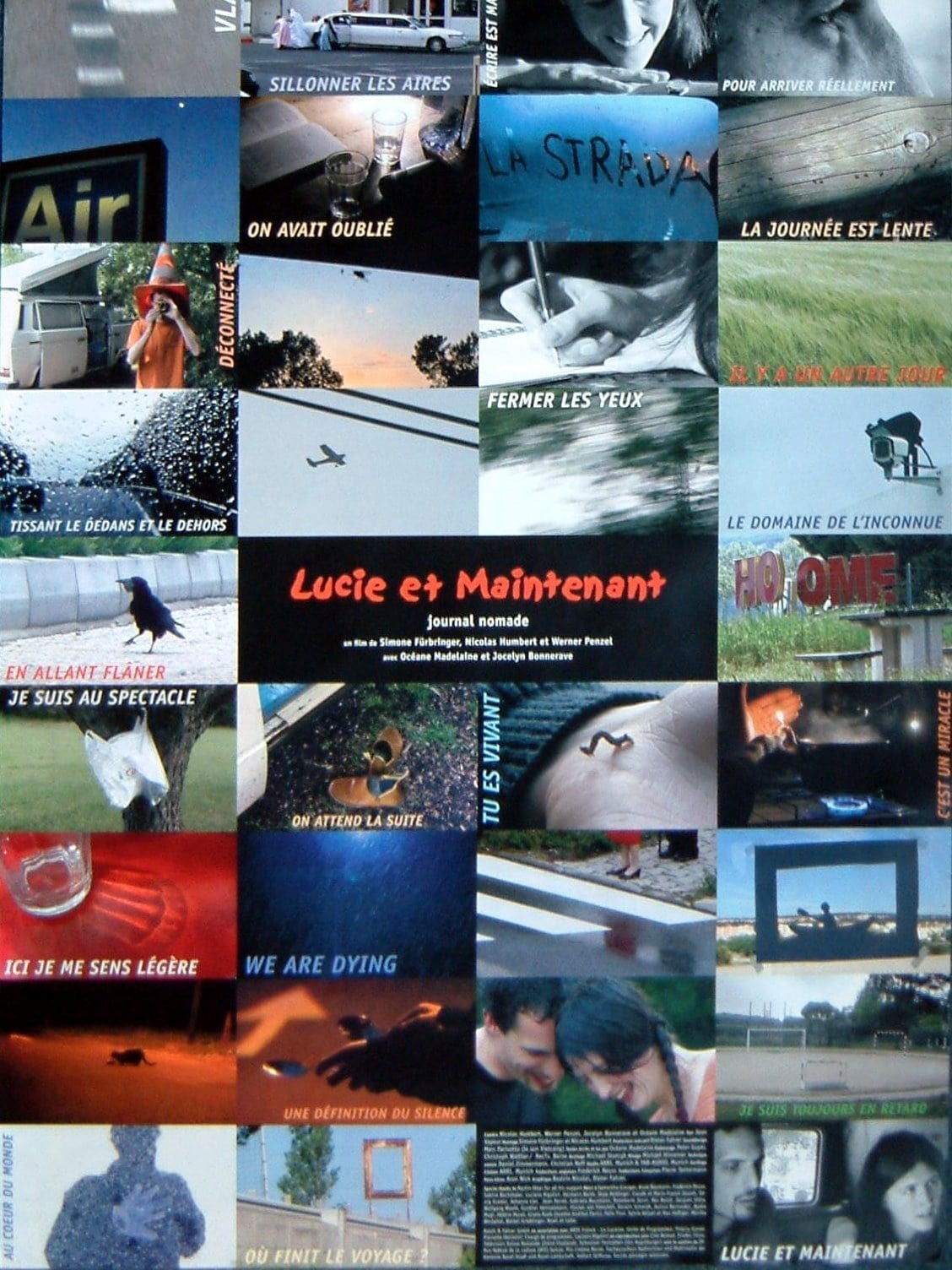
In May of 1982 Julio Cortázar, the Argentinean writer and his companion in life, Carol Dunlop set out in their VW bus on a journey along the highway from Paris to Marseille that, for each of them, was to be their final one. Twenty-five years later, Océane Madelaine and Jocelyn Bonnerave set out to undertake the journey again.
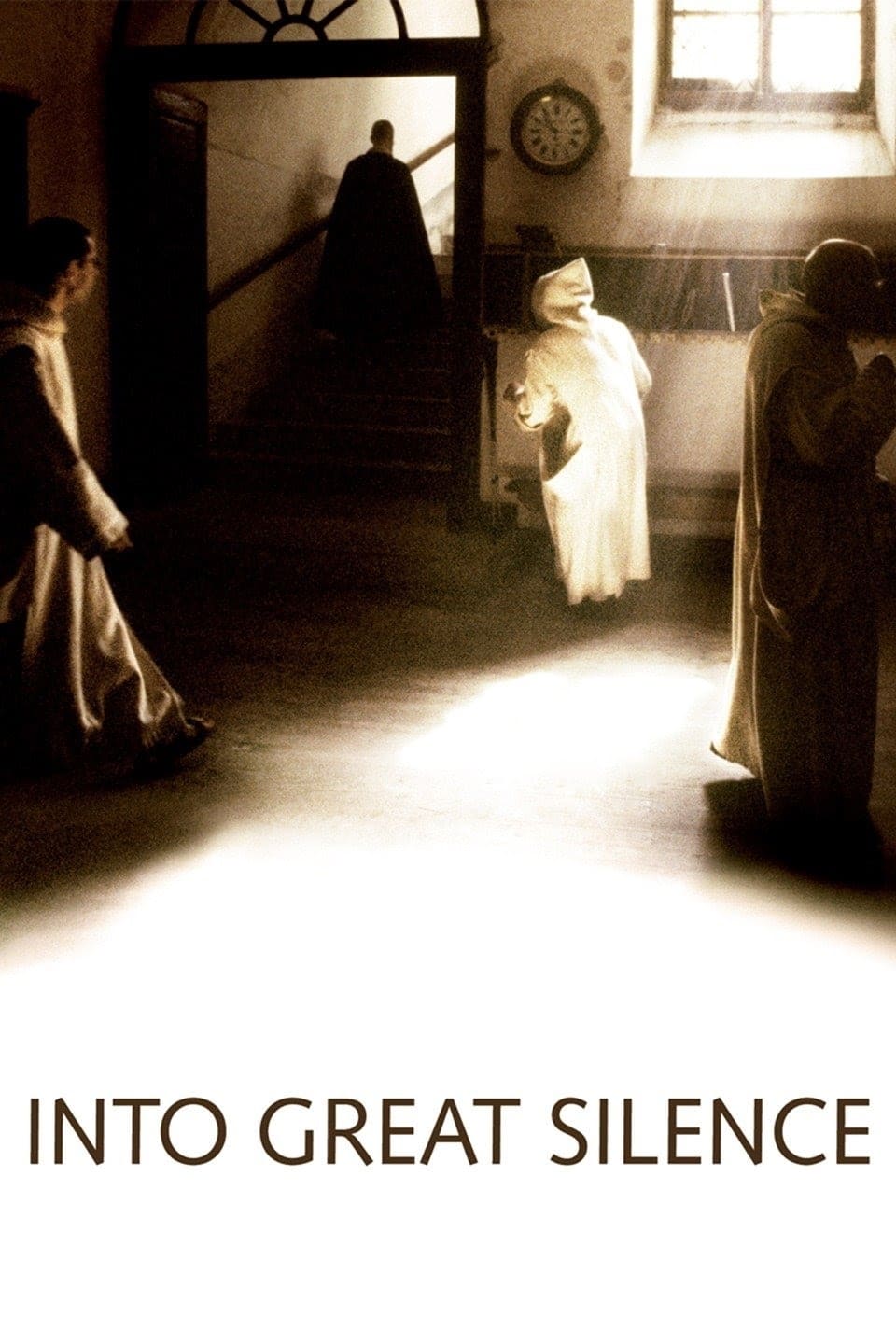
An intimate portrayal of the everyday lives of Carthusian monks of the Grande Chartreuse, high in the French Alps (Chartreuse Mountains). The idea for the film was proposed to the monks in 1984, but the Carthusians said they wanted time to think about it. The Carthusians finally contacted Gröning 16 years later to say they were now willing to permit Gröning to shoot the movie, if he was still interested.
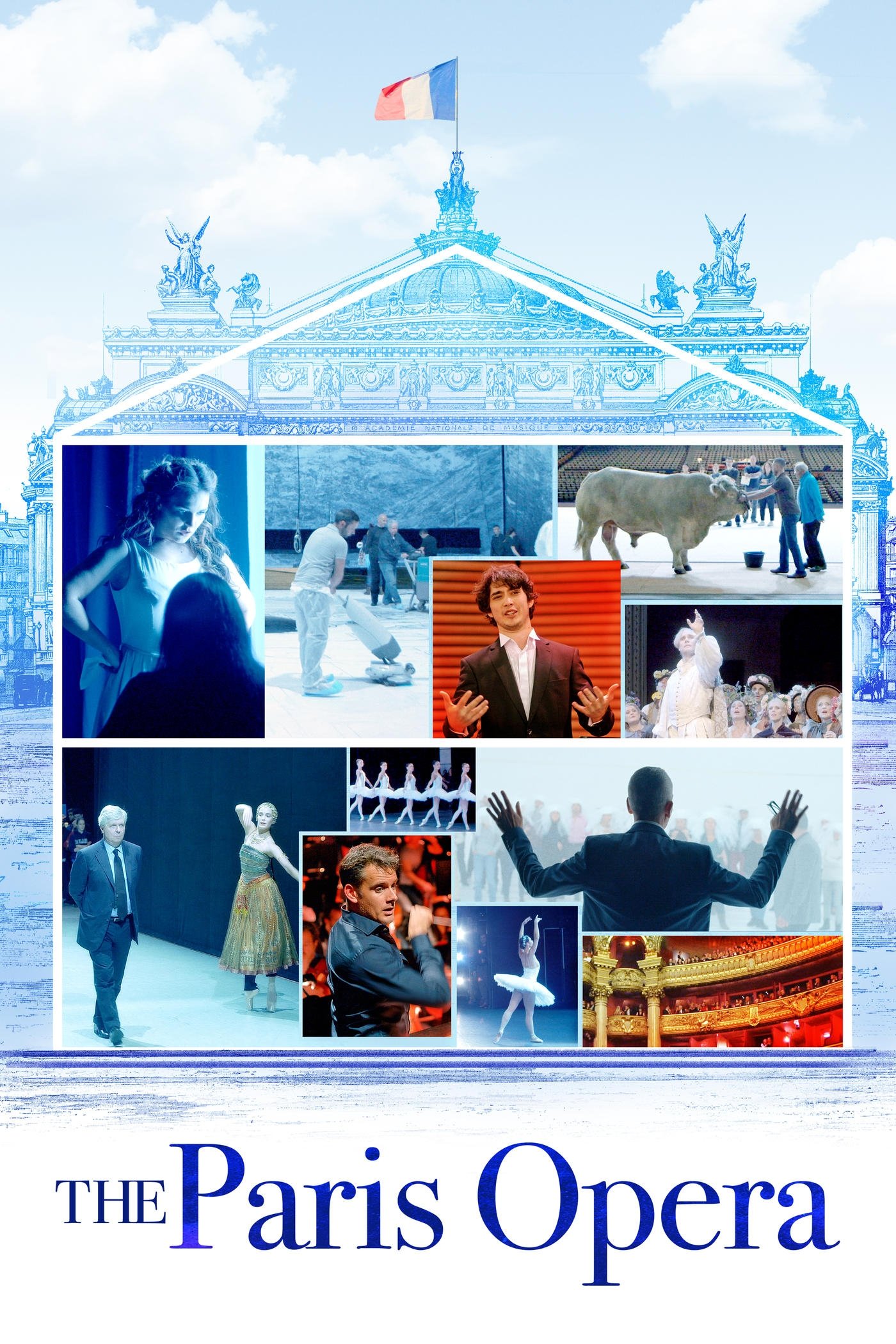
A behind-the-scenes look at the of how the Paris Opera is run under the direction of Stephane Lissner.
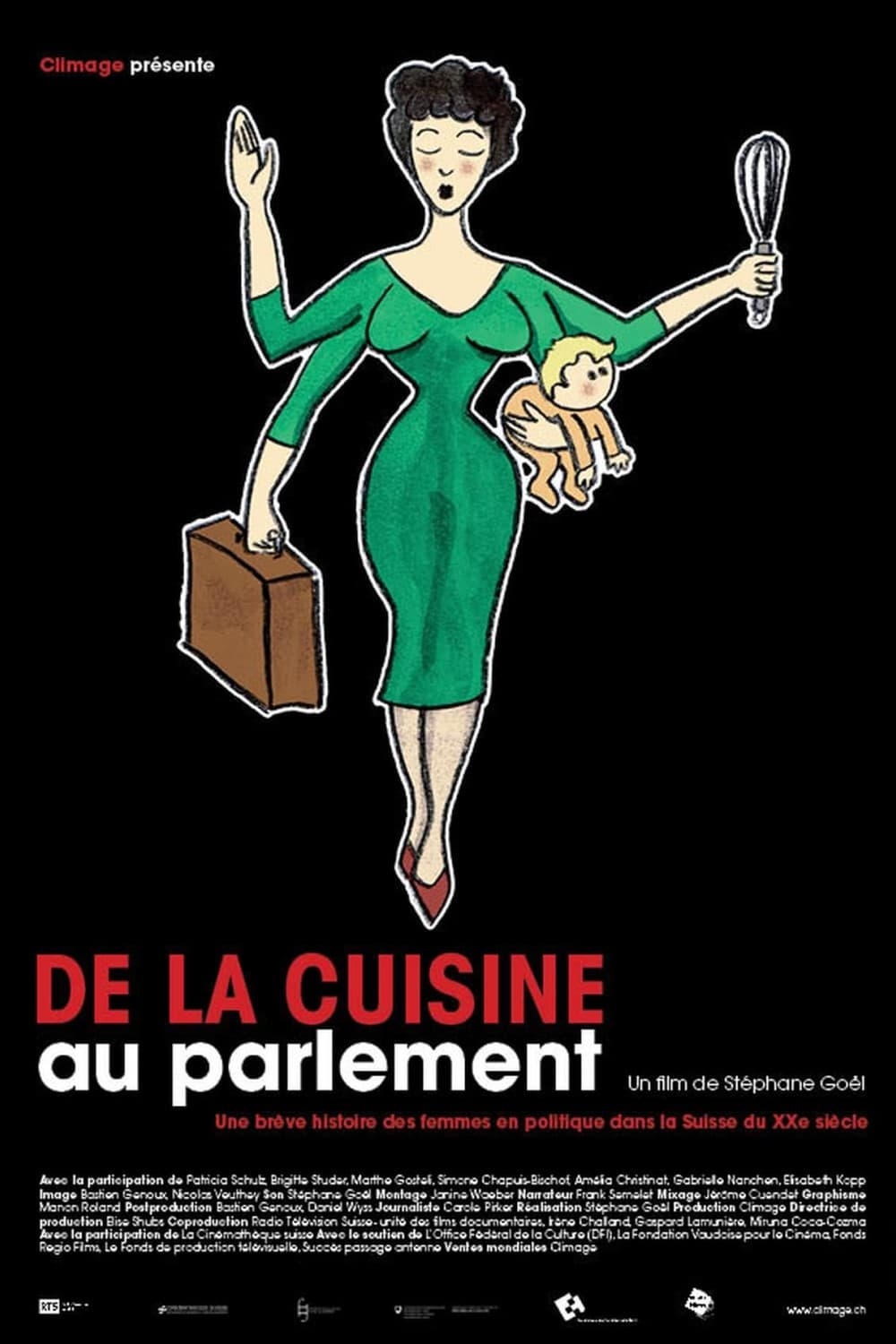
Switzerland was one of the last countries in the world to grant women the right to vote. This film guides us through a century of Swiss history, tracing the imprint left by the women who fought for the right to leave hearth and home – and by the men who did everything they could to send them back – until they gained legal equality, whose implementation seems to be in question still today.
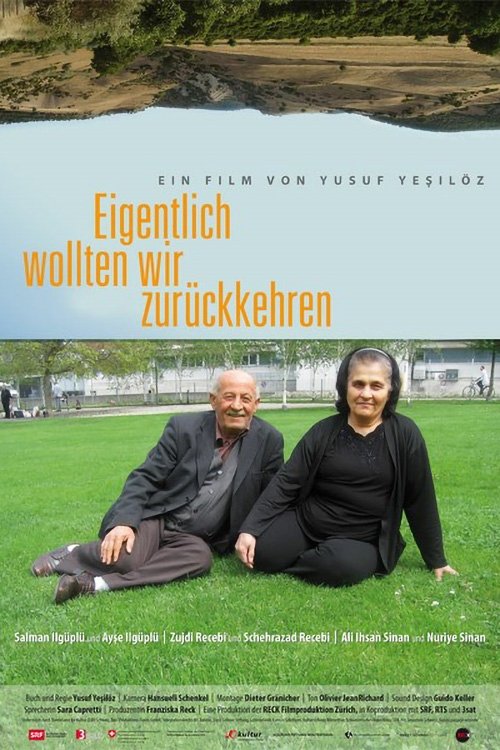
They came to Switzerland in the hope of a better life when they returned home. Thirty or forty years later, they're still here. Now in their retirement years, three couples who once came from Turkey and the Balkans are at a crossroads: to return or to stay? The question has been with these migrants all their lives in Switzerland. It's now urgent to find an answer, and the families of their children must also make a decision. Will the older generation return home? Who will look after old parents here or there?
Rudolf Buth, 86, leaves his 45-year-old apartment due to loneliness and moves in with Pauline Pappert and Therese Heinze, also 86, who have lived together for ten years. Initially, their different lifestyles clash, but the women win Rudolf over with empathy. Rudolf charms them, with Therese feeling the need to educate him and Pauline enjoying flirting. However, their joy is short-lived. The documentary “Ménage à trois” captures their story of finding companionship in old age.
The Jean Tinguely Museum in Basel, Switzerland, designed by Mario Botta, opened in 1996, five years after the Swiss sculptor's death. META MECANO is a poetic depiction of the genesis of this mono-graphic museum, from the builders' first plans and Mario Botta's designs to its construction and the assembly of Tinguely's fragile mobile sculptures. In interviews with Mario Botta, Tinguely's wife Niki de Saint Phalle, museum director Pontus Hultén and Tinguely himself, the film goes on to explore the mission of museums and of art in general today. META MECANO is a unique document on the significance of the artist Jean Tinguely and on the role that museums play in our day and age.
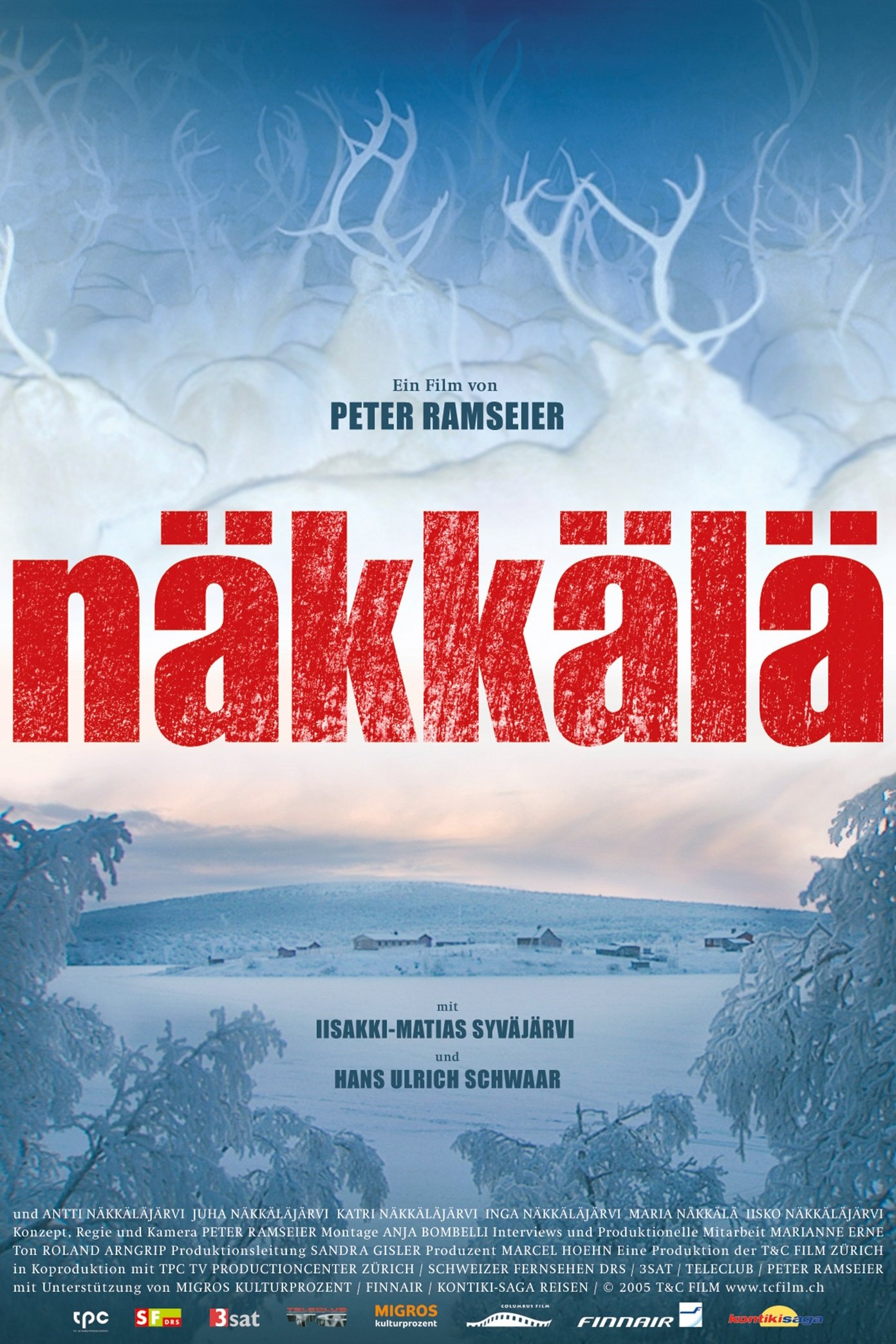
A hamlet in Finland's sprawling tundra. It became the second home of Emmental's Hans Ulrich Schwaar. He lives here with his friend and host, Sami Iisakki-Matias Syväjärvi, owner of the largest reindeer herd in Finland. The reindeer and the rhythm of nature determine daily life. Peter Ramseier has captured this life and the friendship between two men from different cultures in superb, poetic images.
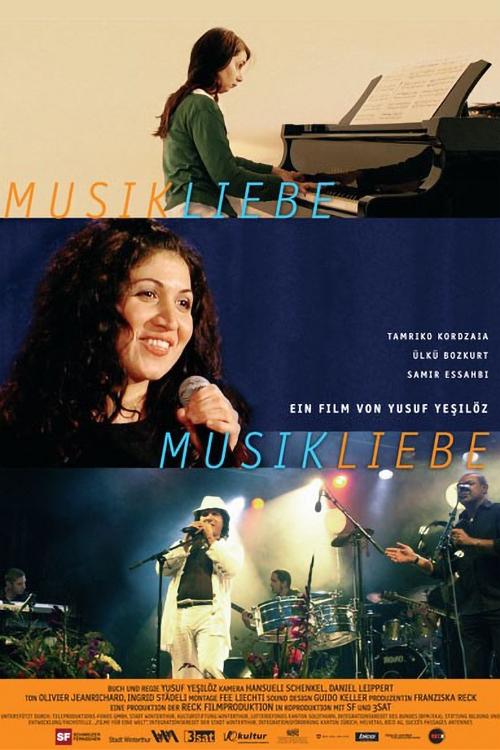
Two musicians whose biographies could not be more different. And yet, they are not only linked by a passion for music that they share with their spouses. All three have enjoyed successful careers in their home countries, and now need to find new bearings in Switzerland. Parallel to her concerts, pianist Tamriko Kordzaia, originally from Georgia, gives lessons at a music school, composer and singer Samir Essahbi, who is Moroccan, performs regularly with his band, and Turkish singer Ülkü Fazilet Bozkurt is starting to perform again.
The film Sugnu Sicilianu unfolds like a series of flashbacks through time, connecting memory and dreams. This film is a journey through inheritance, where histories are both confronted and reshaped. Sugnu Sicilianu questions heritage, family, and identity through a return to the places that once tied me and my family to our roots.
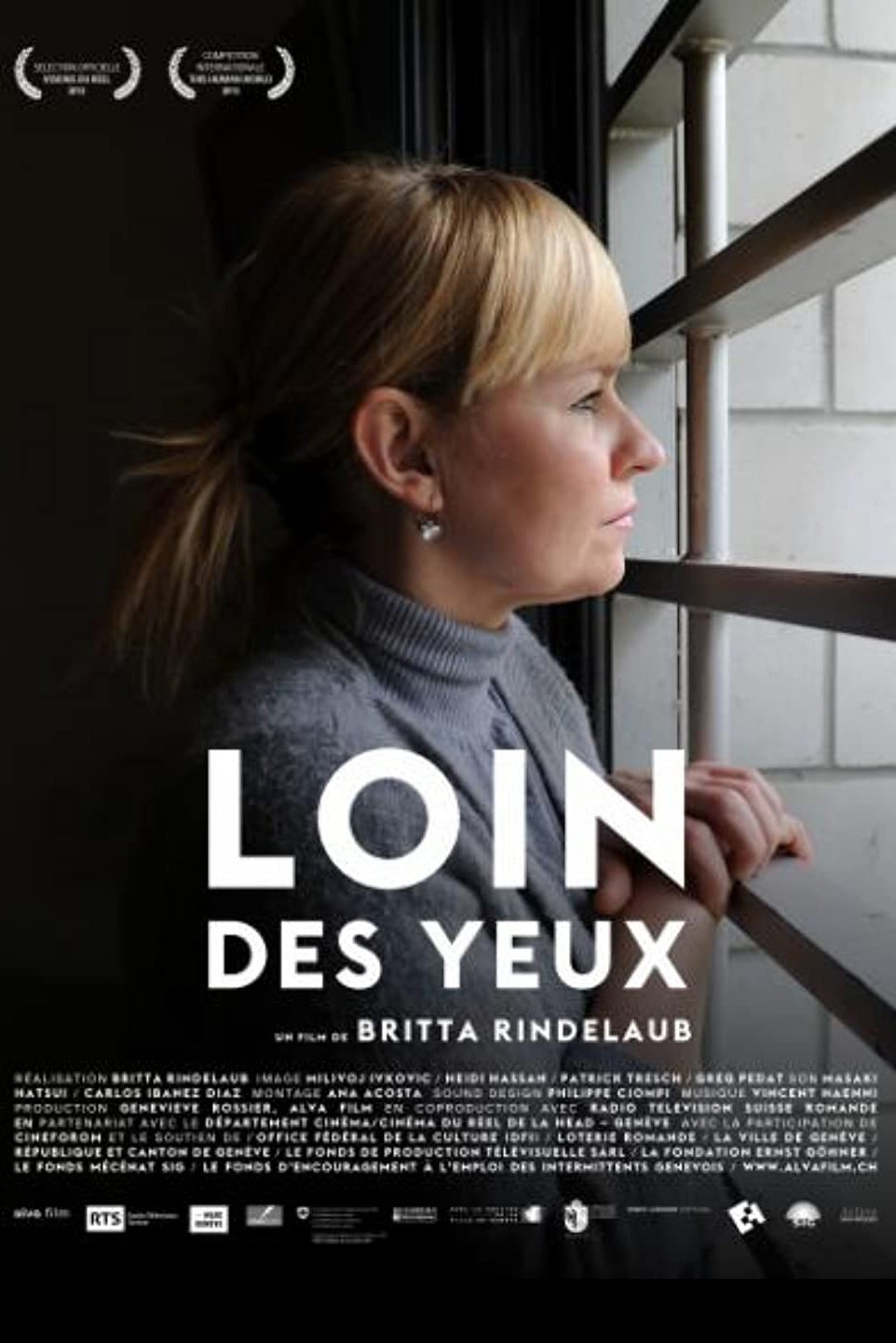
Thirty female prisoners share the convicts’ ward of Tuilière Prison at Lonay. More than half of them have one or more children being raised elsewhere: with a sister, in a foster family, or – further away still – in their countries of origin. In portraying some of these women, the film sheds light on these mothers and the bond that ties them to their children.
In an intimate and joyful story of love in the face of loss, celebrated poets Andrea Gibson and Megan Falley find strength—and unexpected hilarity—in what might be their final year together.
An inside look at one of the most anticipated movie sequels ever with James Cameron and cast.
A feature length documentary about the all-women team at the helm of Pixar's original feature, Turning Red. With unprecedented behind-the-scenes access to Director Domee Shi and her core leadership crew, this story shines a light on the powerful professional and personal journeys that brought this incredibly comical, utterly relatable, and deeply heartfelt story to the screen.
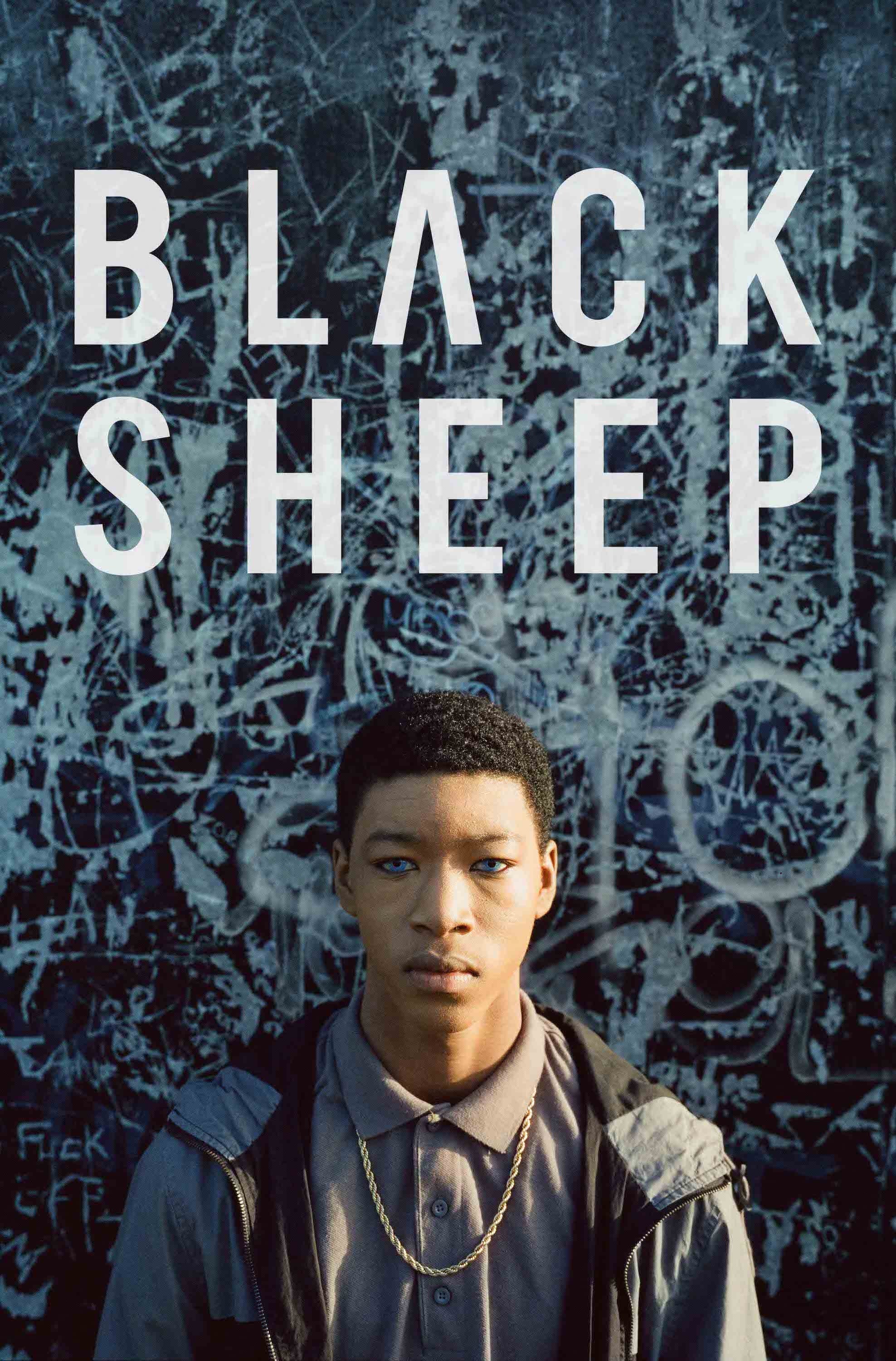
After the high-profile killing of Damilola Taylor, Cornelius' family move out of London. But when they discover their new town is run by racists, Cornelius takes a drastic step to survive.
Featuring interviews with filmmakers and industry legends, discover the origins and evolution of The Joker, and learn why The Clown Prince of Crime is universally hailed as the greatest comic-book supervillain of all time.
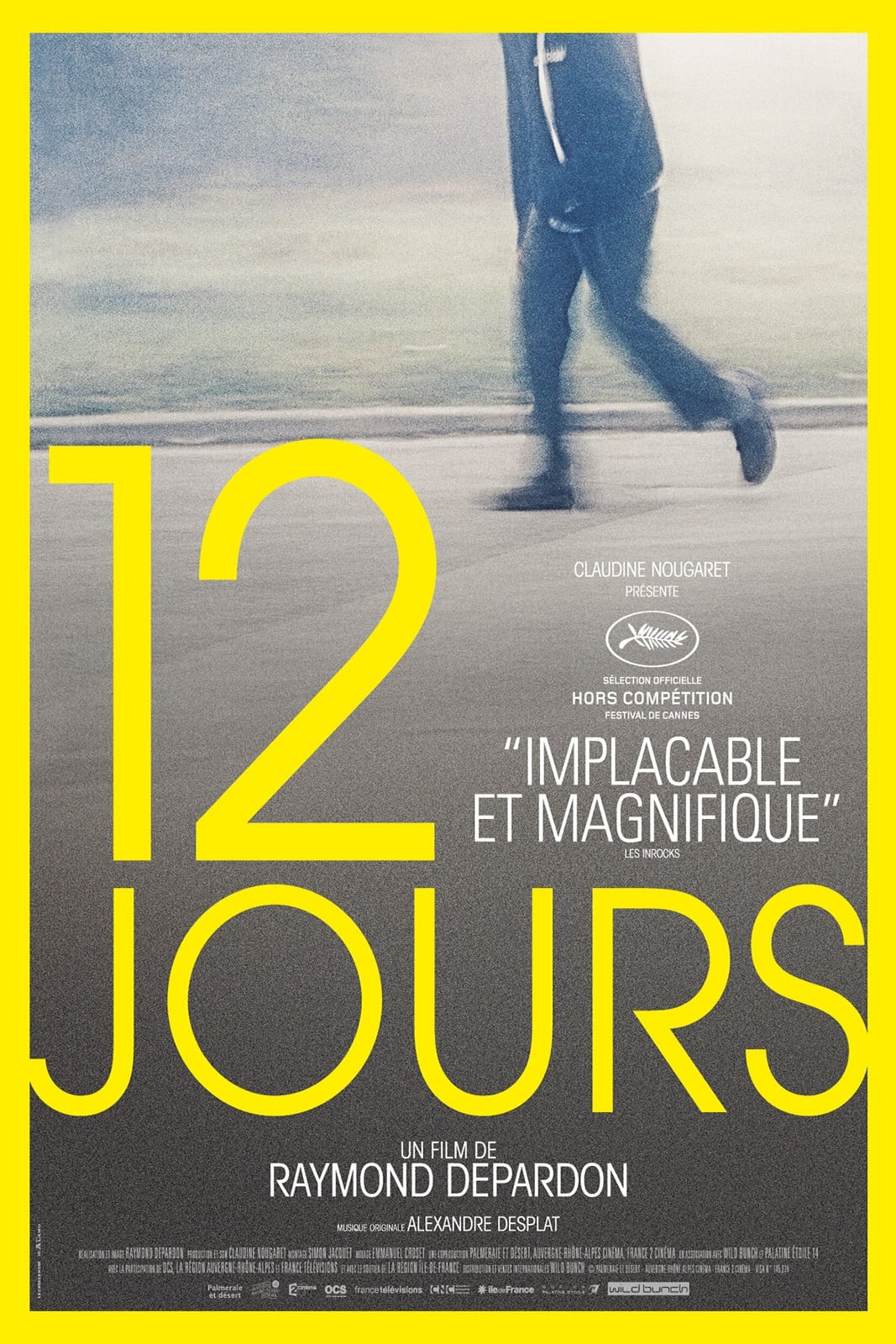
A new documentary by filmmaker-photographer Raymond Depardon – where justice and psychiatry meet.
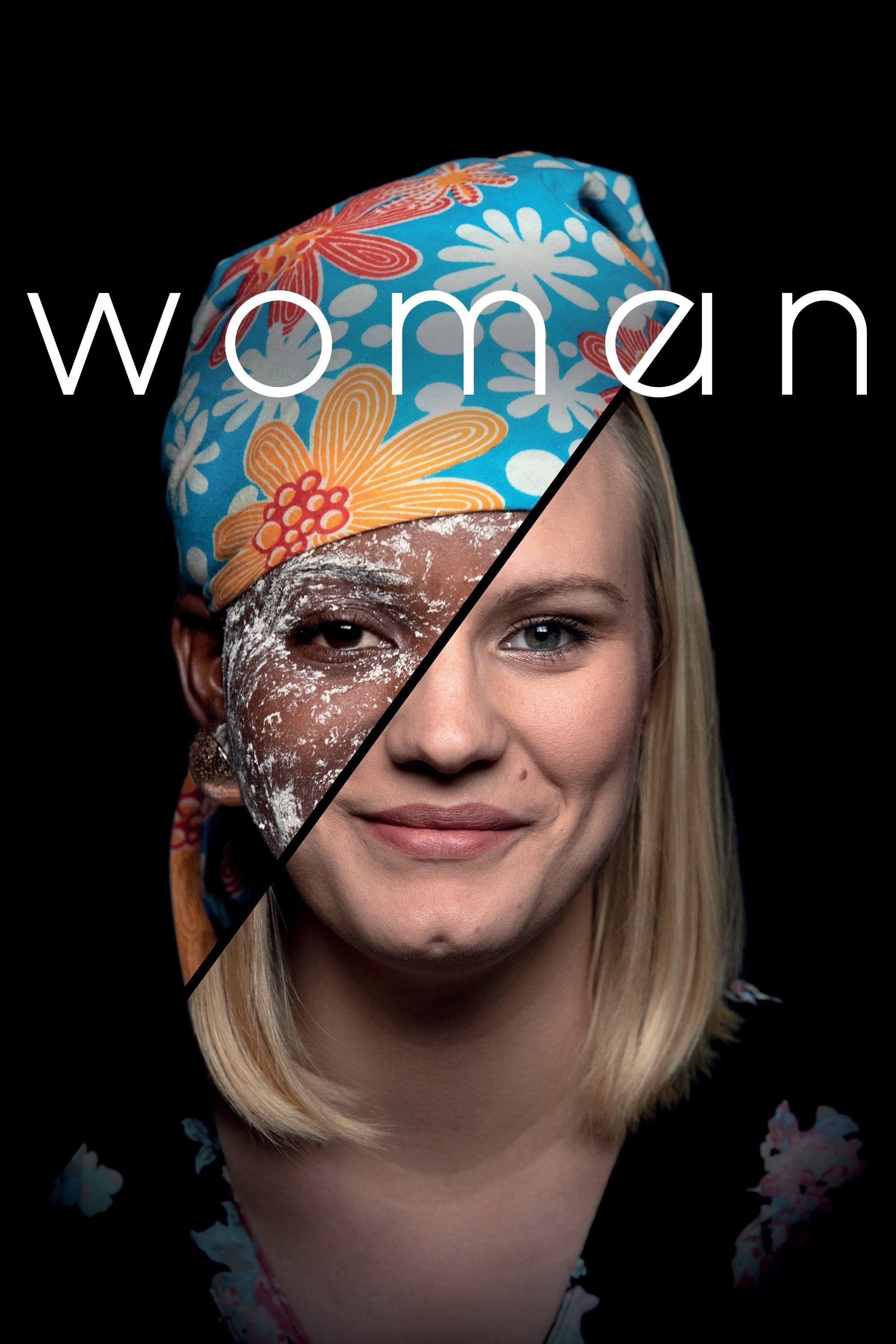
The film is based on interviews with 2,000 women from 50 countries, and covers the status of women all over the world. The topics covered include forced marriages, sexual assault, female genital mutilation, acid attacks, motherhood, sexuality, menstruation, education and the professional success of women.
SEDUCED AND ABANDONED combines acting legend Alec Baldwin with director James Toback as they lead us on a troublesome and often hilarious journey of raising financing for their next feature film. Moving from director to financier to star actor, the two players provide us with a unique look behind the curtain at the world's biggest and most glamourous film festival, shining a light on the bitter-sweet relationship filmmakers have with Cannes and the film business. Featuring insights from directors Martin Scorsese, 'Bernando Bertolucci' and Roman Polanski; actors Ryan Gosling and Jessica Chastain and a host of film distribution luminaries.
The film follows adventurer Jeff Johnson as he retraces the epic 1968 journey of his heroes Yvon Chouinard and Doug Tompkins to Patagonia.
A documentary about the making of season five of the acclaimed AMC series Breaking Bad.
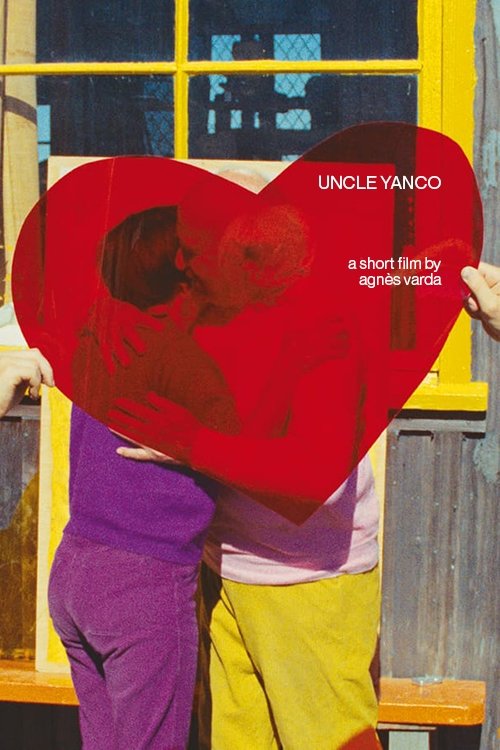
While in San Francisco for the promotion of her last film in October 1967, Agnès Varda, tipped by her friend Tom Luddy, gets to know a relative she had never heard of before, Jean Varda, nicknamed "Yanco". This hitherto unknown uncle lives on a boat in Sausalito, is a painter, has adopted a hippie lifestyle and loves life. The meeting is a very happy one.
Daniel Craig candidly reflects on his 15 year adventure as James Bond. Including never-before-seen archival footage from Casino Royale to the upcoming 25th film No Time To Die, Craig shares his personal memories in conversation with 007 producers, Michael G Wilson and Barbara Broccoli.
This revealing documentary honors the legendary Sidney Poitier—iconic actor, filmmaker, and civil rights activist. Featuring interviews with Denzel Washington, Spike Lee, Halle Berry, and more.
Alexander McQueen's rags-to-riches story is a modern-day fairy tale, laced with the gothic. Mirroring the savage beauty, boldness and vivacity of his design, this documentary is an intimate revelation of McQueen's own world, both tortured and inspired, which celebrates a radical and mesmerizing genius of profound influence.
Al Pacino's deeply-felt rumination on Shakespeare's significance and relevance to the modern world through interviews and an in-depth analysis of "Richard III."
Ranjit, a farmer in India, takes on the fight of his life when he demands justice for his 13-year-old daughter, the victim of a brutal gang rape. His decision to support his daughter is virtually unheard of, and his journey unprecedented.
Through deeply personal interviews with her siblings and an examination of the photographs, letters, and belongings left behind, Mariska assembles a new portrait of her mother Jayne Mansfield, an extraordinary and complex woman.
Those who knew iconic funnyman John Candy best share his story, in their own words, through never-before-seen archival footage, imagery, and interviews.
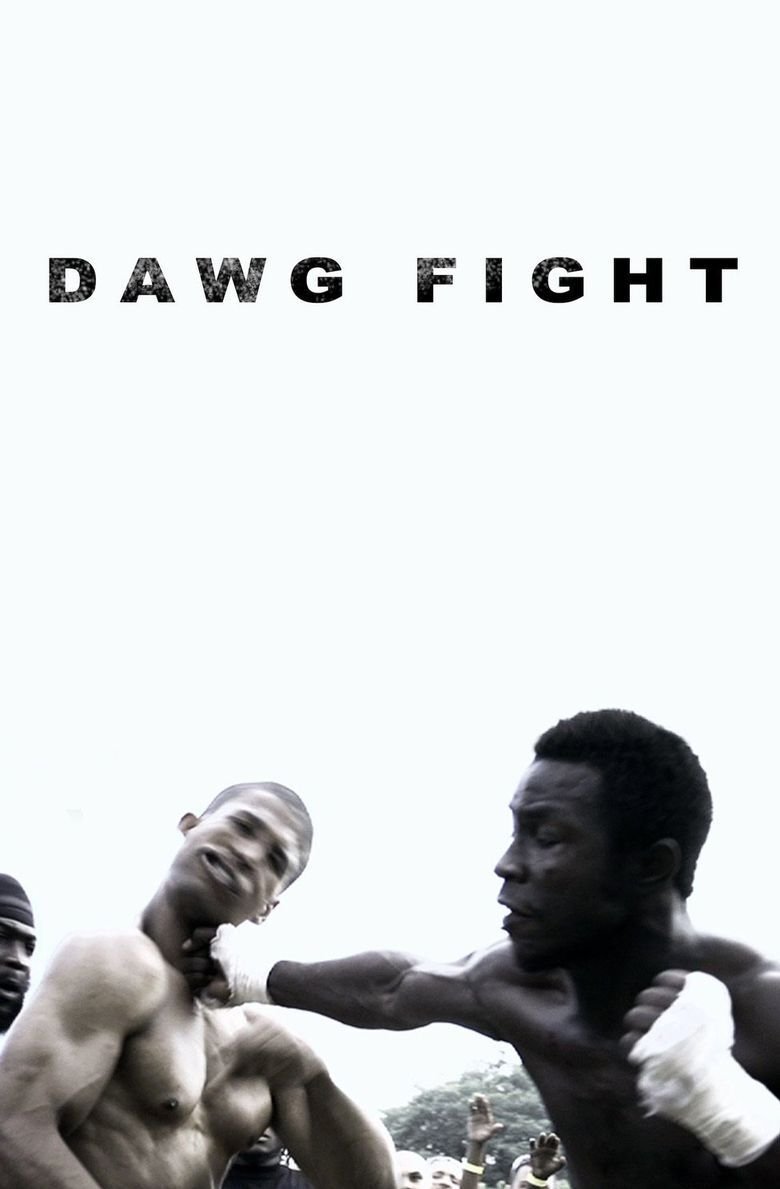
In a crime-plagued neighborhood near Miami, brutal, bare-knuckled backyard fights give young men a chance to earn money -- and self-respect.
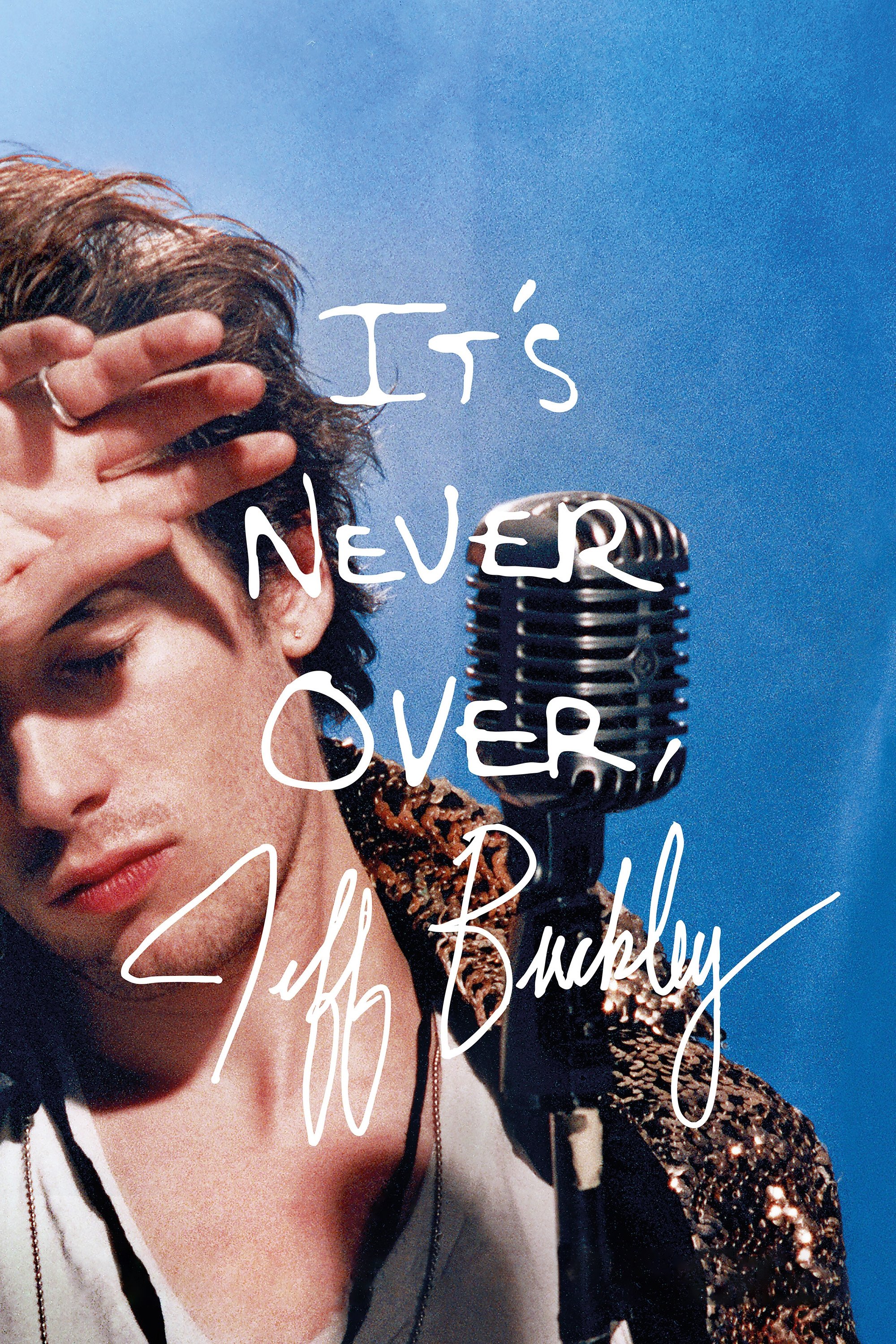
Rising musician Jeff Buckley had only released one album when he died suddenly in 1997. Now, never-before-seen footage, exclusive voice messages, and accounts from those closest to him offer a portrait of the captivating singer.