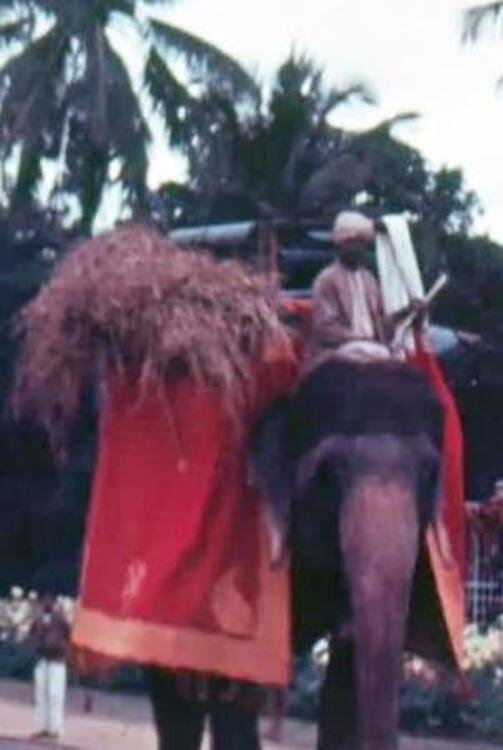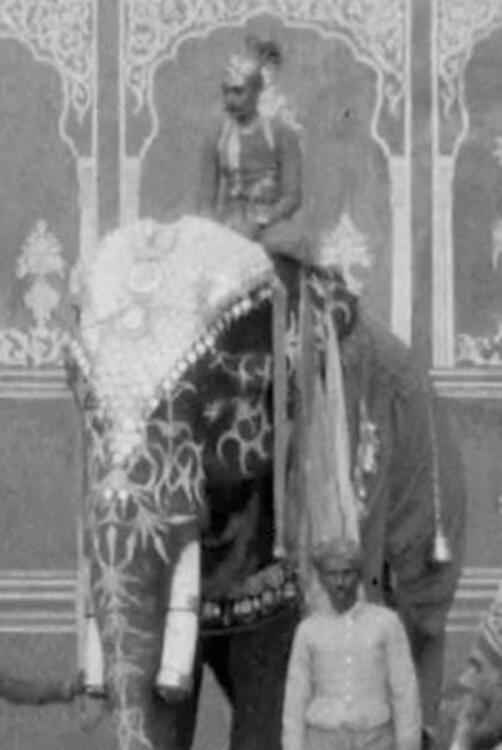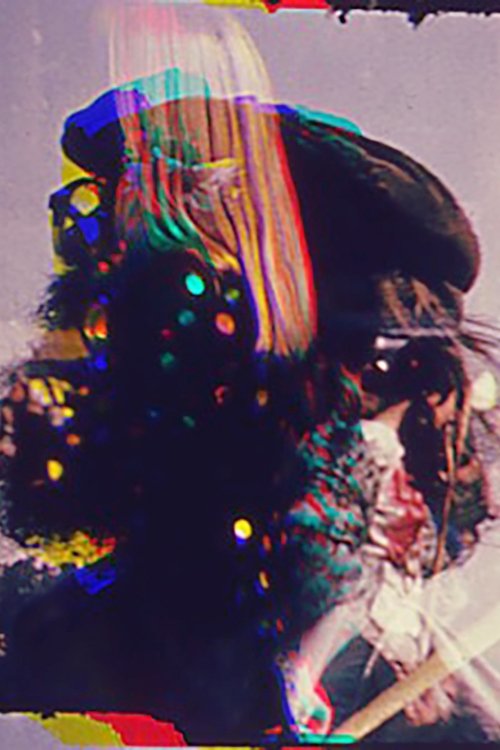
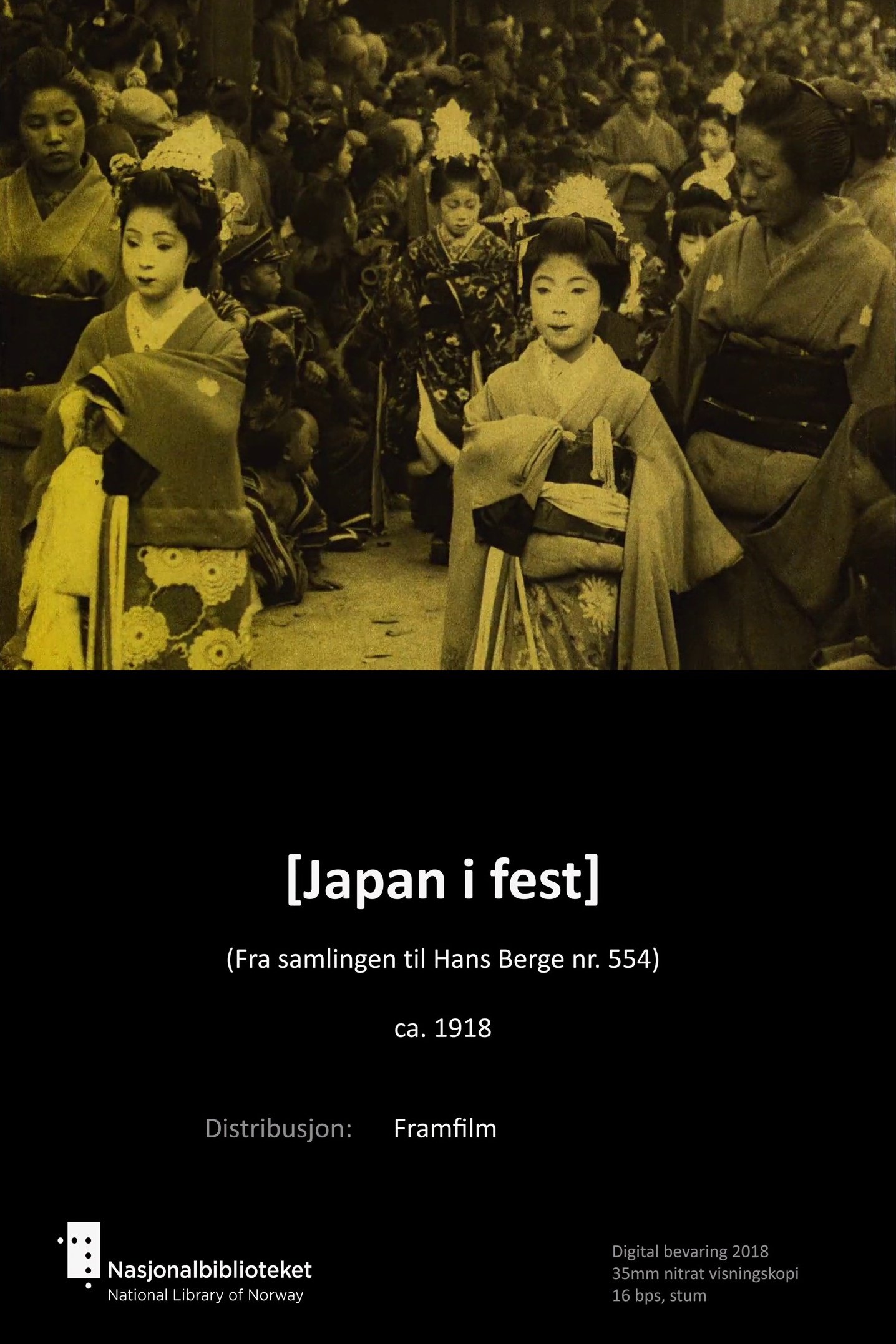
An actuality film showing a Buddhist festival in Kyoto. The procession includes Buddhist monks, geishas, and others dressed coordinately to the Japanese tradition.
Social & External

CRAZY WISDOM explores the arrival of Tibetan Buddhism in America through the story of Chögyam Trungpa, who landed in the U.S. in 1970. Trungpa became renowned for translating ancient Buddhist concepts into language and ideas that Westerners could understand and shattered preconceived notions about how an enlightened teacher should behave. Initially rejected, his teachings are now recognized by western philosophers and spiritual leaders as authentic and profound.
Shadows of Light combines the loud and soft tones of life. The centerpiece is an Austrian mountain pasture where the summer solstice is celebrated with international artists and where tradition and zeitgeist are not contradictory.
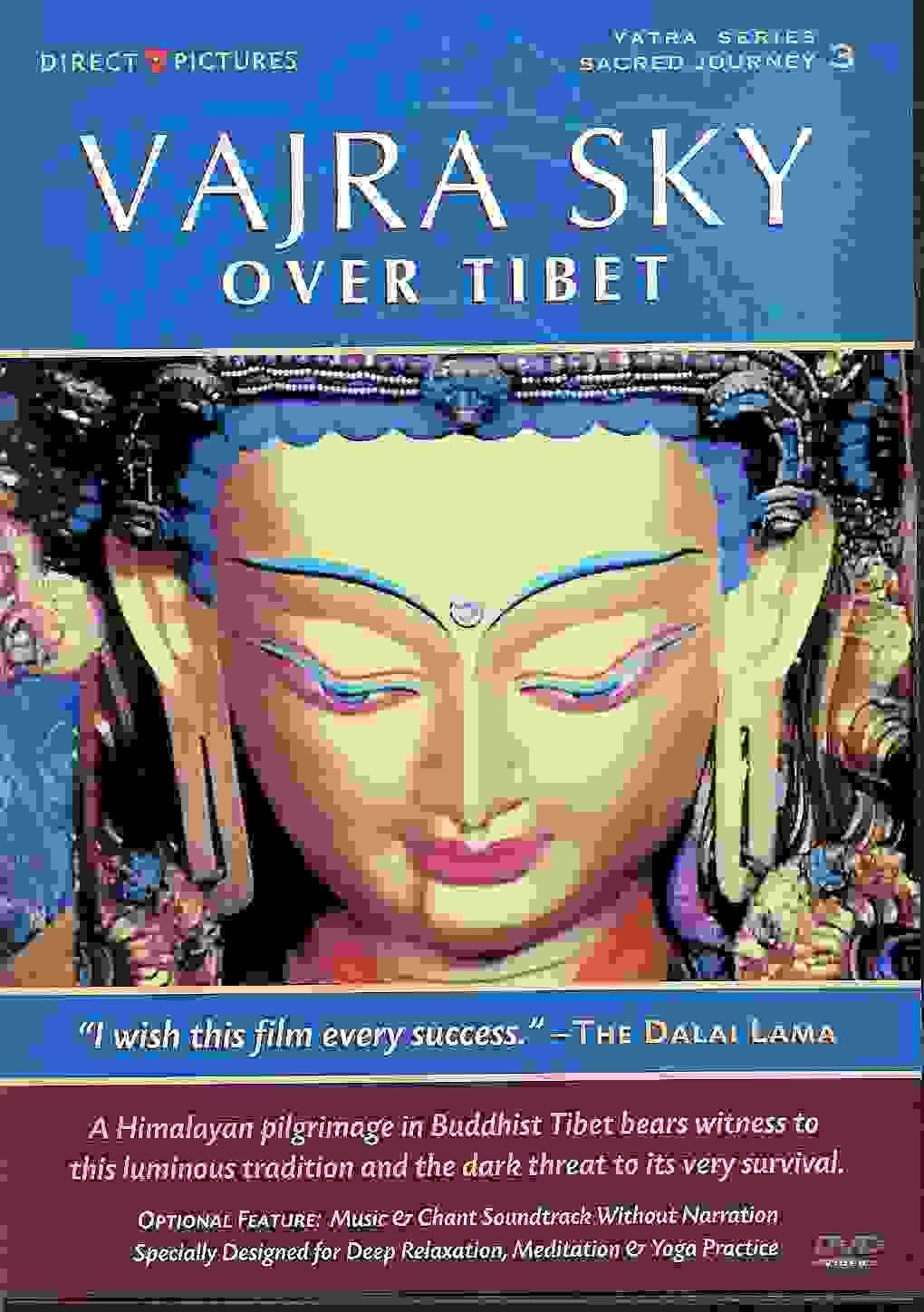
Prajna is the Sanskrit word for radiant wisdom, and yatra is the word for pilgrimage or spiritual journey. This visually stunning documentary is a cinematic pilgrimage exploring the lost civilization of Angkor in Cambodia, including the largest temple in the world, the magnificent Angkor Wat. The journey continues to sacred sites of the natural world, Hindu Bali, jungles of Java, and discovering Buddhist Borobudur. A John Bush film.
In Nepal, a venerable monk, Geshe Lama Konchog, dies and one of his disciples, a youthful monk named Tenzin Zopa, searches for his master's reincarnation. The film follows his search to the Tsum Valley where he finds a young boy of the right age who uncannily responds to Konchog's possessions. Is this the reincarnation of the master? After the boy passes several tests, Tenzin takes him to meet the Dali Lama. Will the parents agree to let the boy go to the monastery, and, if so, how will the child respond? Central to the film is the relationship the child develops with Tenzin.
Three students seek the wisdom of Tibetan Buddhist master, soccer aficionado and filmmaker Khyentse Norbu in this captivating documentary, which takes viewers on a journey from the World Cup in Germany to the isolated Buddhist kingdom of Bhutan. Bernardo Bertolucci and Steven Seagal make appearances in the film, and the world music soundtrack is provided by Sting, Tara Slone and Joydrop, Steve Tibbetts, U.Man.Tek, Kunga 19 and many others.
Referred to as "Woodstock of the 80s", the US Festival was iconic with over 2 million attendees. Created by Apple co-founder Steve Wozniak and legendary concert promoter Bill Graham, the Us Festival assembled the best bands in the world including The Police, Tom Petty, Fleetwood Mac, Santana, Jackson Browne, Eddie Money, Jerry Jeff Walker, Jimmy Buffett, The Cars, Talking Heads, Ramones, Grateful Dead, Pat Benatar & The B52s.
In 2025, satellites recorded wildfires sweeping through the hills of Hollywood, shifting battle lines in Ukraine, and nearly 600 million people assembling for a sacred pilgrimage along the River Ganges. From orbit, imagery exposed the vast displacement of civilians in Gaza, while reconnaissance satellites traced covert weapons transfers from North Korea to Russia. Scientists also relied on satellite data to count migrating wildebeest and walrus, monitoring the planet’s health. Combined with news archives, eyewitness accounts, user-generated content, and expert analysis, these views from above reveal the hidden story of 2025.
Over 2,500 years ago, one man showed the world a way to enlightenment. This beautifully produced Buddhist film by the BBC meticulously reveals the fascinating story of Prince Siddhartha and the spiritual transformation that turned him into the Buddha.
Decolonising the Curatorial Process is a forty-minute documentary which explores decolonial strategies in an academic and curatorial context. The film features academics, activists and practitioners, and contains case studies of institutions that are deploying critical, self-reflective forms of curatorial practice. The Museum of London Docklands exhibition on slavery and the sugar industry is examined as an example of how an institution can decolonise the curatorial process, utilise the work of artists in a museum context, and critically examine East London's imperial history. The Pitt Rivers museum in Oxford, who are working with Maasai activists from Kenya and Tanzania on a project centred on repatriating the museum's collection of sacred Maasai artefacts, also features in the film.
Wang Shin-hong is suffering from insomnia. A fortune teller advises the Mandalay businessman, whose car and bulging wallet suggest that business is going pretty well, to spend 14 days in a monastery, living life as a monk and eating an apple a day. Such a thing is possible in Burma today. Wang Shin-hong arrives at the rural monastery, has his head shaved and dons a red robe, in which he instantly becomes an authority. During the welcome procession, the village women, their poverty clear from their clothing and the huts in the background, put more than they have in his alms bowl. During his fleeting role as their advisor, Wang Shin-hong soon learns of the villagers’ attempts to survive and make a living as legal or illegal migrants in China, Thailand or Malaysia. He also finds out how the other monks try to generate profit and additional income.
Illustrated by numerous archives and unpublished testimonies in France, this documentary traces the progress of the aborted edition of the Cannes Festival in 1968.
Shannon Harvey was working in her dream job as a radio news journalist when, at the age of 24 she was diagnosed with a devastating auto-immune disease. Determined to find a solution, she began researching cutting-edge mind-body medicine. Is it really possible, she wonders, that a simple practice that can be done anywhere, any time, by anyone, can ease suffering and promote physical and mental healing? Synthesizing the work of leading scientists with the ways of mystics, she undertakes a year-long experiment, with herself as the subject. Will meditation revolutionize her health and well-being, or is it just another over-hyped self-help fad? This compelling account of her journey provides fascinating insights about how to be well and happy in the modern world.
In the 70s, Barsham Faire on August Bank Holiday became a tradition for many to celebrate things 'medieval' and raise funds for local arts events. It put Barsham on the map.
A Zen priest in San Francisco and cookbook author use Zen Buddhism and cooking to relate to everyday life.
Two-part docuseries capturing the group's iconic 2024 performances at I-Days Milano, BST Hyde Park, and Lollapalooza Chicago, highlighting their preparation, energy, and global impact.
In the last fifty years the culture of Zen has spread far beyond Japan. Zen centers and zen retreats have sprung up throughout America and Europe. When Dogen, the founder of Soto Zen, brought Zen to Japan from China 800 years ago, it quickly took root and became an integral part of Japanese life. Yet what do we know about zen practice in Japan today? The Zen Mind is a fascinating journey across Japan to explore zen in its natural habitat.
Early Mondo film featuring primitive rituals, animals being butchered, unusual birth defects, and a legit trepanation scene.
In his new film, Erwin Wagenhofer is looking for the good and beautiful in this world.
From the creators of You Can Heal Your Life: The Movie comes a compelling portrait of three modern lives in need of new direction and new meaning. In his first-ever movie, Wayne Dyer explores the spiritual journey in the second half of life when we long to find the purpose that is our unique contribution to the world. The powerful shift from the ego constructs we are taught early in life by parents and society—which promote an emphasis on achievement and accumulation—are shown in contrast to a life of meaning, focused on serving and giving back. Filmed on coastal California’s spectacular Monterey Peninsula, The Shift captures every person’s mid-life longing for a more purposeful, soul-directed life.
Wheel of Time is Werner Herzog's photographed look at the largest Buddhist ritual in Bodh Gaya, India.
A documentary about how a dominant cultural and demographic institution both sustains their traditional activities and adapts to the digital revolution.
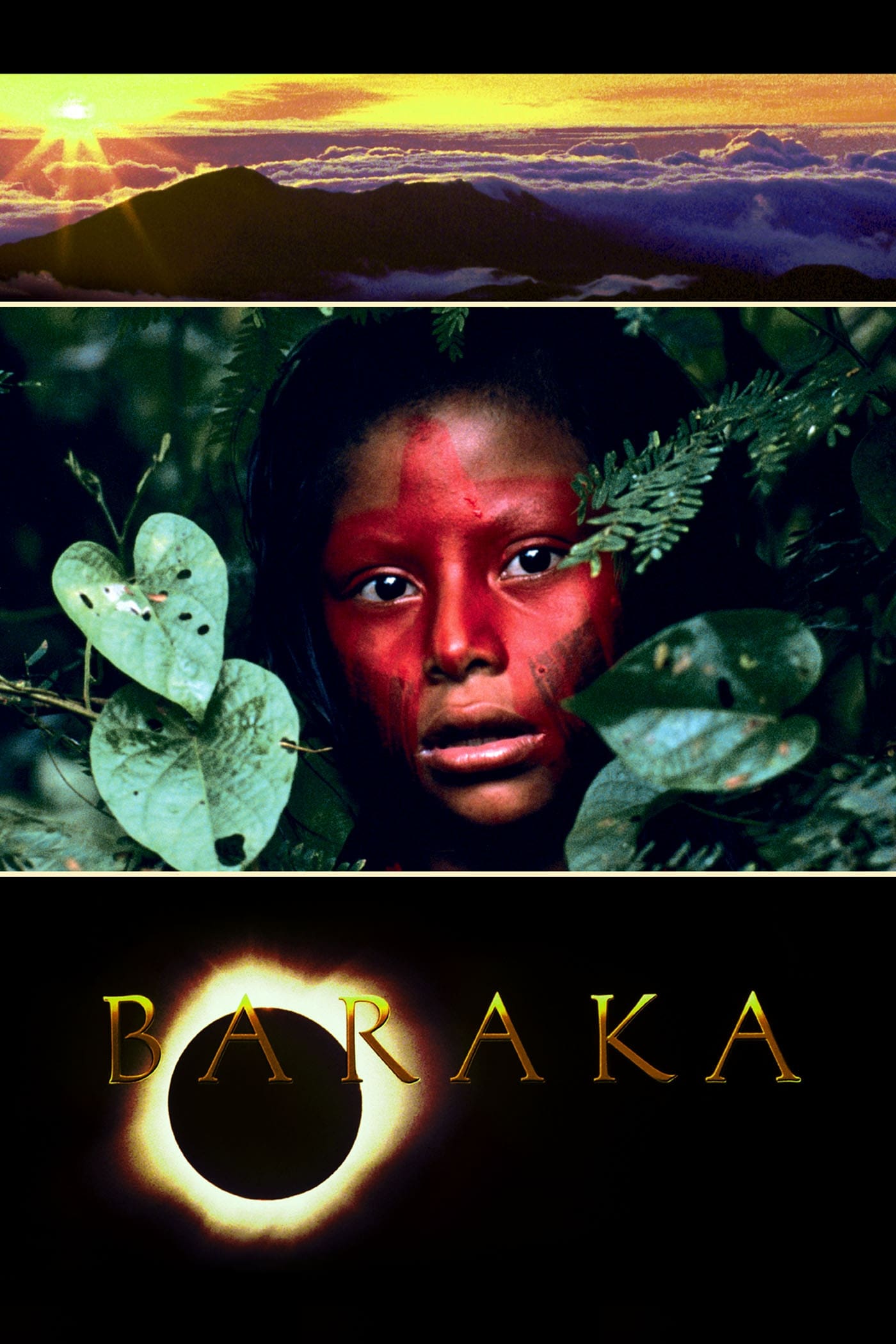
A paralysingly beautiful documentary with a global vision—an odyssey through landscape and time—that attempts to capture the essence of life.
A compilation of over 30 years of private home movie footage shot by Lithuanian-American avant-garde director Jonas Mekas, assembled by Mekas "purely by chance", without concern for chronological order.
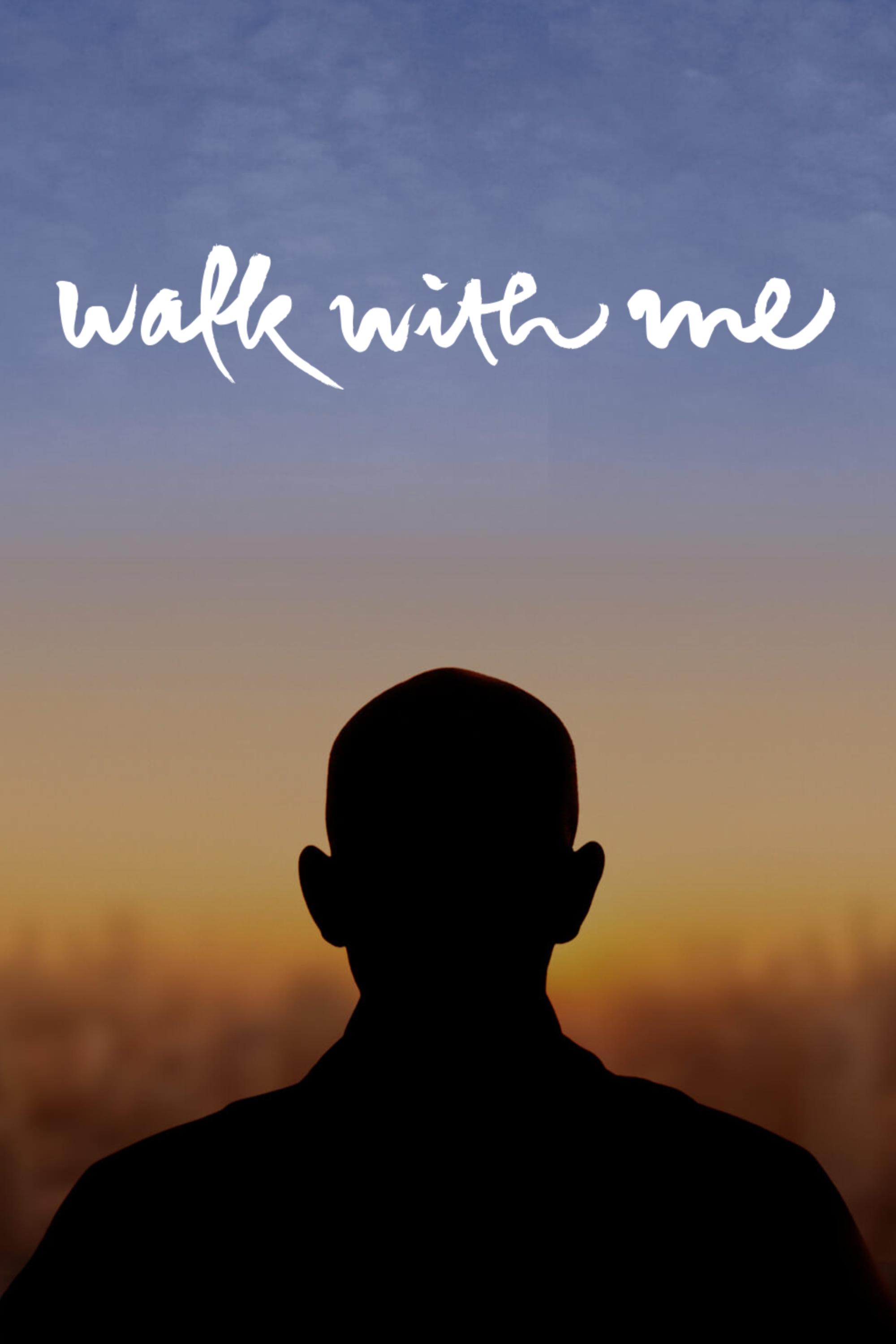
Narrated by Benedict Cumberbatch, Walk With Me is a cinematic journey into the world of a monastic community who practice the art of mindfulness with Zen Buddhist master Thich Nhat Hanh.
A documentary on the expletive's origin, why it offends some people so deeply, and what can be gained from its use.
A visual montage portrait of our contemporary world dominated by globalized technology and violence.
A presentation of a case for a needed transition out of the current socioeconomic monetary paradigm which governs the entire world society. This subject matter will transcend the issues of cultural relativism and traditional ideology and move to relate the core, empirical 'life ground' attributes of human and social survival, extrapolating those immutable natural laws into a new sustainable social paradigm called a 'Resource-Based Economy'.
Martin Scorsese, Robert De Niro, Joe Pesci, and Al Pacino in conversation about The Irishman.
Nine filmmakers each profile a young girl from a different part of the world to weave a global tapestry of youth in the 21st century.
A true-crime comedy exploring a failed music festival turned internet meme at the nexus of social media influence, late-stage capitalism, and morality in the post-truth era.
In the Realms of the Unreal is a documentary about the reclusive Chicago-based artist Henry Darger. Henry Darger was so reclusive that when he died his neighbors were surprised to find a 15,145-page manuscript along with hundreds of paintings depicting The Story of the Vivian Girls, in What is Known as the Realms of the Unreal, of the Glodeco-Angelinnian War Storm, Cased by the Child Slave Rebellion.
A tribute to Chadwick Boseman, celebrating his life and legacy.
A documentary chronicling Queen and Lambert's incredible journey since they first shared the stage together on "American Idol" in 2009.
Through deeply personal interviews with her siblings and an examination of the photographs, letters, and belongings left behind, Mariska assembles a new portrait of her mother Jayne Mansfield, an extraordinary and complex woman.
This revealing documentary honors the legendary Sidney Poitier—iconic actor, filmmaker, and civil rights activist. Featuring interviews with Denzel Washington, Spike Lee, Halle Berry, and more.
Martin Scorsese’s portrait of writer and social commentator Fran Lebowitz, celebrated for her sharp wit and observations on modern life. Filmed at New York’s Waverly Inn and intercut with archival footage and interviews, the documentary captures Lebowitz’s distinctive worldview through her spontaneous monologues and public appearances.
A documentary chronicling Vogue editor-in-chief Anna Wintour's preparations for the 2007 fall-fashion issue.
Stars of "The Walking Dead," Andrew Lincoln and Danai Gurira, walk down memory lane and visit iconic locations where pivotal moments between their characters, Rick and Michonne, were filmed.
Daniel Craig candidly reflects on his 15 year adventure as James Bond. Including never-before-seen archival footage from Casino Royale to the upcoming 25th film No Time To Die, Craig shares his personal memories in conversation with 007 producers, Michael G Wilson and Barbara Broccoli.
Lyrical and powerfully personal essay film that reflects on the deaths of her husband Lou Reed, her mother, her beloved dog, and such diverse subjects as family memories, surveillance, and Buddhist teachings.