Social & External
Being mother is the most natural thing in the world. Or so it seems. Yet the demands on women with children have rarely been as overloaded and contradictory as they are in today’s Western world. Promises of happiness are often followed by disadvantages, excessive demands and feelings of guilt. The mother has become an artificially glorified ideal, which nevertheless is often legitimized by the „nature of the woman“. We live in a time when three people could claim to be the same child’s mother: egg donors give their genes to beget children, surrogate mothers deliver babies which they give away immediately after birth, and men raise children by themselves – without a woman at their side. Hence the question arises: What makes a human being a real mother?
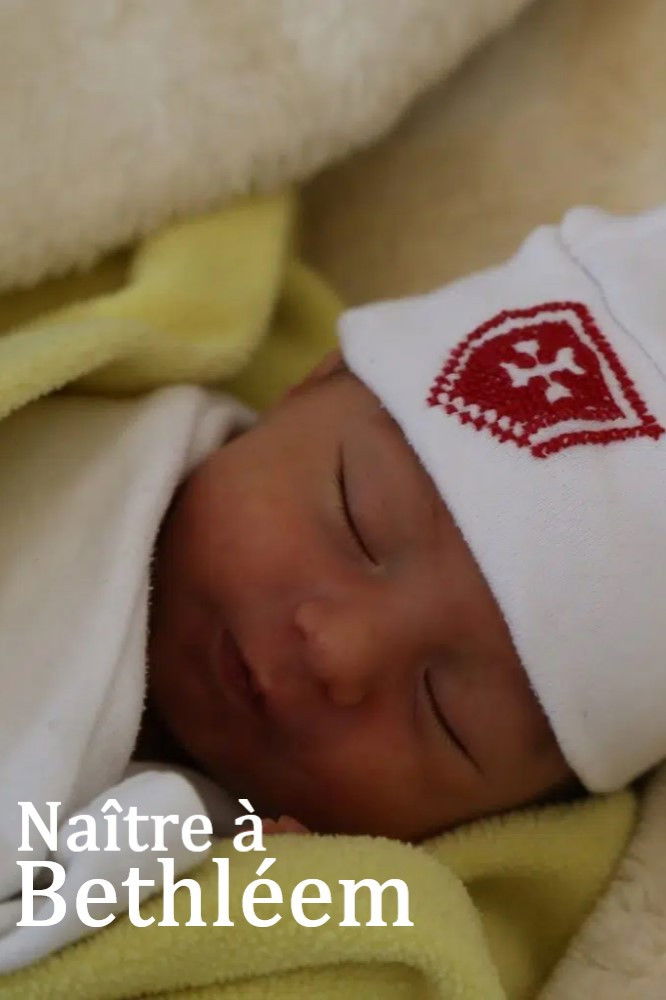
This student film by the award-winning Helena Třeštíková bears many of the hallmarks of her later work. Made as a graduation piece when she was at the FAMU Film and TV Academy in Prague, we see the director developing the distinctive observational style of filmmaking that she has used so effectively throughout her career. Over the course of several months, she follows a young pregnant woman as she becomes slowly acquainted with the joys and responsibilities of motherhood.
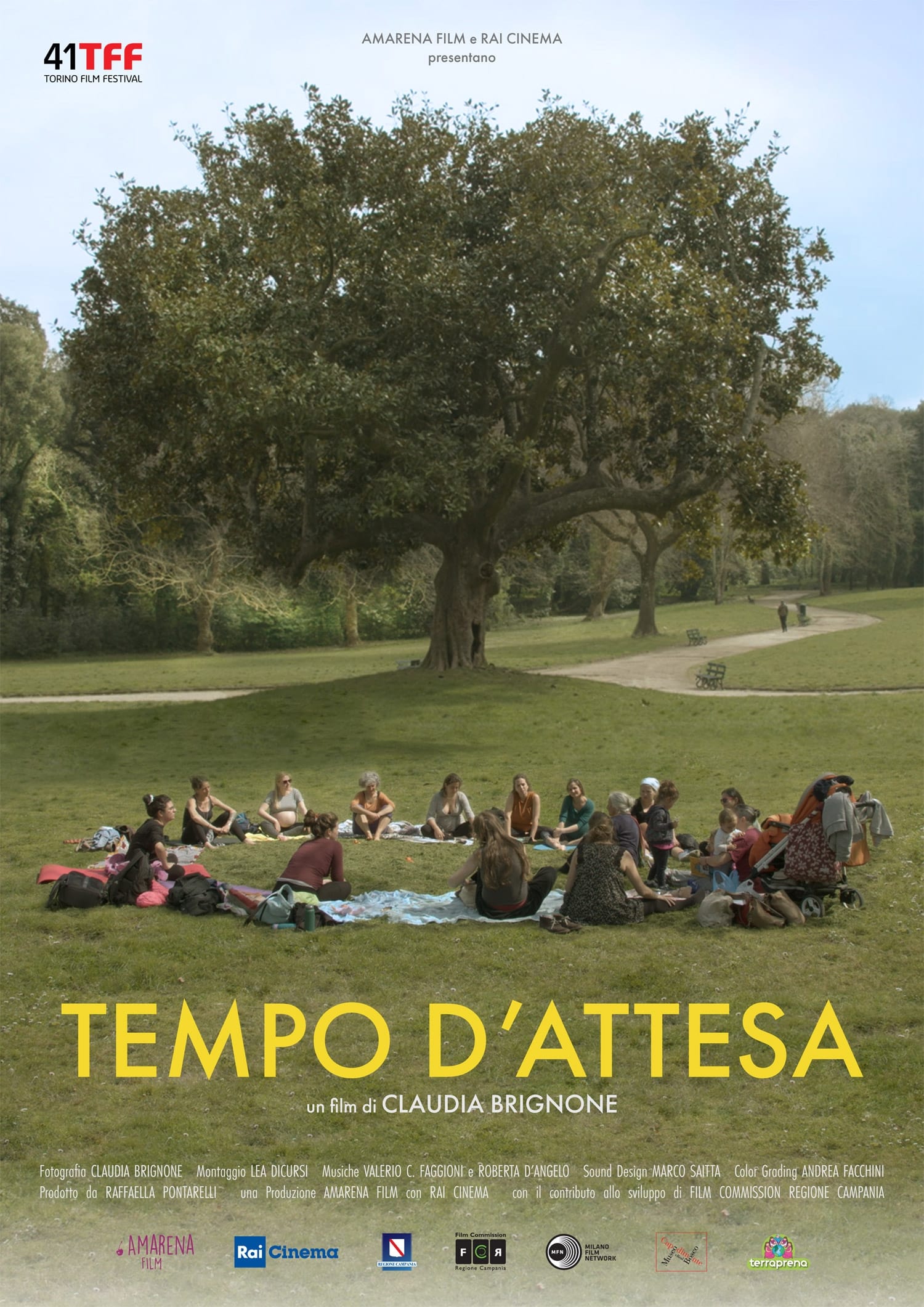
Under the shade of a Magnolia tree, a group of pregnant women gathers weekly. Among them is Teresa, an experienced midwife who listens to them attentively. Sitting in a circle, the women reflect on the impending birth of their children and their own emerging roles as mothers.
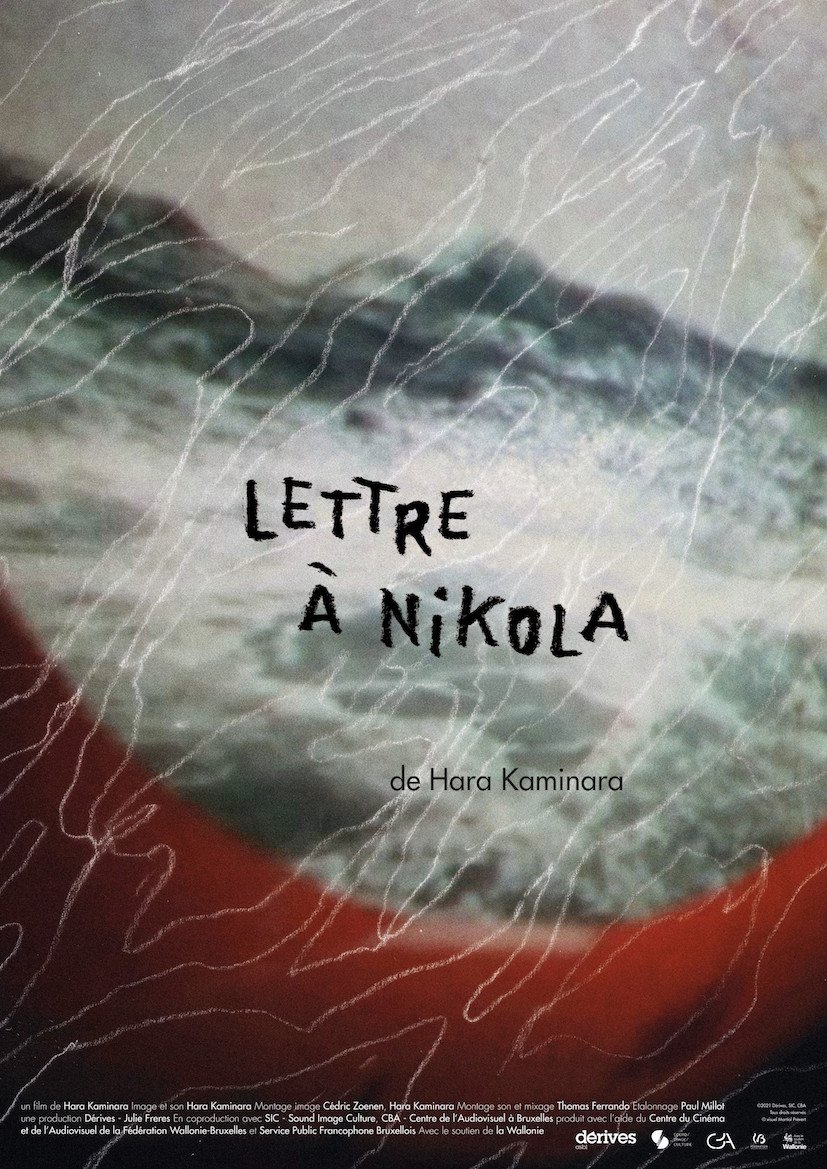
As a letter to her son, the filmmaker testifies her experience as a photographer aboard the Aquarius, a ship that rescued 29,523 people in the Mediterranean between 2016 and 2018.
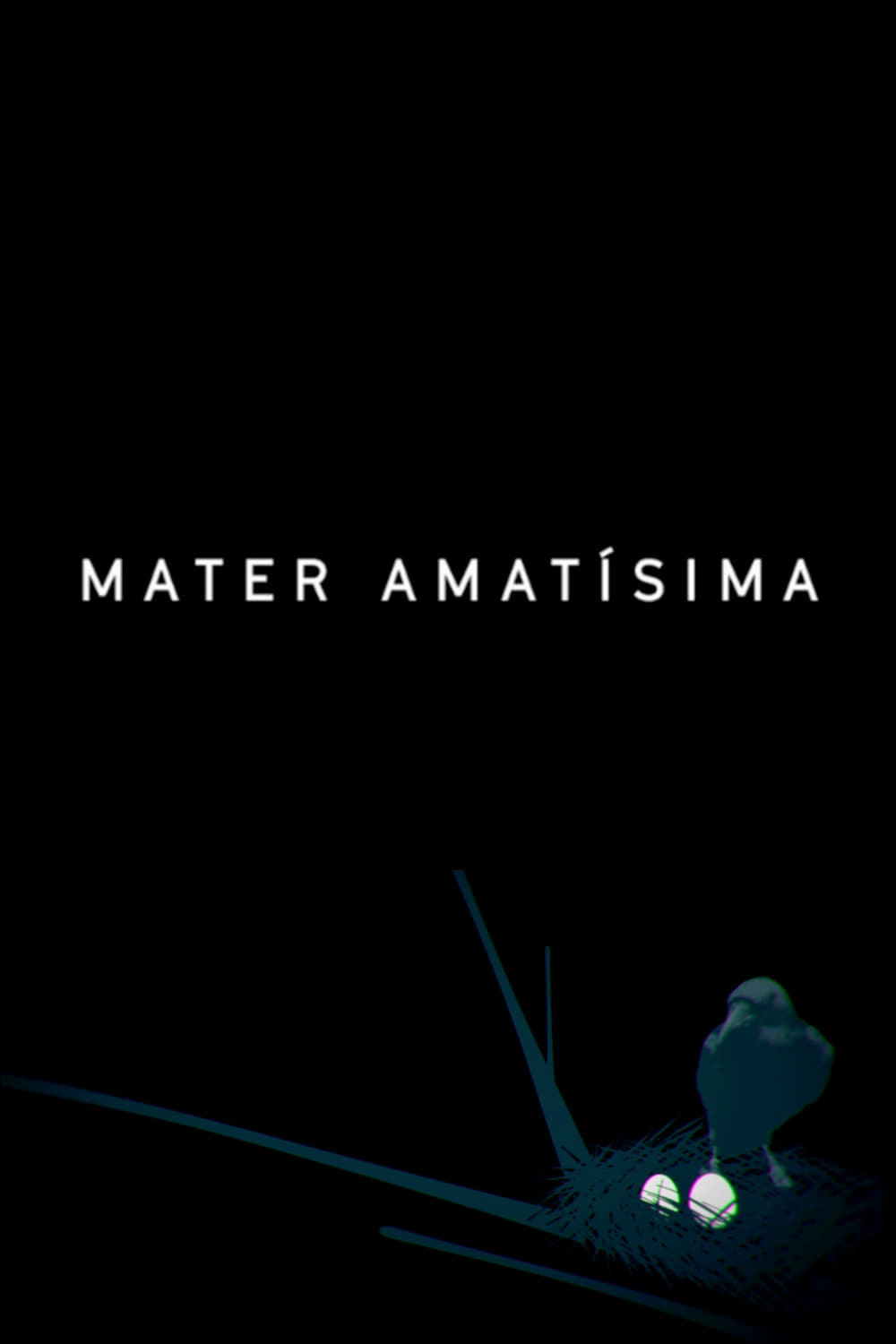
Given the fetishizing and normalizing character that is given to motherhood in patriarchy in order to perpetuate the social order, do we truly choose to be mothers? Why is care, of fundamental vital labor, presupposed as an especially appropriate task for women?
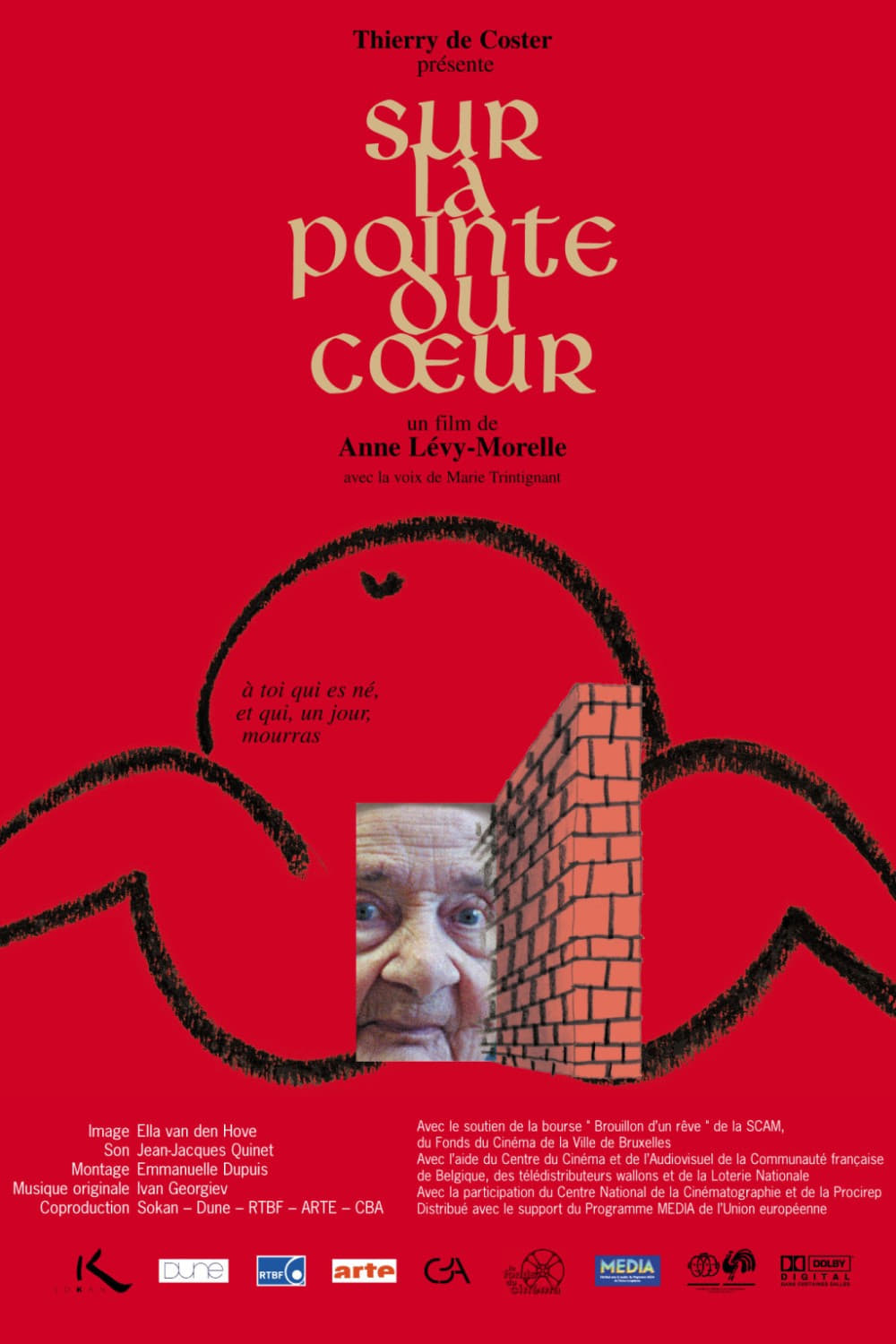
"On the Tip of the Heart" - is a documentary on the St Peter's Hospital in Brussels, structured around seven doors from the maternity to the morgue. This is an opportunity for the director to ask the audience a question, namely: what is there in common between a medieval city, human life and a hospital?
When Fernanda and Andressa received the autism diagnoses of their sons, Rafael and Martin, they faced a future marked by invasive treatments and fear. Seeking autonomy, they found in cannabis oil a key to give their children the chance to dream and fight for dignity.
Two drag queens living in a place where homophobia and transphobia are common open their hearts to the world, revealing the human being behind the makeup and wigs. They share the reality of drag as an art form and what it means to move forward as part of the LGBTTTI+ community in a Latin American context.
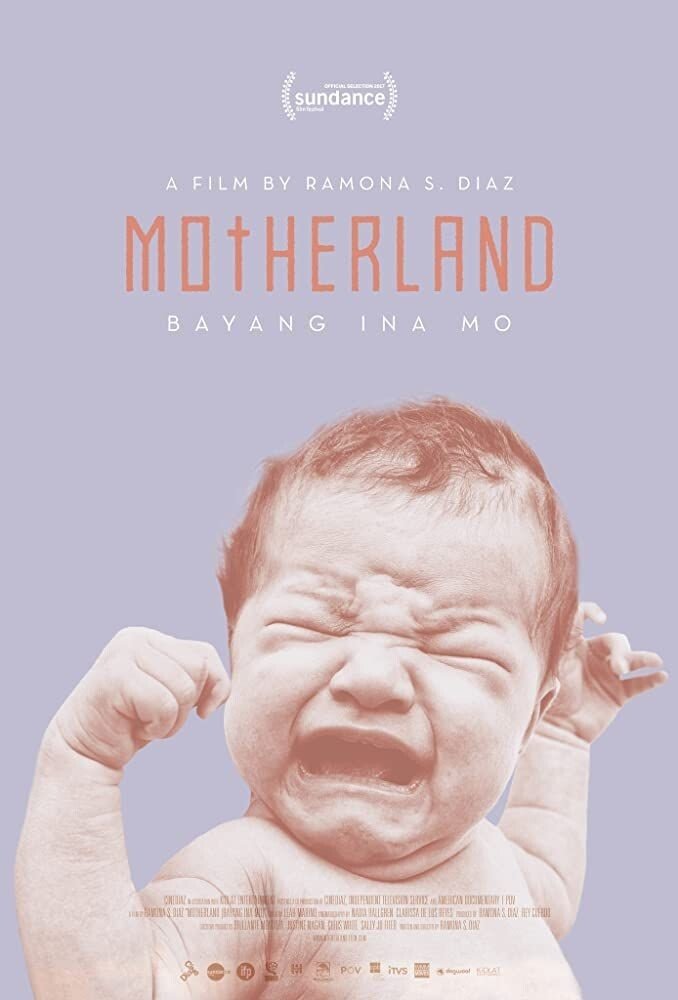
The planet’s busiest maternity hospital is located in one of its poorest and most populous countries: the Philippines. There, poor women face devastating consequences as their country struggles with reproductive health policy and the politics of conservative Catholic ideologies.
Maria is a shellfisherwoman and midwife in a small village in the Illa de Arousa in 1970s Galicia. After an unexpected event, she is forced to flee to Portugal.
Claire is a midwife and has devoted her life to others. At a moment when she is preoccupied by the imminent closure of the maternity clinic where she works, her life is further turned upside down when Béatrice, her father's former mistress, turns up on the scene. Béatrice is a capricious and selfish woman, Claire's exact opposite.
Natalia is a 17-year-old mom living with her mother and son, Antos. She wanted to have a baby because it was a “cool” thing to do, and because she feels she has someone to love; someone who can love her in return. Everything changes when Natalia’s mother decides to move out, giving Natalia a chance to lead a “normal life.”
By approaching the process of sexual reassignment, the work mixes data and experiences, focusing on family relationships and the nuances of the feminine.
A purely observational non-fiction film that takes viewers into the ethically murky world of end-of-life decision making in a public hospital.
A documentary that explores the downloading revolution; the kids that created it, the bands and the businesses that were affected by it, and its impact on the world at large.
The film is based on interviews with 2,000 women from 50 countries, and covers the status of women all over the world. The topics covered include forced marriages, sexual assault, female genital mutilation, acid attacks, motherhood, sexuality, menstruation, education and the professional success of women.
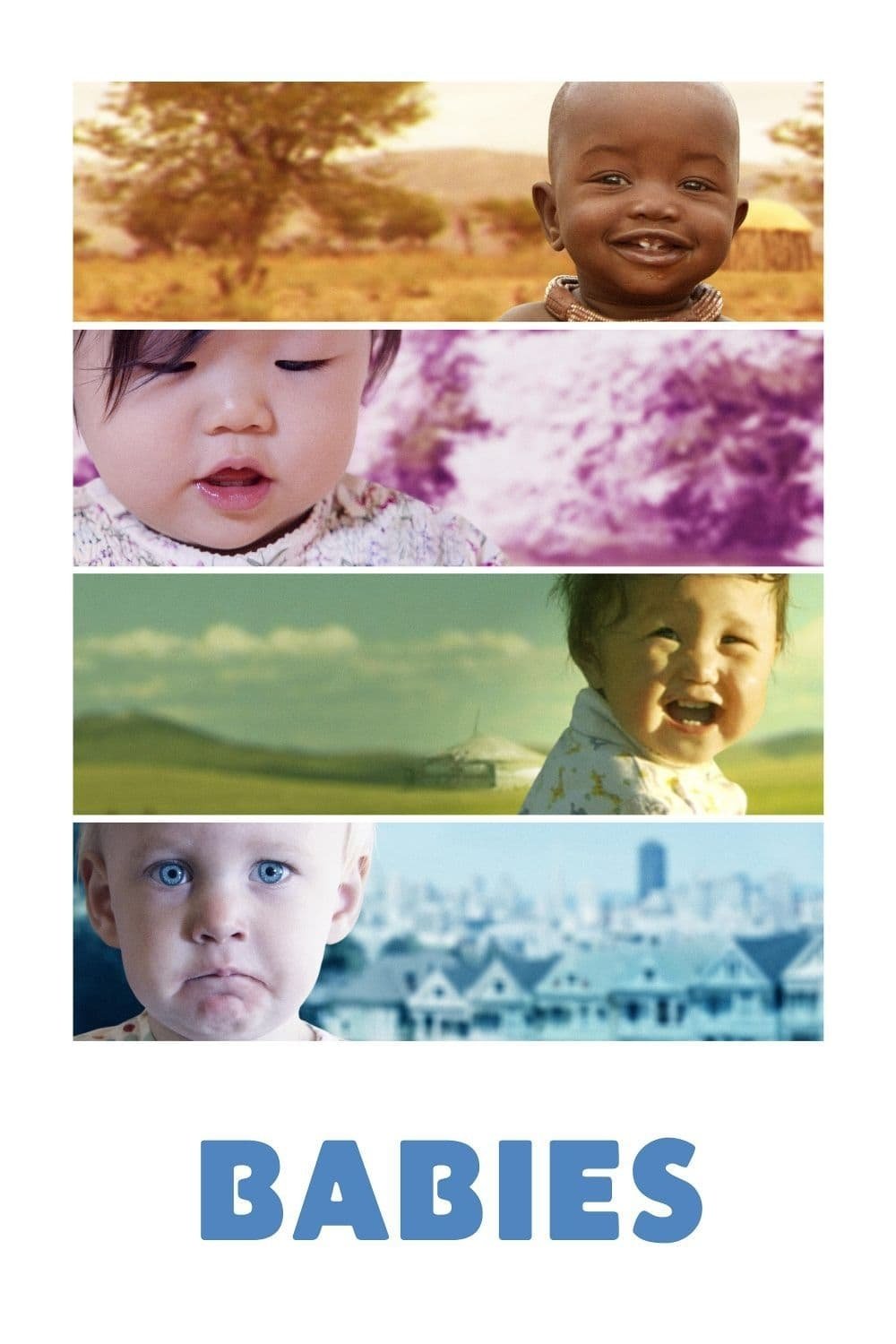
A non-narrated documentary following the lovesome lives of four infants from birth to their first birthday. The babies featured are two from rural areas: Ponijao from Opuwo, Namibia, and Bayar from Bayanchandmani, Mongolia, as well as two from urban areas: Mari from Tokyo, Japan, and Hattie from San Francisco, USA.
“Showrunners” is the first ever feature length documentary film to explore the fascinating world of US television showrunners and the creative forces aligned around them. These are the people responsible for creating, writing and overseeing every element of production on one of the United State’s biggest exports – television drama and comedy series. Often described as the most complex job in the entertainment business, a showrunner is the chief writer / producer on a TV series and, in most instances, the show’s creator. Battling daily between art and commerce, showrunners manage every aspect of a TV show’s development and production: creative, financial and logistical.
A documentary about how a dominant cultural and demographic institution both sustains their traditional activities and adapts to the digital revolution.
This character-driven film considers the evolving sex trafficking landscape as seen by the main players: the exploited, the pimps, the johns that fuel the business, and the cops who fight to stop it.
A detailing of the rise to prominence and global sporting superstardom of six supremely talented young Manchester United football players (David Beckham, Nicky Butt, Ryan Giggs, Paul Scholes, Phil and Gary Neville). The film covers the period 1992-1999, culminating in Manchester United's European Cup triumph.
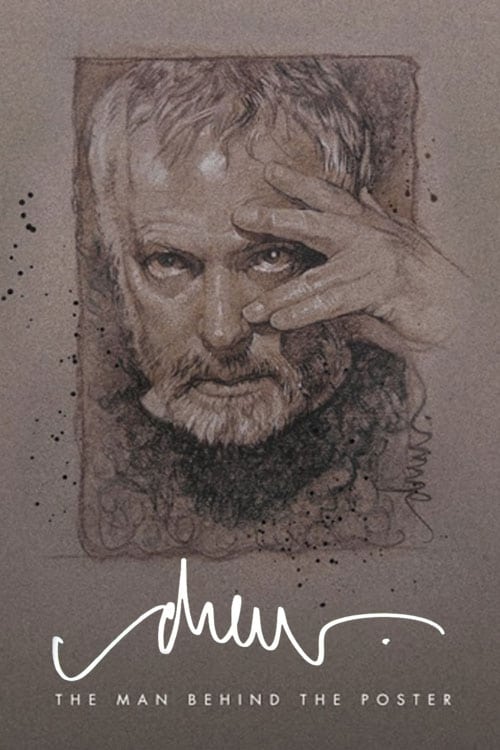
A documentary on legendary movie-poster artist Drew Struzan.
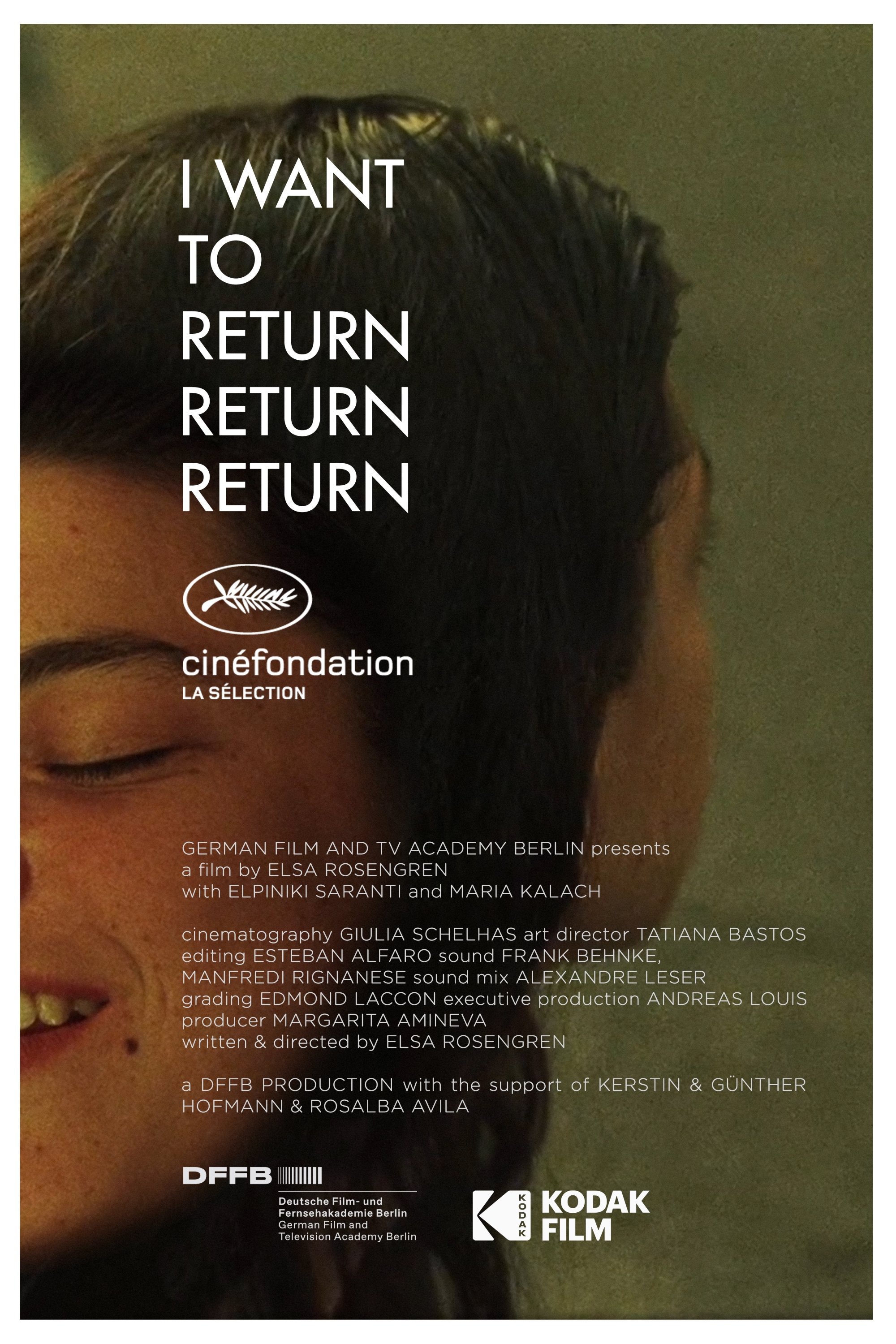
A depiction of the Wrangelkiez neighbourhood in Berlin. The people portrayed tell their life stories. One woman came to the neighbourhood a decade ago to work in Berlin’s still unfinished Brandenburger Airport, one man reminisces his childhood on a Tobacco farm in Kentucky, another speaks of an exceptional day in an otherwise monotonous workplace. These portraits are interwoven with the story of Elpi, a Greek woman who is waiting for the long overdue visit of an old important friend. The outcome of this mixture is a film which captures the lives and perspectives of some of Wrangelkiez’s most commanding citizens, while at the same time evoking the loss that change and time passing means for places and for people.
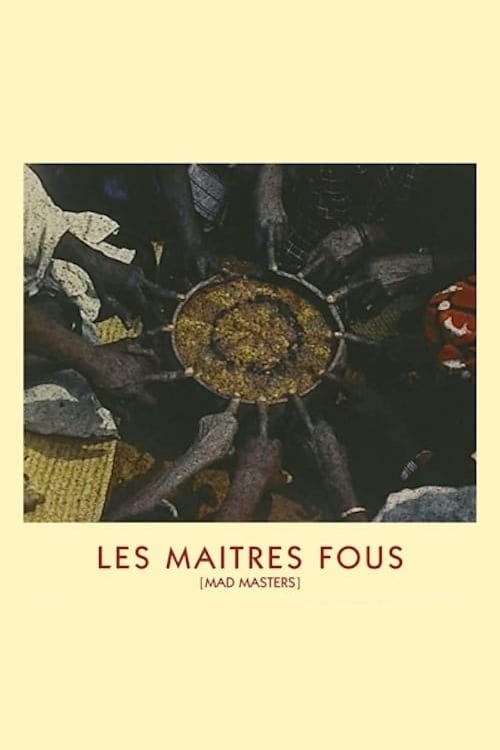
The subject of the film was the Hauka movement. The Hauka movement consisted of mimicry and dancing to become possessed by French Colonial administrators. The participants performed the same elaborate military ceremonies of their colonial occupiers, but in more of a trance than true recreation.
Embrace follows body image activist Taryn Brumfitt's crusade as she explores the global issue of body loathing, inspiring us to change the way we feel about ourselves and think about our bodies.
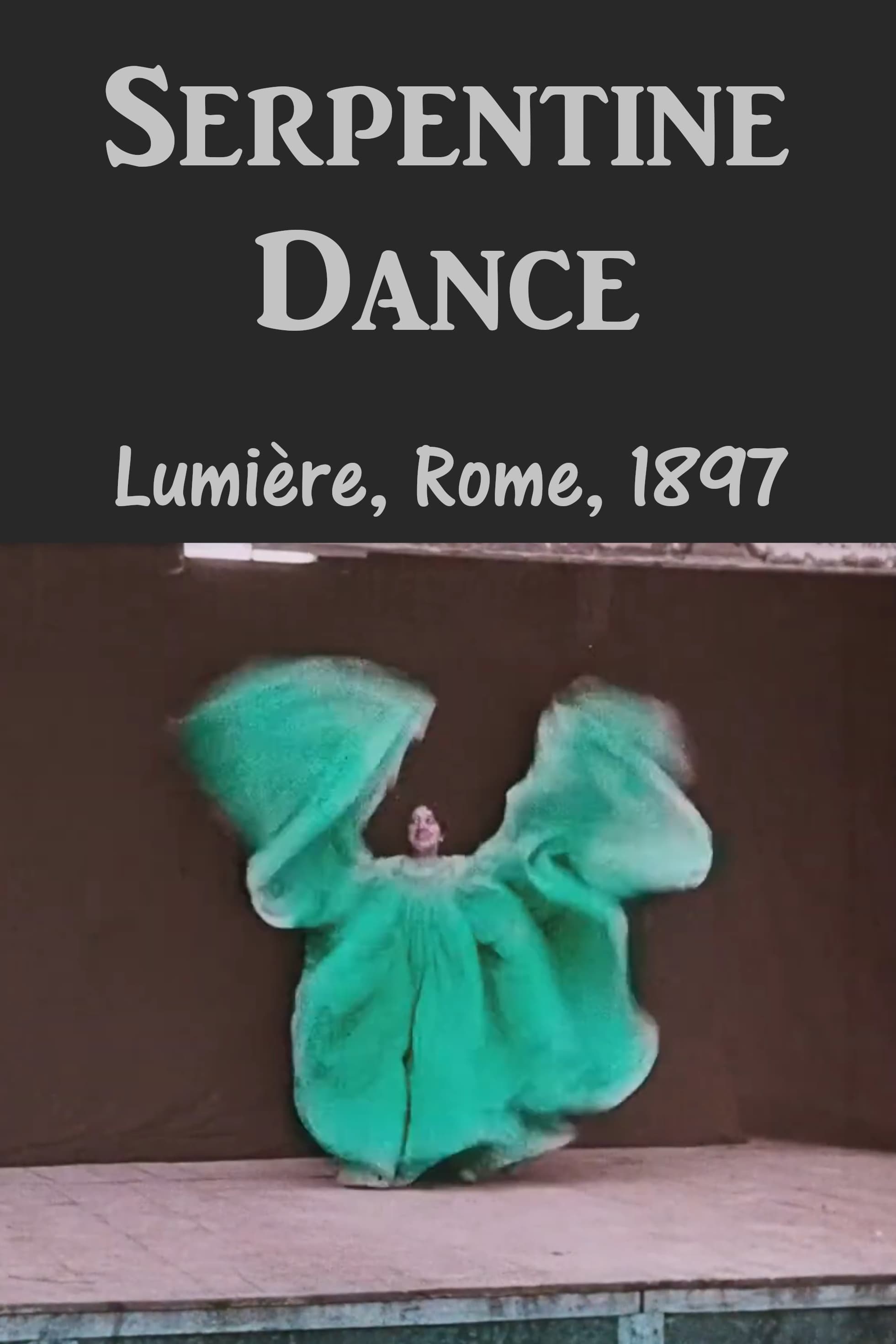
Angelic and demonic serpentine dance from dawn of cinema. Hand-colored frame by frame. Lumière no. 765 or 765.1 (colorized, different dancer?).
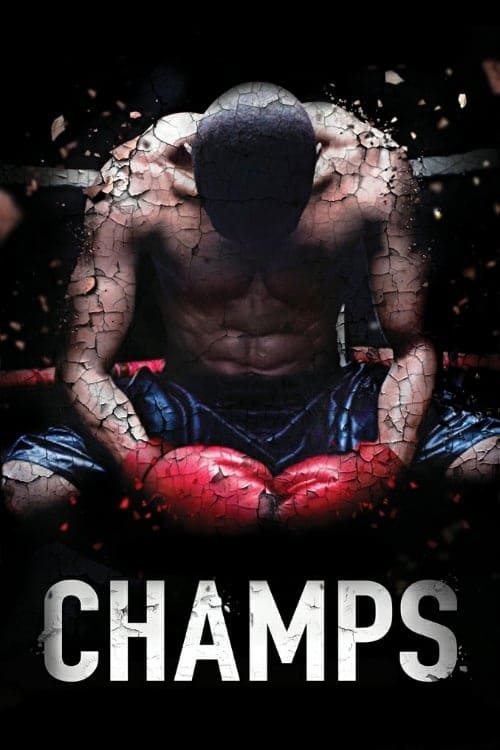
A documentary about the sport of boxing, as seen through the eyes of champions Mike Tyson, Evander Holyfield and Bernard Hopkins.
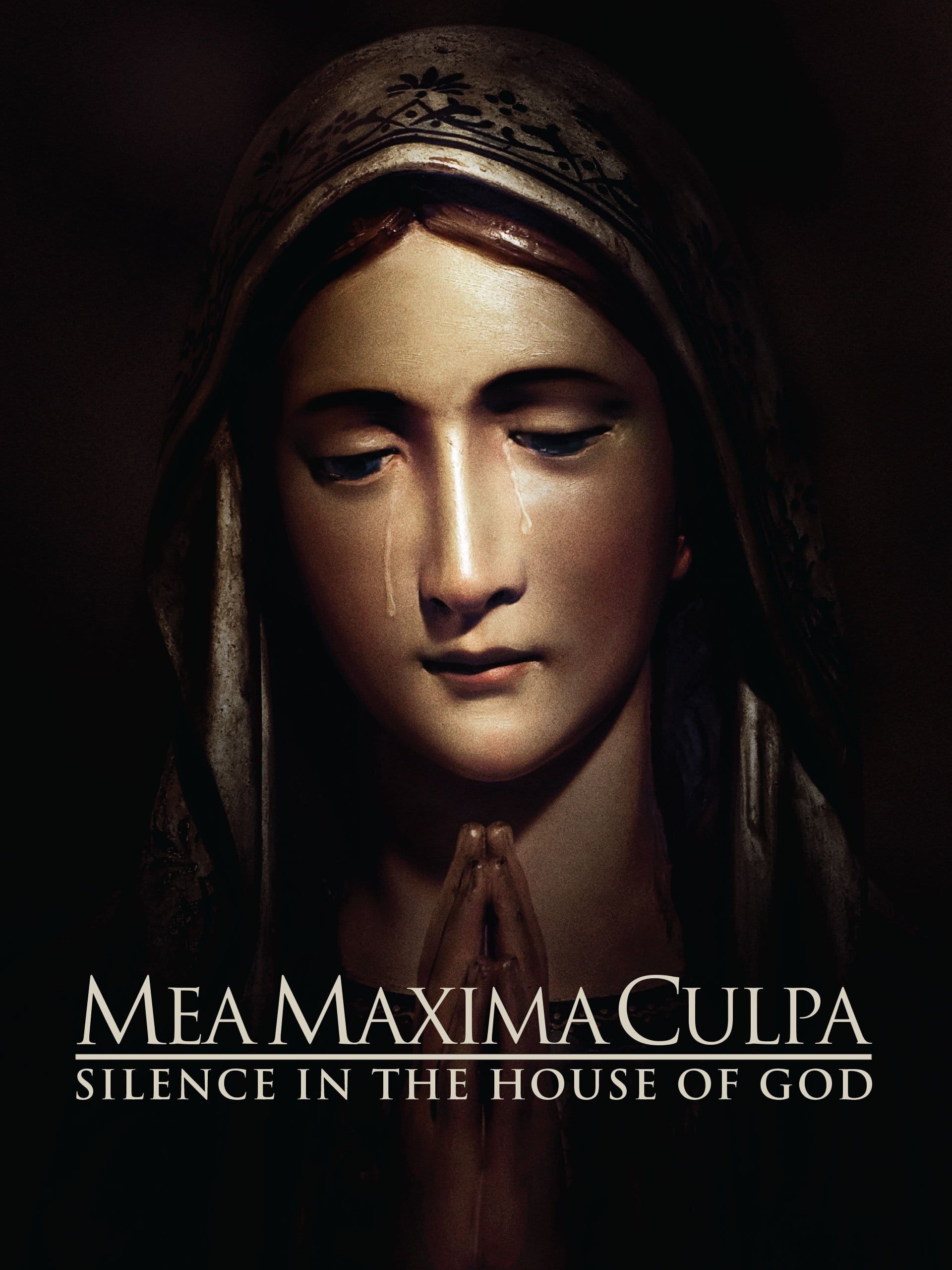
Alex Gibney explores the charged issue of pedophilia in the Catholic Church, following a trail from the first known protest against clerical sexual abuse in the United States and all way to the Vatican.
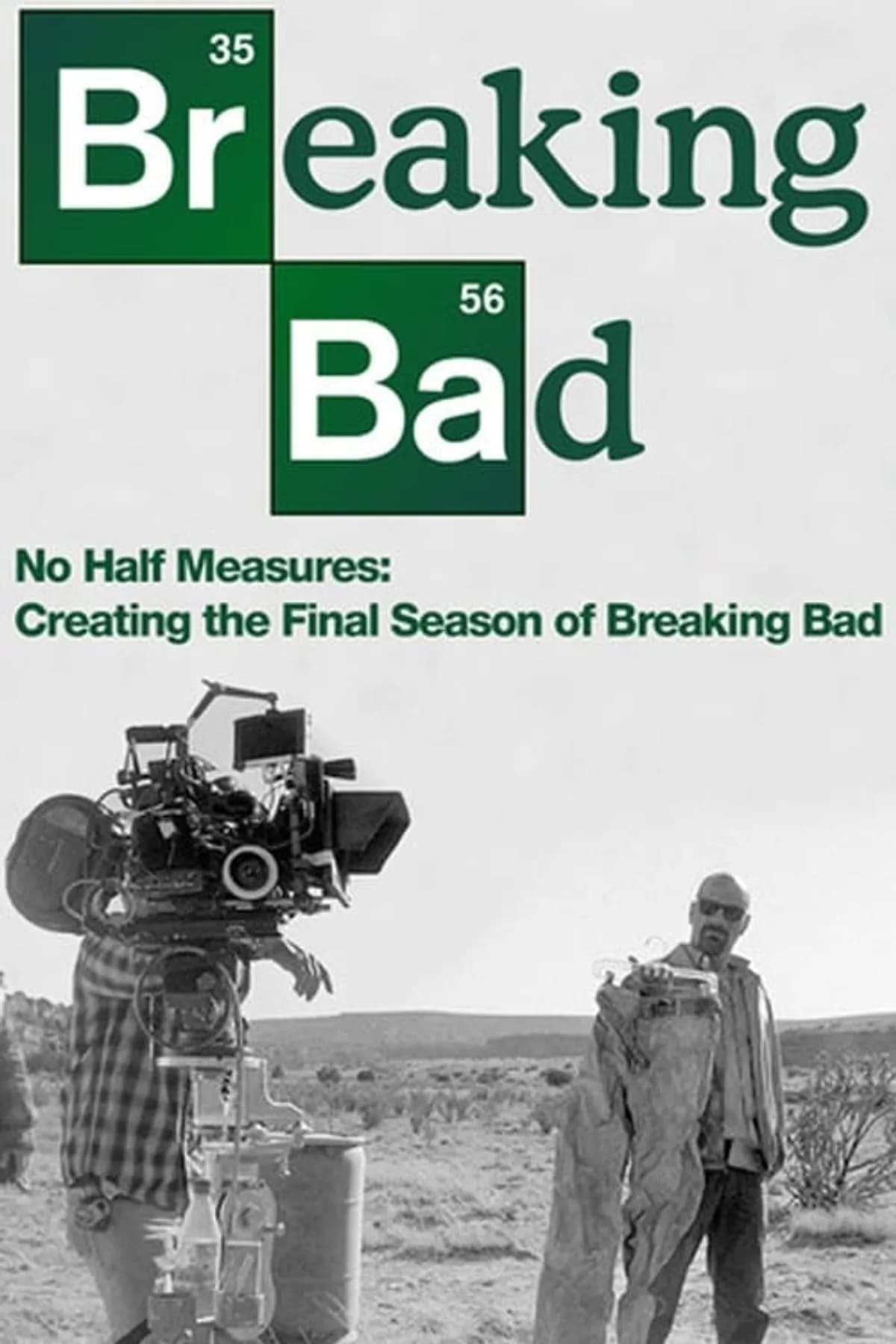
A documentary about the making of season five of the acclaimed AMC series Breaking Bad.
A chronicle of the life, work and mind that created the Cthulhu mythos.
SEDUCED AND ABANDONED combines acting legend Alec Baldwin with director James Toback as they lead us on a troublesome and often hilarious journey of raising financing for their next feature film. Moving from director to financier to star actor, the two players provide us with a unique look behind the curtain at the world's biggest and most glamourous film festival, shining a light on the bitter-sweet relationship filmmakers have with Cannes and the film business. Featuring insights from directors Martin Scorsese, 'Bernando Bertolucci' and Roman Polanski; actors Ryan Gosling and Jessica Chastain and a host of film distribution luminaries.
The life and career of one of comedy's most inimitable modern voices, Mr. Gilbert Gottfried.
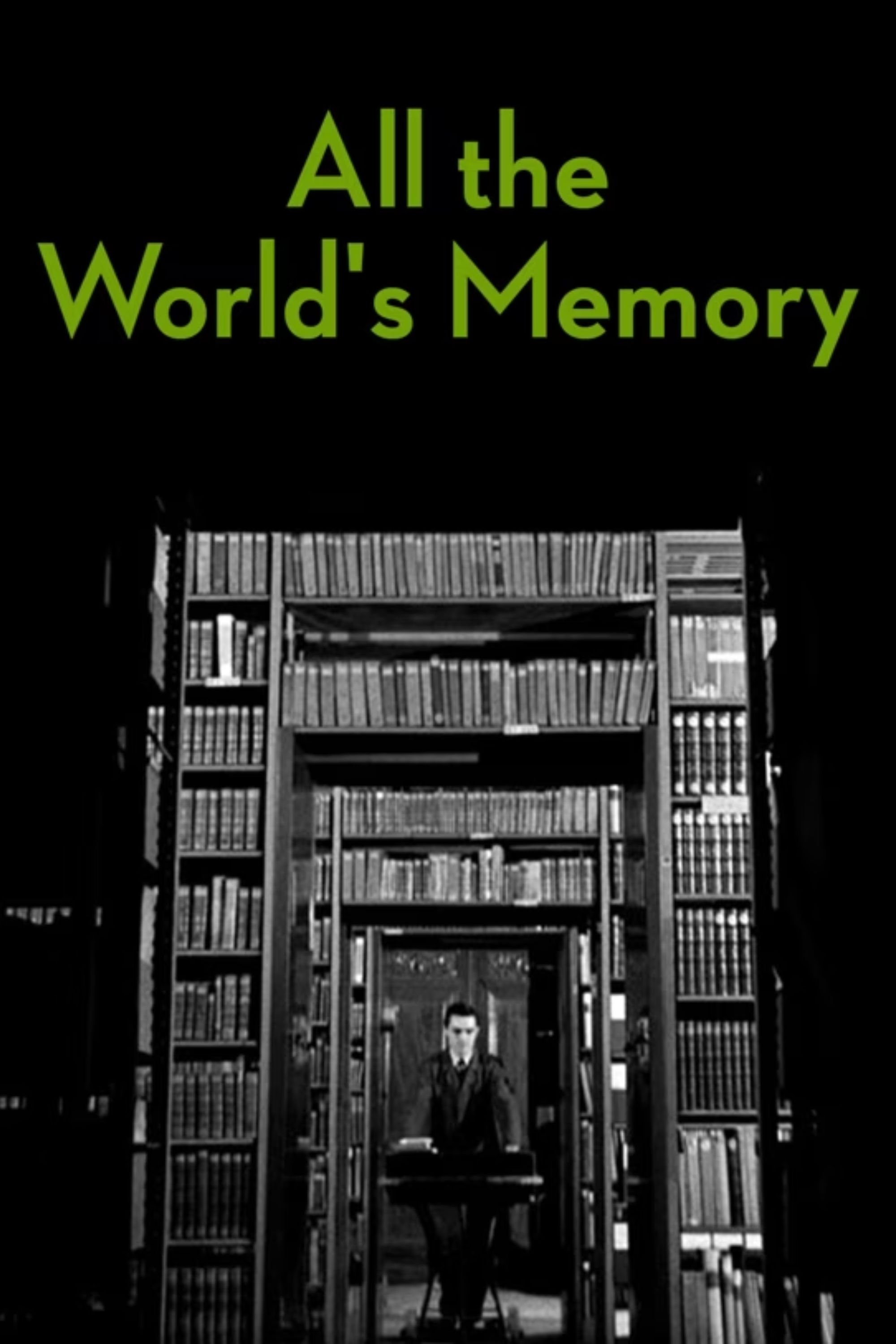
A documentary about the Bibliothèque Nationale in Paris. It presents the building, with its processes of cataloguing and preserving all sorts of printed material, as both a monument of cultural memory and as a monstrous, alien being.