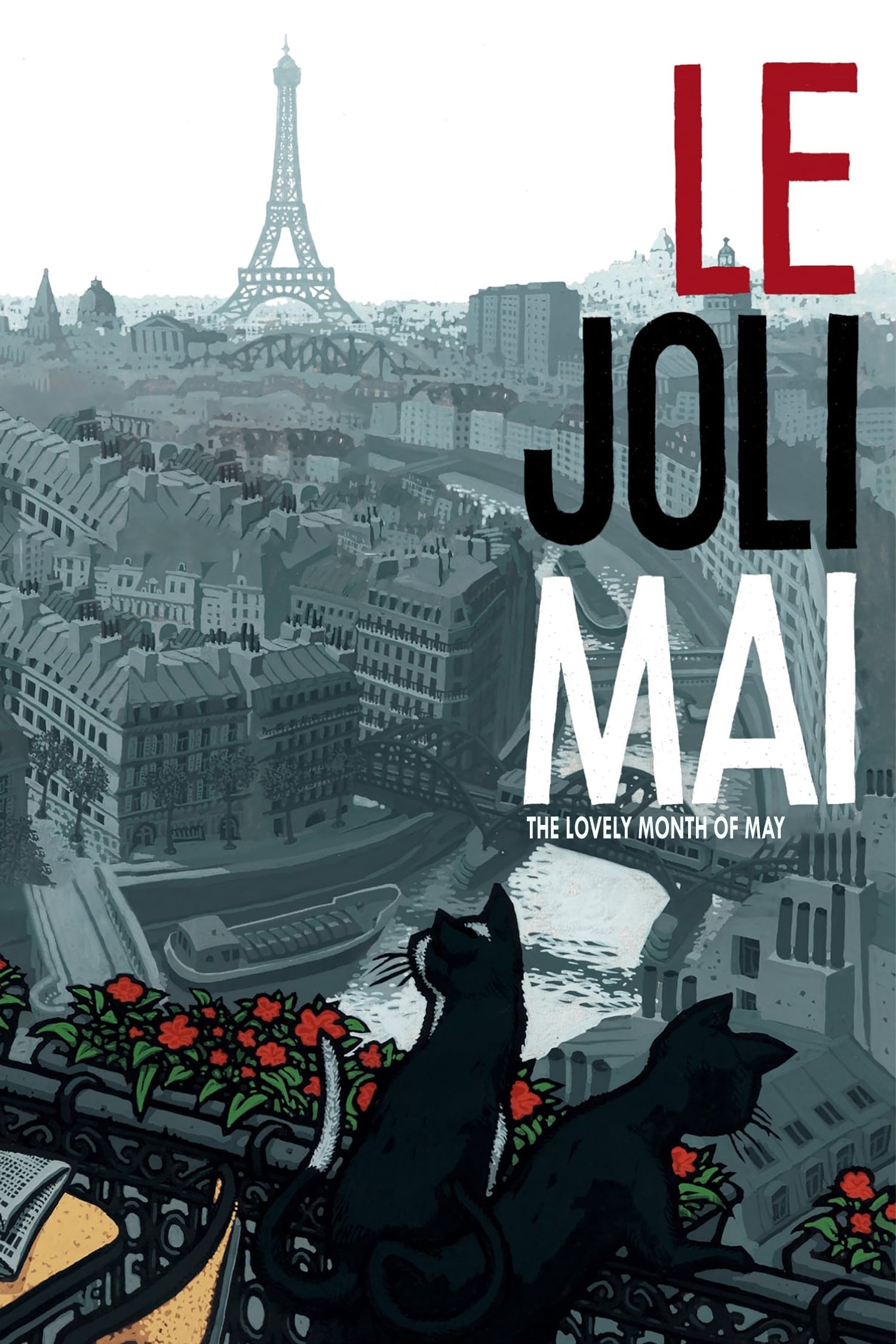
A short documentary about the construction of the parisian subway in the 50s.
Social & External
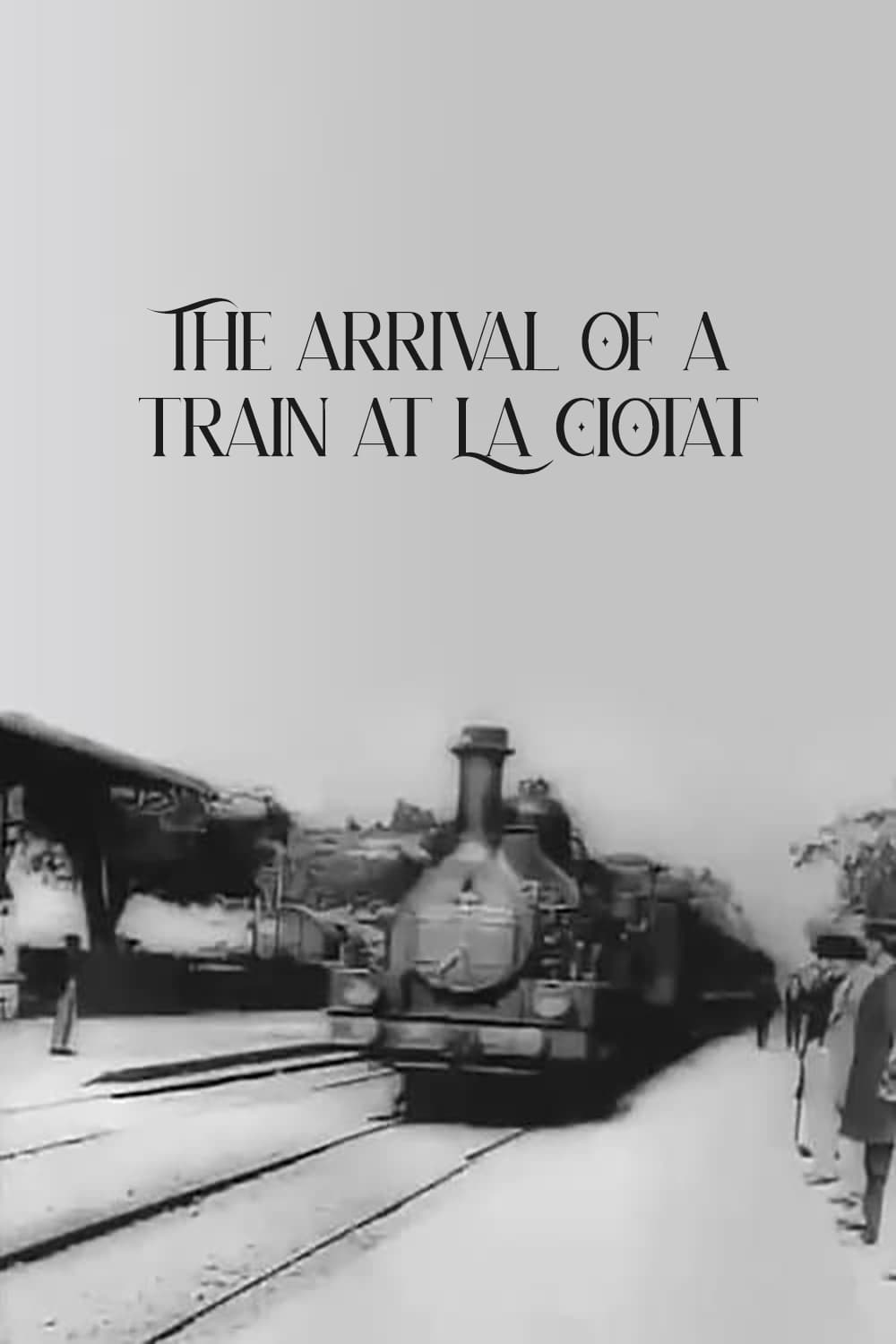
A group of people are standing along the platform of a railway station in La Ciotat, waiting for a train. One is seen coming, at some distance, and eventually stops at the platform. Doors of the railway-cars open and attendants help passengers off and on. Popular legend has it that, when this film was shown, the first-night audience fled the café in terror, fearing being run over by the "approaching" train. This legend has since been identified as promotional embellishment, though there is evidence to suggest that people were astounded at the capabilities of the Lumières' cinématographe.
Paris, when a young artist discovers a mysterious drowned woman, his obsession to immortalize her in a portrait threatens his sanity. Decades later, the photograph resurfaces, consuming a young journalist whose pursuit of the truth blurs the line between memory, myth, and madness.
In post Civil War West Virginia, 9 year old Jamie's life is forever changed when he unexpectedly meets his Uncle Vernon.
A day in the city of Berlin, which experienced an industrial boom in the 1920s, and still provides an insight into the living and working conditions at that time. Germany had just recovered a little from the worst consequences of the First World War, the great economic crisis was still a few years away and Hitler was not yet an issue at the time.
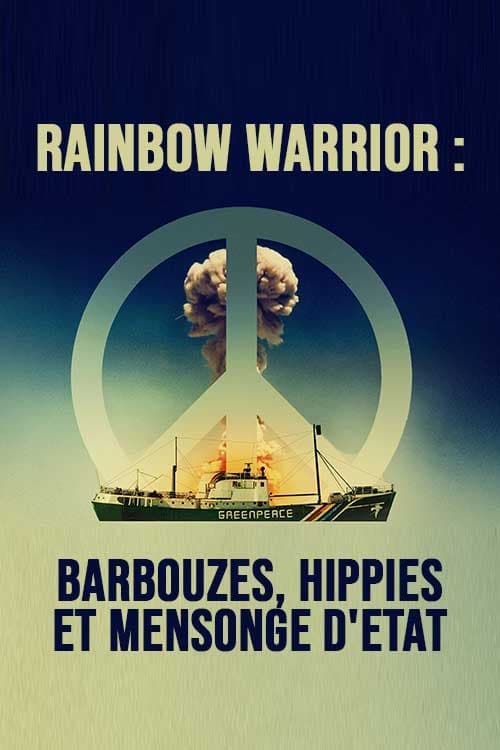
The Rainbow Warrior was a Greenpeace ship that was bombed by operatives of the French government, in New Zealand in 1985, while heading to a protest against nuclear testing, tragically taking the life of photographer Fernando Pereira. Edward McGurn’s enlightening and exciting documentary uncovers a tangled tale of nuclear weapons, geopolitical coverups, and attempts to take action against impending environmental collapse. Was Pereira’s death an accident or part of a larger political plot?
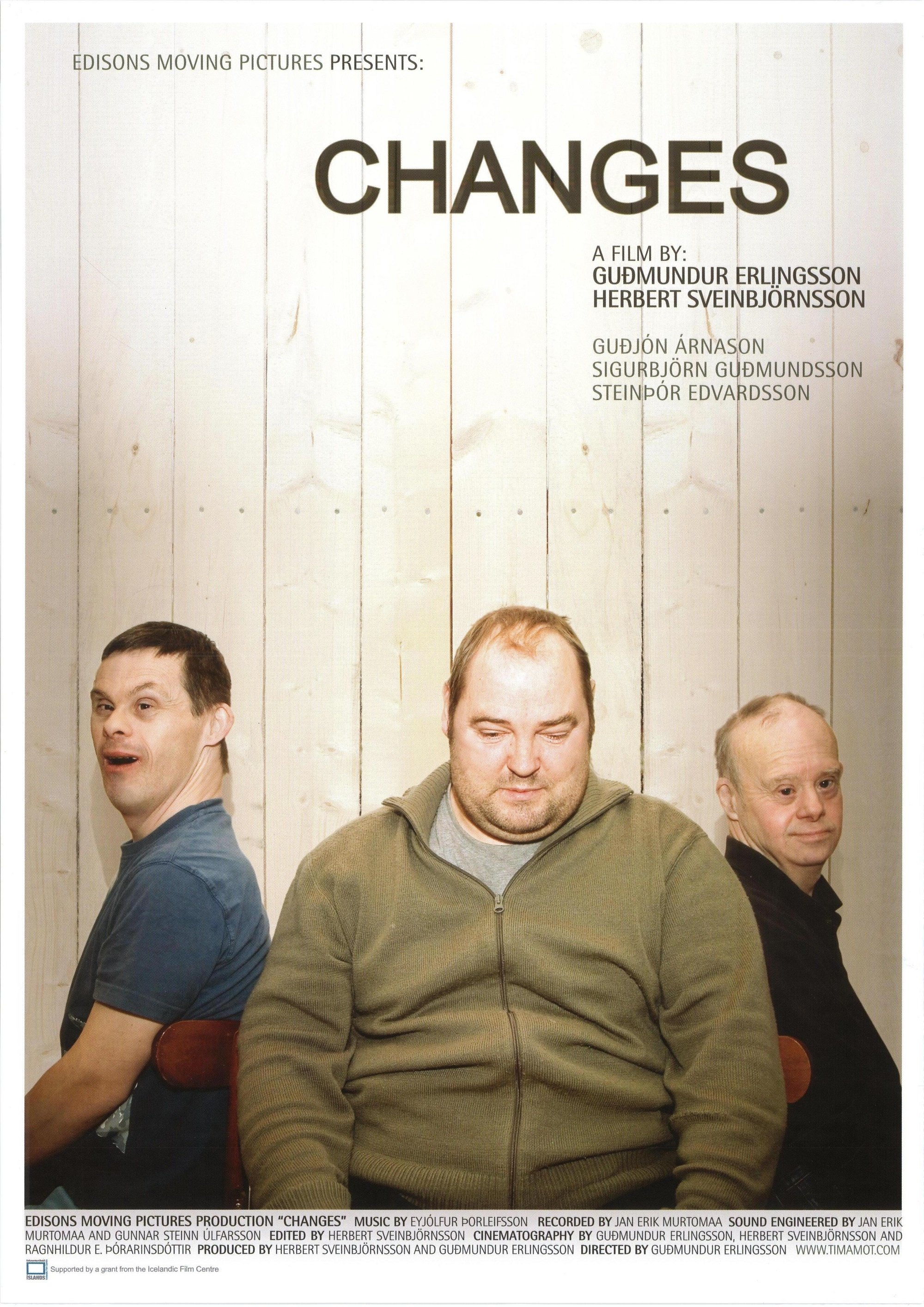
Tímamót, or Changes in English. An upbeat, heartwarming story about Gudjon, Sigurbjorn and Steinthor who lived together for decades along with several other inhabitants in the Tjaldanes Institution, in a peaceful valley close to Reykjavik. When a decision is made to close down the institution, their life takes an unexpected turn and they discover a new side to life and to themselves.
Most movie fans know that the first filmmakers liked to shoot trains entering stations. This example by Sussex film pioneer George Albert Smith illustrates why. The train's rush towards the audience brings movement and visual drama. The flurry of human activity offers plenty for the audience to engage with - who are these people and where are they going? And the time pressure exerted by the fact that the train must soon depart adds narrative tension - will everyone get on and off in time?
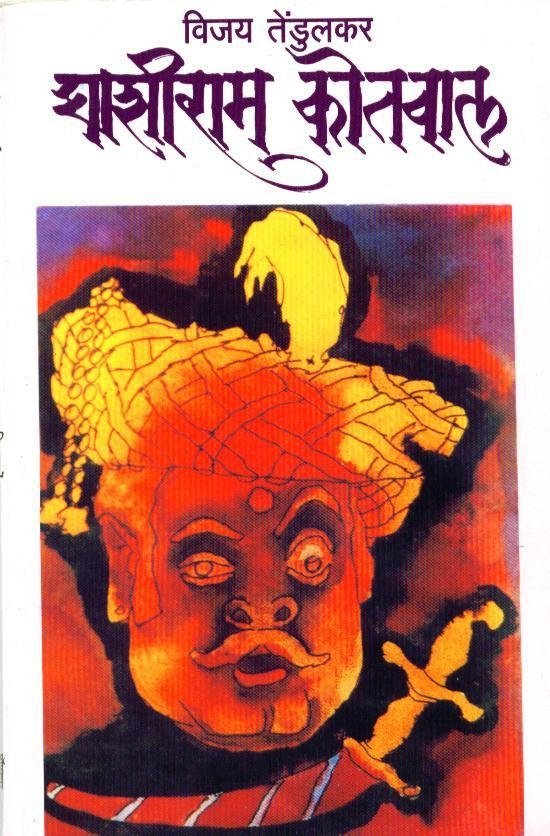
A stylized version of Vijay Tendulkar’s radical Marathi play chronicling the Peshwa regime in western India, a collective effort of direction and cinematography made by an independent group of young filmmakers.
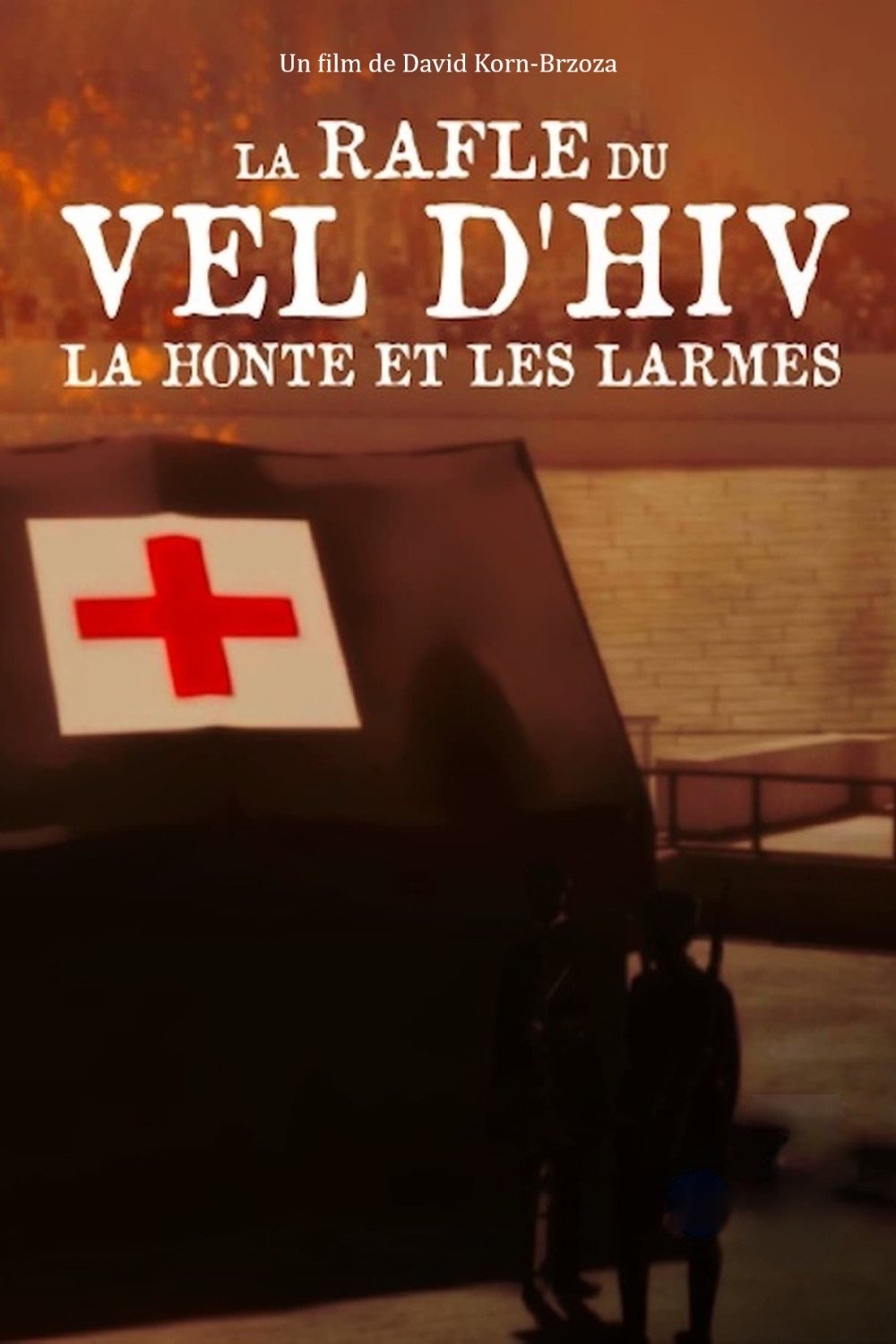
In 1942, more than 8,000 Jews were arrested on 16 and 17 July and sent to the Vélodrome d'Hiver sports center in the 15th district, a stone's throw from the Eiffel Tower, before being deported. The expression "Vel d'Hiv round-up" has become part of our collective memory, to the point of becoming the main memorial reference point for France during the dark years. Based on research carried out in unpublished or rarely explored archives, this film retraces the history of this roundup as experienced by hunted Jews and police trackers, from its planning in the Vichy offices to its hour-by-hour unfolding in the streets of Paris.
Paris, France, during the First World War. While thousands of soldiers die every day on the battlefields, Henri Landru, a seemingly respectable furniture dealer, married and father of four children, relentlessly feeds his own sinister factory of death.
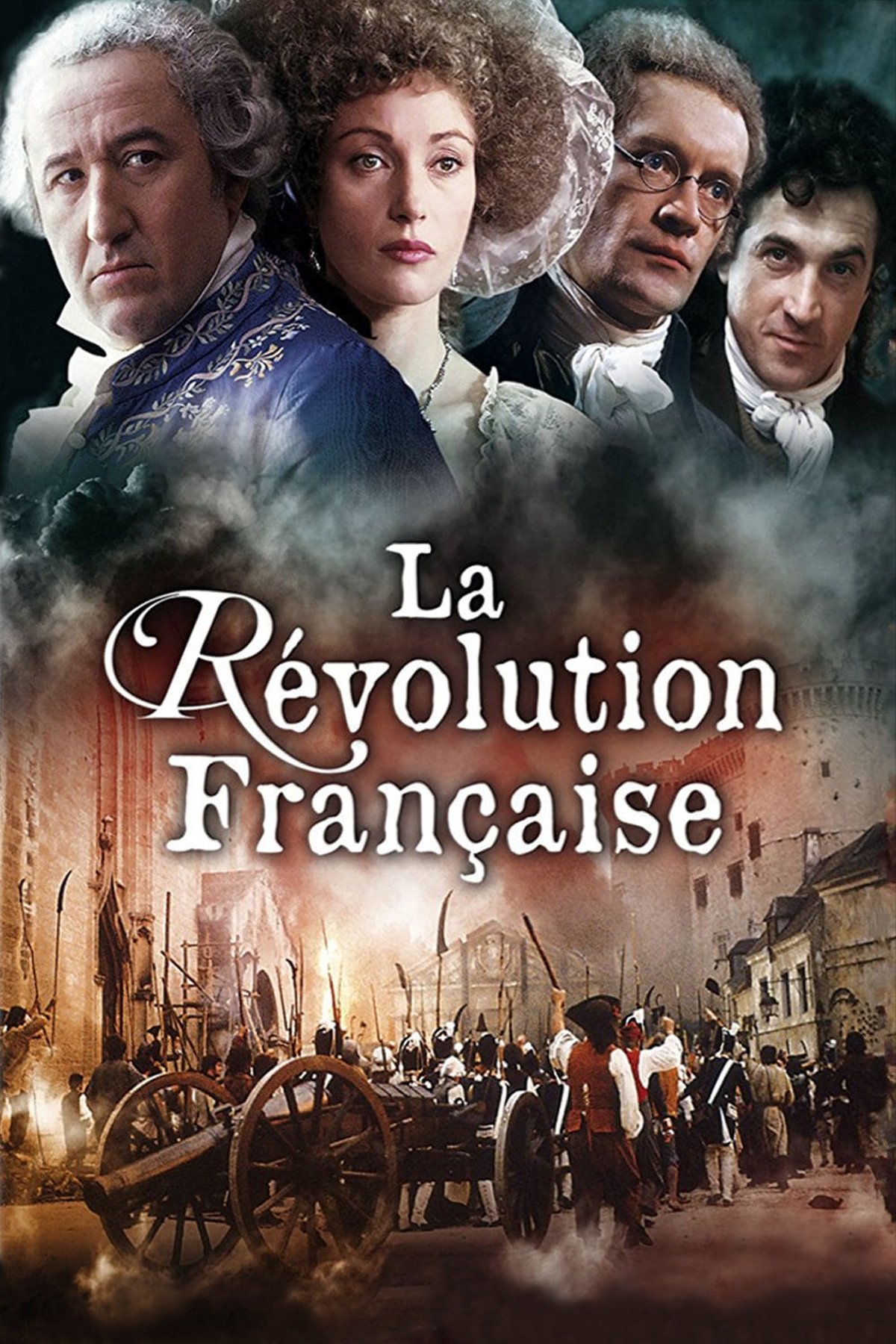
A history of the French Revolution beginning from the decision of the king to convene the Etats-Generaux in 1789 in order to deal with France's debt problem. Part one spans the event until August 10, 1792 (when the King Louis XVI lost all authority and was imprisoned). Part two carries the story through the end of the terror in 1794.
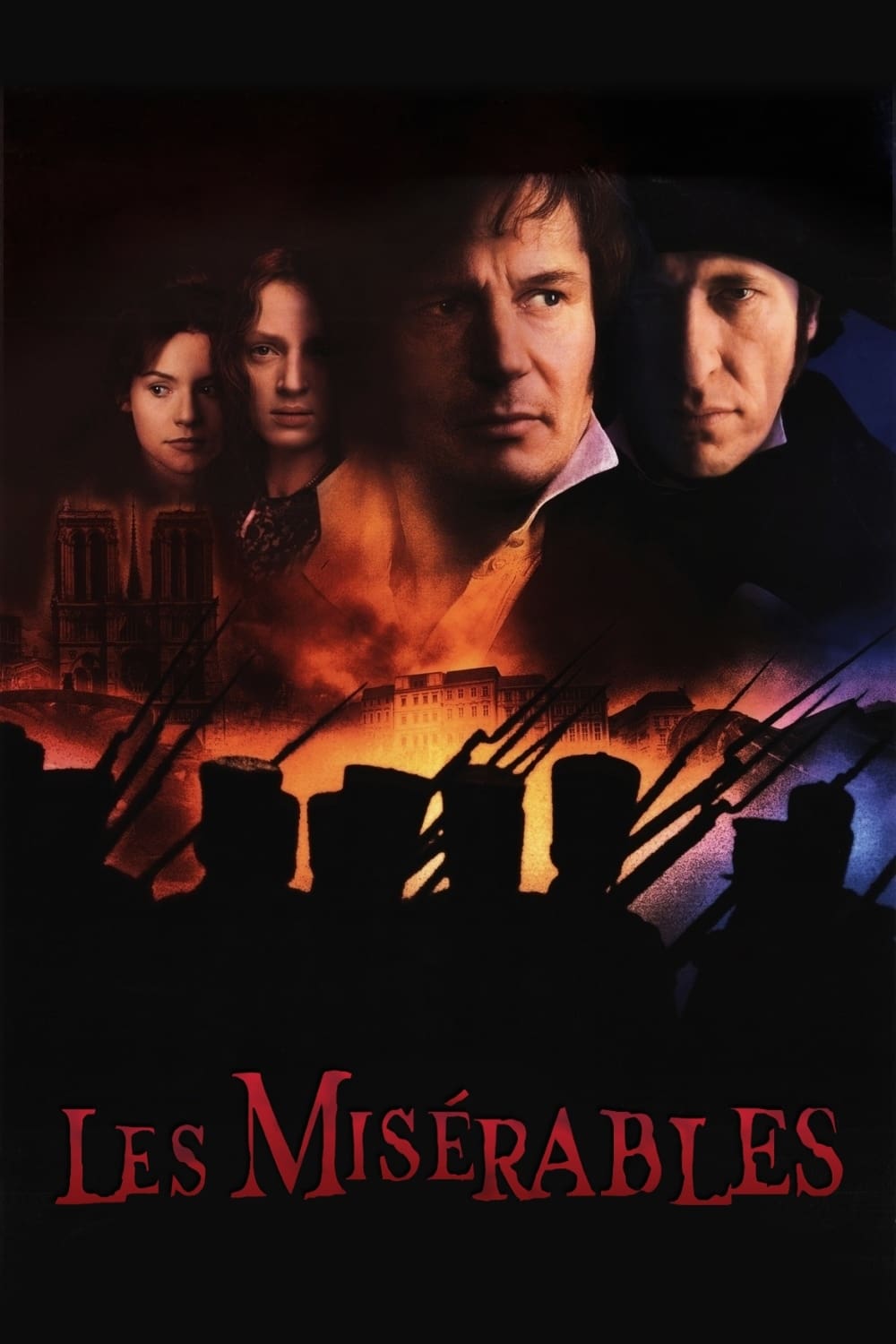
In 19th century France, Jean Valjean, a man imprisoned for stealing bread, must flee a relentless policeman named Javert. The pursuit consumes both men's lives, and soon Valjean finds himself in the midst of the student revolutions in France.
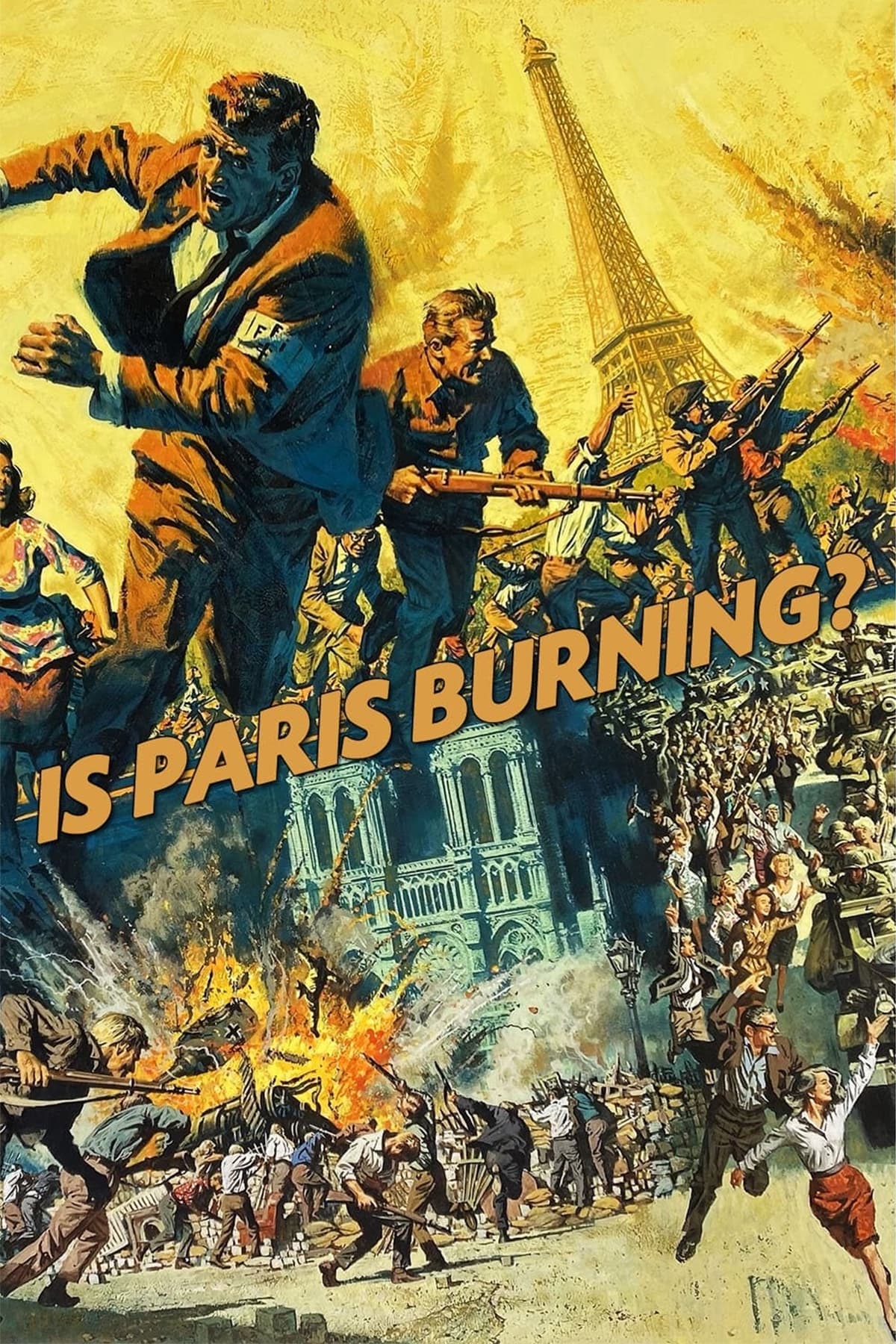
Near the end of World War II, General Dietrich von Choltitz receives orders to burn down Paris if it becomes clear the Allies are going to invade, or if he's unable to maintain control of the city. After much contemplation, Choltitz ignores orders, enraging the Germans and giving hope to various resistance factions that the city will be liberated. Choltitz, alongside Swedish diplomat Raoul Nordling, helps a leader organise his forces.
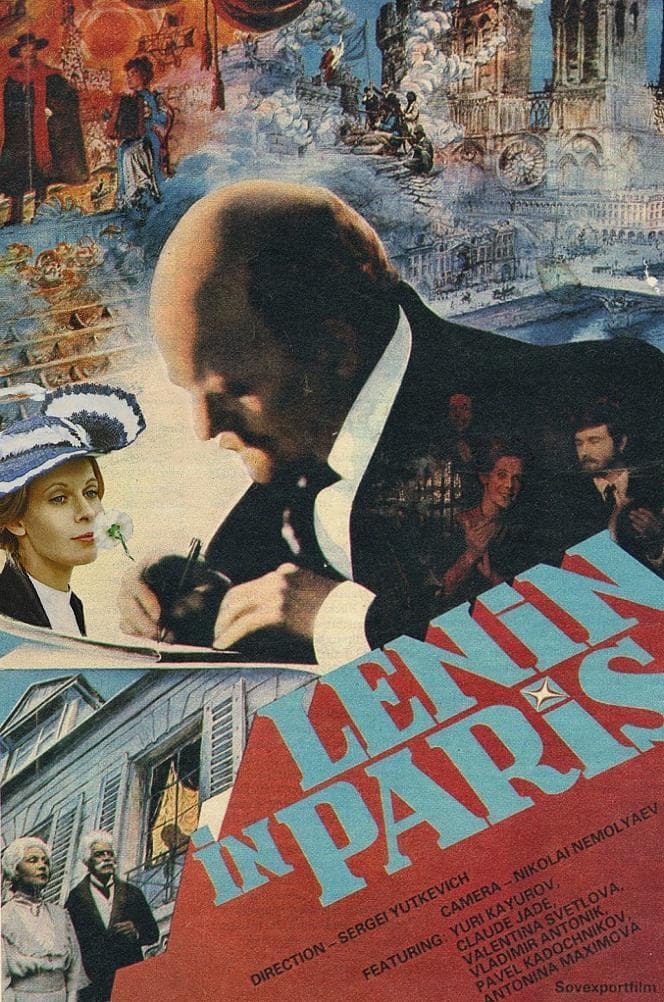
1911. Lenin organizes the first Bolshevik party school near Paris, in the small town of Longjumeau. Through a chain of historical parallels and associations, this time is intertwined with the events of the Paris Commune, the October Revolution and the political struggles of the post-revolutionary years.
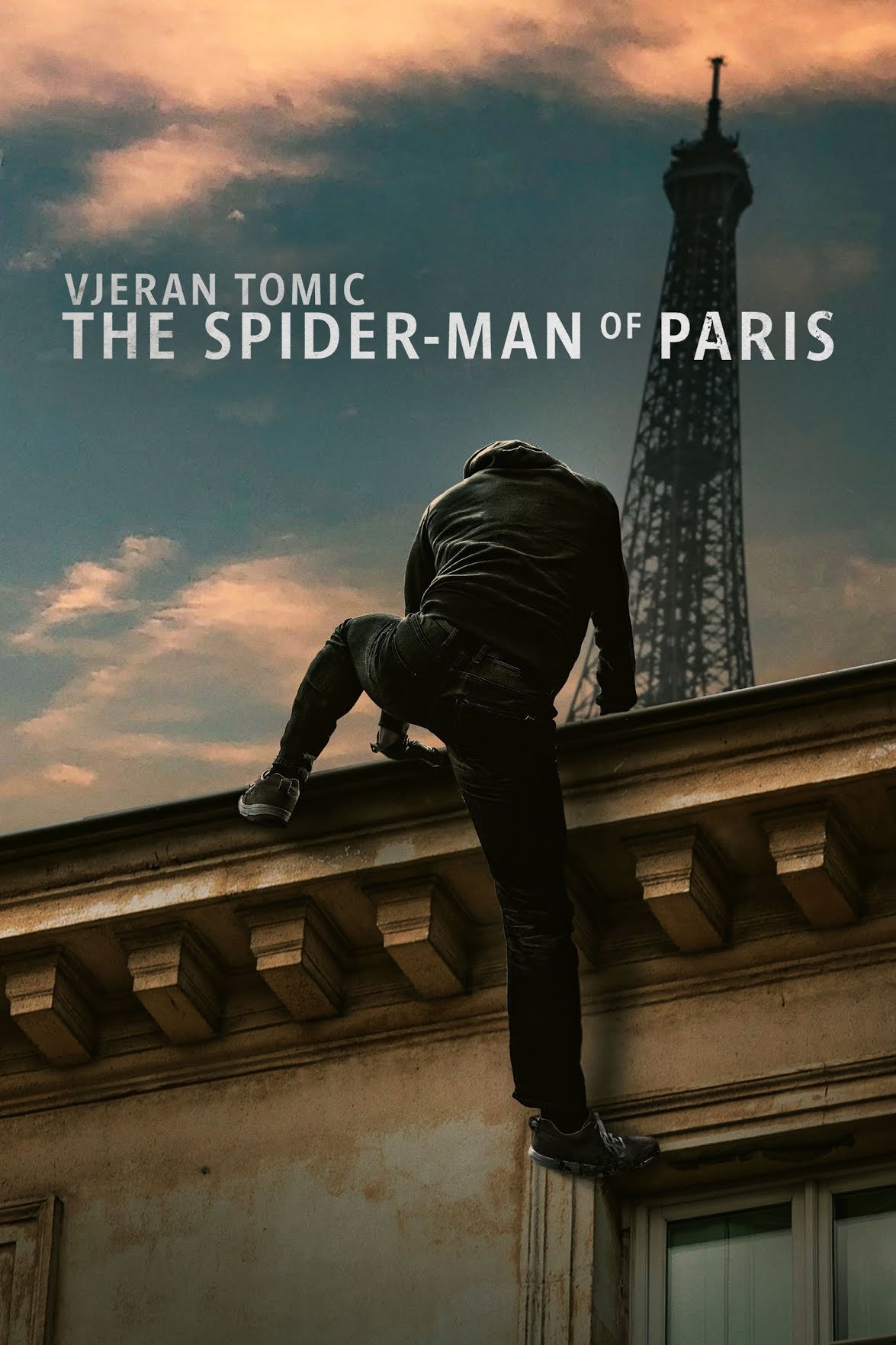
In his own words, the burglar behind the 2010 robbery of the Paris Museum of Modern Art tells how he pulled off the biggest art heist in French history.
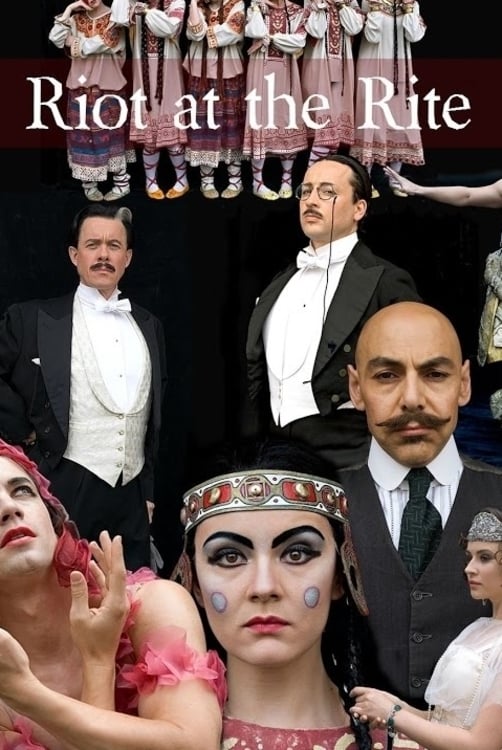
In the spring of 1913, Parisian businessman Gabriel Astruc opens a new theater on the Champs Elysées. The first performance is the premiere of Igor Stravinsky's 'The Rite of Spring', danced by the Ballet Russes. The rehearsal process is extremely fraught: the orchestra dislike Stravinsky's harsh, atonal music; the dancers dislike the 'ugly' choreography of Vaslav Nijinsky. The volatile, bisexual Nijinsky is in a strained relationship with the much older Sergei Diaghilev, the Ballet Russes' charismatic but manipulative impresario. Public expectation is extremely high after Nijinsky's success in 'L'apres-midi d'un faune'. Finally, 'The Rite of Spring' premieres to a gossip-loving, febrile, fashion-conscious Parisian audience sharply divided as to its merits.
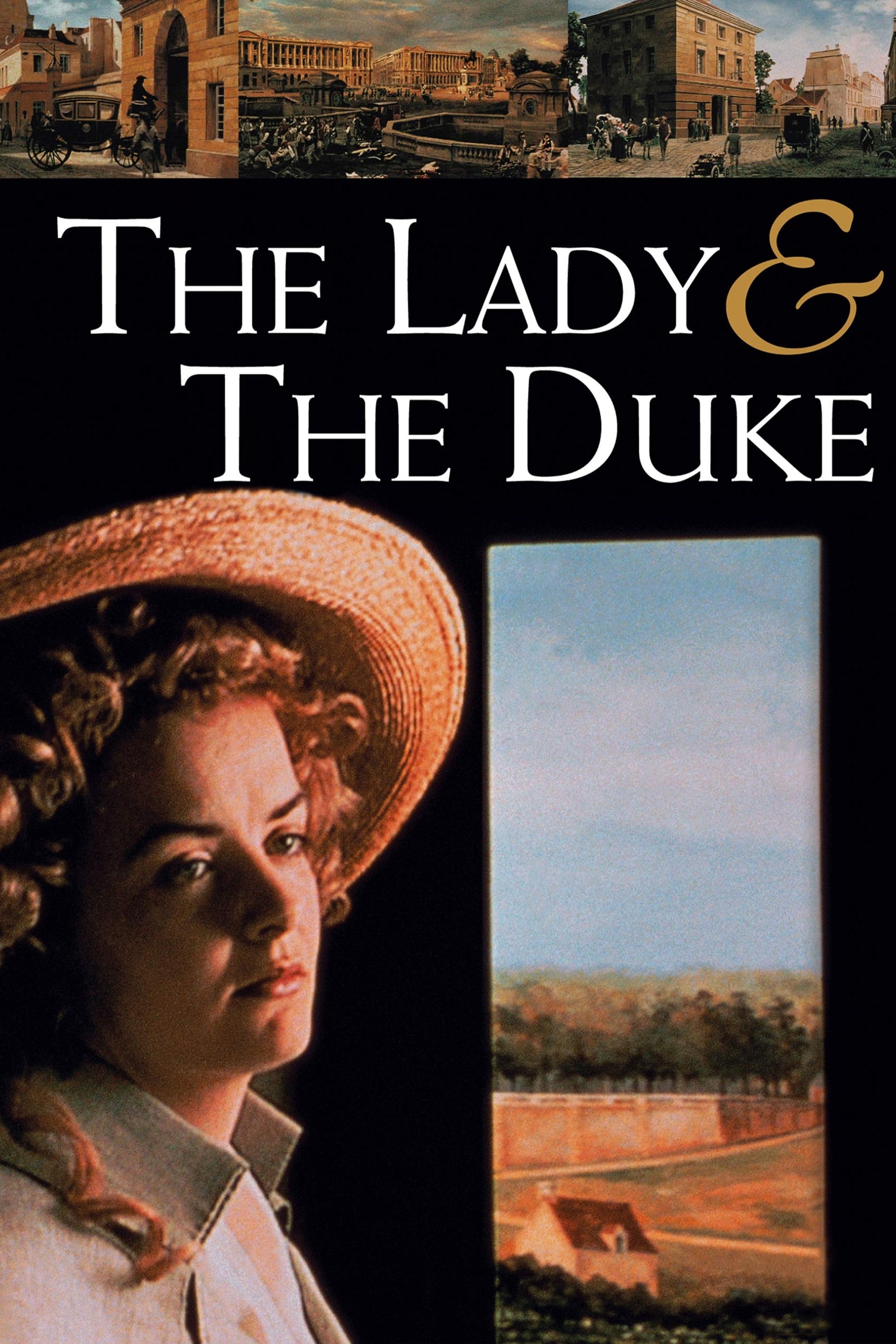
Grace Dalrymple Elliot is a British aristocrat trapped in Paris during the French Revolution. Determined to maintain her stiff upper lip and pampered life despite the upheaval, Grace continues her friendship with the Duke of Orléans while risking her life and liberty to protect a fugitive.
The history of cinematic sound, told by legendary sound designers and visionary filmmakers.
“The Soviet Story” is a story of an Allied power, which helped the Nazis to fight Jews and which slaughtered its own people on an industrial scale. Assisted by the West, this power triumphed on May 9th, 1945. Its crimes were made taboo, and the complete story of Europe’s most murderous regime has never been told. Until now...
Director Claude Lanzmann spent 11 years on this sprawling documentary about the Holocaust, conducting his own interviews and refusing to use a single frame of archival footage. Dividing Holocaust witnesses into three categories – survivors, bystanders, and perpetrators – Lanzmann presents testimonies from survivors of the Chelmno concentration camp, an Auschwitz escapee, and witnesses of the Warsaw Ghetto Uprising, as well as a chilling report of gas chambers from an SS officer at Treblinka.
Various MGM stars from yesterday present their favorite musical moments from the studio's 50 year history.
JB Smoove and Martin Starr host a celebration of 20 years of "Spider-Man" movies, from the Sam Raimi trilogy to Marc Webb's movies and the trio from Jon Watts.
A subjective documentary that explores various theories about hidden meanings in Stanley Kubrick's classic film The Shining. Five very different points of view are illuminated through voice over, film clips, animation and dramatic reenactments.
Filmmaker Alain Resnais documents the atrocities behind the walls of Hitler's concentration camps.
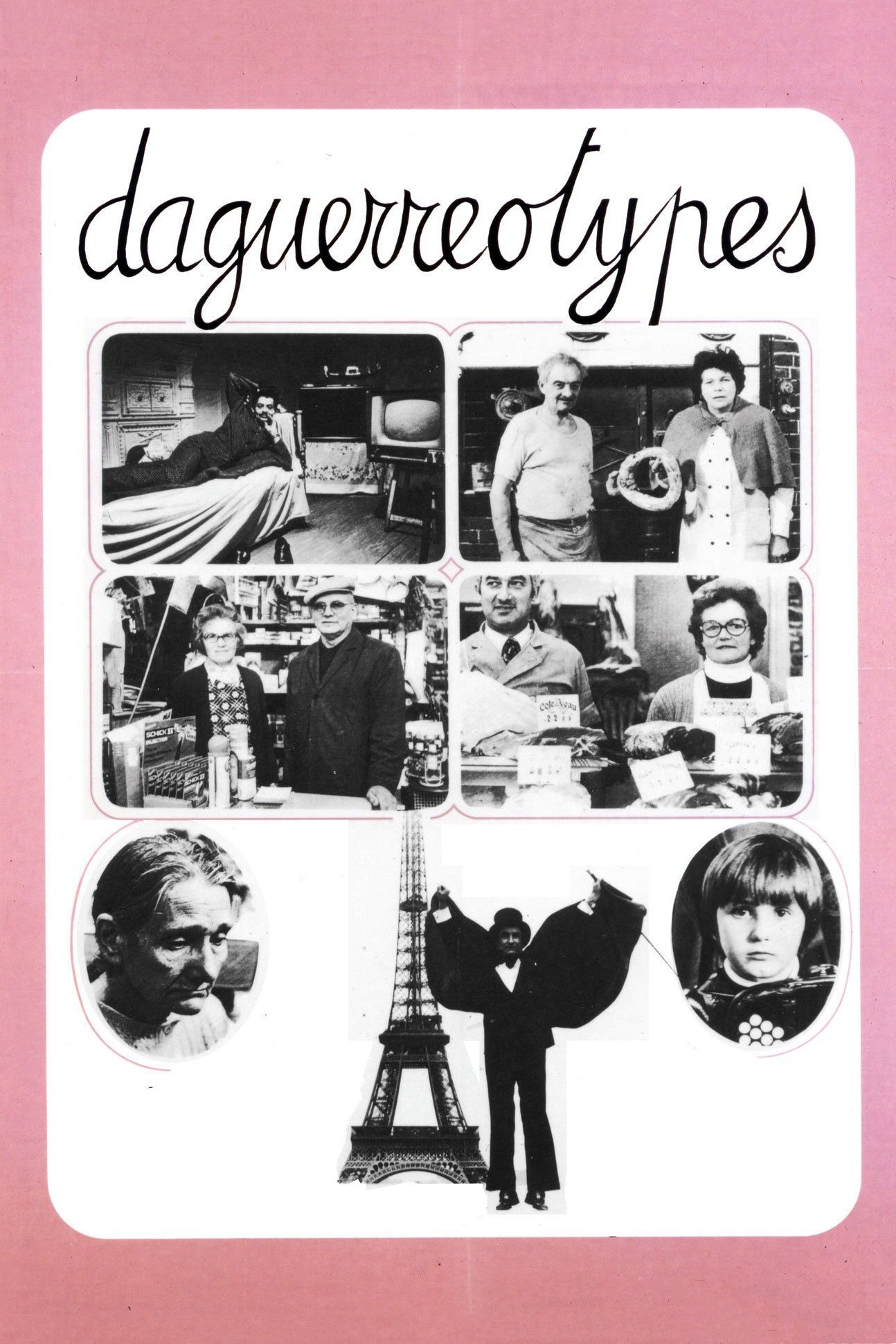
An intimate portrait of the small shops and shopkeepers of the Rue Daguerre in Paris, a picturesque street that has been the filmmaker’s home for more than 50 years.
The film follows adventurer Jeff Johnson as he retraces the epic 1968 journey of his heroes Yvon Chouinard and Doug Tompkins to Patagonia.
A documentary about the life and films of director John Ford.
A behind-the-scenes documentary about the Clinton for President campaign, focusing on the adventures of spin doctors James Carville and George Stephanopoulos.
Those who knew iconic funnyman John Candy best share his story, in their own words, through never-before-seen archival footage, imagery, and interviews.
A new documentary by filmmaker-photographer Raymond Depardon – where justice and psychiatry meet.
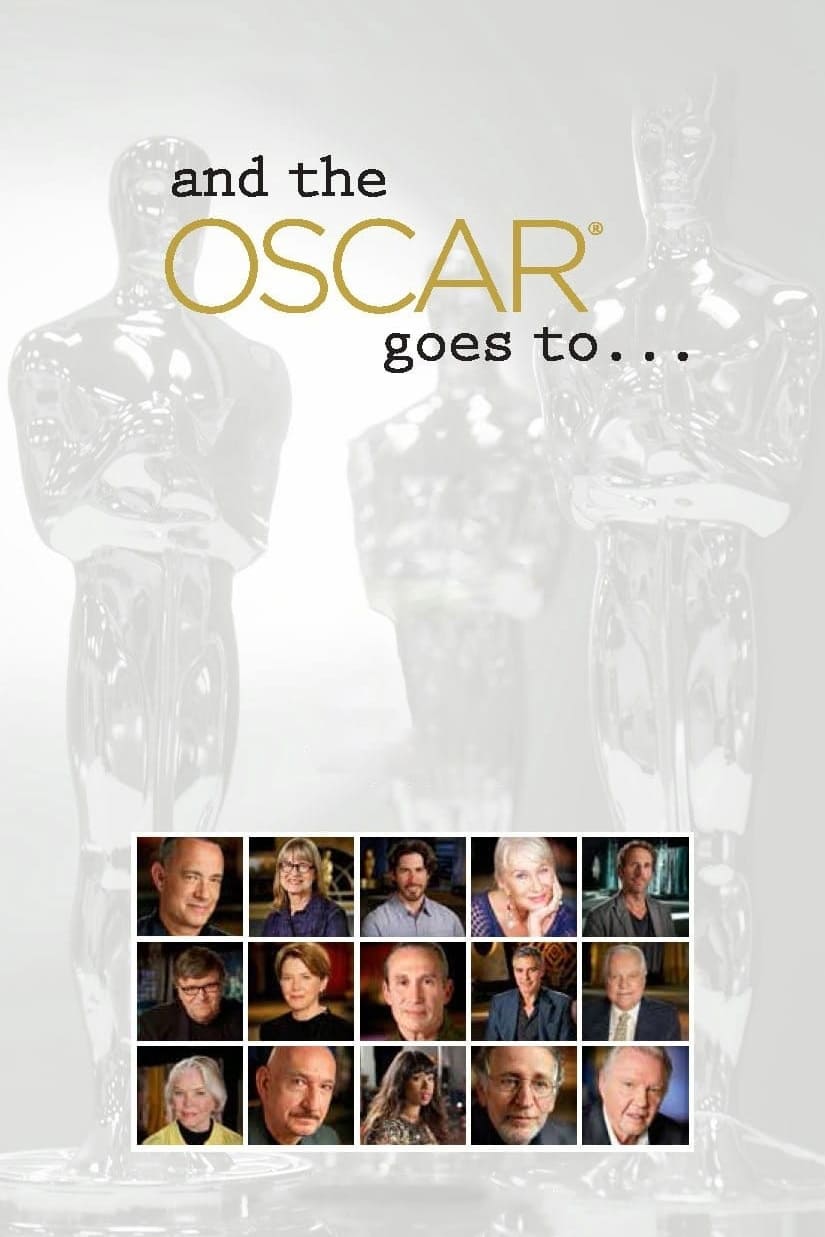
The story of the gold-plated statuette that became the film industry's most coveted prize, AND THE OSCAR GOES TO... traces the history of the Academy itself, which began in 1927 when Louis B. Mayer, then head of MGM, led other prominent members of the industry in forming this professional honorary organization. Two years later the Academy began bestowing awards, which were nicknamed "Oscar," and quickly came to represent the pinnacle of cinematic achievement.
This documentary revisits the French football team's controversial 2010 World Cup and the bus strike that sparked global headlines and national outrage.
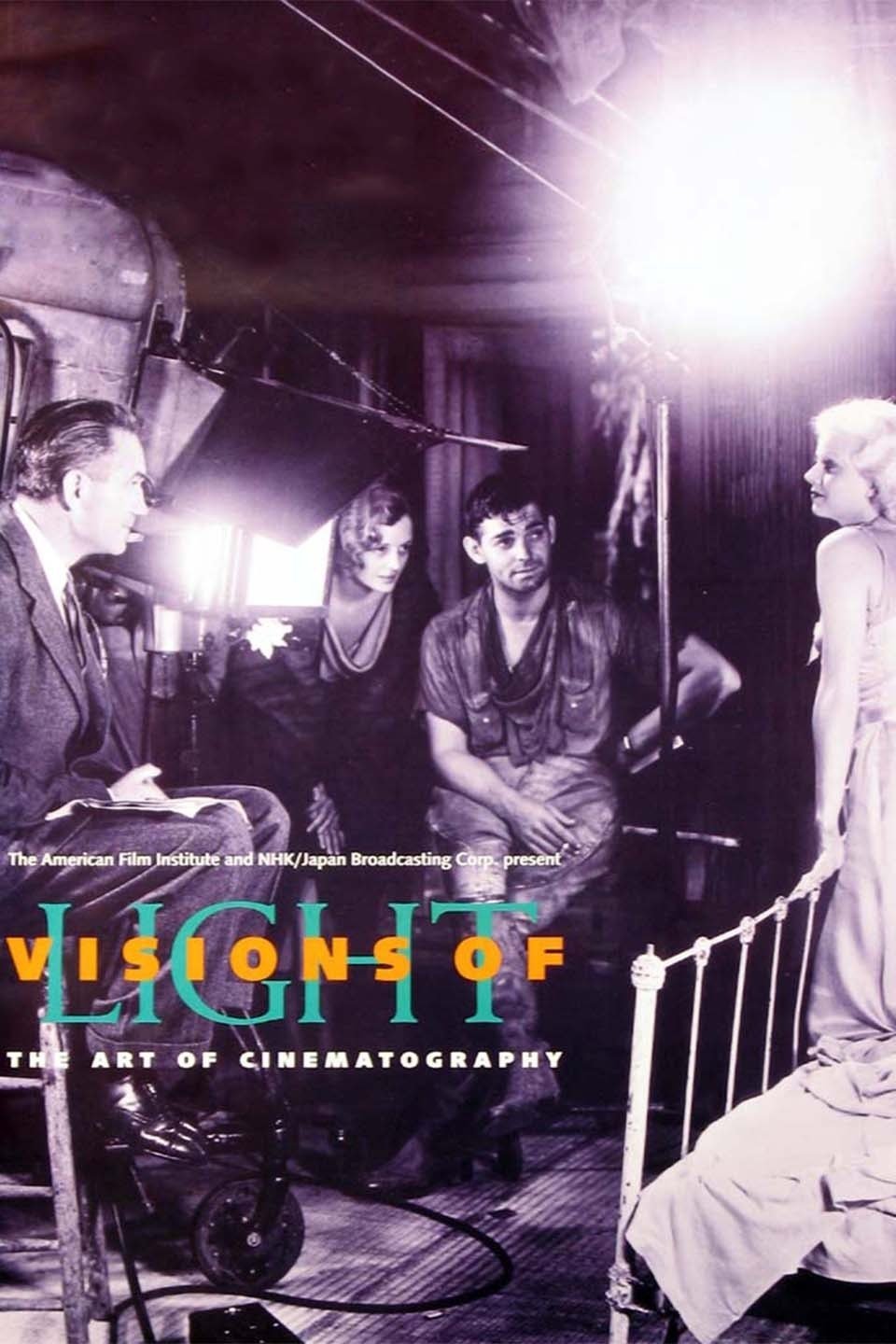
Cameramen and women discuss the craft and art of cinematography and of the "DP" (the director of photography), illustrating their points with clips from 100 films, from Birth of a Nation to Do the Right Thing. Themes: the DP tells people where to look; changes in movies (the arrival of sound, color, and wide screens) required creative responses from DPs; and, these artisans constantly invent new equipment and try new things, with wonderful results. The narration takes us through the identifiable studio styles of the 30s, the emergence of noir, the New York look, and the impact of Europeans. Citizen Kane, The Conformist, and Gordon Willis get special attention.
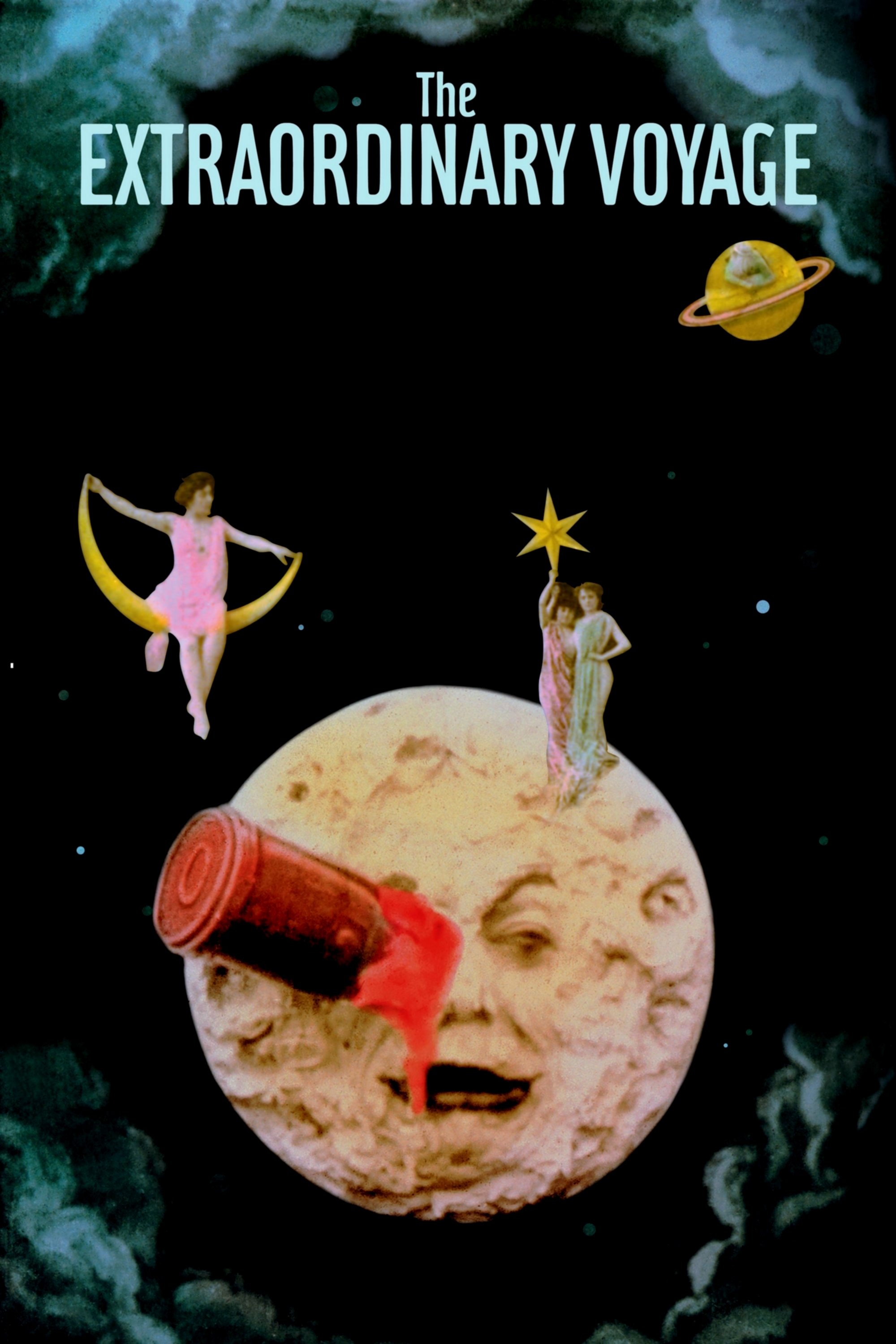
An account of the extraordinary life of film pioneer Georges Méliès (1861-1938) and the amazing story of the copy in color of his masterpiece A Trip to the Moon (1902), unexpectedly found in Spain and restored thanks to the heroic efforts of a group of true cinema lovers.
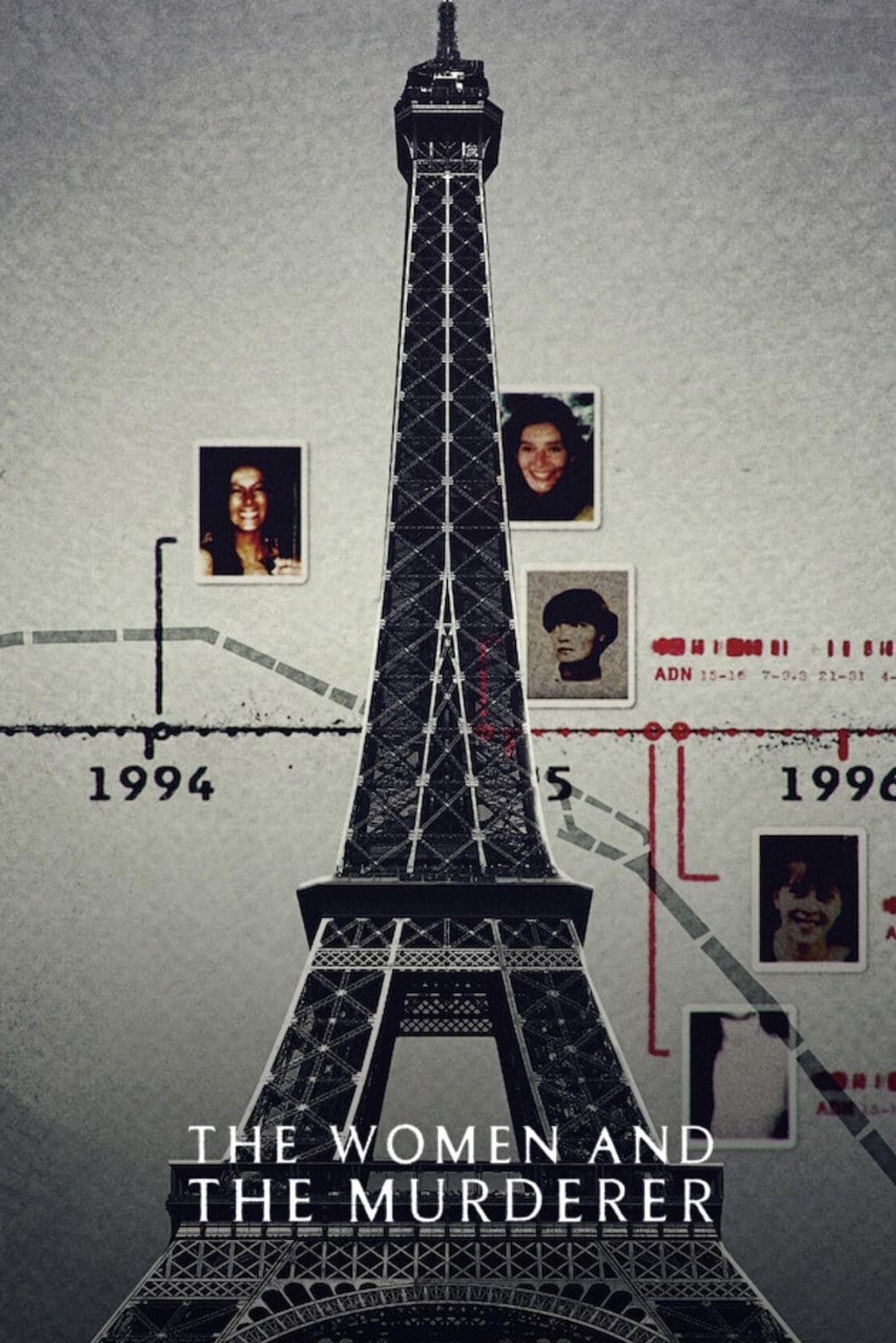
This documentary traces the capture of serial killer Guy Georges through the tireless work of two women: a police chief and a victim's mother.
With unprecedented access to the official archives and intimate recollections from the band, both current and past, Iron Maiden: Burning Ambition invites fans to experience one of the most iconic journeys in music history. Spanning five decades, this electrifying documentary charts the band’s rise from the pubs of East London to the world’s biggest stadiums. Featuring exclusive interviews with band members and contributors such as Javier Bardem, Lars Ulrich and Chuck D, as well as all-new animated sequences of the band's legendary mascot, Eddie, the film offers a rare and intimate look at Iron Maiden’s uncompromising vision and unwavering connection with their truly global army of fans.
Candid interviews of ordinary people on the meaning of happiness, an often amorphous and inarticulable notion that evokes more basic and fundamentally egalitarian ideals of self-betterment, prosperity, tolerance, economic opportunity, and freedom.