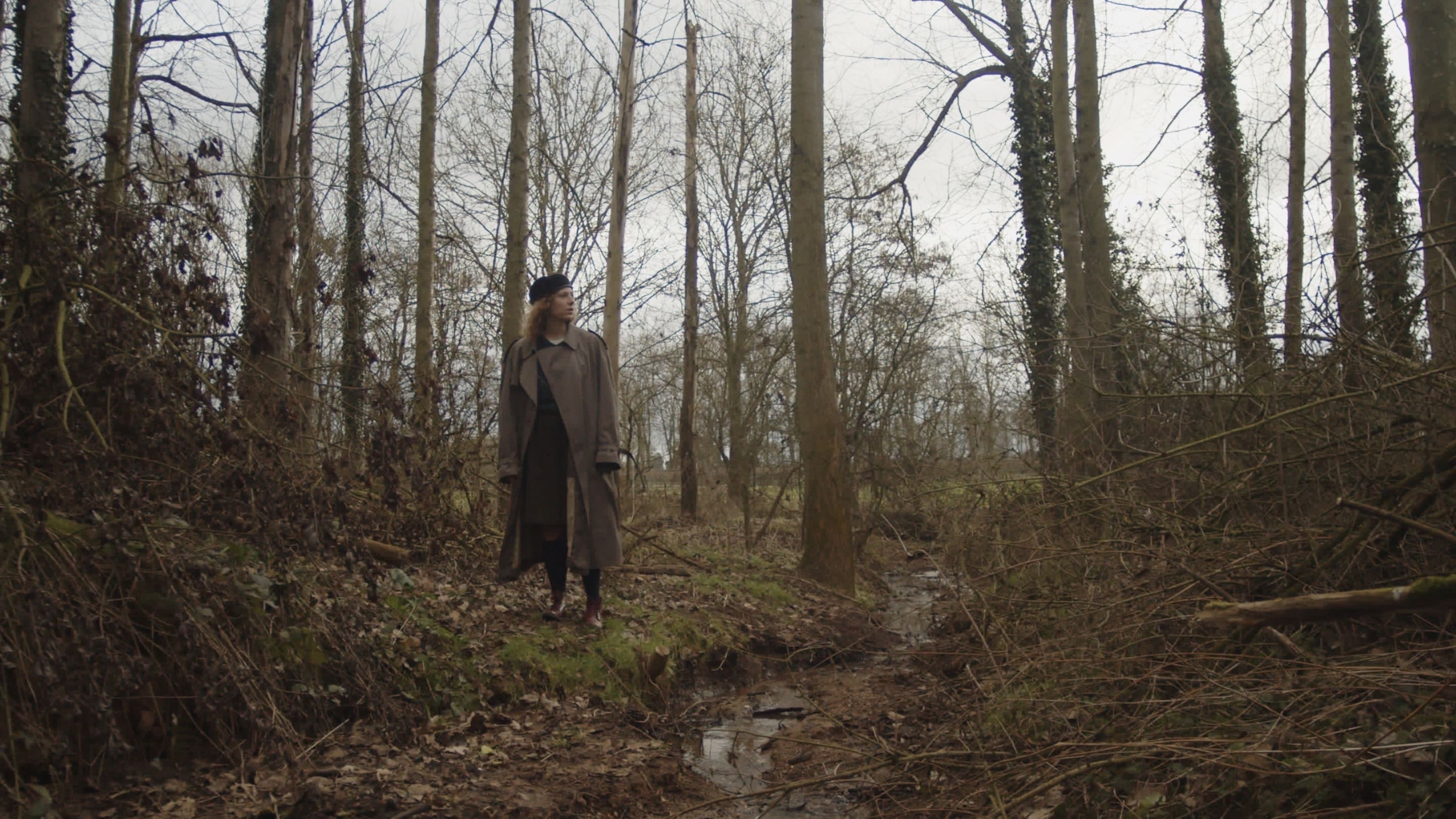
The history and trauma of two men, brought together by war, is exposed when a mysterious visitor treads familiar ground.
Social & External
Charlie
Héctor
Yvette
During the Nazi occupation of 1944 Rome, Resistance leader Giorgio Manfredi is pursued by the Nazis as he seeks refuge and a means of escape.
The true story of pianist Władysław Szpilman's experiences in Warsaw during the Nazi occupation. When the Jews of the city find themselves forced into a ghetto, Szpilman finds work playing in a café; and when his family is deported in 1942, he stays behind, works for a while as a laborer, and eventually goes into hiding in the ruins of the war-torn city.
The true story of how businessman Oskar Schindler saved over a thousand Jewish lives from the Nazis while they worked as slaves in his factory during World War II.
In Casablanca, Morocco in December 1941, a cynical American expatriate meets a former lover, with unforeseen complications.
He's here and waiting. While time, history and ideas repeats themselves he watches the ages pass as usual. In the end, the left eye of Mars will return to him uninjured. A five-part experimental film about the antics of modern society and the struggle of our beloved "Mars"
Drama set in the Second World War, focused on Jean Moulin, hero, martyr and symbol of the French resistance and the patriotism during the dark years of Nazi occupation.
A German submarine hunts allied ships during the Second World War, but it soon becomes the hunted. The crew tries to survive below the surface, while stretching both the boat and themselves to their limits.
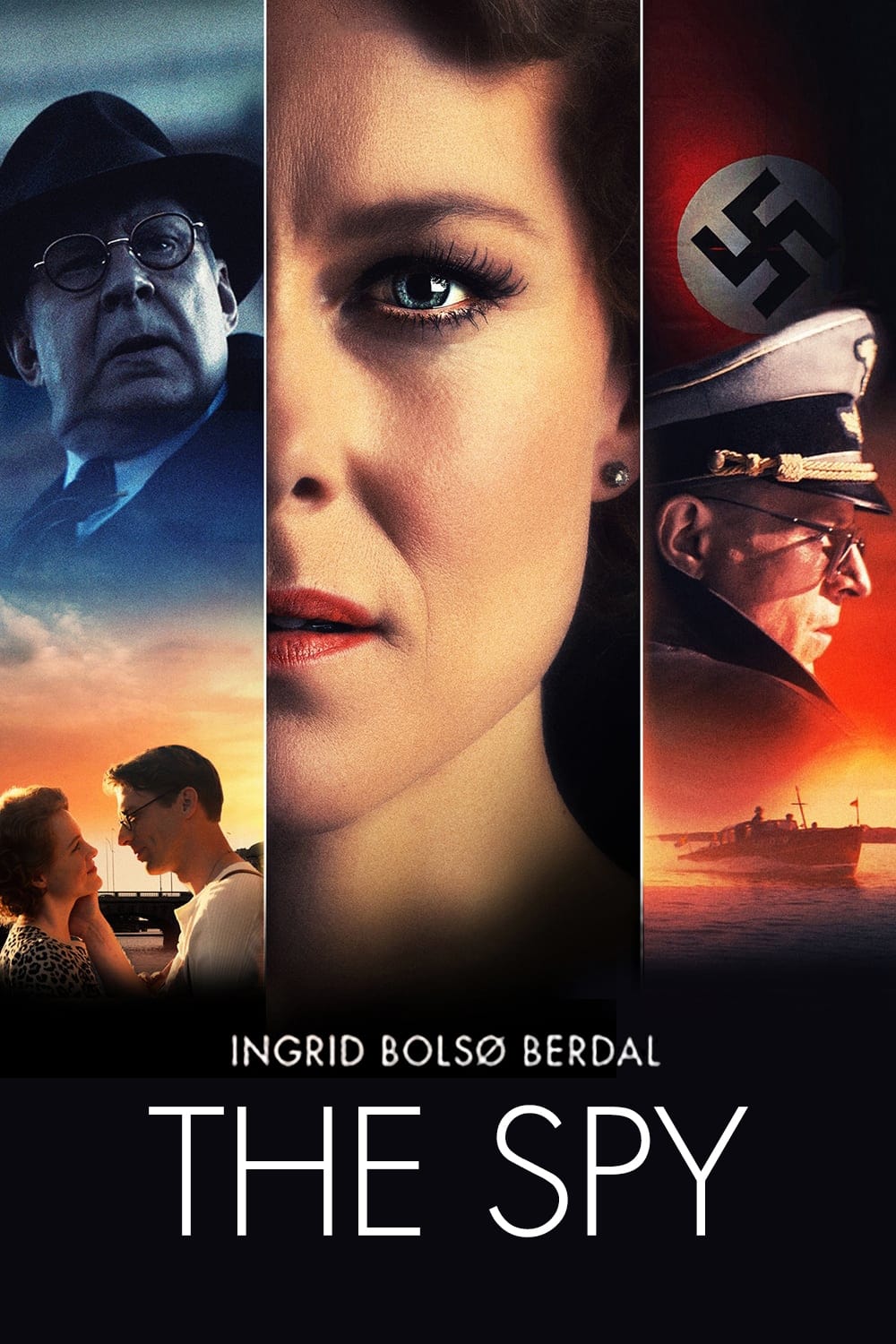
Sonja Wigert, Scandinavia's most acclaimed female movie star, enlists as a spy for Swedish intelligence but ends up becoming entangled with the German Reichskommissar Terboven.
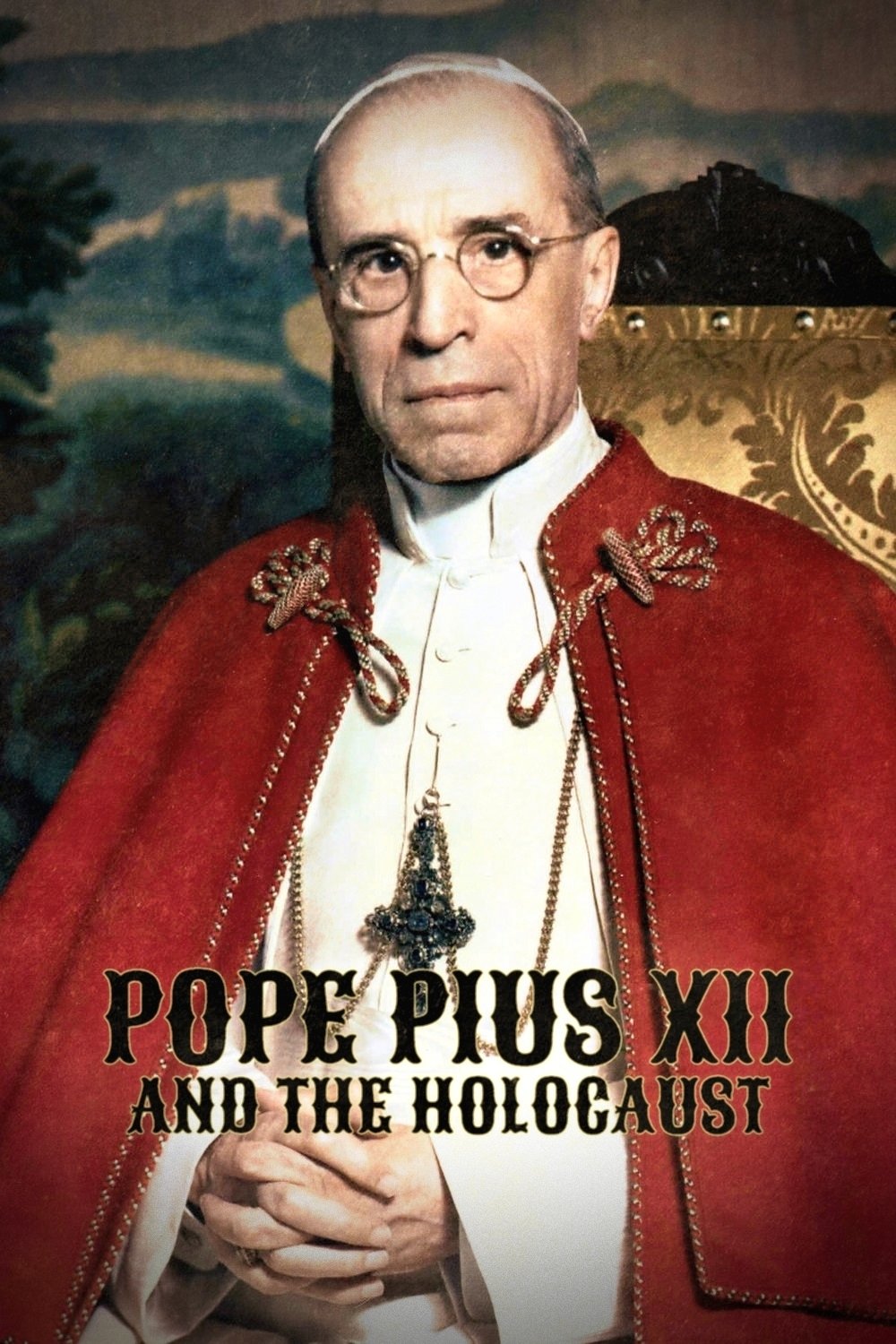
A portrait of Pope Pius XII (1876-1958), head of the Catholic Church from 1939 until his death, who, during World War II, and while European Jews were being exterminated by the Nazis, was accused of keeping a disconcerting and shameful silence.
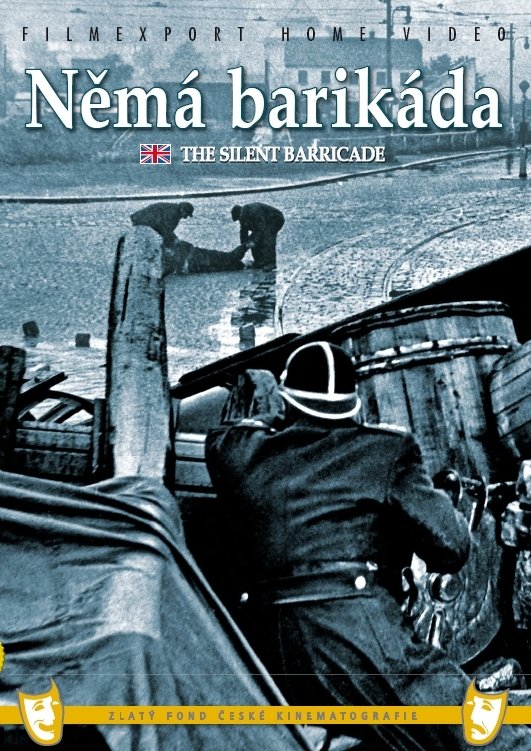
A fiction piece centered around the Czech resistance to the Nazis.
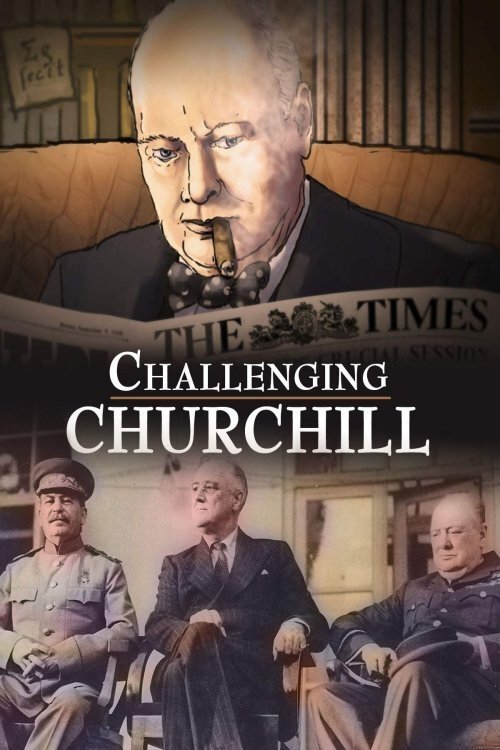
Churchill, a name typically associated with braveness and altruism. Recently found evidence from Soviet and British sources however brings up questions about Churchill's doings in the conferences of Tehran, Yalta and Potsdam. Why did he agree to give Stalin large parts of Poland? The story of two world leaders in times of war - it is also the story of Poland.
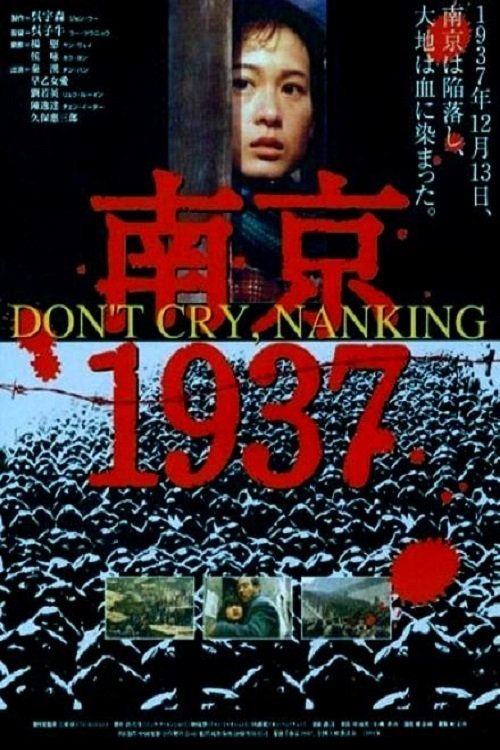
In December 1937, during the Second Japanese-Sino War, a Chinese doctor, his Japanese pregnant wife, their teenage daughter and their young son travel from Shanghai to Nanjing seeking shelter in the Capital during the Japanese invasion. The family faces the Rape of Nanking by the Imperial Japanese Army, with rapes, mass murder of prisoners of war and civilians including women, children and elders, and disrespect of international conventions.
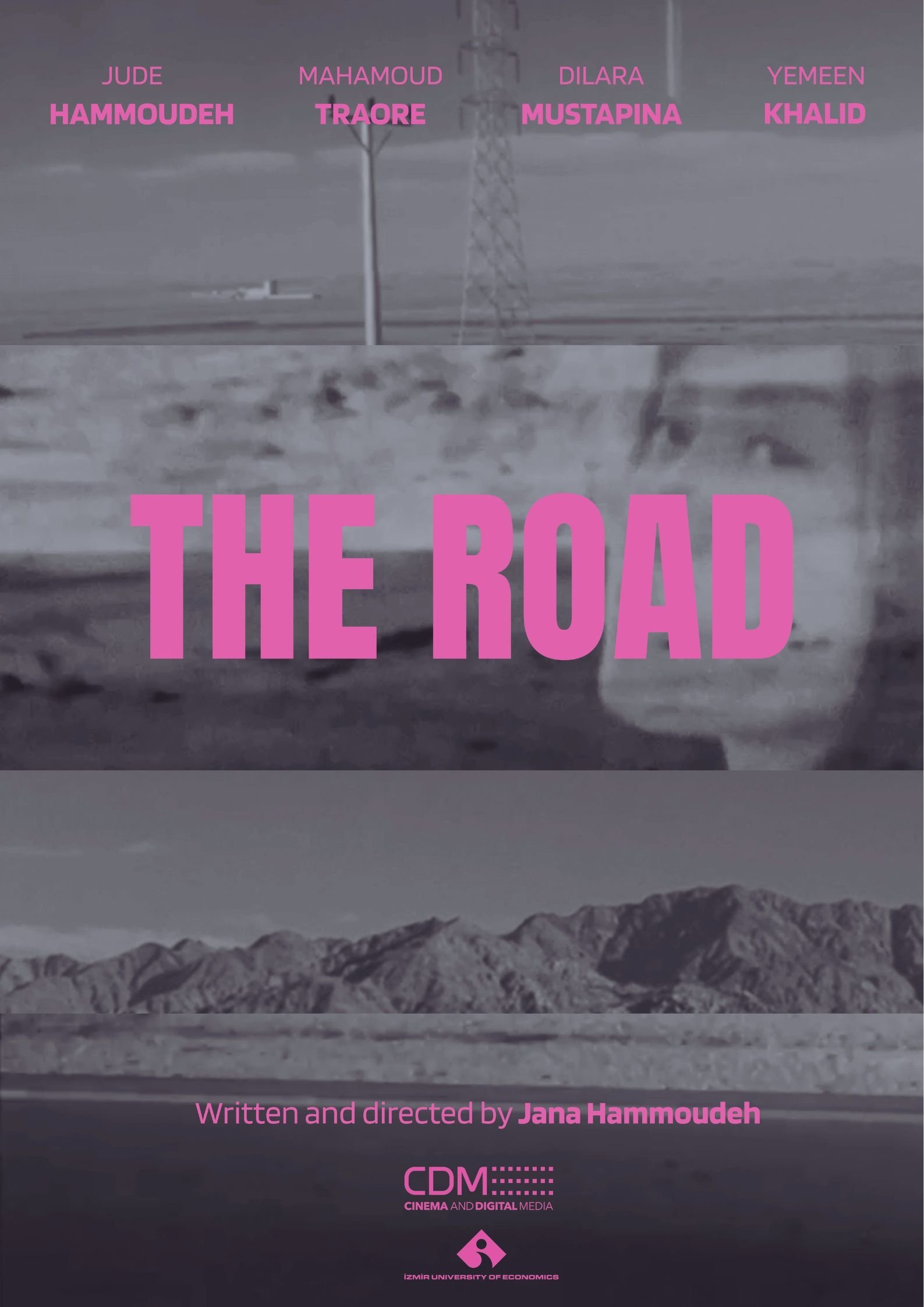
The Road is a deeply personal experimental film by Jana Hammoudeh, chronicling her journey as a nomadic soul, always on the move yet never truly belonging. Shot across three separate road trips, the film blends visual poetry with intimate monologues in multiple languages, reflecting the fragmented nature of the protagonist’s life. The film’s segments—Leaving Amman, Scrambled Eggs, and Postcards to a Friend—explore themes of love, loss, and freedom. The first segment, set in Amman, presents a conflicted relationship with home, inspired by Charles Bukowski’s Let It Enfold You. The second, in French, revisits past romances, while the third, narrated in Kazakh and Urdu, contemplates departure and longing. Through dreamlike cinematography and raw reflections, The Road captures the bittersweet beauty of transient nature of life and self-discovery.
In the 1930s, Count Almásy is a Hungarian map maker employed by the Royal Geographical Society to chart the vast expanses of the Sahara Desert along with several other prominent explorers. As World War II unfolds, Almásy enters into a world of love, betrayal, and politics.
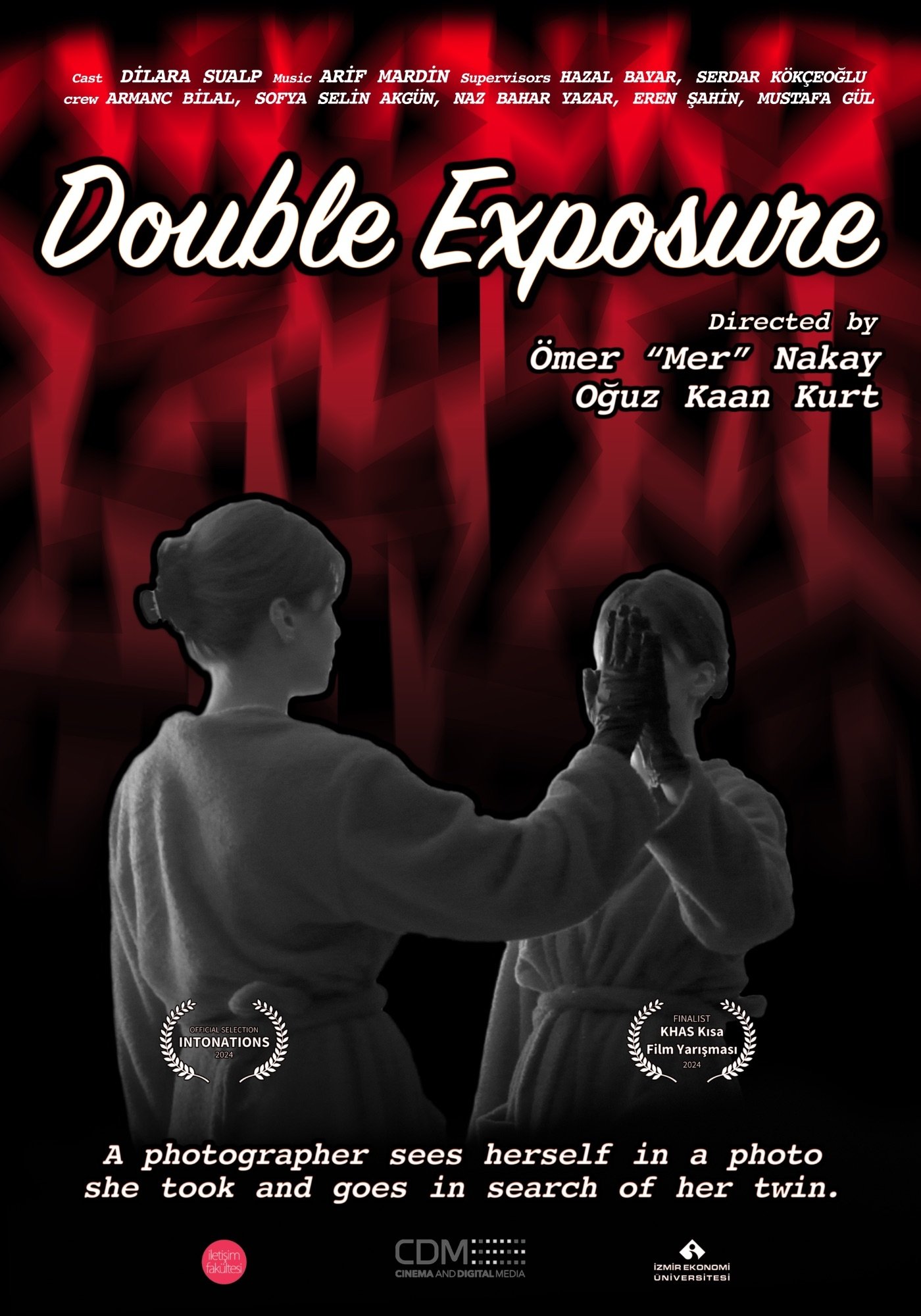
A photographer girl enters a street to take street photographs as usual and takes a few photos that she thinks are normal. When she washes the photos and hangs them, she sees that she is actually in one of the photos and goes in search of that person.
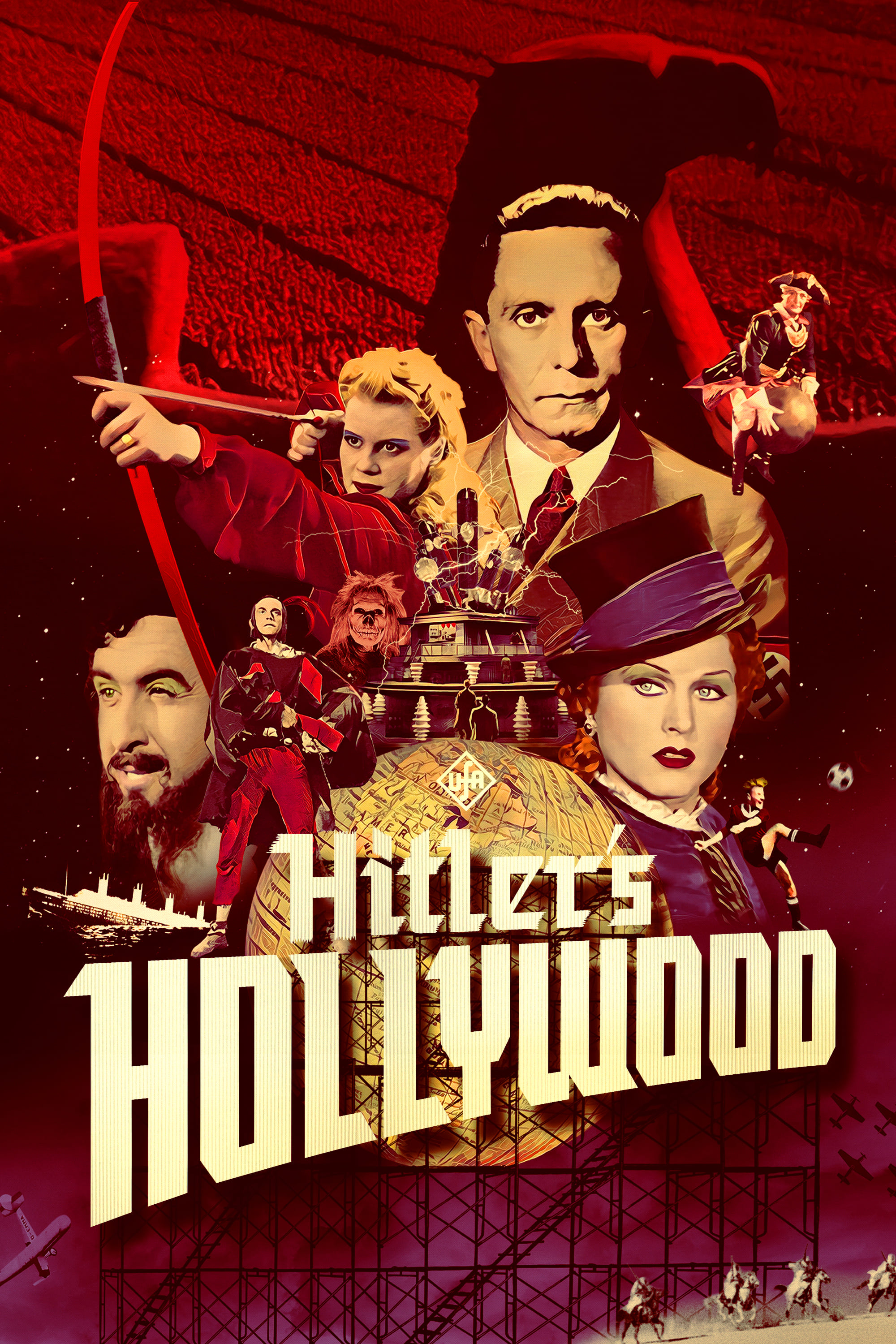
Film journalist and critic Rüdiger Suchsland examines German cinema from 1933, when the Nazis came into power, until 1945, when the Third Reich collapsed. (A sequel to From Caligari to Hitler, 2015.)
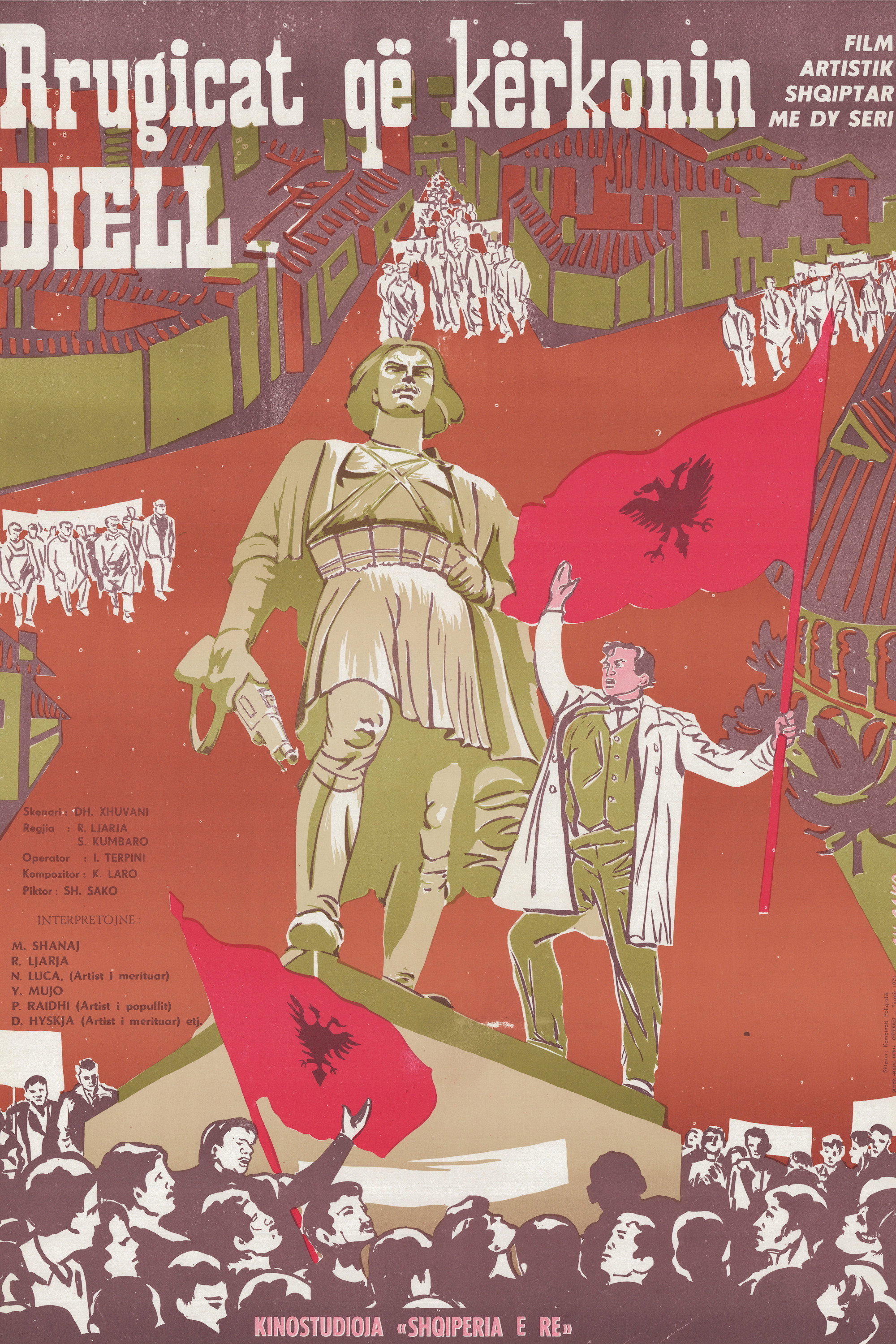
Nebi Surreli lives in poverty along with his mother. Doing small jobs to earn a living, he also helps his town's communist unit.
Vlash Zaka is a poor villager who secures his living by capturing wild horses in the forest. His brother has killed an Italian spy, so Vlash is under surveillance and his life is in danger.
The journey of a boy accepting that his lover is gone
A WWII veteran escapes his care home in Northern Ireland and embarks on an arduous but inspirational journey to France to attend the 75th anniversary of the D-Day landings, finding the courage to face the ghosts of his past.

In September 1942, the German Afrika Korps under Rommel have successfully pushed the Allies back into Egypt. A counter-attack is planned, for which the fuel dumps at Tobruk are a critical impediment. In order to aid the attack, a group of British commandos and German Jews make their way undercover through 800 miles of desert, to destroy the fuel dumps starving the Germans of fuel.
During the harrows of WWII, Jo, a young shepherd along with the help of the widow Horcada, helps to smuggle Jewish children across the border from southern France into Spain.
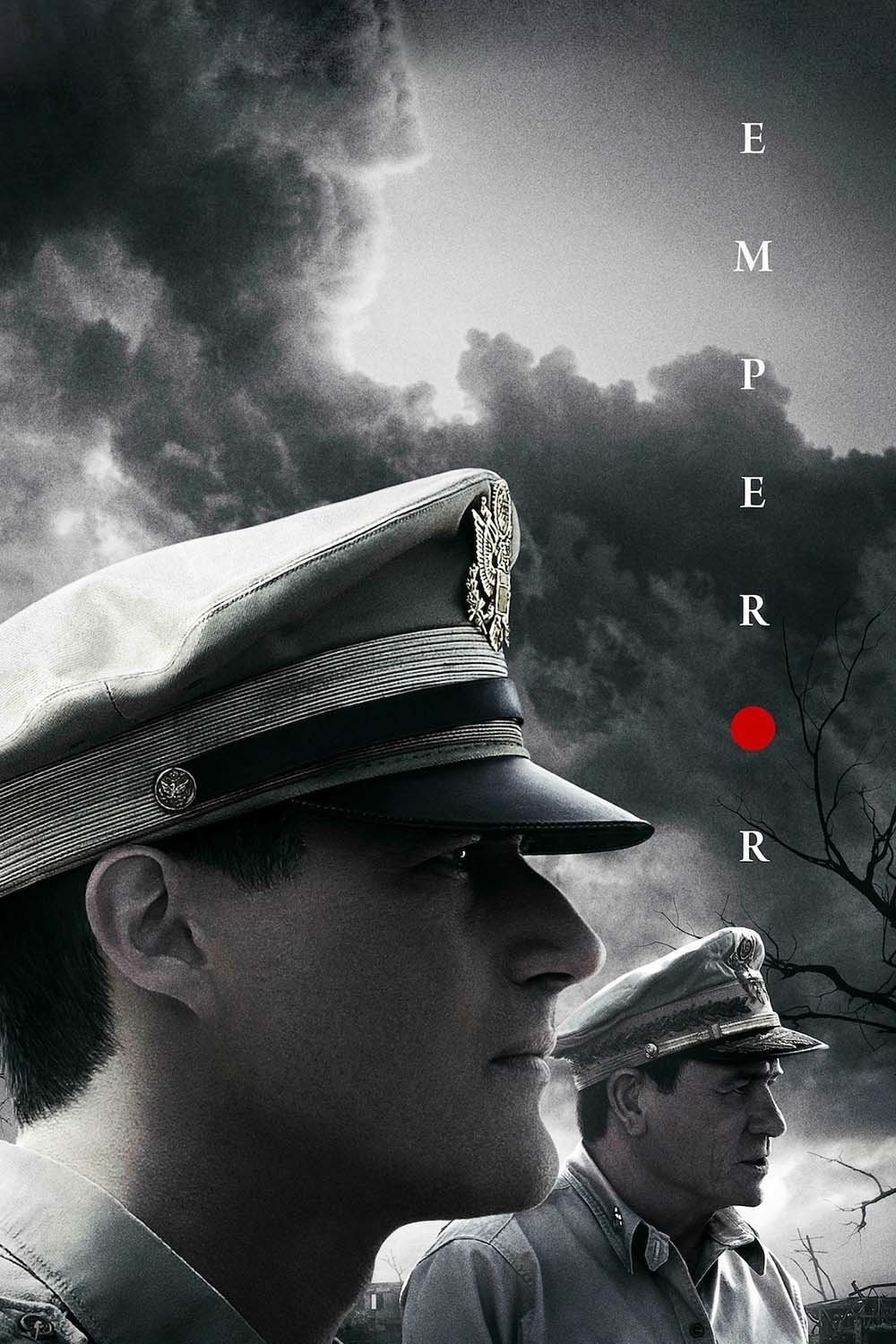
As the Japanese surrender at the end of WWII, Gen. Fellers is tasked with deciding if Emperor Hirohito will be hanged as a war criminal. Influencing his ruling is his quest to find Aya, an exchange student he met years earlier in the U.S.
In the winter of 1944, the Allied Armies stand ready to invade Germany at the coming of a New Year. To prevent it, Hitler orders an all-out offensive to re-take French territory and capture the major port city of Antwerp.
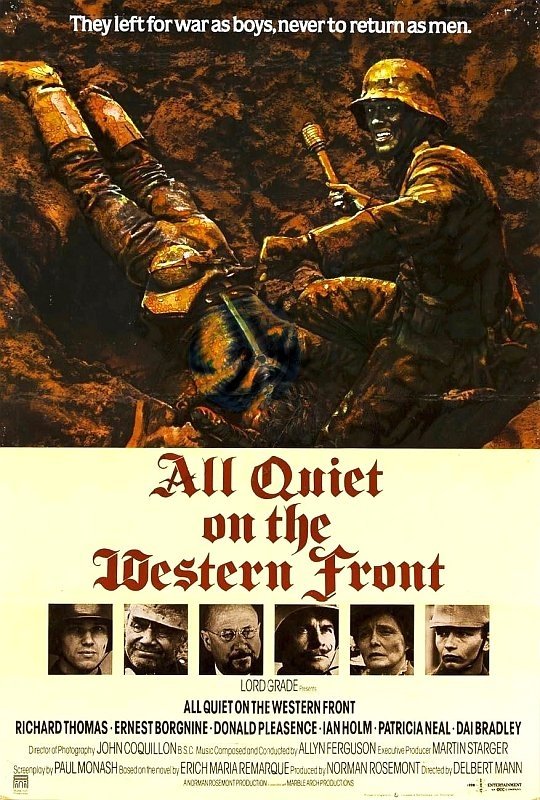
At the start of World War I, Paul Baumer is a young German patriot, eager to fight. Indoctrinated with propaganda at school, he and his friends eagerly sign up for the army soon after graduation. But when the horrors of war soon become too much to bear, and as his friends die or become gravely wounded, Paul questions the sanity of fighting over a few hundreds yards of war-torn countryside.
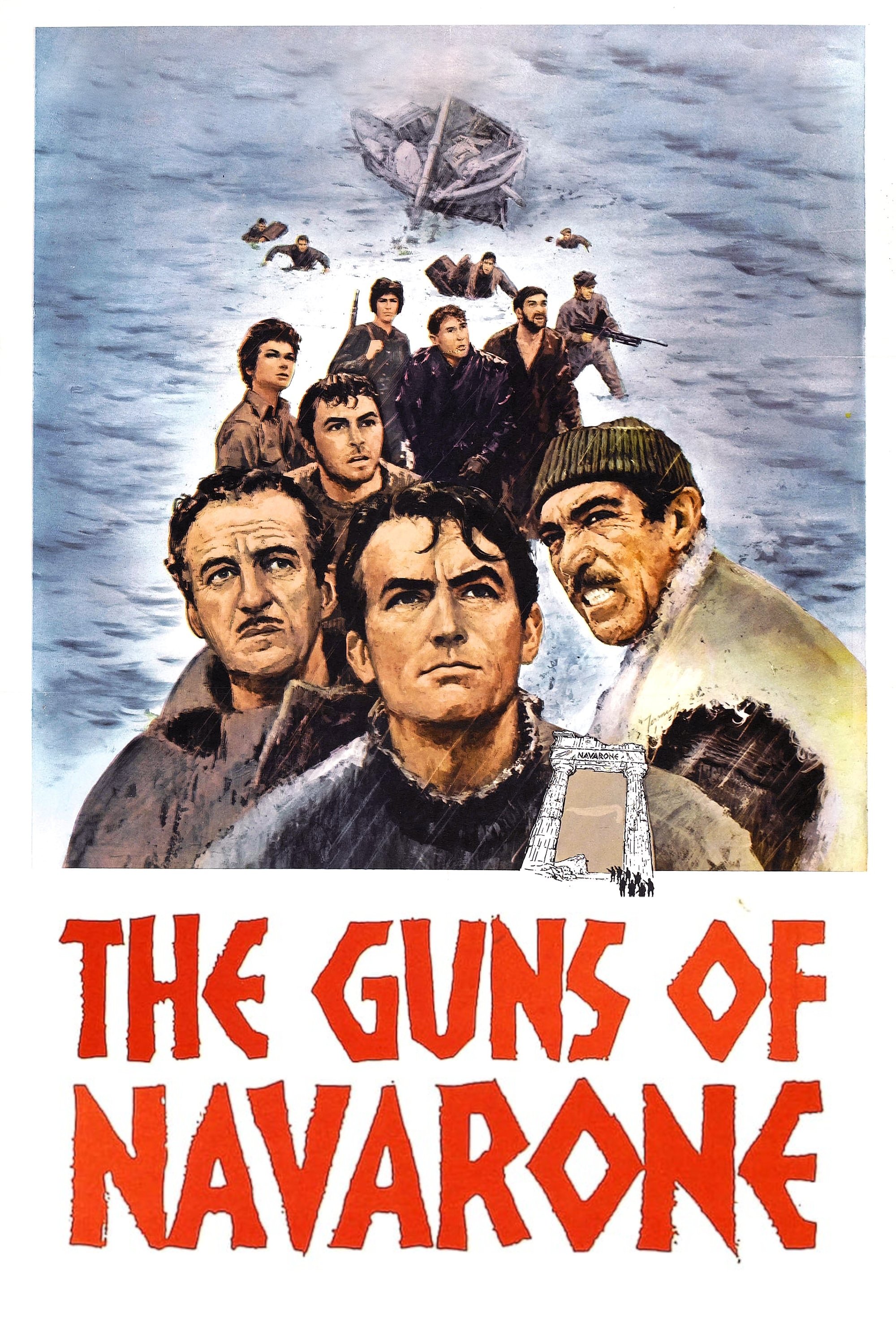
A team of allied saboteurs are assigned an impossible mission: infiltrate an impregnable Nazi-held island and destroy the two enormous long-range field guns that prevent the rescue of 2,000 trapped British soldiers.
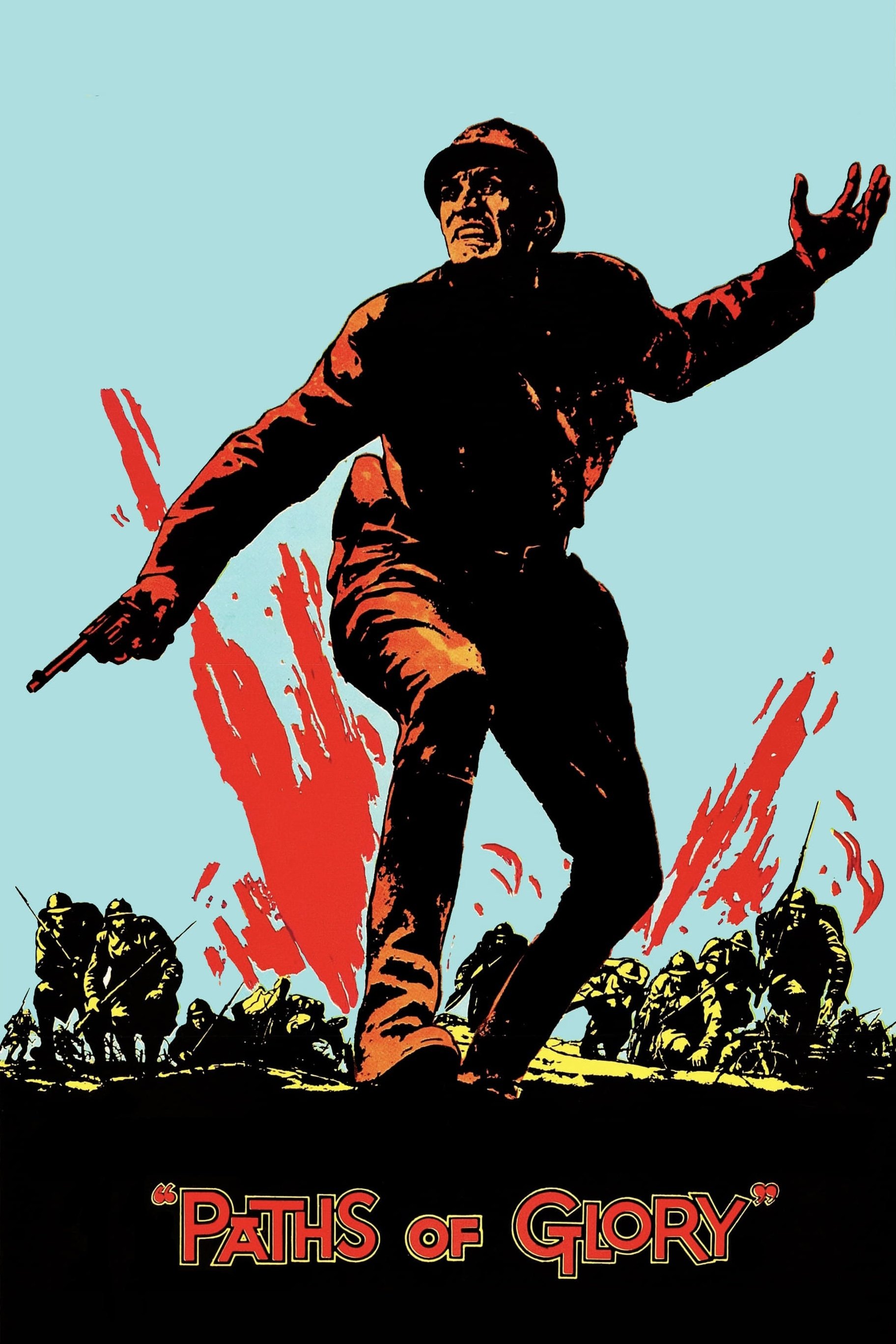
A commanding officer defends three scapegoats on trial for a failed offensive that occurred within the French Army in 1916.
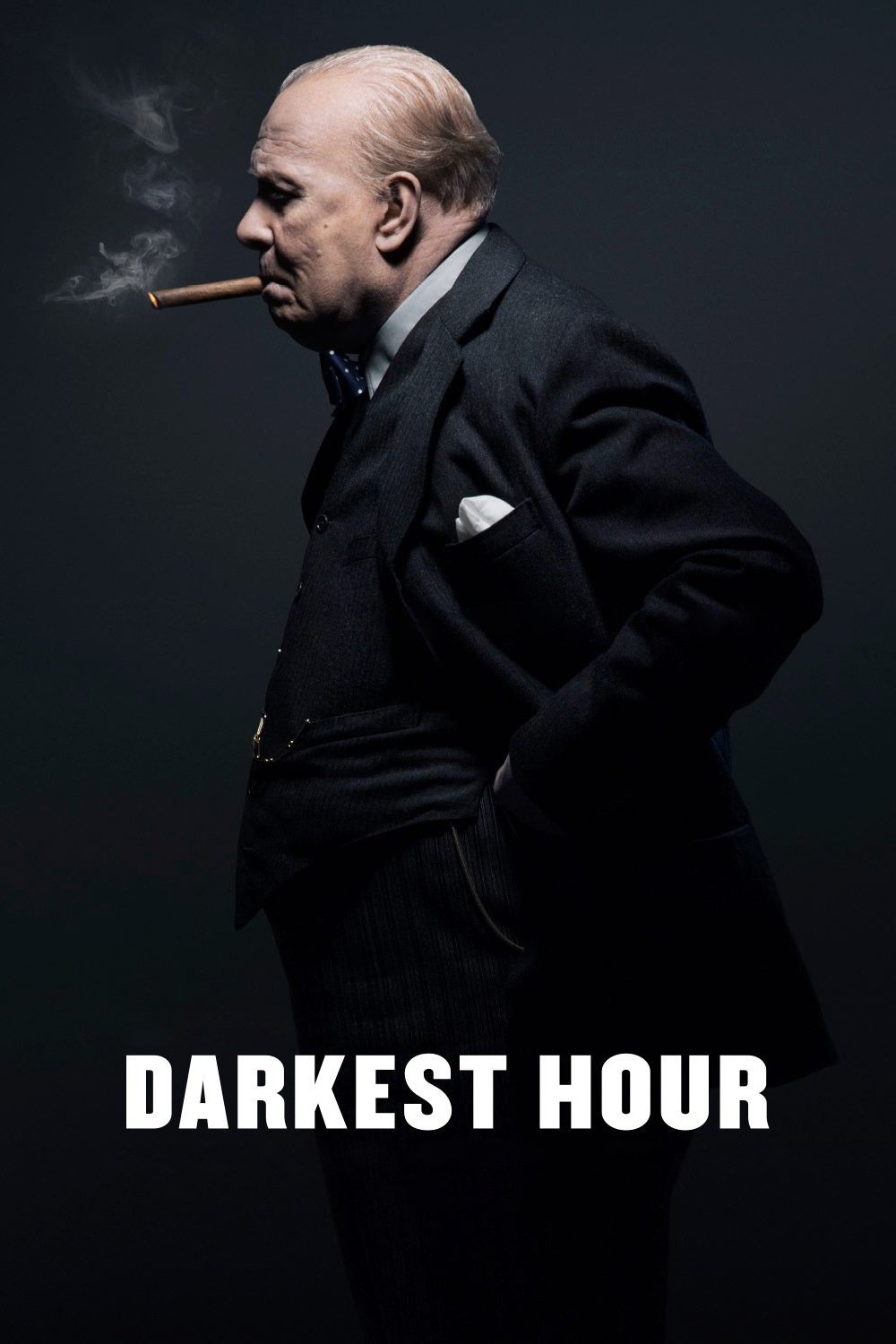
In May 1940, the fate of World War II hangs on Winston Churchill, who must decide whether to negotiate with Adolf Hitler or fight on knowing that it could mean the end of the British Empire.
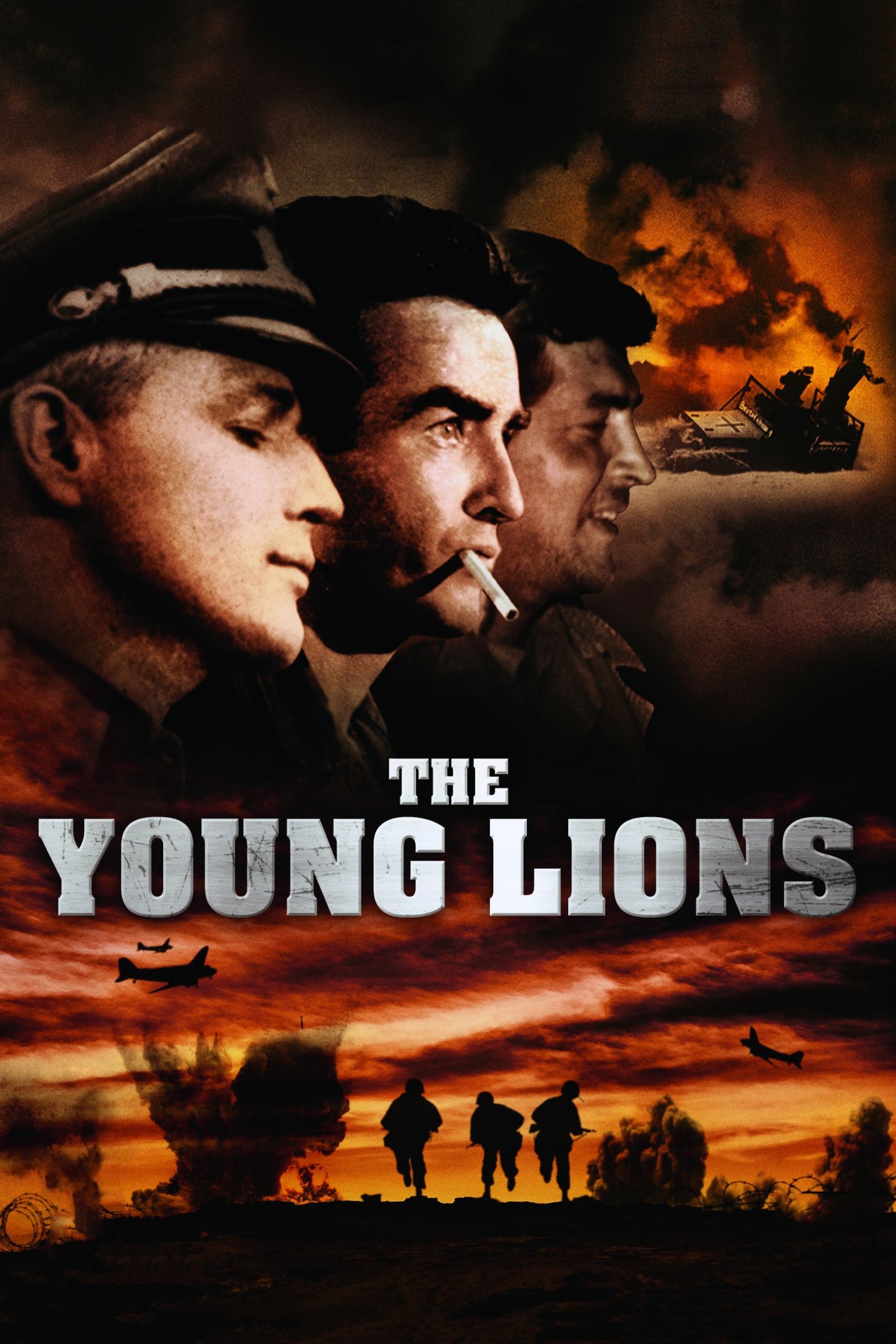
The lives of three young men, a German and two Americans, during WWII.
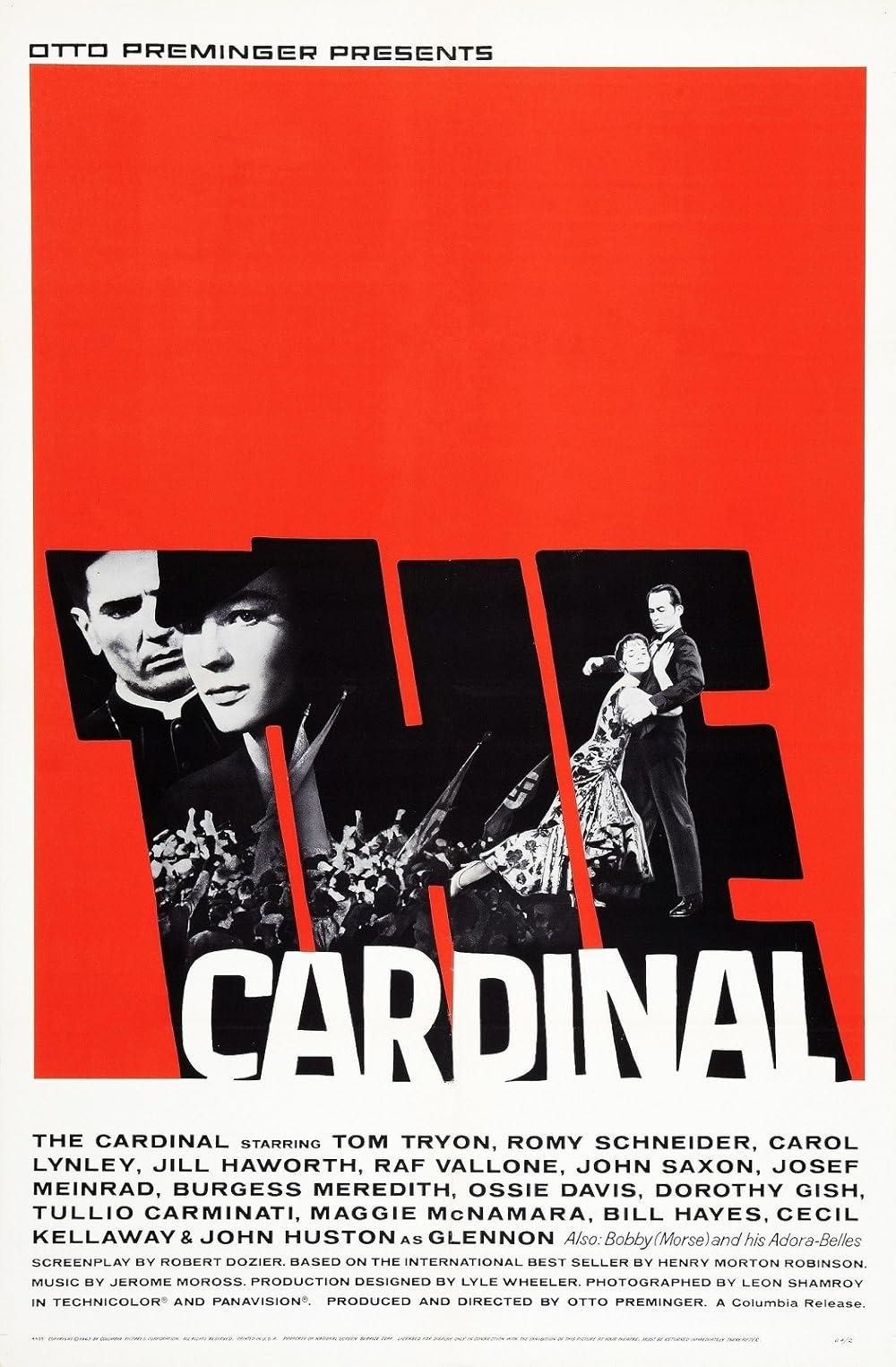
A young Catholic priest from Boston confronts bigotry, Nazism, and his own personal conflicts as he rises to the office of cardinal.
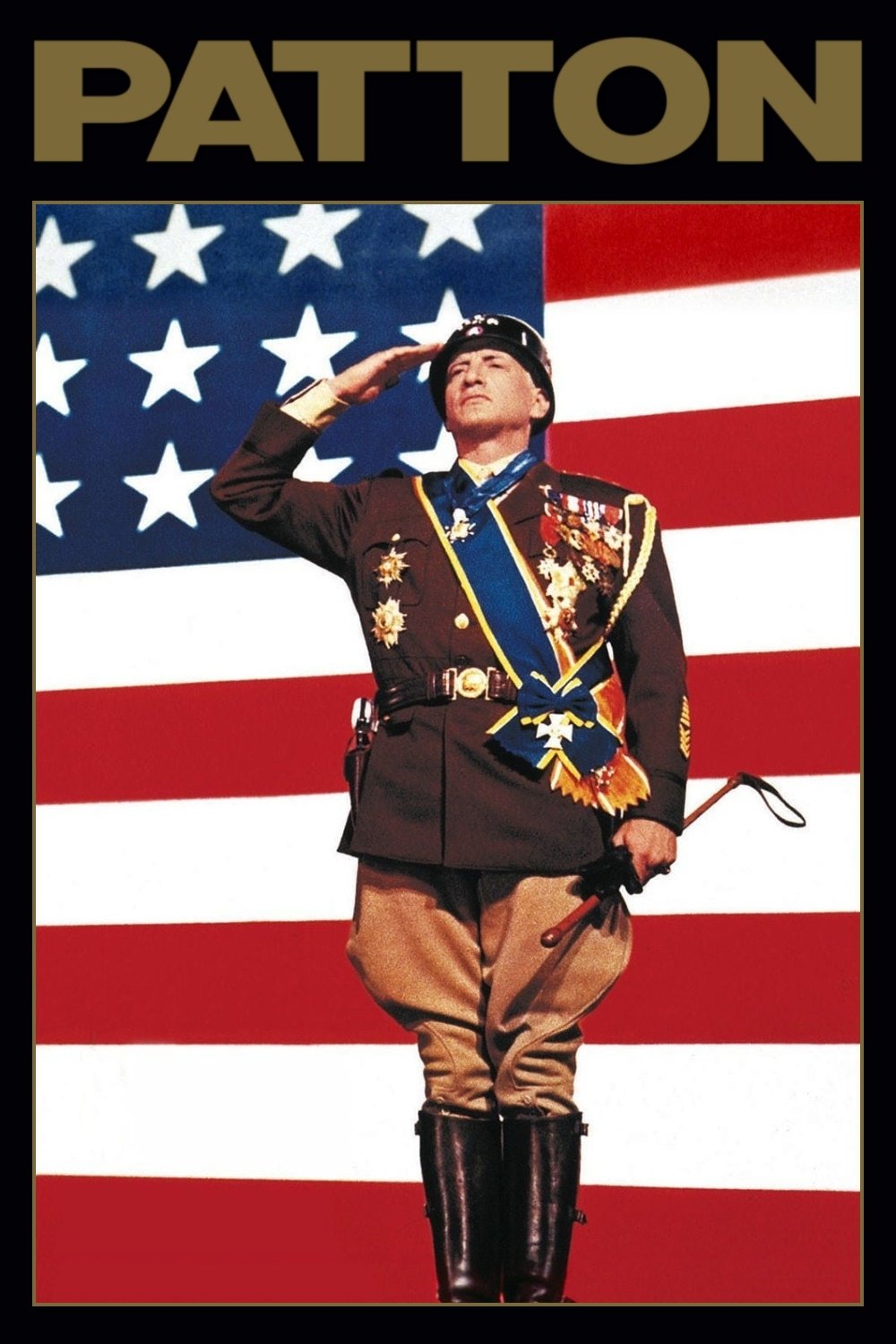
"Patton" tells the tale of General George S. Patton, famous tank commander of World War II. The film begins with Patton's career in North Africa and progresses through the invasion of Germany and the fall of the Third Reich. Side plots also speak of Patton's numerous faults such his temper and habit towards insubordination.
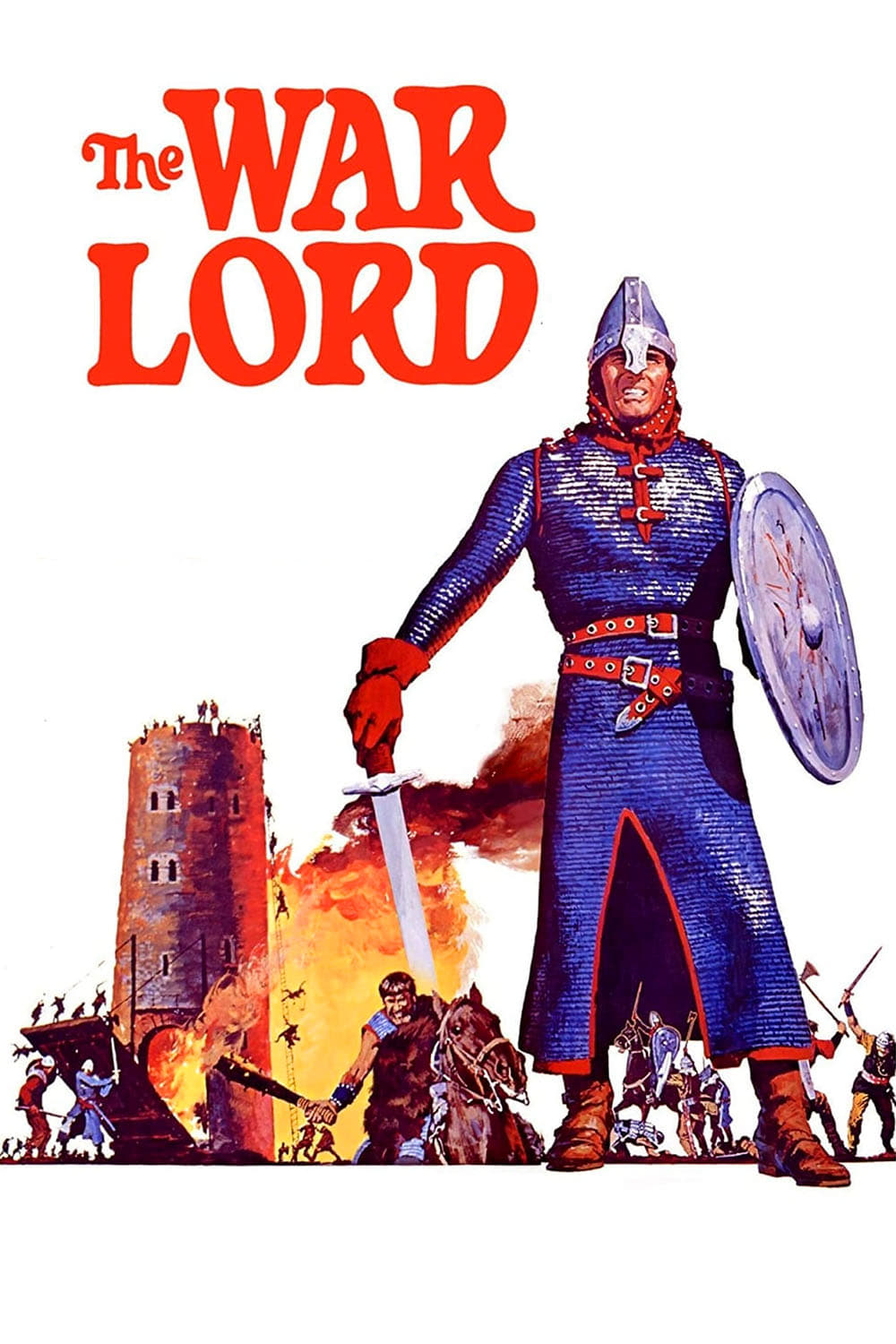
A knight in the service of a duke goes to a coastal village where an earlier attempt to build a defensive castle has failed. He begins to rebuild the duke's authority in the face of the barbarians at the border and is making progress until he falls in love with one of the local women.
Lt. Col. Michael Strobl, a volunteer military escort accompanies the body of Lance Cpl. Chance Phelps to his hometown in Wyoming.
A troubled young woman becomes obsessed with her mysterious new neighbor, who bears a striking resemblance to the girl's dead mother.
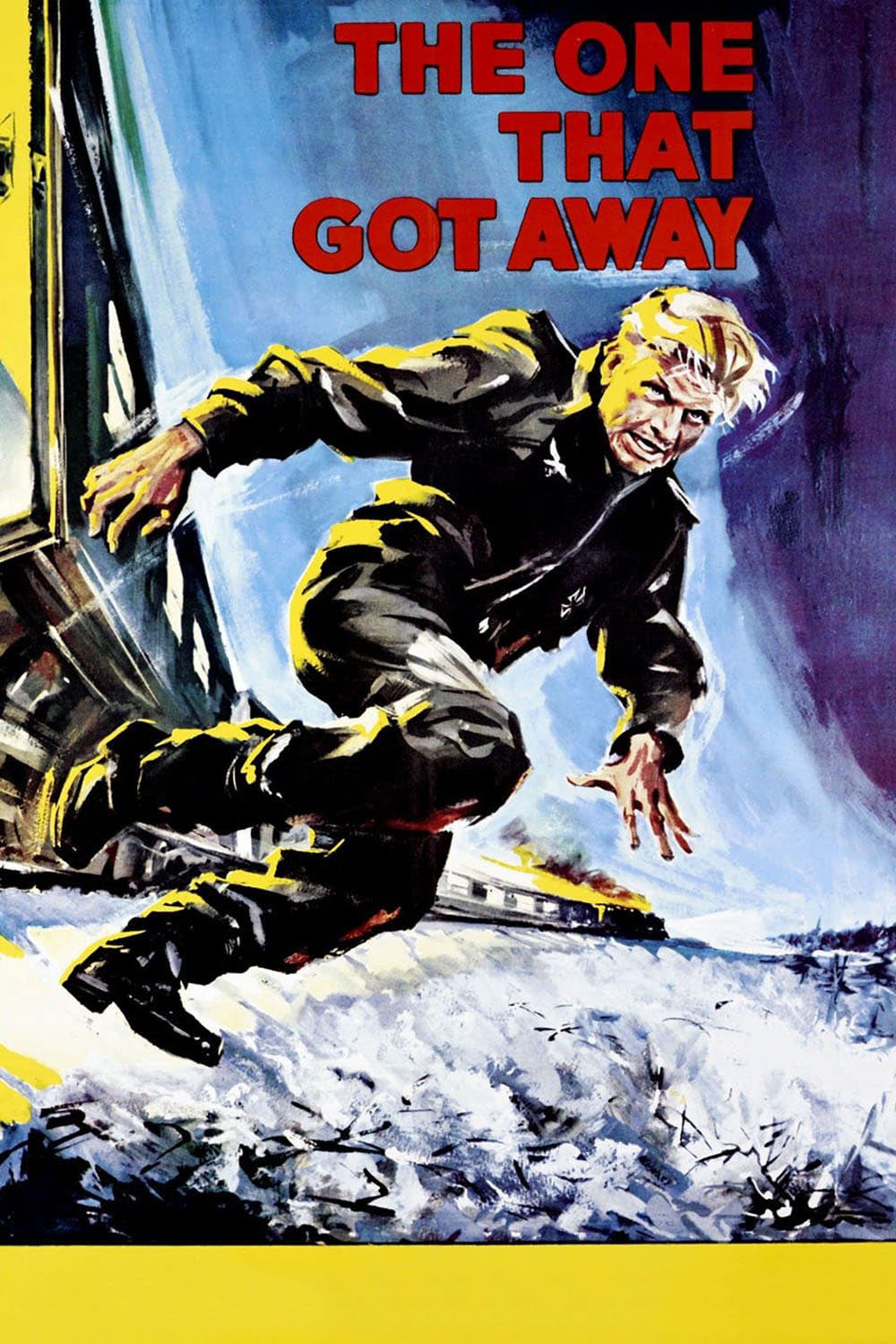
Based on the true story of Oberleutnant Franz von Werra, the only German prisoner of war captured in Britain to escape back to Germany during the Second World War.
Stephen Glass is a staff writer for the respected current events and policy magazine The New Republic and a freelance feature writer for publications such as Rolling Stone, Harper's and George. By the mid-90s, Glass' articles had turned him into one of the most sought-after young journalists in Washington, but a bizarre chain of events - chronicled in Buzz Bissinger's September 1998 Vanity Fair article - suddenly stopped his career in its tracks.
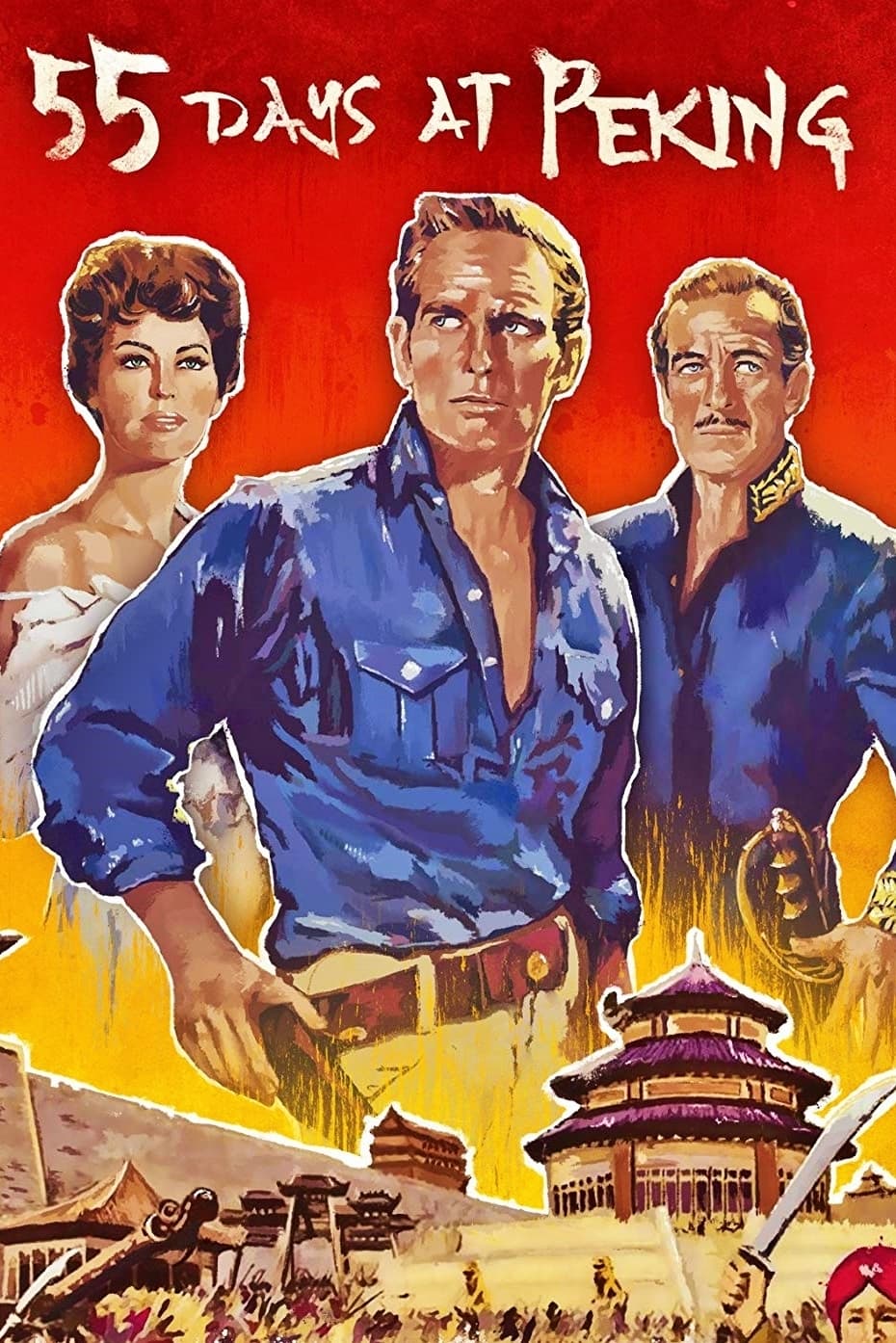
Diplomats, soldiers and other representatives of a dozen nations fend off the siege of the International Compound in Peking during the 1900 Boxer Rebellion. The disparate interests unite for survival despite competing factions, overwhelming odds, delayed relief and tacit support of the Boxers by the Empress of China and her generals.
Actor William Hartnell felt trapped by a succession of hard-man roles while wannabe producer Verity Lambert was frustrated by the TV industry's glass ceiling. Both of them were to find unlikely hope and unexpected challenges in the form of a Saturday tea-time drama. Allied with a team of unusual but brilliant people, they went on to create the longest running science fiction series ever made.
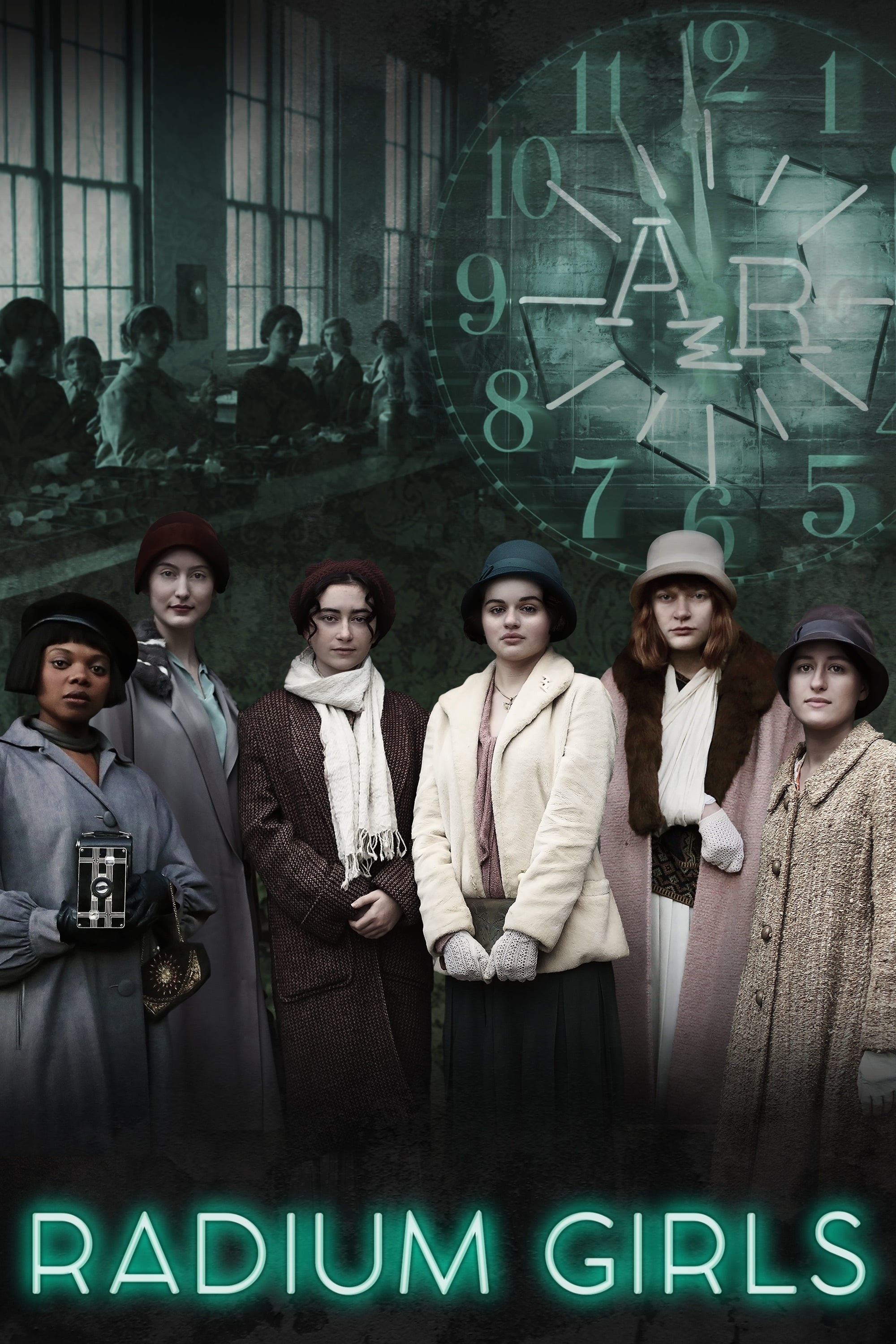
Young women toiling in a factory are exposed to hazardous material which takes a disastrous toll on their health.