Social & External
In an attempt to represent reality, the boundary between life and art blurs between fragmentary images of someone and the praxis of an essay film.
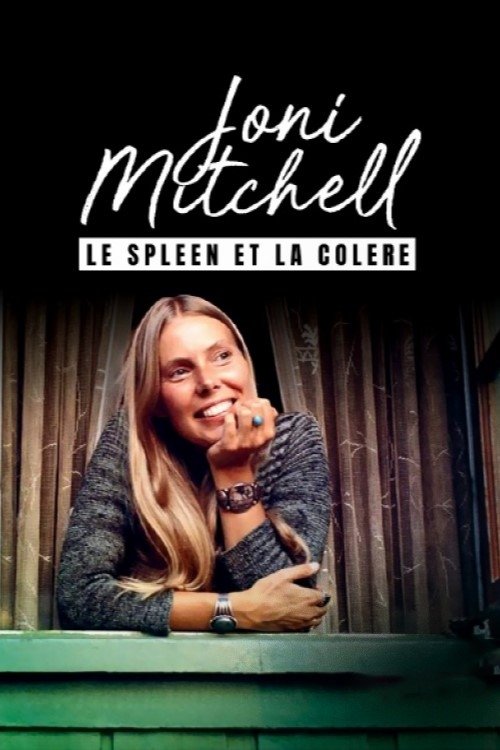
Joni Mitchell has been called the queen of folk music and one of the biggest pop stars of the 60s and 70s. Even today, her lyrics and unique guitar style continue to inspire new generations of singers and songwriters.
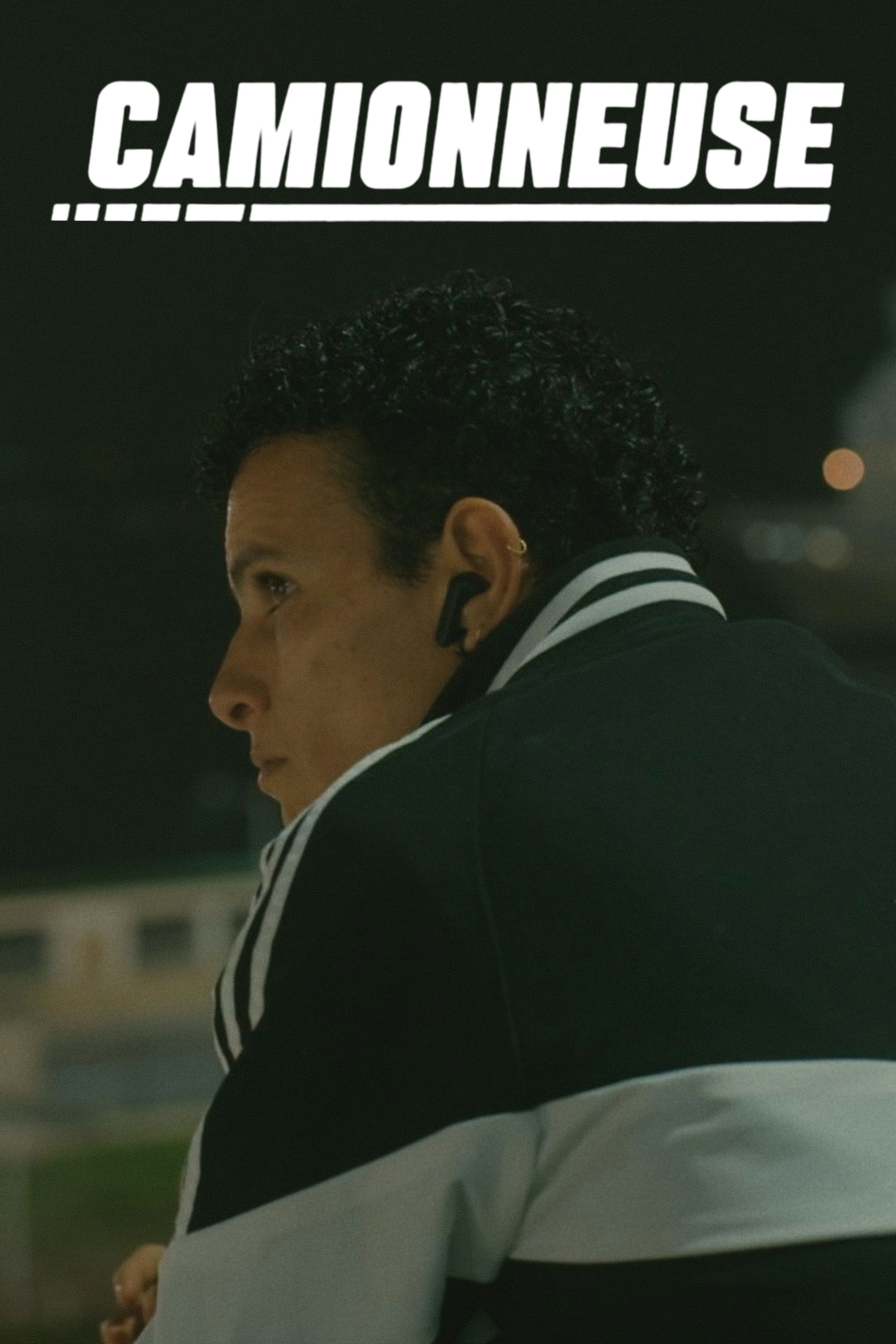
Zina left Algeria to fulfill her childhood dream of driving trucks. At every turn, her cabin becomes a space of freedom and the highway a battlefield.
Documentary about what makes a house a home.
Stop for Bud is Jørgen Leth's first film and the first in his long collaboration with Ole John. […] they wanted to "blow up cinematic conventions and invent cinematic language from scratch". The jazz pianist Bud Powell moves around Copenhagen -- through King's Garden, along the quay at Kalkbrænderihavnen, across a waste dump. […] Bud is alone, accompanied only by his music. […] Image and sound are two different things -- that's Leth's and John's principle. Dexter Gordon, the narrator, tells stories about Powell's famous left hand. In an obituary for Powell, dated 3 August 1966, Leth wrote: "He quite willingly, or better still, unresistingly, mechanically, let himself be directed. The film attempts to depict his strange duality about his surroundings. His touch on the keys was like he was burning his fingers -- that's what it looked like, and that's how it sounded. But outside his playing, and often right in the middle of it, too, he was simply gone, not there."
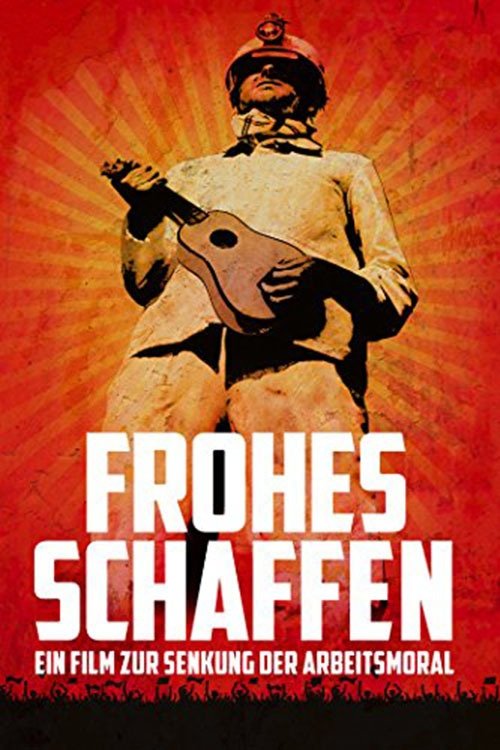
It is a fetish, a mantra, a secret religion to modern man: work. In times of the financial crisis and massive job reductions, this documentary movie questions work as our 'hallow' sense in life in a way that both humors and pains us.
The documentary film tells the story of Zucchero Sugar Fornaciari through his words and those of colleagues and friends such as Bono, Sting, Brian May, Paul Young, Andrea Bocelli, Salmo, Francesco Guccini, Francesco De Gregori, Roberto Baggio, Jack Savoretti, Don Was, Randy Jackson and Corrado Rustici. A journey of the soul which, thanks to images coming from Zucchero's private archives and from the "World Wild Tour", his last and triumphant world tour, goes beyond the portrait of a successful musician reaching into the doubts and fragilities of 'man.
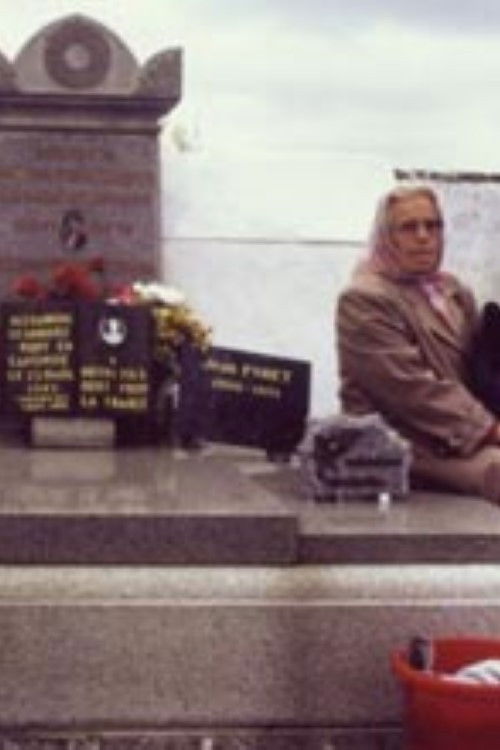
A village in Brittany. During the ten days leading up to All Souls Day, we can see it in its entirety "inhabiting" the cemetery, going from gravestone to gravestone for the rituals of cleaning, flowering and praying. Telling its story through its faces, its voices and its ambulations.
Workplace is a documentary made by Gary Hustwit, in association with R/GA, for the 2016 Venice Architecture Biennale.Workplace is about the past, present, and future of the office. It looks at the thinking, innovation, and experimentation involved in trying to create the next evolution of what the office could be. The film follows the design and construction of the New York headquarters of digital agency R/GA (in collaboration with architects Foster + Partners) who have been experimenting with how physical and digital space can better interact. Digital technology has radically changed how and where most of us work, but the physical spaces we work in haven’t kept up with that transformation.
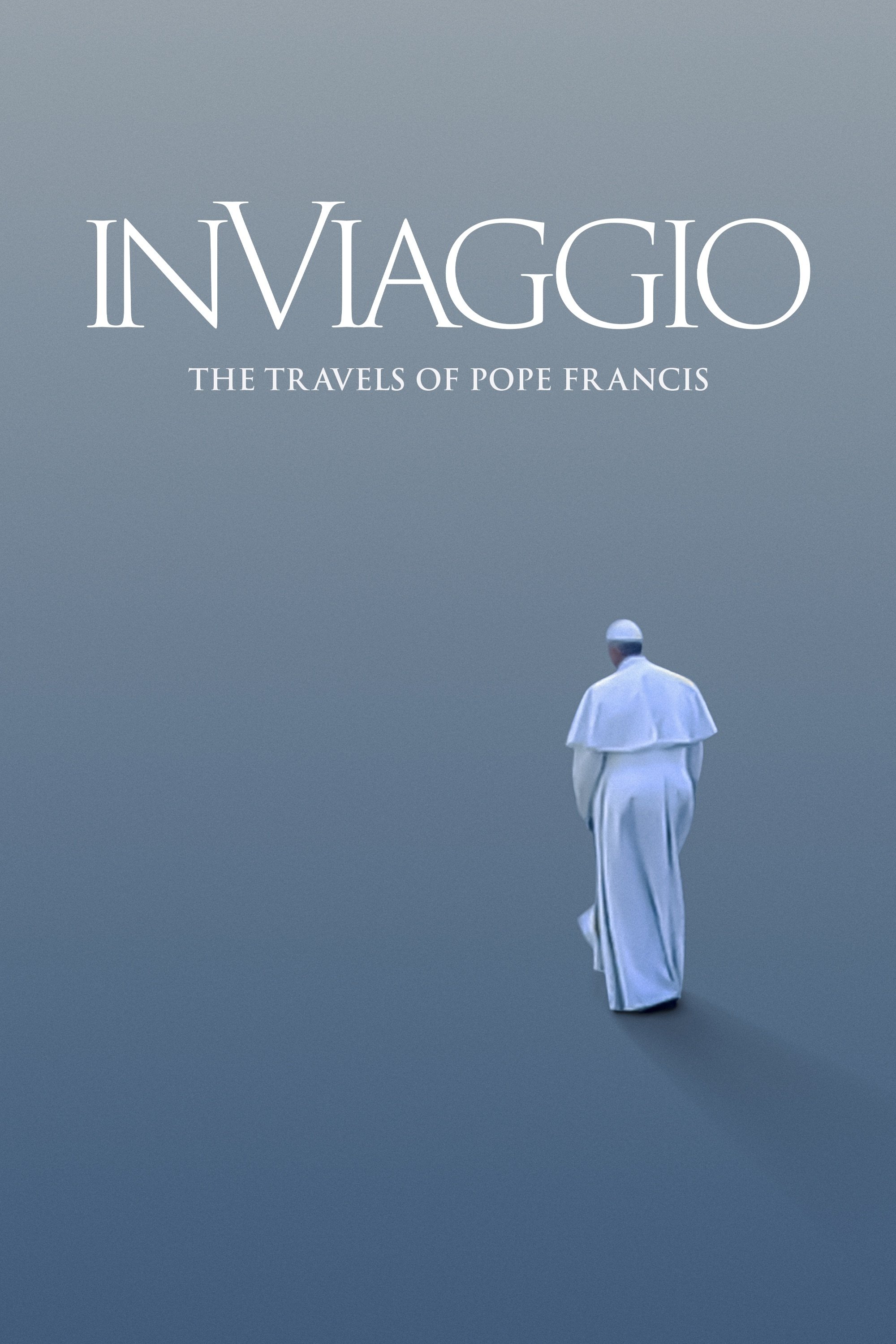
A chronicle of the first nine years of Pope Francis' pontificate, including trips to 53 countries, focusing on his most important issues - poverty, migration, environment, solidarity, and war - while also giving rare access to the public life of the pontifical.
When the lights dim and the stage is revealed, Meschke channels life through the strings of his puppets, triggering the spiritual connection between the creator and his alter-egos: the charismatic Don Quixote, the loving Penelope, the inquisitive Baptiste, or the mysterious Antigone. THE MAN WHO MADE ANGELS FLY is a poetic story about a master of his craft that has inspired audiences to reflect upon common issues of suffering and the mortal coil. Visionary and un-biographic, imaginary tribute to the puppeteer.
This documentary follows a group of women on a typical workday as they prepare meals for a dockyard in Rostock. The viewer never learns their names - there are no interviews. The women are presented simply as workers: cooking, cleaning, hauling, and serving dishes amid clanking pots and hot steam.
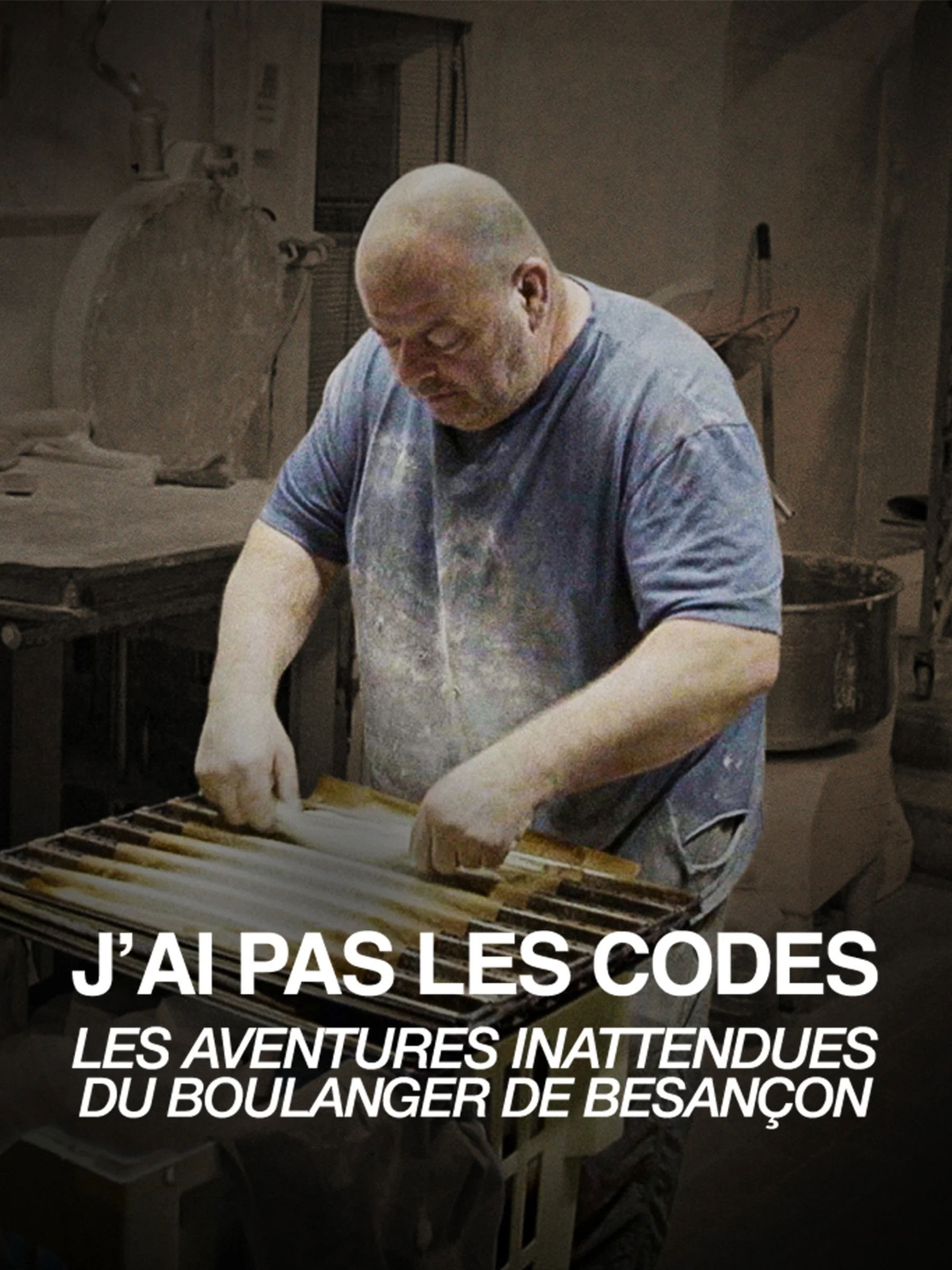
This is the story of an ordinary man transformed by history. A simple baker from Besançon who became a political symbol of resistance. That of a France that knows how much it needs others to grow. Of working classes rejecting the siren calls of populism. He says: "I was nothing and I became a monster" to express the vertigo of his transformation. And so the baker entered politics, visited the United States in the footsteps of Martin Luther King, brought aid to the Ukrainians, and ran for legislative elections. Fearless. Fighting with all his heart. It is this inspiring, touching, and funny human epic that Pedro da Fonseca's camera followed closely, capturing his doubts, his hesitations, and his emotions.
When Ines died, she left a very particular legacy, 10 books that read 'For my children'; it was the story of her life. Marked by a youth idyllic love, Ines was forced to marry a violent and womanizer man with whom she had 20 children. In the 50s, she managed to get divorce and 20 years after her death, Luisa, great-granddaughter of INES, reads, rescues and makes visible her history.
An impressionistic portrait of the iconic actor Harry Dean Stanton comprised of intimate moments, film clips from some of his 250 films and his renditions of American folk songs.
The life and career of an actor, artist, and icon. His own journey through his own camera.
Biographical documentary of the war photographer Don McCullin, with sections on his upbringing, early work for the Observer and extensive war reporting for the Sunday Times until the purchase of the newspaper by Rupert Murdoch in the 1980s.
A portrait of the day-to-day operations of the National Gallery of London, that reveals the role of the employees and the experiences of the Gallery's visitors. The film portrays the role of the curators and conservators; the education, scientific, and conservation departments; and the audience of all kinds of people who come to experience it.
Diaries, audiotapes, videotapes and testimonials from friends and colleagues offer insight into the life and career of Gilda Radner -- the beloved comic and actress who became an icon on Saturday Night Live.
A compilation of over 30 years of private home movie footage shot by Lithuanian-American avant-garde director Jonas Mekas, assembled by Mekas "purely by chance", without concern for chronological order.
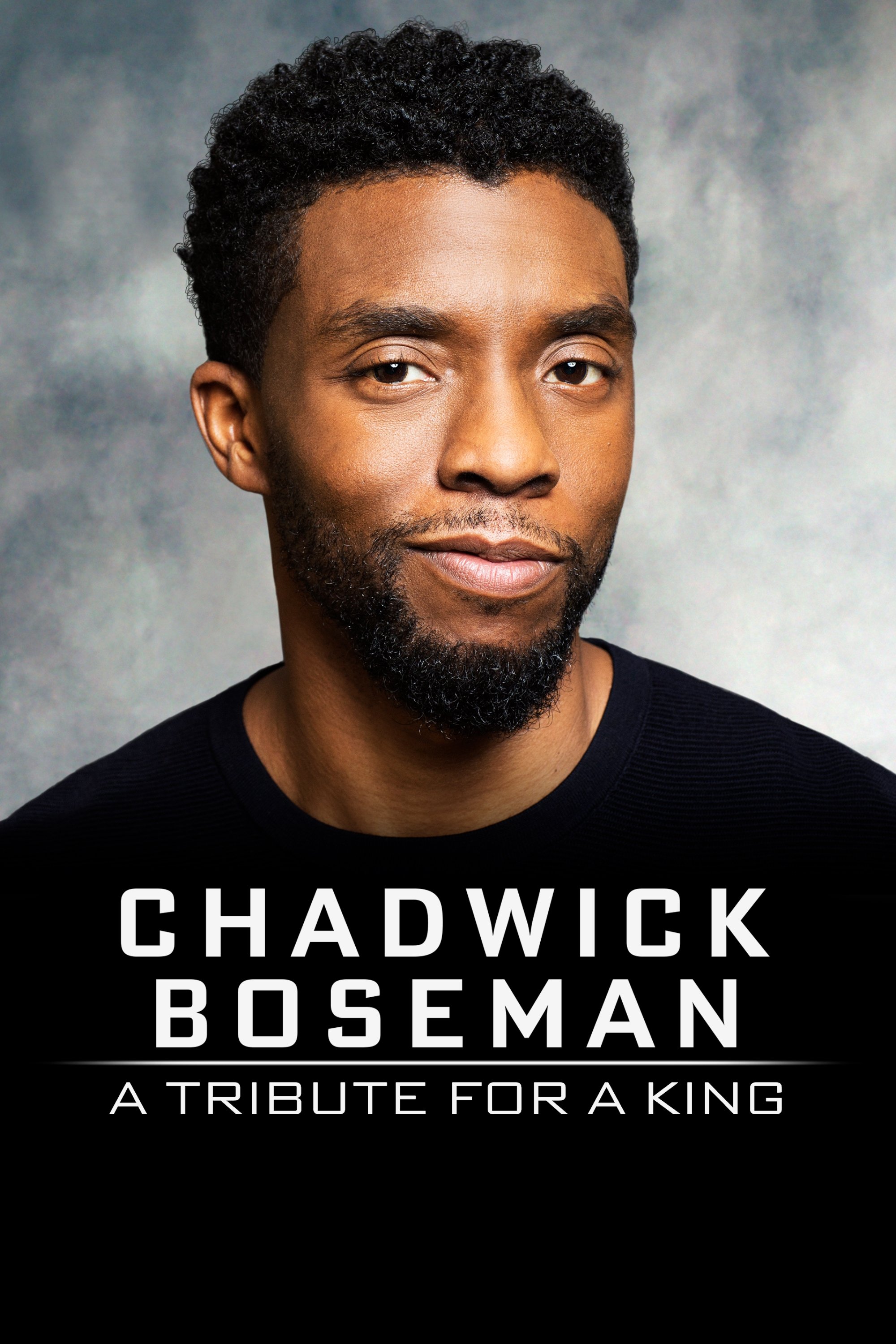
A tribute to Chadwick Boseman, celebrating his life and legacy.
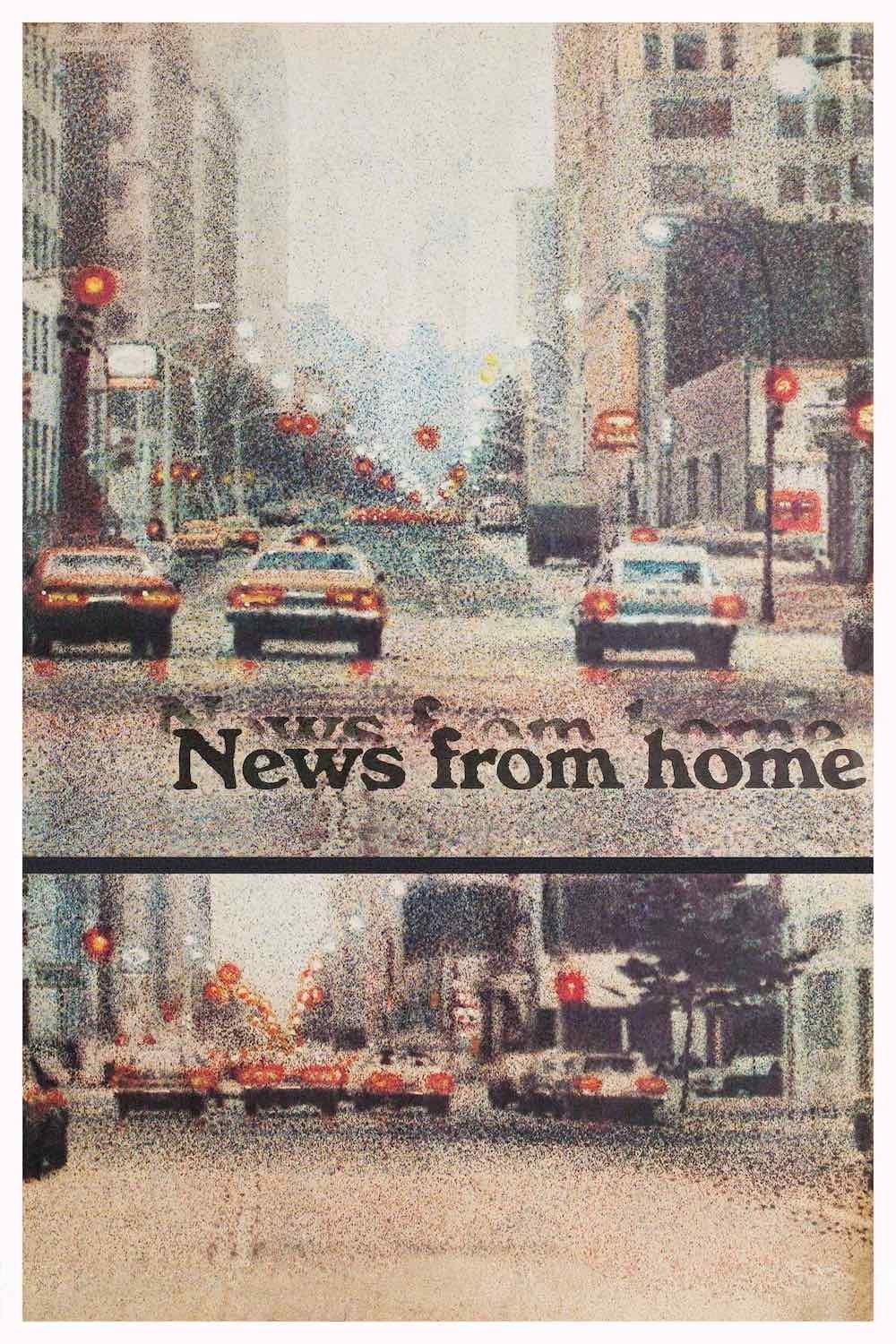
Impersonal and beautiful images of Akerman's life in New York are combined with letters from her loving but manipulative mother, read by Akerman herself.
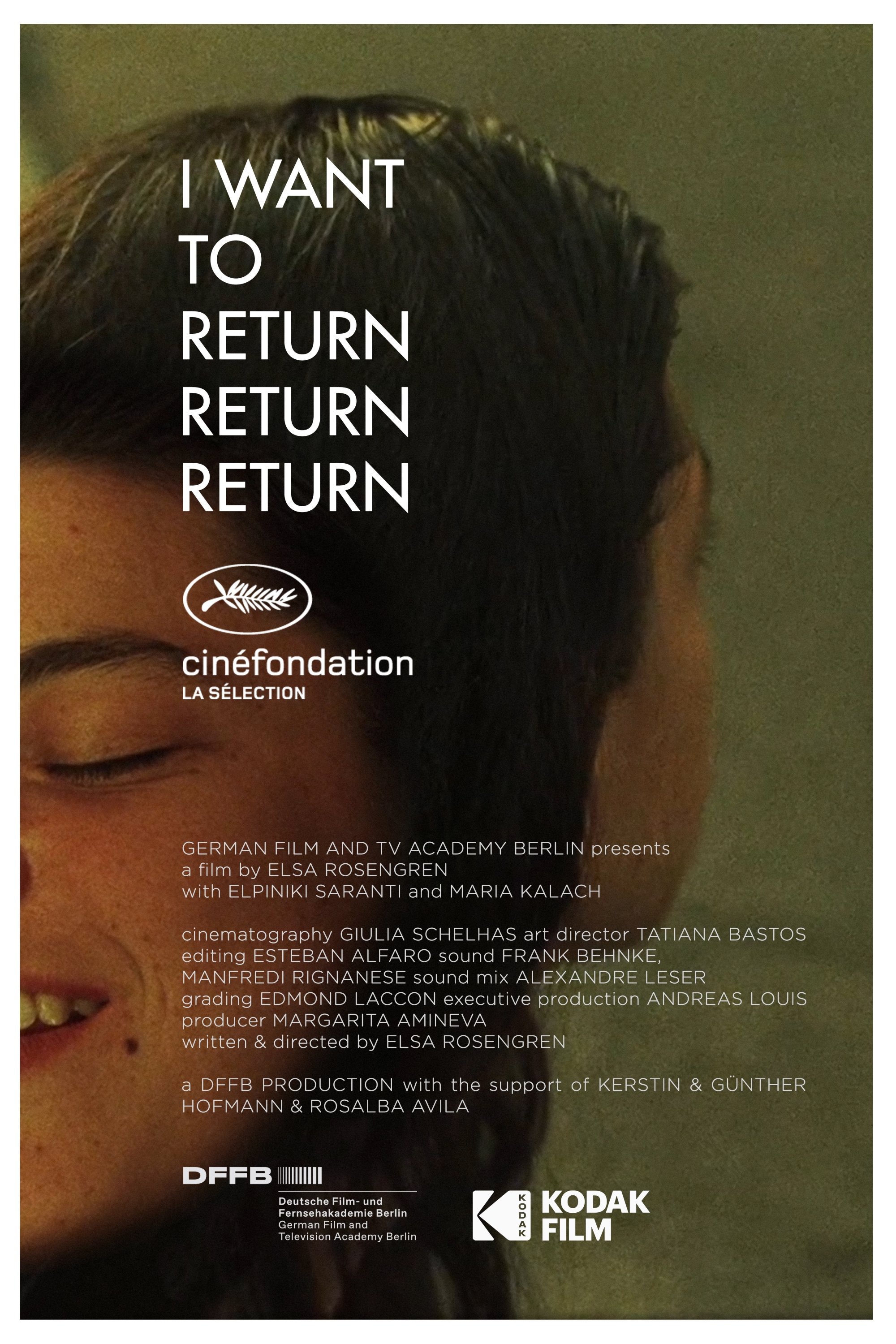
A depiction of the Wrangelkiez neighbourhood in Berlin. The people portrayed tell their life stories. One woman came to the neighbourhood a decade ago to work in Berlin’s still unfinished Brandenburger Airport, one man reminisces his childhood on a Tobacco farm in Kentucky, another speaks of an exceptional day in an otherwise monotonous workplace. These portraits are interwoven with the story of Elpi, a Greek woman who is waiting for the long overdue visit of an old important friend. The outcome of this mixture is a film which captures the lives and perspectives of some of Wrangelkiez’s most commanding citizens, while at the same time evoking the loss that change and time passing means for places and for people.
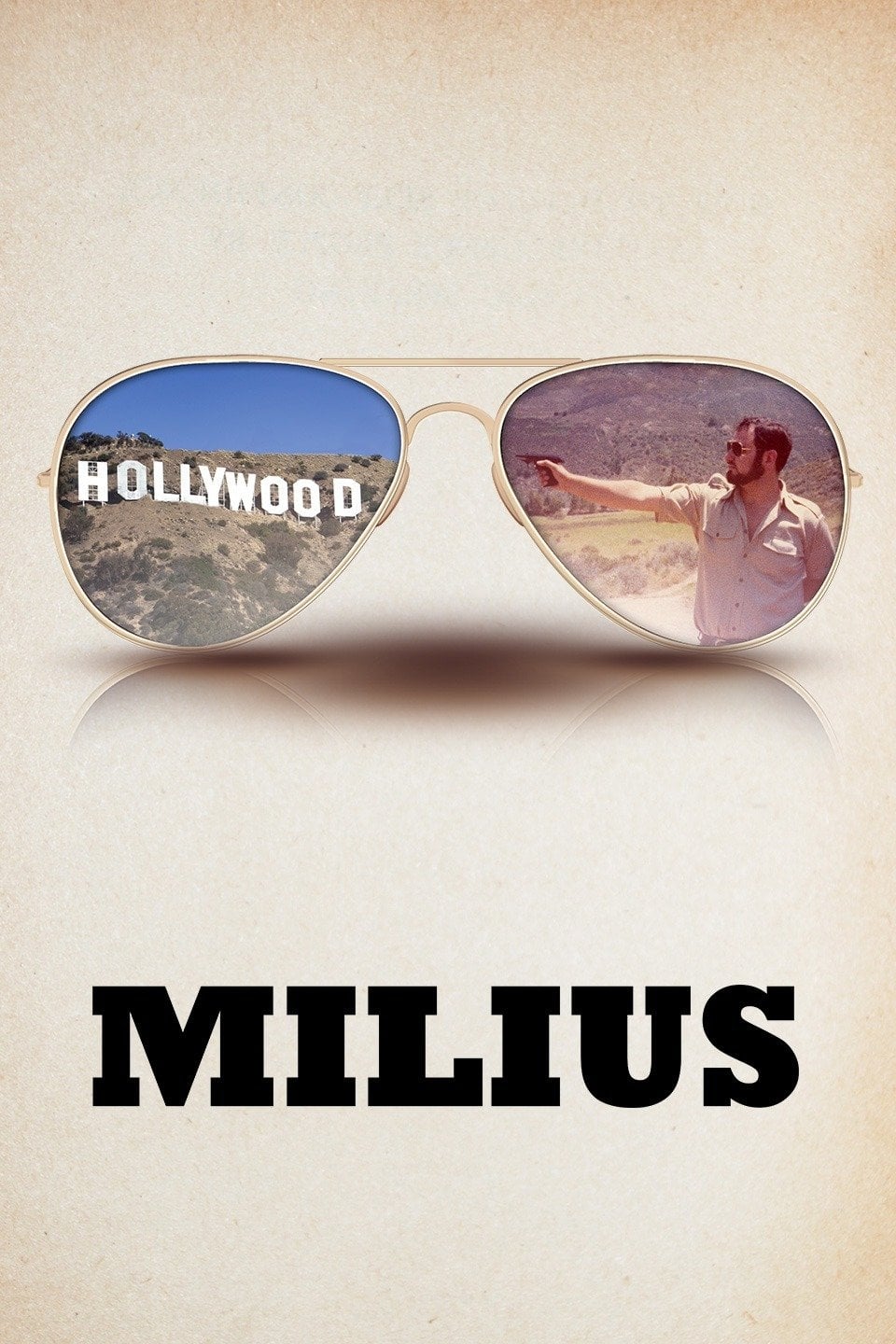
The life story of ‘Zen Anarchist’ filmmaker John Milius, one of the most influential storytellers of his generation.
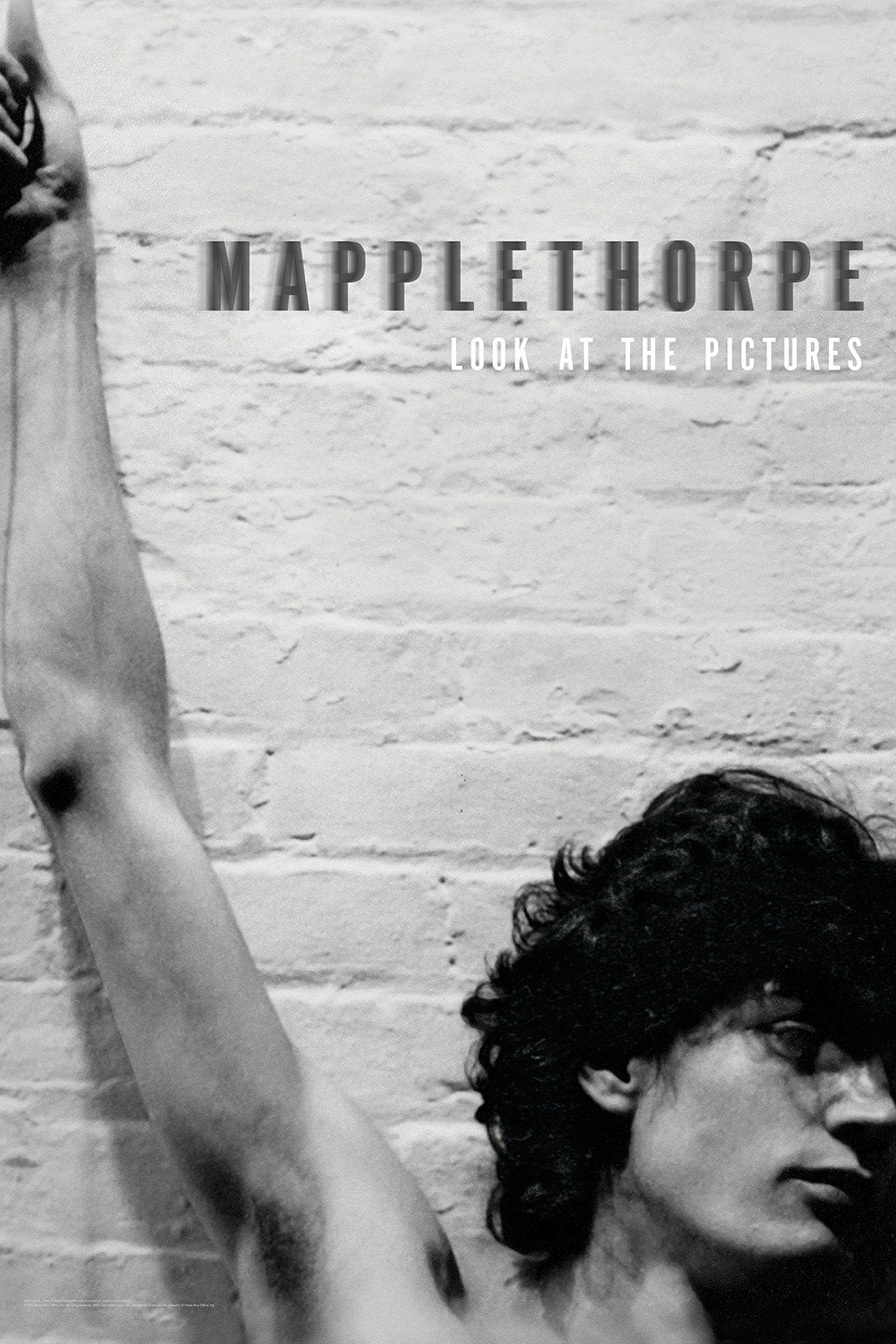
Nude men in rubber suits, close-ups of erections, objects shoved in the most intimate of places—these are photographs taken by Robert Mapplethorpe, known by many as the most controversial photographer of the twentieth century. Openly gay, Mapplethorpe took images of male sex, nudity, and fetish to extremes that resulted in his work still being labelled by some as pornography masquerading as art. But less talked about are the more serene, yet striking portraits of flowers, sculptures, and perfectly framed human forms that are equally pioneering and powerful.
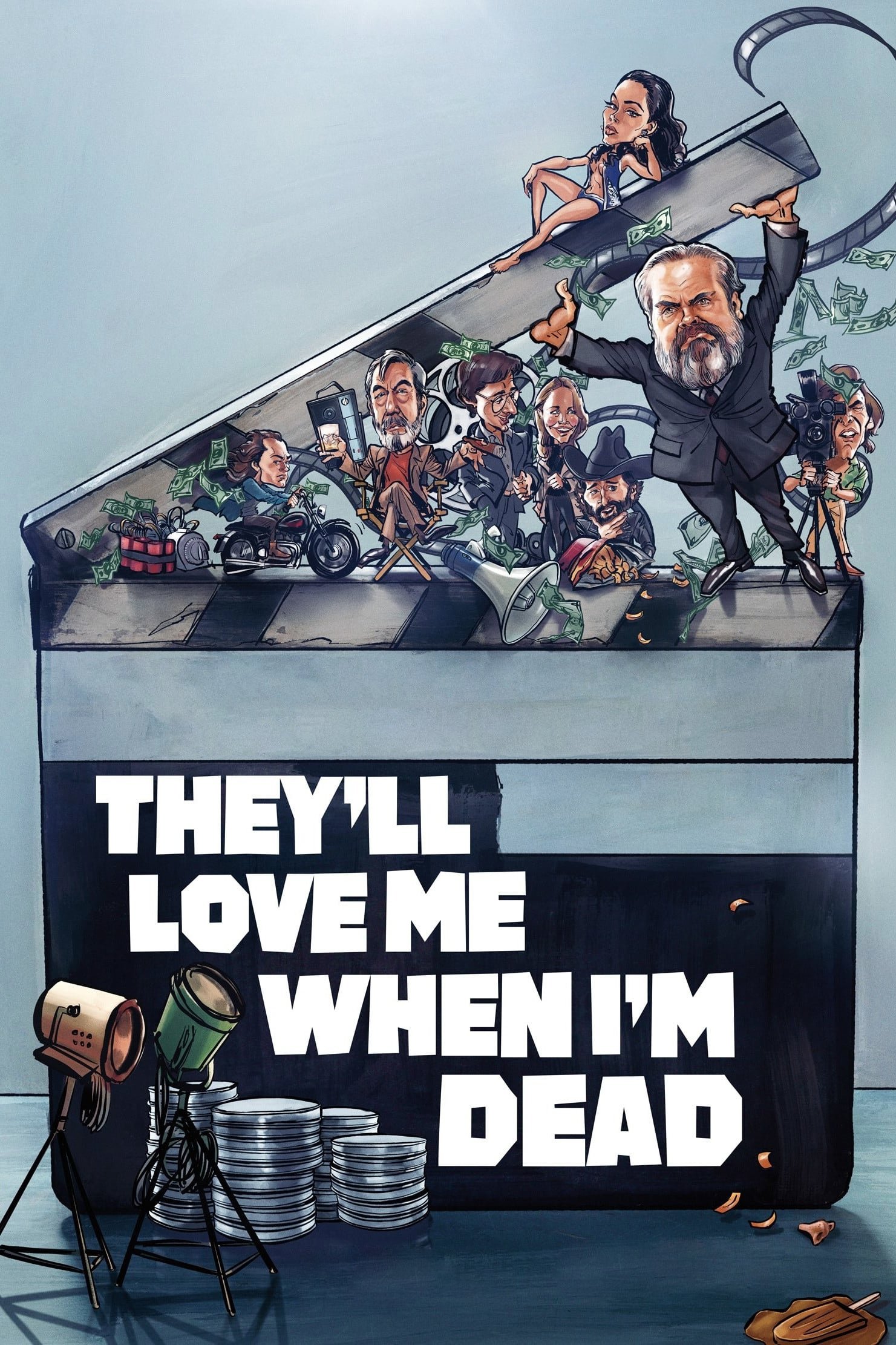
As his life comes to its end, famous Hollywood director Orson Welles puts it all on the line at the chance for renewed success with the film The Other Side of the Wind.
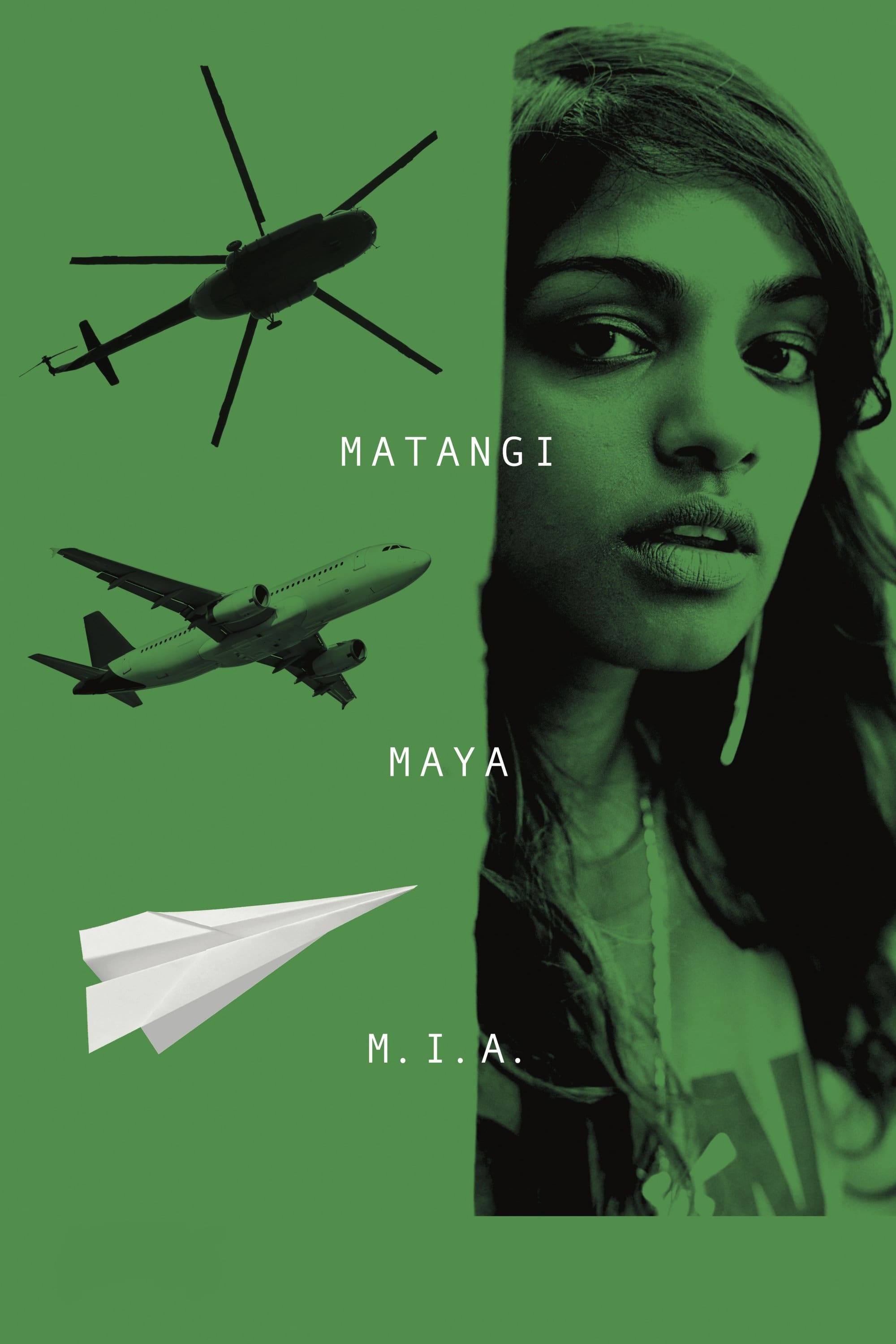
Drawn from a never before seen cache of personal footage spanning decades, this is an intimate portrait of the Sri Lankan artist and musician who continues to shatter conventions.
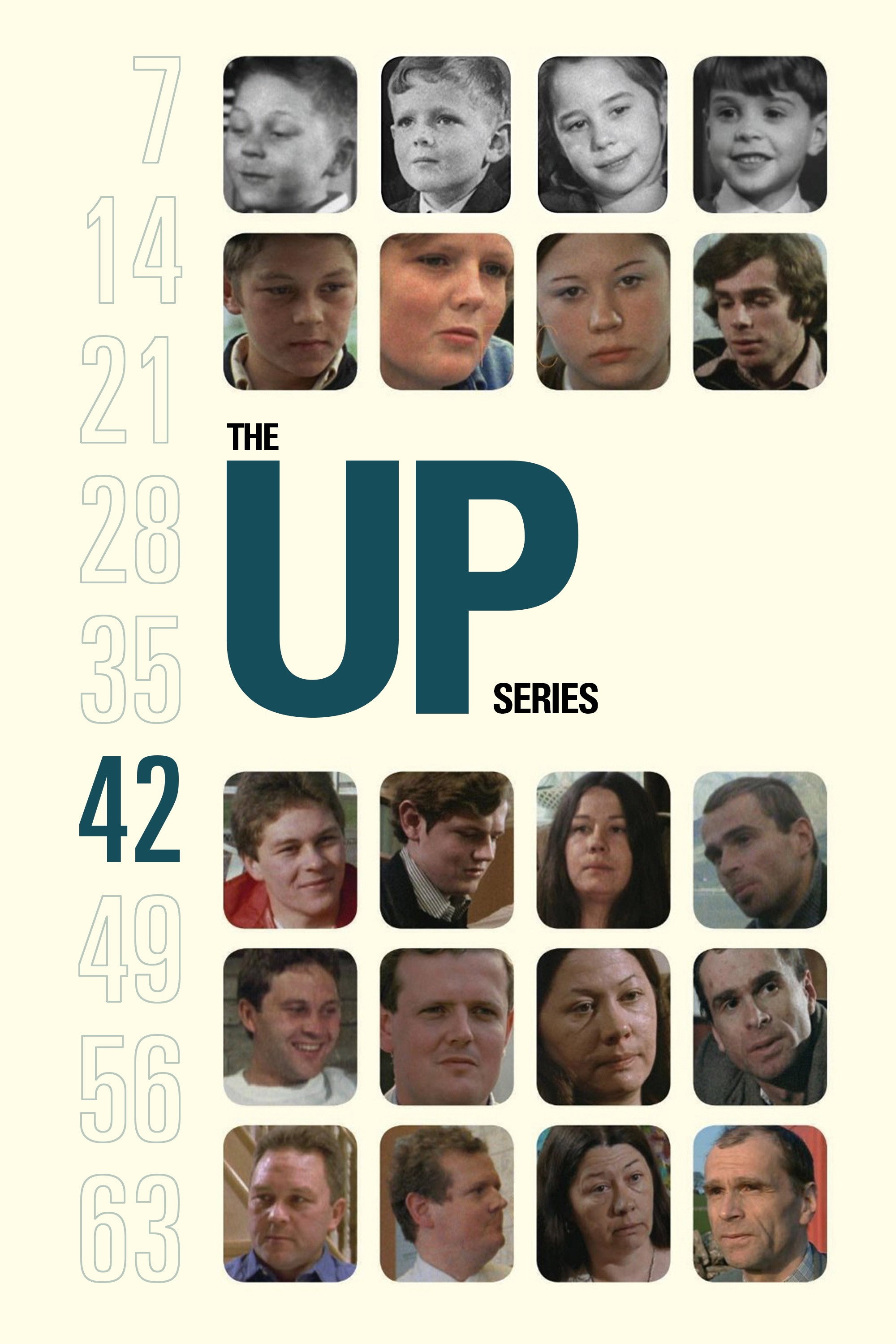
Director Michael Apted revisits the same group of British-born adults after a 7 year wait. The subjects are interviewed as to the changes that have occurred in their lives during the last seven years.
From a prolific career in film and television, Anton Yelchin left an indelible legacy as an actor. Through his journals and other writings, his photography, the original music he wrote, and interviews with his family, friends, and colleagues, this film looks not just at Anton's impressive career, but at a broader portrait of the man.
A candid look at rehearsal footage in support of a focus on pre-viz.
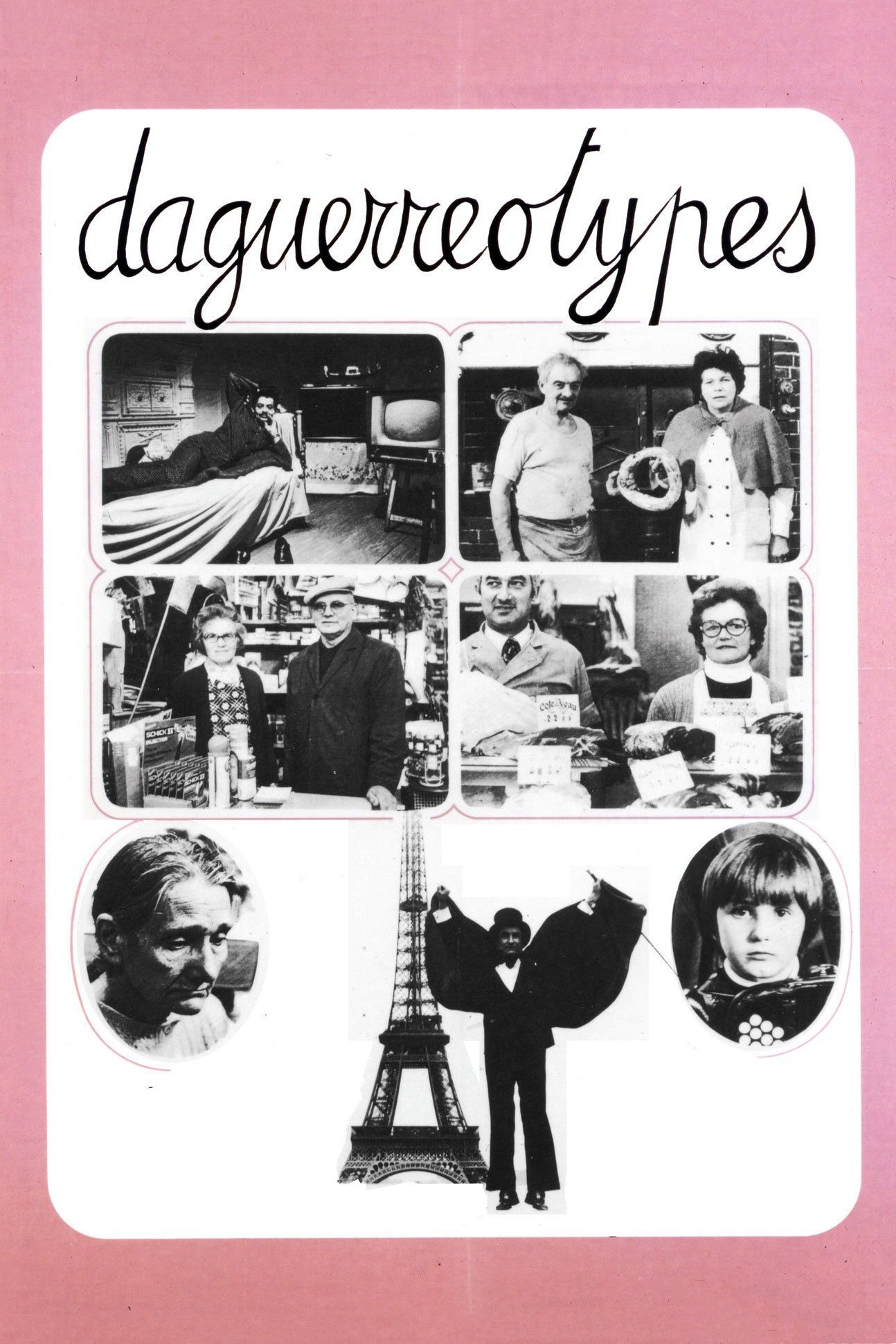
An intimate portrait of the small shops and shopkeepers of the Rue Daguerre in Paris, a picturesque street that has been the filmmaker’s home for more than 50 years.
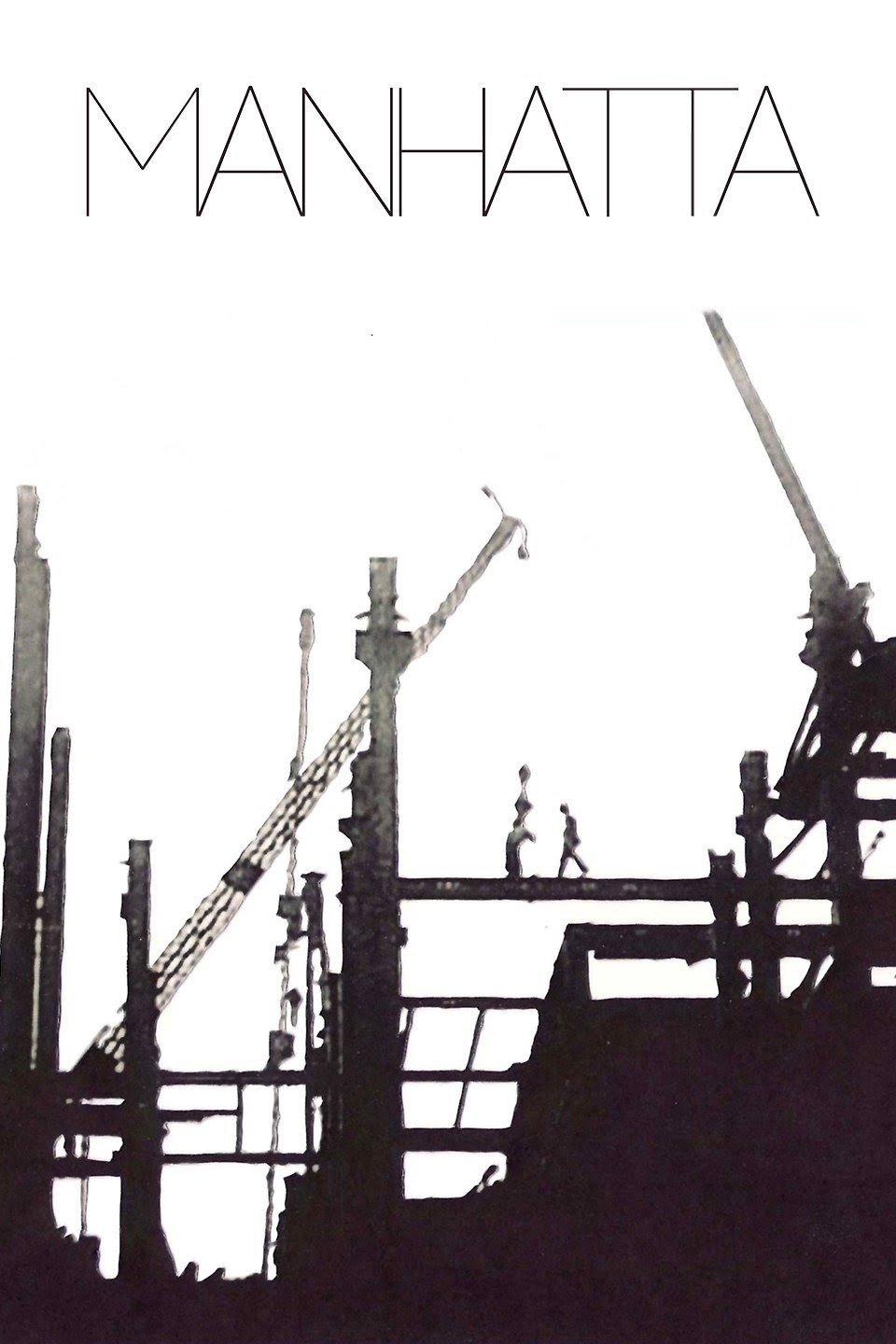
Morning reveals New York harbor, the wharves, the Brooklyn Bridge. A ferry boat docks, disgorging its huddled mass. People move briskly along Wall St. or stroll more languorously through a cemetery. Ranks of skyscrapers extrude columns of smoke and steam. In plain view. Or framed, as through a balustrade. A crane promotes the city's upward progress, as an ironworker balances on a high beam. A locomotive in a railway yard prepares to depart, while an arriving ocean liner jostles with attentive tugboats. Fading sunlight is reflected in the waters of the harbor. The imagery is interspersed with quotations from Walt Whitman, who is left unnamed.
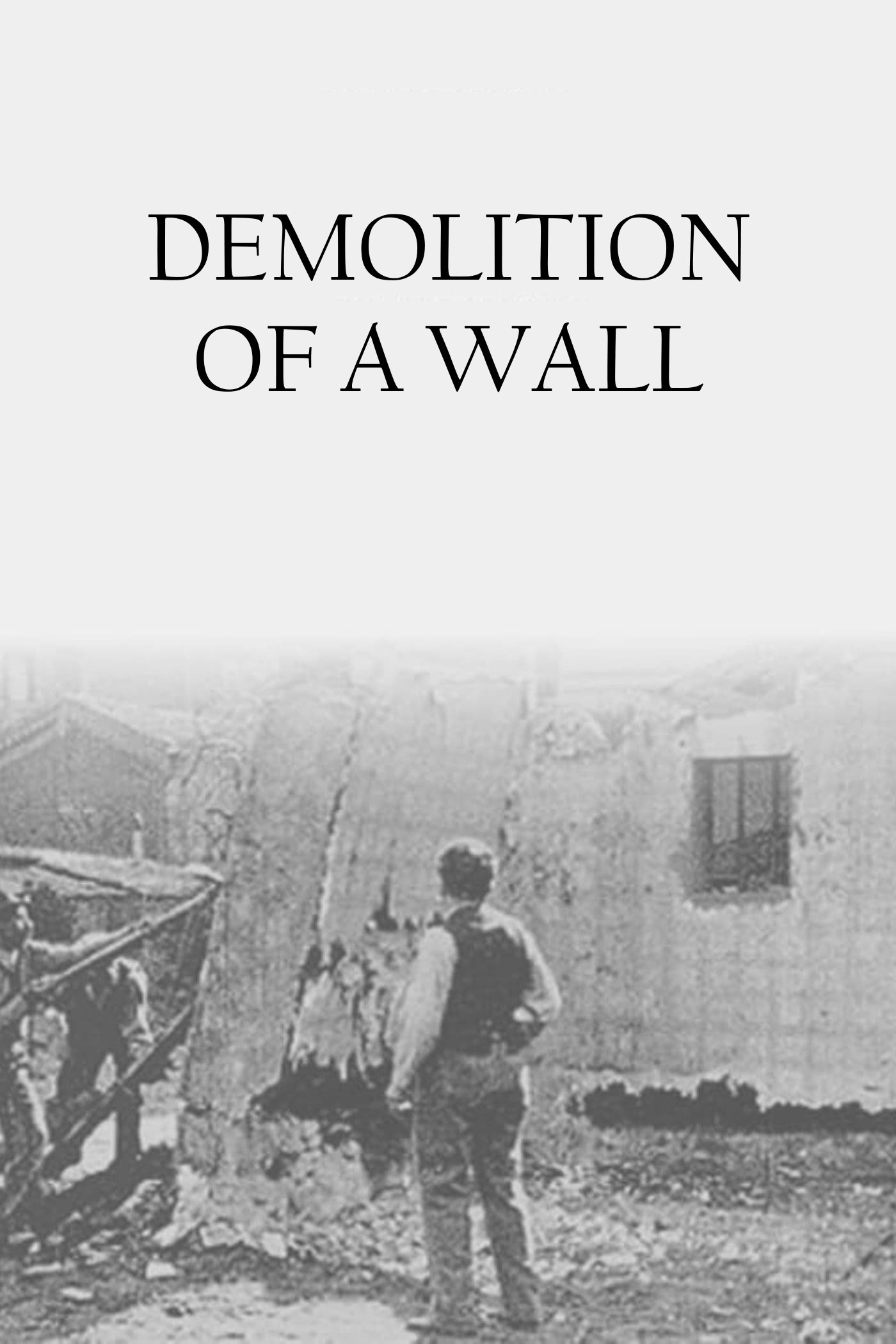
Auguste Lumière directs four workers in the demolition of an old wall at the Lumière factory. One worker is pressing the wall inwards with a jackscrew, while another is pushing it with a pick. When the wall hits the ground, a cloud of white dust whirls up. Three workers continue the demolition of the wall with picks.
The story of Leon Vitali, who surrendered his promising acting career to become Stanley Kubrick's devoted right-hand man.