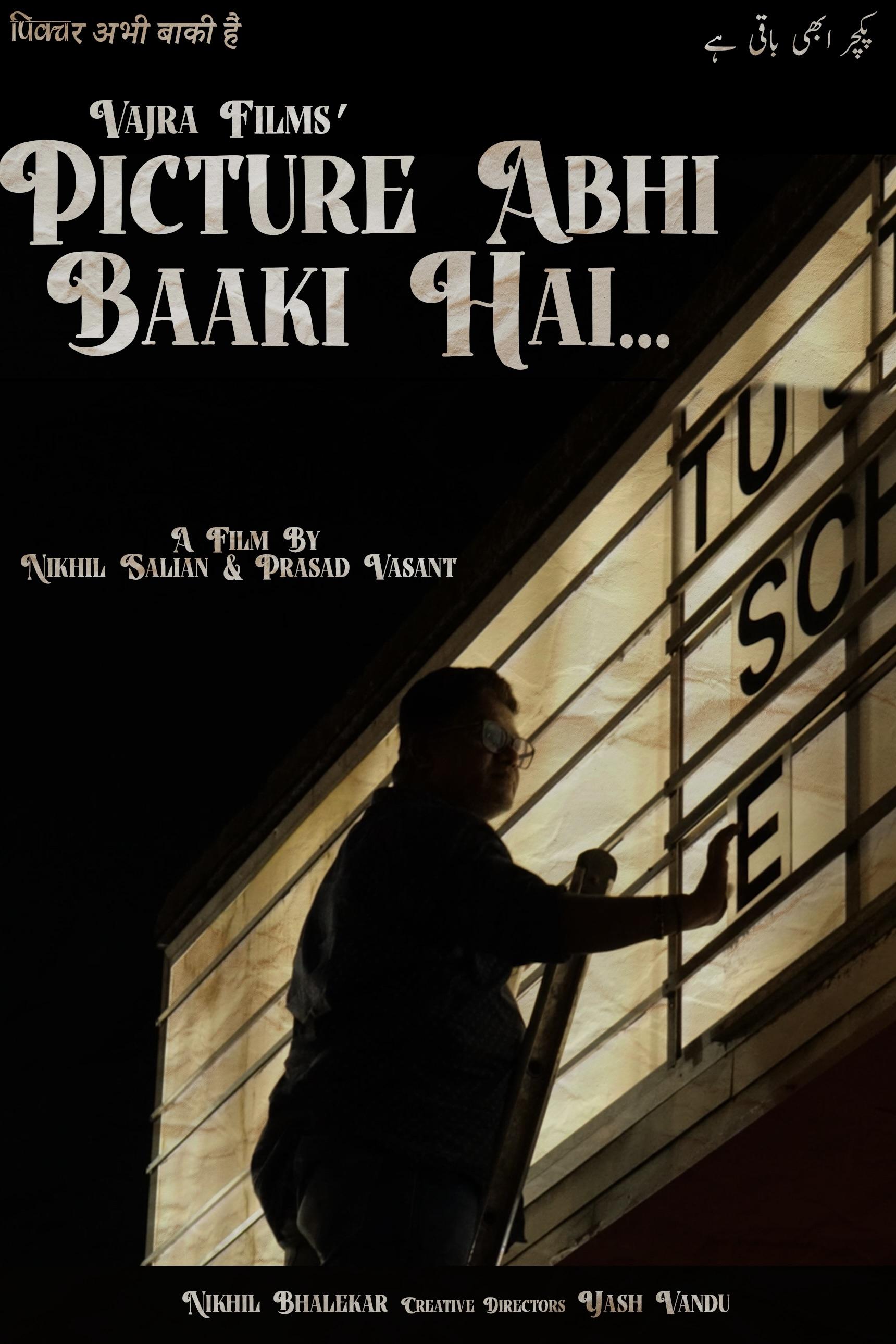
"CINEMA ON CINEMA."
A memoir celebrating yesteryears of cinema and how silver screen has evolved over the years, this documentary is ode to cinema by the audience, for the audience.
Social & External
Himself
A movie director attemps to film the way he writes a screenplay.
Interviews with celebrities such as Joan Baez, Jackson Browne, Dennis Hopper and Willie Nelson examine the remarkable career of actor-performer Kris Kristofferson, who successfully bridged the gap between Hollywood and Nashville. From his mastery of the "New Nashville" sound on his 1972 album "Jesus Was a Capricorn" to his role in the 1974 film Alice Doesn't Live Here Anymore, Kristofferson has shown an agility that's hard to match.
In August 1903, the King of Portugal, D.Carlos I, proceeds to, by Royal Charter, the auction sale of the Fort St. Joseph - located in a small islet near the city of Funchal. In October 2000, the old fort is acquired by professor Renato Barros, without him even knowing that the Royal Charter documented not only the sale of the property but also the domain over the islet. Overnight, the professor becomes the Prince.
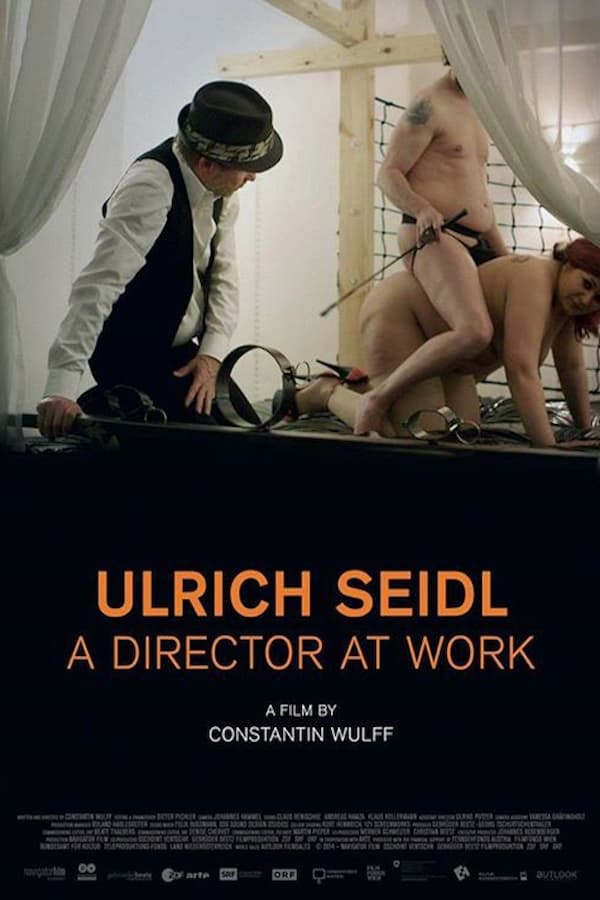
This cinematic portrait shows the Austrian filmmaker Ulrich Seidl at work. The much-discussed ‘Seidl method’ is conveyed here vividly and directly: The camera watches over Seidl’s shoulder during the filming of his new production IM KELLER, and observes him at the rehearsals for his latest theatre production ‘Böse Buben / Fiese Männer’. The film paints the picture of a fascinating and exceptional artist using a combination of extensive interviews and excerpts from earlier works.
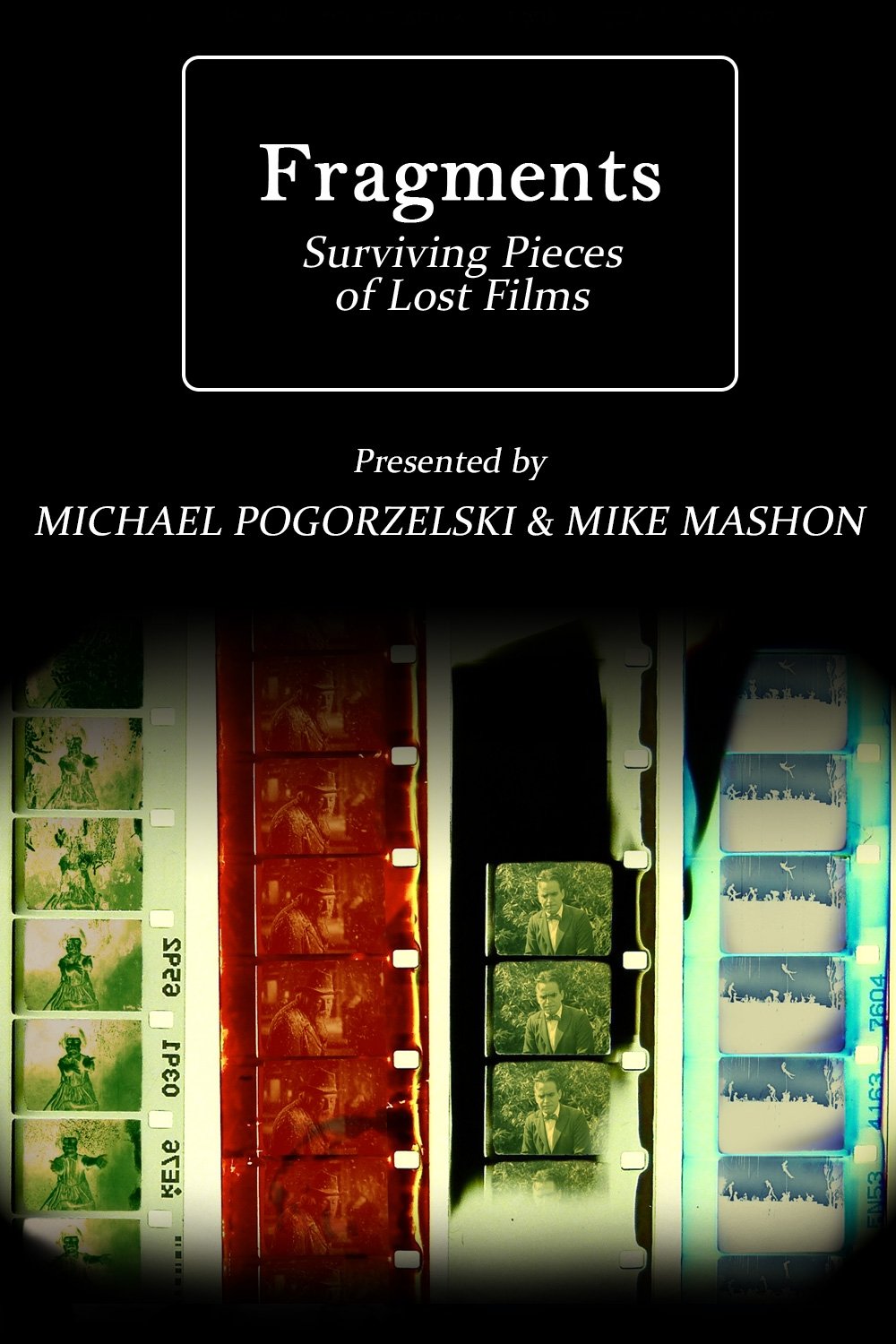
Among the pieces featured in Fragments are the final reel of John Ford's The Village Blacksmith (1922) and a glimpse at Emil Jannings in The Way of All Flesh (1927), the only Oscar®-winning performance in a lost film. Fragments also features clips from such lost films as Cleopatra (1917), starring Theda Bara; The Miracle Man (1919), with Lon Chaney; He Comes Up Smiling (1918), starring Douglas Fairbanks; an early lost sound film, Gold Diggers of Broadway (1929), filmed in early Technicolor, and the only color footage of silent star Clara Bow, Red Hair (1928). The program is rounded out with interviews of film preservationists involved in identifying and restoring these films. Also featured is a new interview with Diana Serra Cary, best known as "Baby Peggy", one of the major American child stars of the silent era, who discusses one of the featured fragments, Darling of New York (1923).

Director Victor Kossakovsky dedicated his documentary debut to the Russian philosopher and religious thinker Alexey Fedorovich Losev (1893-1988), who died shortly after the completion of the film.
A look back at Charlie Chaplin's early life and career, from his rough childhood and music hall success in England to his early Hollywood days and the development of his enormously popular character, the Little Tramp, also called Charlot.
The extraordinary life of Orson Welles (1915-85), an enigma of Hollywood, an irreducible independent creator: a musical prodigy, an excellent painter, a master of theater and radio, a modern Shakespeare, a magician who was always searching for a new trick to surprise his audience, a romantic and legendary figure who lived only for cinema.
Narrated by Bill Mumy (Will Robinson from TV's "Lost in Space"), this documentary spotlights some of the most thrilling scenes the disaster genre has ever produced. From 1970s classics such as Airport and The Towering Inferno to James Cameron's Oscar-winning epic Titanic, no celluloid disaster flick is omitted. Interviews with directors and actors (including Will Smith) and newsreels of real historical disasters are also included.
Story of a director Stanley Donen, king of Hollywood musicals and man behind such classics as "Singin' in the Rain".
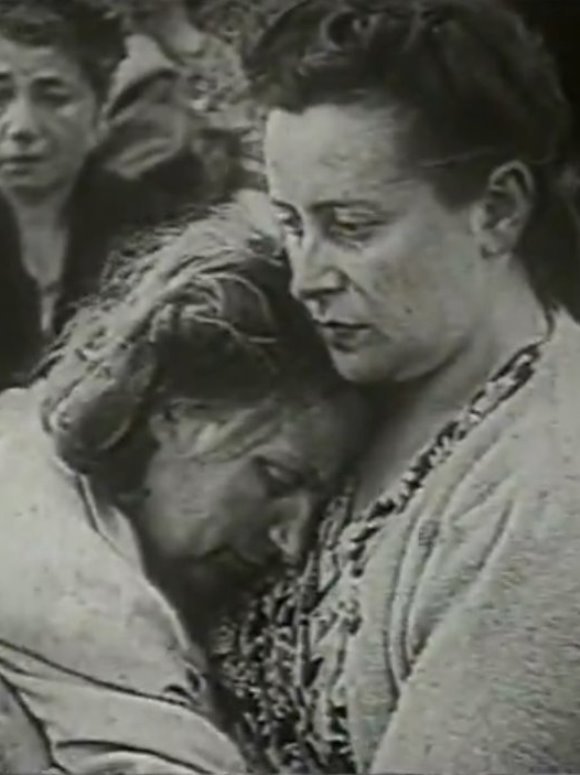
On July 4th, 1946, the crowd in Kielce, Poland, slaughtered forty-two Jews and wounded many others. Forty years later, in 1987, Marcel Łoziński visited those places and met some witnesses of the carnage.
An introduction to the great film critic Raymond Durgnat's appreciation of the nature of cinema.
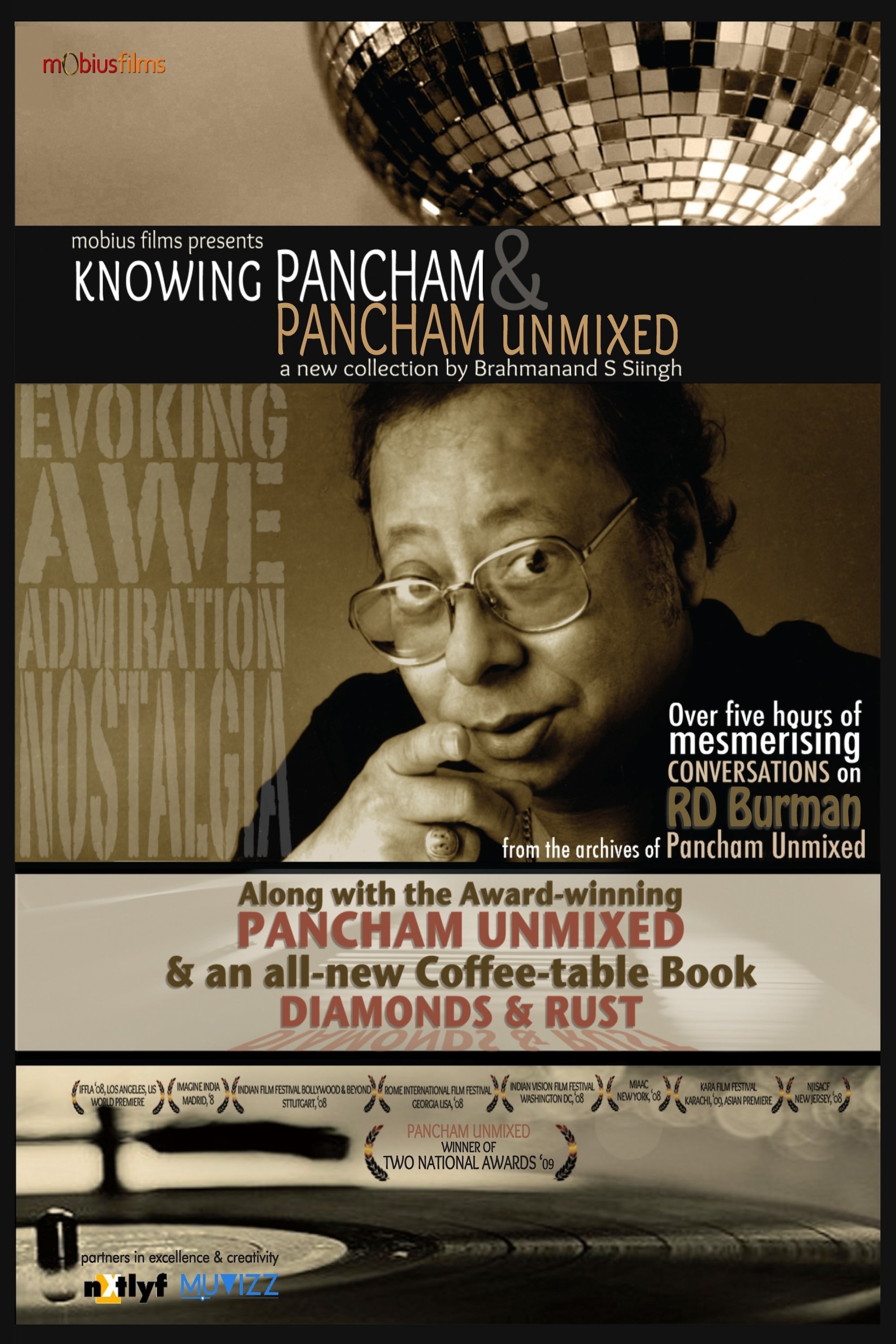
Winner of 2 National Awards, Pancham Unmixed: Mujhe Chalte Jaana Hai, takes an incisive look into the legendary composer, RD Burman's reflective artistry and buoyant-but-also-lonely inner being. Featuring a host of close friends, colleagues and admirers, the film evokes awe, admiration and nostalgia the way most of his music does, till date.
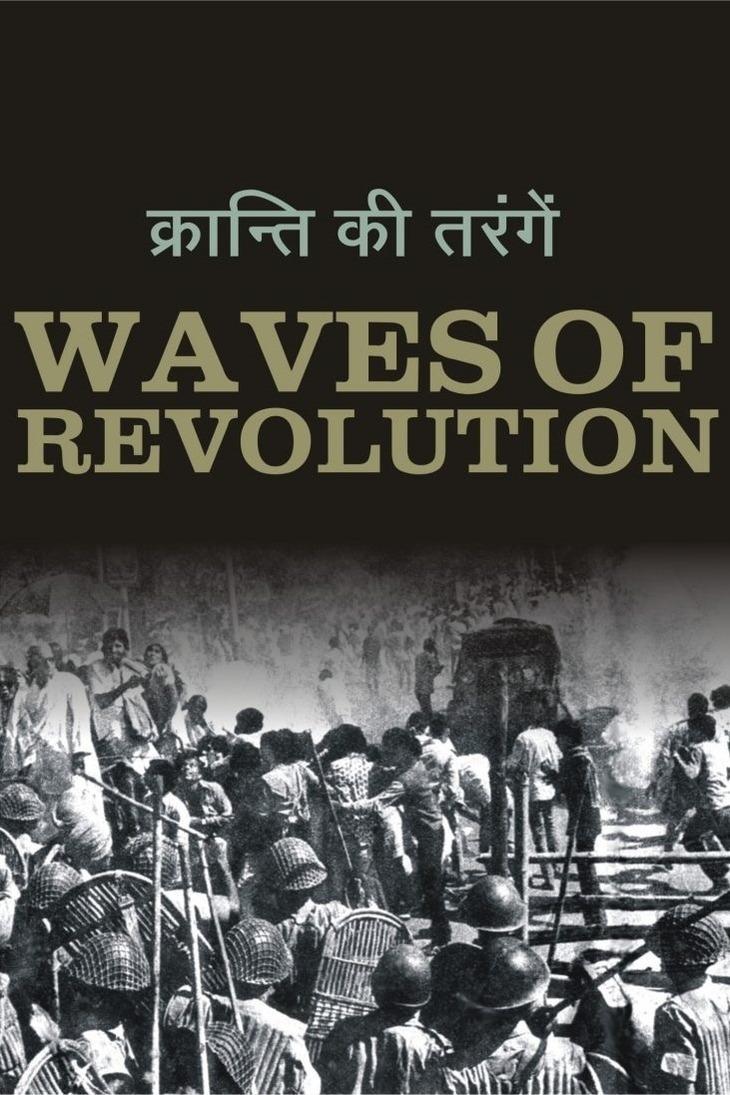
Film made during the repressive days of the Emergency in India documents the 1974-75 uprising of the people of Bihar in Eastern India.
In late eighties, in Ceausescu's Romania, a black market VHS bootlegger and a courageous female translator brought the magic of Western films to the Romanian people and sowed the seeds of a revolution.
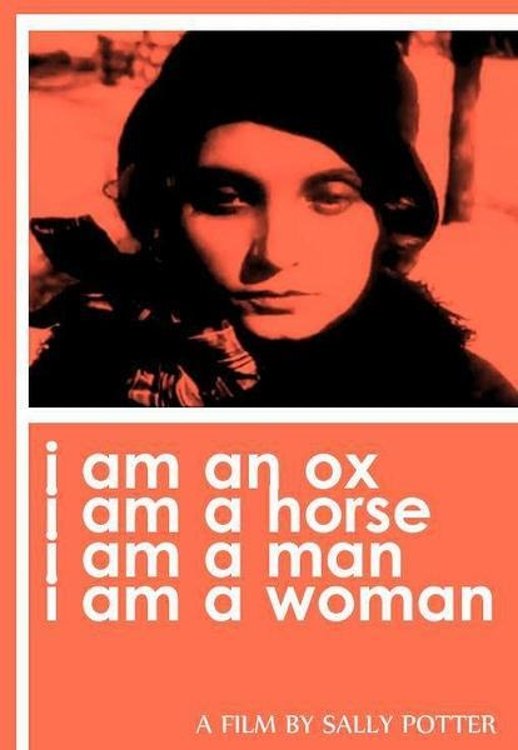
This glasnost-era documentary, which incorporates footage from films from the 1920s through the 1980s, looks at the history of women in Russian cinema through the eyes of Russian women directors, actors, and scriptwriters. The film’s title refers to a WWII slogan about women doing the work of absent men in the fields and at home. Featuring Kira Muratova, Natalia Ryazantseva, Inna Churikova, Nonna Mordyukova, and others.
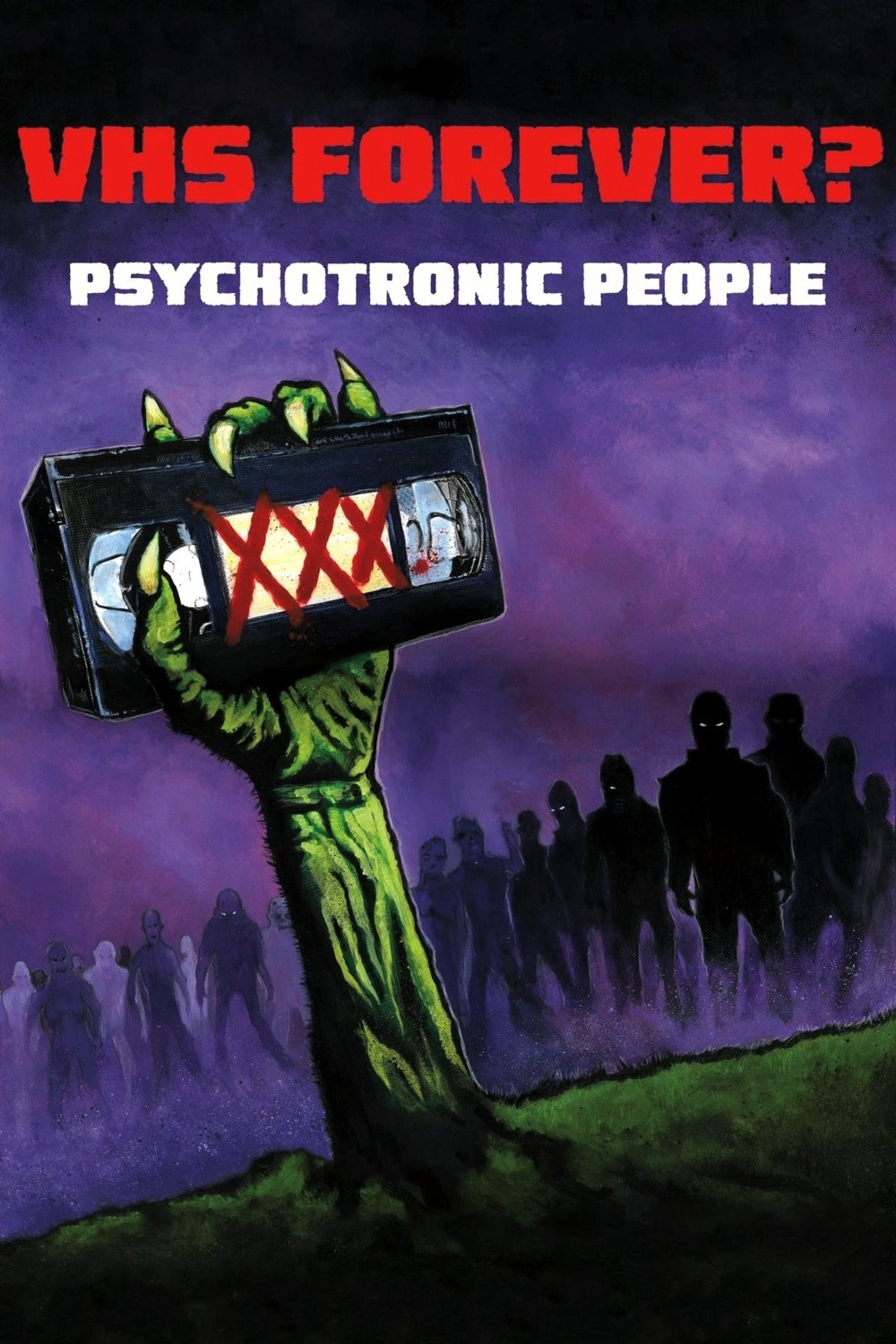
A feature length documentary shot over 9 months taking a look at the explosion of movies that became available on VHS in the UK.
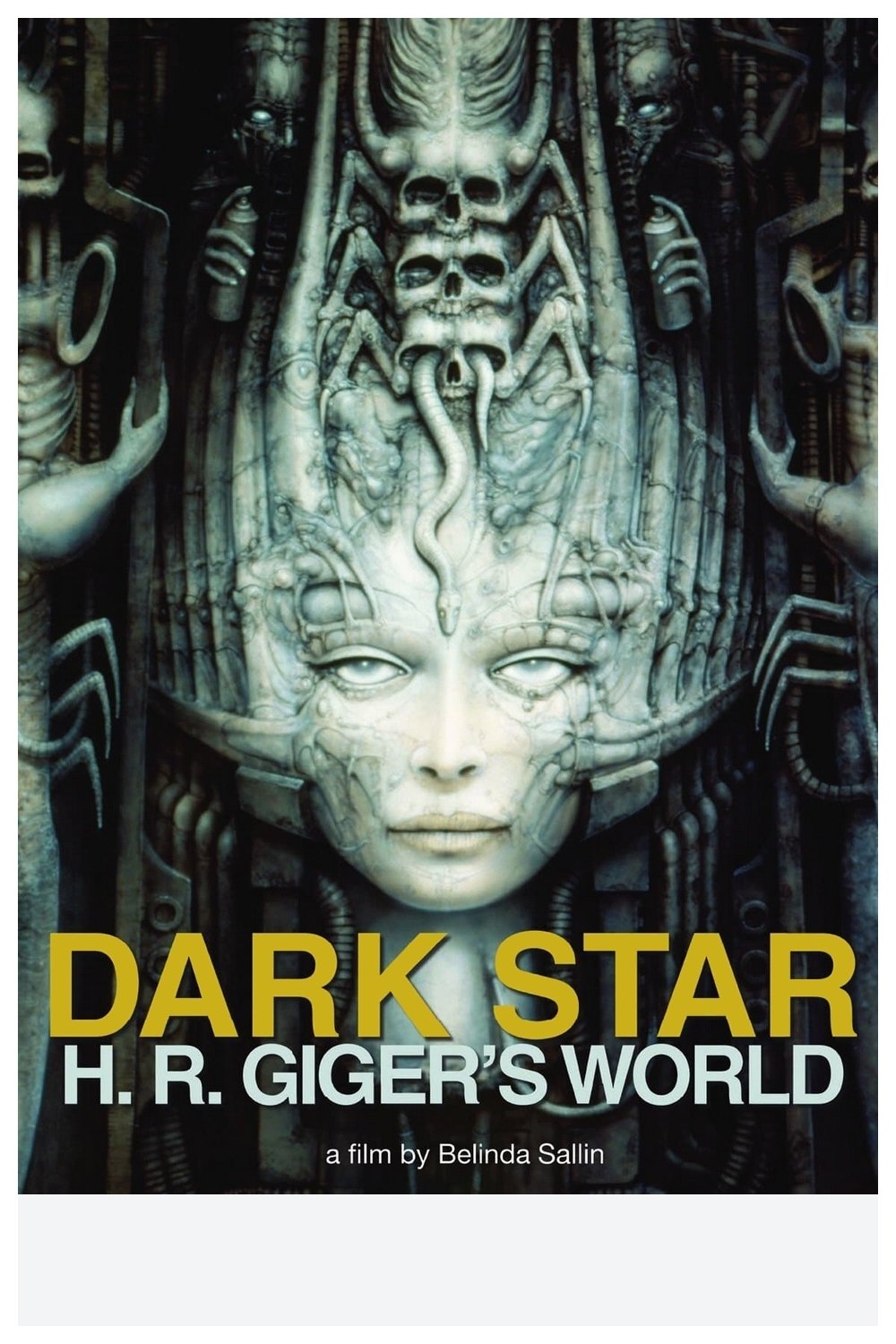
An account of the life and work of Swiss painter, sculptor, architect and designer H. R. Giger (1940-2014), tormented father of creatures as fearsome as they are fascinating, inhabitants of nightmarish biomechanical worlds.
The story of the creation of The Spirit of the Beehive, a film directed by Víctor Erice in 1973.
On August 15th, 2006, filmmaker Ryan Dacko set out to get a 30-minute meeting with a major Hollywood producer by running on foot from Syracuse, New York to Hollywood, California.
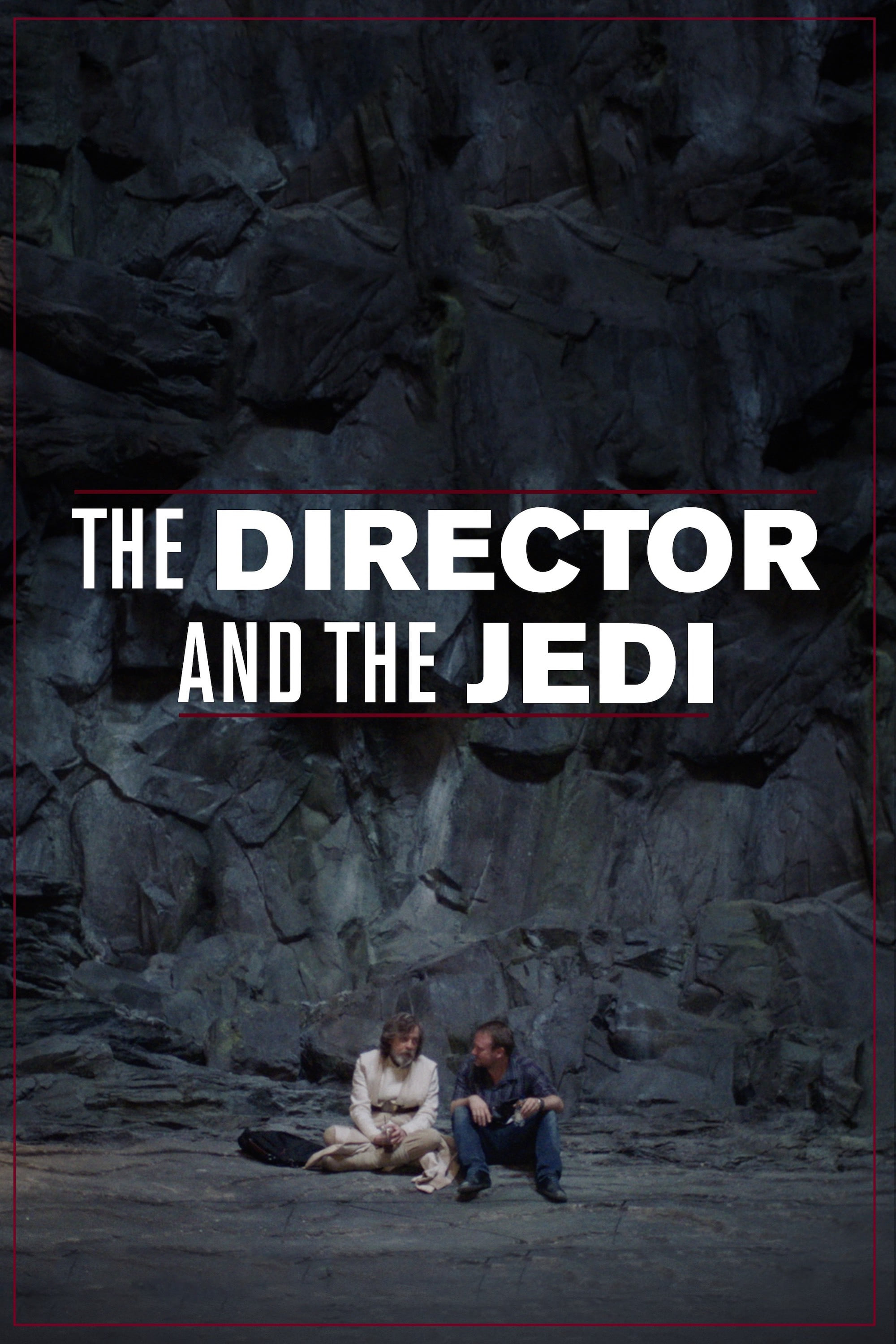
An intimate documentary delving into Rian Johnson's process as he comes in as a director new to the Star Wars universe.
The history of cinematic sound, told by legendary sound designers and visionary filmmakers.
A compilation of over 30 years of private home movie footage shot by Lithuanian-American avant-garde director Jonas Mekas, assembled by Mekas "purely by chance", without concern for chronological order.
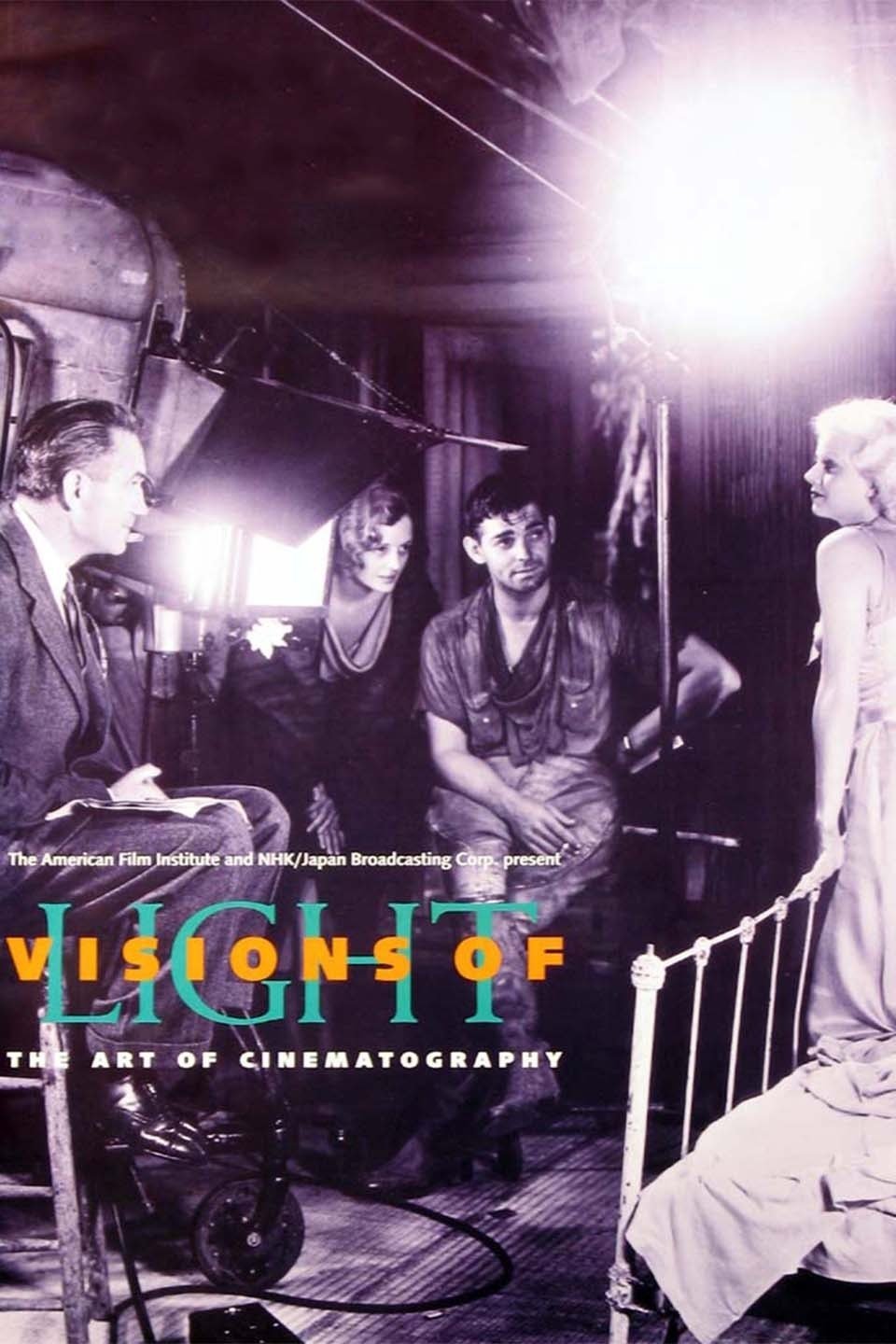
Cameramen and women discuss the craft and art of cinematography and of the "DP" (the director of photography), illustrating their points with clips from 100 films, from Birth of a Nation to Do the Right Thing. Themes: the DP tells people where to look; changes in movies (the arrival of sound, color, and wide screens) required creative responses from DPs; and, these artisans constantly invent new equipment and try new things, with wonderful results. The narration takes us through the identifiable studio styles of the 30s, the emergence of noir, the New York look, and the impact of Europeans. Citizen Kane, The Conformist, and Gordon Willis get special attention.
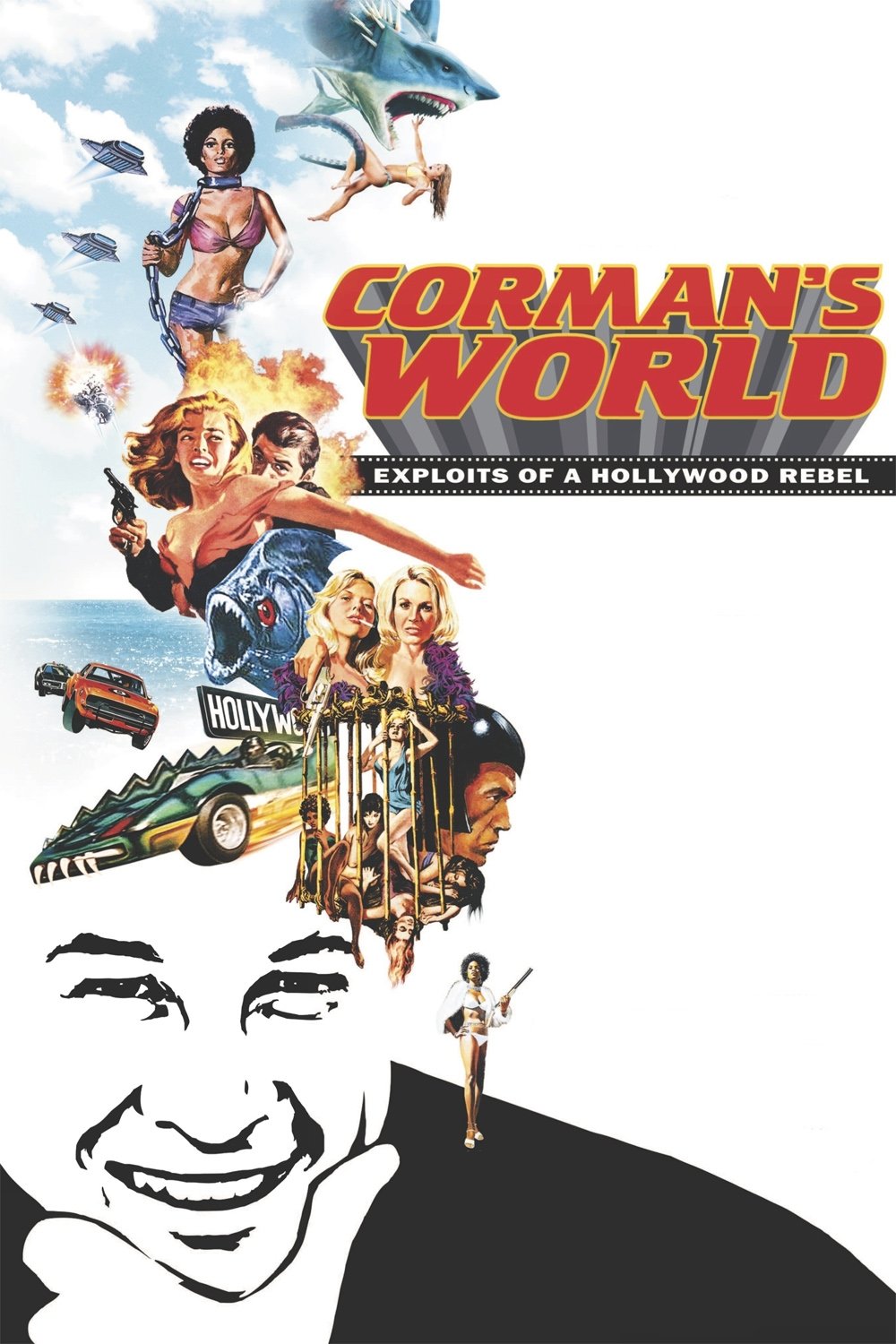
A chronicle of the long career of American filmmaker Roger Corman, the most tenacious and ingenious low-budget producer and director in the US film industry, a pioneer of independent filmmaking and discoverer of new talent.
Told through performances, TV interviews, home movies, family photographs, private letters and unpublished memoirs, the film reveals the essence of an extraordinary woman who rose from humble beginnings in New York City to become a glamorous international superstar and one of the greatest artists of all time.
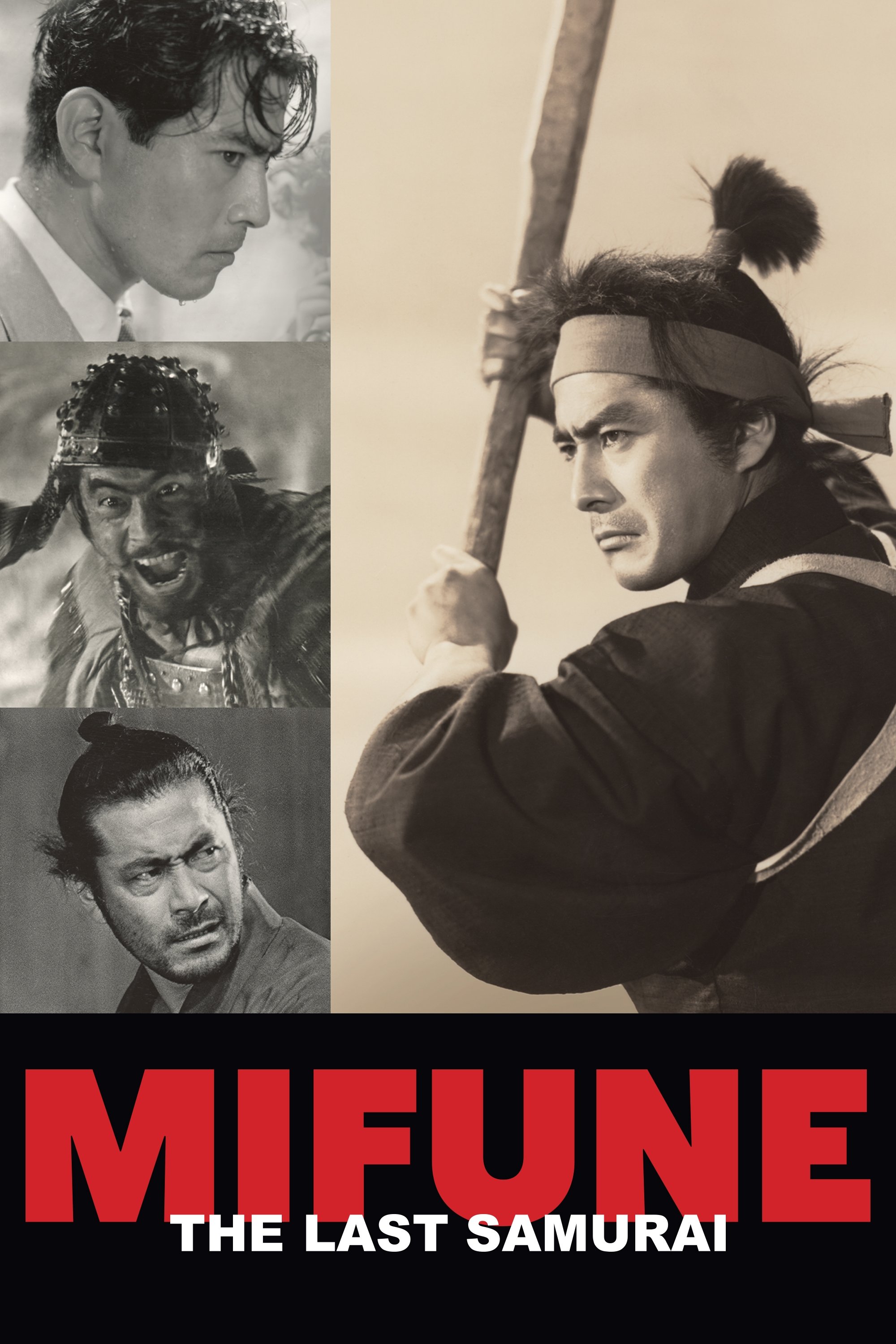
An account of the life and work of legendary Japanese actor Toshirō Mifune (1920-97), the most prominent actor of the Golden Age of Japanese cinema.
The story lives forever in this feature-length documentary that charts the making of Star Wars: The Rise of Skywalker.
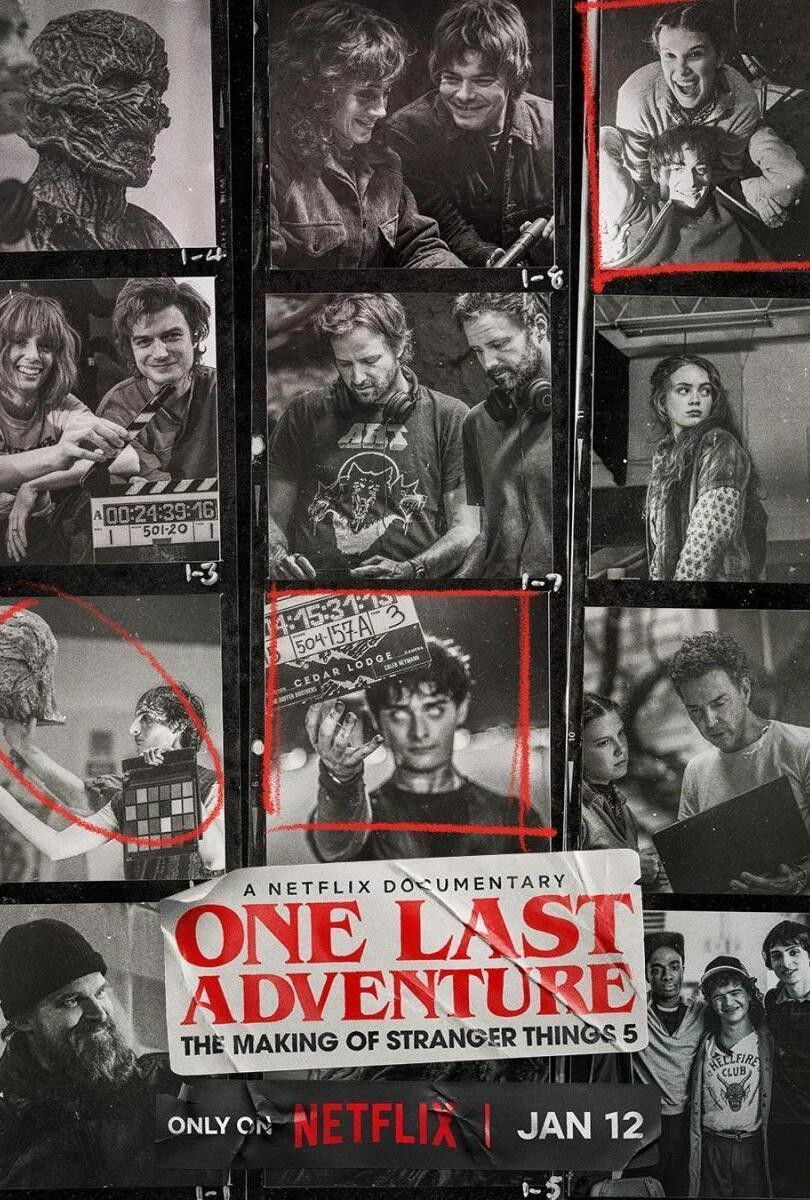
An inside look at the years of effort and craft that went into the final installment of the Duffer Brothers' generation-defining series.
Cast, crew and fans explore the "Back to the Future" time-travel trilogy's resonance throughout our culture, thirty years after Marty McFly went back in time.
The definitive documentary on the history of nudity in feature films from the early silent days to the present, studying the changes in morality that led to the use of nudity in films while emphasizing the political, sociological and artistic changes that shaped that history. Skin will also study the gender inequality in presenting nude images in motion pictures and will follow the revolution that has created nude gender equality in feature films today.
BBC Arena's documentary on the Dames of British Theatre and film featuring Maggie Smith, Eileen Atkins, Judi Dench and Joan Plowright on screen together for the first time as they reminisce over a long summer weekend in a house Joan once shared with Sir Laurence Olivier.
A documentary examining the decade of the 1970s as a turning point in American cinema. Some of today's best filmmakers interview the influential directors of that time.
The life story of ‘Zen Anarchist’ filmmaker John Milius, one of the most influential storytellers of his generation.
As a visually radical memoir, CAMERAPERSON draws on the remarkable footage that filmmaker Kirsten Johnson has shot and reframes it in ways that illuminate moments and situations that have personally affected her. What emerges is an elegant meditation on the relationship between truth and the camera frame, as Johnson transforms scenes that have been presented on Festival screens as one kind of truth into another kind of story—one about personal journey, craft, and direct human connection.
Director Michael Apted revisits the same group of British-born adults after a 7 year wait. The subjects are interviewed as to the changes that have occurred in their lives during the last seven years.
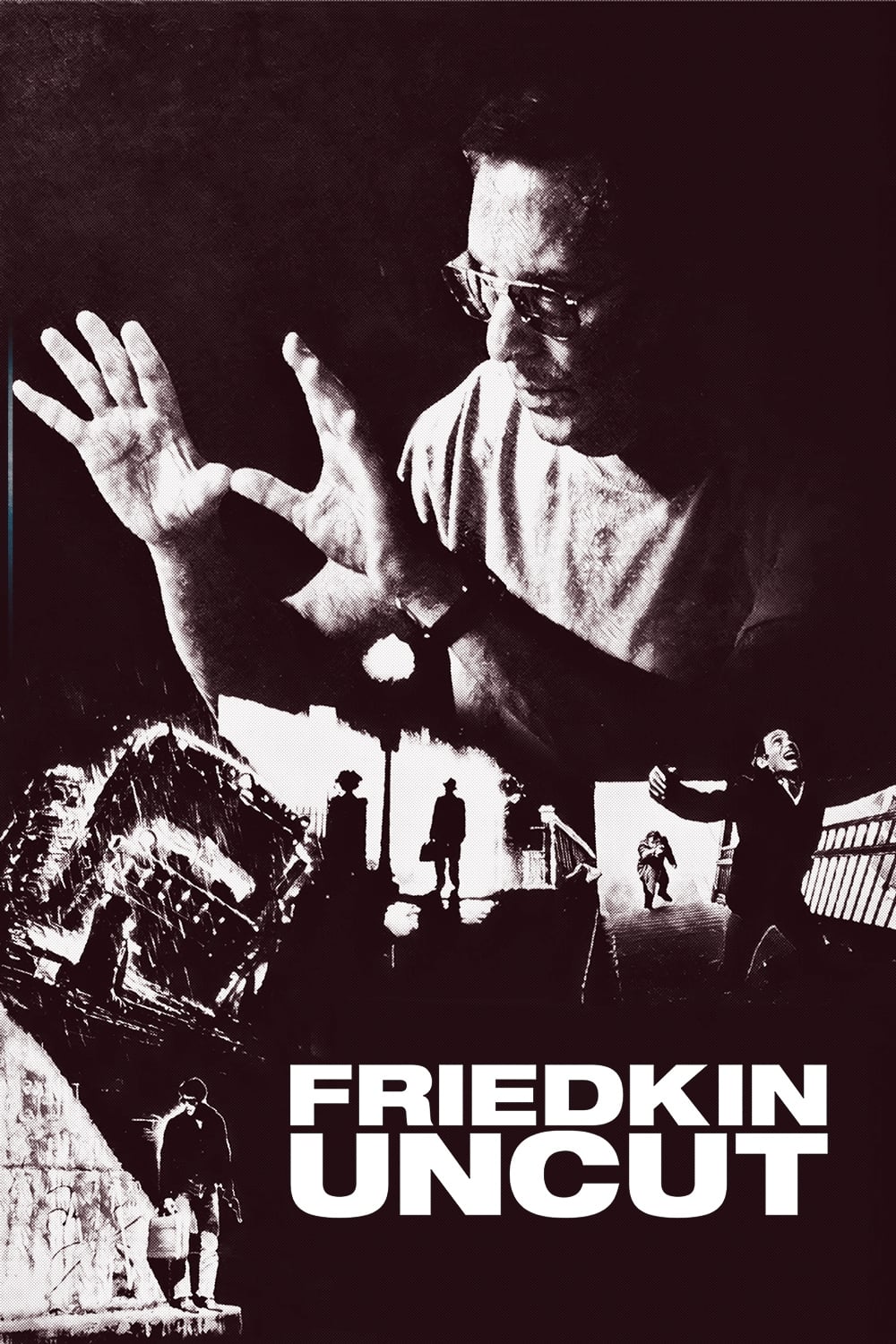
An introspective insight into the life and artistic journey of William Friedkin, an extraordinary and offbeat director of cult films such as The French Connection, The Exorcist, Sorcerer, Cruising, To Live and Die in L.A. and Killer Joe. For the first time Friedkin opens up, guiding the audience on a fascinating journey through the themes and the stories that have influenced his life and his artistic career.
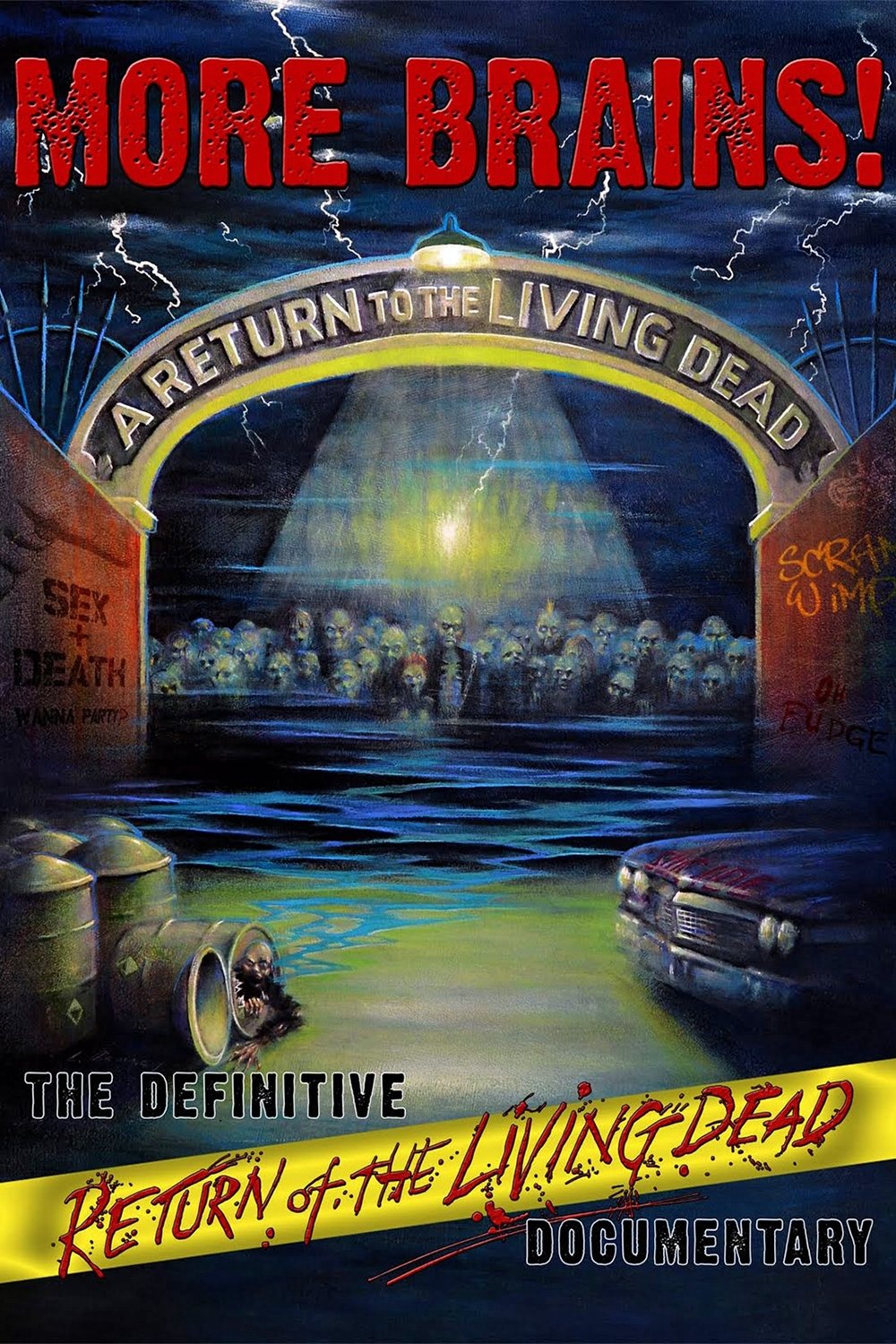
Retrospective documentary about the making of the horror cult classic "The Return of the Living Dead."
A subjective documentary that explores various theories about hidden meanings in Stanley Kubrick's classic film The Shining. Five very different points of view are illuminated through voice over, film clips, animation and dramatic reenactments.
Daniel Craig candidly reflects on his 15 year adventure as James Bond. Including never-before-seen archival footage from Casino Royale to the upcoming 25th film No Time To Die, Craig shares his personal memories in conversation with 007 producers, Michael G Wilson and Barbara Broccoli.