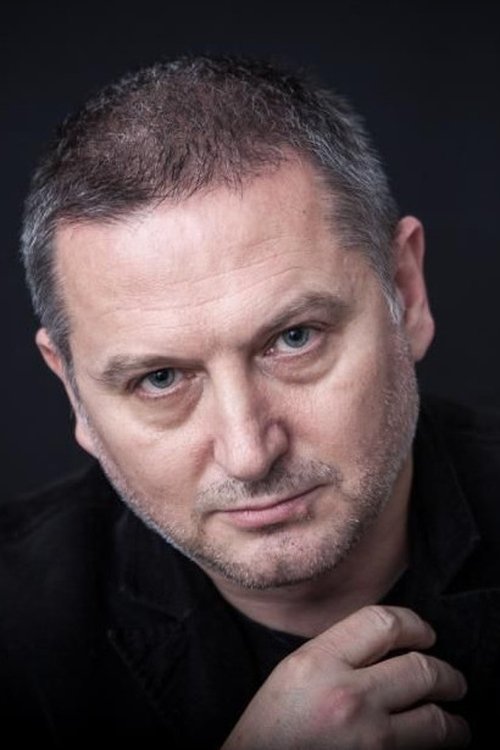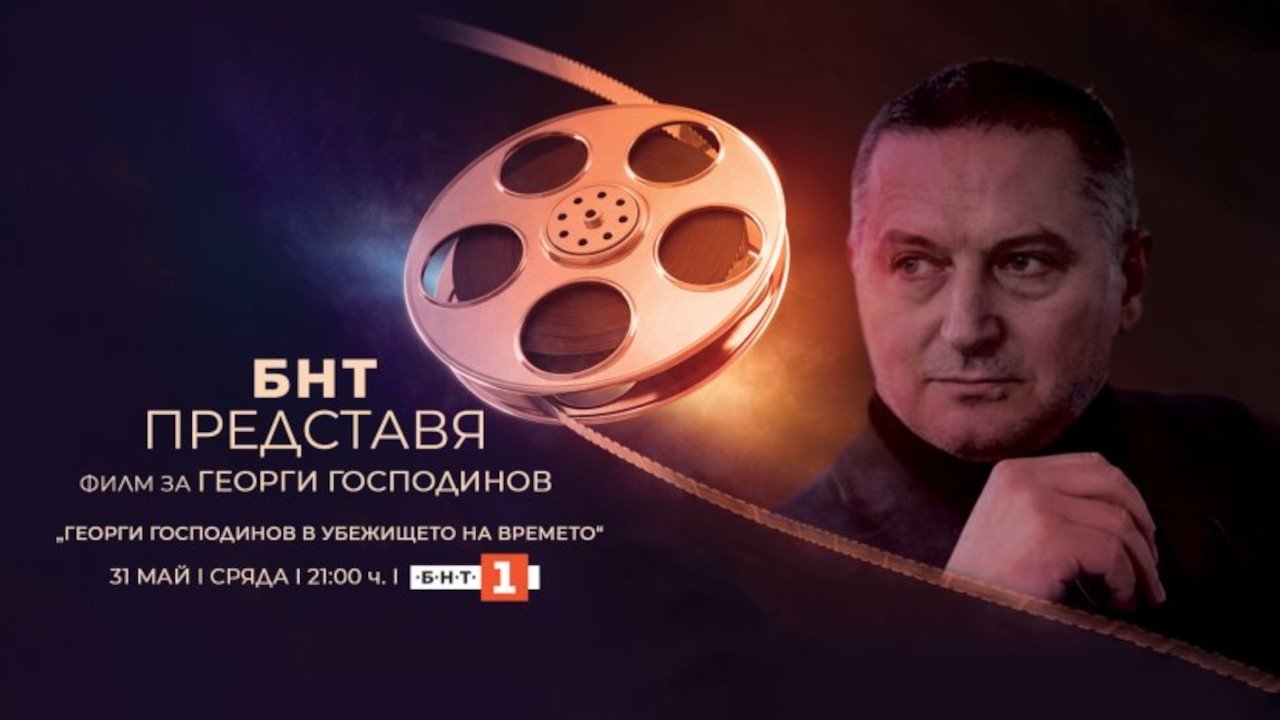
A documentary about the Bulgarian writer Georgi Gospodinov, who won the International Booker Prize in 2023 for his novel Time Shelter.
Social & External
self
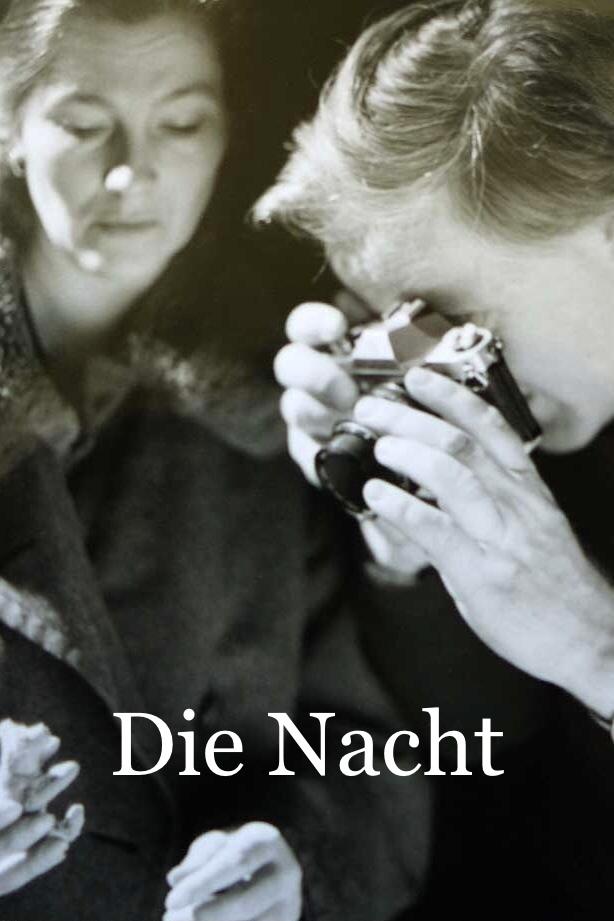
John Calder, Samuel Beckett’s British publisher, moved to Montreuil, a town to the east of Paris, where Calder met with Billie Whitelaw, the muse, so to speak, of Beckett’s stage work, who is now relegated to a nursing home for actors.
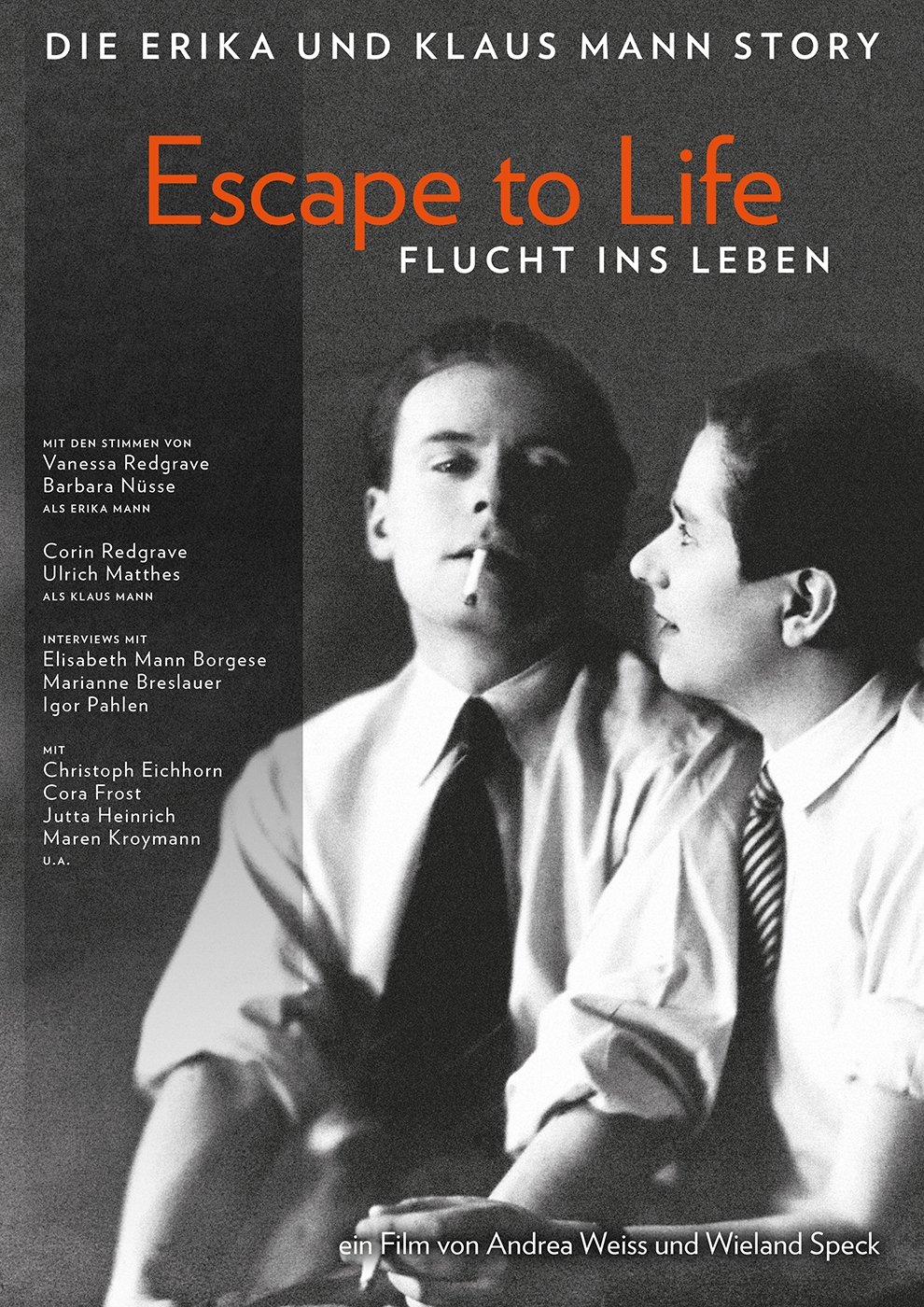
This documentary contains dramatized episodes about the lives of Erika and Klaus Mann, the brilliant children of German writer Thomas Mann.
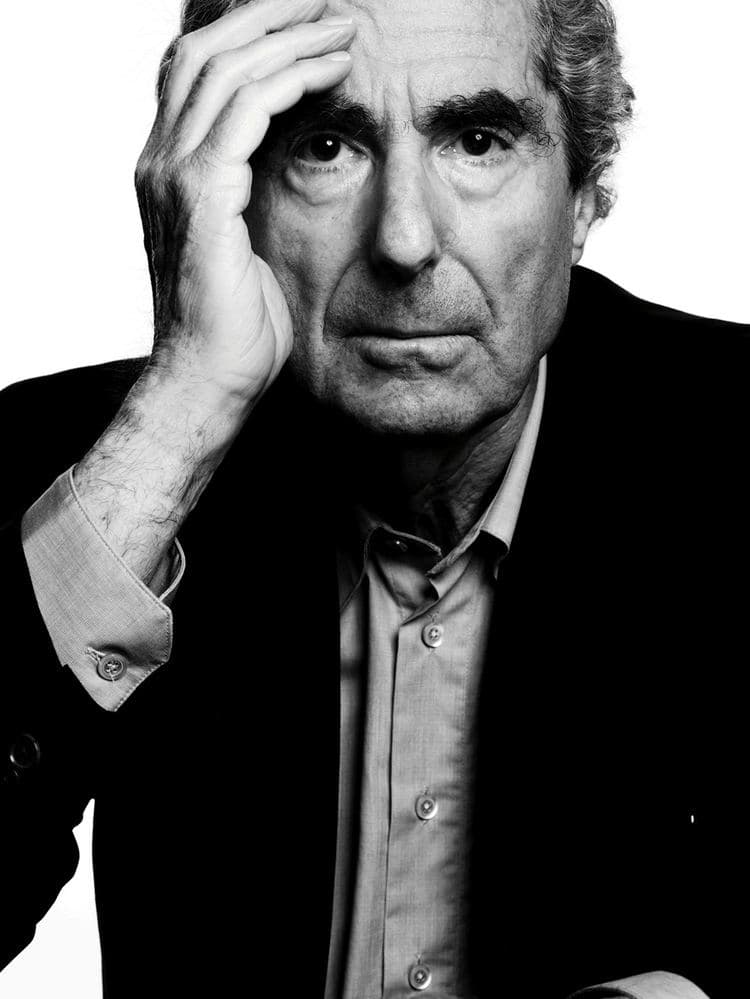
After Portnoy's Complaint launched him as a new literary voice, not to mention a scandalous one, Philip Roth went on to be hailed by many as America's greatest living writer. Never afraid to look hard at the extremes of human experience, he has been both consistently controversial and intensely private. But now, having celebrated his 80th birthday in his home town of Newark, New Jersey, Roth, in conversation with Alan Yentob, is ready to tell the whole story in this special two-part film for imagine... Philip Roth Unleashed.
An installation film that consists of a six-hour-long monologue performed by Edith Clever, who reads texts by Syberberg and many different authors, such as Johann Wolfgang von Goethe, Heinrich von Kleist, Plato, Friedrich Hölderlin, Novalis, Friedrich Nietzsche, Eduard Mörike, Richard Wagner, William Shakespeare, Samuel Beckett, and Chief Seattle.
What does it mean to be Black in America in the 21st century? The recently formed Black American film group TNEG™ has set out to elucidate this very question. Hearing from the likes of fine artist Kara Walker and musical artist Flying Lotus, the film is based on a deceptively simple approach -- asking a refined list of black 'specialists' as well as 'uncommon folks' questions about what they think, and more importantly as lead director Arthur Jafa states, 'What they KNOW' -- the film is an unprecedented 'stream of the black consciousness' and a strikingly original and rarefied look at black intellectual and emotional life. What's so unorthodox about this simple approach is that the interviews were recorded separately from the images in the film. What results is a breathtaking, kaleidoscopic look of American black life from the dawn of three original filmmakers.
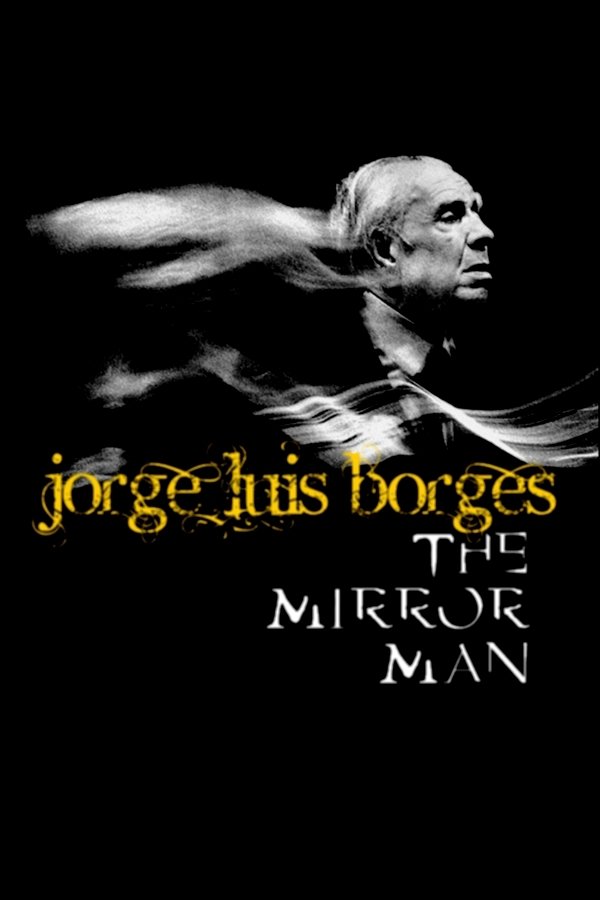
The lifetime of the great Argentinian man of letters Jorge Luis Borges through narration and interviews of such key players in his life as Leonor de Acevedo —his mother—, María Kodama —his second wife—, and Adolfo Bioy Casares —his best friend and collaborator for decades.
This feature doc profiles acclaimed writer Alistair MacLeod. Hailed internationally as a master of the short story, MacLeod also wrote a novel, No Great Mischief, which was celebrated around the world. Depicting men and women living out their lives against the haunting landscape that surrounds them, most of MacLeod's work is firmly based in Cape Breton even if his characters stray elsewhere. Focusing on the complexities and abiding mysteries at the heart of human relationships, MacLeod maps the close bonds and impassable chasms that lie between people and invokes memory and myth to celebrate the continuity of the generations. This film portrait explores the life and work of this giant of literature.
"The photonovel FIASKO is based on and named after Kertész’ novel. He describes his absurd attempt of a new beginning – after Auschwitz and Buchenwald – in the Budapest of the Stalin area. Our photonovel transfers Kertész’ literary method into a visual language: the joining of fragmentary elements of the past and of the present, finding a trace that links experience and remembrance. From 2008 to 2010 approximately 800 colored medium-format photos were taken. The sequential photos have been taken on the original locations. The remainders of the past systems are rendered via multiple exposures, pictures shown in their ambivalence, mirroring etc. The literary text and the photographies remain independent from one another, however they enter into a dialog and open up space for associations. The course of movement caused by the juxtaposition of multiple still images is continued when one turns the pages (see chronophotography)."
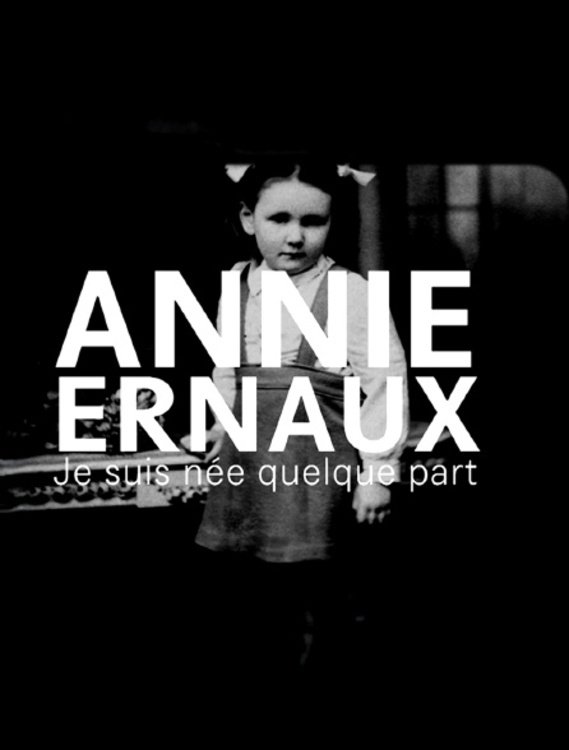
A woman who has become part of literary heritage, the only French writer to be awarded the Nobel Prize in 2022, she has made her life the basis for her work since the publication of her first novel in 1974... What can be said that her books haven't already said? On the occasion of her grand return to her hometown in Normandy, as she explores the places of her early childhood, this icon of several generations looks back on her youth and what made her the committed woman and writer she has become. Through a geographical and narrative journey covering her first 25 years, which resonated throughout the following 60 years, the film—the only one she has agreed to participate in since winning the Nobel Prize—offers a "different" portrait of Annie Ernaux, interweaving her personal memories, her writings, and the history of the 20th century.
After being for eleven years in the city, José António Baptista returned to his home village to focus on literature.
Pai Hsien-yung has lent Chinese-language literature some of its most colorful and most memorable characters, and served as the inspiration of multiple generations of artists working in mediums as different as television, film, and theatre. From the youthful air of the Modern Literature magazine, which he helped launch at the age of 22, to the humanistic sincerity in his recent works My Father and the Republic and Healing the Pain, Pai looks back on his 29 years teaching at Santa Barbara, a four-decade relishing of Guilin rice noodles, and a return visit to the gardens of Suzhou after 10 years. Through the darkened realm of the stage, to the countless lectures and courses he taught, Pai has been at the forefront of literature for multiple generations, with his unique blend of resilience and tenderness reverberating through the film, and bringing audiences closer to his warmth as a novelist.
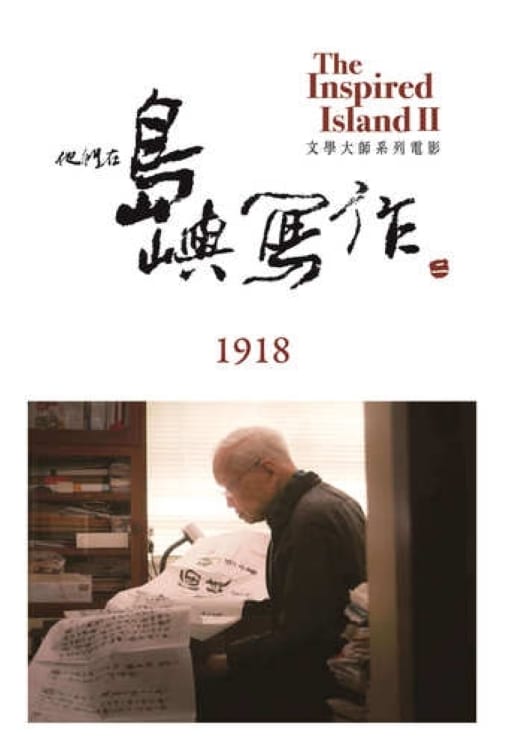
A documentary about writer and novelist Liu Yichang.
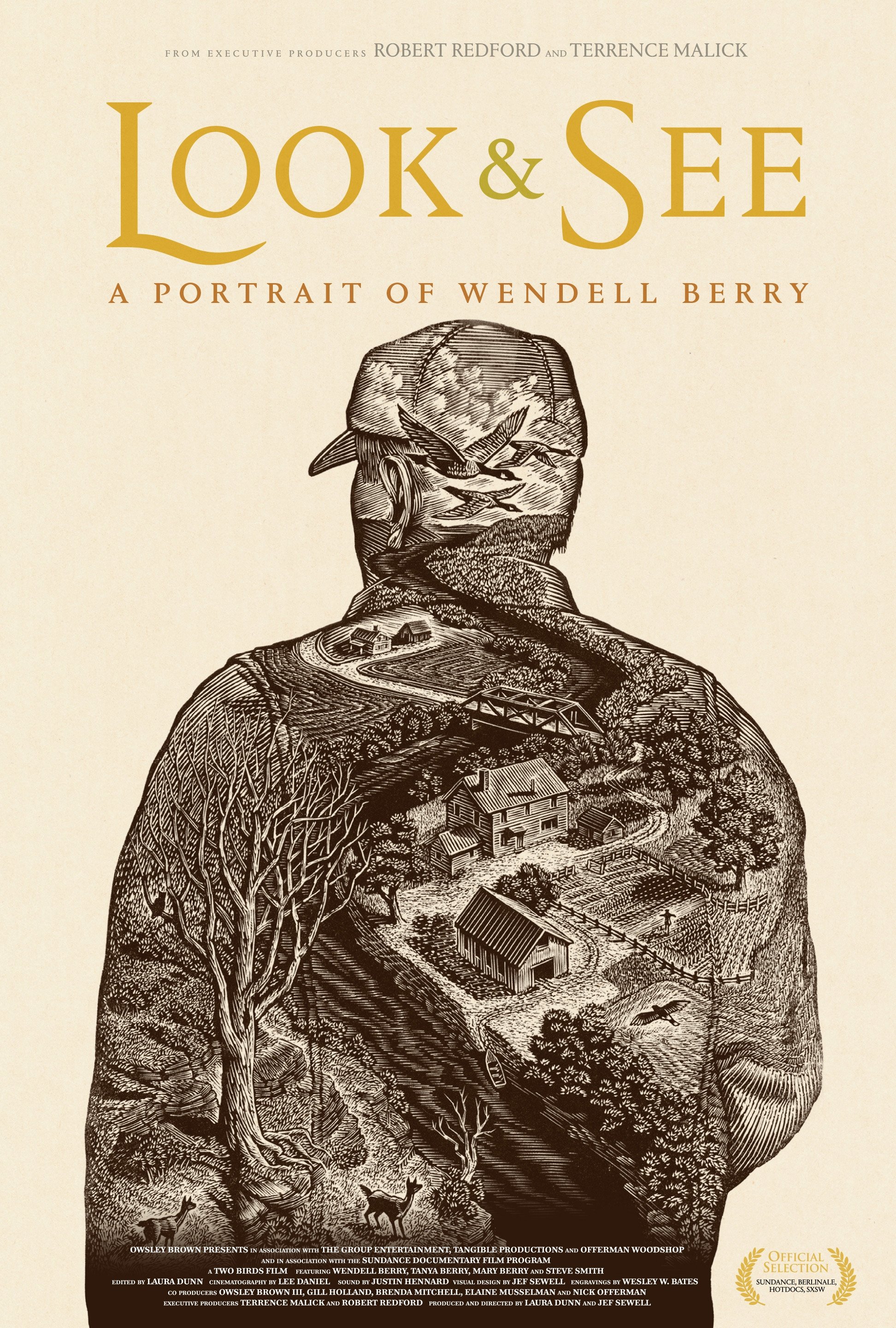
A cinematic portrait of farmer and writer Wendell Berry. Through his eyes, we see both the changing landscapes of rural America in the era of industrial agriculture and the redemptive beauty in taking the unworn path.
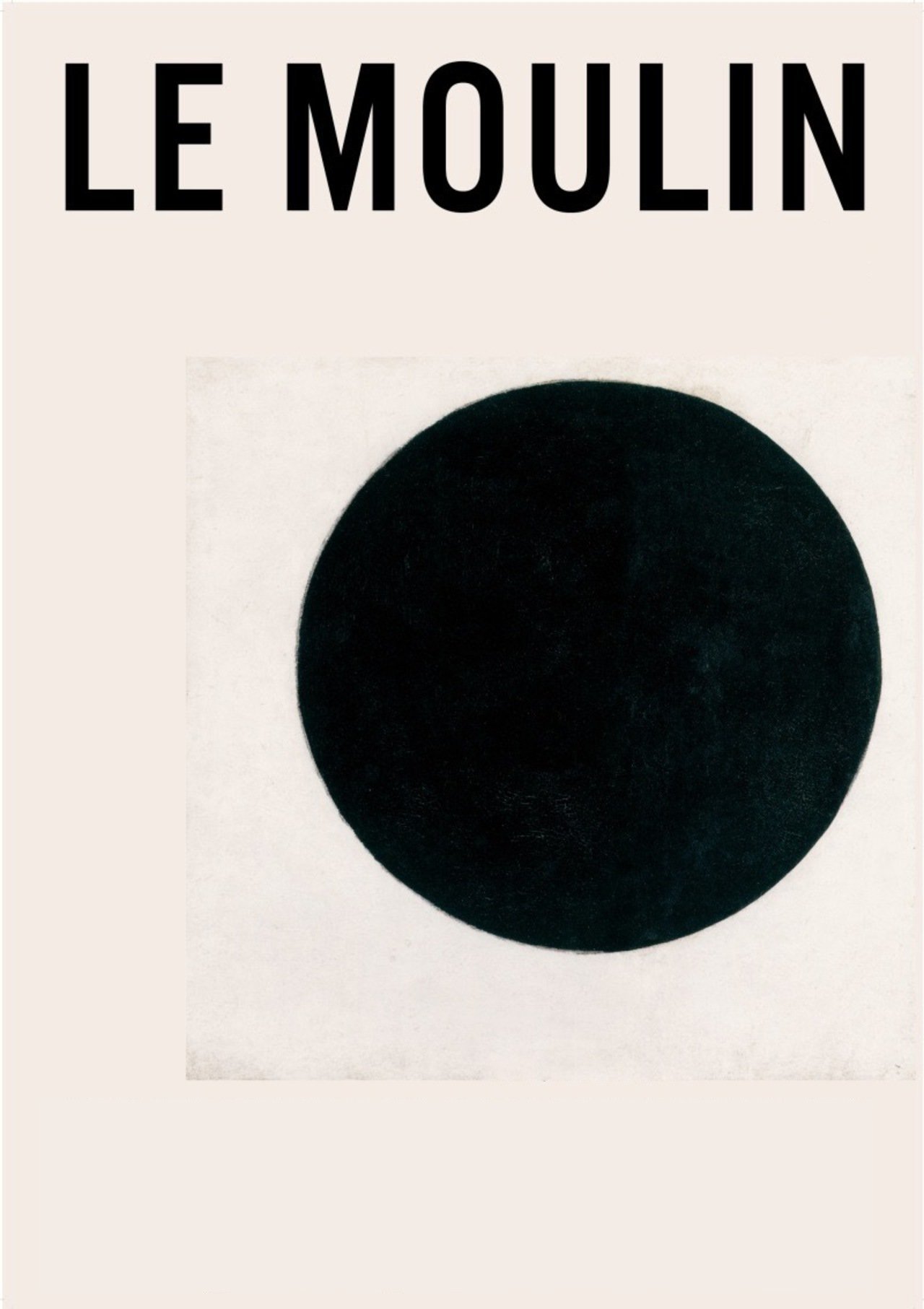
Poetry, literature, painting and old film clips converge in this lyrical, unusually designed film essay about Le Moulin, the Taiwanese poets’ collective which protested in the 1930s against the cultural superiority of the Japanese occupier and the domination of realism in poetry.
A documentary about film noir films made in Los Angeles.
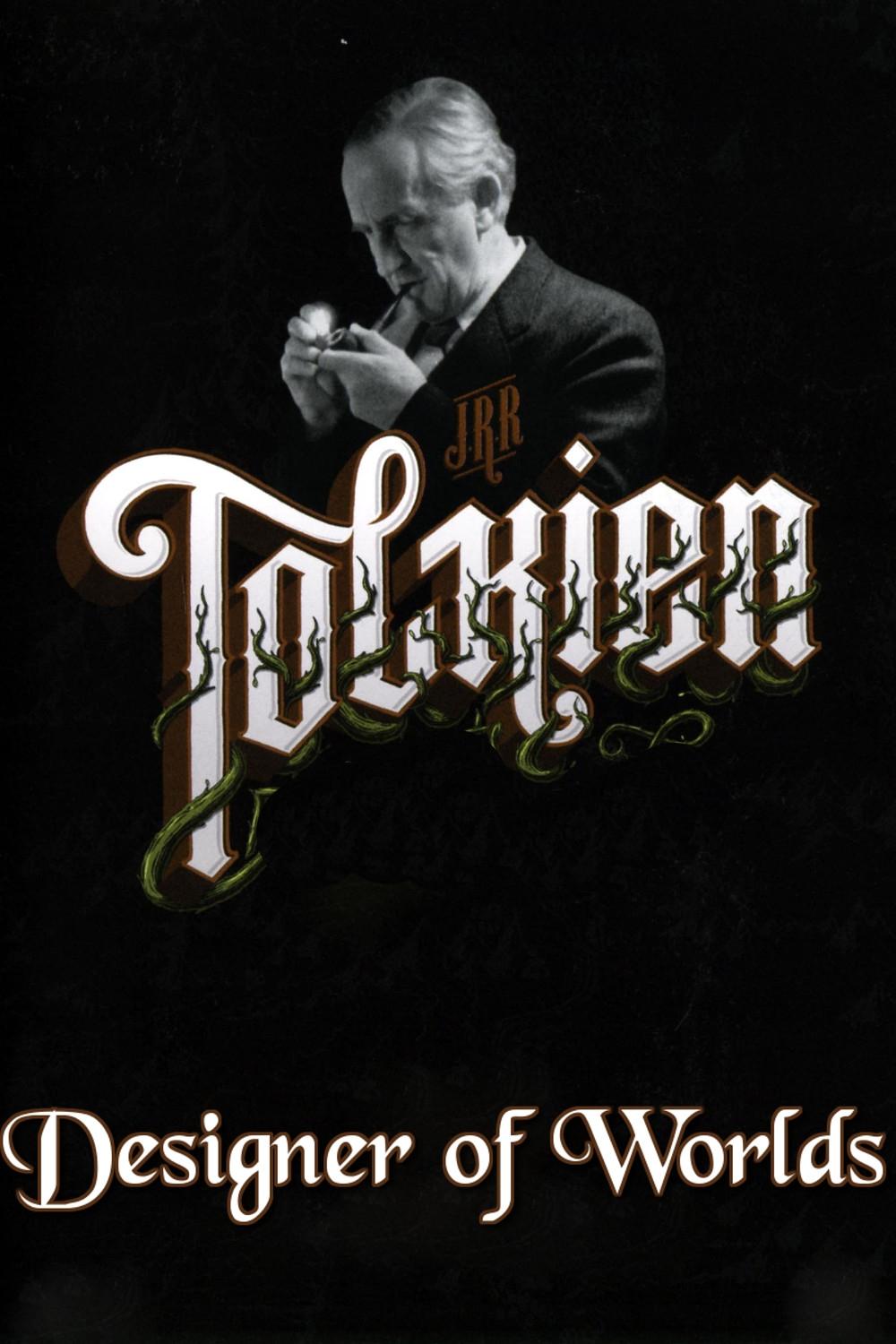
This is a story of a seemingly quiet and unobtrusive man, author of a colossal and partly unfinished literary work. We will try to trace back to the origins of his inspiration so as to understand why his work met and still meets with so much success. How did JRR Tolkien manage, through the power of words alone, to so widely instill wisps of magic in the midst of a particularly disenchanted 20th century?
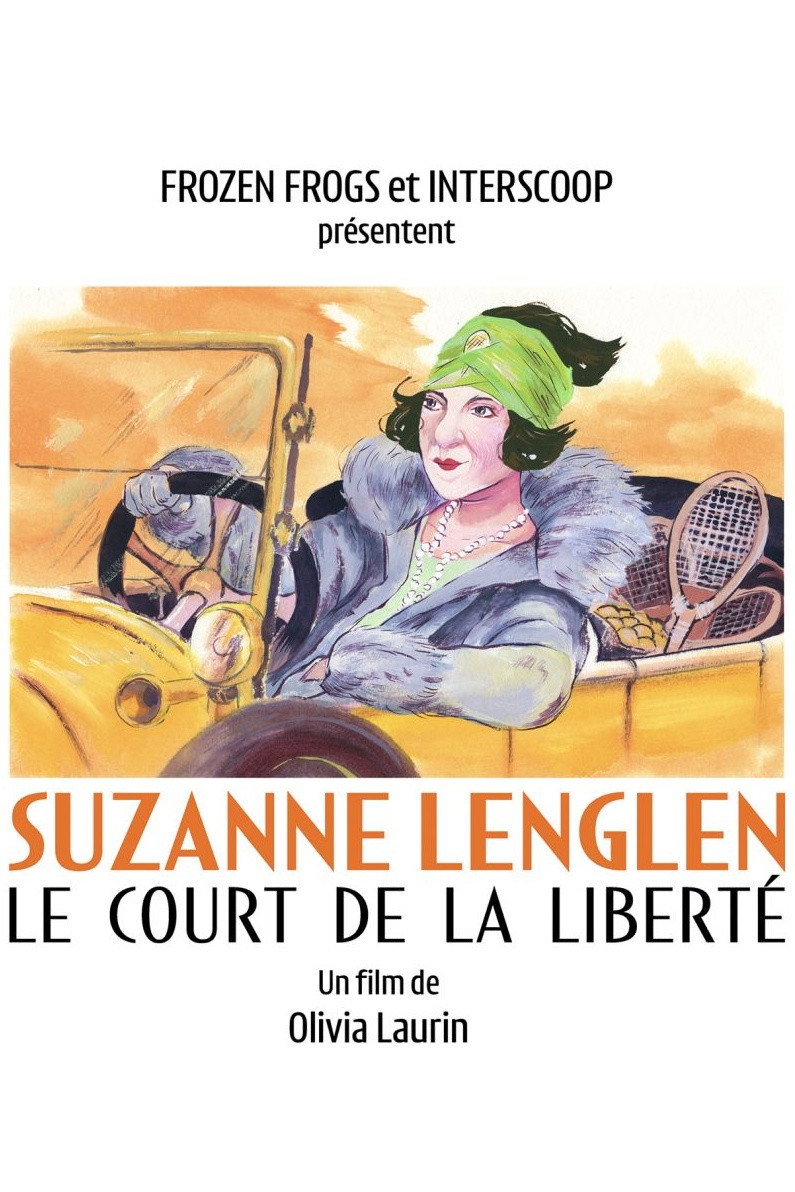
Having won 250 tournaments, including 83 without losing a single game, 3 Olympic medals, 6 Wimbledon titles and only suffered 7 defeats, Suzanne Lenglen (1899-1938) left an indelible mark on world tennis. Away from the court, the French tennis player was also a feminist icon and talented writer.
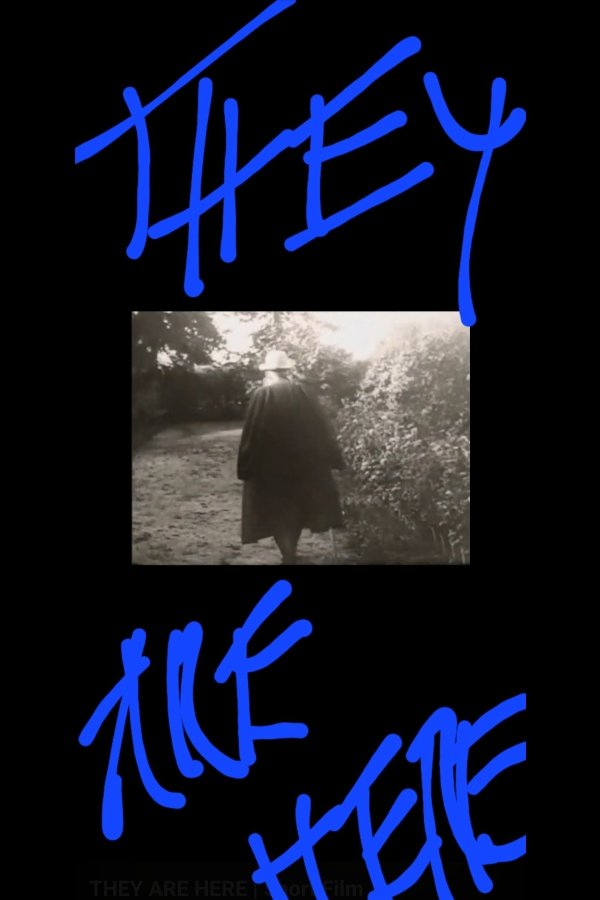
Dangling from a high window, a young non-binary person is on the cusp of life and death. Flashes of film, literature, art (paintings) and cultural history pass them by, as if to tell a message. A postmodern treatise on connection to culture and the past.
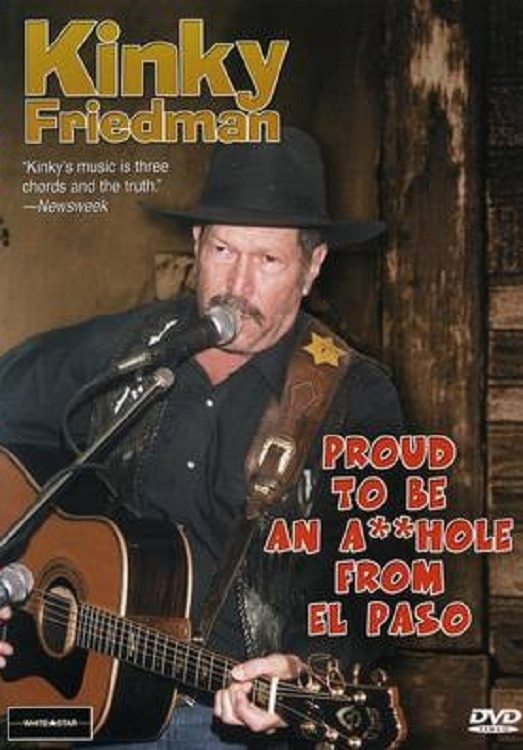
A biographical documentary of musician/author Kinky Friedman.
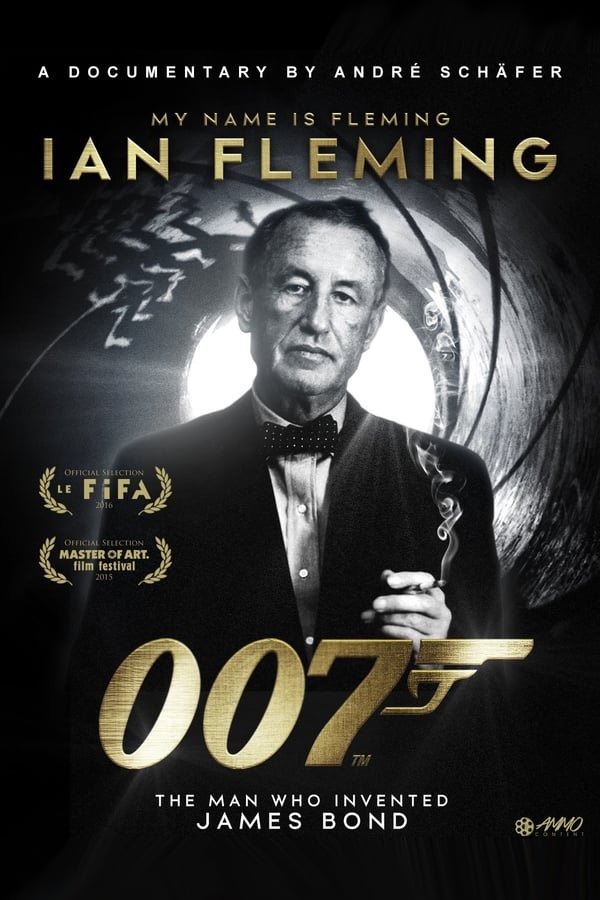
The man who invented James Bond: The story of Ian Fleming, real-life spy, ladies' man and sportsman, who was there at the birth of MI-5 and the CIA, and gave the world one of its most enduring and iconic heroes: Bond. James Bond.
In the Realms of the Unreal is a documentary about the reclusive Chicago-based artist Henry Darger. Henry Darger was so reclusive that when he died his neighbors were surprised to find a 15,145-page manuscript along with hundreds of paintings depicting The Story of the Vivian Girls, in What is Known as the Realms of the Unreal, of the Glodeco-Angelinnian War Storm, Cased by the Child Slave Rebellion.
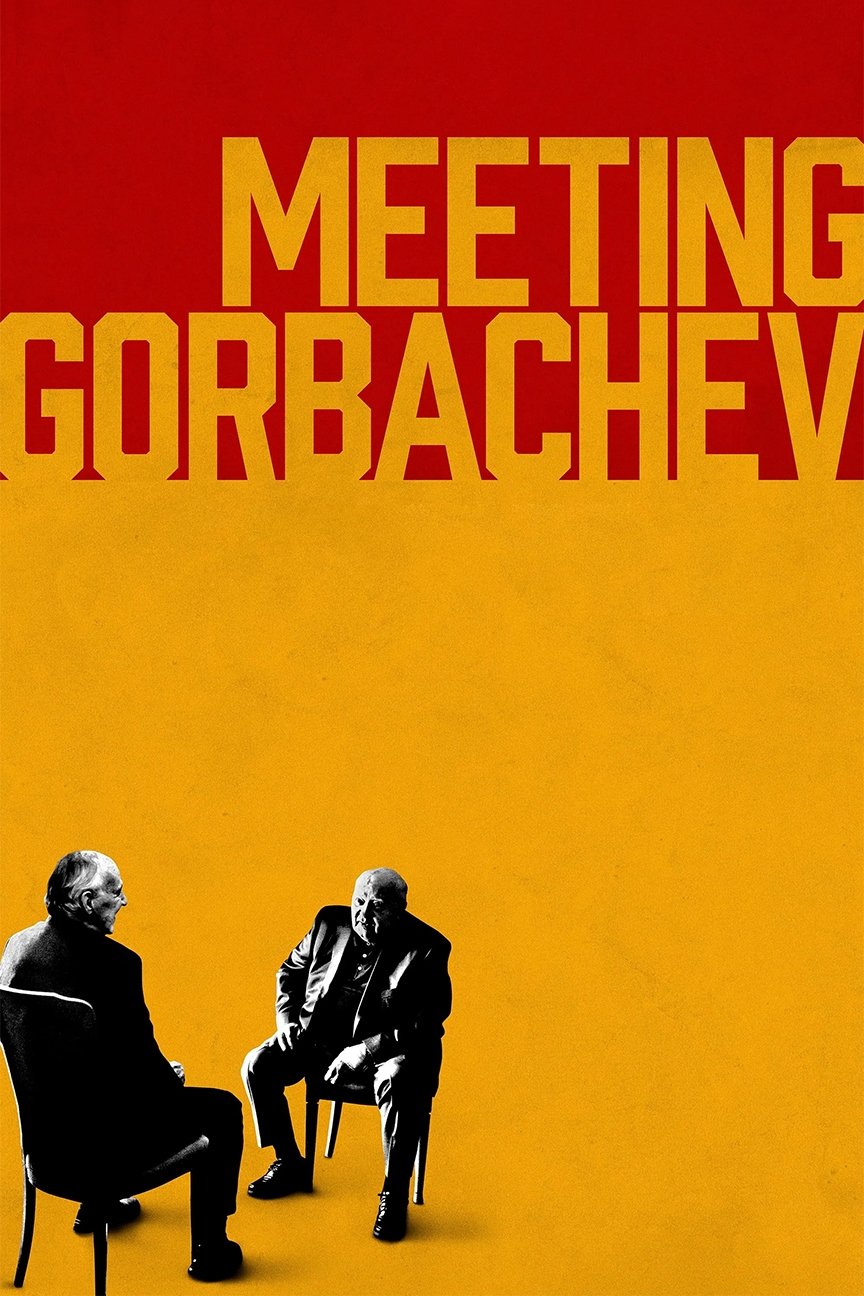
Mikhail Gorbachev, former president of the Soviet Union, sits down with filmmaker Werner Herzog to discuss his many achievements. Topics include the talks to reduce nuclear weapons, the reunification of Germany and the dissolution of his country.
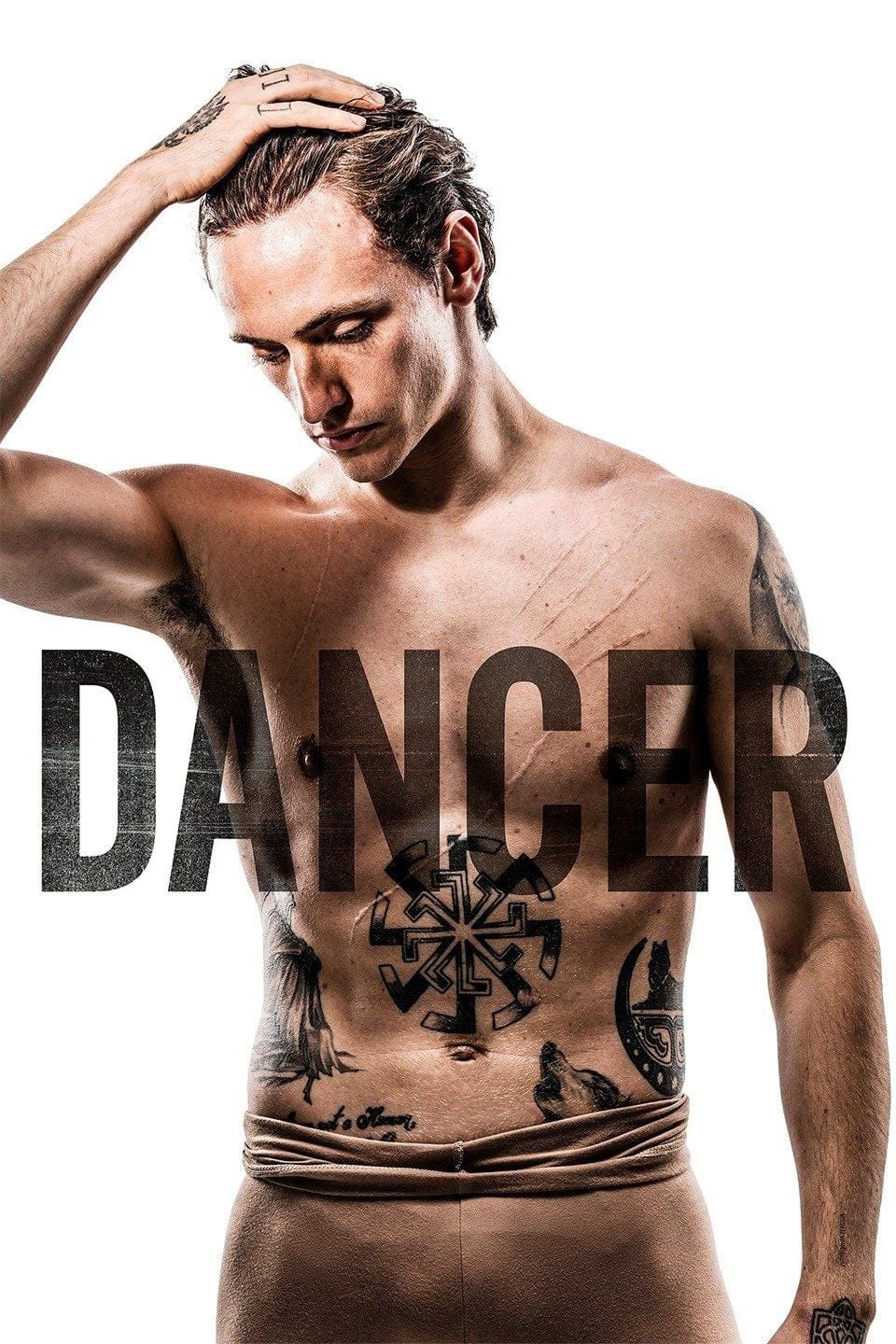
Sergei Polunin is a breathtaking ballet talent who questions his existence and his commitment to dance just as he is about to become a legend.
Penetrating the insular world of New York's Hasidic community, focusing on three individuals driven to break away despite threats of retaliation.
Alex Gibney explores the charged issue of pedophilia in the Catholic Church, following a trail from the first known protest against clerical sexual abuse in the United States and all way to the Vatican.
Deep beneath the surface in the Syrian province of Ghouta, a group of female doctors have established an underground field hospital. Under the supervision of paediatrician Dr. Amani and her staff of doctors and nurses, hope is restored for some of the thousands of children and civilian victims of the ruthless Syrian civil war.
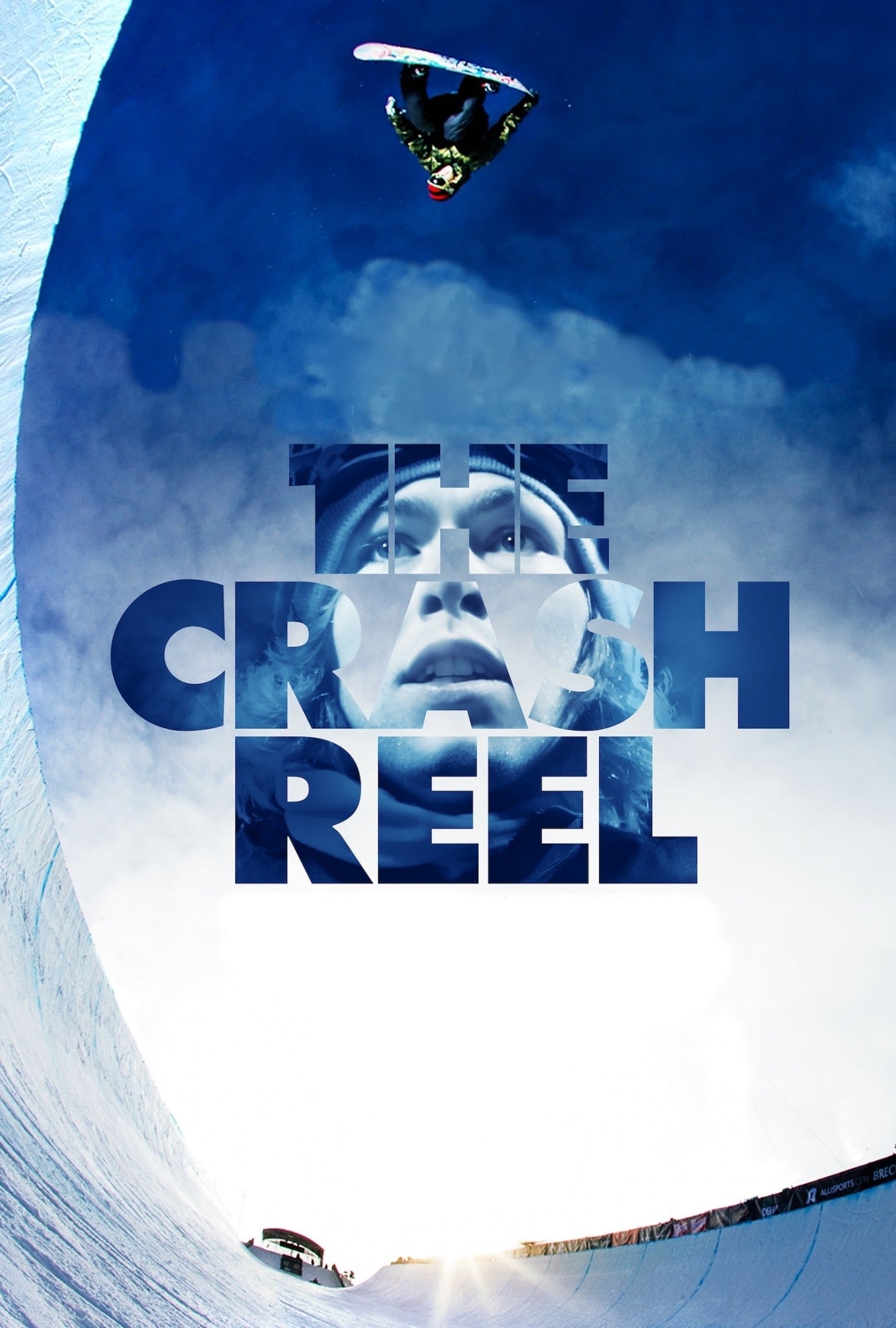
The Crash Reel tells the story of a sport and the risks that athletes face in reaching the pinnacle of their profession. This is Kevin Pearce’s story, a celebrated snowboarder who sustained a brain injury in a trick gone wrong and who now aims, against all the odds, to get back on the snow.
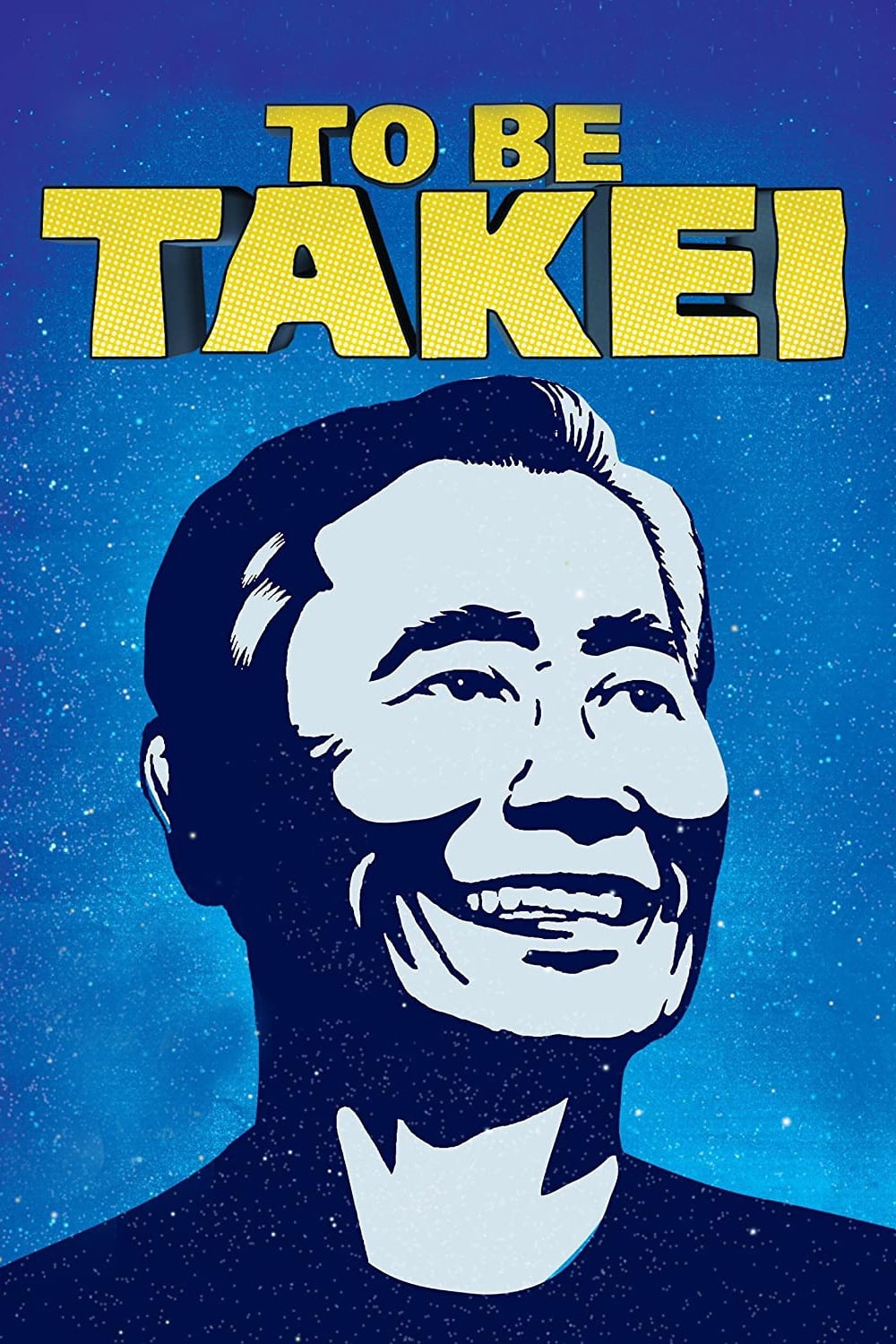
Over seven decades, actor and activist George Takei journeyed from a World War II internment camp to the helm of the Starship Enterprise, and then to the daily news feeds of five million Facebook fans. Join George and his husband, Brad, on a wacky and profound trek for life, liberty, and love.
This searing investigative work shadows a group of activists risking unimaginable peril to confront the ongoing anti-LGBTQ program raging in the repressive and closed Russian republic. Unfettered access and a remarkable approach to protecting anonymity exposes this under-reported atrocity–and an extraordinary group of people confronting evil.
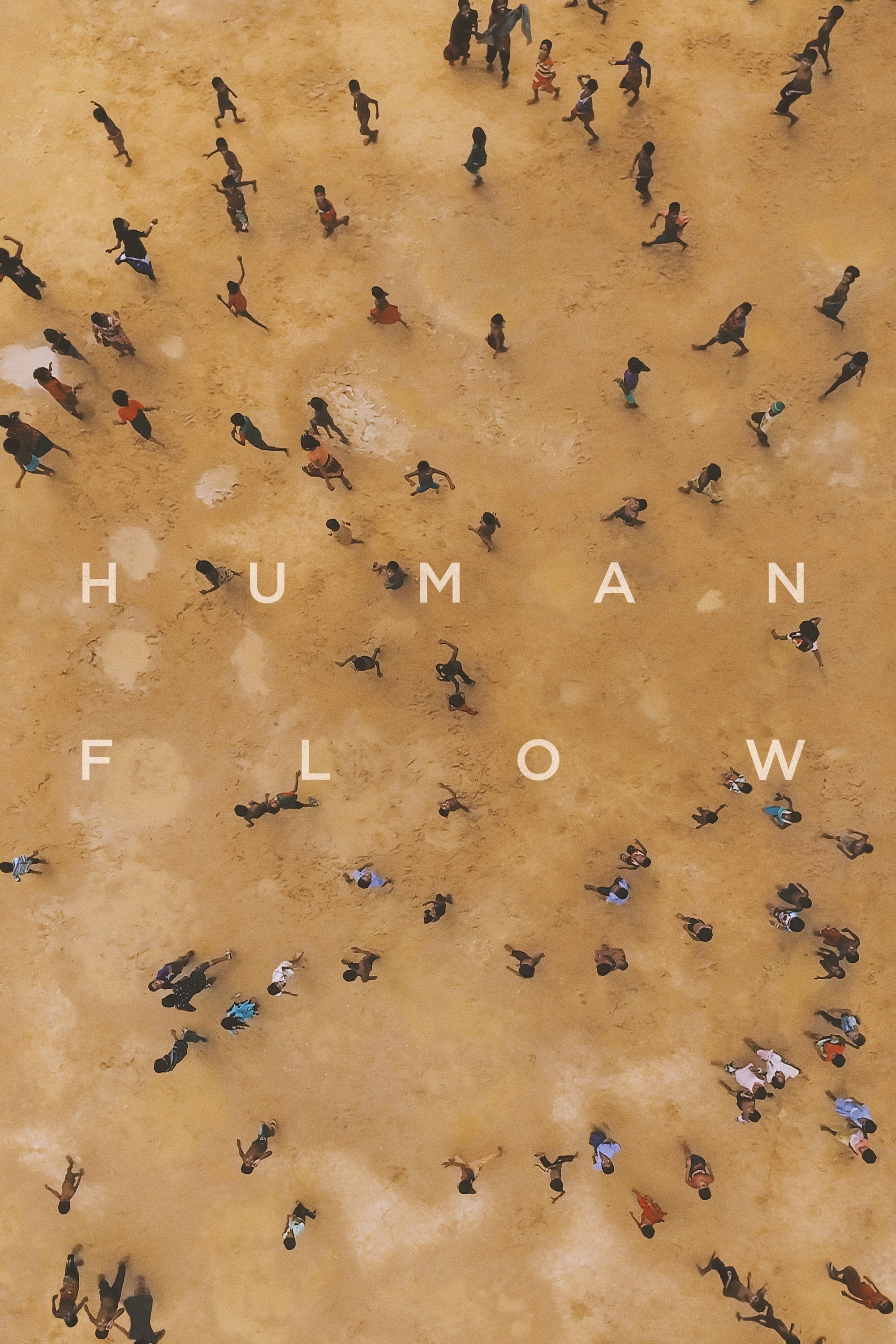
More than 65 million people around the world have been forced from their homes to escape famine, climate change and war, the greatest displacement since World War II. Filmmaker Ai Weiwei examines the staggering scale of the refugee crisis and its profoundly personal human impact. Over the course of one year in 23 countries, Weiwei follows a chain of urgent human stories that stretch across the globe, including Afghanistan, France, Greece, Germany and Iraq.
Artists in LA discover the work of forgotten Polish sculptor Stanislav Szukalski, a mad genius whose true story unfolds chapter by astounding chapter.
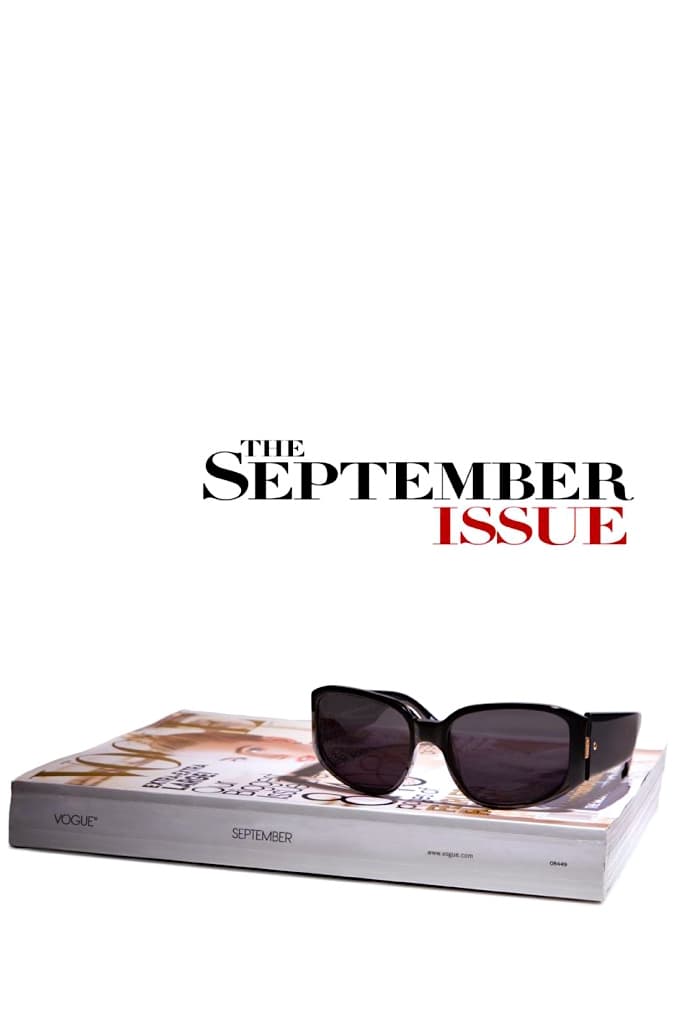
A documentary chronicling Vogue editor-in-chief Anna Wintour's preparations for the 2007 fall-fashion issue.
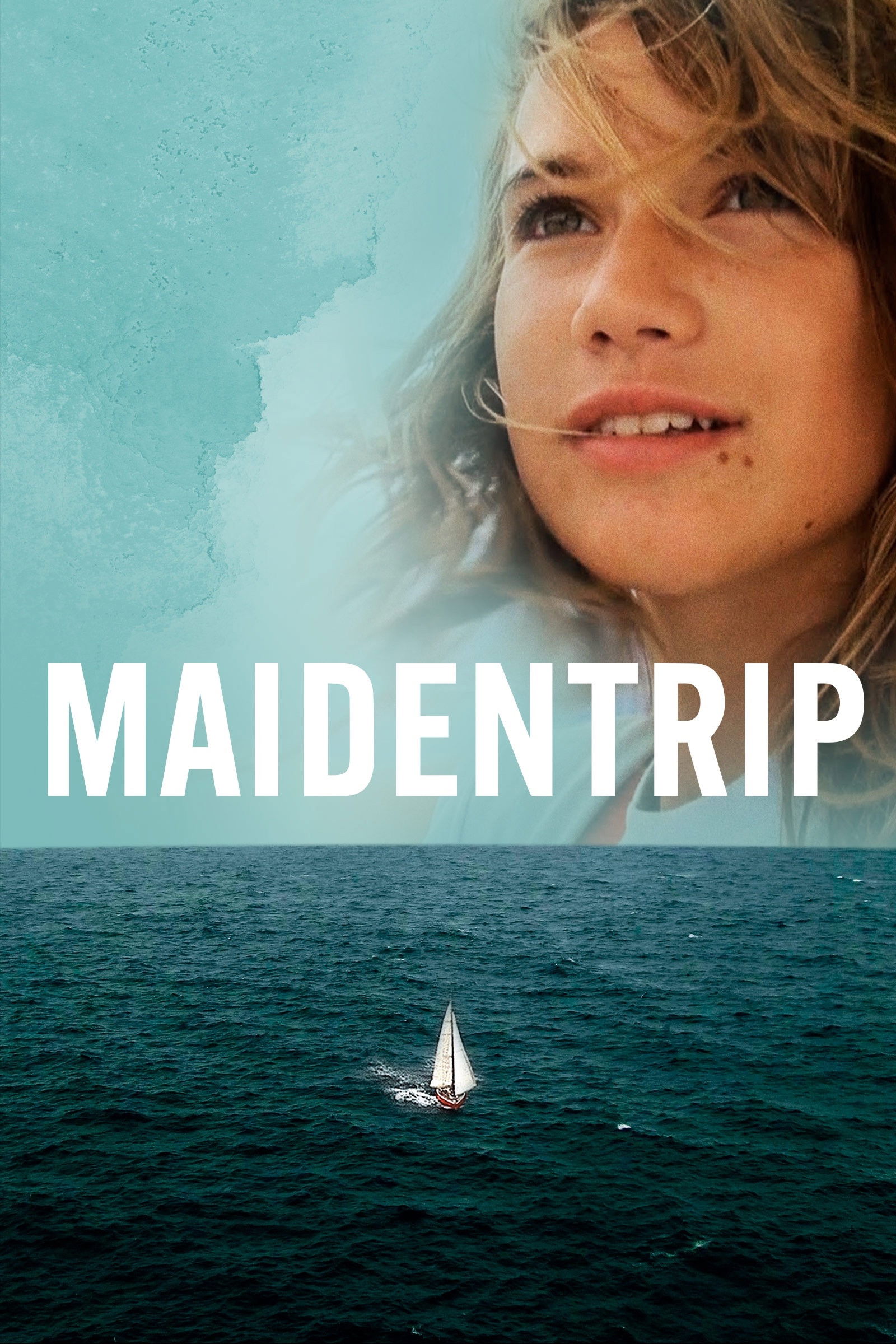
14-year-old Laura Dekker sets out on a two-year voyage in pursuit of her dream to become the youngest person ever to sail around the world alone.
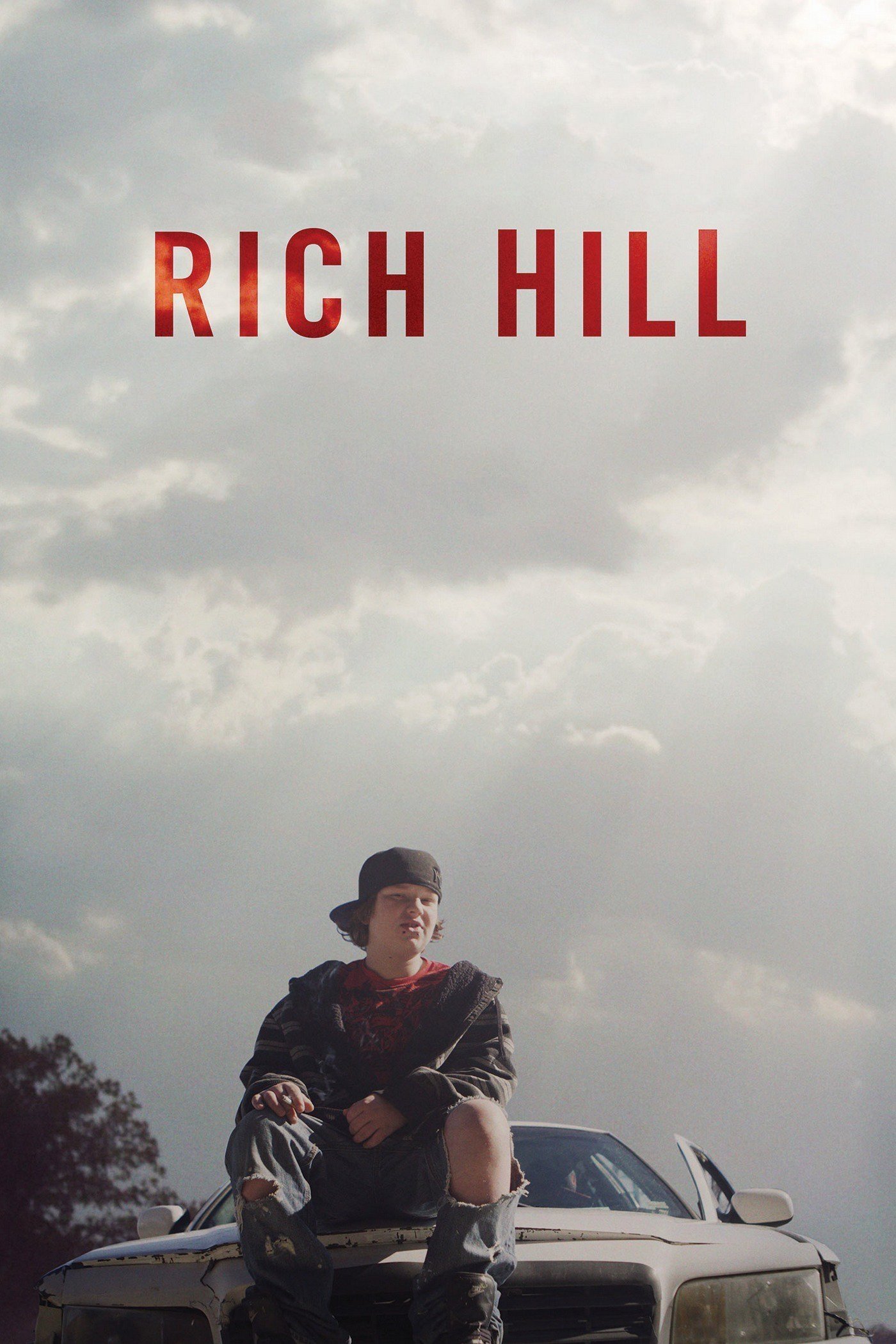
If you ever find yourself traveling down Interstate 49 through Missouri, try not to blink—you may miss Rich Hill, population 1,396. Rich Hill is easy to overlook, but its inhabitants are as woven into the fabric of America as those living in any small town in the country. This movie intimately chronicles the turbulent lives of three boys living in said Midwestern town and the fragile family bonds that sustain them.
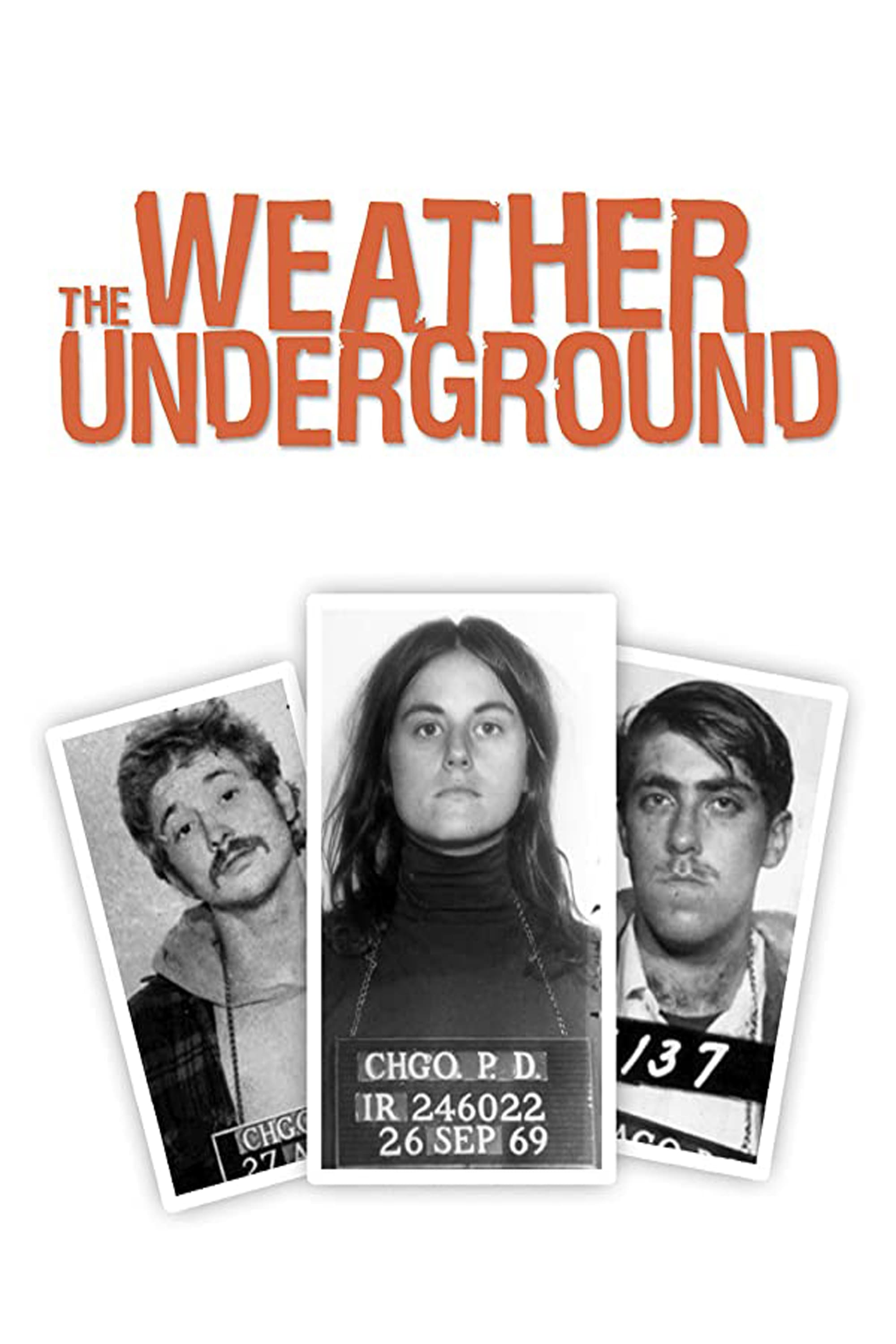
The remarkable story of The Weather Underground, radical activists of the 1970s, and of radical politics at its best and most disastrous.
“The Soviet Story” is a story of an Allied power, which helped the Nazis to fight Jews and which slaughtered its own people on an industrial scale. Assisted by the West, this power triumphed on May 9th, 1945. Its crimes were made taboo, and the complete story of Europe’s most murderous regime has never been told. Until now...
Dubbed “The Cannibal Cop,” former NYPD officer Gilberto Valle was charged with conspiring to kidnap and eat women but argued it was all a fantasy. His story made headlines both for its disturbing details and its potential to kick off a trend of thought-policing across the nation. Featuring intimate interviews with Valle and insights from experts, Thought Crimes explores if someone can be found guilty for their most dangerous thoughts.
An intimately raw and magical journey through the life, mind, and heart of iconic artist Frida Kahlo. Told through her own words for the very first time — drawn from her diary, revealing letters, essays, and print interviews — and brought vividly to life by lyrical animation inspired by her unforgettable artwork.
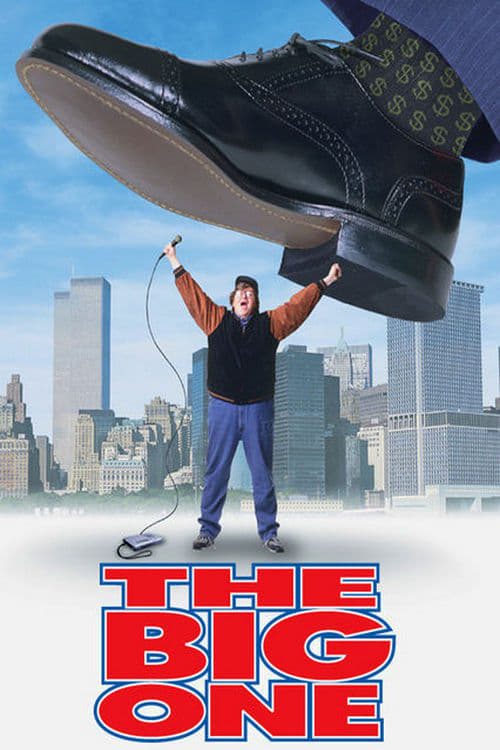
The Big One is an investigative documentary from director Michael Moore who goes around the country asking why big American corporations produce their product abroad where labor is cheaper while so many Americans are unemployed, losing their jobs, and would happily be hired by such companies as Nike.
When Allied forces liberated the Nazi concentration camps in 1944-45, their terrible discoveries were recorded by army and newsreel cameramen, revealing for the first time the full horror of what had happened. Making use of British, Soviet and American footage, the Ministry of Information’s Sidney Bernstein (later founder of Granada Television) aimed to create a documentary that would provide lasting, undeniable evidence of the Nazis’ unspeakable crimes. He commissioned a wealth of British talent, including editor Stewart McAllister, writer and future cabinet minister Richard Crossman – and, as treatment advisor, his friend Alfred Hitchcock. Yet, despite initial support from the British and US Governments, the film was shelved, and only now, 70 years on, has it been restored and completed by Imperial War Museums under its original title "German Concentration Camps Factual Survey".