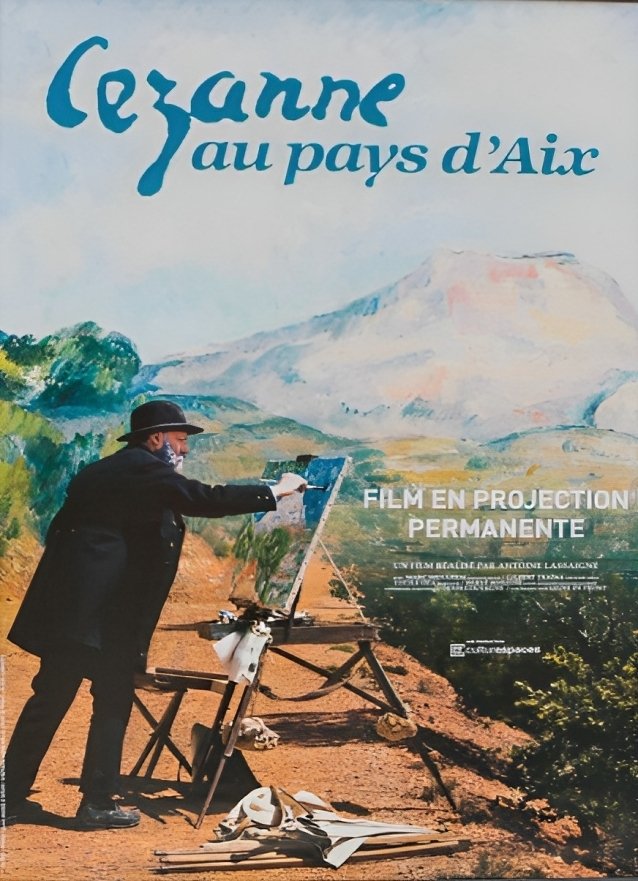
Social & External
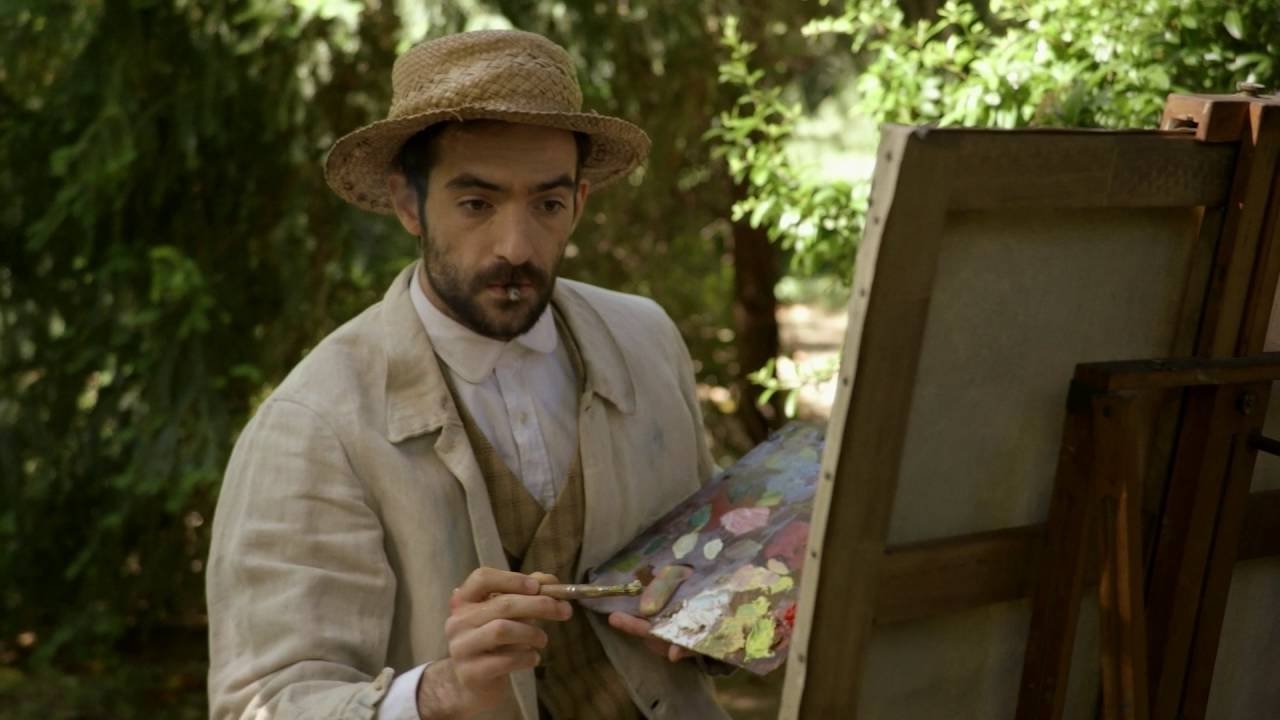
Paul Cézanne (vieux)
Paul Cézanne (jeune)
Hortense Fiquet
Unknown Role
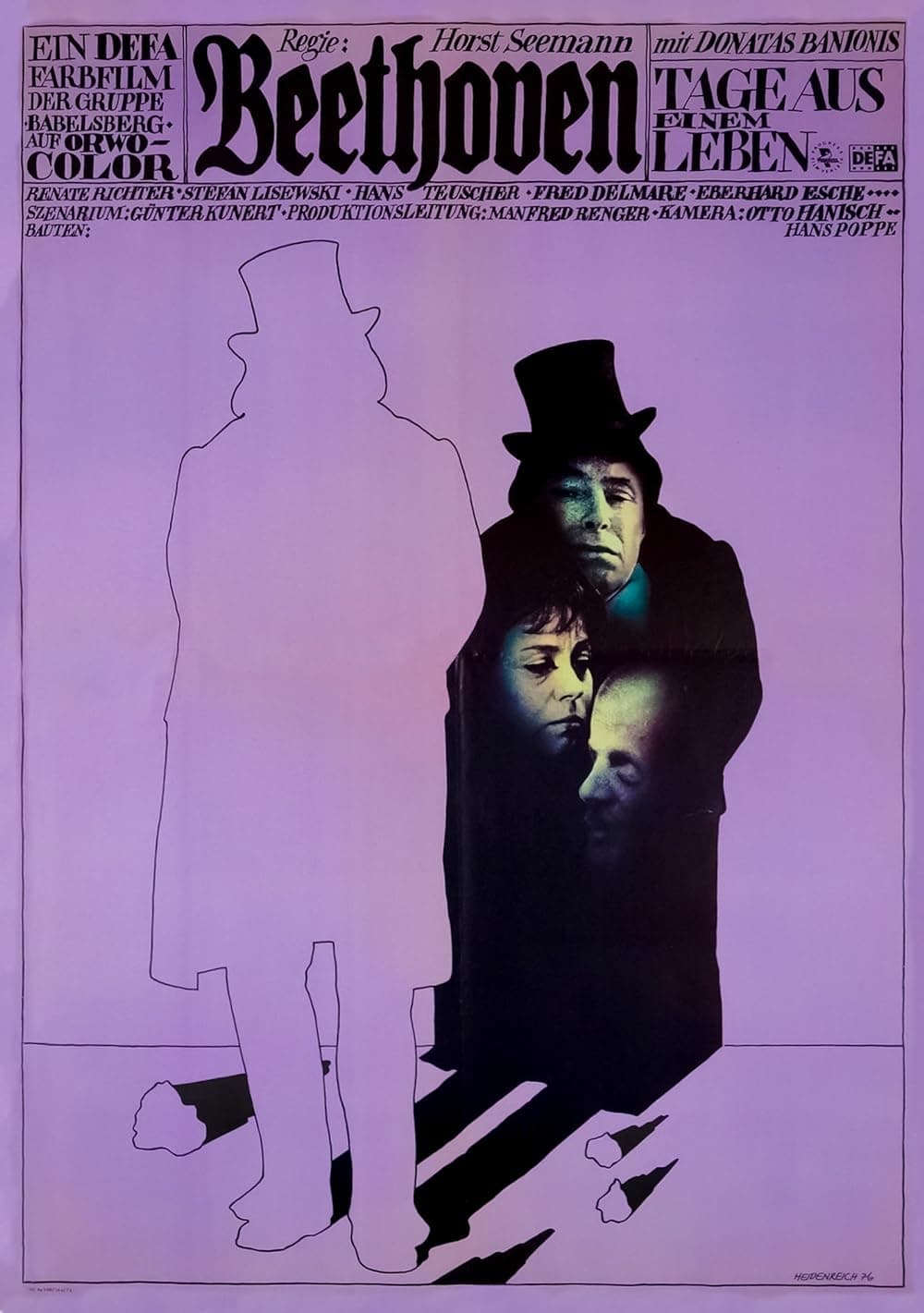
Vienna, 1813-1819: Beethoven (played by Donatas Banionis) is at the peak of his fame. Orchestras all over the world play his music, but he lives modestly and is dependent upon private patrons. Nagged by his patronizing brothers, spied upon by officials for his republican beliefs and faced by his progressive hearing loss, the composer becomes more and more isolated. Seeman’s poetic film explores the joys, heartbreak and artistic spirit of the great composer as he works on his Ninth Symphony.
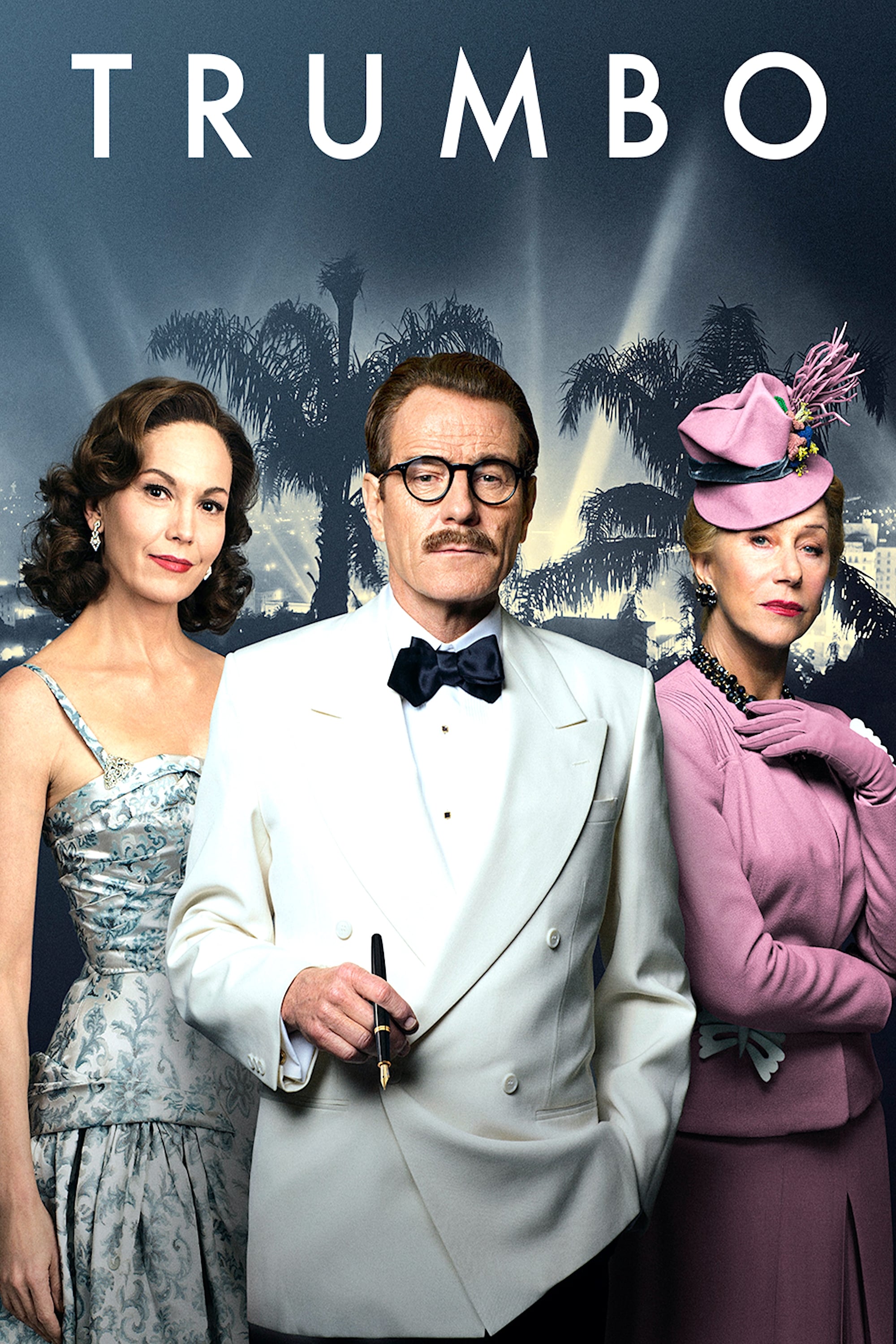
The career of screenwriter Dalton Trumbo is halted by a witch hunt in the late 1940s when he defies the anti-communist HUAC committee and is blacklisted.
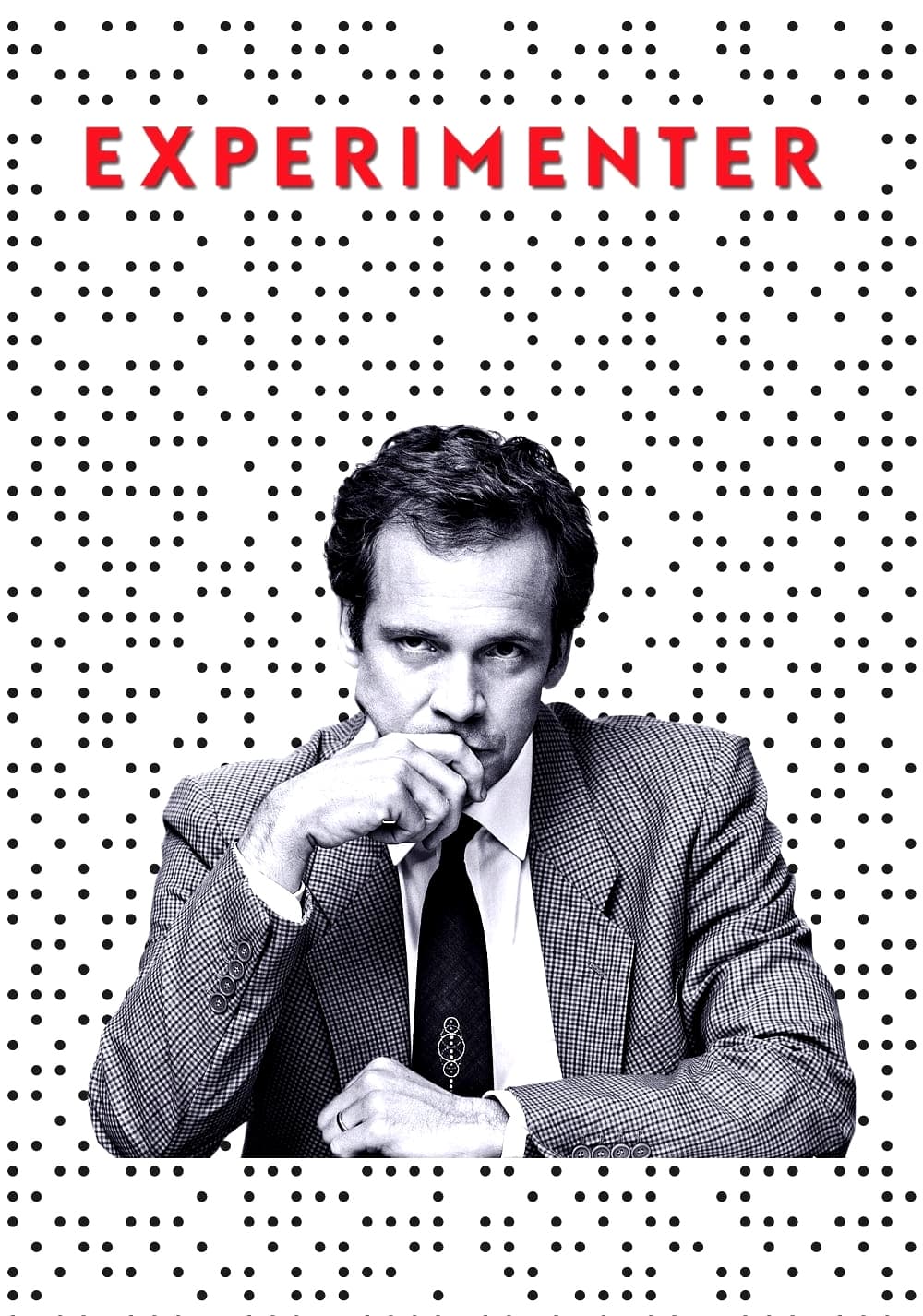
Yale University, 1961. Stanley Milgram designs a psychology experiment that still resonates to this day, in which people think they’re delivering painful electric shocks to an affable stranger strapped into a chair in another room. Despite his pleads for mercy, the majority of subjects don’t stop the experiment, administering what they think is a near-fatal electric shock, simply because they’ve been told to do so. With Nazi Adolf Eichmann’s trial airing in living rooms across America, Milgram strikes a nerve in popular culture and the scientific community with his exploration into people’s tendency to comply with authority. Celebrated in some circles, he is also accused of being a deceptive, manipulative monster, but his wife Sasha stands by him through it all.
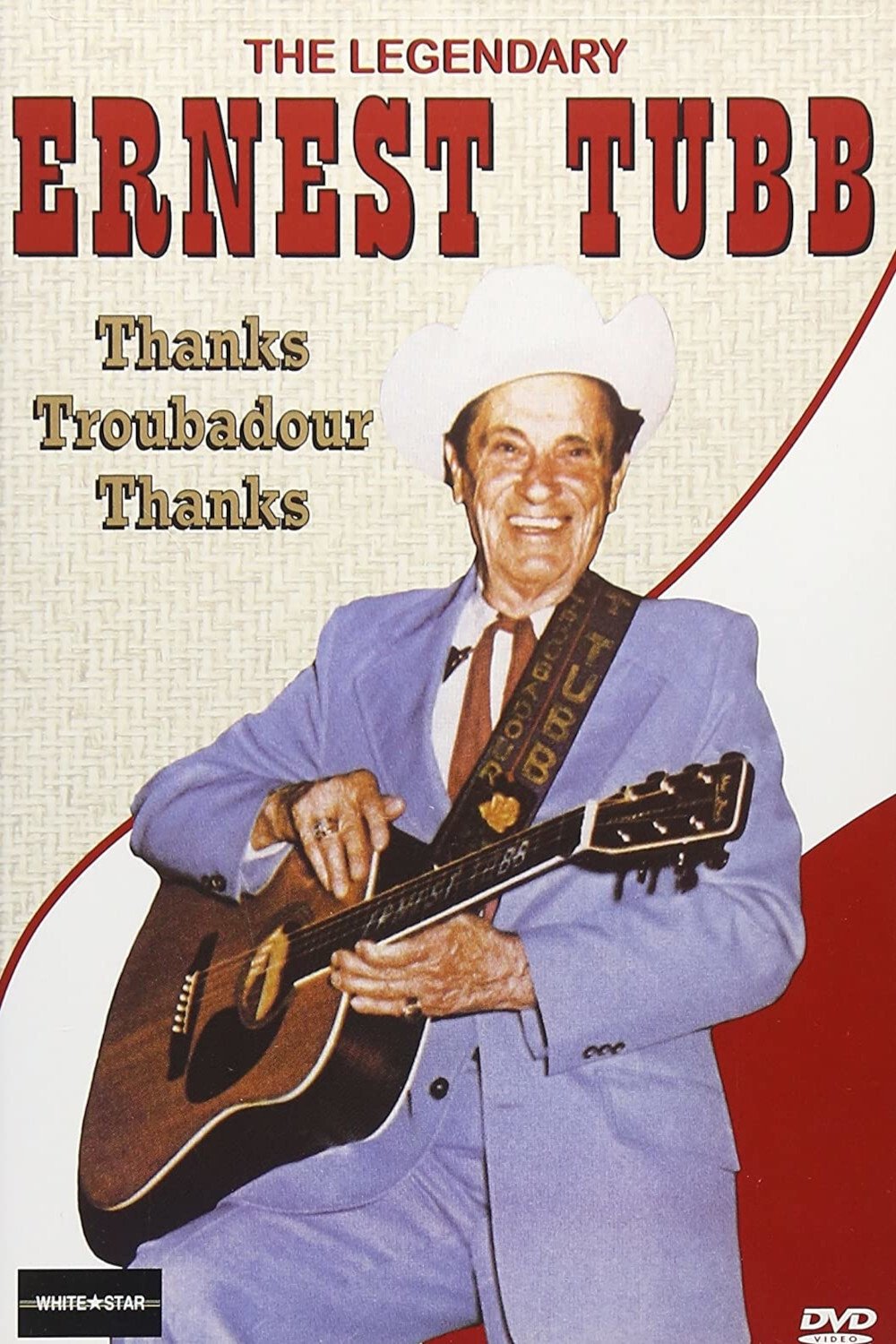
This biographical video program outlines the rise of the legendary Ernest Tubb -- known by friends and fellow musicians as "E.T." -- from his start as a poor boy growing up in Depression-era Texas to his fame as a honky-tonk artist crooning "The Passing of Jimmie Rodgers." A range of interviews with country artists such as Little Jimmy Dickens, Hank Snow, Randy Travis and Kitty Wells reveal Tubb's influence on their work.
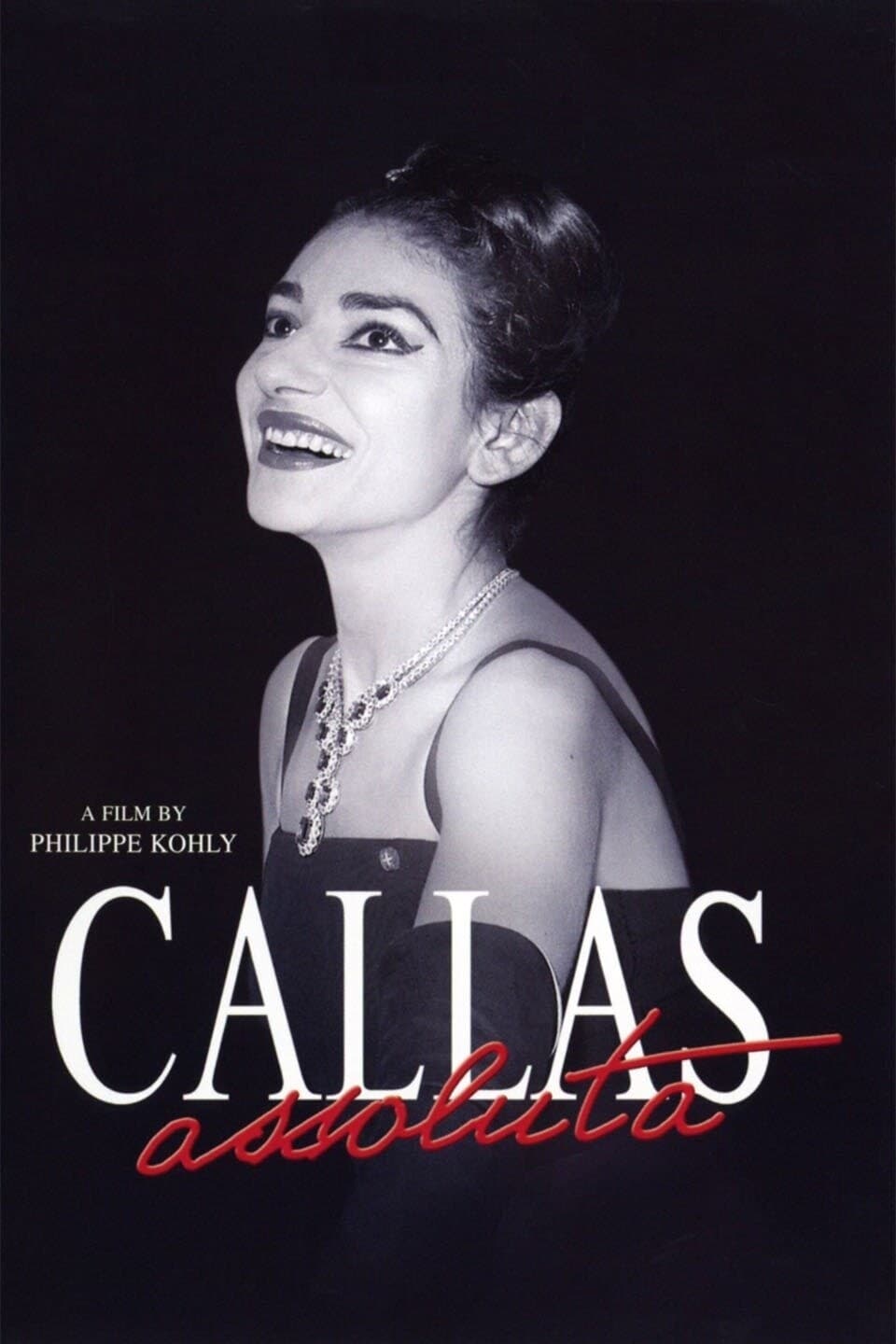
This revealing documentary from director Philippe Kohly examines the storied life of renowned soprano Maria Callas, from her troubled childhood in New York City to her scandal-laden but triumphant international career in opera. Featuring archival interviews with Callas herself and footage of contemporaries such as her lover Aristotle Onassis, this celebration of "La Divina" pays tribute to her enduring legacy some three decades after her death.
The life and work of the great Russian composer Dmitriy Shostakovich is presented in this documentary through rare images and audios from many archives, at one time censored by the Soviet government. A brief take on his life, from his transition as an early prodigy to a first rate artist, his celebrated compositions and the final years with a declining health.
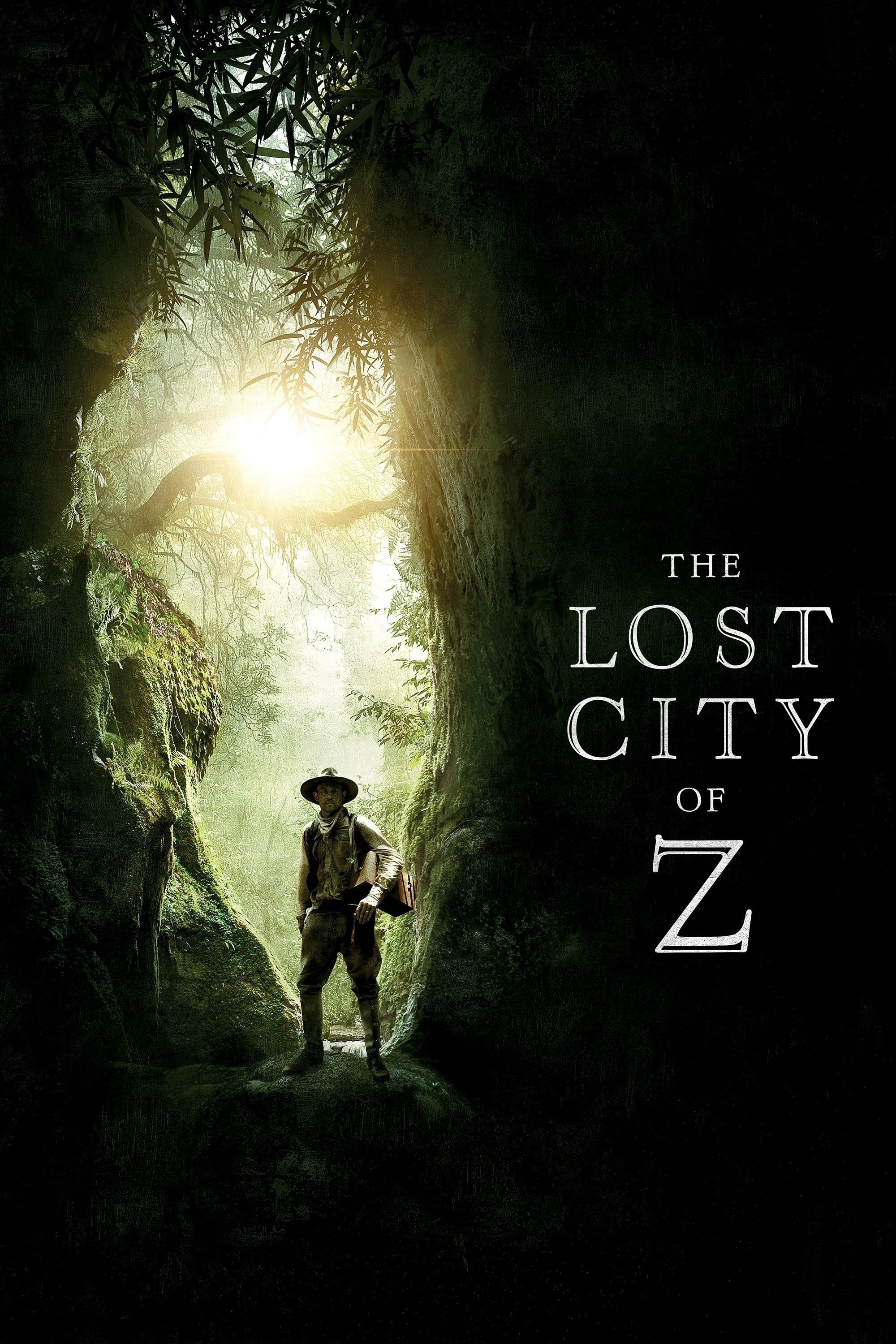
A true-life drama in the 1920s, centering on British explorer Col. Percy Fawcett, who discovered evidence of a previously unknown, advanced civilization in the Amazon and disappeared whilst searching for it.
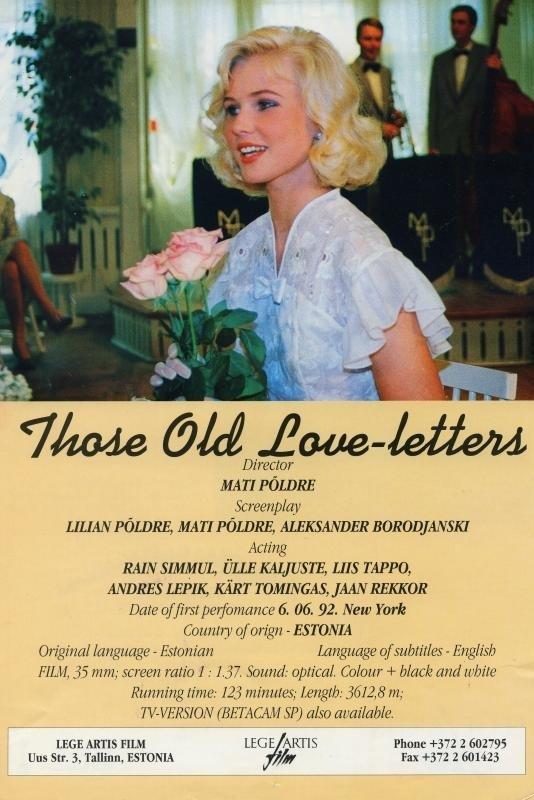
A film about the life of Raimond Valgre, an Estonian songwriter and singer of the 1930s and 40s, the political changes of his country and his life after the war when his songs were considered not suitable for the Soviet way of life.
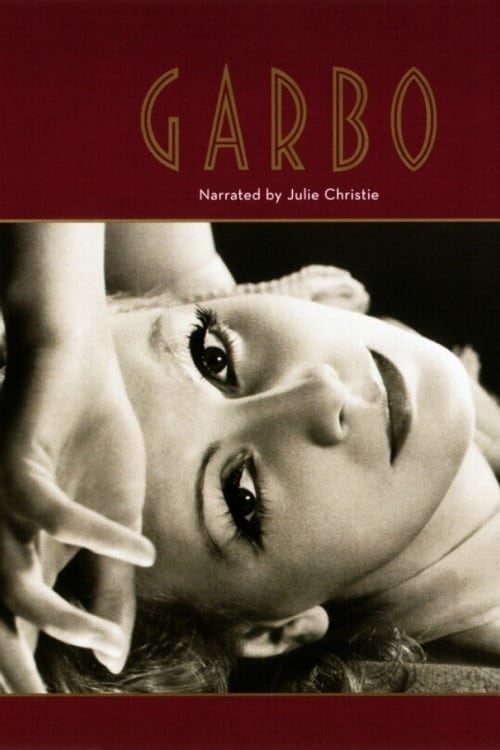
An original documentary from Turner Classic Movies, Garbo offers an intimate look at the life and career of the movies' most luminous, reclusive and mystifying star. A portrait of Garbo the woman is drawn through interviews with biographers and admirers, plus many of the friends, relatives and associates who came closest to penetrating the lonely star's veil of solitude.
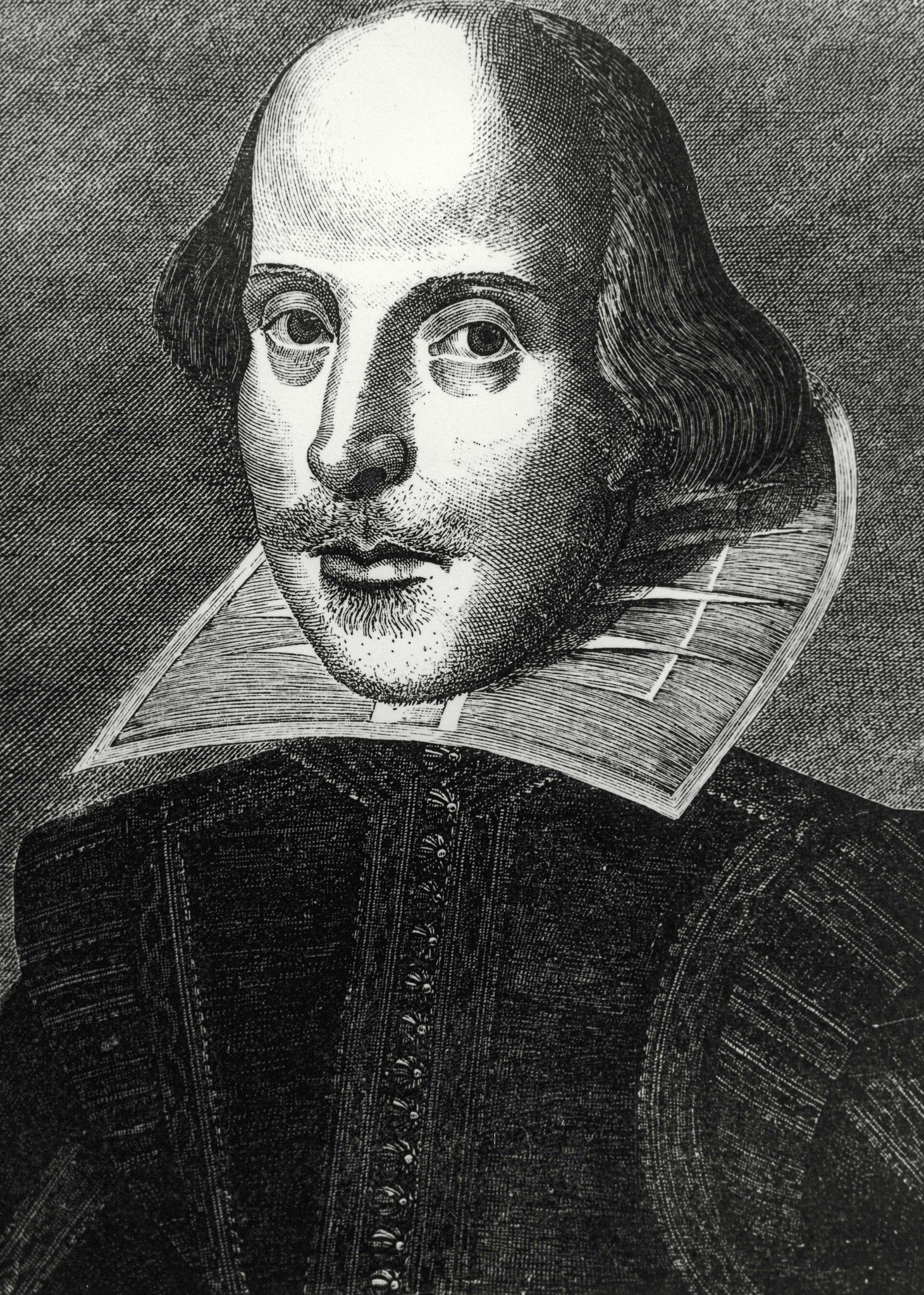
William Shakespeare's life produced an unmatched legacy of drama and poetry. But the Bard's own story remains mostly a mystery. Track clues to Shakespeare's identity, from his youth in Stratford-on-Avon and his marriage to an older woman to the night of carousing that led to his death at age 52. Film clips, dramatic readings and other footage provide a glimpse into Shakespeare's life and his astonishing 20-year career as a playwright and actor.
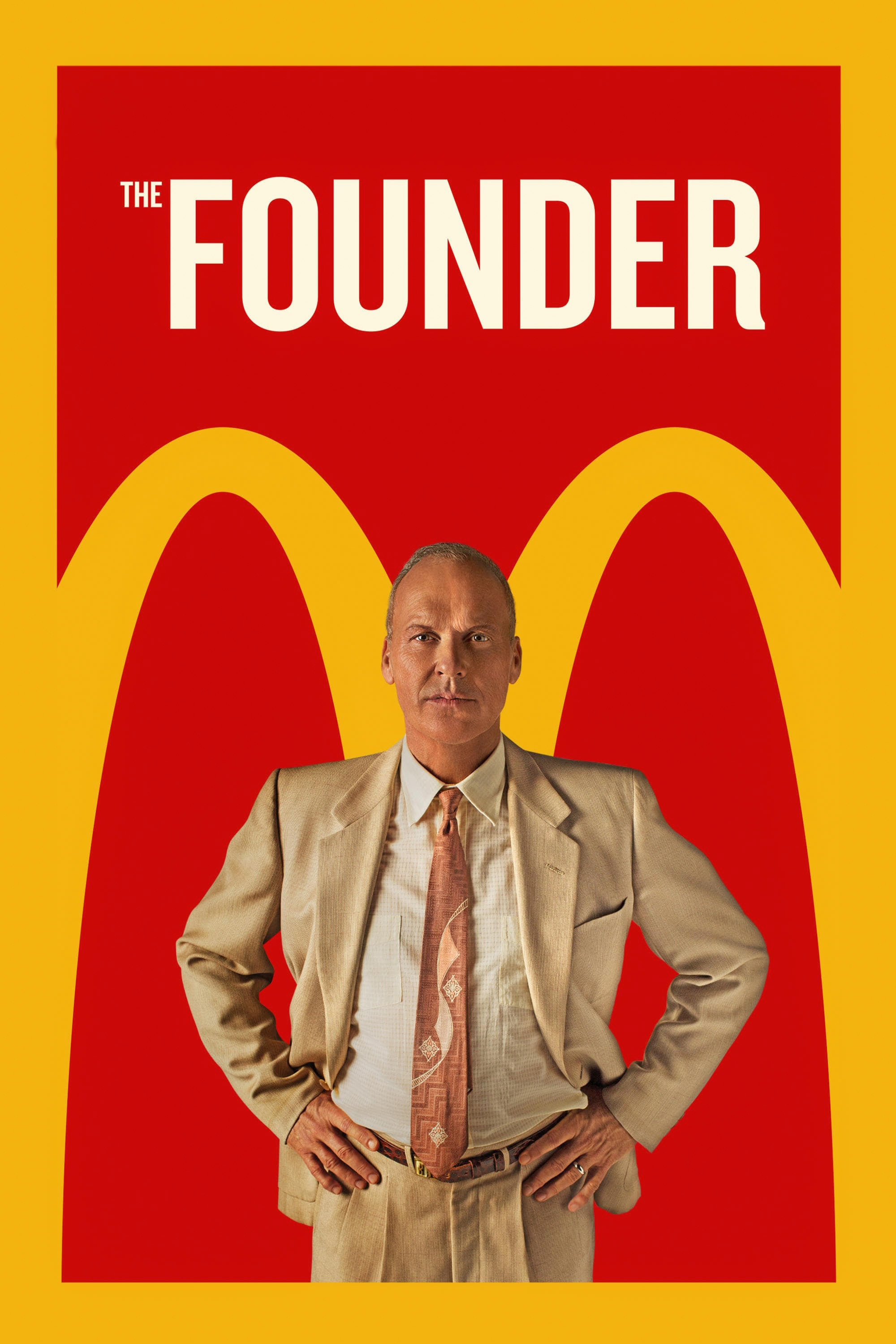
The true story of how Ray Kroc, a salesman from Illinois, met Mac and Dick McDonald, who were running a burger operation in 1950s Southern California. Kroc was impressed by the brothers’ speedy system of making the food and saw franchise potential. He maneuvered himself into a position to be able to pull the company from the brothers and create a billion-dollar empire.
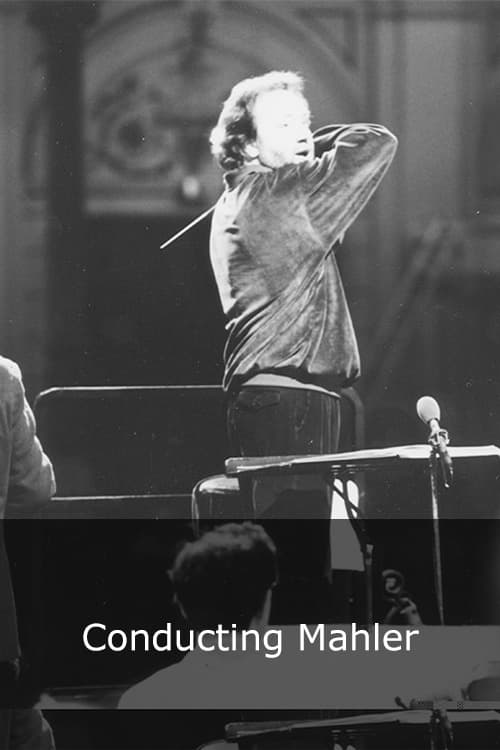
Documents the interpretations of Gustav Mahler's compositions by conductors Bernard Haitink, Riccardo Chailly, Riccardo Muti, Claudio Abbado, and Simon Rattle, who detail the special relationship they have with Mahler's work.
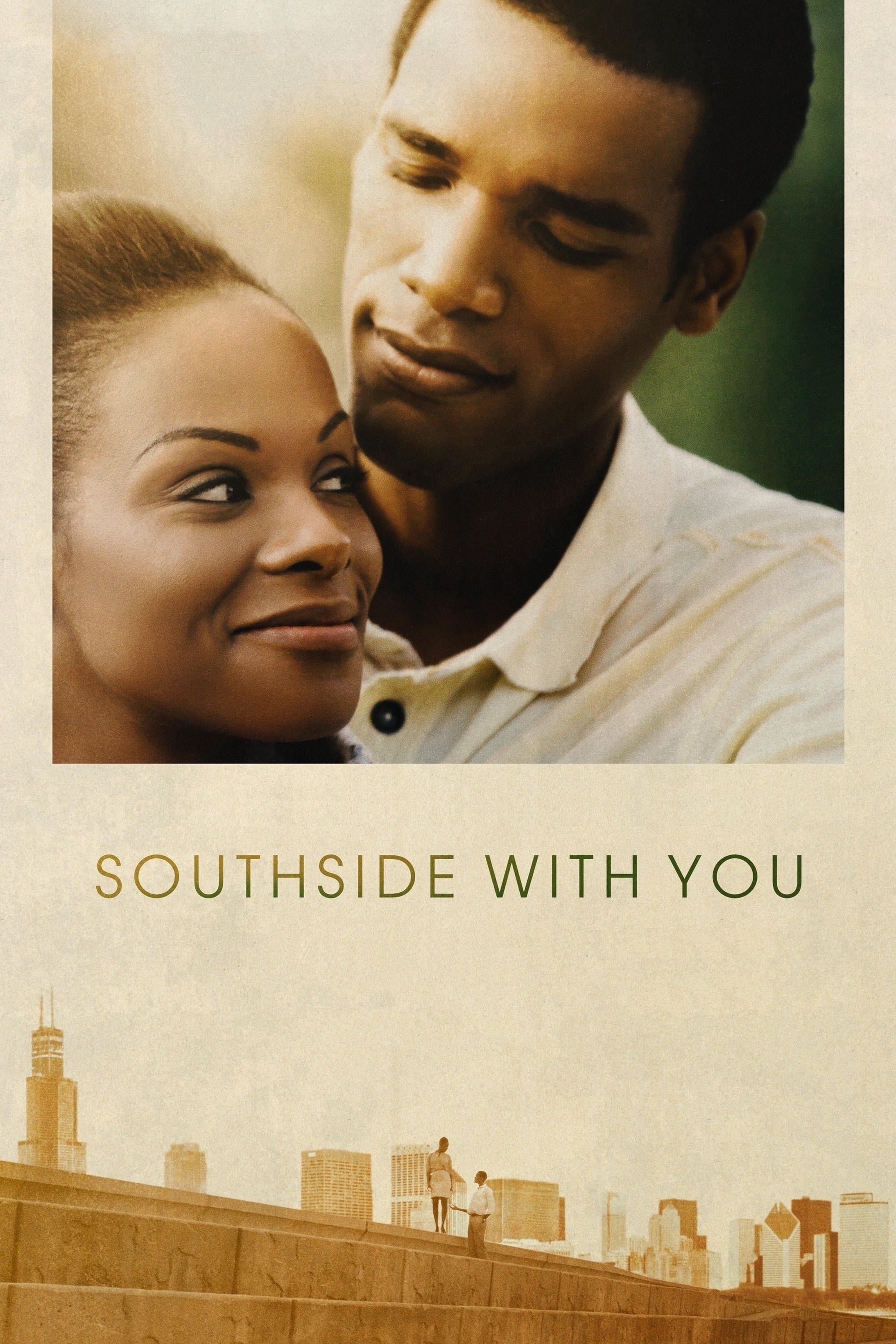
Chronicles a single day in the summer of 1989 when the future president of the United States, Barack Obama, wooed his future First Lady on an epic first date across Chicago's South Side.
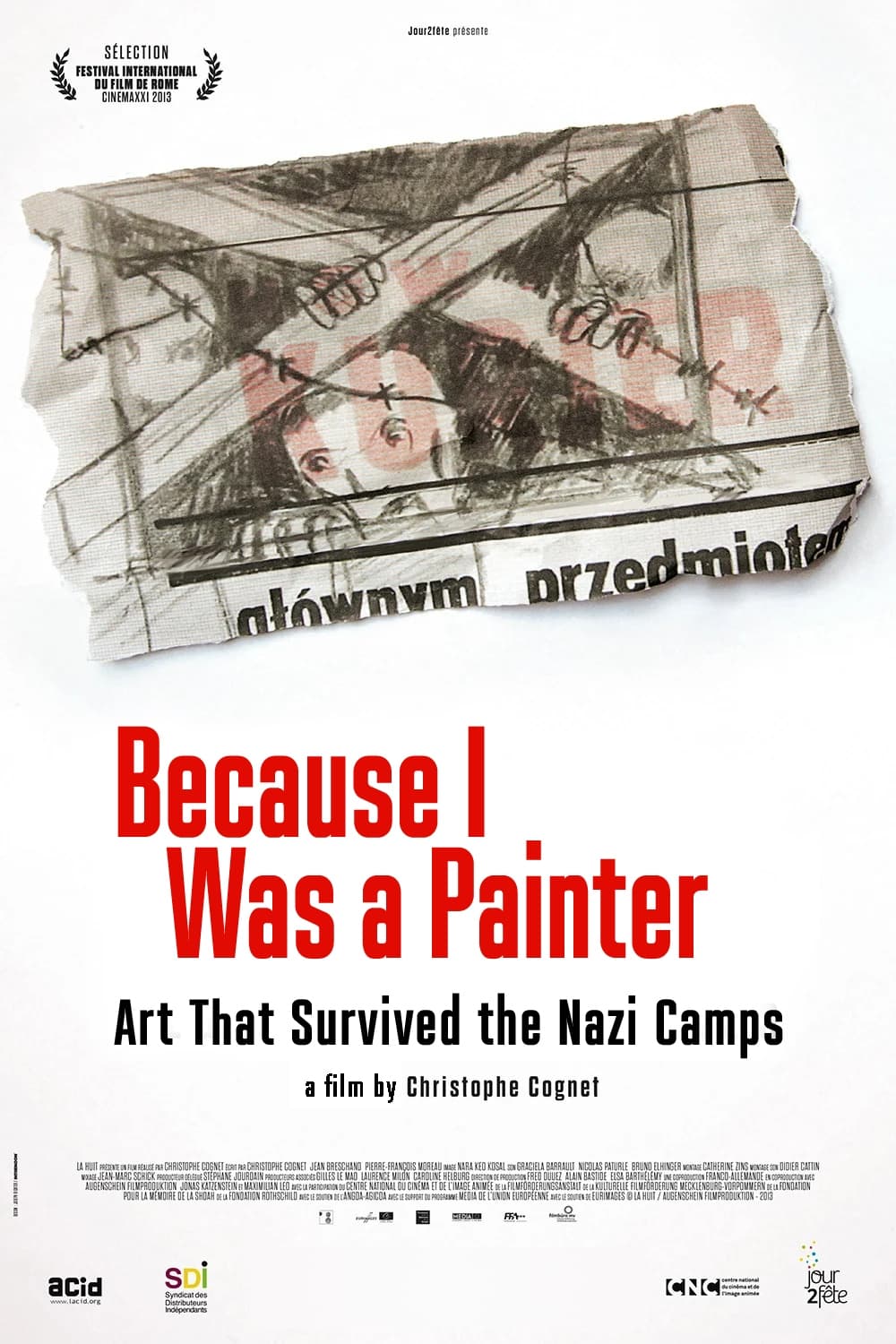
In 1945, when the Allies liberated the concentration camps, they discovered thousands of secretly created artworks. With unprecedented access to paintings, drawings, etchings and sculptures held in collections around the world, BECAUSE I WAS A PAINTER conducts a gripping and fascinating investigation into art that captures, reflects and inspires in difficult times.
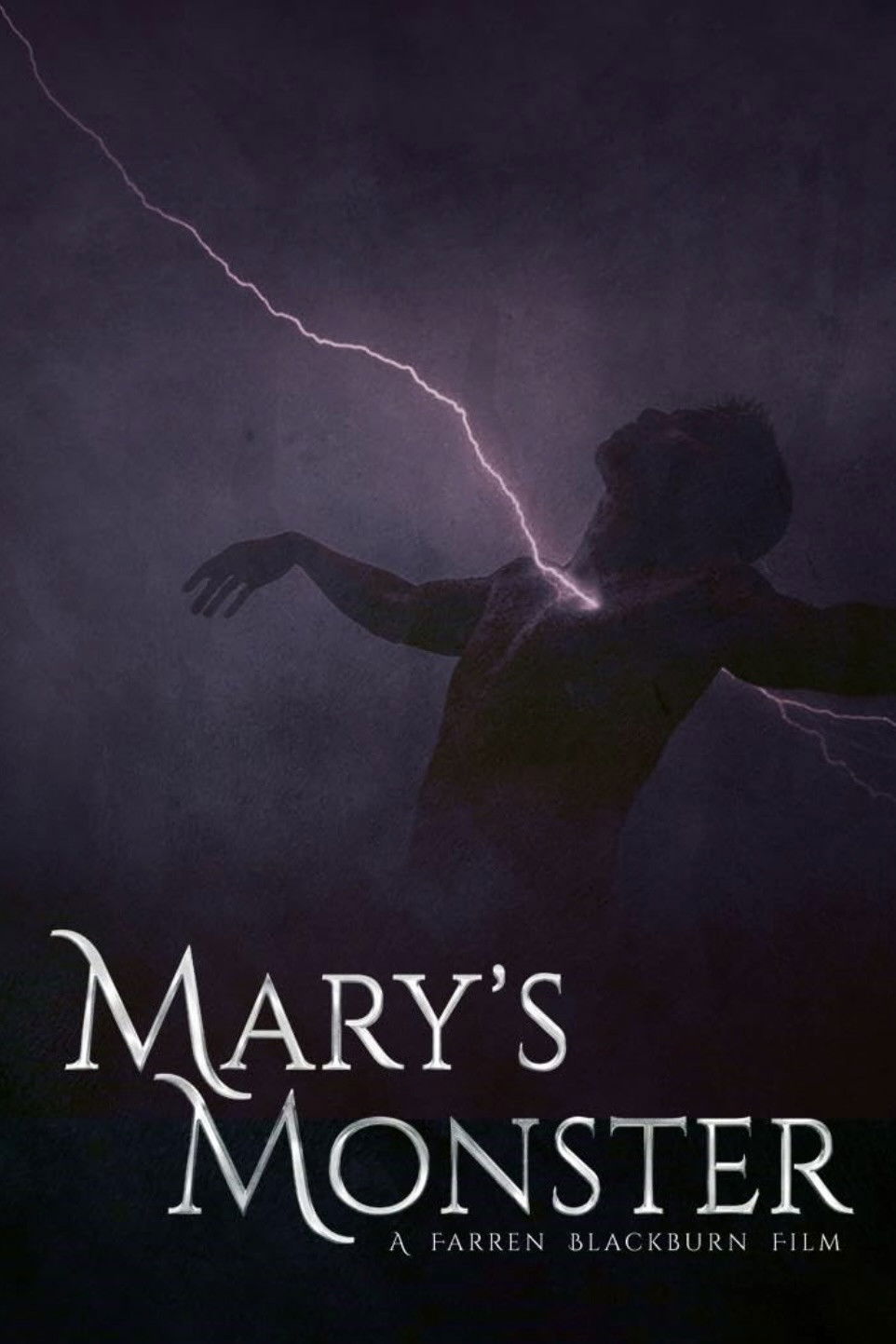
Terrified of giving voice to the darkness of her subconscious mind, Mary Shelley locks into a dangerous battle with her own ‘inner monster’ as she struggles to write her seminal science fiction novel, ‘Frankenstein’.
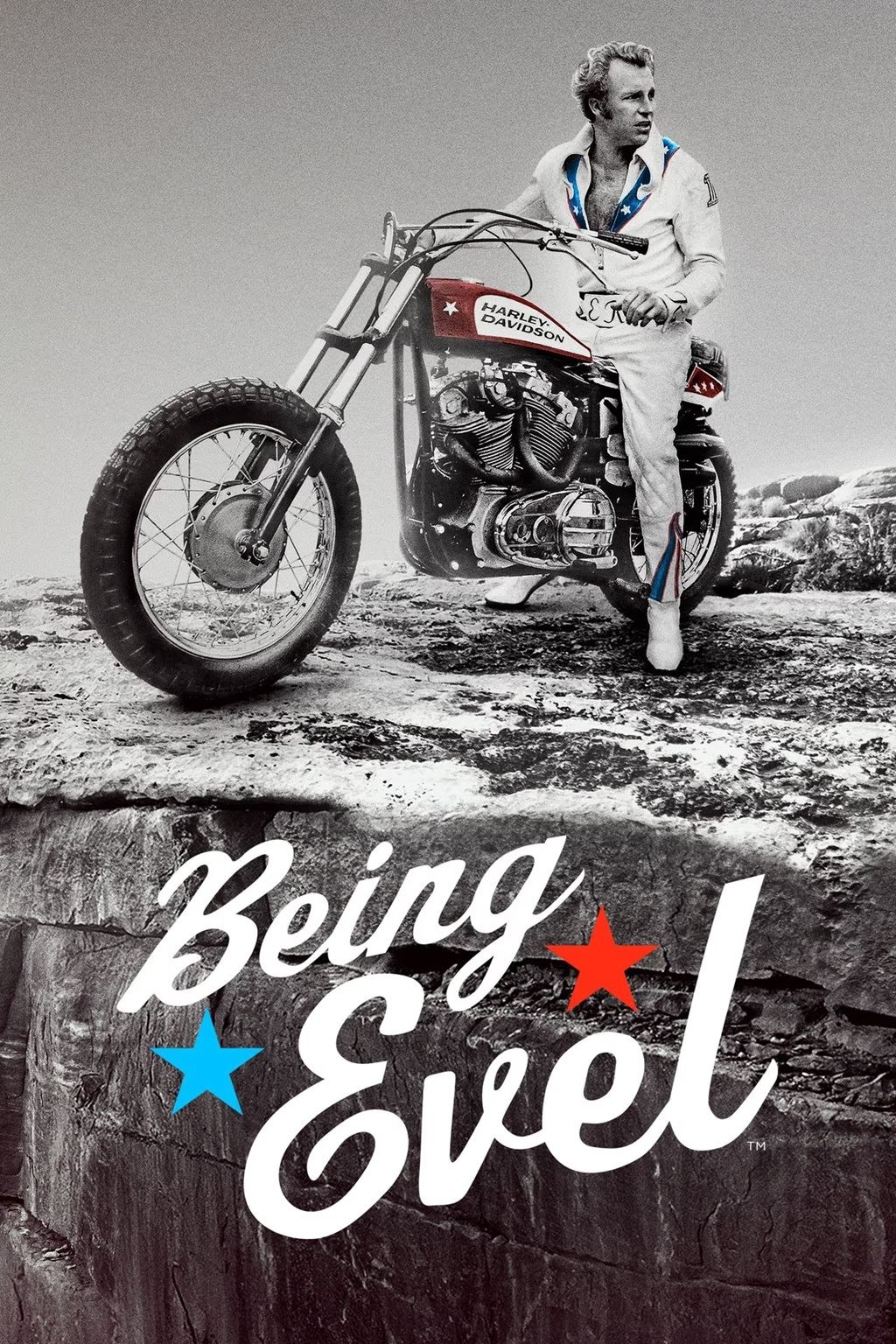
In the history of sports, few names are more recognizable than that of Evel Knievel. Long after the man hung up his famous white leather jumpsuit and rode his Harley into the sunset, his name is still synonymous with the death-defying lifestyle he led. Notoriously brash, bold, and daring, Knievel stared death in the face from the seat of his motorcycle, but few know the larger-than-life story of the boy from Butte, Montana.
Biopic about jazz saxophonist Kaoru Abe and his wife, noted writer Izumi Suzuki.
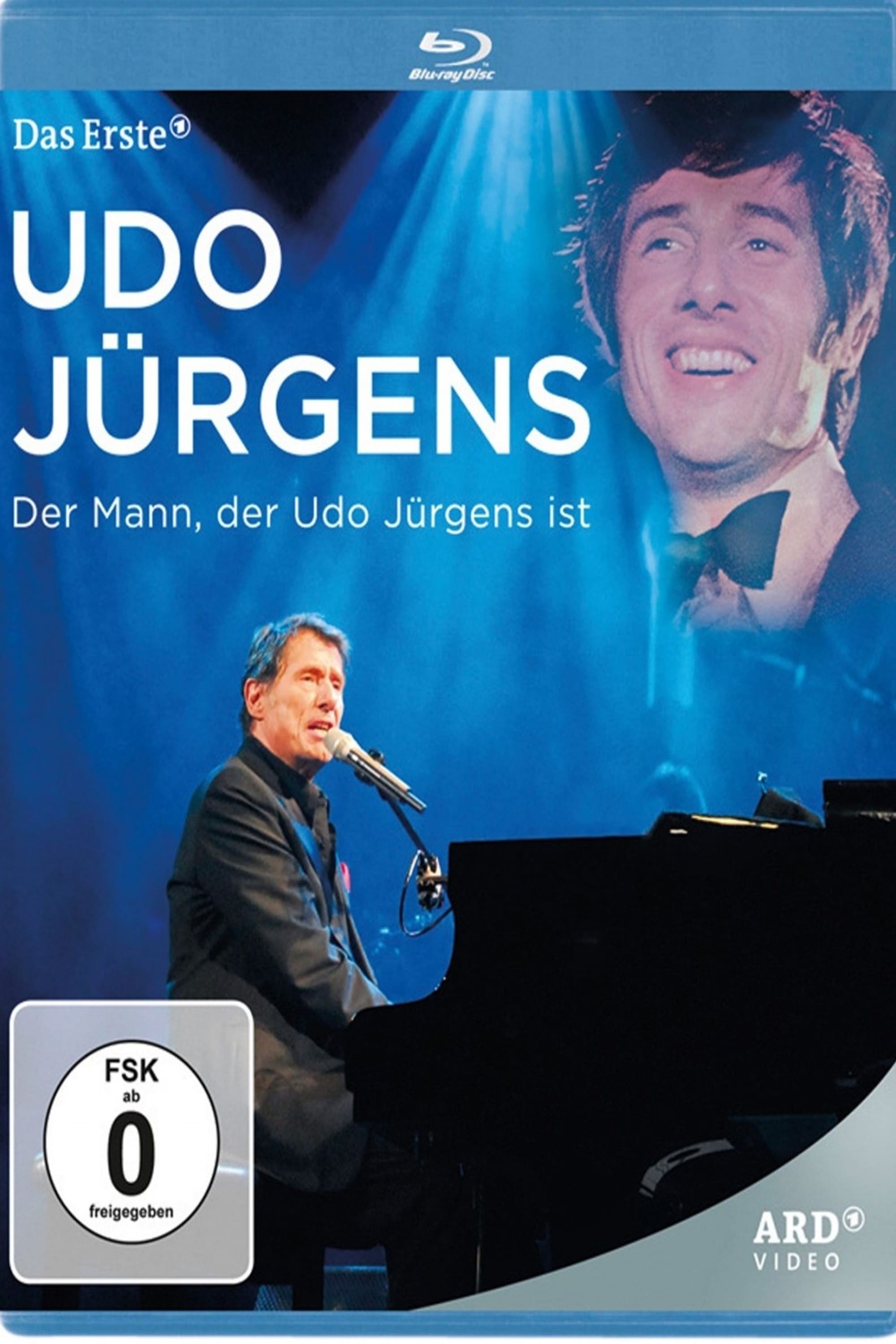
The moving story and amazing new insights into the life of the legendary entertainer! Udo Jürgens looks back on his life and career with disarming honesty. He does not shy away from uncomfortable topics such as the agonizing doubts of the early years, the high price of success and the fears and desires that drove him. Celebrities and personal companions also contribute many exciting insights.
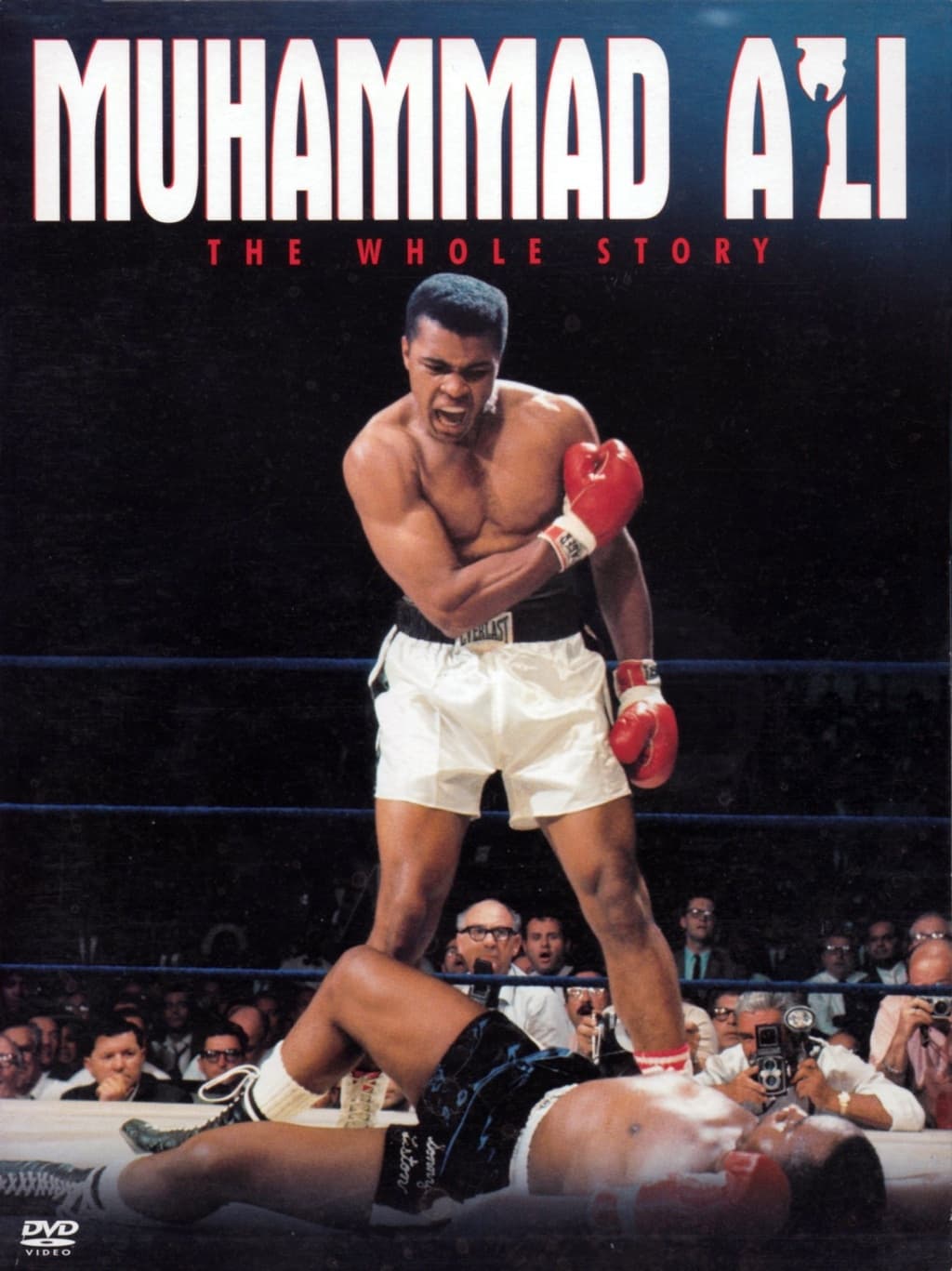
Muhammad Ali. He is known as the most thrilling athlete of all time... he is known as The Greatest. The remarkable story of how he became one of the most loved, hated, intriguing, and controversial figures in American history is brought to life in the 6-hour series, Muhammad Ali: The Whole Story. Episode 1: Olympic Gold. Episode 2: The Youngest Heavyweight Champion. Episode. 3: Exile. Episode 4: The Road Back. Episode 5: The Rumble In The Jungle Episode. 6: The Thrilla In Manila.
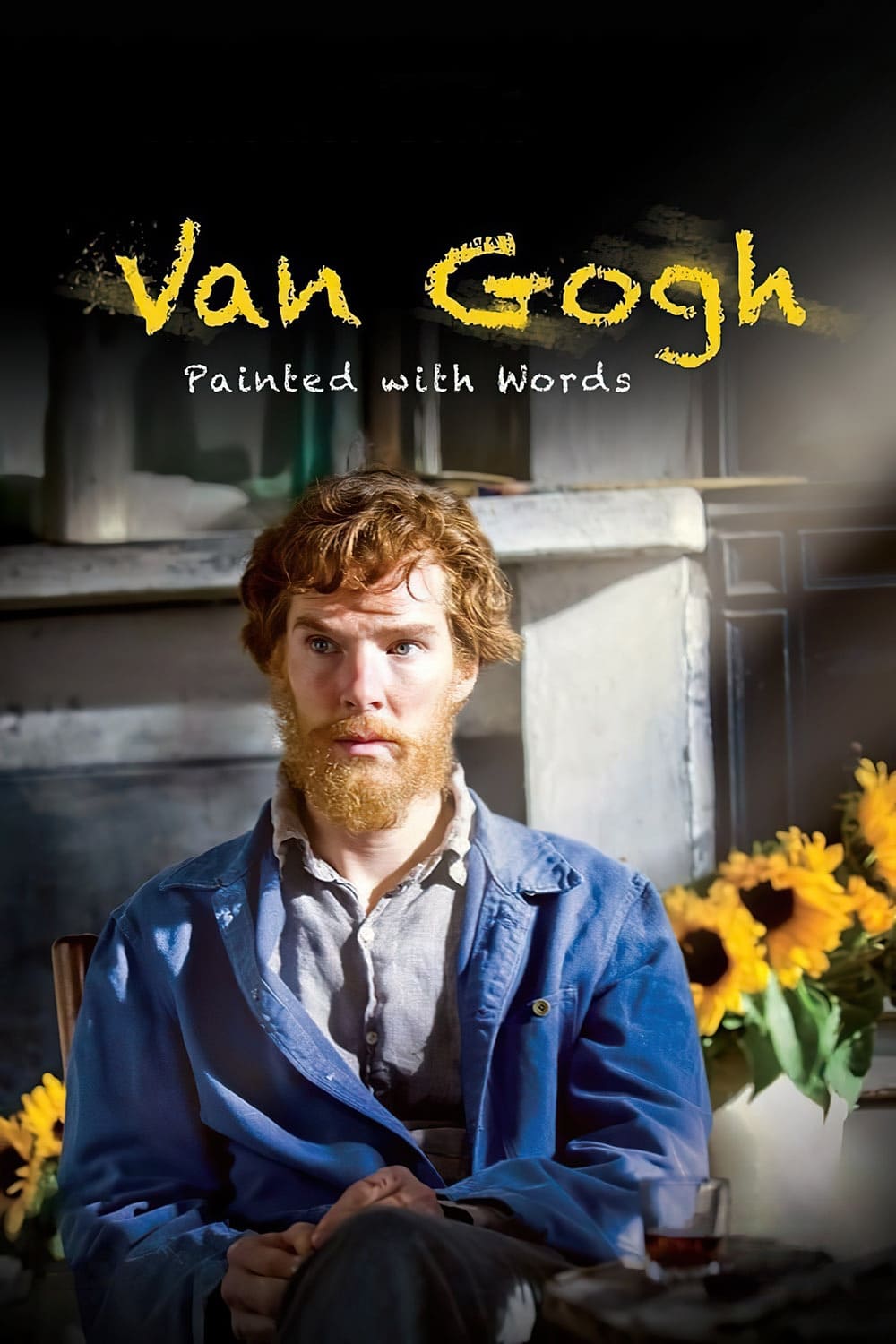
A drama-documentary presented by Alan Yentob, with Benedict Cumberbatch in the lead role. Every word spoken by the actors in this film is sourced from the letters that Van Gogh sent to his younger brother Theo, and of those around him. What emerges is a complex portrait of a sophisticated, civilised and yet tormented man.
The odyssey of Senegalese friends who attempt a life-threatening boat crossing.
In this genre-bending tale, Errol Morris explores the mysterious death of a U.S. scientist entangled in a secret Cold War program known as MK-Ultra.
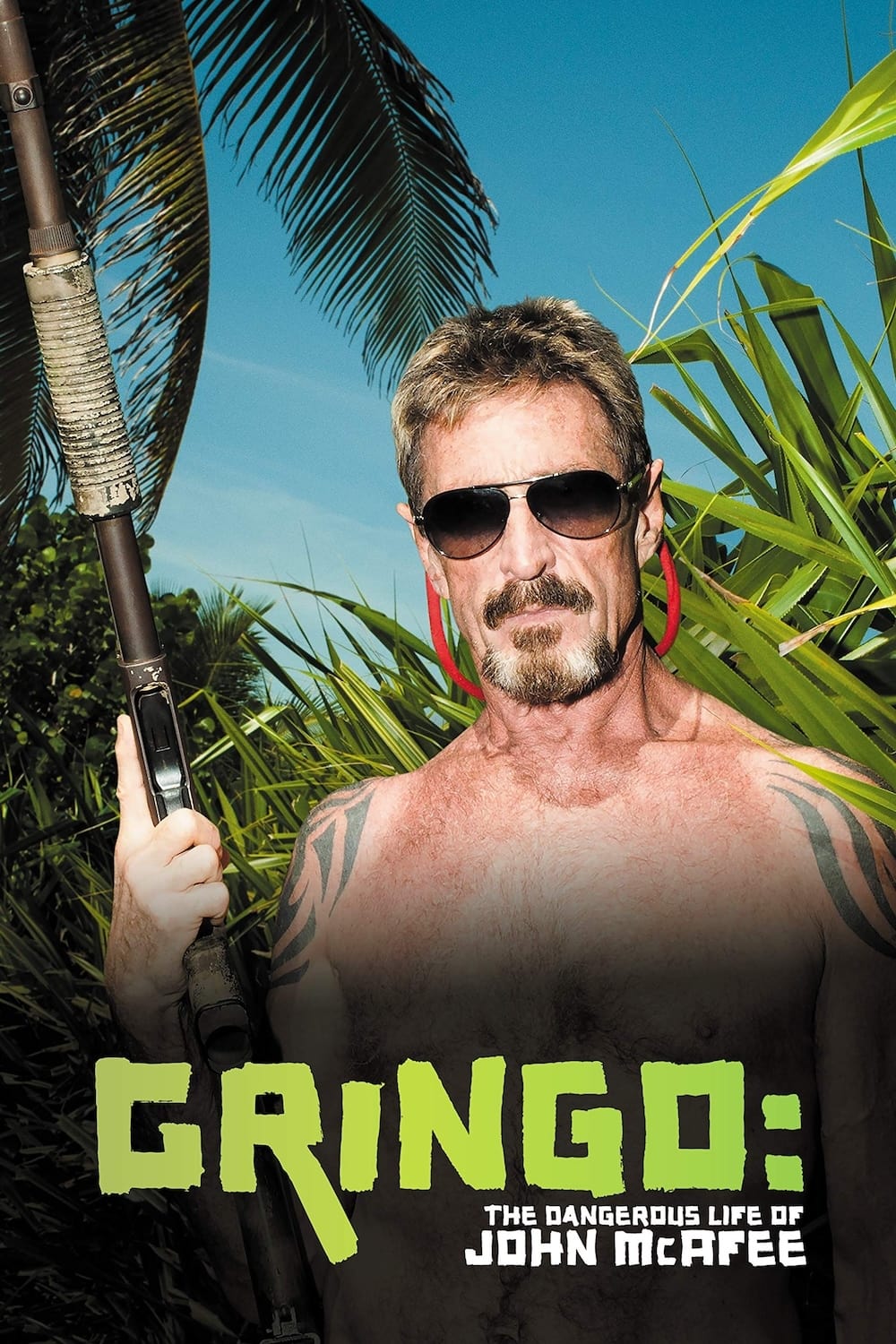
The strange story of John McAfee, who went from millionaire software mogul to yogi, Kurtz-like jungle recluse to potential murderer, and most recently a prospective presidential candidate for the American Libertarian Party.
Centres on Canadian animator Ryan Larkin, who in later years lived on skid row in Montreal following a history of drug and alcohol abuse.
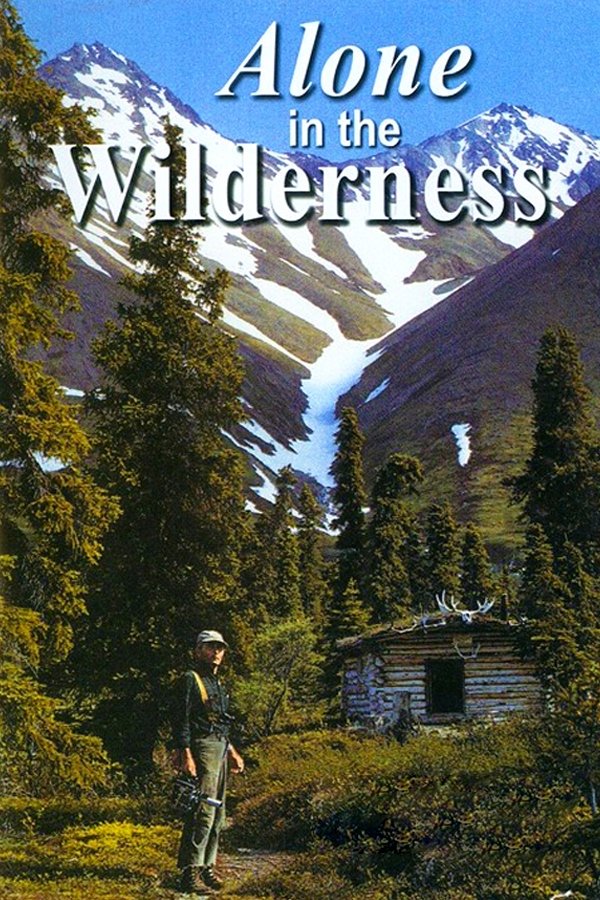
Dick Proenneke retired at age 50 in 1967 and decided to build his own cabin in the wilderness at the base of the Aleutian Peninsula, in what is now Lake Clark National Park. Using color footage he shot himself, Proenneke traces how he came to this remote area, selected a homestead site and built his log cabin completely by himself. The documentary covers his first year in-country, showing his day-to-day activities and the passing of the seasons as he sought to scratch out a living alone in the wilderness.
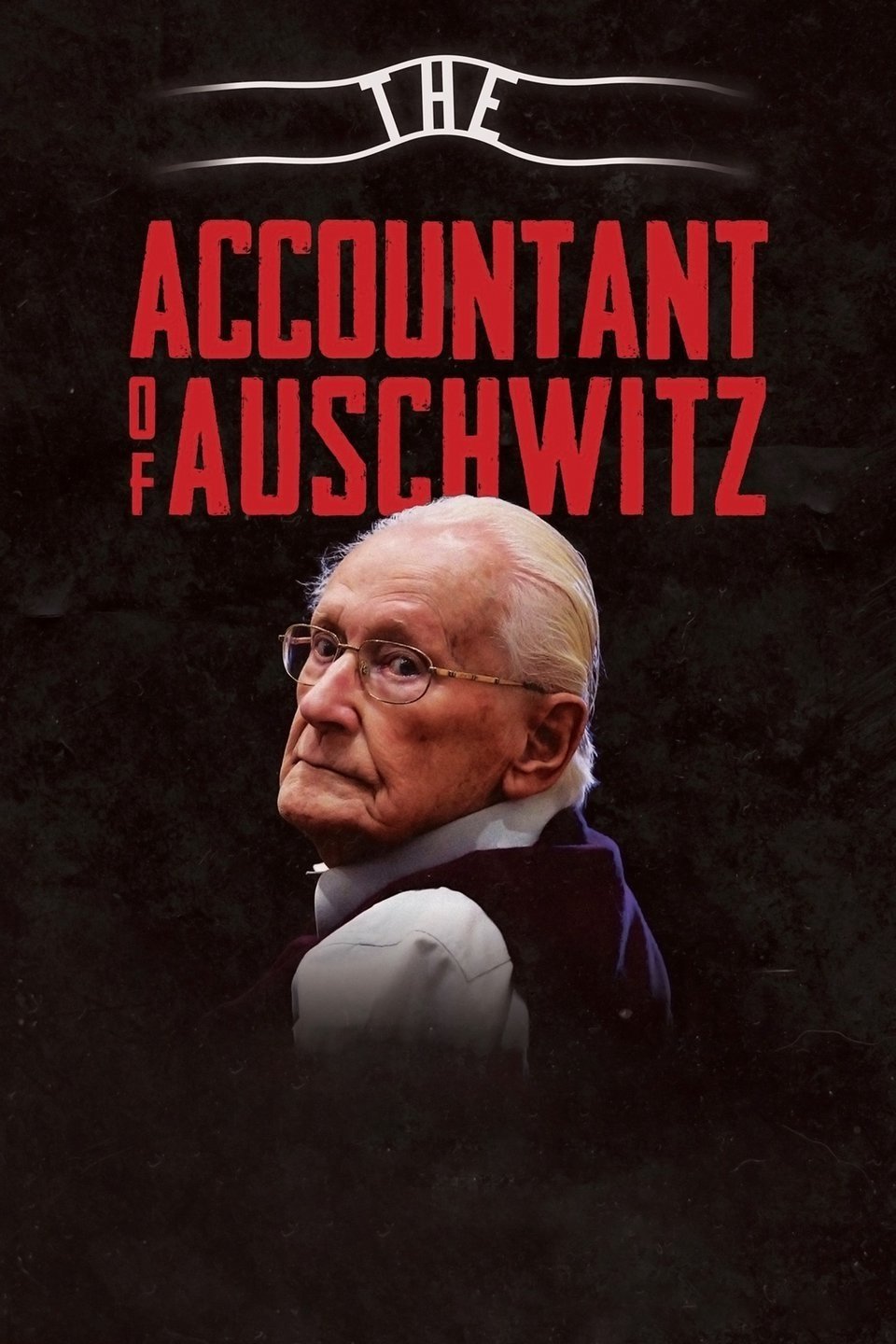
Oskar Gröning, known as the "Accountant of Auschwitz," was charged with the murder of 300,000 Jews. When he took the stand in 2015, at the age of 94, his trial made headlines worldwide.
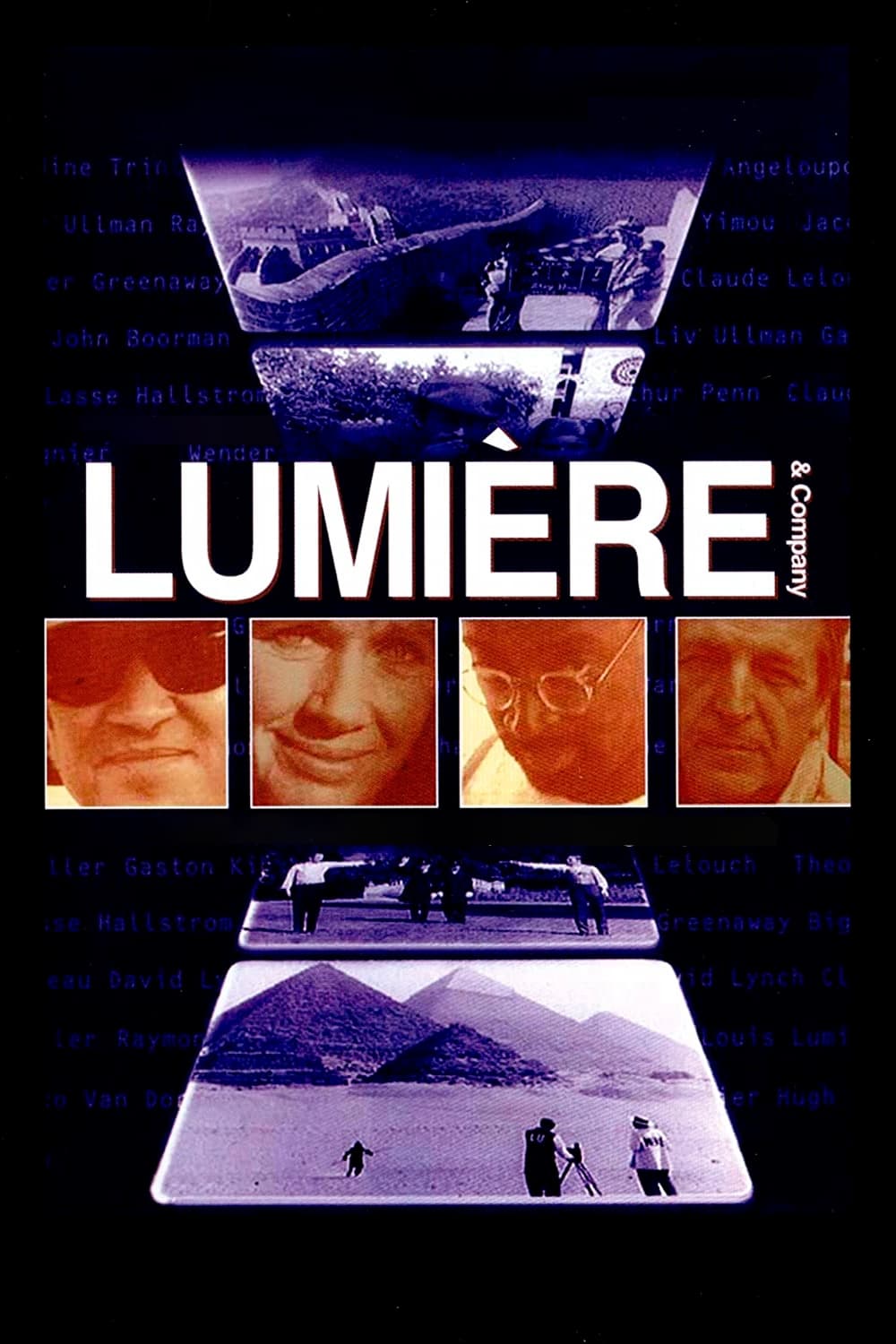
40 international directors were asked to make a short film using the original Cinematographe invented by the Lumière Brothers, working under conditions similar to those of 1895. There were three rules: (1) The film could be no longer than 52 seconds, (2) no synchronized sound was permitted, and (3) no more than three takes.
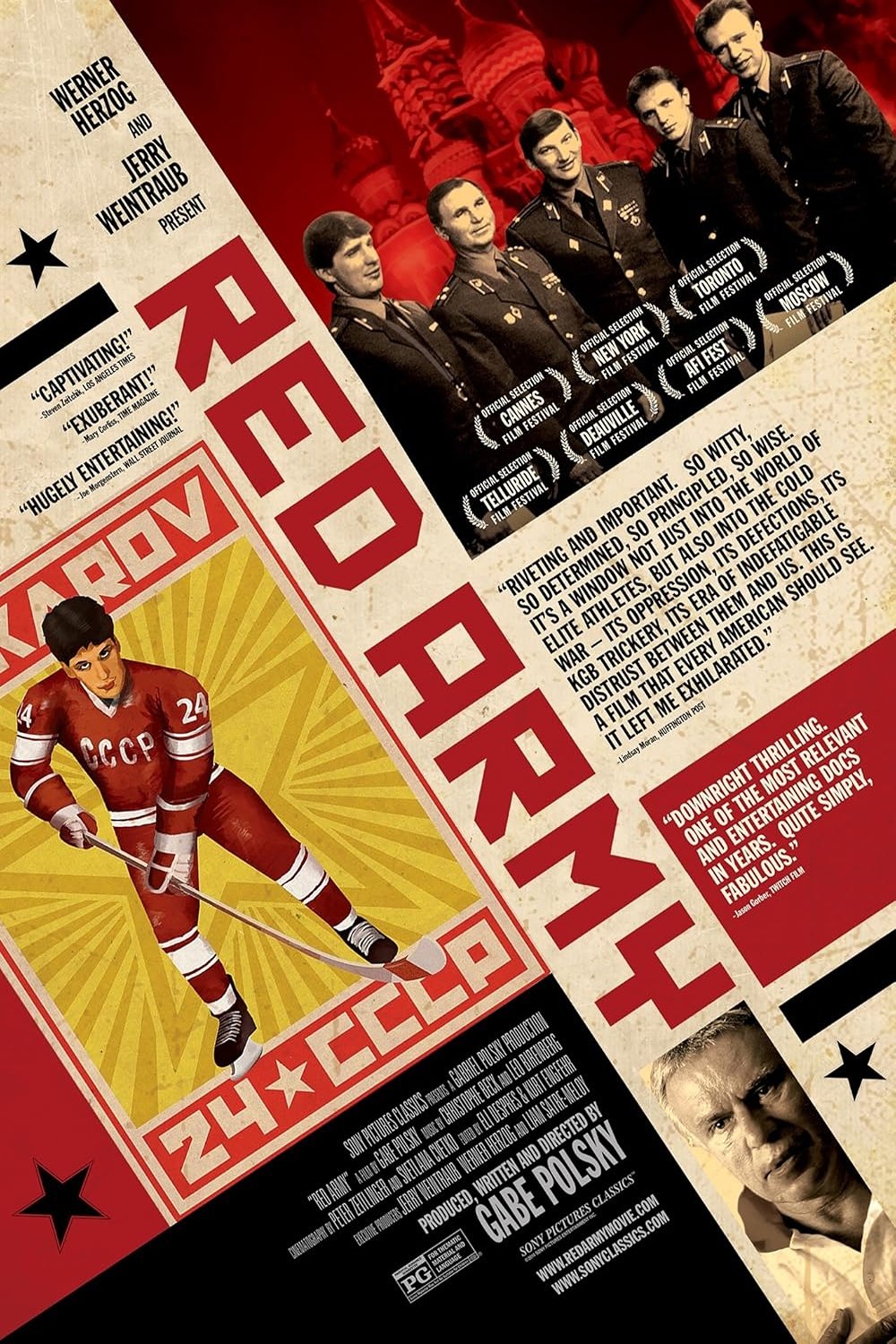
A documentary highlighting the Soviet Union's legendary and enigmatic hockey training culture and world-dominating team through the eyes of the team's Captain Slava Fetisov, following his shift from hockey star and celebrated national hero to political enemy.
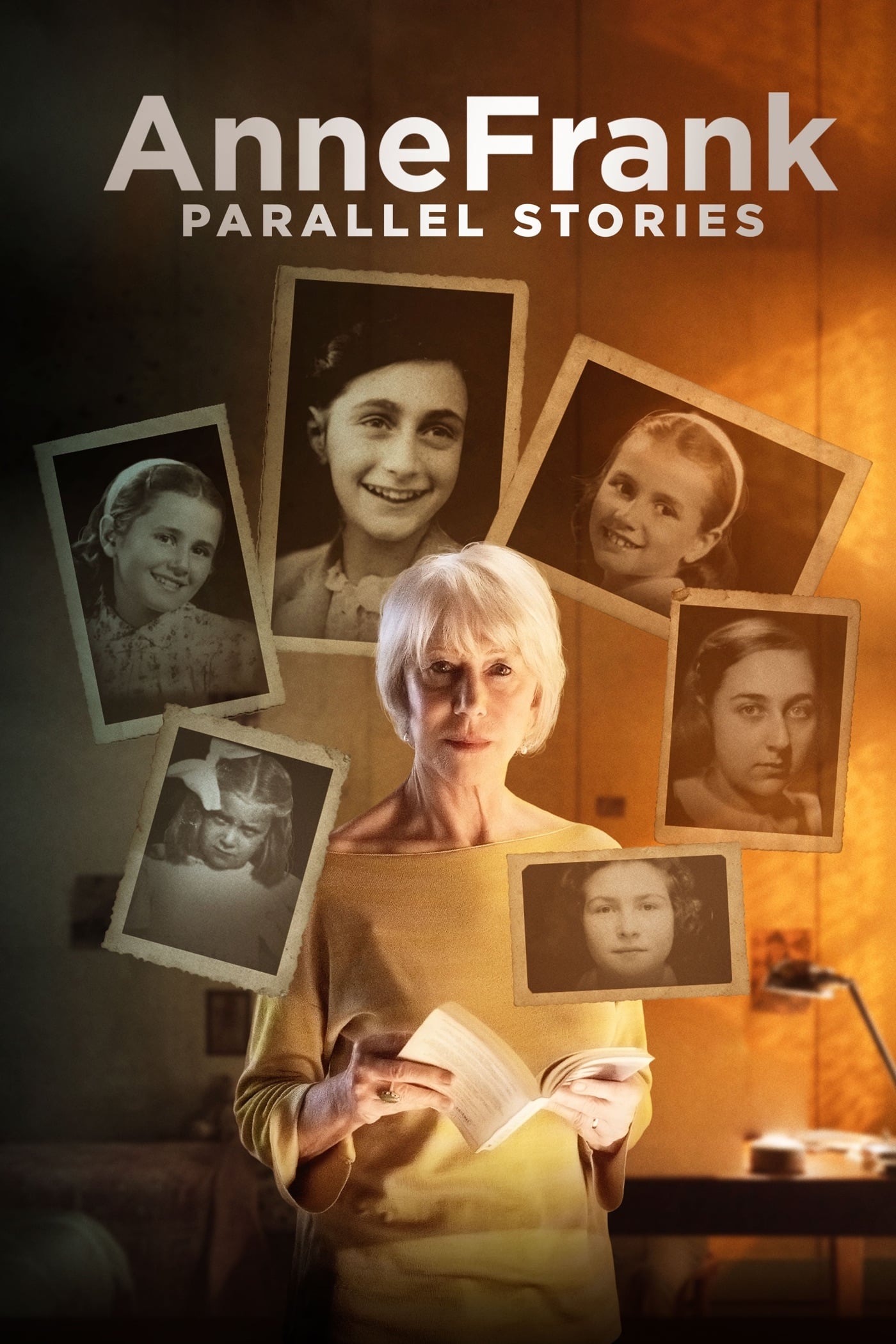
One single Anne Frank moves us more than the countless others who suffered just as she did but whose faces have remained in the shadows-Primo Levi. The Oscar®-winning Helen Mirren will introduce audiences to Anne Frank's story through the words in her diary. The set will be her room in the secret refuge in Amsterdam, reconstructed in every detail by set designers from the Piccolo Theatre in Milan. Anne Frank this year would have been 90 years old. Anne's story is intertwined with that of five Holocaust survivors, teenage girls just like her, with the same ideals, the same desire to live: Arianna Szörenyi, Sarah Lichtsztejn-Montard, Helga Weiss and sisters Andra and Tatiana Bucci. Their testimonies alternate with those of their children and grandchildren.
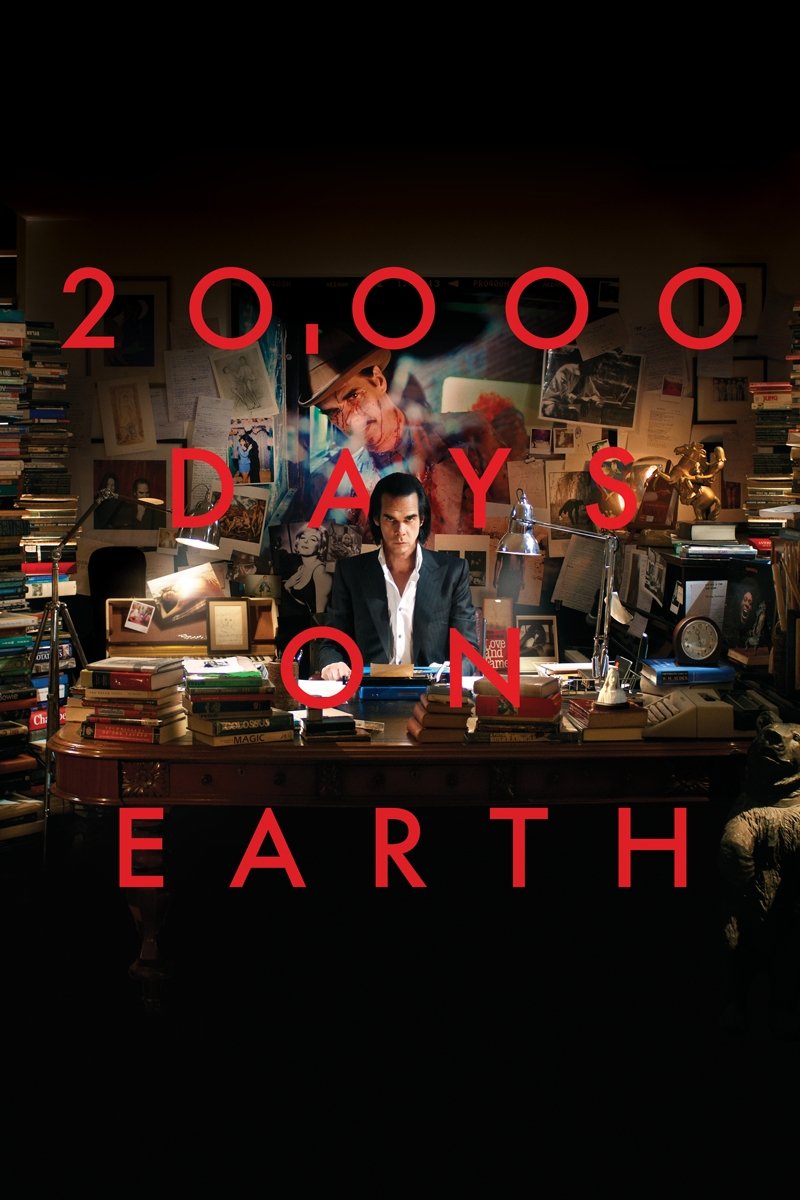
A semi-fictionalized documentary about a day in the life of Australian musician Nick Cave's persona.
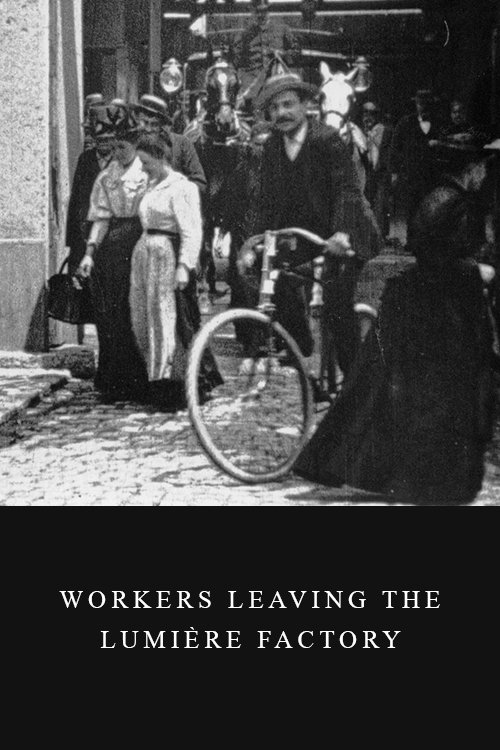
Working men and women leave through the main gate of the Lumière factory in Lyon, France. Filmed on 22 March 1895, it is often referred to as the first real motion picture ever made, although Louis Le Prince's 1888 Roundhay Garden Scene pre-dated it by seven years. Three separate versions of this film exist, which differ from one another in numerous ways. The first version features a carriage drawn by one horse, while in the second version the carriage is drawn by two horses, and there is no carriage at all in the third version. The clothing style is also different between the three versions, demonstrating the different seasons in which each was filmed. This film was made in the 35 mm format with an aspect ratio of 1.33:1, and at a speed of 16 frames per second. At that rate, the 17 meters of film length provided a duration of 46 seconds, holding a total of 800 frames.
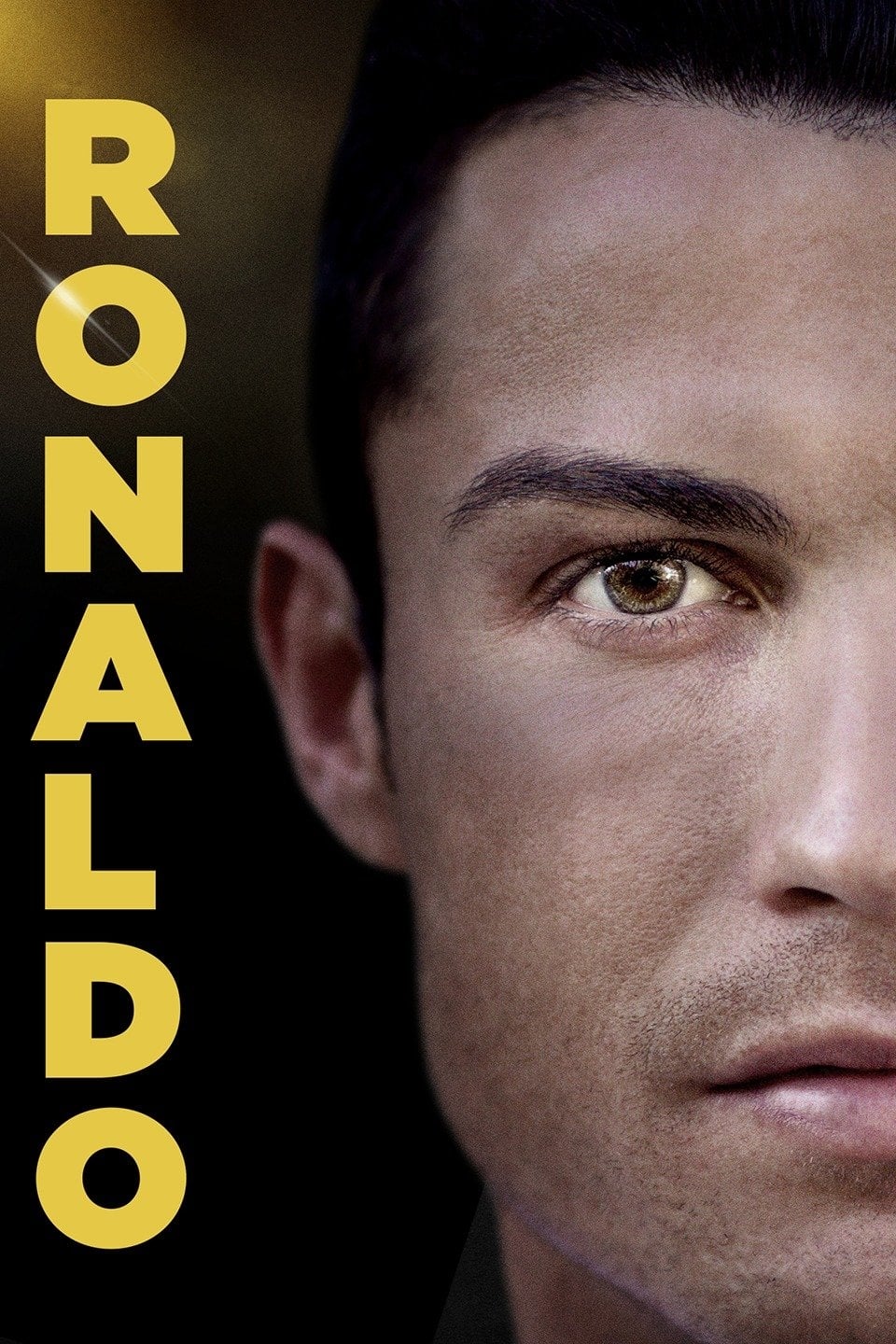
Filmed over 14 months with unprecedented access into the inner circle of the man and the sport, this is the first official and fully authorised film of one of the most celebrated figures in football. For the first time ever, the world gets vividly candid and un-paralleled, behind-closed-doors access to the footballer, father, family-man and friend in this moving & fascinating documentary. Through in-depth conversations, state of the art football footage and never before seen archival footage, the film gives an astonishing insight into the sporting and personal life of triple Ballon D'Or winner Cristiano Ronaldo at the peak of his career. From the makers of ‘Senna’ and ‘Amy’, Ronaldo takes audiences on an intimate and revealing journey of what it’s like to live as an iconic athlete in the eye of the storm.
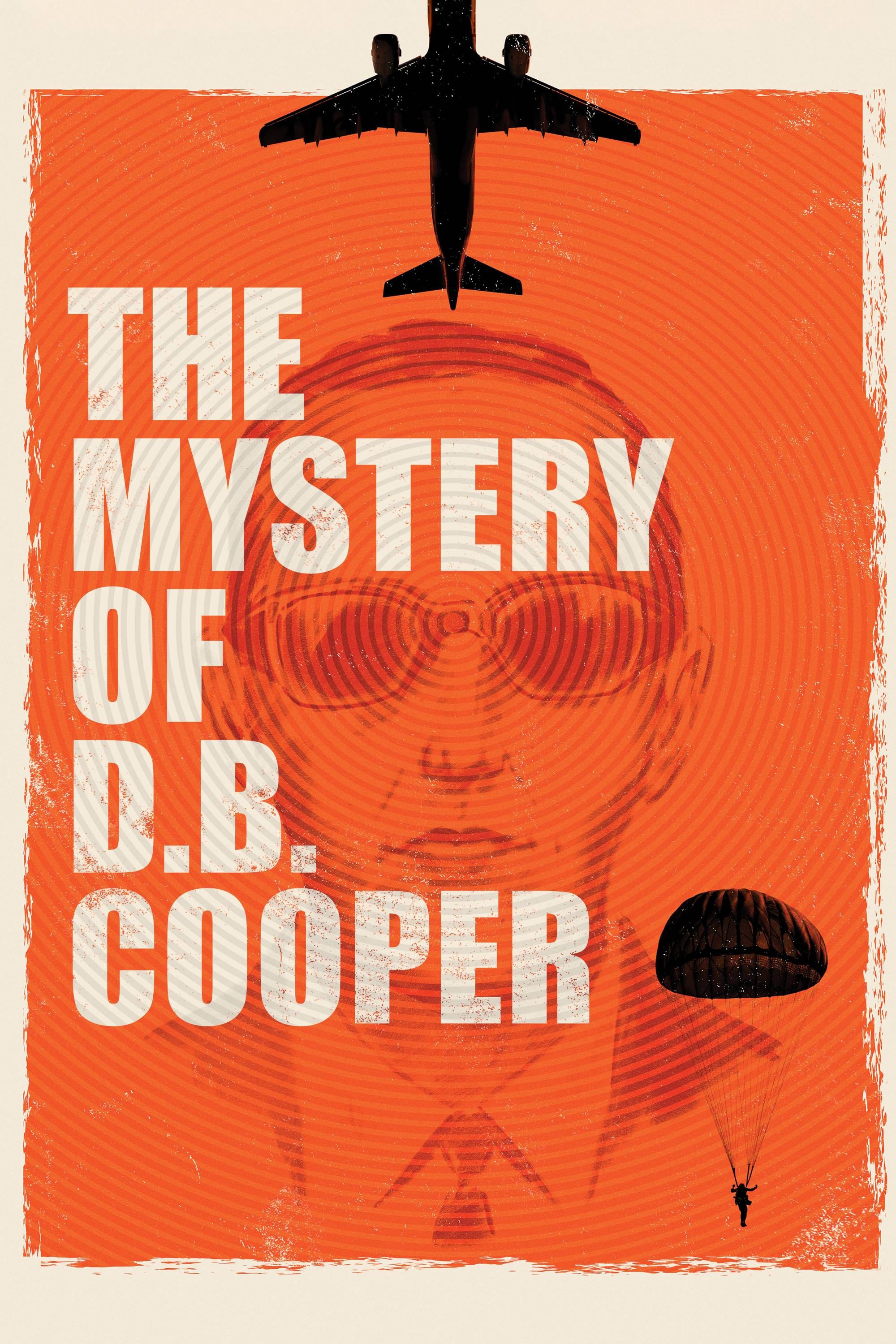
This documentary brings to life the stories of four people believed by their family and friends to be “DB Cooper,” a man who hijacked a 727 flying out of Seattle and jumped from the plane over the wilds of Washington State with a parachute and $200,000, never to be heard from again.
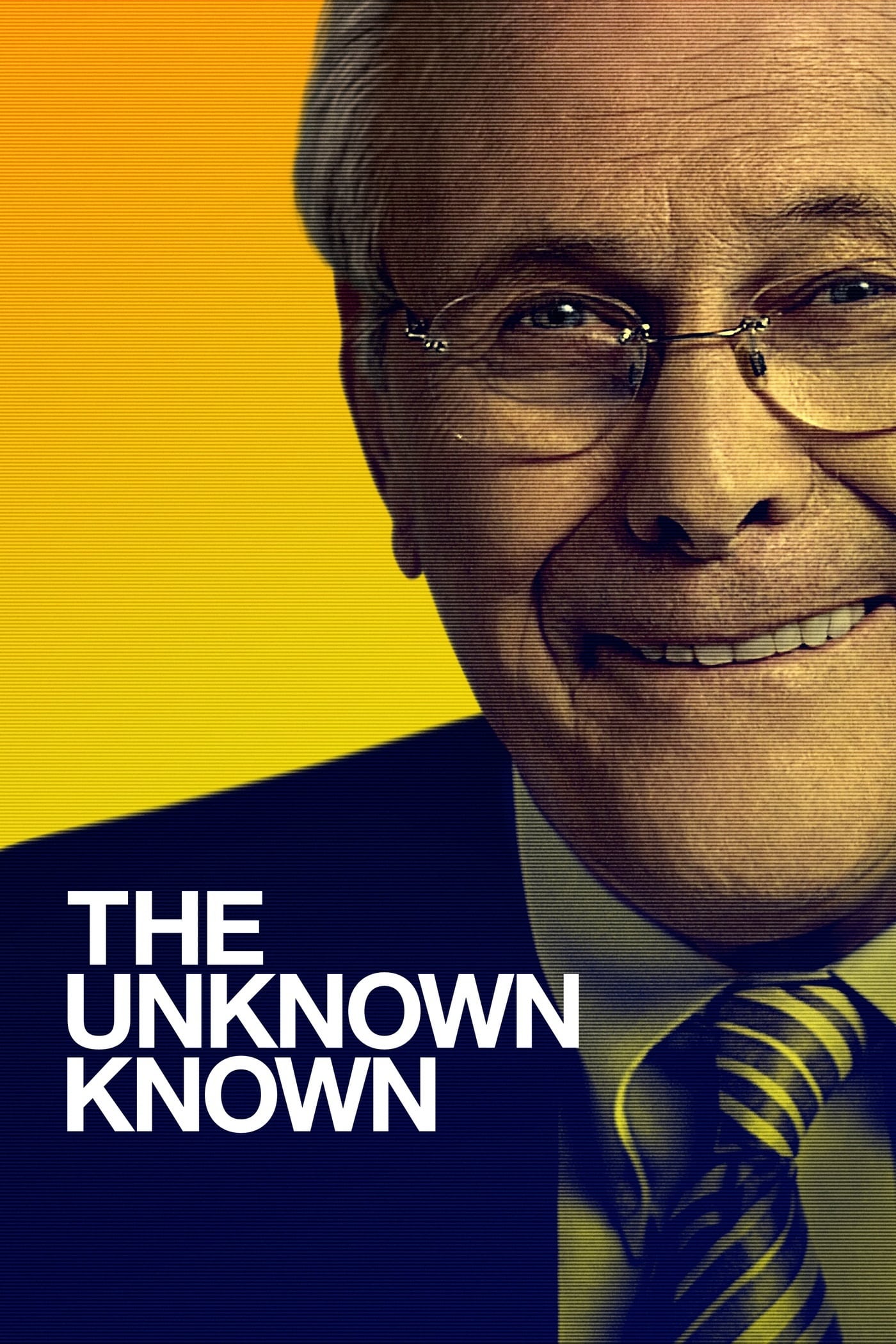
Former United States Secretary of Defense, Donald Rumsfeld, discusses his career in Washington D.C. from his days as a congressman in the early 1960s to planning the invasion of Iraq in 2003.
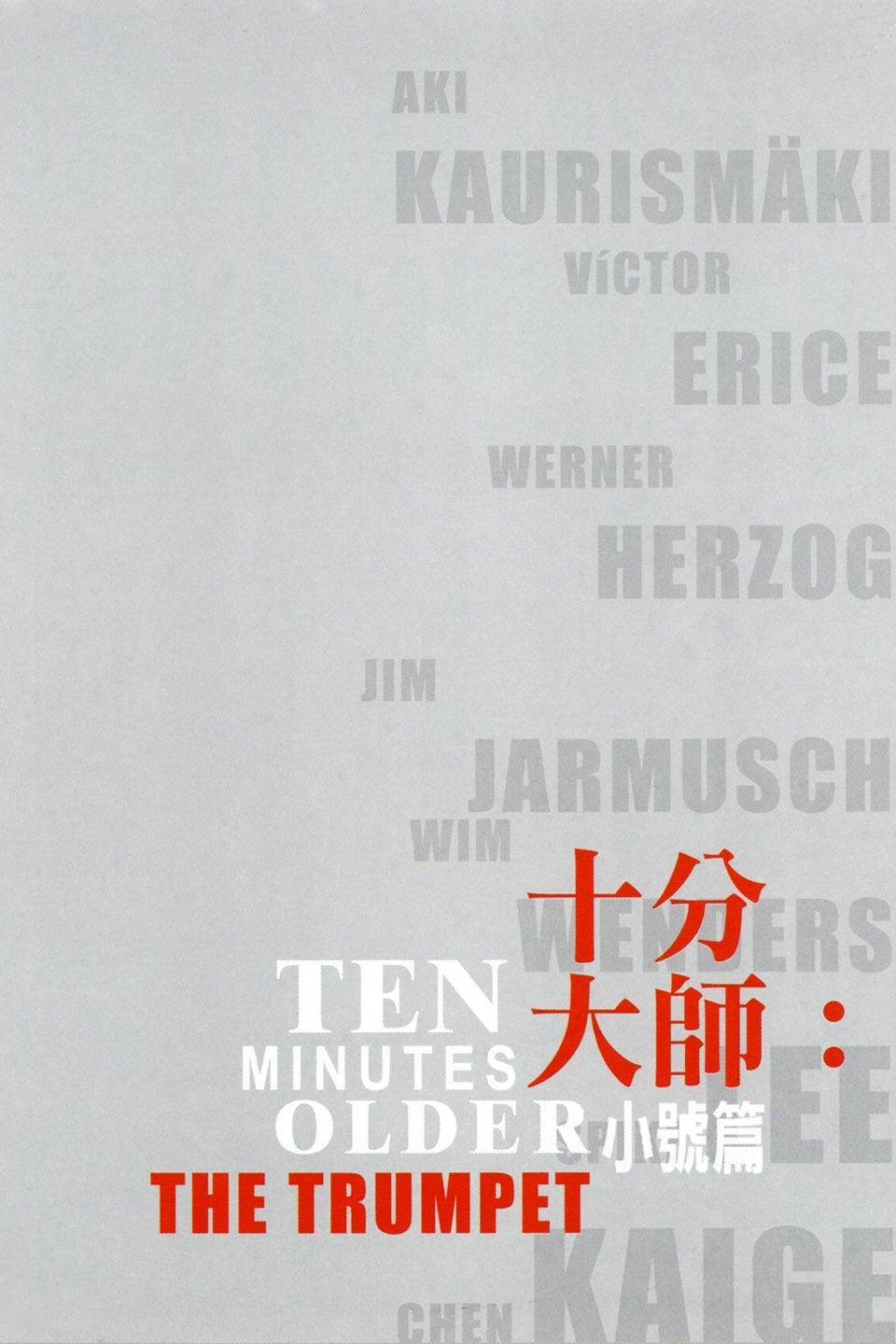
Ten Minutes Older is a 2002 film project consisting of two compilation feature films entitled The Trumpet and The Cello. The project was conceived by the producer Nicolas McClintock as a reflection on the theme of time at the turn of the Millennium. Fifteen celebrated film-makers were invited to create their own vision of what time means in ten minutes of film.
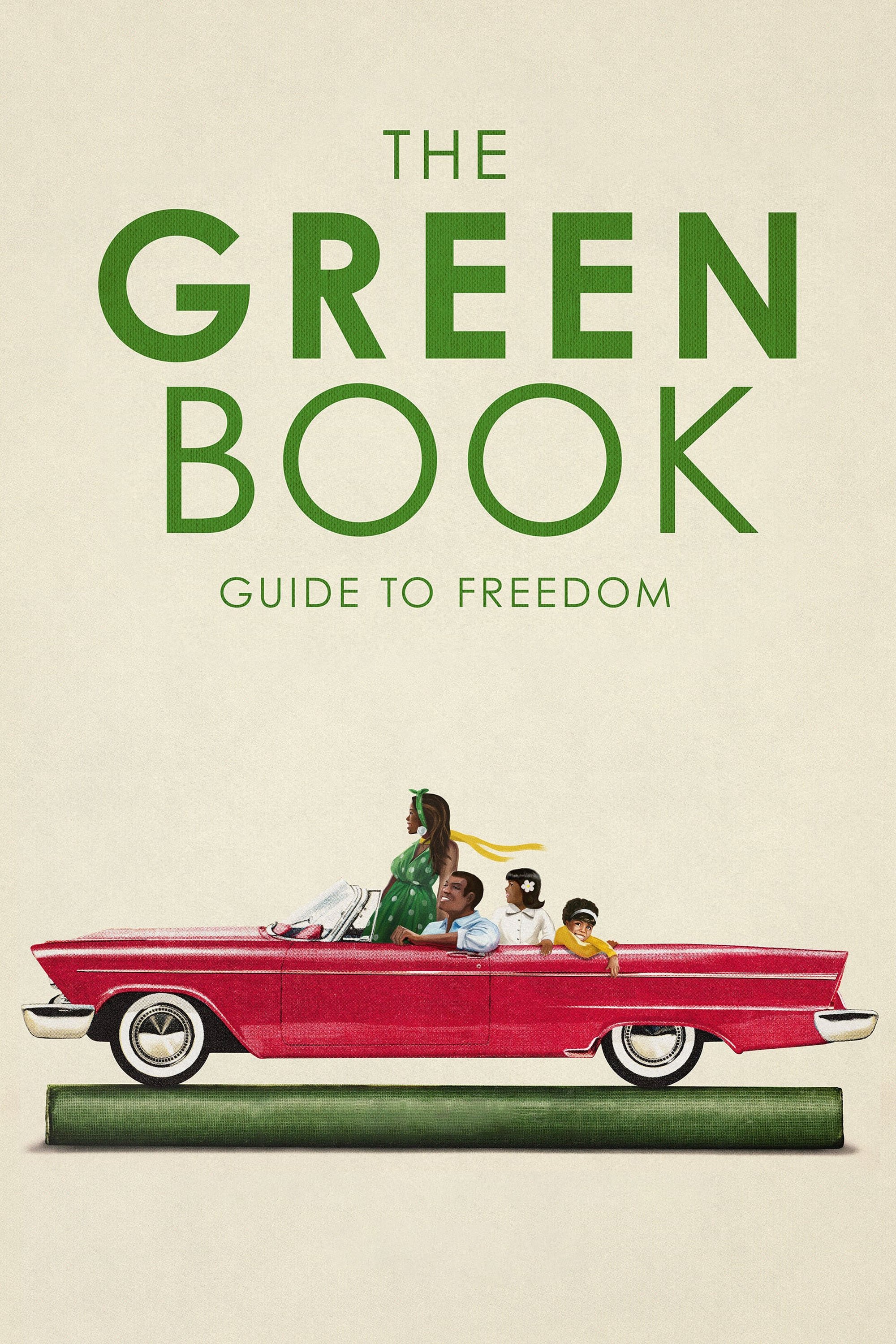
In 1936, Victor H. Green (1892-1960) published The Negro Motorist Green Book, a book that was both a travel guide and a survival manual, to help African-Americans navigate safe those regions of the United States where segregation and Jim Crow laws were disgracefully applied.
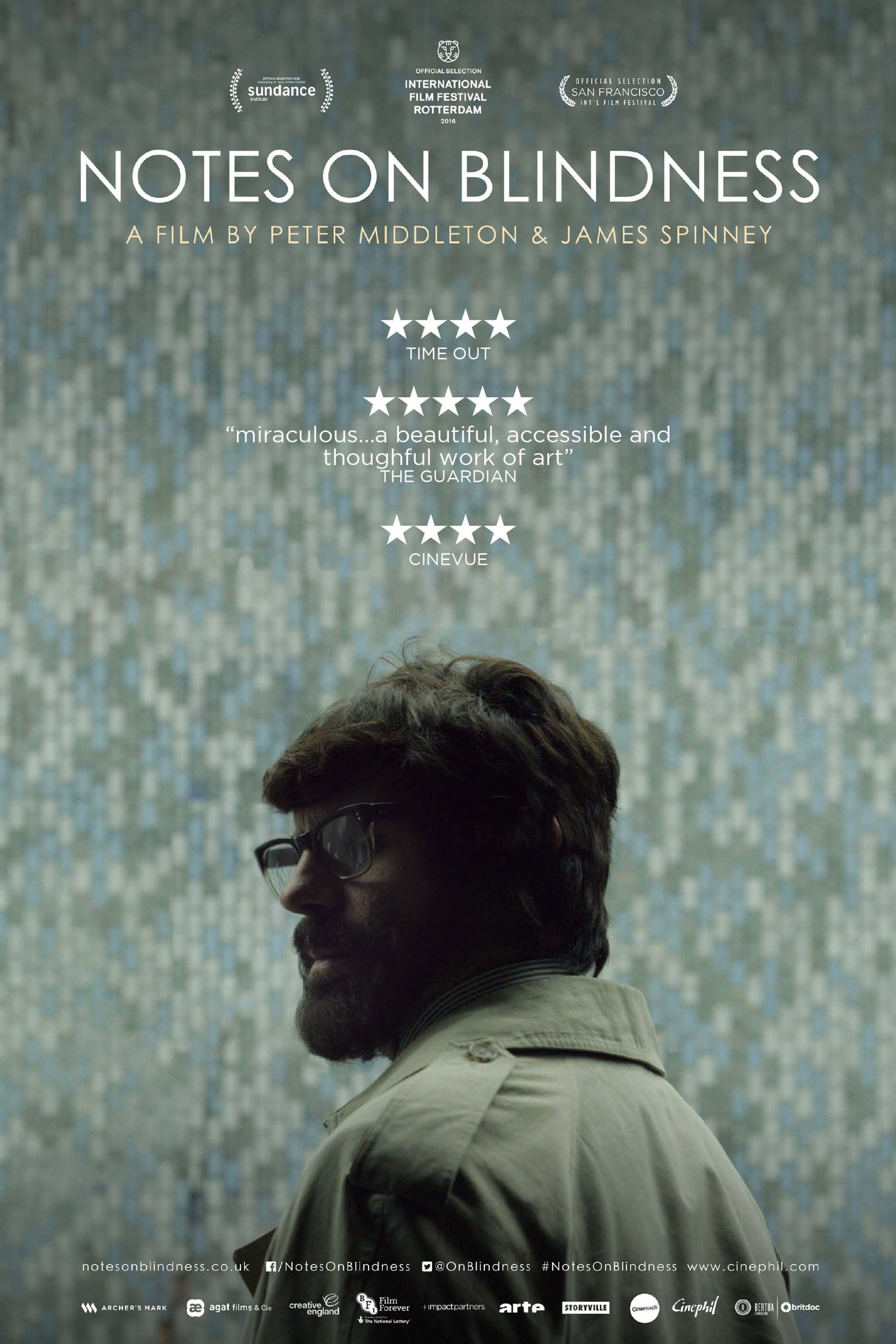
After losing sight in 1983, John Hull began keeping an audio diary, a unique testimony of loss, rebirth and renewal, excavating the interior world of blindness. Following on from the Emmy Award-winning short film of the same name, Notes on Blindness is an ambitious and groundbreaking work, both affecting and innovative.
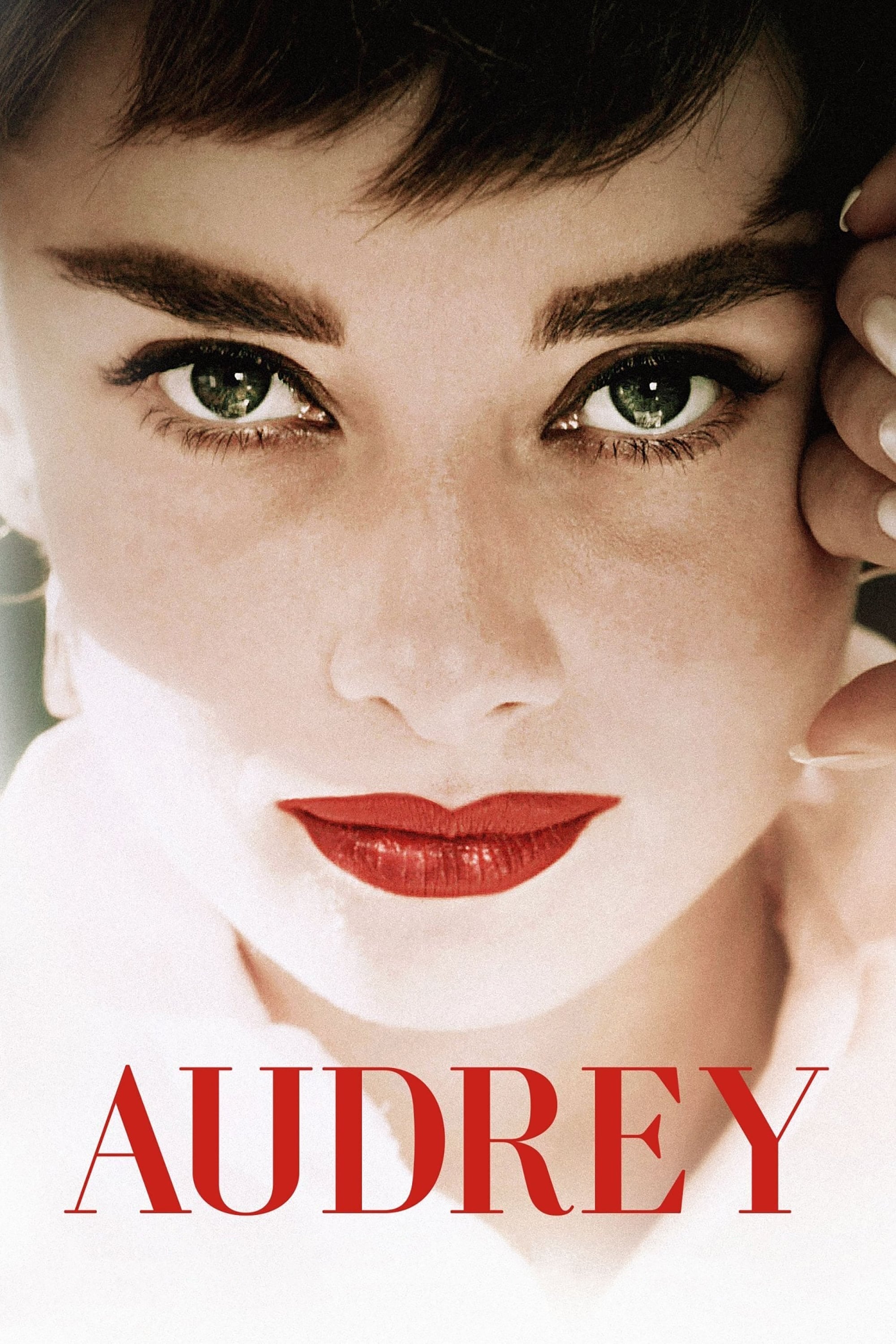
An unprecedented and intimate look at the life, work and enduring legacy of British actress Audrey Hepburn (1929-1993).
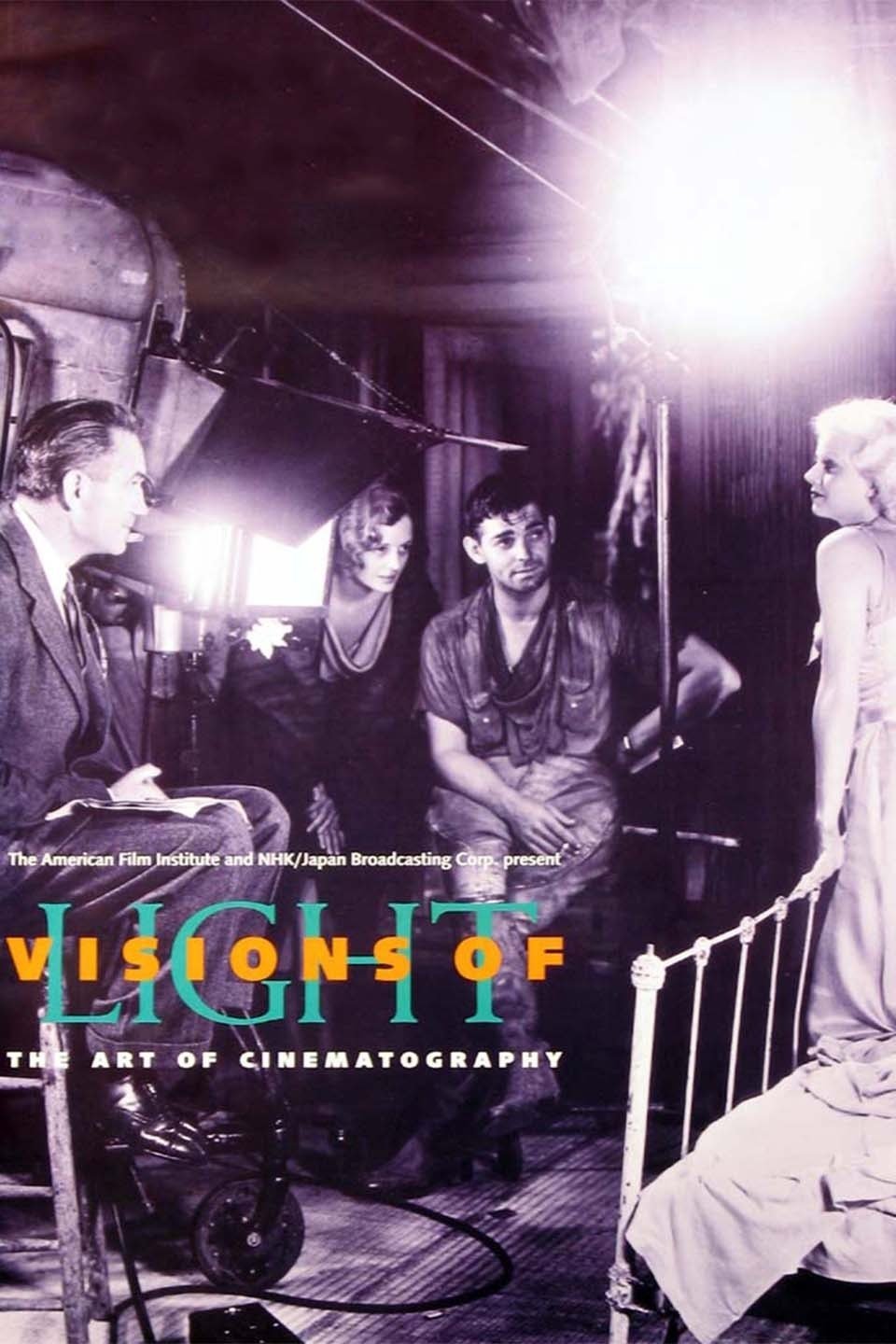
Cameramen and women discuss the craft and art of cinematography and of the "DP" (the director of photography), illustrating their points with clips from 100 films, from Birth of a Nation to Do the Right Thing. Themes: the DP tells people where to look; changes in movies (the arrival of sound, color, and wide screens) required creative responses from DPs; and, these artisans constantly invent new equipment and try new things, with wonderful results. The narration takes us through the identifiable studio styles of the 30s, the emergence of noir, the New York look, and the impact of Europeans. Citizen Kane, The Conformist, and Gordon Willis get special attention.