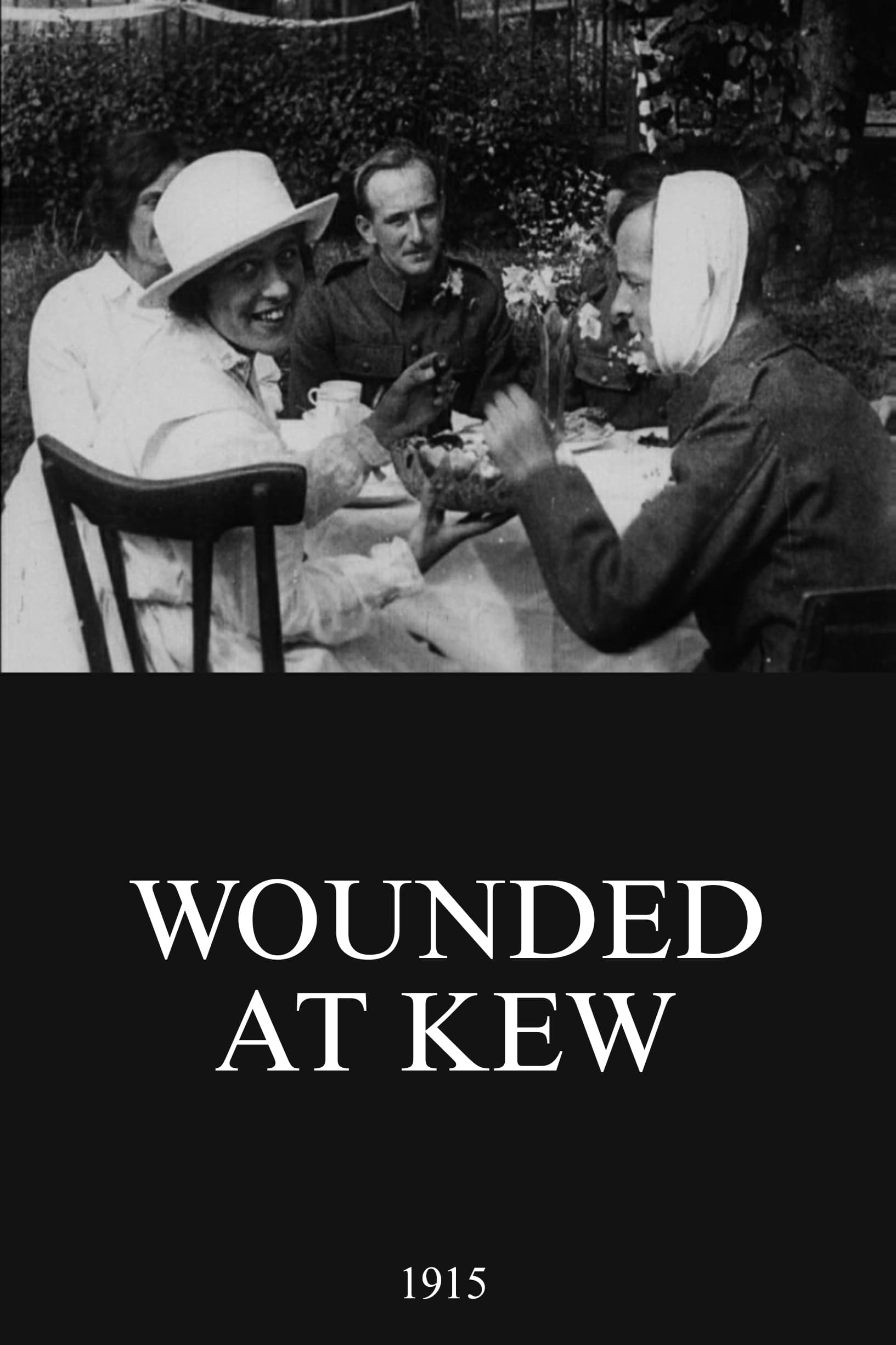
Battered, bandaged and playing croquet on crutches, wounded First World War soldiers get a break from the Western Front.
Social & External
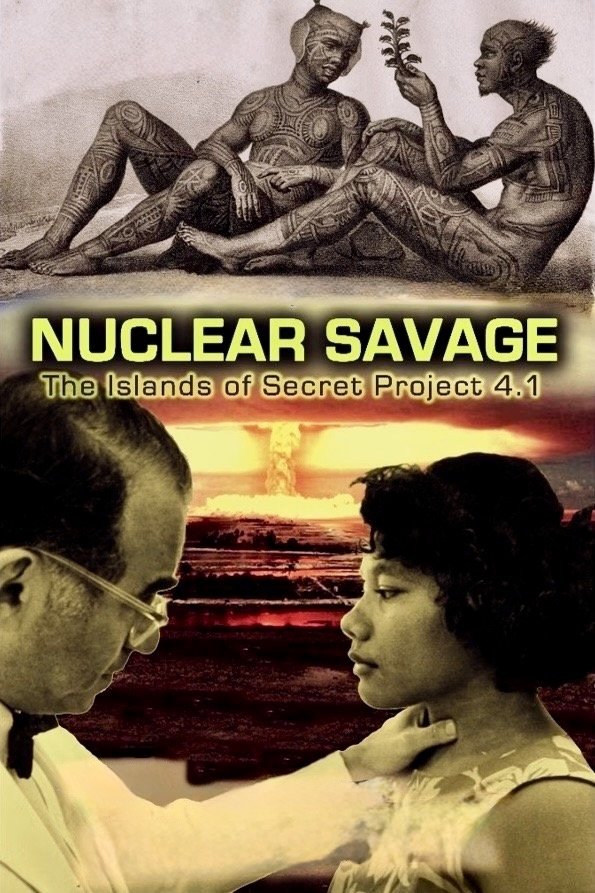
A shocking political exposé, and an intimate ethnographic portrait of Pacific Islanders struggling for survival, dignity, and justice after decades of top-secret human radiation experiments conducted on them by the U.S. government.
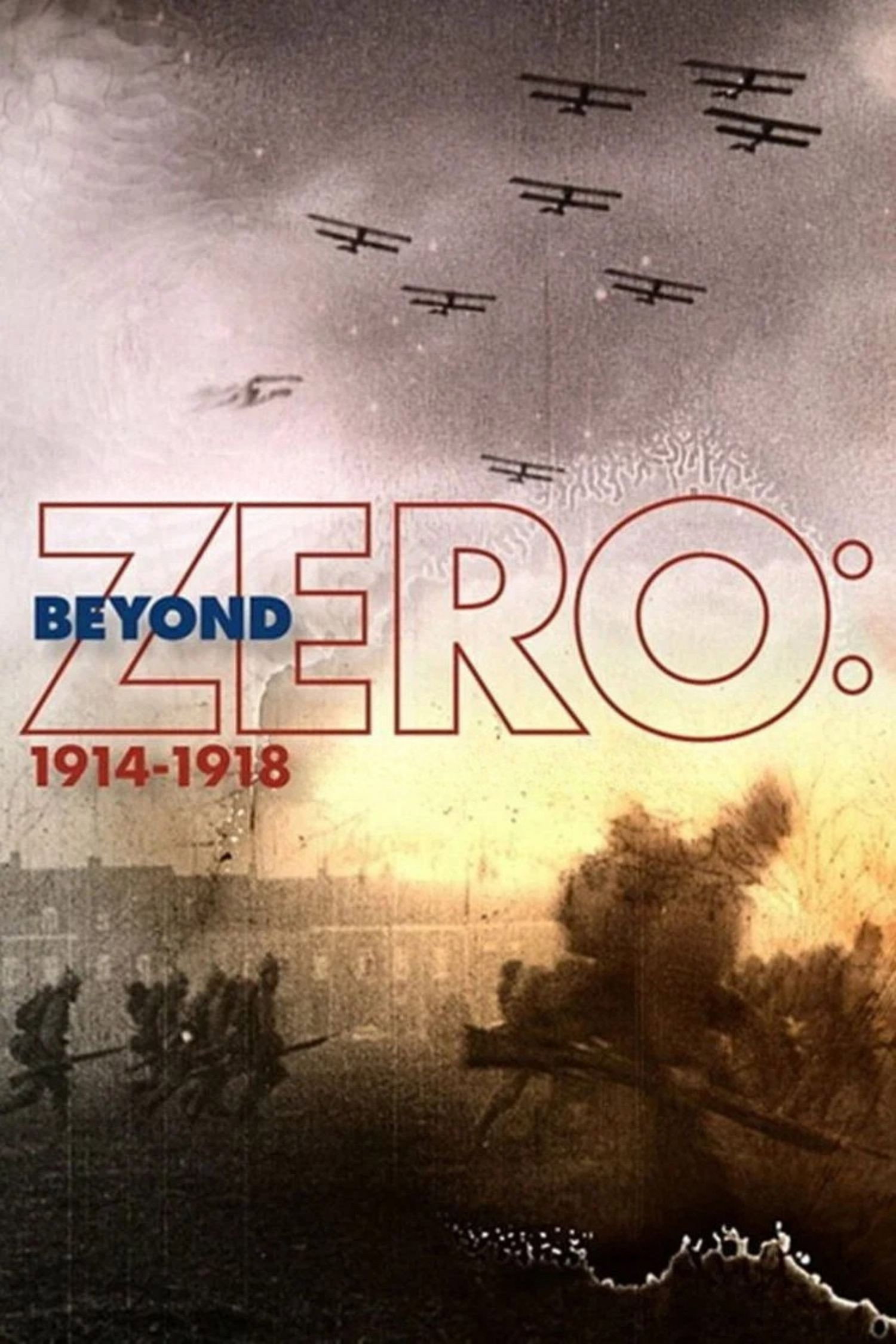
A response in music and film to the conflict that launched a century of war, and a celebration of the power of art to keep us sane and offer us comfort. Beyond Zero: 1914-1918 brings together three of the world's most pioneering artists: the Kronos Quartet, known for decades for their trailblazing performances and collaborations; acclaimed Serbian composer Aleksandra Vrebalov; and filmmaker Bill Morrison, respected for his work with rare and even partially destroyed archive images.
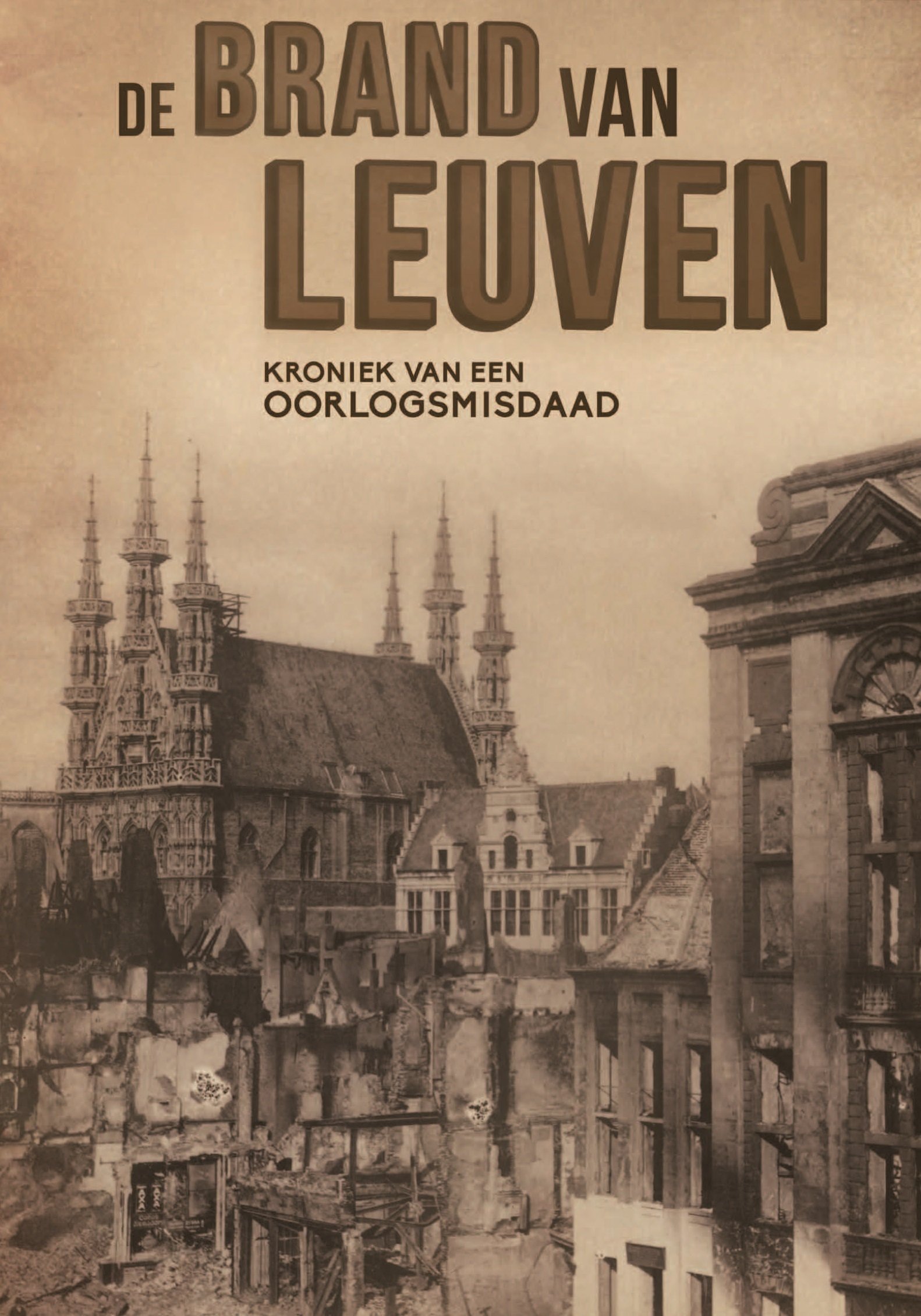
At the end of August 1914 Leuven became the victim of blind rage war. Virtually the entire city center was systematically destroyed by the Germans. War journalist Rudi Vranckx explains what happened.
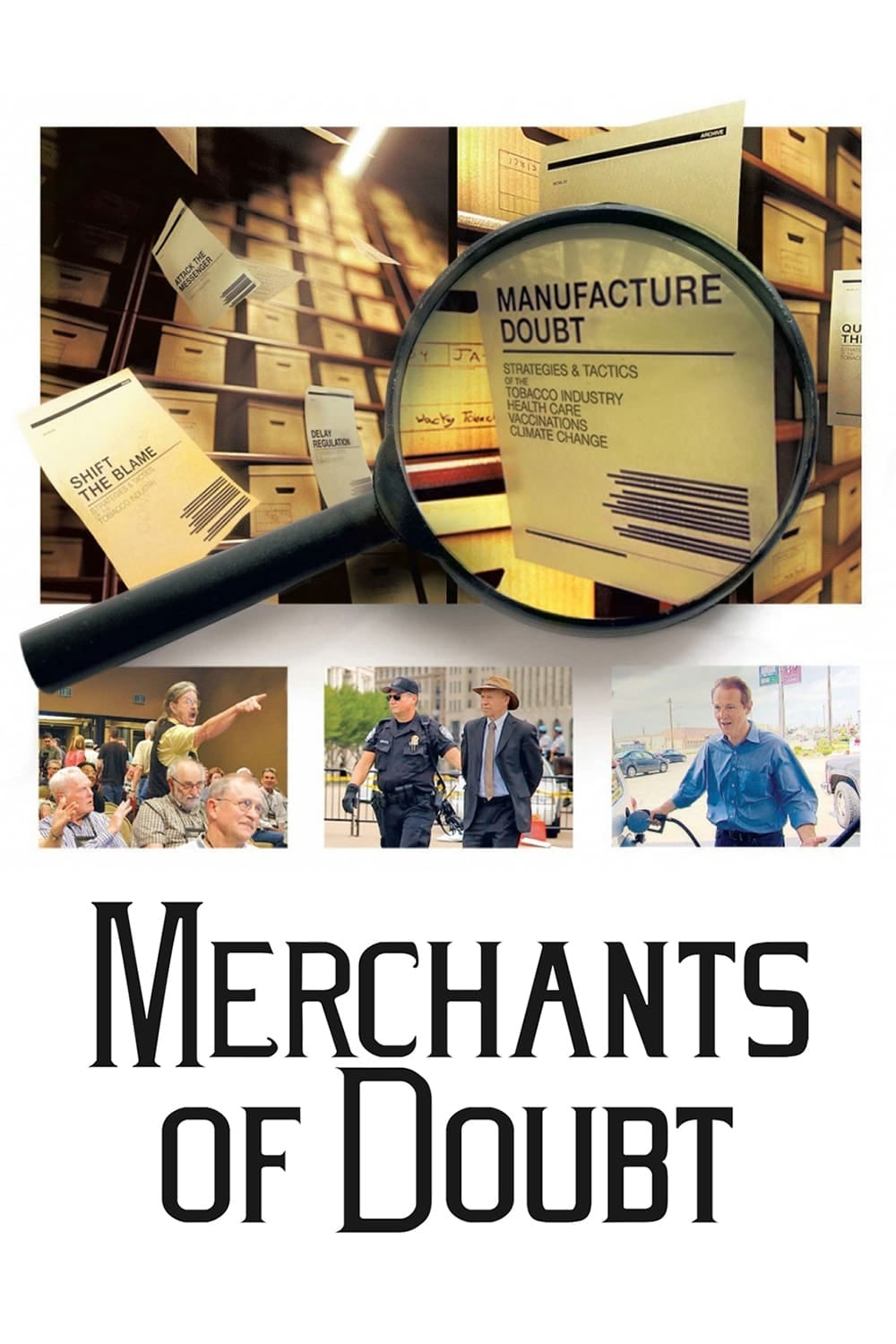
Spin doctors spread misinformation and confusion among American citizens to delay progress on such important issues as global climate change.
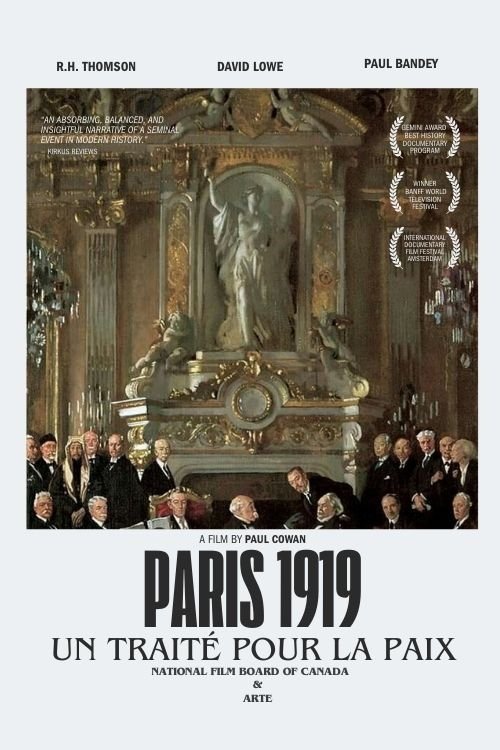
The last shots had been fired in the First World War — but peace had yet to be made. Inspired by Margaret MacMillan’s acclaimed work of popular history, Paris 1919 takes us inside the most ambitious peace talks in history, revisiting the event with a vivid sense of narrative. Evoking a pivotal moment when peace seemed possible, director Paul Cowan reflects upon the hard-learned lessons of history.
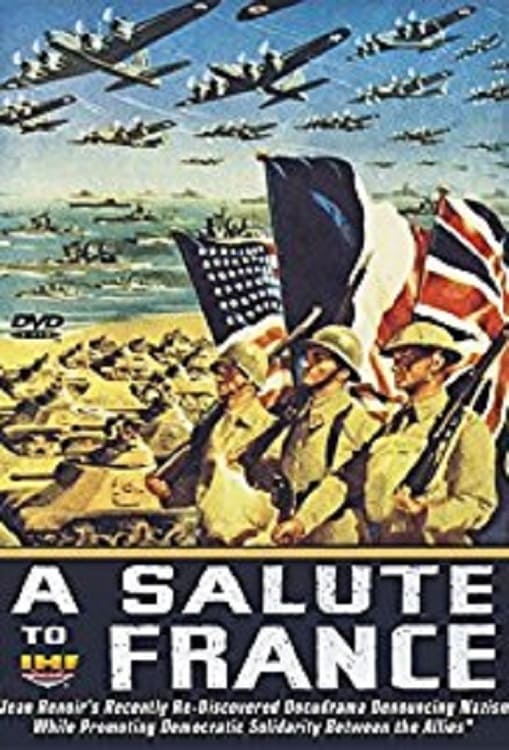
Commissioned to prepare Allied troops for the liberation of Europe, the film uses a blend of staged narratives and historical footage to promote solidarity and dispel the myth that France was a nation of willing collaborators.
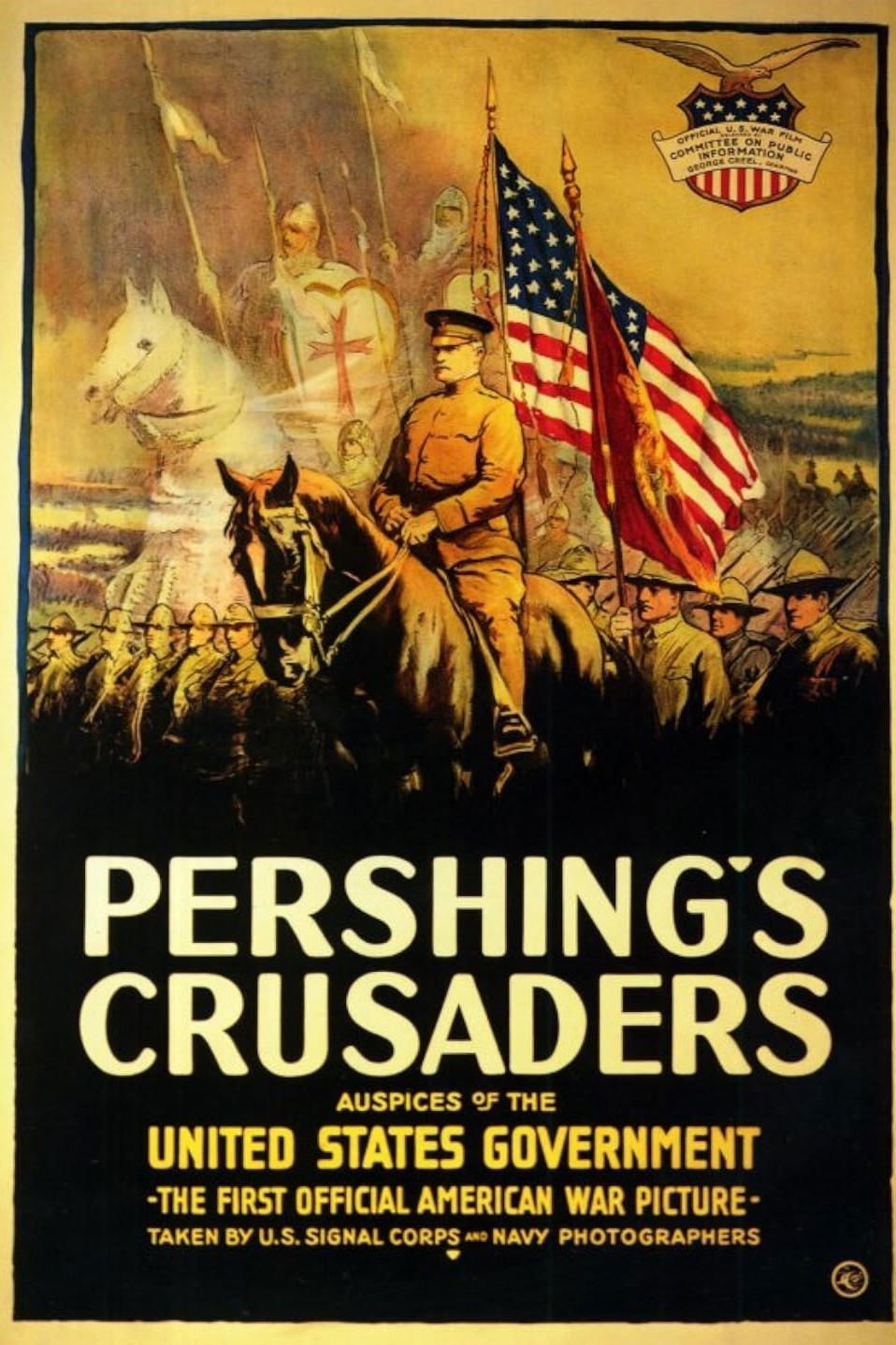
Documentary on American troops in France in the First World War.
Not everything has been told about World War One. This documentary tries to explain how tens of millions of men could have suffered the unbelievable toughness of life in trenches during the 4 year ordeal. How could they have accepted the idea of a sure death or injury while not being able to tell why they were fighting.
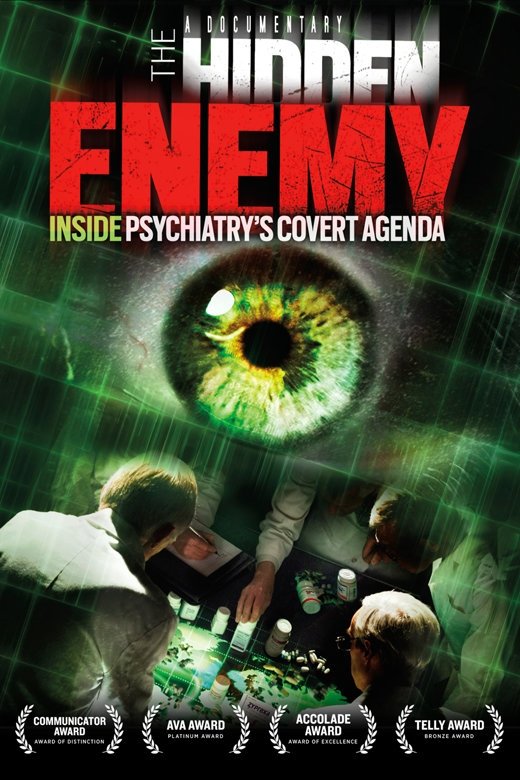
Today, with militaries of the world awash in psychiatry and psychiatric drugs, 23 soldiers and veterans are committing suicide everyday. Psychiatrists say we need more psychiatry. But should we trust them? Or is psychiatry the hidden enemy? Featuring interviews with over 80 soldiers and experts, this penetrating documentary shatters the facade to reveal the real culprit who are destroying our world's militaries from within. The most dangerous enemy is the one you never suspect...
A remarkable examination of the forces behind the Civil Rights Movement in 1960’s America. Drawing parallels between successful communist insurrections in China, Cuba, and Algeria; “Anarchy USA” attempts to convince its audience that revolutionary communism was using the noble fight for civil rights to foment racial tension and overthrow the US government. A treasure trove of rare archival footage from America’s most traumatic period of social upheaval. Featuring Ahmed Ben Bally, Julia Brown, Charles De Gaulle, Martin Luther King.
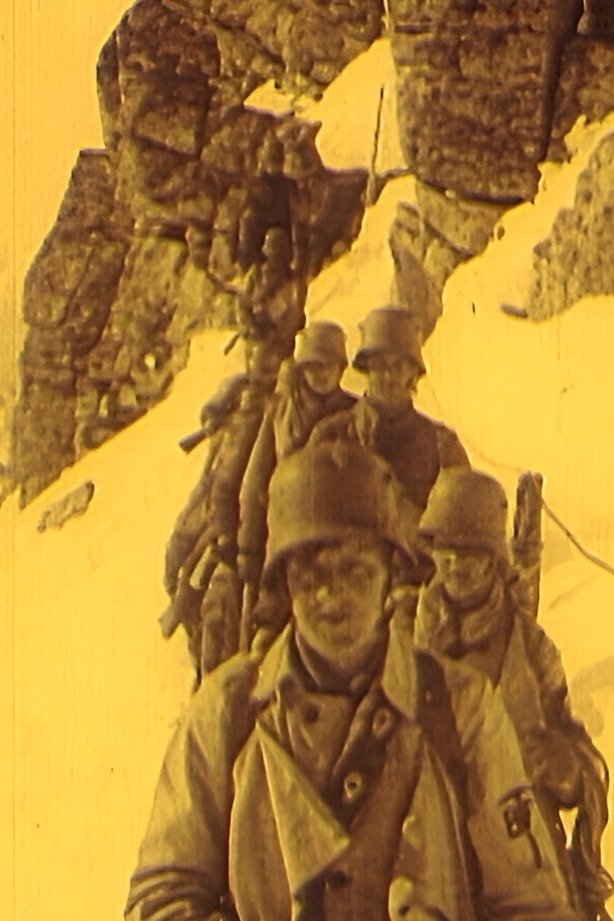
Heroic Struggle in Snow and Ice is a 1917 Austro-Hungarian propaganda newsreel film produced by Sascha-Film for the Imperial and Royal War Press Headquarters. The film is hand-colored and presented in two parts. It depicts the fighting on the Alpine Front between Italy and Austria-Hungary.
A short on the meaning of patriotism and how you can get involved.
Women from the different Spanish regions dress in their traditional costumes to attend the triumphal parade celebrating the victory of Francisco Franco and the rebel side over the Second Republic in 1939; the deeds of past heroes are remembered; and a patriotic poem by Nicaraguan poet Rubén Darío is recited.
"Our Cities Must Fight" is a civil defense film that was produced for the U.S. government to illustrate the importance of not abandoning urban centers during an atomic bombing. The film cautions that doing so would make it easier for the invading "enemy."
Documentary about the process of building tanks in Germany during the early days of World War II.
A documentary chronicling the coming of age of a young chinese man.
Using edited archive footage, mockery is made of Italy's dictator Benito Mussolini.
In 1914 the German Attack on France was based on a later iteration of the plan that Von Schlieffen produced in 1905. The plan was aimed at fighting a war on 2 fronts against Russia and France. Von Molkte changed the plan when he replaced Schlieffen but the essentials were the same. Both plans were based on the following assumptions,Russia would take at least 6 weeks to mobilise,France would be easily defeated in 6 weeks, Belgium would not resist any German attack and Britain would remain neutral.All these assumptions were wrong and the new plan did not work. This film explains in detail why it failed.
On the 31st Oct 1914 the Germans were on the cusp of victory at Ypres. troops of the German 30th and 54th Divisions had broken the line at Geluveldt to the east of Ypres.The German troops were fired with enthusiasm as the Kaiser was said to be watching their action. If they succeeded the way to Ypres and even the coast was open, the BEF would be destroyed. This is the story of the last British reserve the 2nd Worcesters who were ordered to counter attack and drive the Germans out of Geluveld. Their attack was a success and was described by Field Marshall French as the " The Charge that saved the Empire".
In October 1914 as the Battle of the Aisne drew to a close both the Allies and the Germans started to dig in. In an attempt to go back to mobile warfare both sides tried to outflank the other by manoeuvring around their western flank. The Race to the sea had begun. As a result of this movement the BEF moved from just North east of Paris to the Allies western flank in Flanders. This is the story of the BEF's desperate attempts to outflank the Germans and prevent themselves from being outflanked.
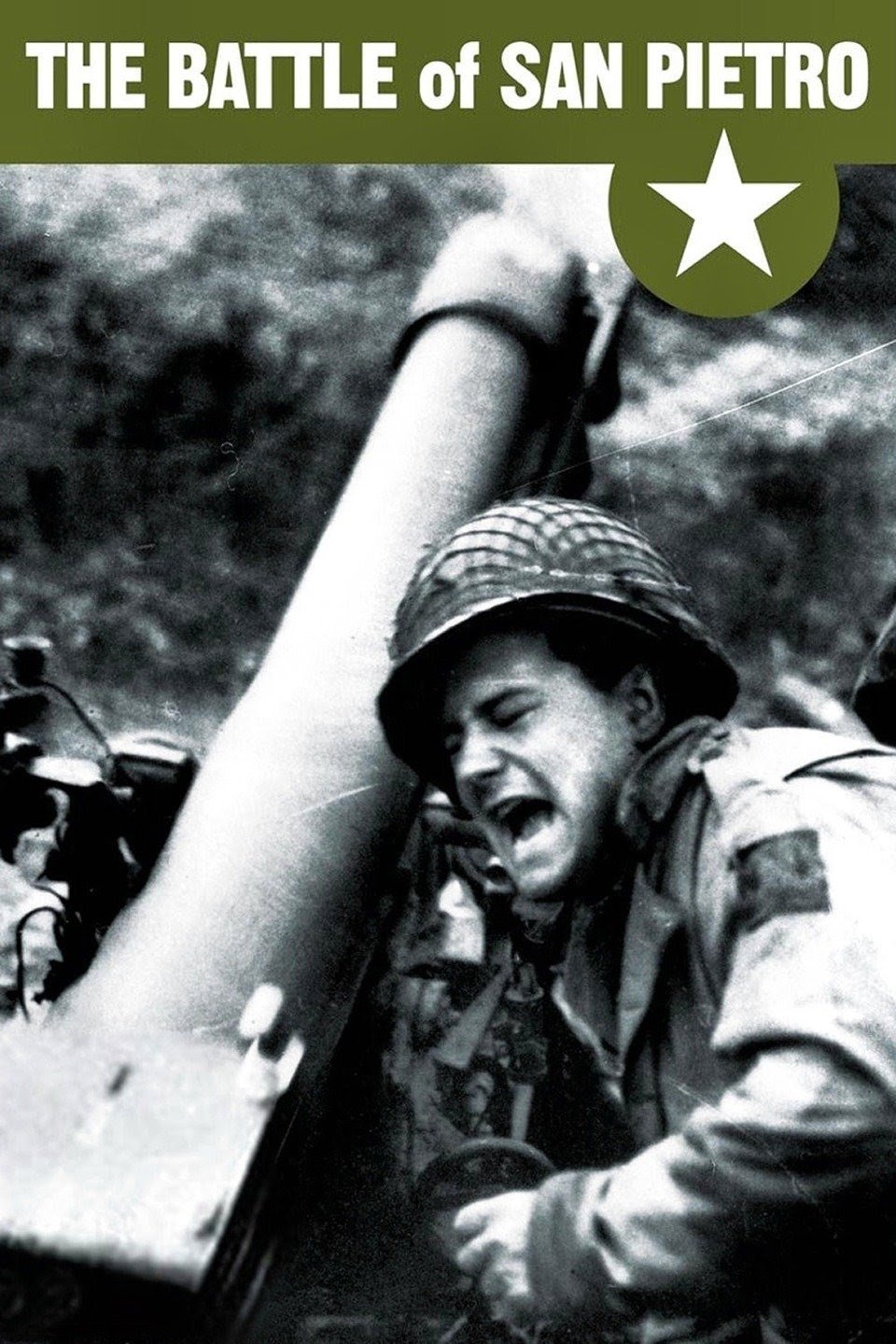
This documentary movie is about the battle of San Pietro, a small village in Italy. Over 1,100 US soldiers were killed while trying to take this location, that blocked the way for the Allied forces from the Germans. Preserved by the Academy Film Archive in 2005.
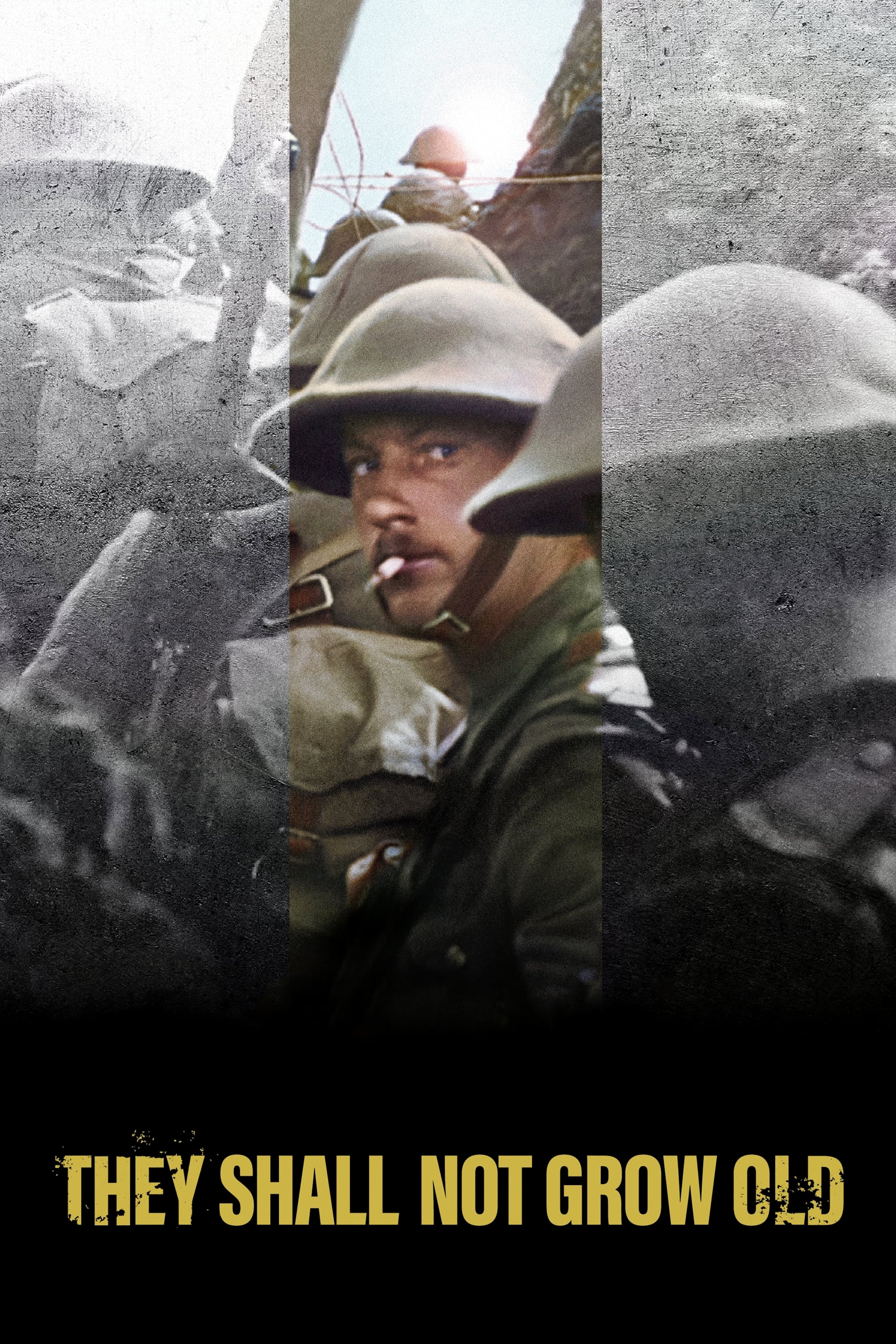
A documentary about World War I with never-before-seen footage to commemorate the centennial of Armistice Day, and the end of the war.
Prelude to War was the first film of Frank Capra's Why We Fight propaganda film series, commissioned by the Pentagon and George C. Marshall. It was made to convince American troops of the necessity of combating the Axis Powers during World War II. This film examines the differences between democratic and fascist states.
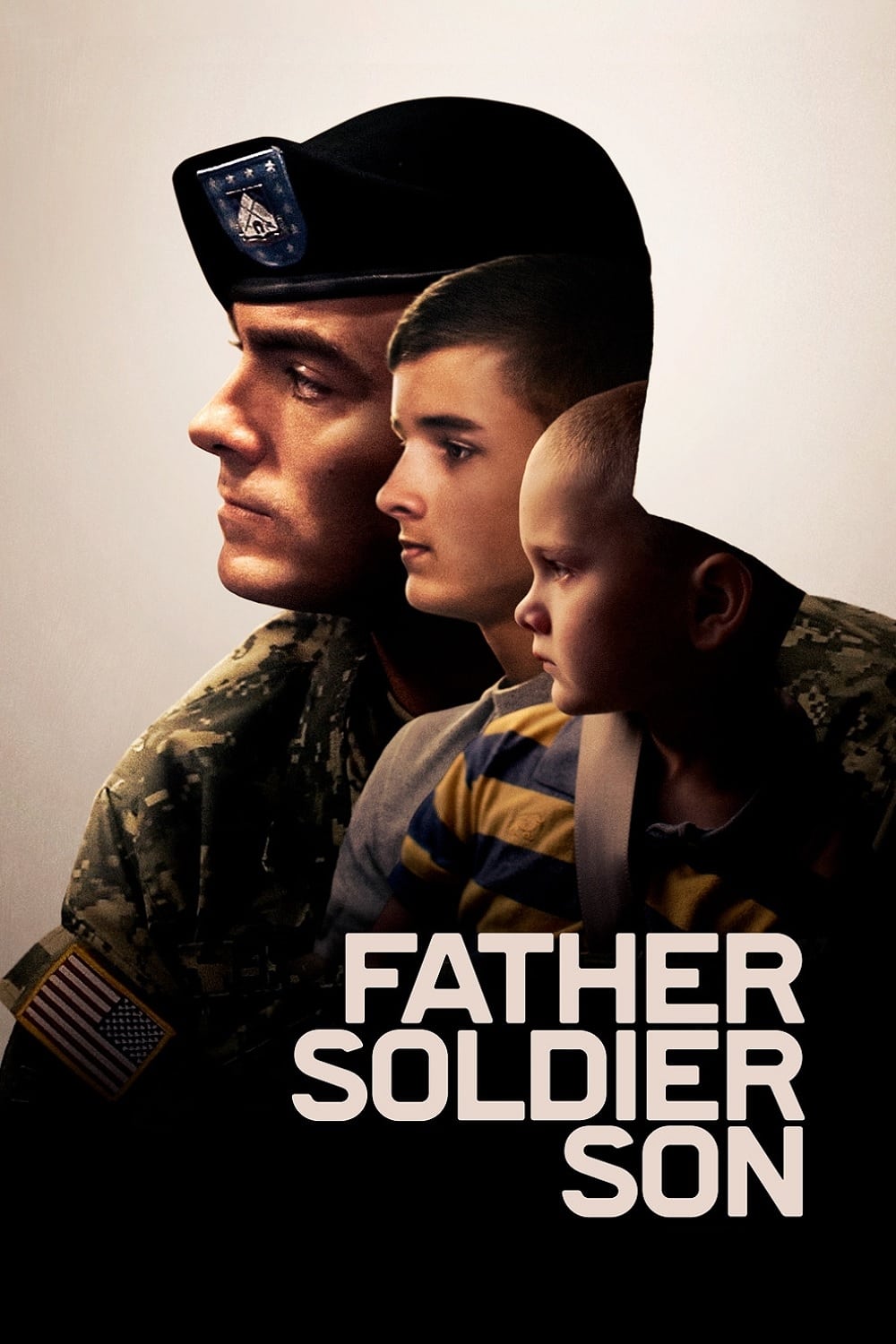
When Sgt. First Class Brian Eisch is critically wounded in Afghanistan, it sets him and his sons on a journey of love, loss, redemption and legacy.
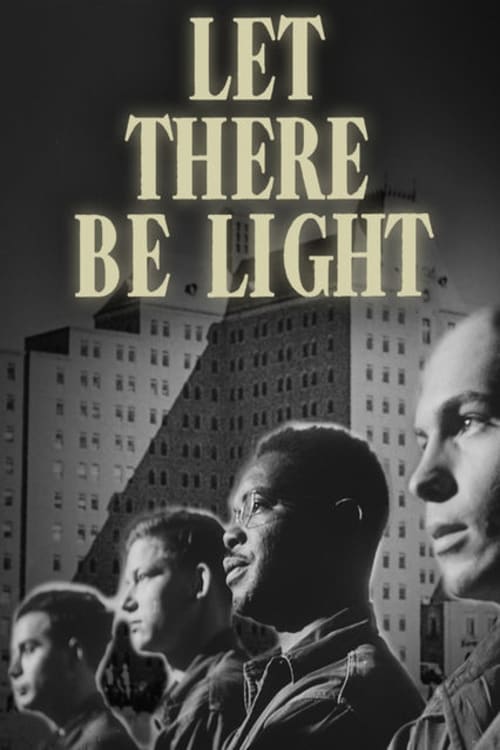
The final entry in a trilogy of films produced for the U.S. government by John Huston. Some returning combat veterans suffer scars that are more psychological than physical. This film follows patients and staff during their treatment. It deals with what would now be called PTSD, but at the time was categorised as psychoneurosis or shell-shock. Government officials deemed this 1946 film counterproductive to postwar efforts; it was not shown publicly until 1981.
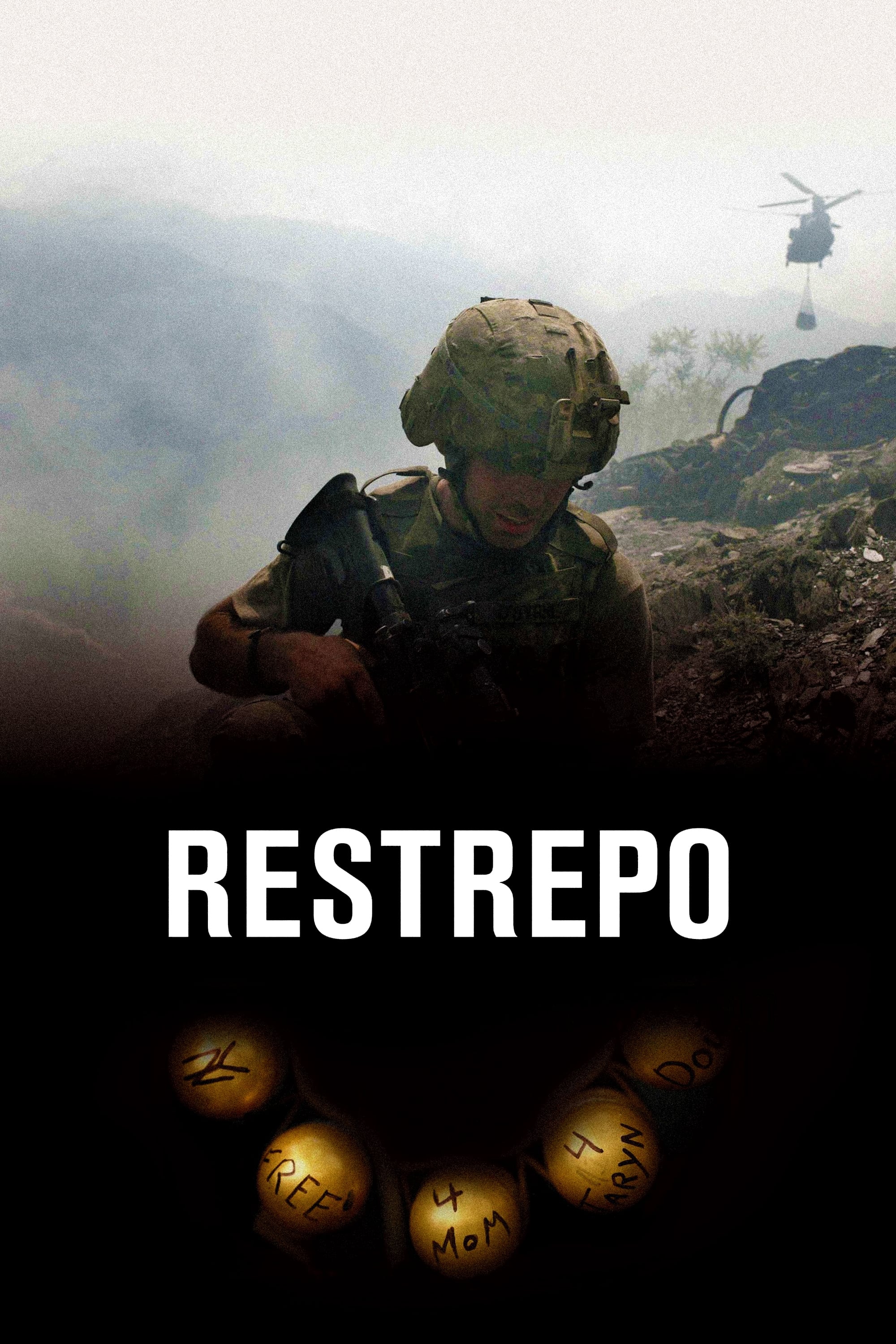
Directors Hetherington and Junger spend a year with the 2nd Battalion of the United States Army located in one of Afghanistan's most dangerous valleys. The documentary provides insight and empathy on how to win the battle through hard work, deadly gunfights and mutual friendships while the unit must push back the Taliban.
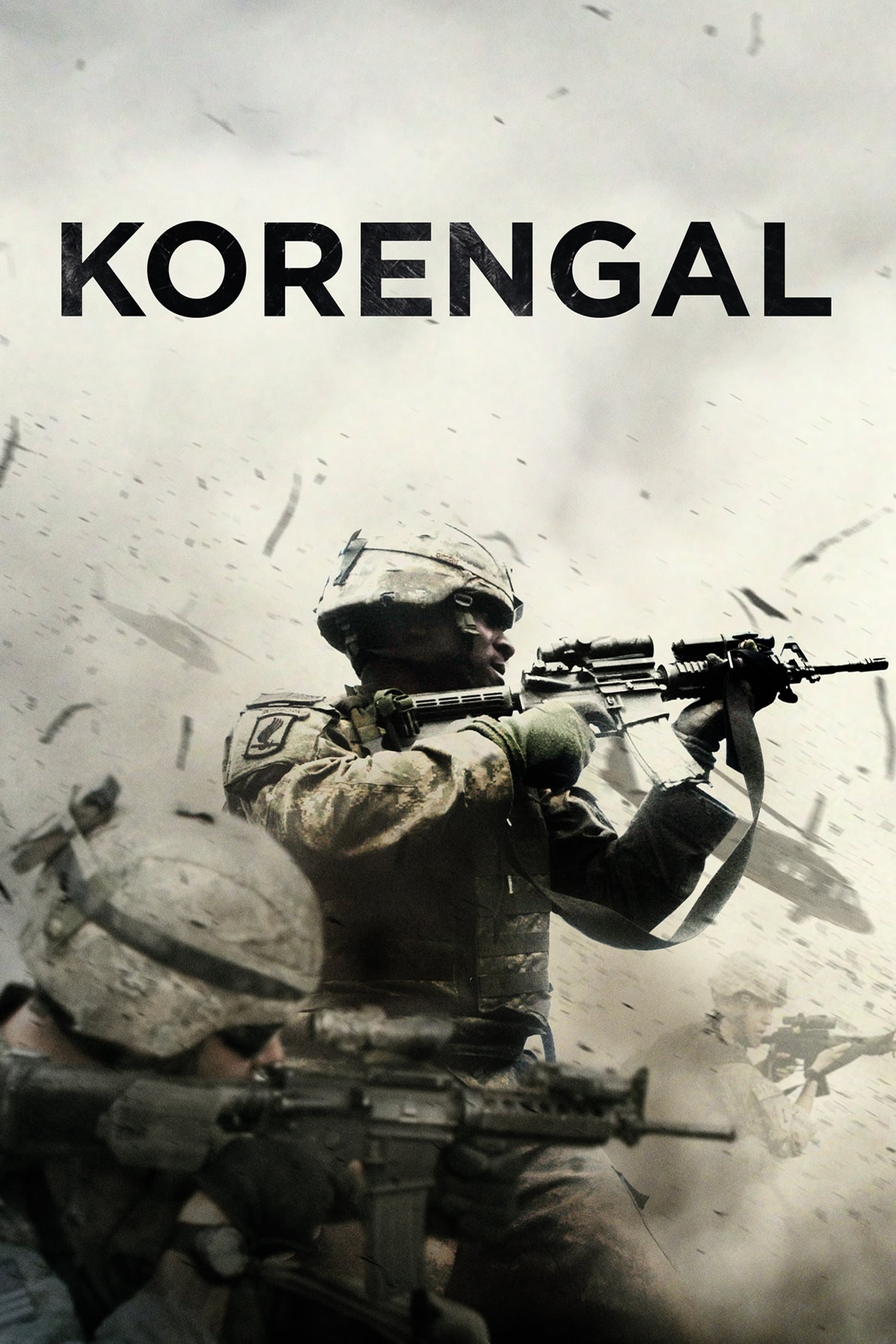
Korengal picks up where Restrepo left off; the same men, the same valley, the same commanders, but a very different look at the experience of war.
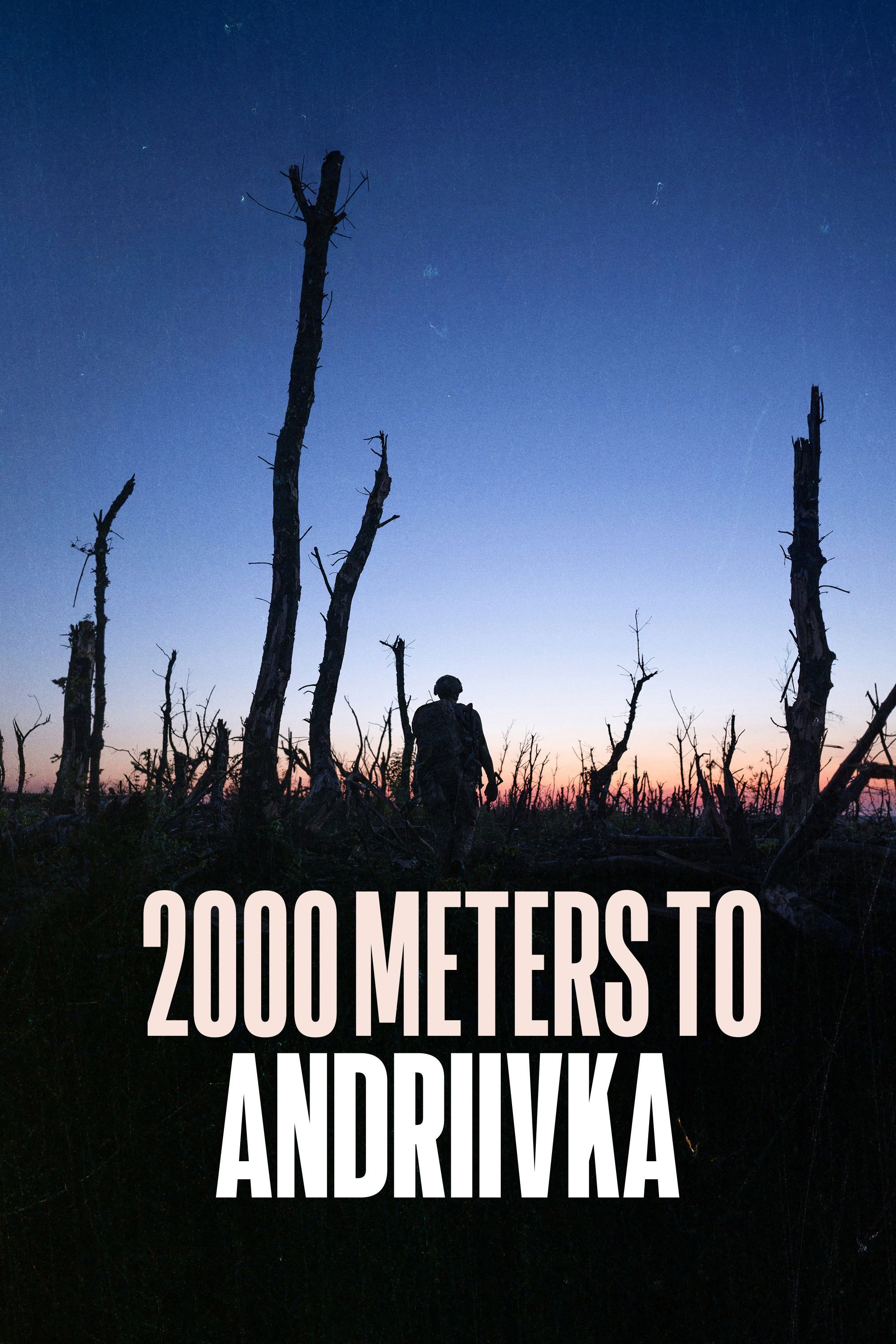
Amid the failing counteroffensive, a journalist follows a Ukrainian platoon on their mission to traverse one mile of heavily fortified forest and liberate a strategic village from Russian occupation. But the farther they advance through their destroyed homeland, the more they realize that this war may never end.
When Allied forces liberated the Nazi concentration camps in 1944-45, their terrible discoveries were recorded by army and newsreel cameramen, revealing for the first time the full horror of what had happened. Making use of British, Soviet and American footage, the Ministry of Information’s Sidney Bernstein (later founder of Granada Television) aimed to create a documentary that would provide lasting, undeniable evidence of the Nazis’ unspeakable crimes. He commissioned a wealth of British talent, including editor Stewart McAllister, writer and future cabinet minister Richard Crossman – and, as treatment advisor, his friend Alfred Hitchcock. Yet, despite initial support from the British and US Governments, the film was shelved, and only now, 70 years on, has it been restored and completed by Imperial War Museums under its original title "German Concentration Camps Factual Survey".
Vanessa Guillen was 20 years old when she was found murdered at a US Army base. Rather than submit to silence, her family fought for justice and change.
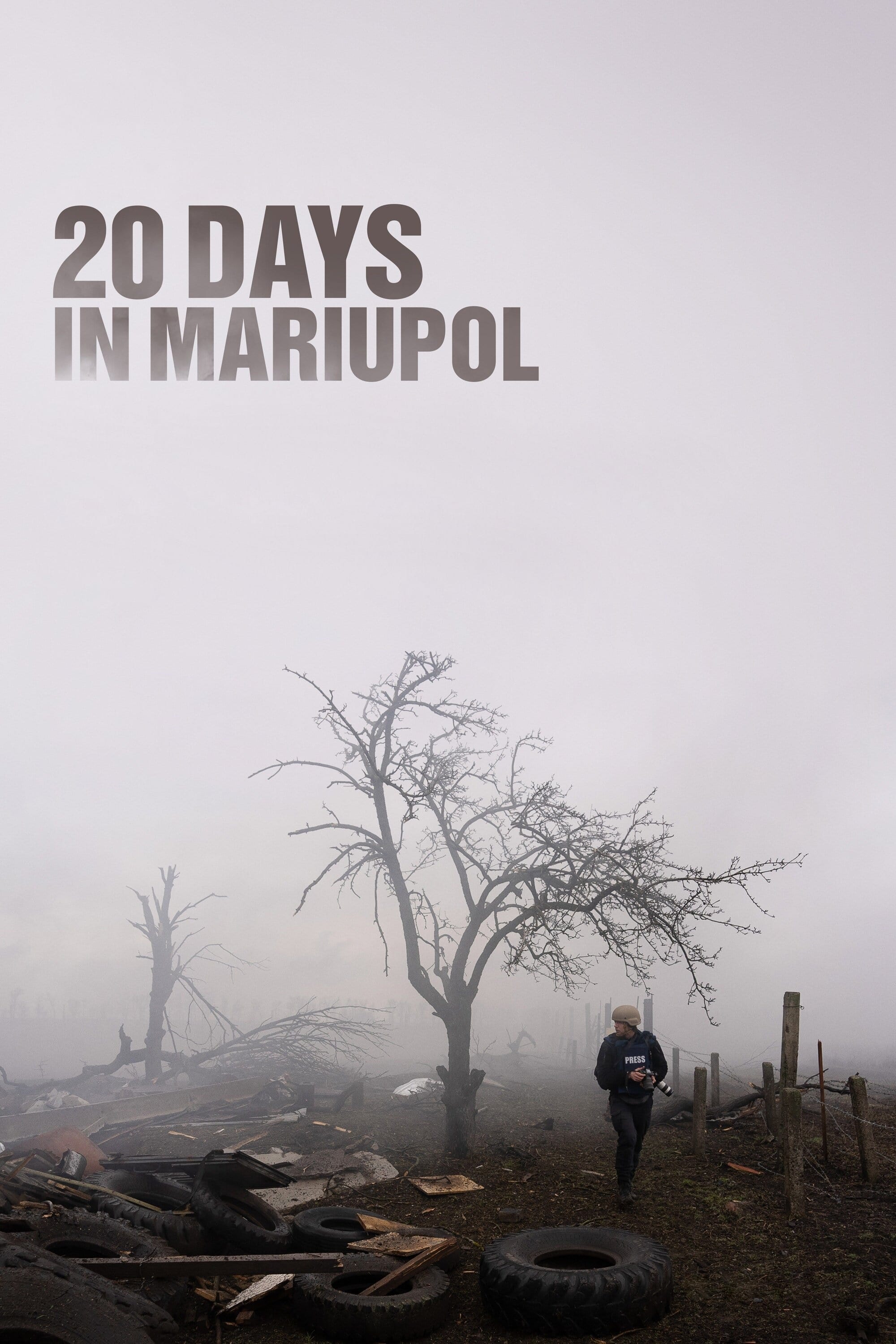
As the Russian invasion begins, a team of Ukrainian journalists trapped in the besieged city of Mariupol struggle to continue their work documenting the war's atrocities.
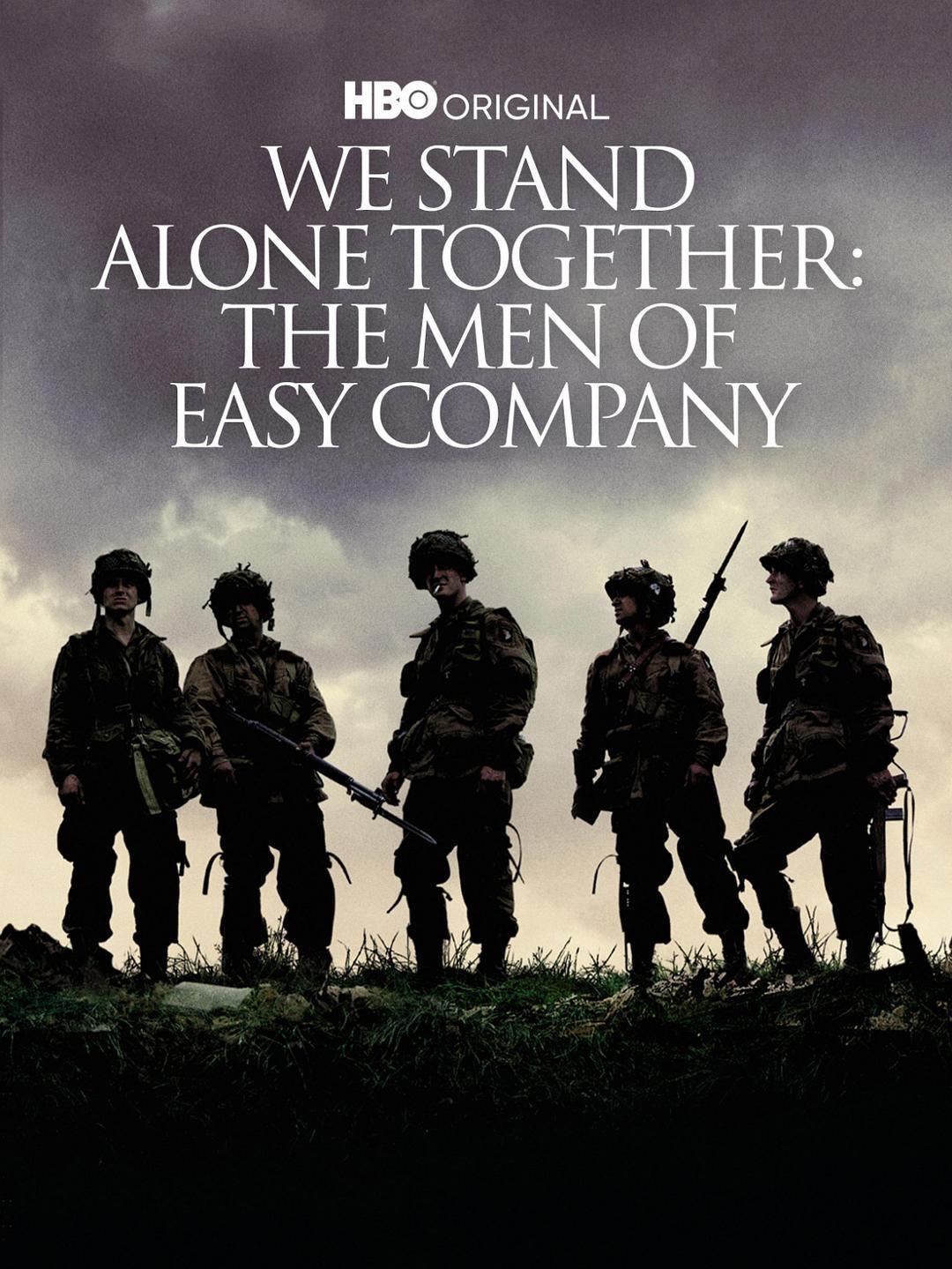
Over a period of two years, Mark Cowen and his crew travelled to thirty U.S. states and ten European cities, to interview the veterans of Easy Company. The stories told by the veterans themselves, create a history of the Second World War from the point of view of this heroic company of men, made famous in the mini-series Band of Brothers.
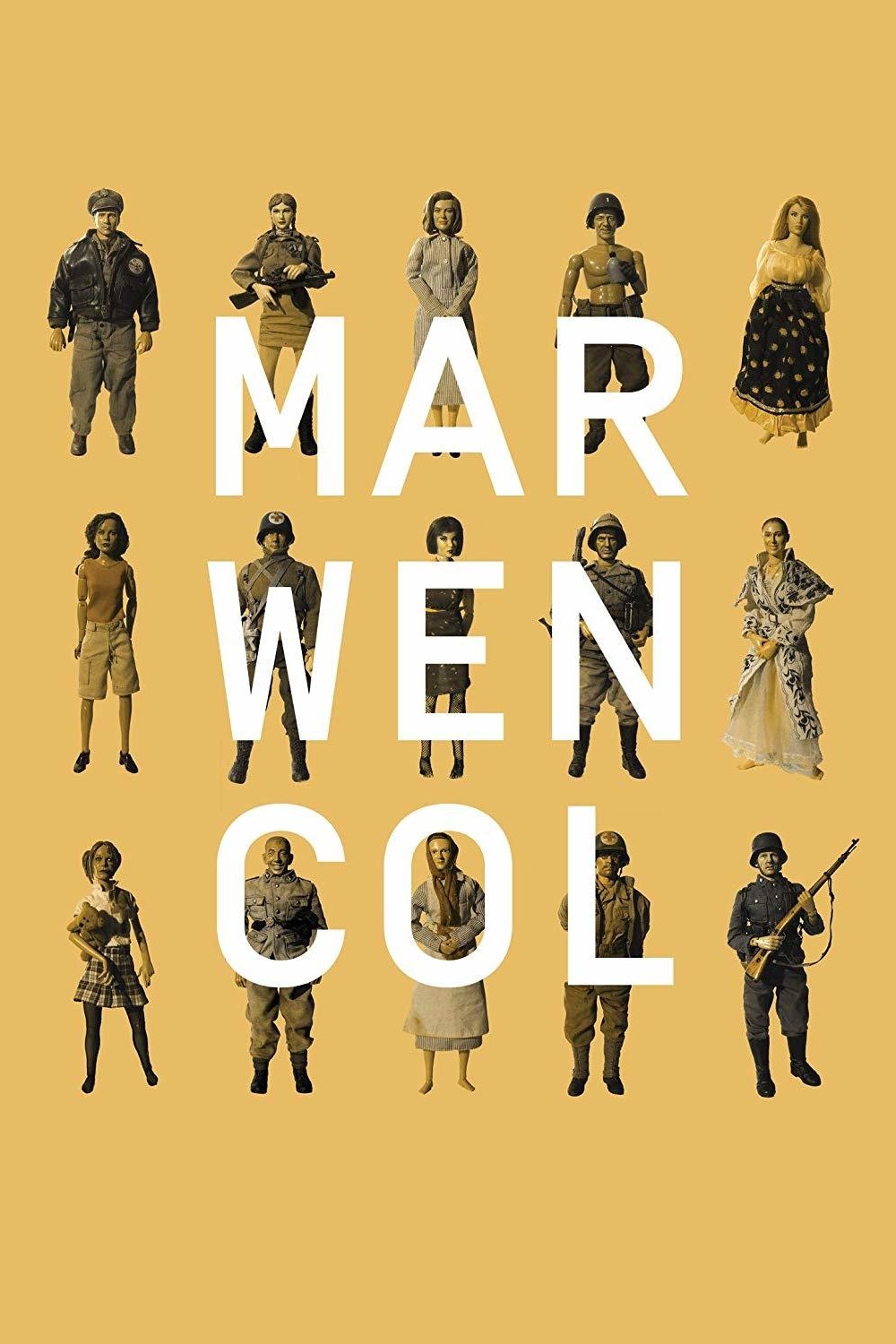
After a vicious attack leaves him brain-damaged and broke, Mark Hogancamp seeks recovery in "Marwencol", a 1/6th scale World War II-era town he creates in his backyard.
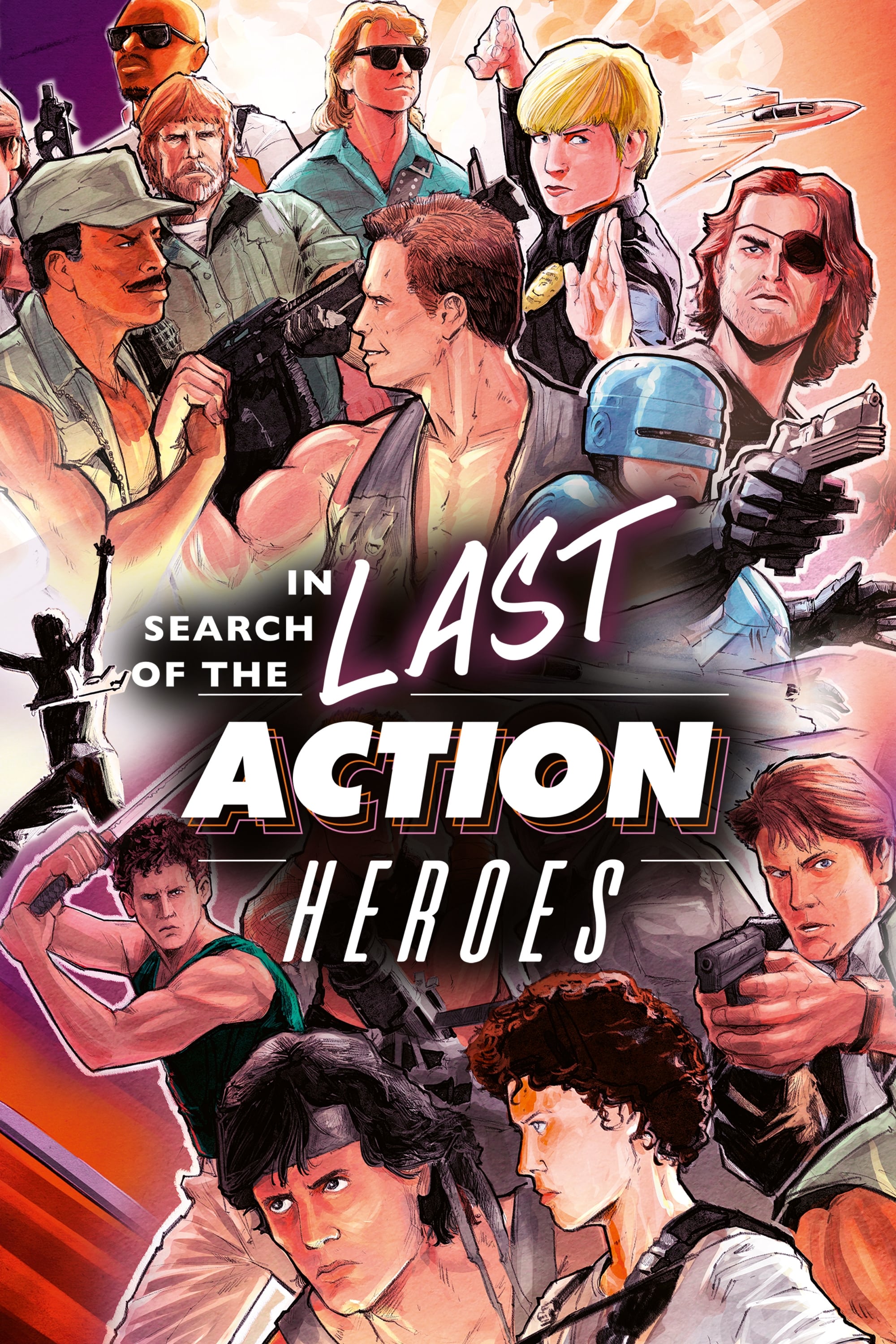
The most comprehensive retrospective of the '80s action film genre ever made.
A chronological account of the influential late 1970s English rock band.
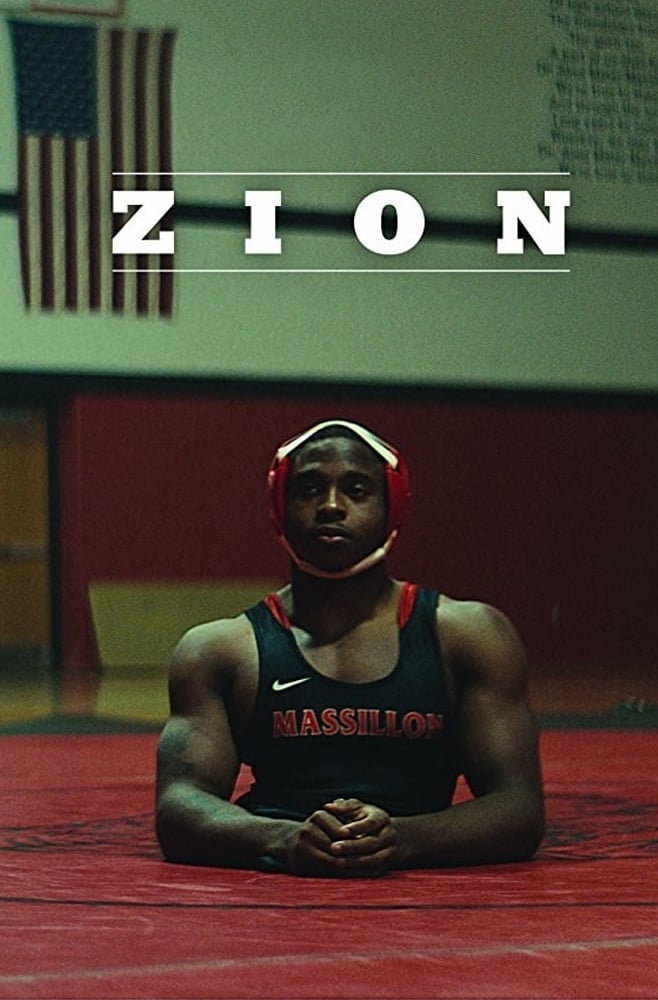
A portrait of Zion Clark, a young wrestler who was born without legs and grew up in foster care.
Brilliant, long in-the-works story of the life and art of the world's greatest comedian and the cinema's first genius, Charlie Chaplin. Produced, written and directed by renowned film critic Richard Schickel.
The life of Mr. Spock, as well as that of Leonard Nimoy, the actor who played him for almost fifty years, written and directed by his son: Adam.
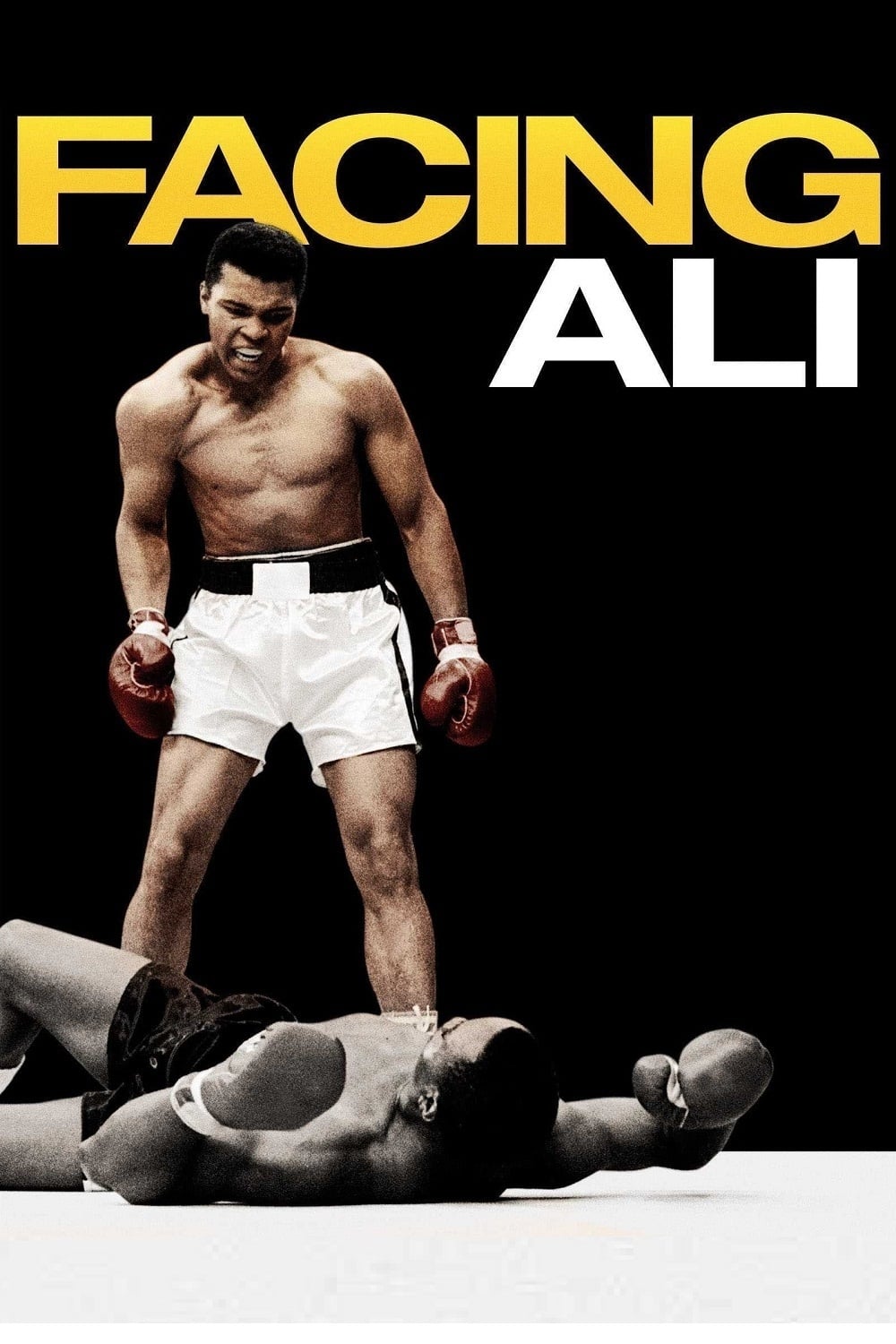
Ten of Muhammad Ali's former rivals pay tribute to the three-time world heavyweight champion.
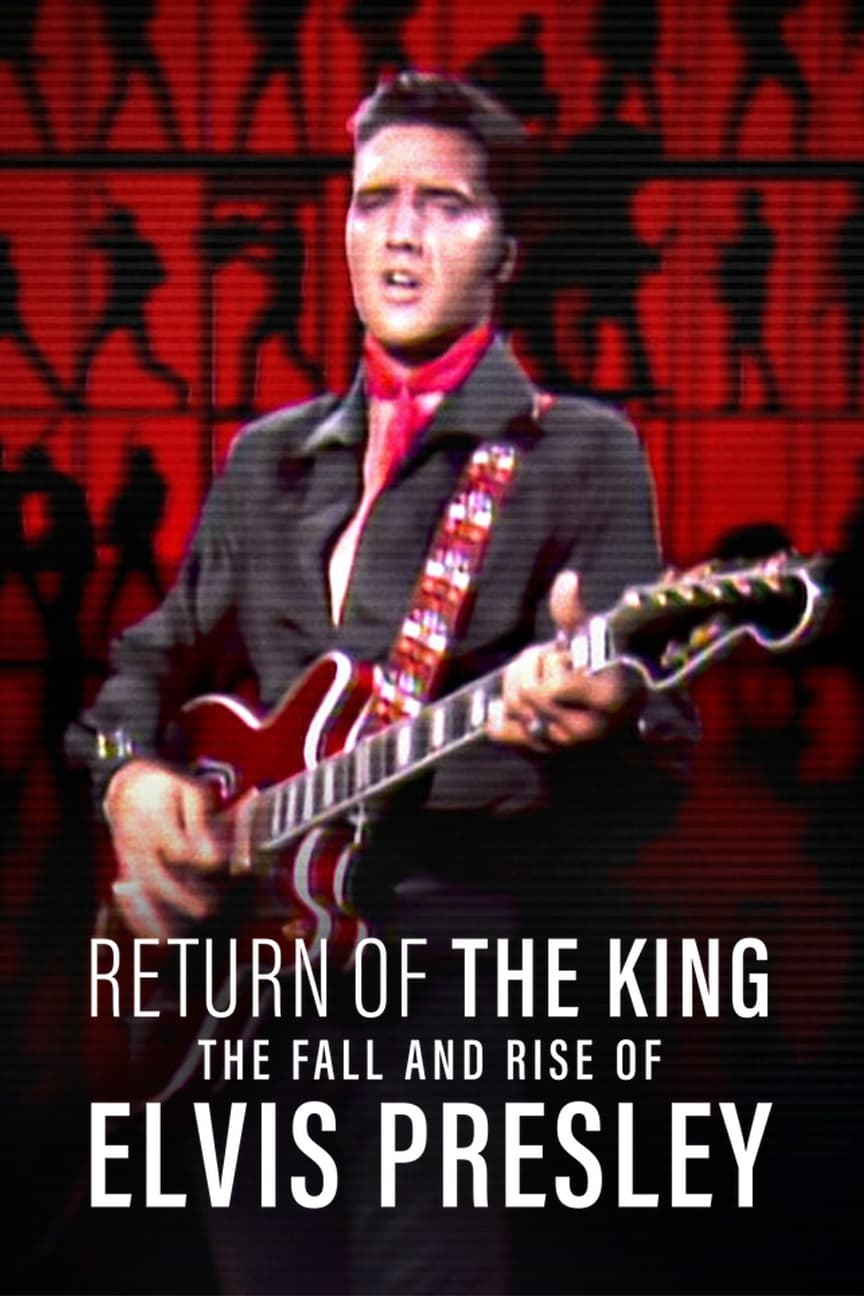
He had one chance to show the world he was still the King of Rock 'n' Roll. Discover the story behind Elvis Presley's triumphant '68 comeback special.