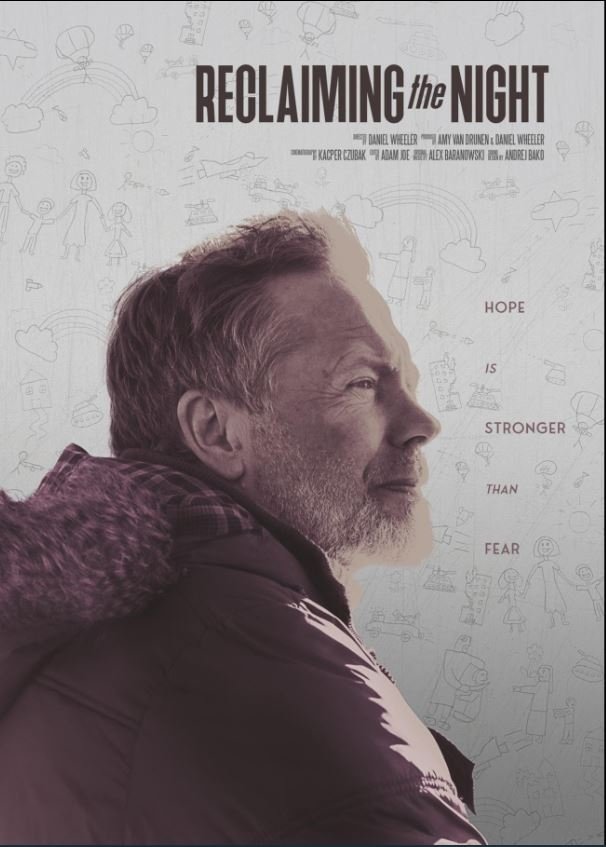
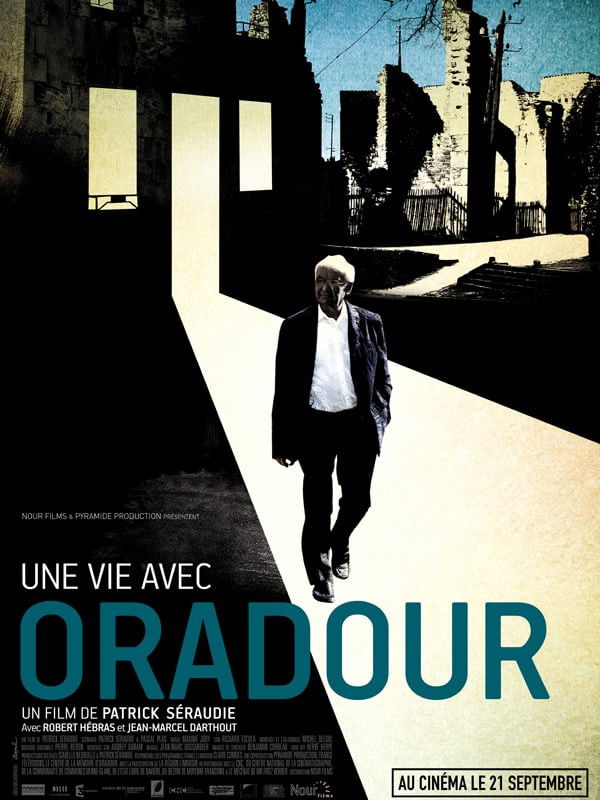
"Hope is stronger than fear"
In the aftermath of war, an extraordinary professor brings hope to children haunted by trauma-induced nightmares.
Social & External
self
This expository film shows the mood of European society on the eve of the Second World War while promoting the values of international cooperation. Using the Swiss office of the BBC as an example, the film describes the functioning of radio and presents the possibilities opened by mass communications. After the advent of sound film, Cavalcanti promoted experimentation with sound, and in this connection he was interested in the communicational, organizational, and social aspects of radio.
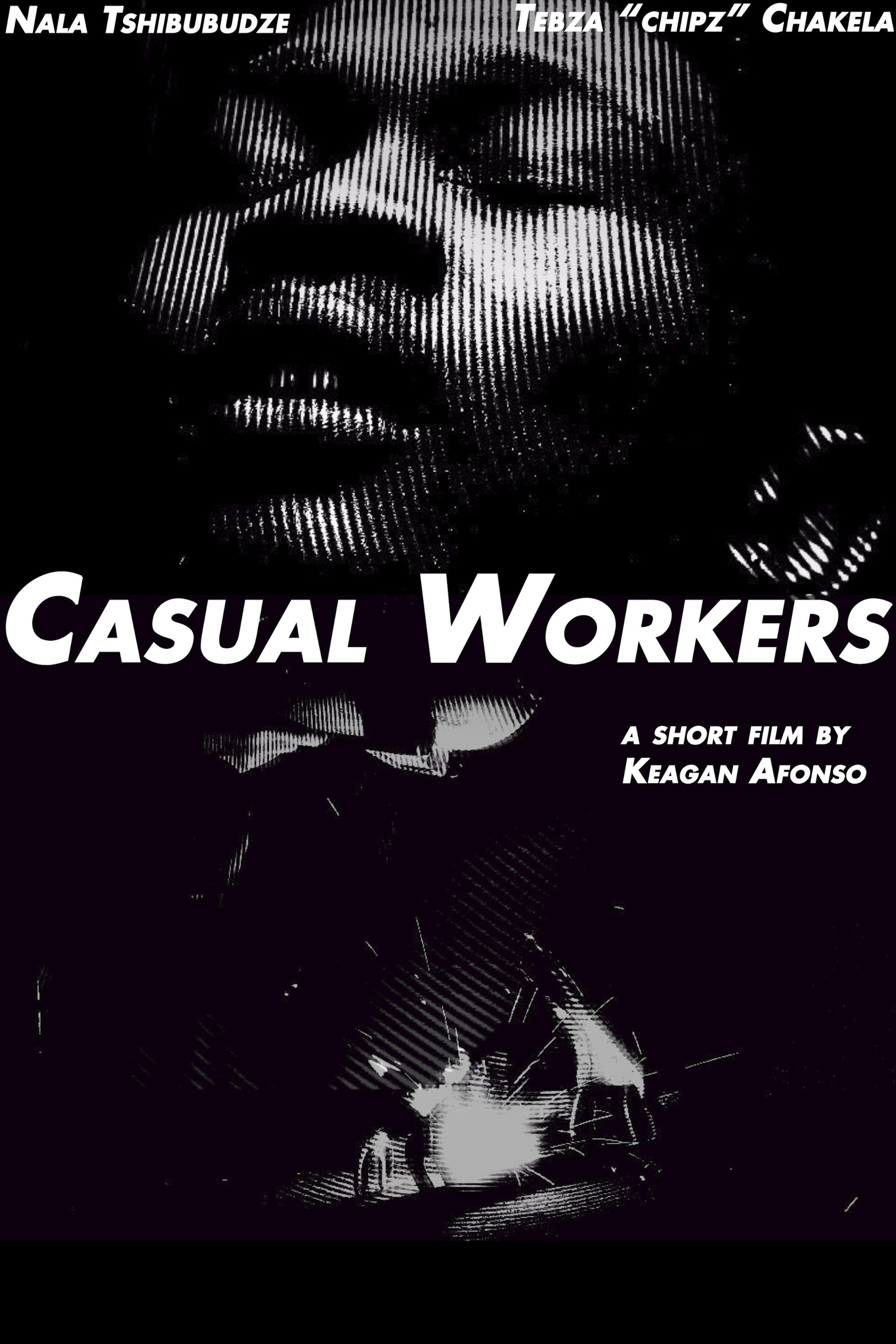
An abstract perspective into two young South African workers in the heart of Johannesburg's industrial sector during Covid-19
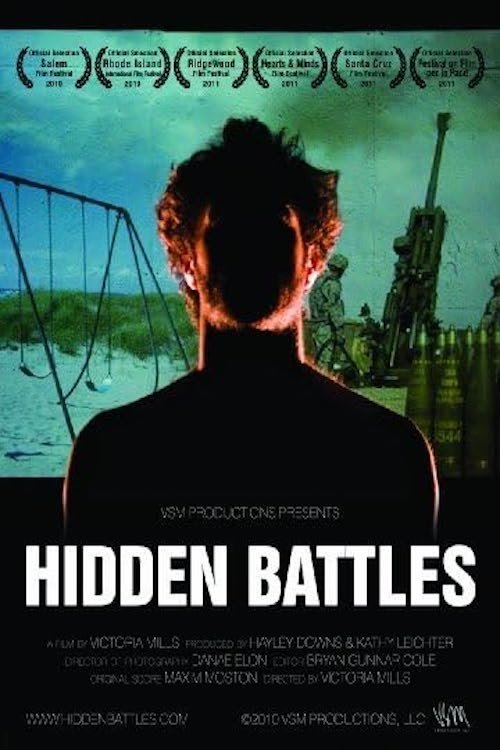
Dramatic and deeply personal film about the psychological impact of killing on the lives of five soldiers. Representing a cross section of nationalities, gender, class and race, these soldiers reveal intimate memories about the central act of war, the killing of another human being. How do these individuals make sense of what they have done? What happens when time challenges their carefully constructed stories? Consciously apolitical but deeply psychological, Hidden Battles examines the strength and struggles of men and women who kill and how they create a life for themselves afterward.
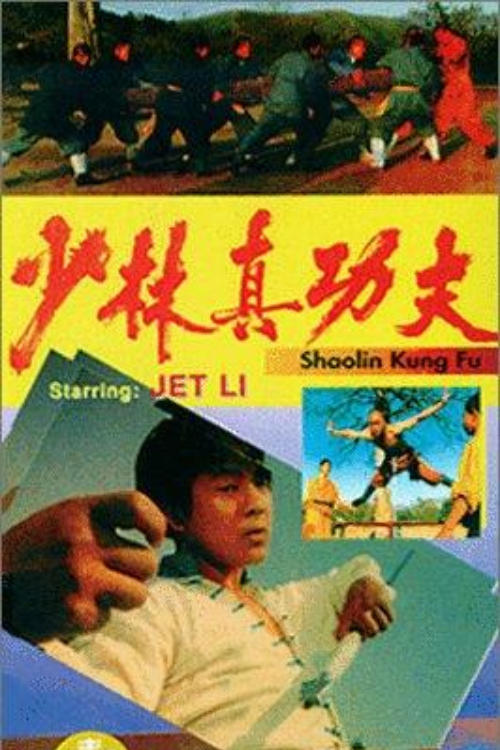
A documentary about Shaolin Kung Fu starring Jet Li
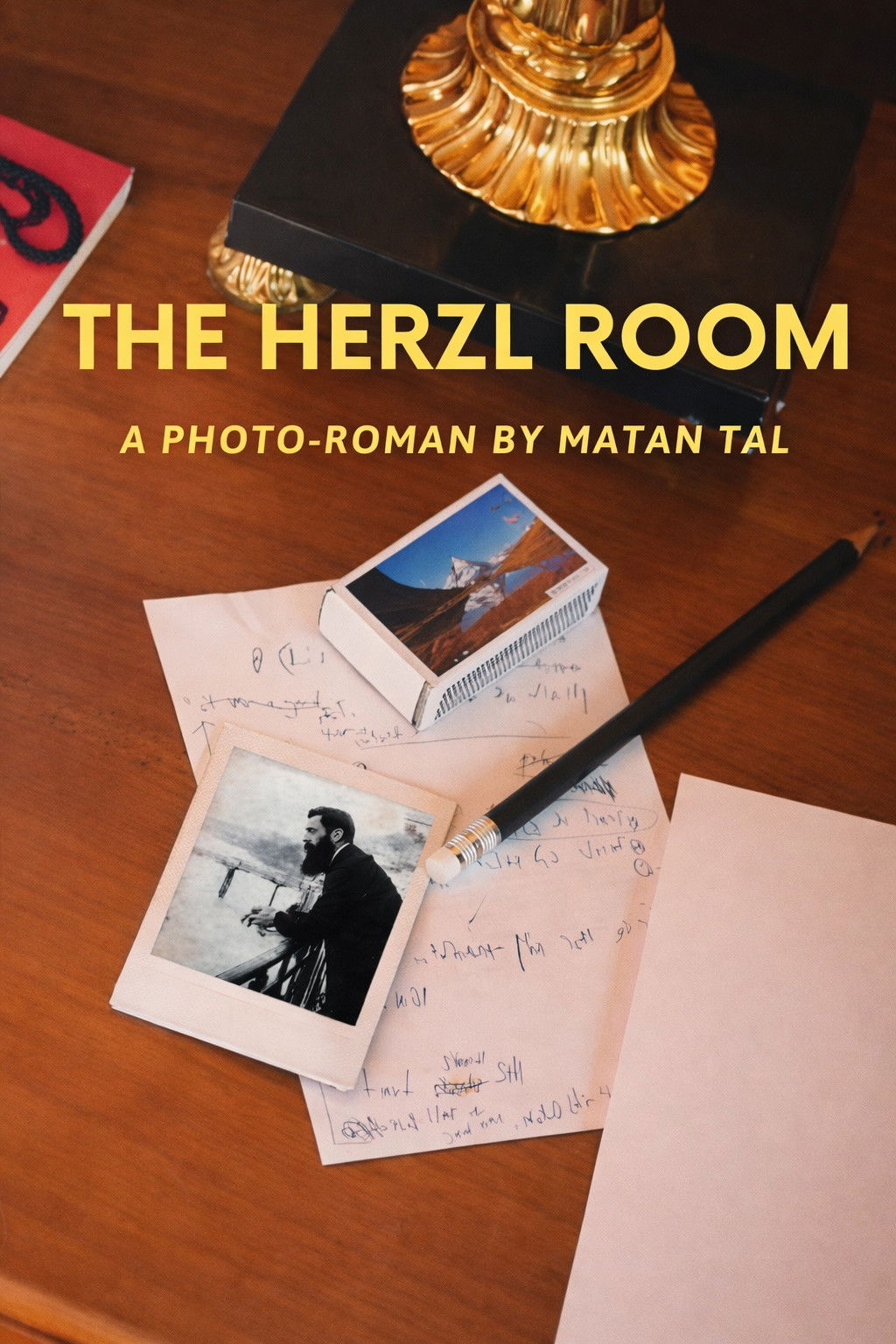
Hotel rooms are rarely the destination for pilgrimage. In one hotel room, an iconic picture was taken - the portrait of Theodor Herzl, the most renowned zionist leader. Filmmaker Matan Tal visits the room and explores how the connection between Herzl and the room, echos Herzl’s own ideology. Which raises the question: Can people and places be connected forever?
After his father’s death, Vicky, a young dancer, abandons his art and succumbs to alcohol, while his mother faces an impossible dilemma of sending her son to a de-addiction centre.
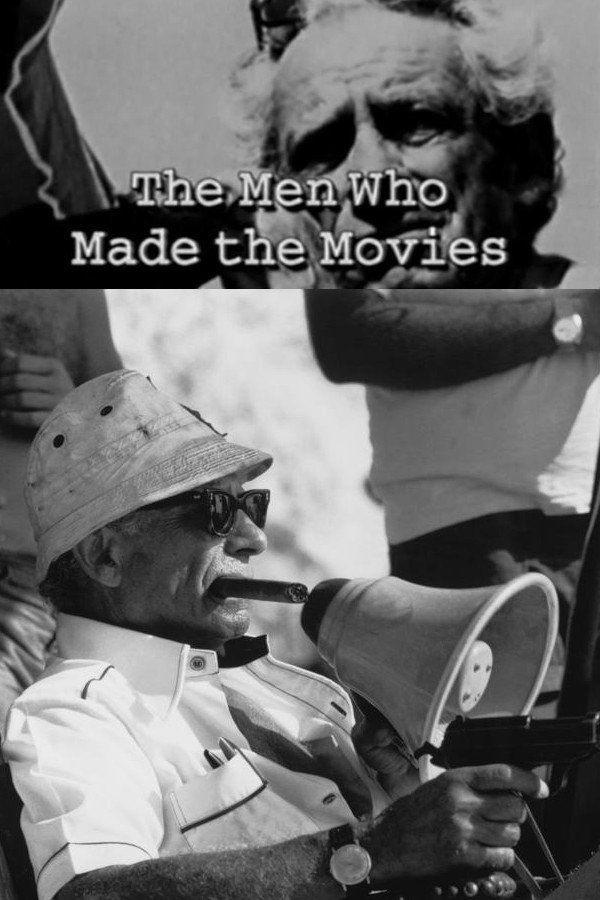
Samuel Fuller discusses his career as a filmmaker, illustrated by plenty of clips.
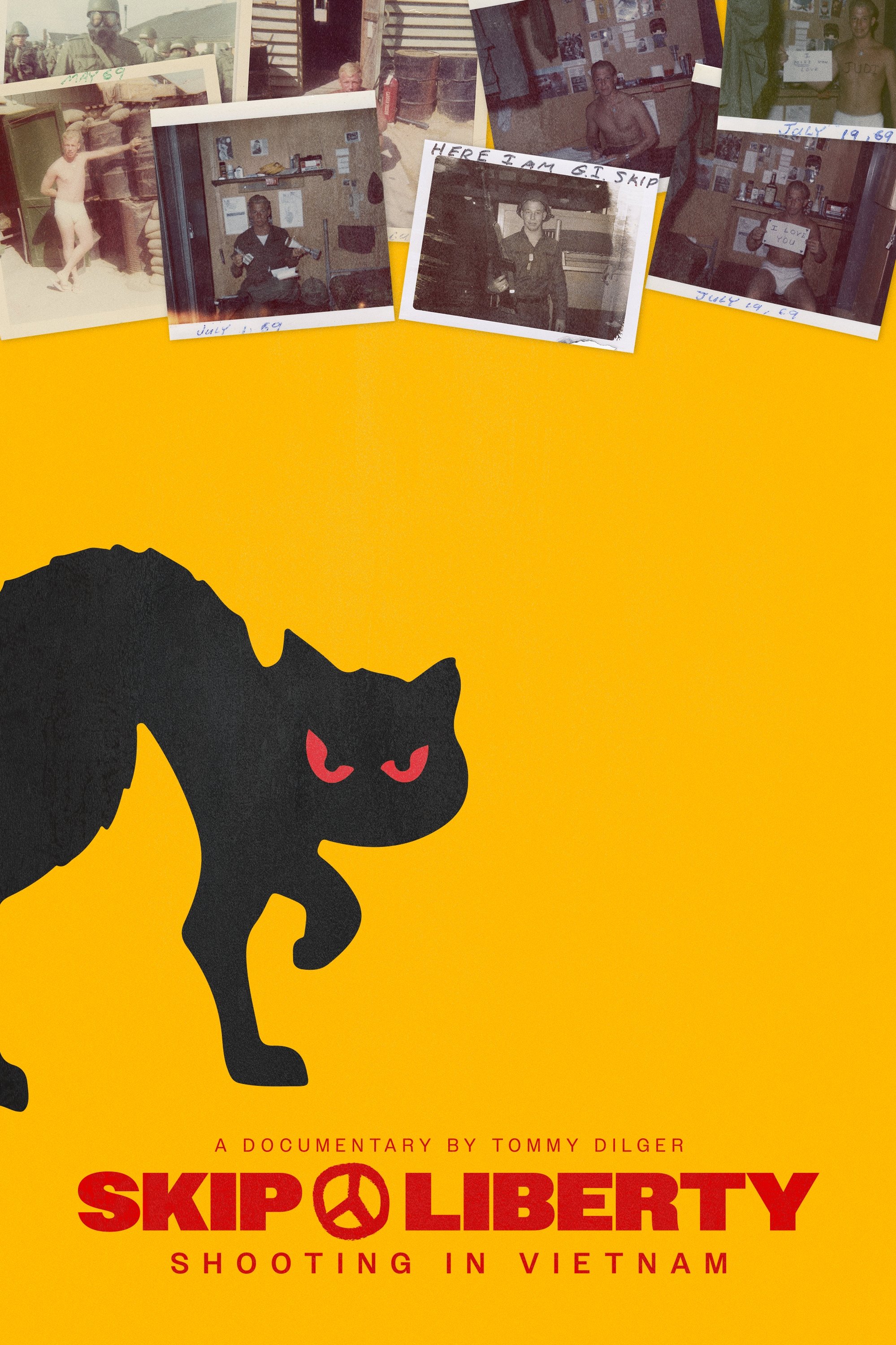
Skip Liberty enlisted in the Army in 1968. During his tour in Vietnam he shot 3,100 feet of Super 8 film, over 3 hours worth. Upon returning to the states the film was placed in storage, Skip had never seen the footage he shot. Until now.
We are in a room where people tell each other experiences that are not actually told to each other. These are experiences that they have had themselves and experiences of people who are very close to them. It's about fear and violence. It's about families that are destroyed. It is about existence.
Tattooing — "the world's oldest skin game" — is the subject of this iconic documentary. Writer/director Geoff Steven scored a major coup by signing Easy Rider legend Peter Fonda as his presenter. Travelling to Aotearoa, Samoa, Japan and the United States, the doco traces key developments in tattooing, including its importance in the Pacific, prison-inspired styles, and the influence of 1960s counterculture. Legendary tattooists feature (including Americans Ed Hardy and Jack Rudy), while the closing credits parade some eye-opening full body tattoos.
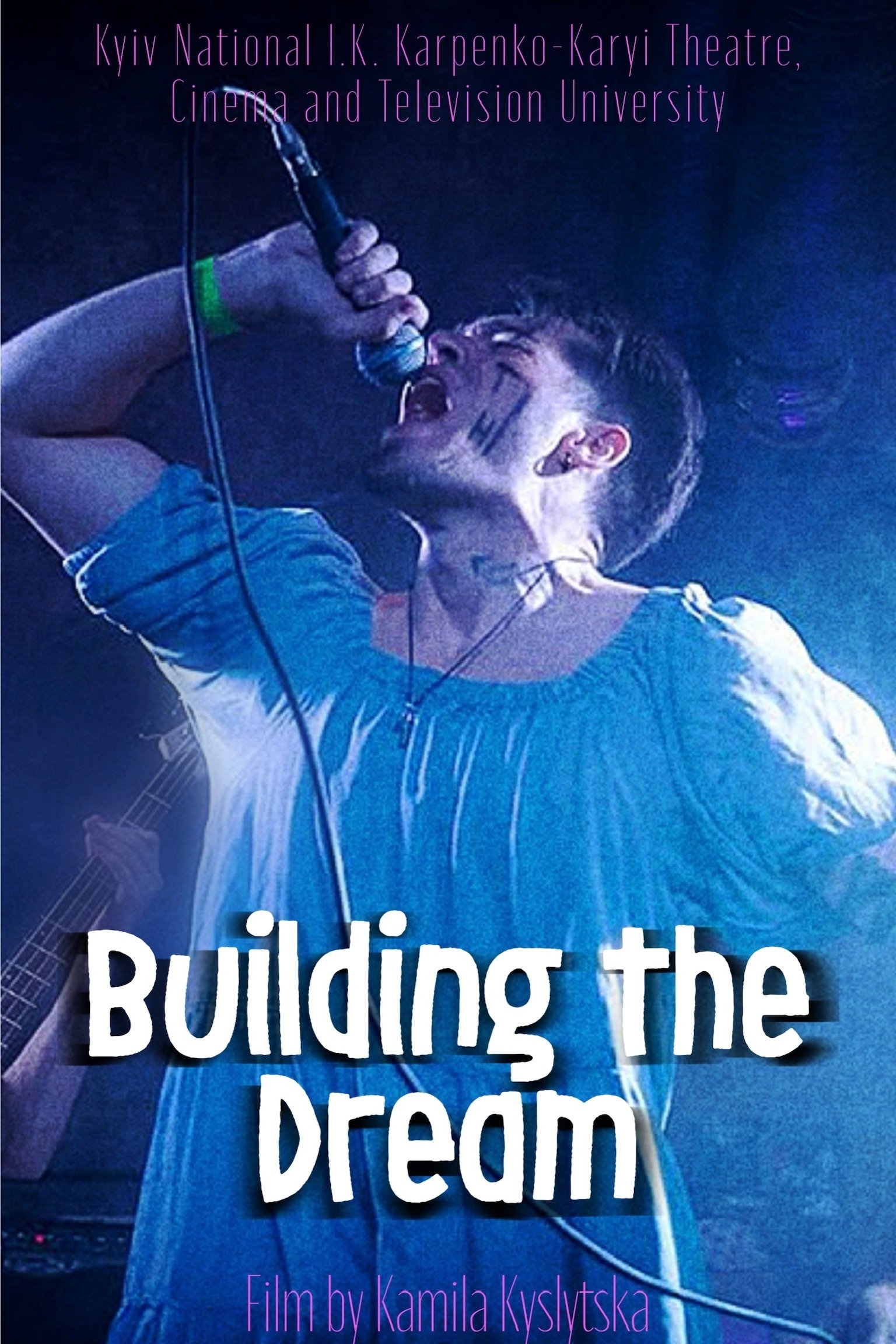
Young singer Dmytro creates the rock band "Shadows," but realizes that the other members are only slowing down his path to the big stage. He wants to turn his life around 180°, leaving the dangerous and depressing city of Sumy behind to find a successful music career in the capital.
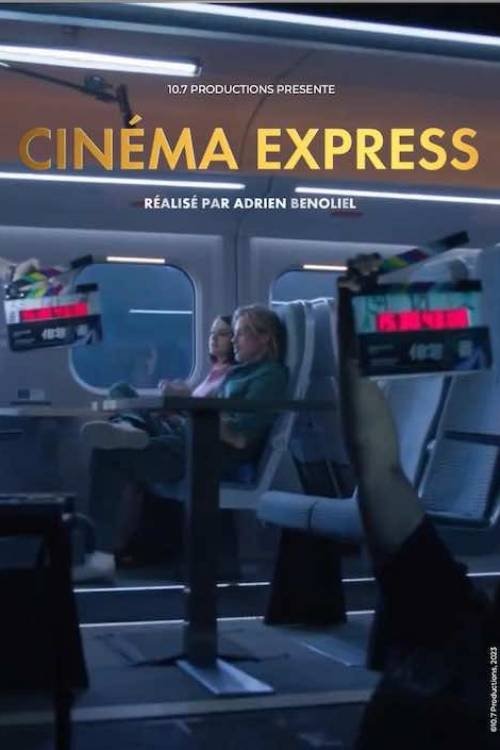
Staged behind the scenes look at the McWalter movie.
Damiano David's short film for the presentation of his first somo album: Funny Little Fears. He speaks and sings about his fears.
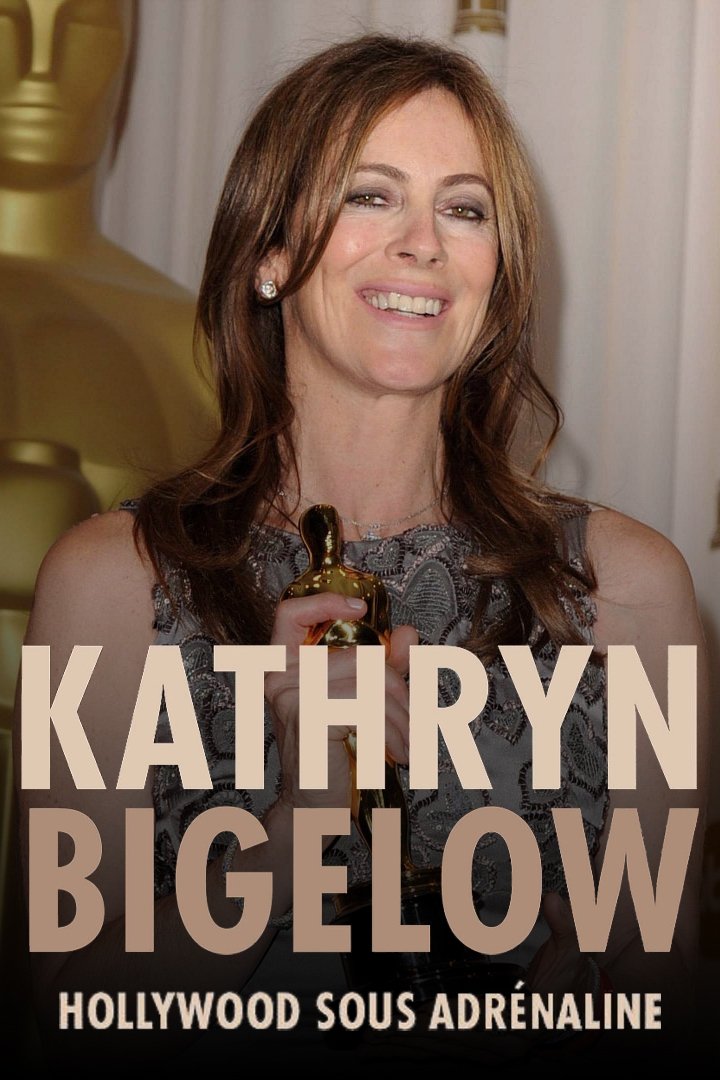
For more than 40 years Kathryn Bigelow has been making films that explore male violence. With movies like Blue Steel, Point Break, The Hurt Locker and Zero Dark Thirty, the Oscar winning American filmmaker has impressed with hard-hitting moviemaking that holds a mirror up to contemporary America and the world.
A love letter from a young mother to her daughter, the film tells the story of Waad al-Kateab’s life through five years of the uprising in Aleppo, Syria as she falls in love, gets married and gives birth to Sama, all while cataclysmic conflict rises around her. Her camera captures incredible stories of loss, laughter and survival as Waad wrestles with an impossible choice– whether or not to flee the city to protect her daughter’s life, when leaving means abandoning the struggle for freedom for which she has already sacrificed so much.
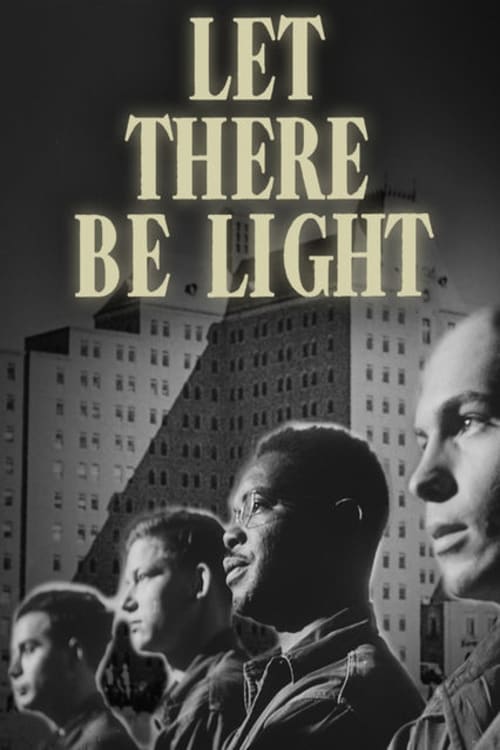
The final entry in a trilogy of films produced for the U.S. government by John Huston. Some returning combat veterans suffer scars that are more psychological than physical. This film follows patients and staff during their treatment. It deals with what would now be called PTSD, but at the time was categorised as psychoneurosis or shell-shock. Government officials deemed this 1946 film counterproductive to postwar efforts; it was not shown publicly until 1981.
When Allied forces liberated the Nazi concentration camps in 1944-45, their terrible discoveries were recorded by army and newsreel cameramen, revealing for the first time the full horror of what had happened. Making use of British, Soviet and American footage, the Ministry of Information’s Sidney Bernstein (later founder of Granada Television) aimed to create a documentary that would provide lasting, undeniable evidence of the Nazis’ unspeakable crimes. He commissioned a wealth of British talent, including editor Stewart McAllister, writer and future cabinet minister Richard Crossman – and, as treatment advisor, his friend Alfred Hitchcock. Yet, despite initial support from the British and US Governments, the film was shelved, and only now, 70 years on, has it been restored and completed by Imperial War Museums under its original title "German Concentration Camps Factual Survey".
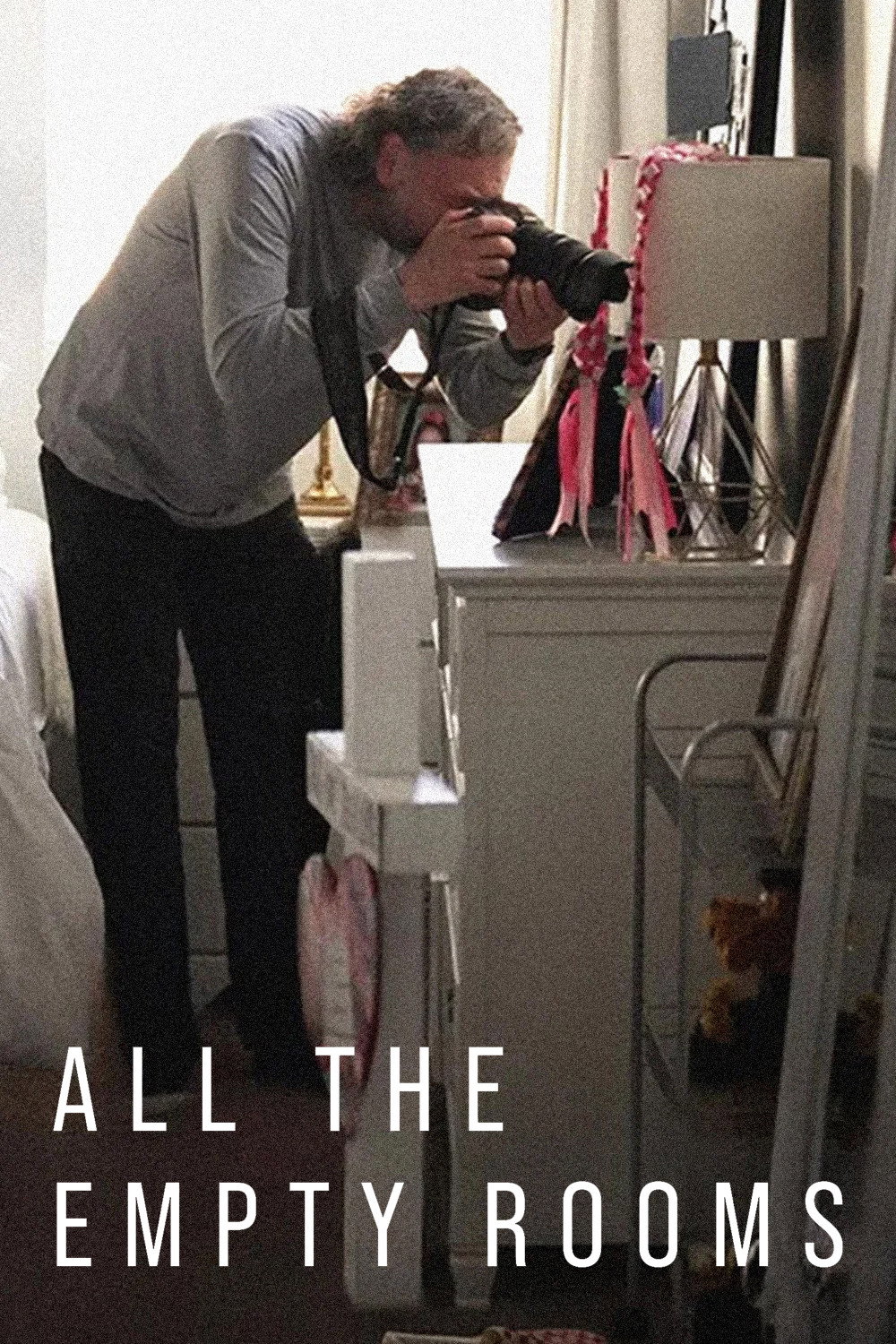
A journalist and a photographer set out to memorialize the bedrooms left behind by children killed in school shootings.
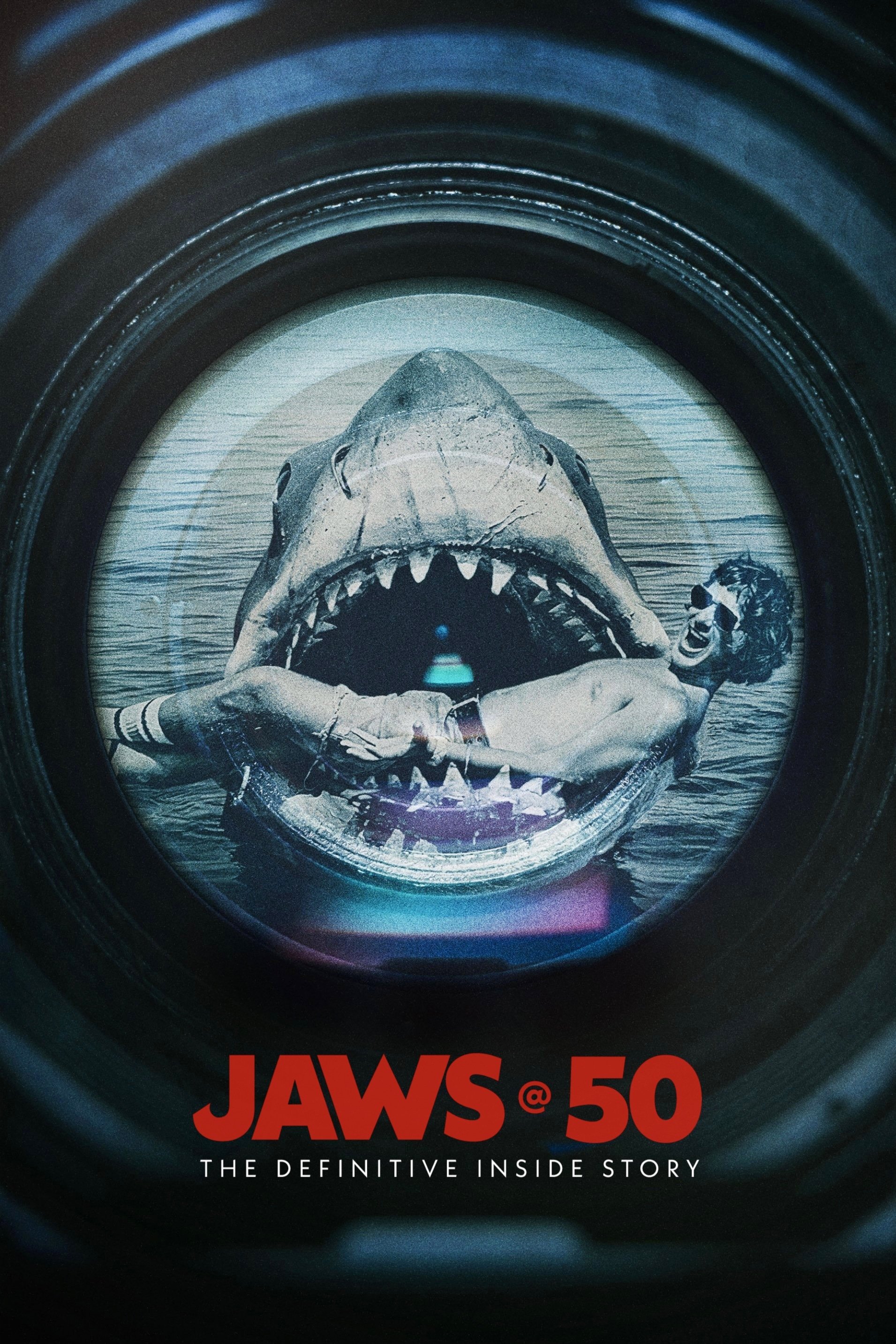
The authorized documentary celebrating the film that redefined Hollywood, 50 years after its premiere. Featuring rare archival footage and interviews with acclaimed Hollywood directors alongside Steven Spielberg, top shark scientists, and conservationists, the film uncovers the behind-the-scenes chaos and how the film launched the summer blockbuster, inspired a new wave of filmmakers, and paved the way for shark conservation that continues today.
In the Realms of the Unreal is a documentary about the reclusive Chicago-based artist Henry Darger. Henry Darger was so reclusive that when he died his neighbors were surprised to find a 15,145-page manuscript along with hundreds of paintings depicting The Story of the Vivian Girls, in What is Known as the Realms of the Unreal, of the Glodeco-Angelinnian War Storm, Cased by the Child Slave Rebellion.
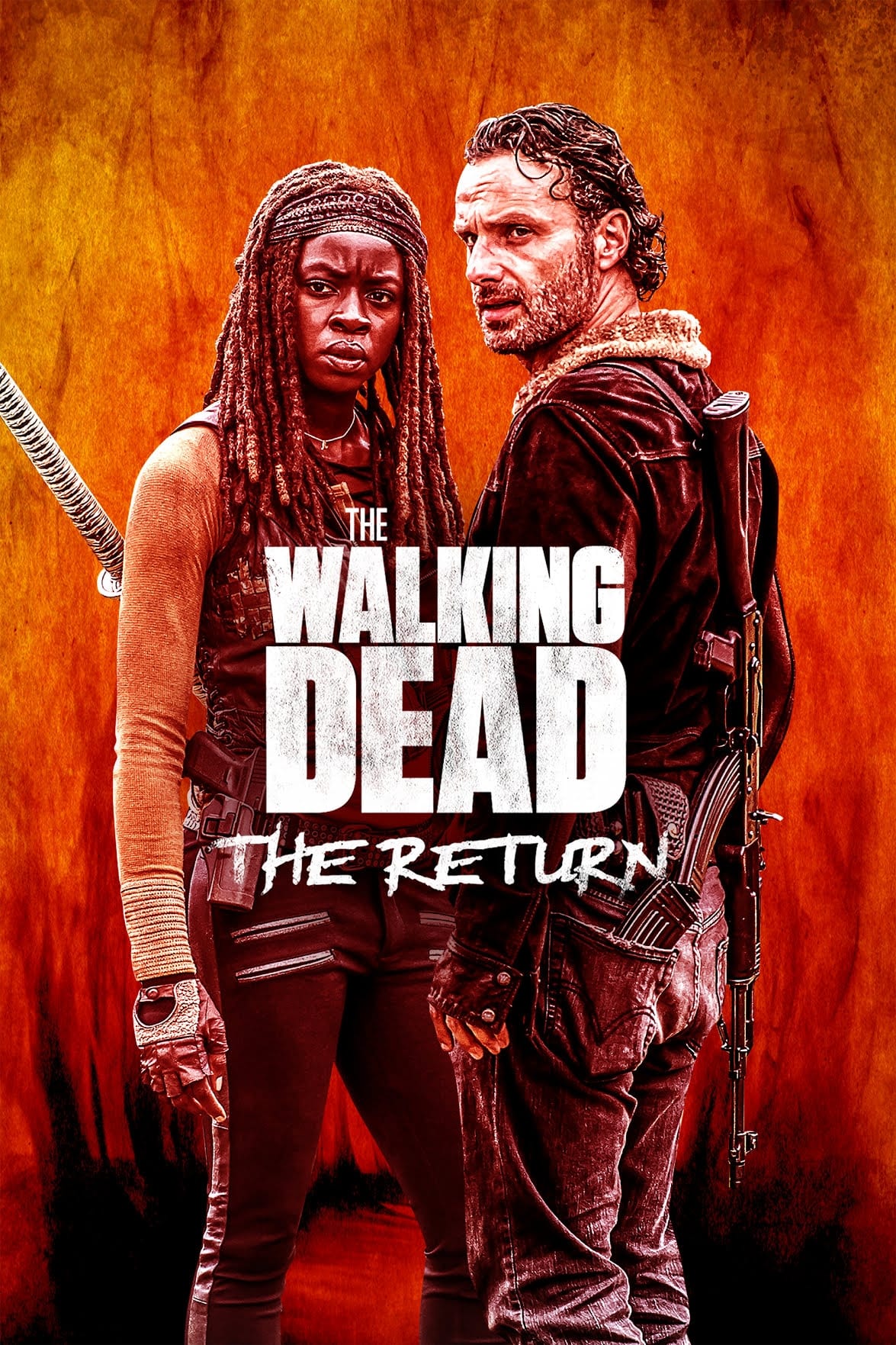
Stars of "The Walking Dead," Andrew Lincoln and Danai Gurira, walk down memory lane and visit iconic locations where pivotal moments between their characters, Rick and Michonne, were filmed.
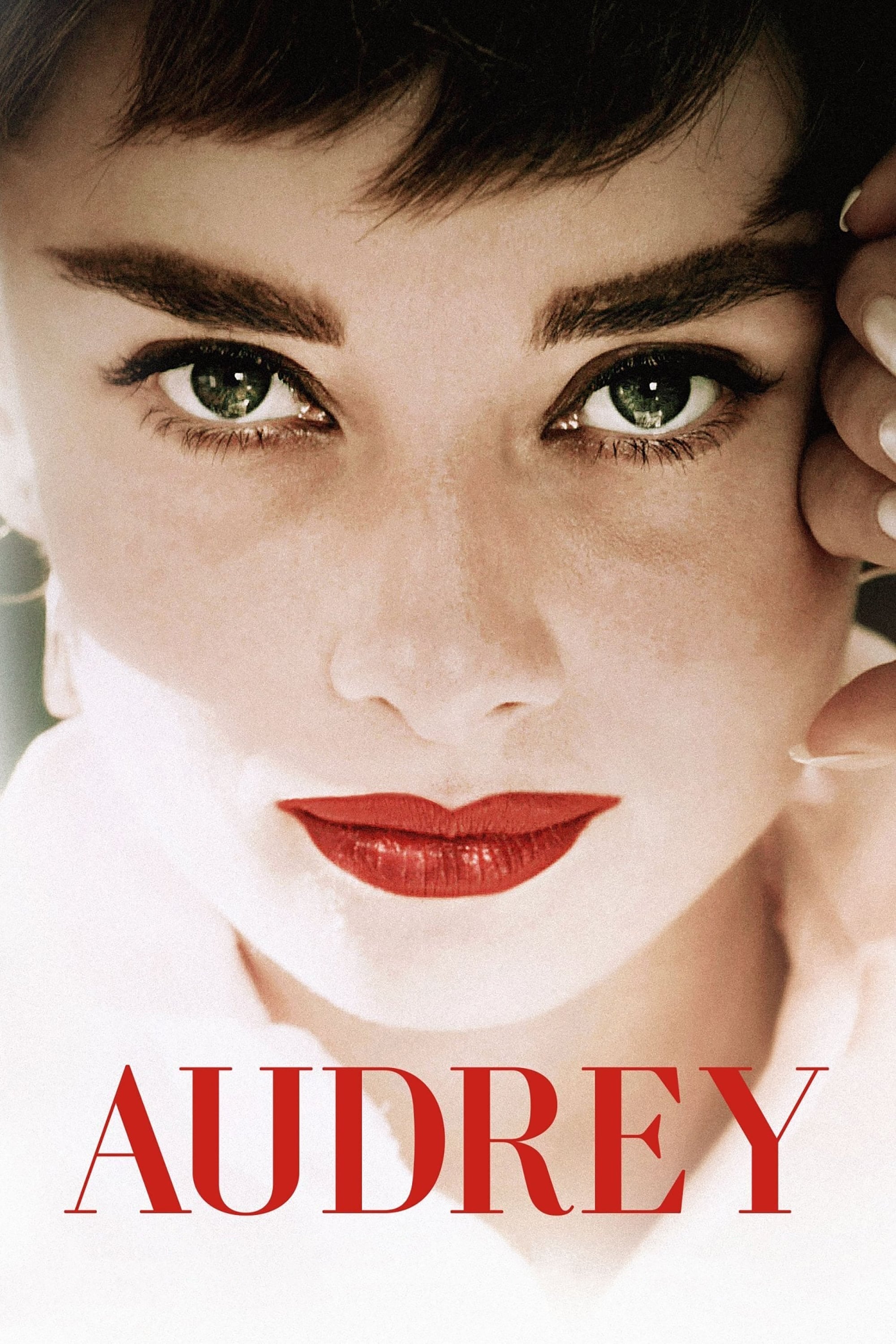
An unprecedented and intimate look at the life, work and enduring legacy of British actress Audrey Hepburn (1929-1993).
With unprecedented access, this documentary follows the extraordinary journey of “Raqqa is Being Slaughtered Silently”—a group of anonymous citizen journalists who banded together after their homeland was overtaken by ISIS—as they risk their lives to stand up against one of the greatest evils in the world today.
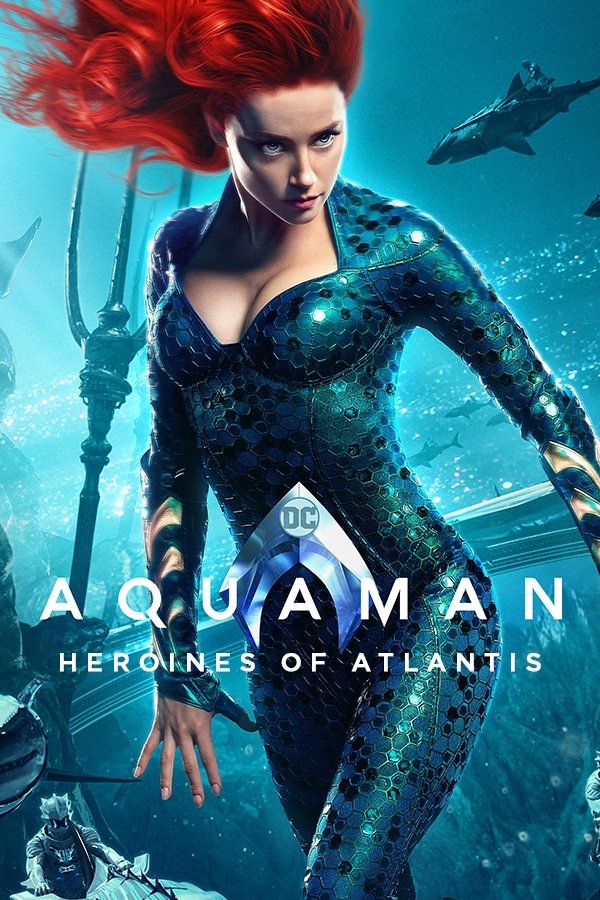
Amber Heard and Nicole Kidman discuss their characters Mera and Atlanna.
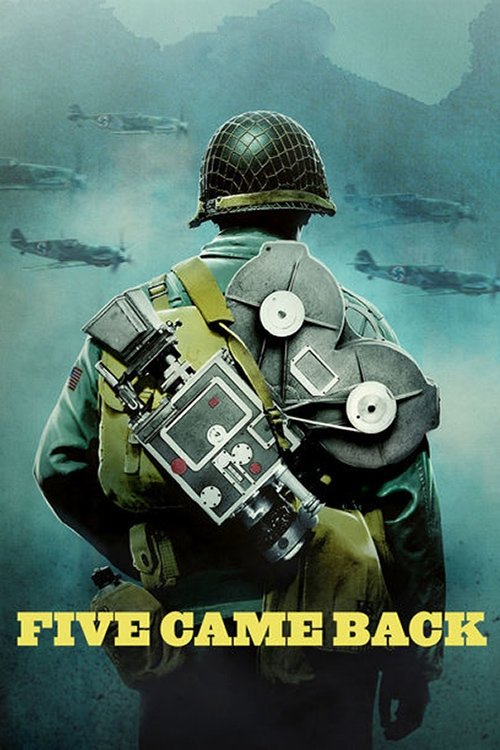
The extraordinary story of how Hollywood changed World War II – and how World War II changed Hollywood, through the interwoven experiences of five legendary filmmakers who went to war to serve their country and bring the truth to the American people: John Ford, William Wyler, John Huston, Frank Capra, and George Stevens. Based on Mark Harris’ best-selling book, “Five Came Back: A Story of Hollywood and the Second World War.”
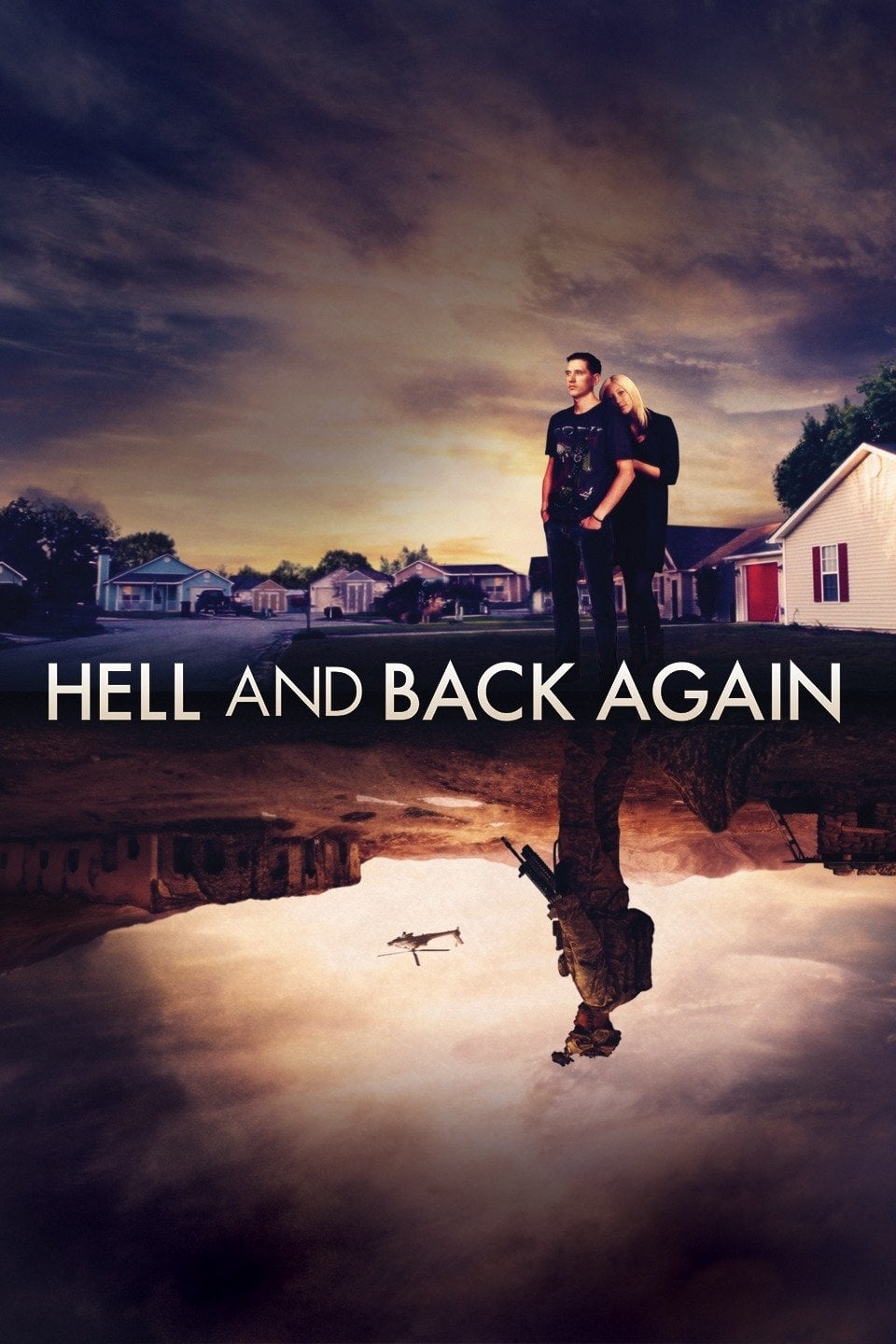
What does it mean to lead men in war? What does it mean to come home? Hell and Back Again is a cinematically revolutionary film that asks and answers these questions with a power and intimacy no previous film about the conflict in Afghanistan has been able to achieve. It is a masterpiece in the cinema of war.
Unravel the case of Utah therapist Jodi Hildebrandt, whose child abuse arrest with parenting YouTuber Ruby Franke exposed a twisted tale of manipulation.
An experimental documentary that explores Saudi Arabia's relationship with the U.S. and the role this has played in the war in Afghanistan.
SEDUCED AND ABANDONED combines acting legend Alec Baldwin with director James Toback as they lead us on a troublesome and often hilarious journey of raising financing for their next feature film. Moving from director to financier to star actor, the two players provide us with a unique look behind the curtain at the world's biggest and most glamourous film festival, shining a light on the bitter-sweet relationship filmmakers have with Cannes and the film business. Featuring insights from directors Martin Scorsese, 'Bernando Bertolucci' and Roman Polanski; actors Ryan Gosling and Jessica Chastain and a host of film distribution luminaries.
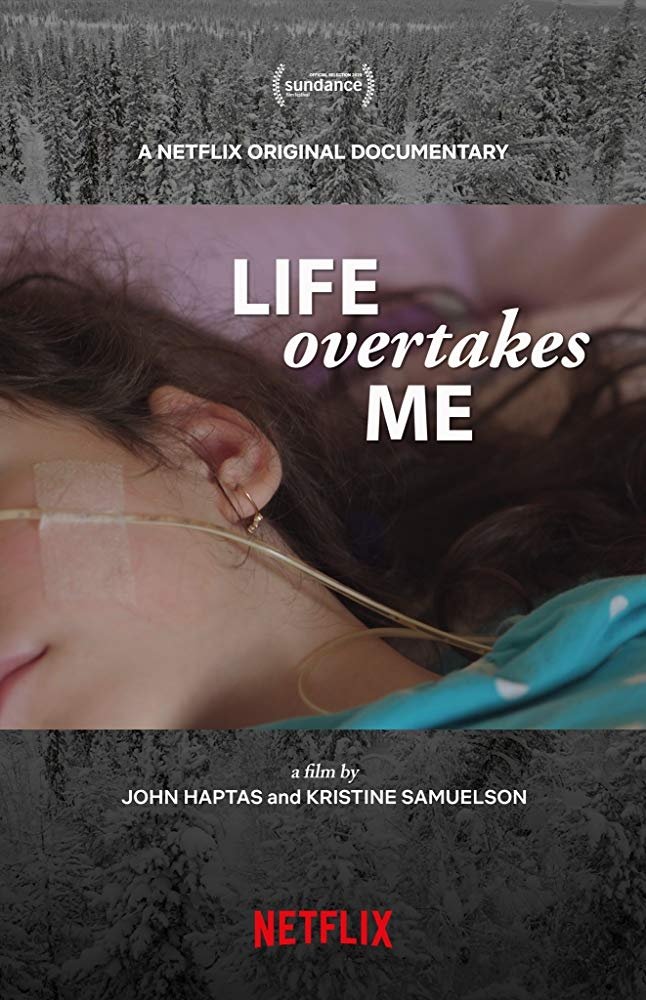
Hundreds of refugee children in Sweden, who have fled with their families from extreme trauma, have become afflicted with 'uppgivenhetssyndrom,' or Resignation Syndrome. Facing deportation, they withdraw from the world into a coma-like state, as if frozen, for months, or even years.
During the chaotic final weeks of the Vietnam War, the North Vietnamese Army closes in on Saigon as the panicked South Vietnamese people desperately attempt to escape. On the ground, American soldiers and diplomats confront a moral quandary: whether to obey White House orders to evacuate only U.S. citizens.
A detailing of the rise to prominence and global sporting superstardom of six supremely talented young Manchester United football players (David Beckham, Nicky Butt, Ryan Giggs, Paul Scholes, Phil and Gary Neville). The film covers the period 1992-1999, culminating in Manchester United's European Cup triumph.
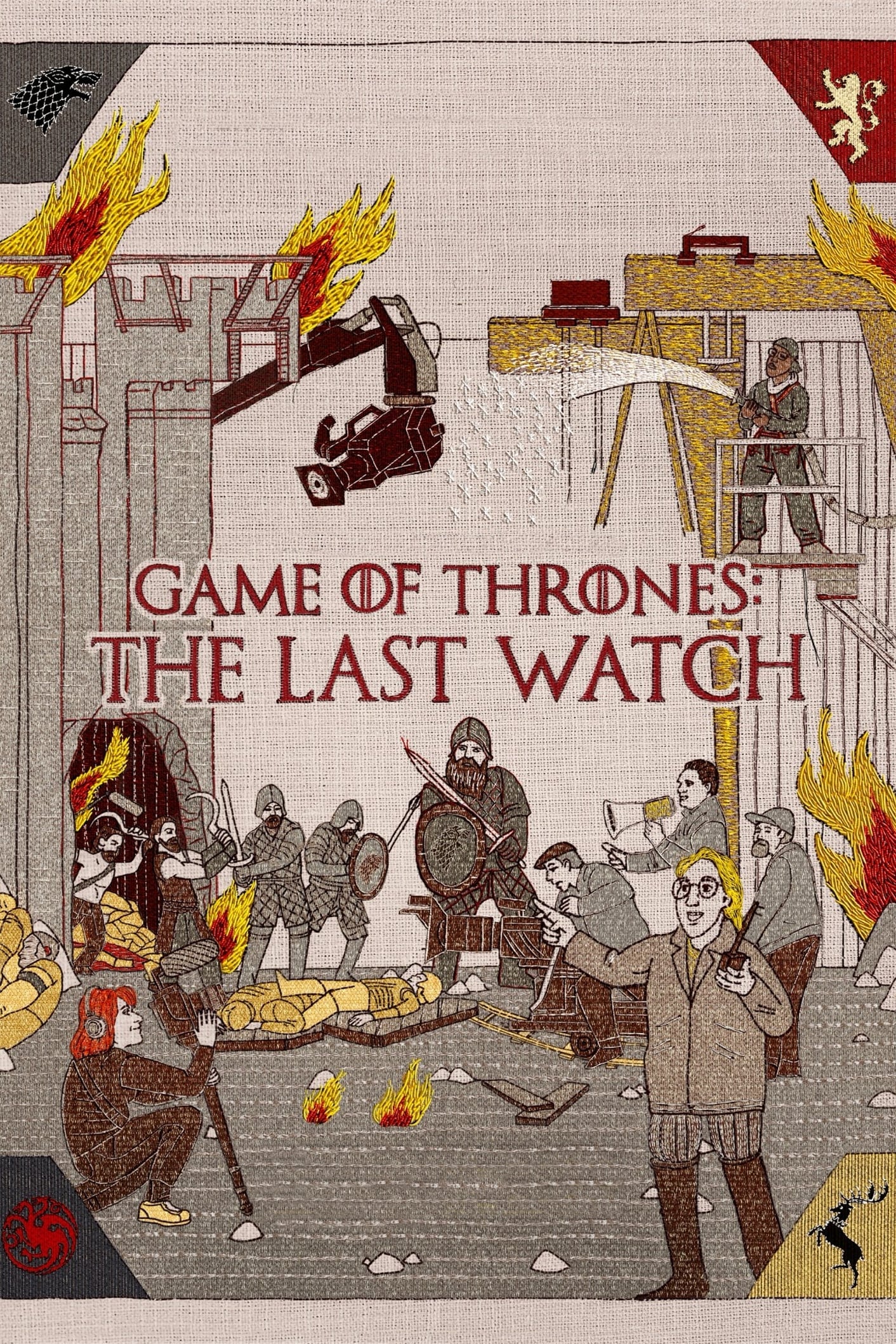
For a year, acclaimed British filmmaker Jeanie Finlay was embedded on the set of the hit HBO series “Game of Thrones,” chronicling the creation of the show’s most ambitious and complicated season. Debuting one week after the series 8 finale, GAME OF THRONES: THE LAST WATCH delves deep into the mud and blood to reveal the tears and triumphs involved in the challenge of bringing the fantasy world of Westeros to life in the very real studios, fields and car-parks of Northern Ireland. Made with unprecedented access, GAME OF THRONES: THE LAST WATCH is an up-close and personal portrait from the trenches of production, following the crew and the cast as they contend with extreme weather, punishing deadlines and an ever-excited fandom hungry for spoilers. Much more than a “making of” documentary, this is a funny, heartbreaking story, told with wit and intimacy, about the bittersweet pleasures of what it means to create a world – and then have to say goodbye to it.
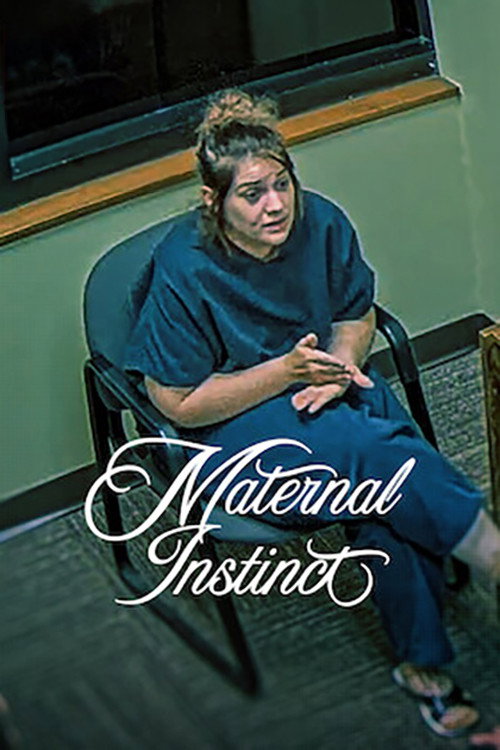
Police pull over a woman who claims she just gave birth. But the baby — and the blood — aren't hers. Twisted lies unravel in this true-crime documentary.