Social & External
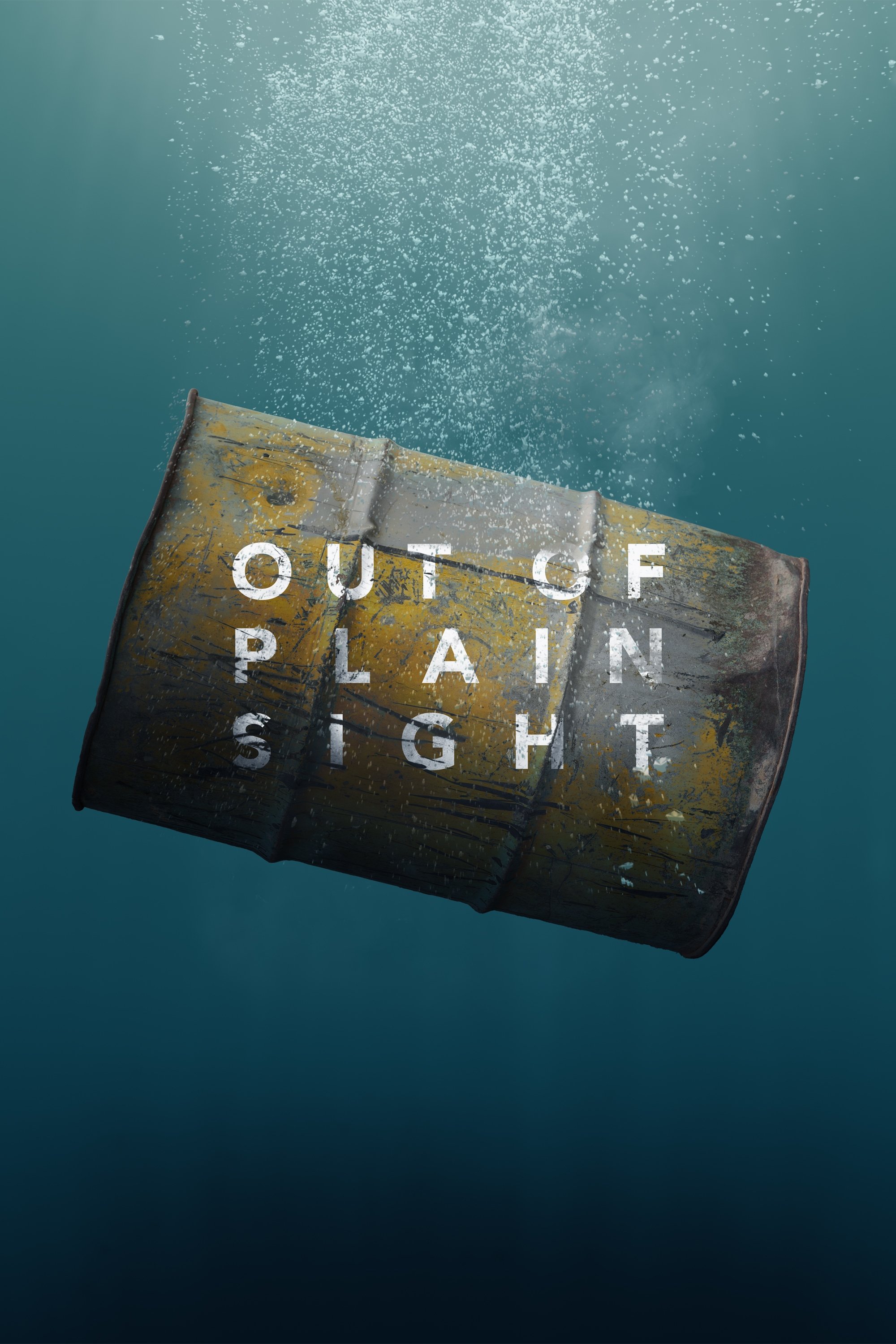
From the Los Angeles Times and Pulitzer Prize-finalist Rosanna Xia, OUT OF PLAIN SIGHT is a cinematic exposé of an environmental disaster lurking just off the coast of Southern California. Not far from Catalina Island, aboard one of the most-advanced research ships in the world, David Valentine discovered a corroded barrel on the seafloor that gave him chills. The full environmental horror sharpens into greater clarity once he calls Xia, who pieces together a shocking revelation: In the years after World War II, as many as half a million barrels of toxic waste had been quietly dumped into the ocean – and the consequences continue to haunt the world today.
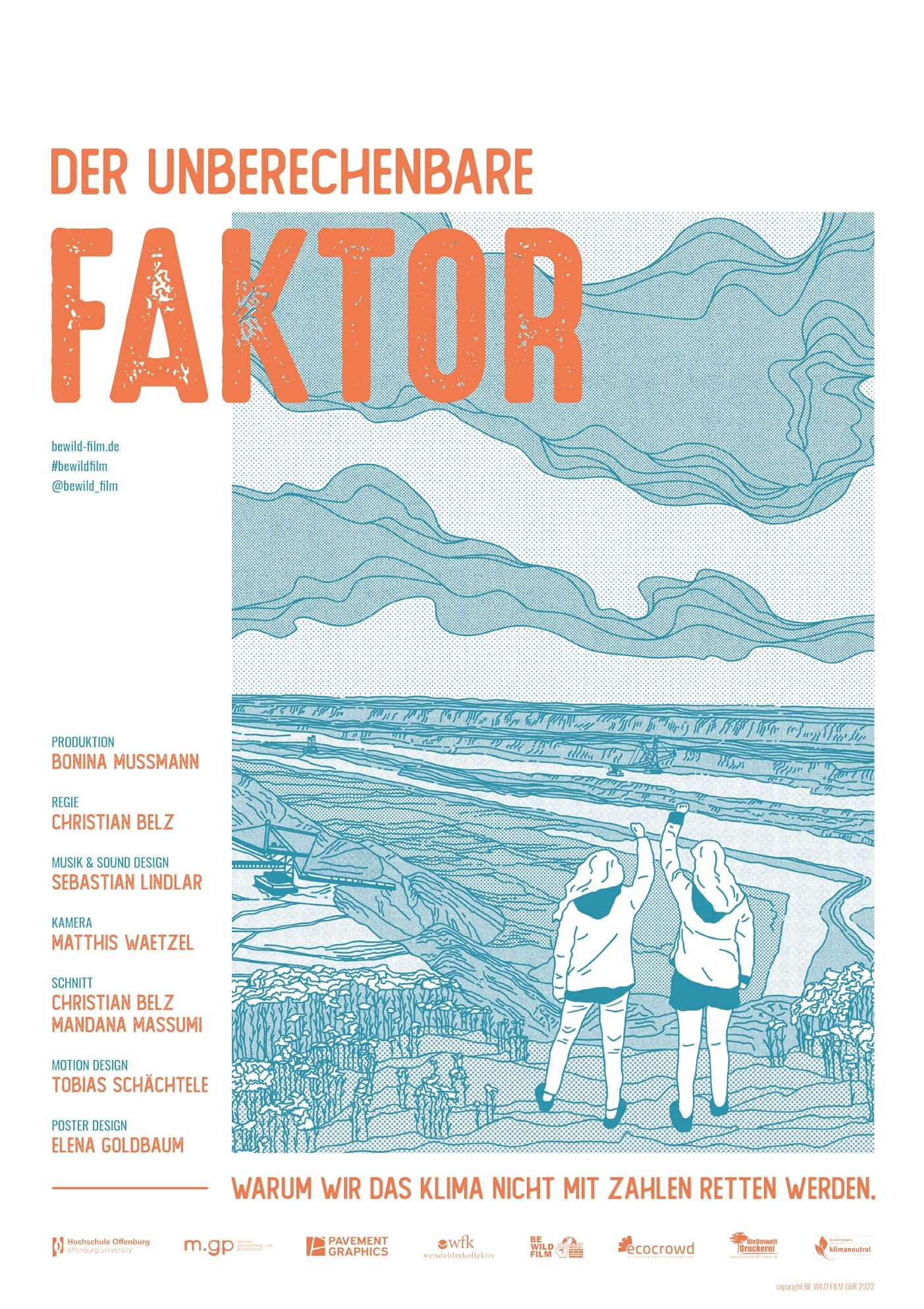
In today's climate debate, there is only one factor that cannot be calculated in climate models - humans. How can we nevertheless understand our role in the climate system and manage the crisis? Climate change is a complex global problem. Increasingly extreme weather events, rising sea levels, and more difficult living conditions - including for us humans - are already the order of the day. Global society has never faced such a complex challenge. For young people in particular, the frightening climate scenarios will be a reality in the future. For the global south, it is already today. To overcome this crisis, different perspectives are needed. "THE UNPREDICTABLE FACTOR" goes back to the origins of the German environmental movement, accompanies today's activists in the Rhineland in their fight against the coal industry and gives a voice to scientists from climate research, ethnology and psychology.
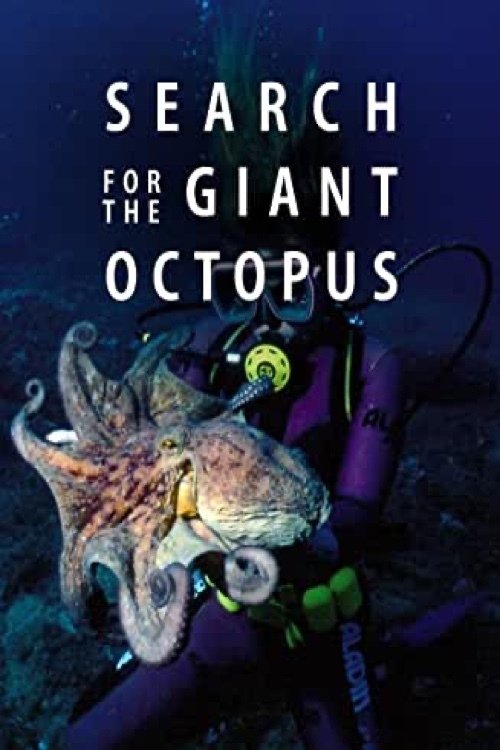
The waters of the North Pacific around Canada's Vancouver Island are a strange and little known world. The water is incredibly clean, the location is isolated and huge thermal vents heat the otherwise cold surrounding these factors combined have led to animals and plants that can grow to huge proportions. Humpback whales, orcas, wolf eels and bald eagles all thrive here. Our team of experts go in search of the elusive Pacific Giant Octopus. Growing up to 7.5 meters across with the power to kill sharks, it is a formidable creature, but also intelligent and incredibly shy. The dive team invites us into an alien world, where persistence is rewarded with encounters with three of these magnificent creatures.
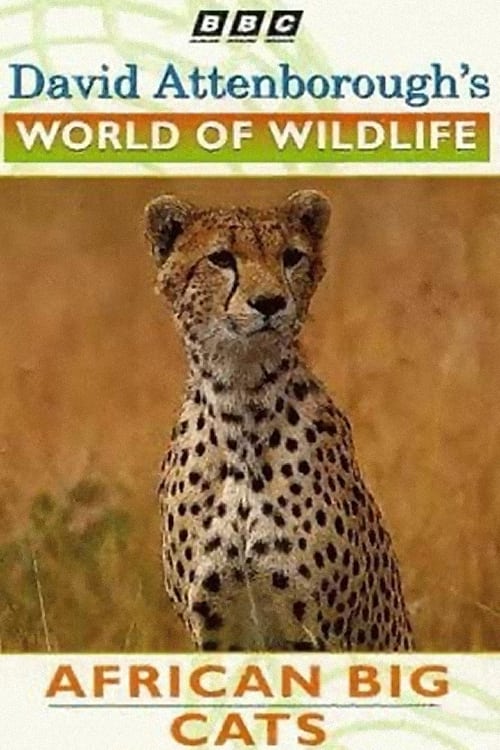
Sir David Attenborough presents and narrates this wildlife series, a visual encyclopedia of the natural world. This episode looks at the fast, sleek and elegant cheetahs - supreme athletes and hunters of the animal world. Also the leopard, another deadly hunter, is observed in its natural habitat.
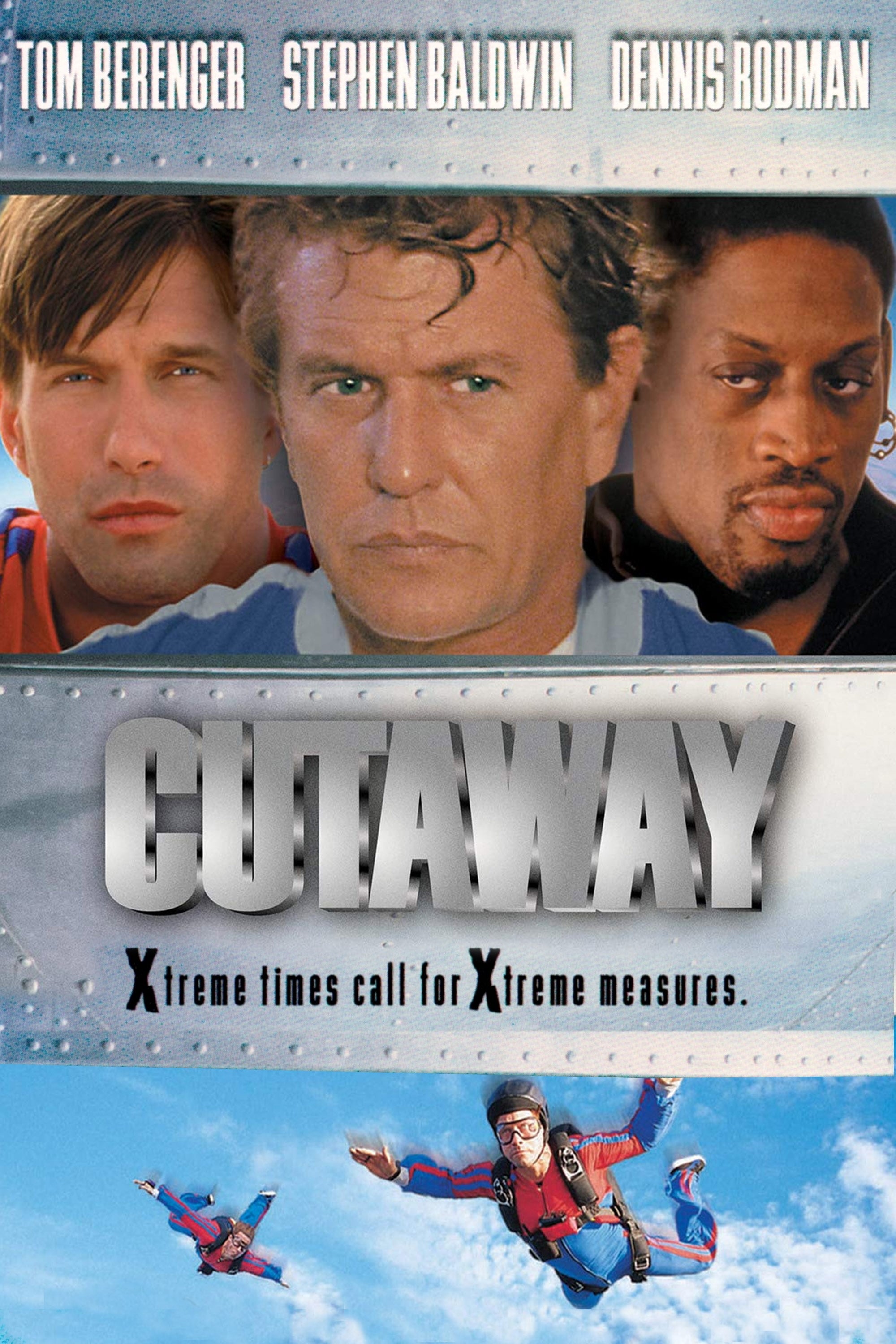
The successful undercover agent Victor Cooper is assigned for his ninth mission: to find how the loadings of drug is being brought to Miami. He suspects that the drug is coming through the air and joins a team of sky diving, under the leadership of Red Line, a fanatic and considered the athlete number one in this sport in the world. Due to his profile of winner, Vic gets involved with the group and he "disconnects" from his position of infiltrated agent, "connecting" with the team.
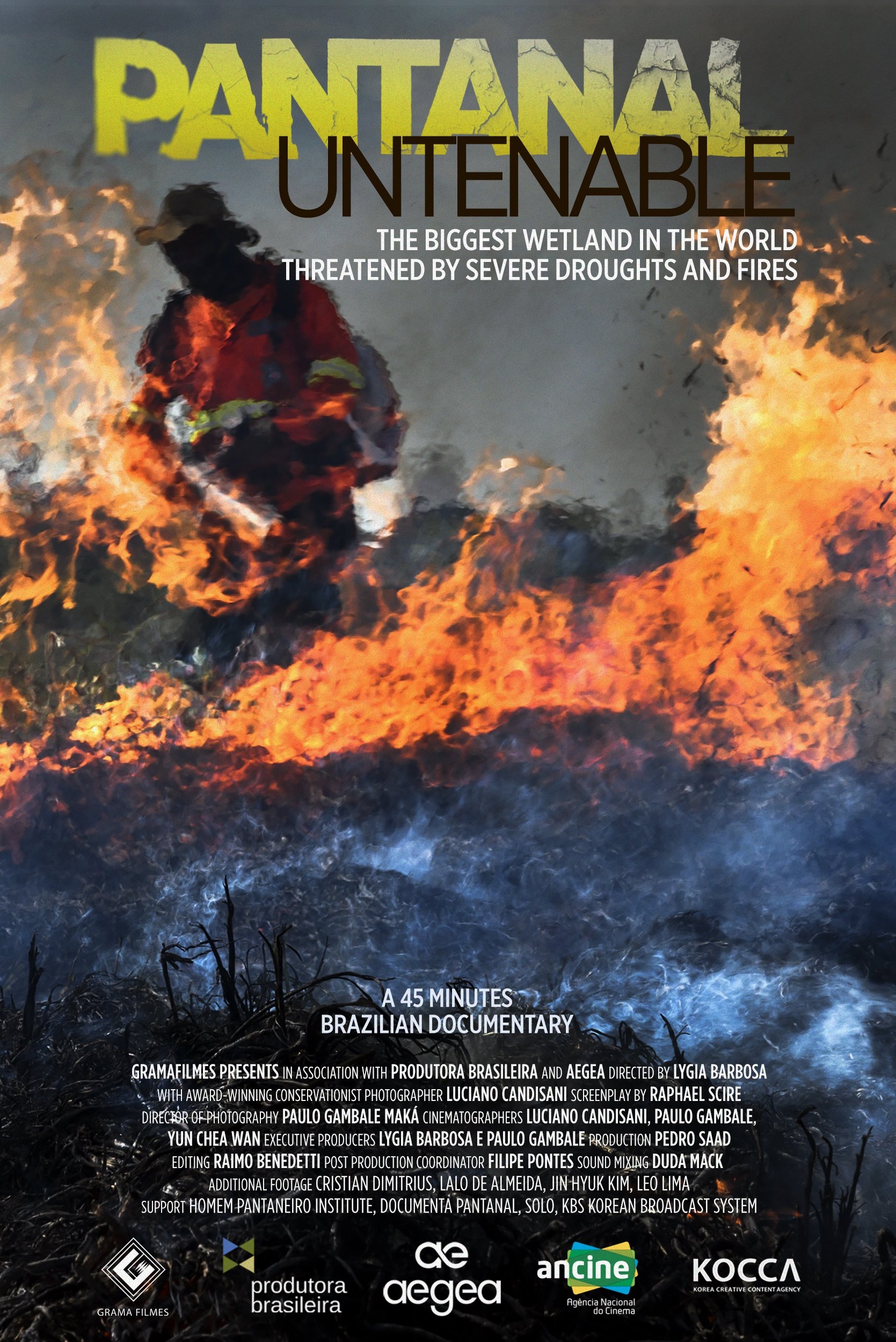
Luciano Candisani, award-winning Brazilian photographer, returns to the Pantanal, the world’s largest floodplain, to document its biodiversity and raise awareness about severe environmental threats. The region faces drastic water flow changes and unprecedented fires, yet Candisani finds hope and resilience amidst the challenges.
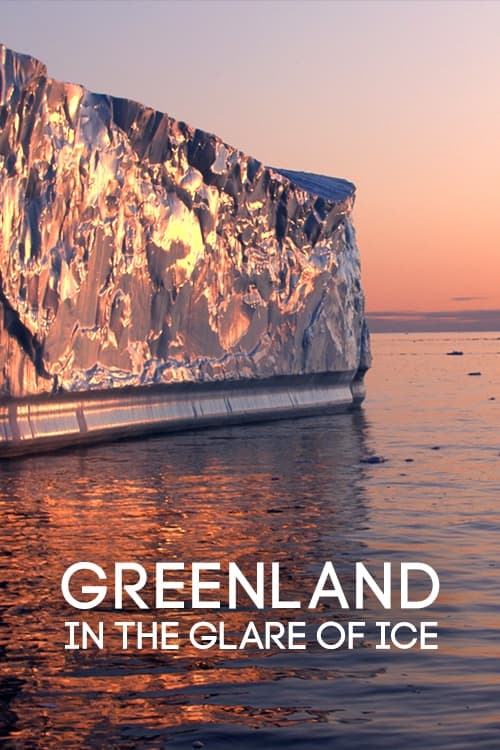
Greenland is the largest island in the world and the landmass closest to the North Pole. 80% of the country is covered by a layer of ice up to 3000 meters thick. Through the eyes of locals we get to know the authentic Greenland.
This film tries to blow the whistle on what it calls the biggest swindle in modern history: 'Man Made Global Warming'. Watch this film and make up your own mind.
Yannick Bellon's documentary paints a portrait of a city torn between the problem of unsanitary housing, pollution corroding walls and statues, and the recurring and increasing floods—all consequences of human activity. Faced with job shortages and rampant speculation, the overarching question arises of how industries can coexist with the city of Venice. Allowing them to develop risks destroying it; driving them out risks turning it into a museum, causing its inhabitants, and thus its soul, to leave.
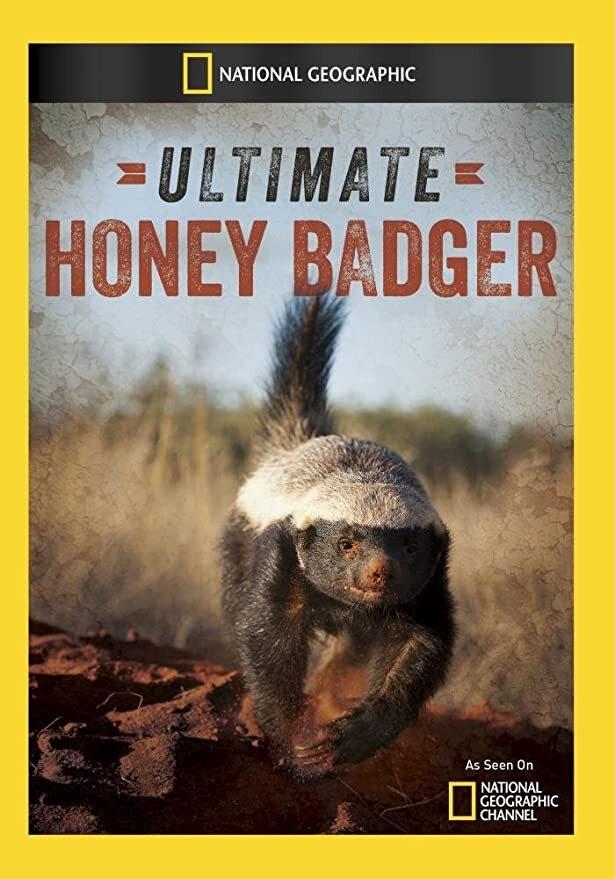
An orphaned honey badger’s journey to become the toughest hunter on the African savanna.
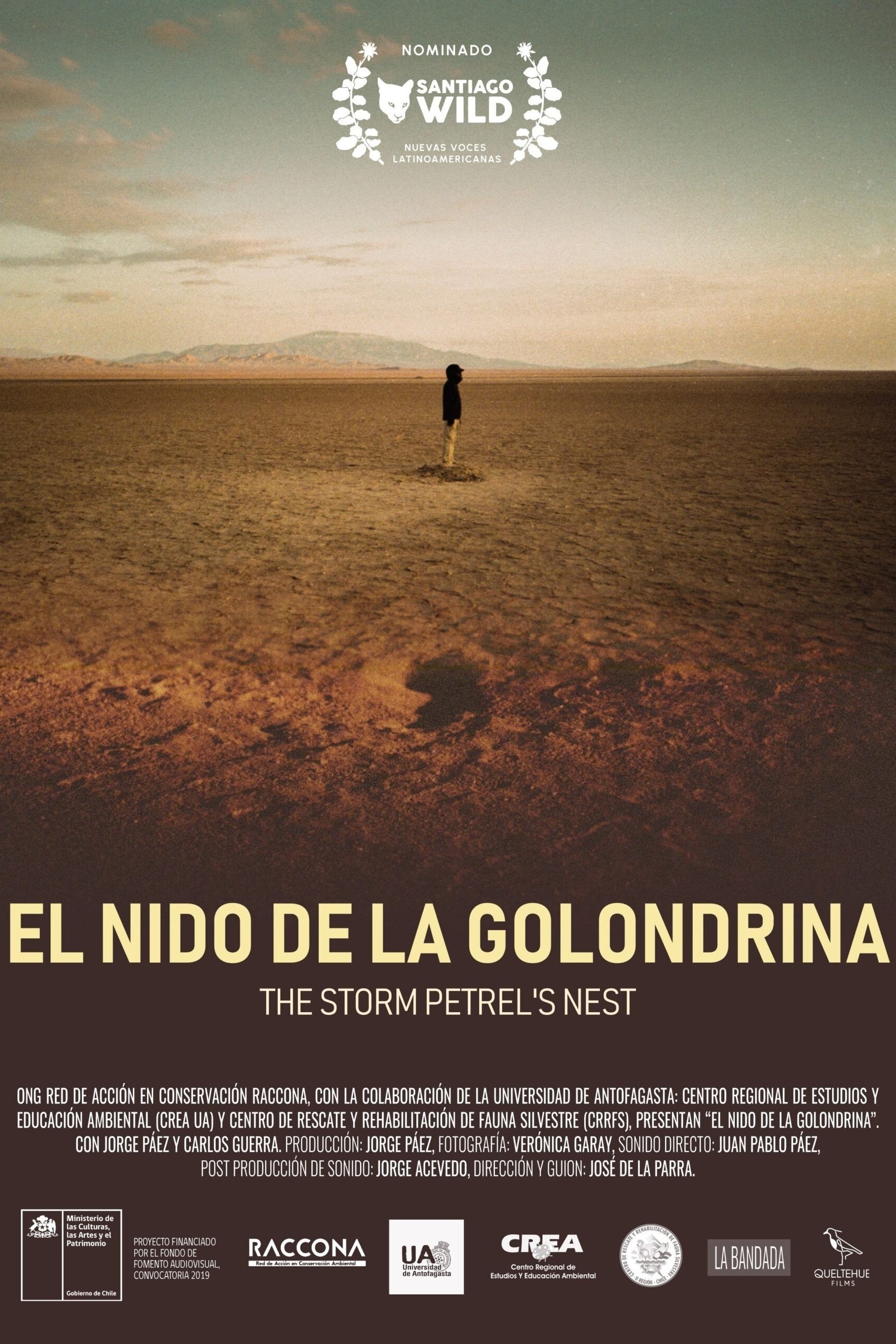
During their first flight between the Atacama Desert and the Pacific Ocean, thousands of ringed storm petrels have fallen victim to light pollution caused by the city and industry. Biologist Jorge Páez is dedicated to the rescue and conservation of this species in the city of Antofagasta. He will face the greatest mystery surrounding this species: despite the hundreds of specimens that fall in the city each year, nobody knows for certain the nesting sites of the species, lost in the vastness of the desert.
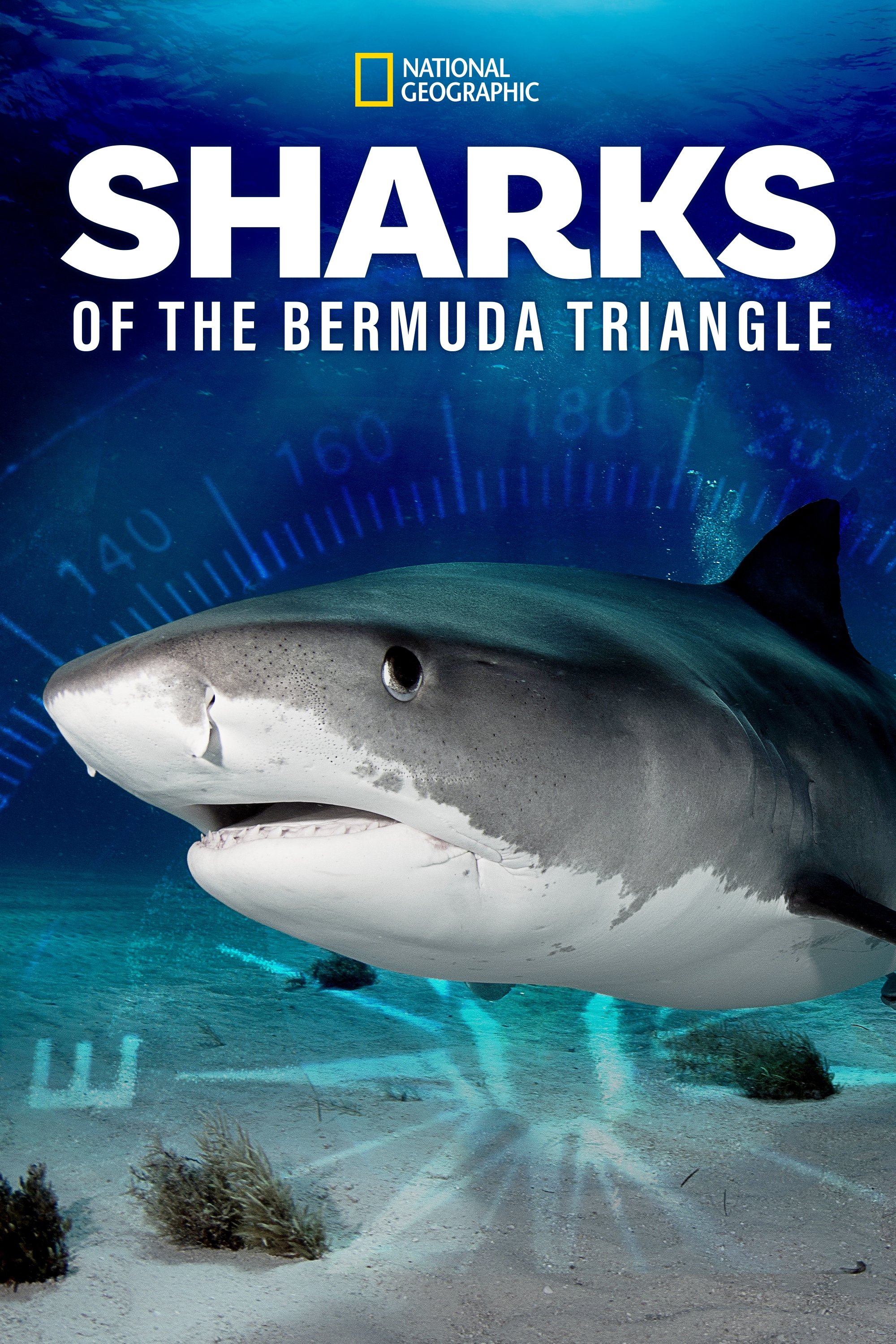
Marine biologist Dr. Austin Gallagher searches for the holy grail of shark research -- the secret breeding grounds of tiger sharks.
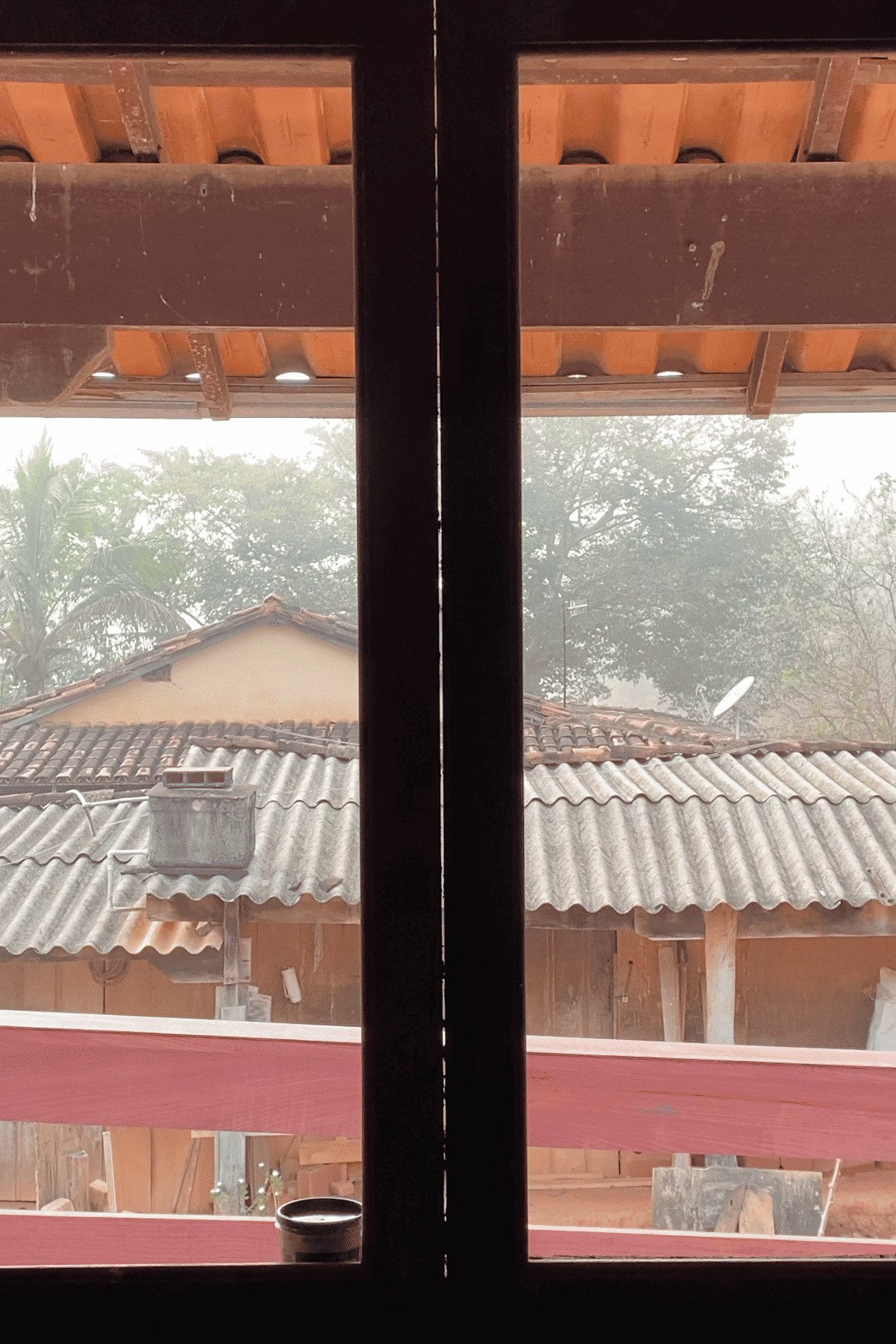
A short filmed in Brasil (Brazil). The short showcases the Brazilian state of Minas Gerais, mainly the country side.
We get to know a few inhabitants of central European rivers.
A mind-bending, thrilling journey exploring the fragility and wonder of planet Earth, one of the most peculiar, unique places in the entire universe, brought to life by the only people to have left it behind – the world’s most well known and leading astronauts. This edit combined episodes one and ten to create a new movie.
Dr. Jim Bednarz and Brooke Prater, the two leads of the UNT American Kestrel Project, seek to find out why the widespread raptor is on the decline.
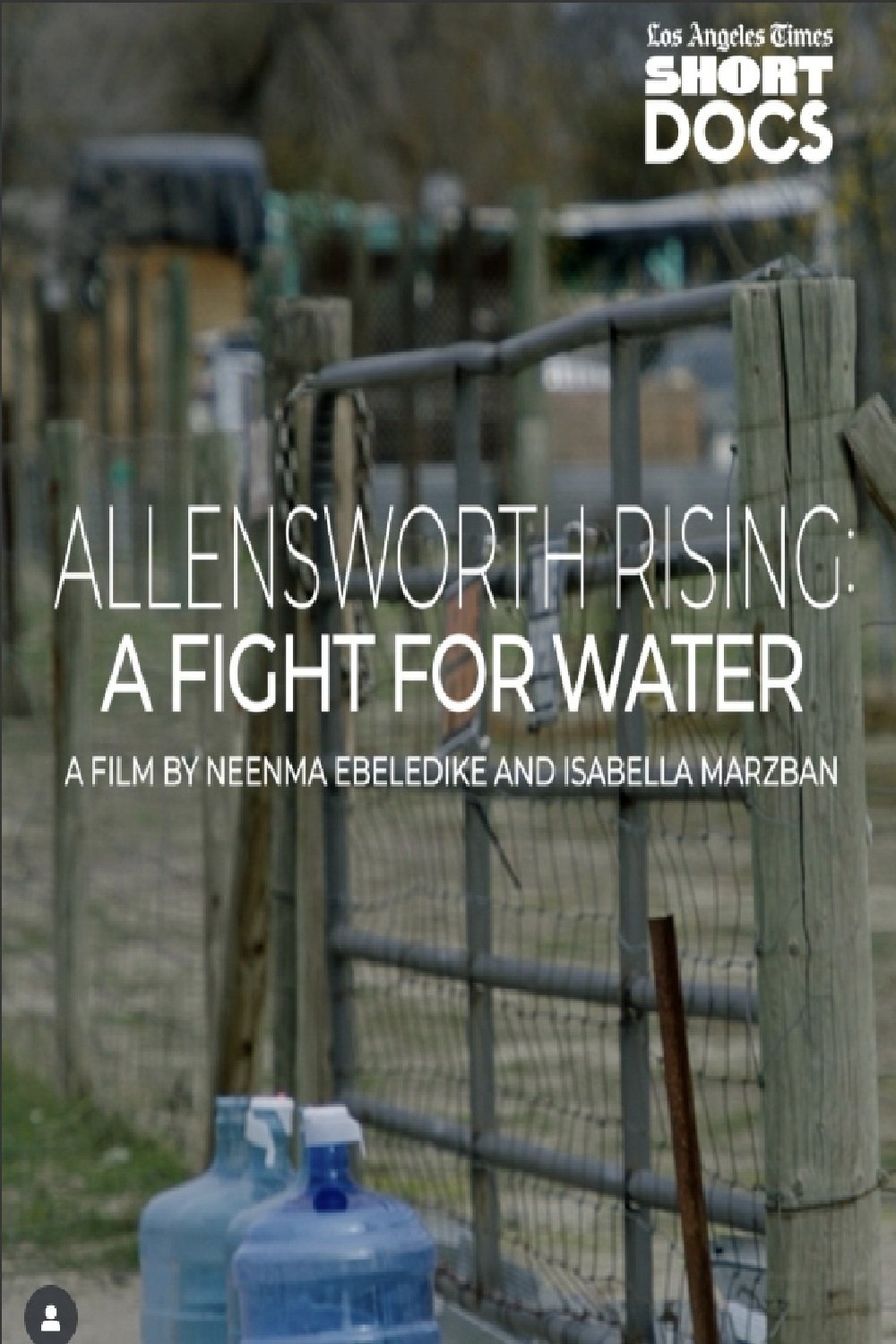
In the town of Allensworth, California, residents join forces with Dr. Ashok Gadgil to fight for clean water and to preserve the town’s historic legacy, continuing the work of their families who lived in the town for generations.
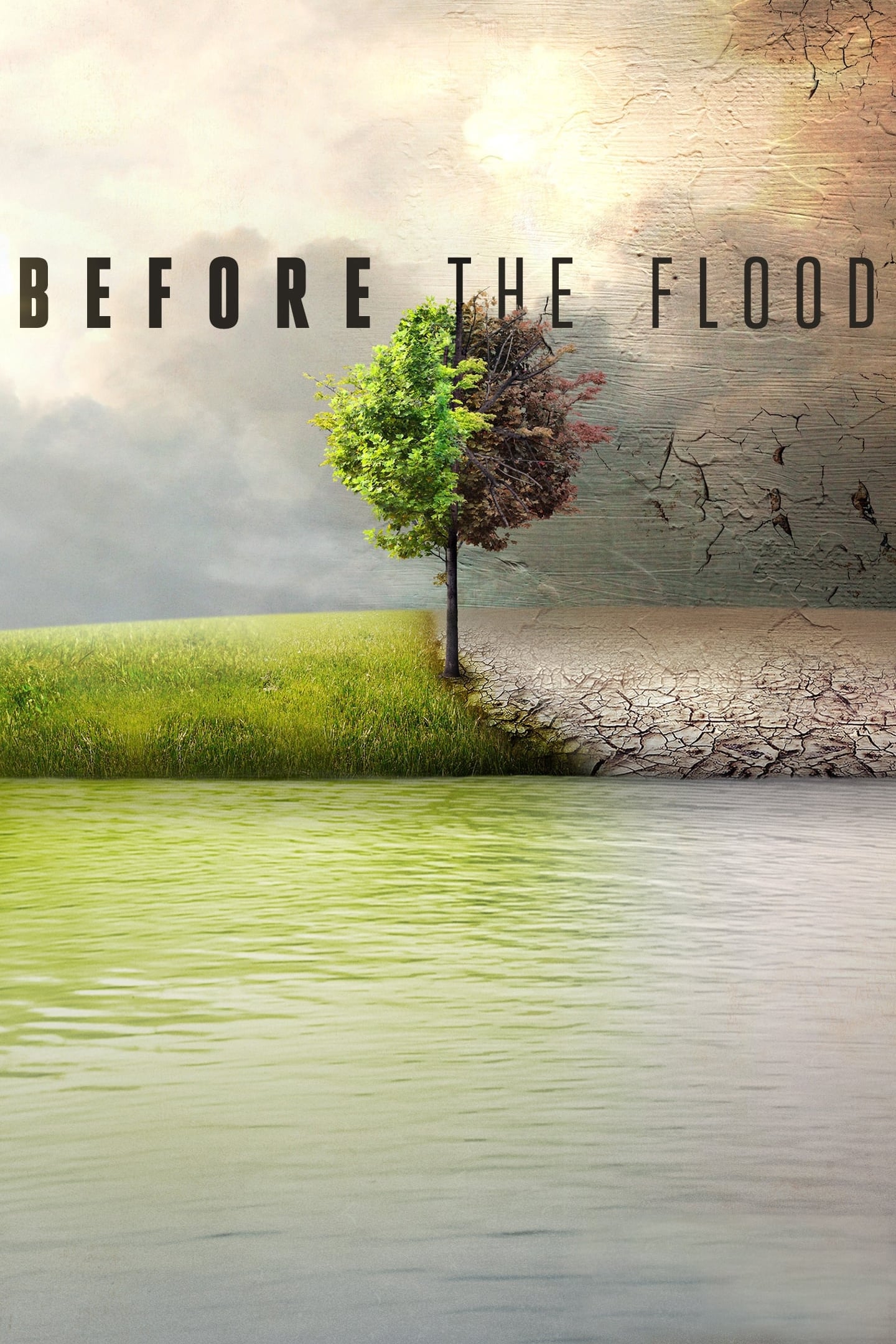
Climate is changing. Instead of showing all the worst that can happen, this documentary focuses on the people suggesting solutions and their actions.
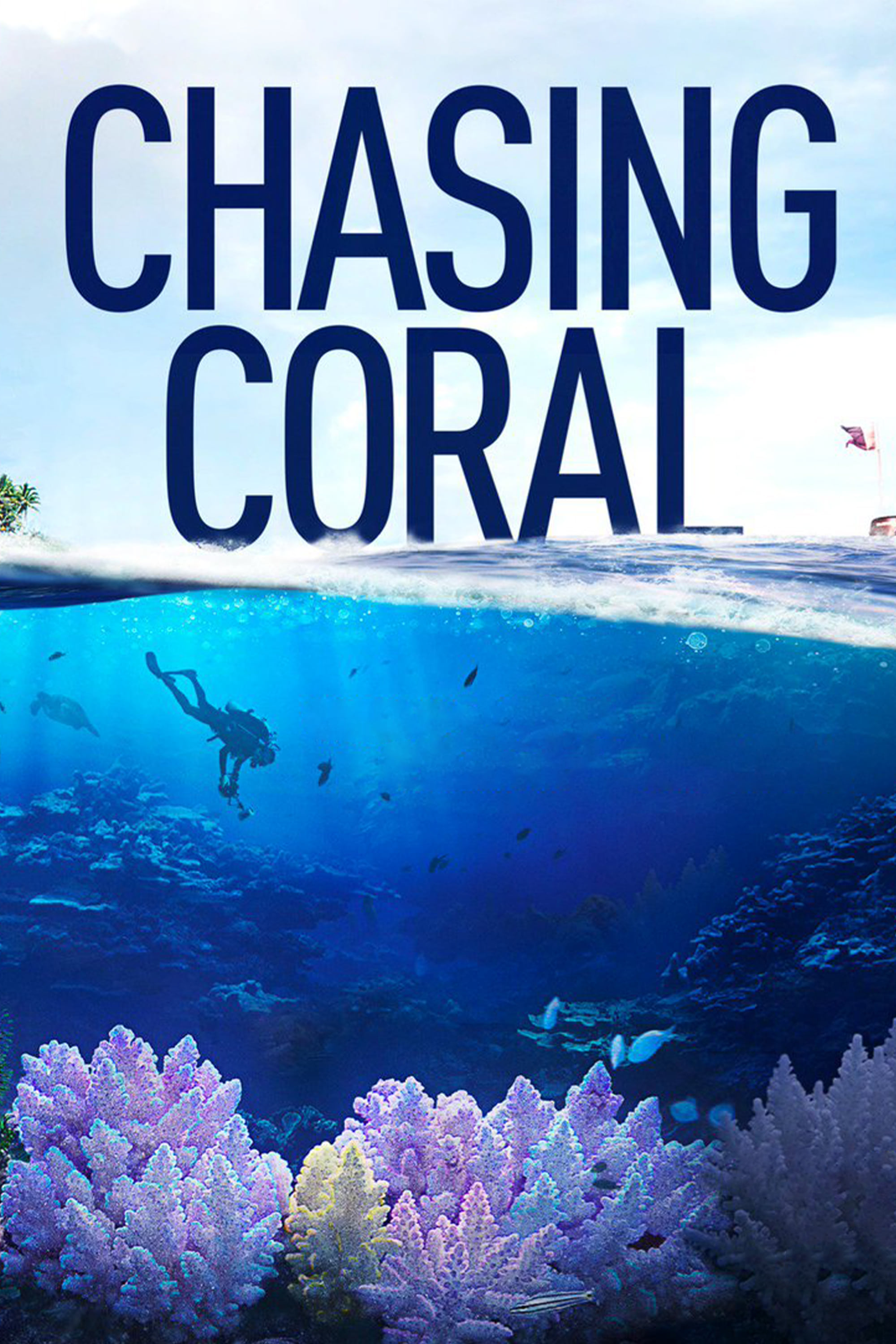
Coral reefs are the nursery for all life in the oceans, a remarkable ecosystem that sustains us. Yet with carbon emissions warming the seas, a phenomenon called “coral bleaching”—a sign of mass coral death—has been accelerating around the world, and the public has no idea of the scale or implication of the catastrophe silently raging underwater.
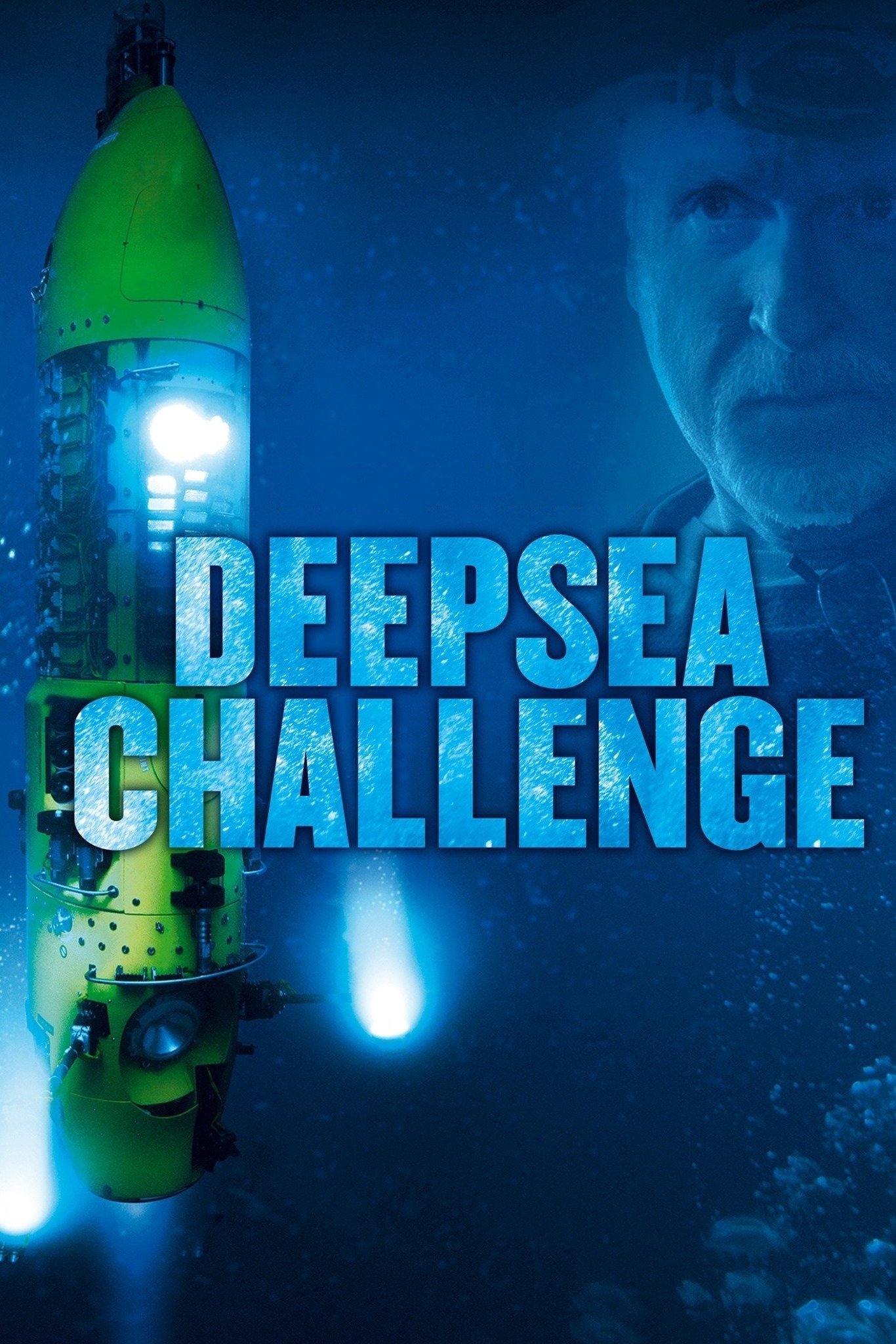
Described as being a film about determination, danger and the ocean’s greatest depths, James Cameron's "Deepsea Challenge 3D" tells the story of Cameron’s journey to fulfill his boyhood dream of becoming an explorer. The movie offers a unique insight into Cameron's world as he makes that dream reality – and makes history – by becoming the first person to travel solo to the deepest point on the planet.
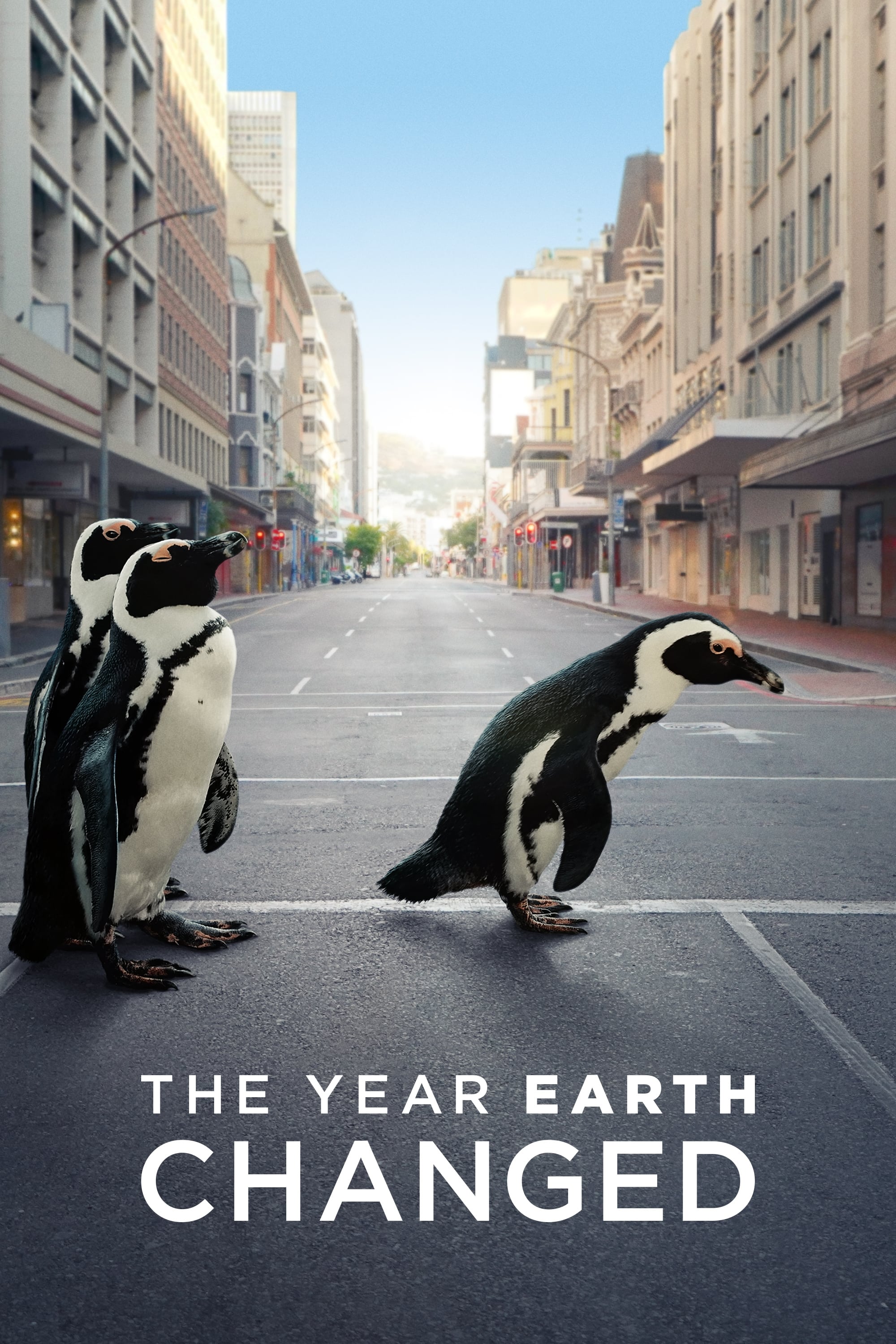
Never-before-seen footage shows how our living in lockdown opened the door for nature to bounce back and thrive. Across the seas, skies, and lands, Earth found its rhythm when we came to a stop.
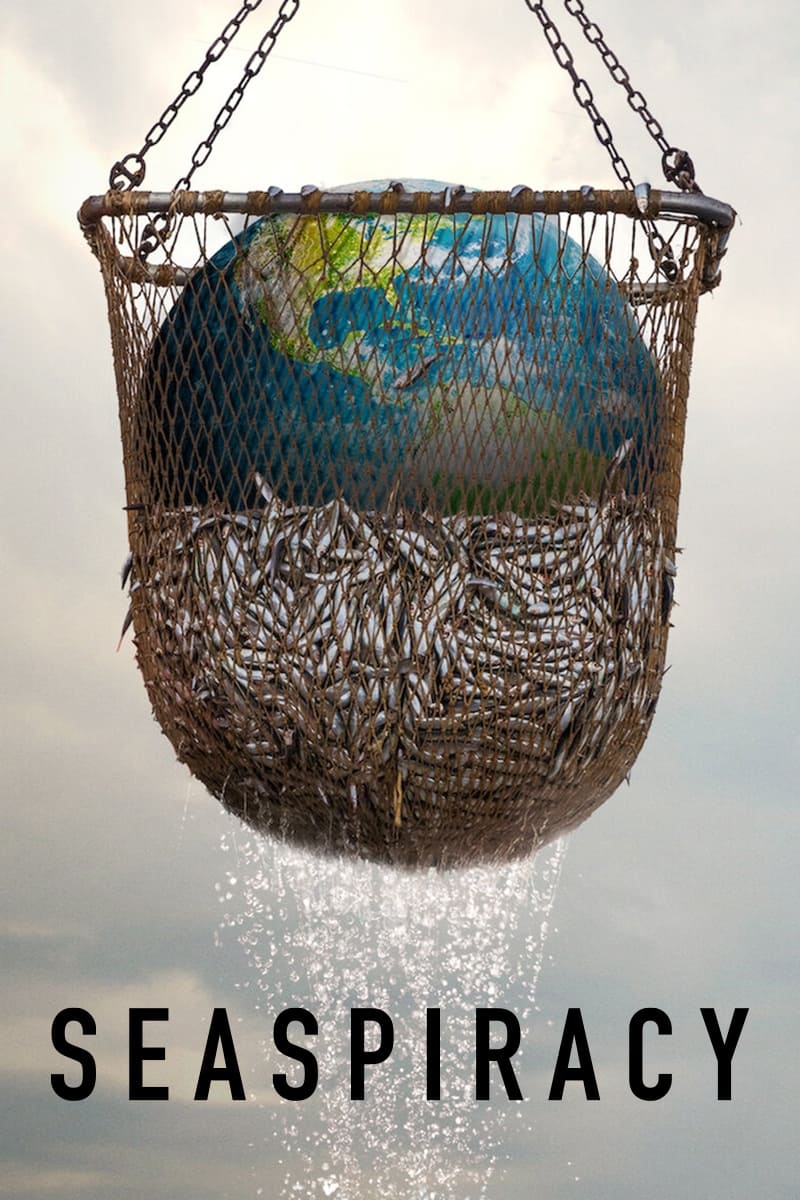
Passionate about ocean life, a filmmaker sets out to document the harm that humans do to marine species — and uncovers an alarming global conspiracy.
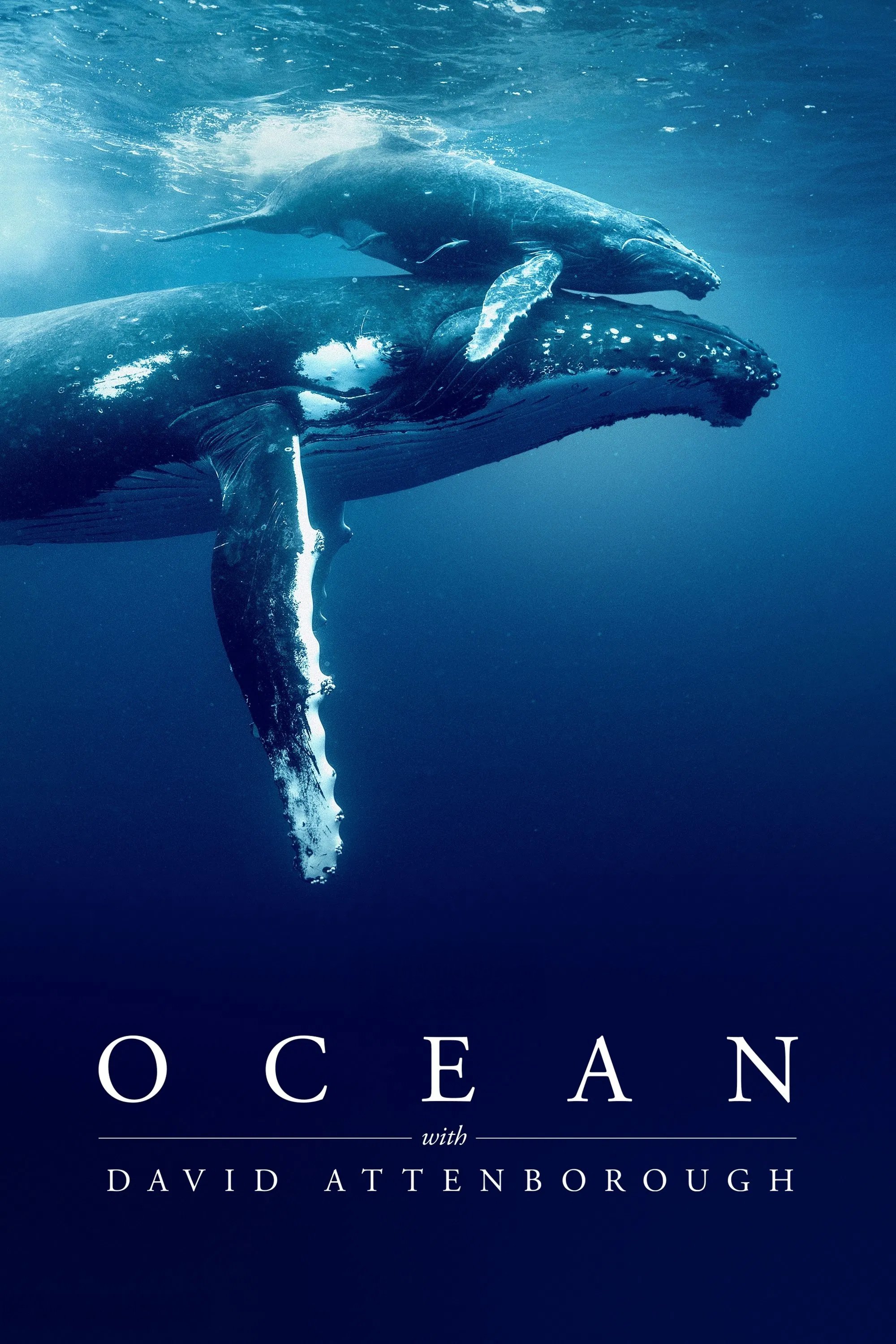
David Attenborough takes viewers on a breathtaking journey showing there is nowhere more vital for our survival, more full of life, wonder, or surprise, than the ocean. Through spectacular sequences featuring coral reefs, kelp forests and the open ocean, Attenborough shares why a healthy ocean keeps the entire planet stable and flourishing.
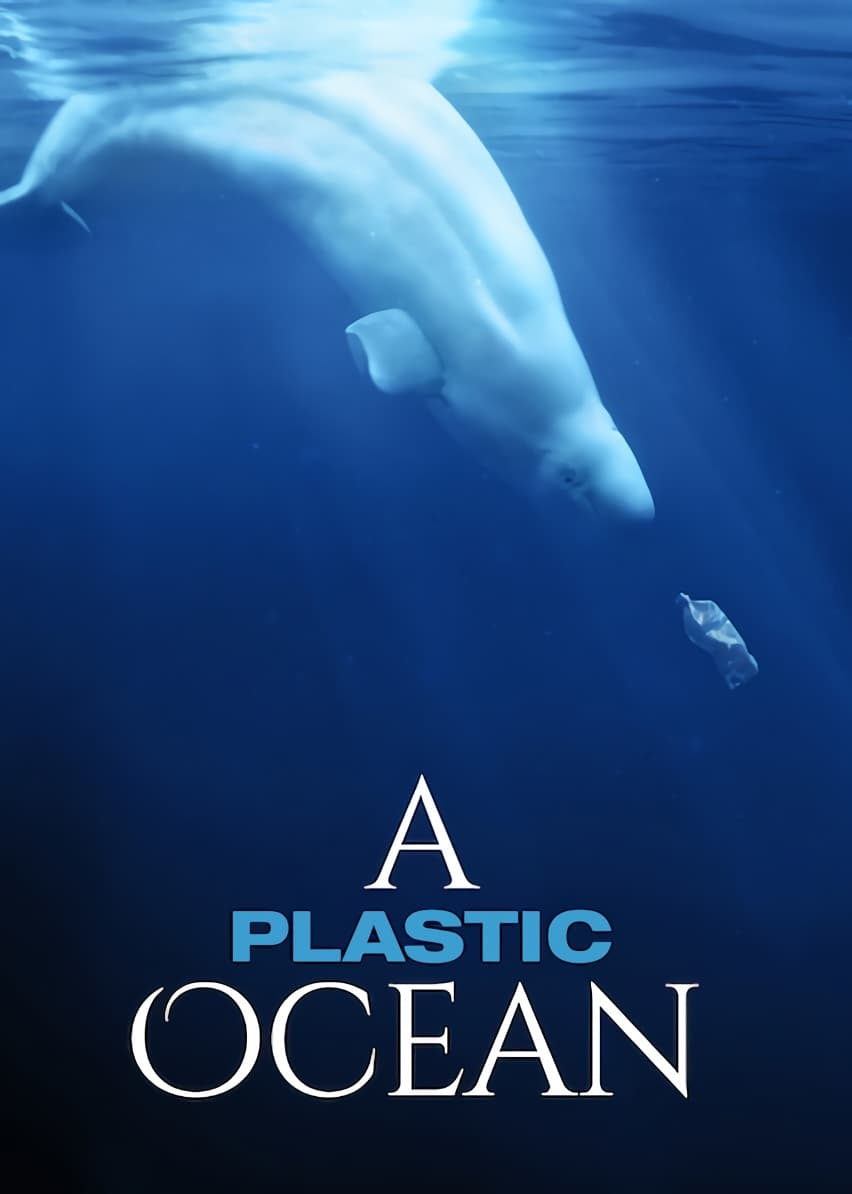
A documentary focused on plastic pollution in the world's oceans.
A detailing of the rise to prominence and global sporting superstardom of six supremely talented young Manchester United football players (David Beckham, Nicky Butt, Ryan Giggs, Paul Scholes, Phil and Gary Neville). The film covers the period 1992-1999, culminating in Manchester United's European Cup triumph.
A look at how climate change affects our environment and what society can do to prevent the demise of endangered species, ecosystems, and native communities across the planet.
Learn the incredible behind-the-scenes story of how the original Star Wars movie was brought to the big screen in this fascinating documentary hosted by C-3PO and R2-D2 which includes interviews with George Lucas and appearances by Mark Hamill, Harrison Ford and Carrie Fisher.
He's devoted his career to uncovering stories the powerful want buried. From My Lai to Abu Ghraib, dig into the life's work of journalist Seymour Hersh.
A documentary on Al Gore's campaign to make the issue of global warming a recognized problem worldwide.
This documentary focuses on the actors and their journey over two summers to create the remake to the original IT, by Stephen King. The documentary originally released as bonus material, bundled with IT: Chapter Two.
An intimate portrait of Hollywood royalty featuring Debbie Reynolds, Todd Fisher, and Carrie Fisher.
In 1997, Louis Theroux made a documentary about the world of male porn performers in Los Angeles. 15 years later, he returns to find a business struggling with the deluge of free porn on the internet. Louis revisits some of the original programme's contributors as well as meeting the latest crop of porn performers dreaming of porn stardom.
A look at the origins, history and conspiracies behind the "Majestic 12", a clandestine group of military and corporate figureheads charged with reverse-engineering extraterrestrial technology.
In the heart of the tranquil Vosges forests, where lynxes, bears and deer roam freely, Vincent Munier accompanies his father on his expeditions. He not only seeks to capture the visual wonders of this forest kingdom, but also aims to make its sounds audible. Every whisper of the forest is a reminder of the knowledge of nature that his father once imbued in him – knowledge that Vincent now passes on to his own son. Vincent Munier combines breathtaking footage of nature and its sounds to create a fairytale-like cinematic experience that slows time down.
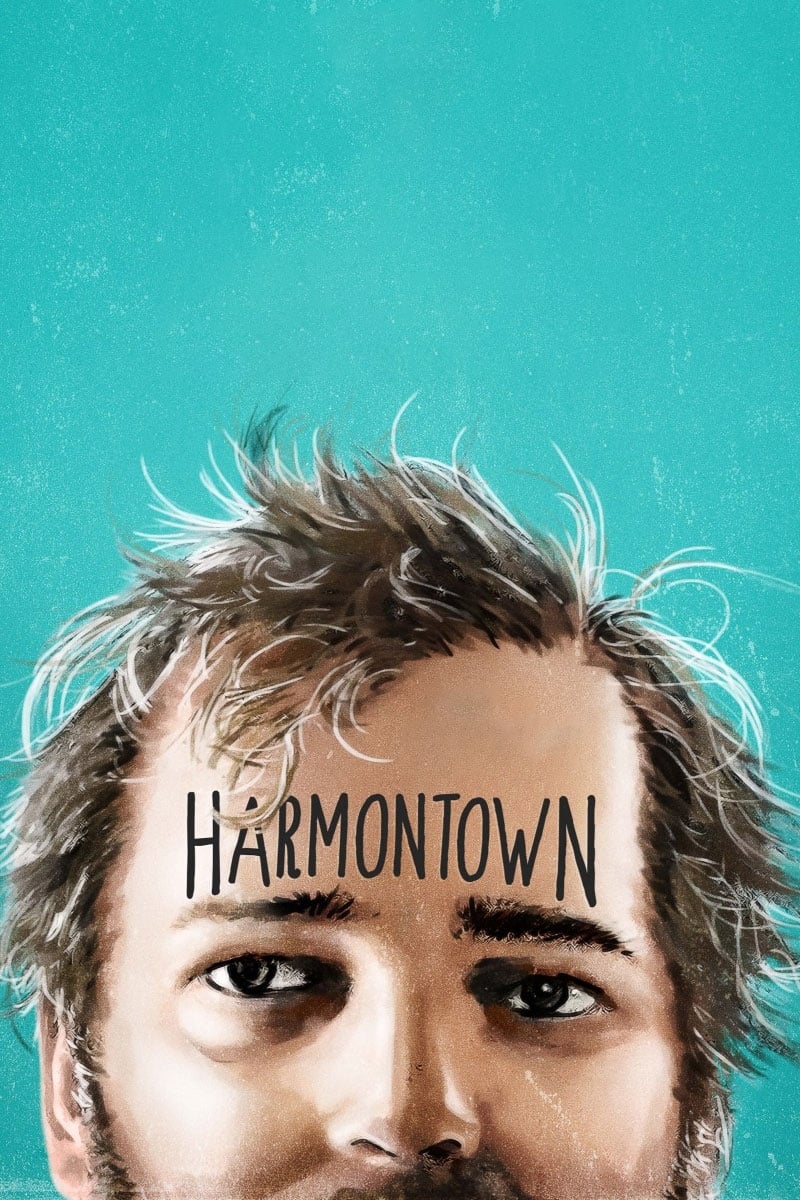
A comedic, brutally honest documentary following self-destructive TV writer Dan Harmon as he takes his live podcast on a national tour.
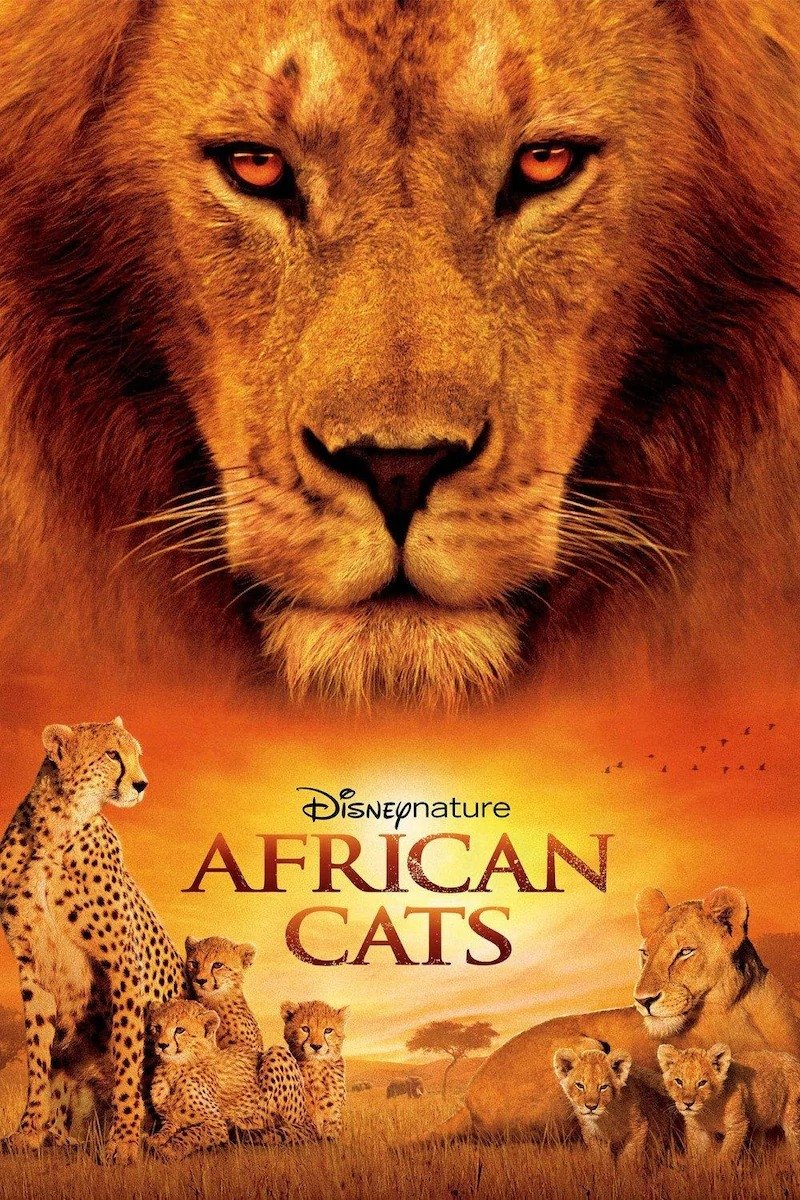
African Cats captures the real-life love, humor and determination of the majestic kings of the savanna. The story features Mara, an endearing lion cub who strives to grow up with her mother’s strength, spirit and wisdom; Sita, a fearless cheetah and single mother of five mischievous newborns; and Fang, a proud leader of the pride who must defend his family from a once banished lion.
David Attenborough and scientist Johan Rockström examine Earth's biodiversity collapse and how this crisis can still be averted.