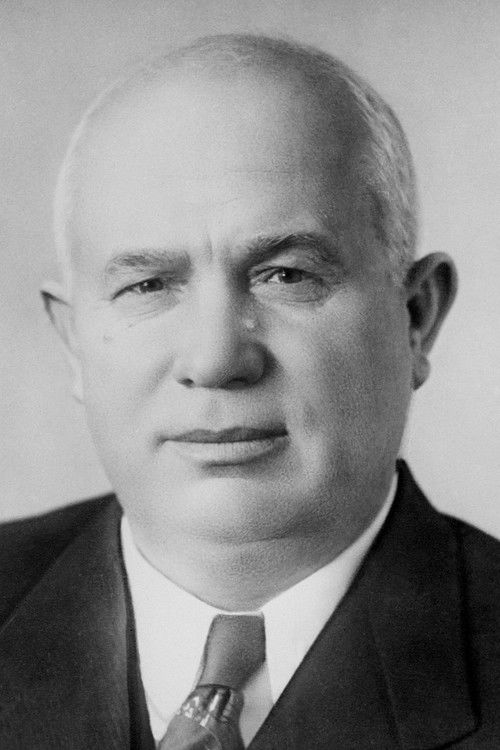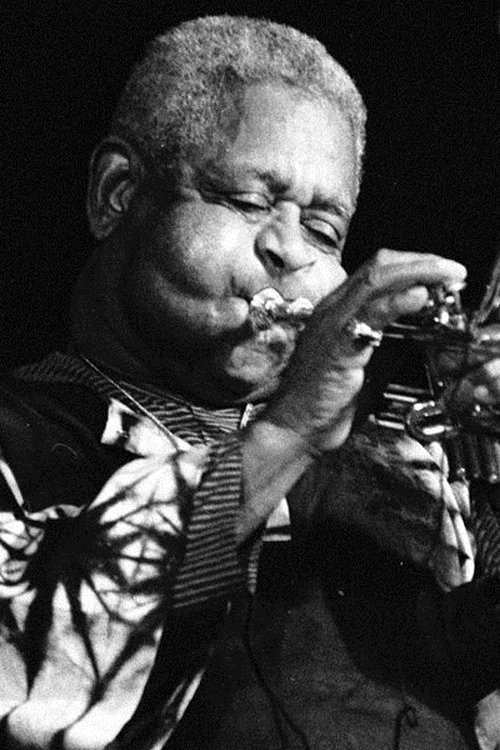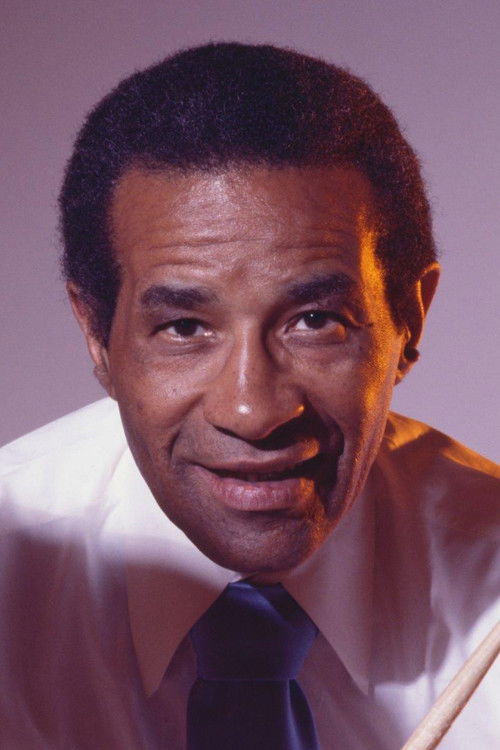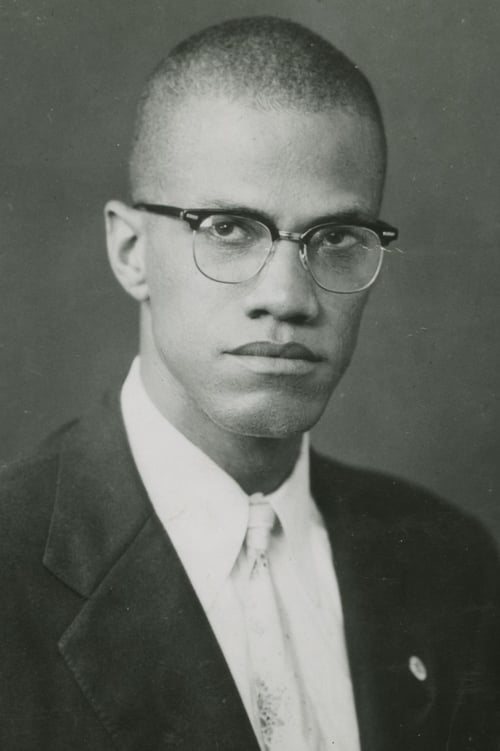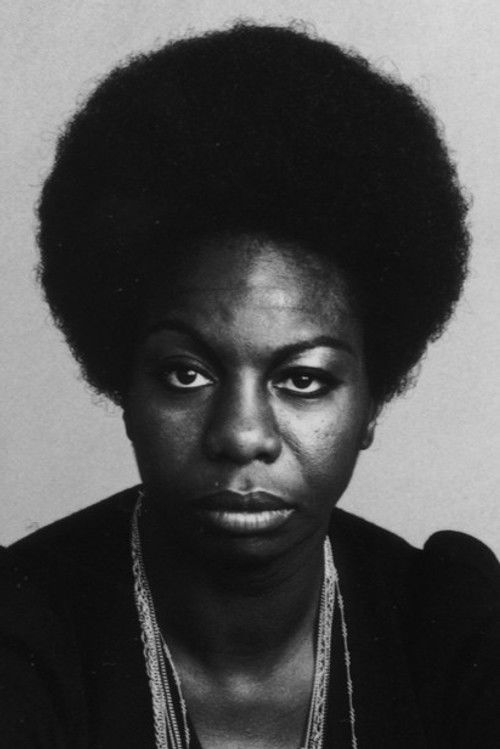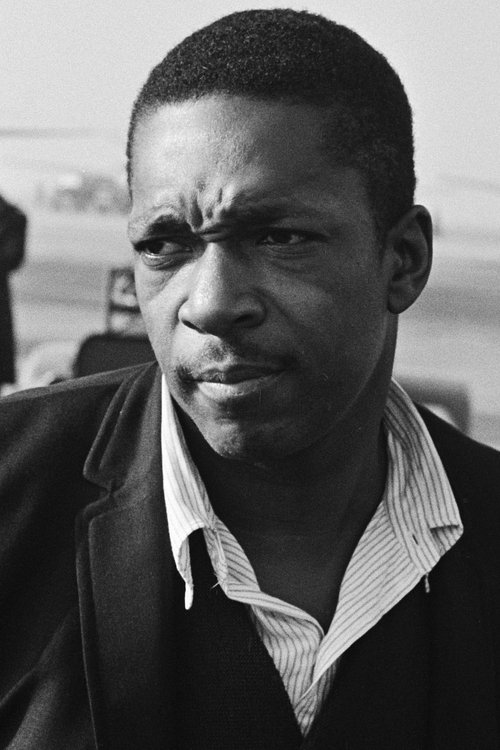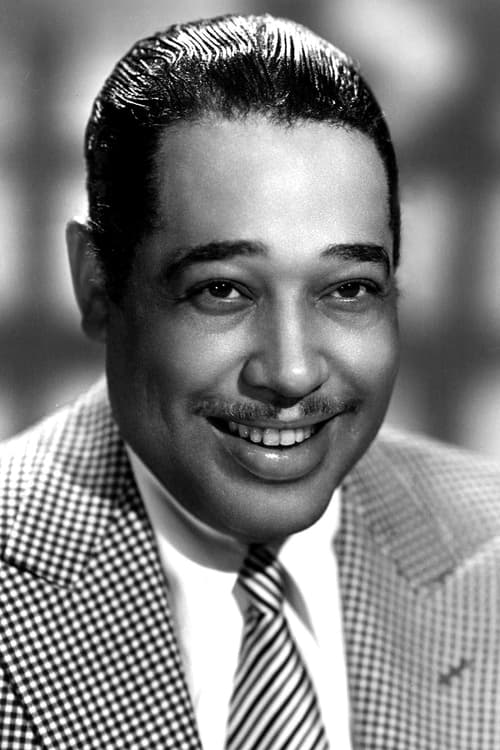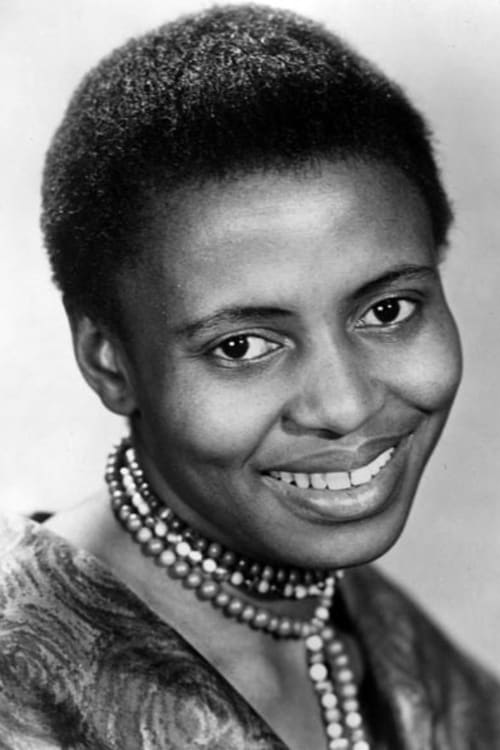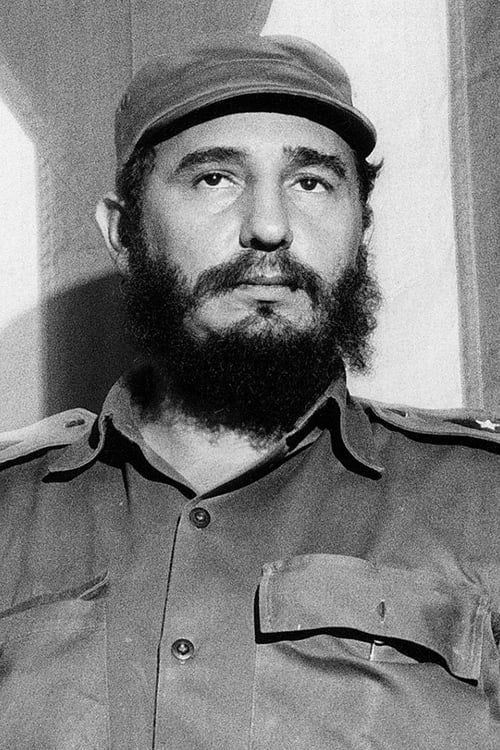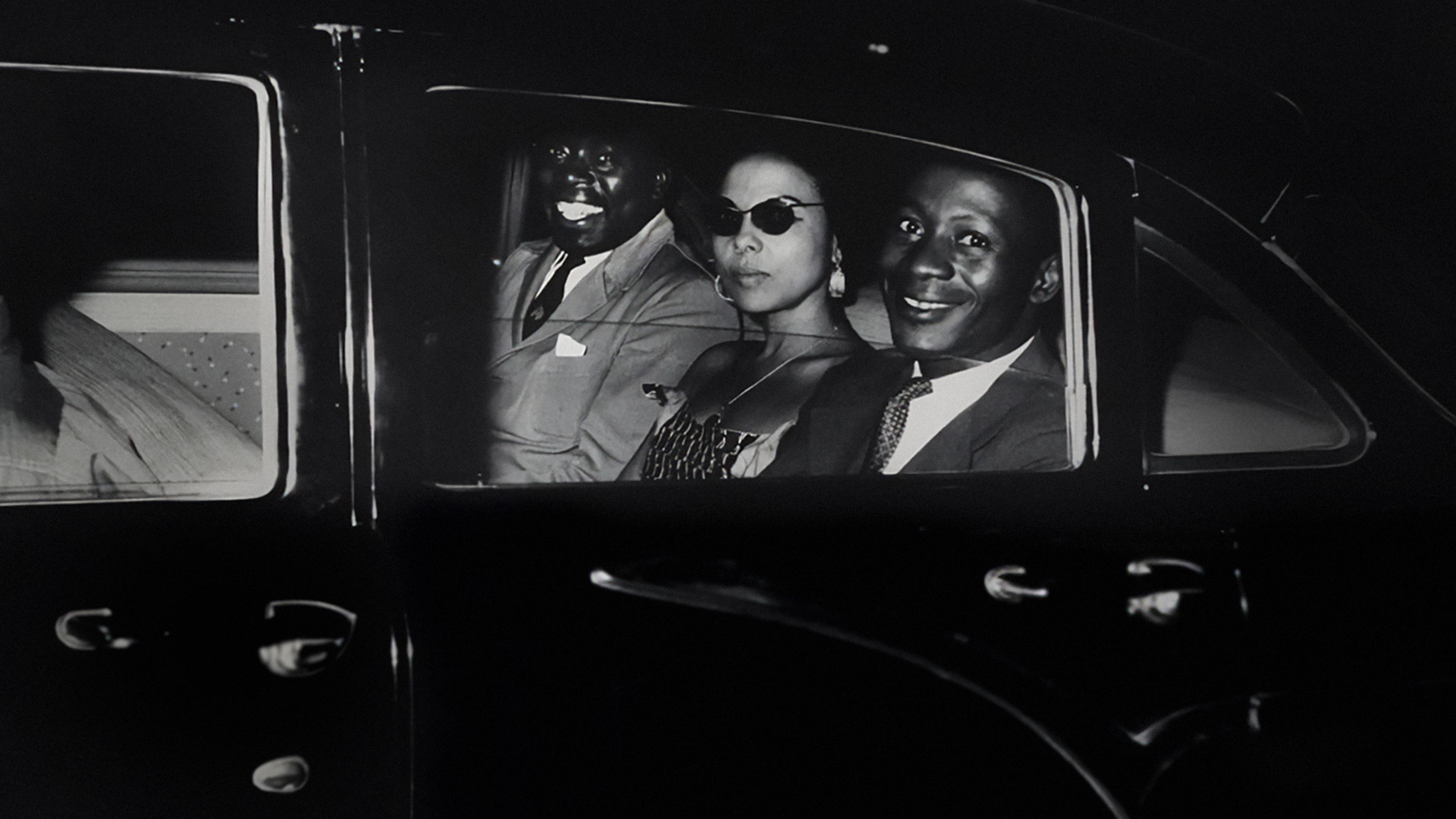
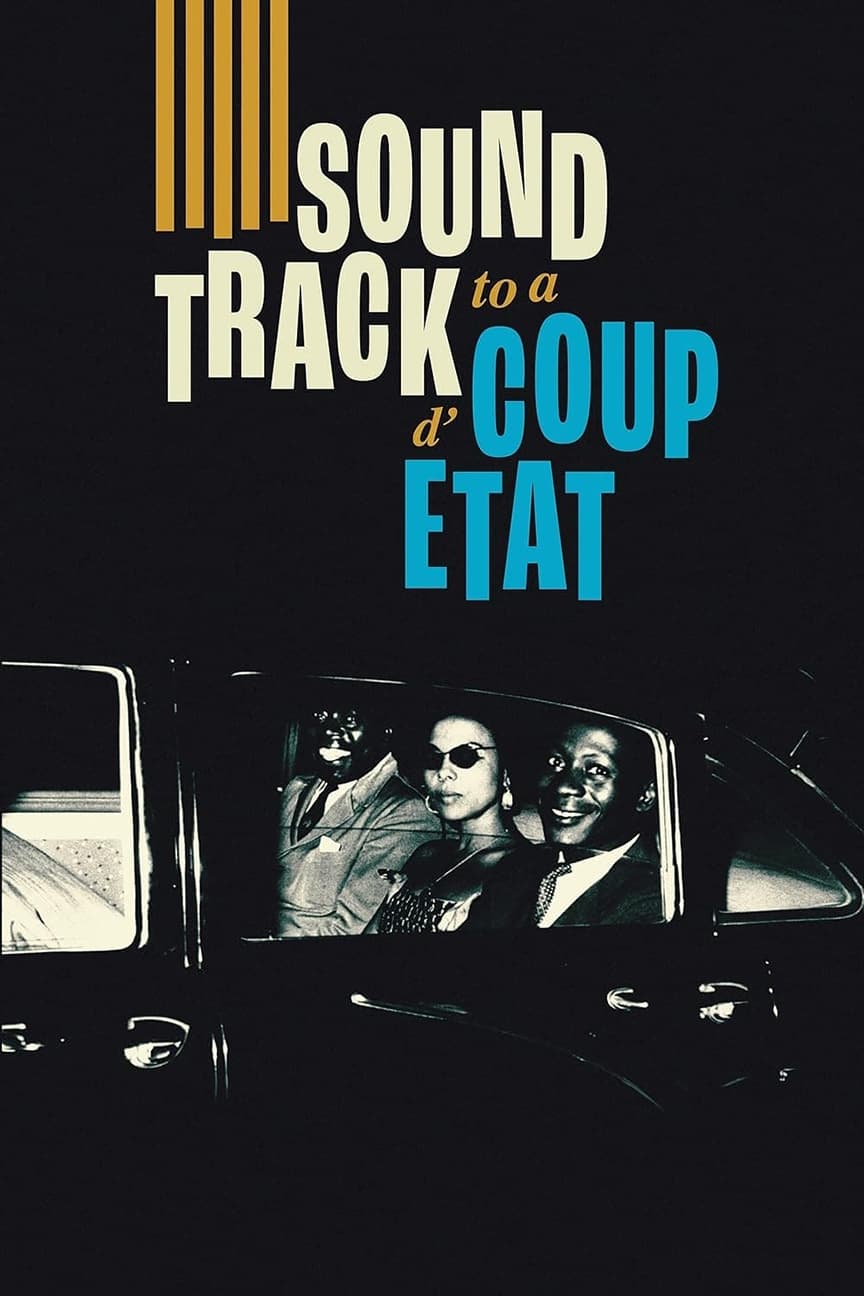


Jazz and decolonization are intertwined in a powerful narrative that recounts one of the tensest episodes of the Cold War.
Social & External
The people behind it
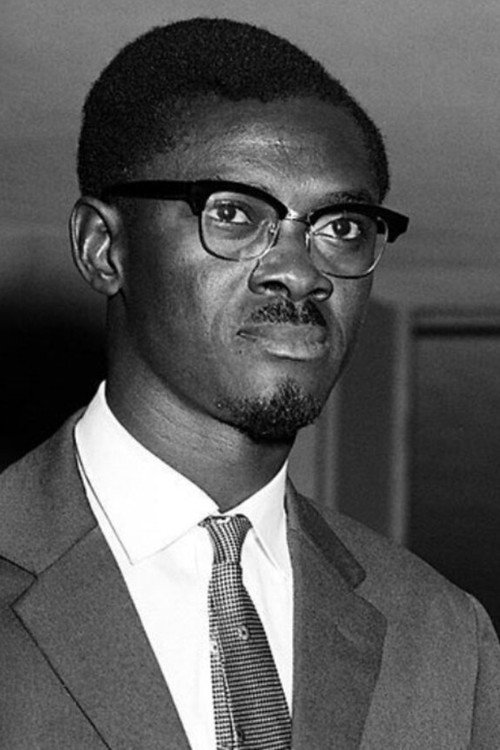
Patrice Lumumba
Self (archive footage)
Louis Armstrong
Nikita Khrushchev
Dizzy Gillespie
Andrée Blouin
Abbey Lincoln
Max Roach
Malcolm X
Nina Simone
John Coltrane
Two women and two men tell their stories of exile caused by being lesbian, transgender, bisexual and gay.
“It’s not every day that you meet an old Nazi.” So begins American historian Jonathan Petropoulos, recalling the day in 1998 when he met Bruno Lohse, who was Hermann Göring’s art agent in Paris during World War II. In this riveting account, Petropoulos details Lohse’s role in stealing countless masterpieces from prominent French and Dutch families, while evading meaningful punishment, and continuing to deal art profitably for most of the rest of his life. This explosively compelling tale calls the international art market to task for its continuing lack of regulation.
In the early 2000s, amid the political fervor of the city of Olinda, an unusual clash unfolds in the heart of the most important city in the world. The giant of capitalism, McDonald’s, prepares its arrival. What made Olinda known as the first city in the world to drive a McDonald’s out of business?
Sebastia, a small archaeological town, sits on top of a hill Northwest of Nablus, Palestine surrounded by Shavei Shomron, an illegal Israeli settlement and confiscated agricultural fields of olive groves and apricot trees. This ancient site was excavated multiple times over the last century by colonial archaeologists funded by Zionist individuals and institutions. The first excavation of 1908 led by Harvard University took advantage of Sebastia locals including women, men, and children as cheap labor digging their own land for the sake of biblical archaeology. Each excavation extracted soil and artifacts from the ground, taking what they considered valuable to their home institutions and leaving pottery shards and rubble on the surface. Today, what’s left of the archaeological monuments is contested by the nearby settlement as well as the Israeli military. The Roman Forum is a battlefield, but the locals are incredibly resilient.
The Vietnam War during the JFK years and beyond. Made in 1972 in the filmmaker's apartment, without documentary footage of the war, metaphors are created through the animation of images and objects, and through guerrilla skits. By rejecting the authority of traditional documentary footage, the anarchist spirit of individual responsibility is established. This is history from one person's point of view, rather than a definitive proclamation.
Dedicating his days to art, Prince Anpyeong leaves matters of the kingdom to his elder brothers, King Munjong and Prince Suyang. But after dreaming of a utopia in a peach grove and commissioning a painting of it, Anpyeong begins involving himself in politics, driven by the desire to turn his dream into reality for his nation. When Suyang steps in to manifest his own dreams for Joseon, the fate of the kingdom and their own lives hang in the balance, testing their brotherhood to the breaking point.
A Bangladeshi American undertakes a journey to learn about the liberation war in his native country, traveling there for the first time in nearly two decades, and uncovering the controversial role the U.S. played in a forgotten genocide that occurred there over 50 years ago. From 1971 to the present day, this is a story of Bangladesh’s independence, a family’s journey immigrating to America, and the cognitive dissonance of a person belonging to both homelands. Driven by interviews with his father and other family members, along with experts and witnesses, archival videos, declassified recordings, and animations, BENGAL MEMORY is a unique and untold oral history through a personal lens.
At the height of the Cold War, a troubled soldier forms a forbidden love triangle with a daring fighter pilot and his female comrade amid the dangerous surroundings of a Soviet Air Force Base.
In August 1962, director Leslie Woodhead made a two-minute film in Liverpool's Cavern Club with a raw and unrecorded group of rockers called the Beatles. He arranged their first live TV appearances on a local show in Manchester and watched as the Fab Four phenomenon swept the world. Twenty-five years later while making films in Russia, Woodhead became aware of how, even though they were never able to play in the Soviet Union, the Beatles' legend had soaked into the lives of a generation of kids. This film meets the Soviet Beatles generation and hears their stories about how the Fab Four changed their lives, including Putin's deputy premier Sergei Ivanov, who explains how the Beatles helped him learn English and showed him another life. (Storyville)

Since August 2024, in Martinique, a popular protest movement against the high cost of living has been reemerging under the leadership of the RPPRAC (Rassemblement Pour La Protection Des Peuples Et Des Ressources Afro-Caribéens – Gathering for the Protection of Afro-Caribbean Peoples and Resources). On the island, food prices are on average 54% higher than in mainland France.* Through various cultural figures, the people of Martinique are expressing their anger and seeking concrete solutions. *Source: Kiprix, Price comparison between supermarkets in the French overseas territories and mainland France.
A group of maverick scientists on a remote Australian sheep farm are the globe's only hope for obtaining the epic images of man's first steps on the moon.
A roller-coaster ride through the history of American exploitation films, ranging from Roger Corman's sci-fi and horror monster movies, 1960s beach movies, H.G. Lewis' gore-fests, William Castle's schlocky theatrical gimmicks, to 1970s blaxploitation, pre-"Deep Throat" sex tease films, Russ Meyer's bosom-heavy masterpieces, etc, etc. Over 25 interviews of the greatest purveyors of weird films of all kind from 1940 to 1975. Illustrated with dozens of films clips, trailers, extra footage, etc. This documentary as a shorter companion piece focusing on exploitation king David F. Friedman.
Following the death of his wife, Ip Man travels to San Francisco to ease tensions between the local kung fu masters and his star student, Bruce Lee, while searching for a better future for his son.
Chicago 1969: Activists from the Black Panthers, Young Lords, and Young Patriots united African Americans, Latinos, and poor whites to confront police brutality and unfair housing practices in one of America’s most segregated cities. A timely story of collective action, The First Rainbow Coalition tells this little-known chronicle of political struggle with insight and urgency using archival footage and interviews with those who lived it.
Ndola, Northern Rhodesia (currently Zambia), September 18, 1961. Swedish economist and diplomat Dag Hammarskjöld, Secretary General of the UN, dies mysteriously in a plane crash. Decades later, Danish journalist and filmmaker Mads Brügger and Swedish researcher Göran Björkdahl investigate the case in search of definitive closure.
Meet the real-life airmen who inspired Masters of the Air as they share the harrowing and transformative events of the 100th Bomb Group.
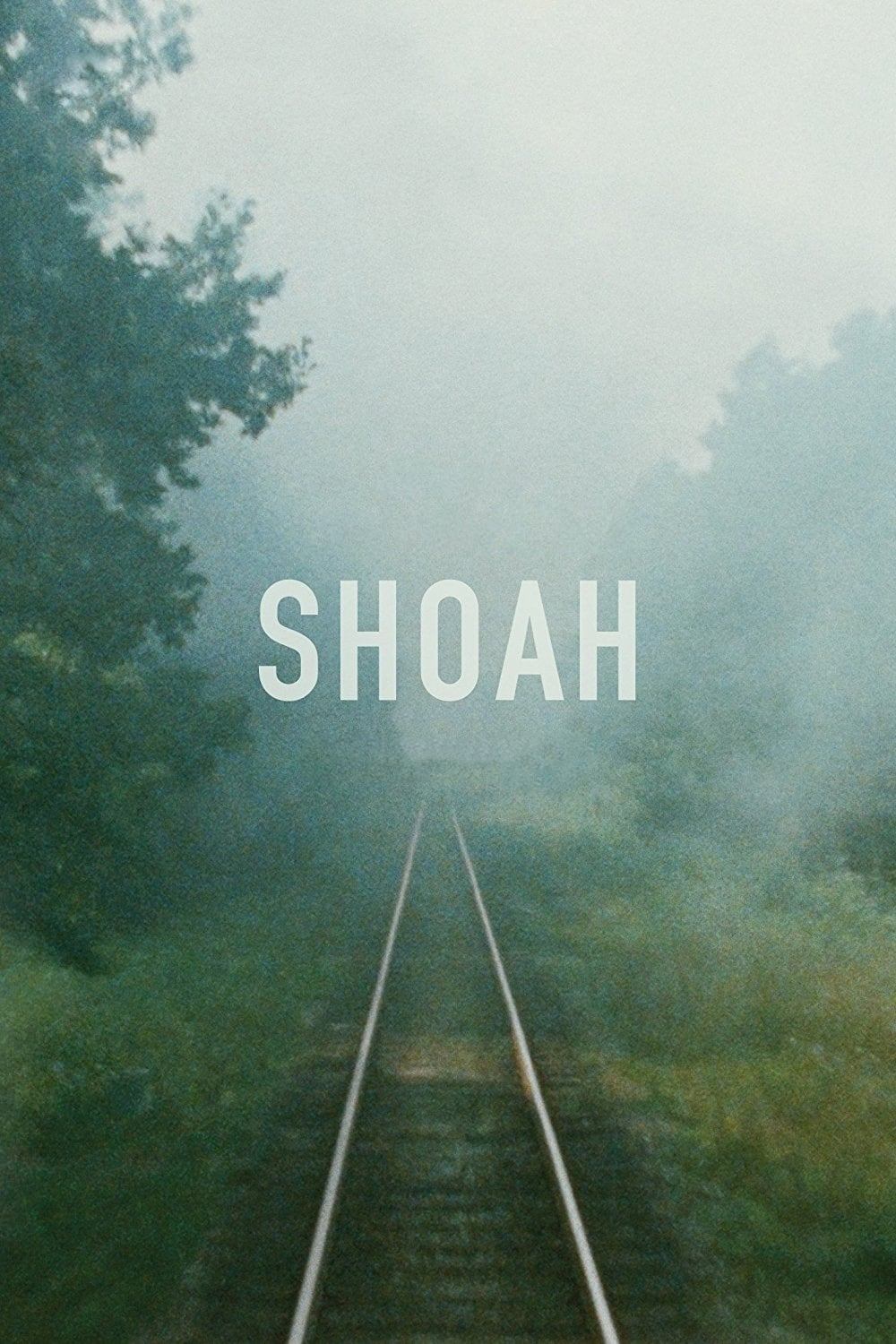
Director Claude Lanzmann spent 11 years on this sprawling documentary about the Holocaust, conducting his own interviews and refusing to use a single frame of archival footage. Dividing Holocaust witnesses into three categories – survivors, bystanders, and perpetrators – Lanzmann presents testimonies from survivors of the Chelmno concentration camp, an Auschwitz escapee, and witnesses of the Warsaw Ghetto Uprising, as well as a chilling report of gas chambers from an SS officer at Treblinka.
Experience the events of September 11, 2001 through the eyes of President Bush and his closest advisors as they personally detail the crucial hours and key decisions from that historic day.
A documentary examining possible historical and modern conspiracies surrounding Christianity, the 9/11 terrorist attacks, and the Federal Reserve bank.
An immersive look at the eventful life and brilliant artistic career of visionary American jazz trumpeter Miles Davis (1926-1991).
National Geographic's riveting effort recounts all 12 crewed missions using only archival footage, photos and audio.
The history of cinematic sound, told by legendary sound designers and visionary filmmakers.
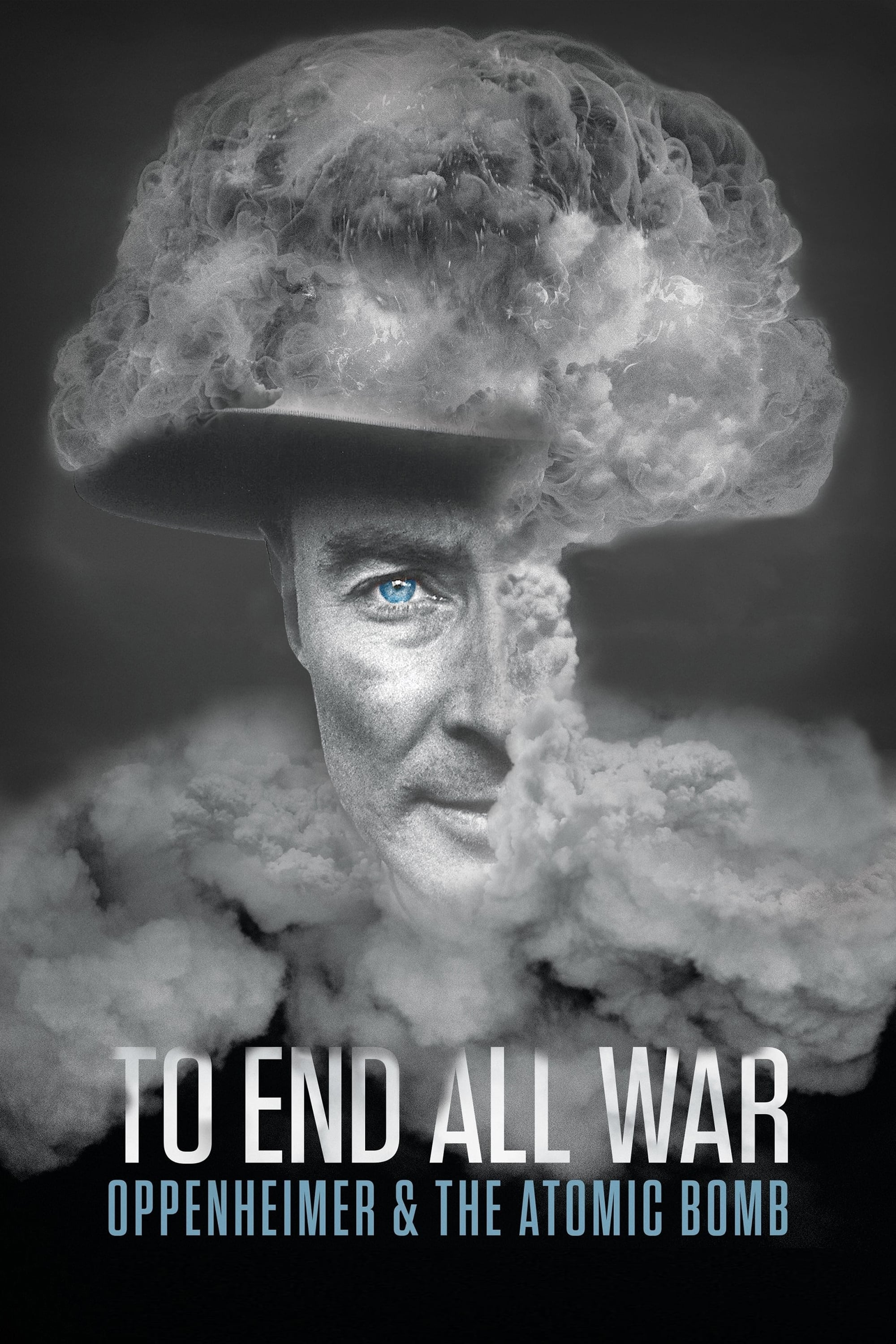
Explore how one man's relentless drive and invention of the atomic bomb changed the nature of war forever, led to the deaths of hundreds of thousands of people and unleashed mass hysteria.
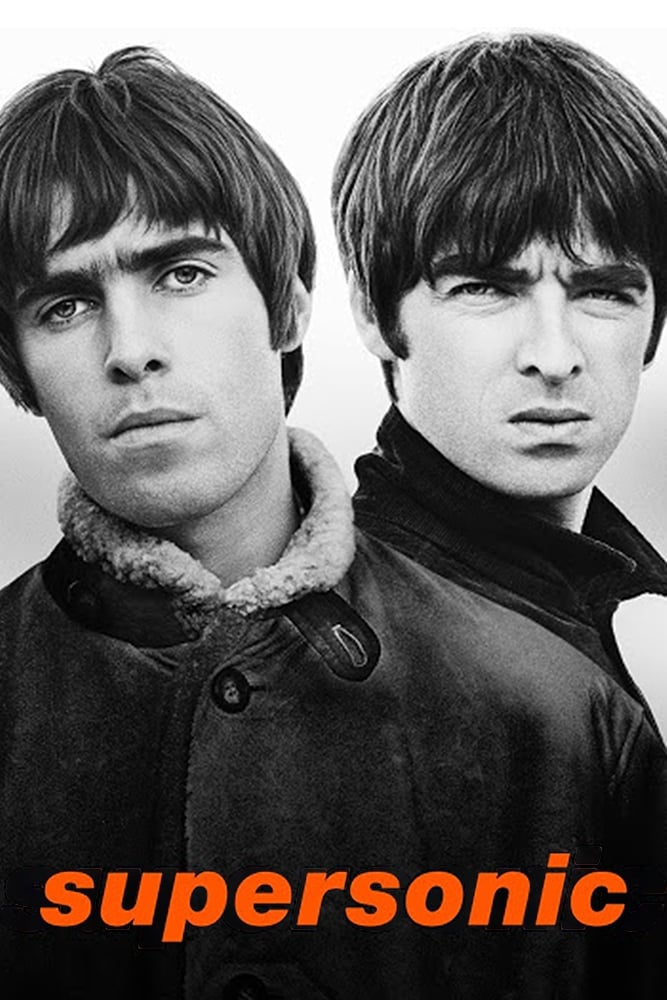
Supersonic charts the meteoric rise of Oasis from the council estates of Manchester to some of the biggest concerts of all time in just three short years. This palpable, raw and moving film shines a light on one of the most genre and generation-defining British bands that has ever existed and features candid new interviews with Noel and Liam Gallagher, their mother, and members of the band and road crew.
Though legendary lyricist Howard Ashman died far too young, his impact on Broadway, movies, and the culture at large were incalculable. Told entirely through rare archival footage and interviews with Ashman’s family, friends, associates, and longtime partner Bill Lauch, Howard is an intimate tribute to a once-in-a-generation talent and a rousing celebration of musical storytelling itself.
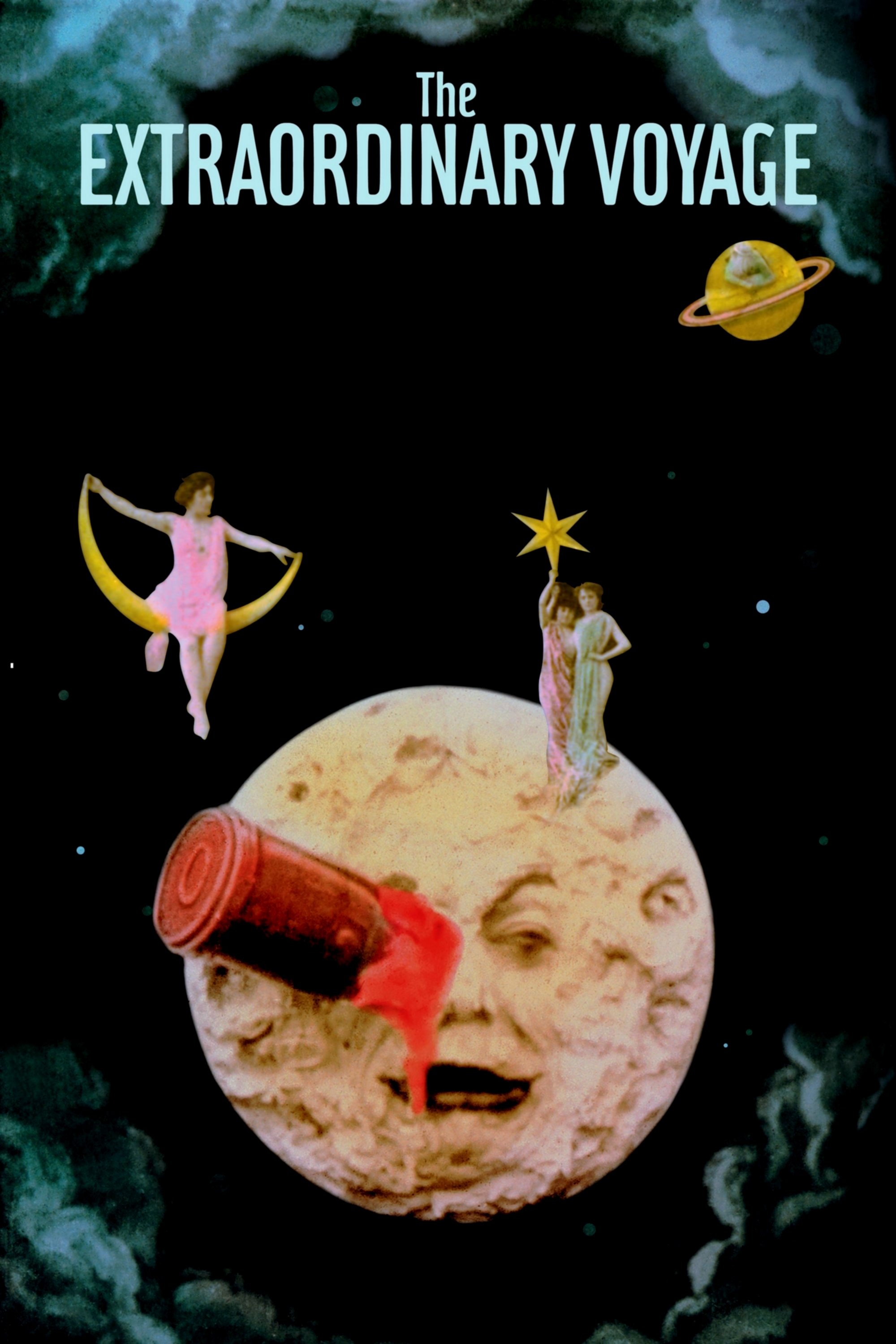
An account of the extraordinary life of film pioneer Georges Méliès (1861-1938) and the amazing story of the copy in color of his masterpiece A Trip to the Moon (1902), unexpectedly found in Spain and restored thanks to the heroic efforts of a group of true cinema lovers.
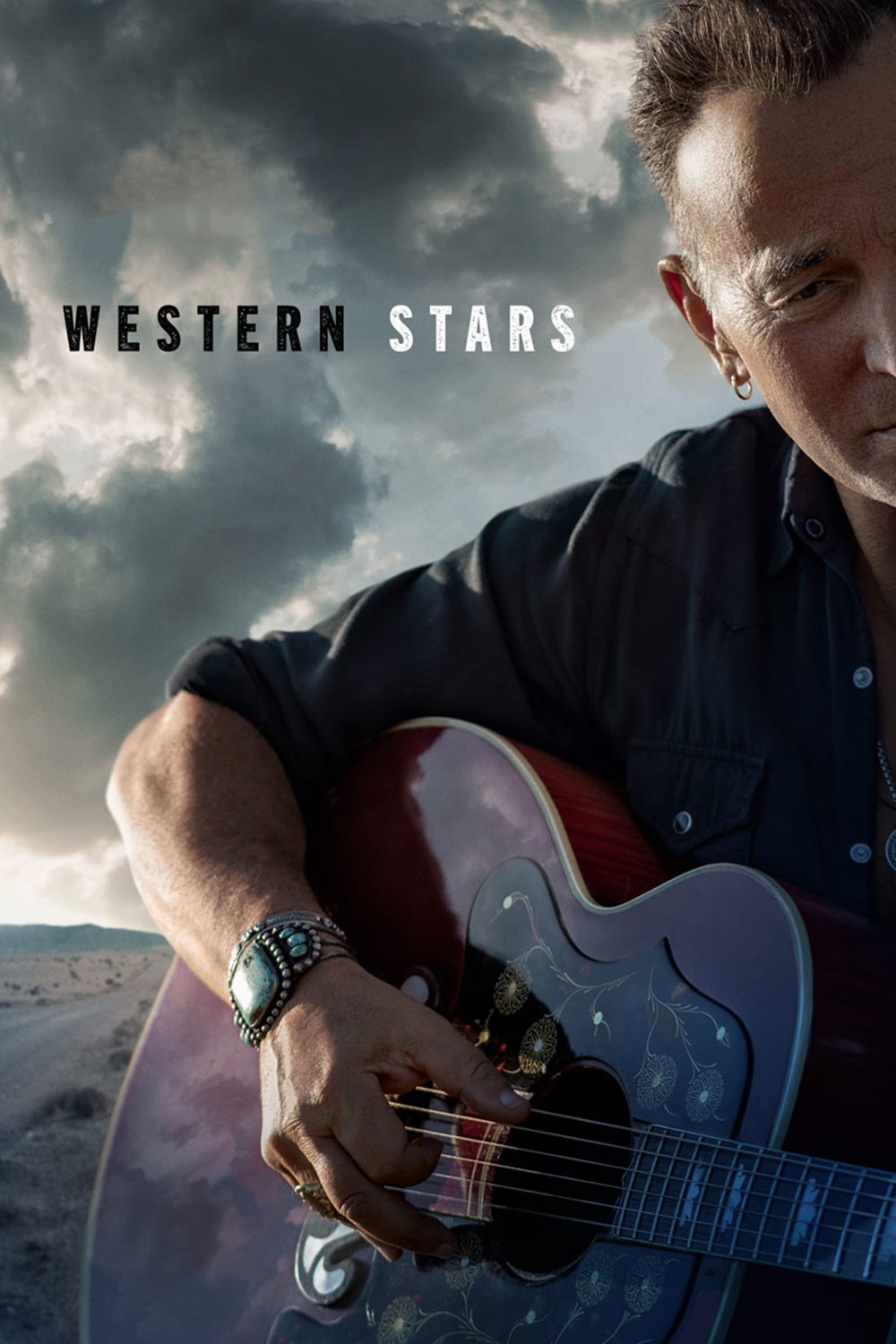
The incomparable Bruce Springsteen performs his critically acclaimed latest album and muses on life, rock, and the American dream, in this intimate and personal concert film co-directed by Thom Zimny and Springsteen himself.
A unique cinematic experience that invites audiences on a vibrant journey through the life of cultural icon Pharrell Williams. Told through the lens of LEGO® animation, turn up the volume on your imagination and witness the evolution of one of music's most innovative minds.
Long-lost footage from Elvis Presley's legendary Las Vegas residency in the 1970s woven together with rare 16mm footage from Elvis on Tour, and 8mm from the Graceland archive, plus recordings of Elvis telling "his side of the story" rediscovered during Baz Luhrmann's research for his 2022 film, Elvis.
Since the beginning of her career, Sinéad O’Connor has used her powerful voice to challenge the narratives she was surrounded by while growing up in predominantly Roman Catholic Ireland. Despite her agency, depth and perspective, O’Connor’s unflinching refusal to conform means that she has often been patronized and unfairly dismissed as an attention-seeking pop star.
The vivid and inspiring story of British film icon Michael Caine's personal journey through 1960s swinging London.
His unforgettable scores are an essential part of some of the most beloved movies of our time, over a career that spans decades. See and hear maestro John Williams' own story, with insights from filmmakers, musicians, and others he has inspired, complete with rare behind-the-scenes looks at the making of movie history.
In a tiny Alabama town with the curious name of Muscle Shoals, something miraculous sprang from the mud of the Tennessee River. A group of unassuming, yet incredibly talented, locals came together and spawned some of the greatest music of all time: “Mustang Sally,” “I Never Loved a Man,” “Wild Horses,” and many more. During the most incendiary periods of racial hostility, white folks and black folks came together to create music that would last for generations and gave birth to the incomparable “Muscle Shoals sound.”
Through archival interviews and footage, George Michael and Andrew Ridgeley relive the arc of their Wham! career, from 70s best buds to 80s pop icons.