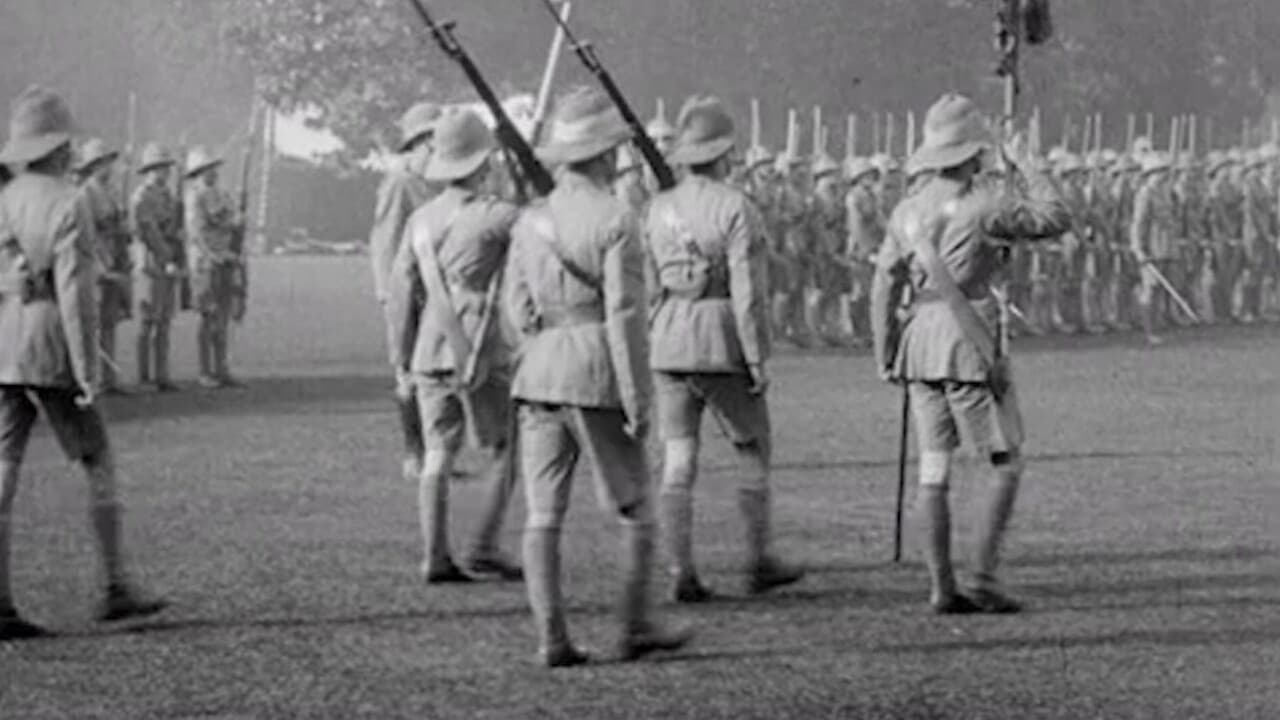
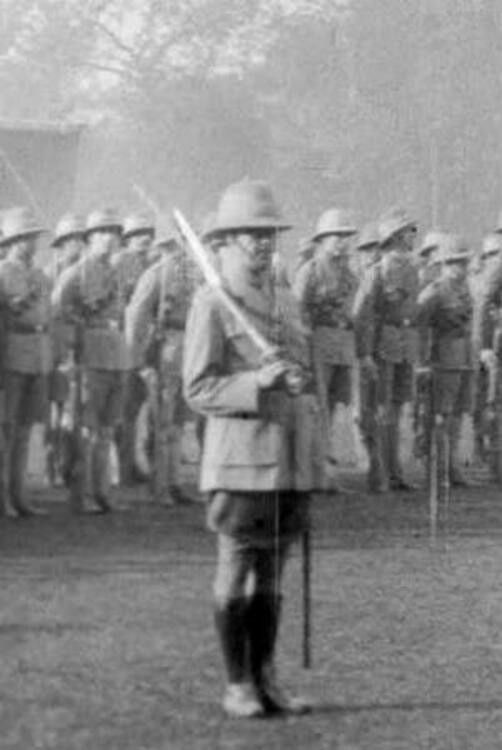
The inauguration of a unit of the Indian Defence Force in Calcutta.
Social & External
A stunning trek from the vale of Kashmir, via Sind Valley and Kargil and Lamayaru Monastry.
In an open letter to the most influential modern Indian political leader, the Late Mohandas Karamchand Gandhi, the filmmaker sequentially narrates the stories of three distinct individuals - that of a confused filmmaker who flows with time, a dedicated social reformer who guides the stratified masses into social upliftment and a divisive and regressive politician. The juxtaposition of their disfigured trajectories provokes a pertinent question: Did Gandhi ever foresee the dehumanized shape that his legacy has now dangerously morphed into?
A Suitable Girl follows three young women in India struggling to maintain their identities and follow their dreams amid intense pressure to get married. The film examines the women's complex relationship with marriage, family, and society.
A look at the enduring relationship between the nomadic shepherds and the Indian wolf, who both defy the pressures of the modern world, in the south central plains of India.
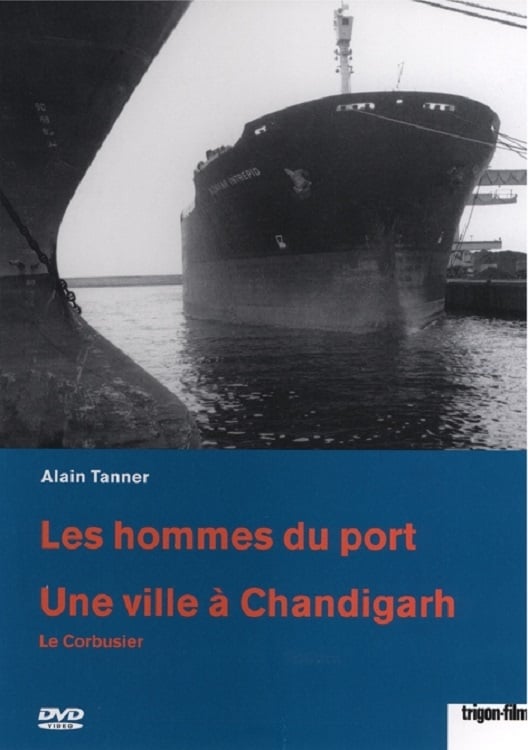
Documentary on the construction of Chandigarh, the new capital of the Indian Punjab region, planned by Albert Mayer and Swiss architect Le Corbusier.
Sixteen year olds Palani and Karthik want to become "ladyboys." They're bullied in school and beaten by their families. Their parents would like to see them grow up as normal boys, but they're falling deeper and deeper into the world of the "Aravanis." Loved as dance performers but hated as homosexuals, their stories emblazon the inner conflicts of India's gender culture today.
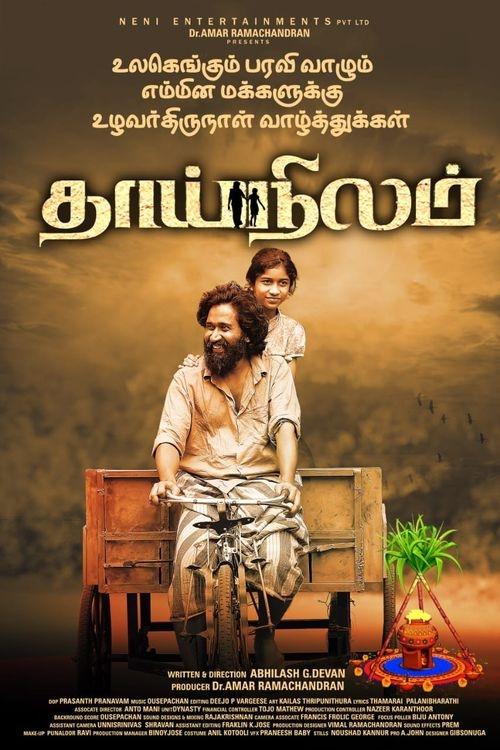
A father and his daughter came to India as refugees post-war in their country. Few good hands help them to rebuild their lifestyle.
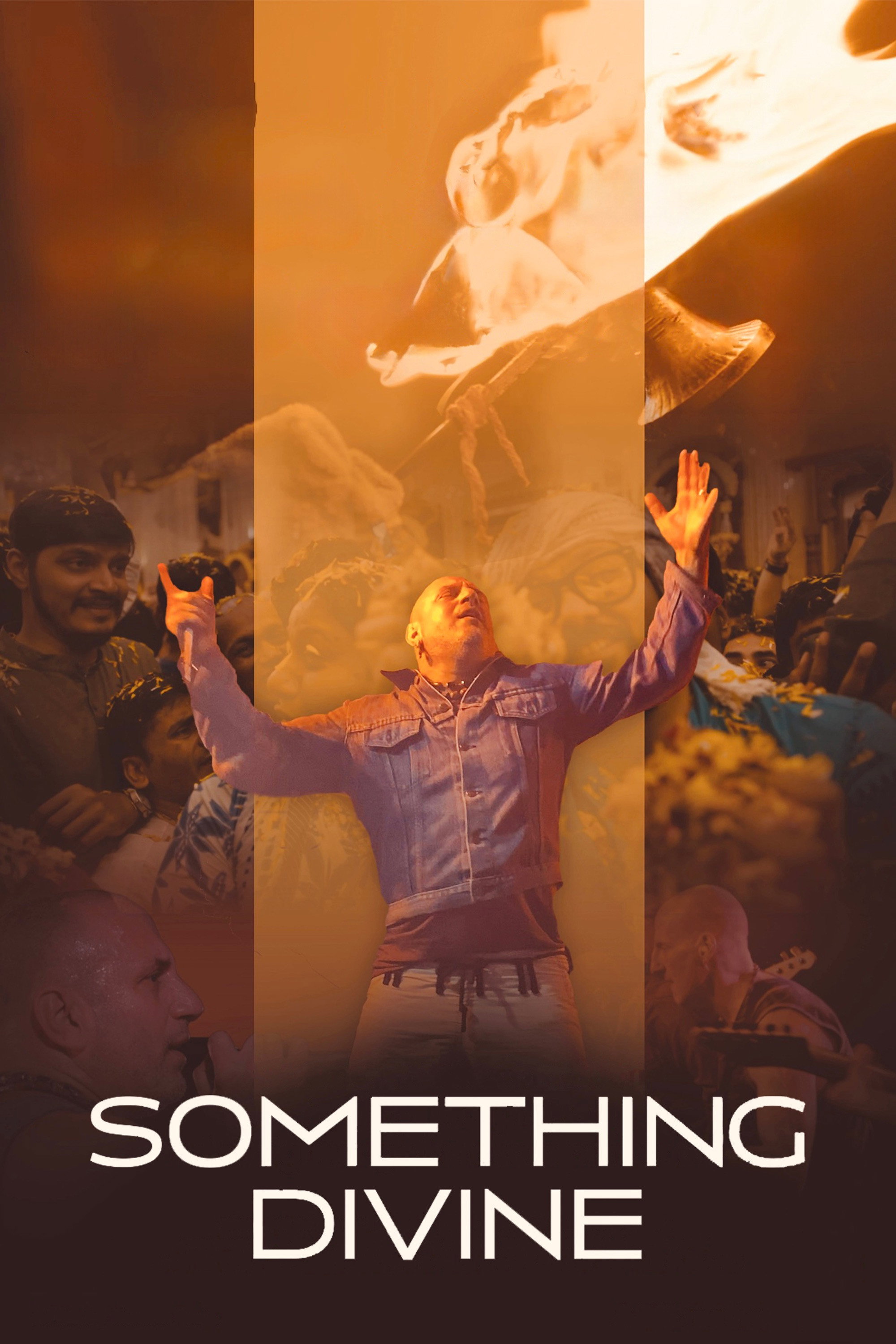
Ray Cappo lead singer of the straightedge hardcore band Youth of Today at the height of their growing popularity, leaves the band and goes to India. Ray becomes the monk Raghunath. What follows is the confluence of two worlds coming together. Hardcore punk and spirituality. Something Divine is a pilgrimage through the holy cites of India and concert halls in America. The film highlights the connection between people of very different backgrounds coming together through self-discovery, spirituality, music, the desire to grow and transform themselves personally.
Jaw-dropping pomp and pageantry at the 1911 Delhi Durbar
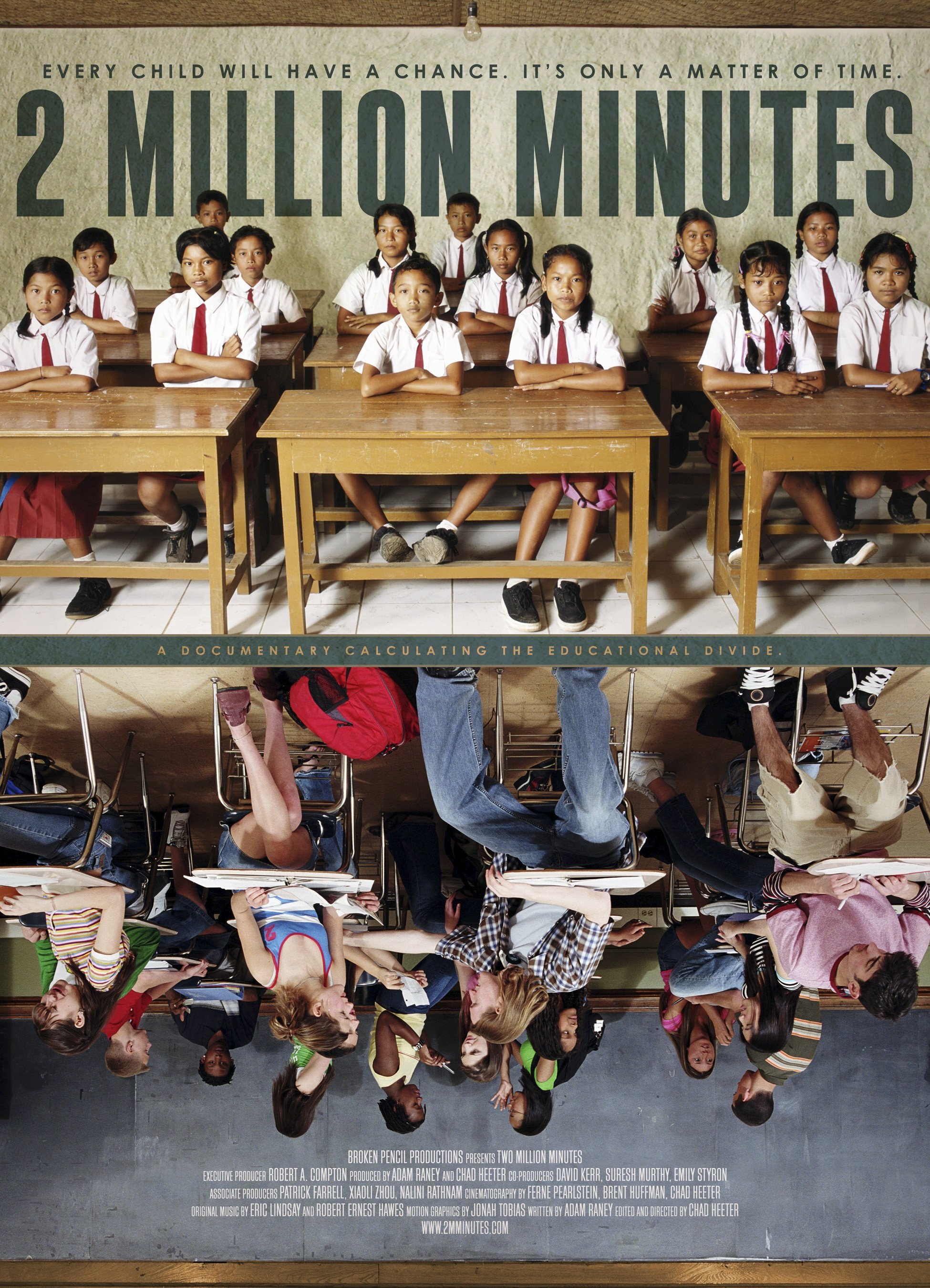
Six students from 3 Countries, USA, India and China are moving to College. They soon find themselves in a global competition and it narrows down to: Engineering and Science.
The Unreserved is an inquiry into the lives of passengers who use the Unreserved Compartment, the cheapest way to travel across India on the Indian Railways system. The film portrays the passengers’ aspirations, efforts and opinions through conversations and personal stories.
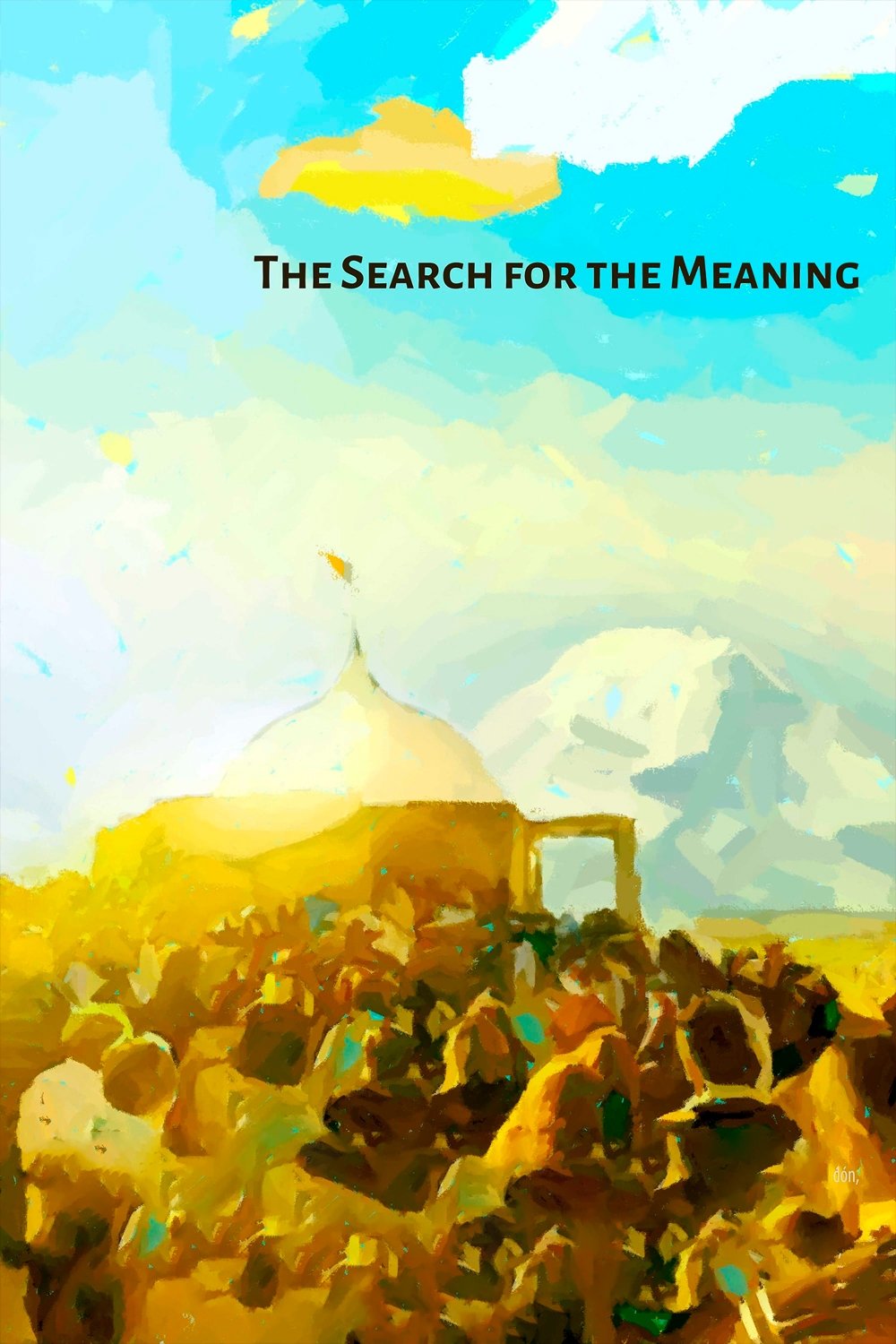
"The Search for the Meaning" is a collective experience, carried out with the audiovisual contribution of countless people who record their testimonies and spiritual experiences in 19 countries, to show a new spirituality that is being born...
Traveling the length and breadth of the country, S. Sukhdev constructs, a panoramic, non-narrated study of Indian life in the late 1960s. Shot across villages, deserts, countryside, and cities, the film observes daily labor, leisure, and movement without commentary, allowing humor, contradiction, and social texture to emerge organically. The result is a sensory encounter with India poised between inherited tradition and accelerating modernity.
Short documentary on classical Indian music.
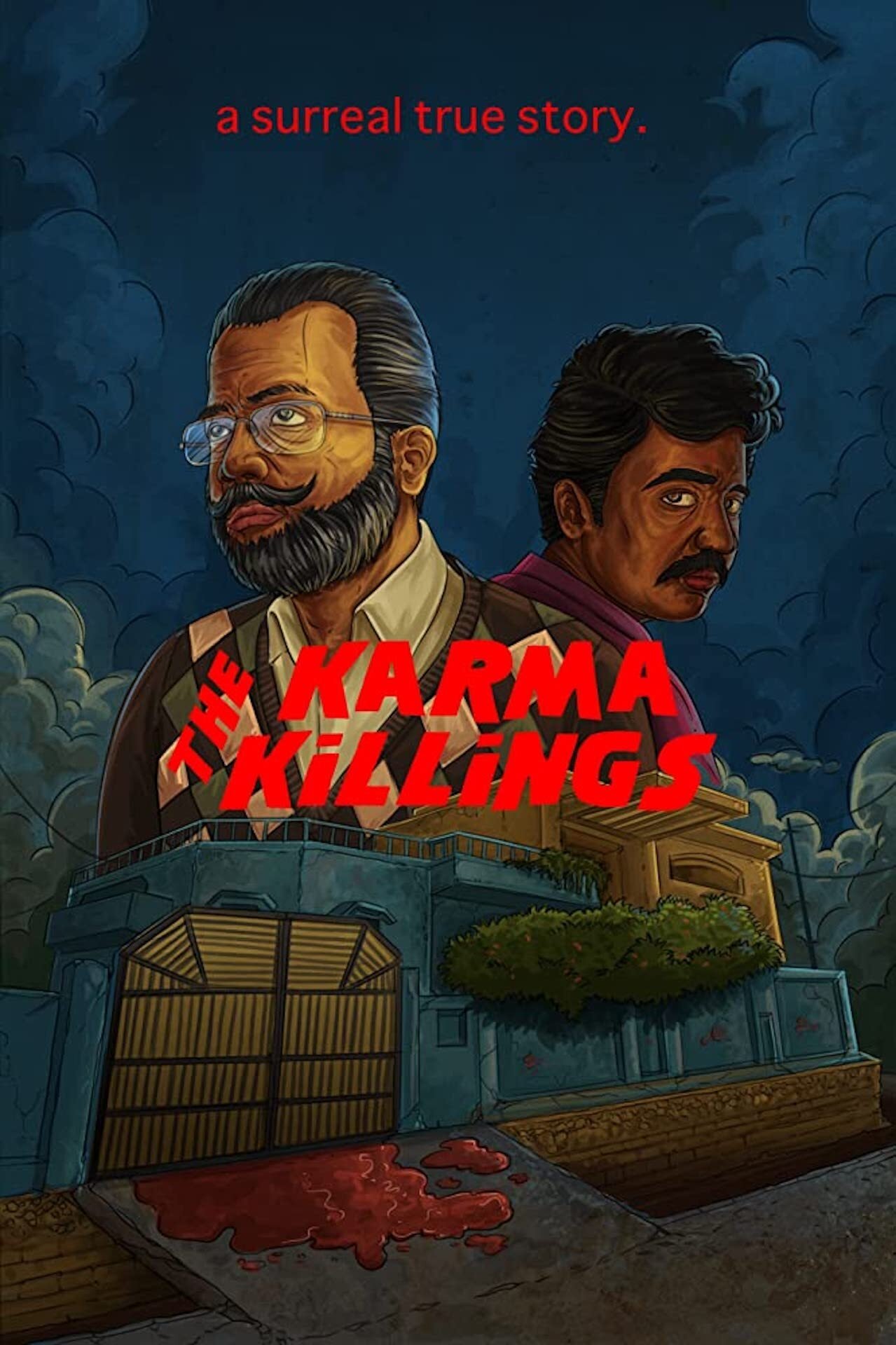
"The Karma Killings," is a modern-day crime thriller mixed in with Indian mythology and class warfare. The documentary delves into India's most infamous serial killings and its impact on a nation. Told through the people directly involved, the film unravels the complexities of the case and goes beyond the sensational headlines to present a suspenseful and scary mystery. And has a huge twist - one of the killers maybe innocent?
During social and political turmoil, what is the manifestation of divine intervention? How do the gods and goddesses act in the volatility of the contemporary world? If they walk on earth as men and women, how do they endure the chaos of modernity? Centering on the terrible and majestic incarnations of Goddess Kali and her celestial avatars, this film is a metaphysical contemplation in times of perpetual emergencies. Avikunthak’s remarkable sense of forms finds expression in the extraordinary combination of performance and essayistic cinematic practices.
A young Prince Asoka works to perfect his skills in battle and also deals with family conflict. During a struggle with one of his step-brothers, his mother urges Asoka to escape to stay alive. While away, Asoka meets Kaurwaki and falls in love, but must use his skills as a warrior to protect her. A dangerous and heartbreaking web of conspiracy follows, which leads Asoka to embrace a Buddhist path.
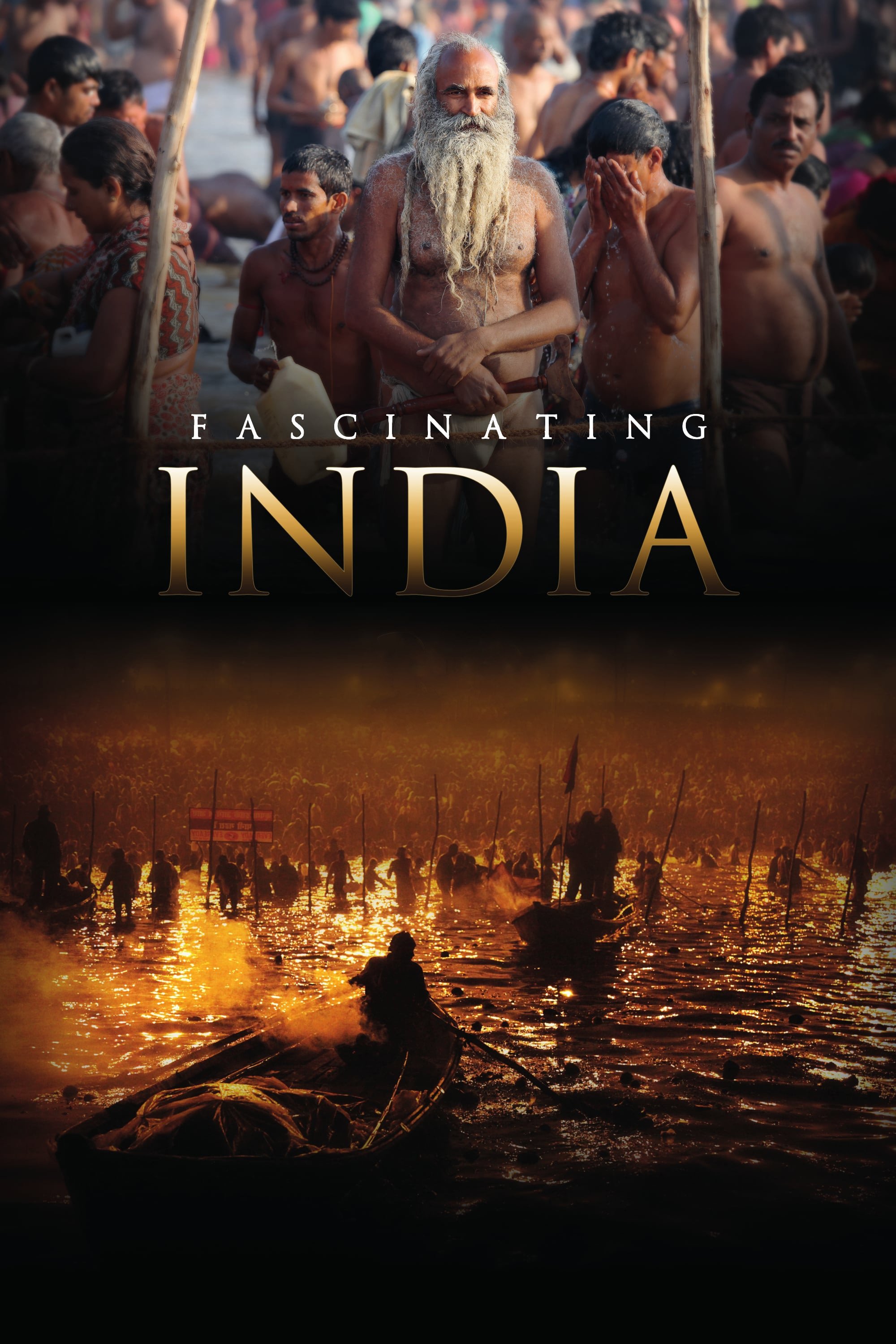
"Fascinating India" spreads an impressive panorama of India’s historical and contemporary world. The film presents the most important cities, royal residences and temple precincts. It follows the trail of different religious denominations, which have influenced India up to the present day. Simon Busch and Alexander Sass travelled for months through the north of the Indian subcontinent to discover what is hidden under India’s exotic and enigmatic surface, and to show what is rarely revealed to foreigners. The film deals with daily life in India. In Varanasi, people burn their dead to ashes. At the Kumbh Mela, the biggest religious gathering of the world, 35 million pilgrims bathe in holy River Ganges. This is the first time India is presented in such an alluring and engaging fashion on screen.
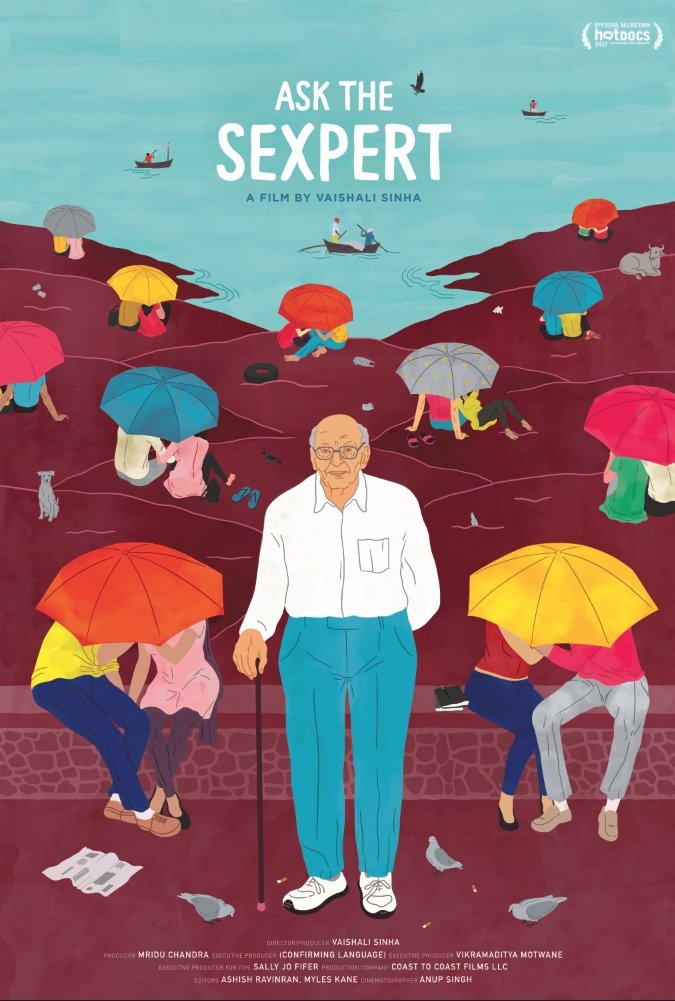
A sex columnist gains popularity even while a ban on comprehensive sex education in schools is adopted by approximately a third of India’s states.
Korengal picks up where Restrepo left off; the same men, the same valley, the same commanders, but a very different look at the experience of war.
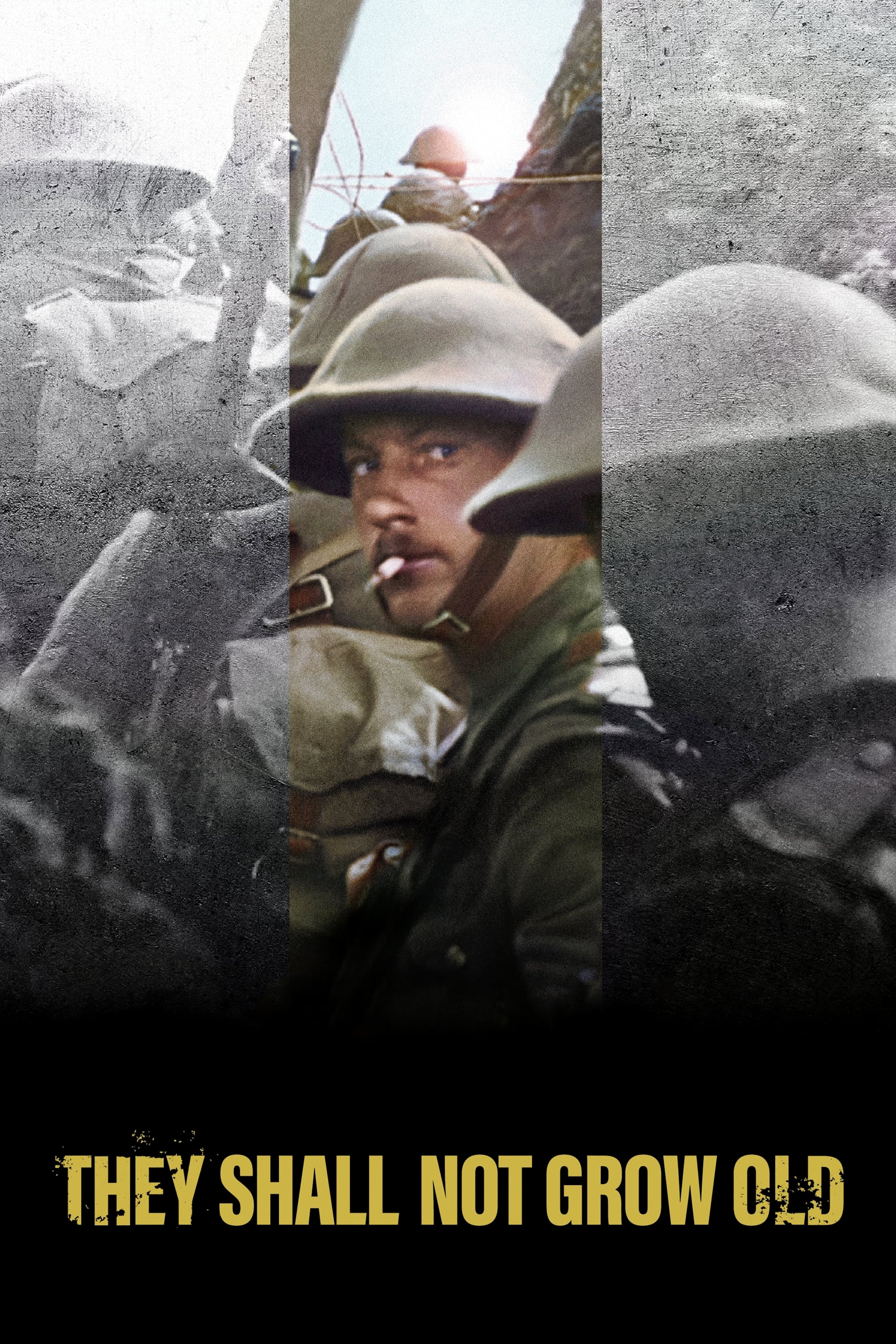
A documentary about World War I with never-before-seen footage to commemorate the centennial of Armistice Day, and the end of the war.
“The Soviet Story” is a story of an Allied power, which helped the Nazis to fight Jews and which slaughtered its own people on an industrial scale. Assisted by the West, this power triumphed on May 9th, 1945. Its crimes were made taboo, and the complete story of Europe’s most murderous regime has never been told. Until now...
A love letter from a young mother to her daughter, the film tells the story of Waad al-Kateab’s life through five years of the uprising in Aleppo, Syria as she falls in love, gets married and gives birth to Sama, all while cataclysmic conflict rises around her. Her camera captures incredible stories of loss, laughter and survival as Waad wrestles with an impossible choice– whether or not to flee the city to protect her daughter’s life, when leaving means abandoning the struggle for freedom for which she has already sacrificed so much.
The final entry in a trilogy of films produced for the U.S. government by John Huston. Some returning combat veterans suffer scars that are more psychological than physical. This film follows patients and staff during their treatment. It deals with what would now be called PTSD, but at the time was categorised as psychoneurosis or shell-shock. Government officials deemed this 1946 film counterproductive to postwar efforts; it was not shown publicly until 1981.
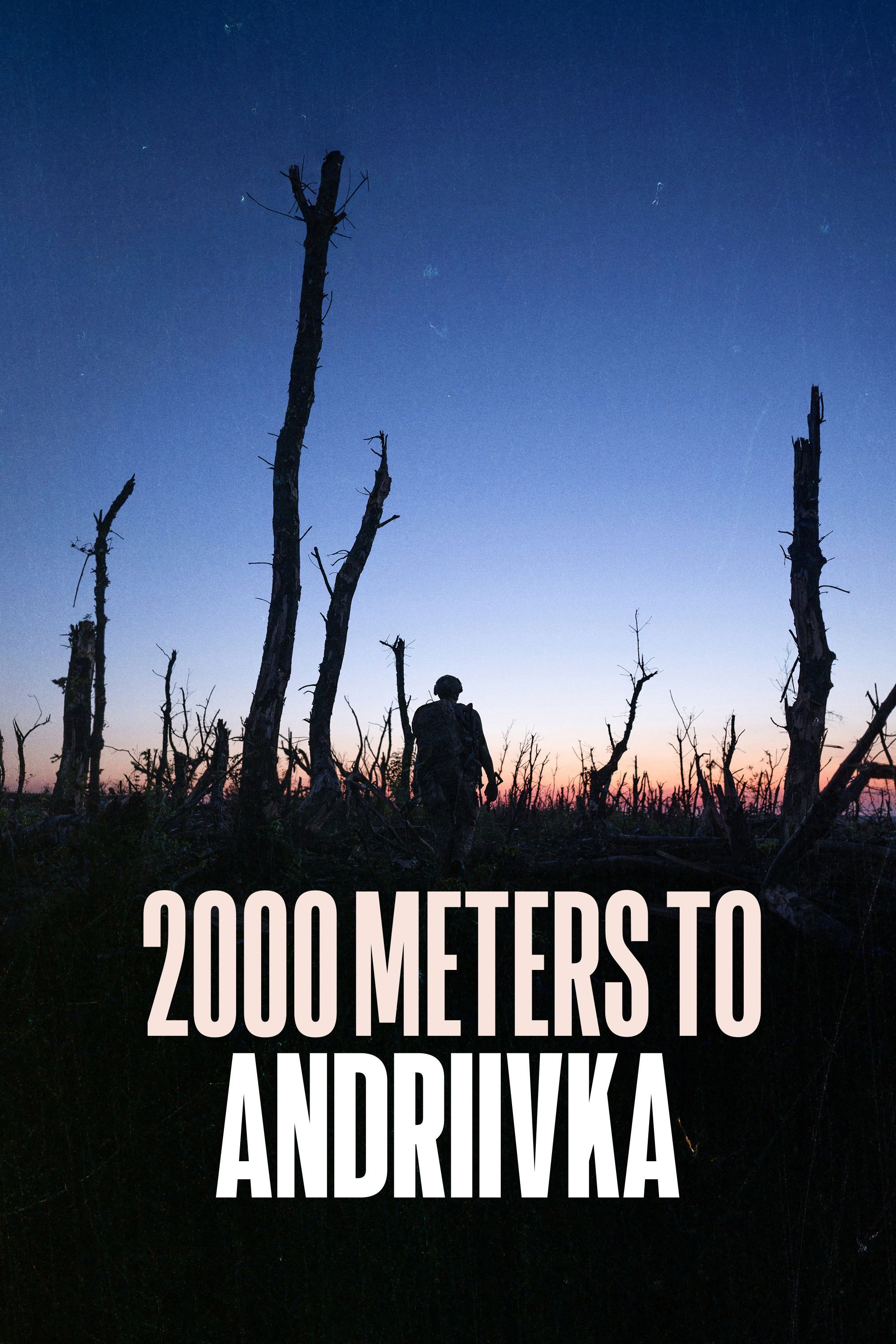
Amid the failing counteroffensive, a journalist follows a Ukrainian platoon on their mission to traverse one mile of heavily fortified forest and liberate a strategic village from Russian occupation. But the farther they advance through their destroyed homeland, the more they realize that this war may never end.
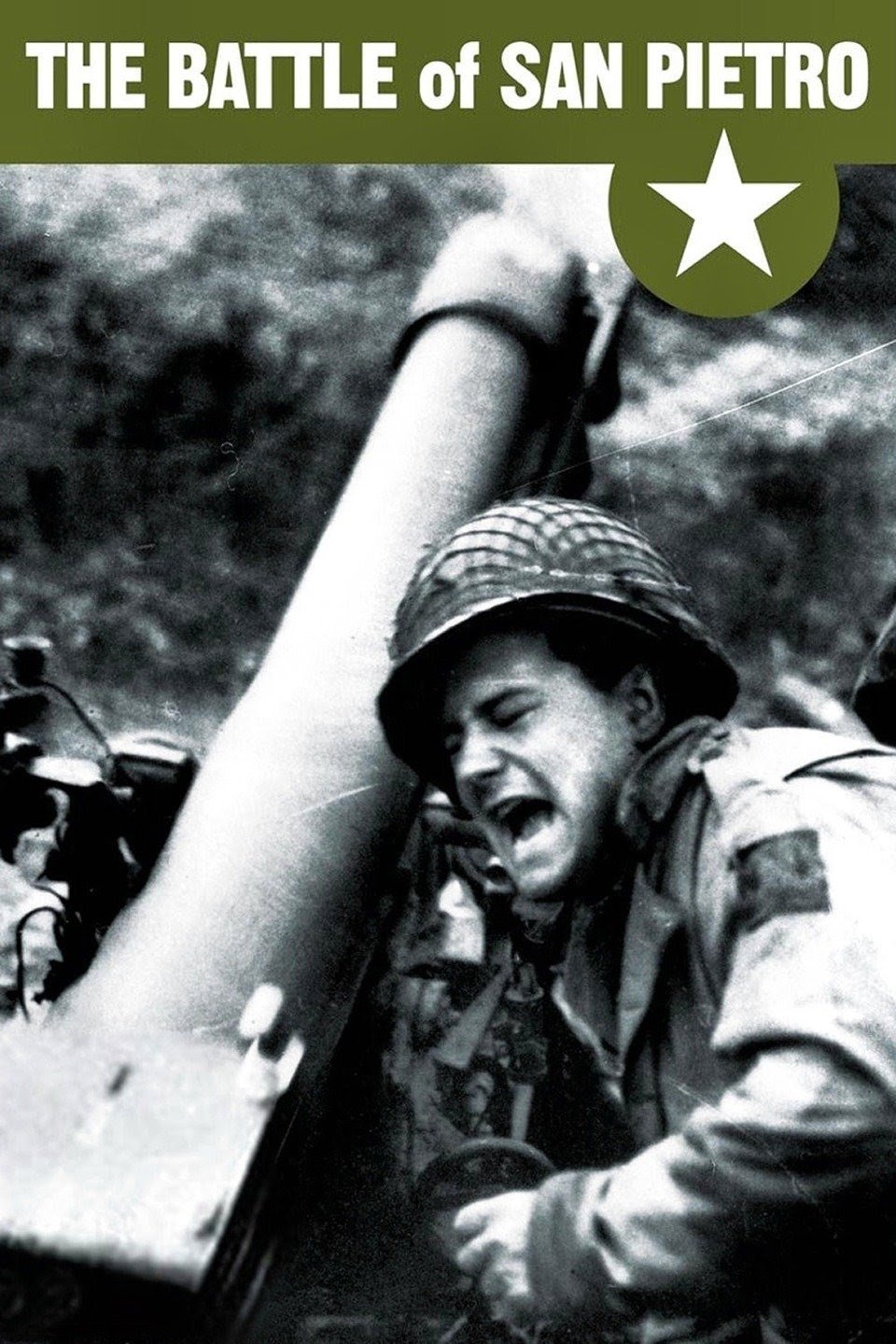
This documentary movie is about the battle of San Pietro, a small village in Italy. Over 1,100 US soldiers were killed while trying to take this location, that blocked the way for the Allied forces from the Germans. Preserved by the Academy Film Archive in 2005.
Pete Postlethwaite stars as a man living alone in the devastated future world of 2055, looking at old footage from 2008 and asking: why didn’t we stop climate change when we had the chance?
As the Russian invasion begins, a team of Ukrainian journalists trapped in the besieged city of Mariupol struggle to continue their work documenting the war's atrocities.
The Japanese attack on Midway in June 1942, filmed as it happened. Preserved by the Academy Film Archive, in partnership with Twentieth Century Fox Film Corporation, in 2006.
Prelude to War was the first film of Frank Capra's Why We Fight propaganda film series, commissioned by the Pentagon and George C. Marshall. It was made to convince American troops of the necessity of combating the Axis Powers during World War II. This film examines the differences between democratic and fascist states.
Directors Hetherington and Junger spend a year with the 2nd Battalion of the United States Army located in one of Afghanistan's most dangerous valleys. The documentary provides insight and empathy on how to win the battle through hard work, deadly gunfights and mutual friendships while the unit must push back the Taliban.
Meet the real-life airmen who inspired Masters of the Air as they share the harrowing and transformative events of the 100th Bomb Group.
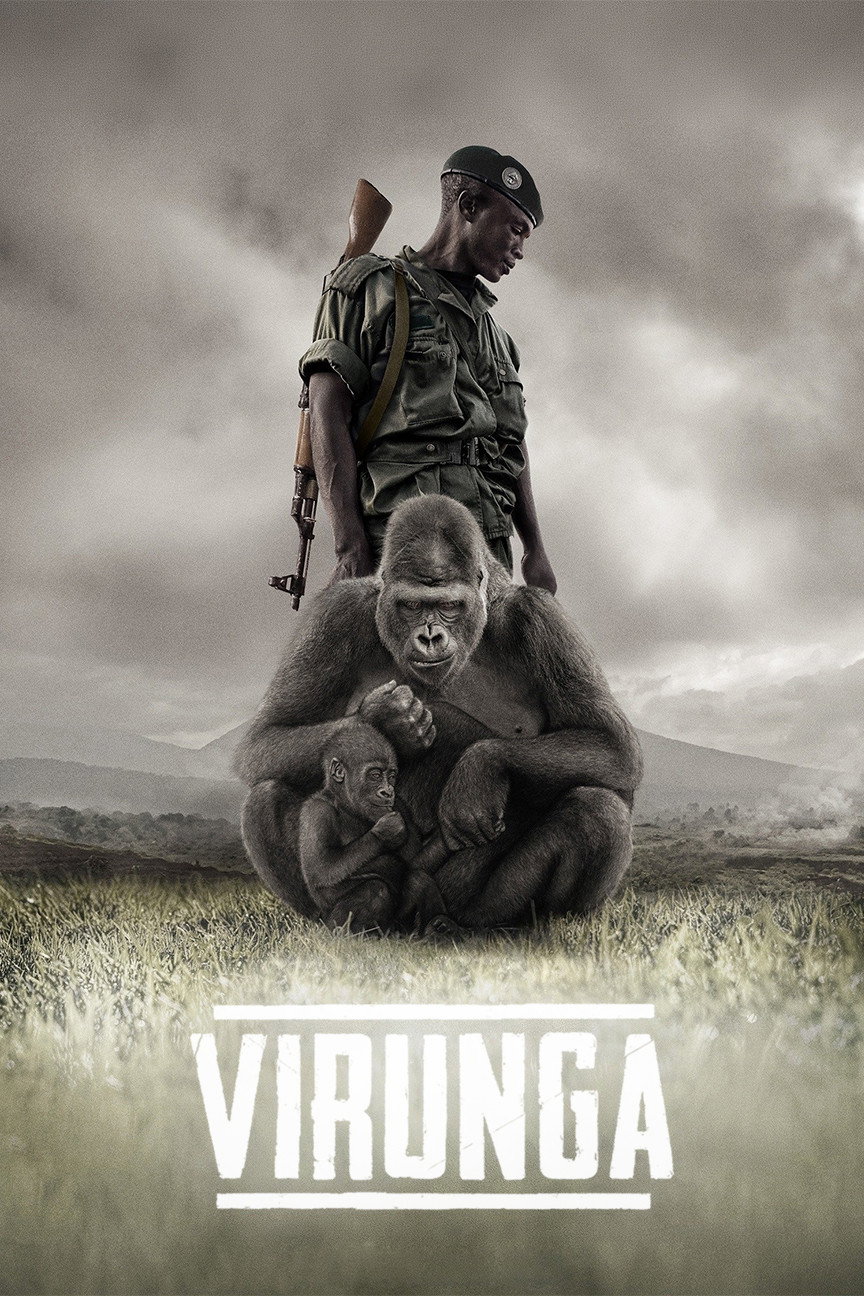
Virunga in the Democratic Republic of the Congo is Africa’s oldest national park, a UNESCO world heritage site, and a contested ground among insurgencies seeking to topple the government that see untold profits in the land. Among this ongoing power struggle, Virunga also happens to be the last natural habitat for the critically endangered mountain gorilla. The only thing standing in the way of the forces closing in around the gorillas: a handful of passionate park rangers and journalists fighting to secure the park’s borders and expose the corruption of its enemies. Filled with shocking footage, and anchored by the surprisingly deep and gentle characters of the gorillas themselves, Virunga is a galvanizing call to action around an ongoing political and environmental crisis in the Congo.
Al Pacino's deeply-felt rumination on Shakespeare's significance and relevance to the modern world through interviews and an in-depth analysis of "Richard III."
When Sgt. First Class Brian Eisch is critically wounded in Afghanistan, it sets him and his sons on a journey of love, loss, redemption and legacy.
The Captains is a feature-length documentary film written and directed by William Shatner. The film follows Shatner as he interviews the other actors who have portrayed starship captains in the Star Trek franchise.
Police pull over a woman who claims she just gave birth. But the baby — and the blood — aren't hers. Twisted lies unravel in this true-crime documentary.
An experimental documentary that explores Saudi Arabia's relationship with the U.S. and the role this has played in the war in Afghanistan.
The extraordinary story of how Hollywood changed World War II – and how World War II changed Hollywood, through the interwoven experiences of five legendary filmmakers who went to war to serve their country and bring the truth to the American people: John Ford, William Wyler, John Huston, Frank Capra, and George Stevens. Based on Mark Harris’ best-selling book, “Five Came Back: A Story of Hollywood and the Second World War.”