Social & External
The unsolved rape, mutilation and murder of young G.I. Darlene Krashoc has haunted Joe Kenda in the years since he turned in his gun and badge. Until a crack team of cold case cops uses Kenda’s groundwork to set a trap for a monster hiding in plain sight.
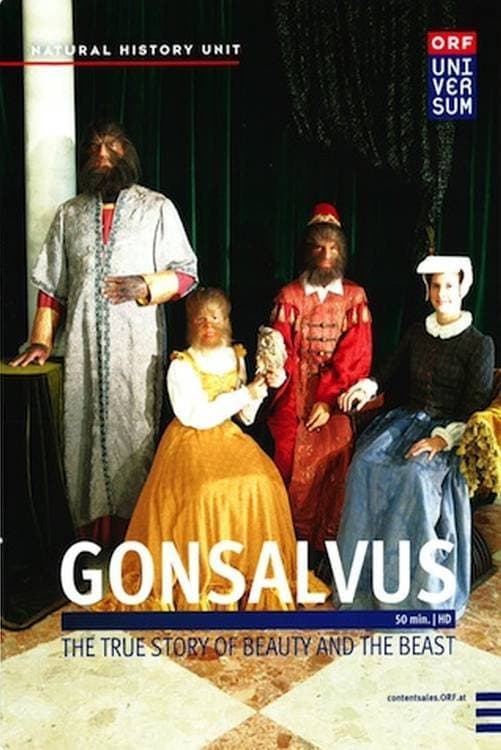
It's a condition known as "hypertrichosis" or "Ambras Syndrome," but in the 1500s it would transform one man into a national sensation and iconic fairy-tale character. His name: Petrus Gonsalvus, more commonly known today as the hairy hero of Beauty and the Beast.
This narrated computer animation, with an original musical score, illuminates cellular mitosis. DNA self-replicates; chromosomes divide into two daughter cells; but it begins with a hormone entering the nucleus of a cell.
A scientific film essay, narrated by Phil Morrison. A set of pictures of two picnickers in a park, with the area of each frame one-tenth the size of the one before. Starting from a view of the entire known universe, the camera gradually zooms in until we are viewing the subatomic particles on a man's hand.
Unlocking the Mystery of Life represents a unique programming opportunity for local stations. Its broadcast release coincides with the 50th anniversary of one of the greatest scientific breakthroughs in history-James Watson and Francis Crick's discovery that the DNA molecule carries hereditary information in the form of a code that many scientists have likened to computer software or a written language. This discovery (announced on April 25,1953) sparked a scientific revolution. But it also left a fundamental question unanswered. Where did the information in DNA come from? How did the software in the cell arise? Unlocking the Mystery of Life explores these questions through the stories of a growing number of scientists who no longer believe that natural selection or chemistry, alone, can explain life's origin. Instead, they think that the microscopic world of the cell provides evidence of purpose and design in nature.
Three million years ago, camels roamed through Greenland’s endless forests and our ancestors lived in the trees. It all came to an end with the Ice Ages. What died and what survived, as natural selection shaped the evolutionary tree during this epochal shift from hot to cold? Until now, scientists have known less about the natural world before the Ice Age than they did about the age of dinosaurs, which ended 64 million years ago. A new discovery is set to reveal this lost world, species by species. Led by Danish gene-hunter Eske Willerslev, a team of scientists for the first time in history is sequencing DNA from before the Ice Age. The picture that emerges is of a hot planet, when forests blanketed the Arctic and carbon levels matched those in our atmosphere today. Is this a portrait of our own climate future?
A scientist wants to recover some mammoth DNA to clone a live mammoth. So he finds a buried mammoth in the vast, rock hard permafrost of Siberia, digs it out in the middle of a blizzard and flies it home. Of course he needed a little help. So he befriended an arctic nomad who knows ever rill, rock, pond and stream in the entire region. As background to the quest, National Geographic relates the migratory history of the mammoth family.
Many geneticists and archaeologists have long surmised that human life began in Africa. Dr. Spencer Wells, one of a group of scientists studying the origin of human life, offers evidence and theories to support such a thesis in this PBS special. He claims that Africa was populated by only a few thousand people that some deserted their homeland in a conquest that has resulted in global domination.
Earth teems with a staggering variety of animals, including 9,000 kinds of birds, 28,000 types of fish, and more than 350,000 species of beetles. What explains this explosion of living creatures—1.4 million different species discovered so far, with perhaps another 50 million to go? The source of life's endless forms was a profound mystery until Charles Darwin brought forth his revolutionary idea of natural selection. But Darwin's radical insights raised as many questions as they answered. What actually drives evolution and turns one species into another? To what degree do different animals rely on the same genetic toolkit? And how did we evolve?
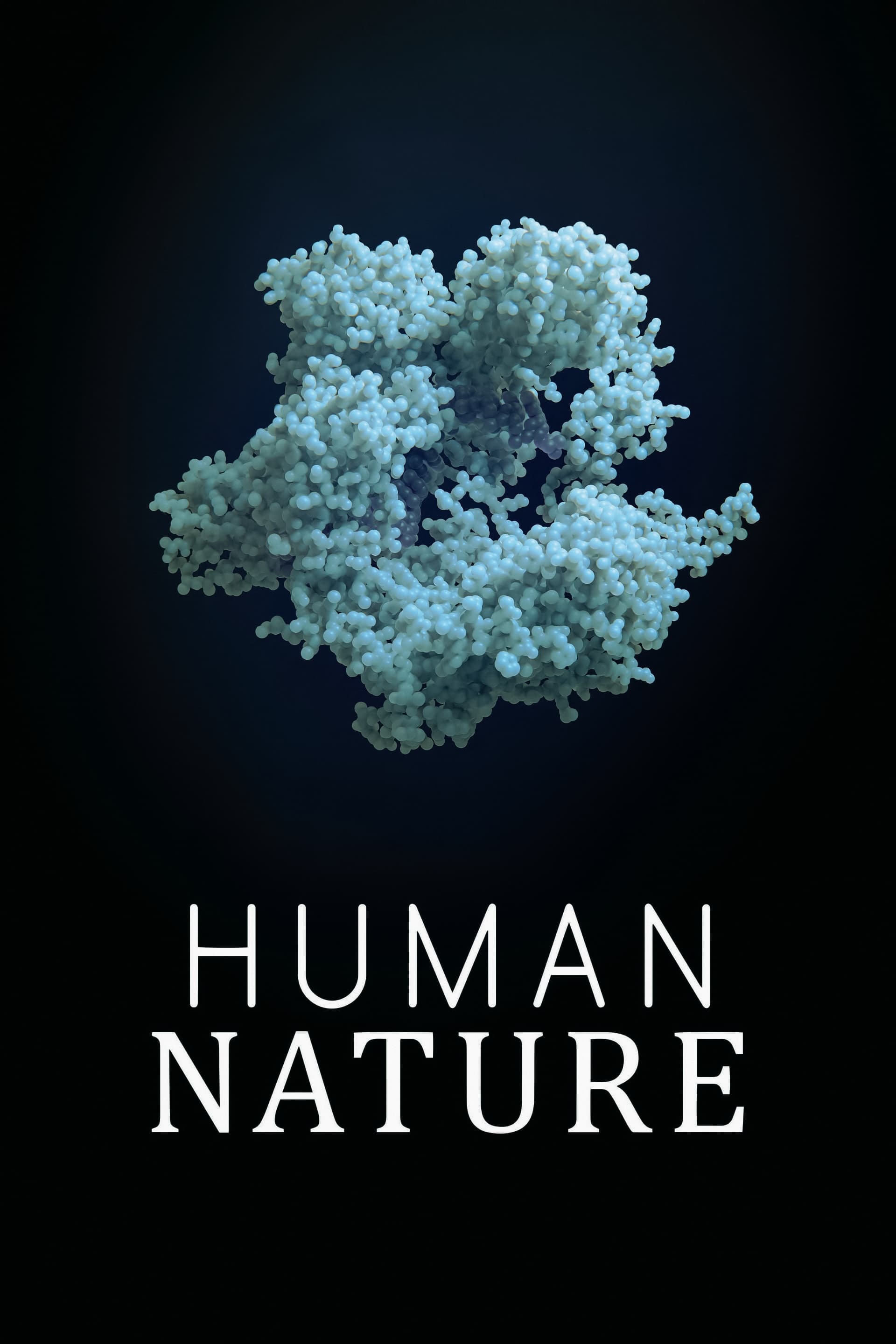
Human genetics is one of the most exciting fields in science at the moment. Not only does it advance exponentially fast, it is also a field of study that will very soon affect our daily lives. We will all have to deal with the possibilities and technologies that human genetics have to offer, today and in the coming years. Quite a few questions and dilemmas still have to be answered by us. Do I want to know everything that can be found out from my DNA? And who is allowed to use and read my genetic code? My doctor? The police? The chef of my favourite restaurant? Also, what genetic technologies do I want to use? Do I want to clone my dog, choose my children’s eye colour, or genetically modify them to give them extra talents? Do I want others in society to be allowed to do that? The current and future possibilities of human genetics are simply overwhelming. They are both promising and frightening, chilling and delightful.
How did your body become the complicated, quirky, amazing machine it is today? Anatomist Neil Shubin uncovers the answers in this 3-part science series that looks at human evolution. Using fossils, embryos and genes, he reveals how our bodies are the legacy of ancient fish, reptiles and primates — the ancestors you never knew were in your family tree.
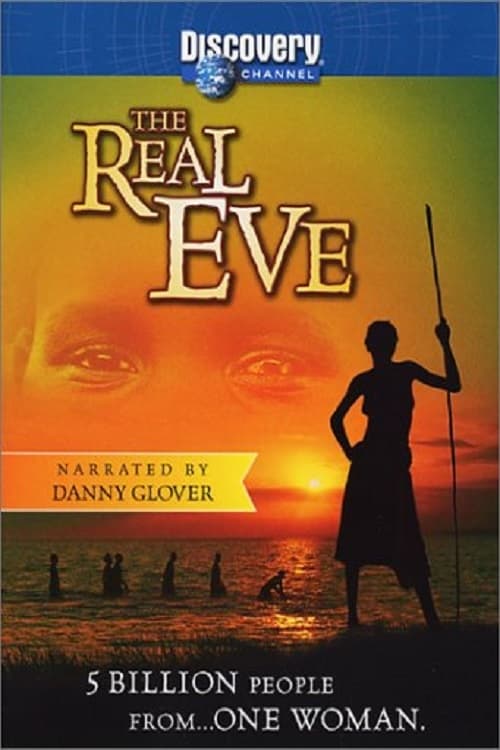
The made-for-cable documentary film The Real Eve is predicated on the theory that the human race can be traced to a common ancestor. The mitochondrial DNA of one prehistoric woman, who lived in Africa, has according to this theory been passed down from generation to generation over a span of 150,000 years, supplying the "chemical energy" to all humankind.
An experimental film following a trip made by three friends in which the contrast between the agitated city of São Paulo, Brazil and the calmness of the beach leads the flow. No script. No story. Just vibes.
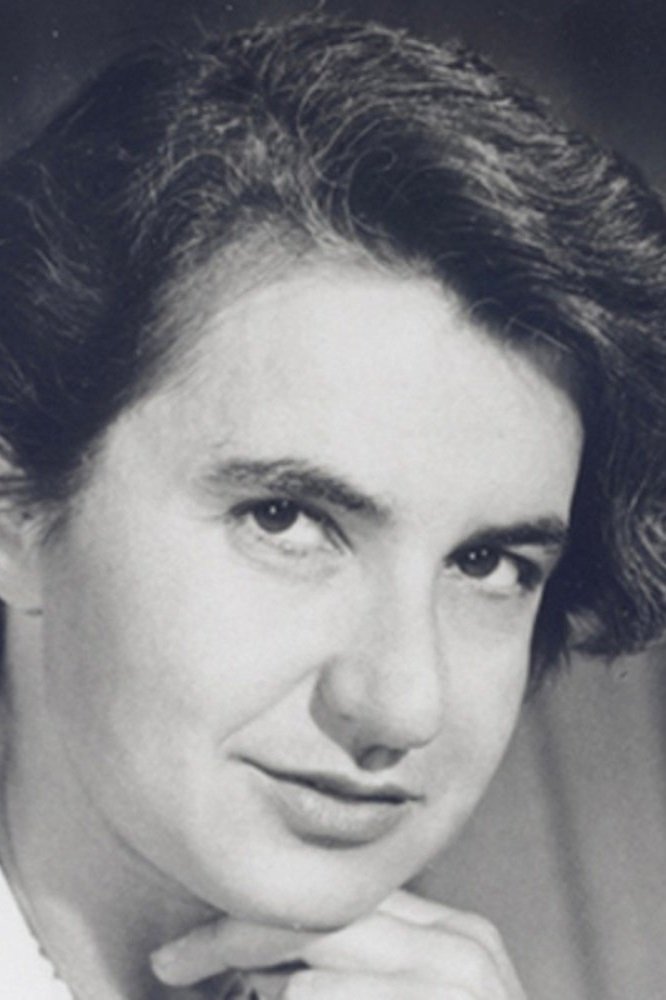
A documentary about Rosalind Franklin, the scientist who first photographed and discovered the shape of DNA.
This animated film was made by RIKEN Omics Science Center for the "Beyond DNA" exhibition at the National Science Museum of Japan. The filmmakers attempt to illustrate how molecular machines interact with each other according to the central dogma, with an anime look. This approach helps people (especially kids) to identify these molecules more easily, and to understand how they function in the body. There are two versions of the film: one with English narration and text, and another in Japanese.
The biggest tech revolution of the 21st century isn’t digital, it’s biological. A breakthrough called CRISPR gives us unprecedented control over the basic building blocks of life. It opens the door to curing disease, reshaping the biosphere, and designing our own children. This documentary is a provocative exploration of CRISPR’s far-reaching implications, through the eyes of the scientists who discovered it, the families it’s affecting, and the genetic engineers who are testing its limits.
A brazen sexual assault shocks a small town, but goes unsolved for 20 years, until a nearby murder produces a suspect with matching DNA.
Each day, some 2.5 trillion bytes of data are exchanged, a deluge known as "big data." How can we classify, store, and give meaning to this mass of digital information? Will our digital society remain capable of producing a lasting memory? Learn the fate of memory storage in the future.
A documentary about the sport of boxing, as seen through the eyes of champions Mike Tyson, Evander Holyfield and Bernard Hopkins.
Alex Gibney explores the charged issue of pedophilia in the Catholic Church, following a trail from the first known protest against clerical sexual abuse in the United States and all way to the Vatican.
A documentary that explores the downloading revolution; the kids that created it, the bands and the businesses that were affected by it, and its impact on the world at large.
Capturing life on the Italian island of Lampedusa, a frontline in the European migrant crisis.
The life of a dying young man at the short age of only forty-one after playing the lead in Il postino. He was a brilliant stage actor before becoming an astonishing film director.
A documentary about how a dominant cultural and demographic institution both sustains their traditional activities and adapts to the digital revolution.
A purely observational non-fiction film that takes viewers into the ethically murky world of end-of-life decision making in a public hospital.
Brilliant, long in-the-works story of the life and art of the world's greatest comedian and the cinema's first genius, Charlie Chaplin. Produced, written and directed by renowned film critic Richard Schickel.
Film adaptation of French economist Thomas Piketty's ground-breaking global bestseller of the same name: an eye-opening journey through wealth and power.
A depiction of the Wrangelkiez neighbourhood in Berlin. The people portrayed tell their life stories. One woman came to the neighbourhood a decade ago to work in Berlin’s still unfinished Brandenburger Airport, one man reminisces his childhood on a Tobacco farm in Kentucky, another speaks of an exceptional day in an otherwise monotonous workplace. These portraits are interwoven with the story of Elpi, a Greek woman who is waiting for the long overdue visit of an old important friend. The outcome of this mixture is a film which captures the lives and perspectives of some of Wrangelkiez’s most commanding citizens, while at the same time evoking the loss that change and time passing means for places and for people.
A detailing of the rise to prominence and global sporting superstardom of six supremely talented young Manchester United football players (David Beckham, Nicky Butt, Ryan Giggs, Paul Scholes, Phil and Gary Neville). The film covers the period 1992-1999, culminating in Manchester United's European Cup triumph.
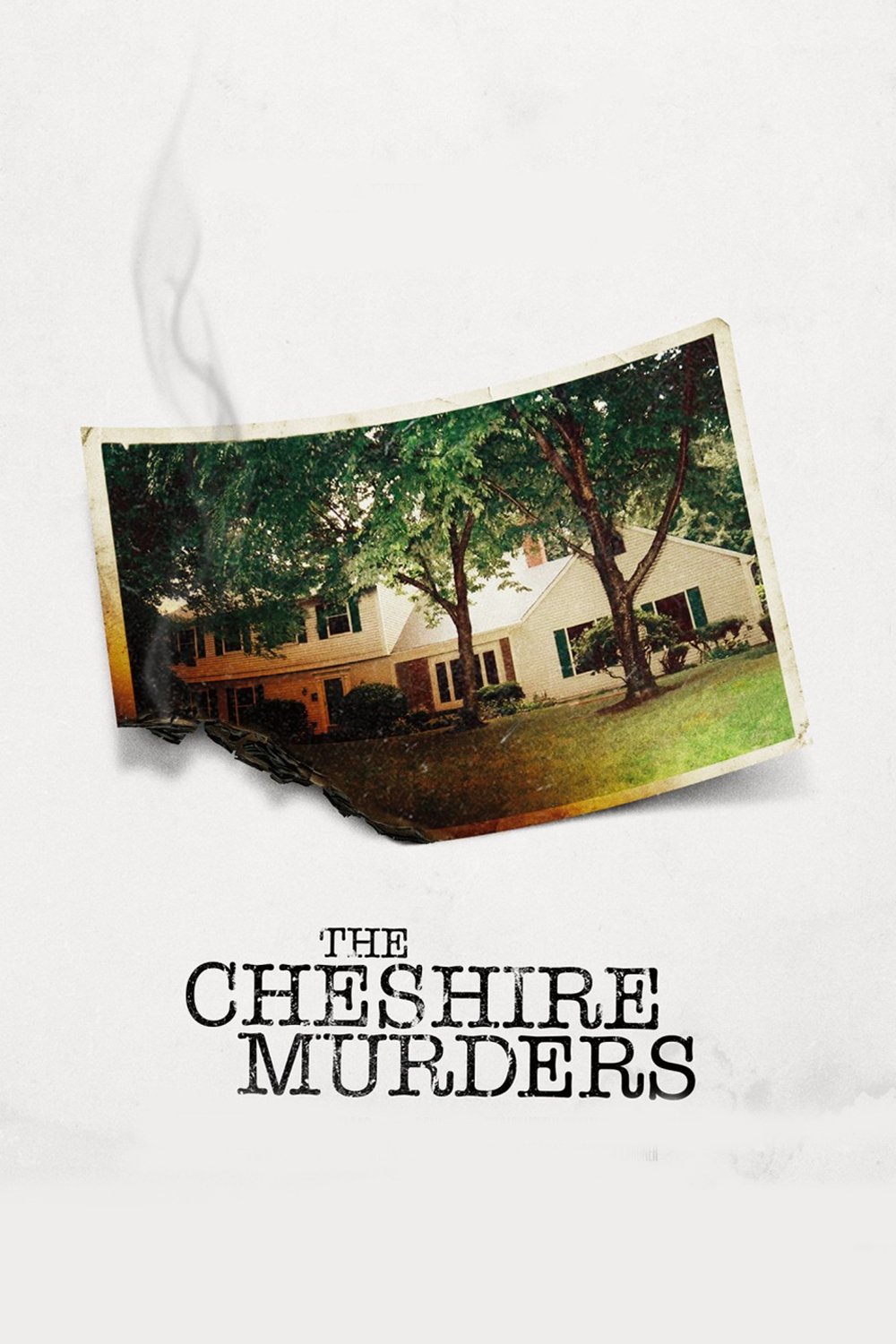
In the early-morning hours of July 23, 2007, in Cheshire, Conn., ex-convicts Steven Hayes and Joshua Komisarjevsky broke into the family home of William Petit, his wife, Jennifer, and their daughters, Michaela, 11, and Hayley, 17. Dr. Petit was beaten and tied to a pole in the basement. The three women were bound in their bedrooms while the men ransacked the house. The brutal ordeal continued throughout the morning, ending with rape, arson and a horrific triple homicide.
Behind the scenes look at fight choreography and action training.
This documentary by Joe Berlinger and Bruce Sinofsky details the murder trial of Delbert Ward. Delbert was a member of a family of four elderly brothers, working as semi-literate farmers and living together in isolation from the rest of society until William's death.
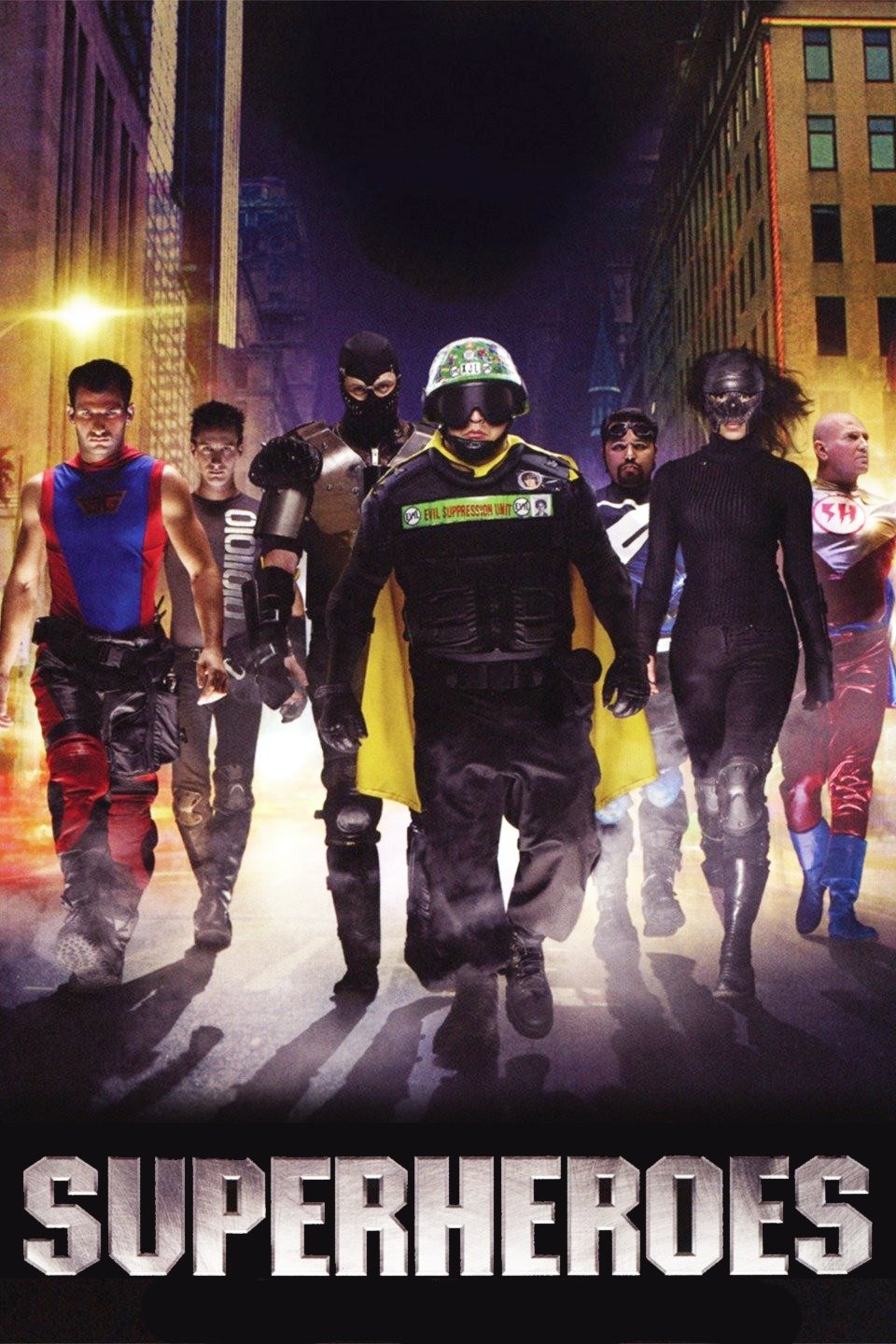
A journey inside the world of real life caped crusaders. From all over America, these self-proclaimed crime fighters, don masks, homemade costumes and elaborate utility belts in an attempt to bring justice to evildoers everywhere.
An epic documentary film that sends nine scientists to extraordinary parts of the world to uncover unexpected answers to some of humanity’s biggest questions. How did life begin? What is time? What is consciousness? How much do we really know? By introducing researchers from diverse backgrounds for the first time, then dropping them into new, immersive field work they previously hadn’t tackled, the film pushes the boundaries of how science storytelling is approached. What emerges is a deeply human trip to the foundations of discovery and a powerful reminder that the unanswered questions are the most crucial ones to pose. Directed by Emmy-nominated and Peabody Award-winning filmmaker Ian Cheney and advised by world-renowned filmmaker Werner Herzog, The Most Unknown is an ambitious look at a side of science never before shown on screen.
JB Smoove and Martin Starr host a celebration of 20 years of "Spider-Man" movies, from the Sam Raimi trilogy to Marc Webb's movies and the trio from Jon Watts.
Artists in LA discover the work of forgotten Polish sculptor Stanislav Szukalski, a mad genius whose true story unfolds chapter by astounding chapter.
THE SPIRIT MOLECULE weaves an account of Dr. Rick Strassman's groundbreaking DMT research through a multifaceted approach to this intriguing hallucinogen found in the human brain and hundreds of plants, including the sacred Amazonian brew, ayahuasca. Utilizing interviews with a variety of experts to explain their thoughts and experiences with DMT, and ayahuasca, within their respective fields, and discussions with Strassman’s research volunteers, brings to life the awesome effects of this compound, and introduces us to far-reaching theories regarding its role in human consciousness.
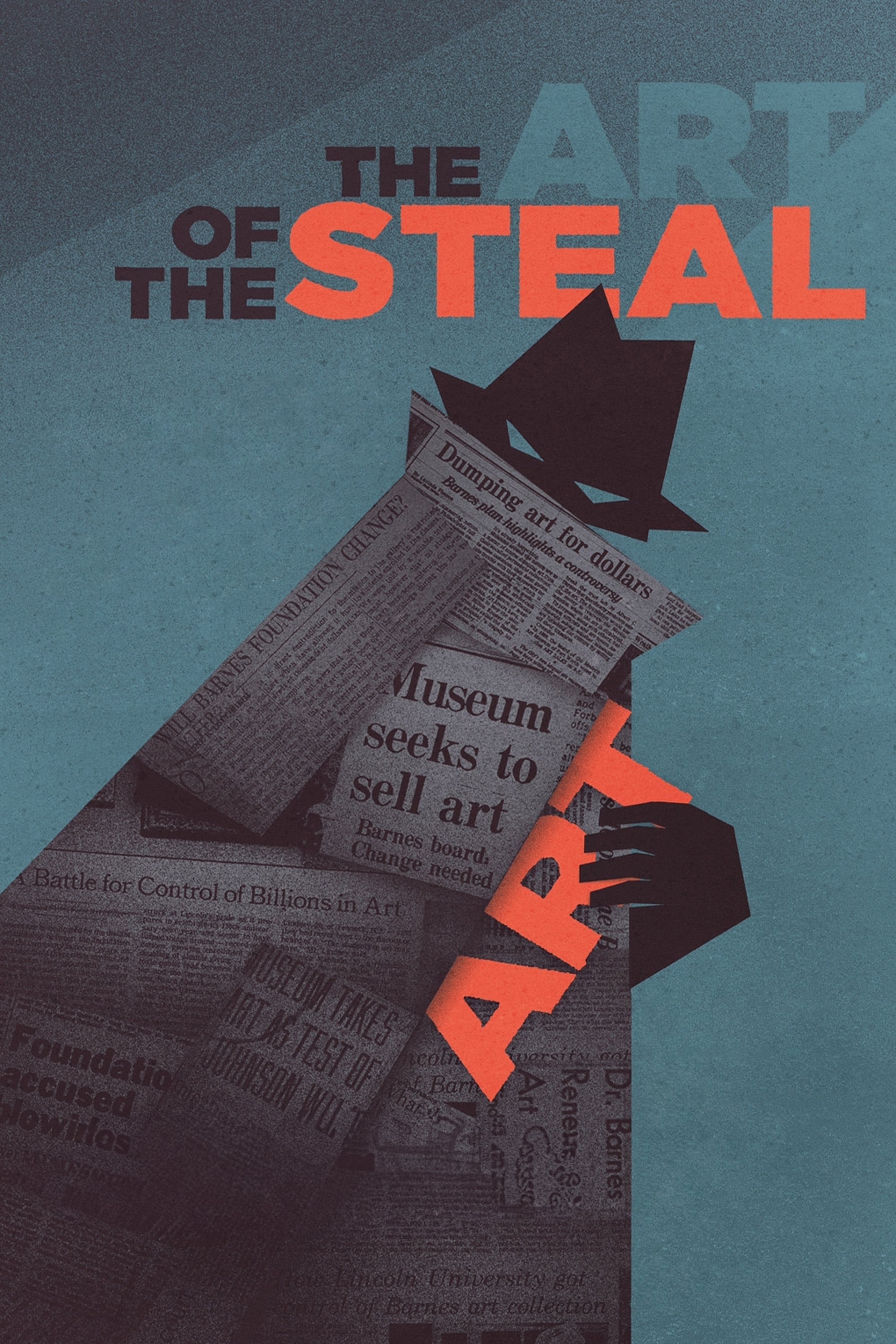
A gripping tale of intrigue and mystery in the art world, this film traces the history of a collection of Post-Impressionist paintings - worth billions - which became the subject of a power struggle after the death of its owner. Dr. Albert Barnes.