Social & External
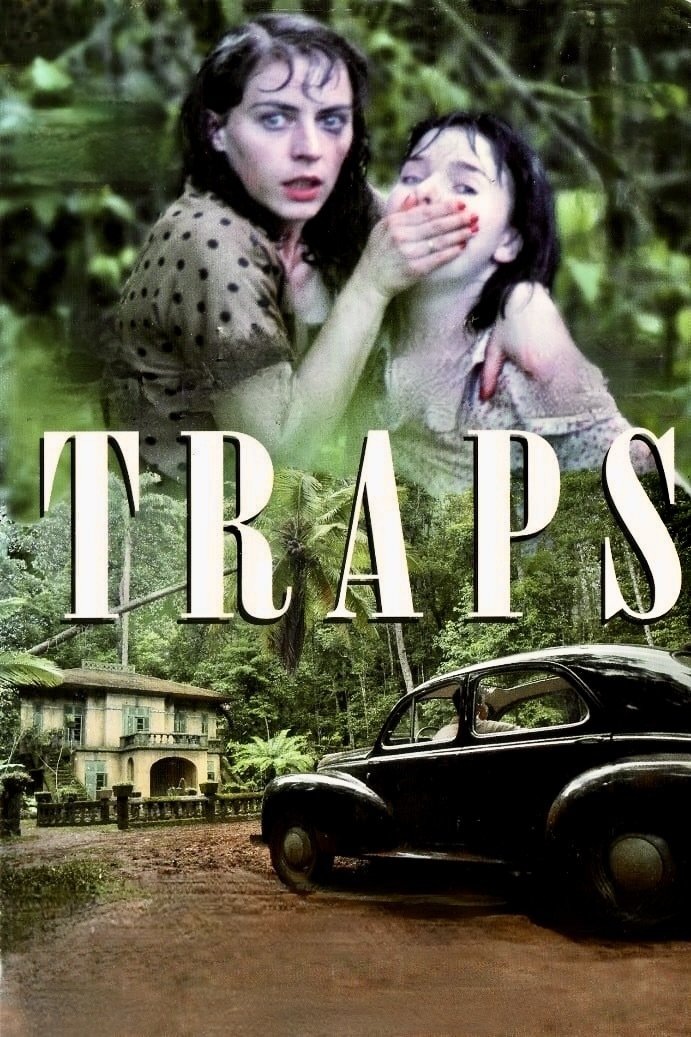
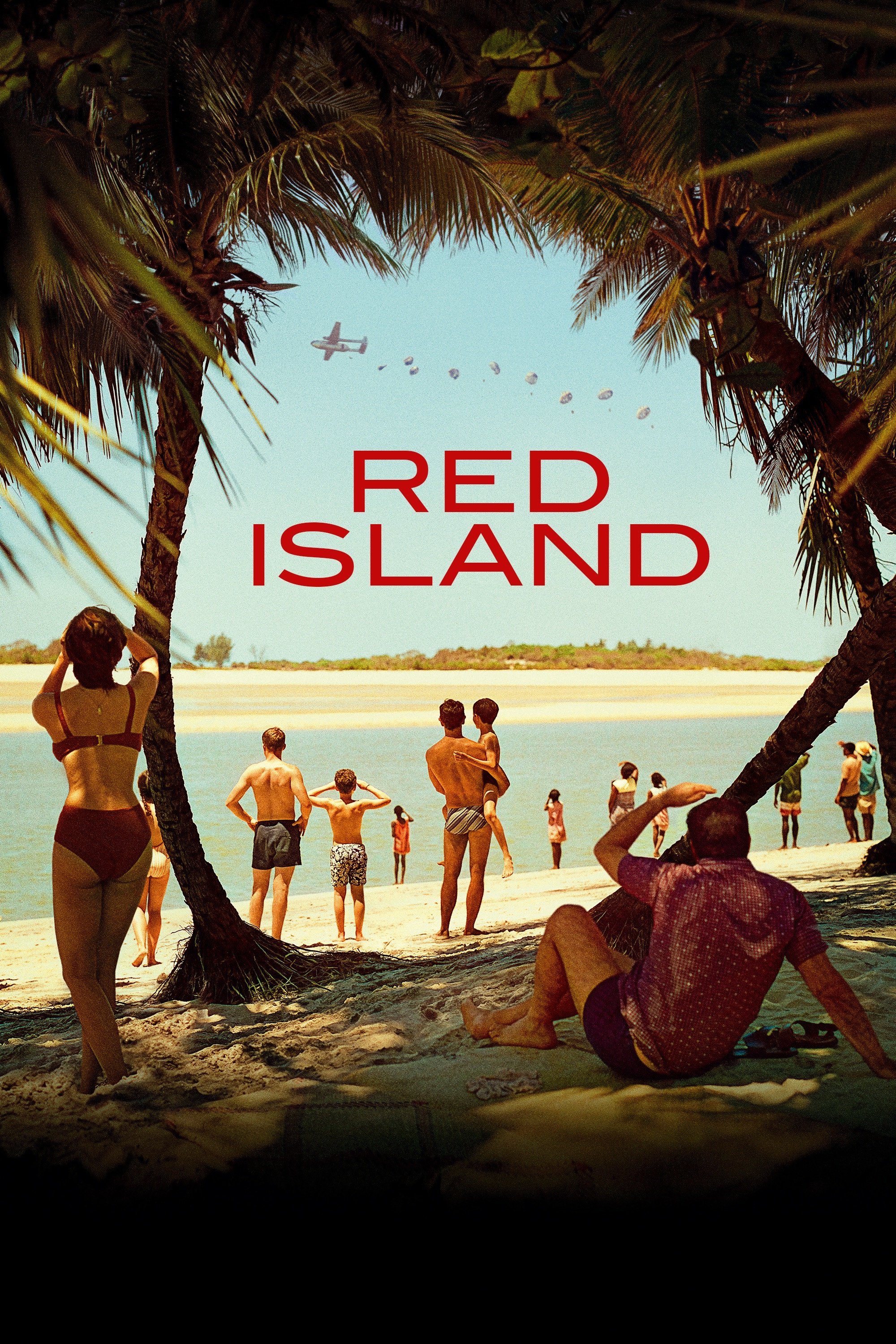
The year is 1950 and an English couple, Louise and Michael, have arrived in French-occupied Indochina to cover a story on a French-owned rubber plantation. They are to be the guests of the enigmatic plantation overseer, Daniel, and his beautiful yet difficult daughter Viola, at their elegant, decaying villa amid a tropical jungle. Michael and Louise hope that some time spent working in an exotic location will help reignite the passion in their floundering marriage. Instead they become unwittingly involved in the personal, sexual and political tensions of their hosts. Daniel is desperate to hold onto a way of life no longer possible in a country struggling for independence, bringing him into conflict with not only his daughter but also with his adopted country.
Coffee is the second most important commodity in the world after oil. The drink has a long history and what's more, its effect seems to be stimulating in two senses.
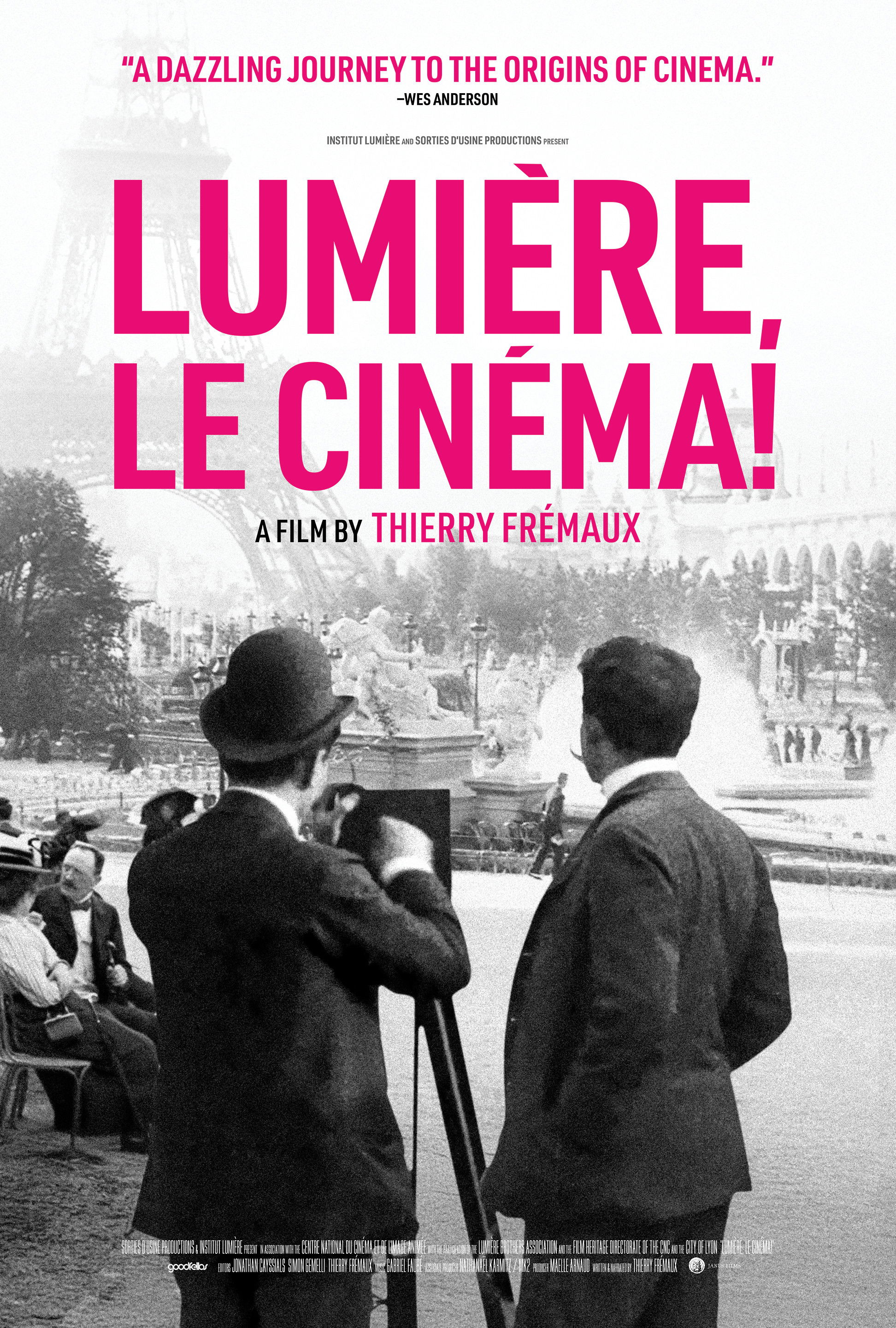
In one of those wonderful coincidences of history, lumière, the French word for “light,” was also the last name of brothers Auguste and Louis, whose brilliant invention, the cinematograph, helped to inaugurate the most beloved art form of the last 130 years. Institute Lumière director Thierry Frémaux uses Lumière, Le Cinema! to guide the viewer through over a hundred shorts—some famous, some forgotten, some never before seen—directed by Lumière and company. In the process, Frémaux illuminates how the brothers employed the camera as a creative instrument as they (and their operators) mastered framing, staging, and subject selection for quotidian and exotic microdocumentaries as well as the first ever fictional motion pictures. The result is not only a glorious re(telling) of the genesis of cinema but a profound meditation on the beautiful world captured—and the mysterious world imagined—by the Lumières.
Located in former West Berlin, Tempelhof Airport reflects the dramatic history of the 20th century. Once a Nazi showpiece, it later became a symbol of freedom during the Berlin Airlift and the Cold War. In 1978, East German citizen Constanze Glien unexpectedly arrived here after her flight was hijacked, changing the course of her life.
In 2018, Bonnie Sitter, an author based in Exeter, Ontario searches through some of her family photographs. She finds a captivating little black and white image: a group of smiling young women on the running board of a vehicle. When she flips the photo, an intriguing caption reads: “Farmerettes 1946”. This moment sparks a compelling research journey that eventually leads her to co-author an entire book on a forgotten subject.
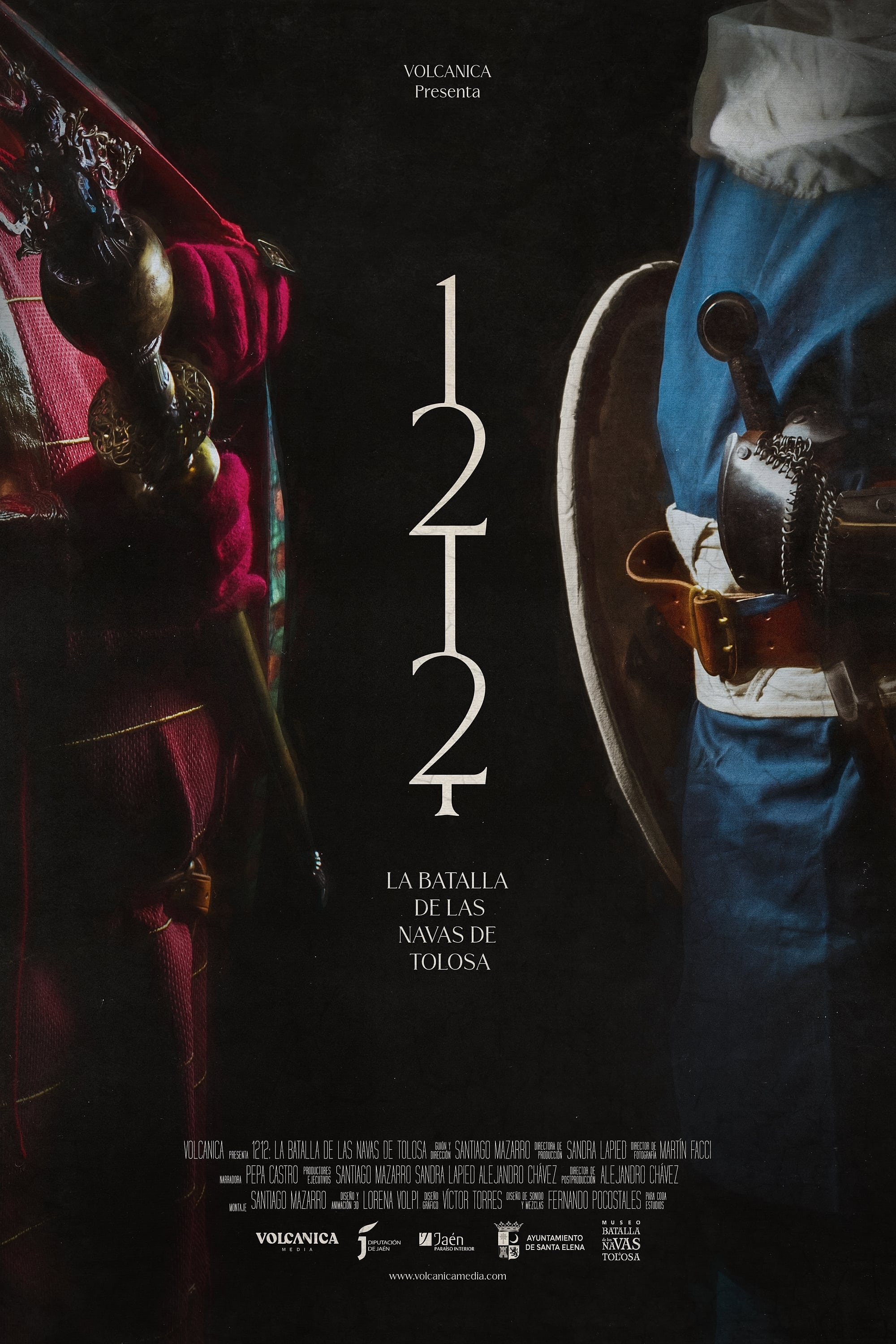
On 16 July 1212, a Crusader army made up of Castilians, Aragonese and Navarrese (but also French, English and Germans) confronted the army of the Almohad Caliph an-Nasir at the foot of the Sierra Morena mountain range. The Battle of Las Navas de Tolosa, as the battle is known, is considered the most important battle of the Middle Ages on the Iberian Peninsula and is a key event in the history of Spain. More than 800 years later, a group of archaeologists and specialists have begun an archaeological study of the battlefield. Is everything that has been said about the battle true? What secrets does the terrain hide? And, above all, what can we learn today about events that took place hundreds of years ago and that pitted tens of thousands of people against each other in the south of our country?
Madagascar, at the turn of the 1960s and 1970s. On an air base of the French army, the soldiers live the last carefree years of colonialism. Influenced by his readings of Fantômette, Thomas, a child who is not yet 10 years old, gradually forges a look at the world around him.
Award-winning documentary Resilience & Sacrifice follows an emerging musician from Vermont’s Northeast Kingdom who shelved his dreams to raise his family. Years later, he returns to the stage, facing the music industry and a medical crisis that nearly ends his career. A story of grit and passion.
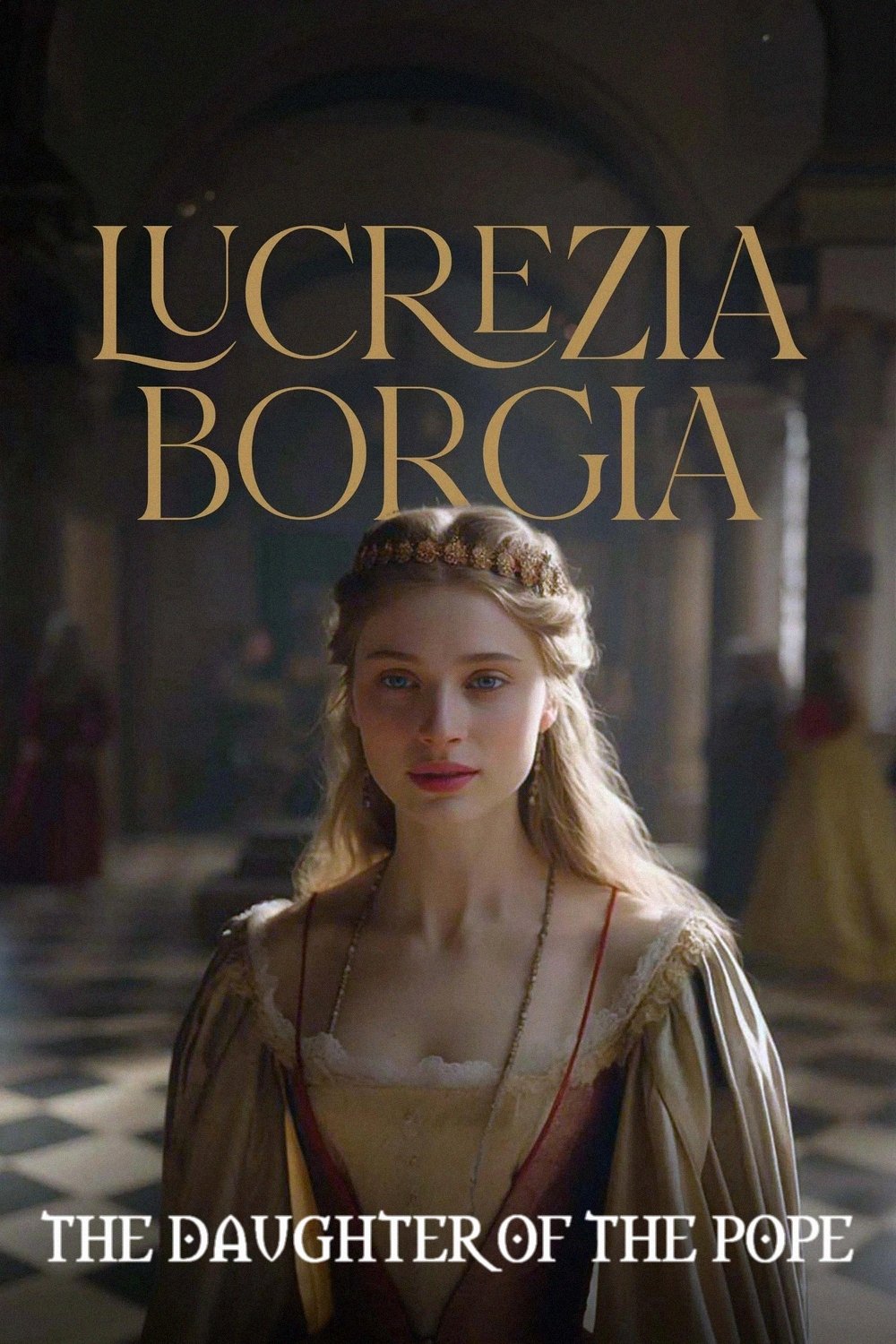
The incredible story of Lucrezia Borgia (1480-1519), daughter of Pope Alexander VI (1431-1503), deliberately used politically by her powerful family and historically slandered as a poisoner and incestuous femme fatale. But who was the real Lucrezia?
September 3rd, 1939. Britain and France declare war on Nazi Germany, only two days after the Wehrmacht invades Poland. This day, the sad date when the fate of the world changed forever, the Phoney War began: eight months of uncertainty, preparations, evacuations and skirmishes.
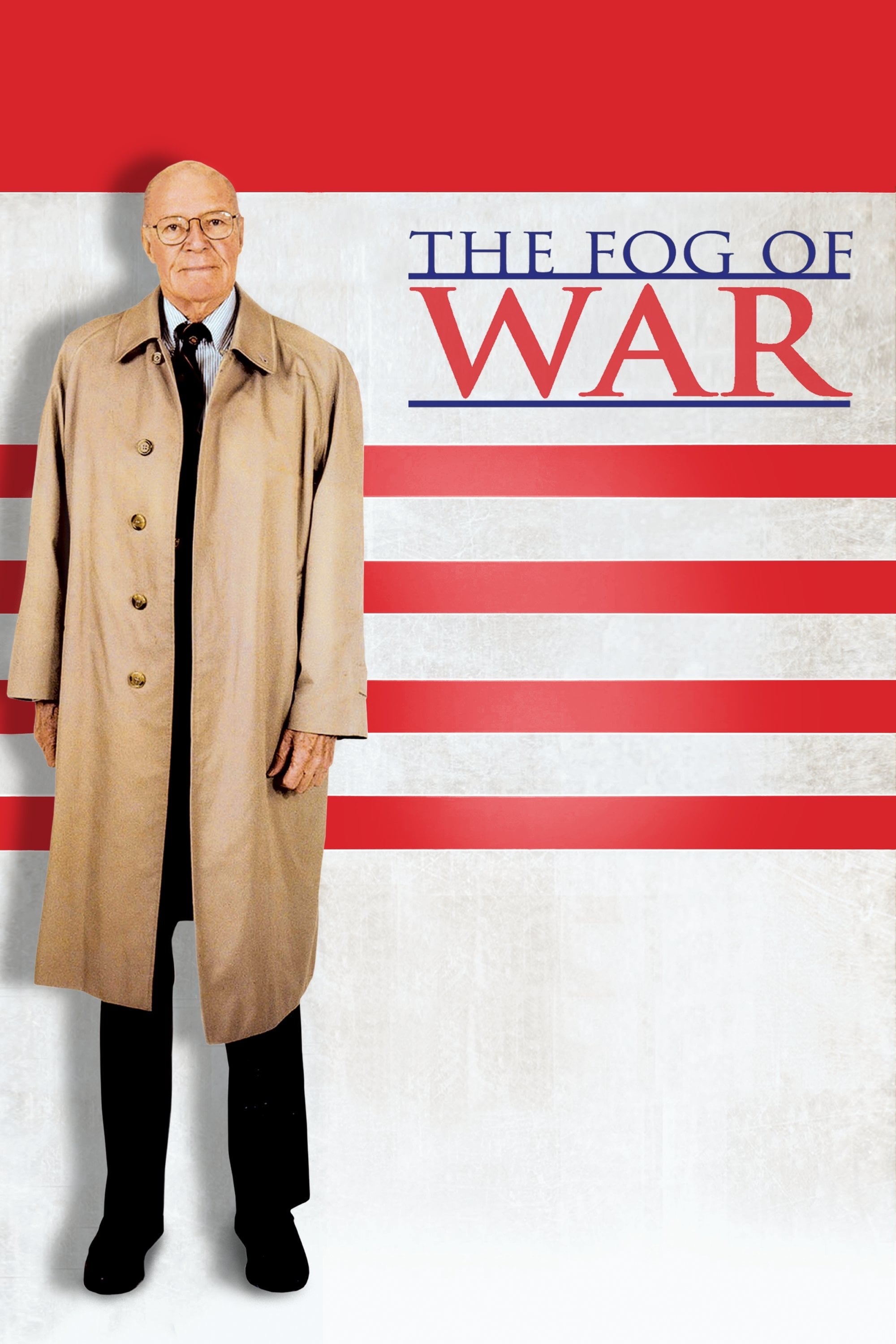
Using archival footage, cabinet conversation recordings, and an interview of the 85-year-old Robert McNamara, The Fog of War depicts his life, from working as a WWII whiz-kid military officer, to being the Ford Motor Company's president, to managing the Vietnam War as defense secretary for presidents Kennedy and Johnson.
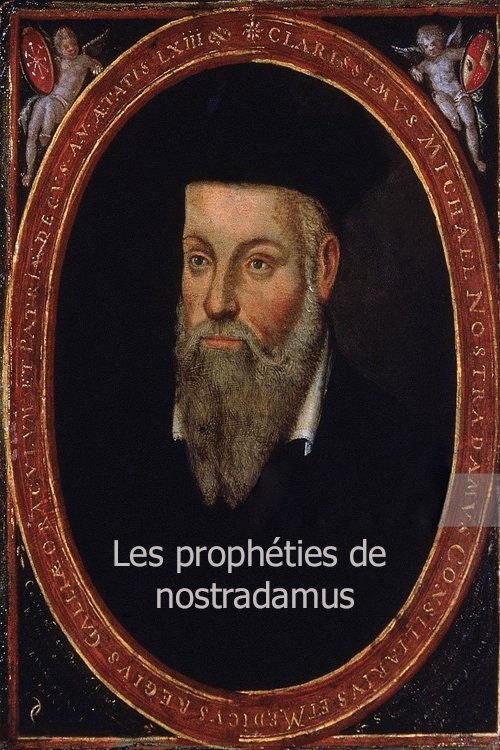
Debunking the mythology surrounding the 16th century French prophet, Nostradamus.
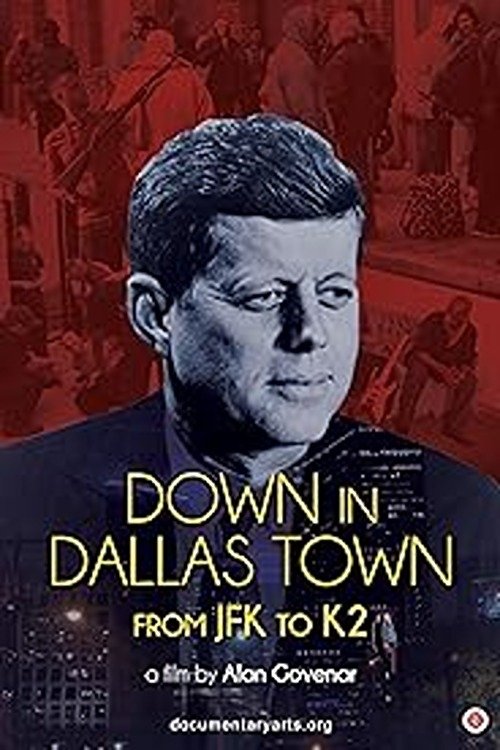
Through interviews with people on the street and songs recorded to memorialize JFK in the mid-1960s, the film explores the impact of the November 22, 1963 assassination on issues in today’s world, from lingering conspiracy theories to the proliferation of gun violence, homelessness, and the scourge of K-2.
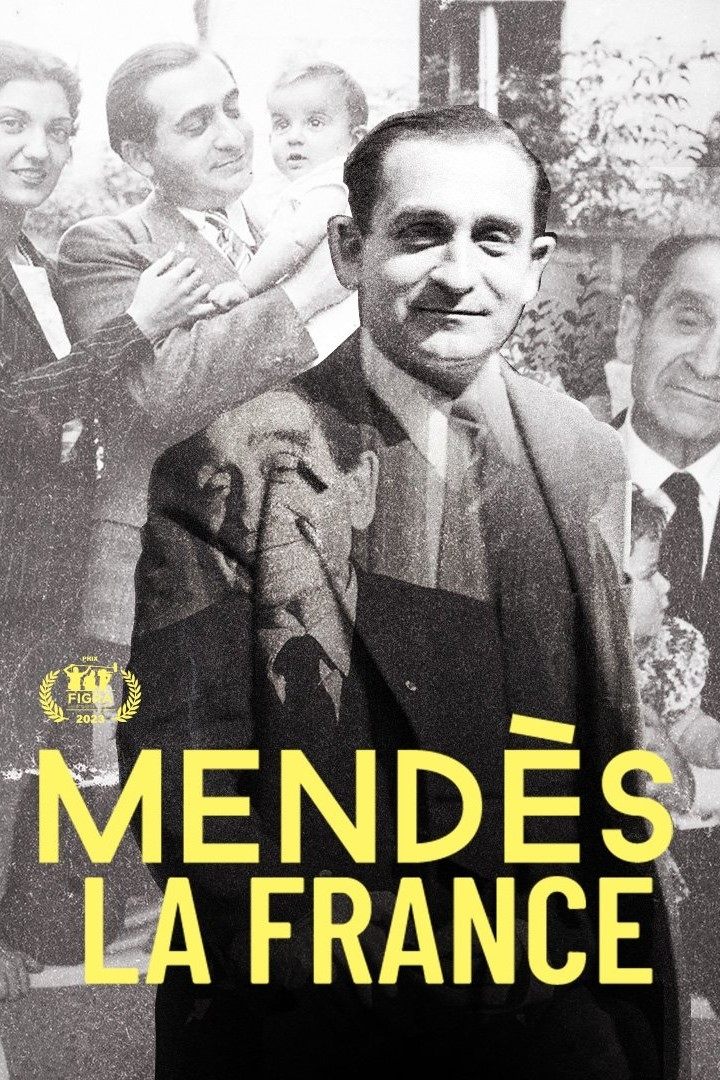
Forty years after the death of Pierre Mendès France, Yves Jeuland and Alix Maurin reveal another side to this figure: the story of his life, told through the pages of his private notebooks. PMF led a romantic and extraordinary life as a French politician and Jew, both loved and hated.
Director Claude Lanzmann spent 11 years on this sprawling documentary about the Holocaust, conducting his own interviews and refusing to use a single frame of archival footage. Dividing Holocaust witnesses into three categories – survivors, bystanders, and perpetrators – Lanzmann presents testimonies from survivors of the Chelmno concentration camp, an Auschwitz escapee, and witnesses of the Warsaw Ghetto Uprising, as well as a chilling report of gas chambers from an SS officer at Treblinka.
Filmmaker Alain Resnais documents the atrocities behind the walls of Hitler's concentration camps.
This documentary examines the 1999 London bombings that targeted Black, Bangladeshi and gay communities, and the race to find the far-right perpetrator. He terrorized a city, seeking to ignite a race war but justice was served by those who wouldn't let his hate win.
“The Soviet Story” is a story of an Allied power, which helped the Nazis to fight Jews and which slaughtered its own people on an industrial scale. Assisted by the West, this power triumphed on May 9th, 1945. Its crimes were made taboo, and the complete story of Europe’s most murderous regime has never been told. Until now...
The history of cinematic sound, told by legendary sound designers and visionary filmmakers.
An unprecedented and intimate look at the life, work and enduring legacy of British actress Audrey Hepburn (1929-1993).
A documentary shot by filmmakers all over the world that serves as a time capsule to show future generations what it was like to be alive on the 24th of July, 2010.
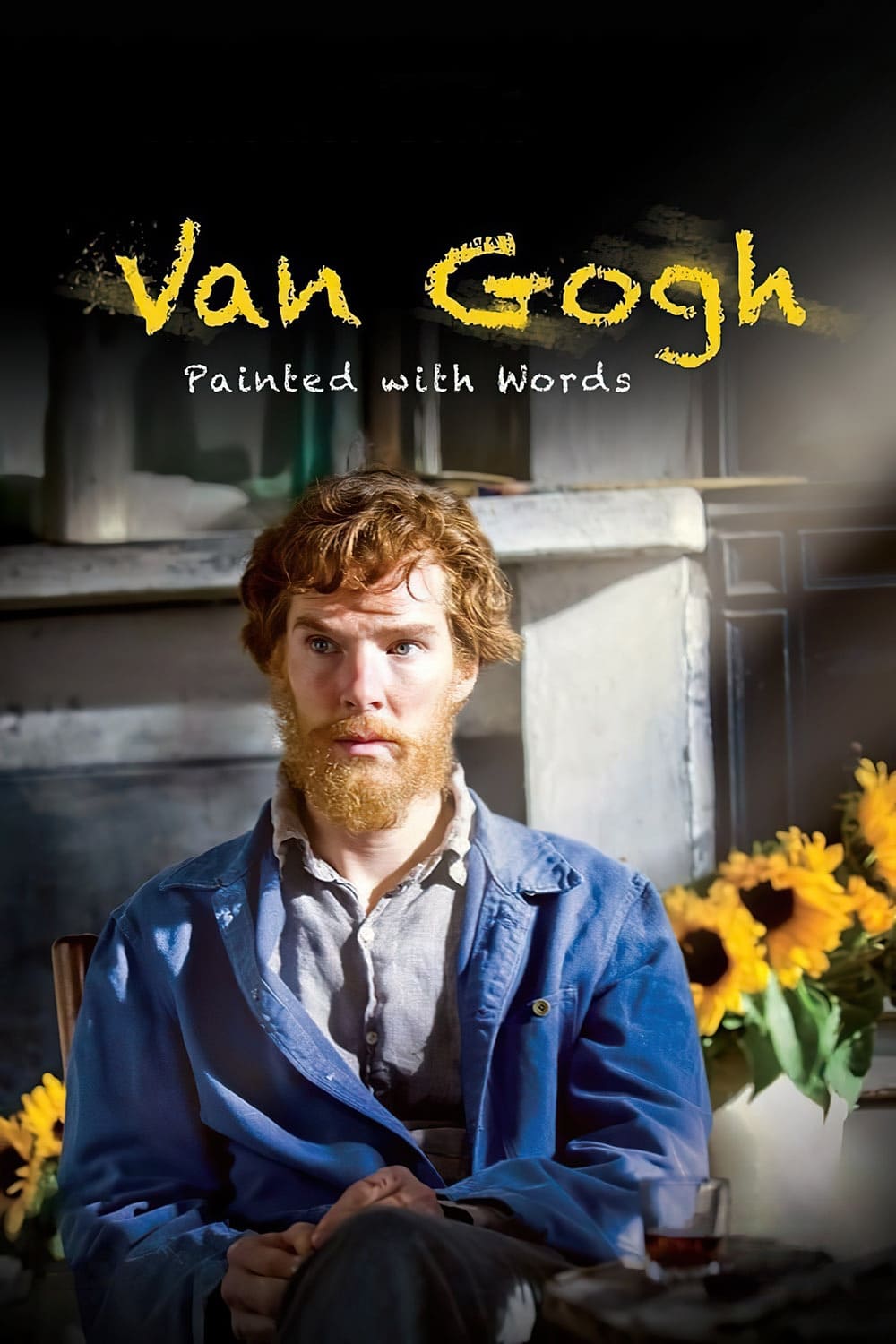
A drama-documentary presented by Alan Yentob, with Benedict Cumberbatch in the lead role. Every word spoken by the actors in this film is sourced from the letters that Van Gogh sent to his younger brother Theo, and of those around him. What emerges is a complex portrait of a sophisticated, civilised and yet tormented man.
In Le Livre d’Image, Jean-Luc Godard recycles existing images (films, documentaries, paintings, television archives, etc.), quotes excerpts from books, uses fragments of music. The driving force is poetic rhyme, the association or opposition of ideas, the aesthetic spark through editing, the keystone. The author performs the work of a sculptor. The hand, for this, is essential. He praises it at the start. “There are the five fingers. The five senses. The five parts of the world (…). The true condition of man is to think with his hands. Jean-Luc Godard composes a dazzling syncopation of sequences, the surge of which evokes the violence of the flows of our contemporary screens, taken to a level of incandescence rarely achieved. Crowned at Cannes, the last Godard is a shock film, with twilight beauty.
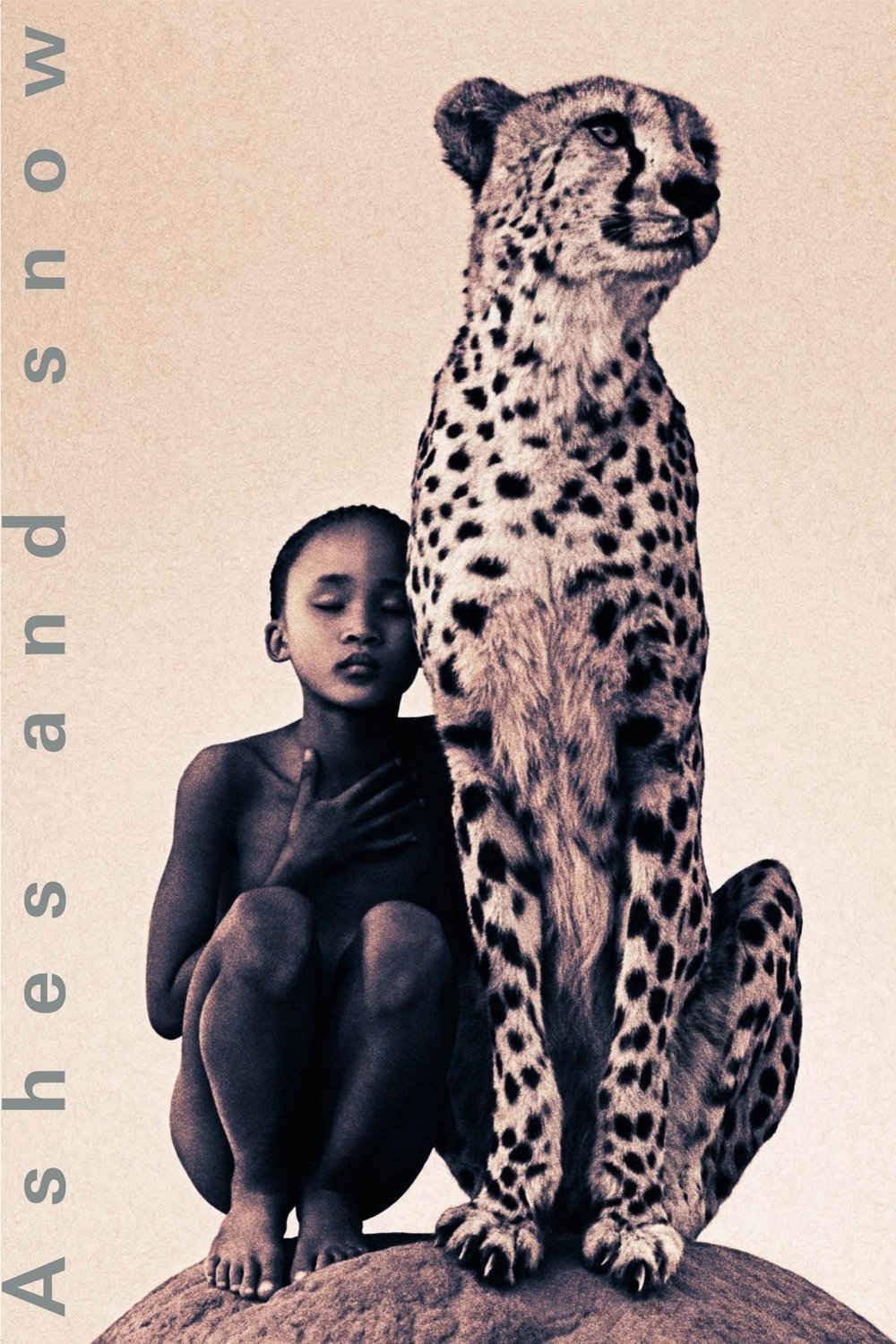
Ashes and Snow, a film by Gregory Colbert, uses both still and movie cameras to explore extraordinary interactions between humans and animals. The 60-minute feature is a poetic narrative rather than a documentary. It aims to lift the natural and artificial barriers between humans and other species, dissolving the distance that exists between them.
Filmed over 14 months with unprecedented access into the inner circle of the man and the sport, this is the first official and fully authorised film of one of the most celebrated figures in football. For the first time ever, the world gets vividly candid and un-paralleled, behind-closed-doors access to the footballer, father, family-man and friend in this moving & fascinating documentary. Through in-depth conversations, state of the art football footage and never before seen archival footage, the film gives an astonishing insight into the sporting and personal life of triple Ballon D'Or winner Cristiano Ronaldo at the peak of his career. From the makers of ‘Senna’ and ‘Amy’, Ronaldo takes audiences on an intimate and revealing journey of what it’s like to live as an iconic athlete in the eye of the storm.
A collection of restored prints from the Lumière Brothers.
Explore the first – and only – time “demonic possession” has officially been used as a defense in a U.S. murder trial. Including firsthand accounts of alleged devil possession and a shocking murder, this extraordinary story forces reflection on our fear of the unknown.
American filmmaker Stanley Kubrick (1928–1999), one of the greatest in history, but also one of the most reserved, gave few interviews throughout his long career, and none of them were filmed. A first-person journey through his life and work, based on a recorded conversation with French film critic Michel Climent.
Meet the real-life airmen who inspired Masters of the Air as they share the harrowing and transformative events of the 100th Bomb Group.
In 200,000 years of existence, man has upset the balance on which the Earth had lived for 4 billion years. Global warming, resource depletion, species extinction: man has endangered his own home. But it is too late to be pessimistic: humanity has barely ten years left to reverse the trend, become aware of its excessive exploitation of the Earth's riches, and change its consumption pattern.
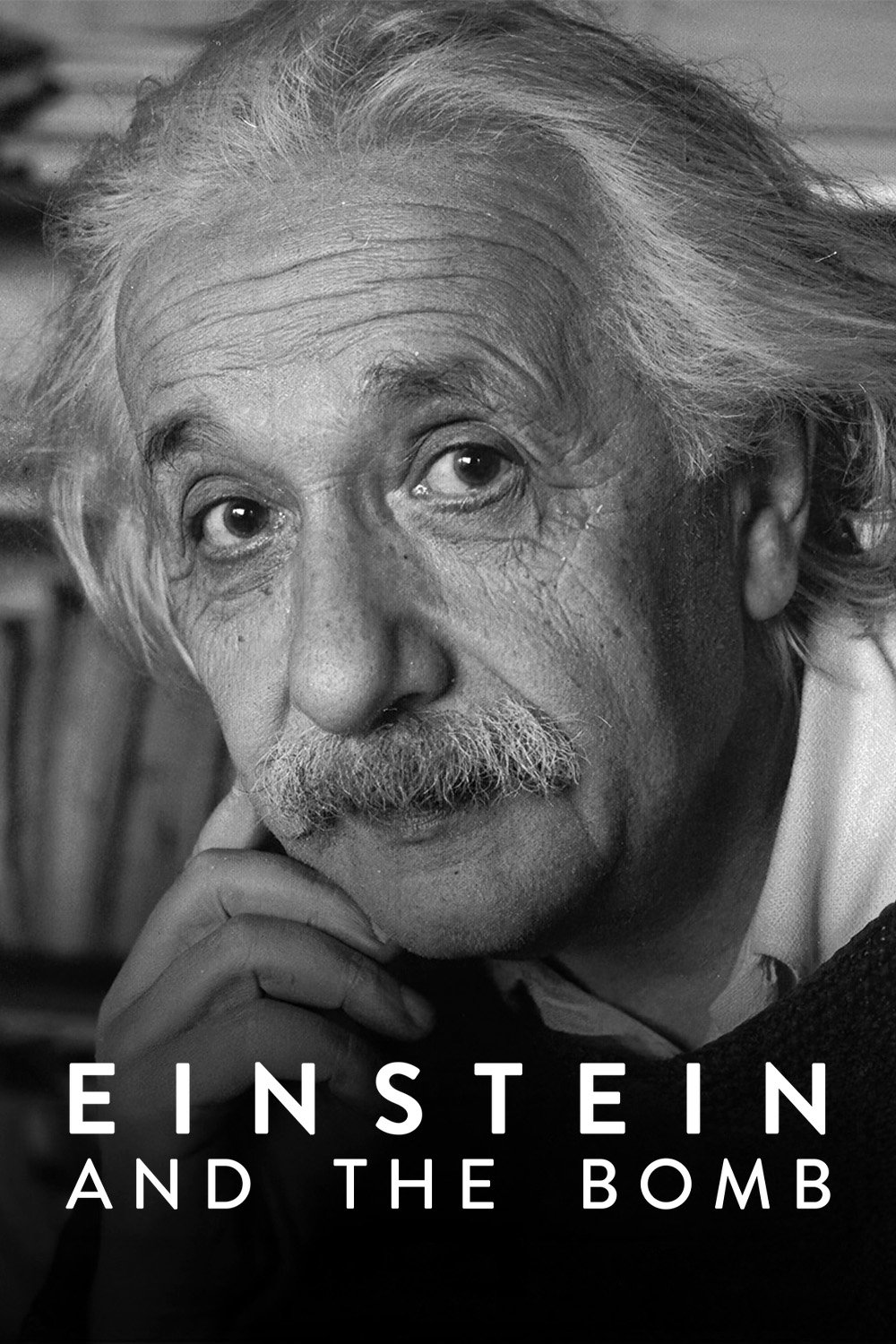
What happened after Einstein fled Nazi Germany? Using archival footage and his own words, this docudrama dives into the mind of a tortured genius.
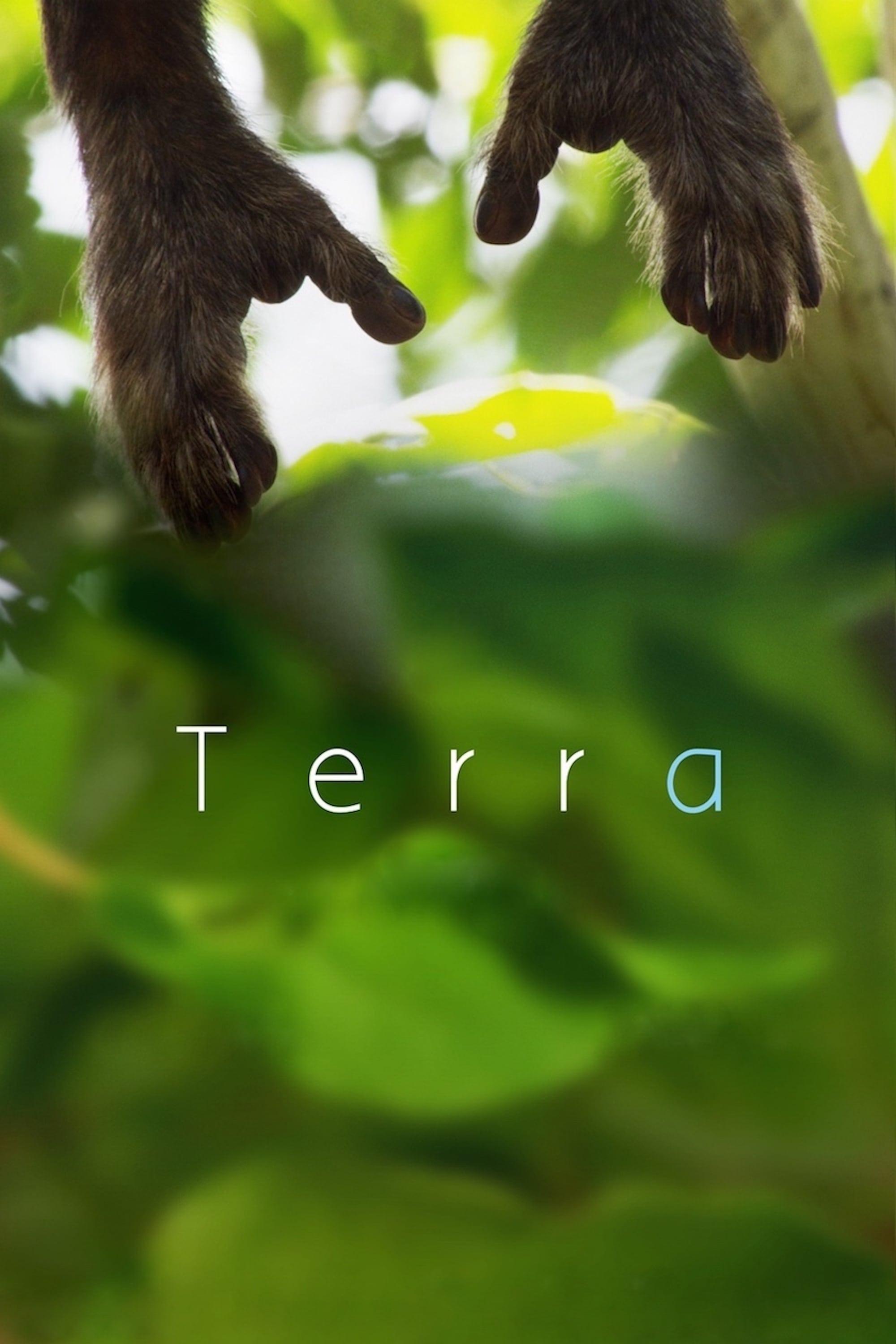
A visually stunning documentary that reflects human's relationship to other species on Earth as humanity becomes more and more isolated from Nature.
The odyssey of Senegalese friends who attempt a life-threatening boat crossing.
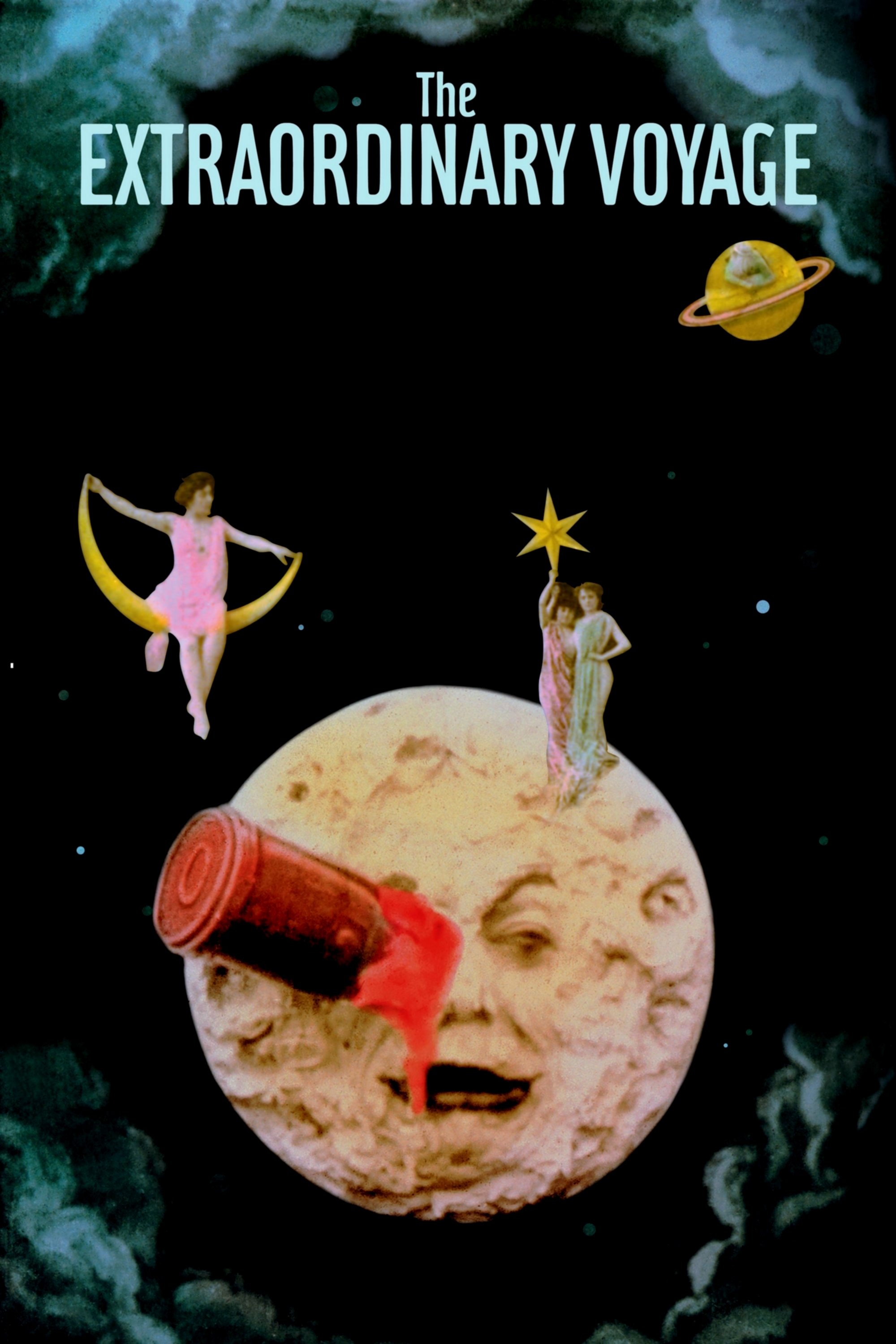
An account of the extraordinary life of film pioneer Georges Méliès (1861-1938) and the amazing story of the copy in color of his masterpiece A Trip to the Moon (1902), unexpectedly found in Spain and restored thanks to the heroic efforts of a group of true cinema lovers.