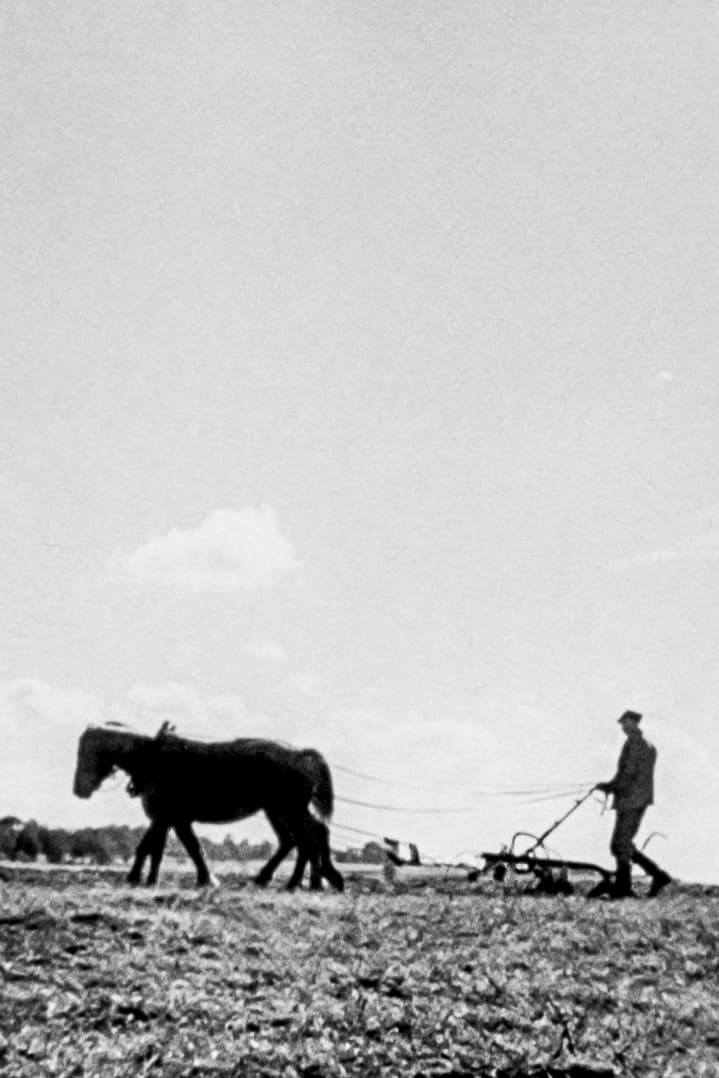
The document illustrates the reconstruction and modernization of Polish villages after the destruction during World War II.
Social & External
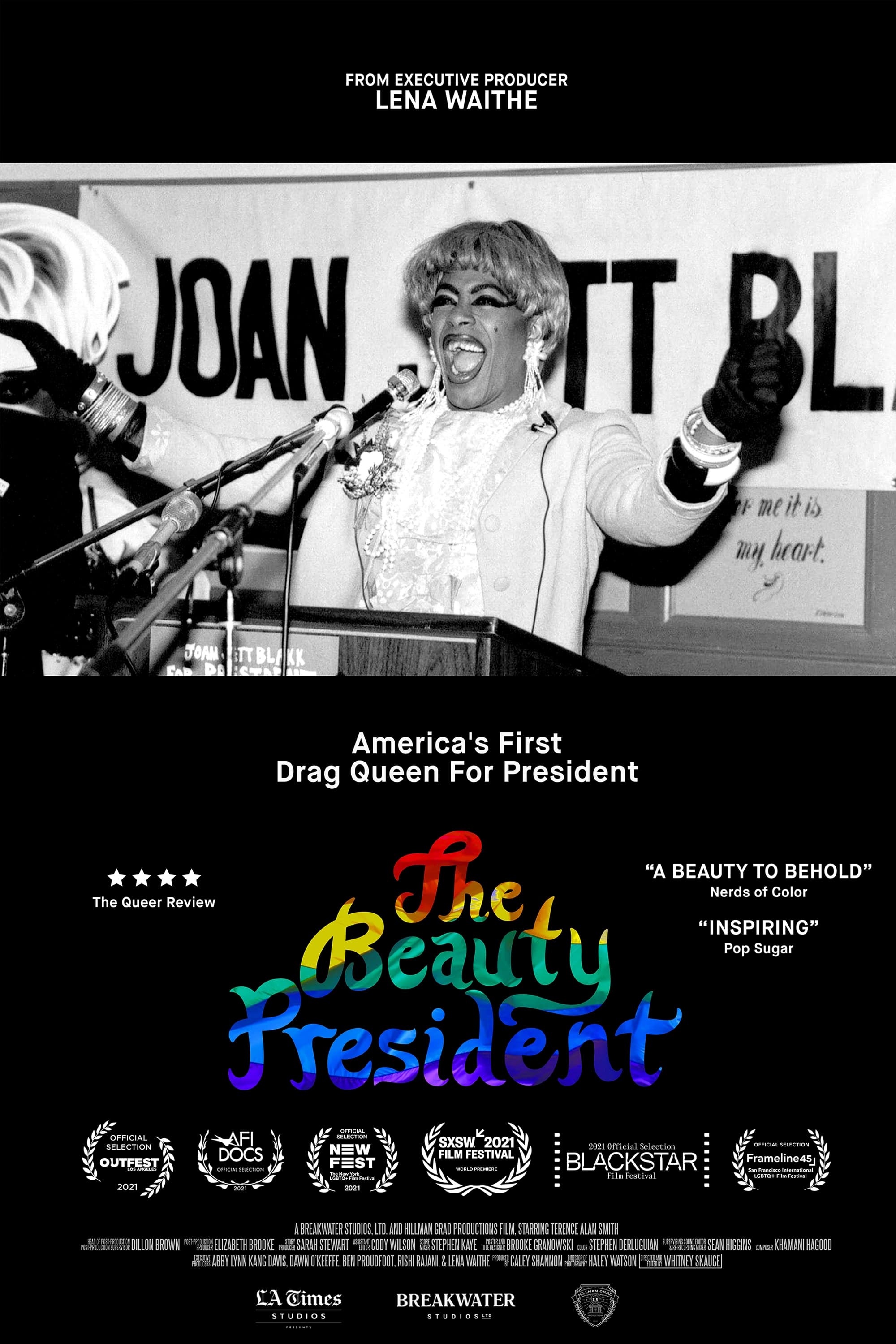
In 1992, at the height of the AIDS pandemic, activist Terence Alan Smith made a historic bid for president of the United States as his drag queen persona Joan Jett Blakk. Today, Smith reflects back on his seminal civil rights campaign and its place in American history.
A program on the relationship between the filmmaking couple Larisa Sheptiko and Elim Klimov.
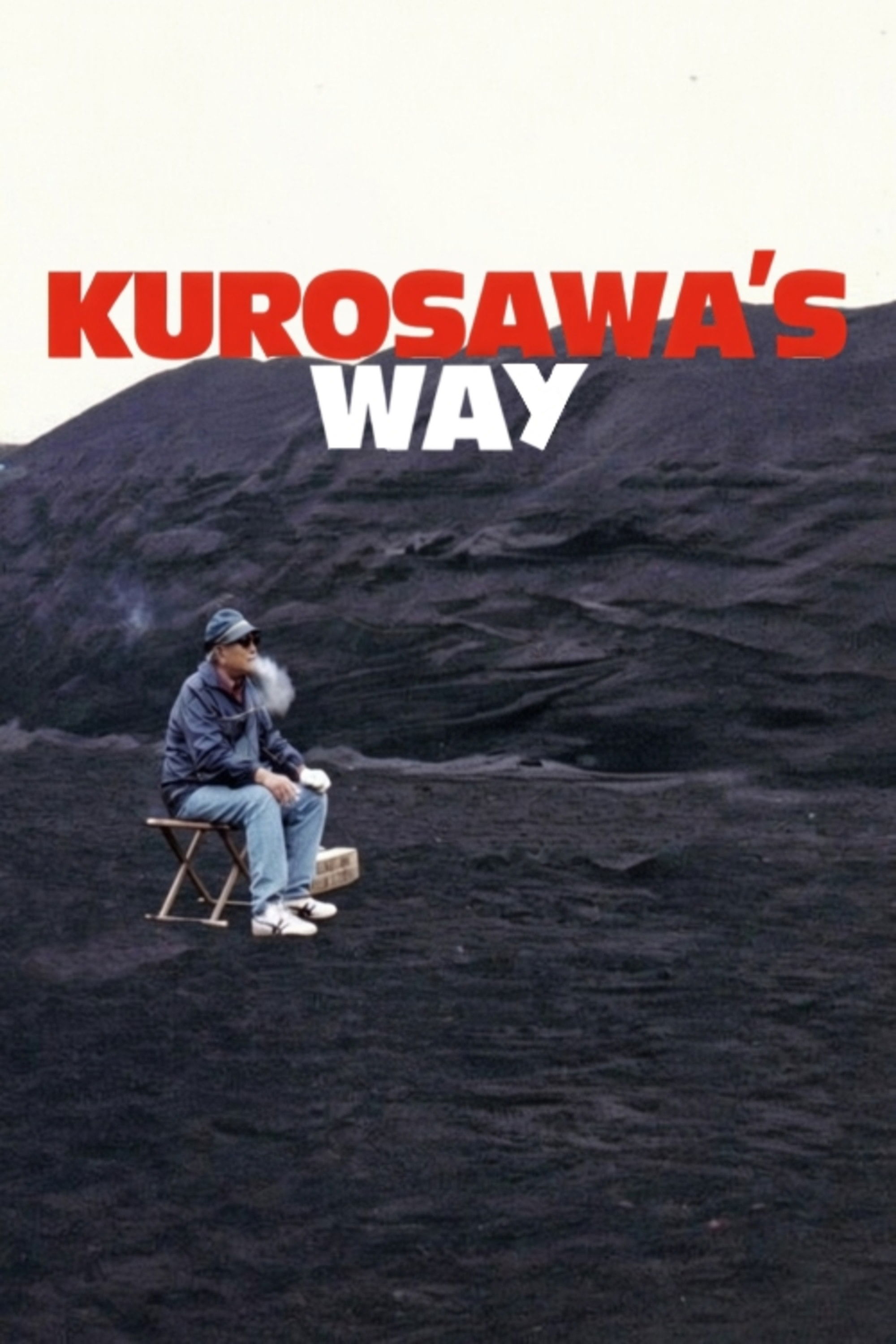
Eleven major film makers from Europe, America and Asia talk about Akira Kurosawa and discover surprising influences on their own work.
A program made for Kultura on the life and career of Larisa Shepitko.
Josh-awan Bulman details some highlights of the Zhuang Alliance Group's Style Guide.
A look at the unusual process used in the making of the film Shortbus (2006) featuring interviews, behind the scenes footage and clips from the feature film. Director John Cameron Mitchell starts with the concept of using real sex in a film with a positive message. The cast of unknowns is selected from homemade audition tapes and then a callback audition workshop. More acting workshops are used to develop the characters and script. The project overcomes a number of obstacles and the rest of the film's development is followed up until its premiere at the Cannes Film Festival.
Mats Öberg, born 1971 in Umeå, Sweden, has been living in Stockholm for many years, where he moved when he entered the Royal Academy of Music, where for two and a half years he studied individual music and, among other things, studied with the pianist Stefan Nilsson. Frank Zappa is one of Mats Öberg's idols. Together with drummer Morgan Ågren, Mats formed the group Zappatetoot early on, which only played Zappa covers. Then when Frank Zappa played in Stockholm in 1988, Mats and Morgon had the opportunity to meet him and also sit in the band. It was the beginning of a continued collaboration which meant that they both got to participate in the projects Zappa's Universe and Zappa at Lincoln Center in 1993.
Although experiencing a lifelong battle with pain and trauma, Jerod Draper lived an average, normal life in Southern Indiana. During high school, Jerod started to get off track after losing his best friend at the age of 14, and his first love at 15. To cope with the sudden loss at such a young age, Jerod started experimenting with drugs. After high school and through his younger-adult years, Jerod's substance abuse amplified. Throughout his 20s and 30s, Jerod continued to fight for sobriety while marrying and having a daughter. Following the divorce and not being able to see his daughter due to substance abuse, Jerod made a vow to stay clean. On October 4th, 2018 - Jerod was well over a year sober, yet fighting a familiar challenge, the severe depression and anxiety induced by weaning from drugs. During that evening, Jerod endures a fatal night of torture after being arrested for a routine traffic stop.
Evanston, a suburb just north of Chicago, touts its progressivism and inclusion. It was the first city in the U.S. to offer reparations for Black residents and every street corner boasts Black Lives Matter signs, but Evanston’s Black residents have a different story to tell. If you travel to the other side of Evanston, the historically Black ward, ‘For Rent’ signs are indicators of the thousands of Black residents leaving, gentrification encroaching, and streets becoming quiet. It wasn't always this way. There used to be a vibrant, thriving hub for the Black community at the Emerson YMCA. One in every five Black boys in Evanston were members, Nat King Cole played at the Y's prom, and for many residents, it became a second home. That was until the building was burned down in 1980. The destruction happened in the name of progress, despite the Black community's protests.
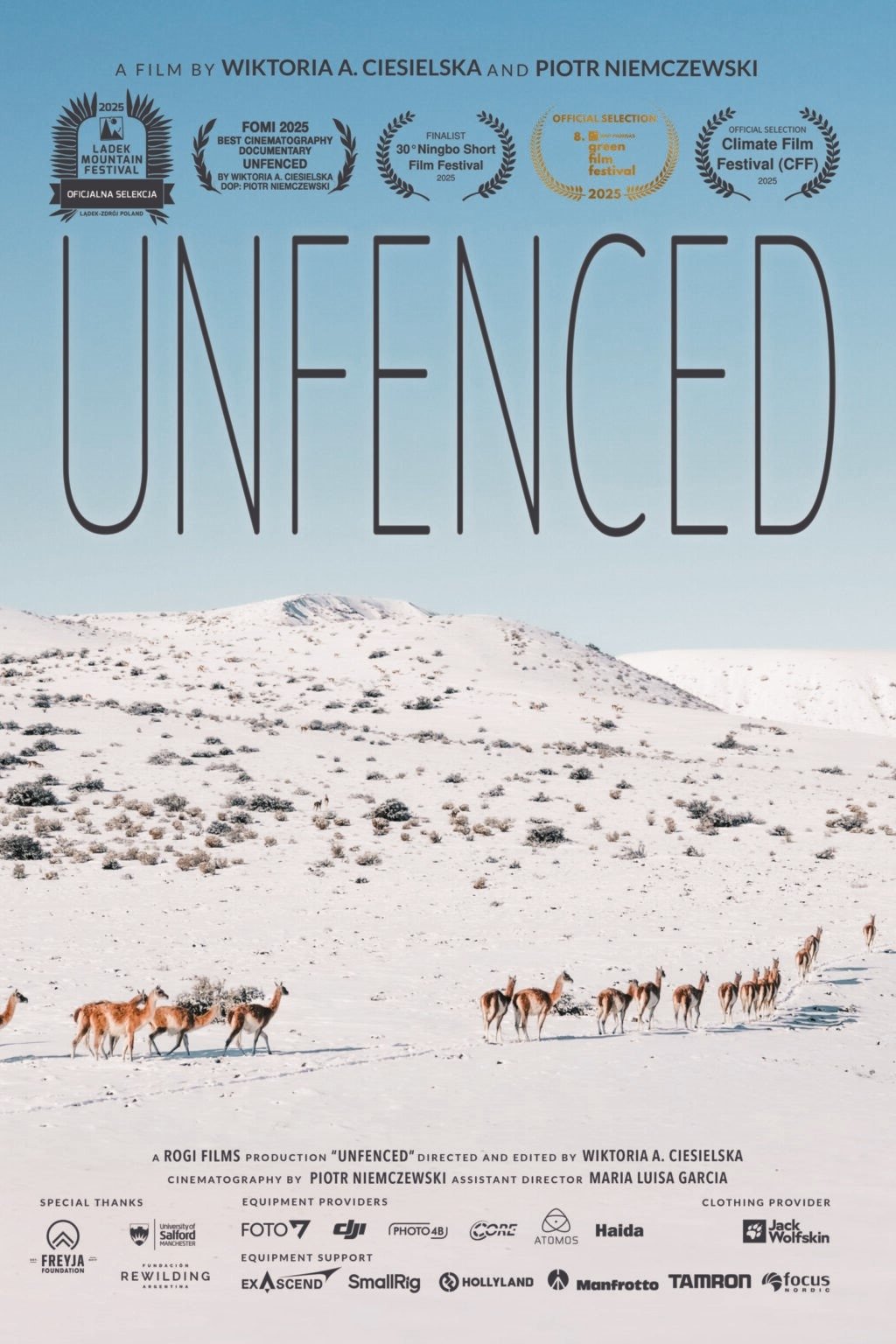
Amidst harsh winter conditions, Patagonia Park Argentina’s rewilding team works to dismantle deadly fences – enabling guanacos to continue their ancestral migrations unimpeded. This effort is part of their remarkable mission to restore the Patagonian steppe. This short wildlife documentary is a journey into the heart of Patagonia Park, Argentina, where the spectacle of winter migrations unfolds against the backdrop of ongoing rewilding efforts.
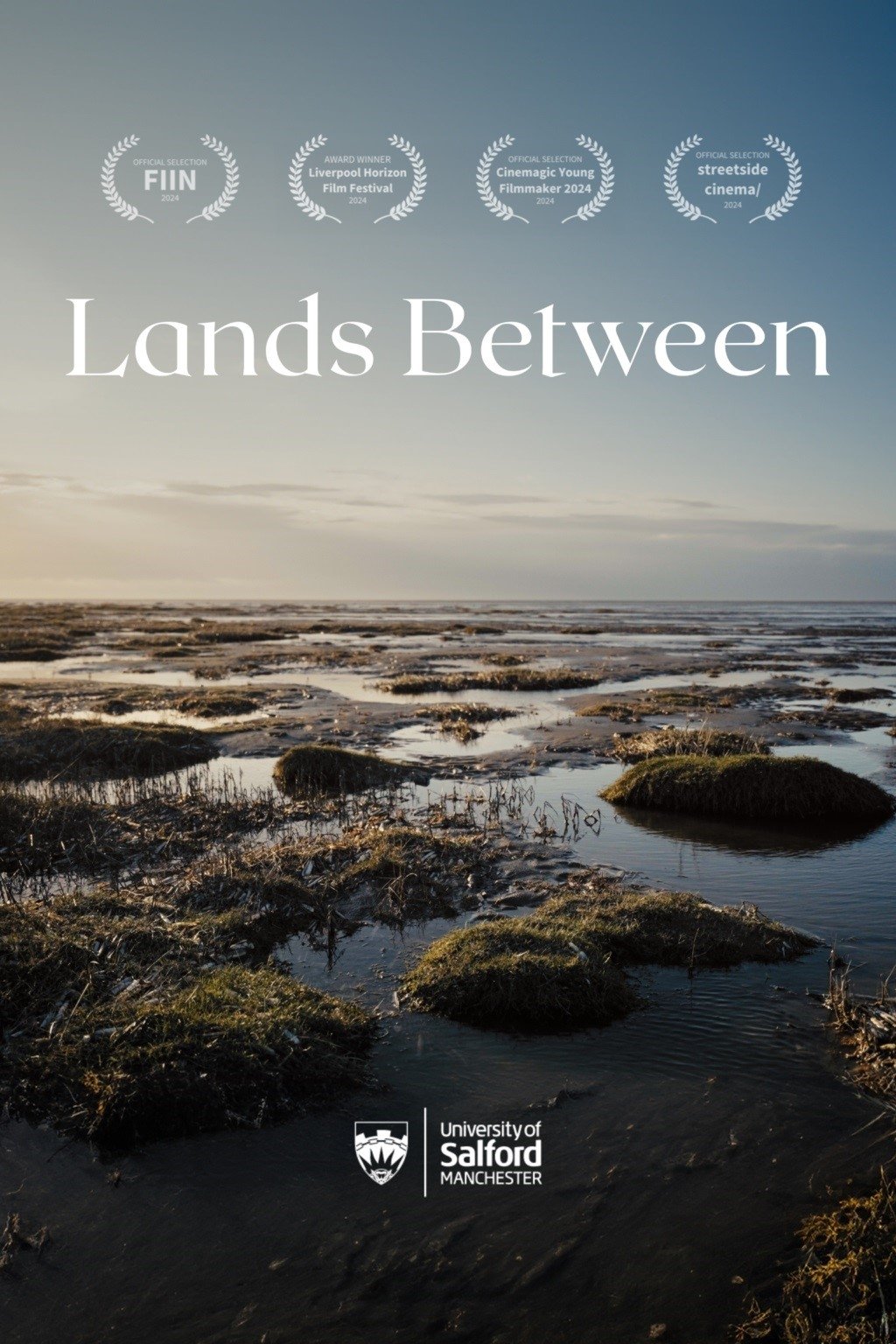
West Coast of England, redshanks wander through wetlands in search of food while facing constant threats from loose dogs.
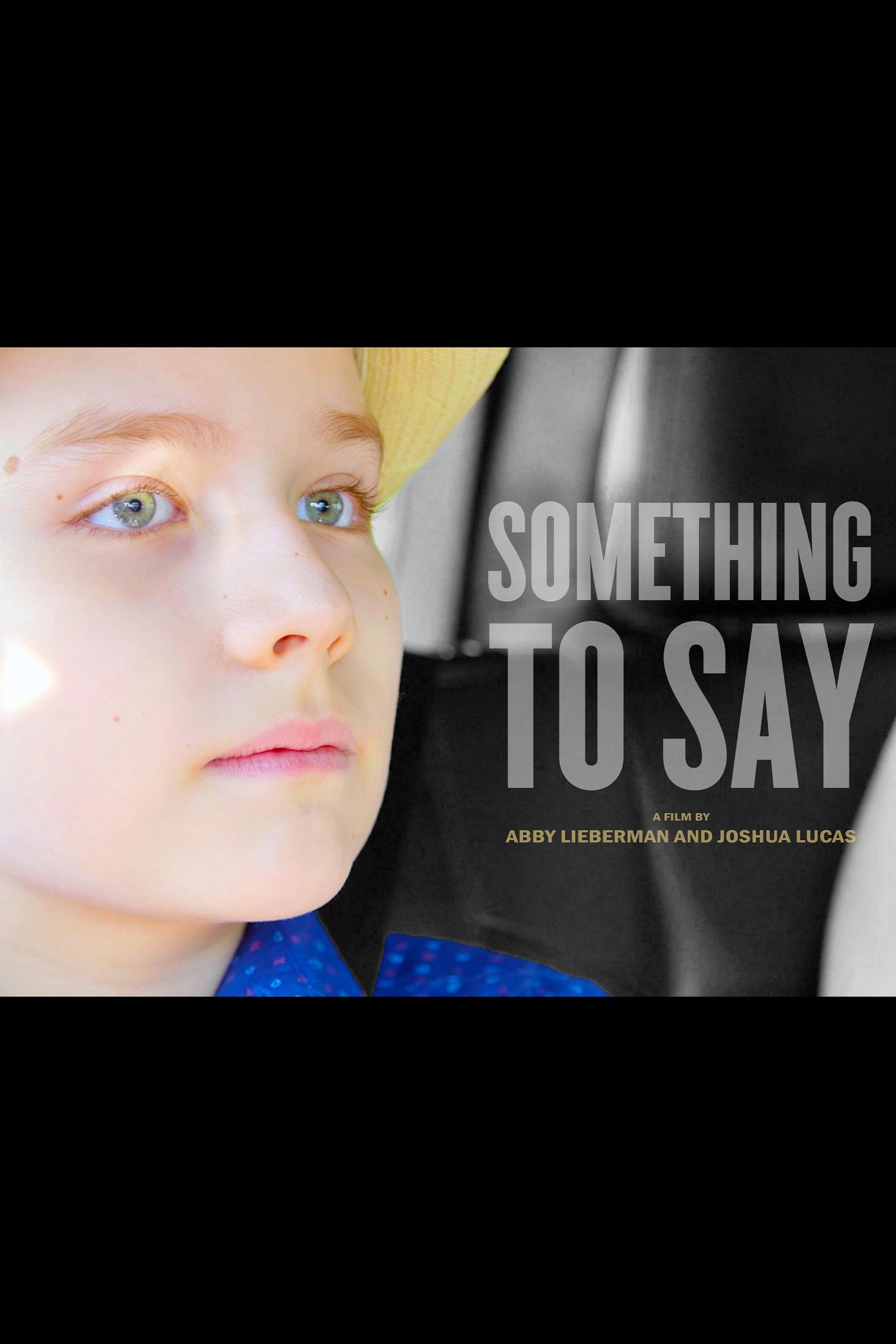
Bryan Charles Kimes has a lot to say, but the power of language escapes him. Lost in a public-school system that does not suit his needs, his parents fight to help him find his voice.
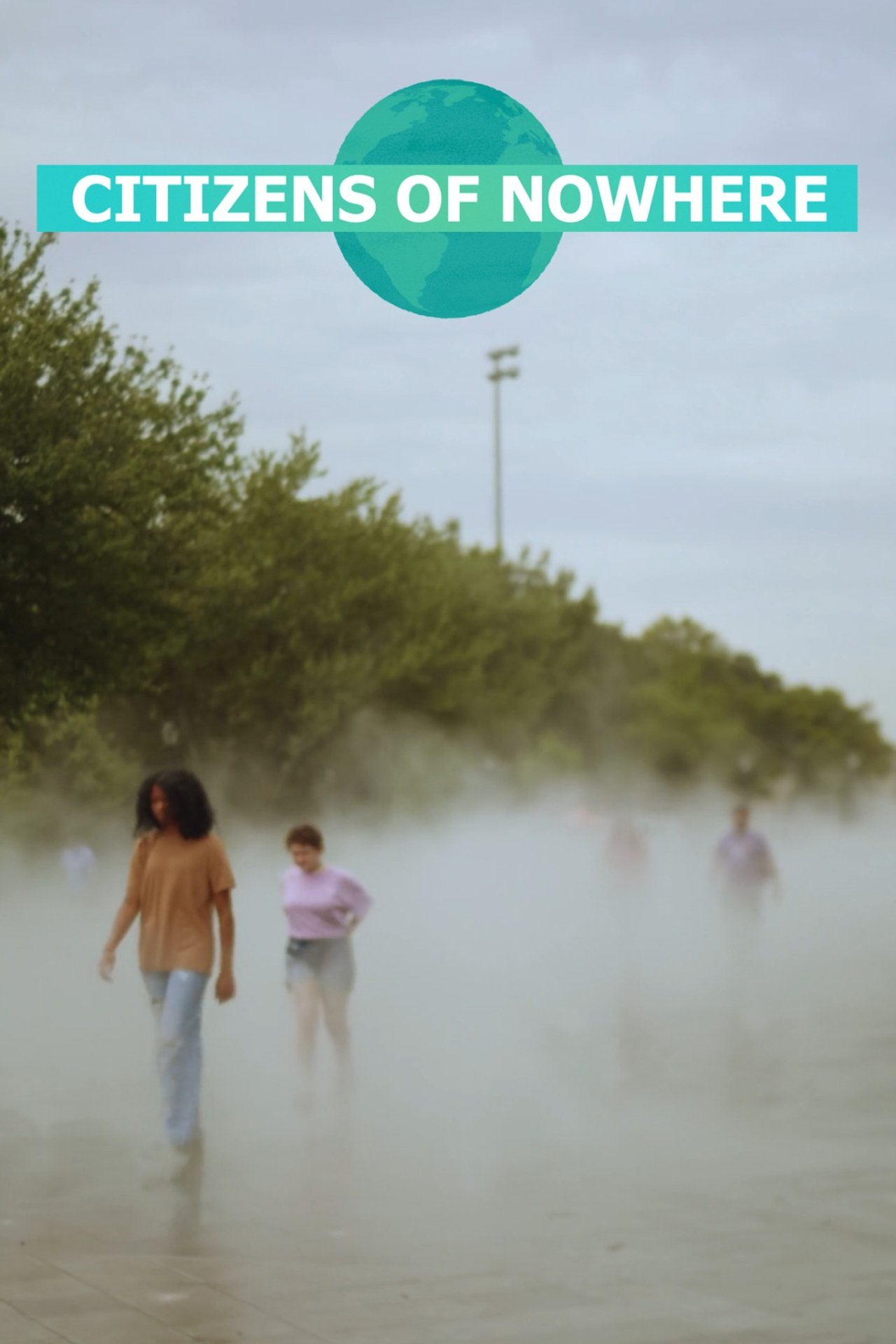
Millennials in the US discover their lack of legal nationality, sparking a search for recognition and belonging that unites them and offers hope for the future.
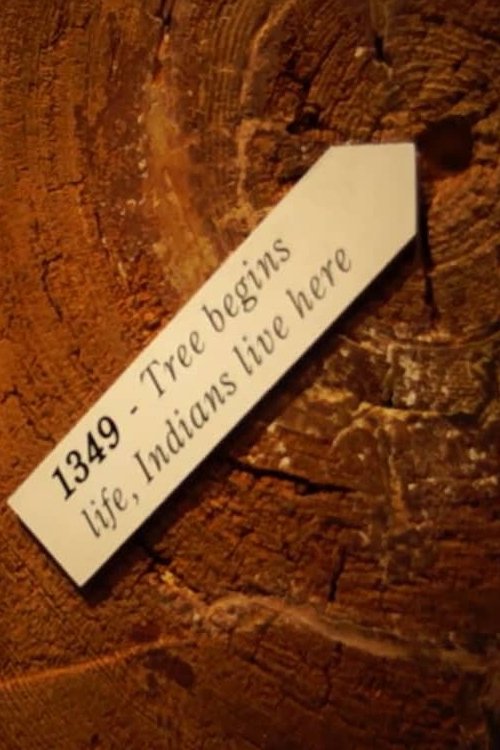
A display of a fallen red cedar at Olympic National Park headquarters proclaims in 1349 "Indians live here." TREE BEGINS LIFE INDIANS STILL LIVE HERE produces a meditation on the territories of the First Nations of the Pacific Northwest, and invites an alternative interpretation of U.S. sovereignty over these lands.
The stories of Khaled El-Masri and Binyam Mohamed, two men who have survived extraordinary rendition, secret detention, and torture by the U.S. government working with various other ma
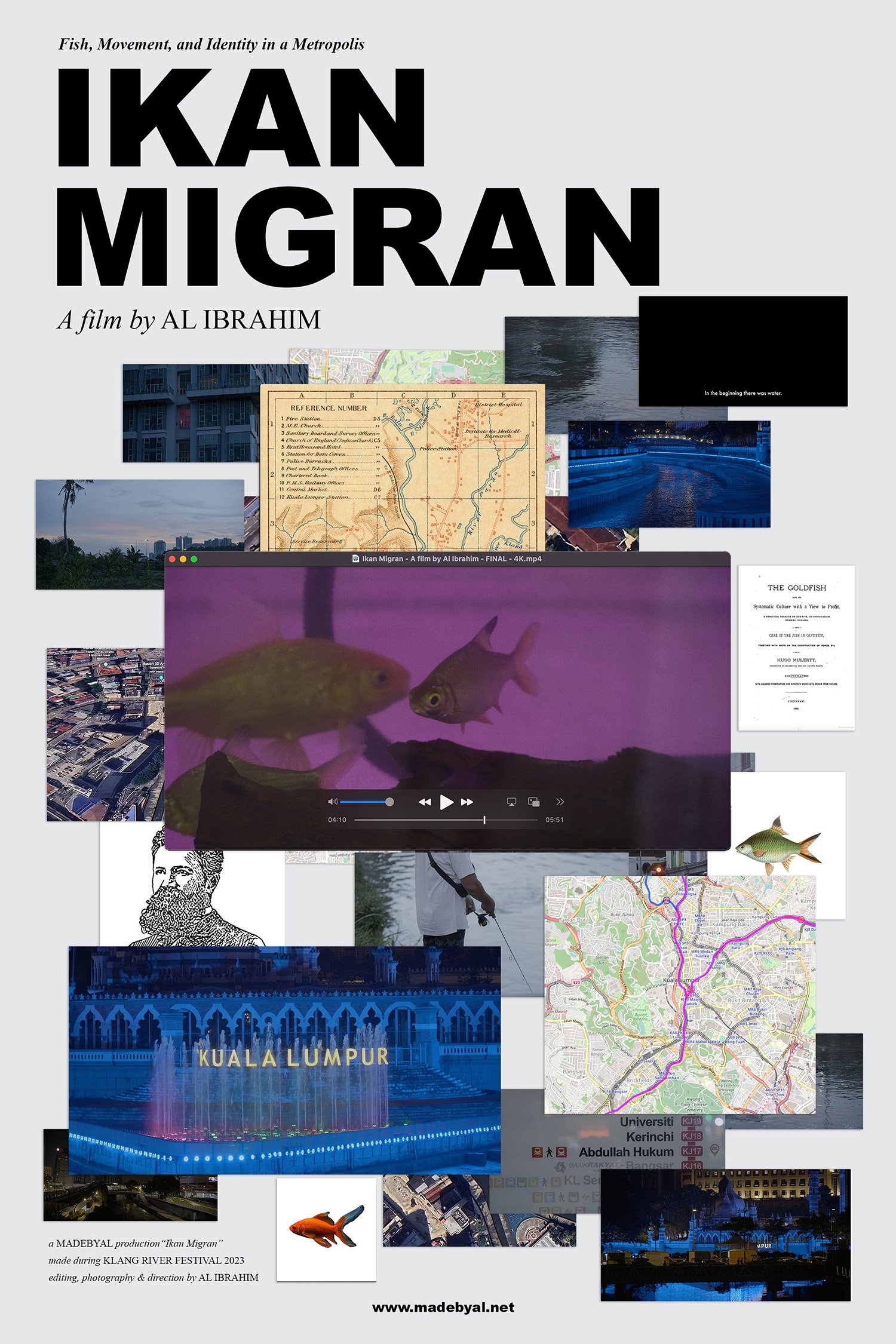
A documentary short that uses fish to explore identity and belonging in a metropolis.
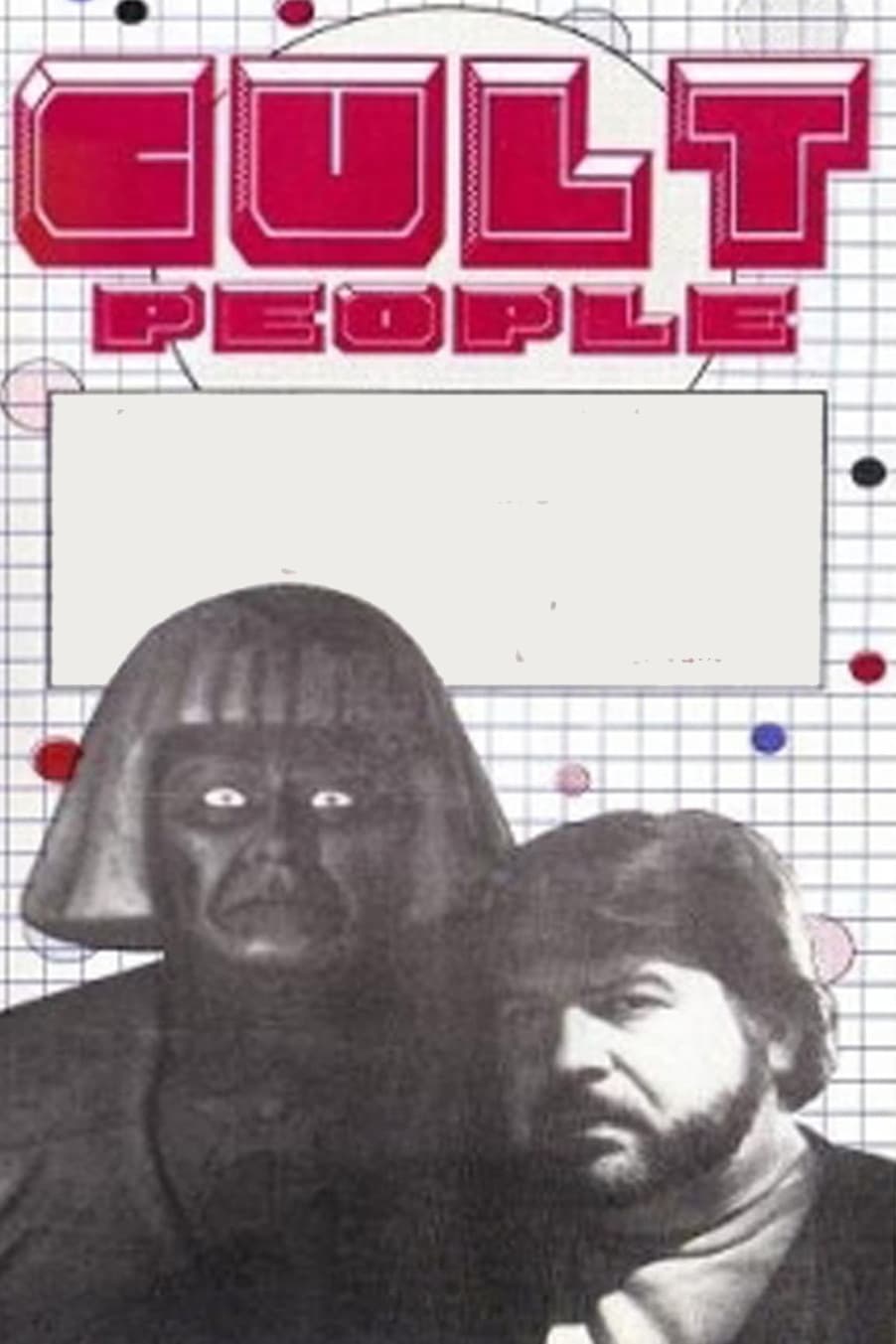
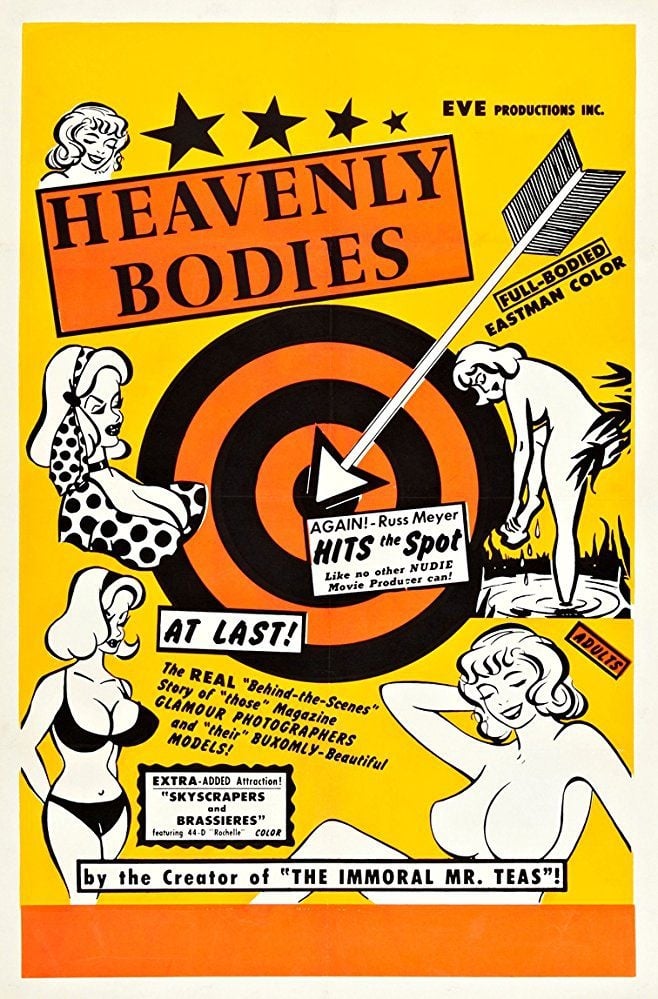
In interviews, various actors and directors discuss their careers and their involvement in the making of what has come to be known as "cult" films. Included are such well-known genre figures as Russ Meyer, Curtis Harrington, Cameron Mitchell and James Karen.
A group of filmmakers shadow some glamour photographers in order to discover the skill involved in getting 'magic' to appear on the photos.
A year has passed since the attacks on the Nord Stream gas pipelines, and it is still unclear what actually happened at the bottom of the Baltic Sea at that time. ARD, Süddeutsche Zeitung, and DIE ZEIT have joined forces for a large-scale investigation and set out to find the alleged perpetrators. An investigation into one of the most spectacular criminal cases of our time, an attack of historic proportions.
A movie that portrays a reflection about sense of being self, to love and to be loved.
A depiction of the Wrangelkiez neighbourhood in Berlin. The people portrayed tell their life stories. One woman came to the neighbourhood a decade ago to work in Berlin’s still unfinished Brandenburger Airport, one man reminisces his childhood on a Tobacco farm in Kentucky, another speaks of an exceptional day in an otherwise monotonous workplace. These portraits are interwoven with the story of Elpi, a Greek woman who is waiting for the long overdue visit of an old important friend. The outcome of this mixture is a film which captures the lives and perspectives of some of Wrangelkiez’s most commanding citizens, while at the same time evoking the loss that change and time passing means for places and for people.
A documentary that explores the downloading revolution; the kids that created it, the bands and the businesses that were affected by it, and its impact on the world at large.
A visual montage portrait of our contemporary world dominated by globalized technology and violence.
A documentary about the sport of boxing, as seen through the eyes of champions Mike Tyson, Evander Holyfield and Bernard Hopkins.
A depiction of life in wartime Britain during the Second World War. Director Humphrey Jennings visits many aspects of civilian life and of the turmoil and privation caused by the war, all without narration.
A purely observational non-fiction film that takes viewers into the ethically murky world of end-of-life decision making in a public hospital.
After the high-profile killing of Damilola Taylor, Cornelius' family move out of London. But when they discover their new town is run by racists, Cornelius takes a drastic step to survive.
A documentary on the expletive's origin, why it offends some people so deeply, and what can be gained from its use.
A documentary about the life and films of director John Ford.
Featuring interviews with filmmakers and industry legends, discover the origins and evolution of The Joker, and learn why The Clown Prince of Crime is universally hailed as the greatest comic-book supervillain of all time.
Filmmakers discuss the legacy of Alfred Hitchcock and the book “Hitchcock/Truffaut” (“Le cinéma selon Hitchcock”), written by François Truffaut and published in 1966.
Amber Heard and Nicole Kidman discuss their characters Mera and Atlanna.
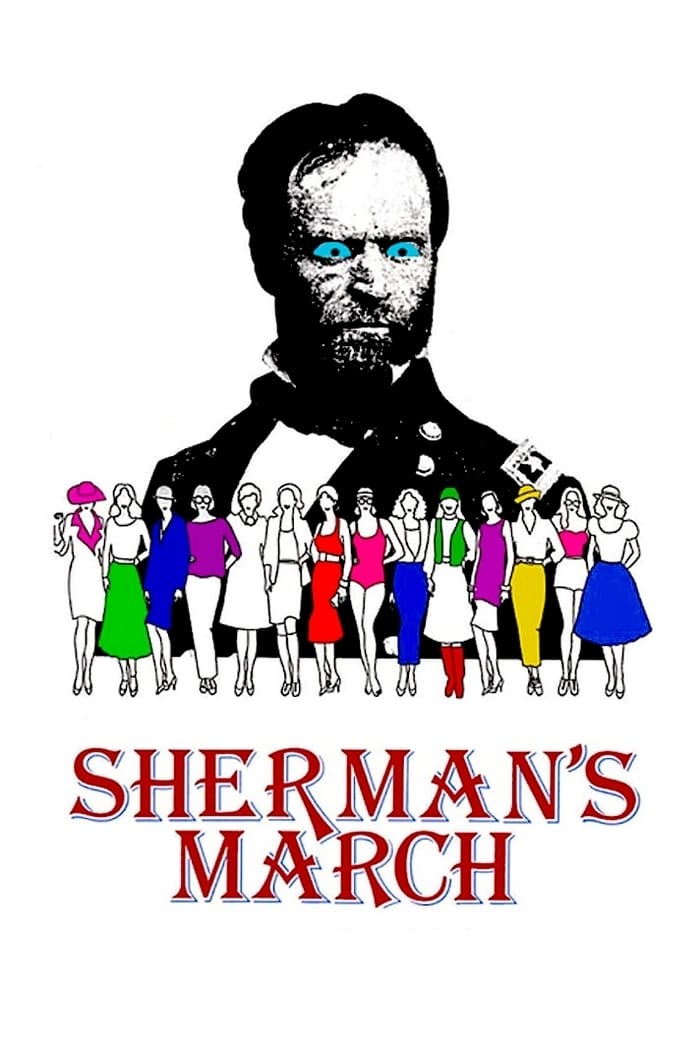
Ross McElwee sets out to make a documentary about the lingering effects of General Sherman's march of destruction through the South during the Civil War, but is continually sidetracked by women who come and go in his life, his recurring dreams of nuclear holocaust, and Burt Reynolds.
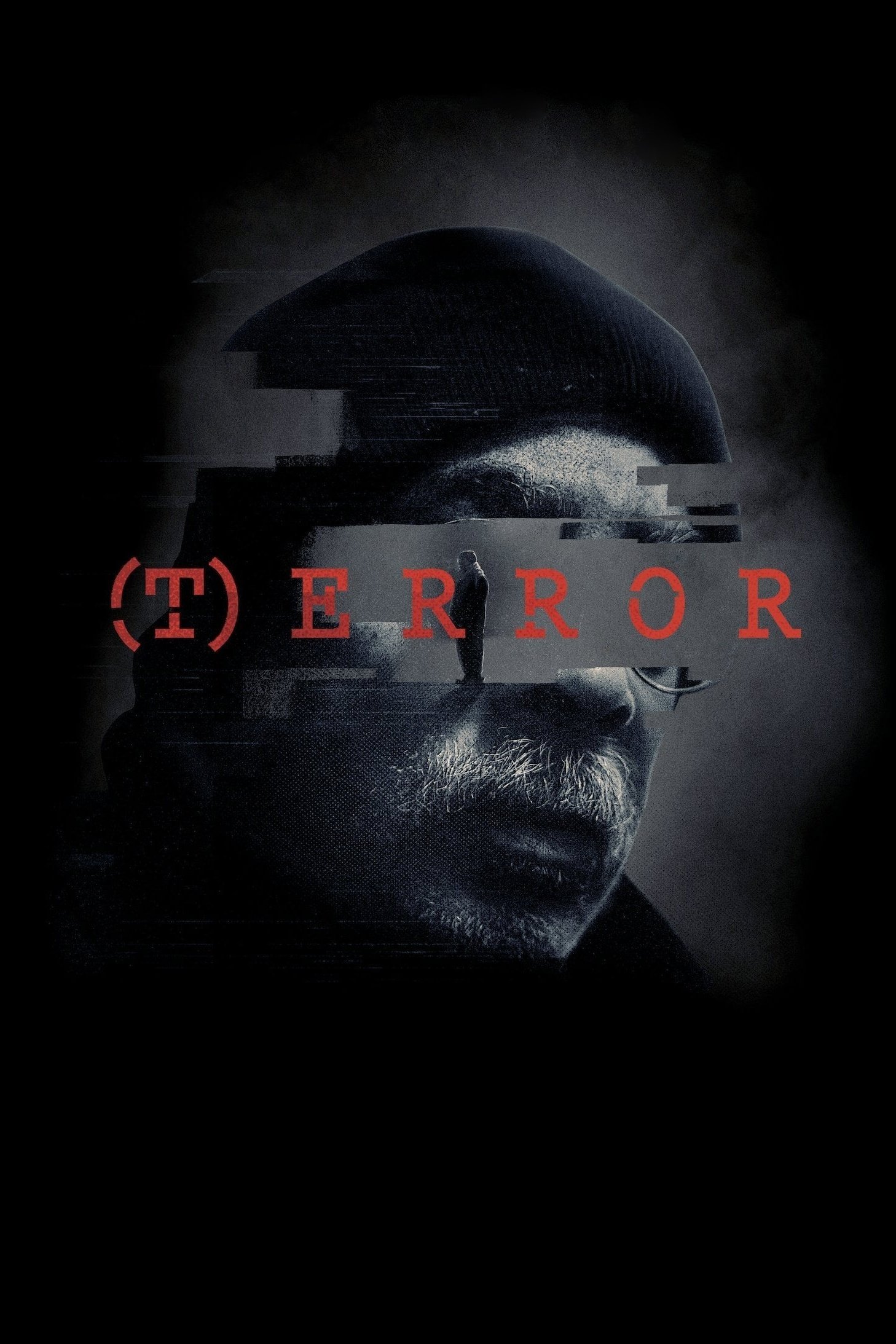
This real-life look at FBI counterterrorism operations features access to both sides of a sting: the government informant and the radicalized target.
A feature length documentary about the all-women team at the helm of Pixar's original feature, Turning Red. With unprecedented behind-the-scenes access to Director Domee Shi and her core leadership crew, this story shines a light on the powerful professional and personal journeys that brought this incredibly comical, utterly relatable, and deeply heartfelt story to the screen.
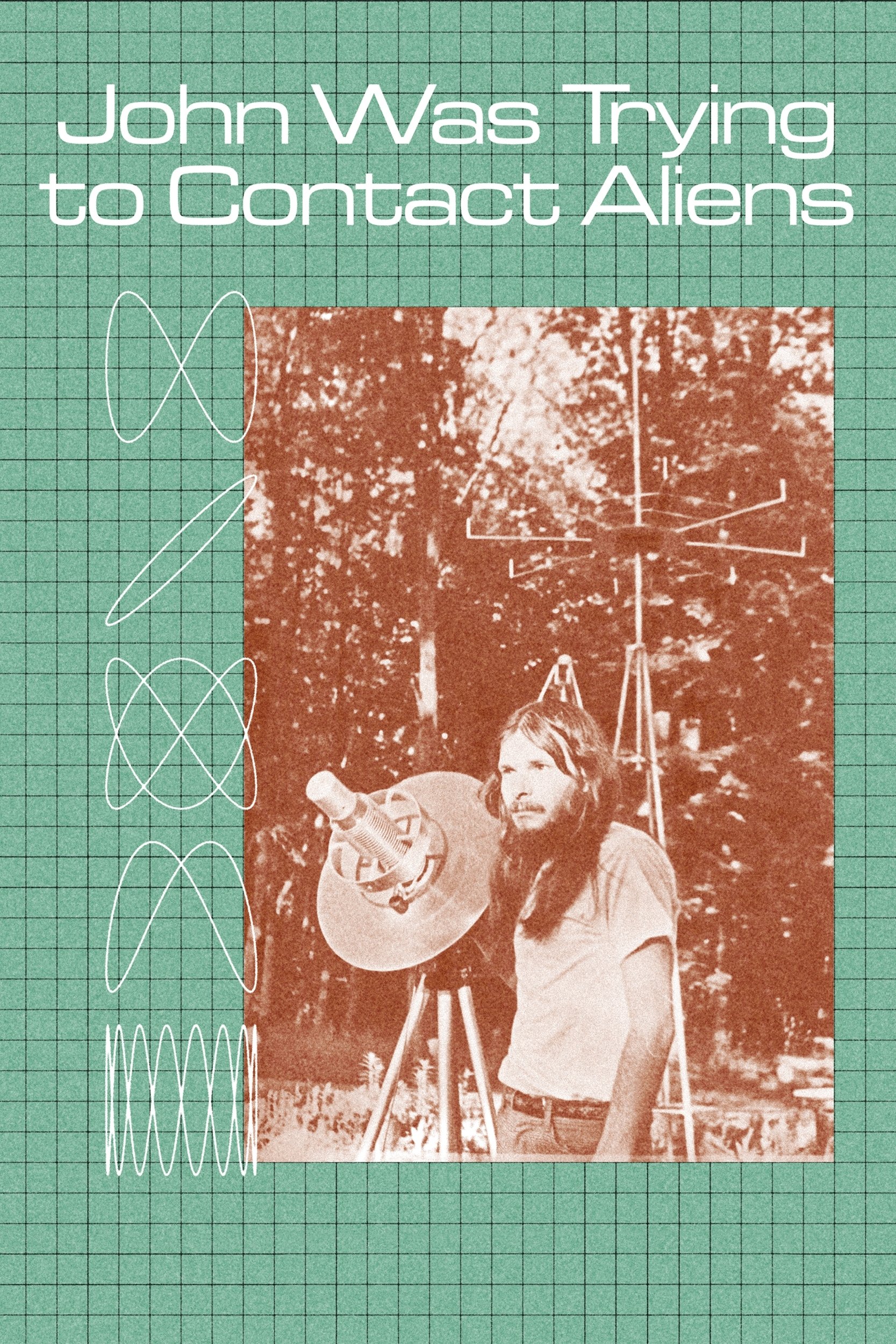
John Shepherd spent 30 years trying to contact extraterrestrials by broadcasting music millions of miles into space. After giving up the search, he makes a different connection here on earth.
A documentary about how a dominant cultural and demographic institution both sustains their traditional activities and adapts to the digital revolution.
From the heights of her modeling fame to her tragic death, this documentary reveals Anna Nicole Smith through the eyes of the people closest to her.
Artists in LA discover the work of forgotten Polish sculptor Stanislav Szukalski, a mad genius whose true story unfolds chapter by astounding chapter.
When Allied forces liberated the Nazi concentration camps in 1944-45, their terrible discoveries were recorded by army and newsreel cameramen, revealing for the first time the full horror of what had happened. Making use of British, Soviet and American footage, the Ministry of Information’s Sidney Bernstein (later founder of Granada Television) aimed to create a documentary that would provide lasting, undeniable evidence of the Nazis’ unspeakable crimes. He commissioned a wealth of British talent, including editor Stewart McAllister, writer and future cabinet minister Richard Crossman – and, as treatment advisor, his friend Alfred Hitchcock. Yet, despite initial support from the British and US Governments, the film was shelved, and only now, 70 years on, has it been restored and completed by Imperial War Museums under its original title "German Concentration Camps Factual Survey".