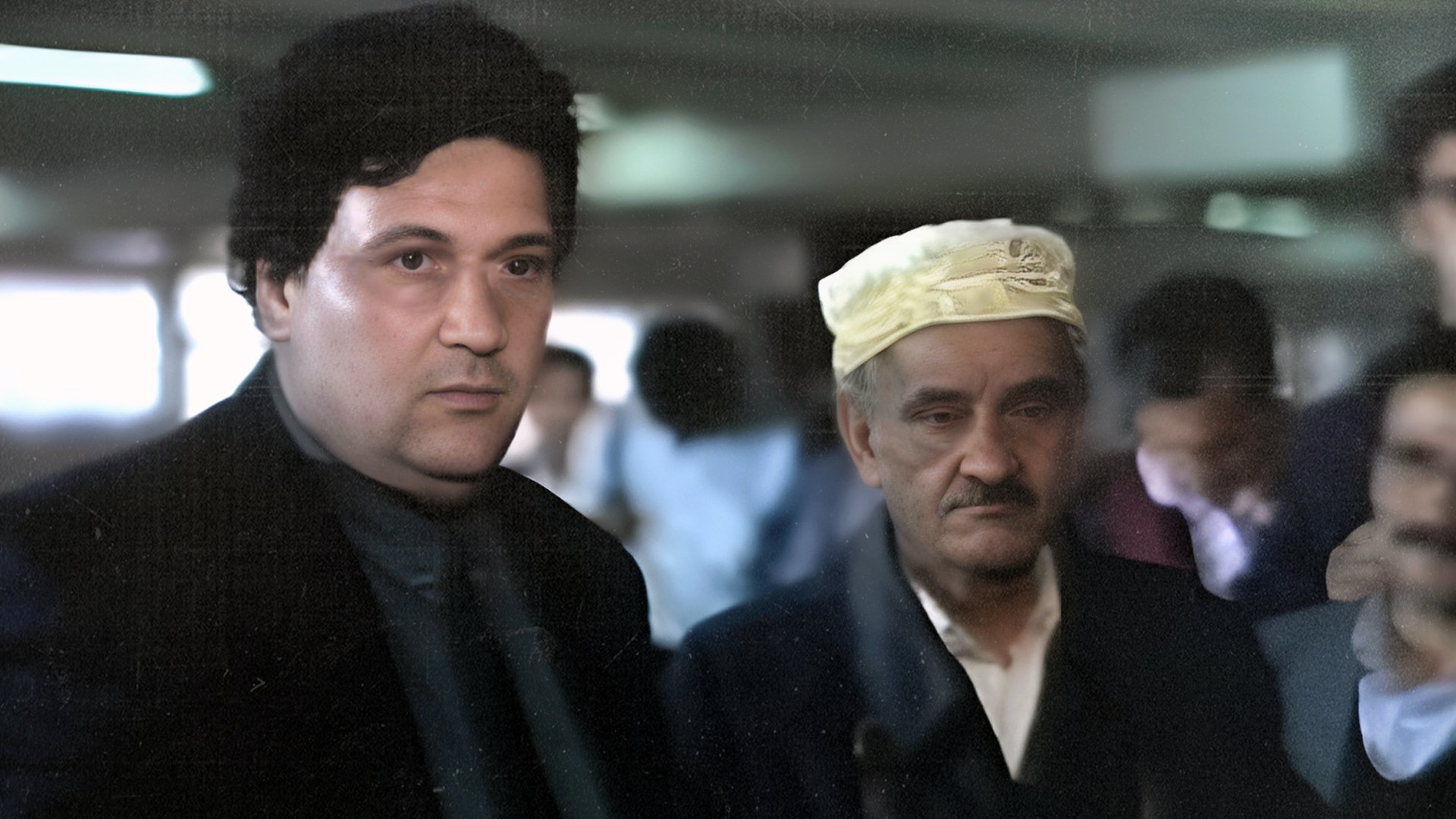

27 years after 1962, Antoine returns to Algiers...
Social & External
Unknown Role
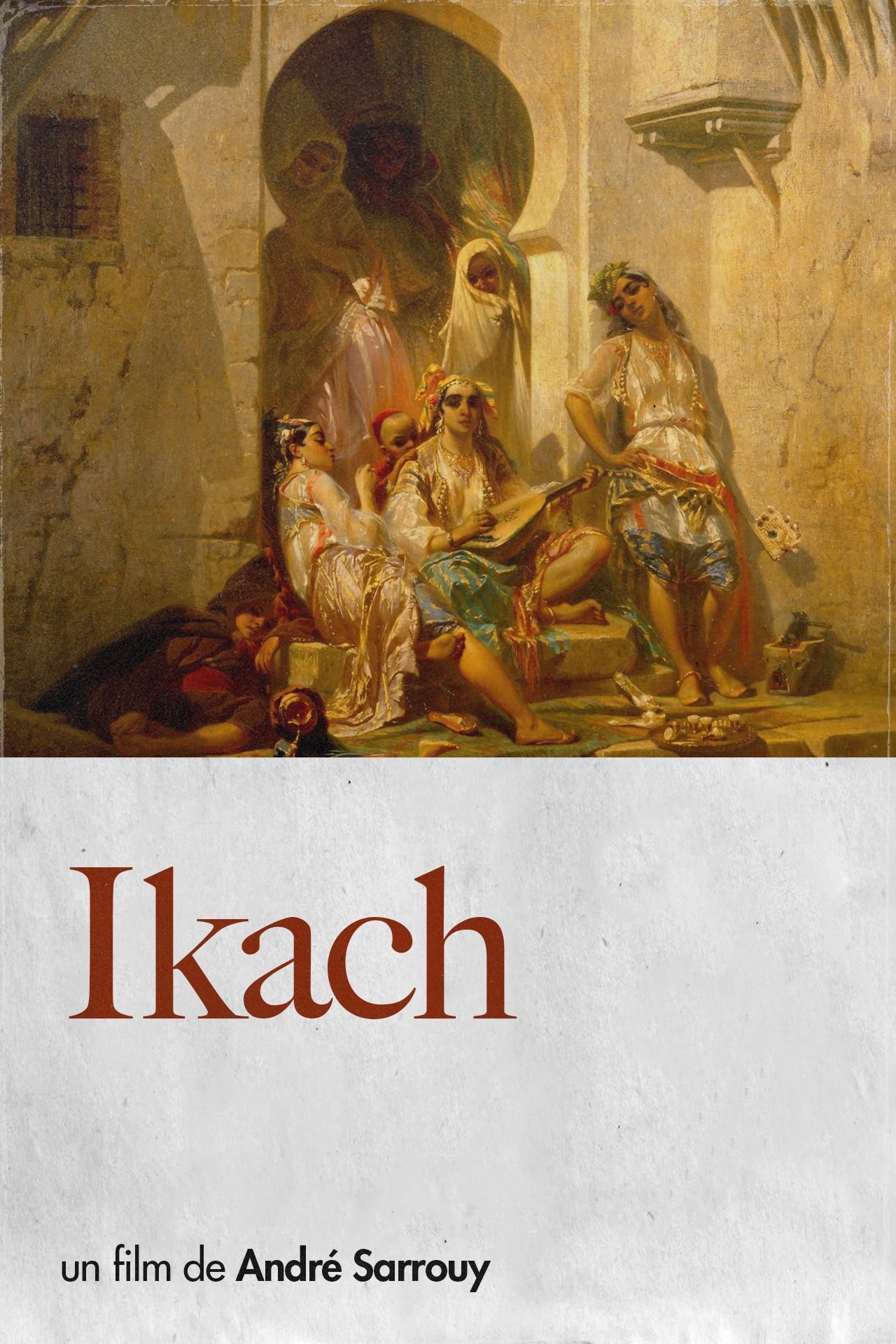
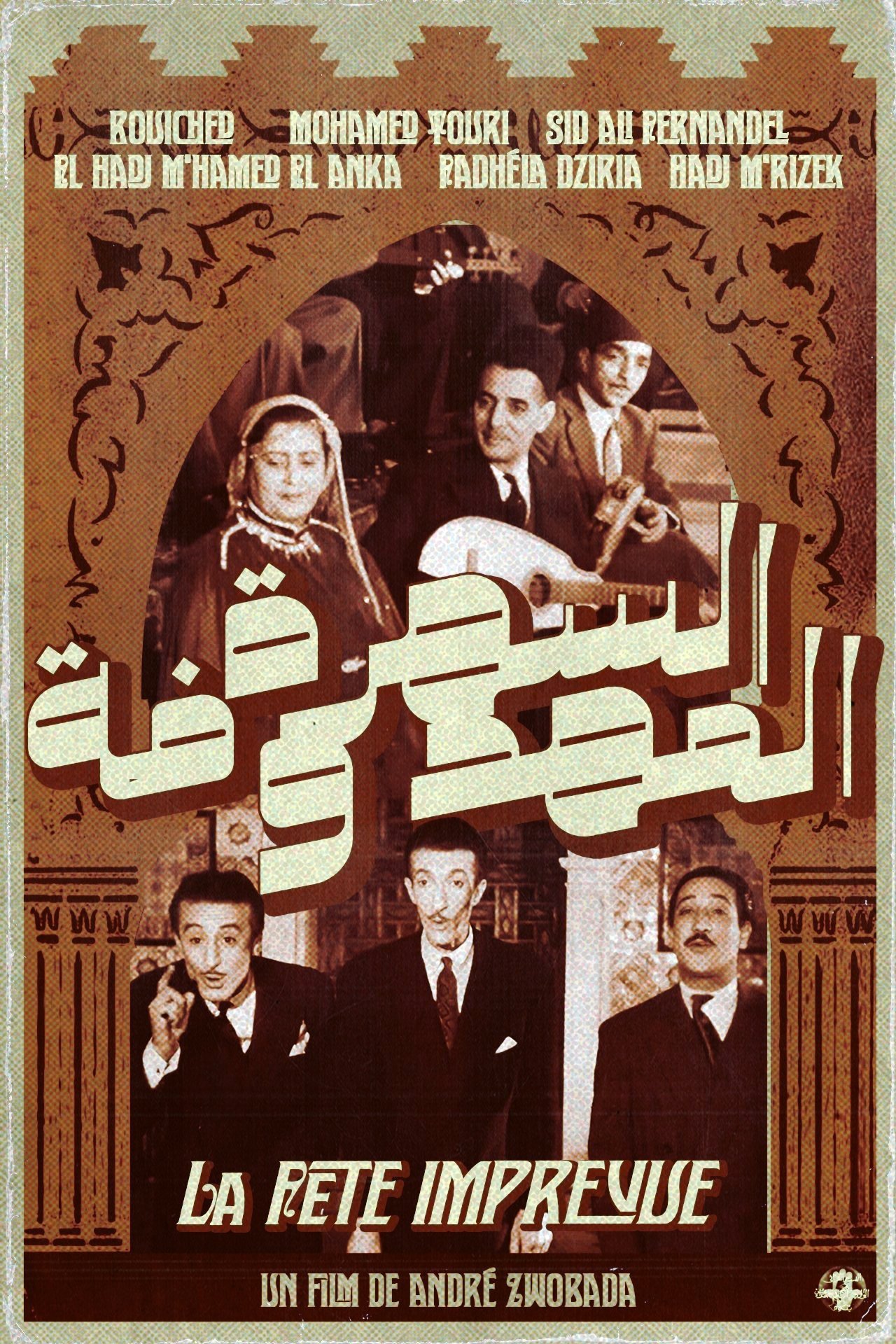
This musical comedy produced in 1953 for the General Government of Algeria, features the comic trio composed of Rouiched, Mohamed Touri and Sid Ali Fernandel, accompanied by the orchestra of the master of the Algiers Chaâbi El Hadj M'hamed El Anka, the singer Fadhéla Dziria, Mustapha Skandrani on the piano. Some scenes were filmed at the Summer Palace (the current Palace of the Algerian Presidency, called the People's Palace). André Zwobada, the director, will play an important role after the independence of Algeria in 1962, in the production and preservation of the first Algerian newsreels.
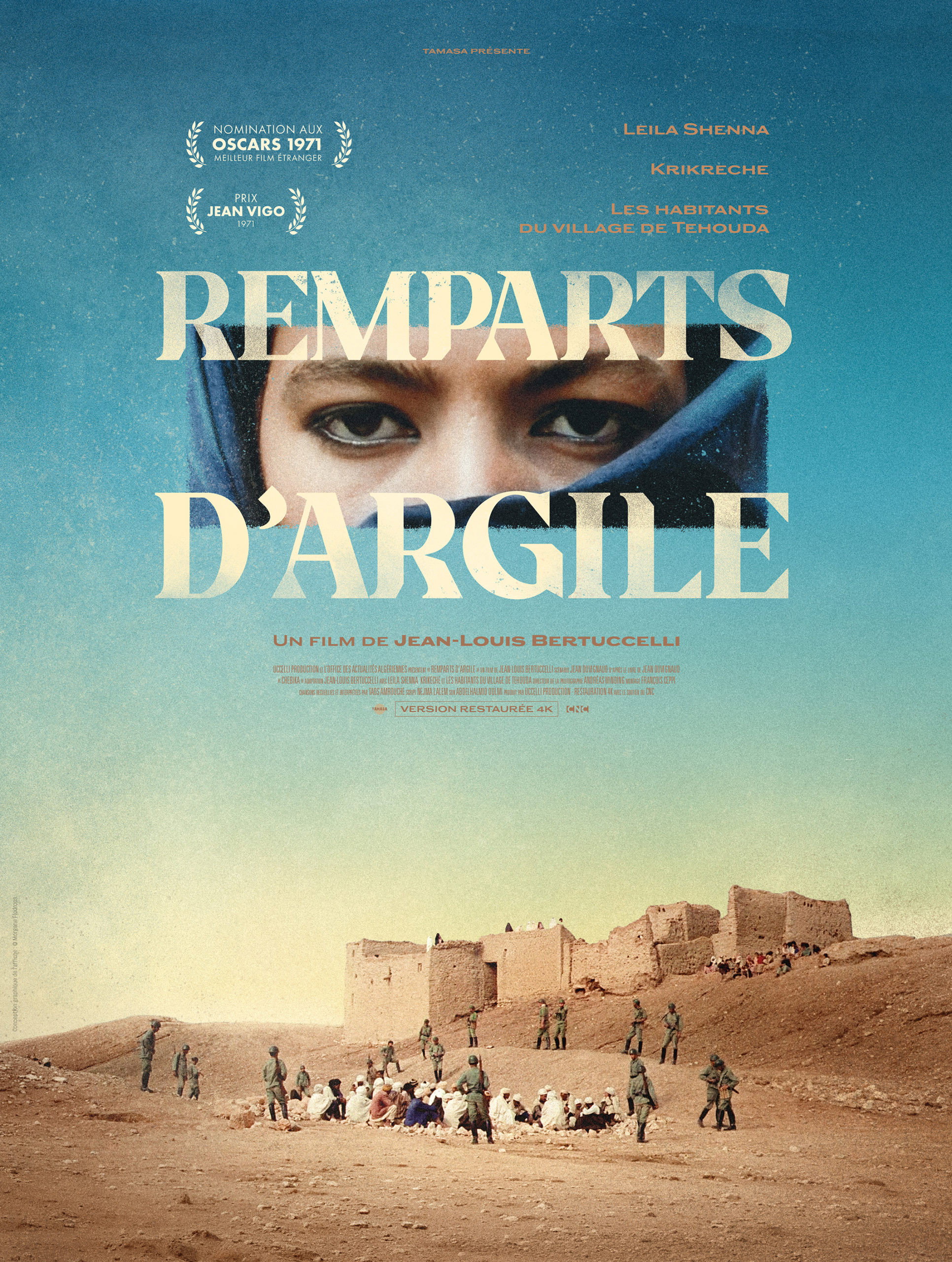
In a village on the edge of the Sahara, Rima, a 19-year-old orphan, dreams of learning, of discovering, of living free while the men of the salt mine go on strike. The authorities react by sending the army, Rima decides to help the strikers by trapping the soldiers. Co-produced with the Office des Actualités Algériens and shot in the region of Téhouda, 50 kilometers from Biskra, this Franco-Algerian film is fully part of the cinematographic heritage of both shores of the Mediterranean. Bertuccelli adopts the technique of cinema verite, with non-professional actors from the village itself, giving the film a striking documentary texture and a rare force of authenticity. Carried by the moving interpretation of Leila Shenna in the role of Rima, the actor Krikèche and lulled by the music of Taos Amrouche, the film questions female emancipation, social resistance and the relationship with the territory.
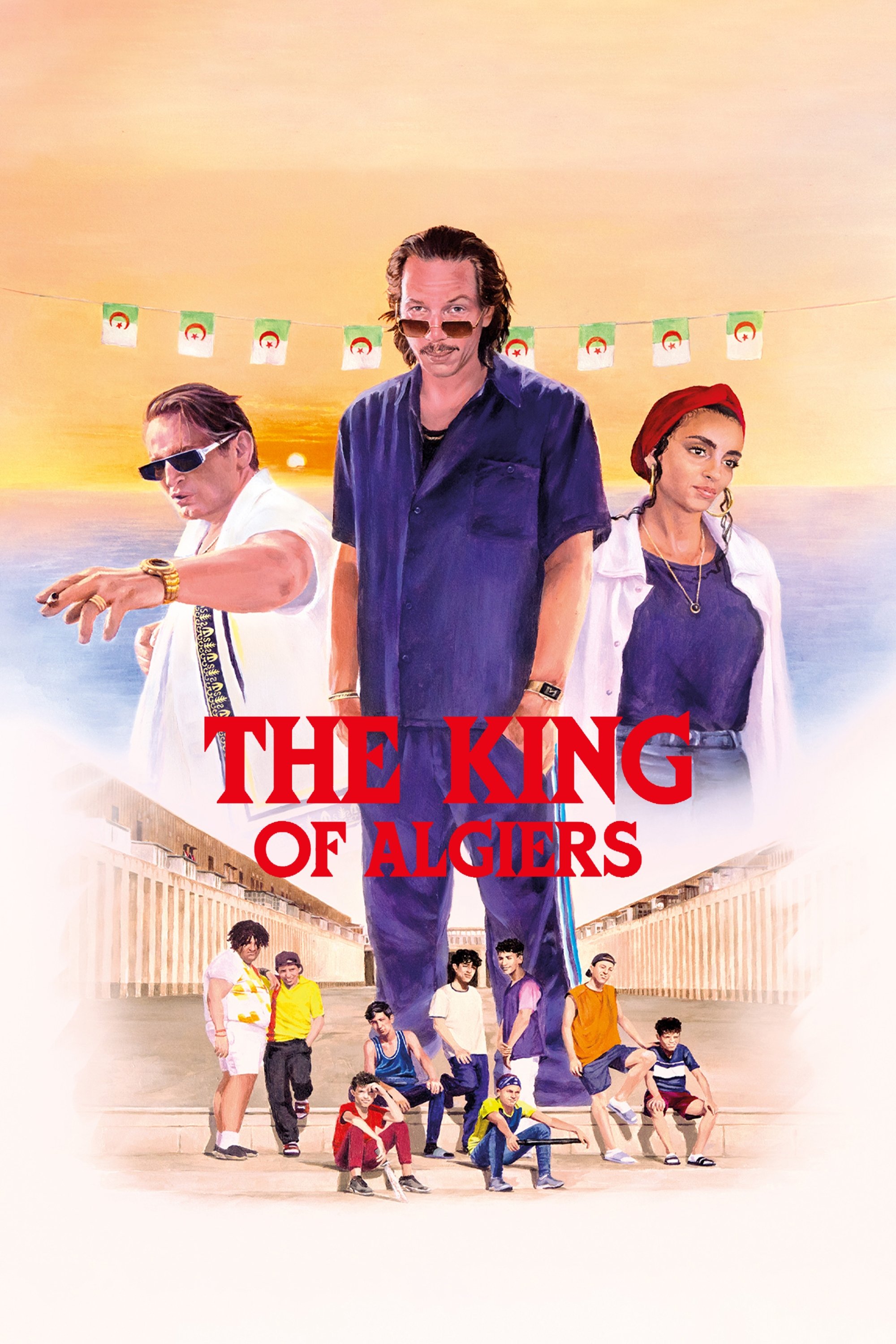
Omar, better known as Omar the Strawberry, is an old-fashioned bandit. Forced to flee to Algeria, he makes a living out of petty crime, accompanied by his famous sidekick Roger. After decades of ruling the French criminal underworld, they must come to terms with their new life together, which until now has been one of debauchery and violence.
Two deaf and dumb children. She is the daughter of an American Oil engineer. He is the son of an Algerian farmer. They meet and manage to communicate, transcending all the cultural barriers that separate them.
A French teacher in a small Algerian village during the Algerian War forms an unexpected bond with a dissident who is ordered to be turned in to the authorities.
In prison in colonial Algeria, shortly after the end of the Second World War, three indigenous cellmates make out. Once free, they attack the authority represented by the triad of the boss, the gendarme and the administrator. “Living the colonial condition,” confided Tewfik Farès, “is something! It’s not sociologically or historically speaking. It’s life. And I think that’s all there in it. [...] For a hundred and thirty years, we wait. We hold back. We push back. We hope. At the same time, on different occasions, there are skirmishes, unrest.
Djamila, a young Algerian woman living with her brother Hadi and her uncle Mustafa in the Casbah district of Algiers under the French occupation of Algeria, sees the full extent of injustice, tyranny and cruelty on his compatriots by French soldiers. Jamila's nationalist spirit will be strengthened when French forces invade her university to arrest her classmate Amina who commits suicide by ingesting poison. Shortly after the prominent Algerian guerrilla leader Youssef takes refuge with her, she realizes that her uncle Mustafa is part of this network of anti-colonial rebel fighters. Her uncle linked her to the National Liberation Front (FLN). A series of events illustrate Jamila's participation in resistance operations against the occupier before she was finally captured and tortured. Finally, despite the efforts of her French lawyer, Jamila is sentenced to death...
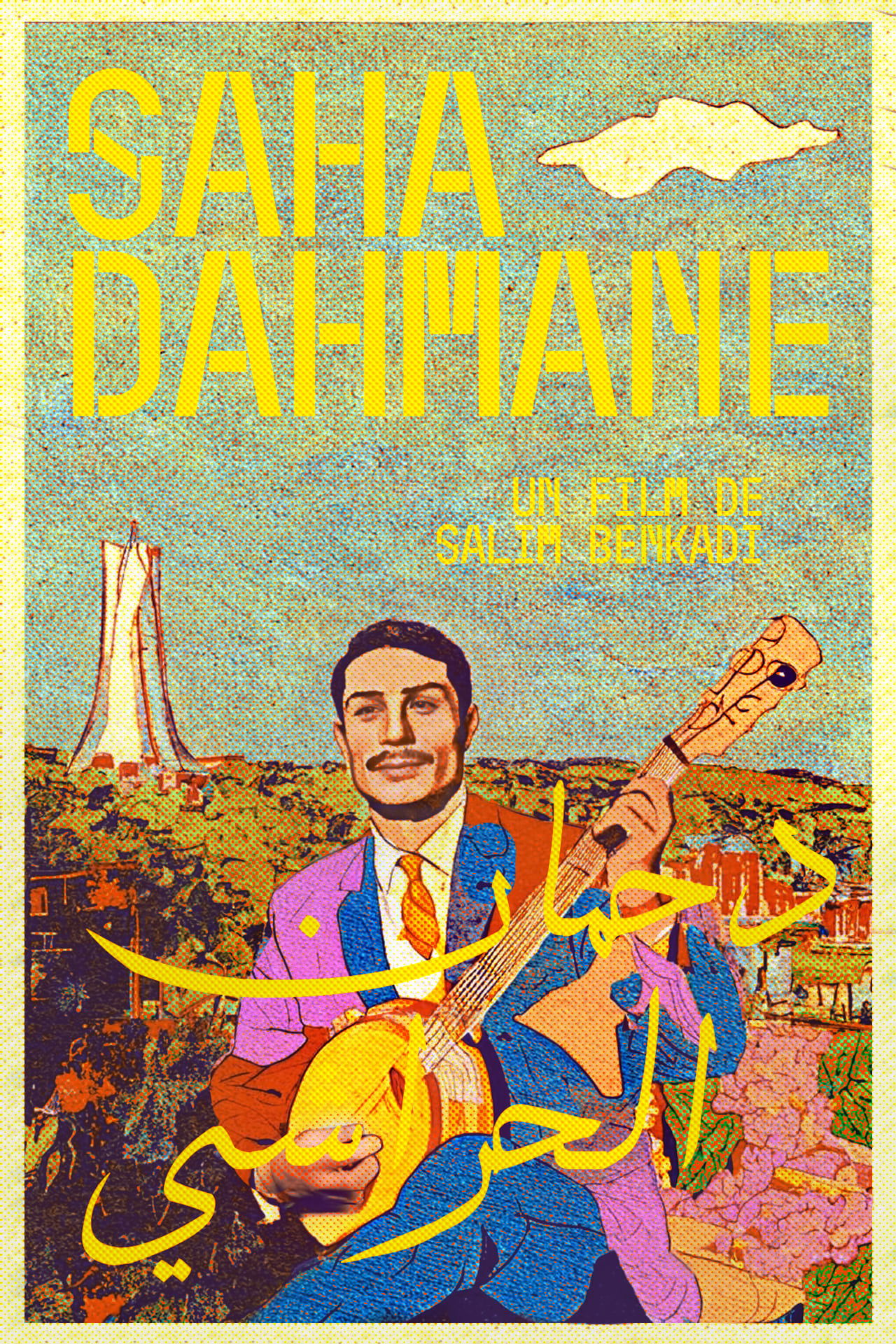
Film about Dahmane El Harrachi, musician, singer and composer of the famous song "Ya Rayah", a cult song covered by Rachid Taha, which will enjoy international success. Virtuoso of the banjo, the work of Dahmane El Harrachi did not initially respond to the canons of the purists of Algiers Chaâbi song. However, he will end up establishing himself alongside great masters of the genre, El Hadj M'hamed El Anka, Boudjemaâ El Ankis, El Hachemi Guerouabi, Amar Ezzahi... He plays his own role in this film shot with his musician friends, just before his tragic death in 1980 in a car accident on the Corniche of Algiers.
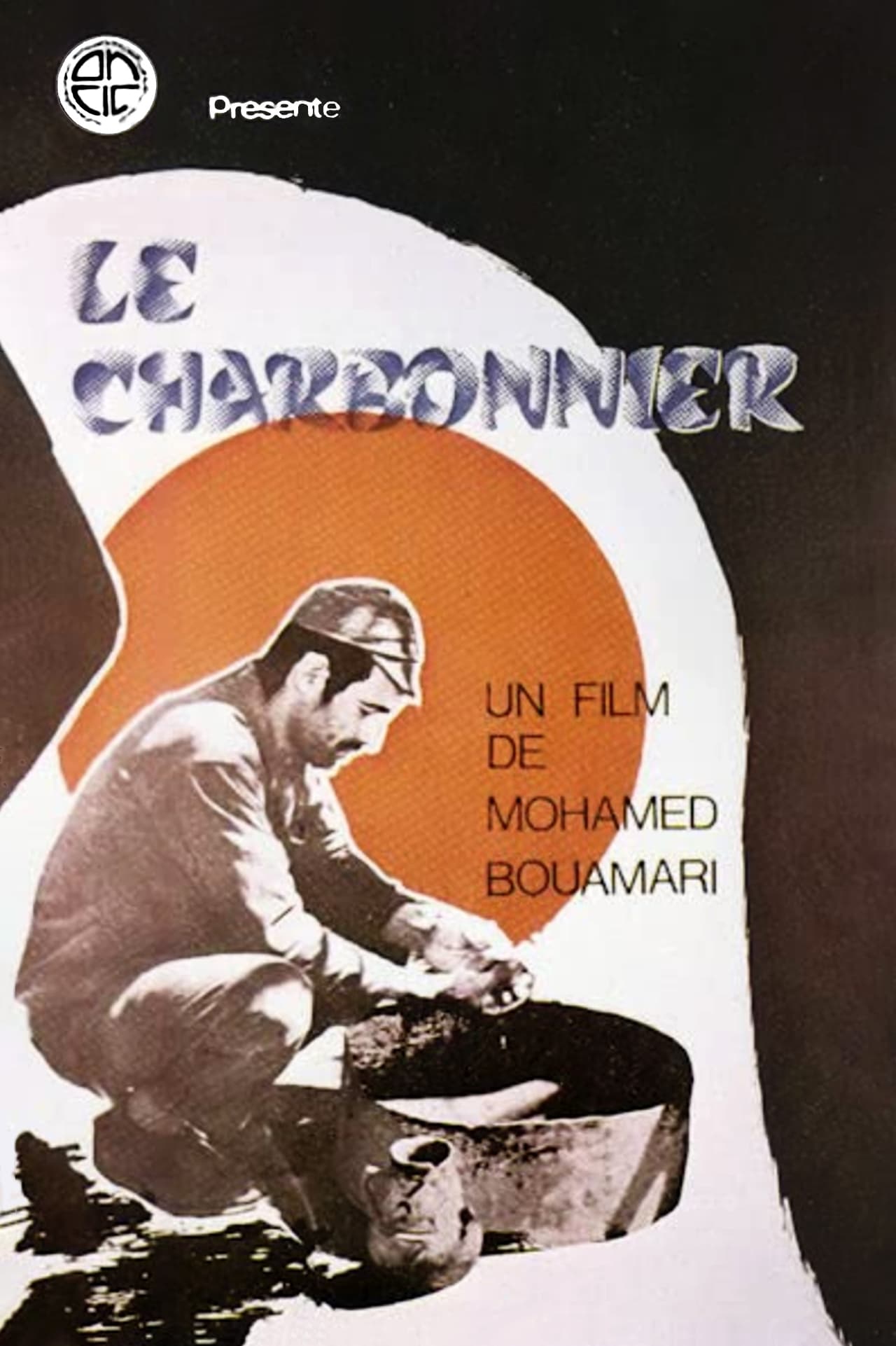
Film describes the miserable existence of a charcoal-burner who is barely able to feed his family. His search for work in town ends in failure and he is forced to return to his village.
This excellent feature-length documentary - the story of the imperialist colonization of Africa - is a film about death. Its most shocking sequences derive from the captured French film archives in Algeria containing - unbelievably - masses of French-shot documentary footage of their tortures, massacres and executions of Algerians. The real death of children, passers-by, resistance fighters, one after the other, becomes unbearable. Rather than be blatant propaganda, the film convinces entirely by its visual evidence, constituting an object lesson for revolutionary cinema.
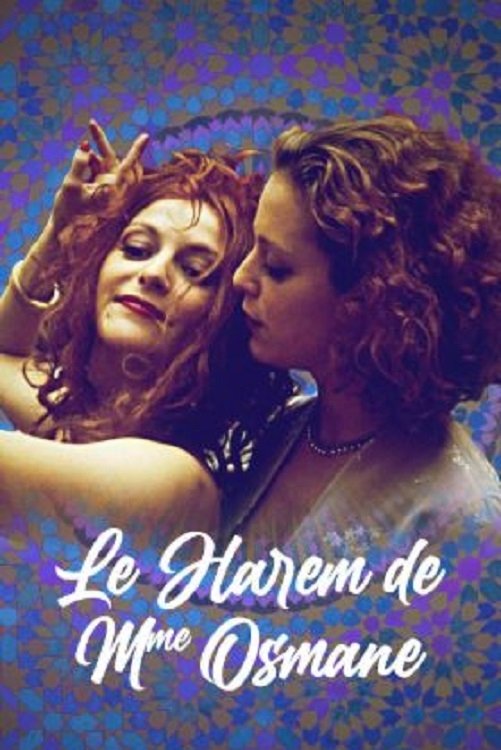
In Algiers in 1993, while the civil war is starting, Mrs Osmane's tenants have to endure her bad temper. Her husband left her and the fear to lose her respectability haunt her. The former member of the Resistance during the Independence War persists in controlling the slightest moves of the households rather than struggle against her own frustrations. Learning her daughter is in love, the possibility of finding herself alone will push her to the limit: The symbolical Mrs Osmane "harem" is about to collapse.
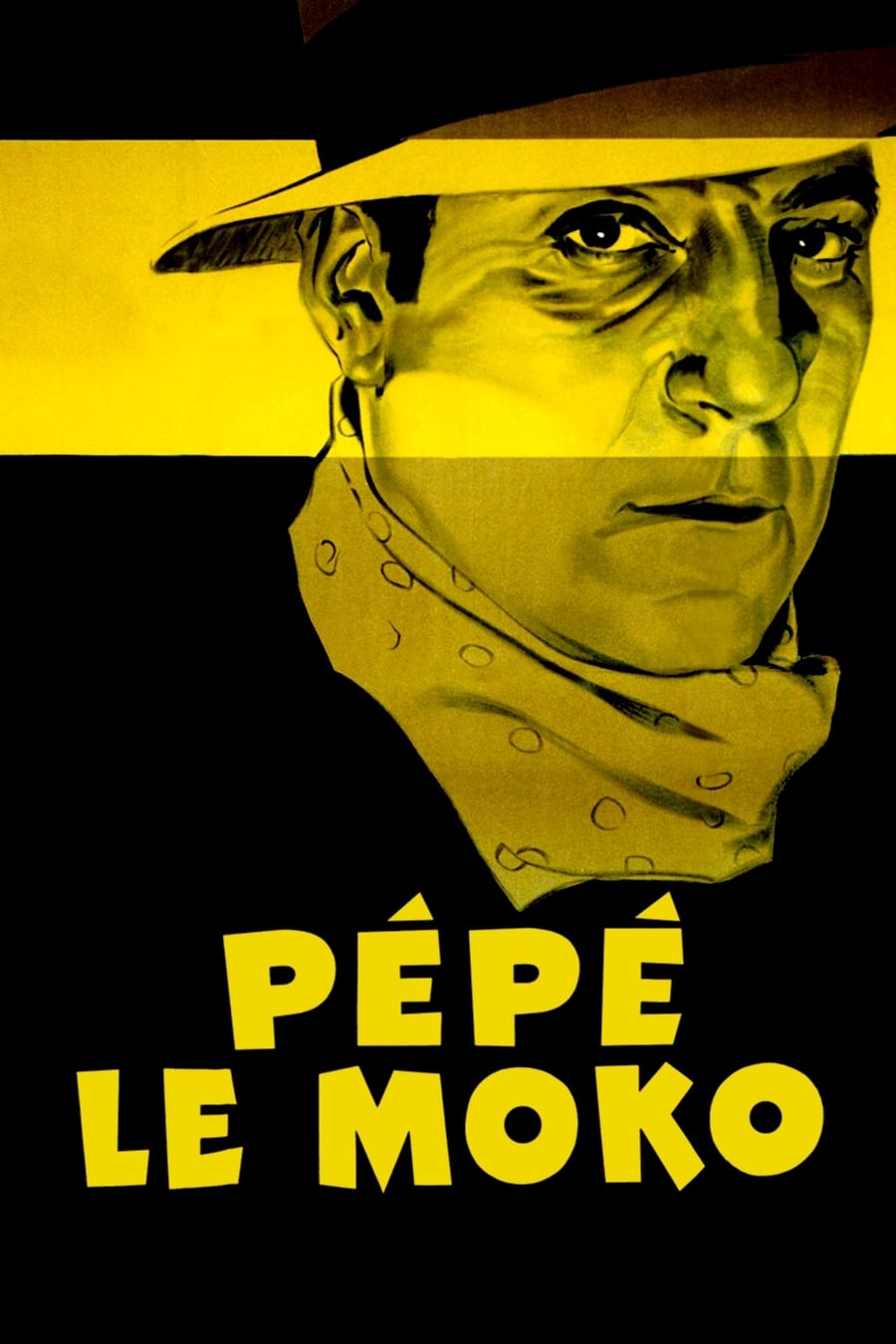
Pépé le Moko, one of France's most wanted criminals, hides out in the Casbah section of Algiers. He knows police will be waiting for him if he tries to leave the city. When Pépé meets Gaby, a gorgeous woman from Paris who is lost in the Casbah, he falls for her.
In Algeria in 1954, in a village in the Aurès region, poverty reigns over peasants enslaved by colonial administrators and Algerian landowners. Noua, in love with the son of a peasant dispossessed of his land, must be sold to a wealthy landowner.
Paratrooper commander Colonel Mathieu, a former French Resistance fighter during World War II, is sent to Algeria to reinforce efforts to squelch the uprisings of the Algerian War. There he faces Ali la Pointe, a former petty criminal who, as the leader of the Algerian Front de Liberation Nationale, directs terror strategies against the colonial French government occupation. As each side resorts to ever-increasing brutality, no violent act is too unthinkable.
“La Zerda and the songs of oblivion” (1982) is one of only two films made by the Algerian novelist Assia Djebar, with “La Nouba des femmes du mont Chenoua” (1977). Powerful poetic essay based on archives, in which Assia Djebar – in collaboration with the poet Malek Alloula and the composer Ahmed Essyad – deconstructs the French colonial propaganda of the Pathé-Gaumont newsreels from 1912 to 1942, to reveal the signs of revolt among the subjugated North African population. Through the reassembly of these propaganda images, Djebar recovers the history of the Zerda ceremonies, suggesting that the power and mysticism of this tradition were obliterated and erased by the predatory voyeurism of the colonial gaze. This very gaze is thus subverted and a hidden tradition of resistance and struggle is revealed, against any exoticizing and orientalist temptation.
As a boy, Raoul is reared by an Arab tribe in Algerian Sahara. Years later, as a refined Europeanized gentleman, he falls in love with Barbara, an officer's daughter, who rejects him when she discovers his background. Affecting a raid, he captures her and then secretly buys her at a slave auction. When she is rescued by French troops, however, his ancestry is established and they find happiness together.
Néfissa, a student in Algiers, returns to her village in the south in the summer. Her father wants her to marry the mayor but she wants to continue her studies. Confronting her father and the opinion of the villagers who do not understand her, she decides to flee to Algiers. The shepherd Rabah discovering her wounded and lost in the mountains, has her treated by her mother. In contact with Nefissa, Rabat becomes aware of his exploited condition and discovers the possibilities offered to him by the cooperatives of the agrarian revolution. The two young people will go through the decisive stage together which will allow them to escape obscurantism and exploitation. Based on the novel "Le vent du sud" by Abdelhamid Benahouga
Parisian authorities clash with the Front de Libération Nationale (FLN) in director Alain Tasma’s recounting of one of the darkest moments of the Algerian War of Independence. As the war wound to a close and violence persisted in the streets of Paris, the FLN and its supporters adopted the tactic of murdering French policemen in hopes of forcing a withdrawal. When French law enforcement retaliated by brutalizing Algerians and imposing a strict curfew, the FLN organizes a peaceful demonstration that drew over 11,000 supporters, resulting in an order from the Paris police chief to take brutal countermeasures. Told through the eyes of both French policemen as well as Algerian protestors, Tasma’s film attempts to get to the root of the tragedy by presenting both sides of the story.
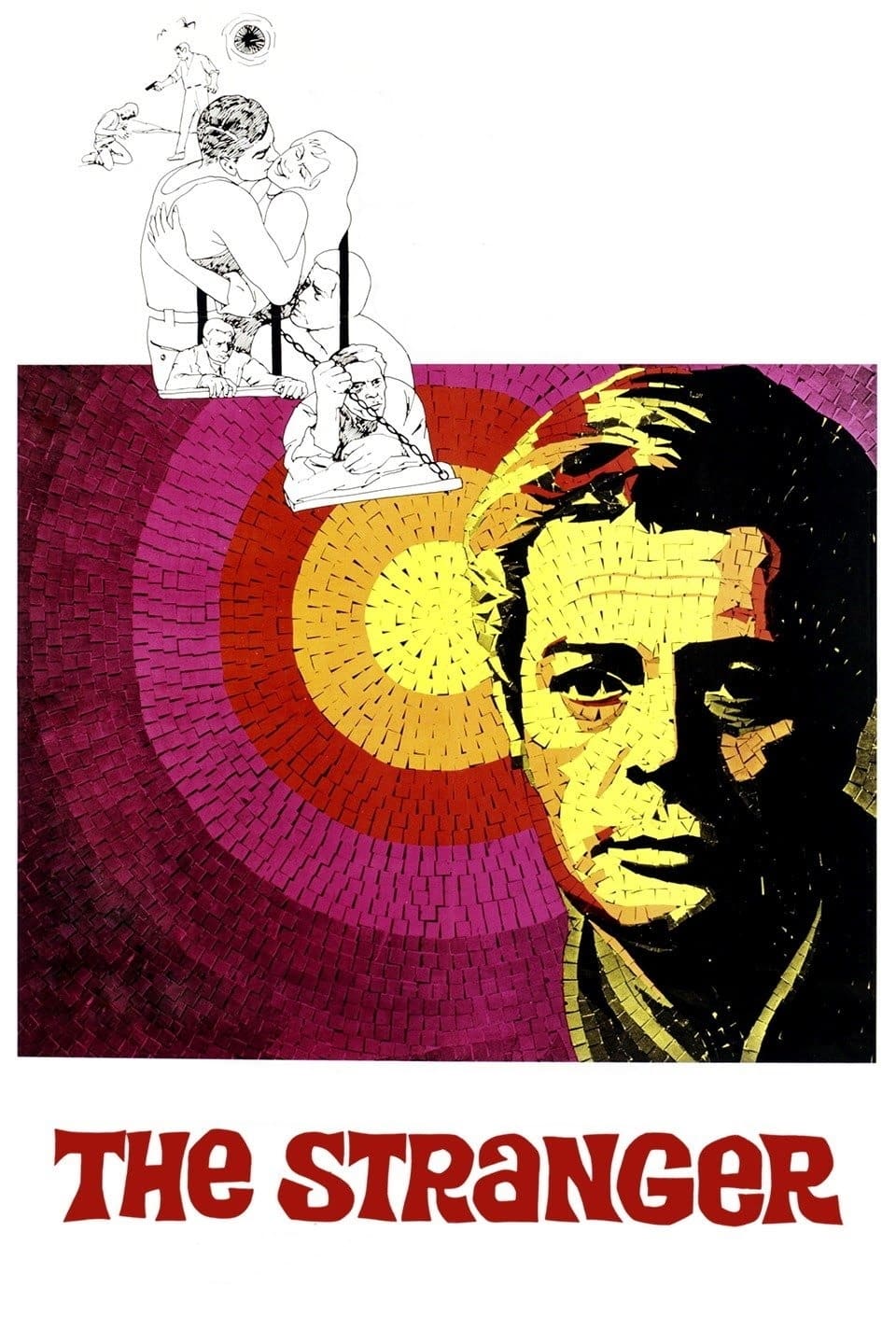
Meursault is a man who feels utterly isolated from everyone and everything around him. This alienation results in sudden, inexplicable bursts of violence, culminating in murder.
Algerian youth of the 1960s, straddling traditional South Mediterranean and Western culture and the desire for emancipation of younger generations to find true love.
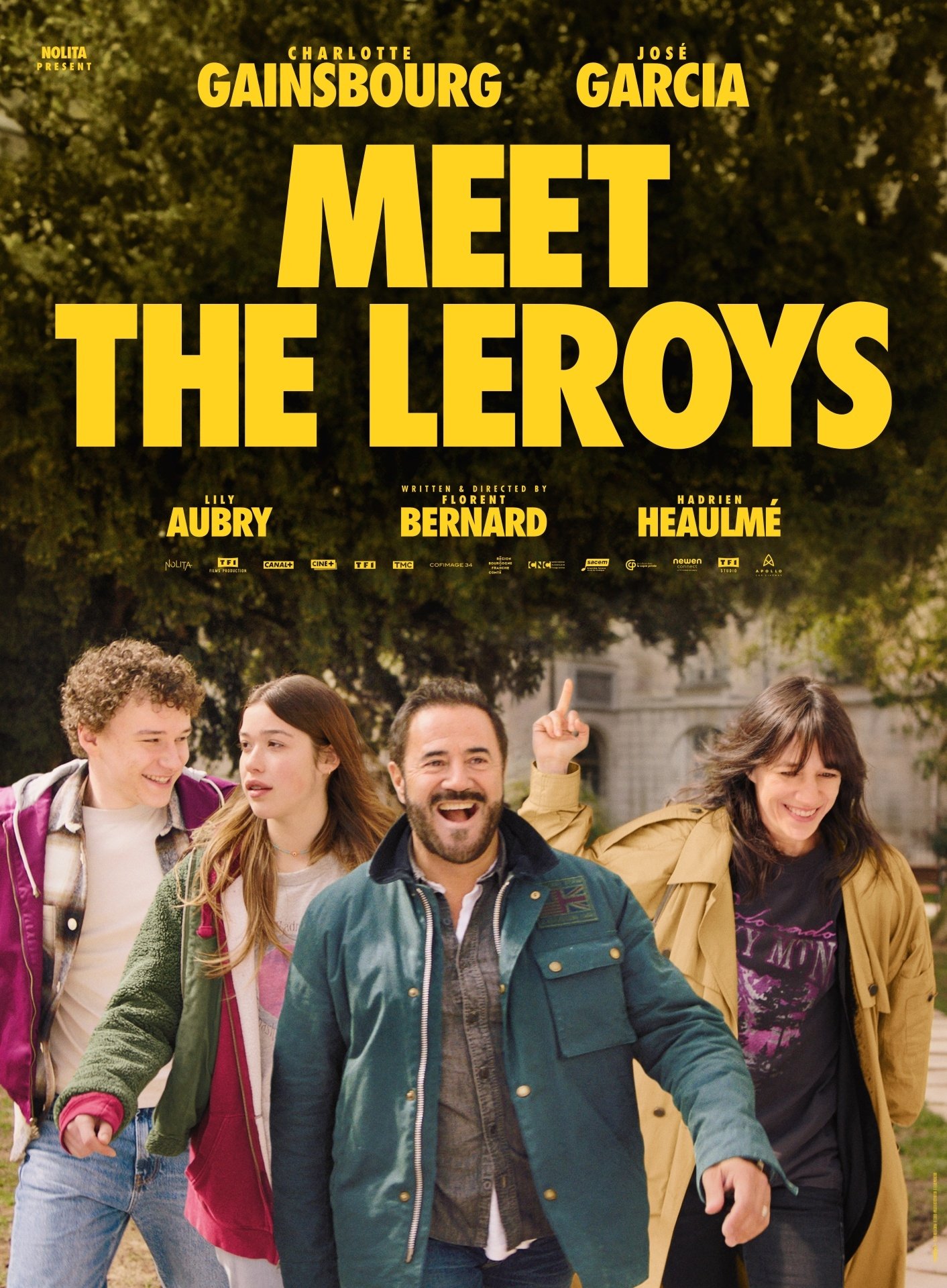
A man takes his wife and their teenage children on a road trip down memory lane while facing divorce.
When 43-year-old hairdresser Suze Trappet finds out that she's seriously ill, she decides to go looking for a child she was forced to abandon when she was only 15. On her madcap bureaucratic quest she crosses paths with JB, a 50-year-old man in the middle of a burnout, and Mr. Blin, a blind archivist prone to overenthusiasm. The unlikely trio set off on a hilarious and poignant helterskelter journey across the city in search of Suze's long-lost child.
After leaving France in search of a better life in America, a television producer returns with a group of burlesque dancers to take the Paris club scene by storm.
Michel, a fifty year old man, graphic designer, decides to change the urban lifestyle and go on an adventure. Fascinated by airmail, he dreams at Jean Mermoz when he's on scooter. One day, Michel sees a picture of a kayak.
Filmmaker Elia Suleiman travels to different cities and finds unexpected parallels to his homeland of Palestine.
Stéphanie, a police officer working for Internal Affairs, is assigned to a case involving a young man severely wounded during a tense and chaotic demonstration in Paris. While she finds no evidence of illegitimate police violence, the case takes a personal turn when she discovers the victim is from her hometown.
A group of suburban teenagers try to support each other through the difficult task of becoming adults.
A widowed professor living in Paris develops a special relationship with a younger French woman.
A wheelchair-bound singer and her best friend embark on a roadtrip to Memphis.
In the fifties, young Alice leaves her natal Swiss mountains for the sunny and vibrant shores of Beirut. She falls madly in love with Joseph, a quirky astrophysicist intent on sending the first Lebanese national into space. Alice quickly fits in among his relatives, but after years of bliss, the civil war threatens their Garden of Eden.
A bisexual petty criminal named Bob encounters a married couple arguing in a bar. Bob breaks up the fight and proceeds to seduce first the wife and then the husband. Then Bob teaches the couple how to be burglars and they join him in his criminal exploits.
Paris 1930. Paul has only ever had one and the same horizon: the high walls of the orphanage, an austere building in the Parisian working class suburbs. Entrusted to a joyful country woman, Célestine, and her husband, Borel, the rather stiff gamekeeper of a vast estate in Sologne, the city child, recalcitrant and stubborn, arrives in a mysterious and disturbing world, that of a sovereign and wild region. The huge forest, misty ponds, heaths, and fields all belong to the Count de la Fresnaye, an elderly taciturn man who lives alone in his manor.
After World War II, a small French village struggles to put the war behind as the controlling Communist Party tries to flush out Petain loyalists. The local bar owner, a simple man who likes to write poetry, who only wants to be left alone to do his job, becomes a target for Communist harassment as they try and locate a particular loyalist, and he pushes back.
A social butterfly who dies during her birthday week is given a second chance to right her wrongs on Earth.
When a sudden tragedy uproots the lives of two women and their families, they begin to question the relationships they once held so dear.
When a celebrated TV show host returns to his hometown in the South, his family is there to remind him that going home is no vacation!
Two young girls meet, Reinette from the countryside and Mirabelle from Paris, and decide to take a flat together in Paris where they attend University. Four successive stories about their daily lives illustrate the very different views, characters and relation to the world of these two friends.
Improbable encounters bring tenderness, laughter and compassion to a world of urban alienation.
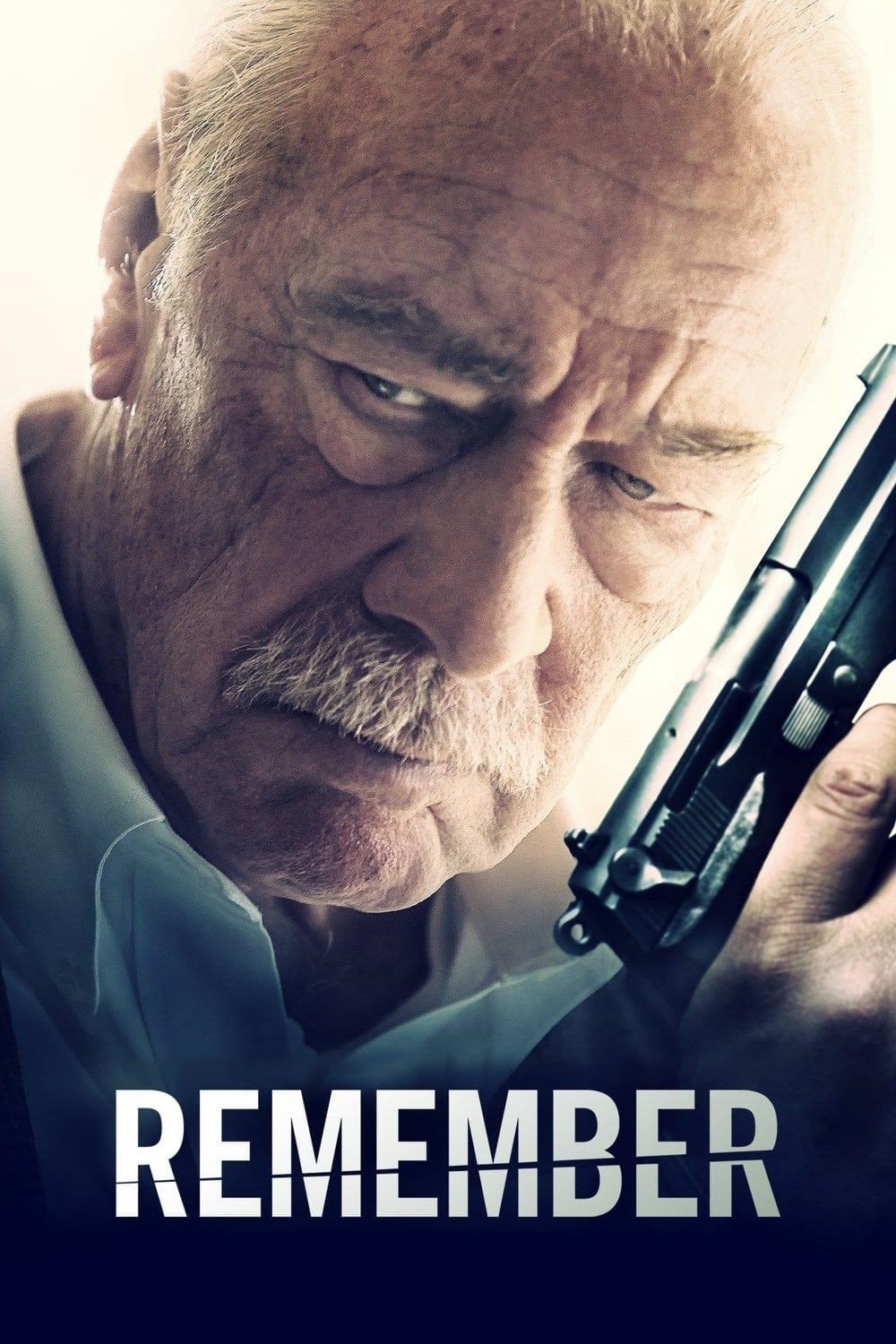
With the aid of a fellow Auschwitz survivor and a hand-written letter, an elderly man with dementia goes in search of the person responsible for the death of his family.
Anne Walberg is a celebrity in the world of perfume. She creates fragrances and sells her incredible talent to companies of all kinds. She lives as a diva, selfish, with a strong temper. Guillaume is her new driver and the only one who is not afraid to stand up to her. No doubt this is the reason why she does not fire him.