A video project meant to highlight the human cost in Palestine.
Social & External
A collection of images taken on 35mm film with a point-and-click Holga135BC during the year after I dropped out of school.
Landscapes are permeable, impermanent. They are hallucinations of literature, manifestations of human manipulation. Like the pixel, they are degraded, rearranged, forgotten. “Eclogues” is an expression of landscape in the purest principles of digital image-making: duration, practicality, limitation. Shot in 2020 in Strafford, Vermont.
MARKS/MARKS examines the relationship between the mark making of optical lens technologies (writing with light) and the mark making of painting within the context of digital technology and mass data. The film maps the movement of painter Dr Harrison Waed See in the studio painting to generate the tempo and trigger audio and visual effects. Similarly digital image sonification and digital data sonifcation of still and moving images of Dr See were used to generate further noise and visual effects. Alongside this, the soundtrack also includes amplifcations of the sound of his movements and paint brush.
Sebastia, a small archaeological town, sits on top of a hill Northwest of Nablus, Palestine surrounded by Shavei Shomron, an illegal Israeli settlement and confiscated agricultural fields of olive groves and apricot trees. This ancient site was excavated multiple times over the last century by colonial archaeologists funded by Zionist individuals and institutions. The first excavation of 1908 led by Harvard University took advantage of Sebastia locals including women, men, and children as cheap labor digging their own land for the sake of biblical archaeology. Each excavation extracted soil and artifacts from the ground, taking what they considered valuable to their home institutions and leaving pottery shards and rubble on the surface. Today, what’s left of the archaeological monuments is contested by the nearby settlement as well as the Israeli military. The Roman Forum is a battlefield, but the locals are incredibly resilient.
La Panadella, an emblematic small road town in decline located in Catalonia, is awaiting the arrival of visitors from a mysterious tower. While its inhabitants and passersby follow their monotonous routines, a strange signal manifests itself.
An atmospheric essay, which is an alternative version of Count Dracula, a film directed by Jess Franco in 1970; a ghostly narration between fiction and reality.
Cosmic horror explores the elements and matter of so-called inanimate nature, which become actors and form a new ecosystem. A stream of depictions of fluid materials embedded into each other is accompanied by an unsettling soundtrack that reinforces the uncertainty of whether we are watching a cosmogonic or eschatological vision.
My great-grandmother, Frieda Riesenfeld, recounts moving into her first apartment in the United States after escaping from Germany in 1938.
An exploration of memory after death.
A girl from Hainan recounts her youth in a seaside village she couldn't leave.
Pet Shop works as an experiment on regret and suffering. A juxtaposition of a dog in a pet shop and a window. Narrated from the perspective of God, or the Devil, the text recounts discussions a person has had with Him. The person accuses Him of destroying his life. This could be for a sin, a murder, or for falling in love with a person of the same sex.
a raw descent, billowing fast & spun 'til the time we'll force the soil to swallow ourselves: too far gone, & no backwards to safety. only spirals of wasted water down dirty, half-clogged drains, razed by fates written for us in cold ash by the bones of ancient smokestacks.
The film presents a harmonious picture of Palestinian civil life in Jerusalem that is disturbed by the Israeli army’s occupation of the city following 1967.
An experimental documentary/animation hybrid exploring likeness scanning, AI, and what that means for identity.
After the death of my only brother I found rolls of undeveloped film. This documentary is a reenactment of those stills and an exploration of the aspects of my brother's life that I didn't know.
In the aftermath of Hiroshima, a group of scientists vowed never to turn knowledge into weapons again, and from that promise, CERN was born. Deep underground, researchers from nations in conflict have worked side by side for decades, driven by curiosity and shared wonder. For 70 years, CERN has stood as an act of hope, a place where collaboration transcends borders, even as the world above grows more divided. Blending poetry, music and rare archival footage of Oppenheimer with remarkable access to the Large Hadron Collider, the film explores how science, politics and culture collide.
An experimental, visual, and poetic study about bodies, stitches, and repair. A sensory exploration of fragmentation and reconstruction. The body, real or symbolic, is treated as a surface to be opened, sutured, and reimagined. Using textures, objects, and silent rituals, the film contemplates the tension between vulnerability and resilience, between decay and the desire to mend. It is not about narrative, but about sensation. Not about answers, but about the act of touching what is broken.
Five broken cameras – and each one has a powerful tale to tell. Embedded in the bullet-ridden remains of digital technology is the story of Emad Burnat, a farmer from the Palestinian village of Bil’in, which famously chose nonviolent resistance when the Israeli army encroached upon its land to make room for Jewish colonists. Emad buys his first camera in 2005 to document the birth of his fourth son, Gibreel. Over the course of the film, he becomes the peaceful archivist of an escalating struggle as olive trees are bulldozed, lives are lost, and a wall is built to segregate burgeoning Israeli settlements.
An experimental documentary that explores Saudi Arabia's relationship with the U.S. and the role this has played in the war in Afghanistan.
The film follows adventurer Jeff Johnson as he retraces the epic 1968 journey of his heroes Yvon Chouinard and Doug Tompkins to Patagonia.
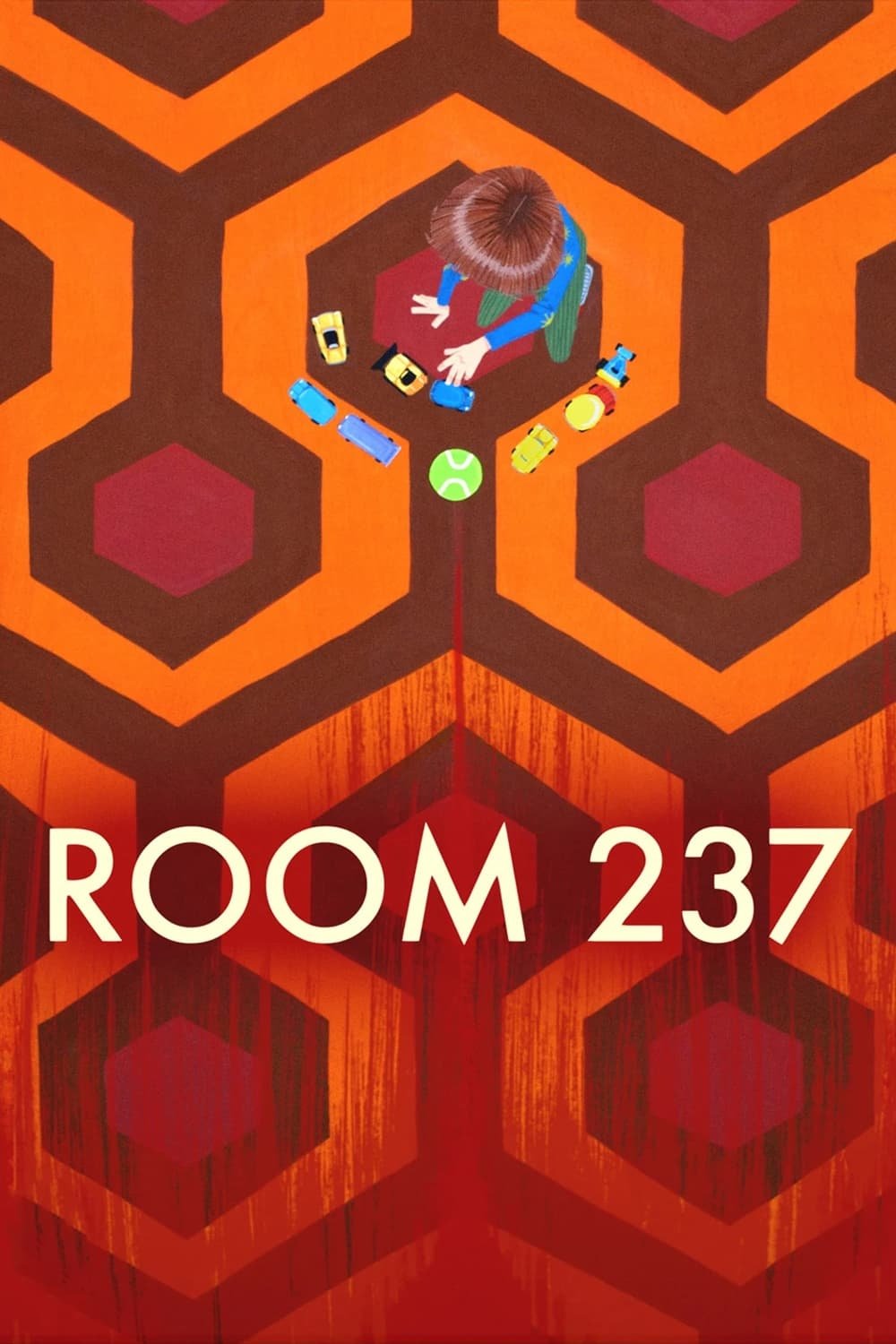
A subjective documentary that explores various theories about hidden meanings in Stanley Kubrick's classic film The Shining. Five very different points of view are illuminated through voice over, film clips, animation and dramatic reenactments.
A group of British children aged 7 from widely ranging backgrounds are interviewed about a range of subjects. The filmmakers plan to re-interview them at 7 year intervals to track how their lives and attitudes change as they age.
Al Pacino's deeply-felt rumination on Shakespeare's significance and relevance to the modern world through interviews and an in-depth analysis of "Richard III."
A documentary on the expletive's origin, why it offends some people so deeply, and what can be gained from its use.
An inside look at one of the most anticipated movie sequels ever with James Cameron and cast.
Over 35 years after Bob Lazar's revelations, this documentary exposes secrets of a facility the government still denies. Featuring Lazar's testimony, recreations, and new evidence, it reopens a case that continues to spark global curiosity
Through deeply personal interviews with her siblings and an examination of the photographs, letters, and belongings left behind, Mariska assembles a new portrait of her mother Jayne Mansfield, an extraordinary and complex woman.
This revealing documentary honors the legendary Sidney Poitier—iconic actor, filmmaker, and civil rights activist. Featuring interviews with Denzel Washington, Spike Lee, Halle Berry, and more.
Police pull over a woman who claims she just gave birth. But the baby — and the blood — aren't hers. Twisted lies unravel in this true-crime documentary.
A look at the origins, history and conspiracies behind the "Majestic 12", a clandestine group of military and corporate figureheads charged with reverse-engineering extraterrestrial technology.
In a crime-plagued neighborhood near Miami, brutal, bare-knuckled backyard fights give young men a chance to earn money -- and self-respect.
A love letter from a young mother to her daughter, the film tells the story of Waad al-Kateab’s life through five years of the uprising in Aleppo, Syria as she falls in love, gets married and gives birth to Sama, all while cataclysmic conflict rises around her. Her camera captures incredible stories of loss, laughter and survival as Waad wrestles with an impossible choice– whether or not to flee the city to protect her daughter’s life, when leaving means abandoning the struggle for freedom for which she has already sacrificed so much.
Amber Heard and Nicole Kidman discuss their characters Mera and Atlanna.
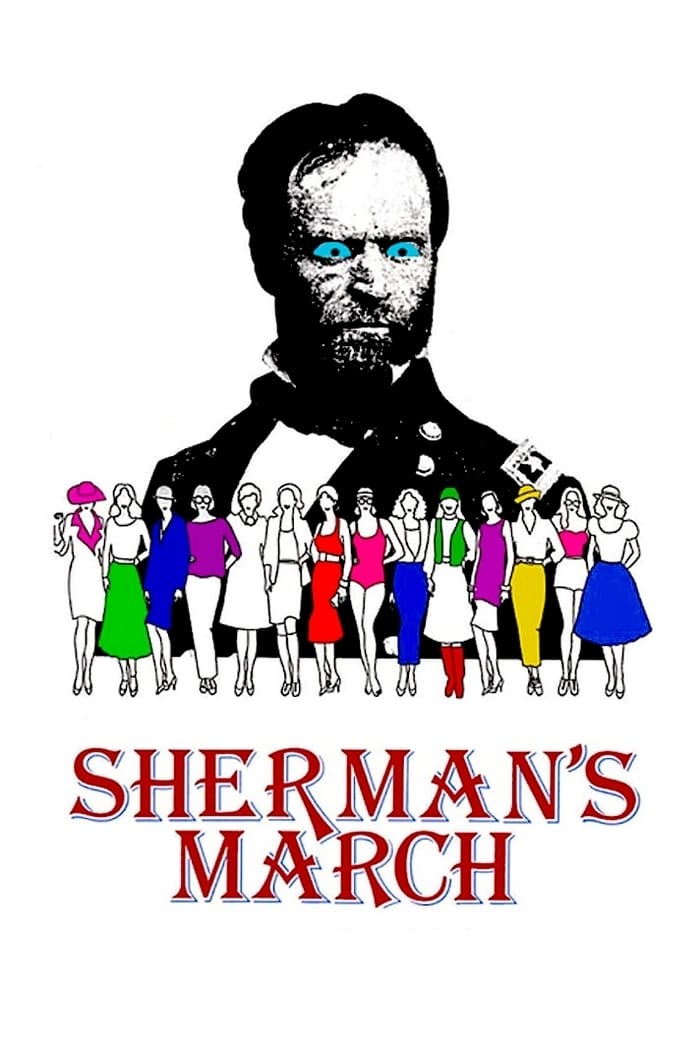
Documentarian Ross McElwee originally set out to make a travelogue of sorts tracing General William T. Sherman's infamous scorched-earth march through the Confederacy in the latter stages of the Civil War. Instead, haunted by a recent breakup with a girlfriend, McElwee ends up documenting his progress -- or lack thereof -- in starting a new relationship. His journey then becomes one of self-reflection and self-discovery rather than a historical/sociological exploration.
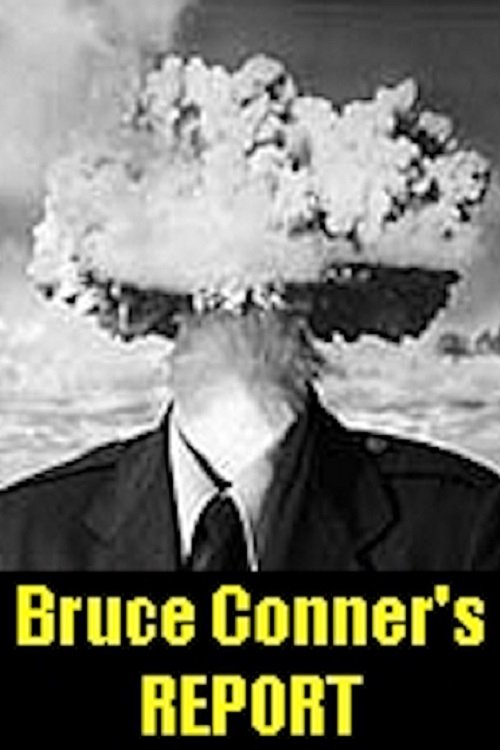
Bruce Conner’s most celebrated film for a reason: it takes historical moments that were replayed over and over on television—chilling repetition of Kennedy assassination coverage—and repurposes them into a meditation on how the media tries to exert authority and apply a sense of order to the anarchic. And though it may sound perverse to say so, the film is also—not incidentally—a thrill to watch. -- The A.V. Club
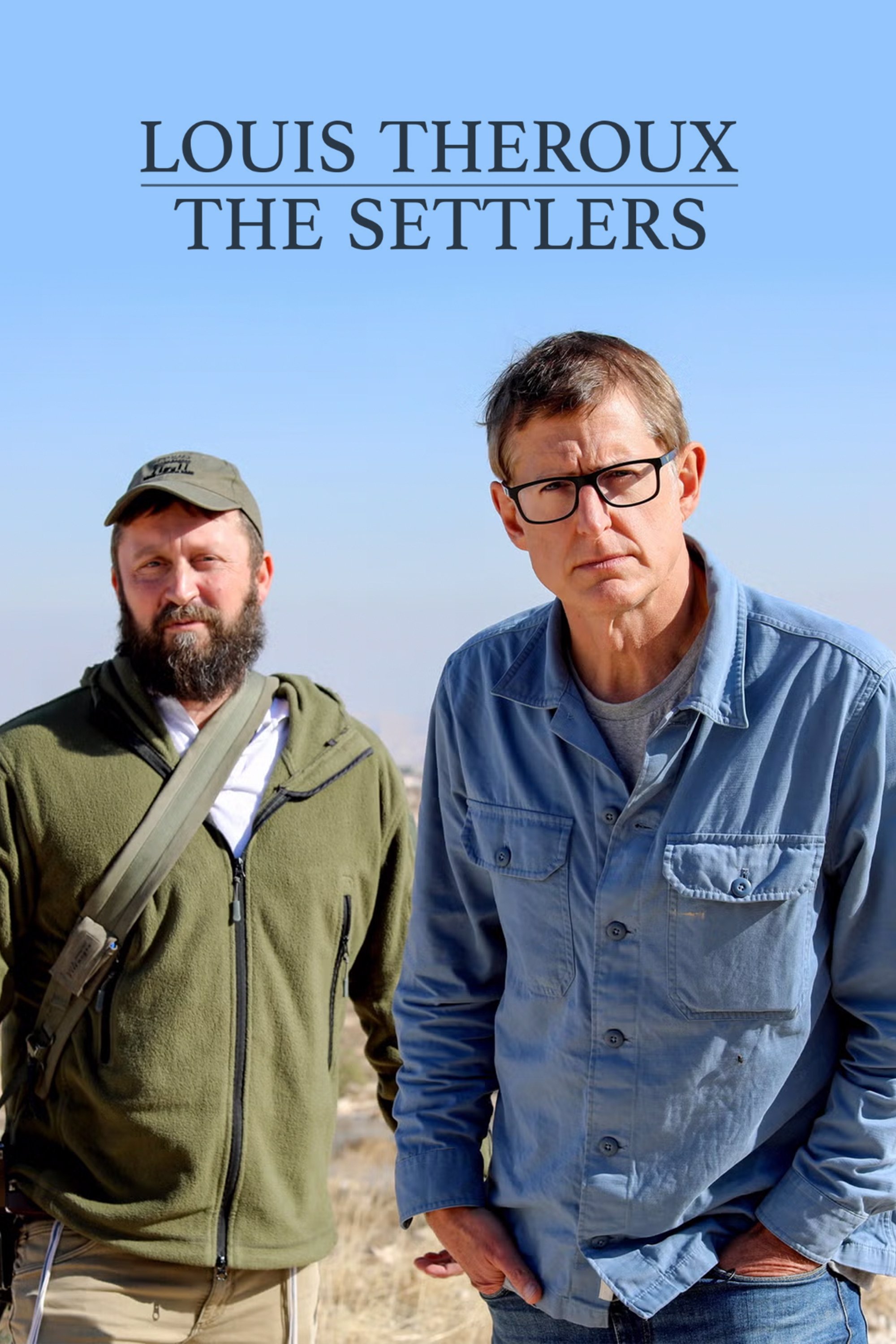
Fourteen years after his first visit, Louis Theroux meets some of the growing community of religious-nationalist Israelis who have settled in the occupied West Bank.