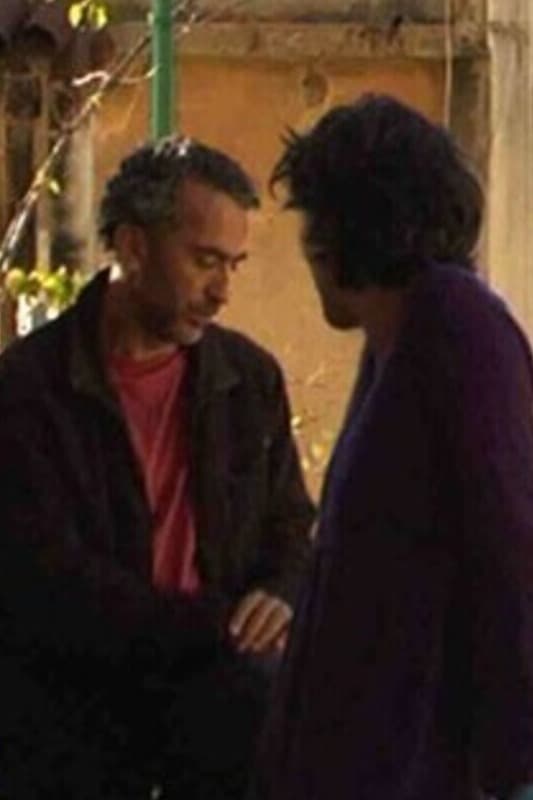
A young journalist is looking to learn and talk with the Lebanese legend, Fairuz.
Social & External
The Land documents the uprising of the people of Bisri and activists from all of Lebanon against the construction of the dangerous dam leading up to the Bisri Valley's liberation. Farmers and shepherds discuss their fears of losing the land and their intimate relationship with it. It also presents the project's seismic and geological dangers, its futility, the conflicts of interest surrounding its construction, and its destruction of a rich and significant area in every respect.
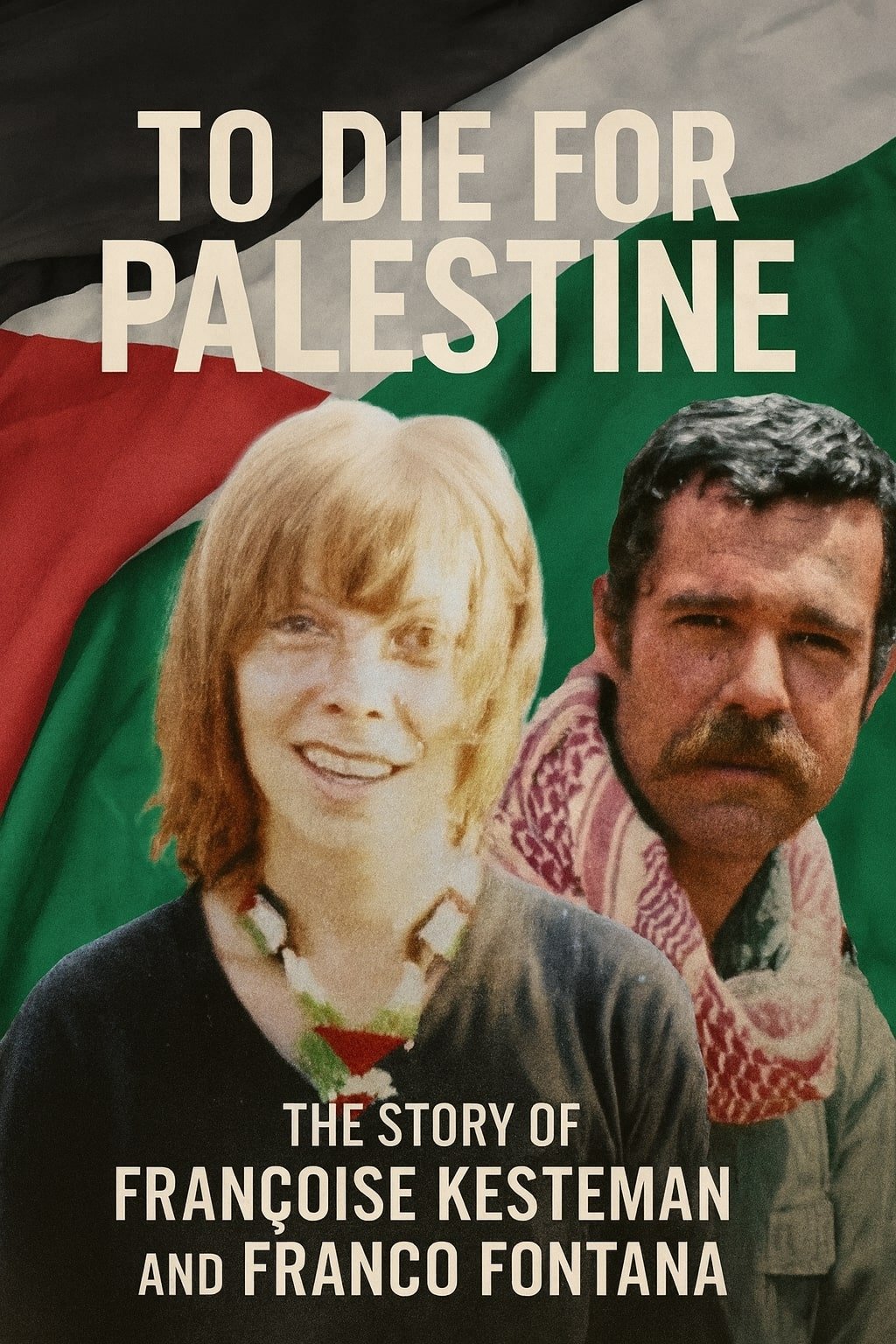
A French nurse and an Italian photographer devote their lives to the Palestinian cause but make the ultimate sacrifice. This is a story about two Europeans who devoted their lives to the Palestinian cause and paid the ultimate price.
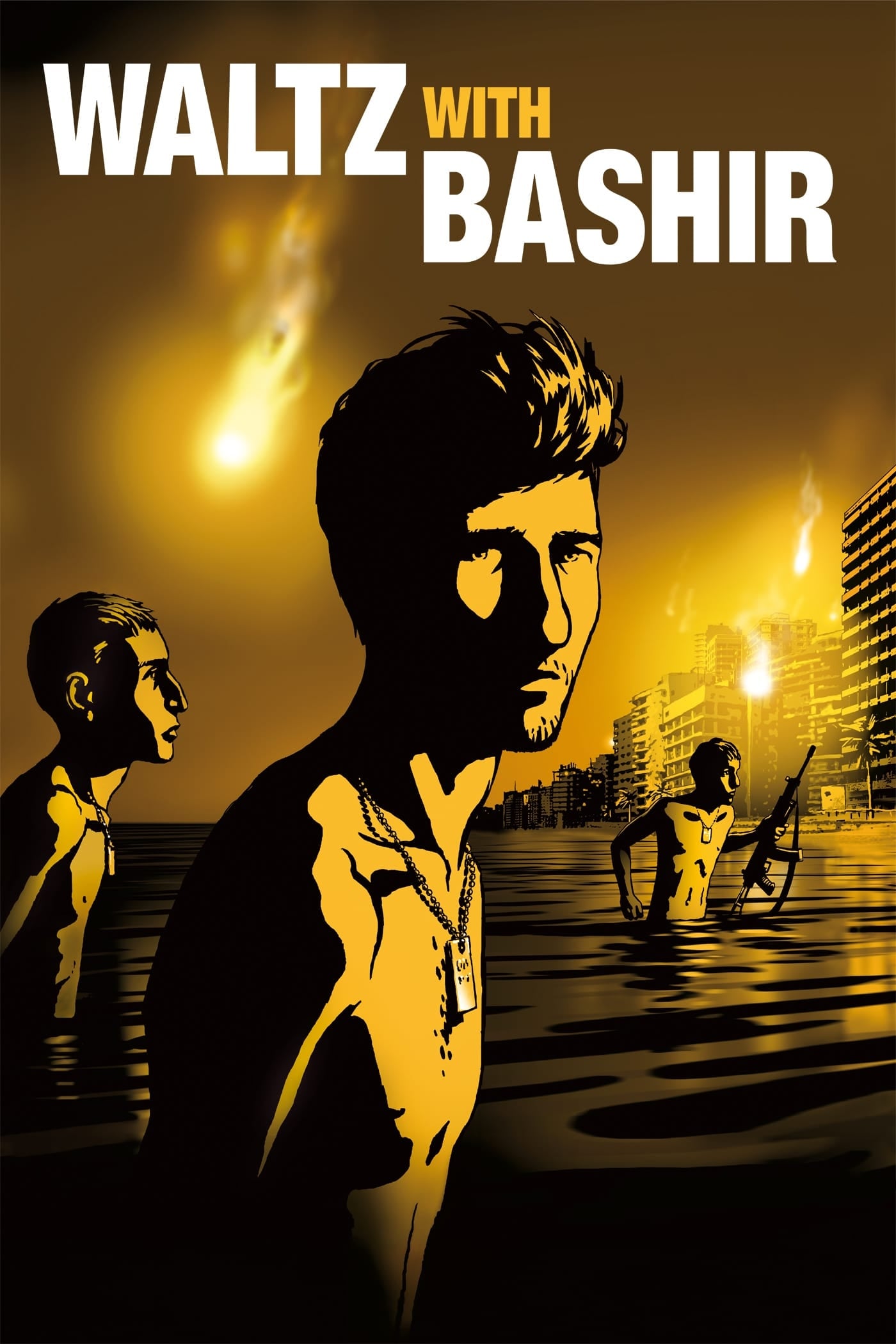
An Israeli film director interviews fellow veterans of the 1982 invasion of Lebanon to reconstruct his own memories of his term of service in that conflict.
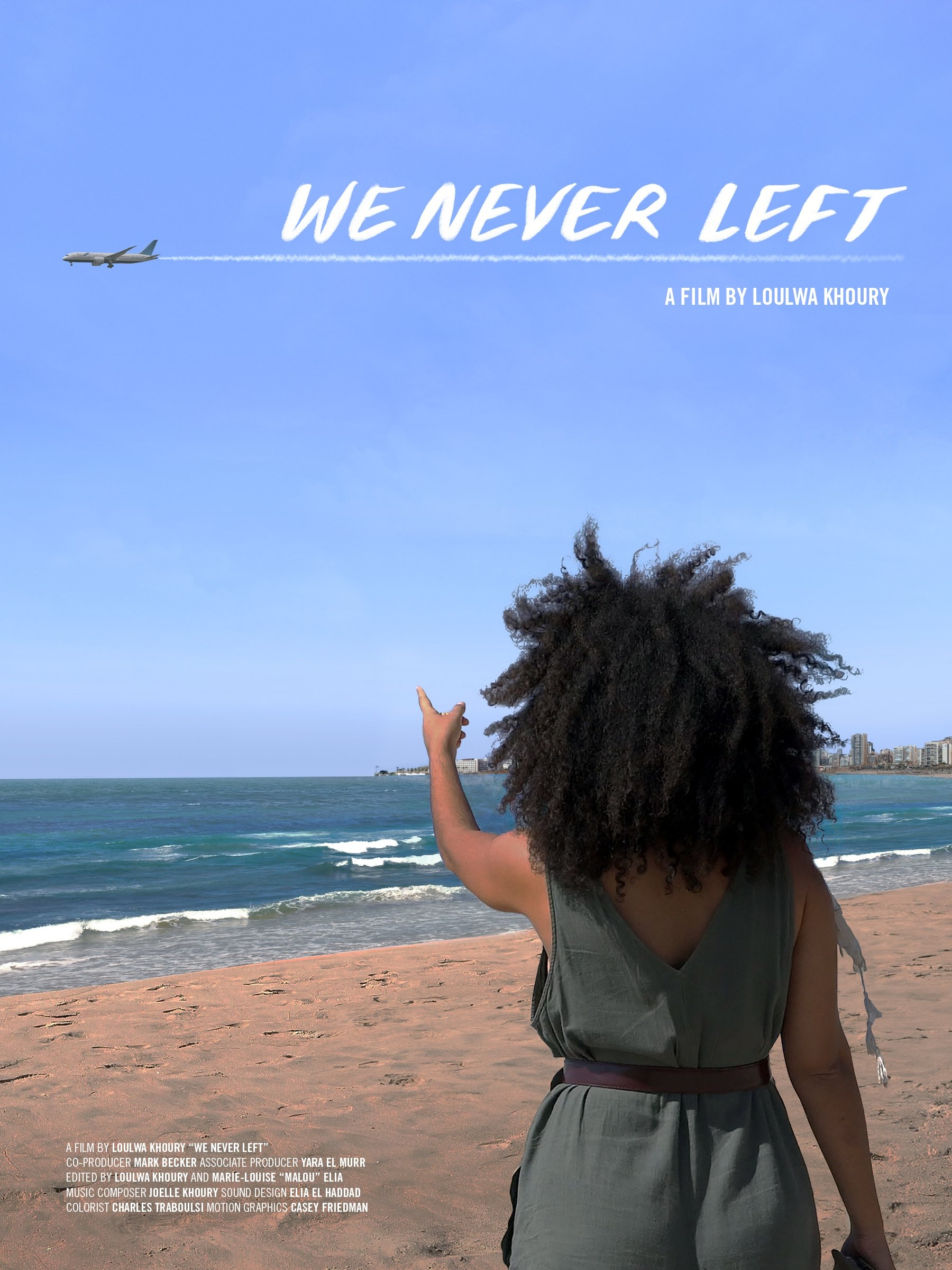
Set during the Lebanese revolution, WE NEVER LEFT portrays a heart-wrenching duality between Beirut and New York, an impassioned testament to the Lebanese diaspora’s unrequited but irrepressible love for their homeland.
In the Land That Is Like You is a progress on the tracks of my lost past, with the contact of my mother, my grandmother and the man who I love, in a country which escapes from me and retains me, Lebanon.
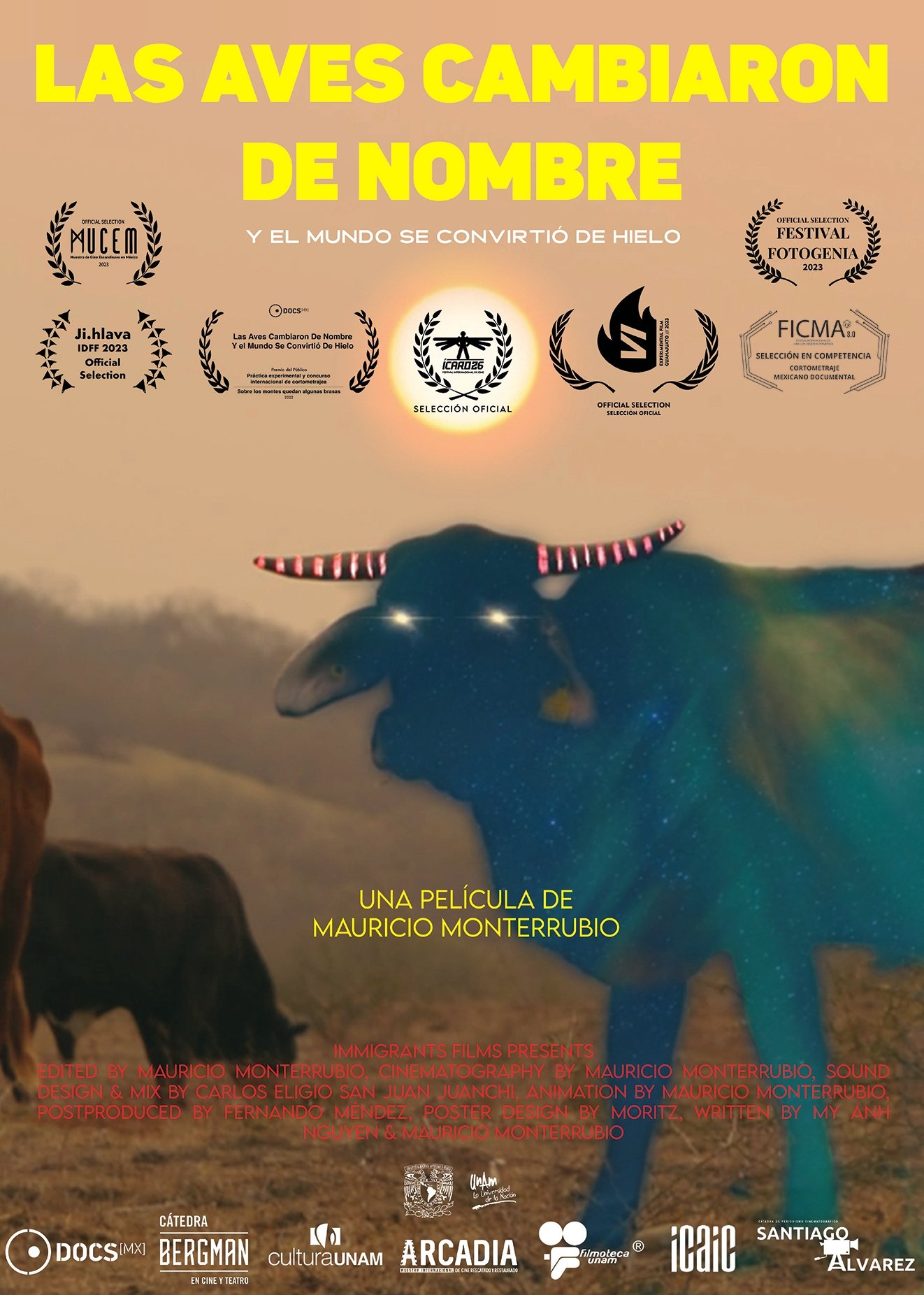
Migrant families experience violence, but they also keep beautiful memories when they arrive in new lands. Fantastic and intimate stories, recalled from childhood, travel across time and space, magically intermingling with the help of the four elements and breaking the boundaries of cinema.
In 2022, when the economic crisis in her native country was at its peak, she decided to visit her family there. She turned her short trip into a collage-like diary in which she reflects on her relationship with her homeland, which is in a state of protracted decay. The film is composed of spontaneous snapshots capturing the author's stay, interspersed with inserted captions serving as personal, often poetically formulated comments and observations. As a result, the film does not hide its strongly subjective perspective, but at the same time builds on it to make an important statement that shows the transformation of Lebanese society in everyday details such as the appearance of the city itself or in the intimate sphere of the author's family life.
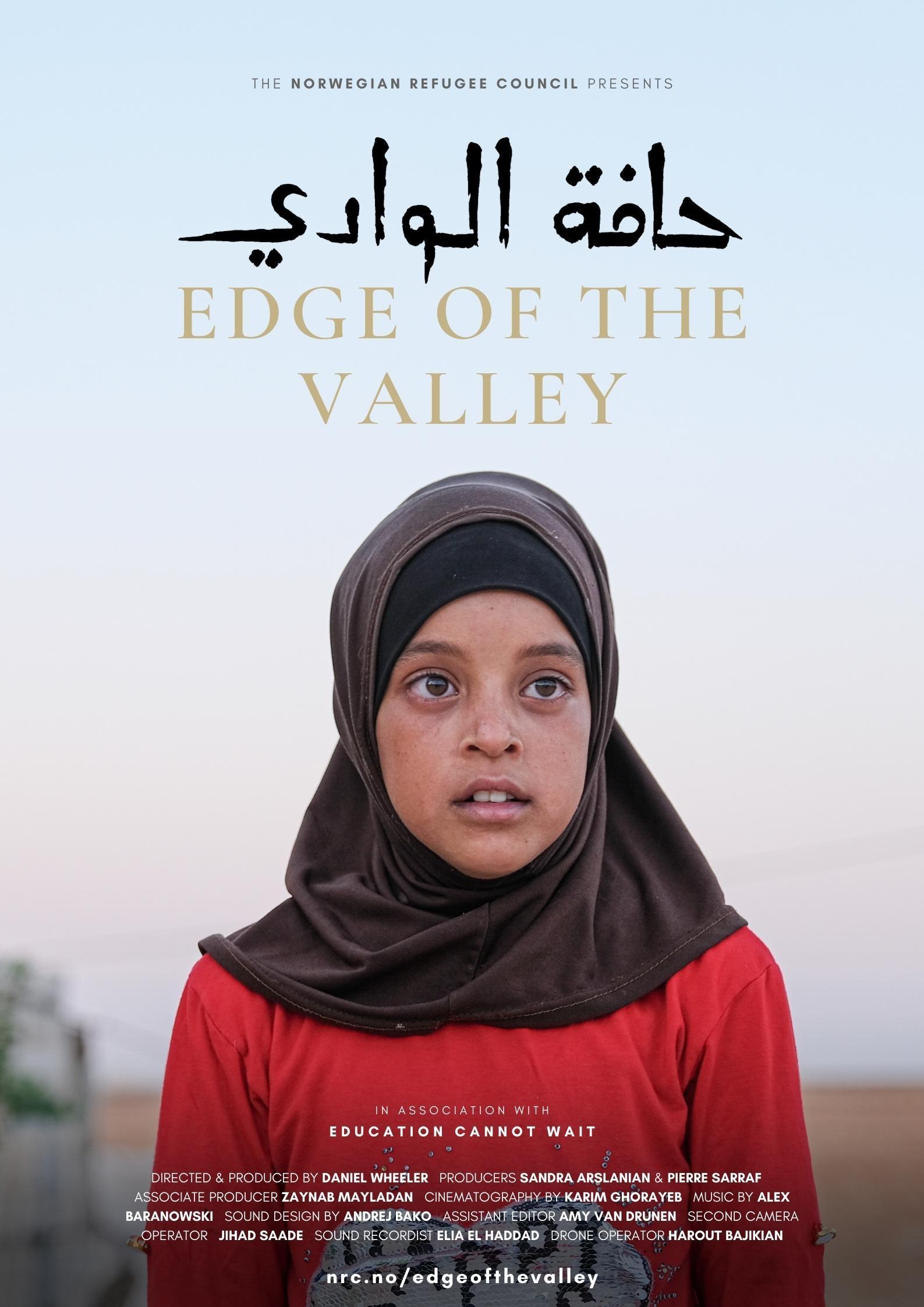
A nine-year-old Syrian refugee girl contemplates her increasingly bleak future after being forced to drop out of school in the midst of Lebanon’s unprecedented economic collapse and battle with Covid-19.
‘Objects of War’ is a series of testimonials on the Lebanese war. Each person chooses an object, ordinary or unusual, which serves as a starting point for his / her story. These testimonials while helping to create a collective memory, also show the impossibility of telling a single History of this war. Only fragments of this History are recounted here, held as truth by those expressing them. In ‘Objects of War’, the aim is not to reveal a truth but rather to gather and confront many diverse versions and discourses on the subject. ‘Objects of War’ started in 1999 assembling the testimonials of eleven persons. It was first shown in 2000 . It continued in 2003 with ‘Objects of War n°2’, recording seven additional testimonials. This time however, and since then, the recorded material is left unedited, shown in its integrity. The work of collecting and assembling these stories continued with ‘Objects of War n°3 & n°4’ in 2006 and ‘n°5 & 6’ in 2014.
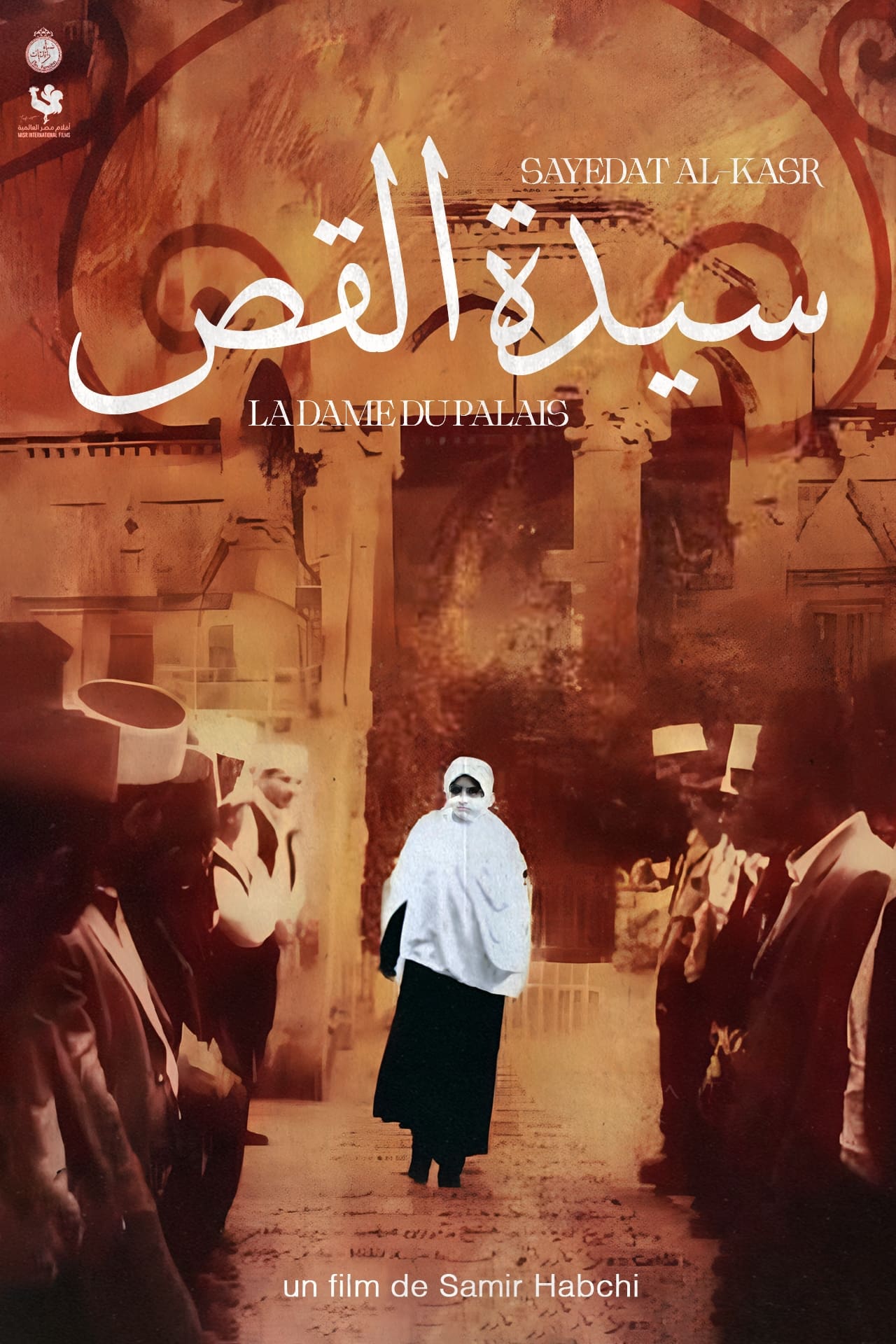
Sayedat Al-Kasr traces the history of the Joumblatt family of Mount Lebanon from the 17th century to the present, focusing on early 20th century leader and politician Nazira Joumblatt. Born in 1889, Nazira ascended the throne of the Moukhtara palace in 1923, following the assassination of her husband Fouad and the resignation of her brother Aly Joumblatt. She presided over the region as Lady of the Palace for twenty-five years while raising her son Kamal, preparing him to take his place in a long line of Jumblatt leaders. Famous for her wisdom and strong personality, Nazira boldly entered the Lebanese political scene at a time when this field was entirely dominated by men. Unwavering, she contributed to maintaining peace and stability in Lebanon for many years, earning the respect of men and women, whether Druze or Maronites.
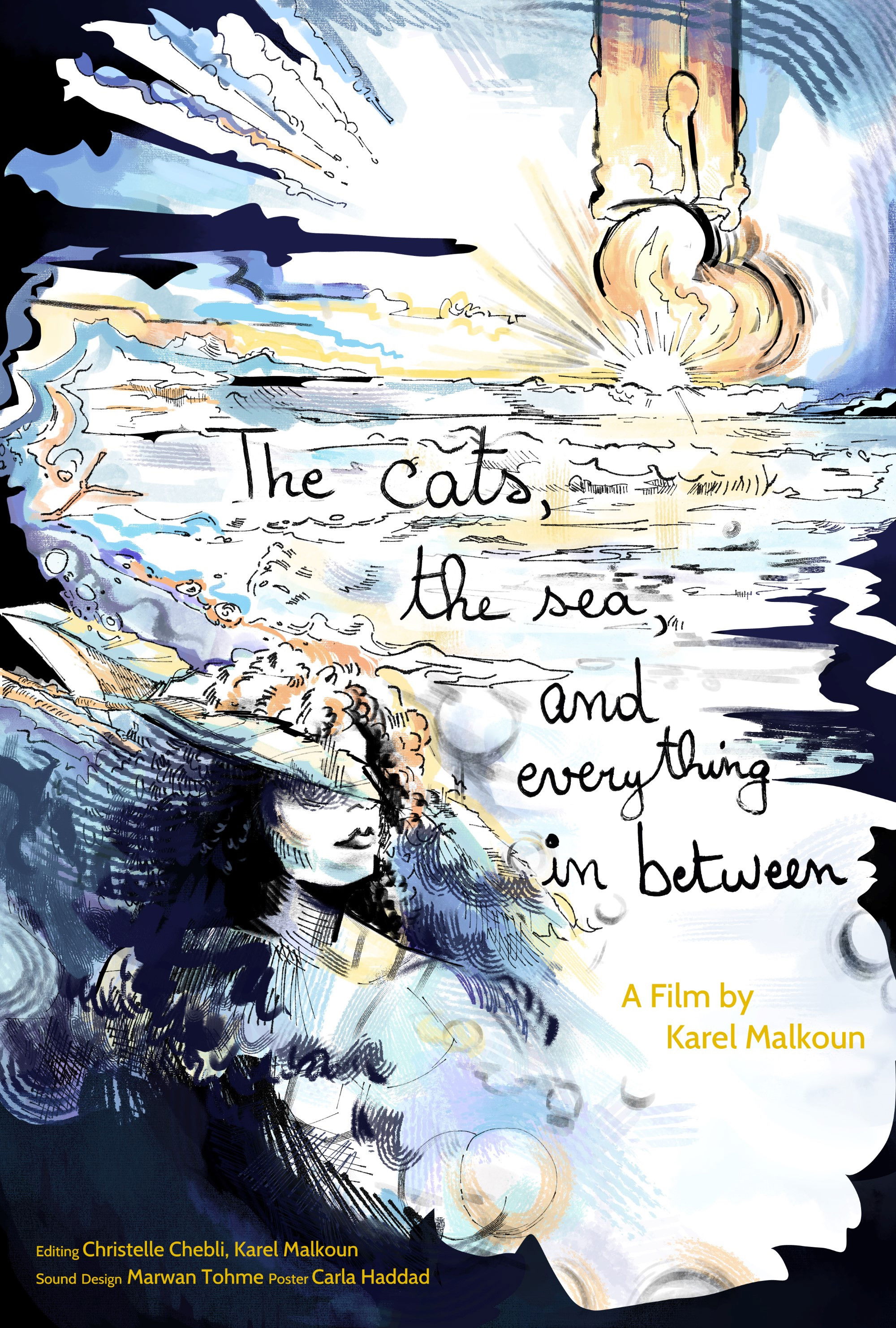
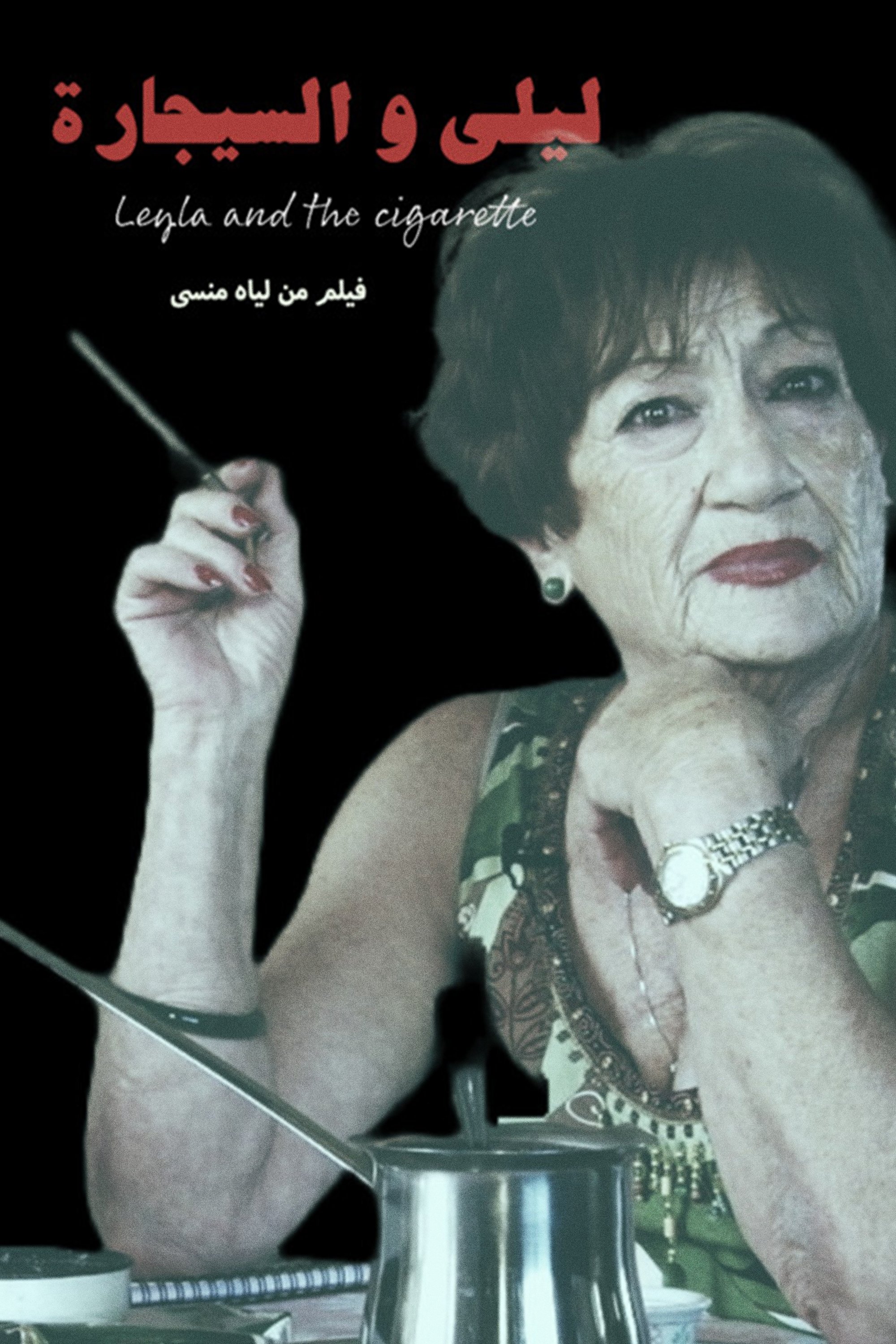
In early September 2011, Leah decided to go to Lebanon to film her grandmother. Two weeks after the end of filming, her grandmother died of metastatic lung cancer. It would take her 12 years to regain the courage to review their last conversations. Through memories and poems she draws the portrait of her grandmother paying homage to her colorful spirit that made her unique.
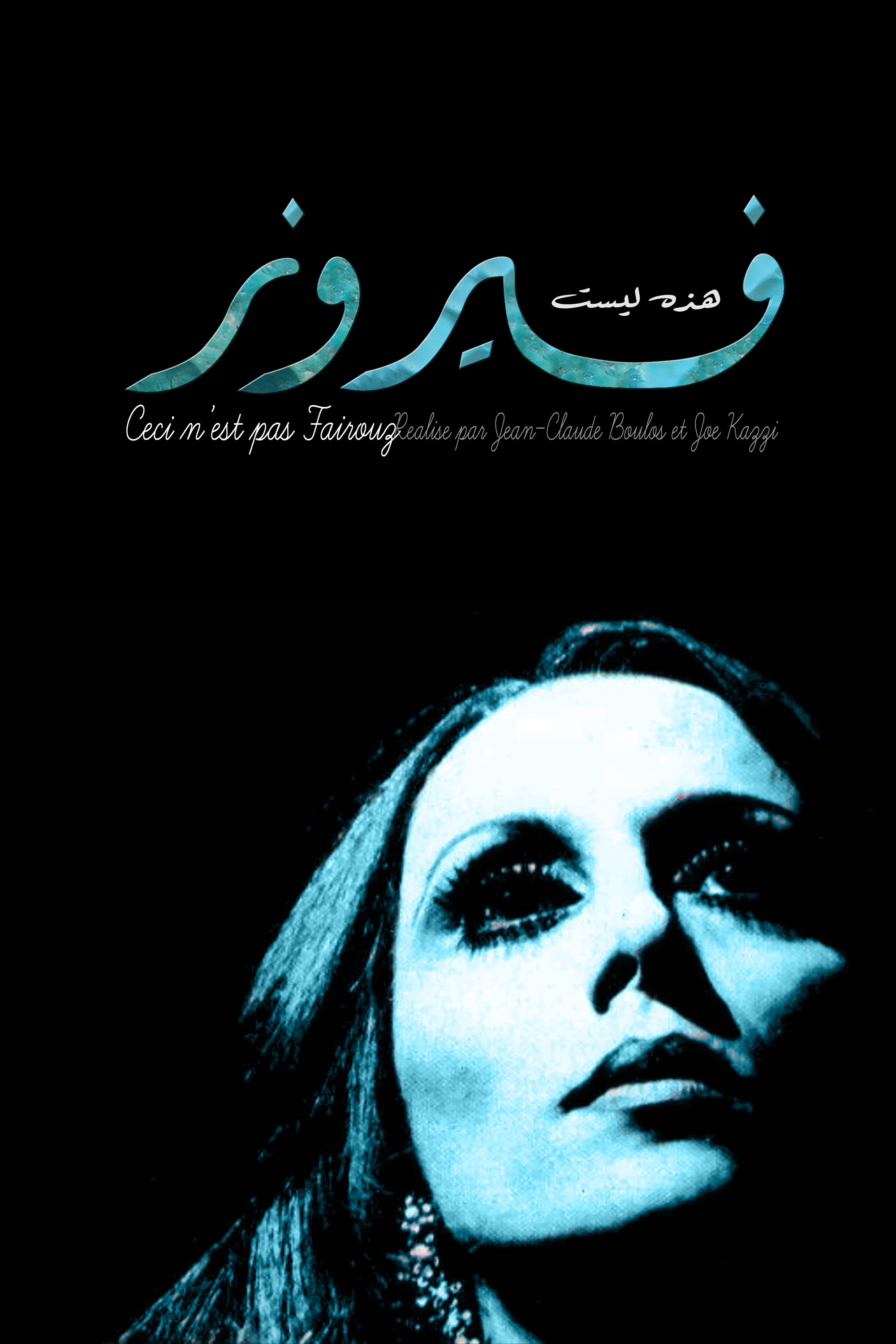
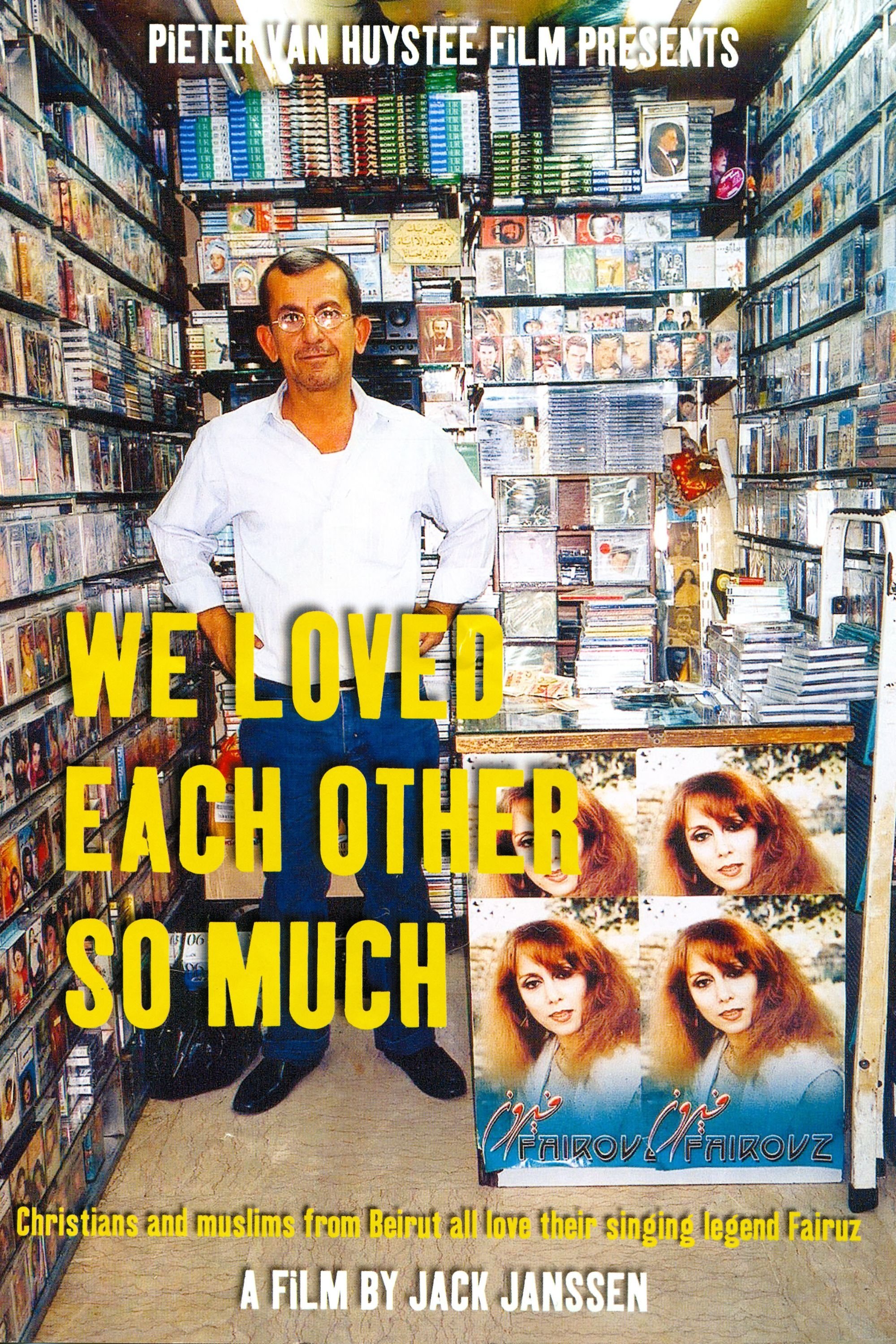
Inhabitants of Beirut talk about their love for the singer Fairuz.
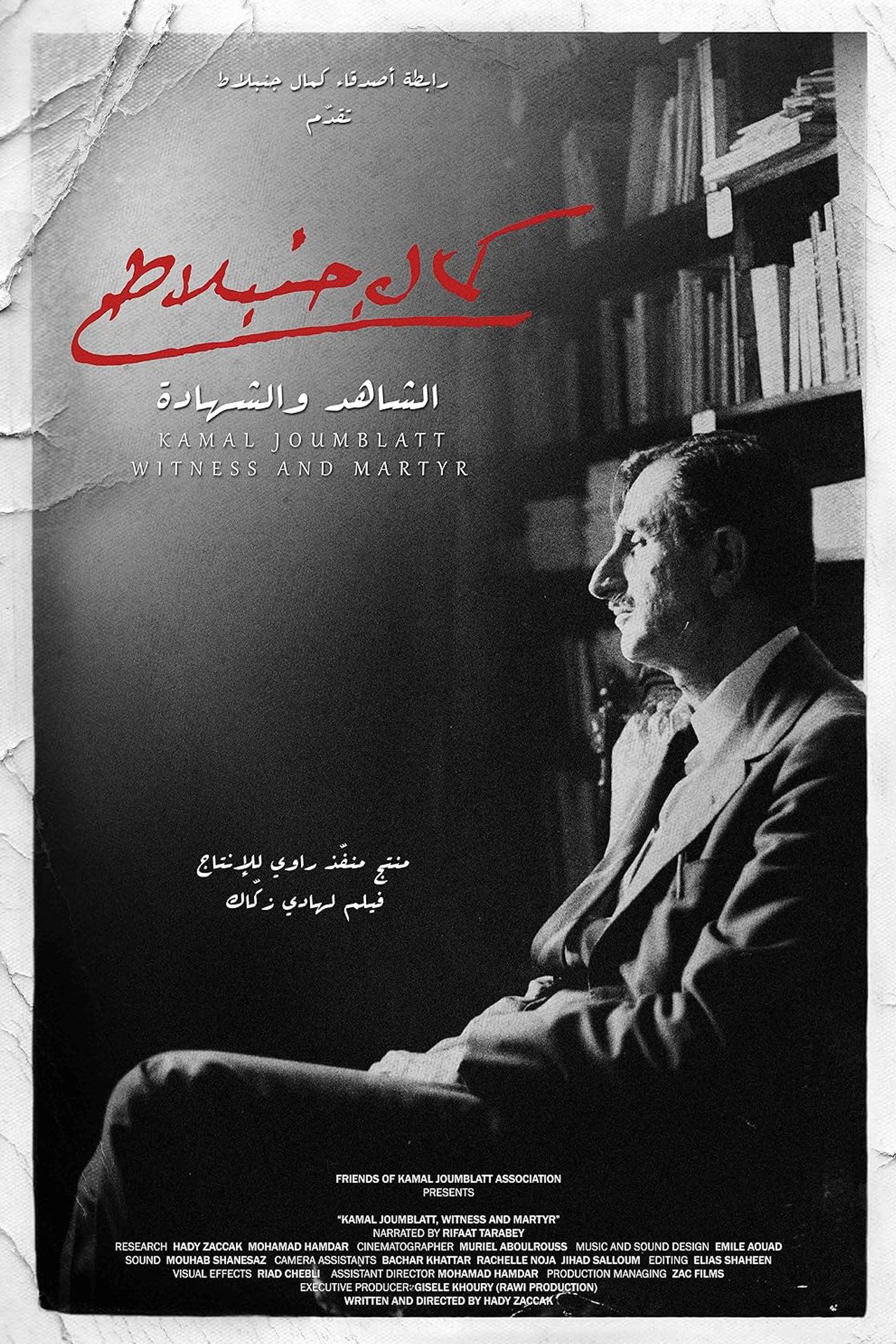
Kamal Jumblatt, the Master of Moukhtara Castle, recounts the major events of his life until his assassination on March 16, 1977. The film takes us on a global journey from Lebanon to India, in the footsteps of Kamal Jumblatt, the founder of the PSP (Progressive Socialist Party), the leader, the rebel, the reformer, the thinker, the poet, the Yogi … Kamal Jumblatt (1917-1977) becomes the last witness... of his own life.
An intimate exploration of life in Bzebdine, a small rural village in Mount Lebanon.
Beyrouth, spring 2020. Is the uprising in Lebanon merely on hold?
Yes, you have to scream louder.
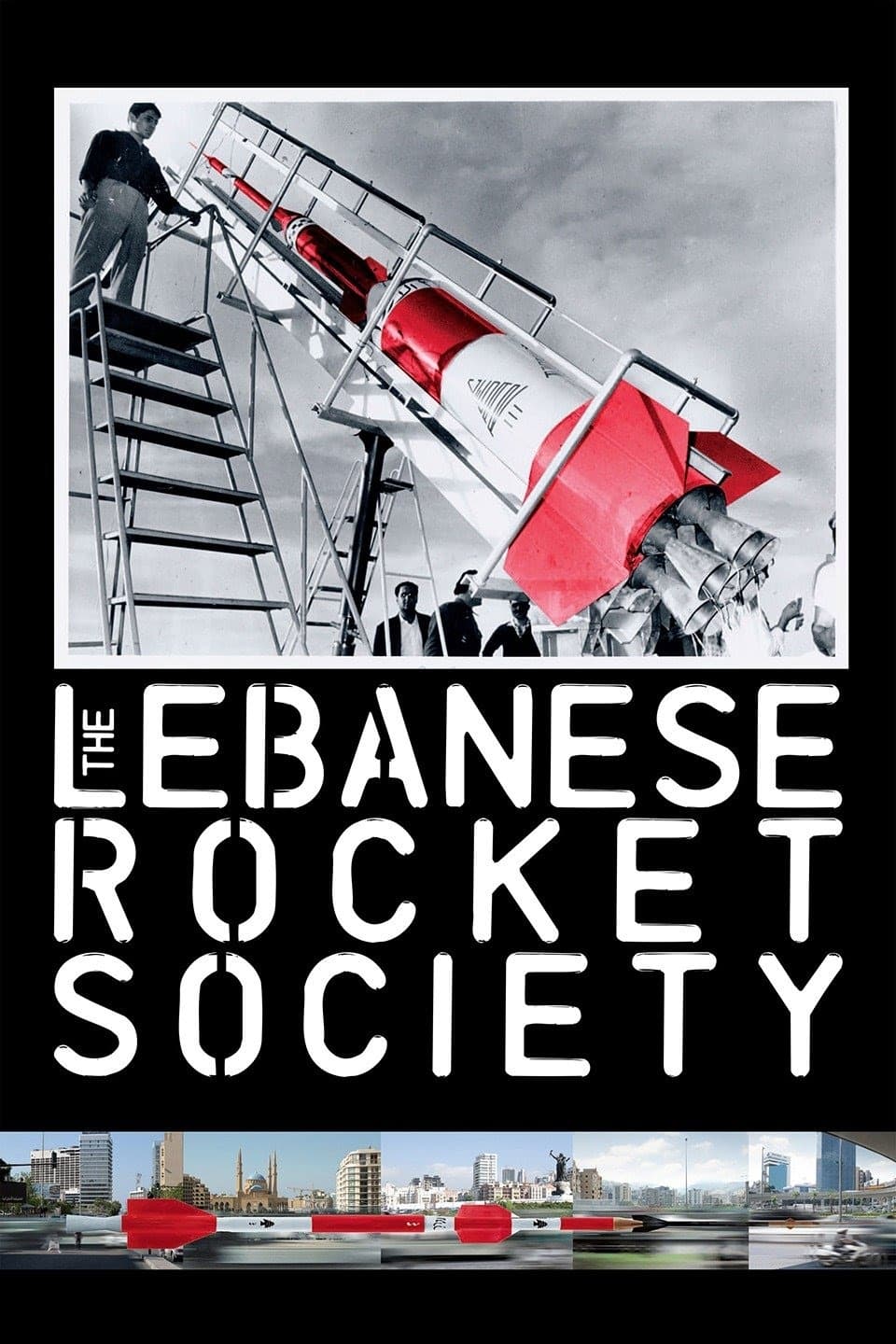
Lebanon's brief flirtation with space travel in the 1960s becomes a poignant metaphor for the Arab world's utopian dreams in this riveting documentary.
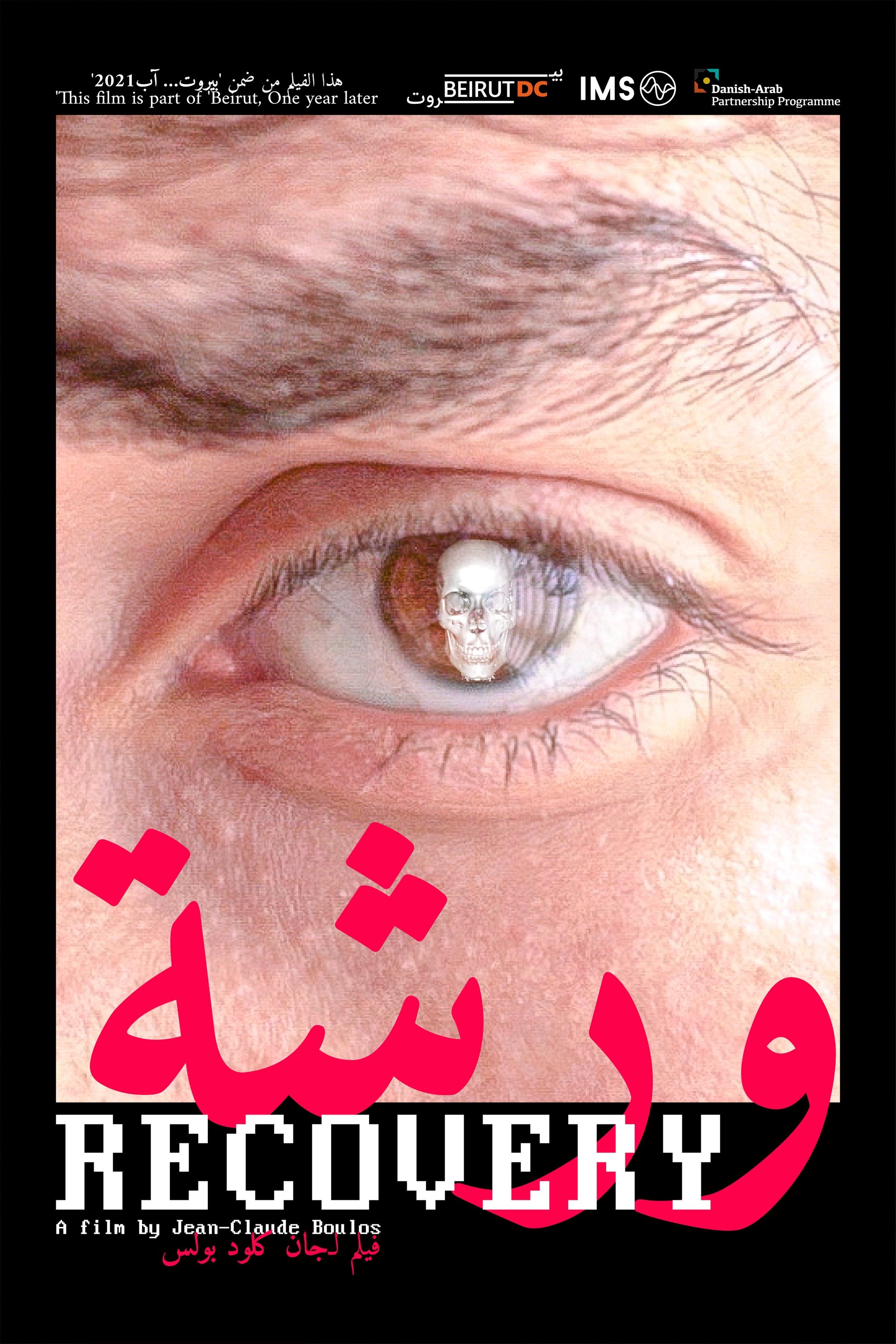
Jean-Claude walks his dog in a neighborhood forever stuck in reconstruction. On his trip, he wonders about life, mortality, and 'what if' scenarios while remembering fragments from the direct impact of the second that almost cost him his life on August 4. At the moment of the explosion, the end of the world, bodies, buildings, roads, and cities may shatter. Perhaps the universe itself breaks apart. But the most severe fragmenting remains that of memory. A picture here and a sound there are vaguely reconstituted. Can a future be built from such a memory? Can it rebuild what was lost? Is it time to leave?
A few months after the incident of April 13, 1975, during which Palestinian civilians were machine-gunned by Phalangist militiamen, the toll is most tragic: six thousand dead, twenty thousand wounded, incessant kidnappings, a semi-destroyed capital. This film traces the origins of the Lebanese conflict, the perception of a society that goes to war while singing. A unique document on the Lebanese civil war. Beyond the religious war, the painting of a social and political reality that has not changed much, more than four decades later.
Intimate discussion with the inhabitants of Kfarbaal, a village tucked in the mountains above Byblos. We hear them share their experiences, deceptions and dreams.
This real-life look at FBI counterterrorism operations features access to both sides of a sting: the government informant and the radicalized target.
Through deeply personal interviews with her siblings and an examination of the photographs, letters, and belongings left behind, Mariska assembles a new portrait of her mother Jayne Mansfield, an extraordinary and complex woman.
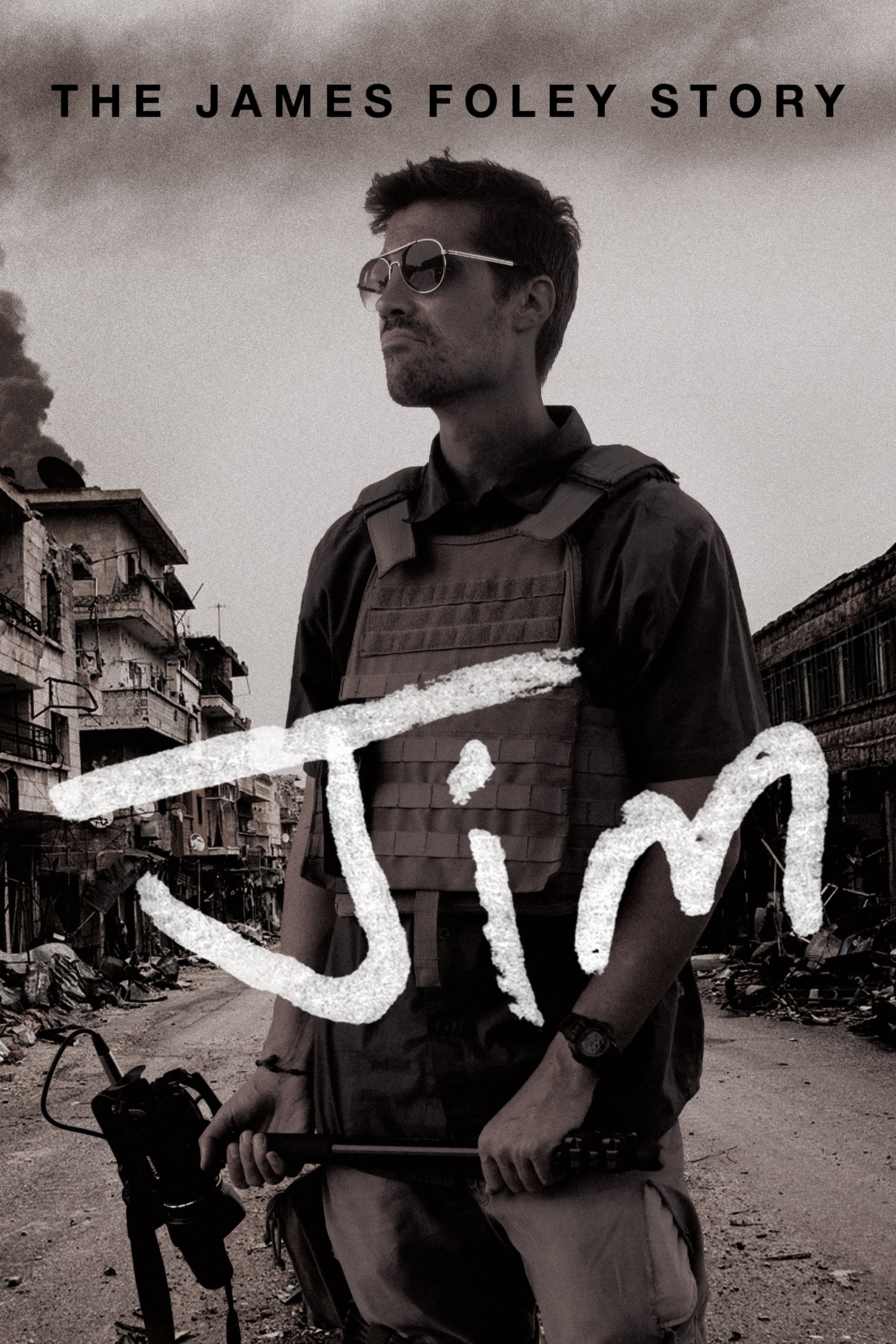
In August, 2014, a video of the public execution of American photojournalist James Foley rippled across the globe. Foley wore an orange jumpsuit as he knelt beside an ISIS militant dressed in black. That image challenged the world to deal with a new face of terror. And it tested one American family. Seen through the lens of filmmaker Brian Oakes, Foley’s close childhood friend, Jim takes us from small-town New England to the adrenaline-fueled front lines of Libya and Syria, where Foley pushed the limits of danger to report on the plight of civilians impacted by war.
A searing account of war correspondent Michael Ware's seven years reporting in Iraq--an extraordinary journey that takes him into the darkest recesses of the Iraq War and the human soul.
The supermarket giant that rose high by taking prices low.
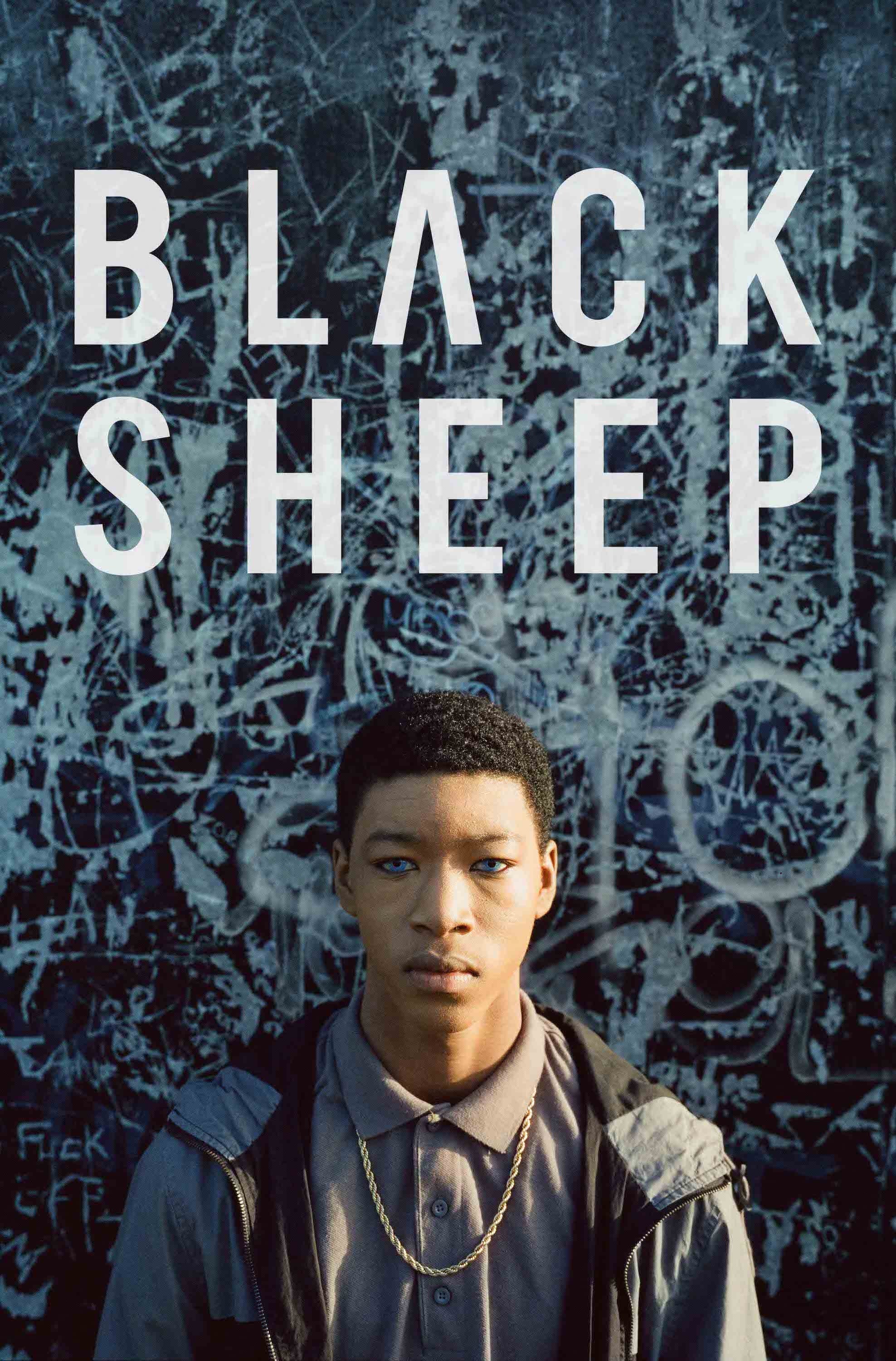
After the high-profile killing of Damilola Taylor, Cornelius' family move out of London. But when they discover their new town is run by racists, Cornelius takes a drastic step to survive.
A detailing of the rise to prominence and global sporting superstardom of six supremely talented young Manchester United football players (David Beckham, Nicky Butt, Ryan Giggs, Paul Scholes, Phil and Gary Neville). The film covers the period 1992-1999, culminating in Manchester United's European Cup triumph.
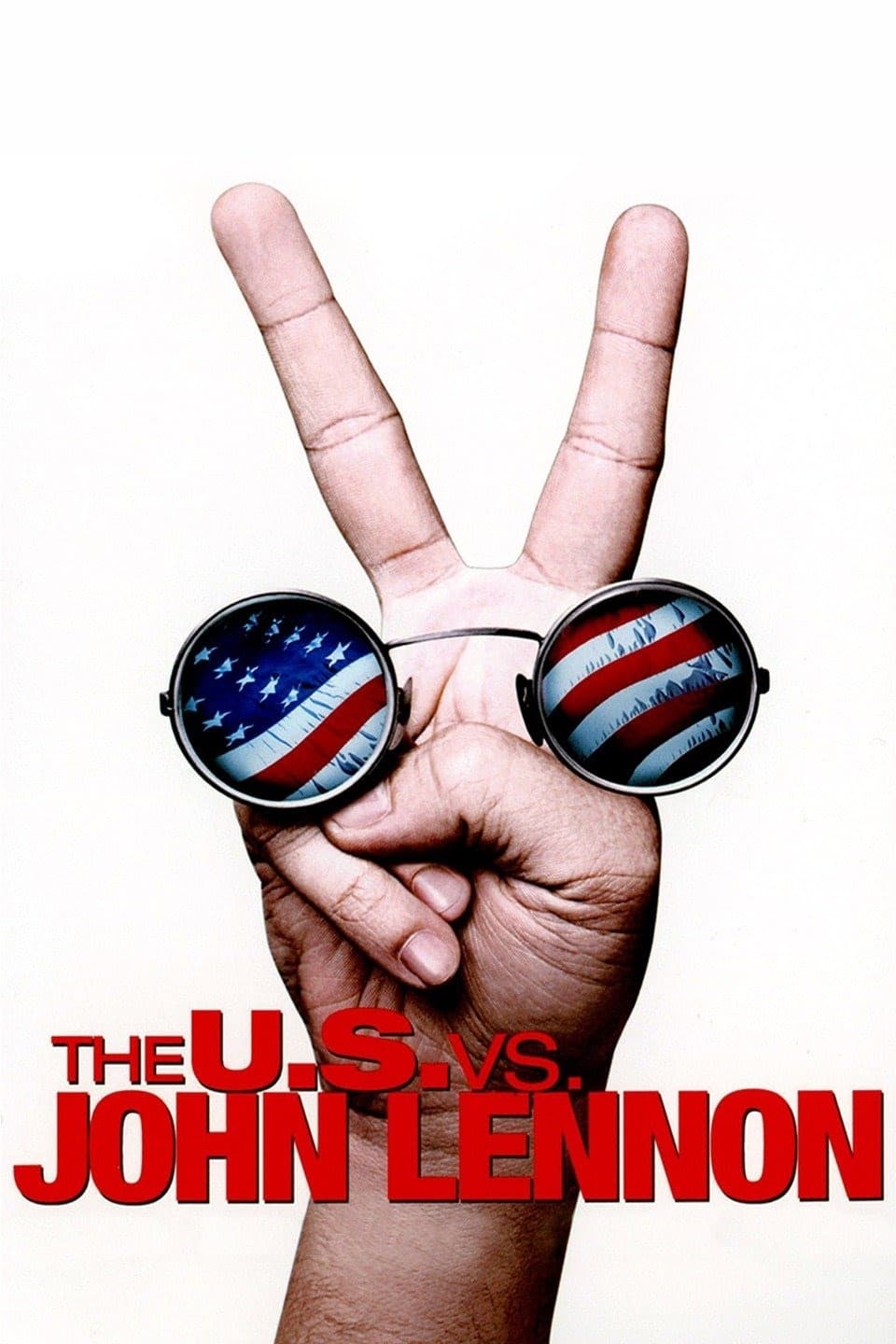
A documentary on the life of John Lennon, with a focus on the time in his life when he transformed from a musician into an antiwar activist.
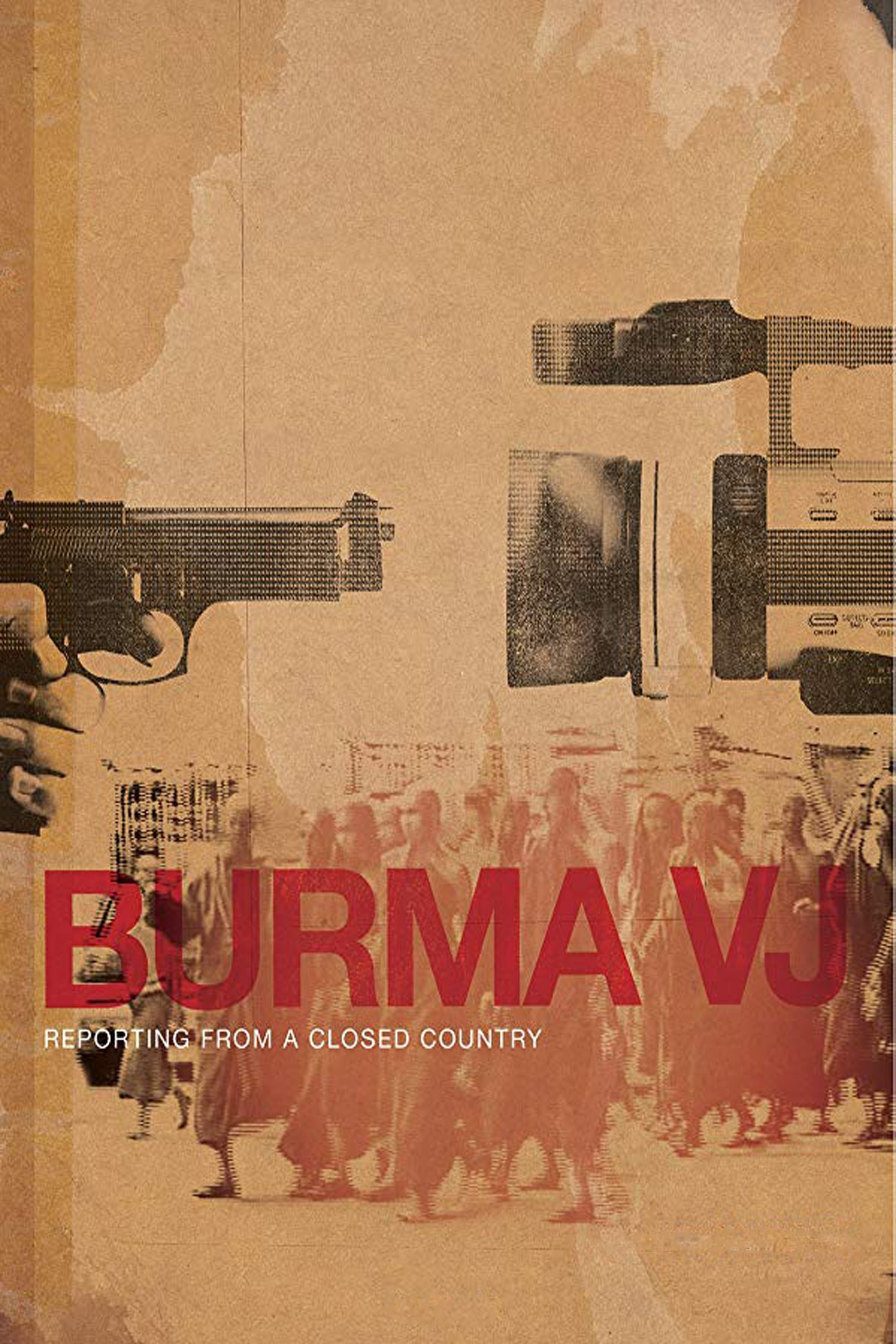
Going beyond the occasional news clip from Burma, the acclaimed filmmaker, Anders Østergaard, brings us close to the video journalists who deliver the footage. Though risking torture and life in jail, courageous young citizens of Burma live the essence of journalism as they insist on keeping up the flow of news from their closed country.
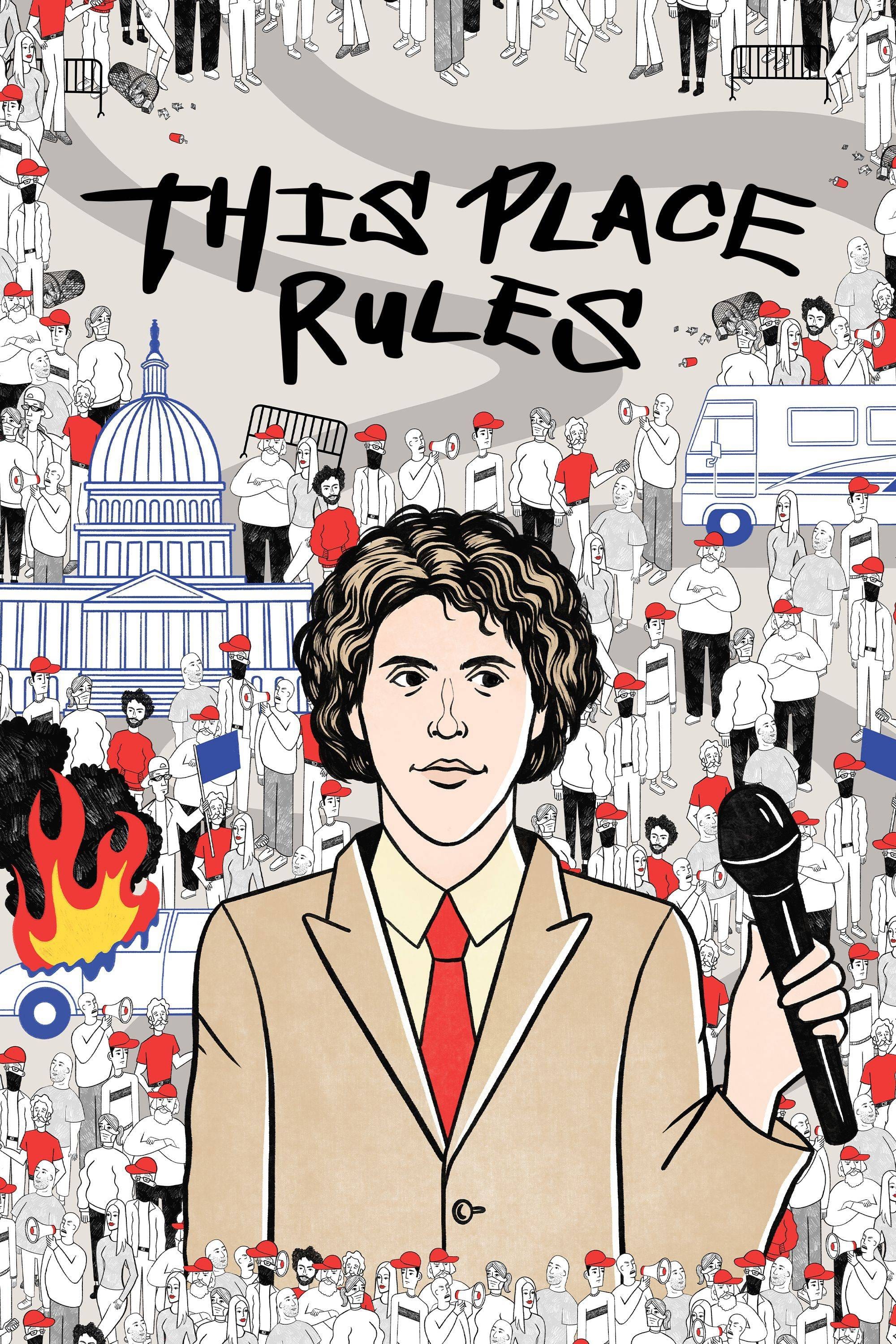
Acclaimed for his unfiltered reporting and deadpan humor, Andrew Callaghan brings his gonzo style reporting to the undercurrents that led to the January 6 Capitol Riot. As one of the best-known and hardest working journalists of his generation, the 25-year-old ventures on a wild RV journey through America to take the pulse of a divided nation.
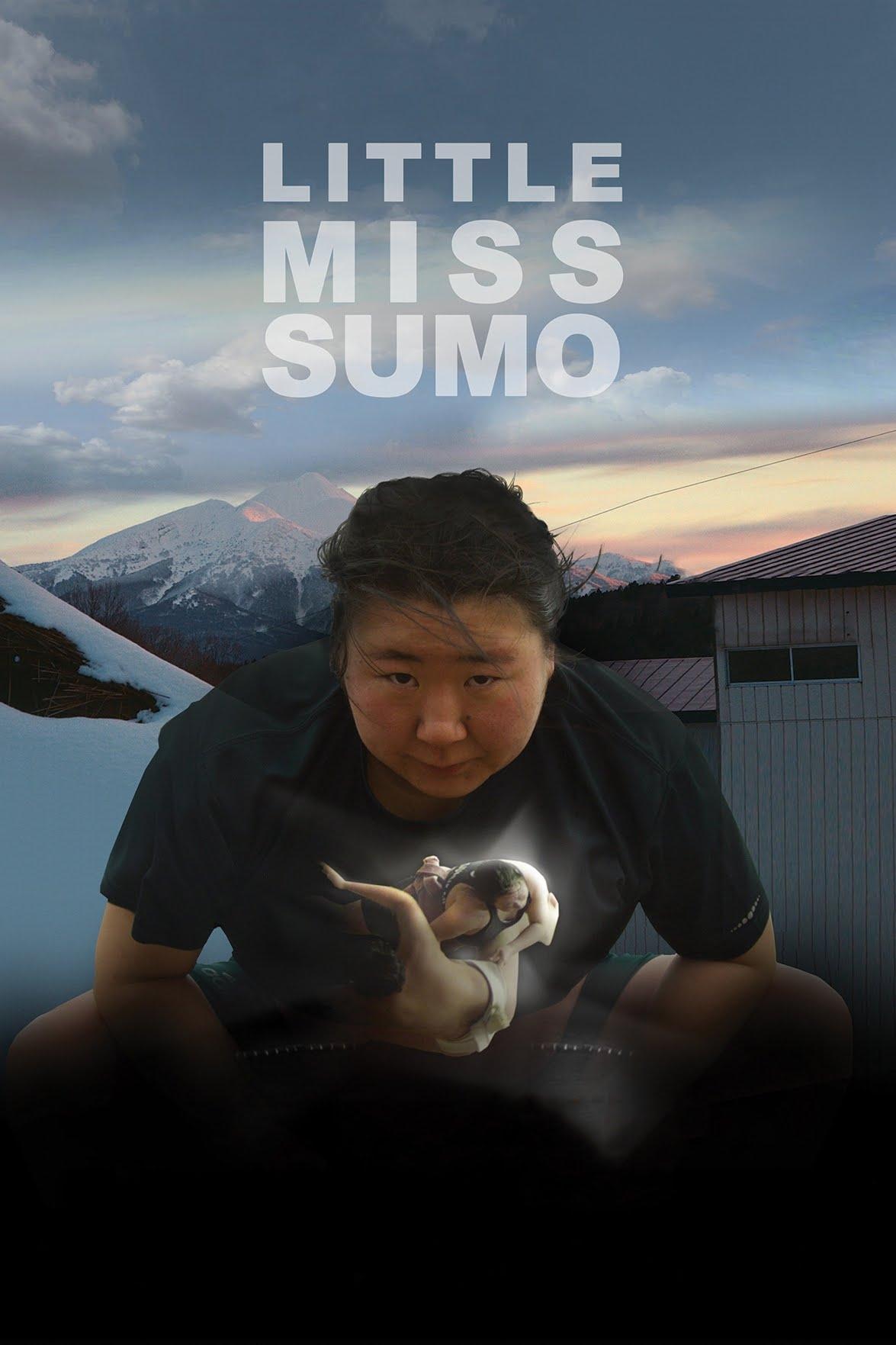
In an ancient sport traditionally reserved for men, 20-year-old female sumo prodigy Hiyori attempts to revolutionize Japan’s national pastime.
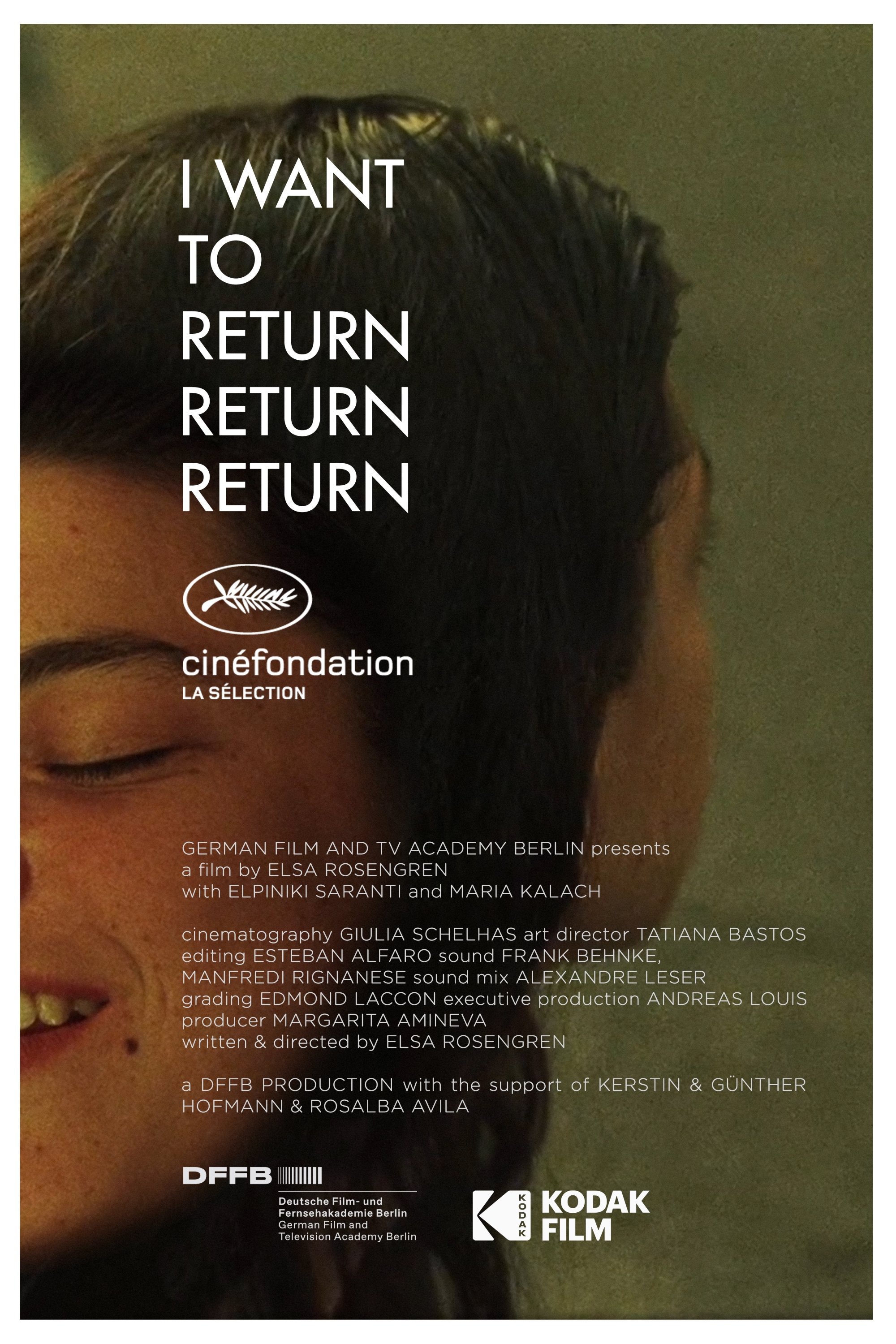
A depiction of the Wrangelkiez neighbourhood in Berlin. The people portrayed tell their life stories. One woman came to the neighbourhood a decade ago to work in Berlin’s still unfinished Brandenburger Airport, one man reminisces his childhood on a Tobacco farm in Kentucky, another speaks of an exceptional day in an otherwise monotonous workplace. These portraits are interwoven with the story of Elpi, a Greek woman who is waiting for the long overdue visit of an old important friend. The outcome of this mixture is a film which captures the lives and perspectives of some of Wrangelkiez’s most commanding citizens, while at the same time evoking the loss that change and time passing means for places and for people.
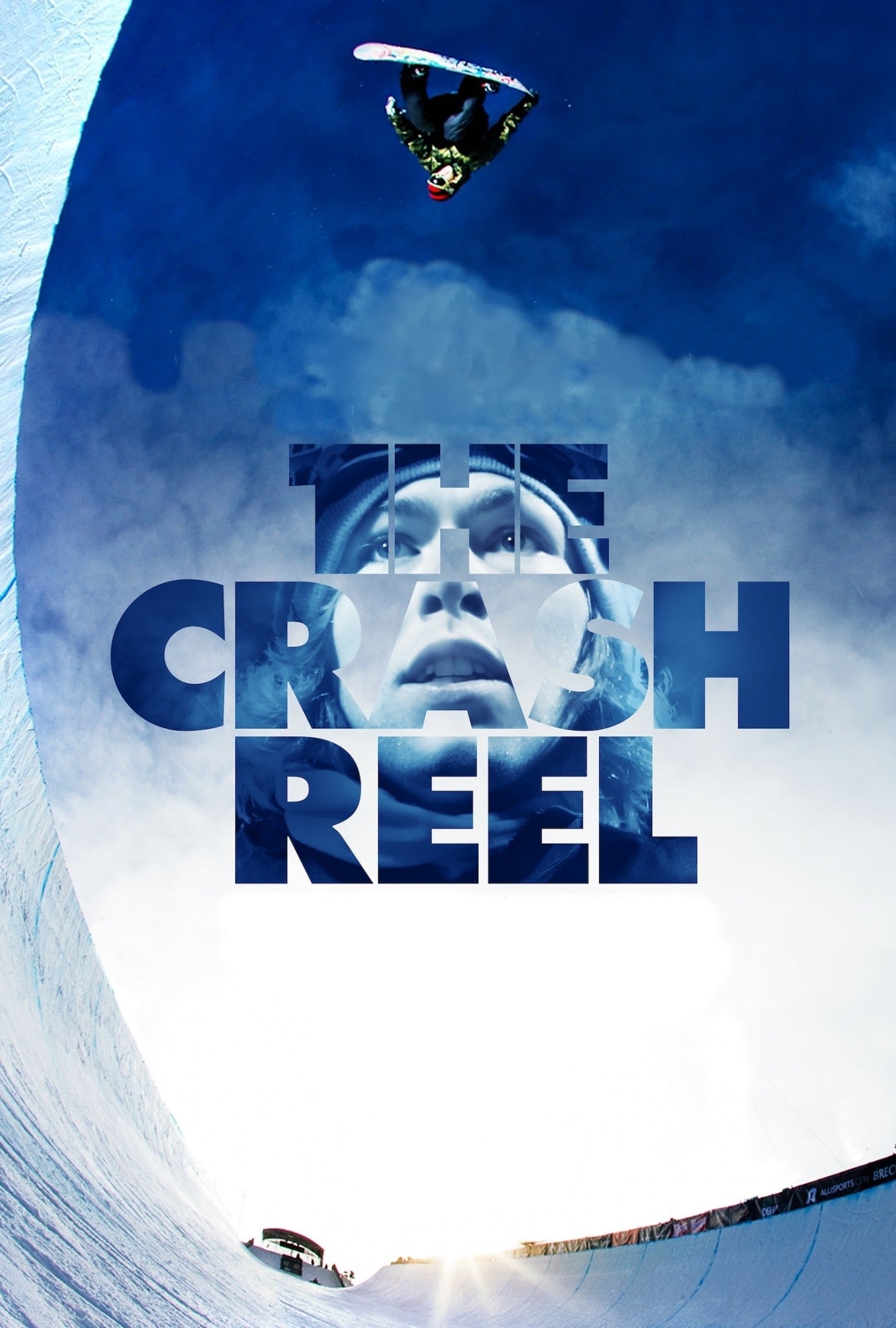
The Crash Reel tells the story of a sport and the risks that athletes face in reaching the pinnacle of their profession. This is Kevin Pearce’s story, a celebrated snowboarder who sustained a brain injury in a trick gone wrong and who now aims, against all the odds, to get back on the snow.
A documentary about how a dominant cultural and demographic institution both sustains their traditional activities and adapts to the digital revolution.
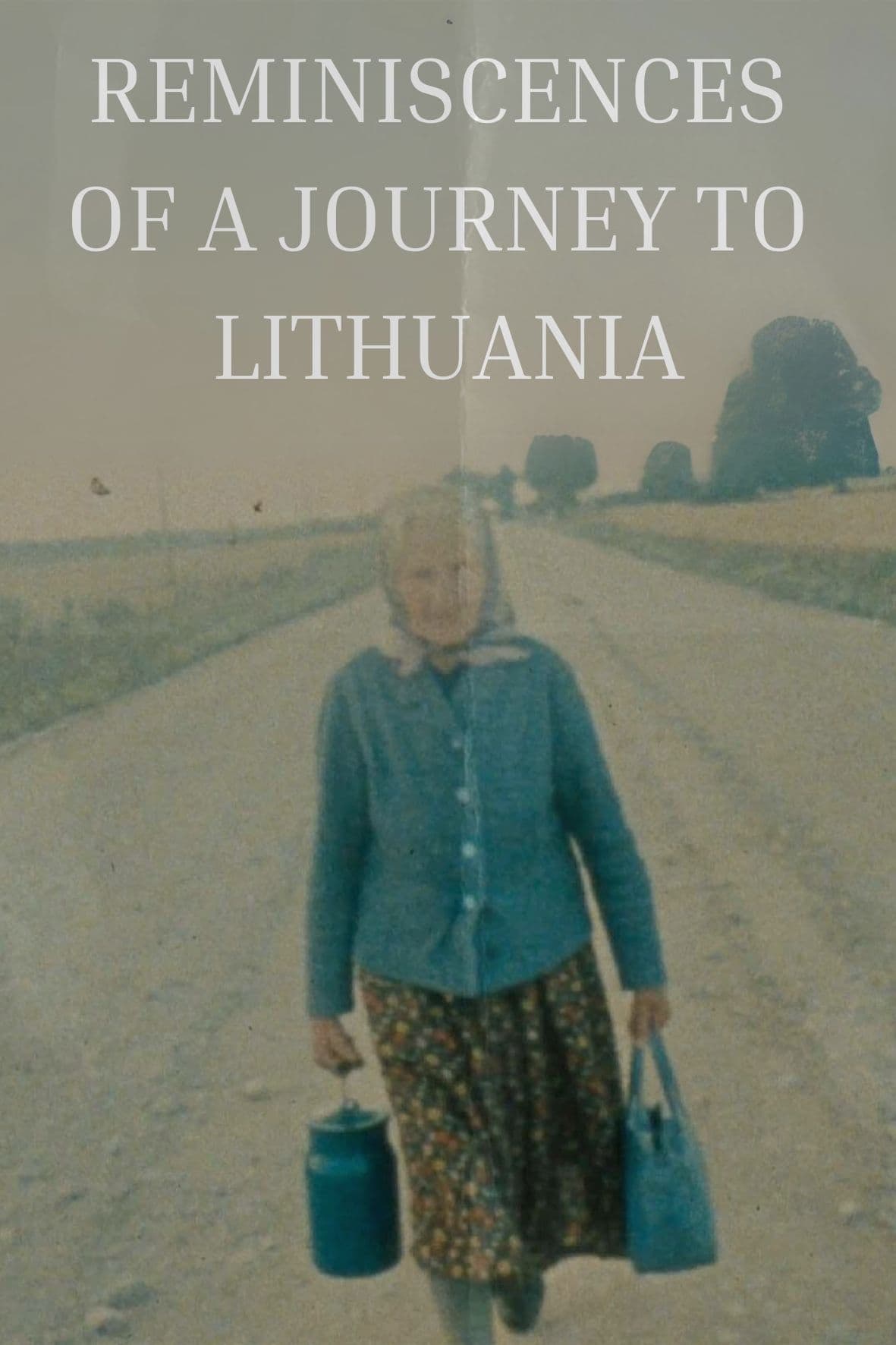
Jonas Mekas weaves an elegiac diary film from his 1971–72 return to Lithuania, chronicling a visit to his birthplace of Semeniškiai after decades in exile. Blending personal memory with documentary observation, the film becomes both a portrait of homecoming and a meditation on displacement, family, and the passage of time.
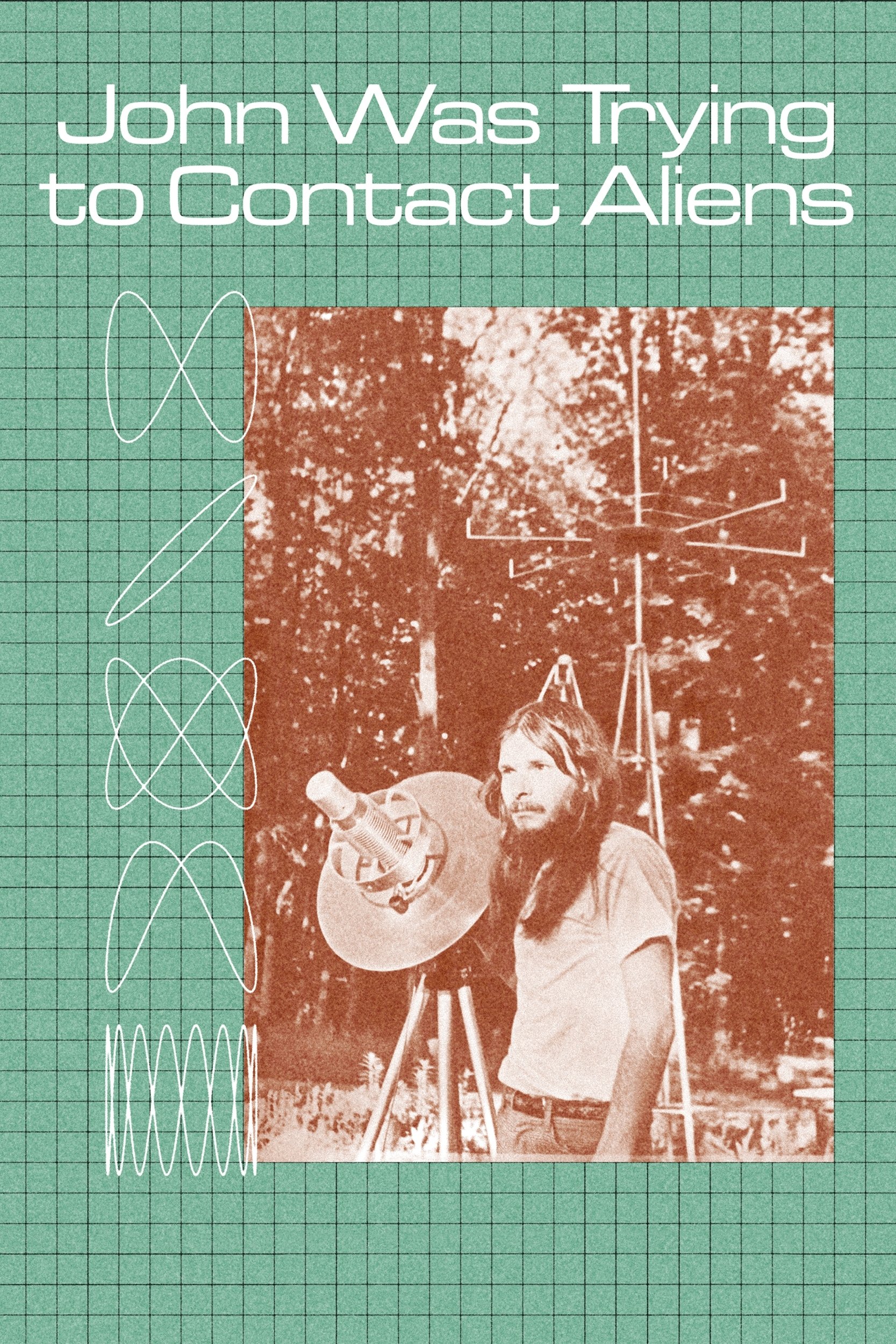
John Shepherd spent 30 years trying to contact extraterrestrials by broadcasting music millions of miles into space. After giving up the search, he makes a different connection here on earth.
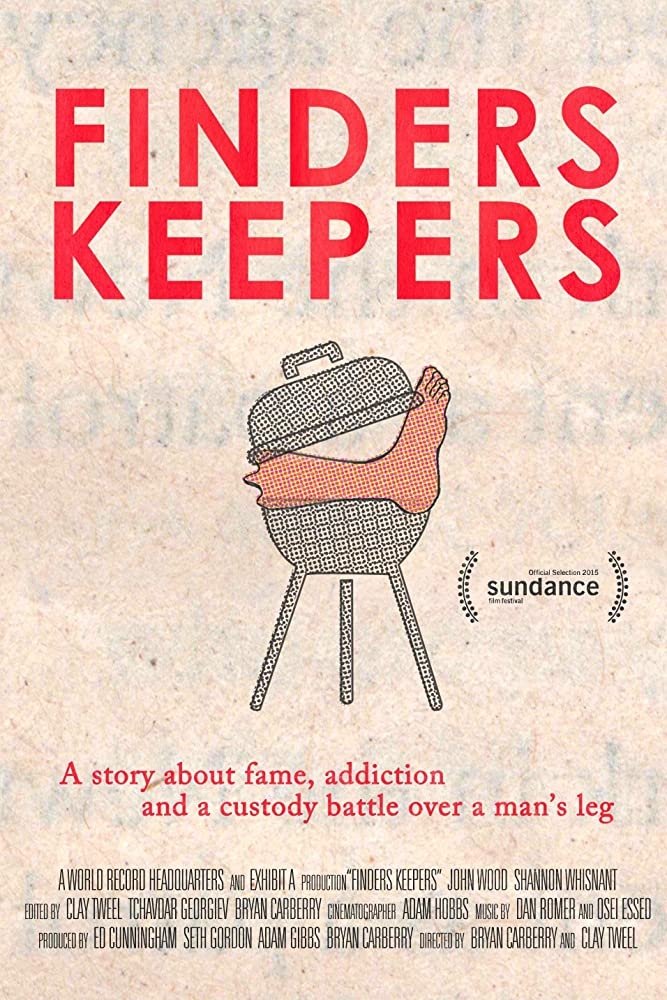
In this documentary, recovering addict and amputee John Wood finds himself in a stranger-than-fiction battle to reclaim his mummified leg from Southern entrepreneur Shannon Whisnant, who found it in a grill he bought at an auction and believes it therefore to be his rightful property.
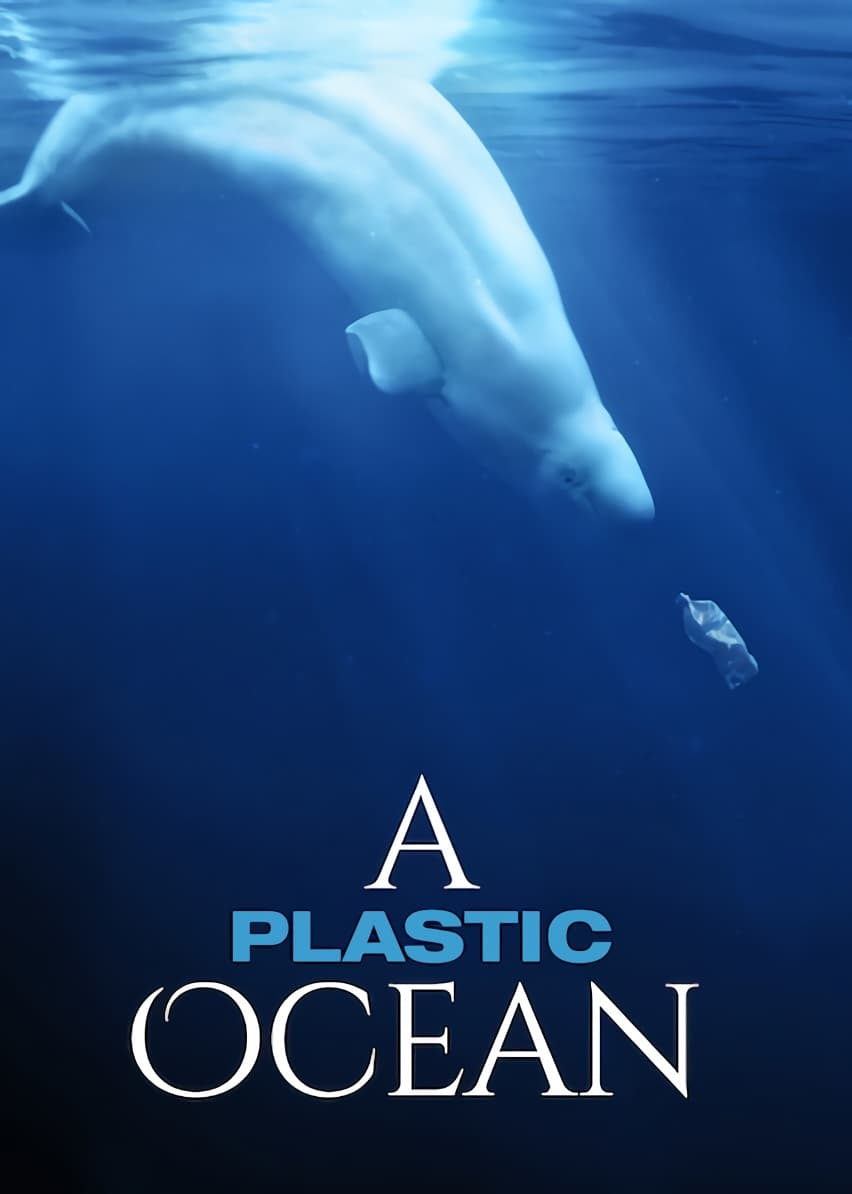
A documentary focused on plastic pollution in the world's oceans.
An investigation into the ongoing threat caused by the phenomenon of “fake news” in the U.S., focusing on the real-life consequences that disinformation, conspiracy theories and false news stories have on the average citizen.
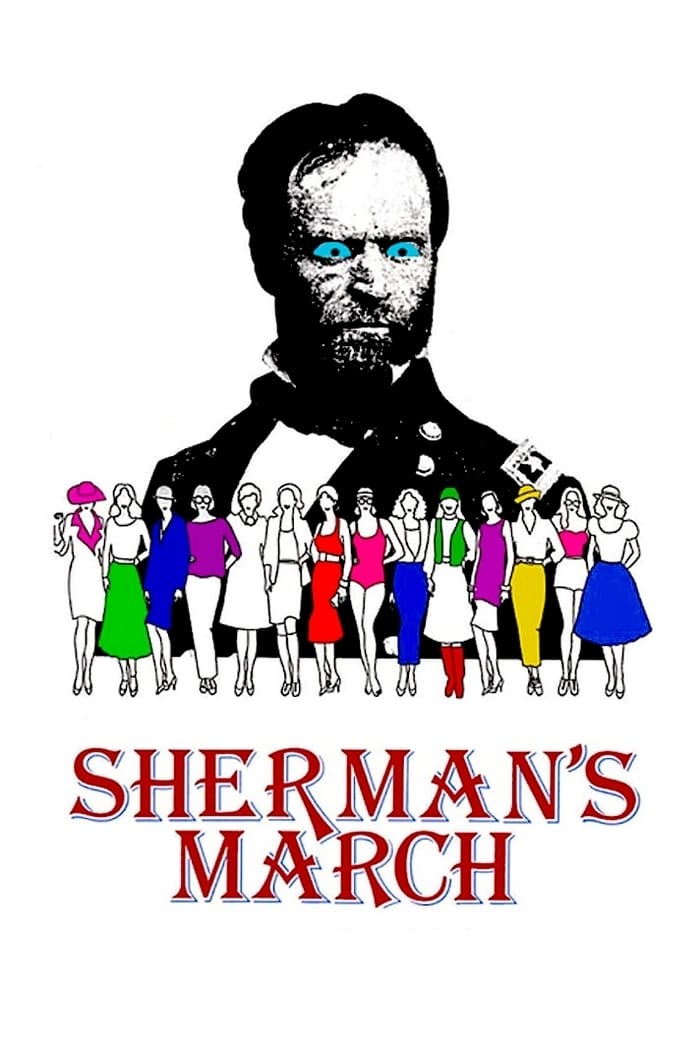
Ross McElwee sets out to make a documentary about the lingering effects of General Sherman's march of destruction through the South during the Civil War, but is continually sidetracked by women who come and go in his life, his recurring dreams of nuclear holocaust, and Burt Reynolds.