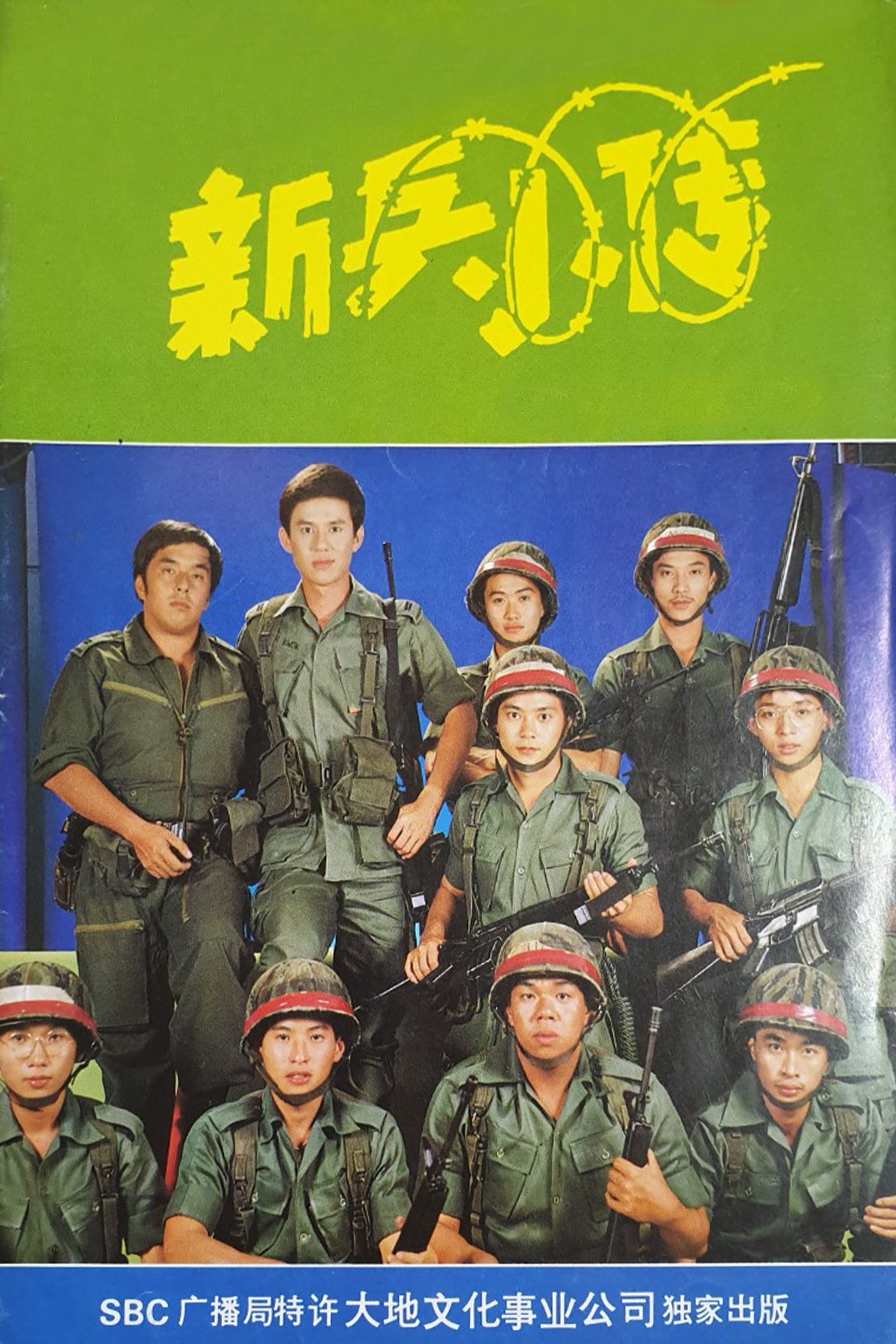
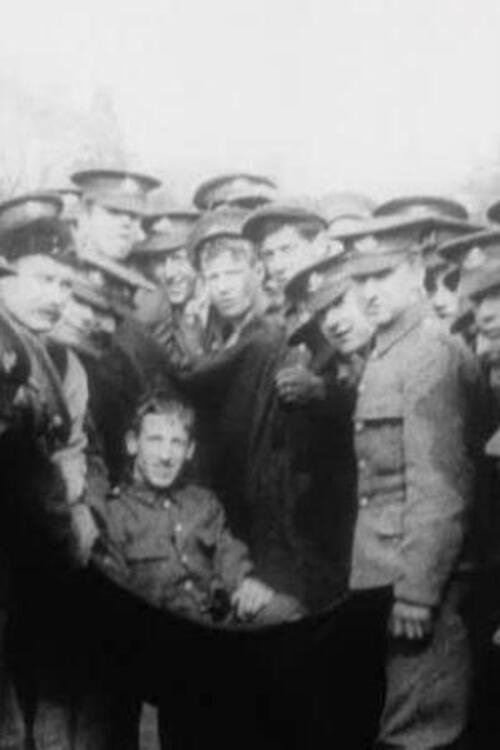
A holiday of sorts for Stockport army reserves, fitting high-jinks between drills over two weeks of summer training in South Wales.
Social & External
Made by the highly influential Russian cameraman Roman Karmen, this documentary vividly features Albanian life immediately after the communists came to power in 1944. The film is especially memorable since it’s missing much of the heavy socialist realism that marked Albanian doc making. Shortly after he completed the film, Karmen set off for Berlin to shoot the Soviet victory over Nazi Germany.
No one knows why for certain, but from 1968 to 1973 communist Albania enjoyed a brief liberalisation in the arts. Banned books and Beatles records changed hands. Albania’s Nobel-nominated novelist Ismail Kadare wrote two of his most famed masterpieces, Kështjella (The Castle) (1970) and Kronikë në gur (Chronicle in Stone) (1971) during this period. The rock'n'roll and jazz arrangements featured in this concert documentary were the pretext that brought about the end to the artistic thaw. Several performers seen in the festival were sent to prison or internal exile. The portly, smiling music conductor, Gasper Çurçia, was later accused of forging bus tickets and executed.
A report from a Svazarm summer training camp where trained instructors dedicate themselves to providing children and young people with defence education.
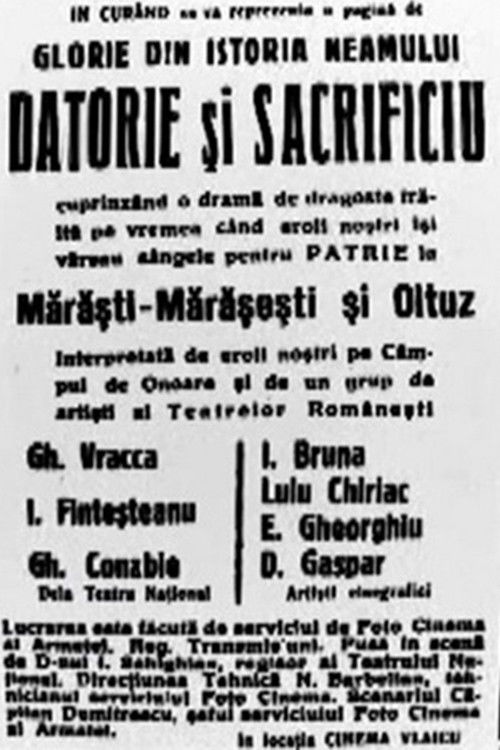
A story about countryside in Romania a little before WW1.
In the year 1915, while the world starts falling apart, a husband comes home to his wife with bad news
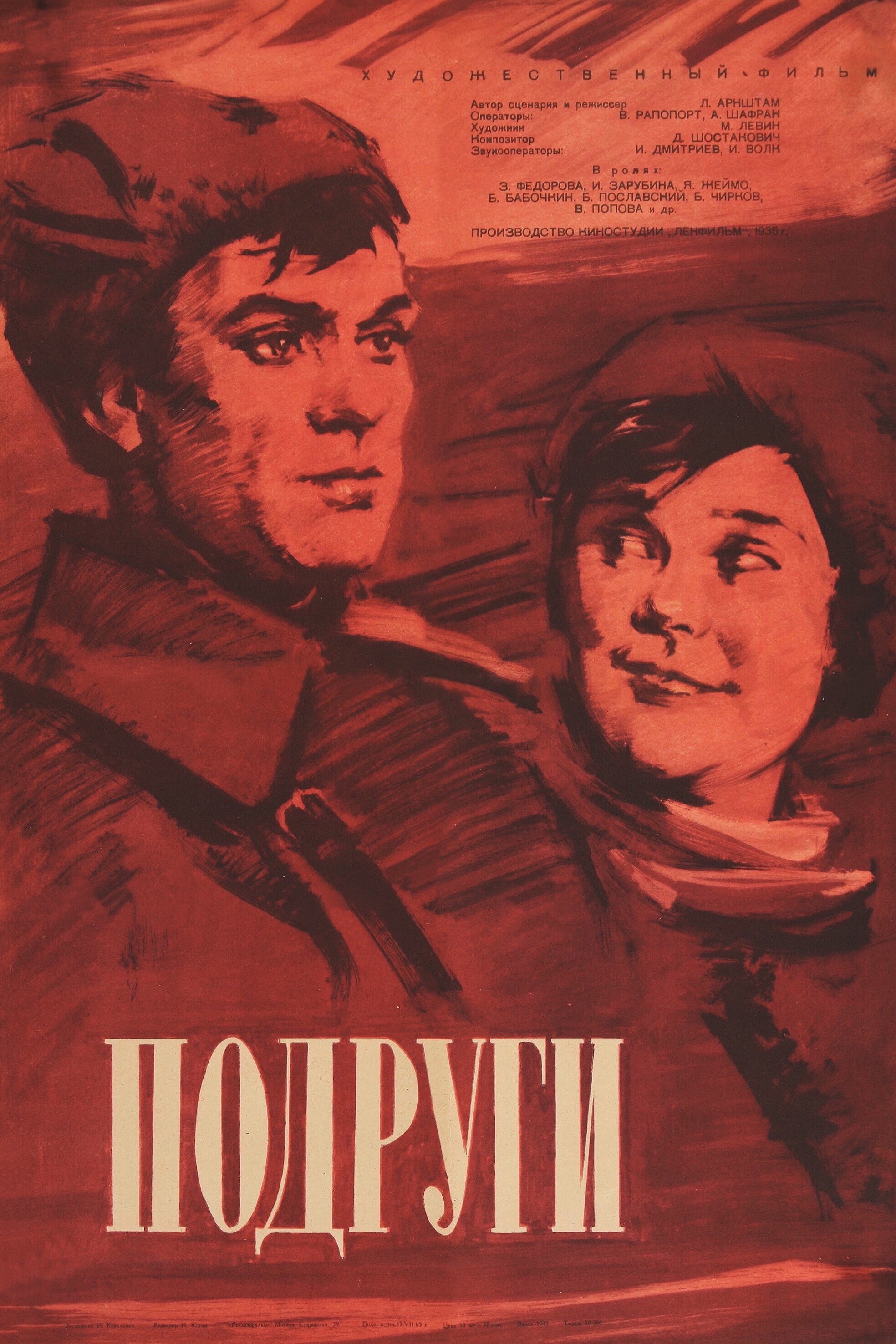
Girlfriends Zoya, Natasha and Asya live in Petrograd. Before the Civil War, young heroines are aware of the social injustice of life. When the war begins, the girls are recorded by the orderlies of the working group to protect the Bolshevik Petrograd from the advance of the whites.
Documentary short film produced by the U.S. Army, intended to enlighten the American public on the final thrust of the Allied war effort in Europe and on the plans for the return home of American forces. Preserved by the Academy Film Archive in 2008.
Everything seemed well for the much-respected officer who was getting married and was just promoted to the rank of lieutenant, before an accident at the training ground cost his life.
Italy, 1916. Oreste Jacovacci and Giovanni Busacca are called, as all the Italian youths, to serve the army in the WWI. They both try in every way to avoid serving the army.
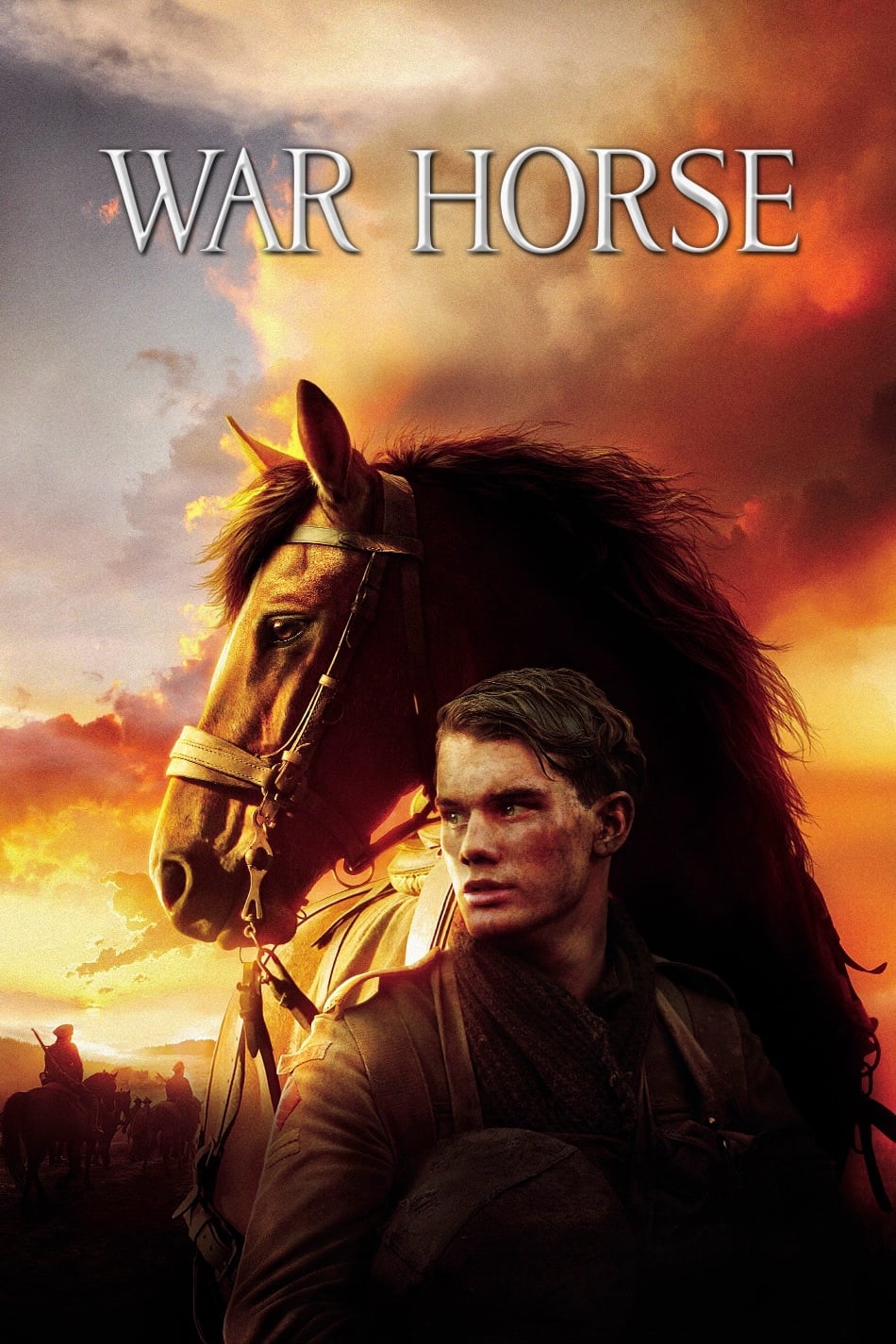
On the brink of the First World War, Albert's beloved horse Joey is sold to the Cavalry by his father. Against the backdrop of the Great War, Joey begins an odyssey full of danger, joy, and sorrow, and he transforms everyone he meets along the way. Meanwhile, Albert, unable to forget his equine friend, searches the battlefields of France to find Joey and bring him home.
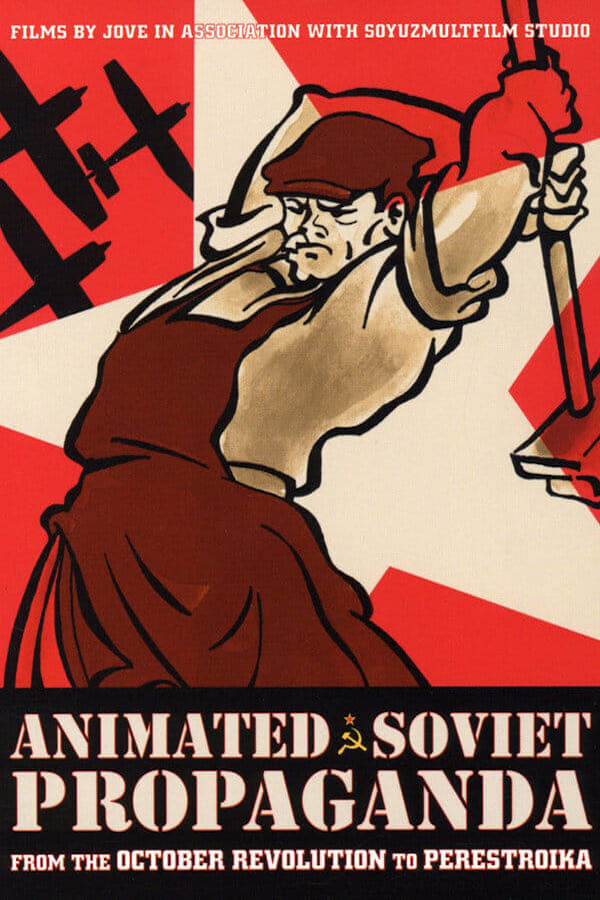
A landmark four disc Box Set - Unearthed from Moscow's legendary Soyuzmultfilm Studios, the 41 films in ANIMATED SOVIET PROPAGANDA span sixty years of Soviet history (1924 - 1984), and have never been available before in the U.S.
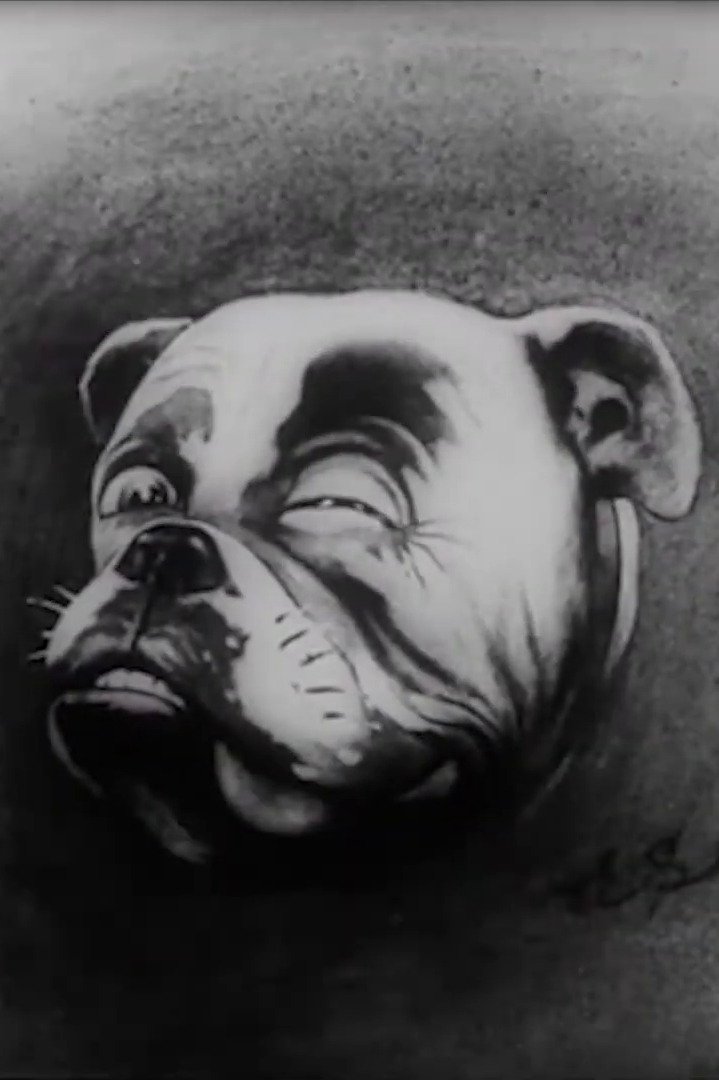
Animated WWI-era comic highlights from the innovative cartoonist George Studdy, creator of Bonzo the dog.
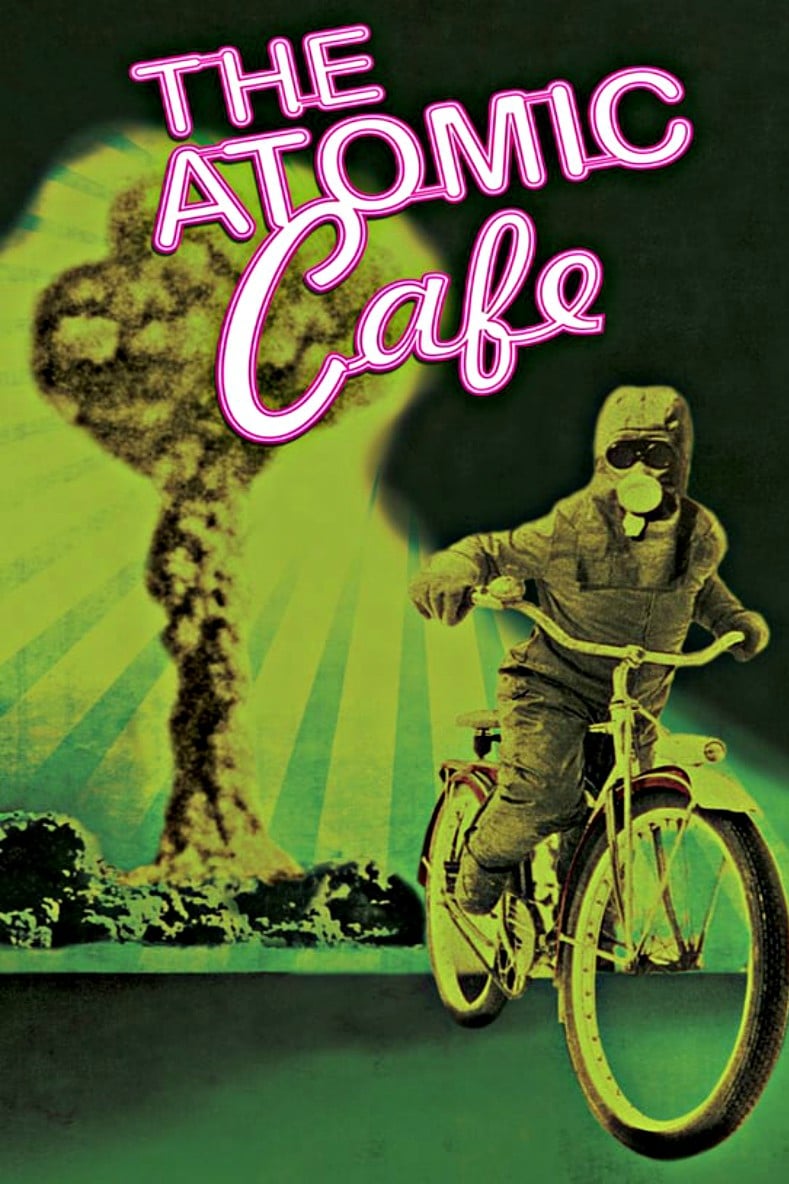
A disturbing collection of 1940s and 1950s United States government-issued propaganda films designed to reassure Americans that the atomic bomb was not a threat to their safety.
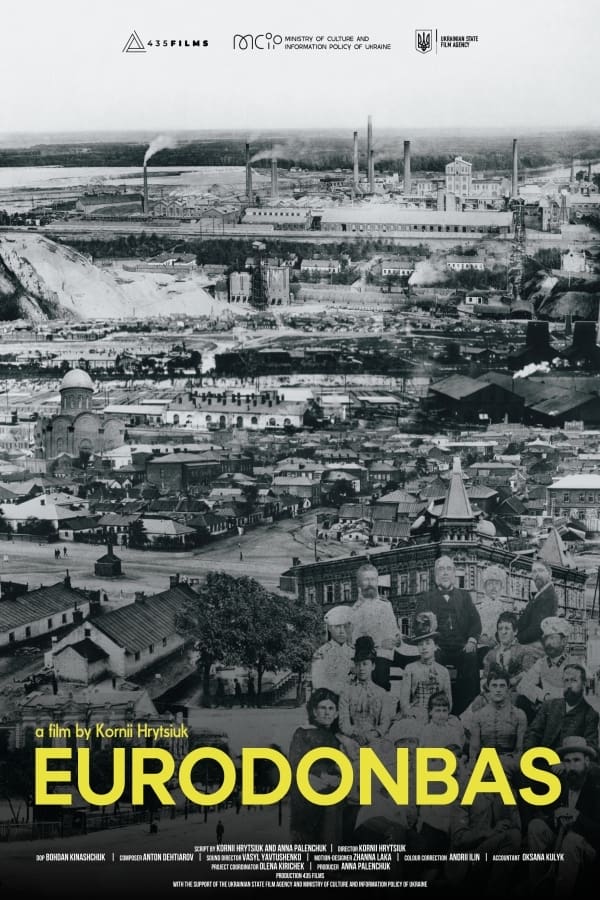
Throughout time, Eastern Ukraine (such as Donbas) has been referred to as a 'Russian world', but this is indeed not the case. The history of Donbas was re-written during the Soviet era. Although the Soviet Union edited out and withheld all references to the European background of this region from history books in schools and universities. There were, in fact, numerous French, Belgian, German, British, Polish, Swiss, Dutch, and even American settlements and more than 100 wide-scale enterprises in the region. Therefore, this film reveals the pro-European industrialization of Ukrainian Donbas at the turn of the 19th century. It aims to emphasize the European roots of Ukraine long before the official integration process of Ukraine into the EU in 2022.
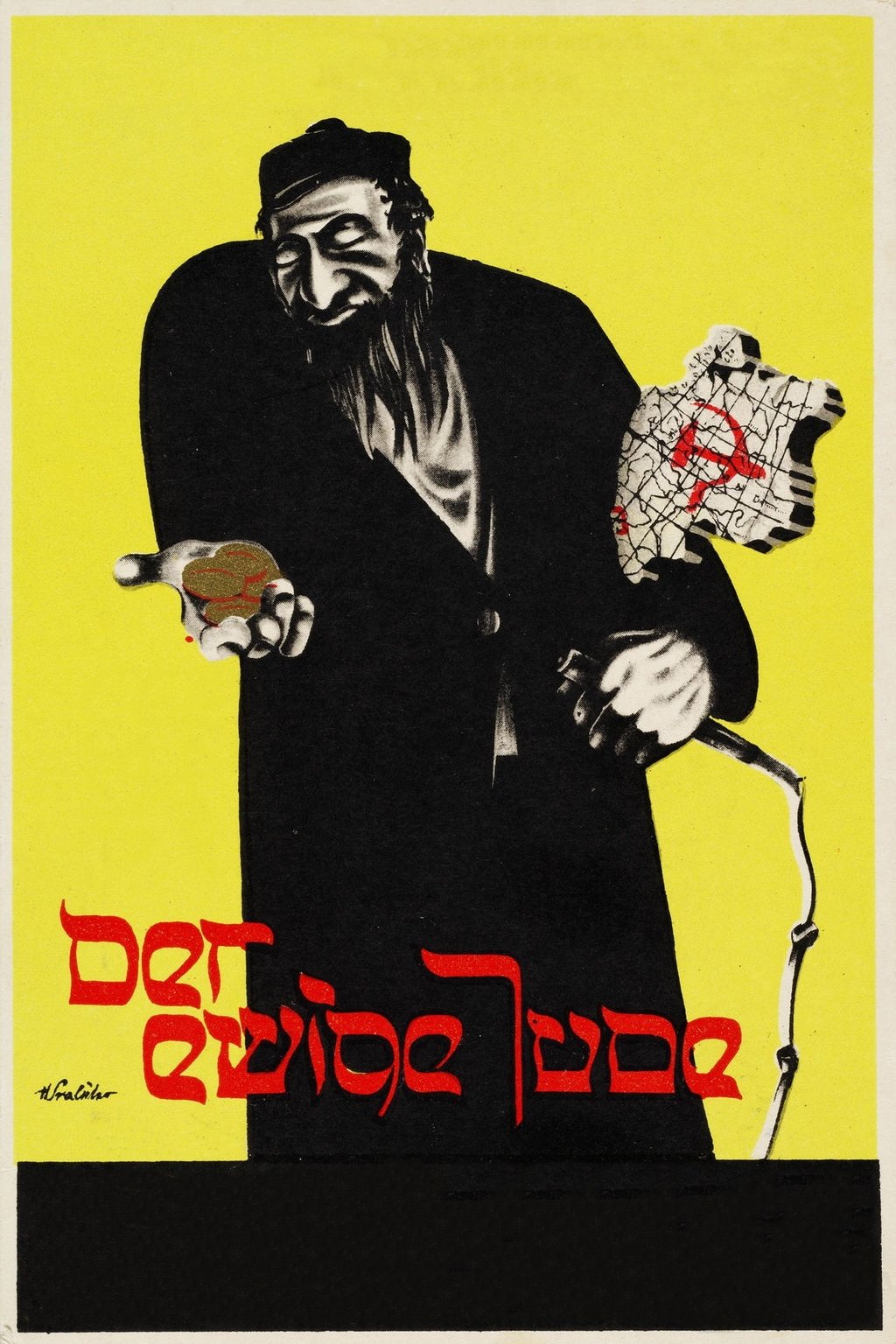
A Nazi propaganda film made to promote anti-Semitism among the German people. Newly-shot footage of Jewish neighborhoods in recently-conquered Poland is combined with preexisting film clips and stills to defame the religion and advance Hitler's slurs that its adherents were plotting to undermine European civilization.
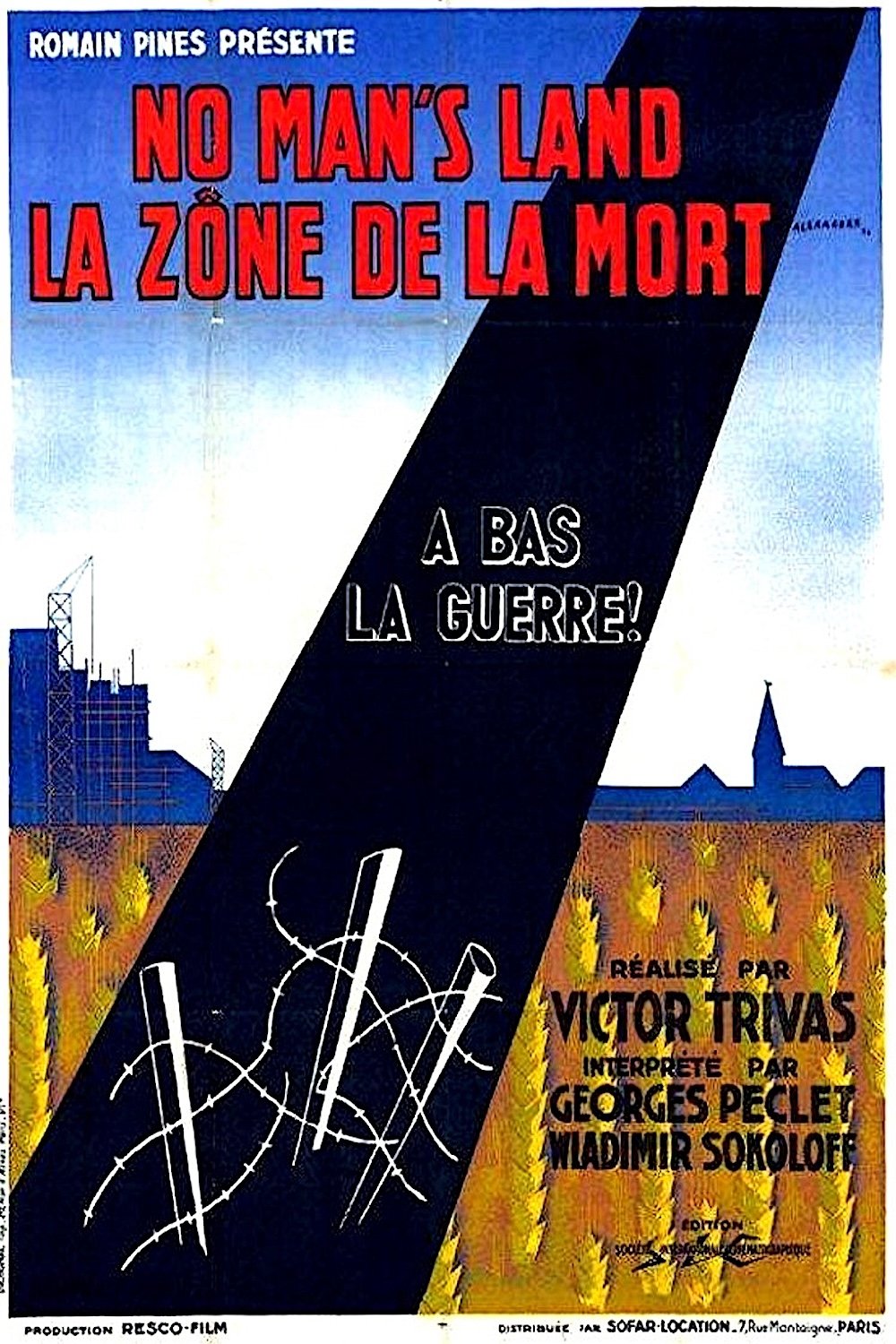
Hell on Earth (German: Niemandsland) is a 1931 German film directed by Victor Trivas. The film is also known as No Man's Land in France.
Celebrated author and Nation magazine sports editor Dave Zirin tackles the myth that the NFL was somehow free of politics before Colin Kaepernick and other Black NFL players took a knee.
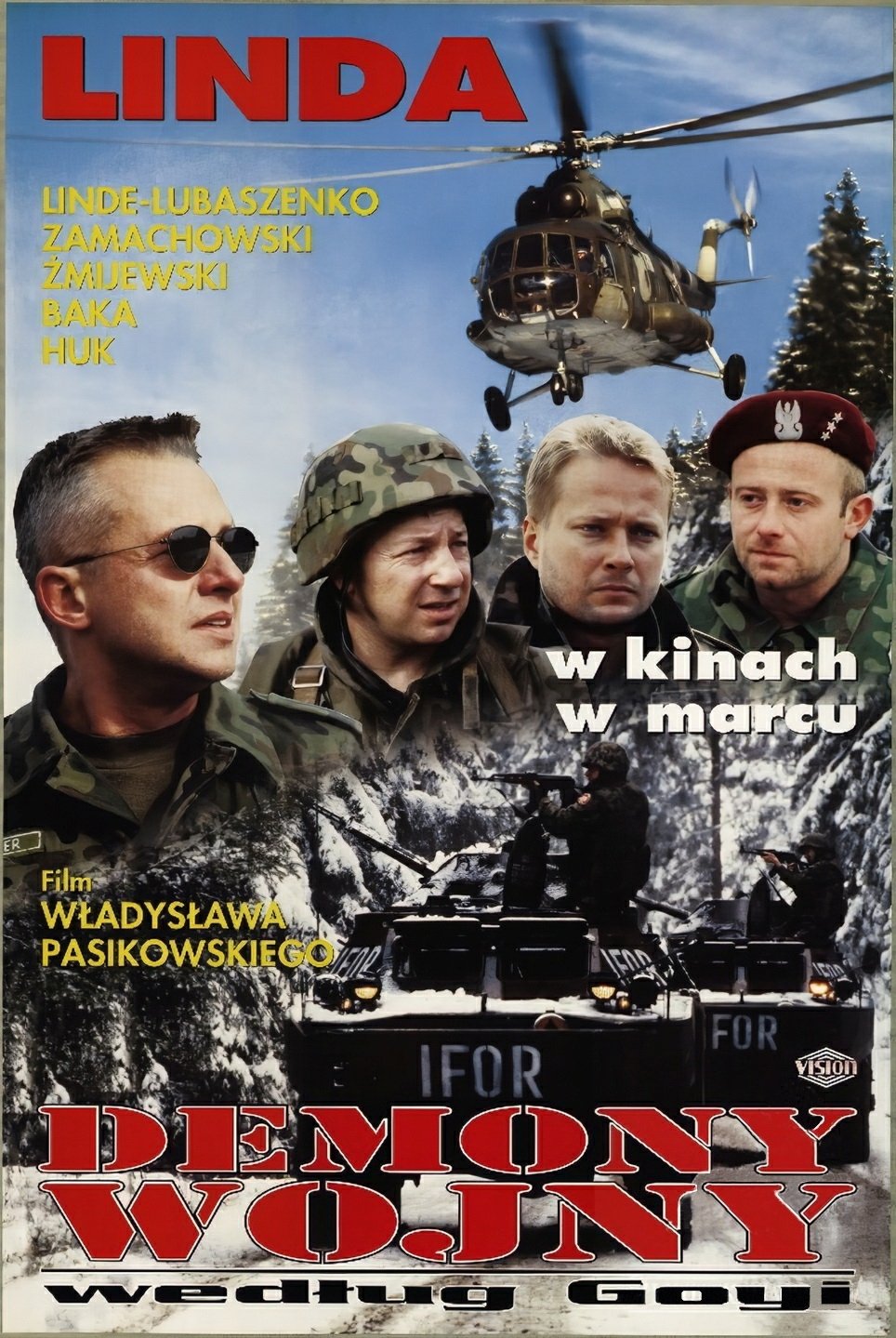
A detachment of the Polish IFOR forces in Bosnia is led by Major Keller, who is being investigated for insubordination during a patrol in Srebrenica. The investigation is to be led by two arriving officers - Lieutenant Czacki and Major Kusz who will also replace Keller as CO. When the camp's RTO receives a communication from a downed Norwegian chopper, Keller ignores his standing orders and leads a platoon to rescue the crew.
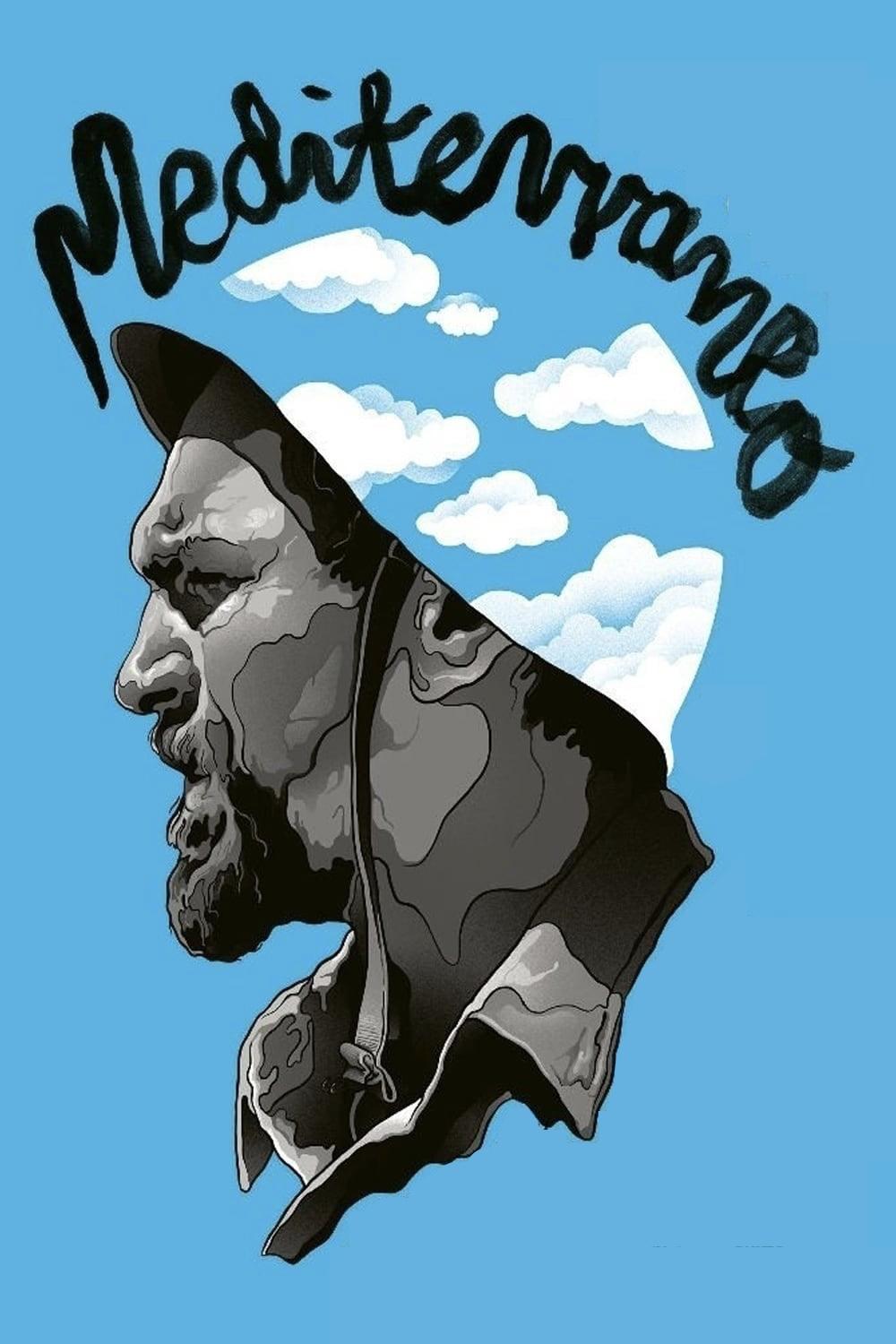
Greek Sea, World War II. An Italian ship leaves a handful of soldiers in a little island; their mission is to spot enemy ships and to hold the island in case of attack. The village of the island seems abandoned and there isn't a single enemy in sight, so the soldiers begin to relax a little. Things change when their ship is hit and destroyed by the enemy, and the soldiers find themselves abandoned there.
A short film based on World War I that was posted on the YouTube channel, "The Adam Show" (@theadamshow123)
A documentary about World War I with never-before-seen footage to commemorate the centennial of Armistice Day, and the end of the war.
Prelude to War was the first film of Frank Capra's Why We Fight propaganda film series, commissioned by the Pentagon and George C. Marshall. It was made to convince American troops of the necessity of combating the Axis Powers during World War II. This film examines the differences between democratic and fascist states.
Amid the failing counteroffensive, a journalist follows a Ukrainian platoon on their mission to traverse one mile of heavily fortified forest and liberate a strategic village from Russian occupation. But the farther they advance through their destroyed homeland, the more they realize that this war may never end.
Korengal picks up where Restrepo left off; the same men, the same valley, the same commanders, but a very different look at the experience of war.
This documentary movie is about the battle of San Pietro, a small village in Italy. Over 1,100 US soldiers were killed while trying to take this location, that blocked the way for the Allied forces from the Germans. Preserved by the Academy Film Archive in 2005.
A love letter from a young mother to her daughter, the film tells the story of Waad al-Kateab’s life through five years of the uprising in Aleppo, Syria as she falls in love, gets married and gives birth to Sama, all while cataclysmic conflict rises around her. Her camera captures incredible stories of loss, laughter and survival as Waad wrestles with an impossible choice– whether or not to flee the city to protect her daughter’s life, when leaving means abandoning the struggle for freedom for which she has already sacrificed so much.
“The Soviet Story” is a story of an Allied power, which helped the Nazis to fight Jews and which slaughtered its own people on an industrial scale. Assisted by the West, this power triumphed on May 9th, 1945. Its crimes were made taboo, and the complete story of Europe’s most murderous regime has never been told. Until now...
Meet the real-life airmen who inspired Masters of the Air as they share the harrowing and transformative events of the 100th Bomb Group.
A documentary on kids who attend a summer camp hoping to become the next Billy Graham.
Directors Hetherington and Junger spend a year with the 2nd Battalion of the United States Army located in one of Afghanistan's most dangerous valleys. The documentary provides insight and empathy on how to win the battle through hard work, deadly gunfights and mutual friendships while the unit must push back the Taliban.
An experimental documentary that explores Saudi Arabia's relationship with the U.S. and the role this has played in the war in Afghanistan.
"Trinity and Beyond" is an unsettling yet visually fascinating documentary presenting the history of nuclear weapons development and testing between 1945-1963. Narrated by William Shatner and featuring an original score performed by the Moscow Symphony Orchestra, this award-winning documentary reveals previously unreleased and classified government footage from several countries.
Virunga in the Democratic Republic of the Congo is Africa’s oldest national park, a UNESCO world heritage site, and a contested ground among insurgencies seeking to topple the government that see untold profits in the land. Among this ongoing power struggle, Virunga also happens to be the last natural habitat for the critically endangered mountain gorilla. The only thing standing in the way of the forces closing in around the gorillas: a handful of passionate park rangers and journalists fighting to secure the park’s borders and expose the corruption of its enemies. Filled with shocking footage, and anchored by the surprisingly deep and gentle characters of the gorillas themselves, Virunga is a galvanizing call to action around an ongoing political and environmental crisis in the Congo.
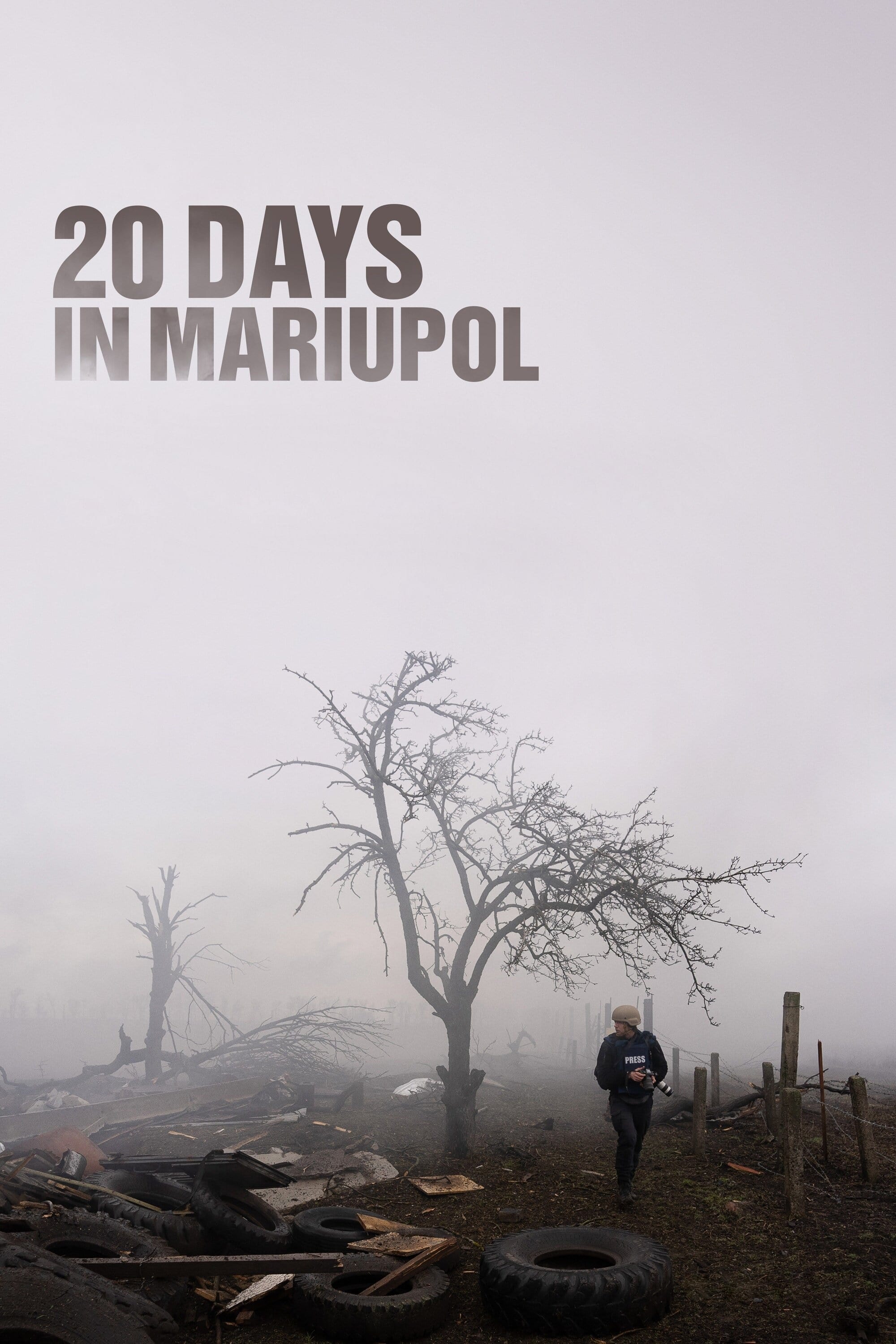
As the Russian invasion begins, a team of Ukrainian journalists trapped in the besieged city of Mariupol struggle to continue their work documenting the war's atrocities.
When Allied forces liberated the Nazi concentration camps in 1944-45, their terrible discoveries were recorded by army and newsreel cameramen, revealing for the first time the full horror of what had happened. Making use of British, Soviet and American footage, the Ministry of Information’s Sidney Bernstein (later founder of Granada Television) aimed to create a documentary that would provide lasting, undeniable evidence of the Nazis’ unspeakable crimes. He commissioned a wealth of British talent, including editor Stewart McAllister, writer and future cabinet minister Richard Crossman – and, as treatment advisor, his friend Alfred Hitchcock. Yet, despite initial support from the British and US Governments, the film was shelved, and only now, 70 years on, has it been restored and completed by Imperial War Museums under its original title "German Concentration Camps Factual Survey".
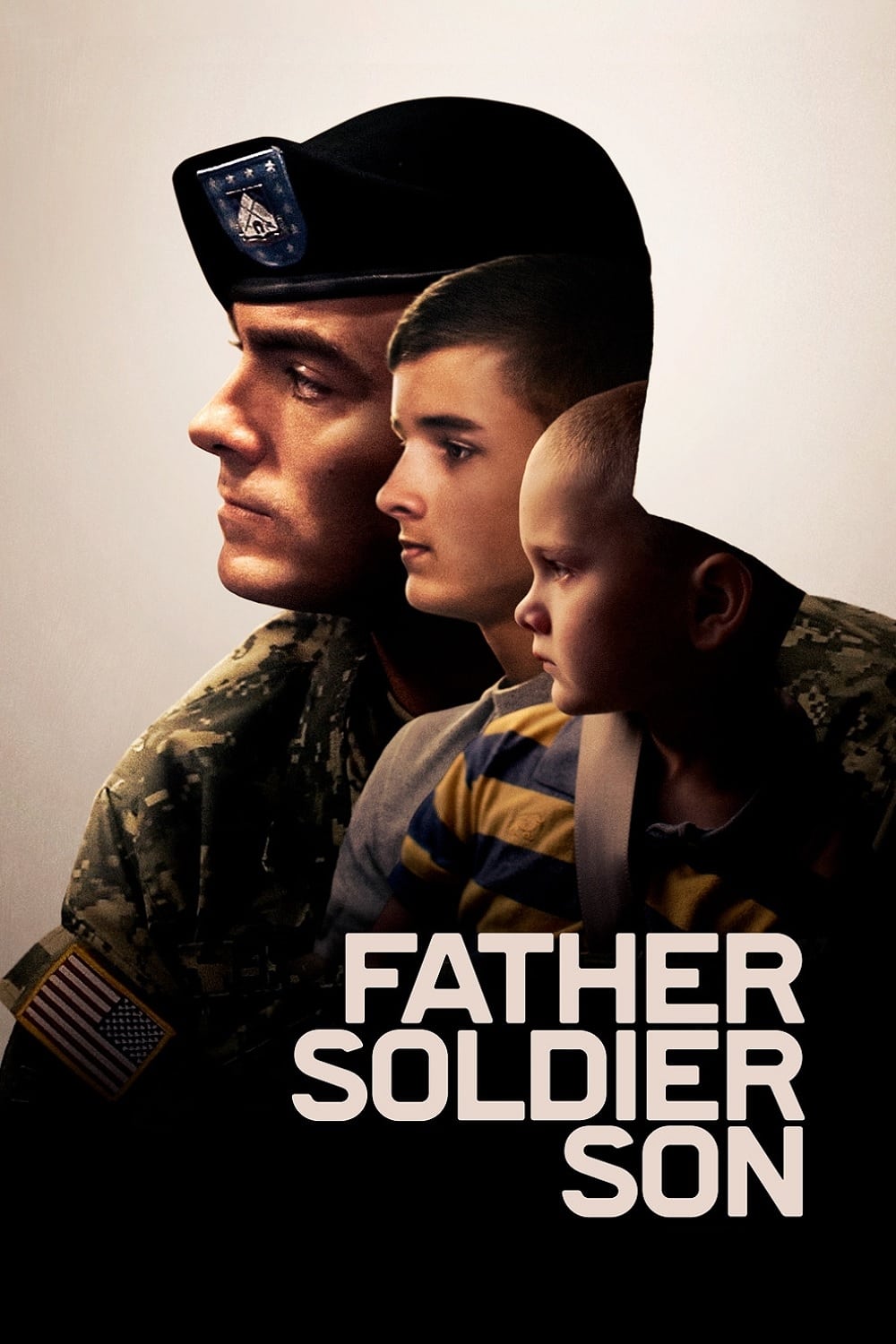
When Sgt. First Class Brian Eisch is critically wounded in Afghanistan, it sets him and his sons on a journey of love, loss, redemption and legacy.
Pete Postlethwaite stars as a man living alone in the devastated future world of 2055, looking at old footage from 2008 and asking: why didn’t we stop climate change when we had the chance?
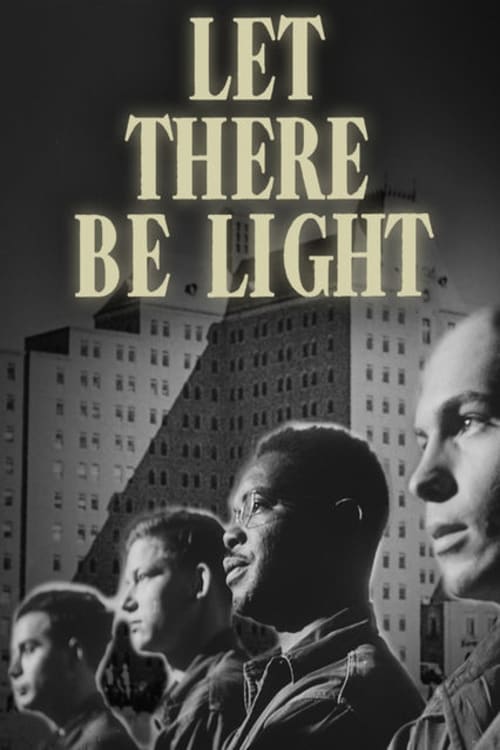
The final entry in a trilogy of films produced for the U.S. government by John Huston. Some returning combat veterans suffer scars that are more psychological than physical. This film follows patients and staff during their treatment. It deals with what would now be called PTSD, but at the time was categorised as psychoneurosis or shell-shock. Government officials deemed this 1946 film counterproductive to postwar efforts; it was not shown publicly until 1981.
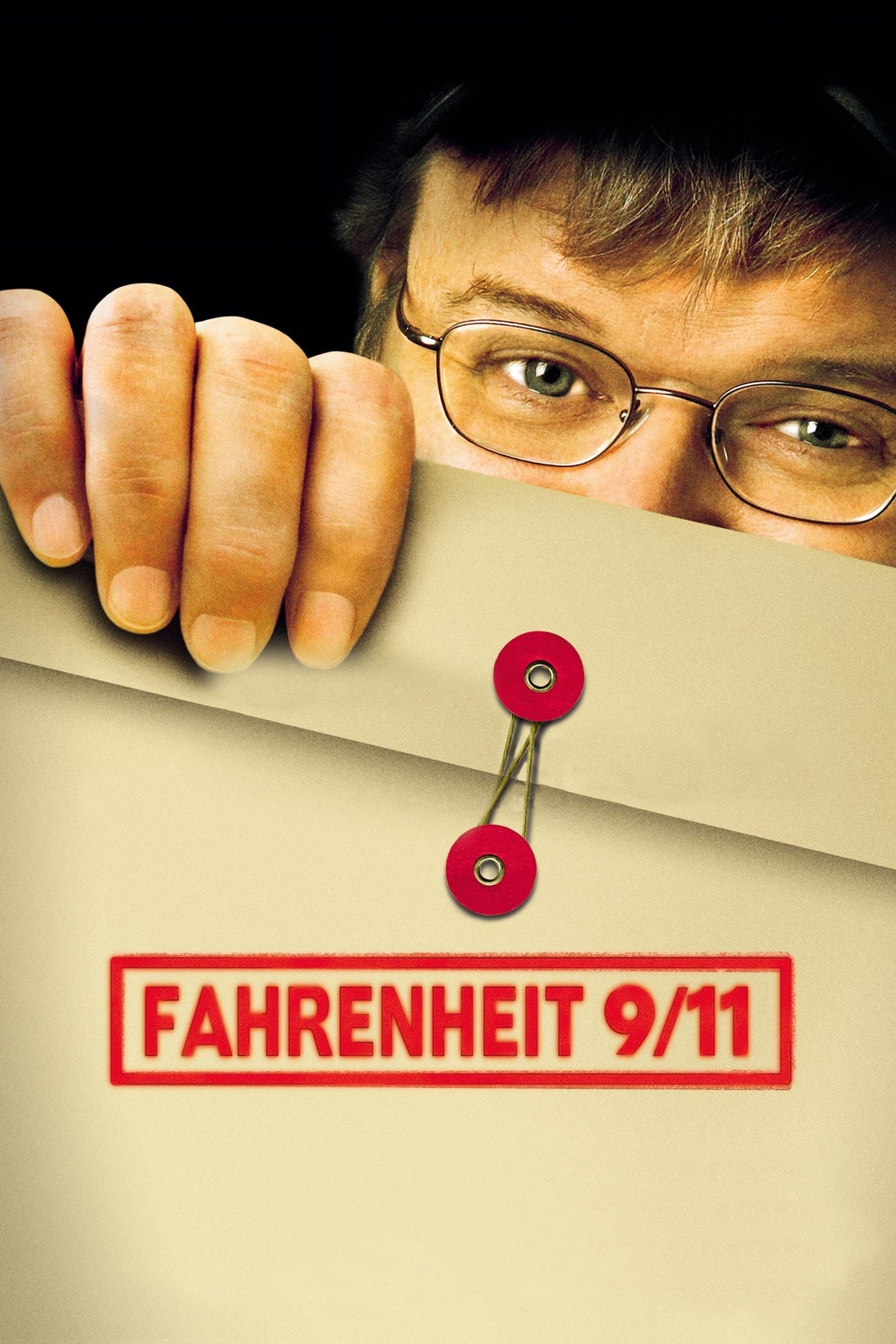
Michael Moore's view on how the Bush administration allegedly used the tragic events on 9/11 to push forward its agenda for unjust wars in Afghanistan and Iraq.