A high-speed view of Paris via train-track; Zooming down the Seine by boat. Chomette's first film, Games of Reflections and Speed, traverses tunnels and elevated railways to produce a disarming rhythm.
Social & External
Melbourne-based Stelarc burst into prominence in the early 1970s with confronting, and outrageous public art performances. Following his mantra that ‘the body is obsolete’ he set about testing the limits of his own body in a series of death-defying stunts. Stelarc has always fought to escape the force of gravity. A third arm, an extra ear, a cheeky prosthetic head and an ambidextrous hand all play parts in this lively biopic as Stelarc wrangles the intersection between humanity and technology.
This documentary shows how the Berliner workers lived in 1930. The director Slatan Dudow shows through images: a) the workers leaving the factory; b) the raise of the rents; c) the "unpleasant" guest, meaning the justice officer that brings the eviction notice; d) the fight of classes of the houses of capitalists and working classes; e) the parks of the working class; f) the houses of the working class, origin of the tuberculosis and the victims; g) the playground of the working class; h) the swimming pool for the working class, ironically called the "Baltic Sea" of the working class; i) the effects of humidity of basement where a family lives, with one member deaf; j) one working class family having dinner while the capitalist baths his dog; k) the eviction notice received from an unemployed family and their eviction.
Get to know Spanish Surrealist master Salvador Dali in this volume, part of a series exploring some of the most important artists of the 20th century. Learn about Dali's meteoric rise through the art world as a result of his visionary approach to art, and his subsequent difficulties as he was criticized for making art for the sake of money. A figure as colorful and unique as his paintings, Dali created art that's survived the march of time.
Nan Goldin's slide show “The Ballad of Sexual Dependency” converted, mixed and screened as a film by the artist, portraying the American underground culture, the no wave scene, post-Stonewall gay subculture, among others.
A Documentary about basic film terms, applied through a short film.
Borowczyk’s portrait of the painter Bona Tibertelli de Pisis and her erotic fusions of men, women and molluscs.
A portrait of artist, actress, poet and occultist Marjorie Cameron, it shows images of her paintings and recitations of her poems. Preserved by the Academy Film Archive in 2006.
The dangers of drug use by teenagers are illustrated by showing how well-dressed, happy teens are turned into slovenly, long-haired, drug-addled potheads who don't know that, according to the film's drug expert, “in high dosages, it [marijuana] parallels LSD.”
[…] Though the highs and lows of human experience are all here, it's often the gimcrack set design and fashion chops in these vintage clunkers that really wow – the pot-holder sweater vests, ponytails decorated with yarn, hippies with crumb-catching moustaches, banana-seat bikes and a hard rain of Quaaludes and amphetamines to illustrate the dangers of drug addiction. It is hard to believe anyone would buy the goofball cause-and-effect of that pill-popper's weather pattern in "Drugs Are Like That". Co-produced by the Miami Junior League and narrated by Anita Bryant in this cheery little hand-slapper, a kid stealing cookies from a cookie jar is implied to be headed down a bad road to Bowery bum rolls and LSD parties. (from: http://clatl.com/atlanta/av-geeks-greatest-hits-lessons-learned/Content?oid=1268313)
To celebrate its 250th anniversary, this documentary tells the story of one of the world’s greatest museums, from its foundation by Catherine the Great, though to its status today as a breathtakingly beautiful complex which includes the Winter Palace. Showcasing a vast collection of the world’s greatest artworks together with contemporary art galleries and exhibitions, it holds over 3 million treasures and world class masterpieces in stunning architectural settings. This is its journey from Imperial Palace to State Museum, encompassing a sometimes troubled past, surviving both the Revolution in 1916 and the siege of Leningrad by the Nazis in 1941-44.
In 1967, a young David Lynch grabbed his new Bolex 16mm camera, to film his friend and mentor Bushnell Keeler and brother Dave Keeler sailing on the Chesapeake Bay in Bush's King's Cruiser. This was David Lynch's very first film, which he prefers to call a "home movie". It depicts a man, a painter, who changed David's life forever pursuing the artist's life, which he continues to this day.
An early video work by Ivan Ladislav Galeta that underlines the perceptual presumptions of video-media.
Robert McGinnis' career as an artist is explored from the 1950s when he gained fame as a painter for Dell paperback book covers, through the 1960s when he created posters for such movies as "Breakfast at Tiffany's", "Cotton Comes to Harlem" and numerous James Bond features, up to the present as a magazine illustrator and landscape painter.
Lucy Jarvis -- the plucky camerawoman known for becoming the first Westerner to film inside communist China -- breaks barriers once again with this exclusive look at the world-famous Musée du Louvre, a place that previously barred access to all filmmakers. Charles Boyer is your host on this personalized tour of the museum's most prized possessions, including works by da Vinci, Michelangelo, Vermeer and Van Eyck.
A documentarian strikes up an odd friendship with reclusive 80 year old outsider artist Al Carbee, whose strange Barbie-doll photography gains acclaim and interest over the course of the project's multi-year history. Far beyond a portrait of an eccentric, Magical Universe is about wonder, friendship, and the transcendent power of creativity
Known for his vibrant reinterpretations of classical portraits featuring African-American men, New York-based painter Kehinde Wiley has turned the practice of portraiture on its head and in the process has taken the art world by storm.
Directed by Margot Benacerraf, Reverón is a poetic and visually striking documentary that delves into the life and artistic vision of Venezuelan painter Armando Reverón. Set in the sun-drenched coastal landscape of Macuto, where the artist lived in near isolation, the film captures his eccentric lifestyle and unique creative process. Through evocative imagery and a contemplative narrative, Reverón explores his deep connection to nature, his experiments with light and texture, and his profound artistic genius. This seminal work stands as a tribute to one of Venezuela’s most influential painters and a landmark in Latin American documentary filmmaking.
A portrayal of the Mexican Day of the Dead consisting of still shots and narration. Deals with the special objects and events surrounding the annual Mexican celebration of “All Souls Day”. It is not only a rich flood of folk art, but a view of the way that the Mexicans have come to terms with death. Searched out with the help of Alexander Girard and a moving guitar score by Laurindo Almeida.
Charissa King O'Brien's intimate short documentary captures this pivotal collaboration between two influential artists, as world-renowned painter Riva Lehrer completes a compelling portrait of Alison Bechdel ("Dykes to Watch Out For," "Are You My Mother," "Fun Home") over the course of two years, yielding a highly satisfying work of psychological insight
A purely observational non-fiction film that takes viewers into the ethically murky world of end-of-life decision making in a public hospital.
Arthur Lipsett's first film is an avant-garde blend of photography and sound. It looks behind the business-as-usual face we put on life and shows anxieties we want to forget. It is made of dozens of pictures that seem familiar, with fragments of speech heard in passing and, between times, a voice saying, "Very nice, very nice." The film was nominated for an Oscar for Best Live Action Short Film.
Before computer graphics, special effects wizardry, and out-of-this world technology, the magic of animation flowed from the pencils of two of the greatest animators The Walt Disney Company ever produced -- Frank Thomas and Ollie Johnston. Frank and Ollie, the talent behind BAMBI, PINOCCHIO, LADY AND THE TRAMP, THE JUNGLE BOOK, and others, set the standard for such modern-day hits as THE LION KING. It was their creative genius that helped make Disney synonymous with brilliant animation, magnificent music, and emotional storytelling. Take a journey with these extraordinary artists as they share secrets, insights, and the inspiration behind some of the greatest animated movies the world has ever known!
A gripping tale of intrigue and mystery in the art world, this film traces the history of a collection of Post-Impressionist paintings - worth billions - which became the subject of a power struggle after the death of its owner. Dr. Albert Barnes.
Filmed along the Emeryville Mudflats near San Francisco, Junkopia captures a landscape of sculptural installations made from driftwood and discarded materials. Chris Marker, John Chapman, and Frank Simeone transform these ephemeral artworks—set against highways and the distant city—into a quiet meditation on art, decay, and the modern environment.
The subject of the film was the Hauka movement. The Hauka movement consisted of mimicry and dancing to become possessed by French Colonial administrators. The participants performed the same elaborate military ceremonies of their colonial occupiers, but in more of a trance than true recreation.
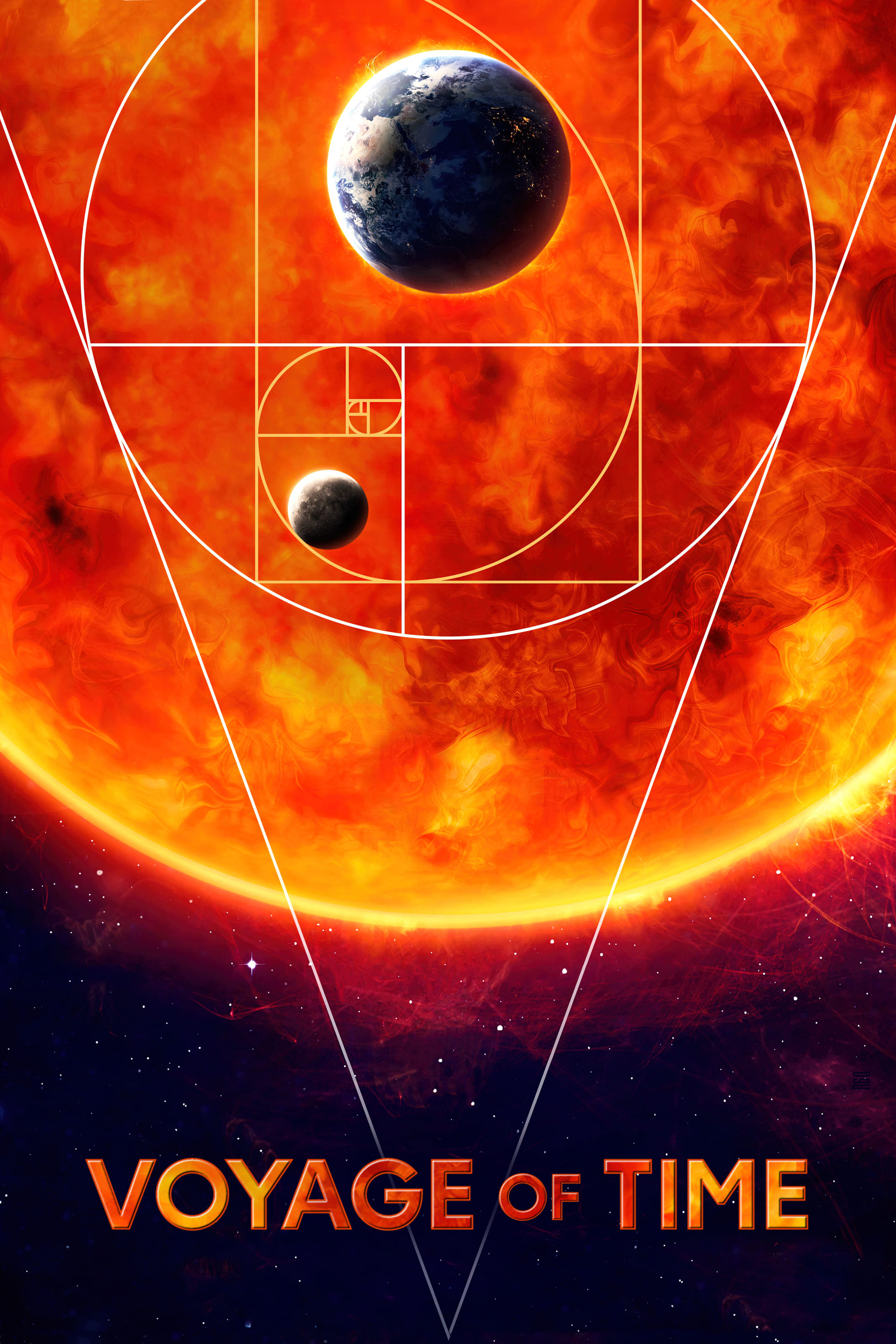
A celebration of the universe, displaying the whole of time, from its start to its final collapse. This film examines all that occurred to prepare the world that stands before us now: science and spirit, birth and death, the grand cosmos and the minute life systems of our planet.
Filmmakers discuss the legacy of Alfred Hitchcock and the book “Hitchcock/Truffaut” (“Le cinéma selon Hitchcock”), written by François Truffaut and published in 1966.
Morning reveals New York harbor, the wharves, the Brooklyn Bridge. A ferry boat docks, disgorging its huddled mass. People move briskly along Wall St. or stroll more languorously through a cemetery. Ranks of skyscrapers extrude columns of smoke and steam. In plain view. Or framed, as through a balustrade. A crane promotes the city's upward progress, as an ironworker balances on a high beam. A locomotive in a railway yard prepares to depart, while an arriving ocean liner jostles with attentive tugboats. Fading sunlight is reflected in the waters of the harbor. The imagery is interspersed with quotations from Walt Whitman, who is left unnamed.
Emak-Bakia (Basque for Leave me alone) is a 1926 film directed by Man Ray. Subtitled as a cinépoéme, it features many techniques Man Ray used in his still photography (for which he is better known), including Rayographs, double exposure, soft focus and ambiguous features. The film features sculptures by Pablo Picasso, and some of Man Ray's mathematical objects both still and animated using a stop motion technique.
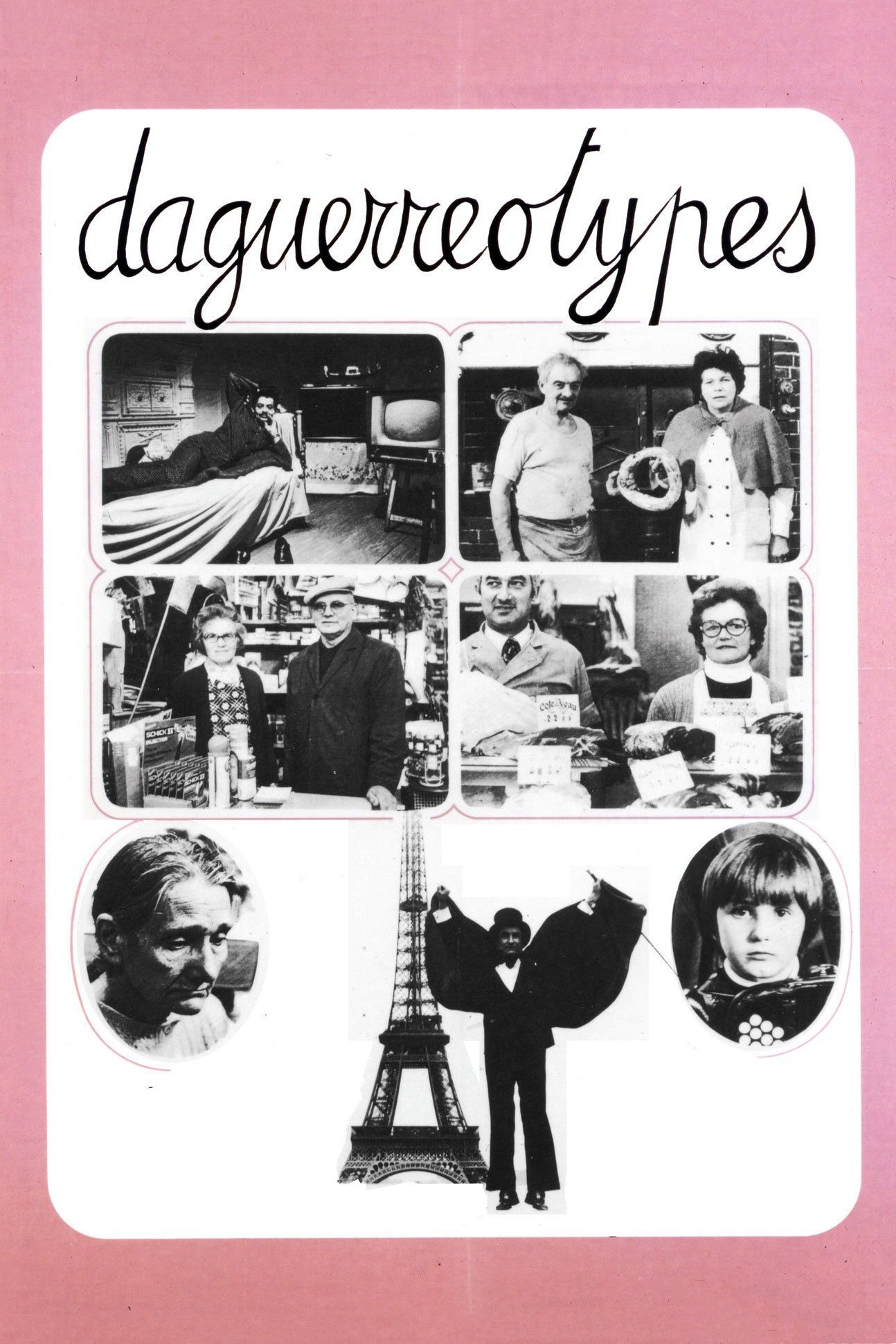
An intimate portrait of the small shops and shopkeepers of the Rue Daguerre in Paris, a picturesque street that has been the filmmaker’s home for more than 50 years.
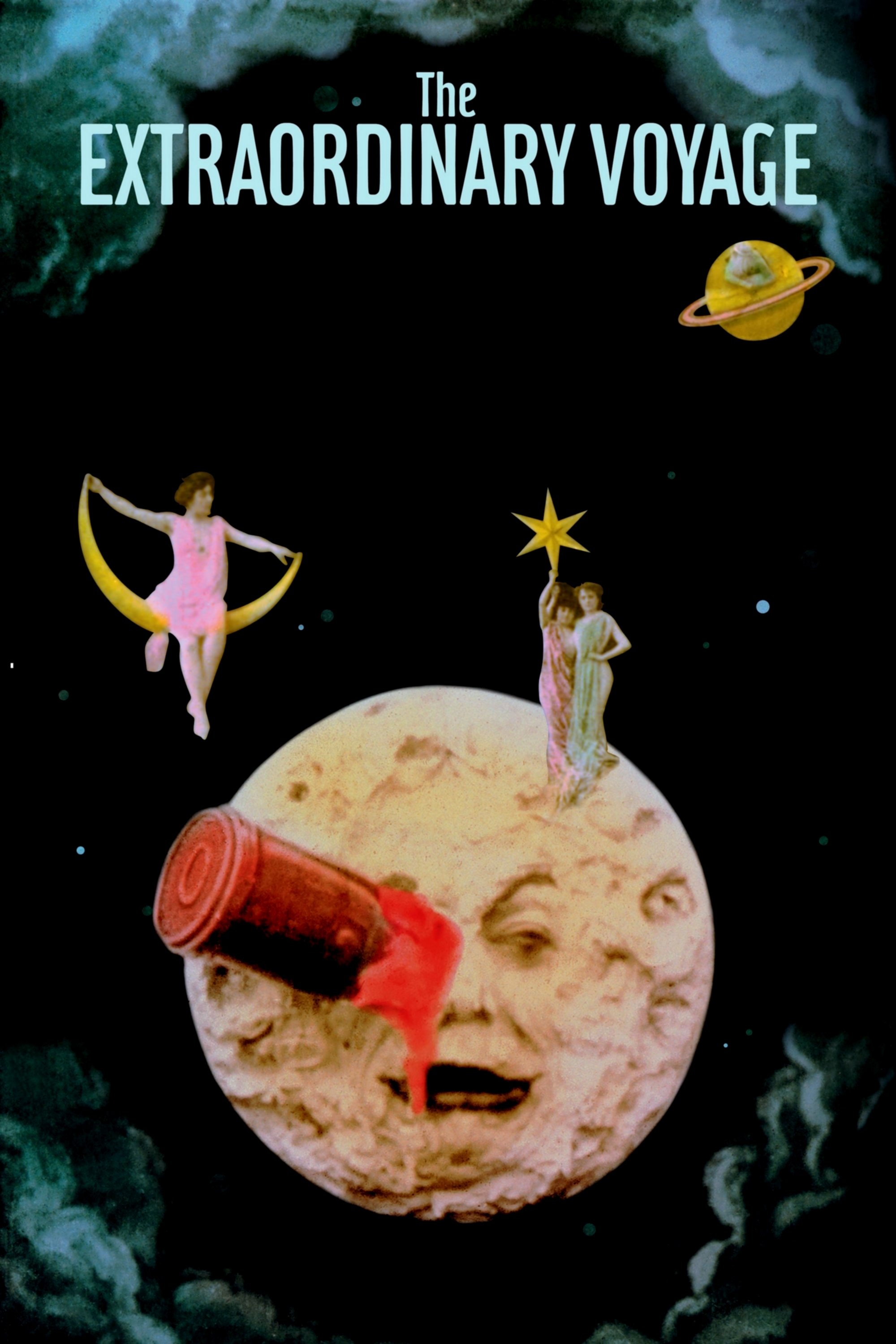
An account of the extraordinary life of film pioneer Georges Méliès (1861-1938) and the amazing story of the copy in color of his masterpiece A Trip to the Moon (1902), unexpectedly found in Spain and restored thanks to the heroic efforts of a group of true cinema lovers.
Cameramen and women discuss the craft and art of cinematography and of the "DP" (the director of photography), illustrating their points with clips from 100 films, from Birth of a Nation to Do the Right Thing. Themes: the DP tells people where to look; changes in movies (the arrival of sound, color, and wide screens) required creative responses from DPs; and, these artisans constantly invent new equipment and try new things, with wonderful results. The narration takes us through the identifiable studio styles of the 30s, the emergence of noir, the New York look, and the impact of Europeans. Citizen Kane, The Conformist, and Gordon Willis get special attention.
Al Pacino's deeply-felt rumination on Shakespeare's significance and relevance to the modern world through interviews and an in-depth analysis of "Richard III."
Revolutionary French New Wave director Jean-Luc Godard conducts a twenty-five minute interview with influential and acclaimed American director Woody Allen on the cultural radiation, the ubiquity and significance of Television, and how Television compares with cinema as a medium and form of expression.
A compilation of over 30 years of private home movie footage shot by Lithuanian-American avant-garde director Jonas Mekas, assembled by Mekas "purely by chance", without concern for chronological order.
Take a virtual vacation to some of the Star Wars films' most iconic and beloved locations like Hoth, Tatooine, and Sorgan, as this charming series whisks you off for fly-through tours of the Galaxy Far, Far Away.
While in San Francisco for the promotion of her last film in October 1967, Agnès Varda, tipped by her friend Tom Luddy, gets to know a relative she had never heard of before, Jean Varda, nicknamed "Yanco". This hitherto unknown uncle lives on a boat in Sausalito, is a painter, has adopted a hippie lifestyle and loves life. The meeting is a very happy one.
Lyrical and powerfully personal essay film that reflects on the deaths of her husband Lou Reed, her mother, her beloved dog, and such diverse subjects as family memories, surveillance, and Buddhist teachings.
A portrait of the day-to-day operations of the National Gallery of London, that reveals the role of the employees and the experiences of the Gallery's visitors. The film portrays the role of the curators and conservators; the education, scientific, and conservation departments; and the audience of all kinds of people who come to experience it.