Social & External
Polydor Chagnon
Denyse Chagnon
Raoul Béliveau
Jeanne Dupuis
Lionel Joly
Jeanne Joly
Ghislaine Lemieux
Diane Séguin
O'Neil Lemire
Yvonne Tremblay
Lionel Blanchet
Francine Boivin
Serge Elément
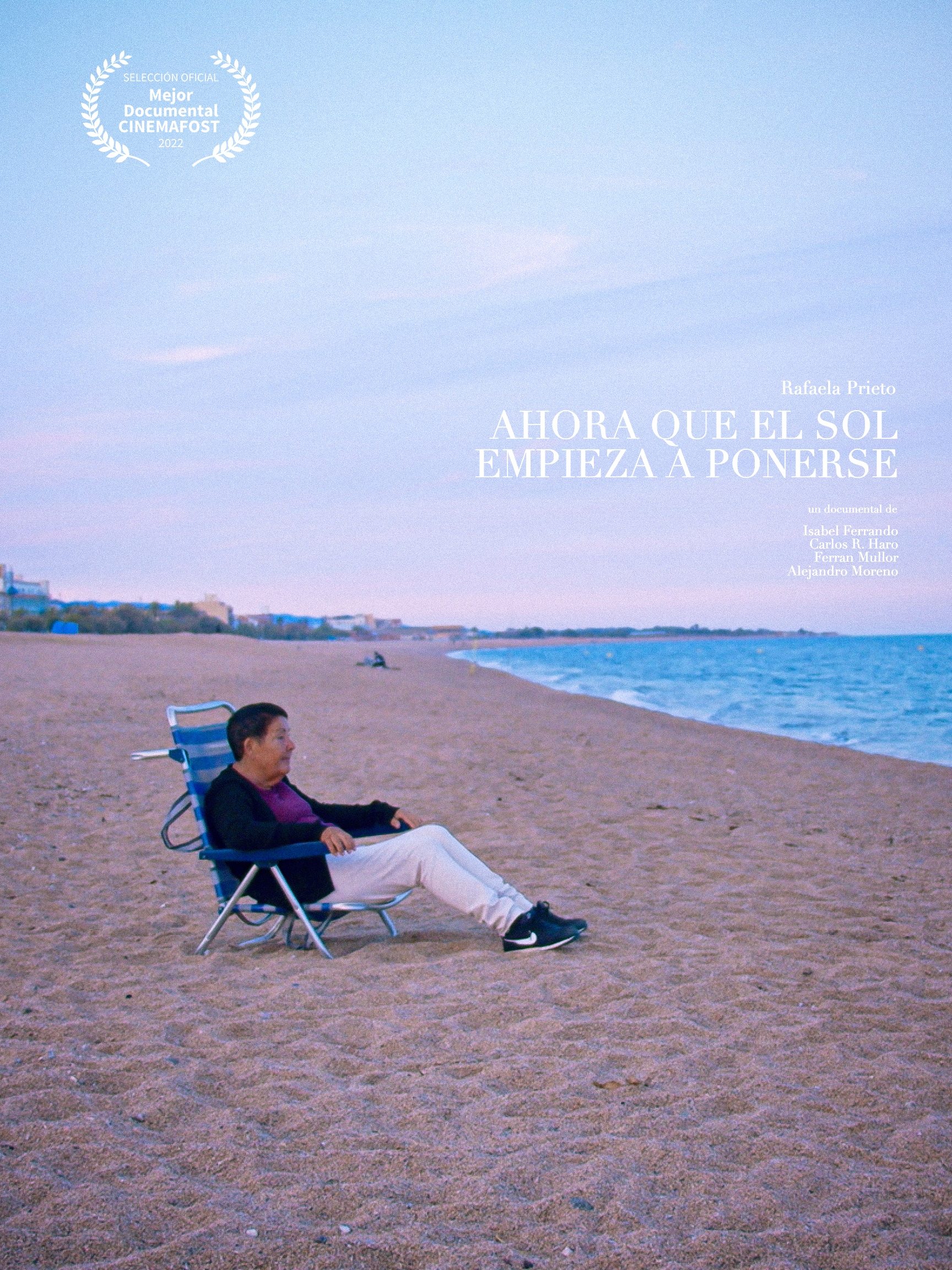
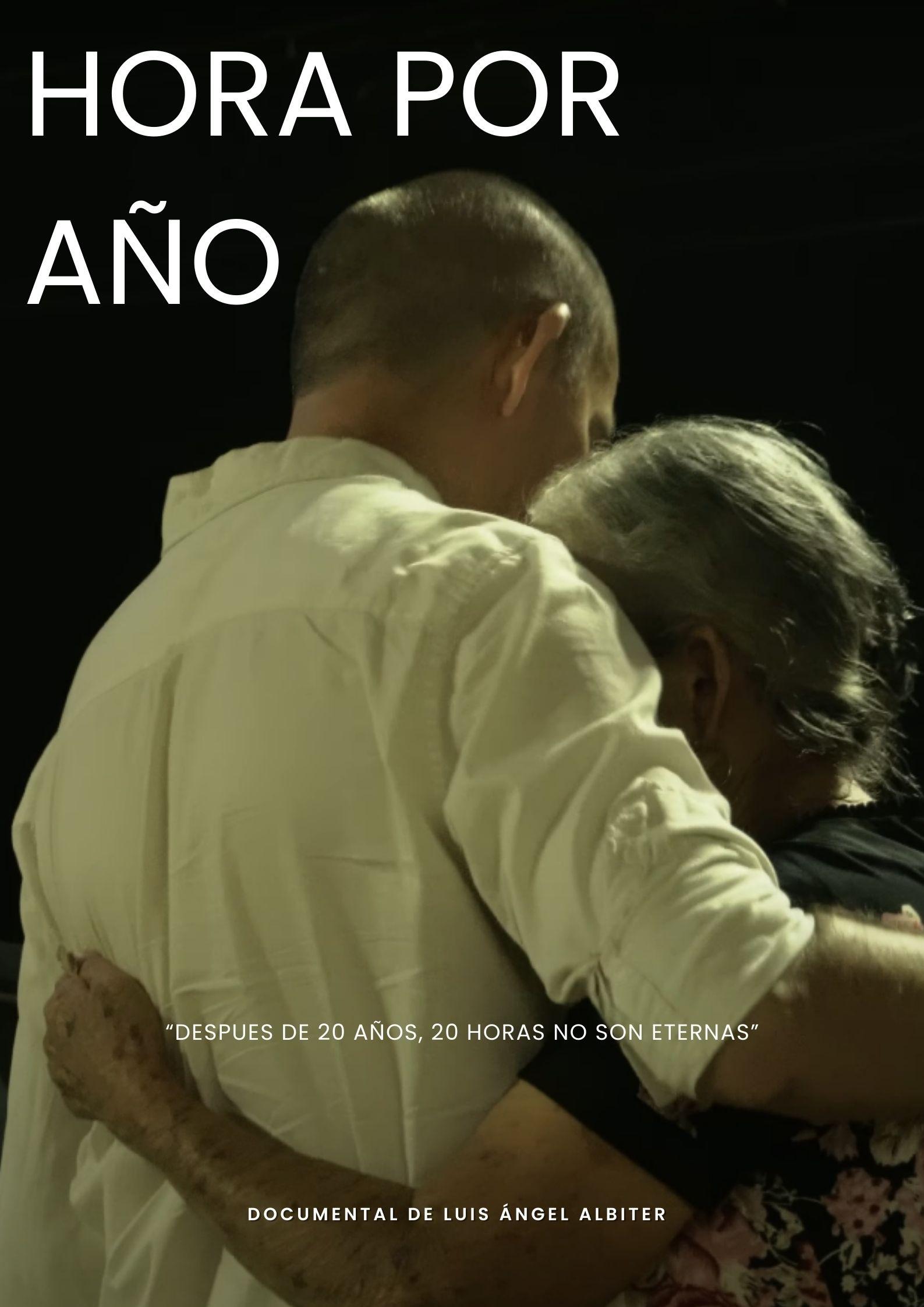
Rafaela, an 80-year-old woman, has a long conversation with her grandson, going over his path from childhood to old age. Now that she has been diagnosed with chronic breast cancer, faith is more present in her life than ever, which coexists with Rafaela's fear of death, and her grandson's fear of dying.
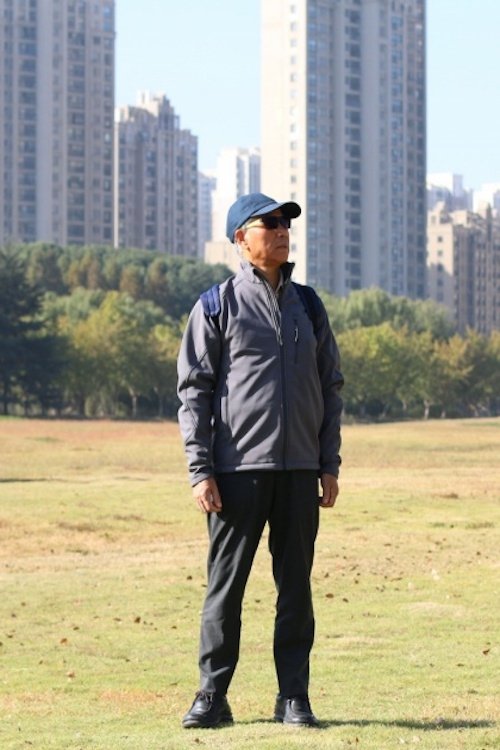
Mr. Lin is a happily retired man who spends his time keeping company with his toddling grandson, walking his dog, and playing golf with his in-laws. Recently, he has been obsessed with houses with river views. In Lin's city of demolitions and reconstructions, money-making investors buy and sell houses at unaffordable prices. Above the skyline of Taipei, will the boundaries between daydreams and reality ever blur?
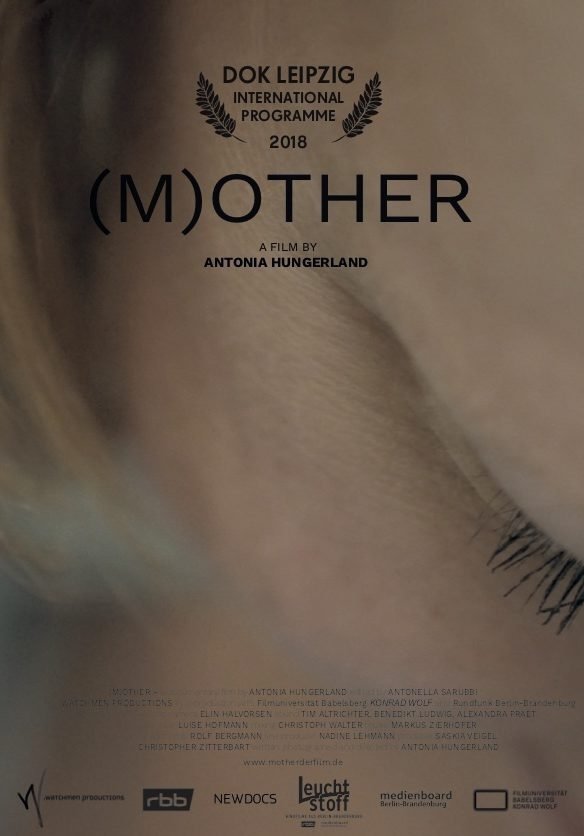
Being mother is the most natural thing in the world. Or so it seems. Yet the demands on women with children have rarely been as overloaded and contradictory as they are in today’s Western world. Promises of happiness are often followed by disadvantages, excessive demands and feelings of guilt. The mother has become an artificially glorified ideal, which nevertheless is often legitimized by the „nature of the woman“. We live in a time when three people could claim to be the same child’s mother: egg donors give their genes to beget children, surrogate mothers deliver babies which they give away immediately after birth, and men raise children by themselves – without a woman at their side. Hence the question arises: What makes a human being a real mother?
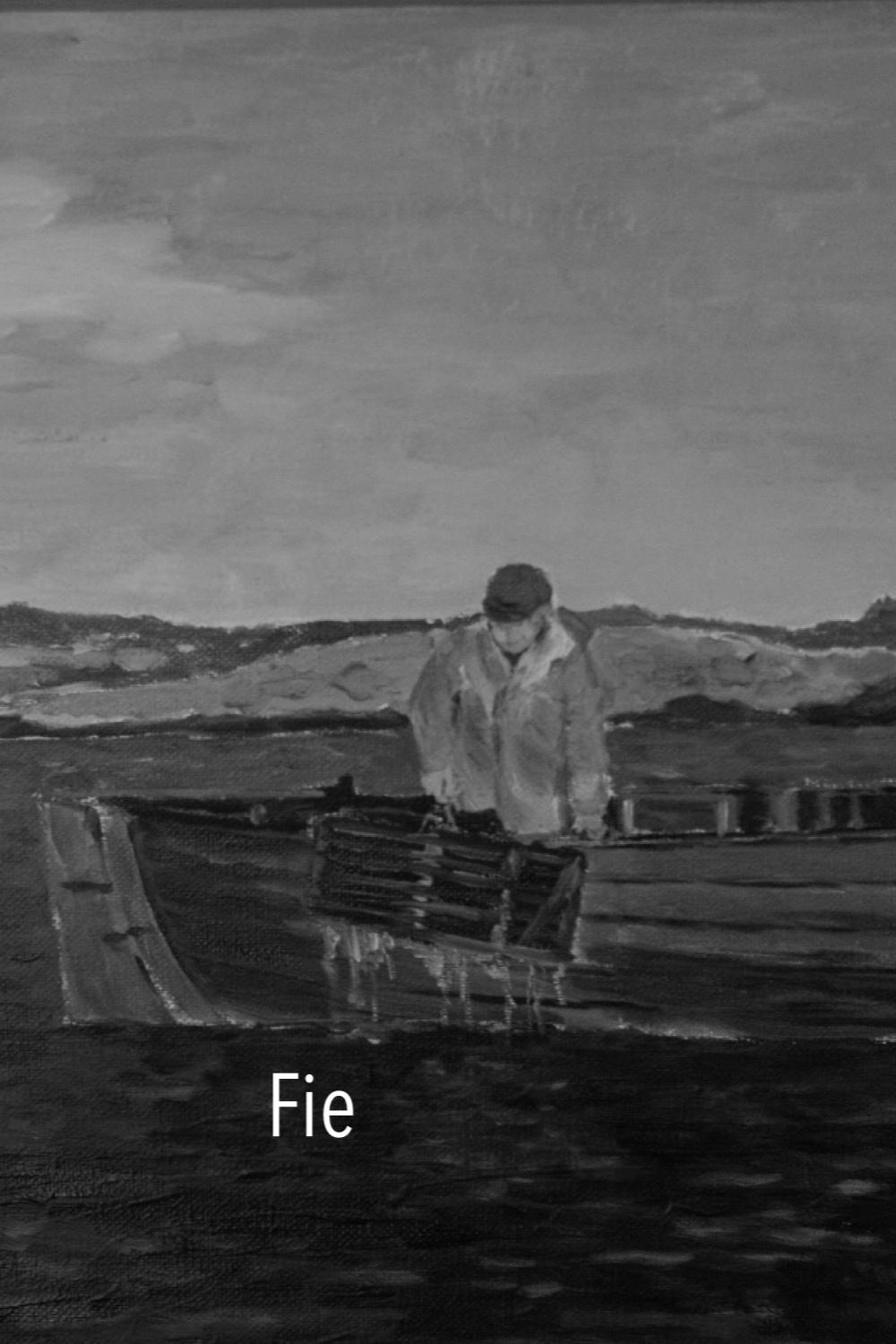
An older woman cooks for a fisherman by the sea.
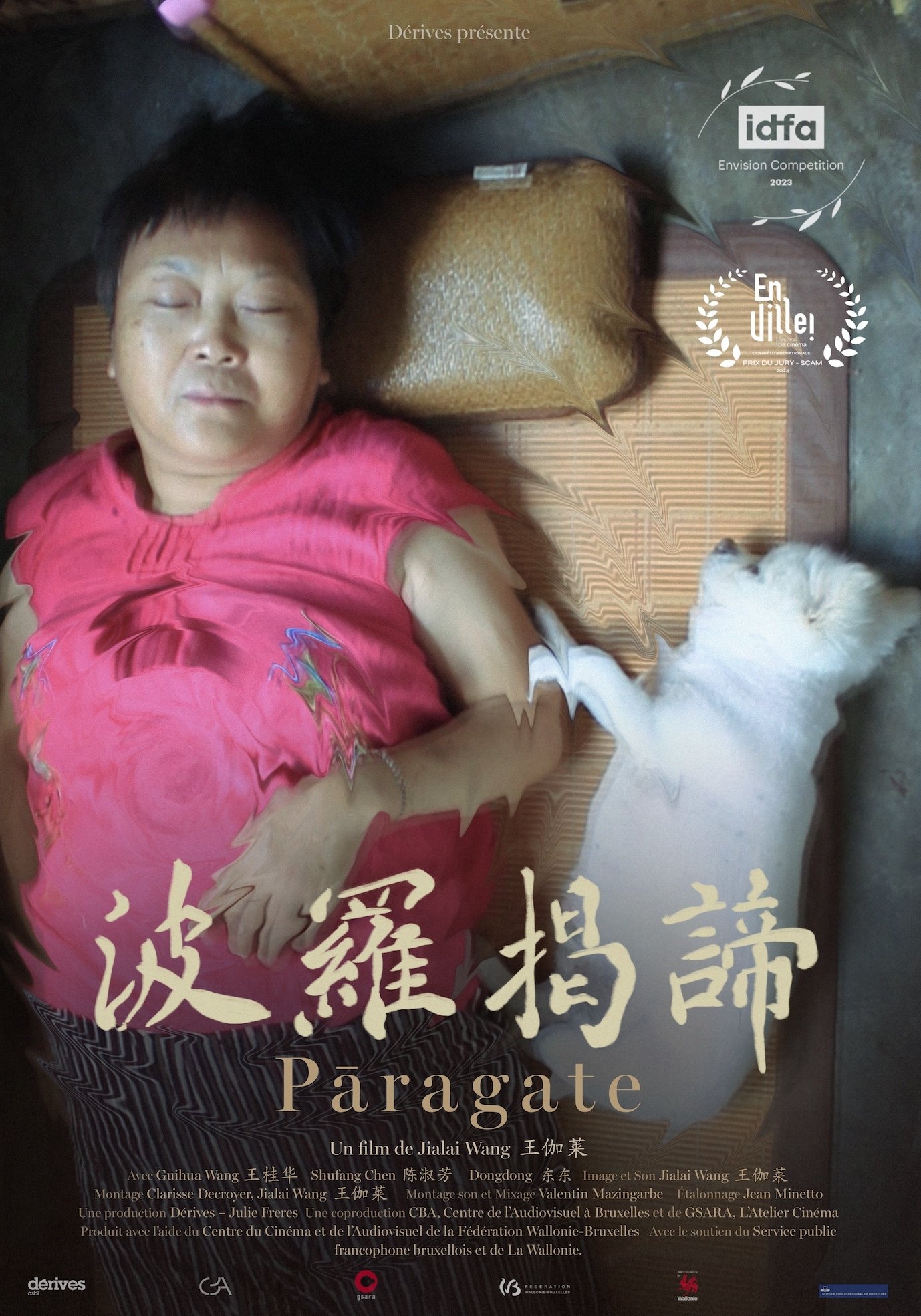
From Belgium, Jialai Wang maintains contact via smartphone and camera with her mother and grandmother in China. When her grandmother’s health deteriorates, Jialai returns to Shanghai, but when she arrives, her grandmother has already died, and she is left alone with her mother. A devout Buddhist, her mother seems to pay more attention to her daily prayers, Maoist past and dog Dongdong than she does to her daughter. She herself had been abandoned as a child by her own mother, when she divorced Jialai’s grandfather and moved to the city.
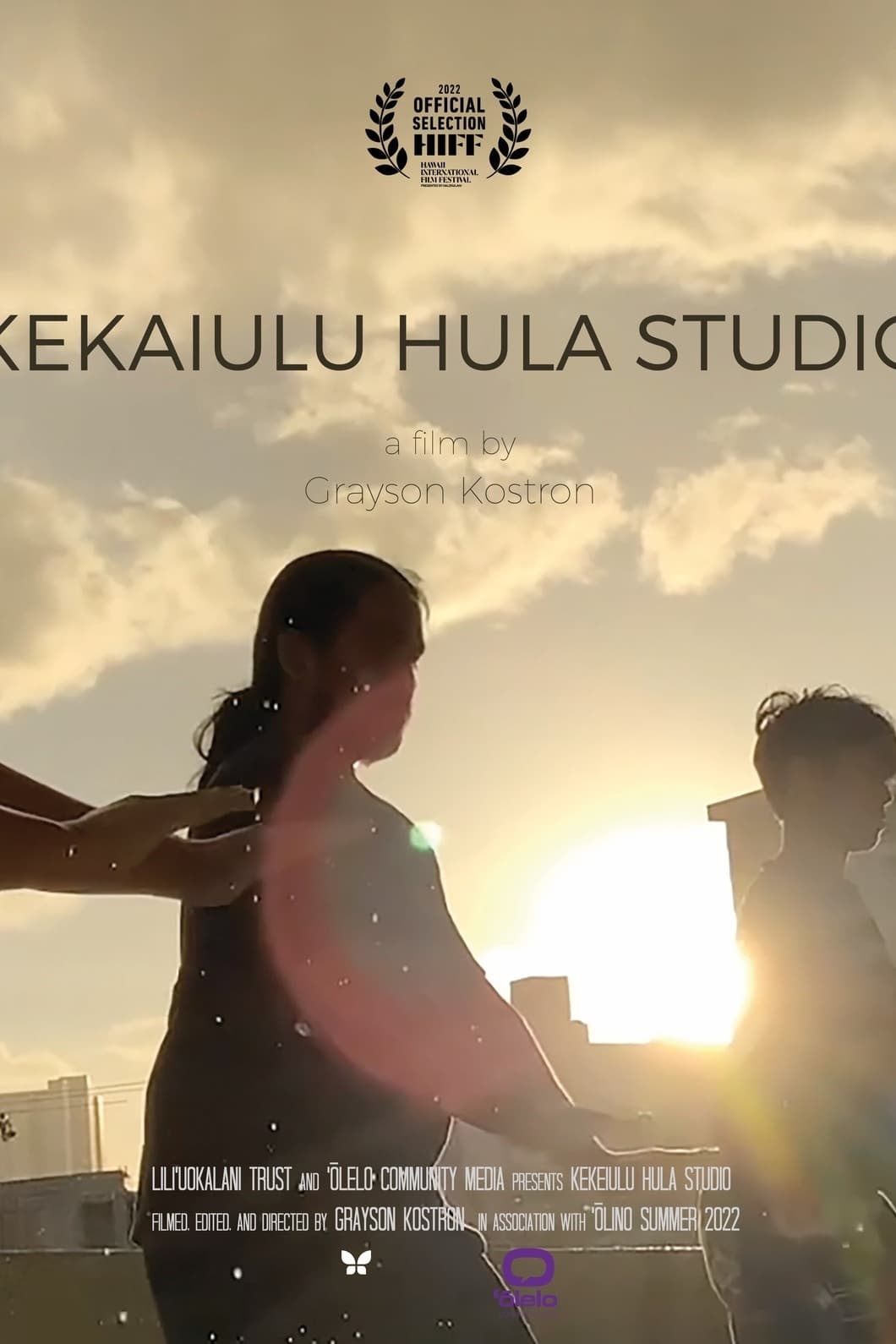
Kekaiulu Hula Studio follows the Proclaimed Hula Halau of the same name, showcasing their twist on what the real reason for hula is and what life as a dancer in the halau is really like. Something previously unseen in the public eye.
Echo is a youngster who can't quite decide if it's time to grow up and take on new responsibilities-or give in to her silly side and just have fun. Dolphin society is tricky, and the coral reef that Echo and his family call home depends on all of its inhabitants to keep it healthy. But Echo has a tough time resisting the many adventures the ocean has to offer.
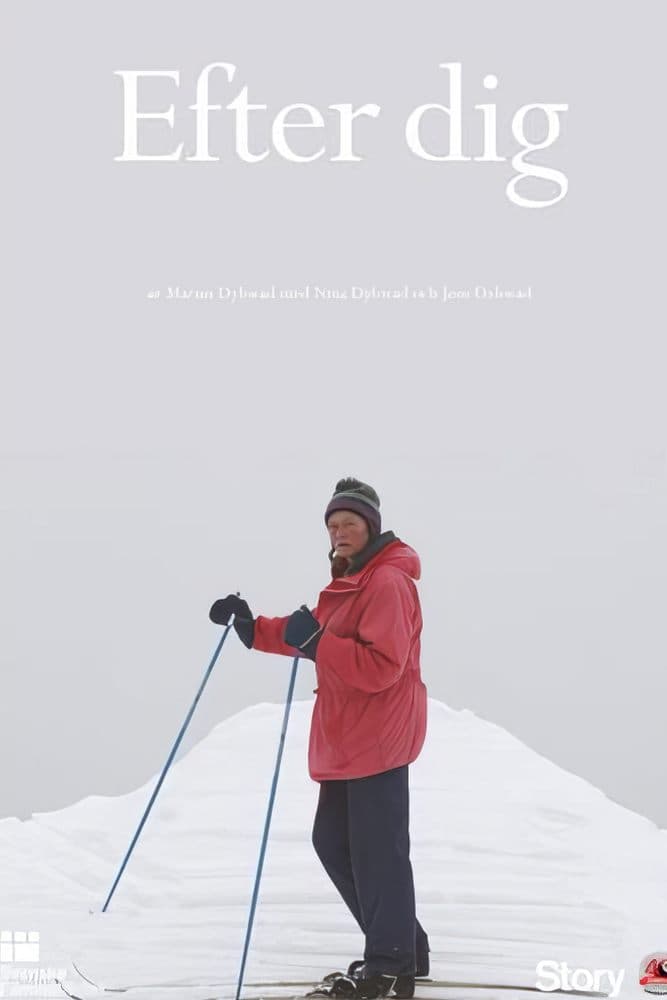
"My mother is spending all her time with her dying father. I’m spending all my time filming her. As the end is getting closer, my mother and I start doing the filming more and more together. It becomes our way of dealing with the time we have left." —Marius Dybwad Brandrud
The life and tragic death of Whitney Houston.
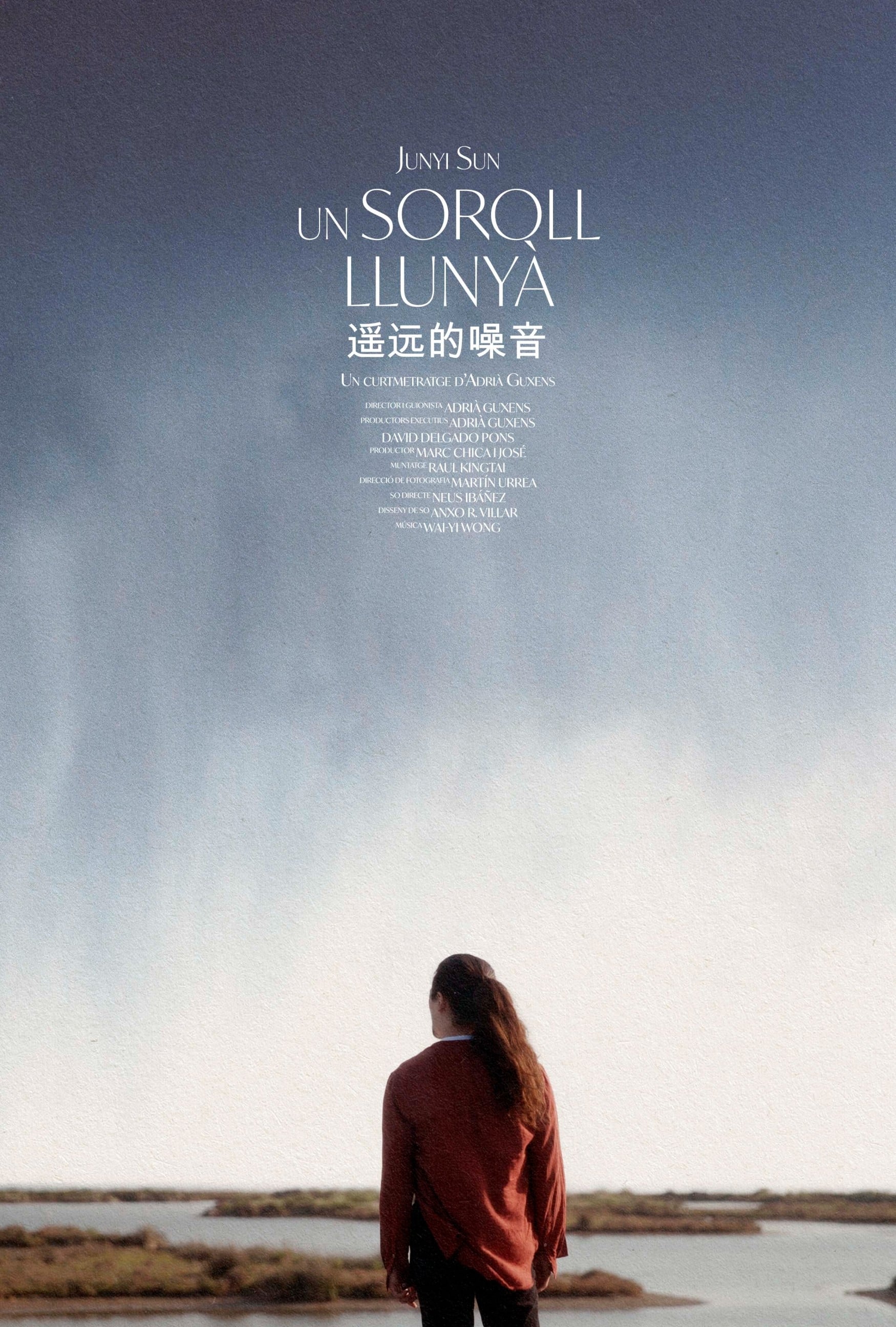
During the rice sowing season, Jun, a young Catalan of Chinese origin, works as a seasonal worker in the Ebro Delta. This ancient labour will make him confront his own roots and the distance that separates him from his family.
The hairstyles of four Afro-descendant people from Mexican - Senegalese families, represent the starting point to reflect, through memories that emerge from their past and present, what it is like to live in México wearing a Black Crown and the consequences that implies.
It's a sensitive, moving doc chronicling the life of Tétrault's brother Philip , a Montreal poet, musician and diagnosed paranoid schizophrenic. A promising athlete as a child, Philip began experiencing mood swings in his early 20s. His extended family, including his daughter, share their conflicted feelings love, guilt, shame, anger with the camera. They want to make sure he's safe, but how much can they take?
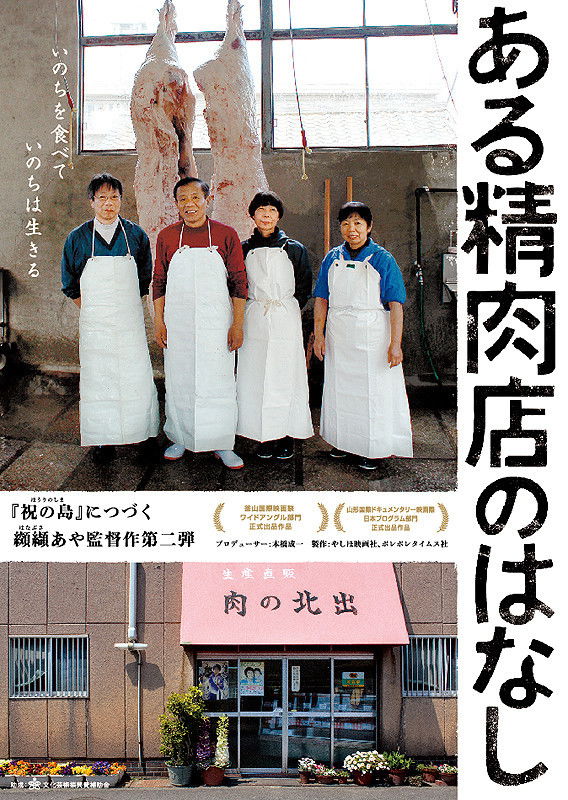
The Kitades run a butcher shop in Kaizuka City outside Osaka, raising and slaughtering cattle to sell the meat in their store. The seventh generation of their family's business, they are descendants of the buraku people, a social minority held over from the caste system abolished in the 19th century that is still subject to discrimination. As the Kitades are forced to make the difficult decision to shut down their slaughterhouse, the question posed by the film is whether doing this will also result in the deconstruction of the prejudices imposed on them. Though primarily documenting the process of their work with meticulous detail, Aya Hanabusa also touches on the Kitades' participation in the buraku liberation movement. Hanabusa's heartfelt portrait expands from the story of an old-fashioned family business competing with corporate supermarkets, toward a subtle and sophisticated critique of social exclusion and the persistence of ancient prejudices.
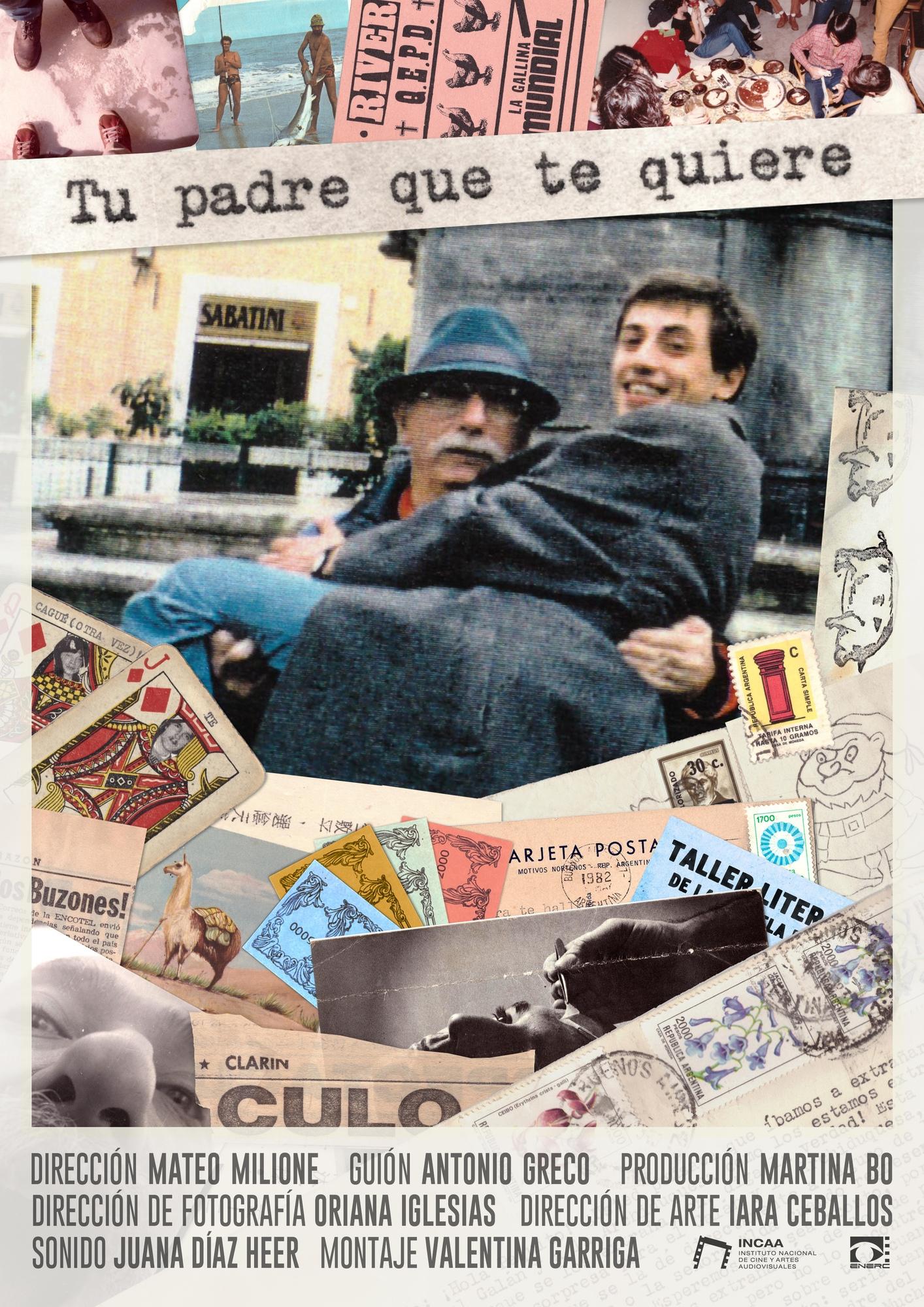
In the late ‘70s, in the midst of the military dictatorship, a surrealist literary work- shop is the oasis of Martín, a tormented young man who seeks to improve his poetry. Caron, a brilliant and eccentric writer, adopts him as a son. Their bond is recorded in short home movies and an unusual correspondence.
Jim and Loz Beck are brothers from Chipping Norton. They play rock'n'roll together since they're 8 years old. At 18, they leave the boring british countryside to live and work on their music in London. Jim starts working in a Cultural association while Loz discovers the pleasures of the student life. The film is driven by the raw punk music and the deeply political and emotional lyrics from their two piece band Cassels. In this intimate portrait, Jim and Loz will confront their strong artistic point of view and their DIY approach to the reality of the music industry and the social and economical London's life.
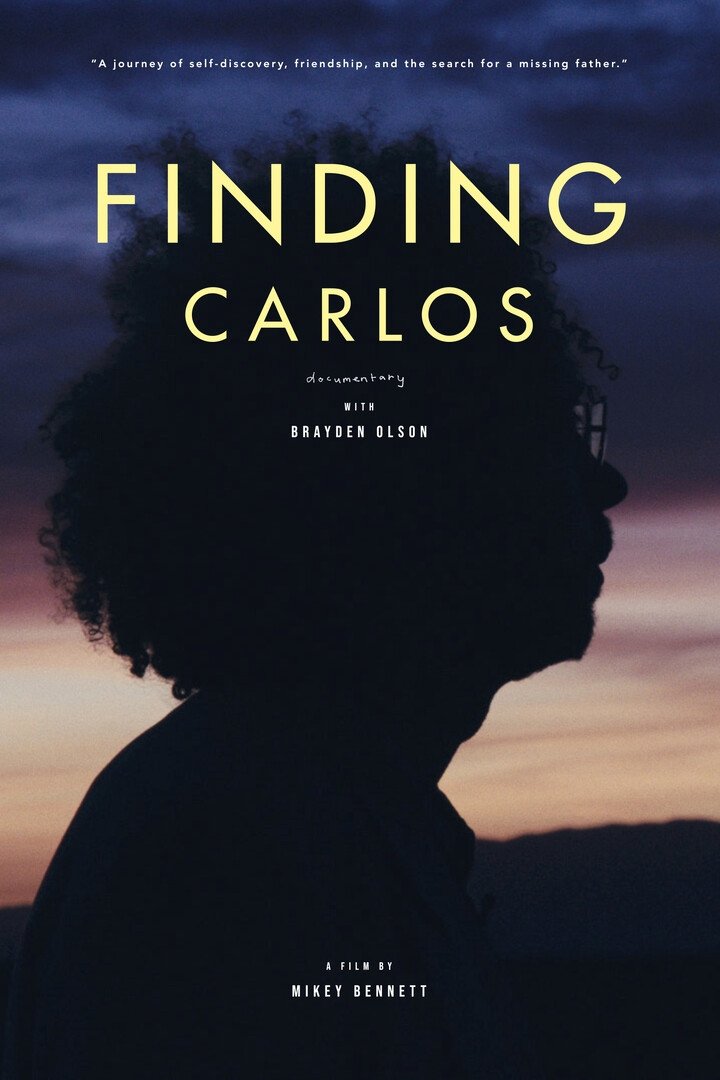
Brayden Olson has spent his life wondering about the father he never knew. Armed with only a name, a faded photograph, and an improbable lead, he sets out across continents to uncover the mystery of Carlos. But as each revelation brings him closer to the truth, Brayden risks unraveling the life he’s always known — especially the bond with the mother who raised him alone. Raw, intimate, and deeply human, Finding Carlos explores identity, family, and the silent epidemic of fatherlessness.
Survivor Abduweli flees a Chinese Uyghur internment camp to Norway. Now, heading to Germany to confront a past torturer, his daughter’s panic attack forces a choice: exposing Uyghur genocide for the world, or shielding his family from painful memories.
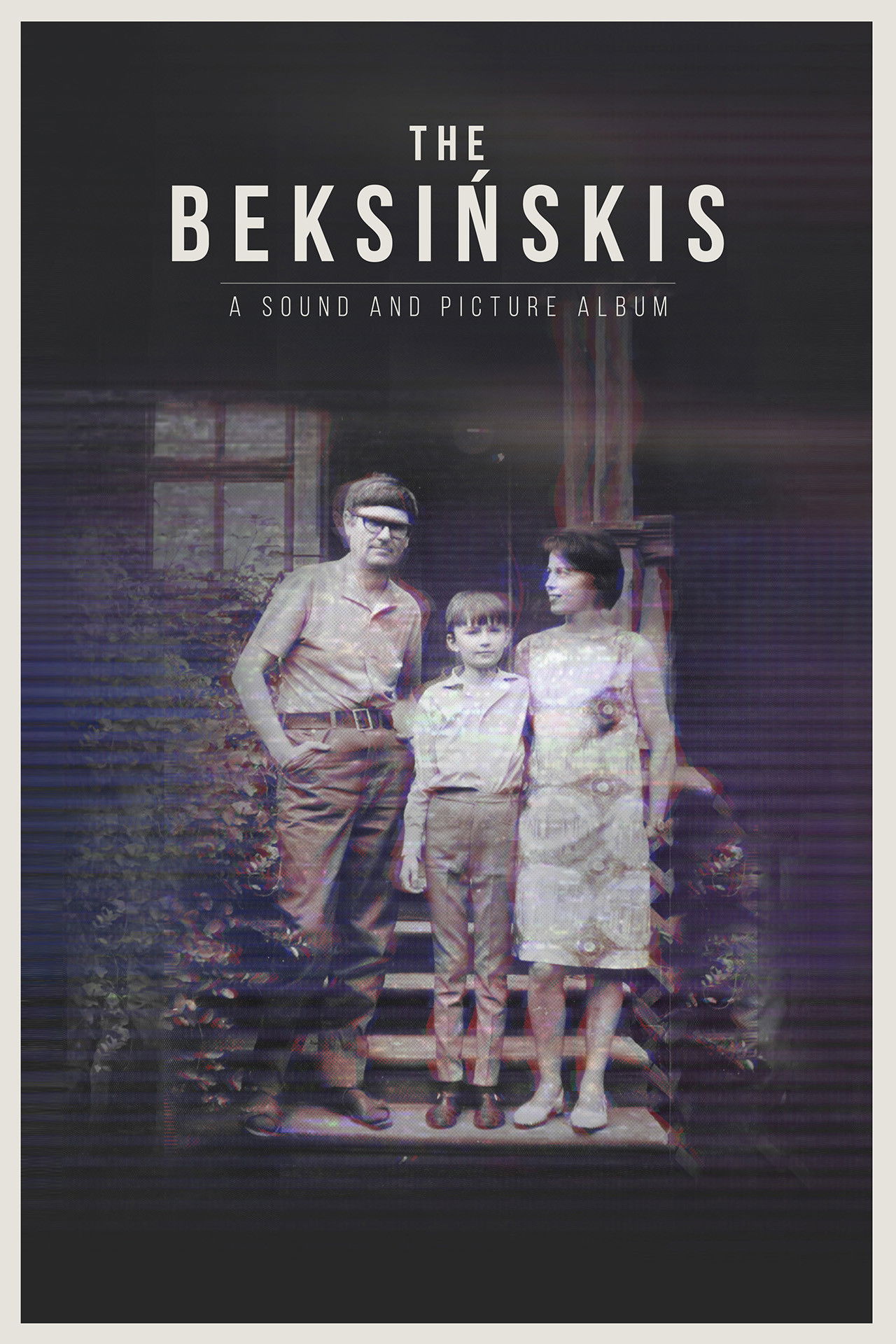
Painter Zdzisław Beksiński, his wife Zofia and their son Tomasz, a well-known radio journalist and translator, were a typical and unconventional family, both at the same time. One of the father’s obsessions was filming himself and his family members. Using archival footage only, shot primarily by Zdzisław, as well many other materials, which have not been presented anywhere so far, the film tells a tragic story of the Beksińskis that has never ceased to fascinate Polish filmmakers.
It is hard to find a family home where all the members have gone to live their separate lives in different parts of the world. Travelling between different continents, the director visits divorced parents and their new partners and also meets her sister who decided to join an alternative community. Their family exists on archival films and photographs only. Is it still possible to put it all together against all odds?
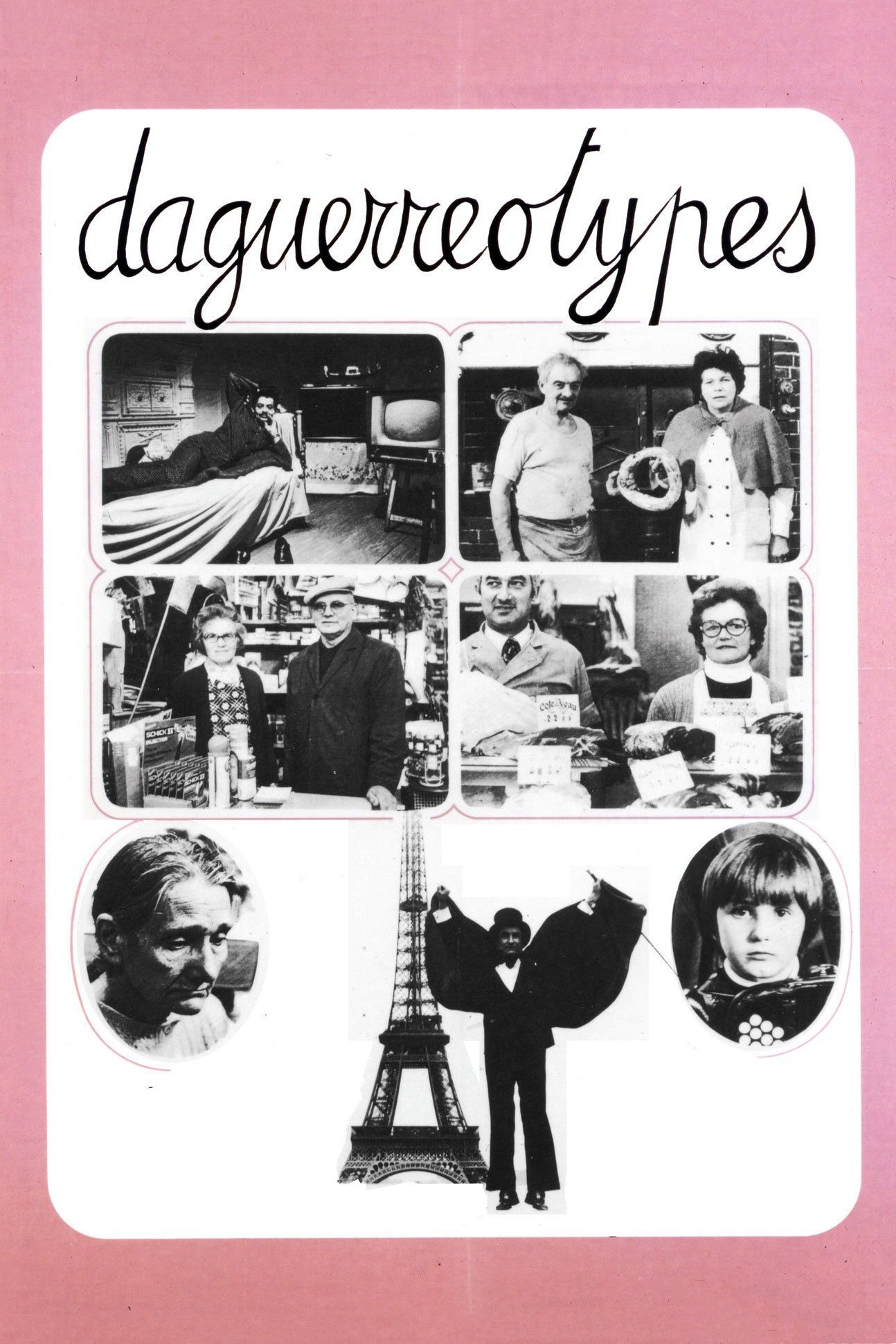
An intimate portrait of the small shops and shopkeepers of the Rue Daguerre in Paris, a picturesque street that has been the filmmaker’s home for more than 50 years.
The life and career of an actor, artist, and icon. His own journey through his own camera.
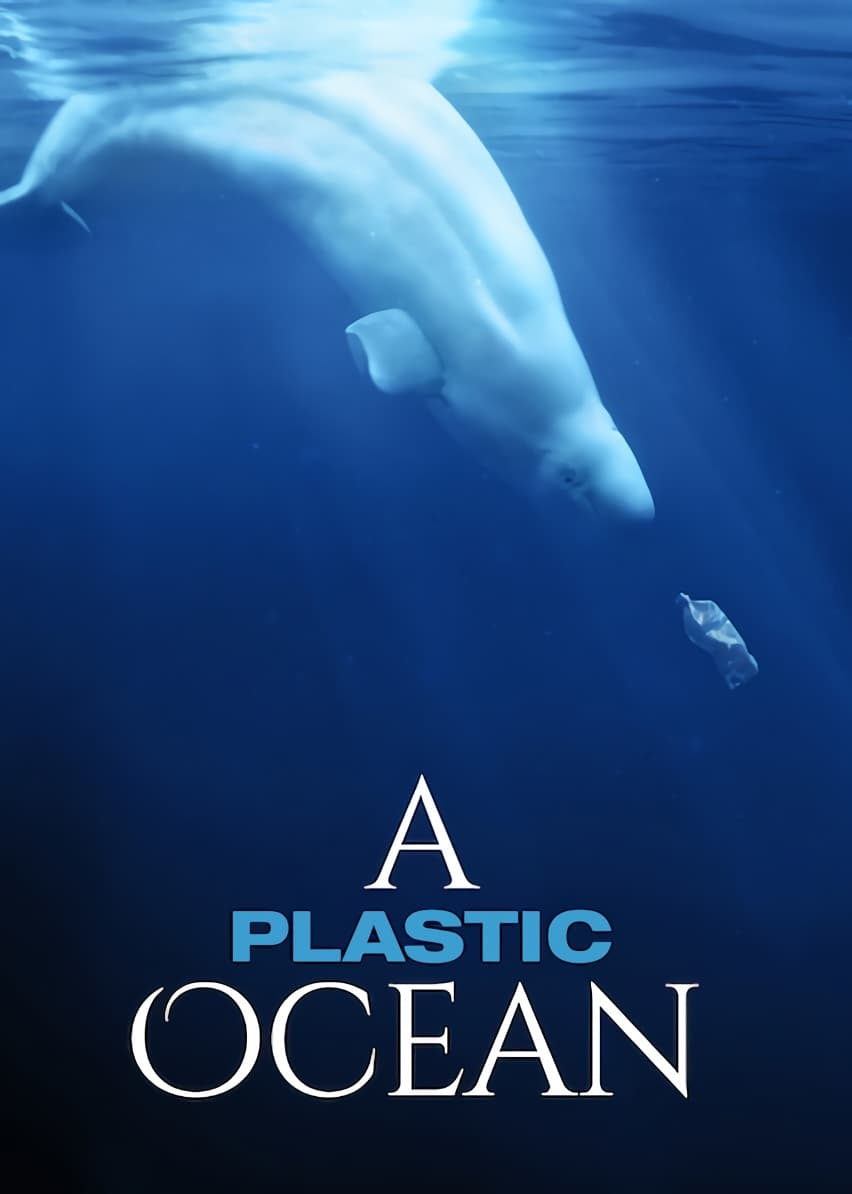
A documentary focused on plastic pollution in the world's oceans.
A look at the origins, history and conspiracies behind the "Majestic 12", a clandestine group of military and corporate figureheads charged with reverse-engineering extraterrestrial technology.
A documentary detailing the epic Rogues' Gallery of DC Comics from The Joker and Lex Luthor, Sinestro, Darkseid and more, this documentary will explore the Super Villains of DC Comics.
Al Pacino's deeply-felt rumination on Shakespeare's significance and relevance to the modern world through interviews and an in-depth analysis of "Richard III."
A portrait of the day-to-day operations of the National Gallery of London, that reveals the role of the employees and the experiences of the Gallery's visitors. The film portrays the role of the curators and conservators; the education, scientific, and conservation departments; and the audience of all kinds of people who come to experience it.
Various MGM stars from yesterday present their favorite musical moments from the studio's 50 year history.
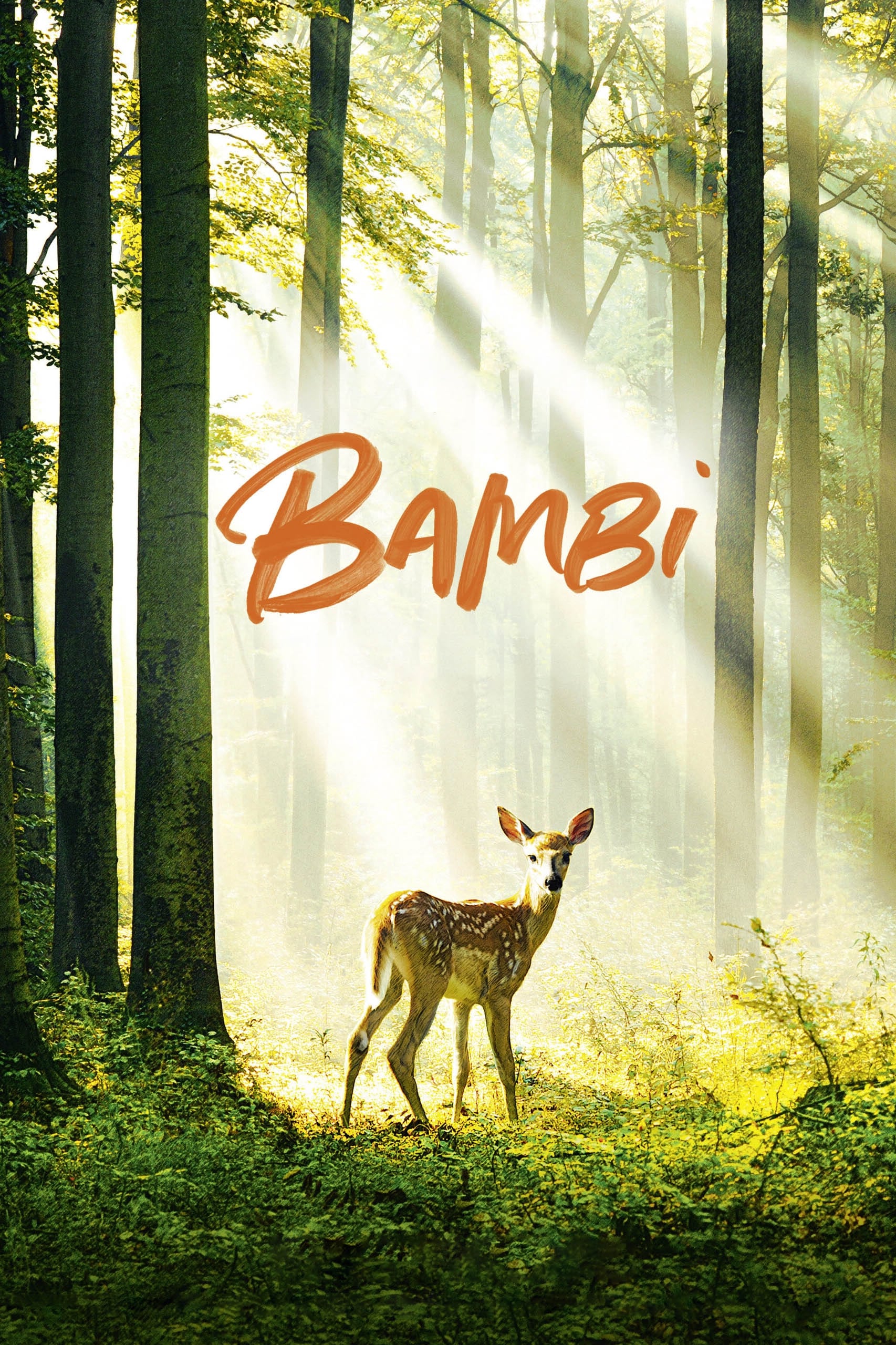
The life of Bambi, a male roe deer, from his birth through childhood, the loss of his mother, the finding of a mate, the lessons he learns from his father, and the experience he gains about the dangers posed by human hunters in the forest.
Based on Reich's 2010 book Aftershock: The Next Economy and America's Future, the film examines widening income inequality in the United States. U.S. Labor Secretary Robert Reich tries to raise awareness of the country's widening economic gap. He publicly argued about the issue for decades, and producing a film of his viewpoints was a "final frontier" for him. In addition to being a social issue documentary, Inequality for All is also partially a biopic regarding Reich's early life and his time as Secretary of Labor under Bill Clinton's presidency. Warren Buffett and Nick Hanauer, two entrepreneurs and investors in the top 1%, are interviewed in the film, supporting Reich's belief in an economy that benefits all citizens, including those of the middle and lower classes.
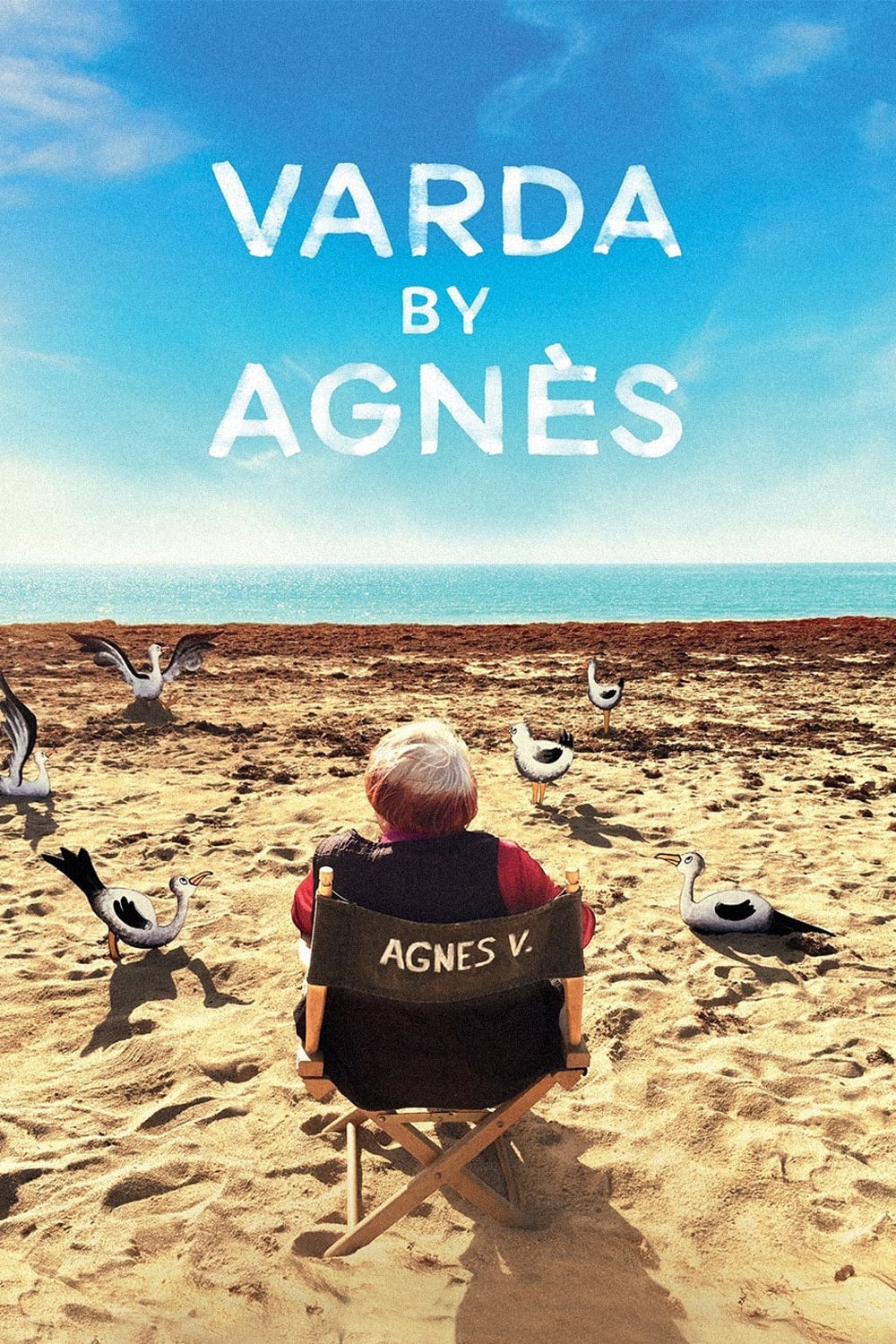
An unpredictable documentary from a fascinating storyteller, Agnès Varda’s last film sheds light on her experience as a director, bringing a personal insight to what she calls "cine-writing," traveling from Rue Daguerre in Paris to Los Angeles and Beijing.
Behind-the-scenes documentary revealing what goes on inside the colourful, privileged, and sometimes stressful Christian Dior fashion house.
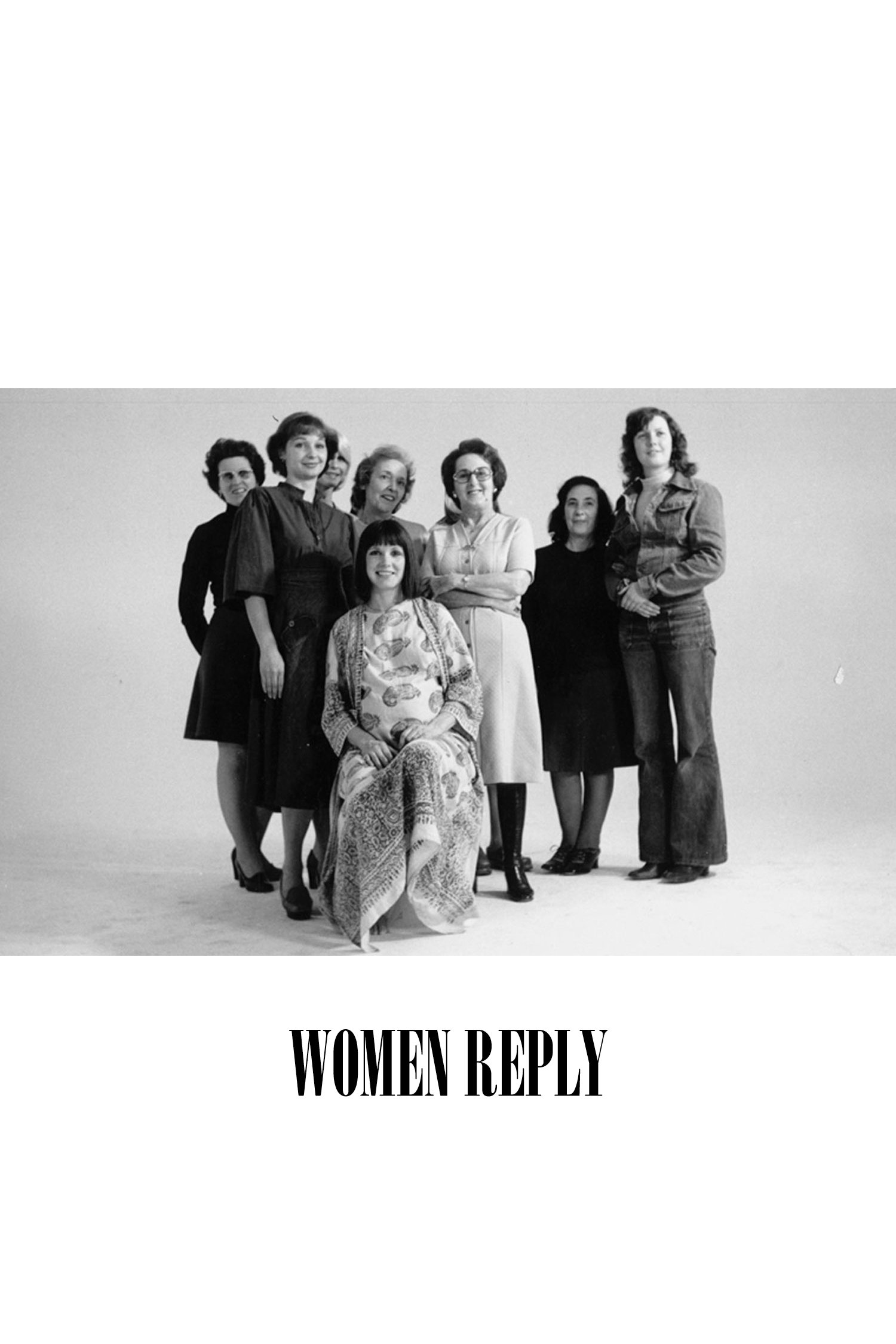
What does being a woman really mean? How do women live the status society reserves for them? A group of women, beautiful or not, young or not, gifted with motherly instinct or not, answer before Agnès Varda's camera.
A documentary that explores the downloading revolution; the kids that created it, the bands and the businesses that were affected by it, and its impact on the world at large.
The Captains is a feature-length documentary film written and directed by William Shatner. The film follows Shatner as he interviews the other actors who have portrayed starship captains in the Star Trek franchise.
An astonishing journey revealing the awesome power of the natural world. Over the course of one single day, we track the sun from the highest mountains to the remotest islands to exotic jungles.
A presentation of a case for a needed transition out of the current socioeconomic monetary paradigm which governs the entire world society. This subject matter will transcend the issues of cultural relativism and traditional ideology and move to relate the core, empirical 'life ground' attributes of human and social survival, extrapolating those immutable natural laws into a new sustainable social paradigm called a 'Resource-Based Economy'.
When a cross-section of seven-year-olds were interviewed for 7 Up in 1964 it was immediately evident that their social backgrounds influenced their attitudes towards life. While the upper class children were confident and self-assured, those from middle and working class backgrounds were resigned to a challenging life of hard work. This premise was put to the test every seven years when the same group were interviewed about the progression of their lives. 49 years in the making, the changes that occurred to the original 14 make for fascinating television and are in many ways the stories of all our lives. From success and disappointment, marriage and childbirth, to poverty and illness, nearly every facet of life has been captured on film. Now, at the age of 56, the group are once more brought together and, with the benefit of hindsight, assess whether their lives have been ruled by circumstance or self-determination.
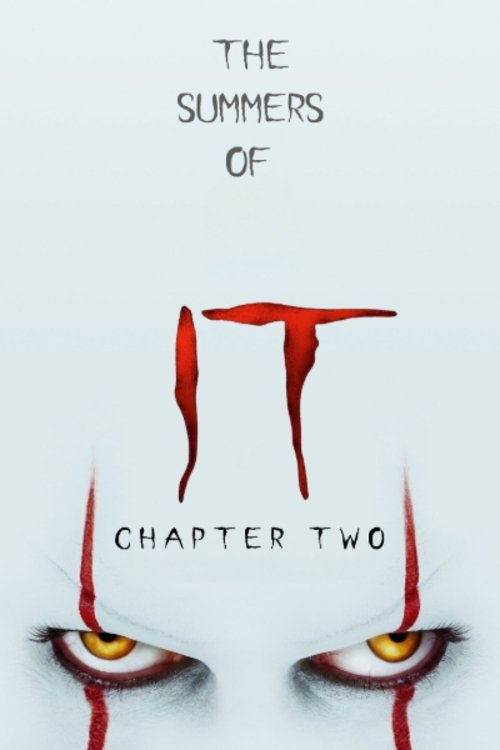
This documentary focuses on the actors and their journey over two summers to create the remake to the original IT, by Stephen King. The documentary originally released as bonus material, bundled with IT: Chapter Two.
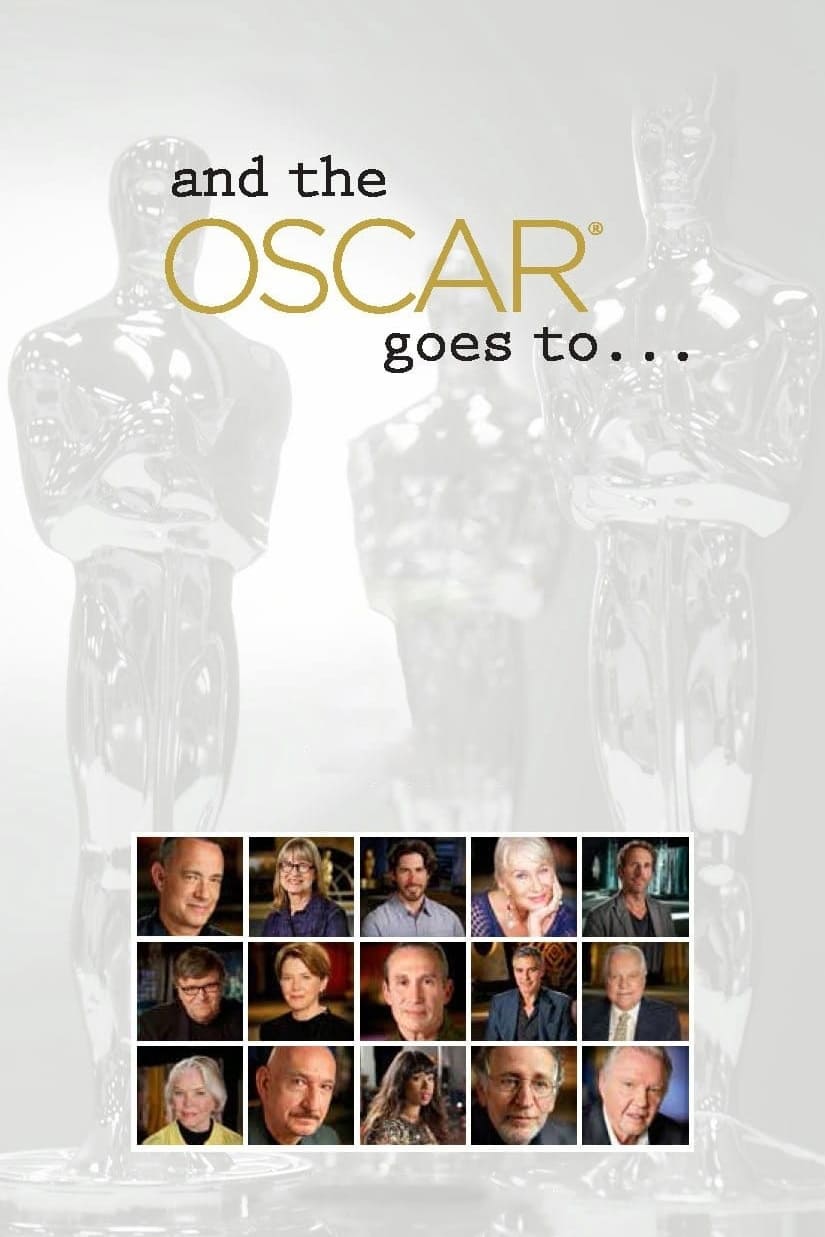
The story of the gold-plated statuette that became the film industry's most coveted prize, AND THE OSCAR GOES TO... traces the history of the Academy itself, which began in 1927 when Louis B. Mayer, then head of MGM, led other prominent members of the industry in forming this professional honorary organization. Two years later the Academy began bestowing awards, which were nicknamed "Oscar," and quickly came to represent the pinnacle of cinematic achievement.