Social & External
Stream of consciousness awakened by the shots of an inauspicious summer.
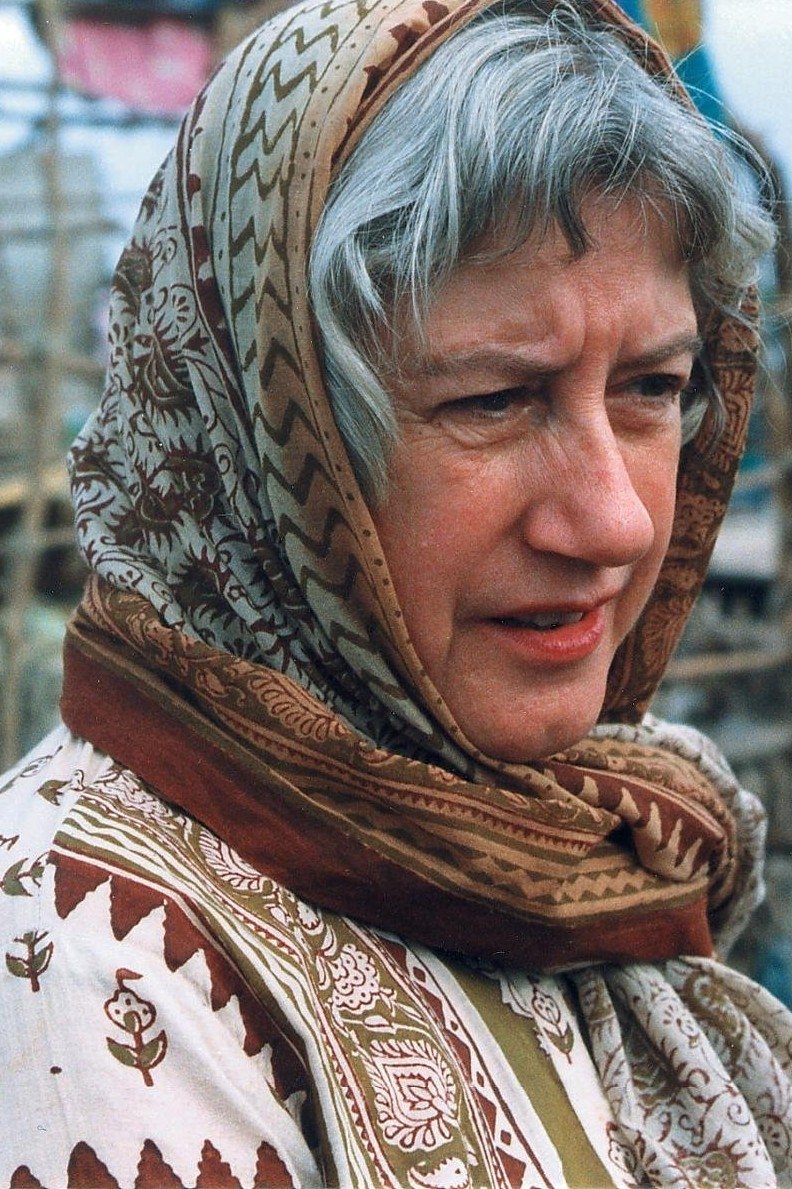
A Calling to Care is the inspiring story of 55 year-old Grace Stanley, a Canadian nurse who left her home and prestigious career behind to answer a calling halfway around the world in Karachi, Pakistan. Teaching nursing to local women in a strict Muslim culture that forbids them to even to touch men is a formidable task. However, Grace challenges her own values and belief systems to find common ground with her students, helping them to excel and feel respect for themselves in a culture that doesn't respect them. Whether it is getting her hands painted with henna, swimming fully-clothed in the ocean, or marching bravely with them on International Women's Day, Grace bonds with her students in a very special way, and ultimately discovers how the West can learn a lot more from the Third World than she ever thought.
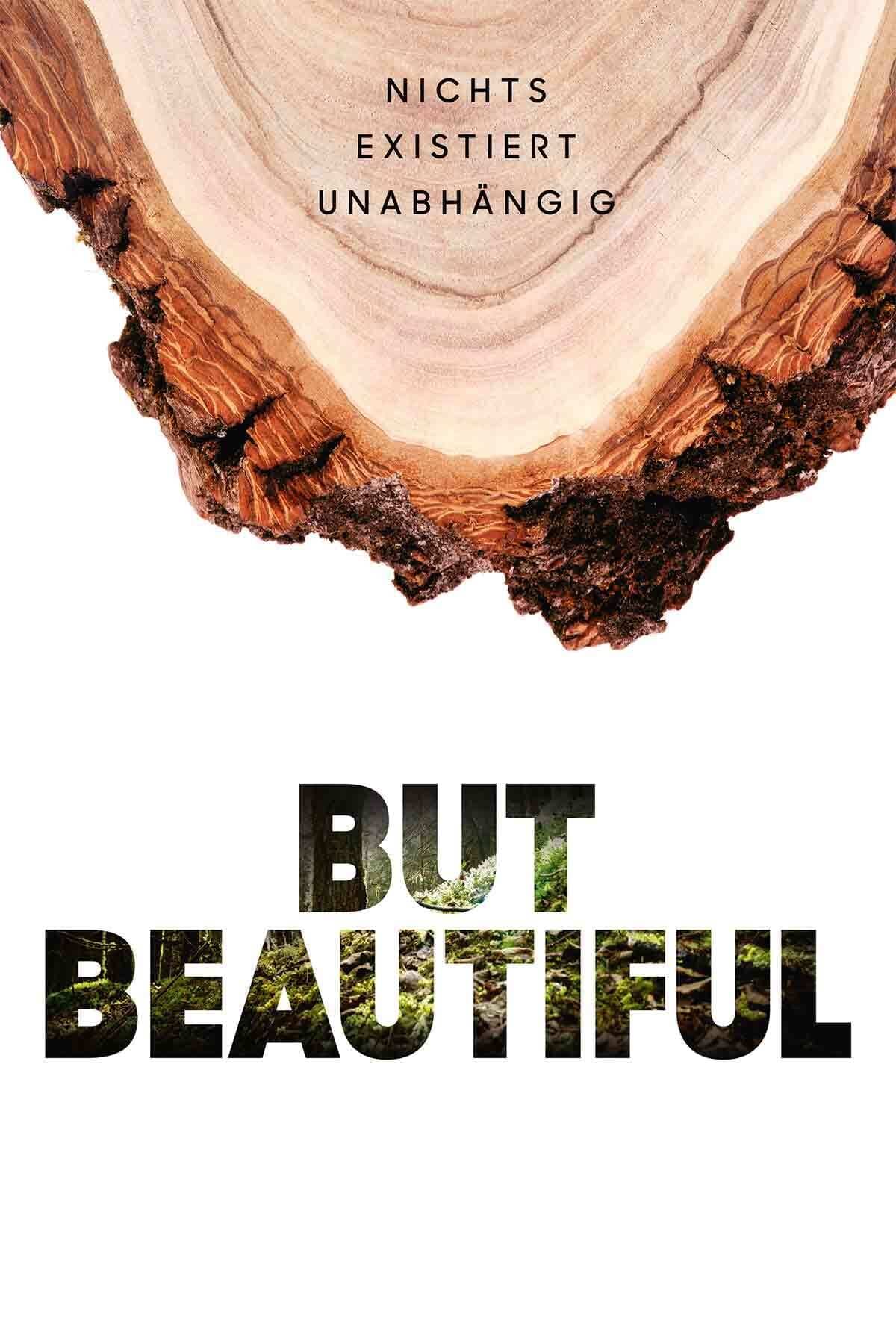
In his new film, Erwin Wagenhofer is looking for the good and beautiful in this world.
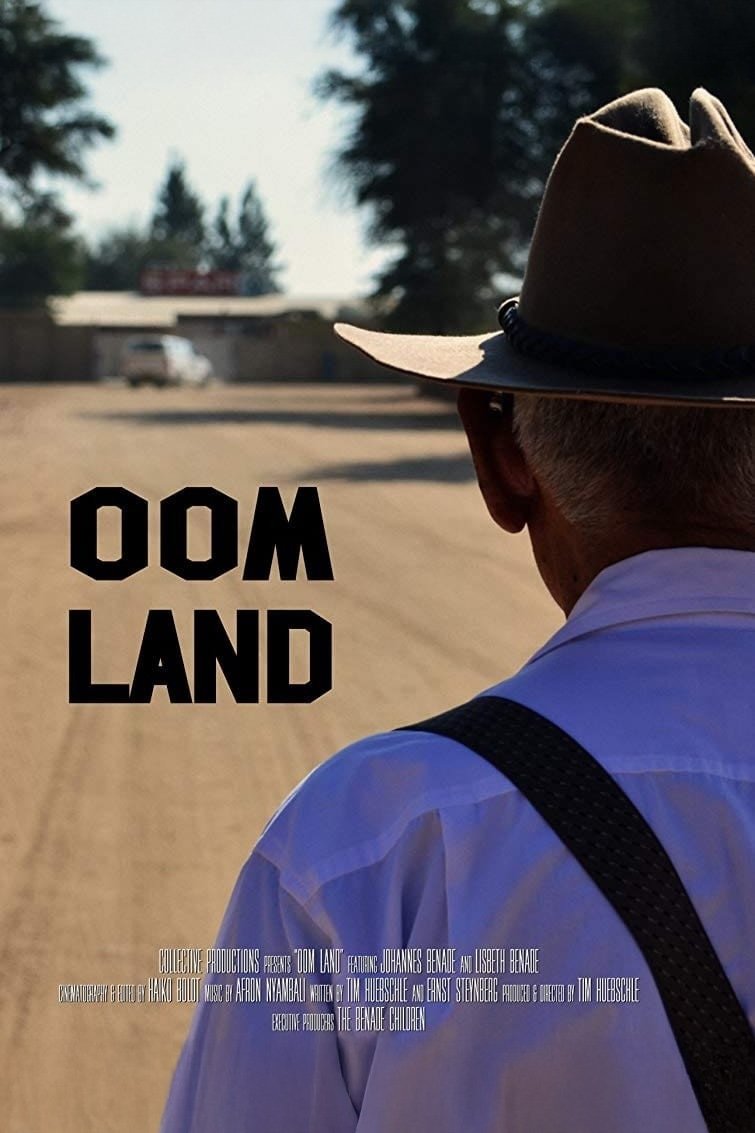
50 years ago the Volkswinkel - the People's Shop - opened for business in Rehoboth. The man behind the success story is Oom Land. Here you get to meet him.
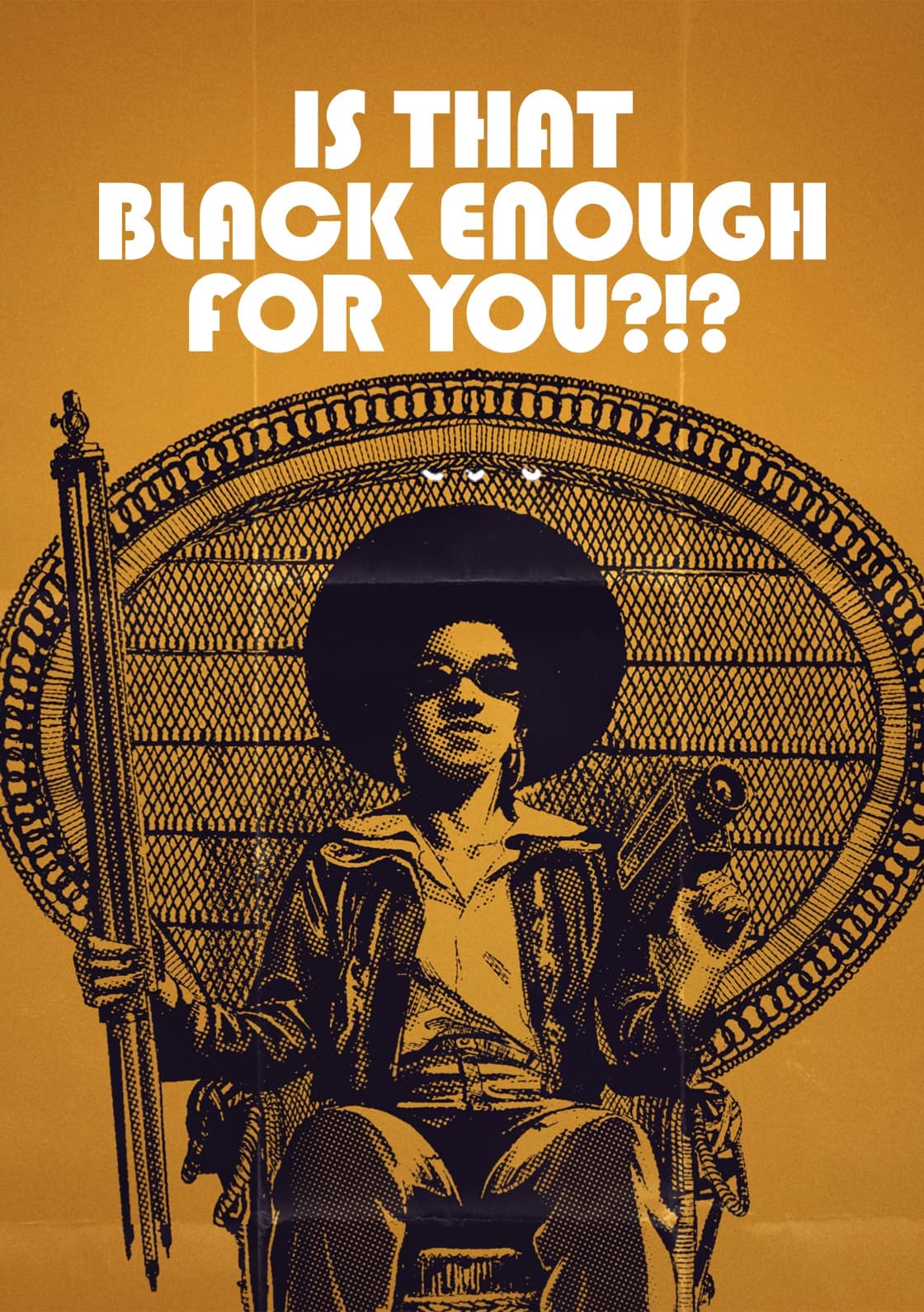
A look at the Black revolution in 1970s cinema, from genre films to social realism, from the making of new superstars to the craft of rising auteurs.
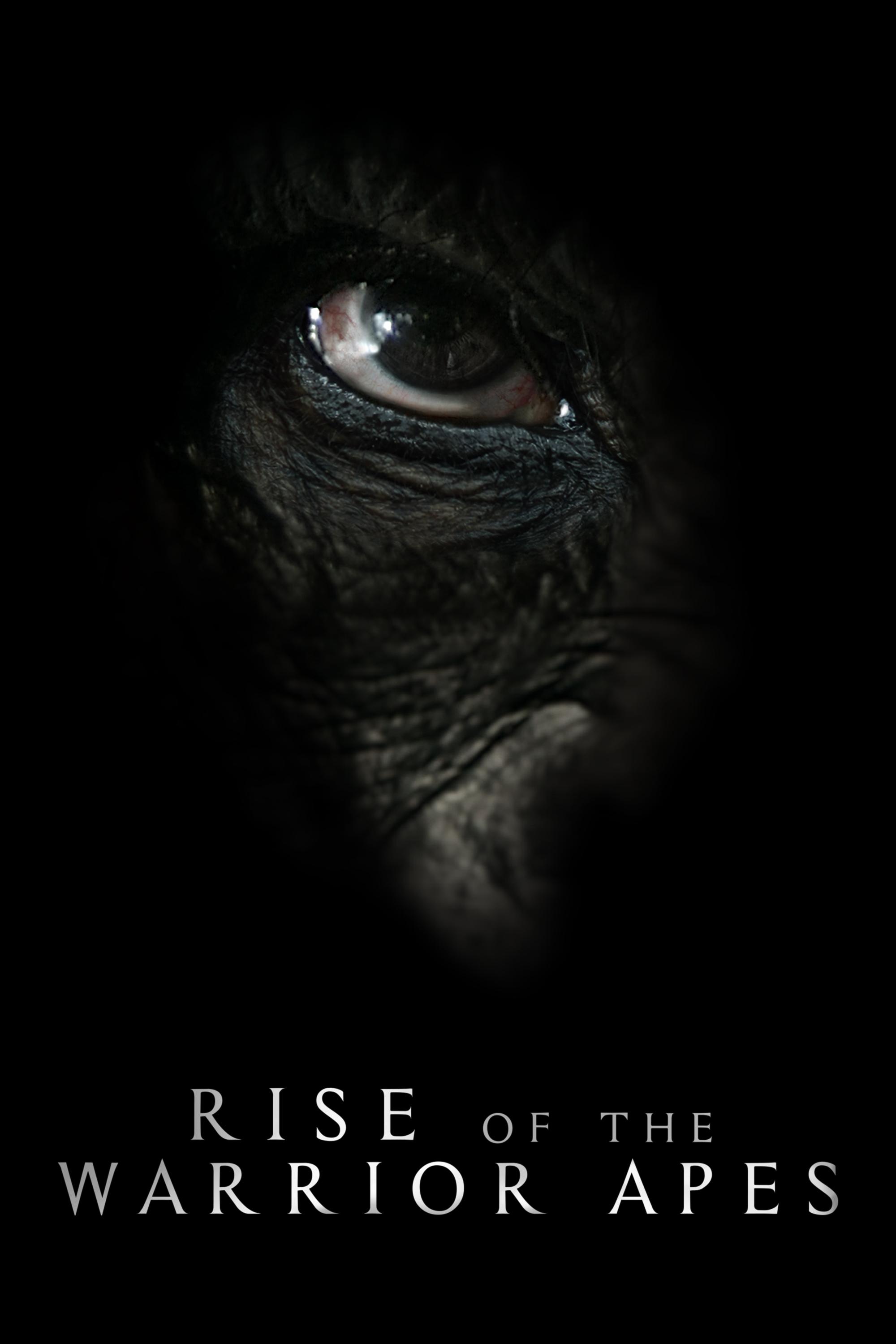
Filmed over 23 years, Rise of the Warrior Apes tells the epic story of an extraordinary troop of chimpanzees in Ngogo, Uganda – featuring four mighty warriors who rule through moral ambiguity, questionable politics, strategic alliances and destroyed trust.
Short film about inuits
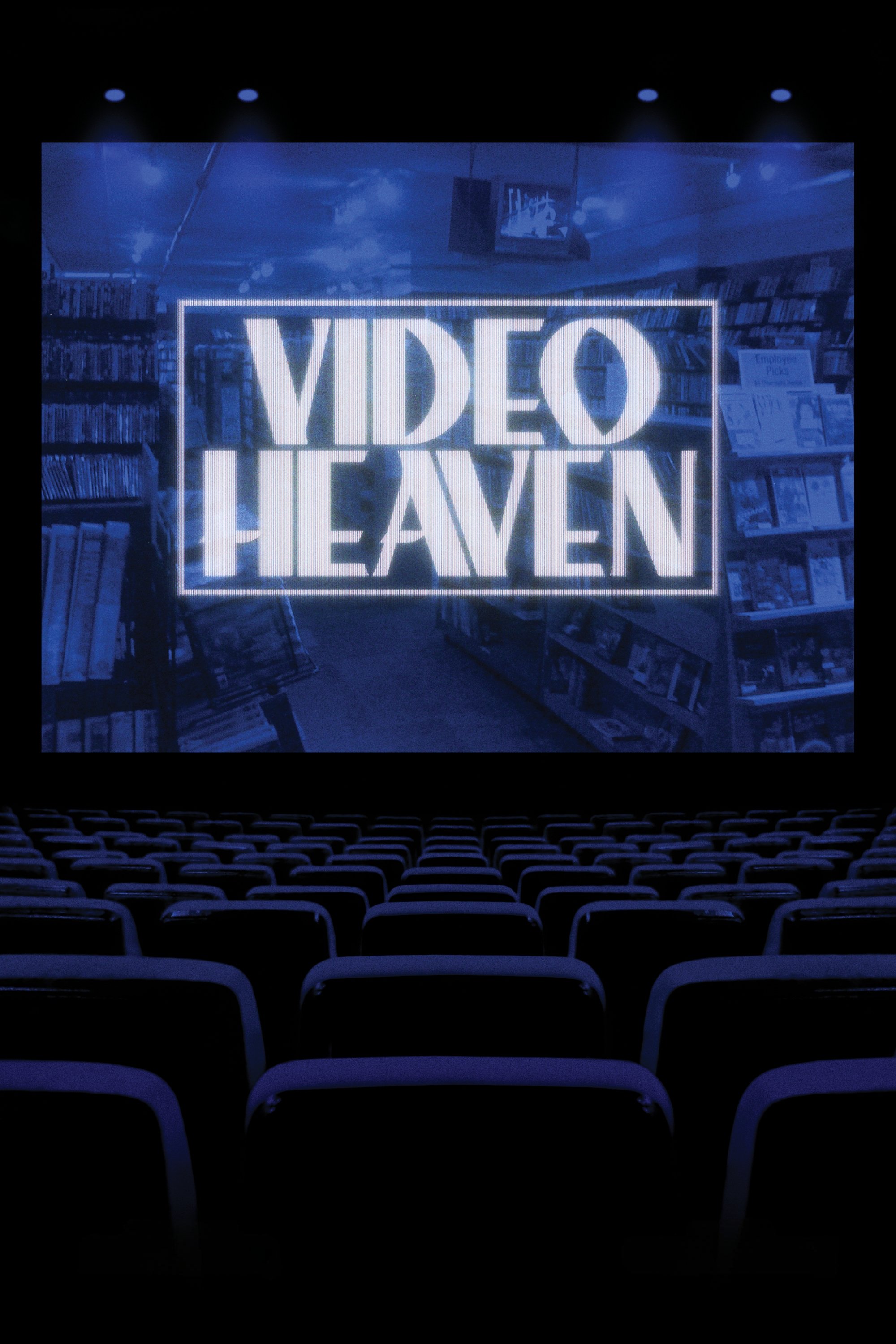
Since the 1980s, the video shop has been a desperately necessary space for film culture. In Videoheaven, Alex Ross Perry tells the story of the neighbourhood video shop to consider wider, changing social histories, using appropriated footage from the high and lowbrow.
A documentary on the expletive's origin, why it offends some people so deeply, and what can be gained from its use.
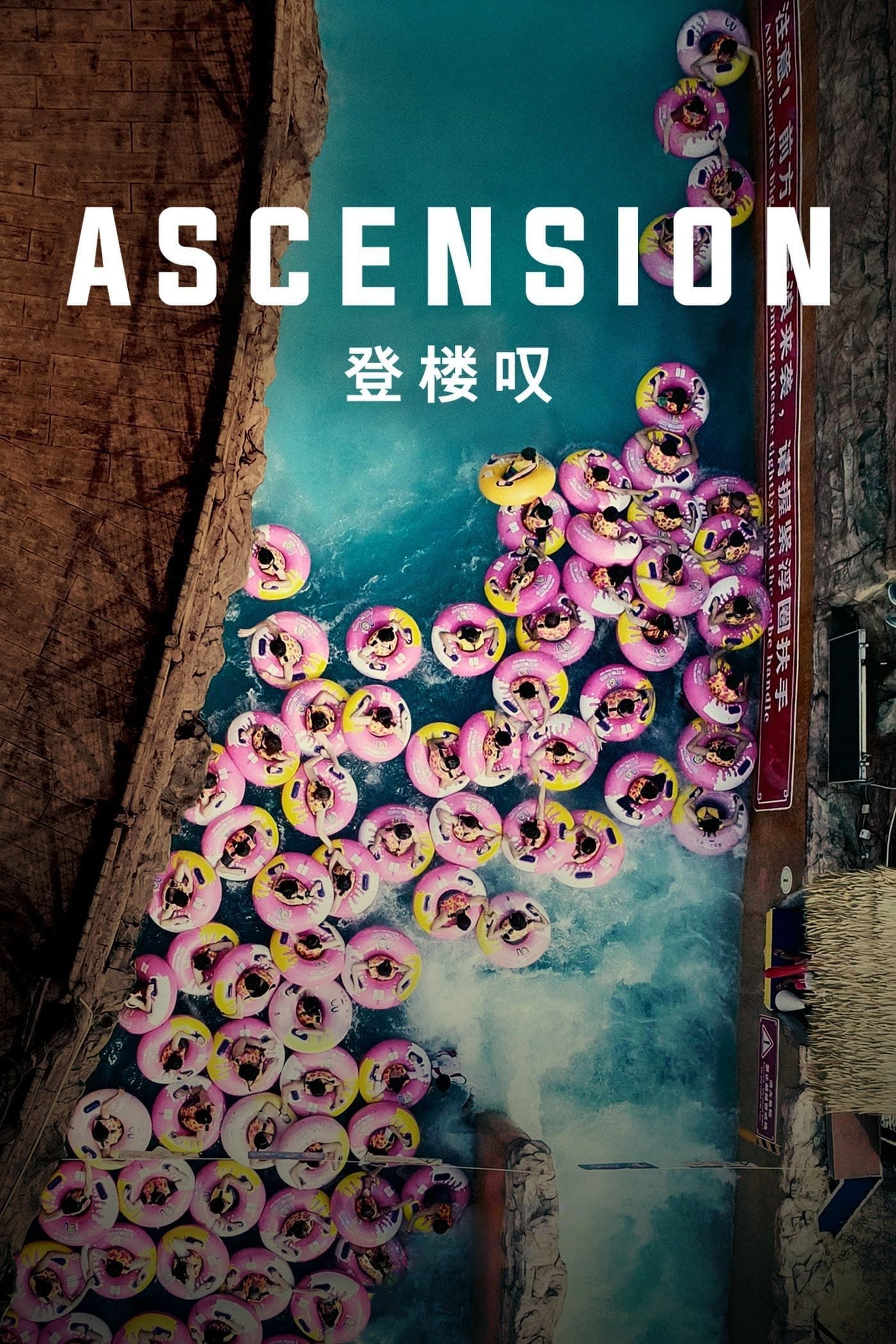
The film explores the pursuit of the “Chinese Dream.” Driven by mesmerizing—and sometimes humorous—imagery, this observational documentary presents a contemporary vision of China that prioritizes productivity and innovation above all.
An investigative journalist uncovers the money, influence, and alarming rationale behind covert land grabs by some of the world’s most powerful countries.
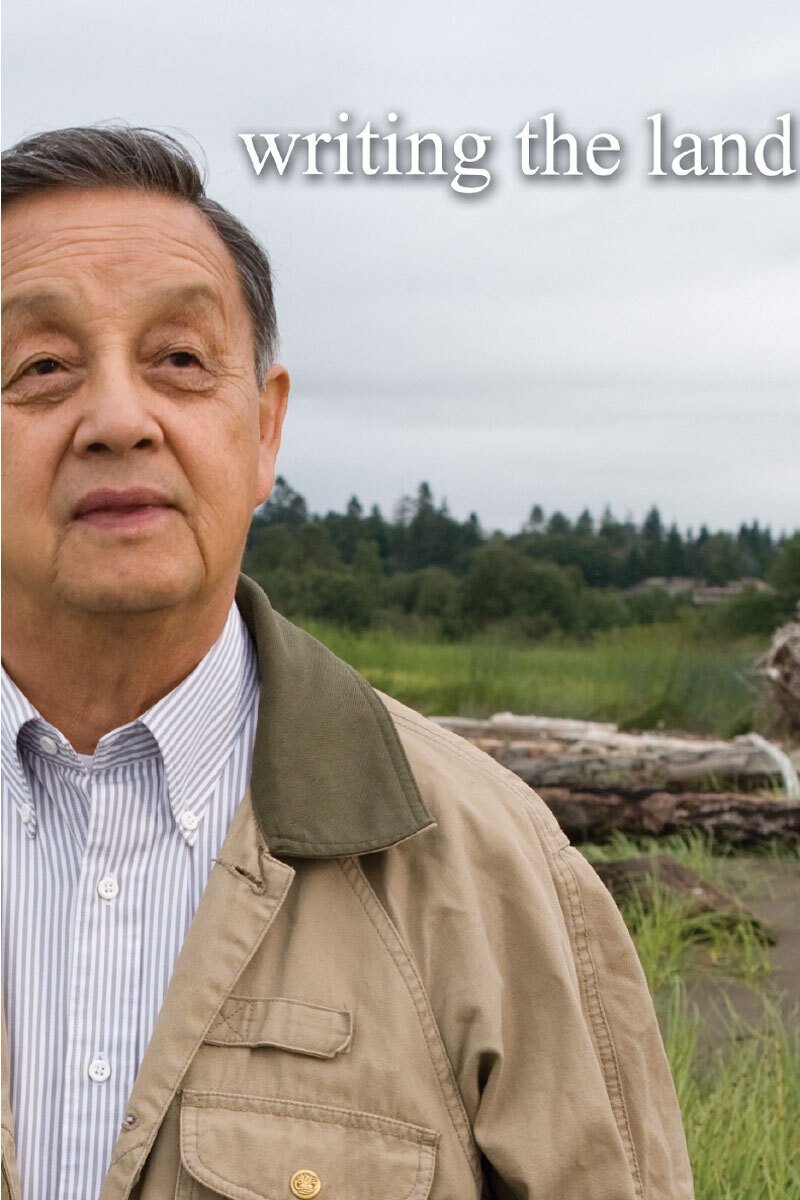
In this short documentary, a Musqueam elder rediscovers his Native language and traditions in the city of Vancouver, in the vicinity of which the Musqueam people have lived for thousands of years. Writing the Land captures the ever-changing nature of a modern city - the glass and steel towers cut against the sky, grass, trees and a sudden flash of birds in flight and the enduring power of language to shape perception and create memory.
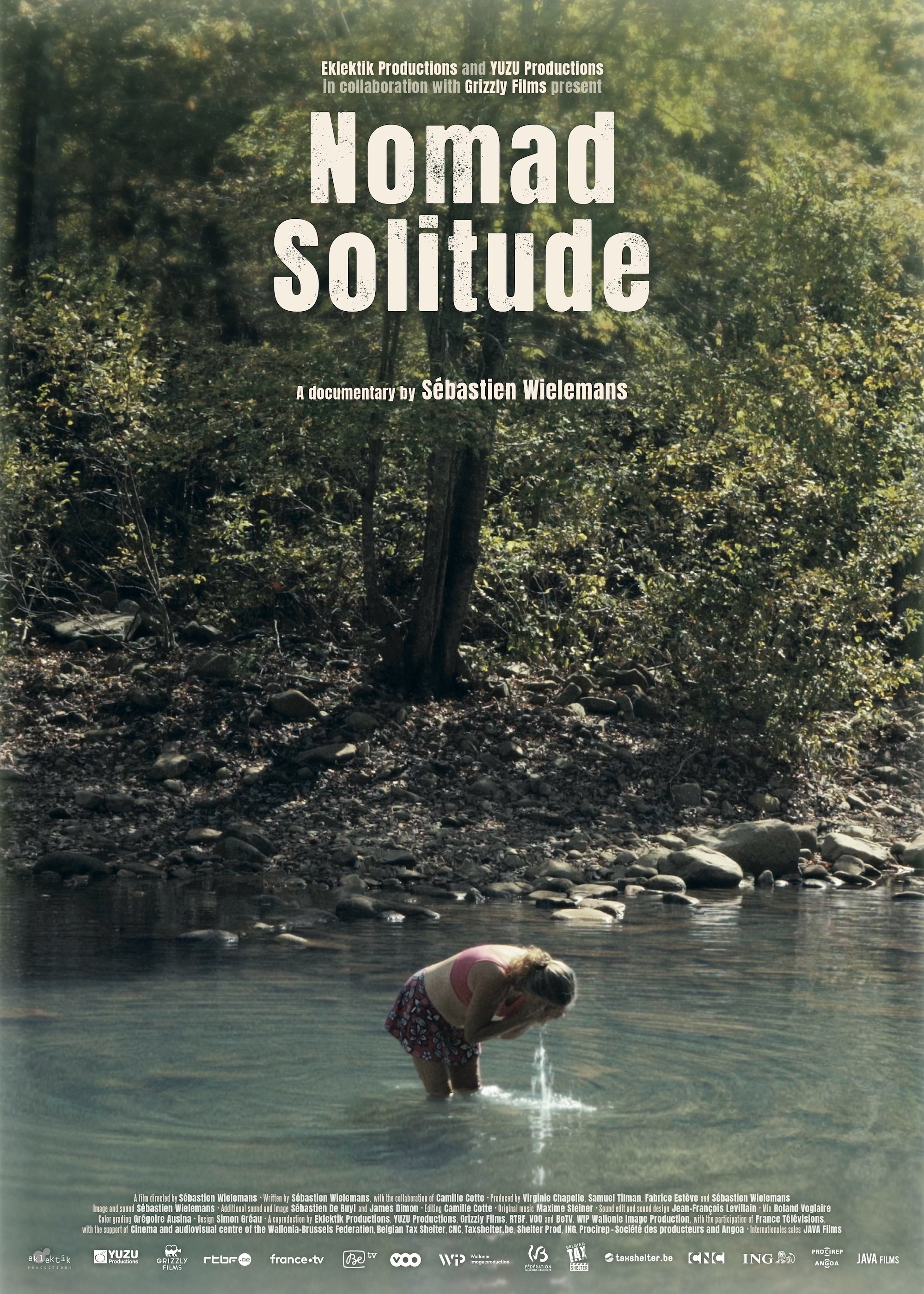
In their vehicle, Laurie, Kristy and Linda live alone on the American roads. Like thousands of modern American nomads who can no longer afford to pay for their housing. With no money to spare, these three sixty-year old women are fleeing, in their own way, a part of their history that has left a deep mark on them. Driving away, they try to regain some form of peace. But as the miles and seasons pass, despite their impressive temerity and resilience, their quest for a better future is challenged by unexpected events that hit a country in crisis. Will they nevertheless manage, at the end of the road, to find the serenity they are looking for, in order to become someone again?
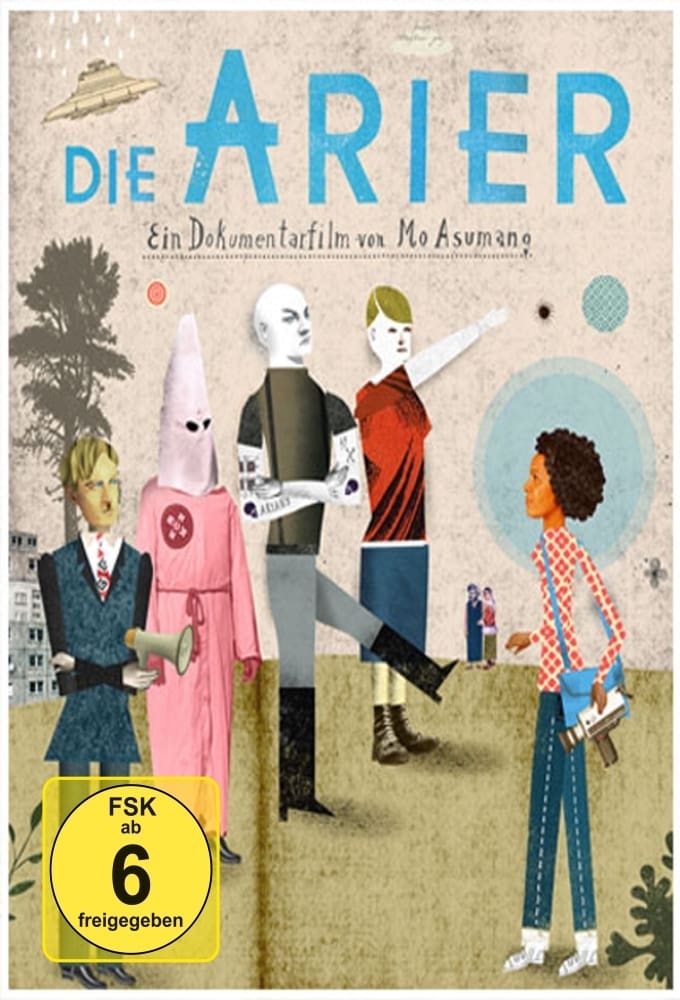
THE ARYANS is Mo Asumang's personal journey into the madness of racism during which she meets German neo-Nazis, the US leading racist, the notorious Tom Metzger and Ku Klux Klan members in the alarming twilight of the Midwest. In The ARYANS Mo questions the completely wrong interpretation of "Aryanism" - a phenomenon of the tall, blond and blue-eyed master race.
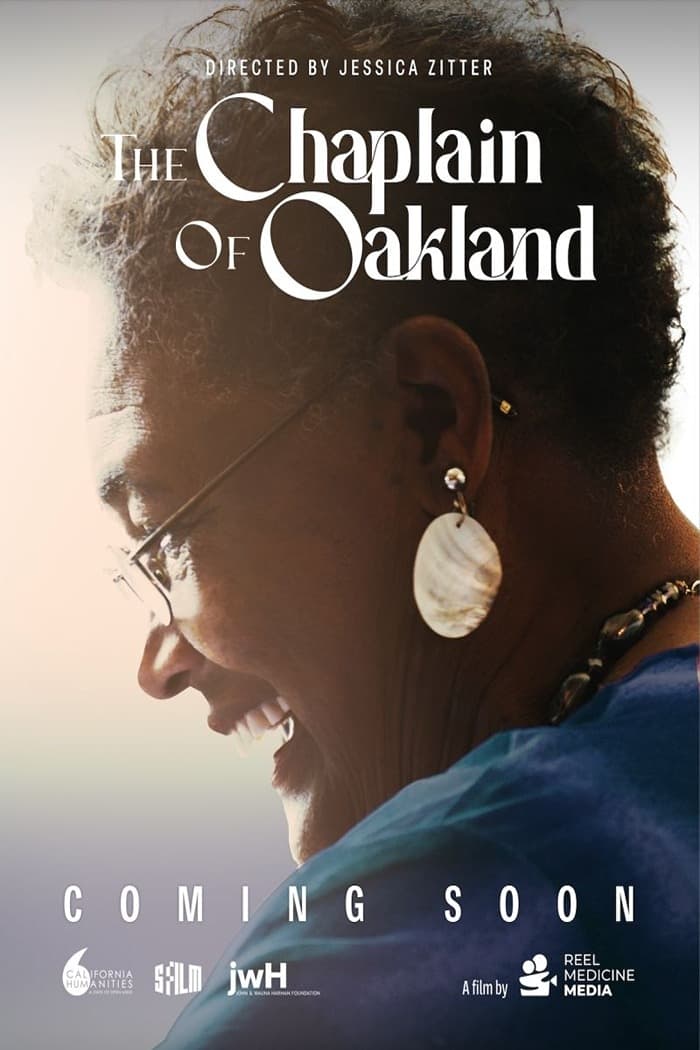
Frustrated by watching Black patients suffer due to end-of-life healthcare inequities, two determined allies – a chaplain and a doctor – work to transform a broken medical system, one patient at a time.
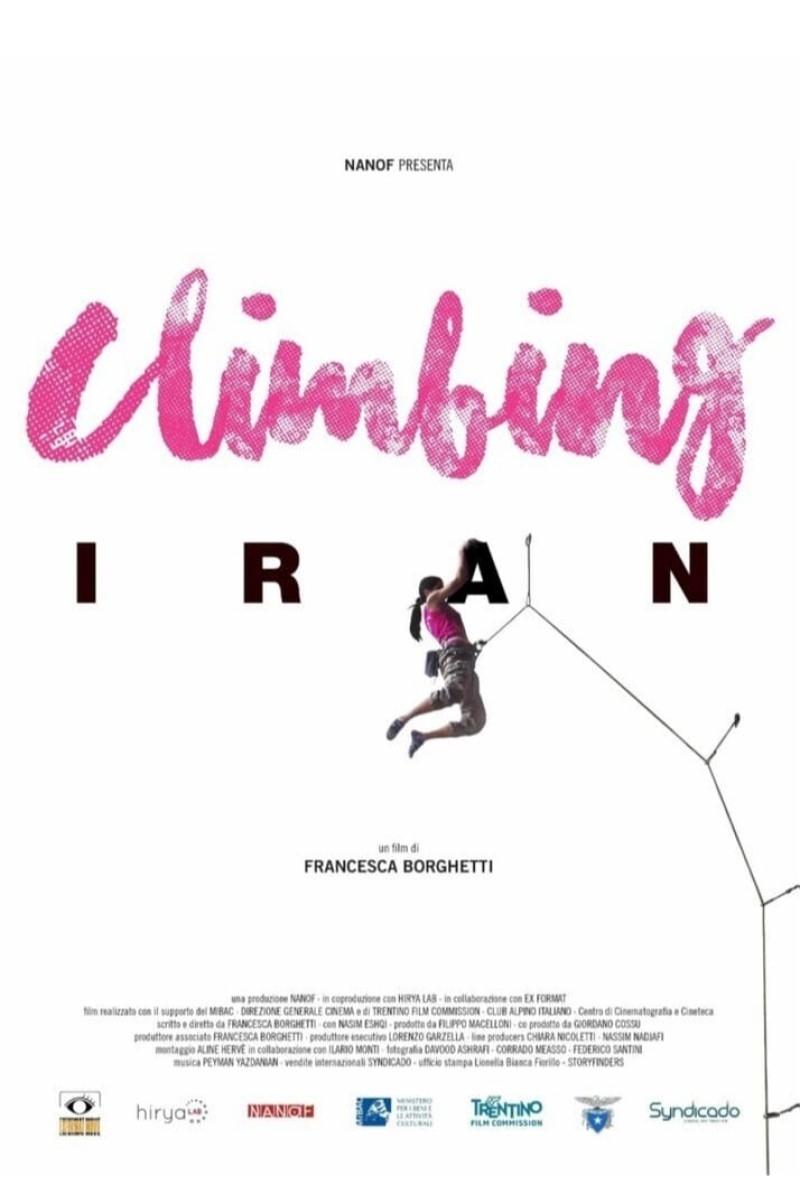
Nasim is a free climber, the only woman able to open new routes in Iran. She’s facing a double mountain to climb, both physical and cultural, as her passion collides with the strict policies concerning women freedom in her country. And she has a dream: open a new route in the Alps.
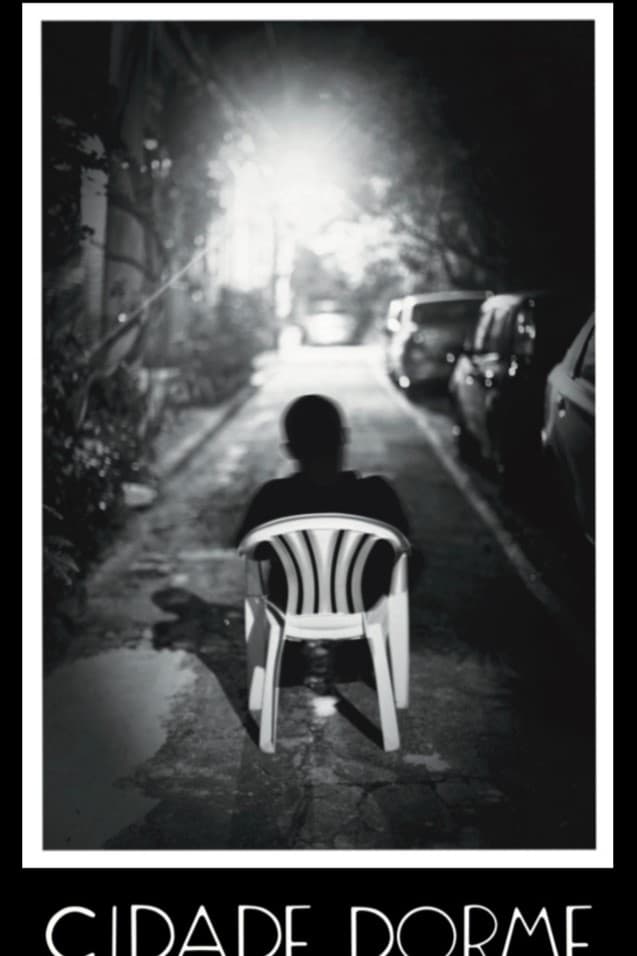
Night falls and the noisy and chaotic population of the city of Rio de Janeiro goes to their homes, preparing for a new day. But while most people sleep, how does the city function? Early morning seems, to unaccustomed eyes, something lonely and even scary. What is life like, then, for those who work and live while the city sleeps?
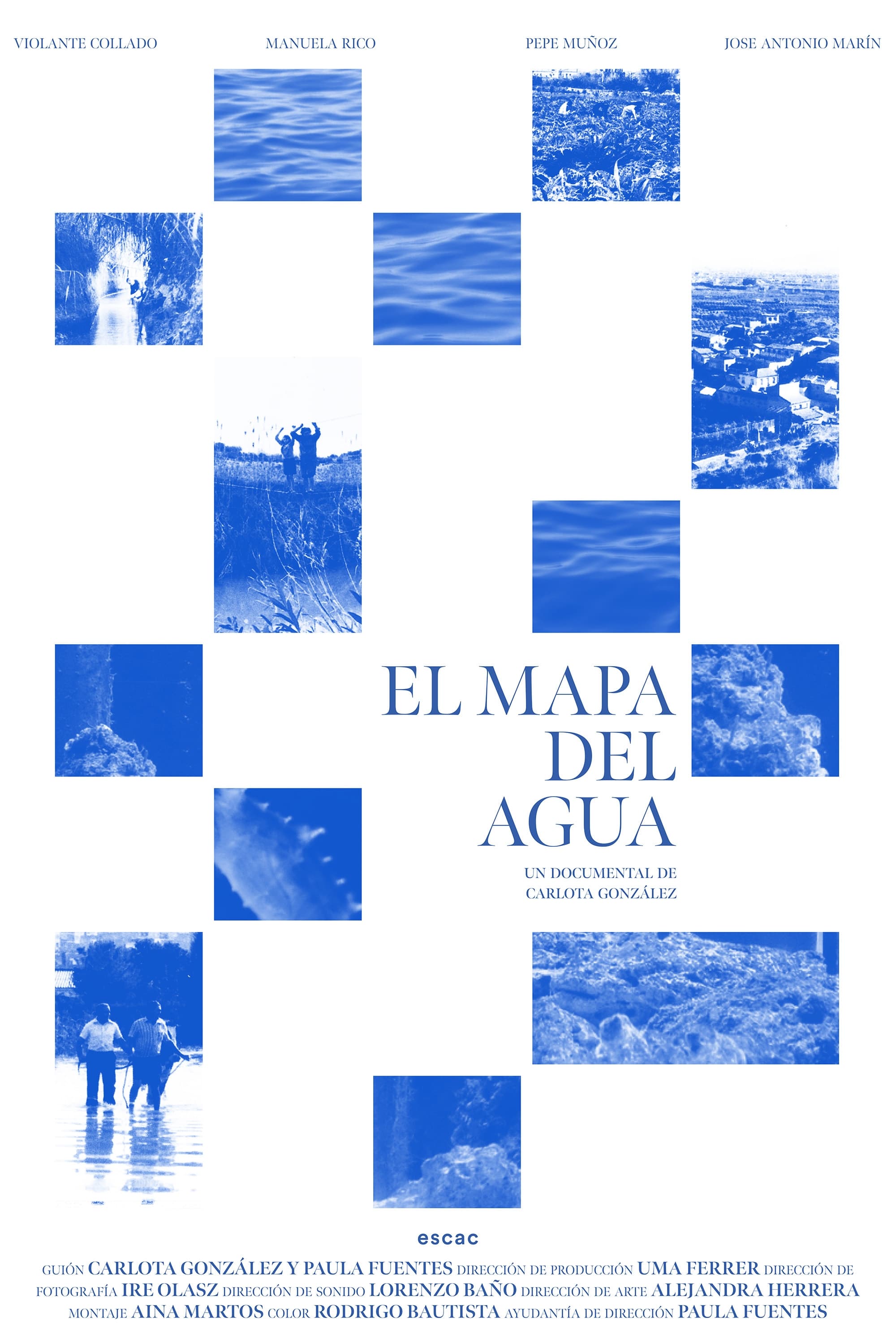
The Water Map is an essayistic journey through the ethnography and landscapes of the Region of Murcia. These places are in the process of disappearing due to the increasing and abundant agricultural exploitation. Water has marked the territory and the culture of the area, and with its disappearance, the memories of four characters fade away.
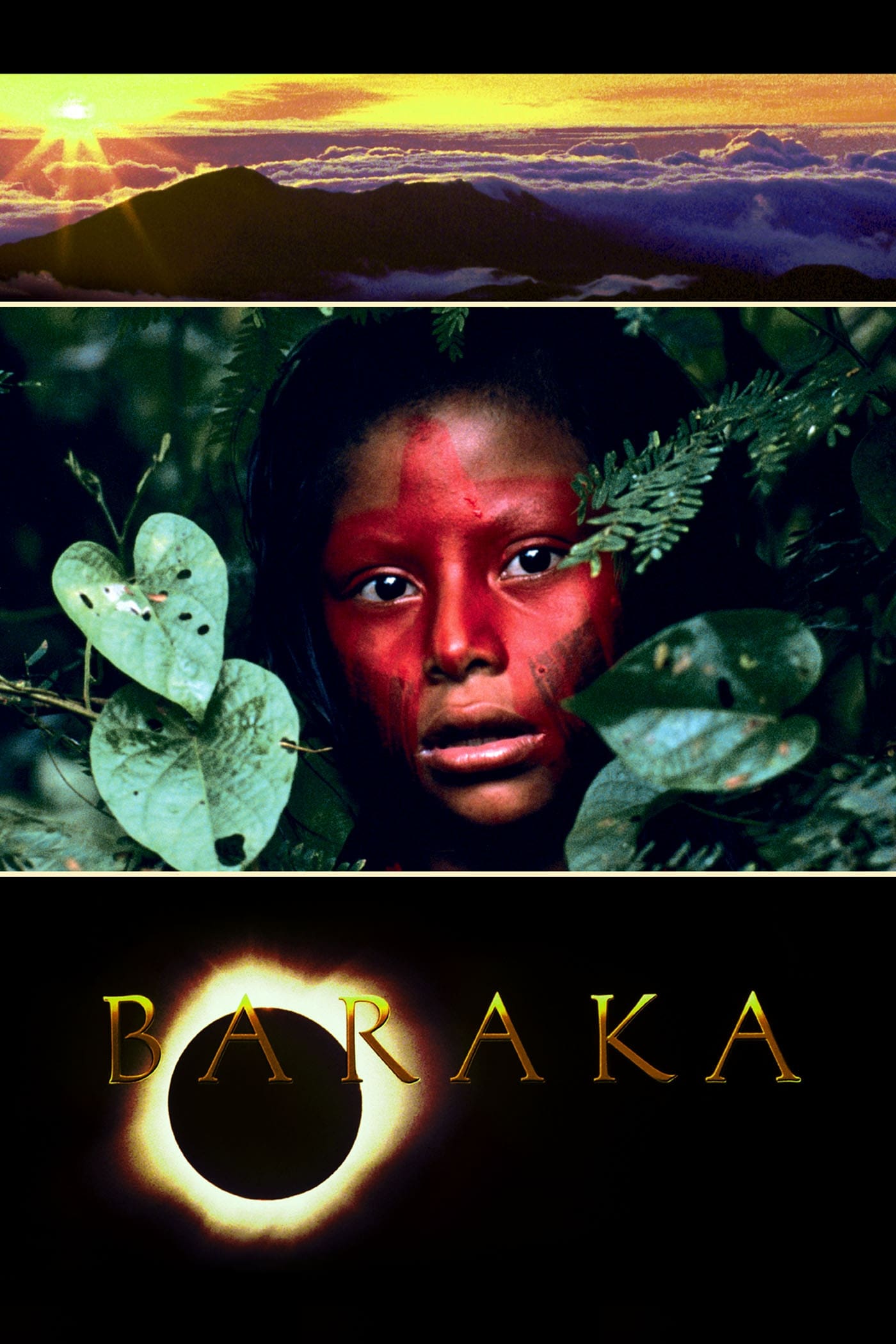
A paralysingly beautiful documentary with a global vision—an odyssey through landscape and time—that attempts to capture the essence of life.
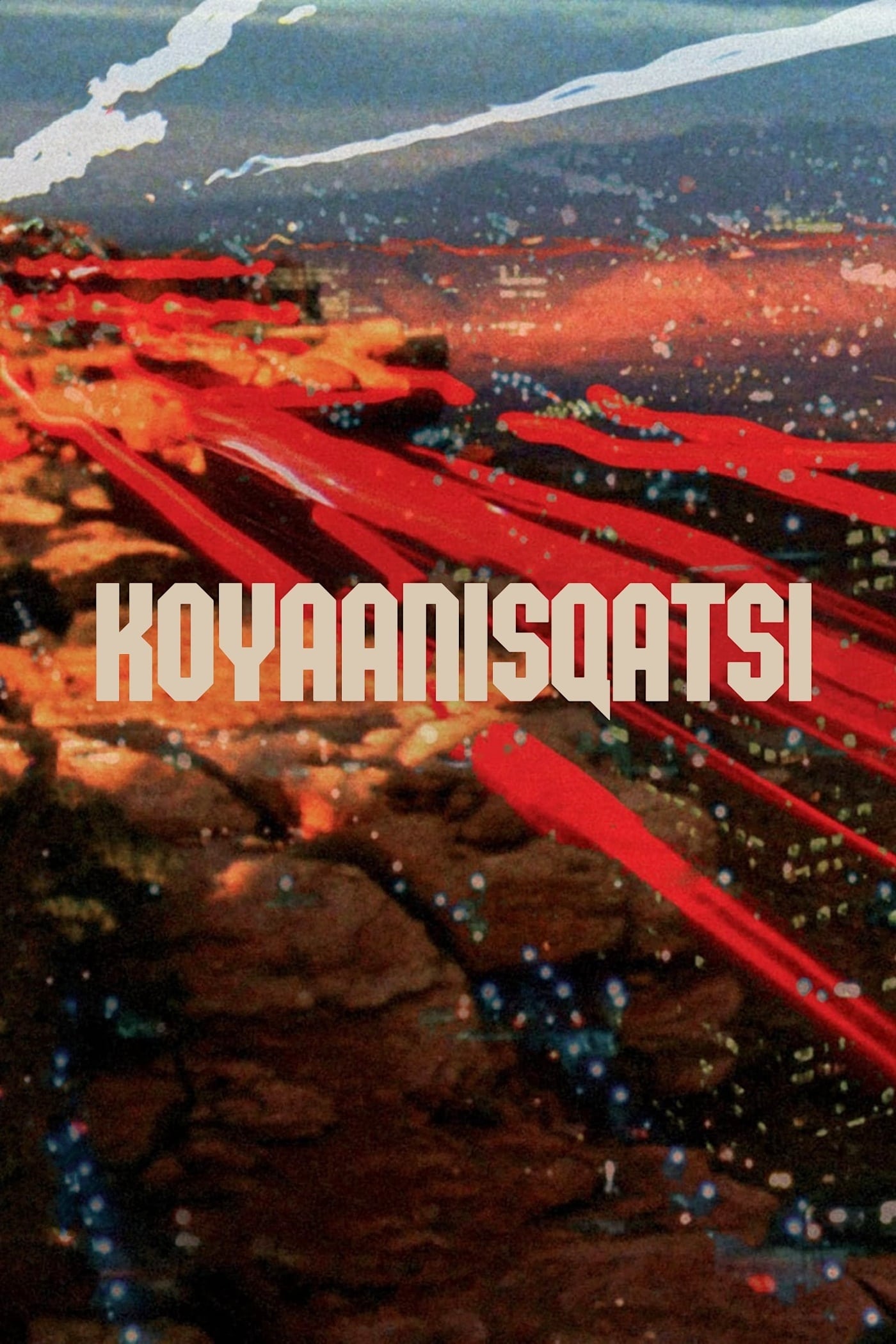
Takes us to locations all around the US and shows us the heavy toll that modern technology is having on humans and the earth. The visual tone poem contains neither dialogue nor a vocalized narration: its tone is set by the juxtaposition of images and the exceptional music by Philip Glass.
In the Realms of the Unreal is a documentary about the reclusive Chicago-based artist Henry Darger. Henry Darger was so reclusive that when he died his neighbors were surprised to find a 15,145-page manuscript along with hundreds of paintings depicting The Story of the Vivian Girls, in What is Known as the Realms of the Unreal, of the Glodeco-Angelinnian War Storm, Cased by the Child Slave Rebellion.
An experimental documentary that explores Saudi Arabia's relationship with the U.S. and the role this has played in the war in Afghanistan.
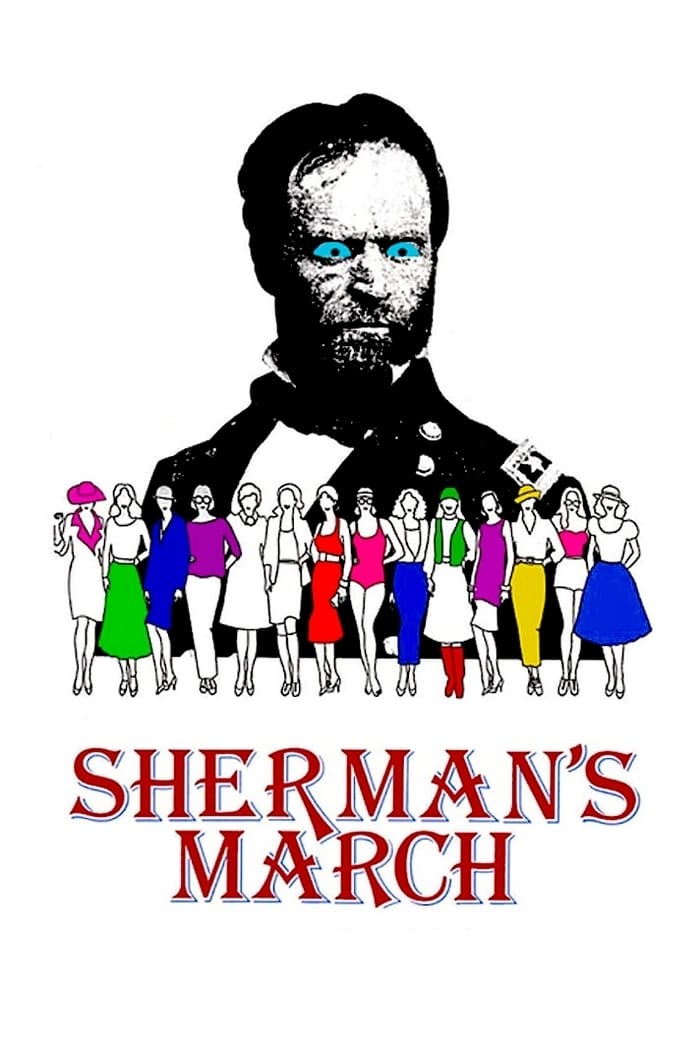
Ross McElwee sets out to make a documentary about the lingering effects of General Sherman's march of destruction through the South during the Civil War, but is continually sidetracked by women who come and go in his life, his recurring dreams of nuclear holocaust, and Burt Reynolds.
A subjective documentary that explores various theories about hidden meanings in Stanley Kubrick's classic film The Shining. Five very different points of view are illuminated through voice over, film clips, animation and dramatic reenactments.
Sheds light on an alternative approach to farming called “regenerative agriculture” that could balance our climate, replenish our vast water supplies, and feed the world.
Filmed over nearly five years in twenty-five countries on five continents, and shot on seventy-millimetre film, Samsara transports us to the varied worlds of sacred grounds, disaster zones, industrial complexes, and natural wonders.
An atmospheric essay, which is an alternative version of Count Dracula, a film directed by Jess Franco in 1970; a ghostly narration between fiction and reality.
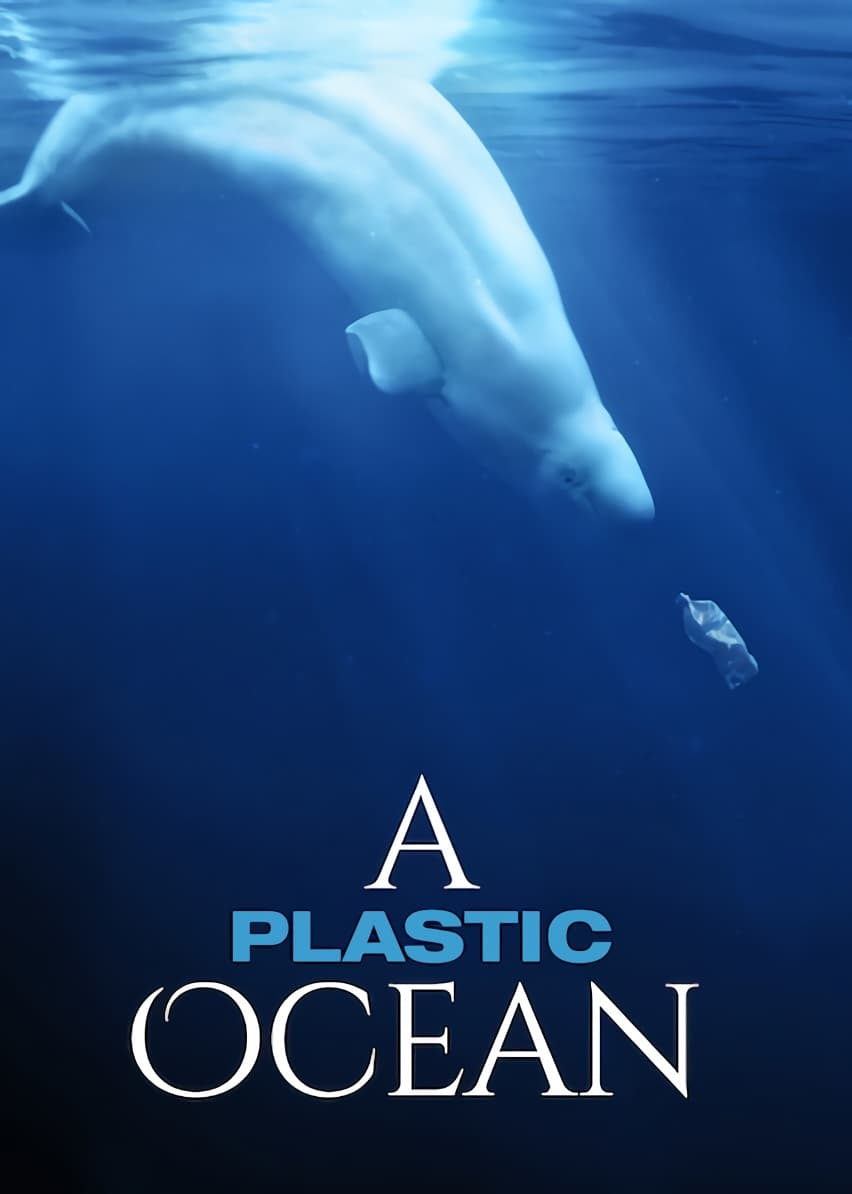
A documentary focused on plastic pollution in the world's oceans.
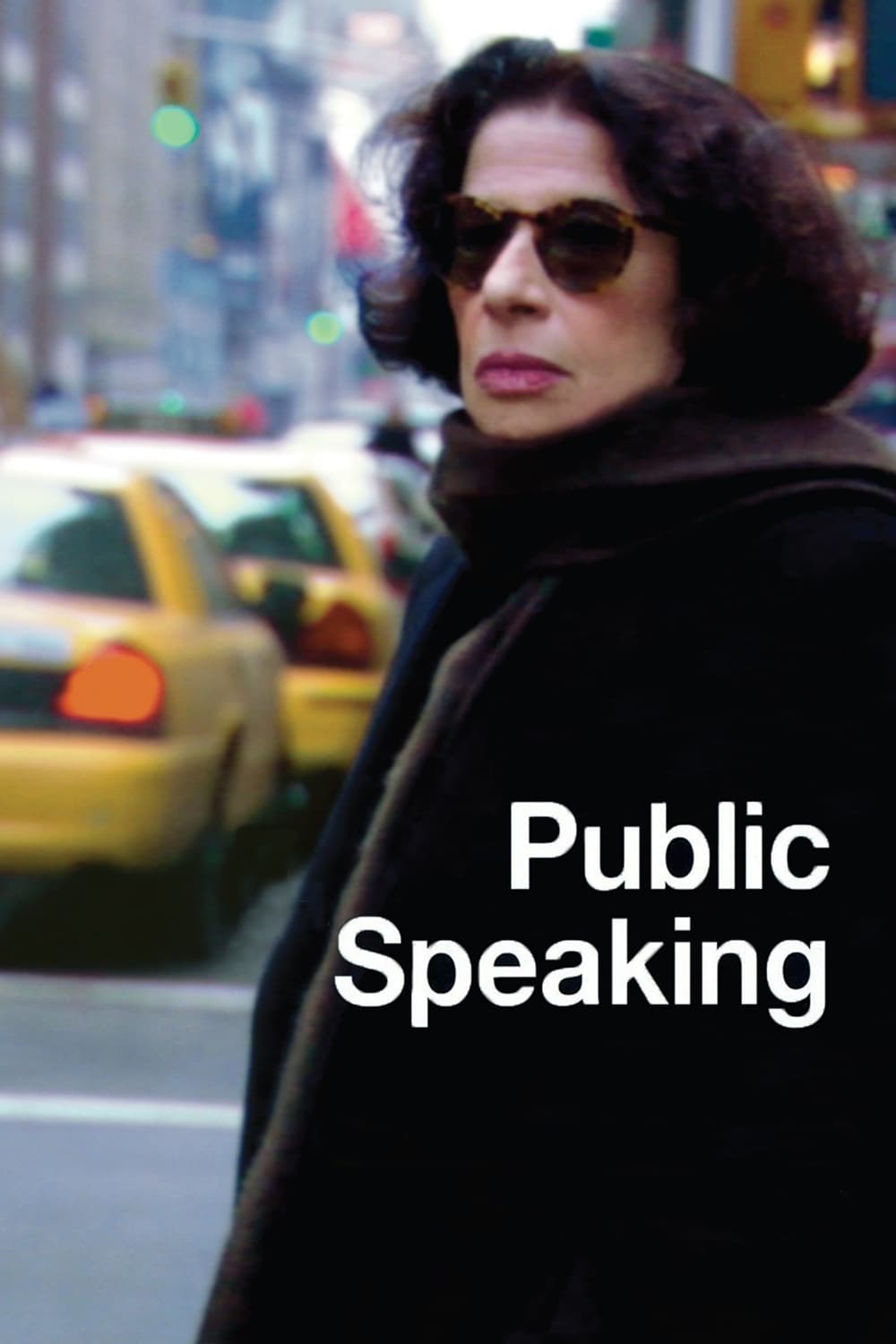
Martin Scorsese’s portrait of writer and social commentator Fran Lebowitz, celebrated for her sharp wit and observations on modern life. Filmed at New York’s Waverly Inn and intercut with archival footage and interviews, the documentary captures Lebowitz’s distinctive worldview through her spontaneous monologues and public appearances.
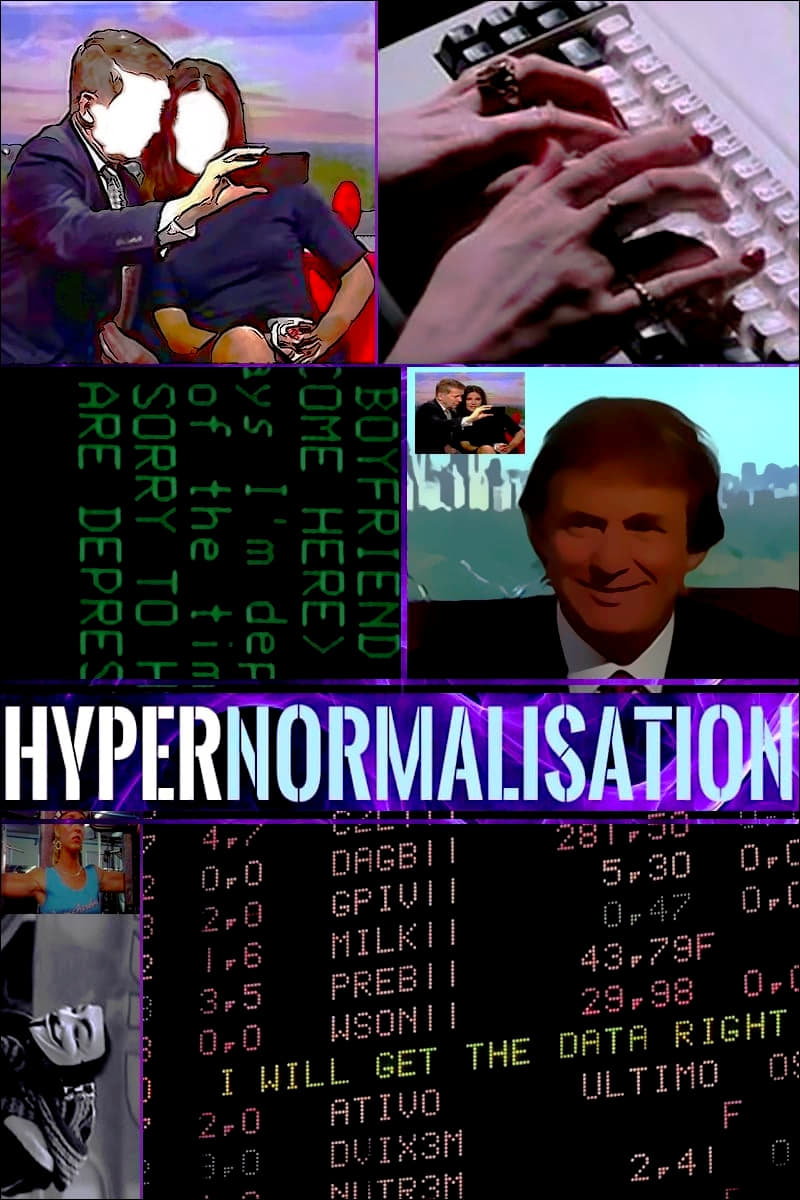
We live in a world where the powerful deceive us. We know they lie. They know we know they lie. They do not care. We say we care, but we do nothing, and nothing ever changes. It is normal. Welcome to the post-truth world. How we got to where we are now…
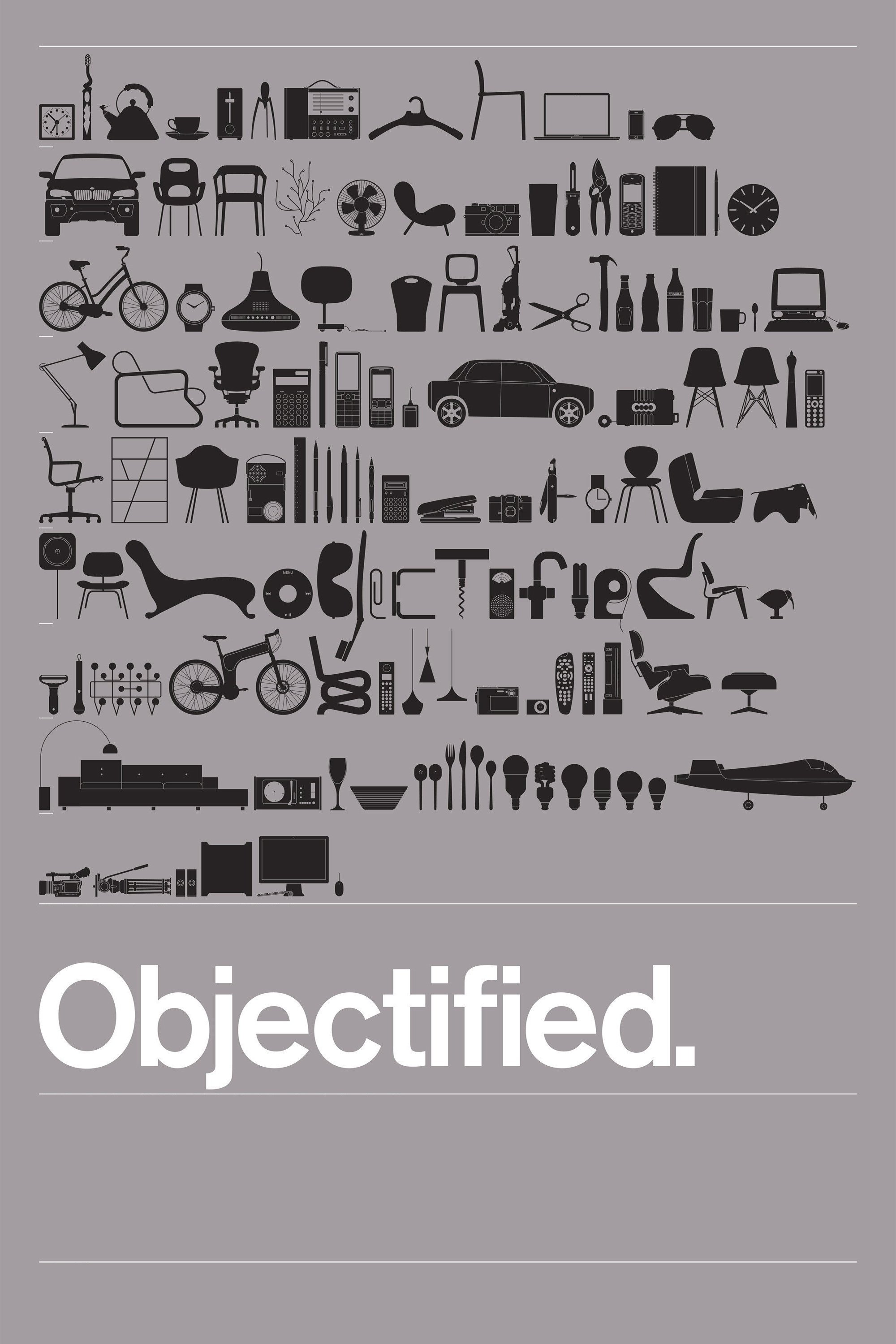
A feature-length documentary about our complex relationship with manufactured objects and, by extension, the people who design them.
A glimpse into the raw and simple power of nature through encounters with farm animals: the eponymous Gunda, a mother pig; two cows, and a one-legged chicken.
Nine filmmakers each profile a young girl from a different part of the world to weave a global tapestry of youth in the 21st century.
This special explores the return of Obi-Wan Kenobi and Anakin Skywalker to the screen, as well as Ewan McGregor and Hayden Christensen to their classic roles. Director Deborah Chow leads the cast and crew as they create new heroes and villains that live alongside new incarnations of beloved Star Wars characters, and an epic story that dramatically bridges the saga films.
George Orwell was one of the most visionary authors of the 20th century, whose novels 1984 and Animal Farm foretold a chilling, authoritarian future. Acclaimed director Raoul Peck interweaves clips, readings from Orwell's diary, cinematic references, and modern-day footage to craft not only a portrait of the writer, but a fresh take on how prophetic his work has become.
This character-driven film considers the evolving sex trafficking landscape as seen by the main players: the exploited, the pimps, the johns that fuel the business, and the cops who fight to stop it.
A documentary about the life and films of director John Ford.