A nematic painting of sleep.
Social & External
Rainer Kohlberger’s abstract film was created entirely without a camera. Through digital algorithms, he precisely arranged a rhythm of light and shadow that pulsates off the screen into our physical space with blinding intensity. The presence of light is almost felt as we are sucked into the image to become its ghostly accomplice. As we leave the theatre, the optical vibrations continue to haunt us.
A burst of cheer and refreshment that it seems perfectly suited to a late July afternoon.
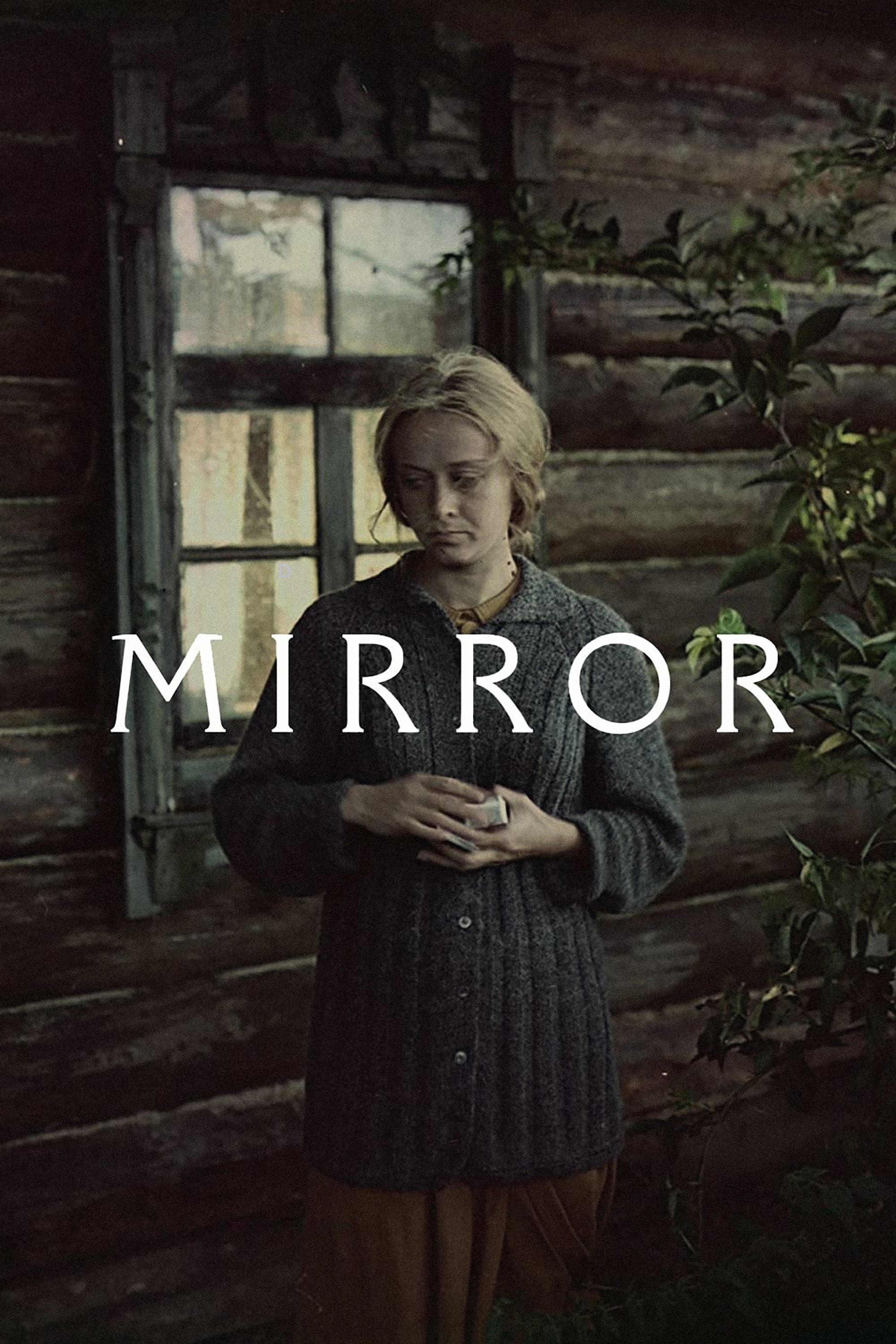
A dying man in his forties recalls his childhood, his mother, the war and personal moments that tell of and juxtapose pivotal moments in Soviet history with daily life.
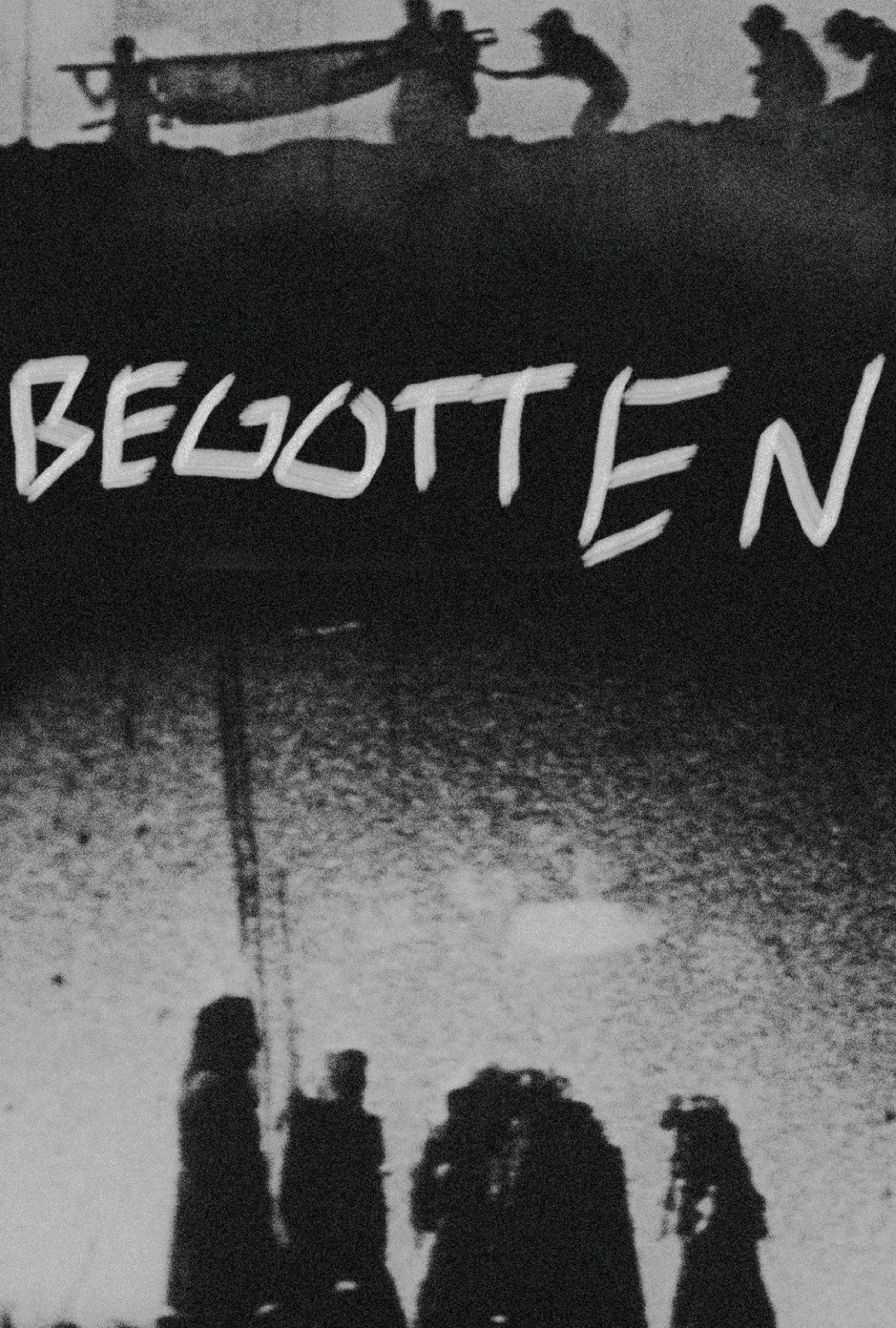
Begotten is the creation myth brought to life, the story of no less than the violent death of God and the (re)birth of nature on a barren earth.
Dreamy days and nights in the head of an introverted and isolated teenager who is swallowed in the depths of his imagination.
A woman on the run from the mob is reluctantly accepted in a small Colorado community in exchange for labor, but when a search visits the town, she learns that their support has a price.
An abstract perspective into two young South African workers in the heart of Johannesburg's industrial sector during Covid-19
In SUNSPOTS, several 16mm shots of the sun are layered and superimposed, paired with a soundscape consisting of volcanos, fire, plastic and the audible solar sounds recorded by the Solar and Heliospheric Observatory (SOHO).
An unknown girl breaks out of her daily grind by undergoing an intense audio-visual trip.
After his mother's death, a young man edits the family's home videos to bring back her image. As he delves into the occult he begins to reveal the paradoxical magic of memories and cinema.
Writes Ando, "Oh! My Mother was the first work I made using a newly bought 16mm camera I had purchased with the writer Shuji Terayama in Paris. This piece was selected for the Oberhausen International Film Festival. In 1969, there were, of course, no video cameras like ones we see now, and color TVs were only found at broadcast television studios. I had just been employed at the TBS (Tokyo Broadcasting System), and I often snuck into the studios after hours to experiment with the equipment. Oh! My Mother was made using the feedback effect, which is produced by infinitely expanding the image by looping the video."
This animation can be watched in 2D or using Chromadepth Glasses in 3D.
At the beginning of the twenty-first century, abstraction - that most quintessentially modernist innovation - maintains a peculiarly contradictory position. Used, on one hand, by post-modernist artists as just one more quotable style amongst many, it is on the other hand still considered an elitist or hermetic language by audiences intimidated by its lack of recognizable subject matter. Yet ultimately, abstraction continues to be a viable creative path for contemporary artists of all generations, many of whom embrace it as the most inclusive and fundamentally resonant of artistic languages. Filmed at the artists' studios, the Dia Center for the Arts, and the Guggenheim Museum during their exhibition, "Abstraction in the Twentieth Century."
Days slip away in a former baptist church haunted by its past
A man is given a letter by a stranger which causes an extreme sense of urgency to get to a very particular location. This is an experimental film that is entirely up to interpretation. The films concept was constructed by all members of the cast and crew.
Everyday states of being and decay are observed through the infinite scope of the cosmos and the restorative light which emanates from it, driving cinematic and photographic impulses.
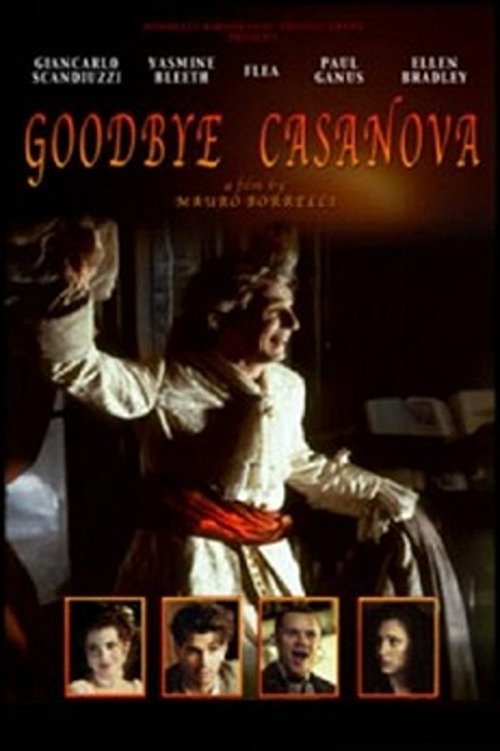
A aspiring novelist operates a tiny neighborhood bookstore. His wife is a talented painter. Their marriage is disintegrating, and they are about to sign their divorce papers. Meanwhile, the legendary Casanova and his lover Lavinia are characters trapped inside of a 17th-century children's book. The tragedy of the impending divorce triggers the release of Casanova and Lavinia from the confines of the children's pop-up book.
A comic study of 20th-century history, reconstructing the life of writer, creator and professional prisoner Tulse Luper. Born in 1911 Newport and last heard of in 1989, Luper’s life is pieced together from the evidence found in 92 suitcases scattered across the globe. In the first of three parts, we follow Luper through three distinct episodes: as a child during the First World War; as an explorer in Mormon Utah; and as a writer in Belgium during the rise of fascism.
TATTERY TATTERY TATTERY TATTERY TATTERY. TATTERY TATTERY TATTERY TATTERY TATTERY TATTERY TATTERY TATTERY TATTERY TATTERY TATTERY TATTERY TATTERY.
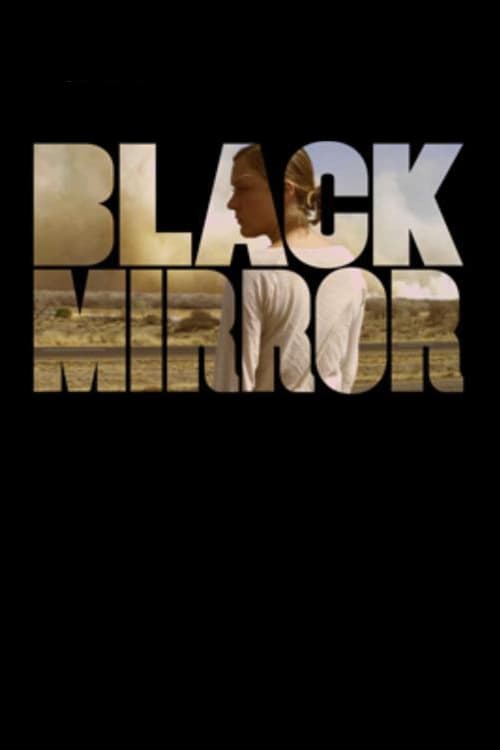
A nameless drifter navigates a barren landscape punctuated by satellite dishes, radio towers and droning airplanes. Stopping periodically in anonymous hotel rooms, she makes attempts to connect to an unidentified second party.
Carefully picked scenes of nature and civilization are viewed at high speed using time-lapse cinematography in an effort to demonstrate the history of various regions.
Bruce Conner's landmark experimental film consisting entirely of found footage edited to a new score.
Takes us to locations all around the US and shows us the heavy toll that modern technology is having on humans and the earth. The visual tone poem contains neither dialogue nor a vocalized narration: its tone is set by the juxtaposition of images and the exceptional music by Philip Glass.
First-time father Henry Spencer tries to survive his industrial environment, his angry girlfriend, and the unbearable screams of his newly born mutant child.
20 men are chosen to participate in the roles of guards and prisoners in a psychological study that ultimately spirals out of control.
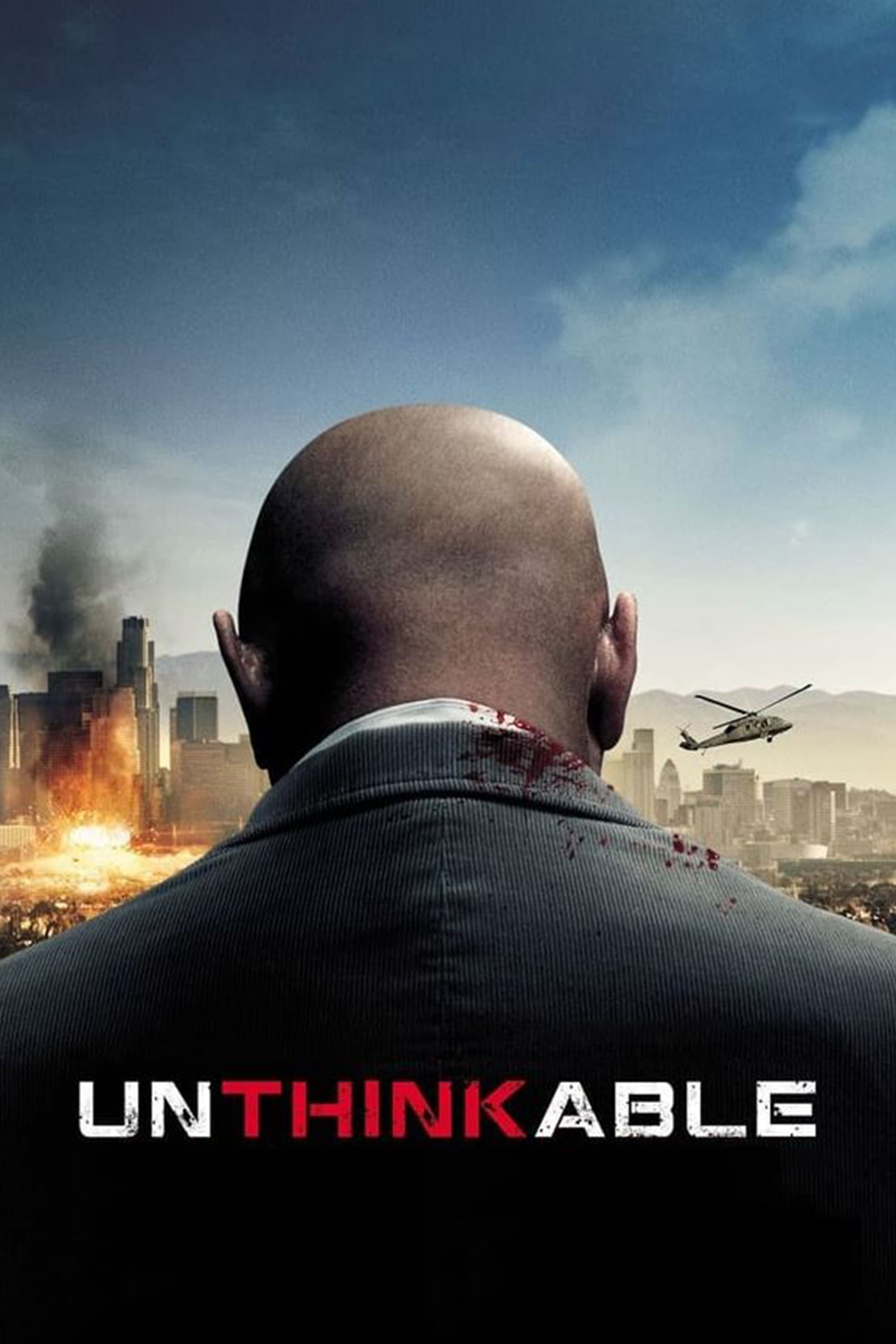
The government gets wind of a plot to destroy America involving a trio of nuclear weapons for which the whereabouts are unknown. It's up to a seasoned interrogator and an FBI agent to find out exactly where the nukes are.
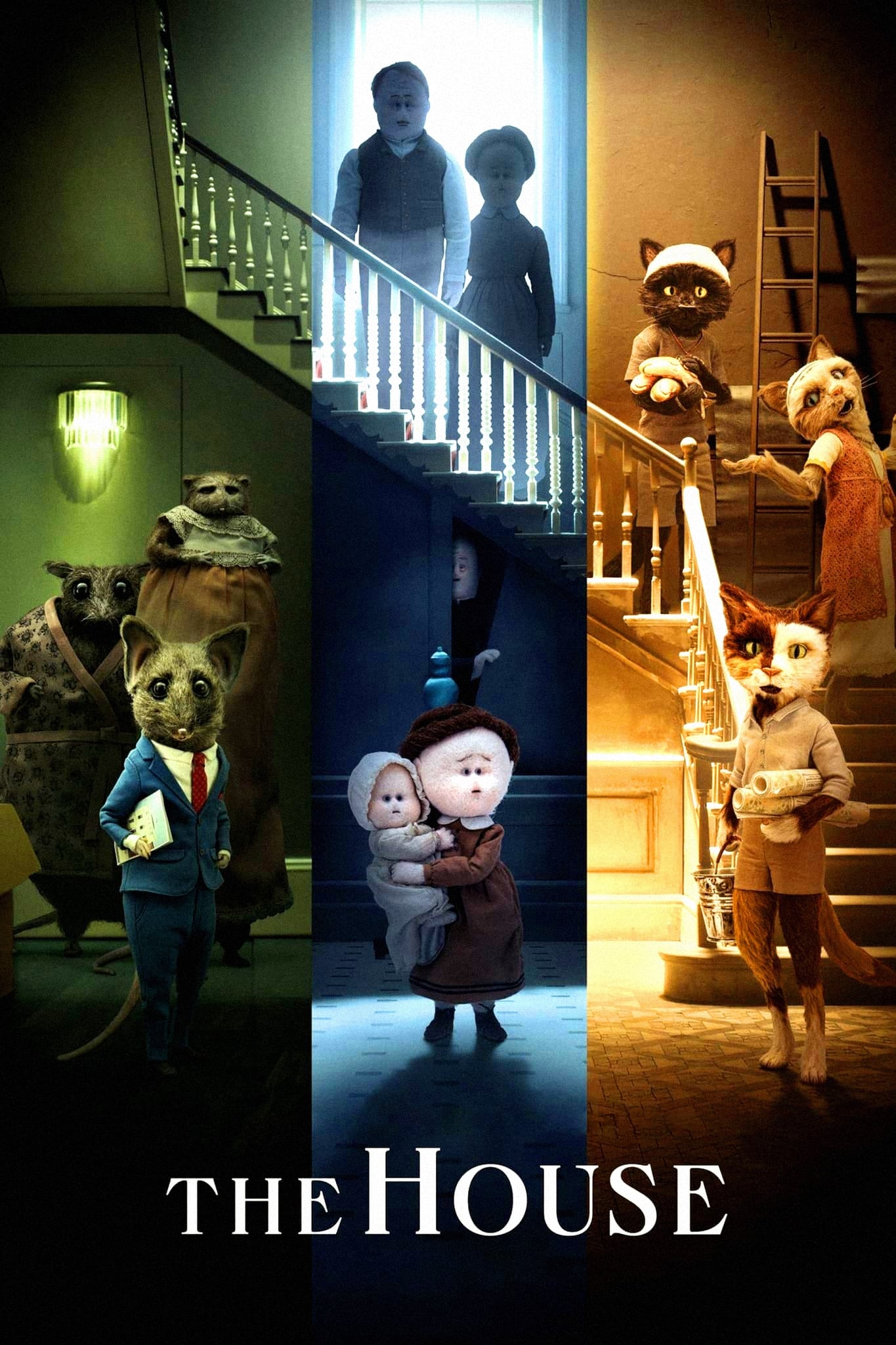
Across different eras, a poor family, an anxious developer and a fed-up landlady become tied to the same mysterious house in this animated dark comedy.
The film follows adventurer Jeff Johnson as he retraces the epic 1968 journey of his heroes Yvon Chouinard and Doug Tompkins to Patagonia.
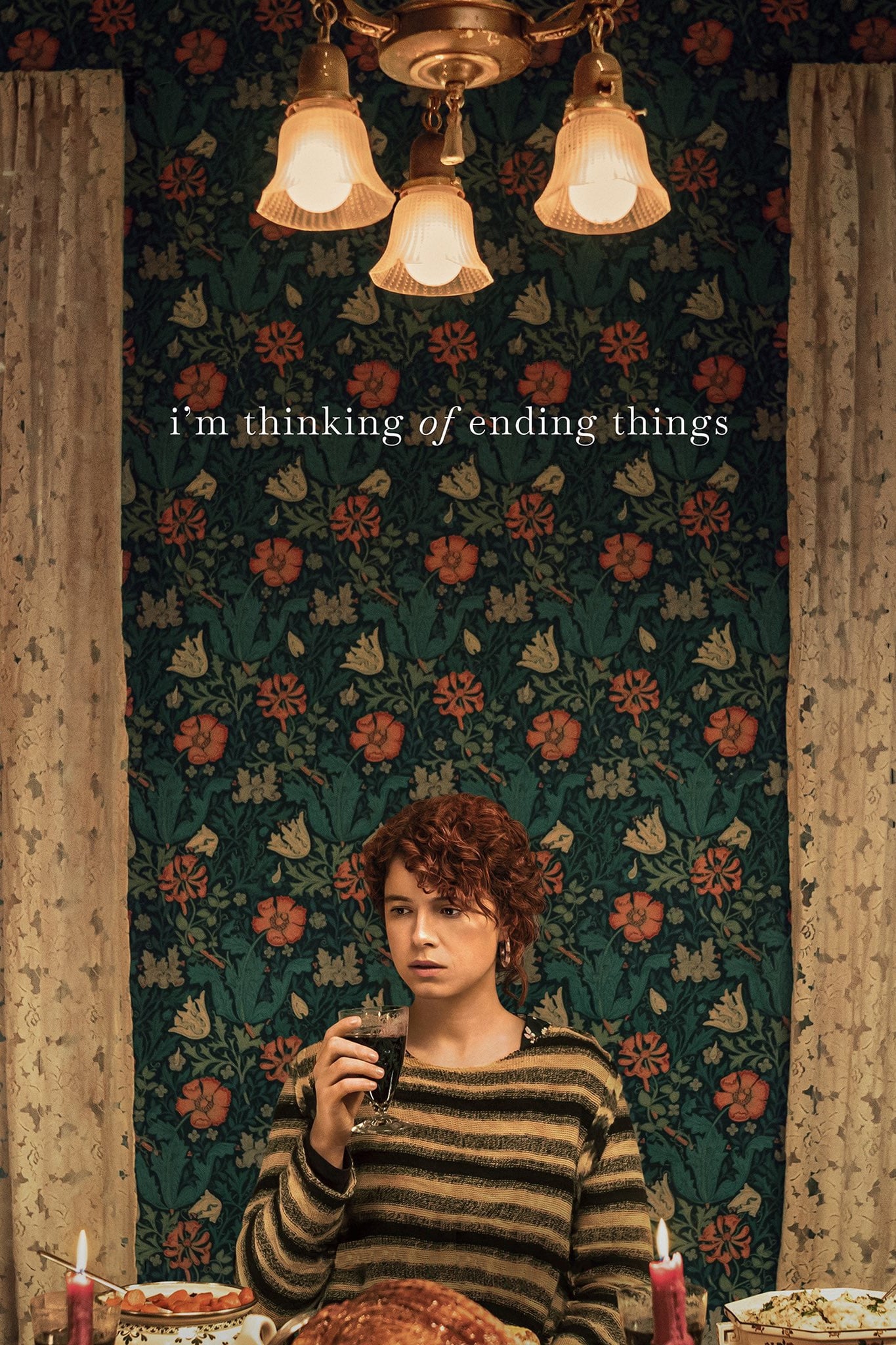
Nothing is as it seems when a woman experiencing misgivings about her new boyfriend joins him on a road trip to meet his parents at their remote farm.
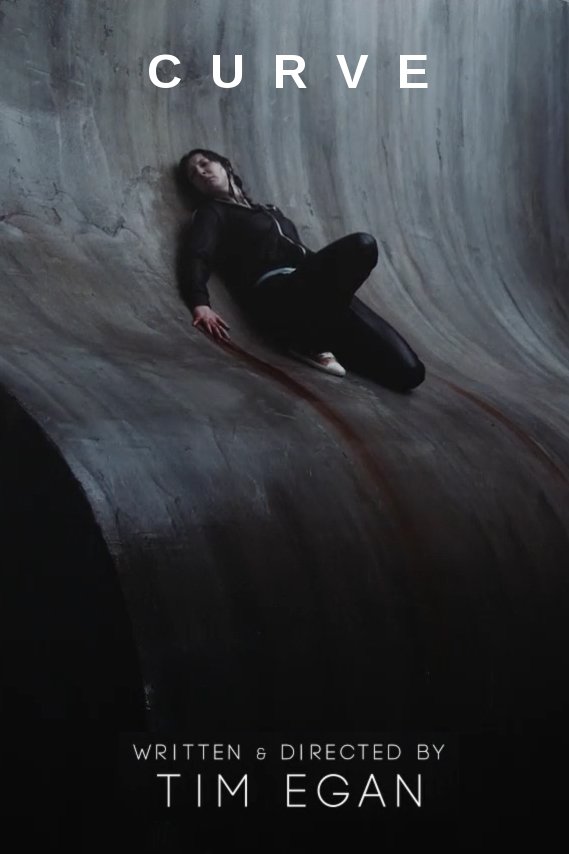
Clinging to a smooth, curved surface high above a sentient abyss, a woman tries to cover the few feet back to safety without losing purchase and falling to her death.
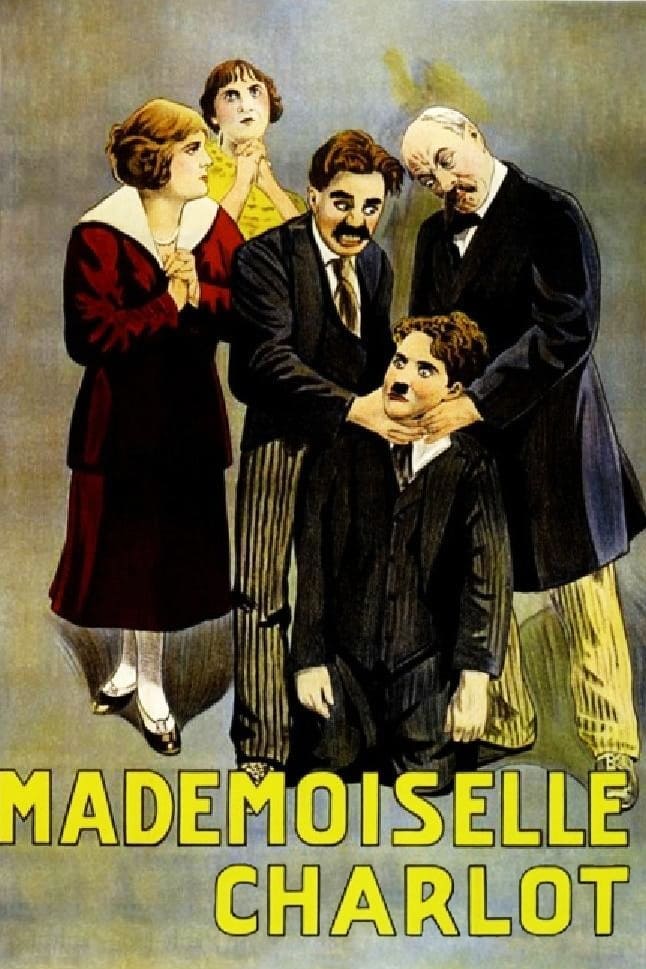
Mother, father and daughter go to the park. The women doze off on a bench while the father plays a hide-and-seek game with a girl, blindfolded. Charlie leads him into a lake. Both dozing ladies on the bench fall for Charlie and invite him for dinner. The father returns home with a friend. Charlie rushes upstairs and dresses like a woman, shaving his mustache. Both men fall for Charlie.
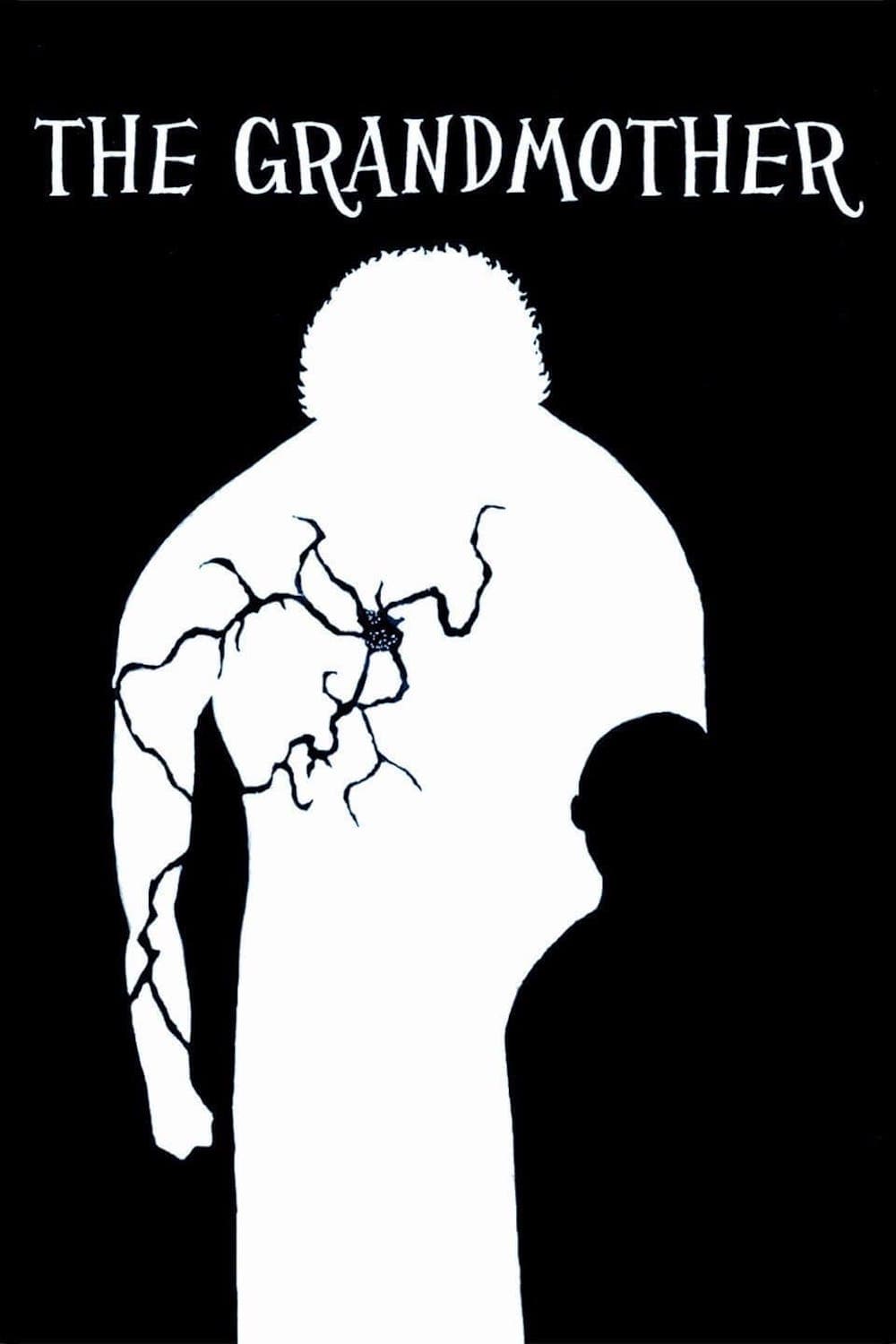
To escape neglect and abuse from his parents, a young boy plants some strange seeds and they grow into a grandmother.
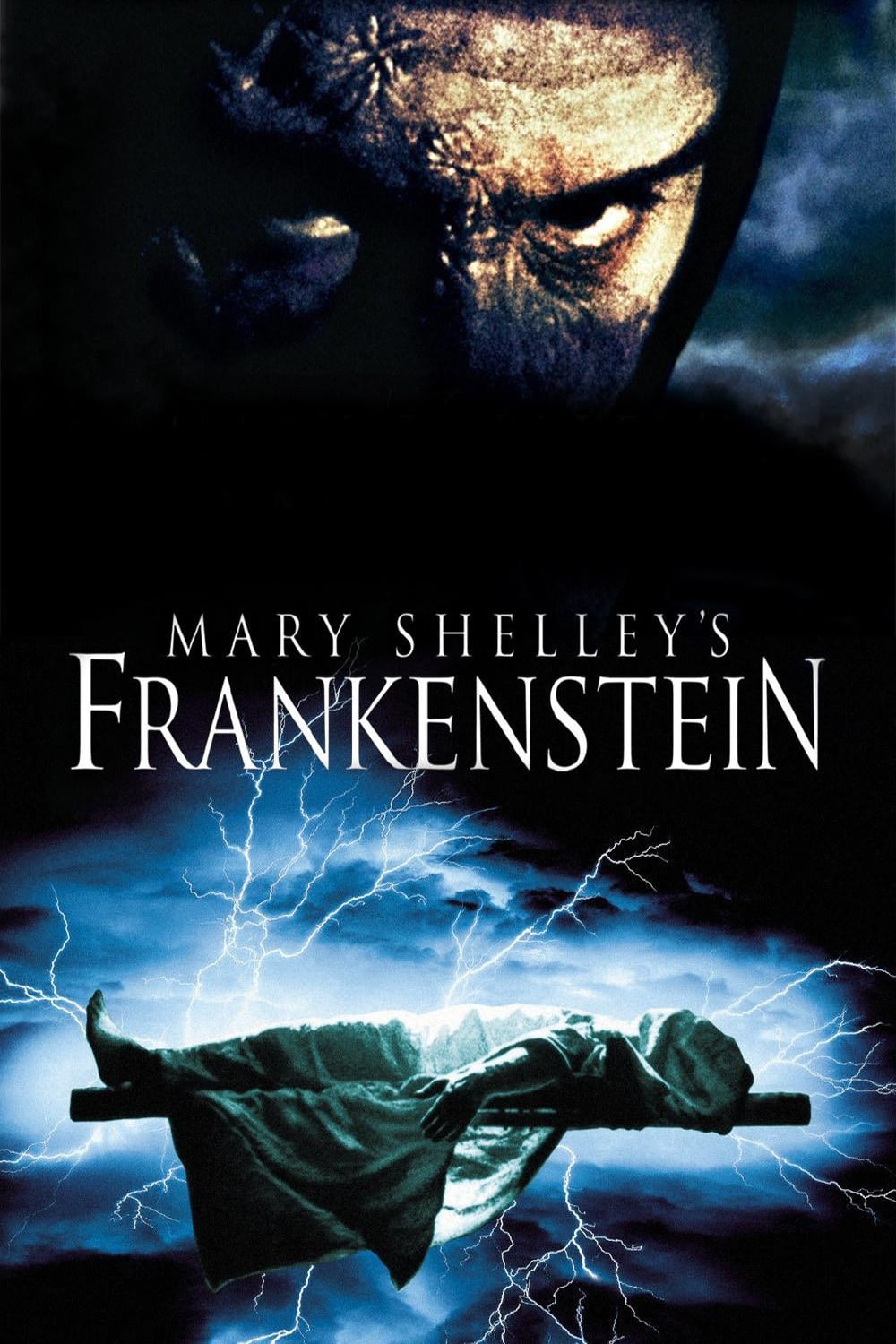
Victor Frankenstein is a promising young doctor who, devastated by the death of his mother during childbirth, becomes obsessed with bringing the dead back to life. His experiments lead to the creation of a monster, which Frankenstein has put together with the remains of corpses. It's not long before Frankenstein regrets his actions.
In the Realms of the Unreal is a documentary about the reclusive Chicago-based artist Henry Darger. Henry Darger was so reclusive that when he died his neighbors were surprised to find a 15,145-page manuscript along with hundreds of paintings depicting The Story of the Vivian Girls, in What is Known as the Realms of the Unreal, of the Glodeco-Angelinnian War Storm, Cased by the Child Slave Rebellion.
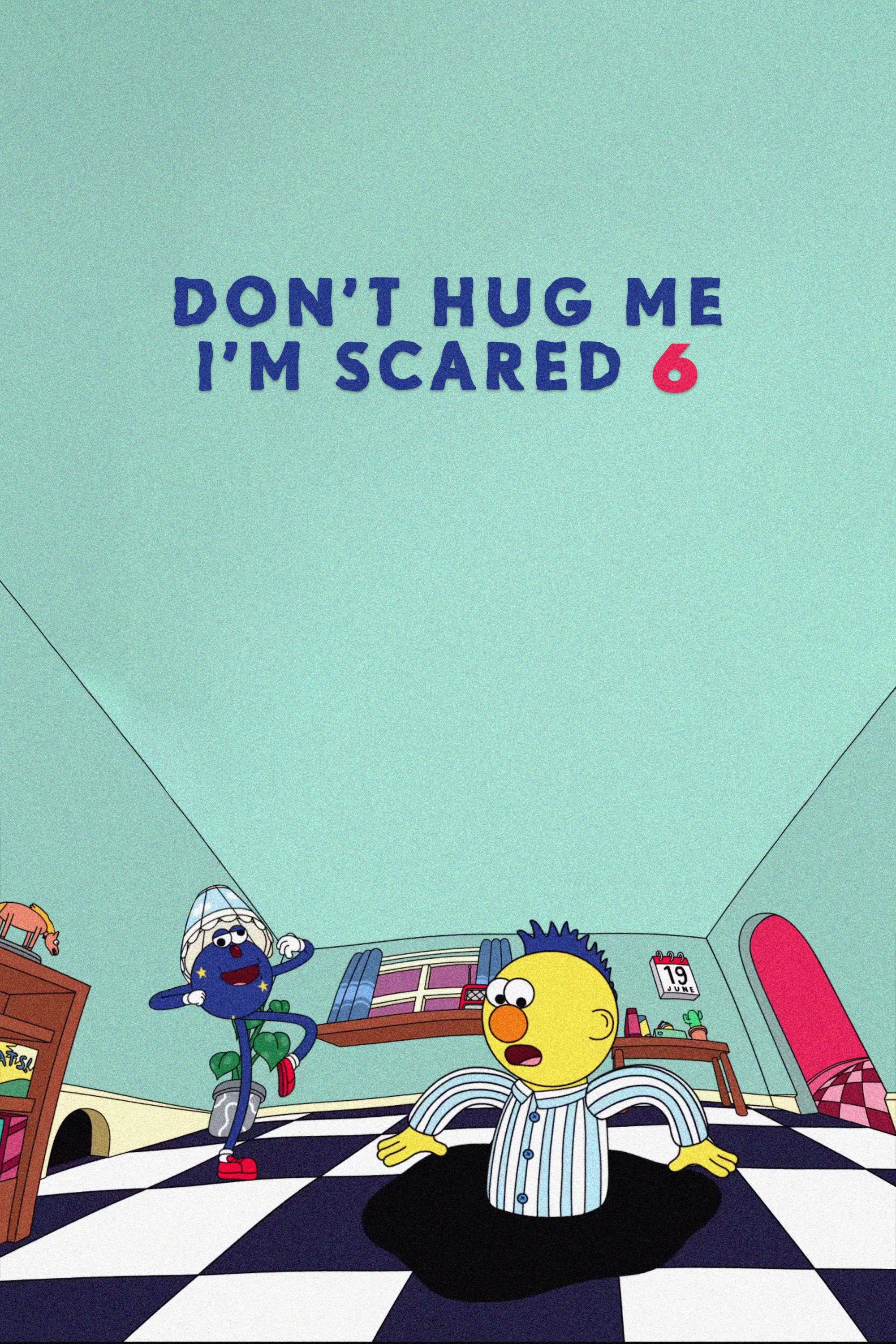
All alone, Yellow Guy tries to stop a lamp from teaching him about dreams. While Red Guy finds out the truth about the puppets' existence.
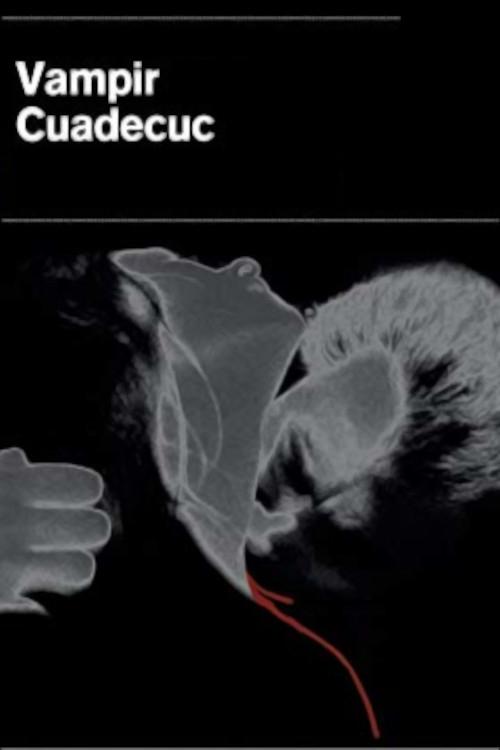
An atmospheric essay, which is an alternative version of Count Dracula, a film directed by Jess Franco in 1970; a ghostly narration between fiction and reality.
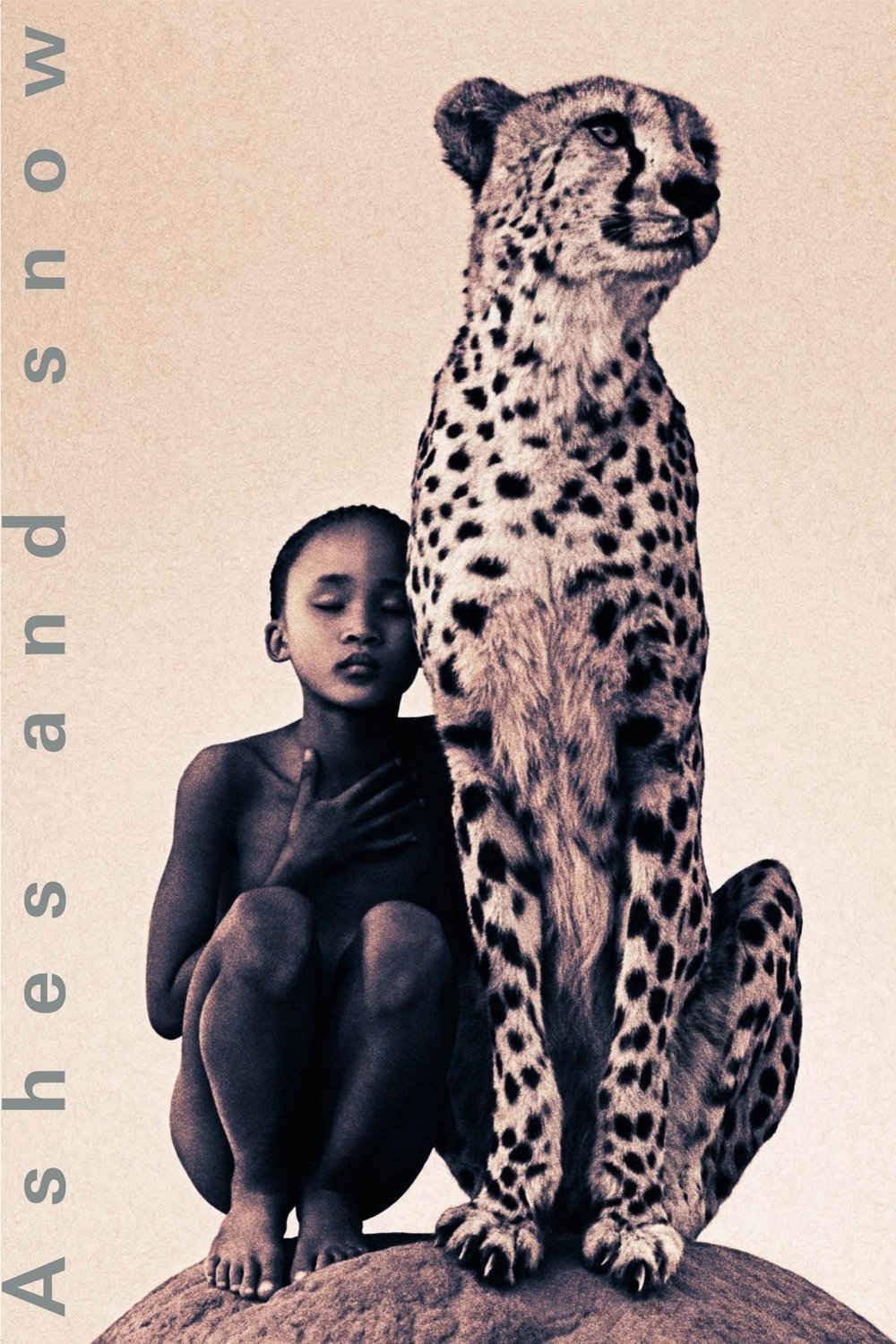
Ashes and Snow, a film by Gregory Colbert, uses both still and movie cameras to explore extraordinary interactions between humans and animals. The 60-minute feature is a poetic narrative rather than a documentary. It aims to lift the natural and artificial barriers between humans and other species, dissolving the distance that exists between them.
In Manhattan's Central Park, a film crew directed by William Greaves is shooting a screen test with various pairs of actors. It's a confrontation between a couple: he demands to know what's wrong, she challenges his sexual orientation. Cameras shoot the exchange, and another camera records Greaves and his crew. Sometimes we watch the crew discussing this scene, its language, and the process of making a movie. Is there such a thing as natural language? Are all things related to sex? The camera records distractions - a woman rides horseback past them; a garrulous homeless vet who sleeps in the park chats them up. What's the nature of making a movie?