"Versions of Cause and Effect"
Television was invented as a result of scientific and technical research. Its power as a medium of news and entertainment altered all preceding media of news and entertainment
Social & External
Stream of consciousness awakened by the shots of an inauspicious summer.
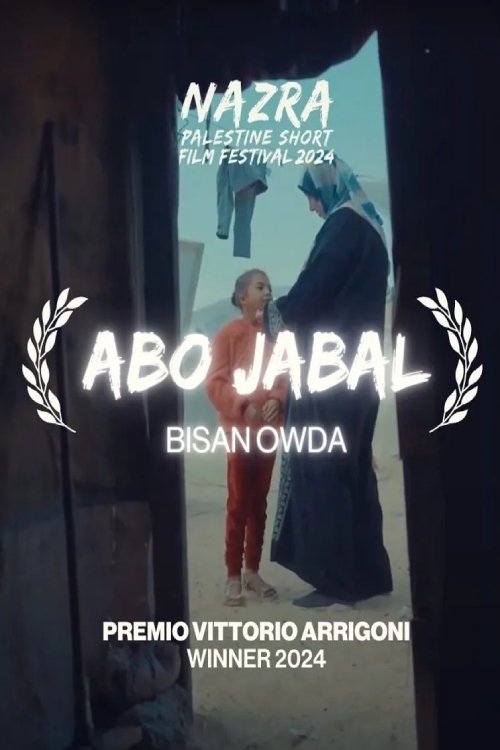
It is May 8, 2024, and Israel is preparing to launch a destructive military operation in Rafah. Tahani, a Palestinian woman who has been internally displaced multiple times since the beginning of the attacks on Gaza, wonders where she and her children can find refuge once again. The film provides a glimpse into her family’s life before and after October 7, depicting the anguish of a mother who, marked by a painful loss, struggles to find peace.
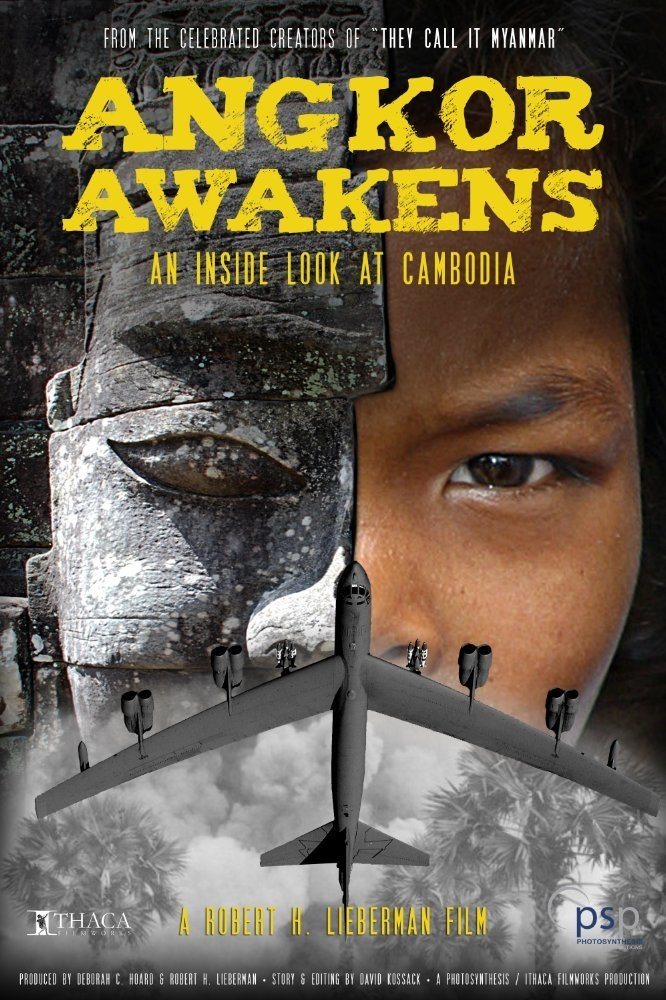
A moving psychological portrait of Cambodia decades after a devastating genocide, examining how baksbat (Khmer for "broken courage") continues to impact modern Cambodia.
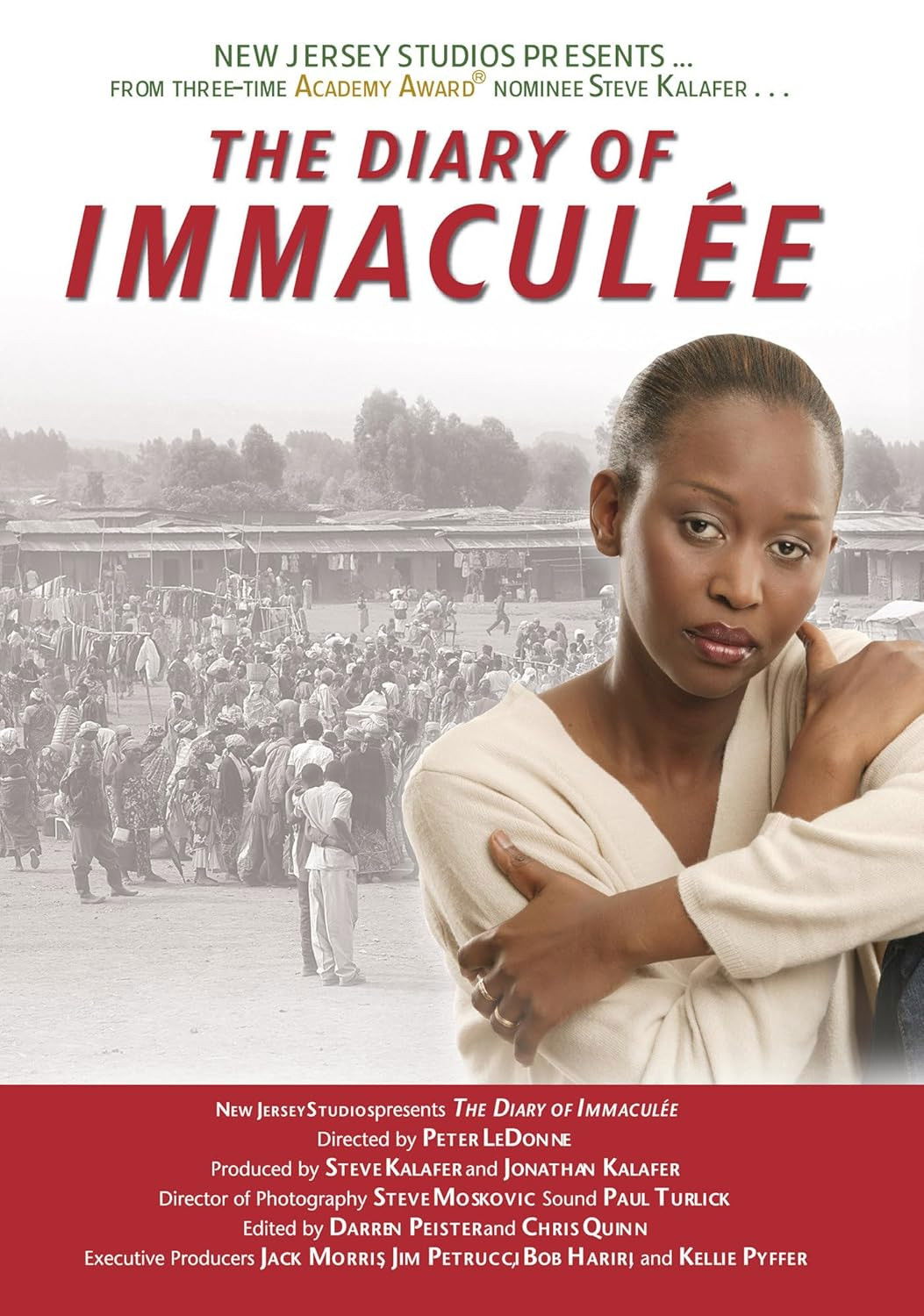
Peter LeDonne and Steve Kalafer chronicle the extraordinary life of Immaculée Ilibagiza, a young African woman who escaped genocide in Rwanda and ultimately found refuge in the United States. Seeking shelter with an Episcopalian minister, Immaculée hid from her attackers inside a bathroom for three long months but stayed centered through prayer and faith.
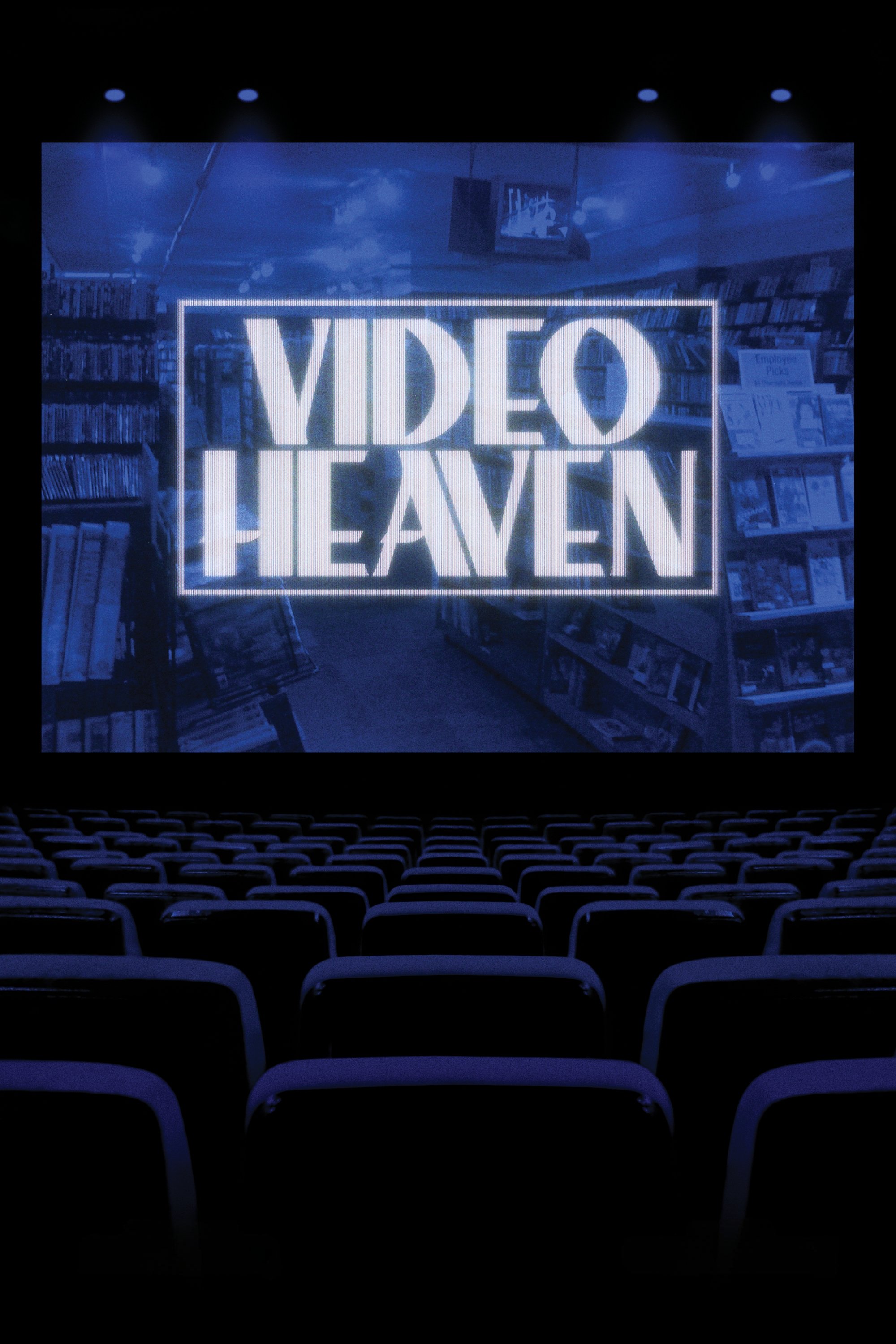
Since the 1980s, the video shop has been a desperately necessary space for film culture. In Videoheaven, Alex Ross Perry tells the story of the neighbourhood video shop to consider wider, changing social histories, using appropriated footage from the high and lowbrow.

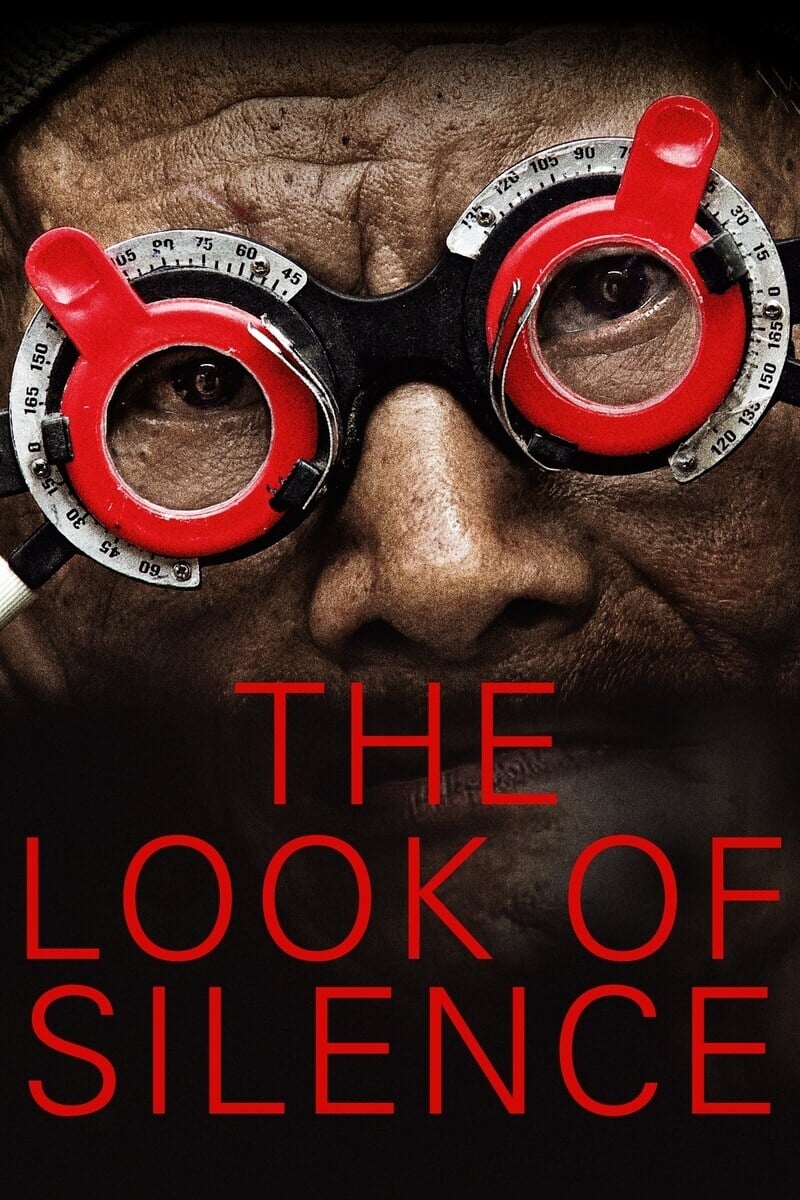
An Indonesian man with a communist background named Ramli was brutally murdered when the "Communist" purge occurred in 1965. His remaining family members lived in fear and silence until the making of this documentary. Adi, a brother of his, decided to revisit the horrific incident and visited the men who were responsible for the killings and one survivor of the purge. These meetings uncovered sadistic details of the murders and exposed raw emotions and reactions of the killers' family members about what happened in the past - much to Adi's disappointment.
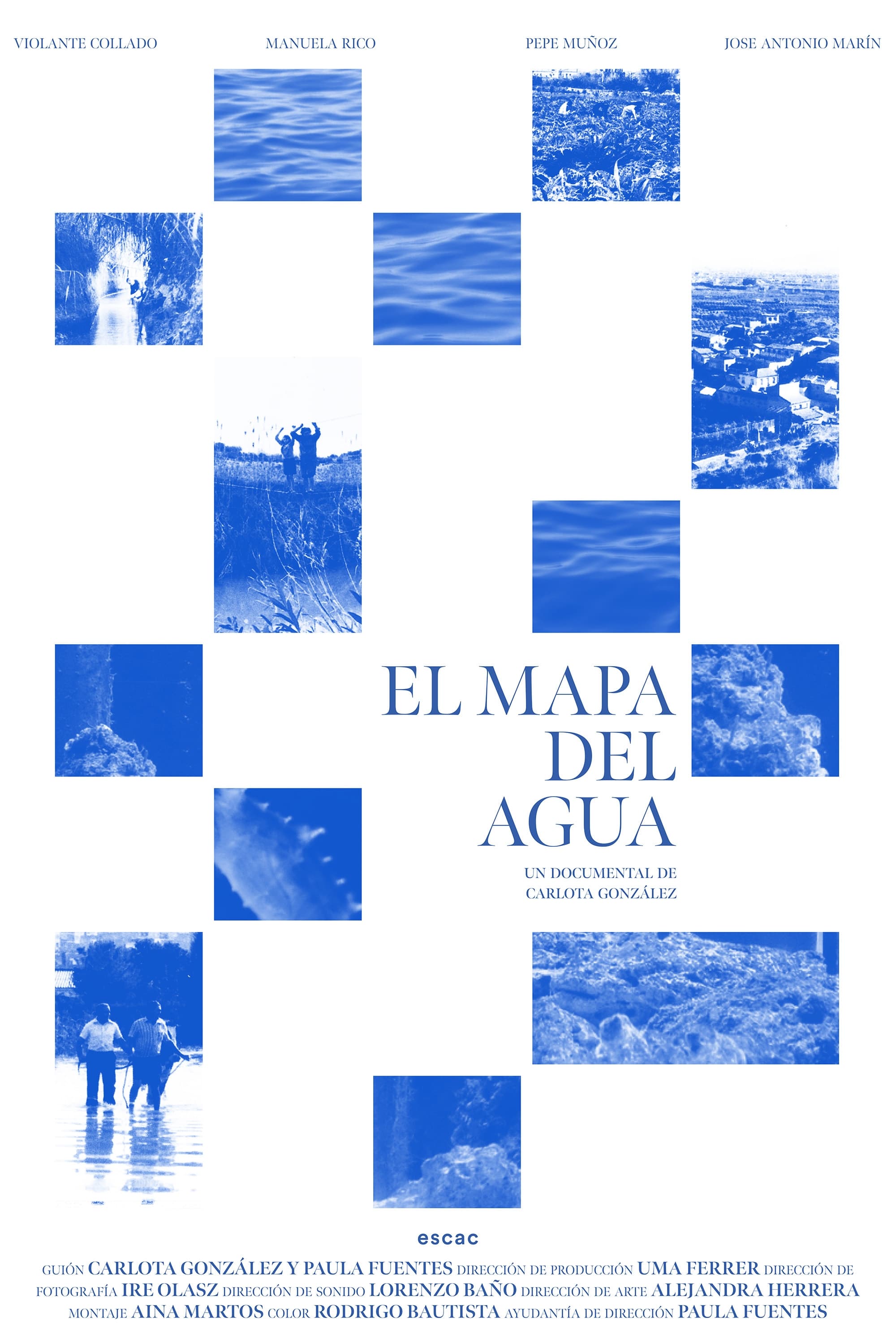
The Water Map is an essayistic journey through the ethnography and landscapes of the Region of Murcia. These places are in the process of disappearing due to the increasing and abundant agricultural exploitation. Water has marked the territory and the culture of the area, and with its disappearance, the memories of four characters fade away.
A Guatemalan woman, Ana Lucía Cuevas, returns home from exile to face the brutal history of Guatemala's armed conflict. In 1984, her brother Carlos was kidnapped by the state as one of thousands who were abducted and disappeared. Recounting the stories of brutal genocide, terror, state repression and violence, this film documents the memories of those victimised by the Guatemalan state.
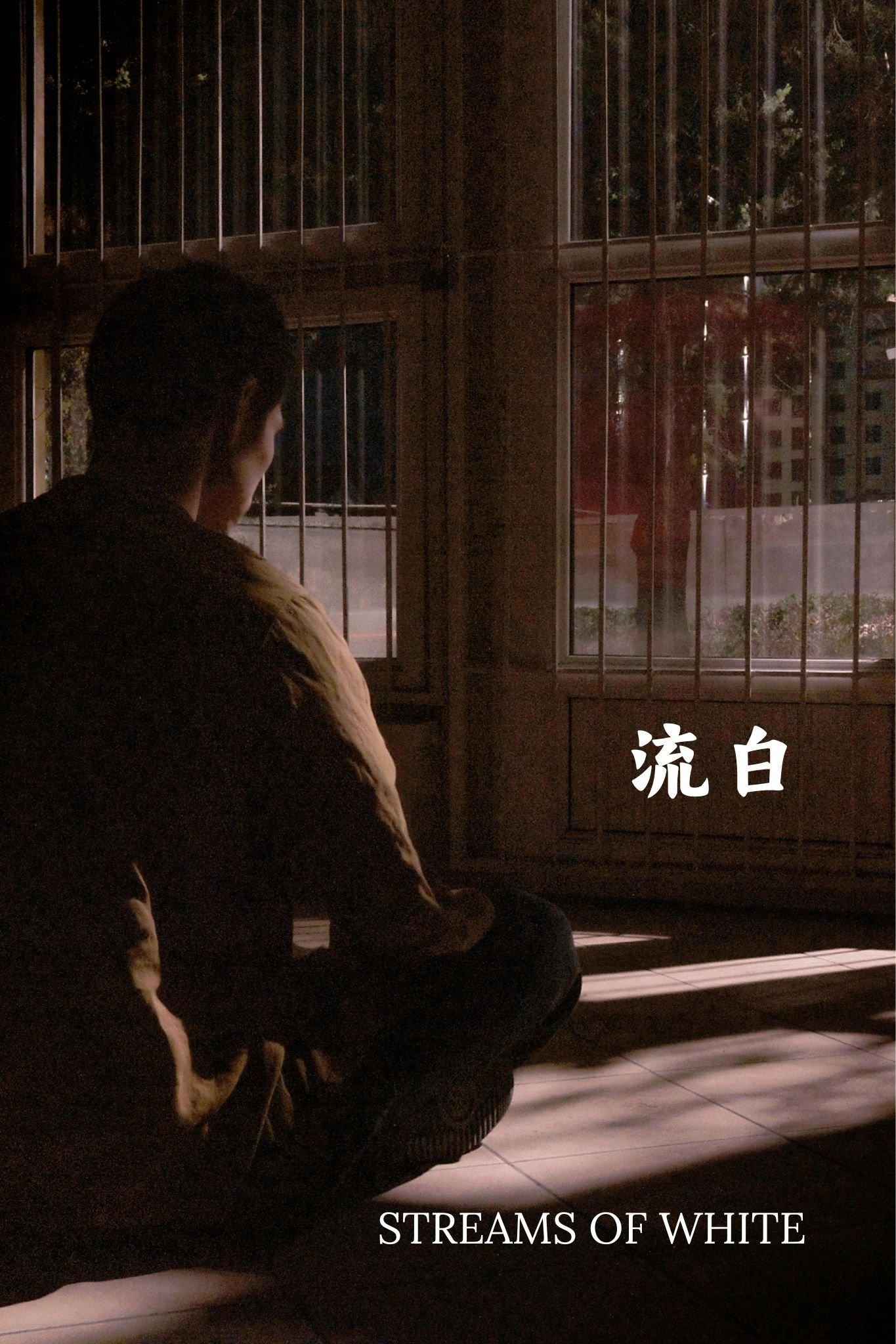
A sitting man listens to his thoughts, but can't catch any of them.
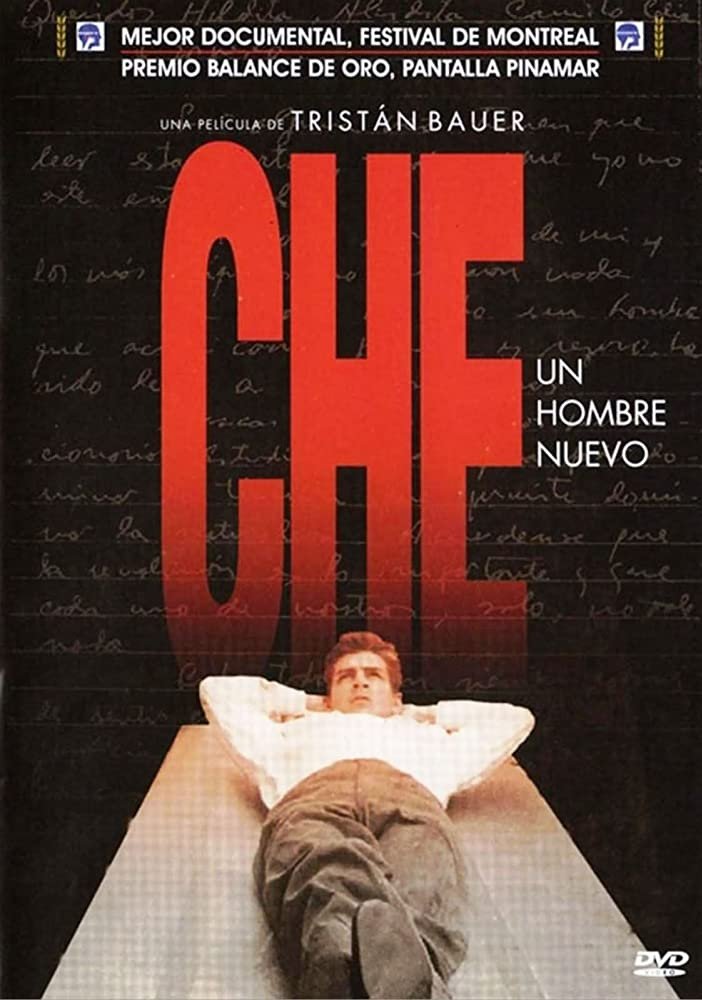
The latest documentary by Tristan Bauer took 12 years to complete. It is a unique and invaluable historical document—a jewel not to be missed—that offers us a different, more intimate and personal, perspective on the life of Ernesto Che Guevara than other films about him that have emerged recently. Presenting brilliantly edited archival material, including private documents and intimate recordings that have never been made available to the public before (including recordings of Che reading poems by Vallejo and Neruda to his wife, intimate family gatherings on 8mm, a speech given by Che in French), Bauer allows us to see the iconic figure as a hero but also as the larger-than-life passionate and idealistic human being that he was.
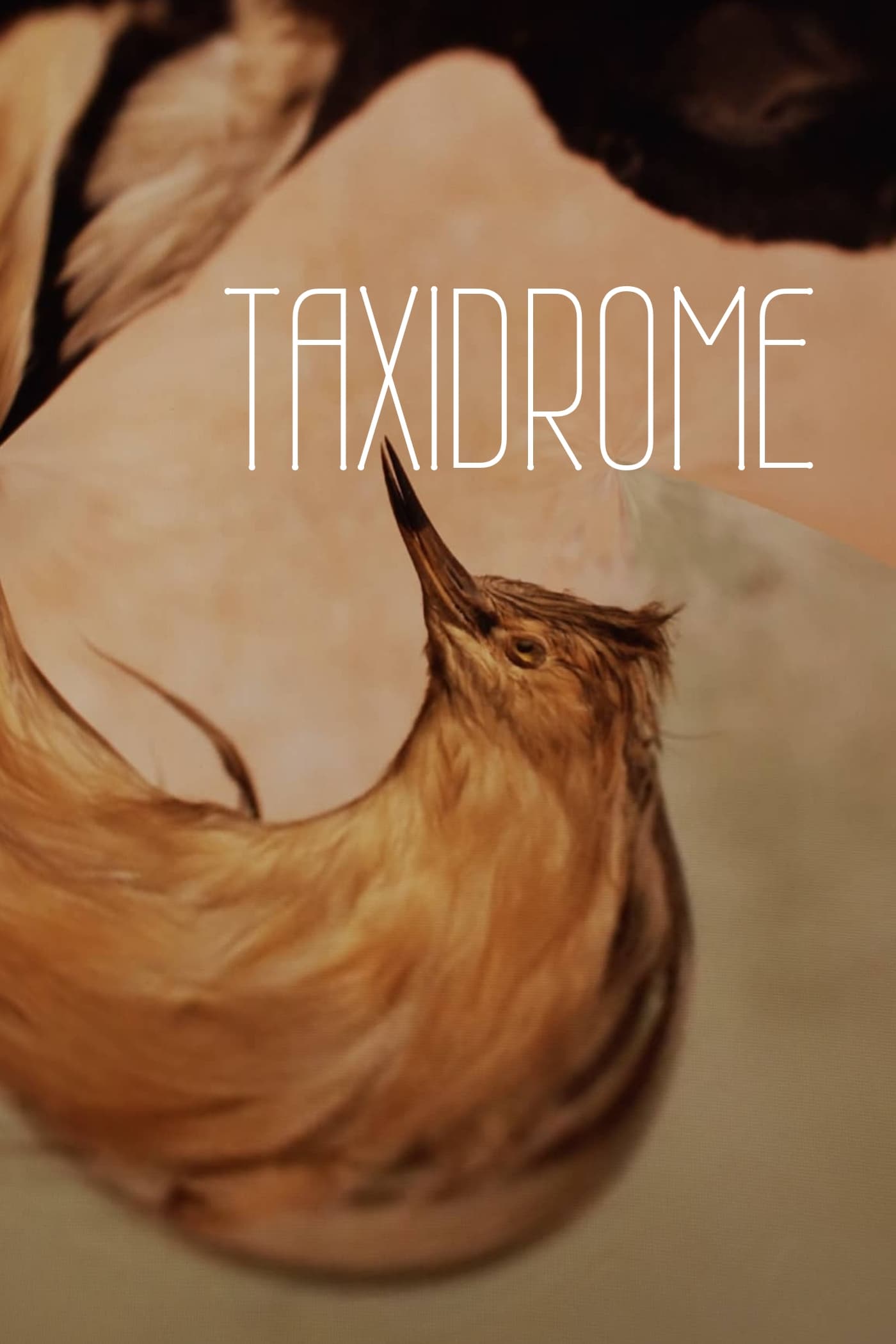
To fly a – way from/out of death, don’t hire a taxidermist but take a ride in this taxidrome! Series of 41 Moving Images - this analogy is possible being conservation at its core rescuing what really matters in the world, like nature, habitats, science and art. It is vital. Yet in a continuously changing environment, the flipside of conservation becomes and here it is where the vital feature of conservation becomes its lifelike trait, a fictive life, a fake life. The embalming process consists of 1) imparting a balmy essence to the dead body, as in the ancient world, 2) by filling its blood vessels with formaldehyde to prevent putrification, as in the modern world, although recently with more regard towards more natural treatments, as for instance in bio-art. To embalm also means to “preserve from oblivion”, and “to cause to remain unchanged”, “to prevent the development of something”.
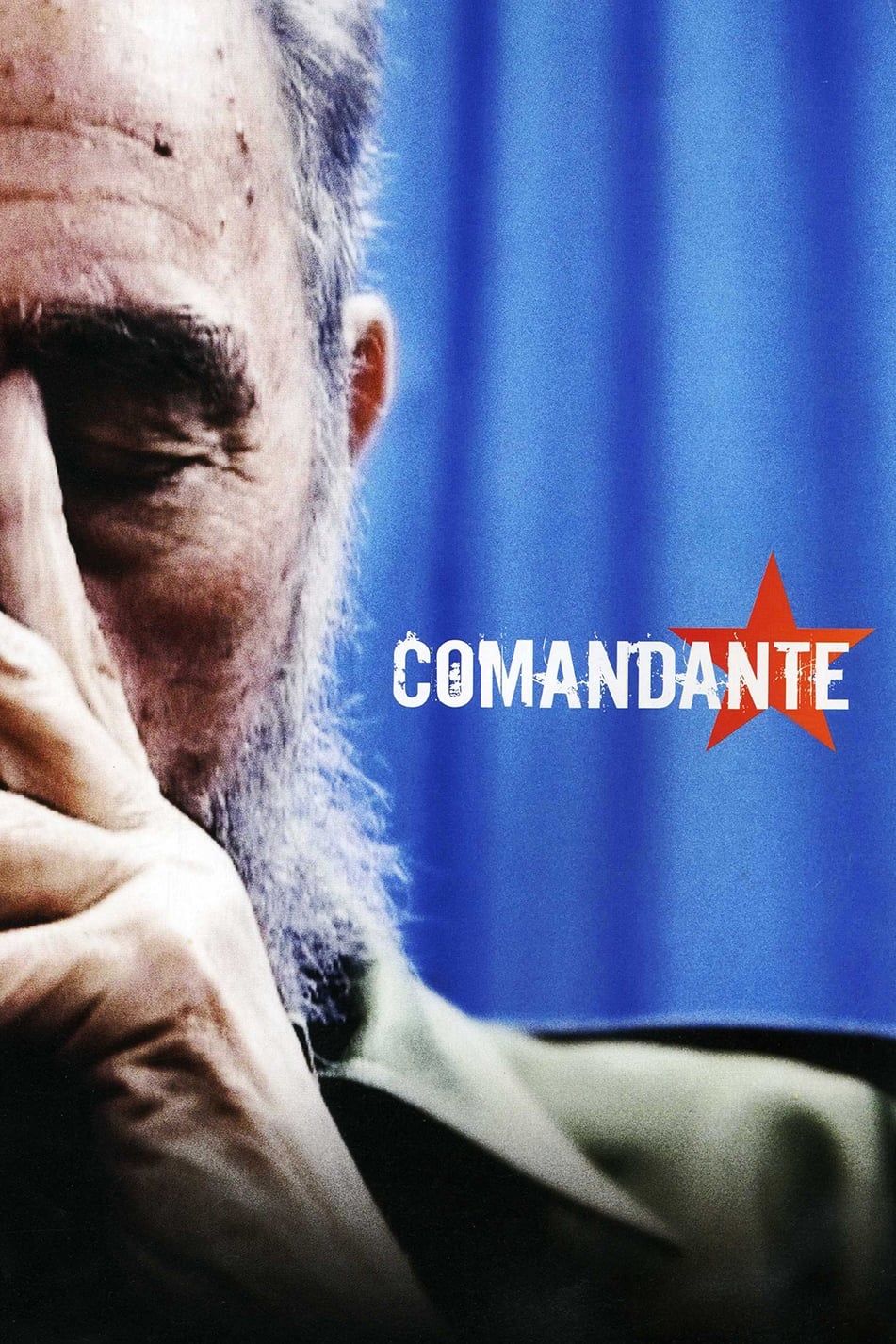
Oliver Stone spends three days filming with Fidel Castro in Cuba, discussing an array of subjects with the president such as his rise to power, fellow revolutionary Che Guevara, the Cuban Missile crisis, and the present state of the country.
The images from the landing of the first expedition of the spaceship Columbia are juxtaposed to a reflection on the function of the visual medium, and artistic creation as a whole.
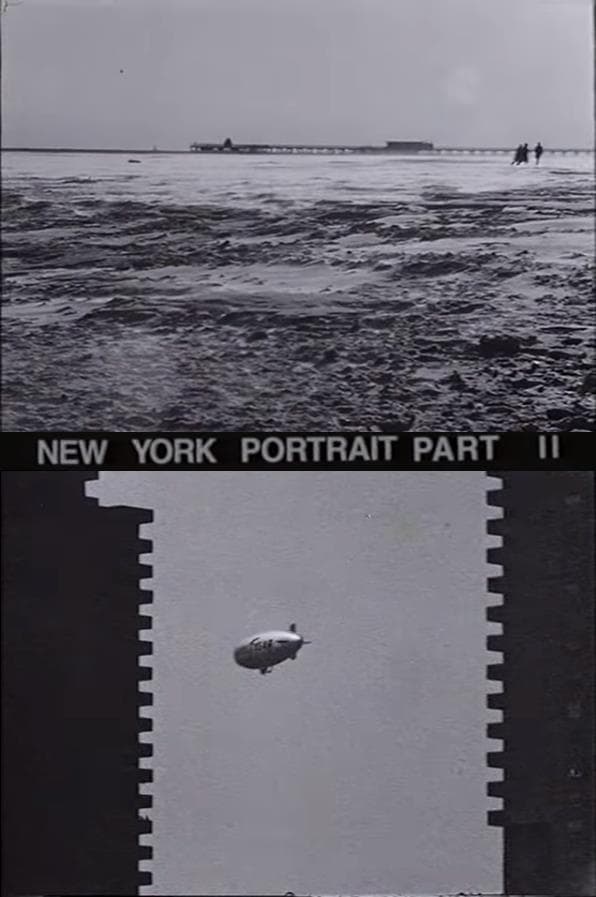
Chapter Two represents a continuation of daily observations from the environment of Manhattan compiled over a period from 1980-1981. This is the second part of an extended life's portrait of New York.
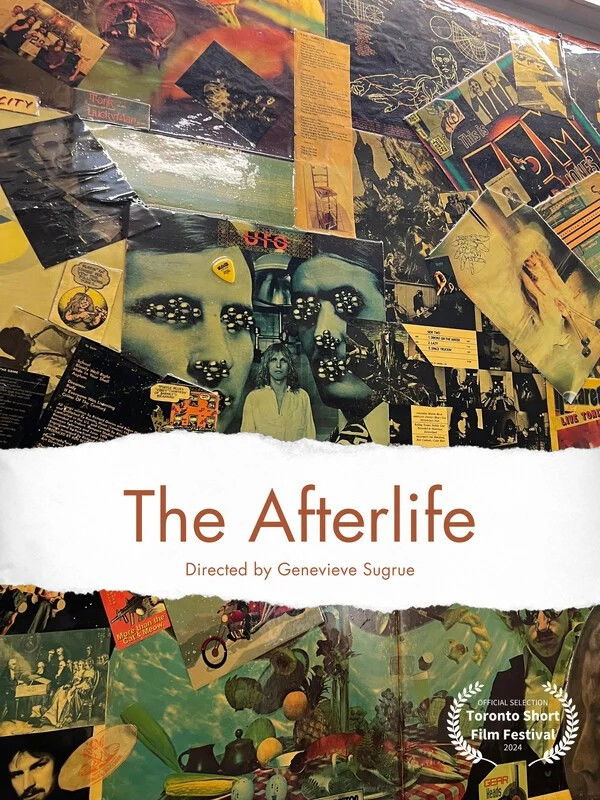
A young adult's first-hand account of "accidentally becoming human again" after, and with, trauma induced depression. Lo-fi, vulnerable, and uniquely youthful, "The Afterlife" is a melancholic affirmation of life after death.
A look at the Brazilian black movement between 1977 and 1988, going by the relationship between Brazil and Africa.
A film about a young woman's future plans in Munich, Germany. MUNCHEN, RAPHAELA (also known as RAPHAELA RING MUNCHEN) is part of Mike Plante's Lunchfilm series of commissioned shorts (made for the cost of a lunch between Plante and filmmaker Kevin Jerome Everson).
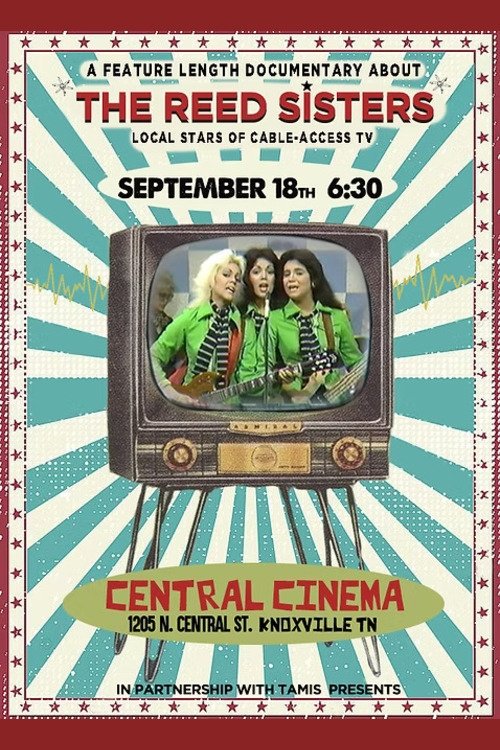
The Reed Sisters: an American Story traces the life and times of the Reed Sisters, a teenage Country-Western Rock and Pop group, and their dogged attempt to achieve a dream of being big stars. In the microcosm of a small town public access TV show lies a story that considers identity, the consequences of striving for the American Dream, the bond between sisters, and finally, what really matters in the long run.
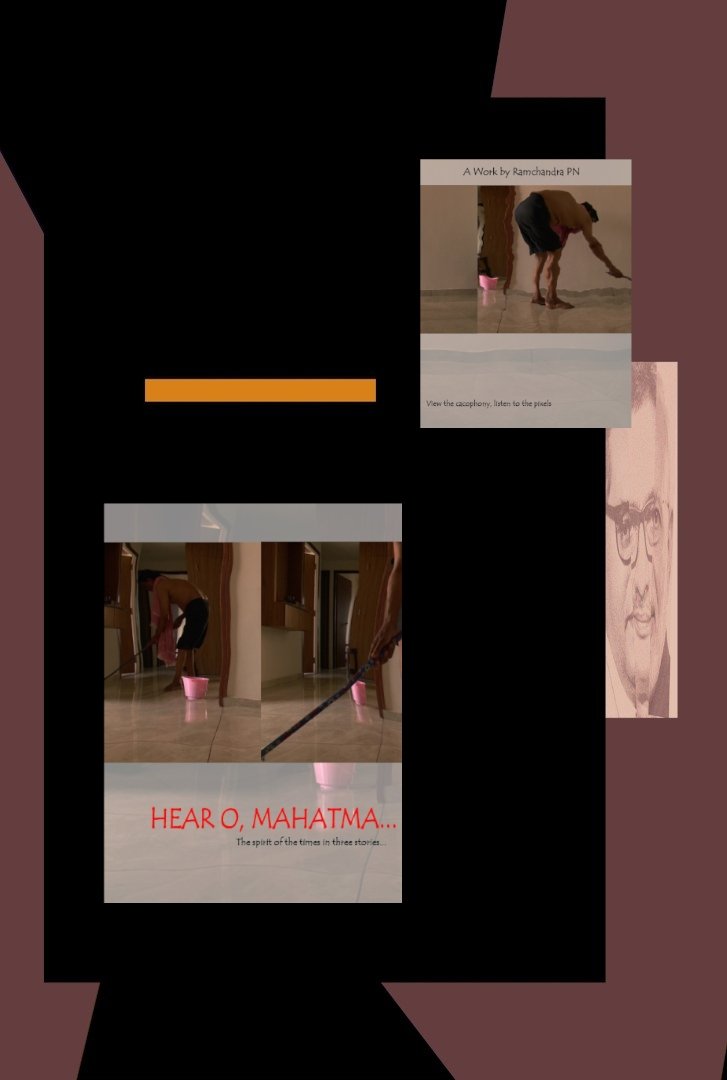
In an open letter to the most influential modern Indian political leader, the Late Mohandas Karamchand Gandhi, the filmmaker sequentially narrates the stories of three distinct individuals - that of a confused filmmaker who flows with time, a dedicated social reformer who guides the stratified masses into social upliftment and a divisive and regressive politician. The juxtaposition of their disfigured trajectories provokes a pertinent question: Did Gandhi ever foresee the dehumanized shape that his legacy has now dangerously morphed into?
A flickering dance of intriguing imagery brings to light the possibilities of ordinary movements from the everyday which appear, evolve and freeze before your eyes. Made entirely from archive photographs and footage from the earliest days of moving image, All This Can Happen (2012) follows the footsteps of the protagonist from the short story 'The Walk' by Robert Walser. Juxtapositions, different speeds and split frame techniques convey the walker's state of mind as he encounters a world of hilarity, despair and ceaseless variety.
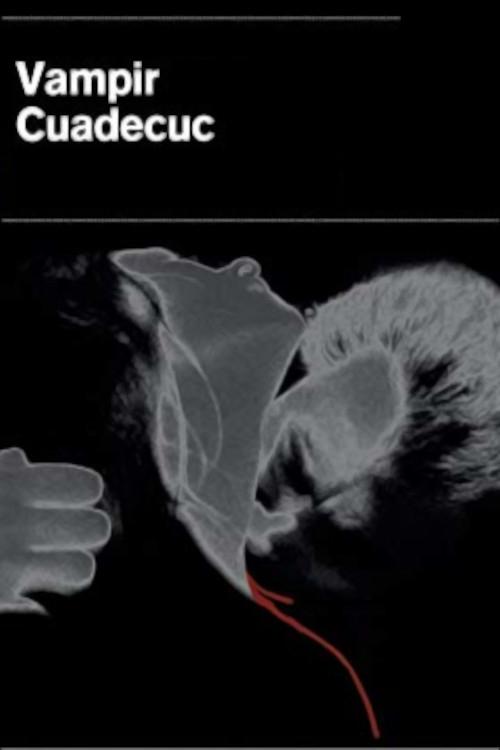
An atmospheric essay, which is an alternative version of Count Dracula, a film directed by Jess Franco in 1970; a ghostly narration between fiction and reality.
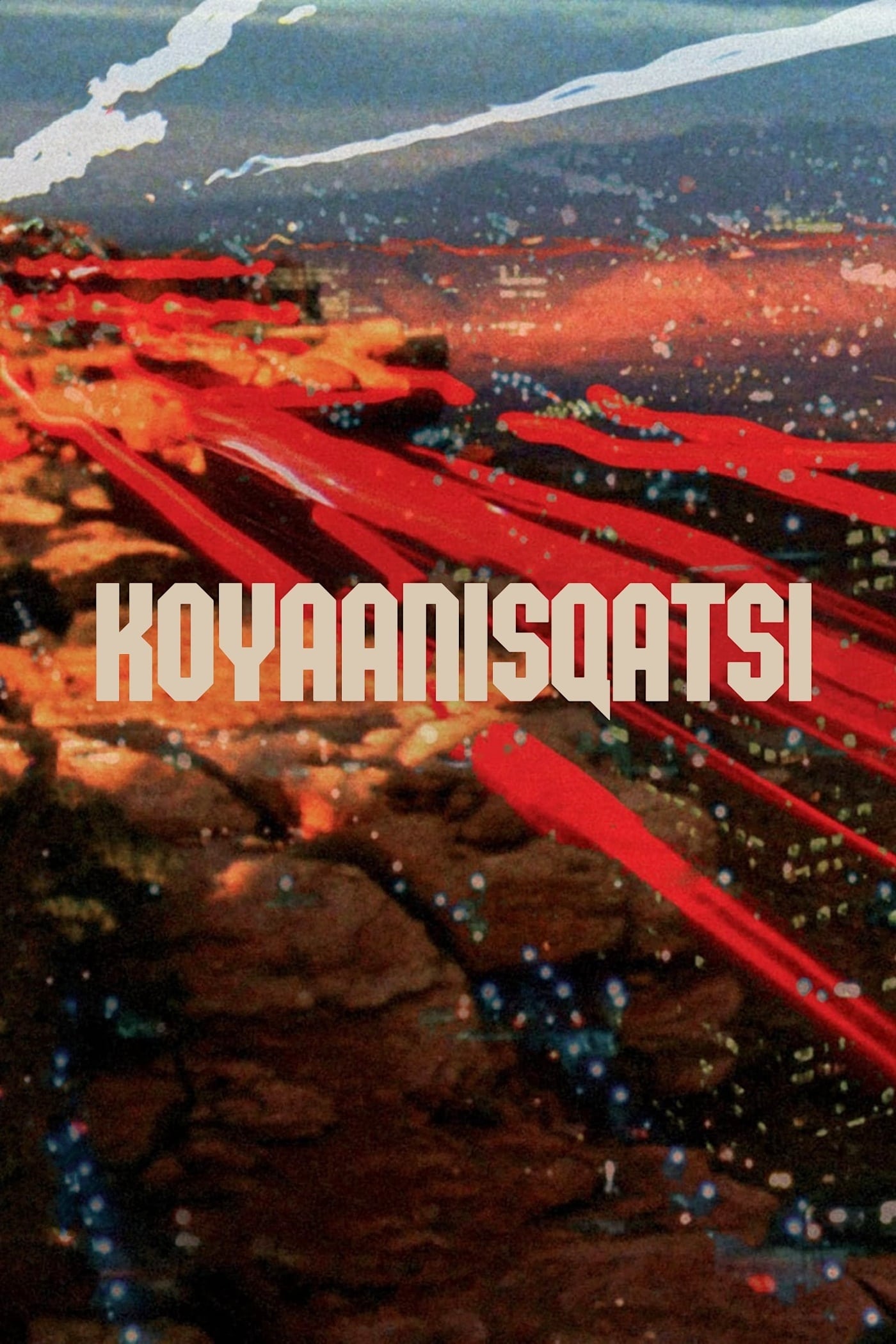
A visual montage portrait of our contemporary world dominated by globalized technology and violence.
Takes us to locations all around the US and shows us the heavy toll that modern technology is having on humans and the earth. The visual tone poem contains neither dialogue nor a vocalized narration: its tone is set by the juxtaposition of images and the exceptional music by Philip Glass.
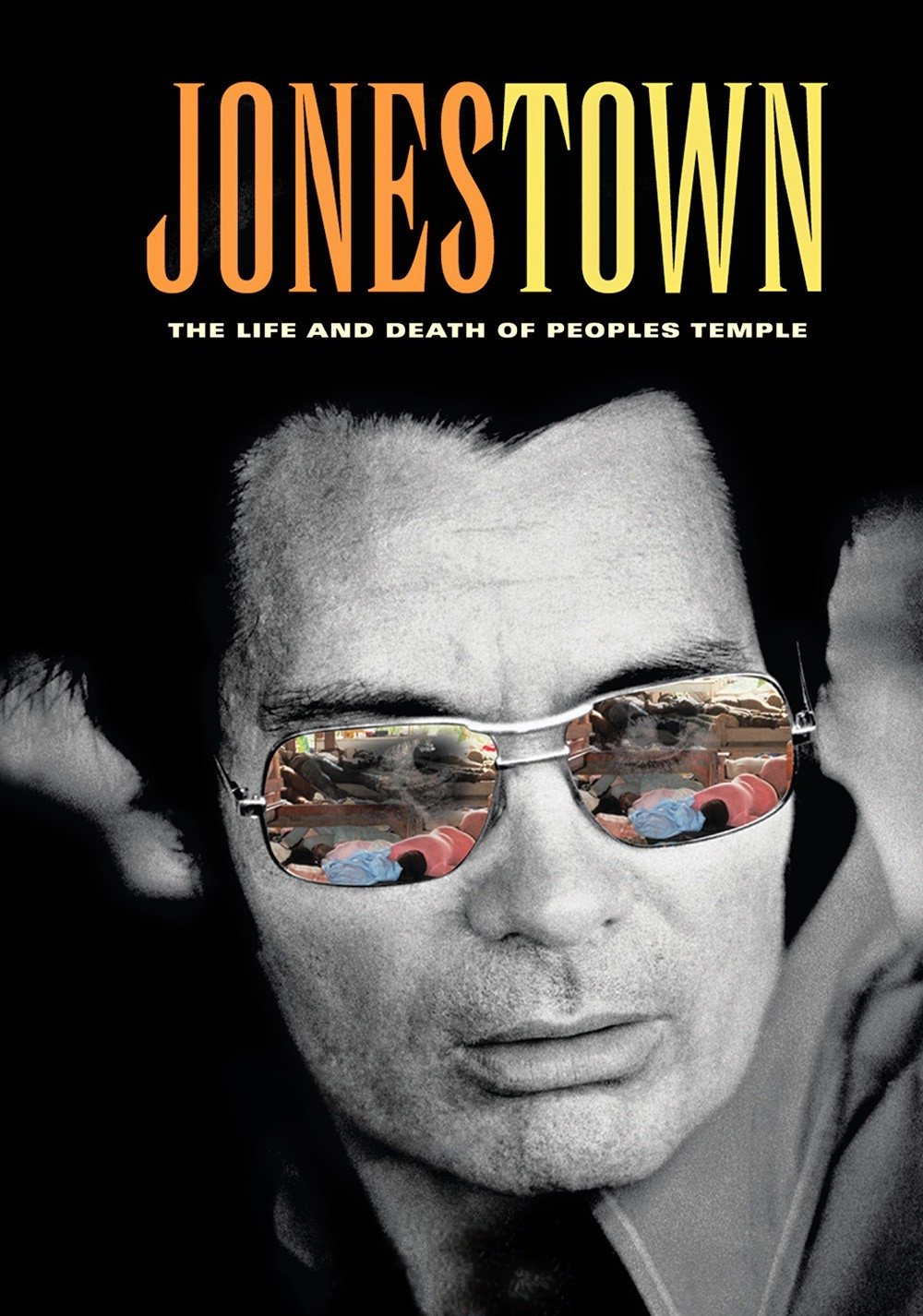
Featuring never-before-seen footage, this documentary delivers a startling new look at the Peoples Temple, headed by preacher Jim Jones who, in 1978, led more than 900 members to Guyana, where he orchestrated a mass suicide via tainted punch.
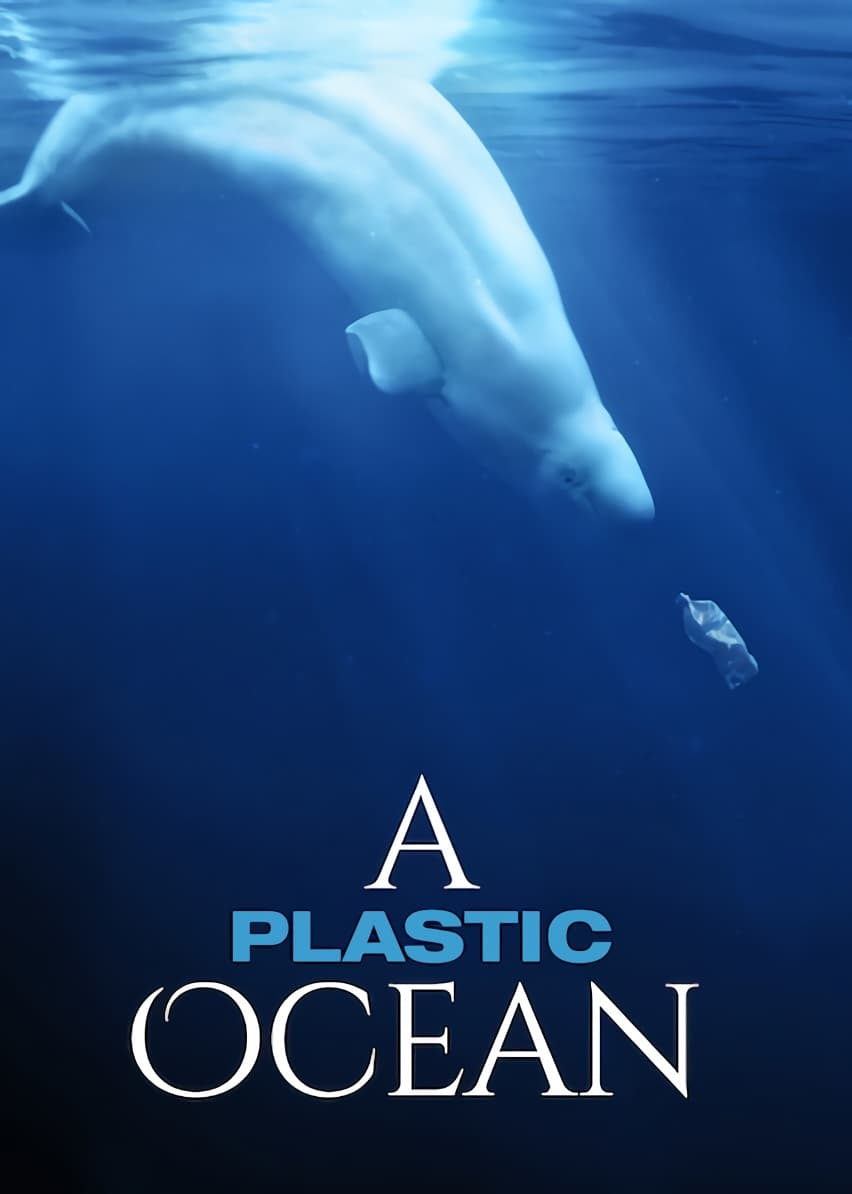
A documentary focused on plastic pollution in the world's oceans.
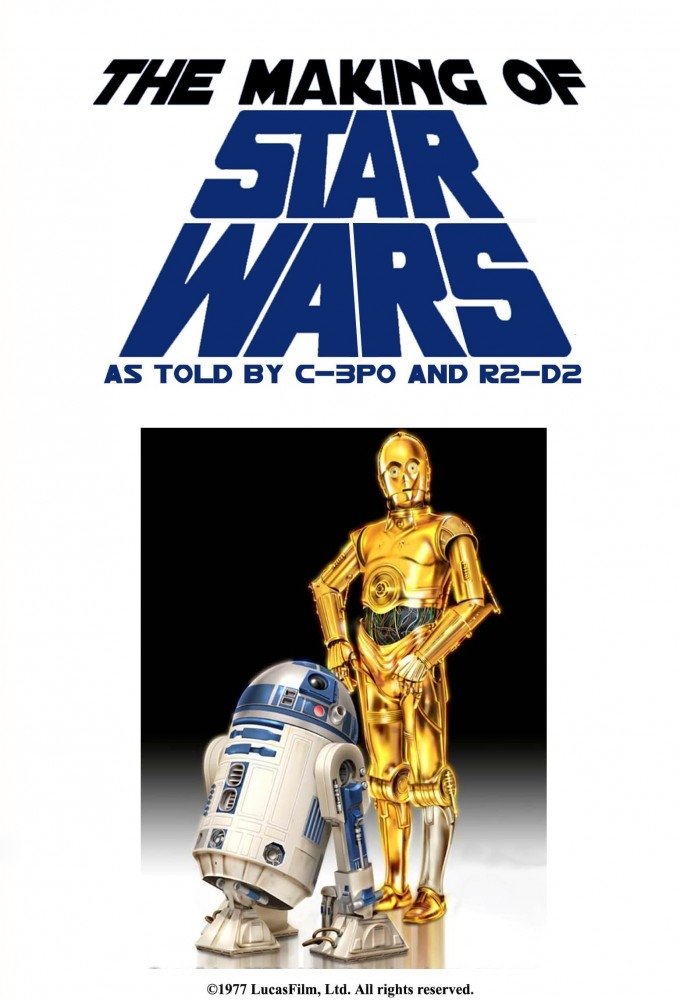
Learn the incredible behind-the-scenes story of how the original Star Wars movie was brought to the big screen in this fascinating documentary hosted by C-3PO and R2-D2 which includes interviews with George Lucas and appearances by Mark Hamill, Harrison Ford and Carrie Fisher.
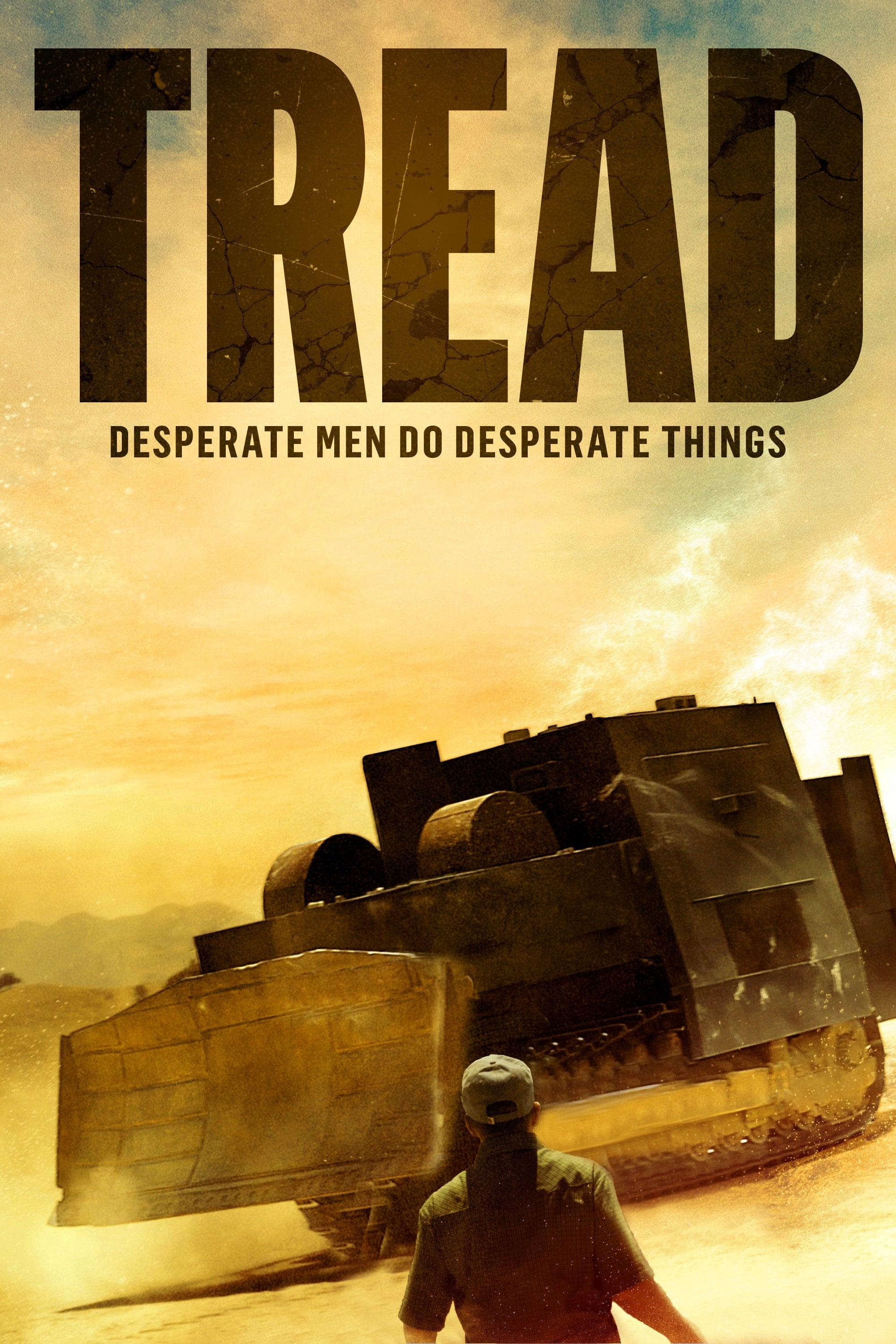
Pushed to his breaking point, a master welder in a small town at the foot of the Rocky Mountains quietly fortifies a bulldozer with 30 tons of concrete and steel and seeks to destroy those he believes have wronged him.
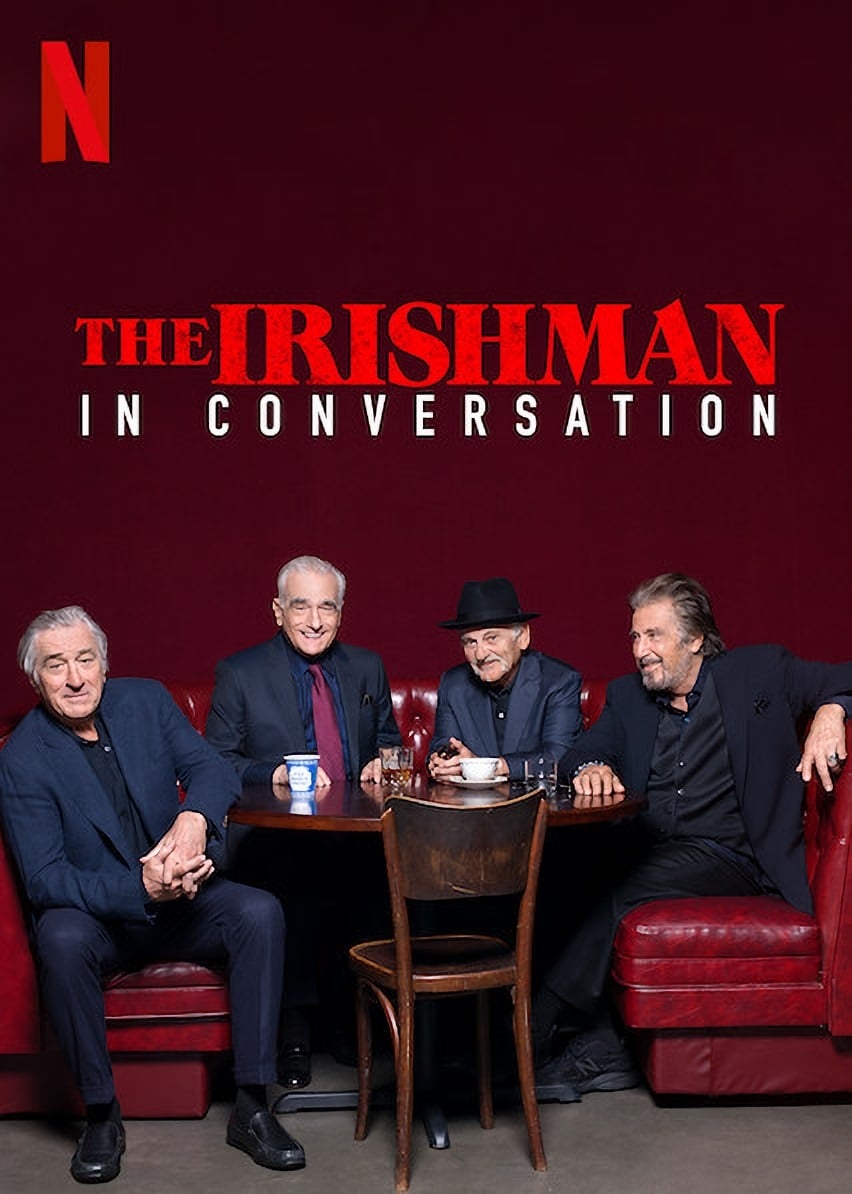
Martin Scorsese, Robert De Niro, Joe Pesci, and Al Pacino in conversation about The Irishman.
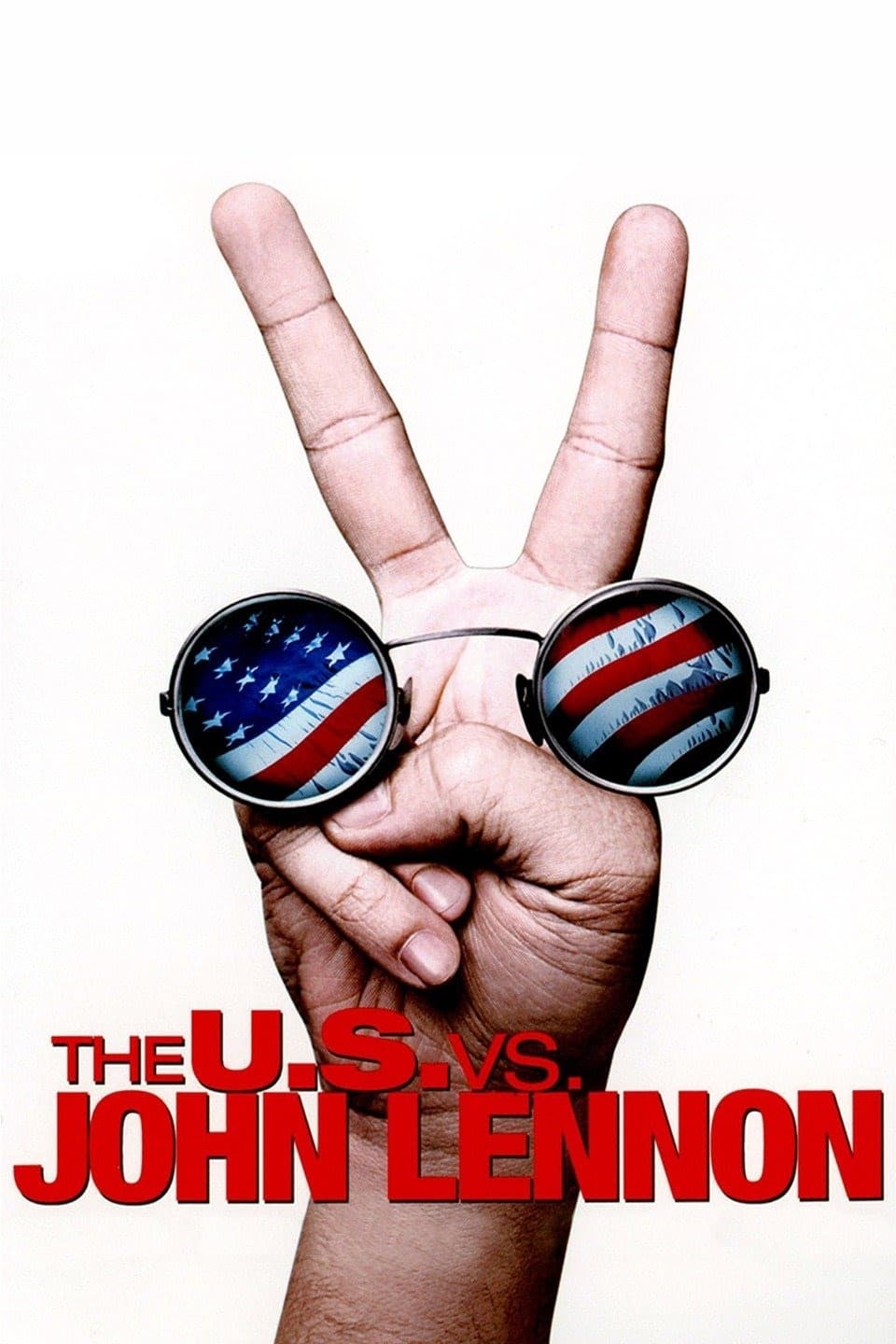
A documentary on the life of John Lennon, with a focus on the time in his life when he transformed from a musician into an antiwar activist.
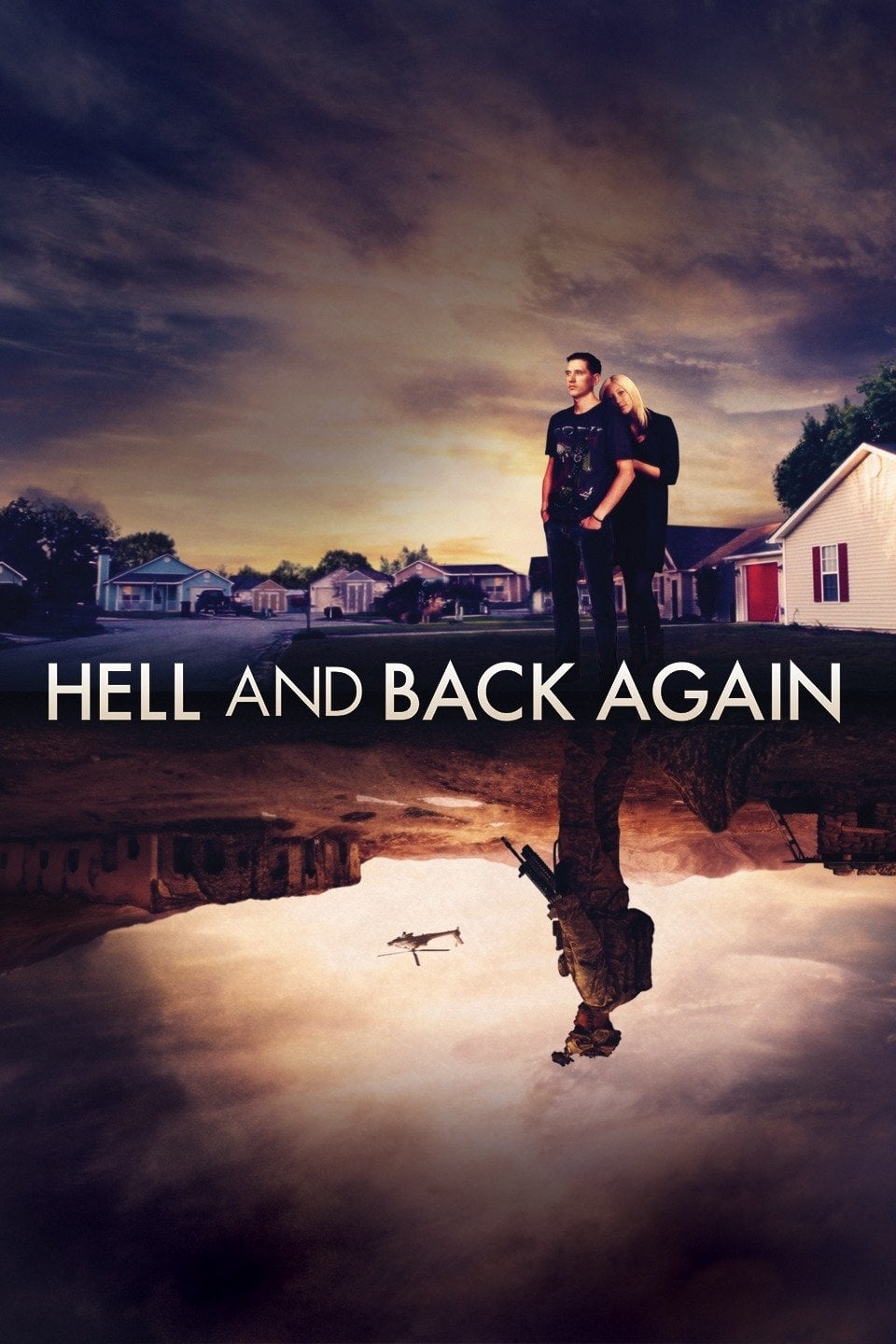
What does it mean to lead men in war? What does it mean to come home? Hell and Back Again is a cinematically revolutionary film that asks and answers these questions with a power and intimacy no previous film about the conflict in Afghanistan has been able to achieve. It is a masterpiece in the cinema of war.
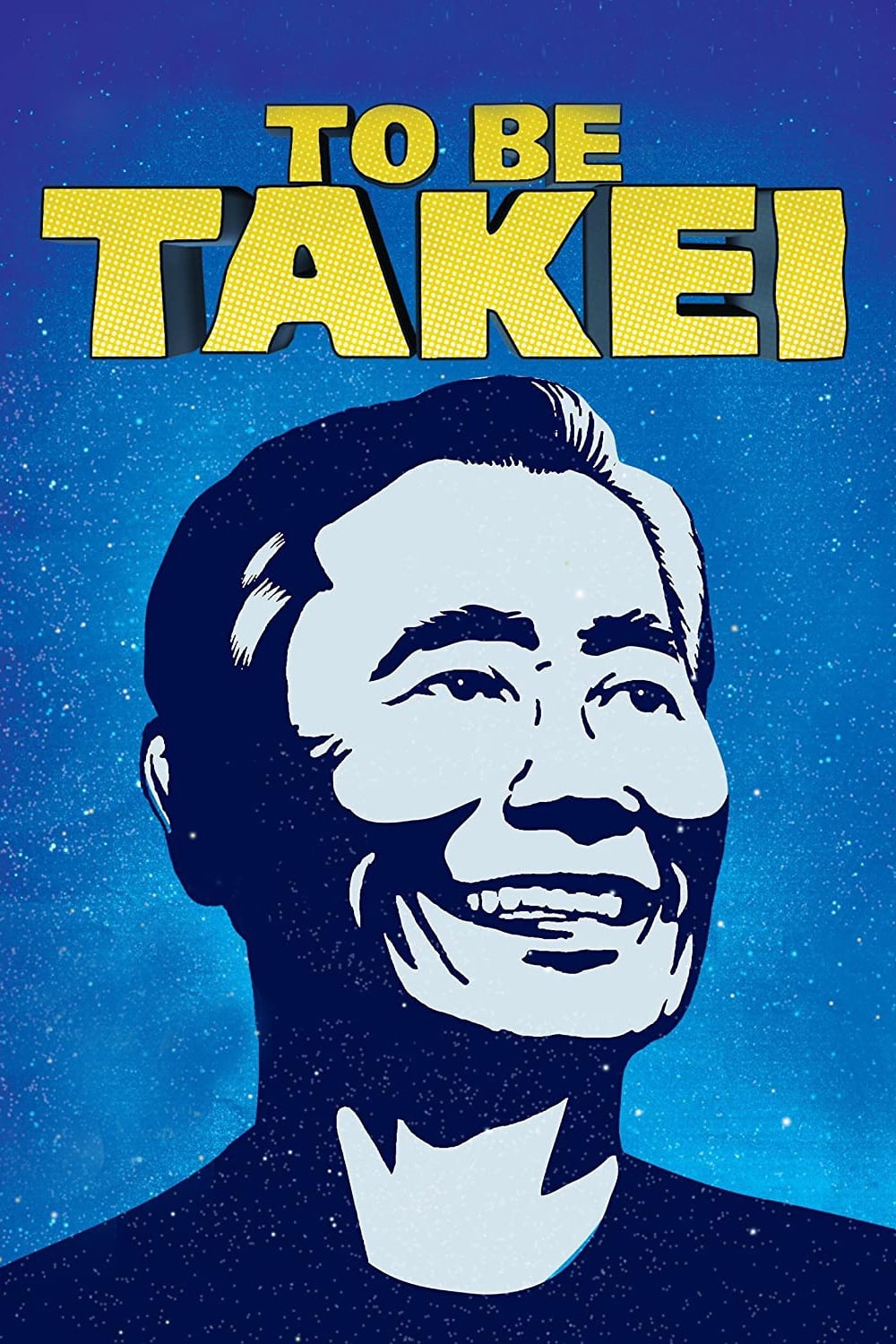
Over seven decades, actor and activist George Takei journeyed from a World War II internment camp to the helm of the Starship Enterprise, and then to the daily news feeds of five million Facebook fans. Join George and his husband, Brad, on a wacky and profound trek for life, liberty, and love.
Lyrical and powerfully personal essay film that reflects on the deaths of her husband Lou Reed, her mother, her beloved dog, and such diverse subjects as family memories, surveillance, and Buddhist teachings.
An exploration of technologically developing nations and the effect the transition to Western-style modernization has had on them.
The making of Matrix Revolutions, The (2003) is briefly touched on here in this documentary. Interviews with various cast and crew members inform us how they were affected by the deaths of Gloria Foster and Aaliyah, and also delve into the making of the visual effects that takes up a lot of screen time. Written by Rhyl Donnelly
Since the invention of cinema, the standard format for recording moving images has been film. Over the past two decades, a new form of digital filmmaking has emerged, creating a groundbreaking evolution in the medium. Keanu Reeves explores the development of cinema and the impact of digital filmmaking via in-depth interviews with Hollywood masters, such as James Cameron, David Fincher, David Lynch, Christopher Nolan, Martin Scorsese, George Lucas, Steven Soderbergh, and many more.
A documentary about ten very different lives connected by having appeared onscreen wearing masks or helmets in Star Wars.
A documentary that explores the downloading revolution; the kids that created it, the bands and the businesses that were affected by it, and its impact on the world at large.
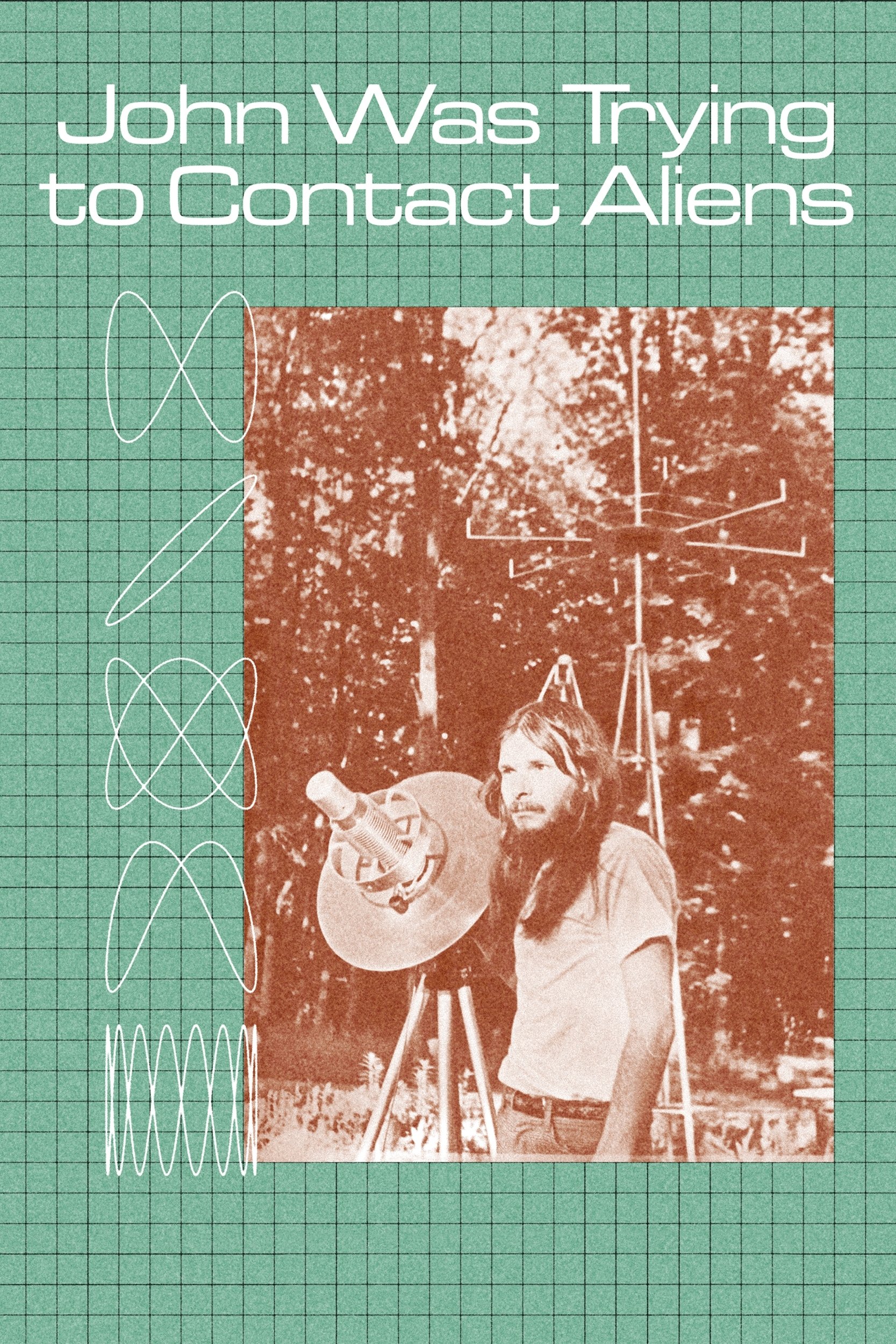
John Shepherd spent 30 years trying to contact extraterrestrials by broadcasting music millions of miles into space. After giving up the search, he makes a different connection here on earth.
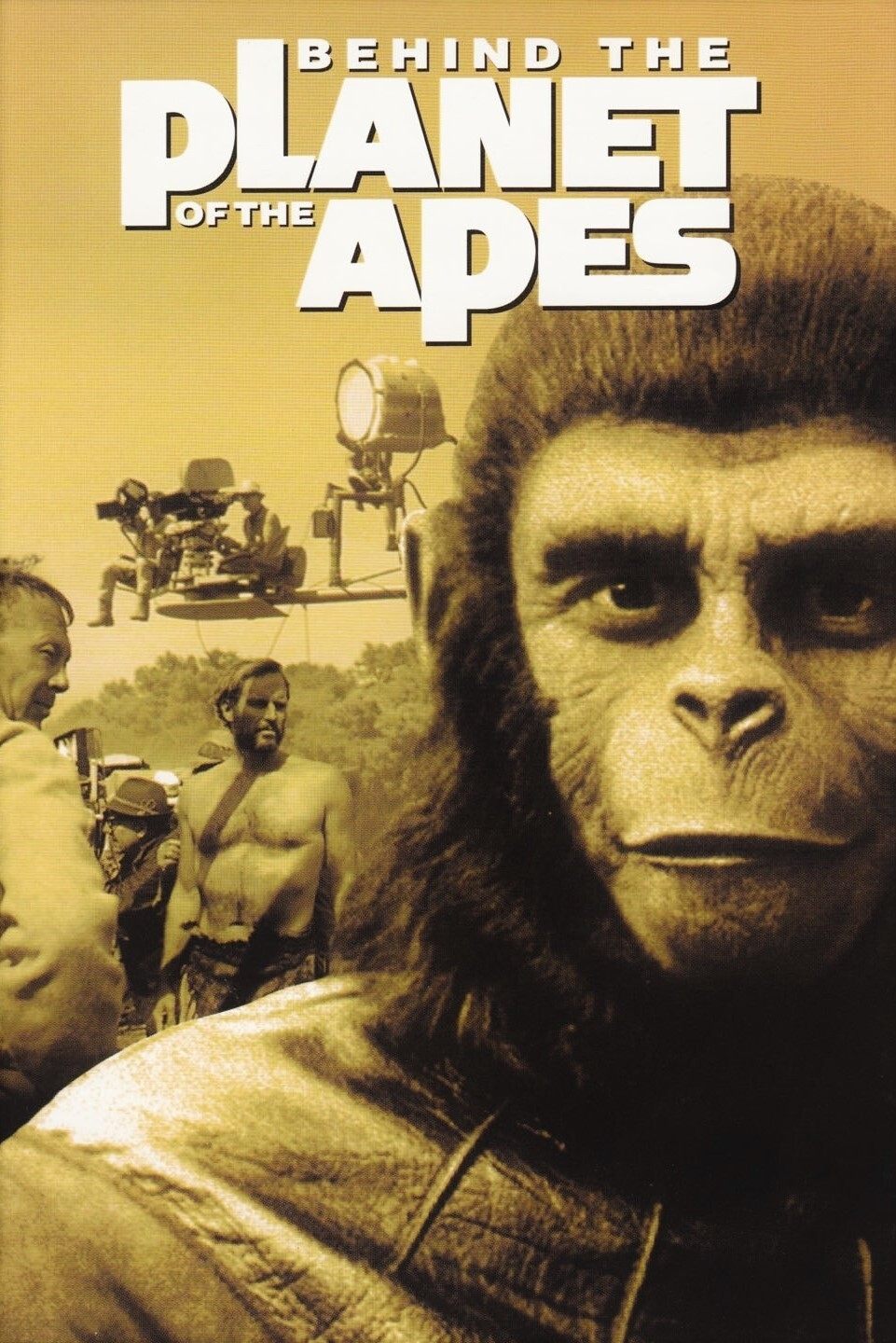
Roddy McDowall takes you, film by film, from production meetings to make-up sessions, then right onto the movie set to see the actual filming of the science fiction masterpiece. The most comprehensive history of Planet of the Apes ever created, this fascinating 127-minute documentary explores one of the most imaginative and influential series in movie history.