Social & External
Unknown Role
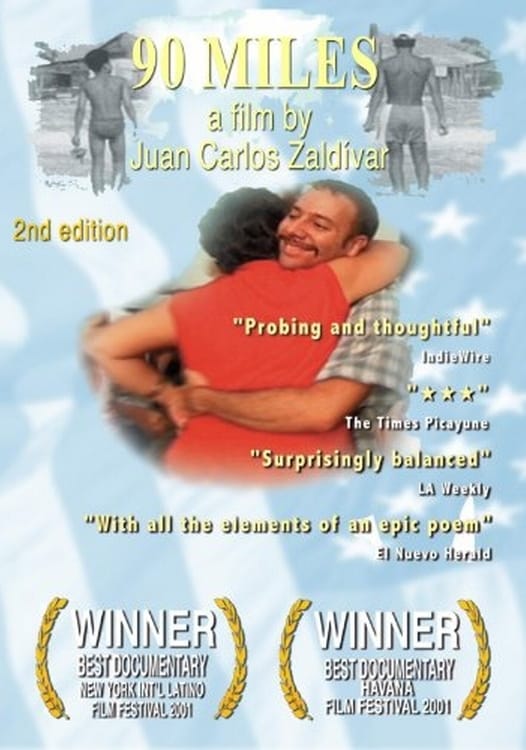
Having grown up within the Cuban Revolution, in 1980, Juan Carlos Zaldívar was a 13-year-old "pioneer" jeering in the streets at the thousands of "Marielitos" leaving the island by boat for the United States. Within weeks, he was a Marielito himself, headed with the rest of his family for a new life in Miami. Now a U.S.-based filmmaker, Zaldívar recounts the strange twist of fate that took him across one of the world's most treacherous stretches of water in 90 Miles, a new documentary having its broadcast premiere on PBS's acclaimed P.O.V. series in the summer of 2003. As related by Zaldívar in the intensely personal and evocative 90 Miles, arrival in South Florida is only the beginning of the family's struggles to comprehend the full meaning of their passage into exile. What follows is an intimate and uneasy accounting of the historical forces that have split the Cuban national family in two, and which shape the passage of values from one generation to the next.

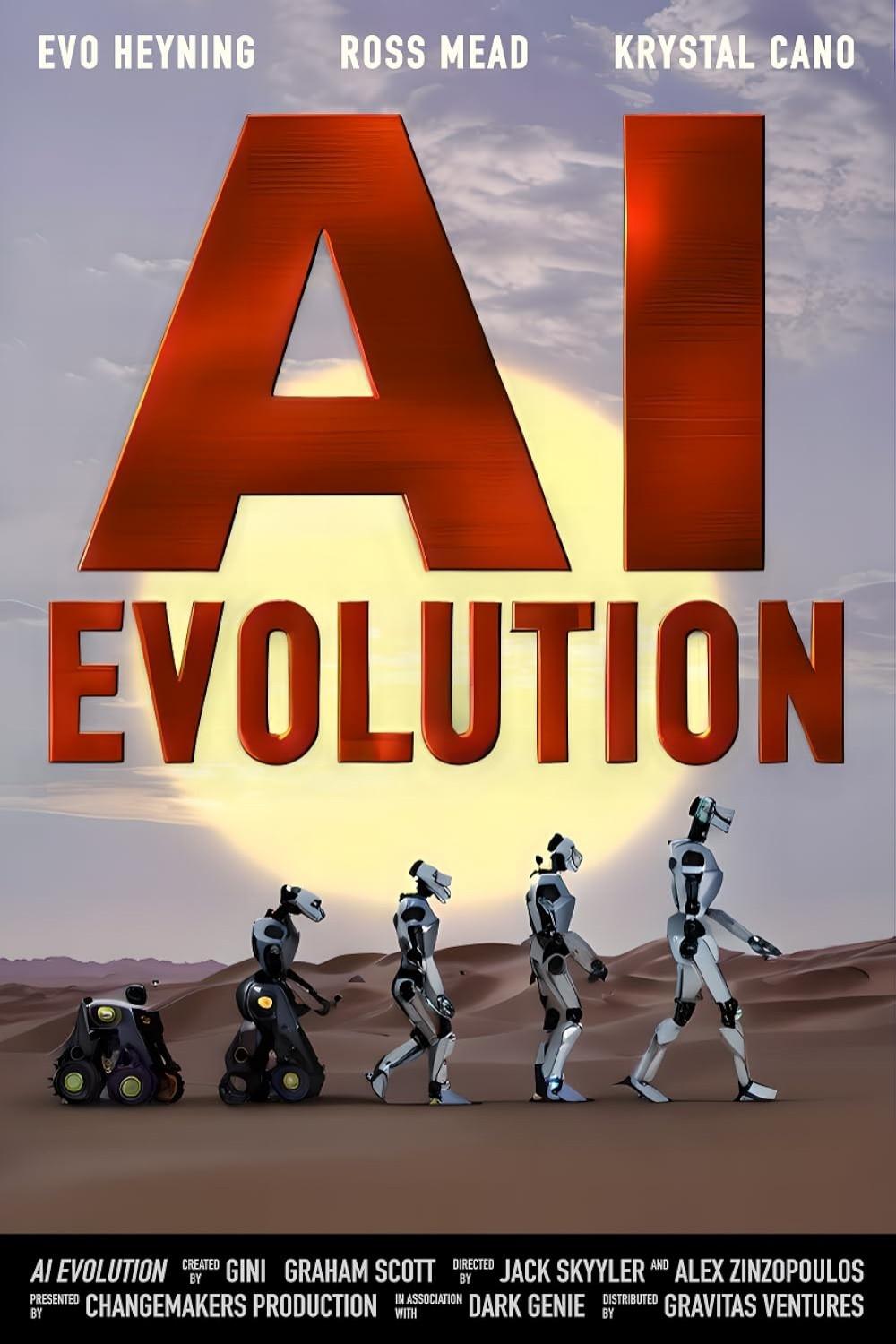
Take a journey through the ever-changing landscape of artificial intelligence with this doc exploring the challenges and opportunities ahead.
This program examines Cuban exile terrorists living in Miami. These terrorists were secretly trained and employed by the U.S. government in the early 1960s to fight Fidel Castro. Now, without U.S. support, terrorist activities continue in Miami and Latin America. The program reviews secret U.S. policies toward Cuba in the 1960s and includes interviews with Castro and former top CIA officials. Members of this group, formerly secretly trained and employed by U.S. Government until 1967, have been active in Watergate crimes and anti-Castro terrorism including bomb explosion on Cuban Airline killing seventy-three. Includes interviews with Castro, E. Howard Hunt, Bernard Barker, and Rolando Martinez.' - The Paley Center For Media
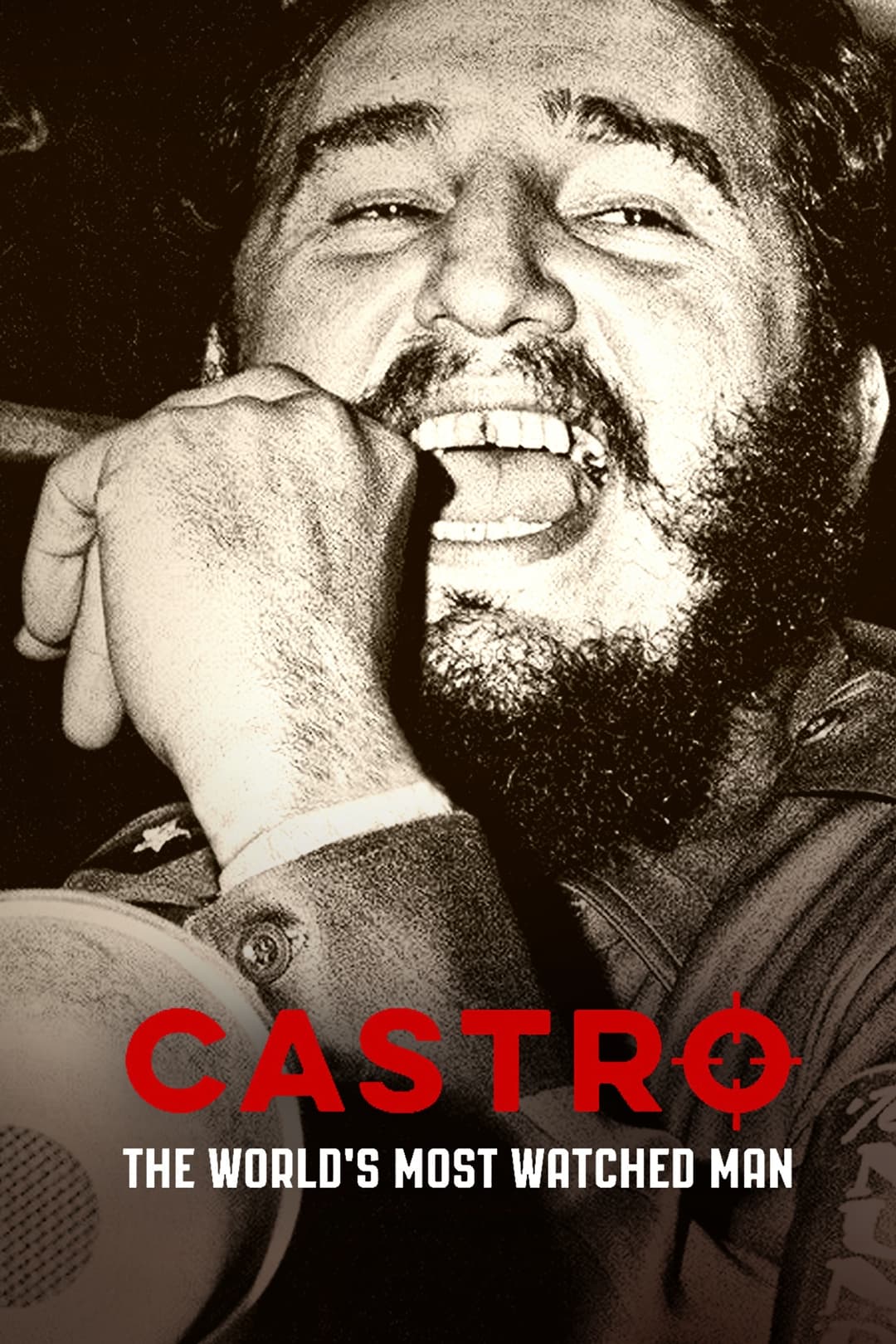
Fidel Castro employed a vast spy network that helped him remain in power.
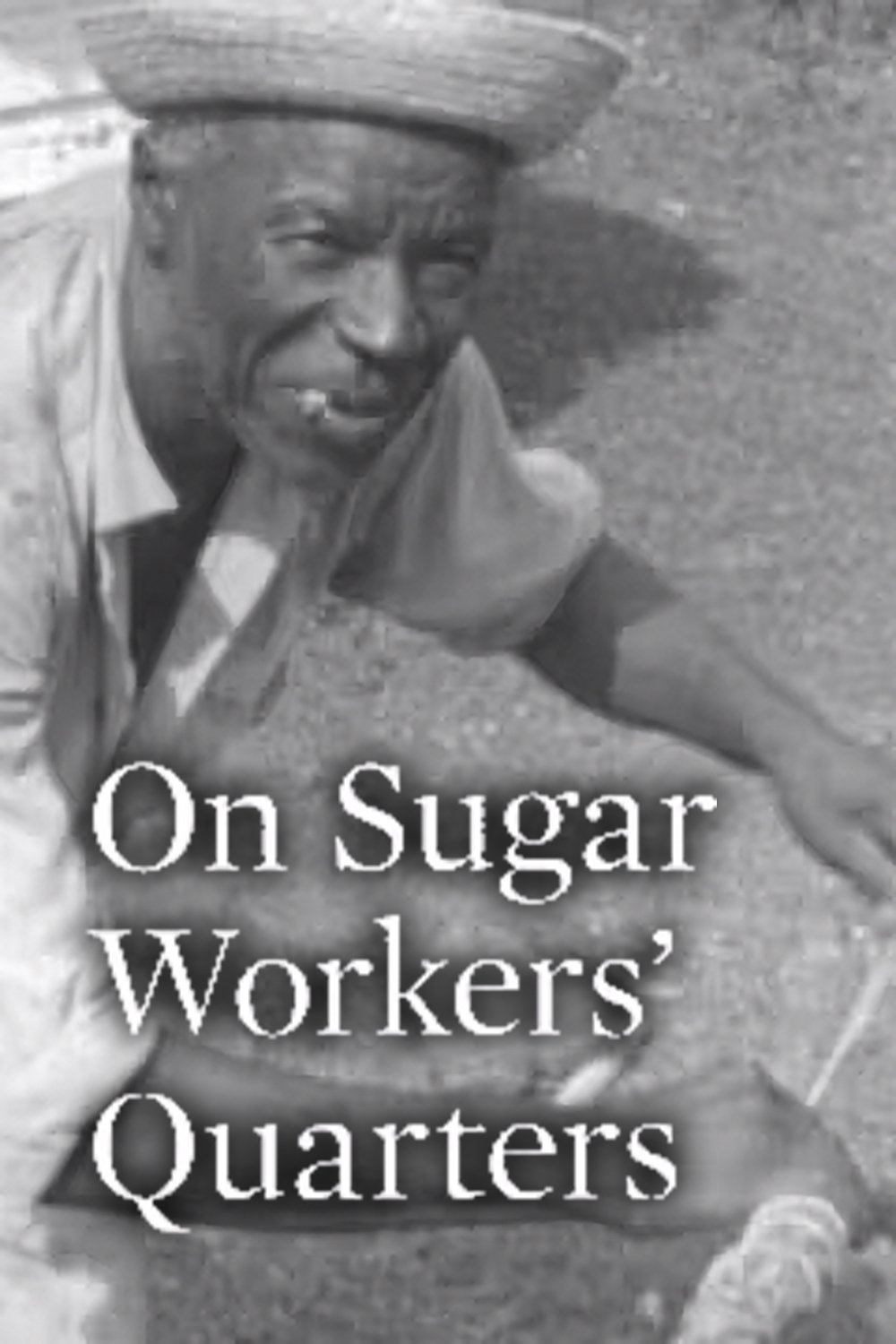
Documentary about the history of the bateyes, informal settlements surrounding the mills to house workers. Throughout the film, Sara Gómez recovers the political and cultural relevance of black migrants.
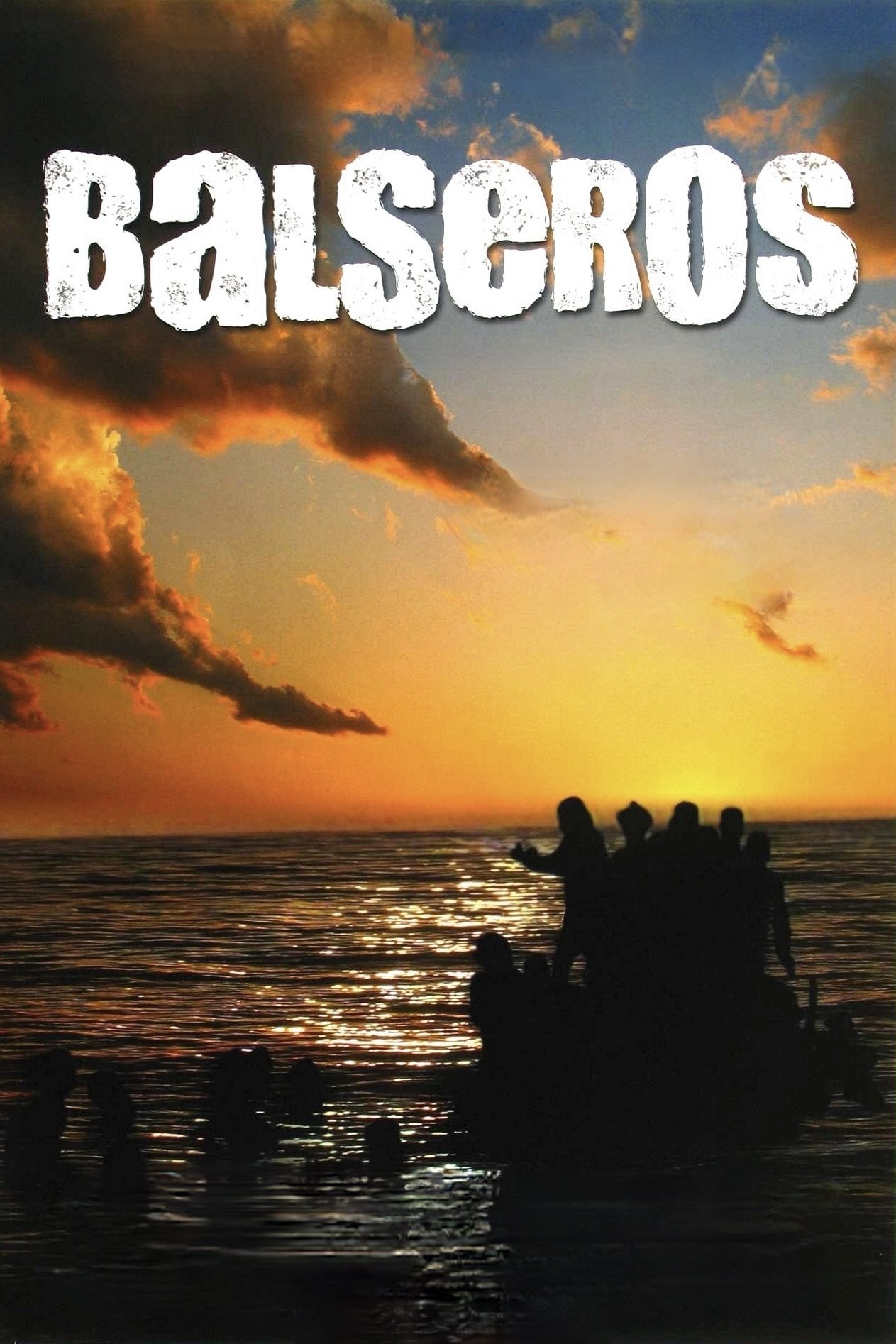
In the summer of 1994, a team of public television reporters filmed and interviewed seven Cubans a few days before their risky venture of setting out to sea in homemade rafts to reach the coast of the United States. Six made it far enough to be picked up at sea by the U.S. Coast Guard. When these balseros (rafters) were finally allowed to go to the United States, the film crew went with them to a string of several cities. Seven years later, the film crew visits them again, to discover that their destiny has been in the United States. Theirs is a true story about some of the authentic survivors of our times, the human adventure of people who are shipwrecked between two worlds.
A documentary on the origins of Cuban Son.
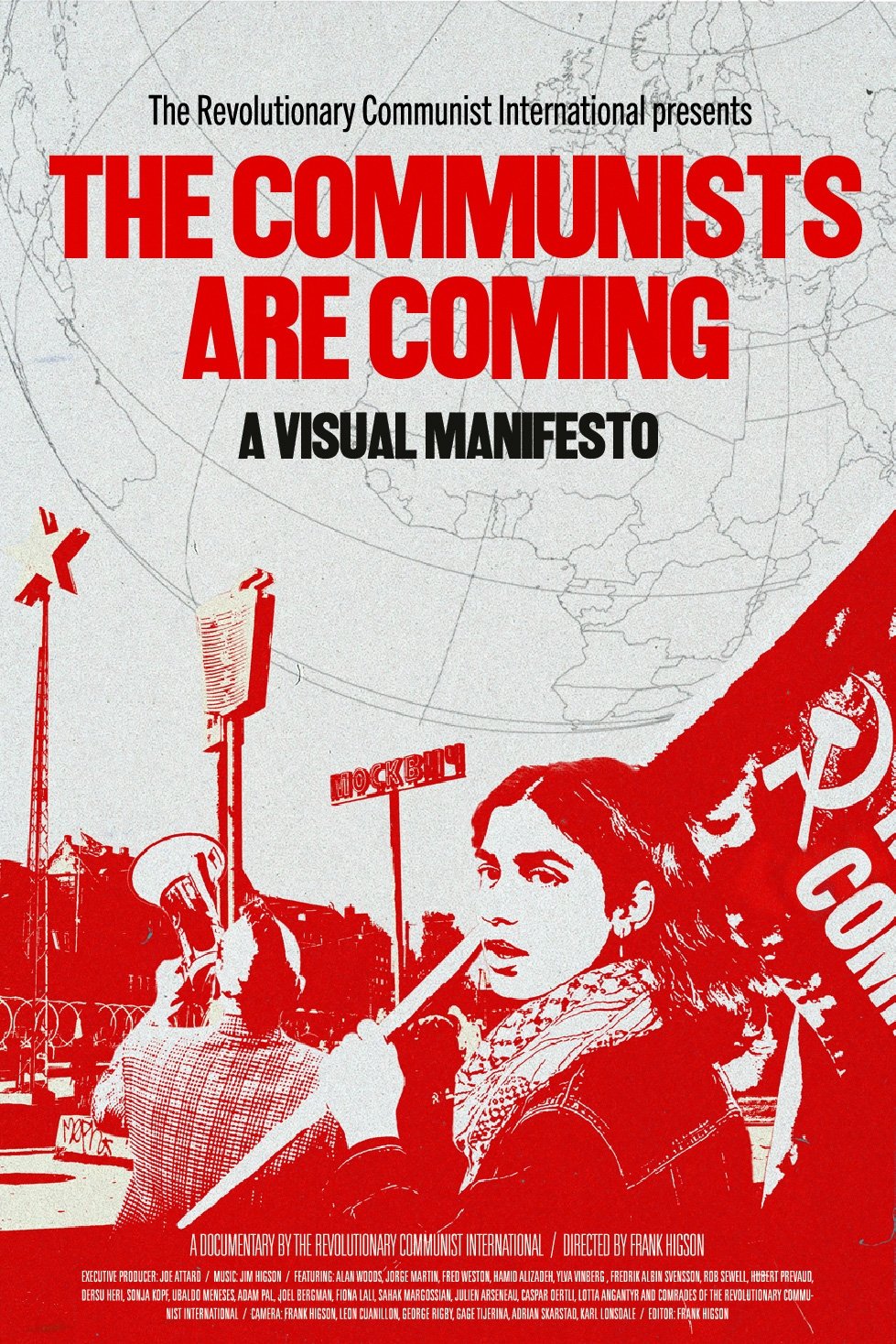
This original documentary charts the founding year of the Revolutionary Communist International, up to its inaugural conference in June 2024.
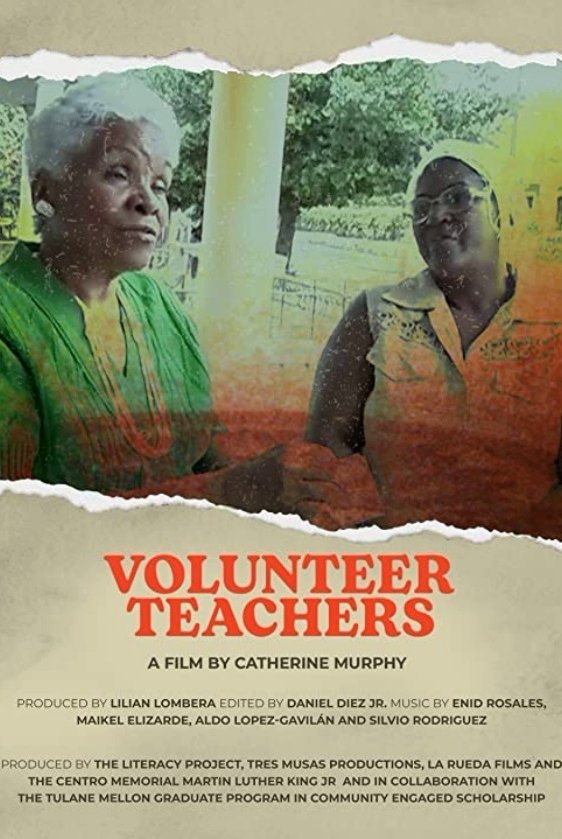
Ana Deborah Mola and Belkis Lescaille were among the first young teachers who started pilot programs around the island of Cuba in 1960, laying foundation for the massive National Literacy Campaign that would take place the following year.
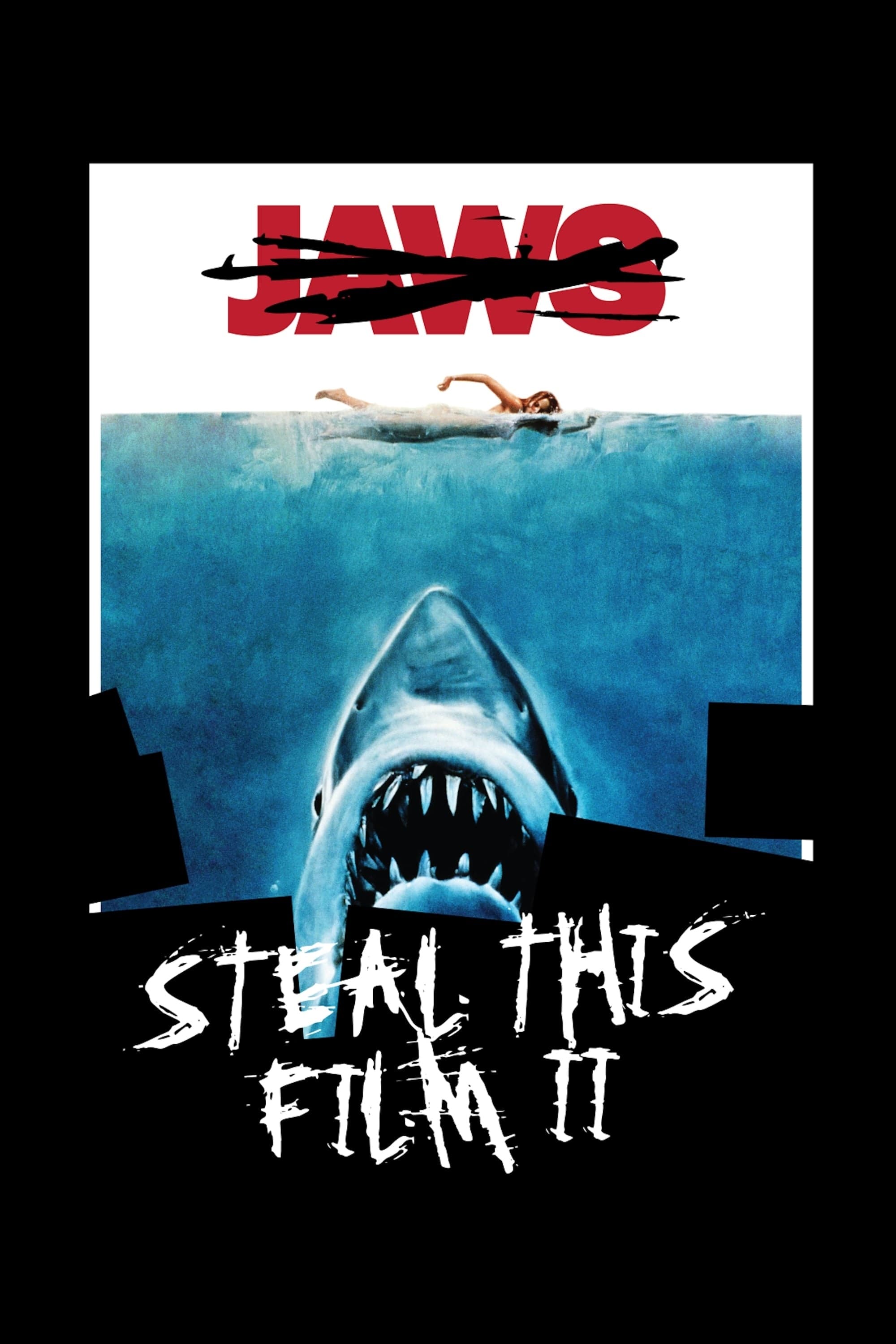
These are strange times indeed. While they continue to command so much attention in the mainstream media, the 'battles' between old and new modes of distribution, between the pirate and the institution of copyright, seem to many of us already lost and won. We know who the victors are. Why then say any more?
In 1979, a revolution in Iran. In 1980, a revolution in Poland. The fall of the Shah, the “King of Kings,” in Iran. Mass strikes and the foundation of Solidarność (Solidarity) in Poland. What was in the minds of the young women and men who fomented revolution in their own country? What did they think when their revolution was quelled, or – as in Iran – an authoritarian regime was instituted under the name of an “Islamic Republic”?
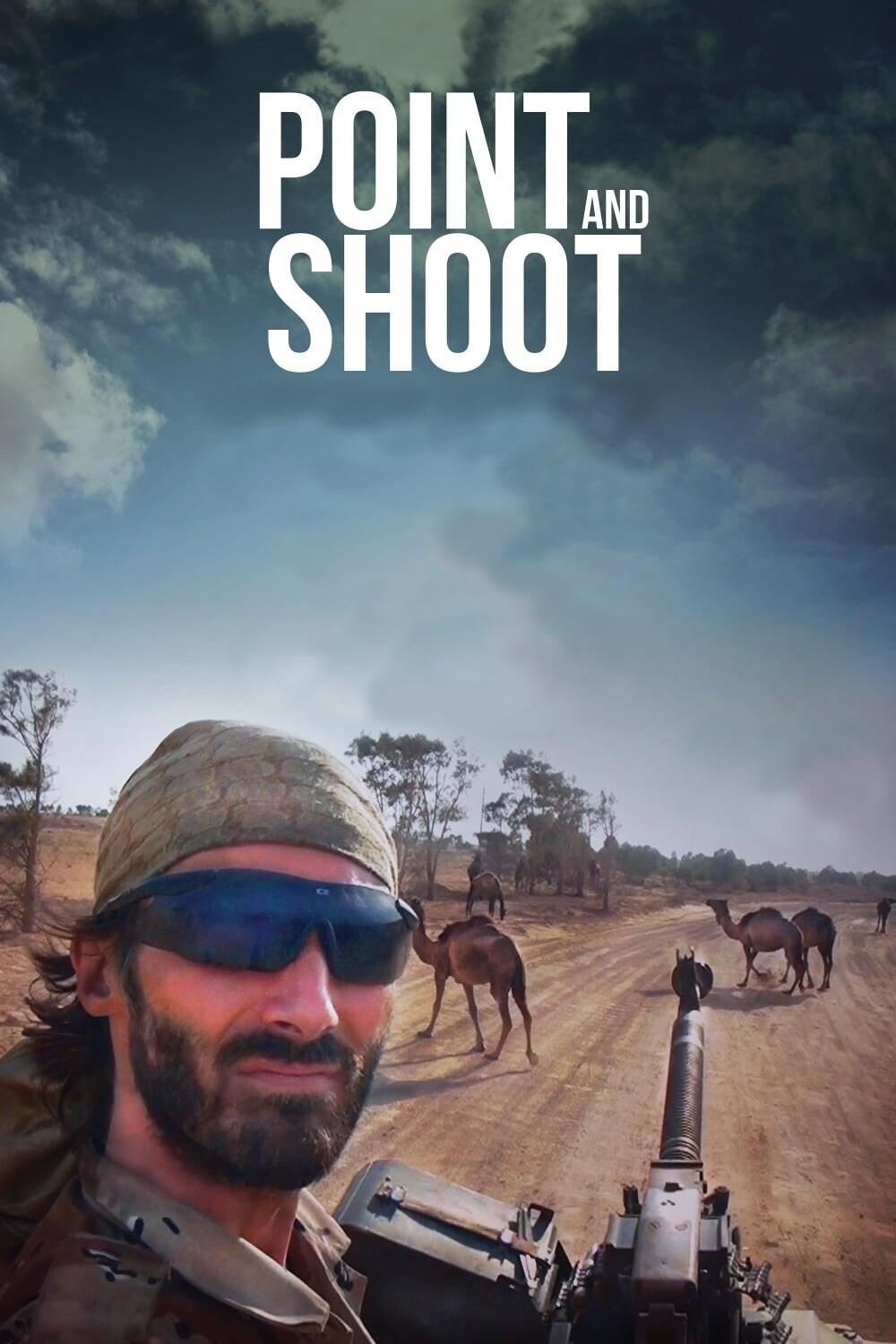
At first glance, Matthew VanDyke—a shy Baltimore native with a sheltered upbringing and a tormenting OCD diagnosis—is the last person you’d imagine on the front lines of the 2011 Libyan revolution. But after finishing grad school and escaping the U.S. for "a crash course in manhood," a winding path leads him just there. Motorcycling across North Africa and the Middle East and spending time as an embedded journalist in Iraq, Matthew lands in Libya, forming an unexpected kinship with a group of young men who transform his life. Matthew joins his friends in the rebel army against Gaddafi, taking up arms (and a camera). Along the way, he is captured and held in solitary confinement for six terrifying months.
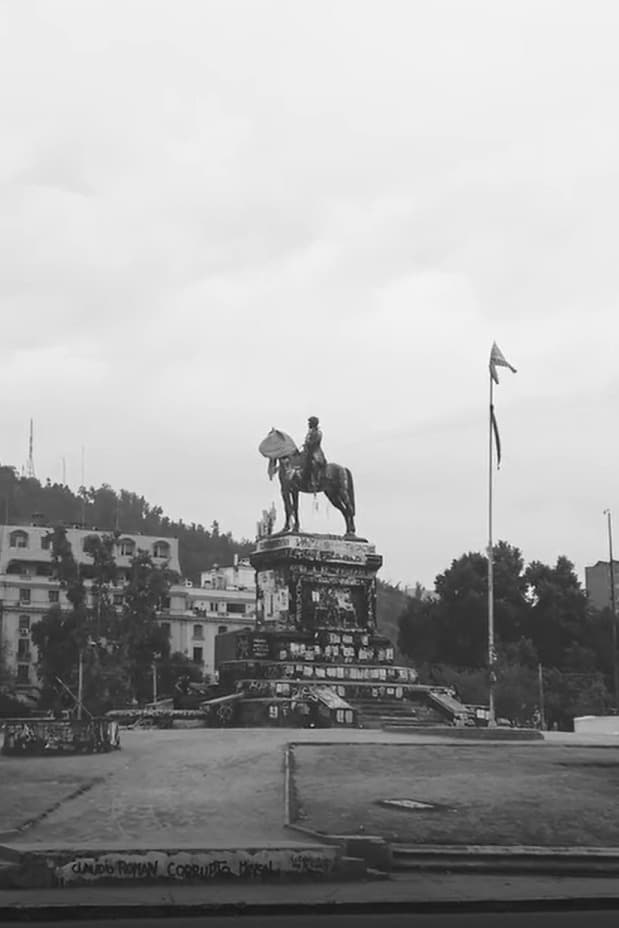
The visions experienced by a man in the midst of Chile’s social revolt lead him to revisit different moments of his life while his mind wanders through a limbo of images. The journey will help him to finally discover why he’s in that place.
Street art, creativity and revolution collide in this beautifully shot film about art’s ability to create change. The story opens on the politically charged Thailand/Burma border at the first school teaching street art as a form of non-violent struggle. The film follows two young girls (Romi & Yi-Yi) who have escaped 50 years of civil war in Burma to pursue an arts education in Thailand. Under the threat of imprisonment and torture, the girls use spray paint and stencils to create images in public spaces to let people know the truth behind Burma's transition toward "artificial democracy." Eighty-two hundred miles away, artist Shepard Fairey is painting a 30’ mural of a Burmese monk for the same reasons and in support of the students' struggle in Burma. As these stories are inter-cut, the film connects these seemingly unrelated characters around the concept of using art as a weapon for change.
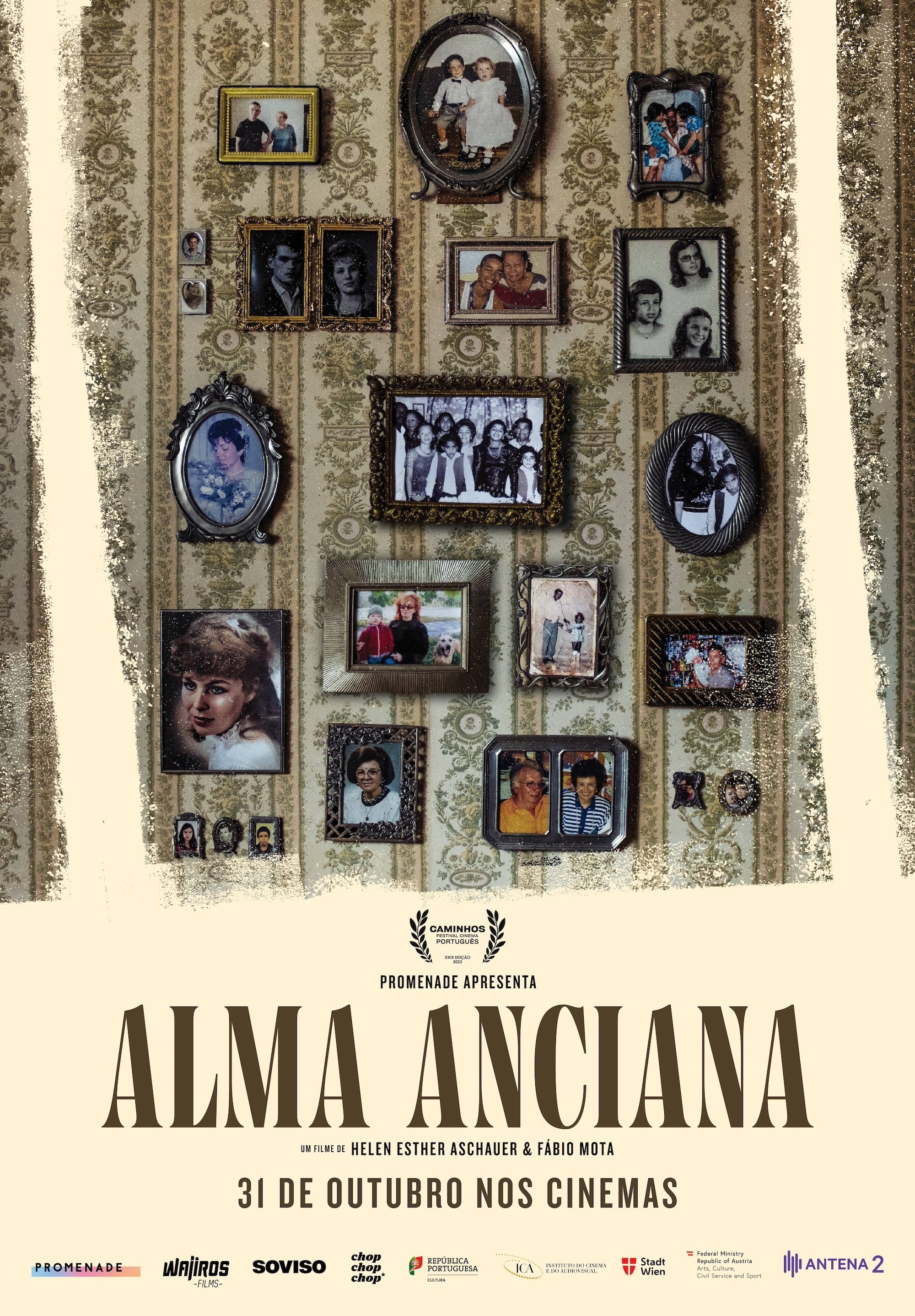
Three juxtaposing stories taking place in Portugal, Austria and Cuba create an intimate and poetic portrait of the daily lives and struggles of the elderly in an unstable world, seen through the eyes of their grandchildren.
Oliver Stone spends three days filming with Fidel Castro in Cuba, discussing an array of subjects with the president such as his rise to power, fellow revolutionary Che Guevara, the Cuban Missile crisis, and the present state of the country.
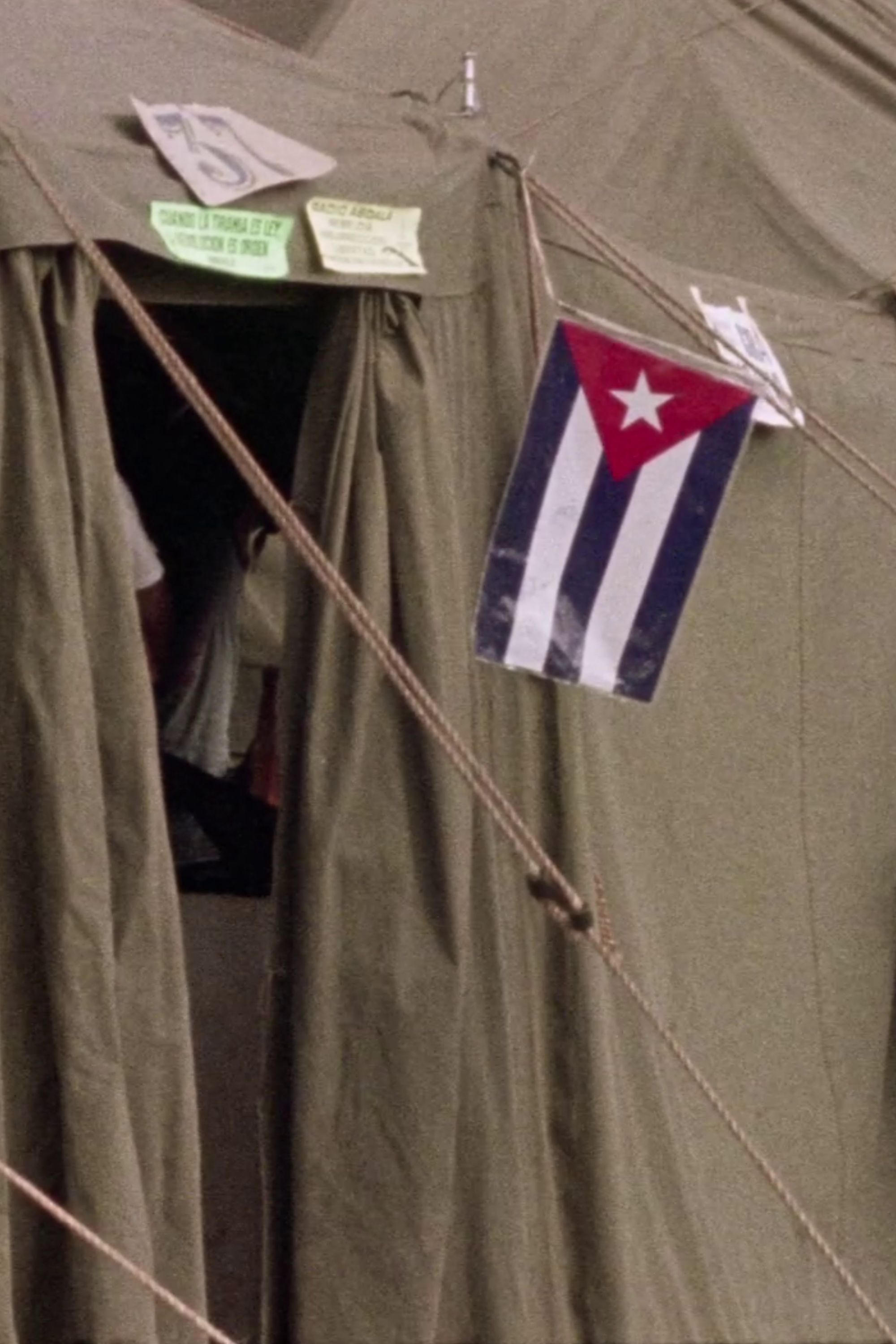
The story of a group of Cubans who arrived in Miami during the Mariel Boatlift and were housed in an improvised camp in the heart of the city. Everyone lived together —men and women, homosexuals and heterosexuals, separated only by cloth curtains that hung from ropes suspended between the beds, like floating walls.
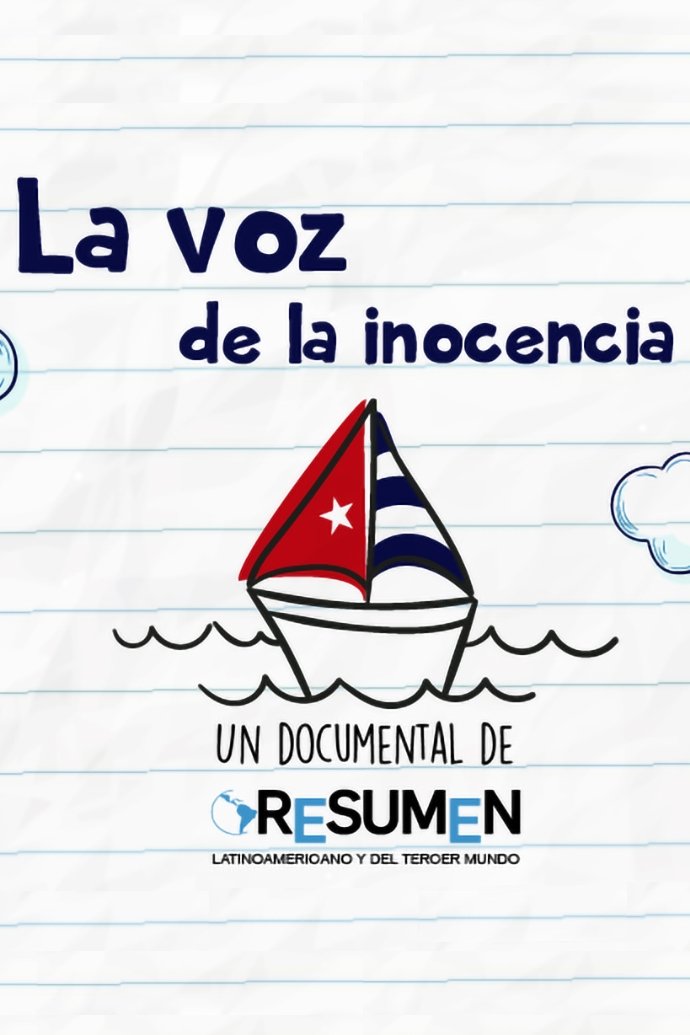
"The Voice of Innocence" is a documentary that shows how, starting in 1959, the Cuban Revolution put into practice a comprehensive and universal policy of safeguarding the rights of the child, even under the multiple difficulties resulting from the economic, commercial and financial blockade imposed by the United States more than six decades ago. Cuba is one of the main signatories of the Convention on the Rights of the Child, signed on 20 November 1989, when the country had already made extraordinary progress in protecting the rights of the child, in comparison to developed countries, such as the United States, which as of today hasn't yet ratified the Convention.
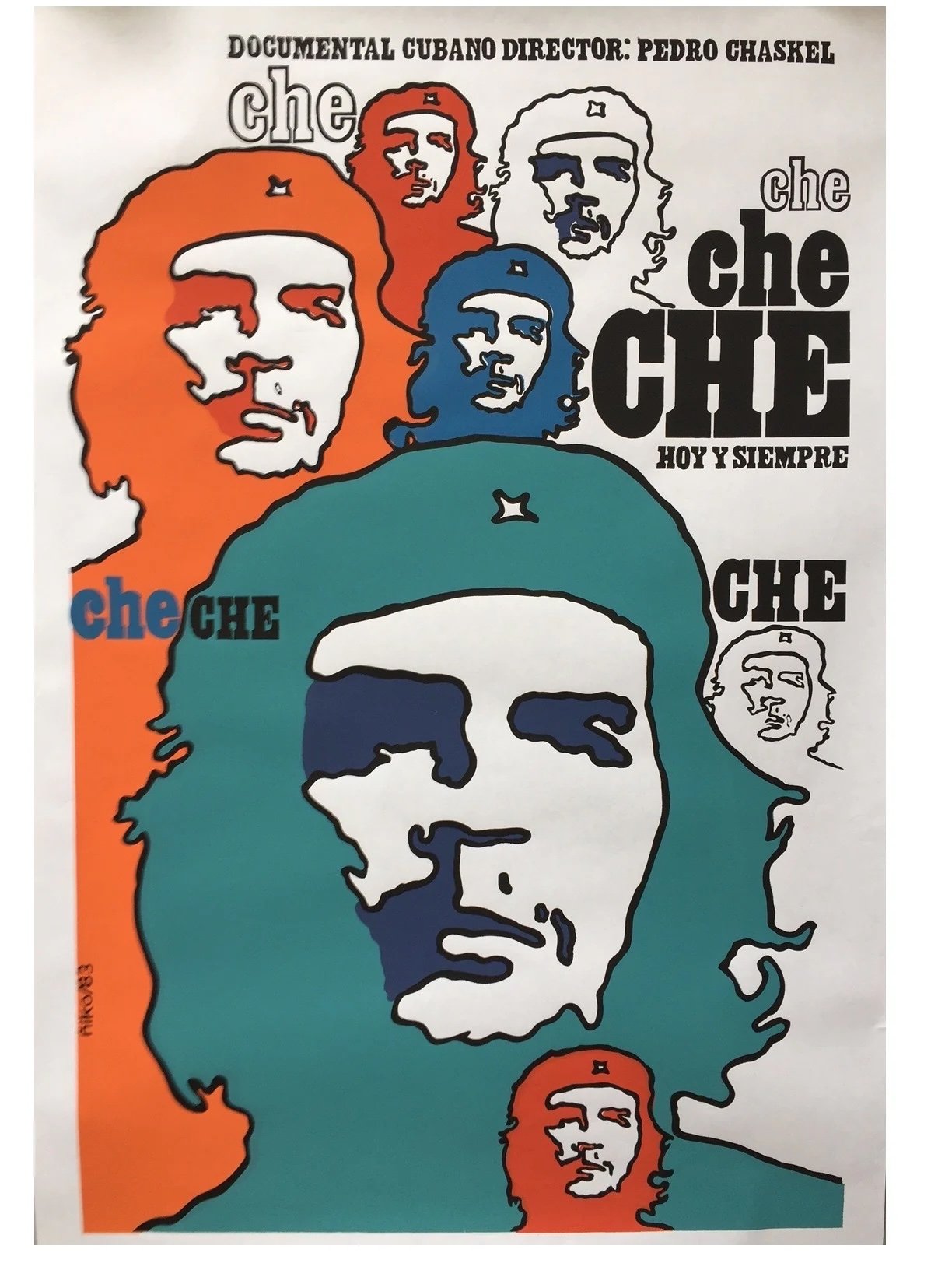
A sound system plays Commander Ernesto Guevara's speech, delivered on October 20, 1962, during the Second Anniversary of the Young Communist League, along with a series of archival images of the revolutionary leader visiting factories and meeting with workers.
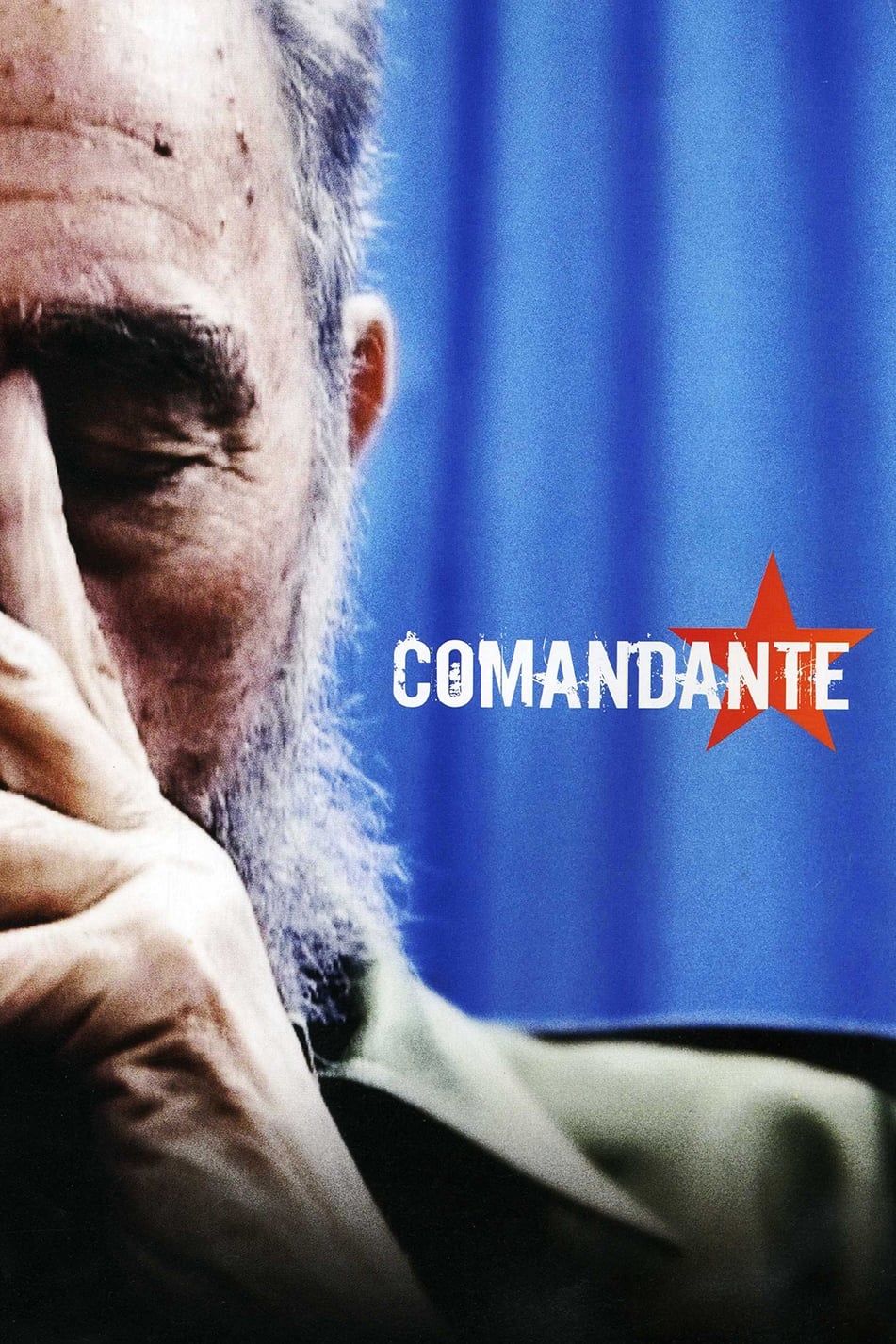
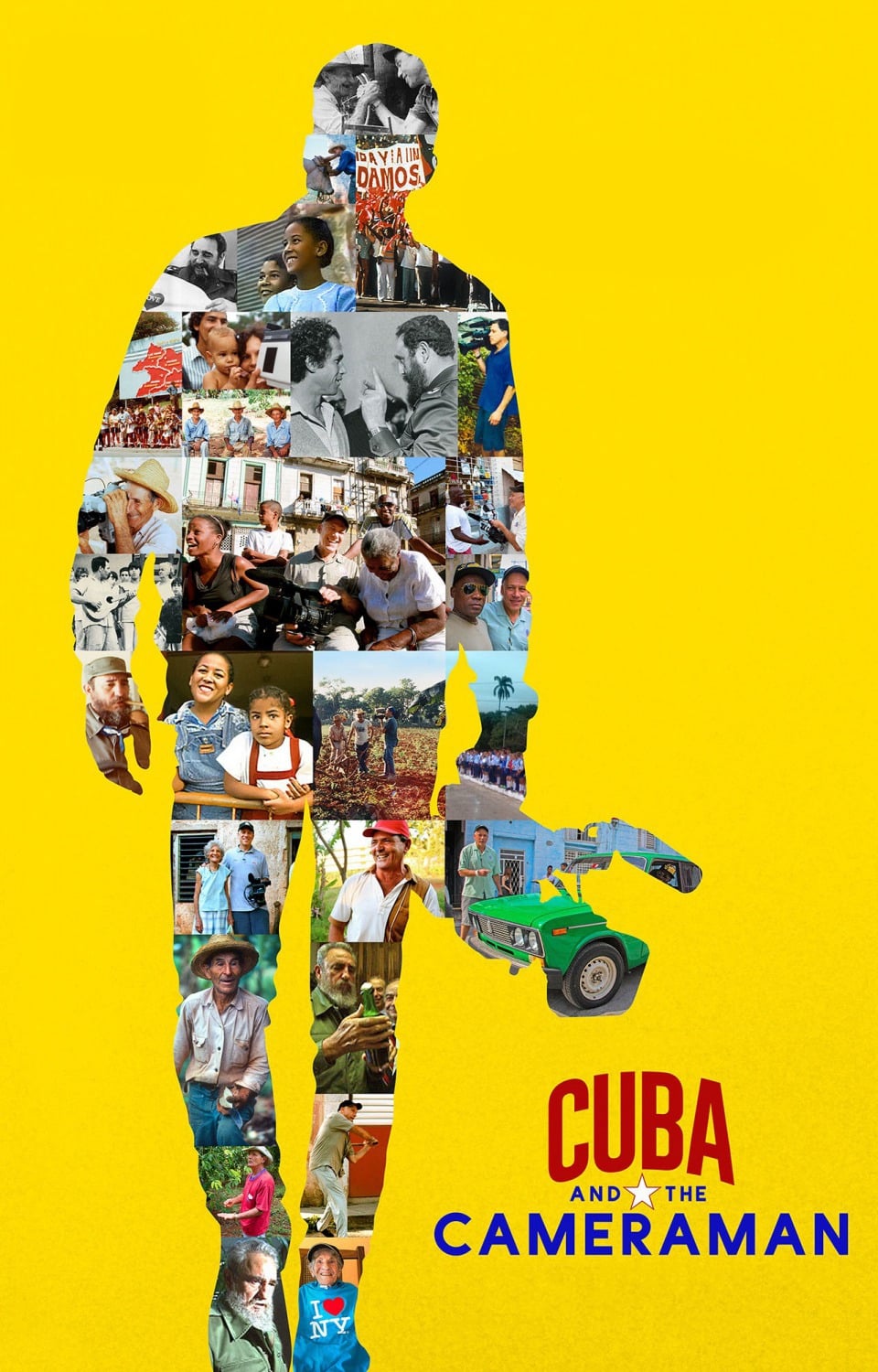
This revealing portrait of Cuba follows the lives of Fidel Castro and three Cuban families affected by his policies over the last four decades.
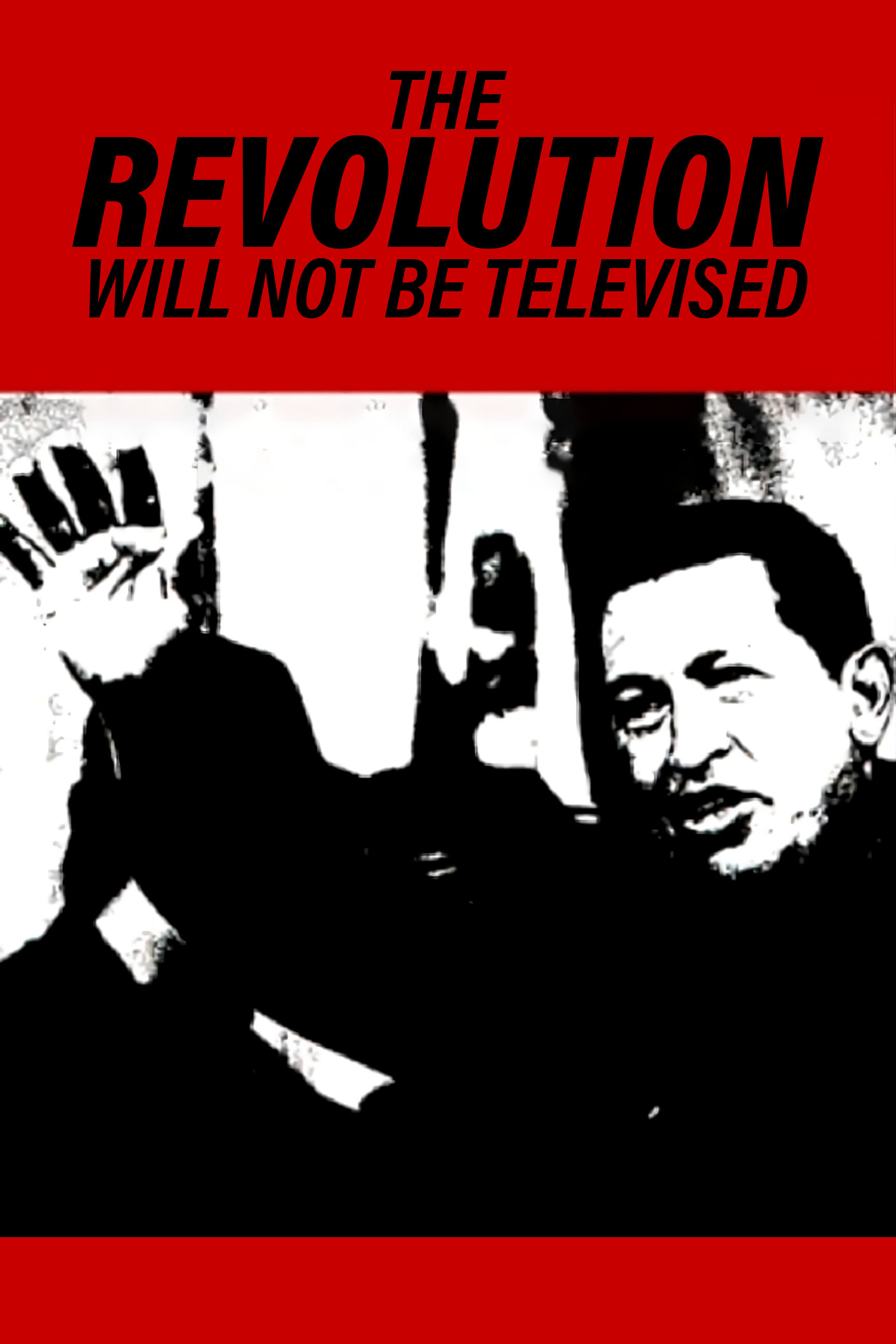
Hugo Chavez was a colourful, unpredictable folk hero who was beloved by his nation’s working class. He was elected president of Venezuela in 1998, and proved to be a tough, quixotic opponent to the power structure that wanted to depose him. When he was forcibly removed from office on 11 April 2002, two independent filmmakers were inside the presidential palace.
The story lives forever in this feature-length documentary that charts the making of Star Wars: The Rise of Skywalker.
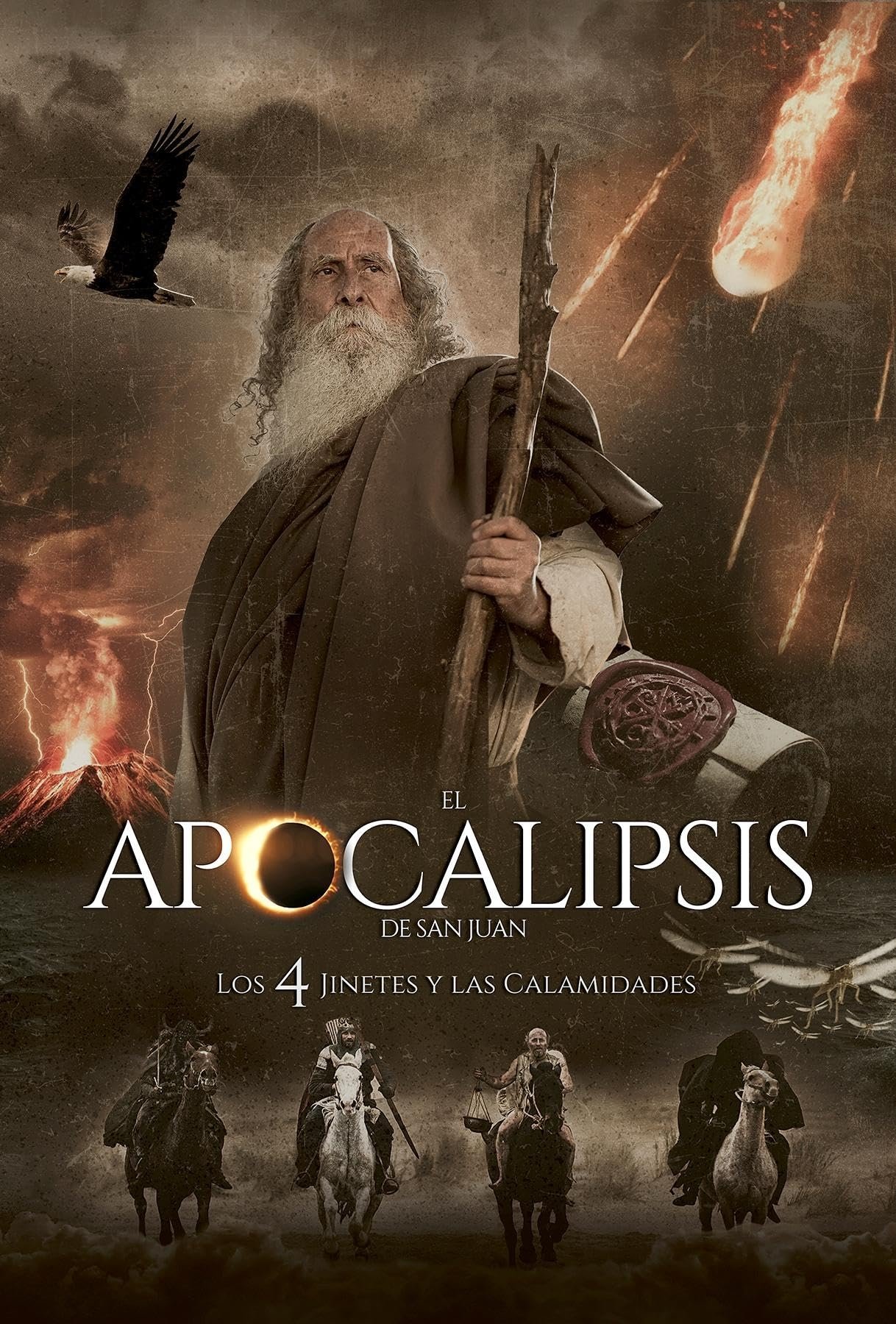
Embark on an epic journey through time and faith with 'The Apocalypse of Saint John.' Join the Apostle John in a stunning visual narrative that unravels the visions of the End Times. Experience each vision like never before, with striking visual effects and epic scenes that immerse you in the apocalyptic narrative.
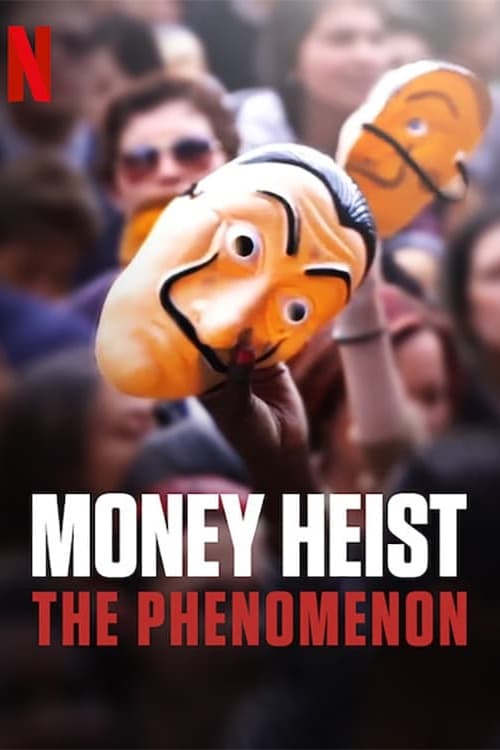
A documentary on why 'Money Heist' sparked a wave of enthusiasm around the world for a lovable group of thieves and their professor.
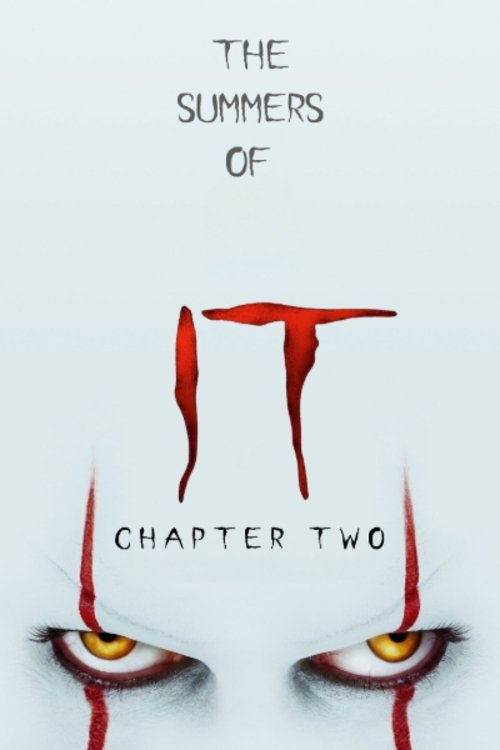
This documentary focuses on the actors and their journey over two summers to create the remake to the original IT, by Stephen King. The documentary originally released as bonus material, bundled with IT: Chapter Two.
A look at the origins, history and conspiracies behind the "Majestic 12", a clandestine group of military and corporate figureheads charged with reverse-engineering extraterrestrial technology.
A detailing of the rise to prominence and global sporting superstardom of six supremely talented young Manchester United football players (David Beckham, Nicky Butt, Ryan Giggs, Paul Scholes, Phil and Gary Neville). The film covers the period 1992-1999, culminating in Manchester United's European Cup triumph.
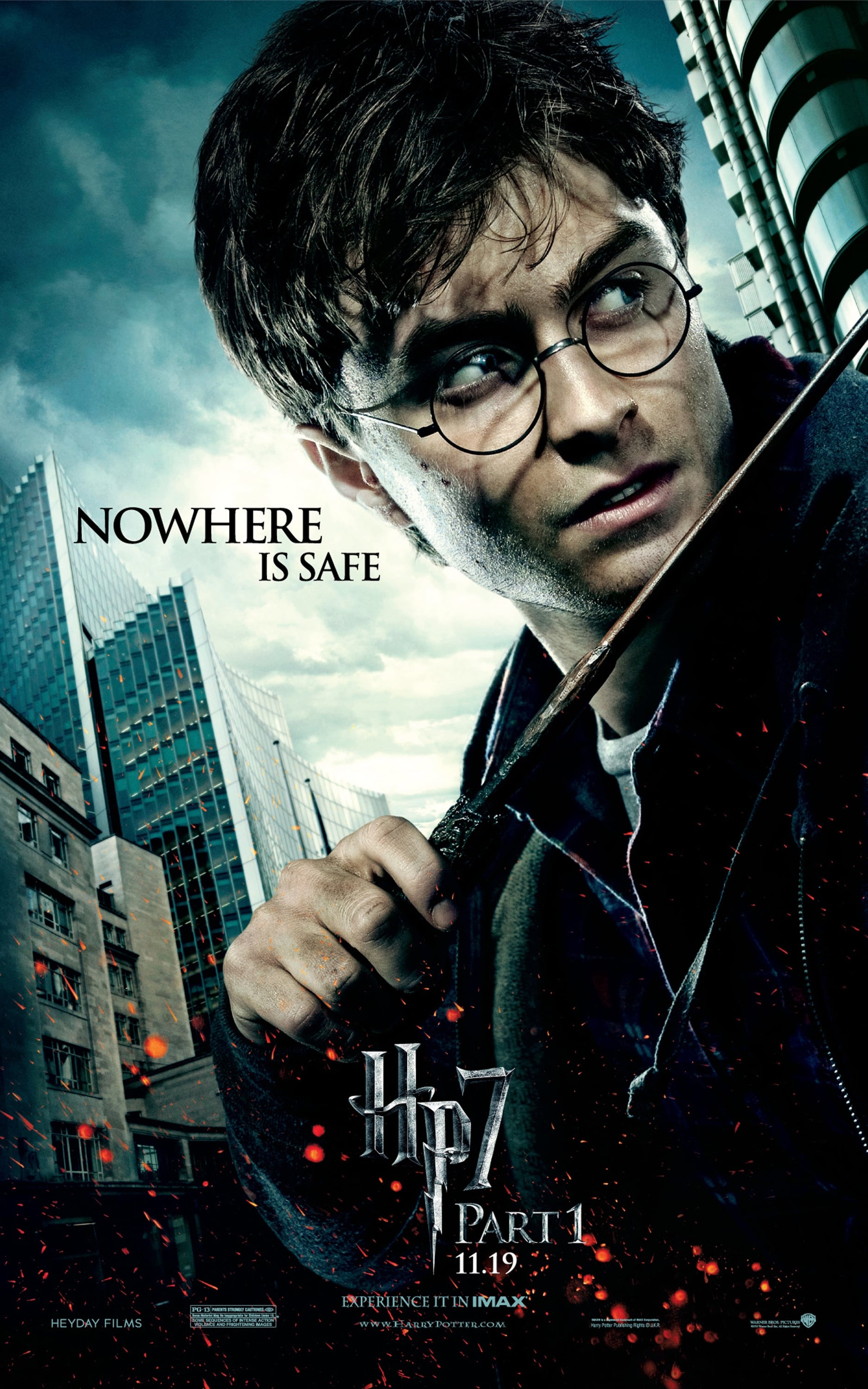
To mark the release two weeks ago of the eighth and final movie in the series, Robbie Coltrane narrates a countdown of the movie franchise's best moments. From Harry's first meeting with Ron and Hermione aboard the Hogwarts Express through to magical mysteries.
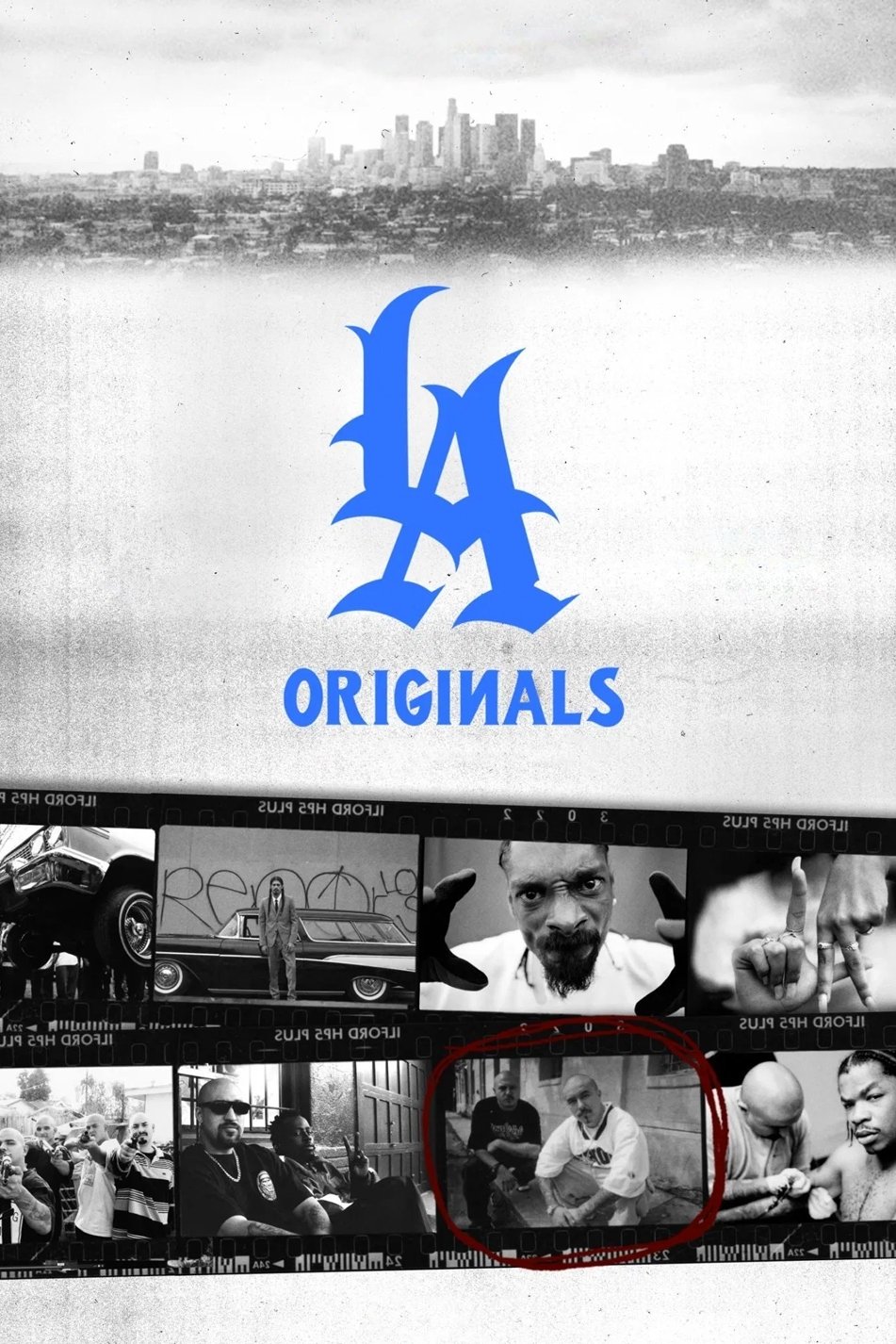
Photographer Estevan Oriol and artist Mister Cartoon turned their Chicano roots into gritty art, impacting street culture, hip hop and beyond.
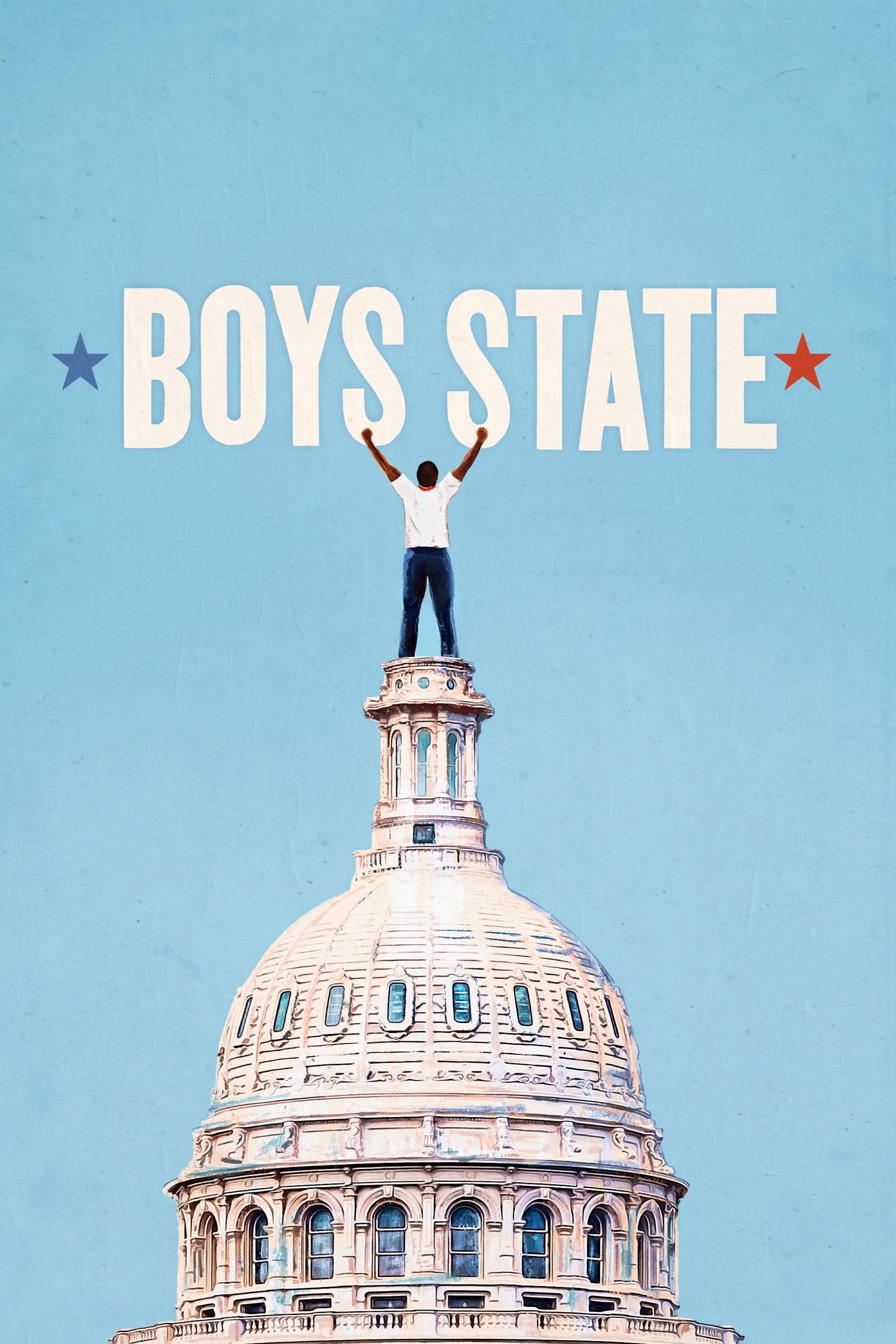
This raucous journey into the heart of democracy captures an unusual rite of passage: 1,100 teenage boys from across Texas coming together to build a representative government from the ground up.
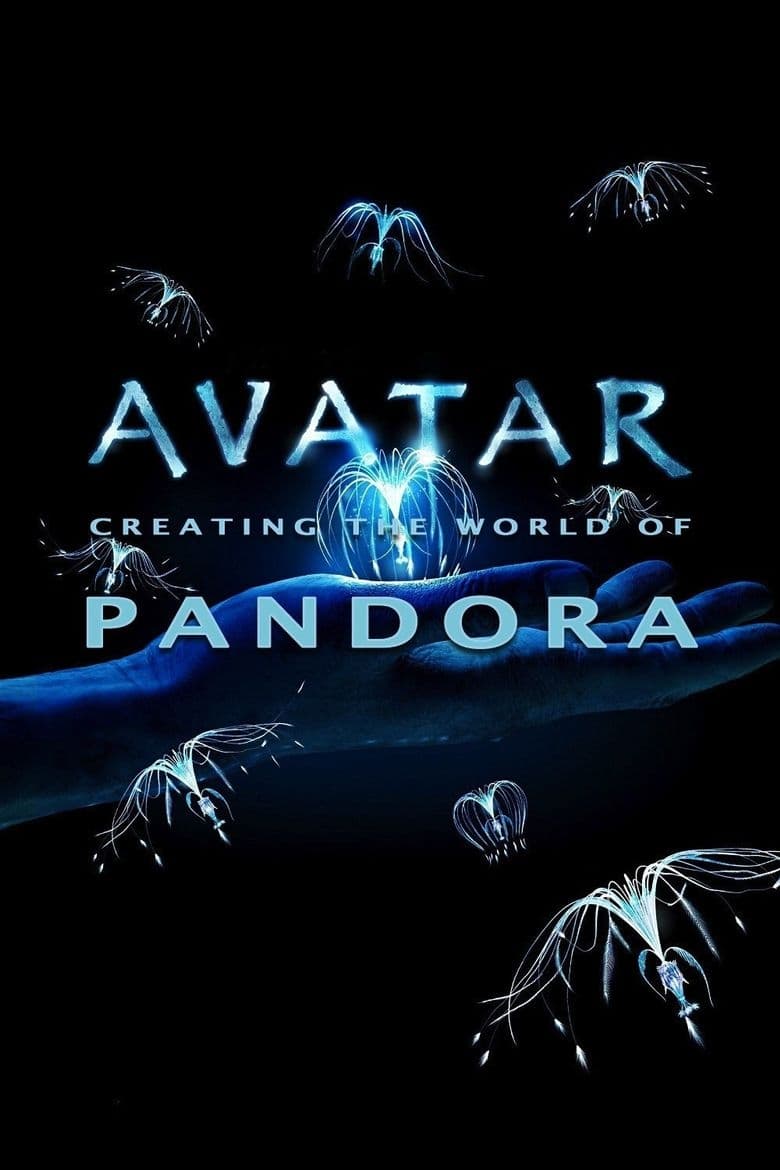
The Making-of James Cameron's Avatar. It shows interesting parts of the work on the set.
SEDUCED AND ABANDONED combines acting legend Alec Baldwin with director James Toback as they lead us on a troublesome and often hilarious journey of raising financing for their next feature film. Moving from director to financier to star actor, the two players provide us with a unique look behind the curtain at the world's biggest and most glamourous film festival, shining a light on the bitter-sweet relationship filmmakers have with Cannes and the film business. Featuring insights from directors Martin Scorsese, 'Bernando Bertolucci' and Roman Polanski; actors Ryan Gosling and Jessica Chastain and a host of film distribution luminaries.
The life and career of an actor, artist, and icon. His own journey through his own camera.
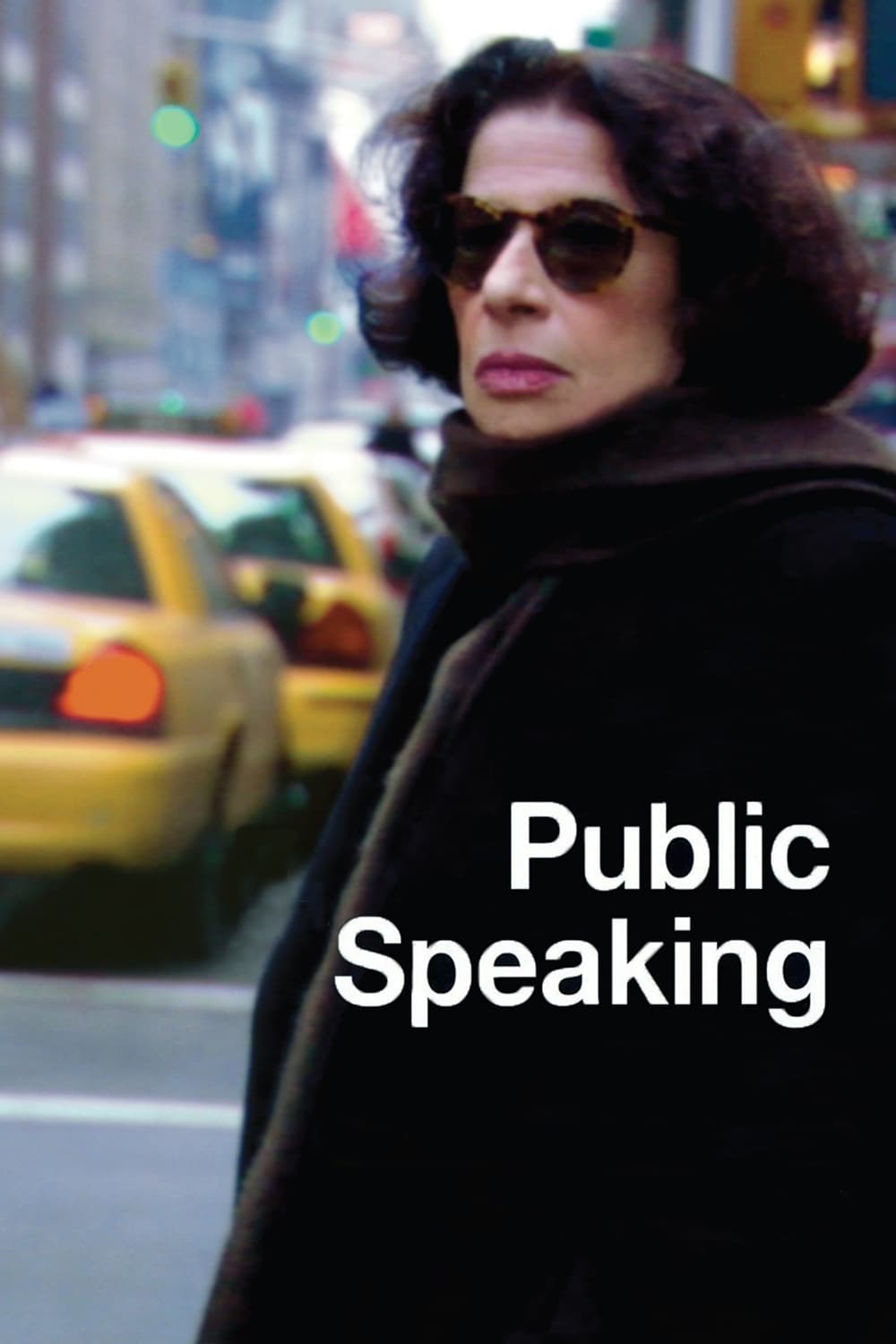
Martin Scorsese’s portrait of writer and social commentator Fran Lebowitz, celebrated for her sharp wit and observations on modern life. Filmed at New York’s Waverly Inn and intercut with archival footage and interviews, the documentary captures Lebowitz’s distinctive worldview through her spontaneous monologues and public appearances.
Bruce Conner’s most celebrated film for a reason: it takes historical moments that were replayed over and over on television—chilling repetition of Kennedy assassination coverage—and repurposes them into a meditation on how the media tries to exert authority and apply a sense of order to the anarchic. And though it may sound perverse to say so, the film is also—not incidentally—a thrill to watch. -- The A.V. Club
A documentary focused on plastic pollution in the world's oceans.
Examines the life and career of singer Whitney Houston. Features never-before-seen archival footage, exclusive recordings, rare performances and interviews with the people who knew her best.
A subjective documentary that explores various theories about hidden meanings in Stanley Kubrick's classic film The Shining. Five very different points of view are illuminated through voice over, film clips, animation and dramatic reenactments.
Those who knew iconic funnyman John Candy best share his story, in their own words, through never-before-seen archival footage, imagery, and interviews.