A surrealistic look at the future if man does not learn to control pollution.
Social & External
A poetic tribute to writer, poet and environmental activist, Ken Saro-Wiwa, who was executed alongside eight other activists for opposing the environmental damage done in their oil-rich homeland, Ogoni.
Two veteran journalists uncover the oil and gas industries' role in what could be one of the greatest environmental catastrophes in modern times, an ecological tragedy that threatens to eradicate much of southern Louisiana, including its revered fishing trade and age-old way of life.
Ragnar Alexsson, a.k.a. RAX, is among the most celebrated photographers in the world. His series Faces of the North are a living document of the dying cultures of the far northern reaches of the planet. His photo essays of farmers and fishermen in Icleand, and of the great hunters of Greenland give an amazing insight into everyday life of people who struggle a daily battle with the Arctic nature. A celebration of the photographer and his subjects, Last Days of the Arctic is an elegy for a disappearing landscape and the people who inhabit it.
Latvia is home to almost one fifth of the world’s population of the lesser spotted eagle, yet their number is endangered. Uģis Bergmanis is one of Latvia’s best-known ornithologists, and he does his best to save the eagles in Latvia. He also has another passion – he hunts wolves. He can sit for hours in freezing temperatures until meeting his prey eye to eye. There are many stories in this man. And some of them are going to be told.
We get to know a few inhabitants of central European rivers.
It tells the story of 3 scientific renegades: a botanist (Robin Wall Kimmerer), a forester (Suzanne Simard), and a philosopher (Paco Calvo) who listen and learn from plants. Today the world is finally waking up to their message.
Exploring the rich biodiversity and breathtaking natural landscapes of Baishanzu, China, the documentary takes viewers deep into one of the region’s most remarkable ecosystems. Filmed in stunning 8K, it captures the fascinating lives and interactions of plants, animals, and fungi throughout the changing seasons. Beyond showcasing the area’s unique natural beauty, the film also highlights ongoing efforts to protect biodiversity, preserve fragile ecosystems, and promote a sustainable relationship between people and nature.
Wilderness. Most Czechs think of the African savannah or tropical rainforest destroyed by "irresponsible" indigenous peoples. However, we should not forget that it was we - Europeans - who were among the first to get rid of large mammals - their supposed animal competitors. The old wildernesses have thus irretrievably disappeared. However, some actions are now bringing them back. But can we live side by side with wolves, bears or bison? The documentary film WILDLIFE brings to mind the efforts of people who have dedicated their lives to protecting creatures that have been persecuted for generations and examines how our society perceives wilderness as a cultural phenomenon.
A great flood arrives in a desert kingdom, transforming a dustbowl into a vast and lush wetland, in one of the most diverse habitats on earth. This breath-taking blue-chip natural history film is a journey through Okavango’s seasons, seen through the eyes of an indigenous River Bushman. Our storyteller guides us through the course of Okavango’s flood and into a savage drought, interweaving intimate and spectacular wildlife stories. The arrival and disappearance of precious water determines the destiny of the millions of animals that call Okavango home. For many, the flood is a lifeline. For others, it brings the greatest challenges. Everyone lives or dies by this epic event. It is the heartbeat of the Kalahari.
Since the late 1970s, the dangers of the sun to health have been widely recognized. As a result, the global turnover in the sunscreen industry is estimated to exceed 9 billion euros. However, when considering the sometimes contradictory medical advice, the guilt over the ecological disaster caused by the runoff of sunscreen products into the ocean, and scandals surrounding expensive creams that are ineffective or even harmful to health, a deeper examination of this very obscure sector seems essential.
On December 15, 2024, the collision and sinking of two fuel oil tankers in the Kerch Strait caused one of the most devastating environmental disasters in the history of the Black Sea. Six months later, the tankers lying on the seabed are still leaking fuel oil, and of the thousands of volunteers who initially took part in the cleanup, only a few dozen remain along a 30-kilometer stretch of beach. The film was shot on the Taman Peninsula in early summer 2025, against the backdrop of a formally lifted, yet in reality already underway, beach season. In the face of scarce resources, the departure of their own leaders, and the daily release of fuel oil, the volunteers talk about themselves, rescue animals, combat the ignorance of those around them, and try to find the motivation to continue their fight against a disaster that at times seems endless.
Short documentary about the effects of climate change on the Arctic.
A look at the state of the global environment including visionary and practical solutions for restoring the planet's ecosystems. Featuring ongoing dialogues of experts from all over the world, including former Soviet Prime Minister Mikhail Gorbachev, renowned scientist Stephen Hawking, former head of the CIA R. James Woolse
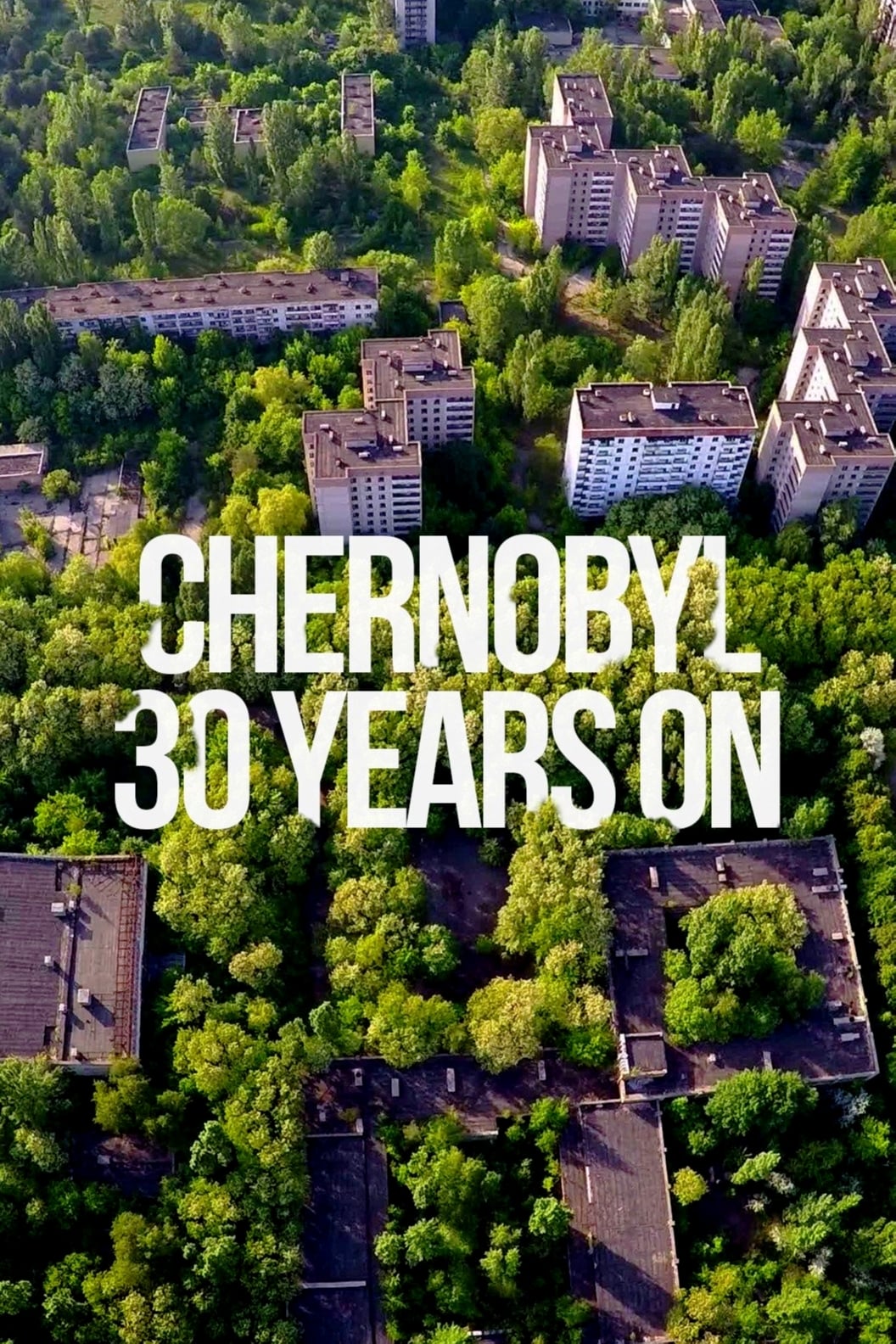
Three decades after the nuclear explosion, almost everything has been said about this ecological and sanitary disaster that made Pripiat a part of History. How did the greatest industrial disaster change the course of History, disrupt global geopolitics and, directly or indirectly, redistribute the balances and power relations of the twentieth century? The world will never be the same again. By retracing the incredible battle waged by the Soviet Union against radiation, this film proposes to retrace and enlighten an extraordinary story, while exploring the historical stakes in the medium and long-term…
Over the past year, three young scientists have found unusual colored frogs in the wild in Latvia that are not typical for our region. A green frog with unusual orange and black coloring—seen for the first time—as well as a strange red frog. Scientists are trying to determine the cause – whether these are "natural errors" in a few specimens, or whether the entire frog population is affected – with environmental pollution being cited as one of the reasons. In a parallel story the scientists are conducting research on the restored tree frog population, observing the results of a project implemented in the 1990s – at that time, the extinct tree frog species was successfully restored and is once again found on the Kurzeme coast.
A close examination of the Whakaari / White Island volcanic eruption of 2019 in which 22 lives were lost, the film viscerally recounts a day when ordinary people were called upon to do extraordinary things, placing this tragic event within the larger context of nature, resilience, and the power of our shared humanity.
Thirty years after the Chernobyl disaster, which occurred on the night of April 26, 1986, its causes and consequences are examined. In addition, a report on efforts to strengthen the structures covering the core of the nuclear plant in order to better protect the population and the environment is offered.
The decision to move to Holland doesn't sound like a wise idea. Why move to a country that could be flooded at any moment? For the last 25 years, the political climate has shifted. The public debate on migration has become harsher, more heated, and polarized. What would have been considered right-wing xenophobia back then, is now considered mainstream. Populists simplify complex realities into good and evil, victims and perpetrators: ‘us’ versus ‘them’. Their rhetoric often consists of dehumanizing words and metaphors. One of these is ‘water’. In reality, water is not an immediate threat to the average Dutch person; but it is a huge threat to the thousands trying to reach the Netherlands. People trying to survive the Mediterranean Sea in rubber boats. Trying to survive winter on the Aegean coast in primitive tents. To them, water really is deadly.
Steel giant Thyssen Krupp in Germany and cargo ship operator Maersk in Denmark are investing huge sums of money with public support to convert their huge and dirty energy consumption to ‘green’. Hydrogen plays a central role in this. At the same time, countries in Africa such as Morocco and Namibia are gearing up to become giga-suppliers of the new energy source. But does it all make sense? Why not just produce green steel in Africa? And what's the story behind the blue hydrogen that is supposed to come from Norway via pipeline? The film follows pioneers on breathtaking projects and shows that the energy transition is more complicated than expected and holds many surprises in store.
A documentary on Al Gore's campaign to make the issue of global warming a recognized problem worldwide.
Takes us to locations all around the US and shows us the heavy toll that modern technology is having on humans and the earth. The visual tone poem contains neither dialogue nor a vocalized narration: its tone is set by the juxtaposition of images and the exceptional music by Philip Glass.
A look at how climate change affects our environment and what society can do to prevent the demise of endangered species, ecosystems, and native communities across the planet.
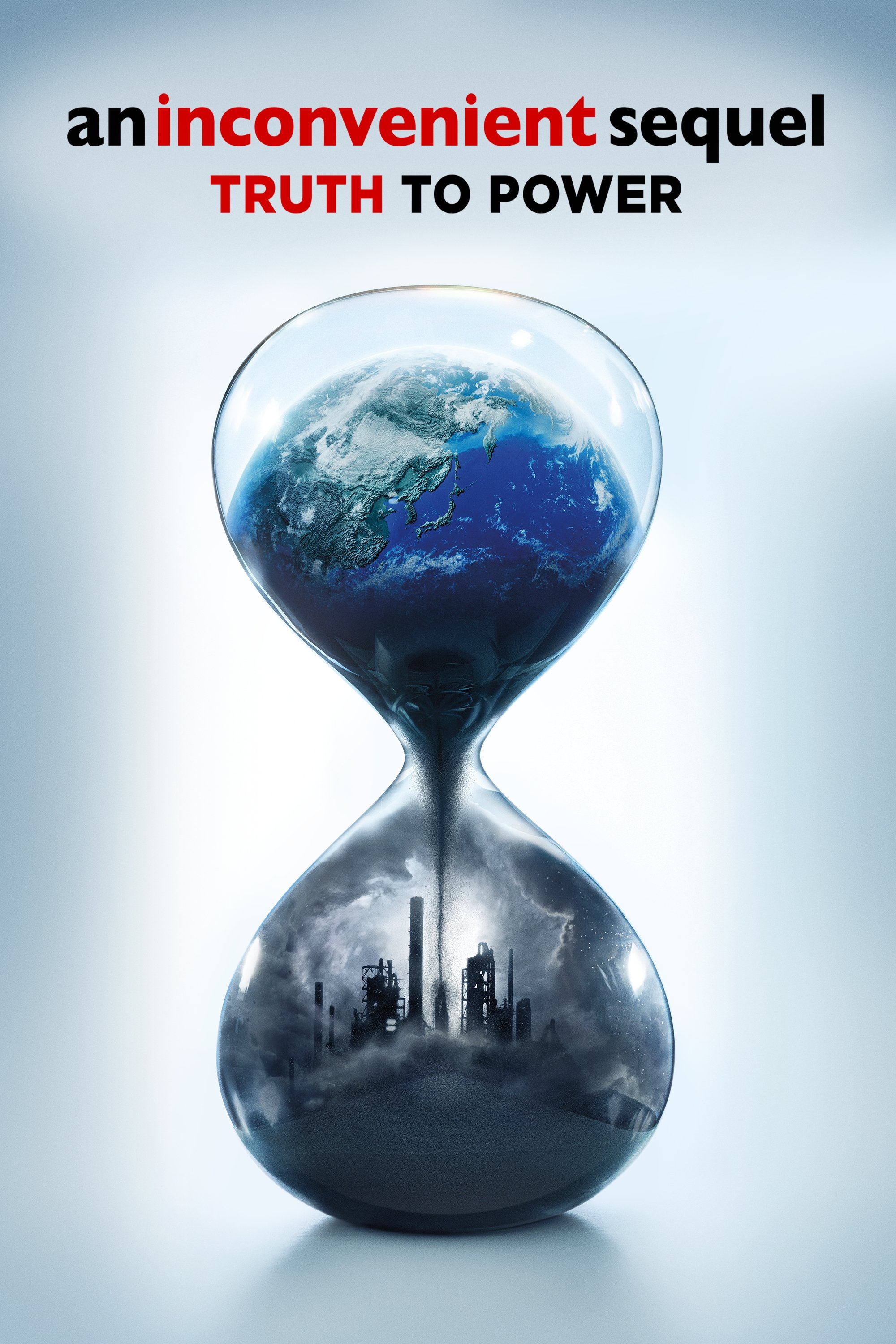
A decade after An Inconvenient Truth brought climate change into the heart of popular culture comes the riveting and rousing follow-up that shows just how close we are to a real energy revolution. Vice President Al Gore continues his tireless fight, traveling around the world training an army of climate champions and influencing international climate policy. Cameras follow him behind the scenes—in moments private and public, funny and poignant—as he pursues the empowering notion that while the stakes have never been higher, the perils of climate change can be overcome with human ingenuity and passion.
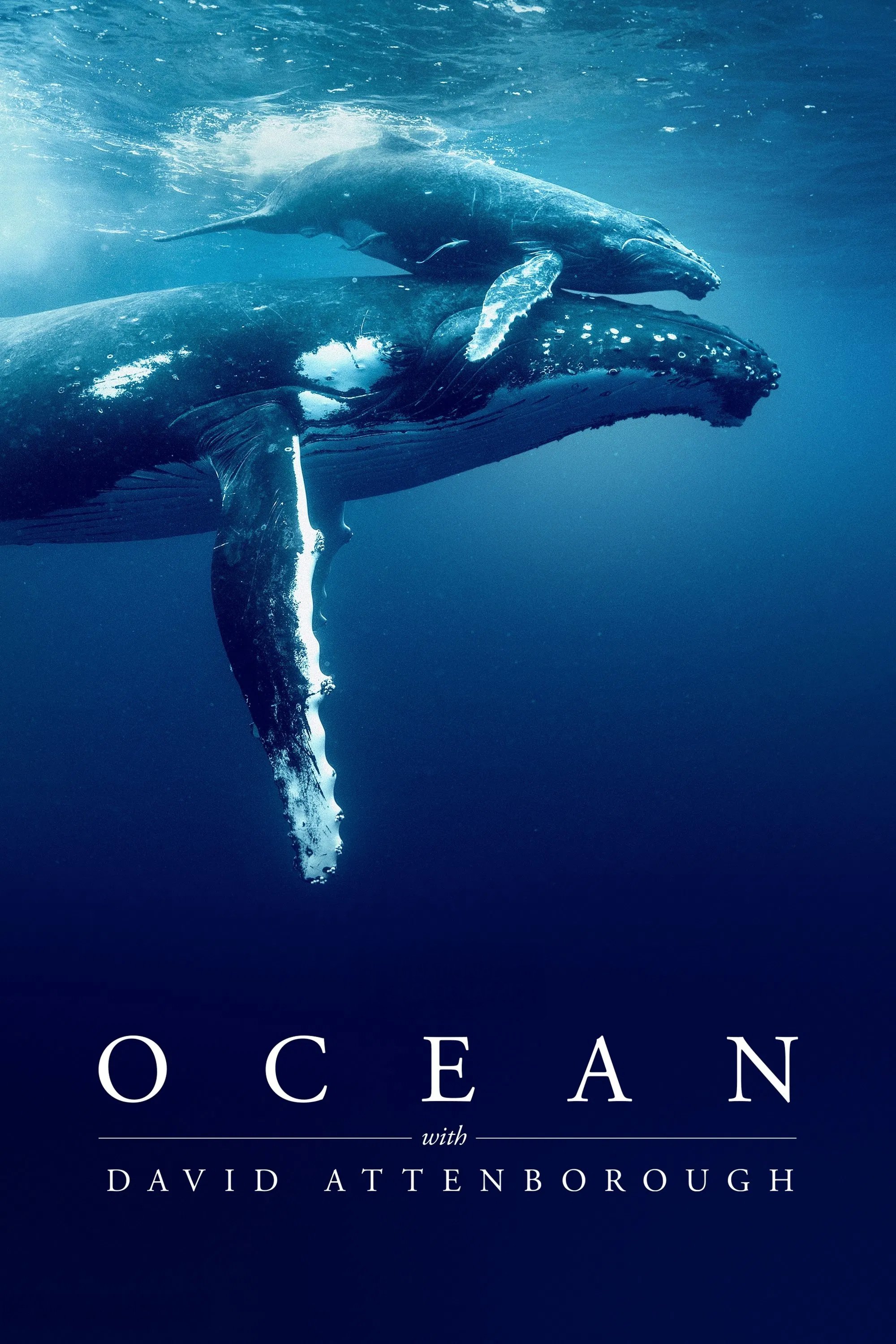
David Attenborough takes viewers on a breathtaking journey showing there is nowhere more vital for our survival, more full of life, wonder, or surprise, than the ocean. Through spectacular sequences featuring coral reefs, kelp forests and the open ocean, Attenborough shares why a healthy ocean keeps the entire planet stable and flourishing.
Never-before-seen footage shows how our living in lockdown opened the door for nature to bounce back and thrive. Across the seas, skies, and lands, Earth found its rhythm when we came to a stop.
David Attenborough and scientist Johan Rockström examine Earth's biodiversity collapse and how this crisis can still be averted.
A visual montage portrait of our contemporary world dominated by globalized technology and violence.
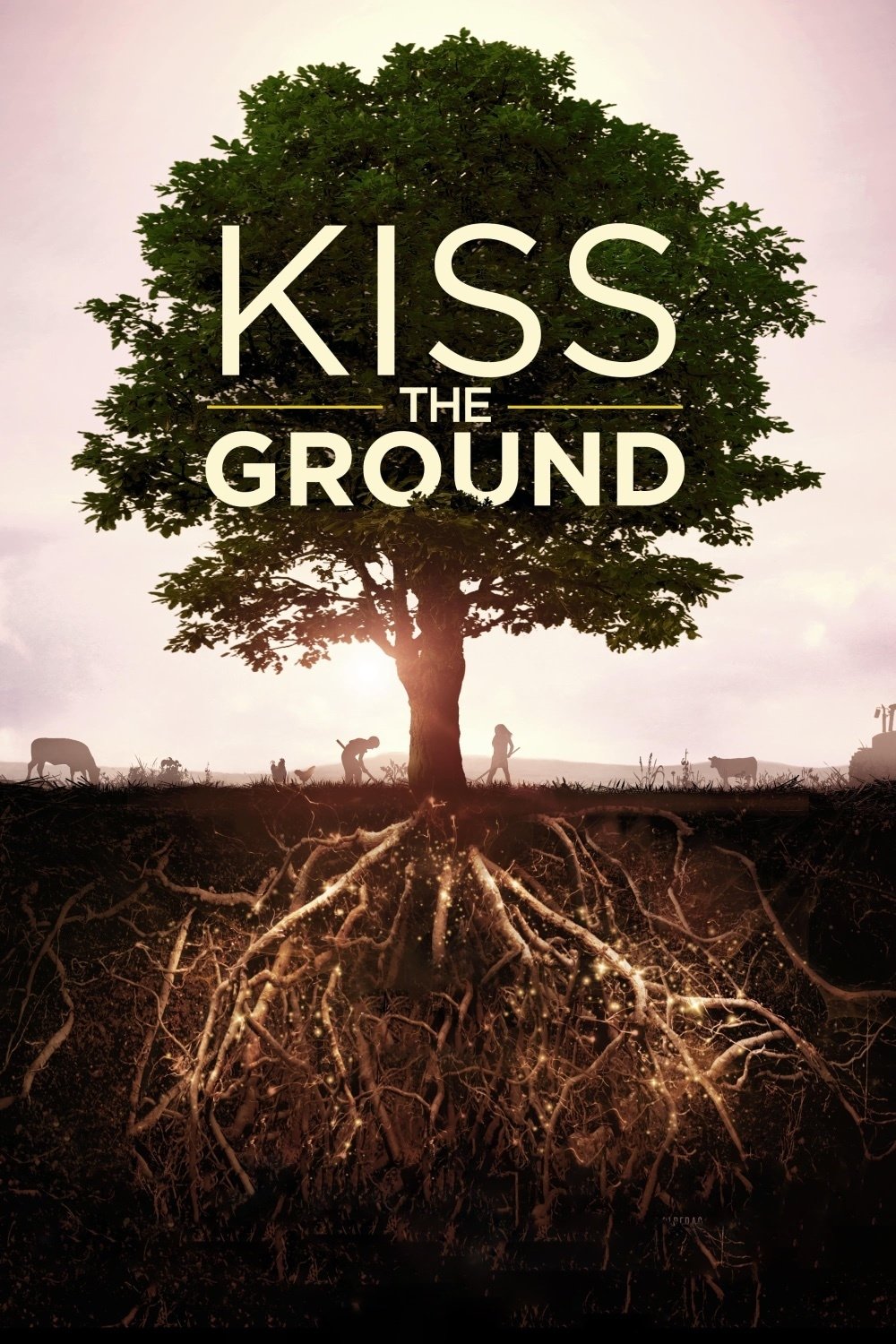
Sheds light on an alternative approach to farming called “regenerative agriculture” that could balance our climate, replenish our vast water supplies, and feed the world.
The film follows adventurer Jeff Johnson as he retraces the epic 1968 journey of his heroes Yvon Chouinard and Doug Tompkins to Patagonia.
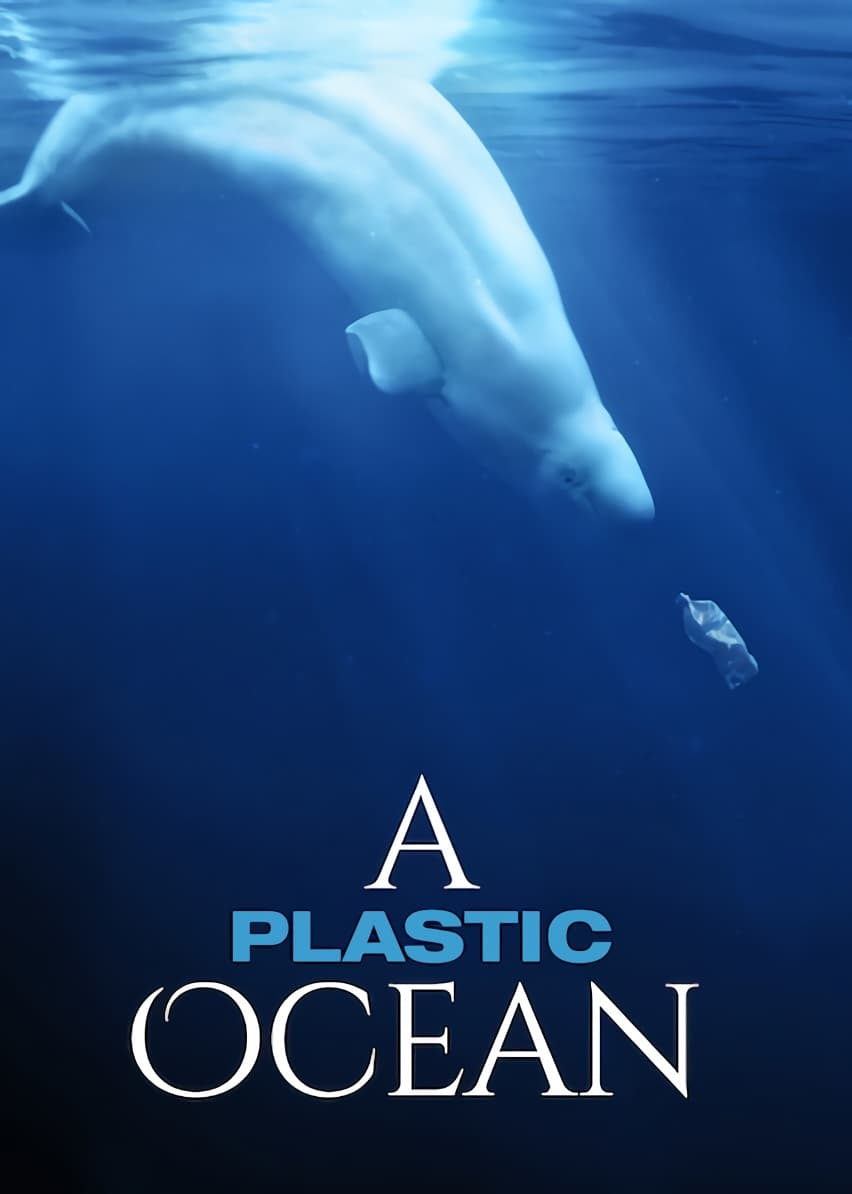
A documentary focused on plastic pollution in the world's oceans.
Capturing Avatar is a feature length behind-the-scenes documentary about the making of Avatar. It uses footage from the film's development, as well as stock footage from as far back as the production of Titanic in 1995. Also included are numerous interviews with cast, artists, and other crew members. The documentary was released as a bonus feature on the extended collector's edition of Avatar.
Although first glance reveals little more than stones and sand, the desert is alive. Witness moving rocks, spitting mud pots, gorgeous flowers and the never-ending battle for survival between desert creatures of every shape, size and description.
Lupita Nyong'o narrates a documentary about Peanuts and its creator, Charles M. Schulz. Famous fans—including Drew Barrymore, Kevin Smith, and Al Roker—share its influence on them, and a new animated story finds Charlie Brown on a quest.
Deep Blue is a major documentary feature film shot by the BBC Natural History Unit. An epic cinematic rollercoaster ride for all ages, Deep Blue uses amazing footage to tell us the story of our oceans and the life they support.
Described as being a film about determination, danger and the ocean’s greatest depths, James Cameron's "Deepsea Challenge 3D" tells the story of Cameron’s journey to fulfill his boyhood dream of becoming an explorer. The movie offers a unique insight into Cameron's world as he makes that dream reality – and makes history – by becoming the first person to travel solo to the deepest point on the planet.
An epic story of adventure, starring some of the most magnificent and courageous creatures alive, awaits you in EARTH. Disneynature brings you a remarkable story of three animal families on a journey across our planet – polar bears, elephants and humpback whales.
Five broken cameras – and each one has a powerful tale to tell. Embedded in the bullet-ridden remains of digital technology is the story of Emad Burnat, a farmer from the Palestinian village of Bil’in, which famously chose nonviolent resistance when the Israeli army encroached upon its land to make room for Jewish colonists. Emad buys his first camera in 2005 to document the birth of his fourth son, Gibreel. Over the course of the film, he becomes the peaceful archivist of an escalating struggle as olive trees are bulldozed, lives are lost, and a wall is built to segregate burgeoning Israeli settlements.
The Captains is a feature-length documentary film written and directed by William Shatner. The film follows Shatner as he interviews the other actors who have portrayed starship captains in the Star Trek franchise.
The story of Steve, an Adélie penguin, on a quest to find a life partner and start a family. When Steve meets with Wuzzo the emperor penguin they become friends. But nothing comes easy in the icy Antarctic.