Social & External
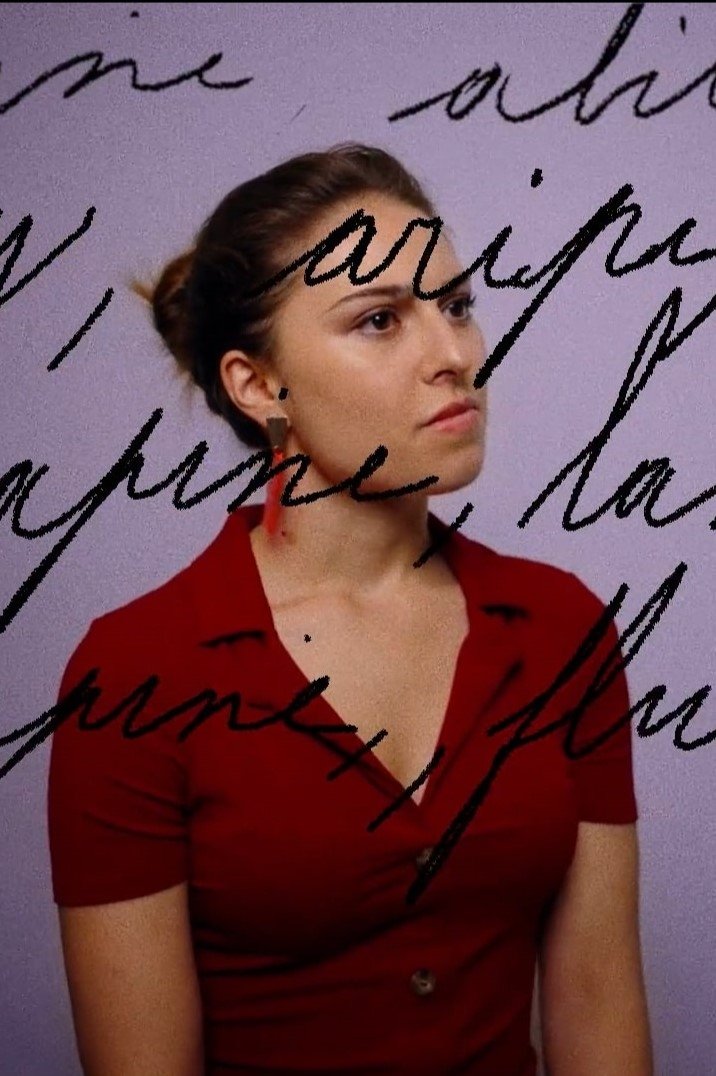
Animated short documentary following a young woman's diagnosis of bipolar: a journey of self-acceptance to challenge everyday stigma. In "Trust Me", a genre-bending short documentary, a young woman uses humour and compassion to share her moving and deeply personal story of coming to terms with her mental health condition. When she starts exhibiting atypical and extreme behaviour, her loved ones trick her into hospitalisation against her will. She is diagnosed with bipolar disorder which starts her challenging journey of self-acceptance, confronting internalised and societal stigma, and learning to trust herself and others again.
The lives of Jeff, Lauren and Lloyd—three very different people who share one common experience—have been transformed by speaking up for mental health. These inspiring stories depict what mental health in America really looks like and highlights just how important it is to speak up and seek help.
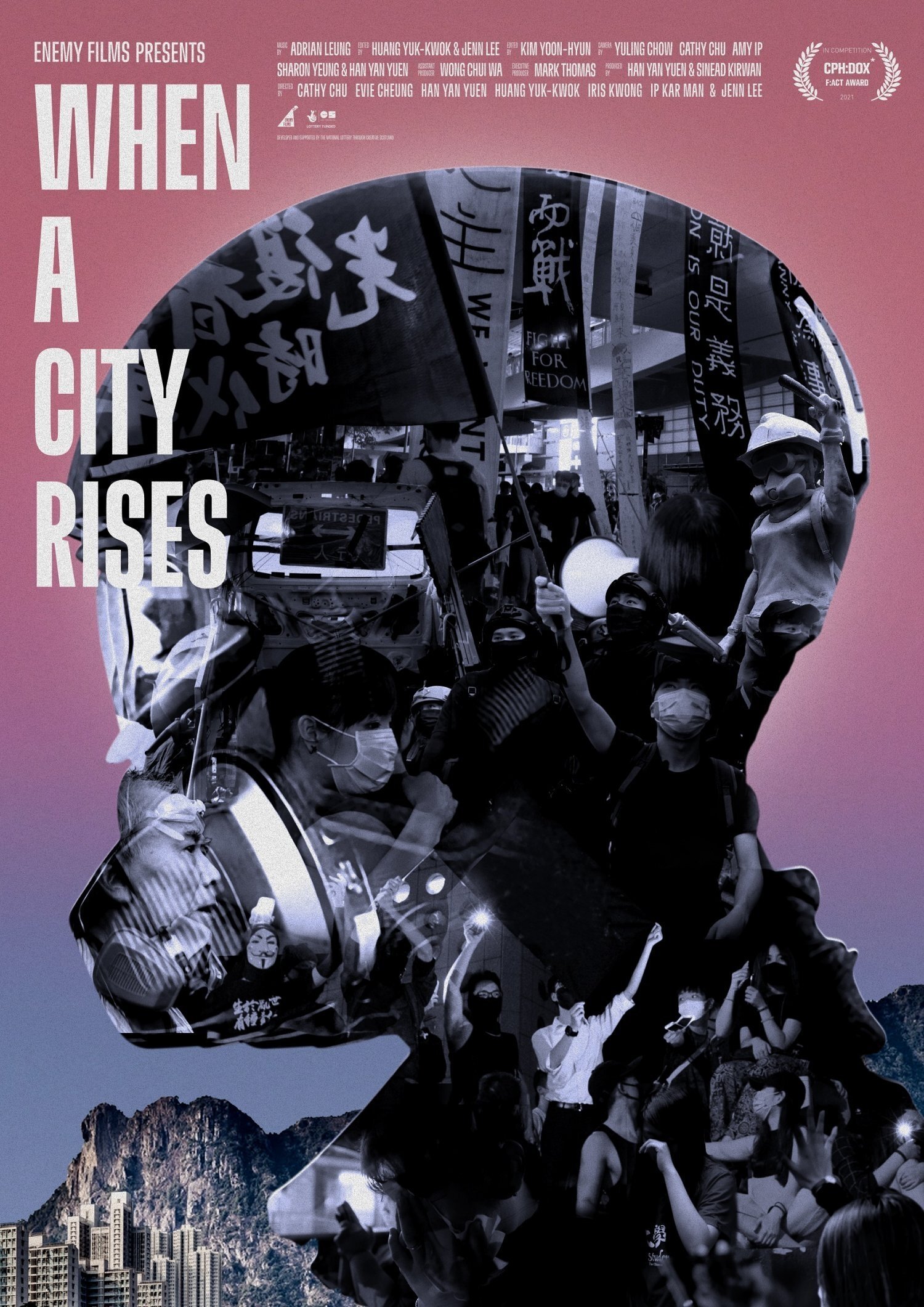
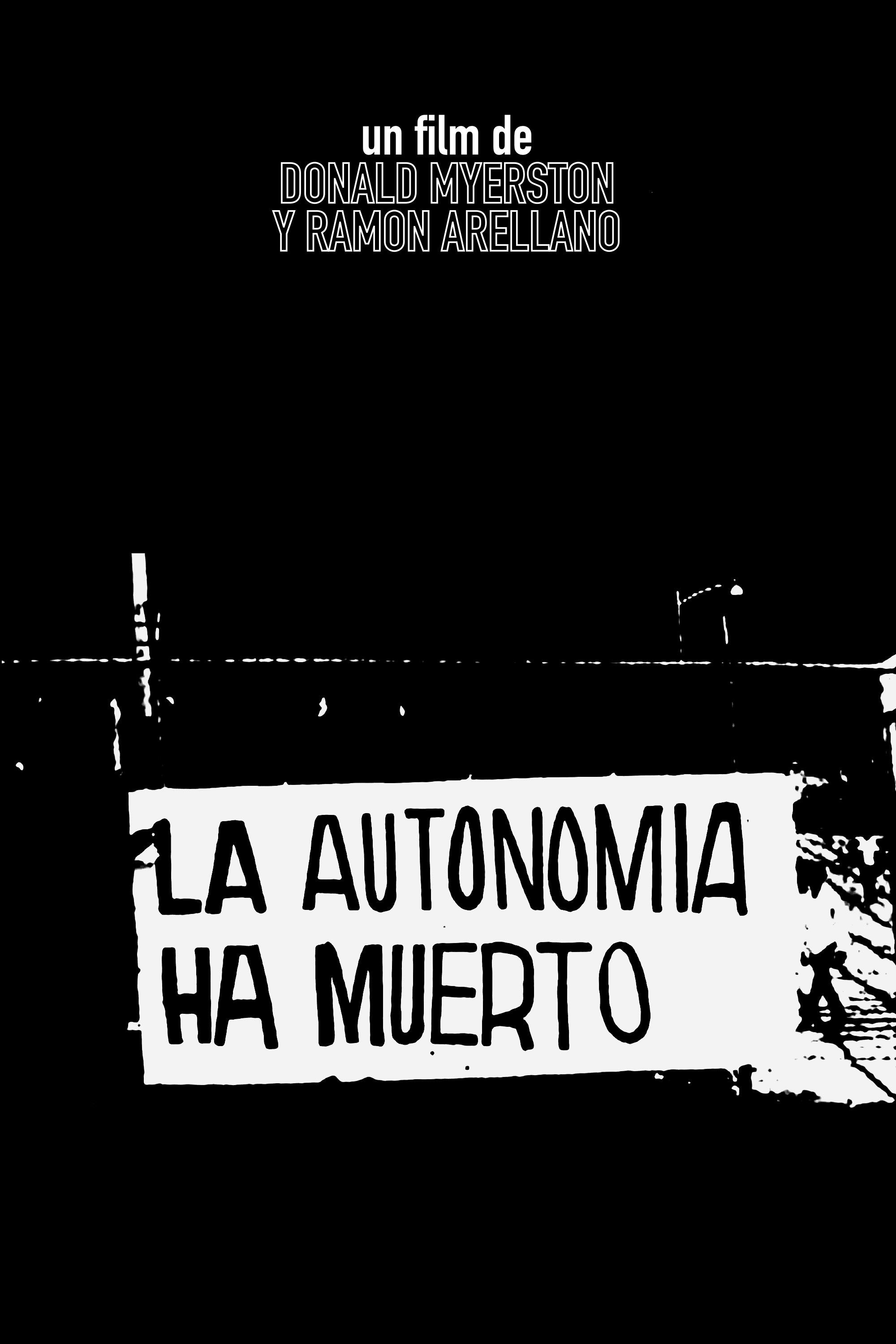
Behind the gas masks of Hong Kong’s democracy movement, the often very young activists are just as diverse as the youths of the rest of the world. But they share a demand for democracy and freedom. They have the will and the courage to fight – and they can see that things are going in the wrong direction in the small island city, which officially has autonomy under China but is now tightening its grip and demanding that ‘troublemakers’ be put away or silenced. Amid the violent protests, we meet a 21-year-old student, a teenage couple and a new father.
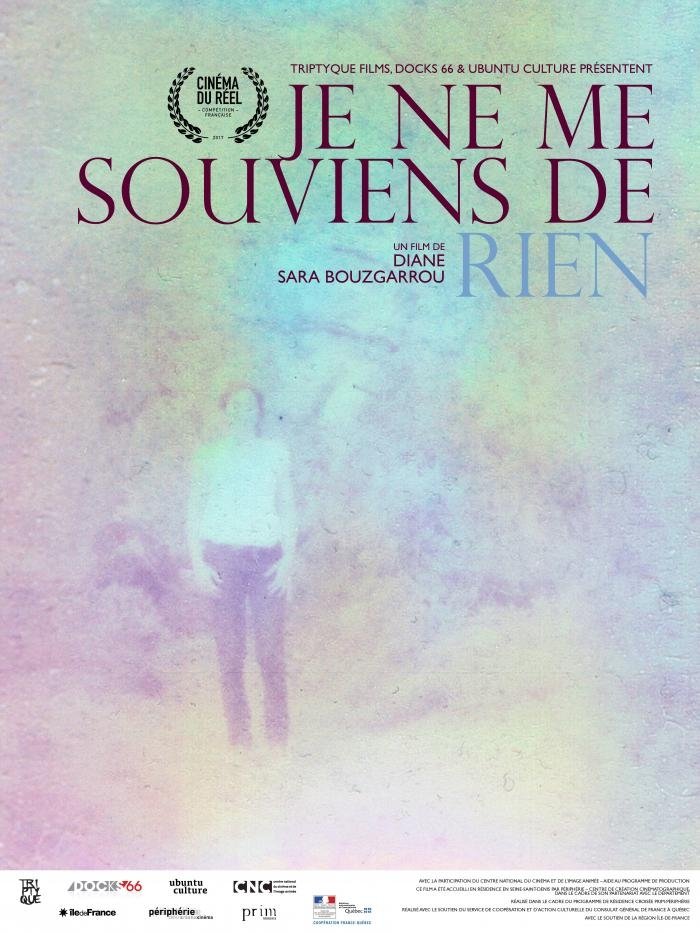
January 2011 : the revolution bursts in Tunisia, my father’s country. The Tunisian people scream in a rage and I, here in Paris, can feel their revolt vibrating in my heart.
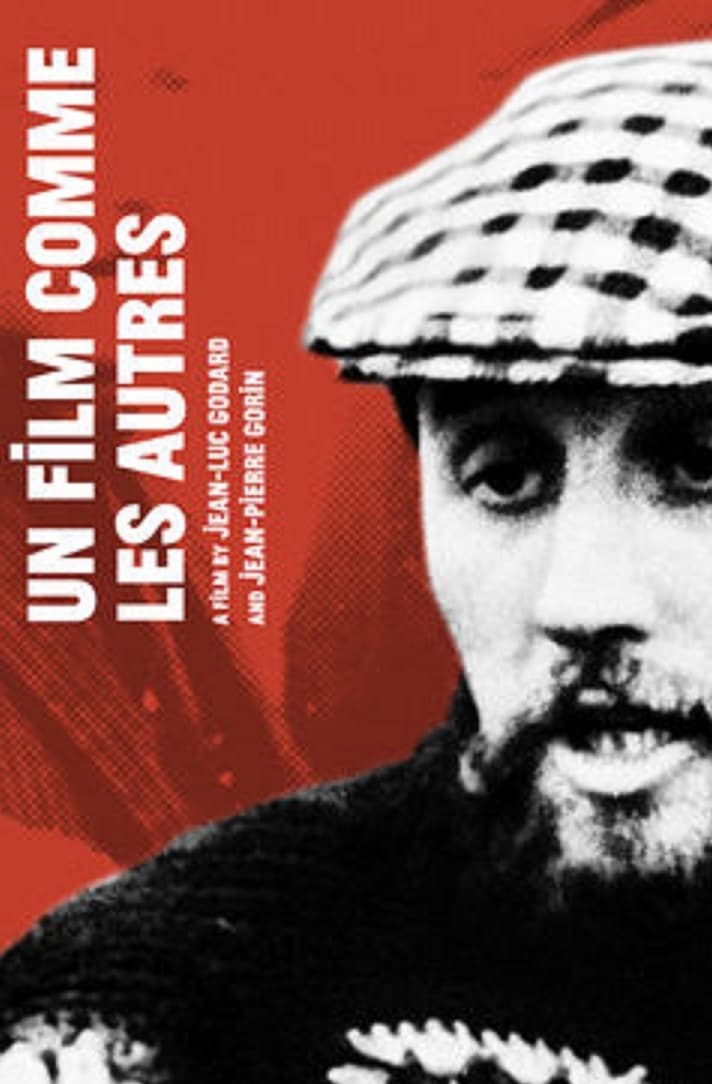
An analysis of the social upheaval of May 1968, made in the immediate wake of the workers’ and students’ protests. The picture consists of two parts, each with with identical image tracks, and differing narration.
Students from nine nations unite on August 7, 1950 at the Franco-German border near Germanshof, tear down the barriers and remove the border posts and barriers, which they burn in a ceremony. This act is a commitment to Europe and a protest against the arbitrariness of borders between nations.
A student is held up in the library while a riot rages outside. As SDS protesters head to burn the library down, he has to fend them off with his baseball bat. This film opens with actual footage of civil disturbances in the 1960s, and moves on to images of historical American figures.
Contrasting radical mobs, anarchy, and 1960s counterculture with footage of American manufacturing and innovation, this film celebrates the concept of American exceptionalism and argues that anti-Vietnam War protesters were influenced by communism, atheism, and immorality. Set mostly in a university library, this political debate between a medical student, his 1770s ancestor, and a history professor is a sequel to the 1972 National Education Program film, Brink of Disaster! Two additional characters appear in this drama: a 19th-century steamboat captain, and the student’s grandfather - an early 20th-century automobile worker. The National Education Program at Harding College in Searcy, Arkansas created a variety of widely-distributed anti-communism films from the mid-1940s to the early 1970s.
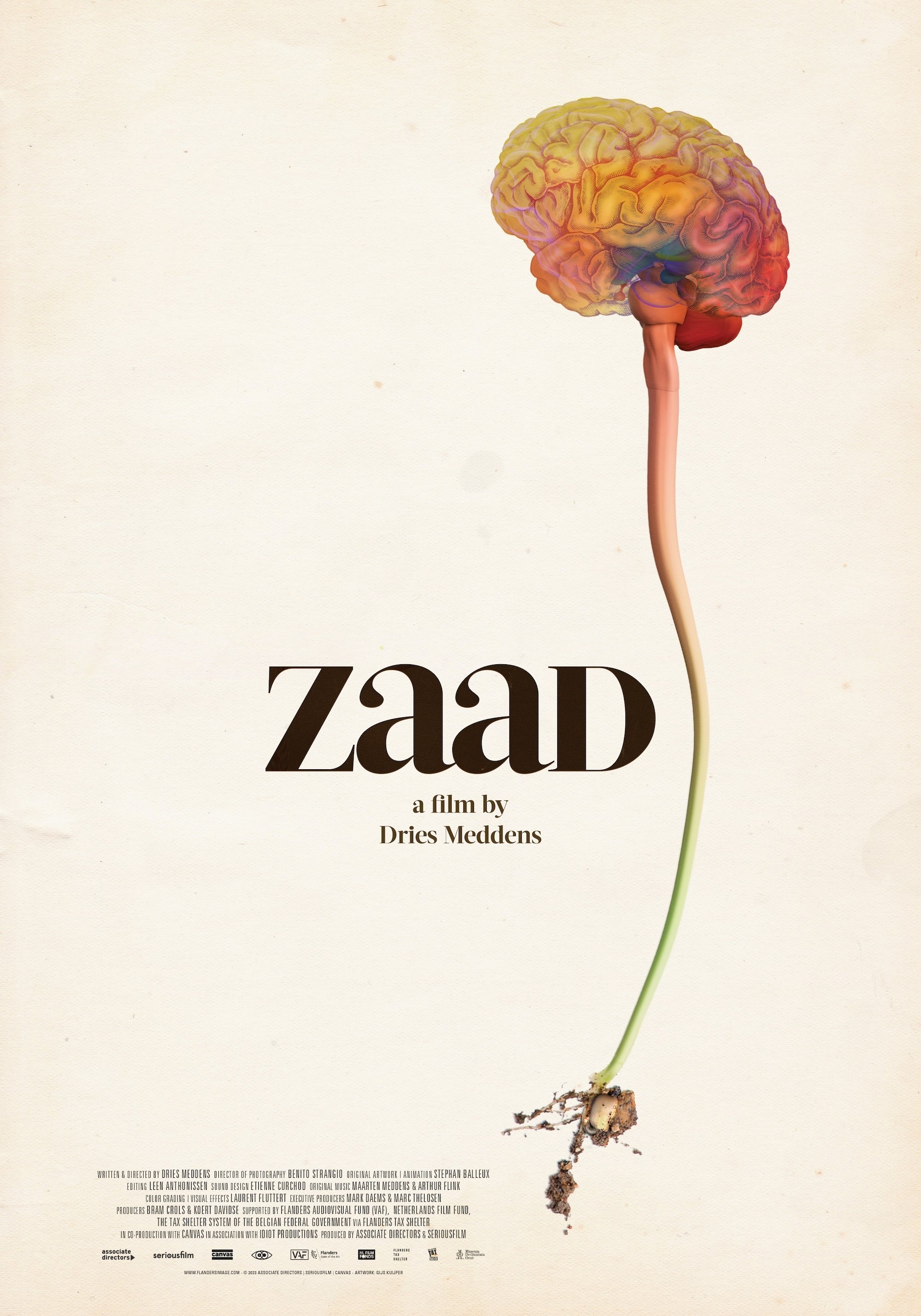
ZAAD tells the autobiographical story of Dries Meddens. After the death of his mother, the care for Dries' bipolar father falls on his plate. He discovers how crudely and ruthlessly society and psychiatry treat patients. His father eventually dies in solitary confinement. While emptying his parent’s home, Dries discovers an old letter from his grandfather. The man appears to have led a busy, productive life. He is the founder of an internationally renowned seed breeding company and still has time to paint, write diaries and conduct intensive correspondence. Dries finds similarities between his grandfather, his father and himself. Slowly the fear grows that his father's psychiatric illness might be hereditary. Strolling through the family’s film and photo archives, with dramatic and sometimes hilarious finds, Dries tries to find answers. He also consults a psychiatrist. Together the consultations and reviewing of his archival material help Dries look at bipolarity with new eyes.
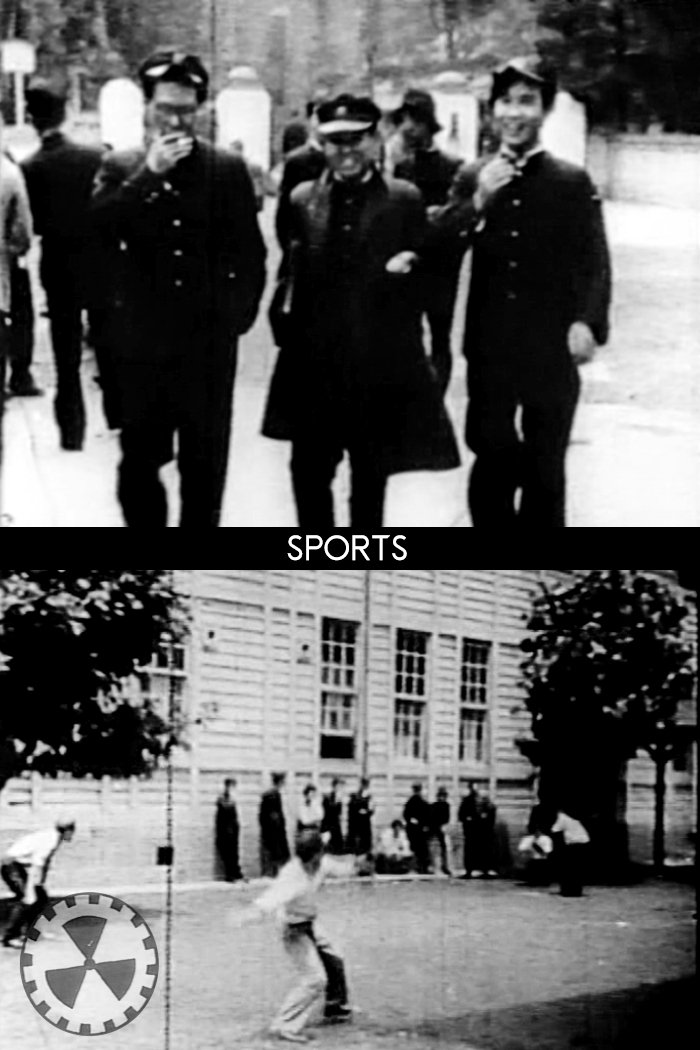
The film is about a protest provoked when the university decided to restrict access to sports facilities to athletes, cutting out all other students. This is, strictly speaking, not a Prokino film. It was produced by the Waseda University Film Circle, which was organized by Kawazoe Shiro. Feature film directors Yamamoto Satsuo and Taniguchi Senkichi were apparently students at Waseda at the time and participated in the production.
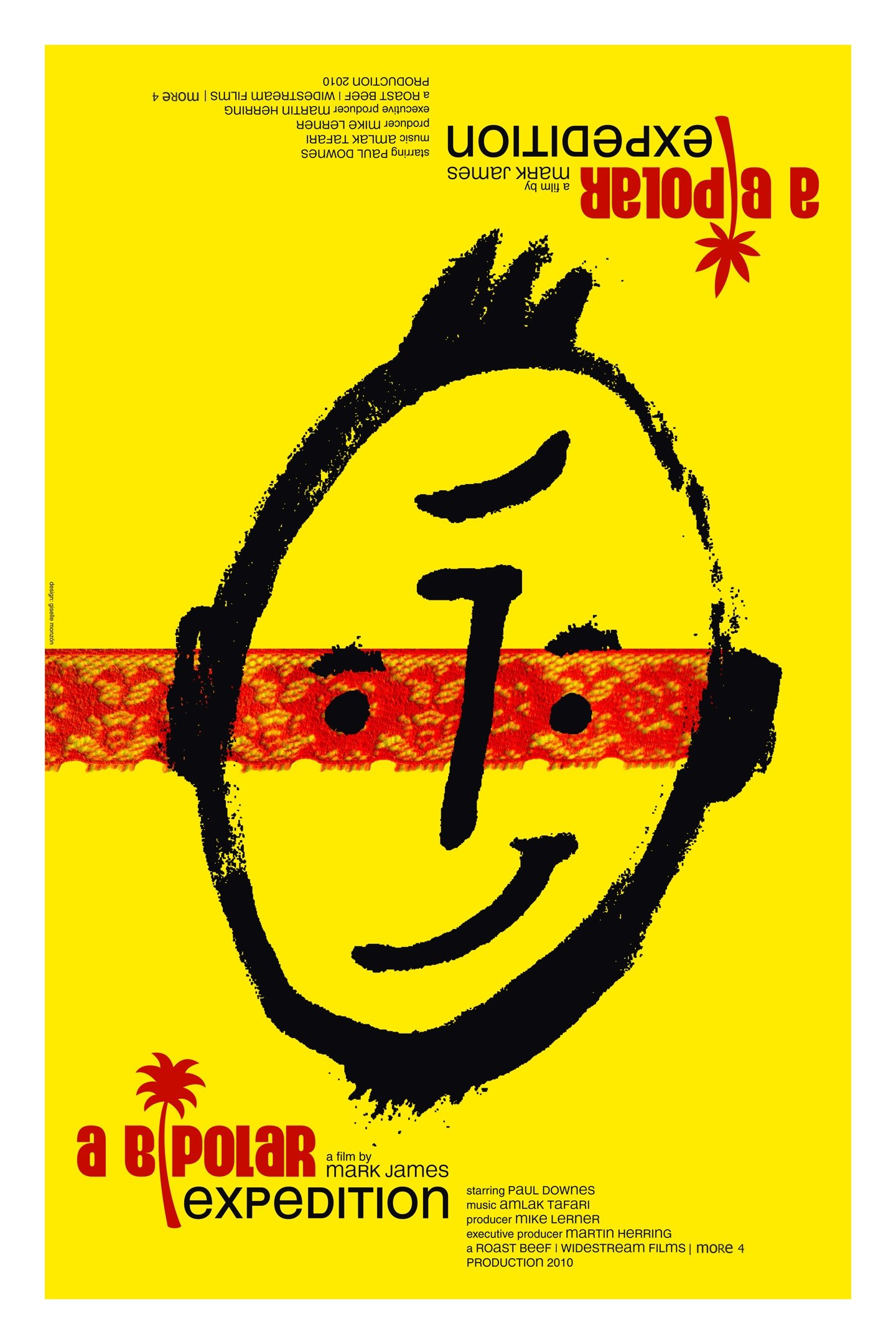
Midland's businessman Paul Downes hires a castle in Jamaica and invites 12 young Ukrainian women to join him in the hope one will marry him. Paul suffers bi-polar disorder and has a manic episode - his plans turn bizarre and troubling.
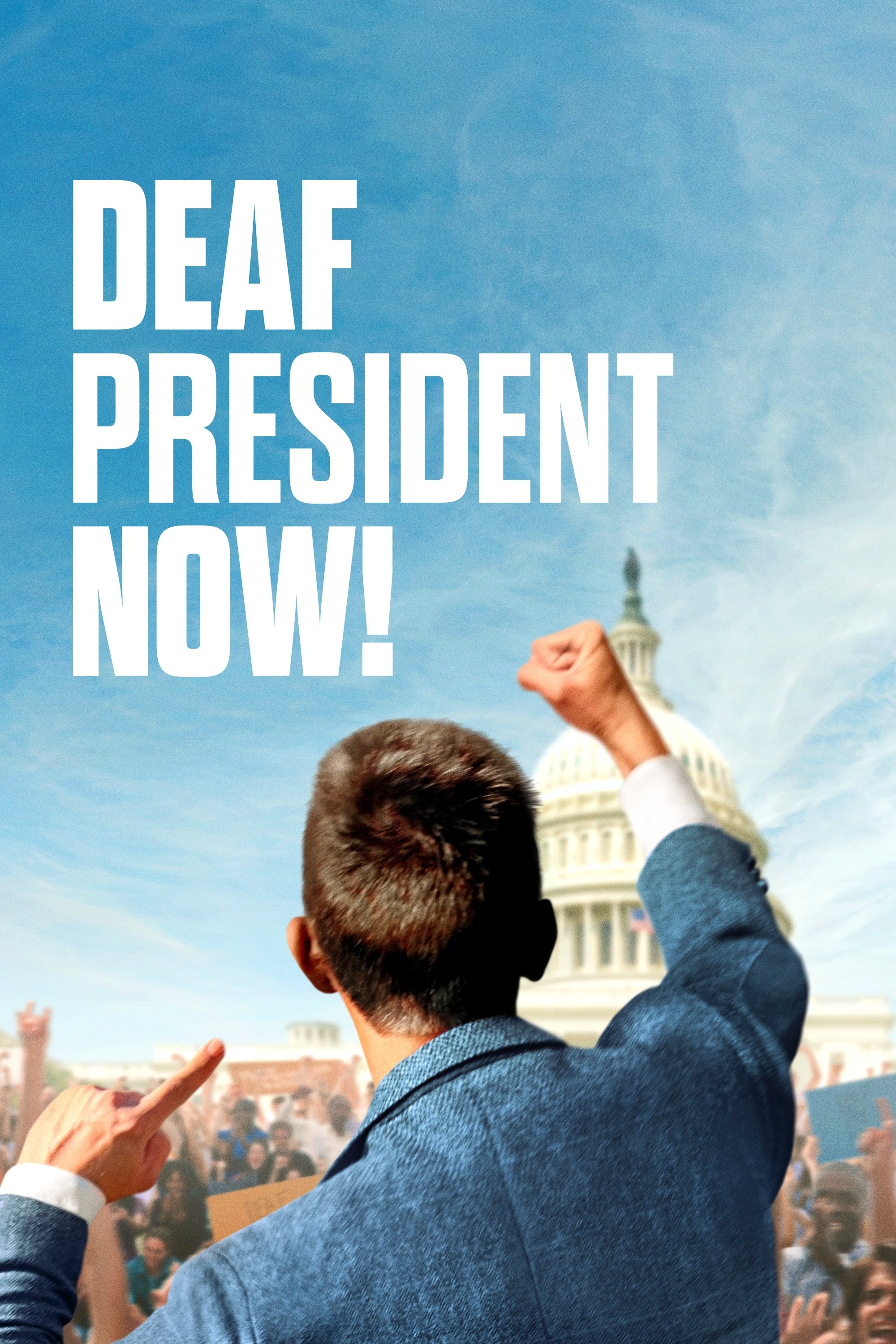
Discover the story of the greatest civil rights movement most people have never heard about. During eight tumultuous days in 1988 at the world's only Deaf university, four students must find a way to lead a revolution—and change the course of history.
The film chronicles the beginning of the student protest following the death of student Benno Ohnesorg in Berlin in June of 1967.
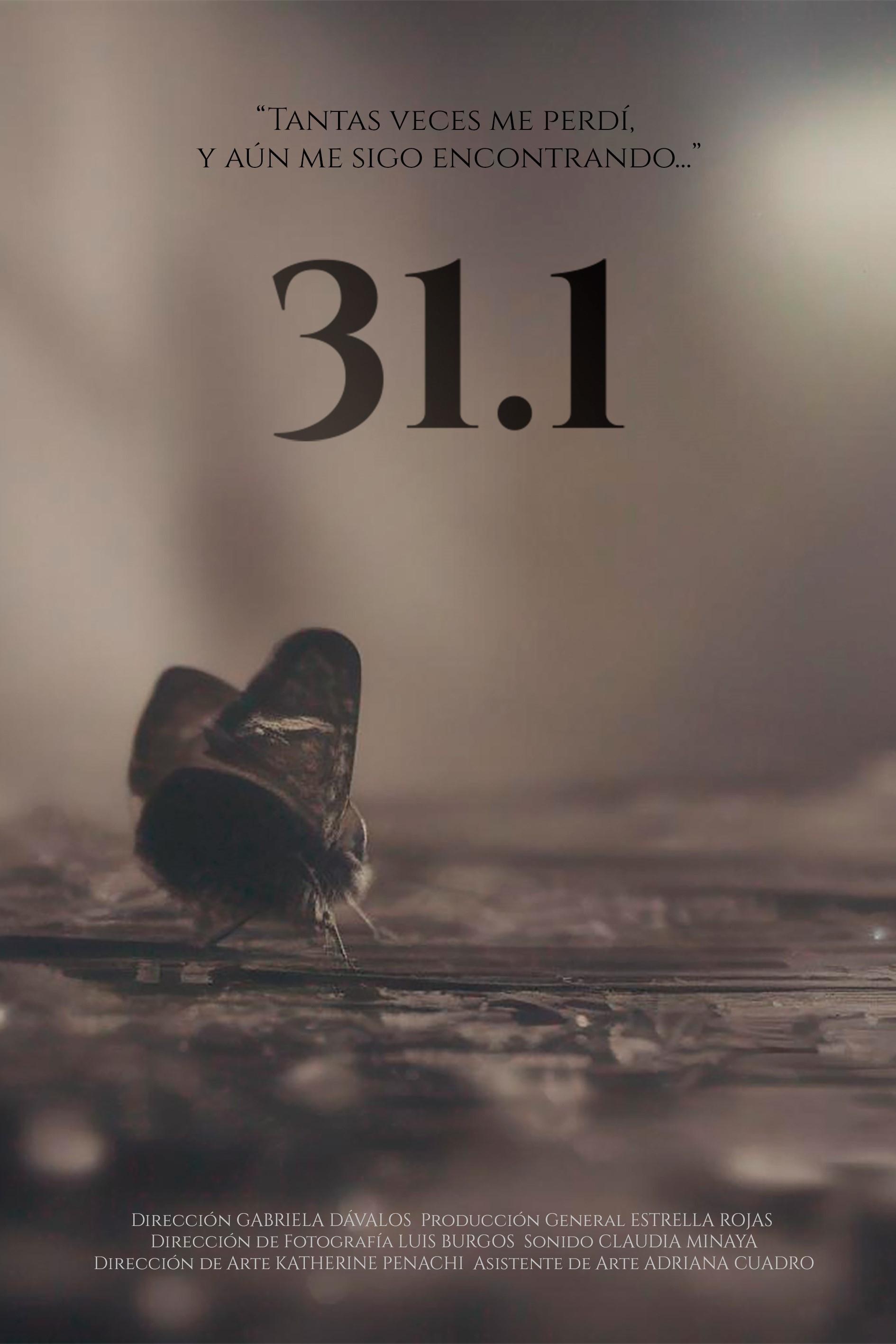
After facing several years of hardships, Gabriela, the director and protagonist of this short documentary, is involuntarily relocated by her family to a rehabilitation center for three months. During this time, she encounters a series of prohibitions that result in complete isolation from society, surrounded by individuals grappling with severe mental health issues. Four years after her release, she embarks on an introspective journey to definitively close that chapter of her life. This poignant documentary immerses us in Gabriela's courageous odyssey, offering an intimate look at her struggle for self-reconciliation and familial understanding. Through powerful imagery and sincere testimonials, the short film invites the audience to contemplate human resilience and the pursuit of forgiveness.
L, a student in India witness to the government's violent response to university protests, writes letters to her estranged lover while he is away.
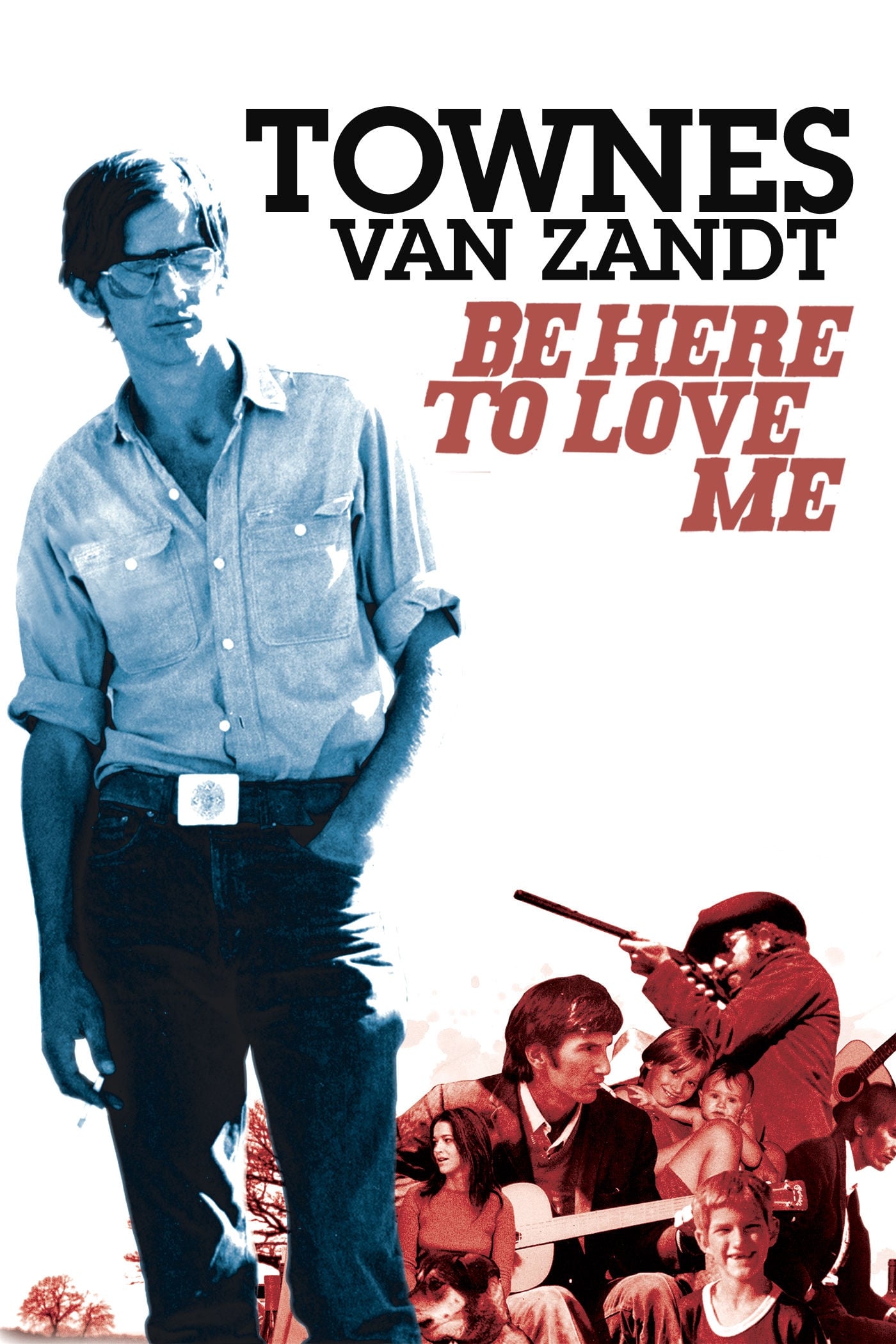
Chronicles the fascinating and often turbulent life of Townes Van Zandt.
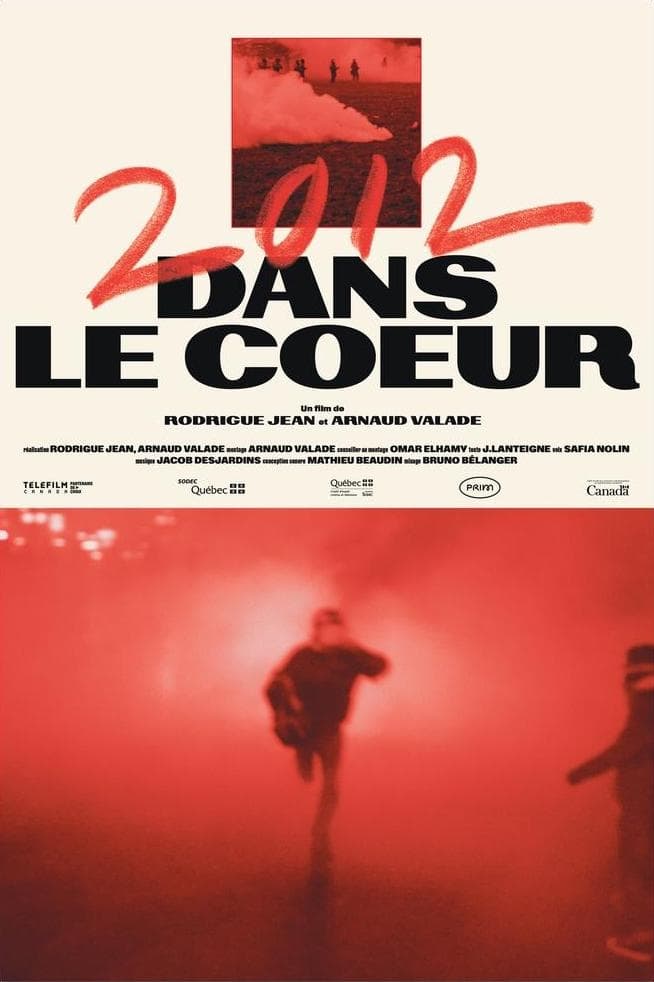
What remains of the 2012 Quebec student protests? Little has changed in the decade that ensued. Rodrigue Jean and Arnaud Valade exhume images of the battles, recorded live and relayed through the mass media, that flared up as anger and indignation went head-to-head with the rhetoric of power. Against these divisive images, the filmmakers overlay a historical perspective of the state and its police in Montreal, Quebec and Canada, delving into the roots of sanctioned violence. Their compelling glance at the past is, of course, a cry that continues to echo in the present day. While the voices have been silenced, revolt still brews. All it takes is a spark...
In 1969, the Renovación Universitaria movement and the subsequent raid on the Central University of Venezuela by the government of Rafael Caldera, triggered a strong wave of protest in the Institutes of Higher Education in Venezuela. This documentary collects part of the events that took place in the city of Mérida, Mérida State, where the University of the Andes is located.
The film speaks of student demonstrations in Belgrade, 1969 and of the critical quality, enthusiasm and discipline of this form of protest. It was the most powerful public criticism of "red bourgeoisie" - members of communist apparatus, who suppressed creativity and affirmation of new generations throughout Eastern block.
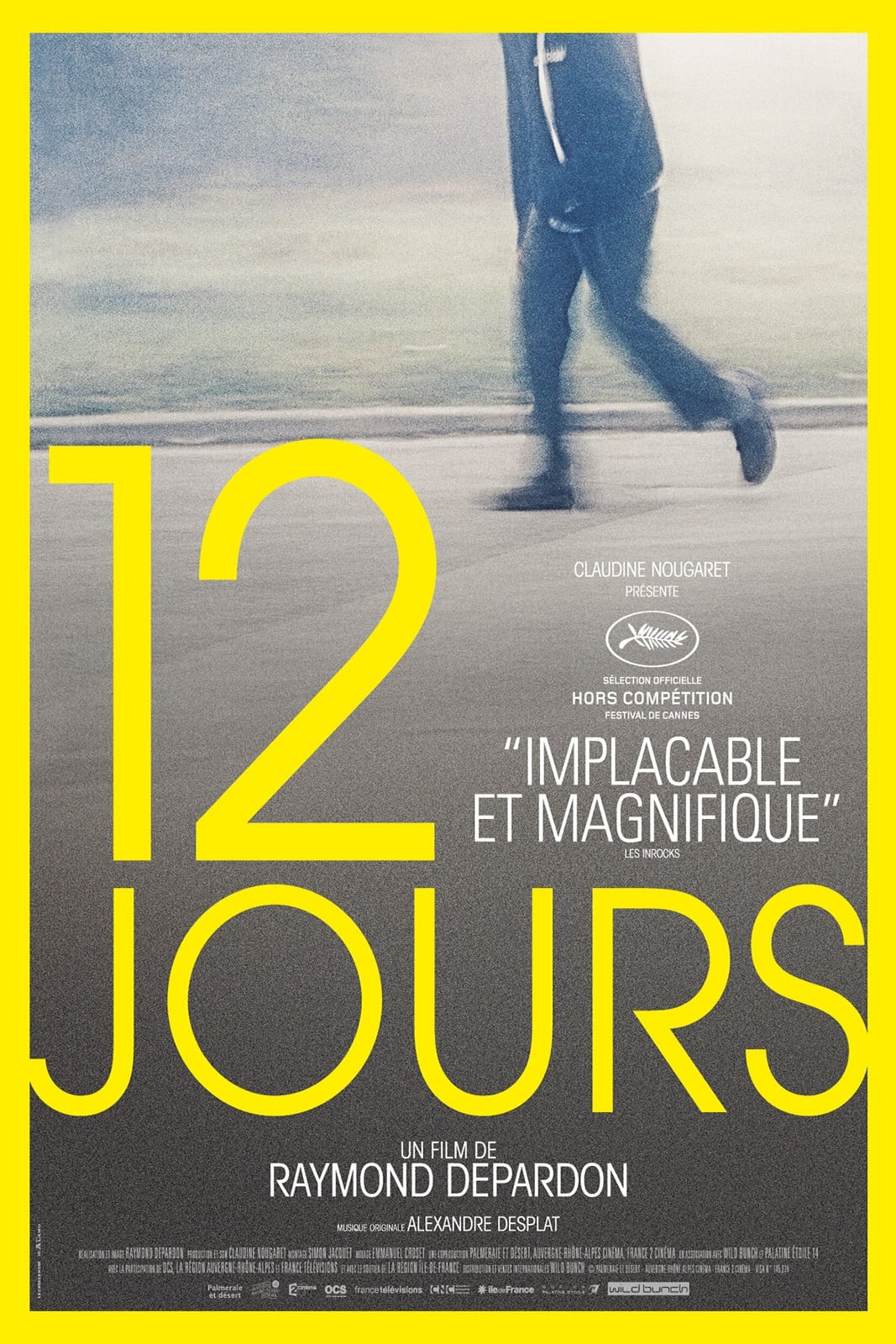
A new documentary by filmmaker-photographer Raymond Depardon – where justice and psychiatry meet.
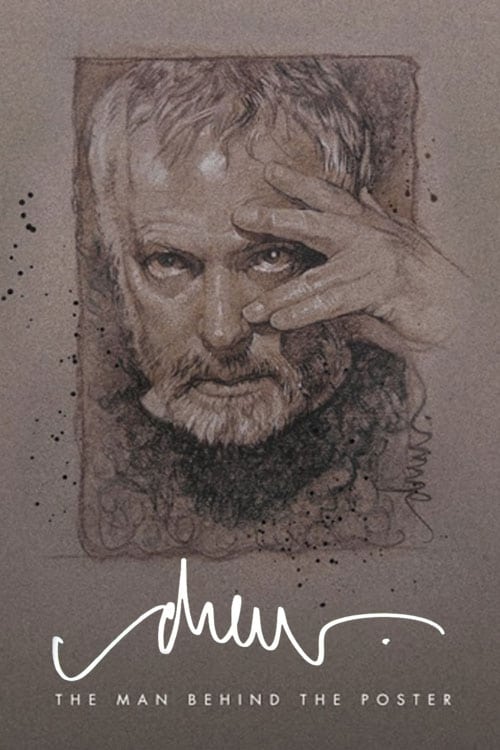
A documentary on legendary movie-poster artist Drew Struzan.
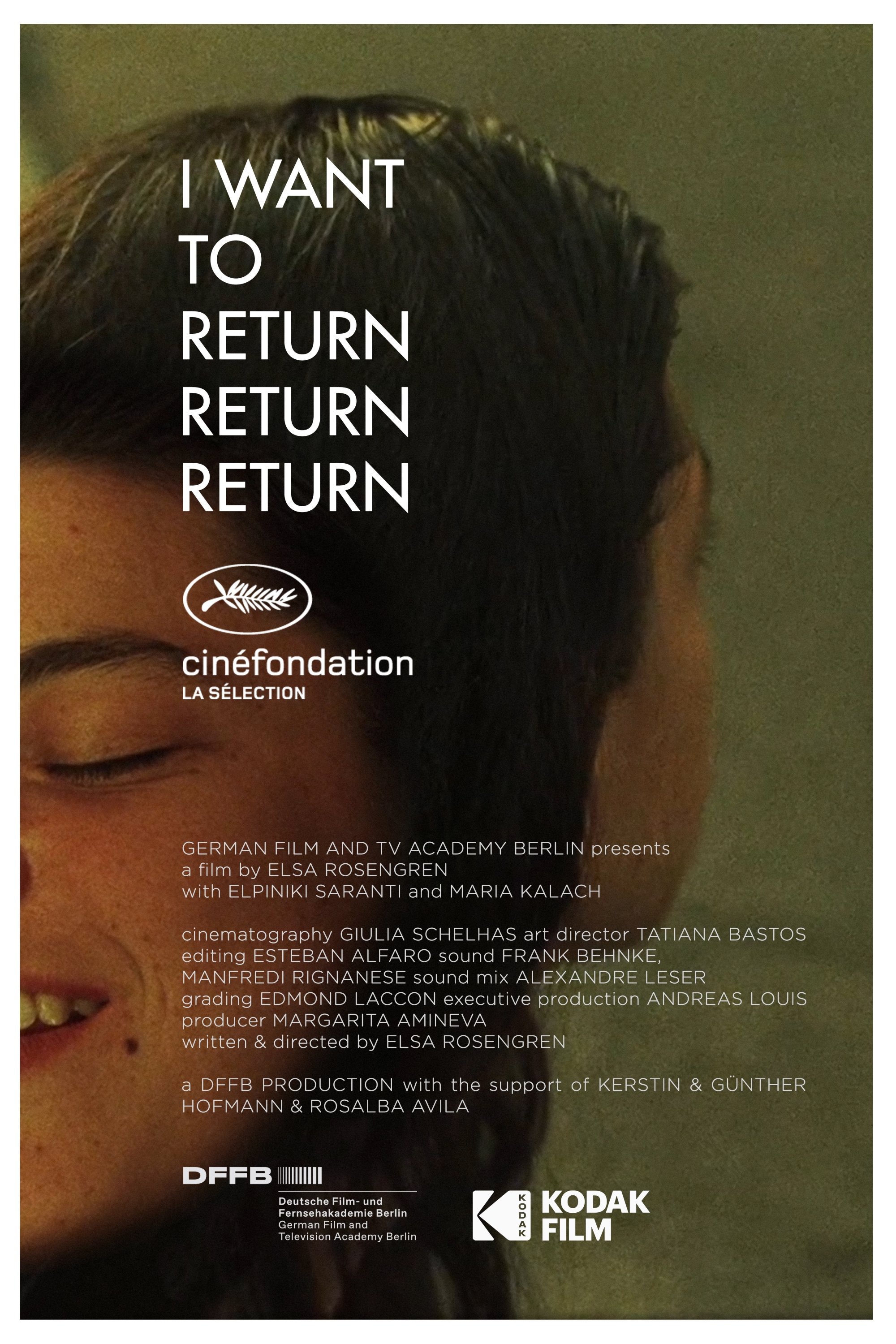
A depiction of the Wrangelkiez neighbourhood in Berlin. The people portrayed tell their life stories. One woman came to the neighbourhood a decade ago to work in Berlin’s still unfinished Brandenburger Airport, one man reminisces his childhood on a Tobacco farm in Kentucky, another speaks of an exceptional day in an otherwise monotonous workplace. These portraits are interwoven with the story of Elpi, a Greek woman who is waiting for the long overdue visit of an old important friend. The outcome of this mixture is a film which captures the lives and perspectives of some of Wrangelkiez’s most commanding citizens, while at the same time evoking the loss that change and time passing means for places and for people.
Just two years away from turning 30, participants in Michael Apted's documentary series are facing serious questions of identity and purpose, wondering whether they've found their place in the world.
A purely observational non-fiction film that takes viewers into the ethically murky world of end-of-life decision making in a public hospital.
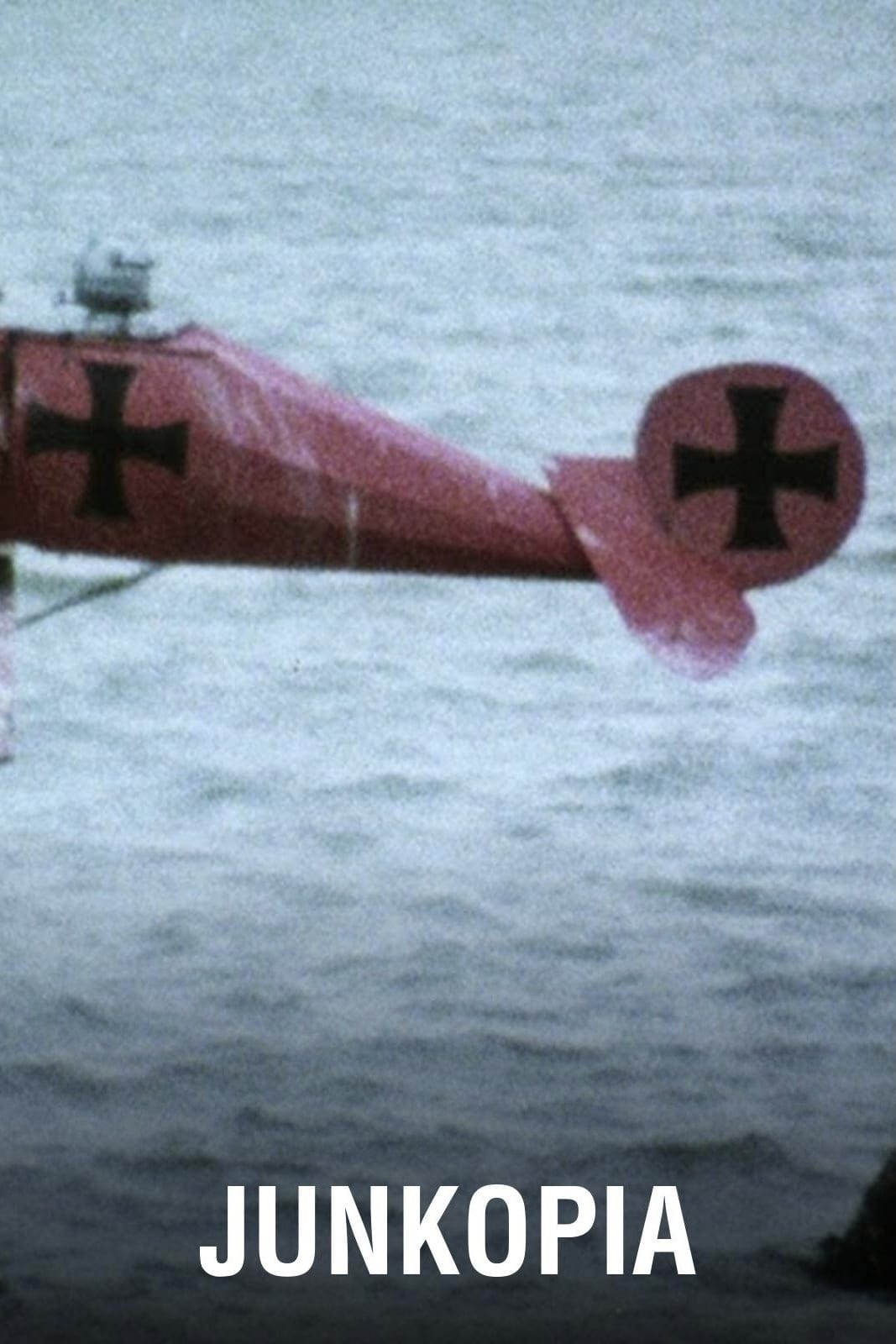
Filmed along the Emeryville Mudflats near San Francisco, Junkopia captures a landscape of sculptural installations made from driftwood and discarded materials. Chris Marker, John Chapman, and Frank Simeone transform these ephemeral artworks—set against highways and the distant city—into a quiet meditation on art, decay, and the modern environment.
The subject of the film was the Hauka movement. The Hauka movement consisted of mimicry and dancing to become possessed by French Colonial administrators. The participants performed the same elaborate military ceremonies of their colonial occupiers, but in more of a trance than true recreation.
A visual montage portrait of our contemporary world dominated by globalized technology and violence.
A documentary that explores the downloading revolution; the kids that created it, the bands and the businesses that were affected by it, and its impact on the world at large.
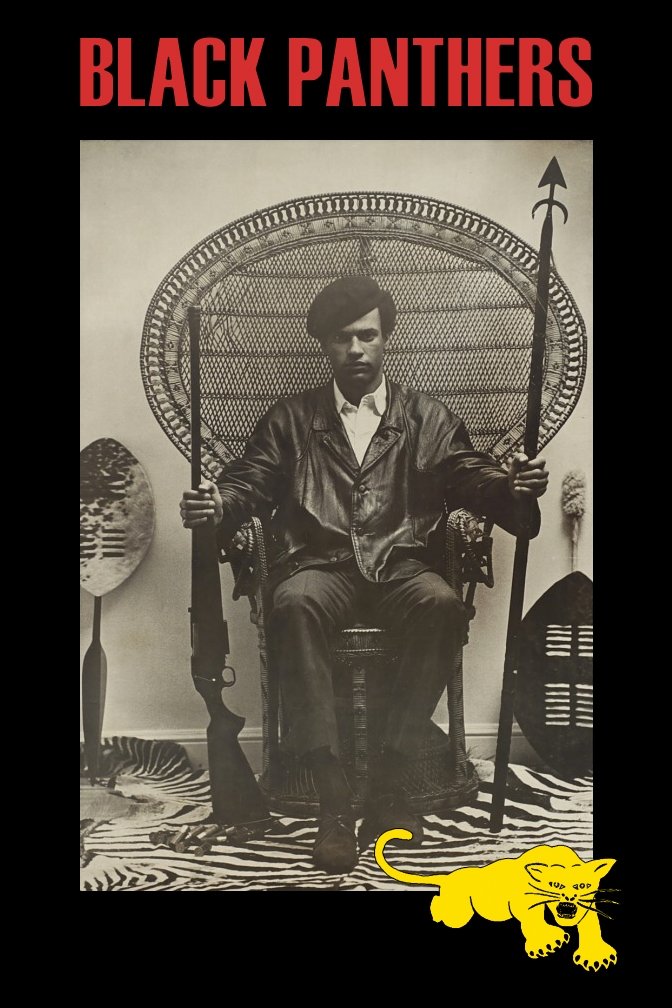
A film shot during the summer of 1968 in Oakland, California around the meetings organised by the Black Panthers Party to free Huey Newton, one of their leaders, and to turn his trial into a political debate. They tried and succeeded in catching America’s attention.
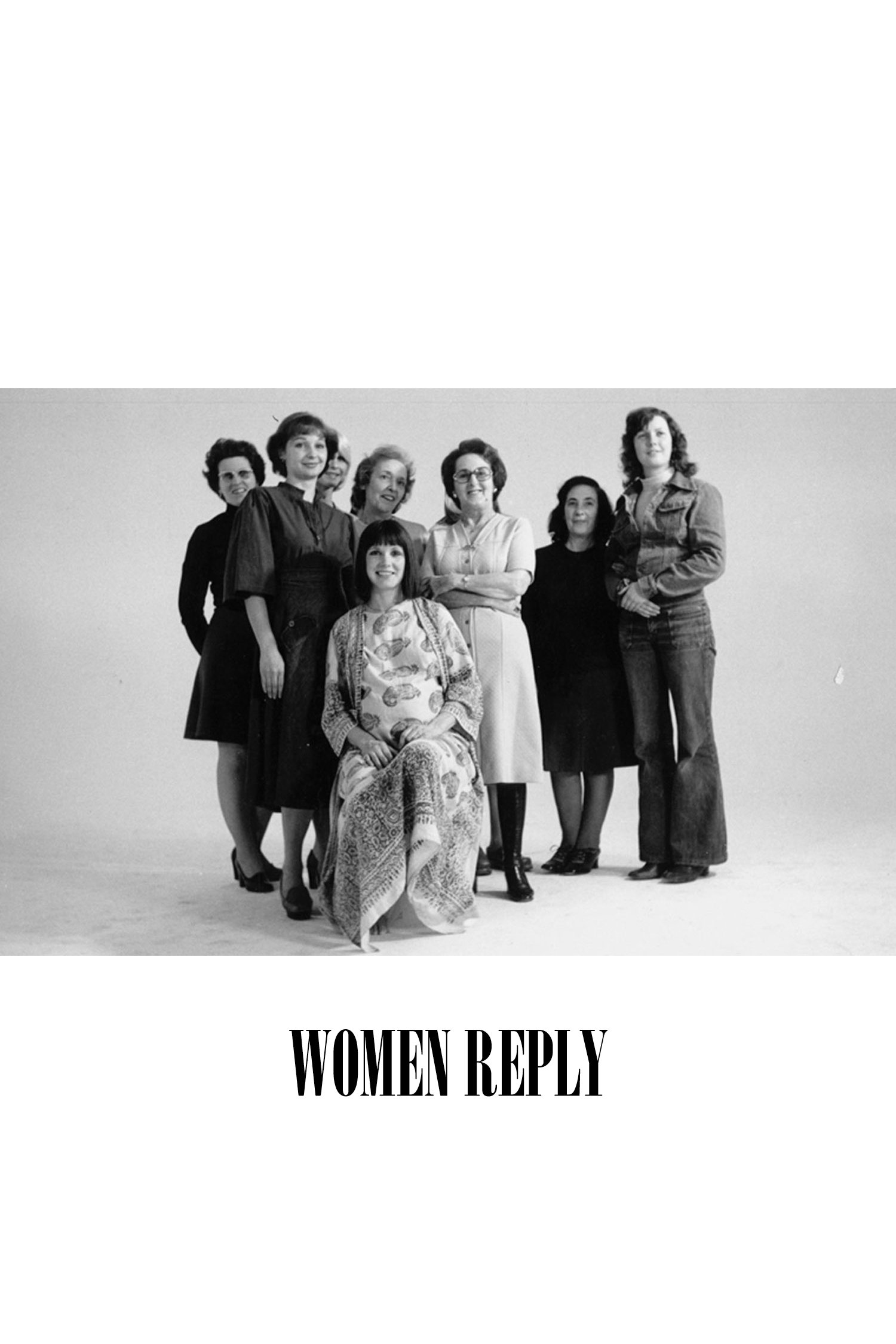
What does being a woman really mean? How do women live the status society reserves for them? A group of women, beautiful or not, young or not, gifted with motherly instinct or not, answer before Agnès Varda's camera.
A documentary about the life and films of director John Ford.
A cinematic tone poem, showcasing the dynamic nature of water through its various forms.
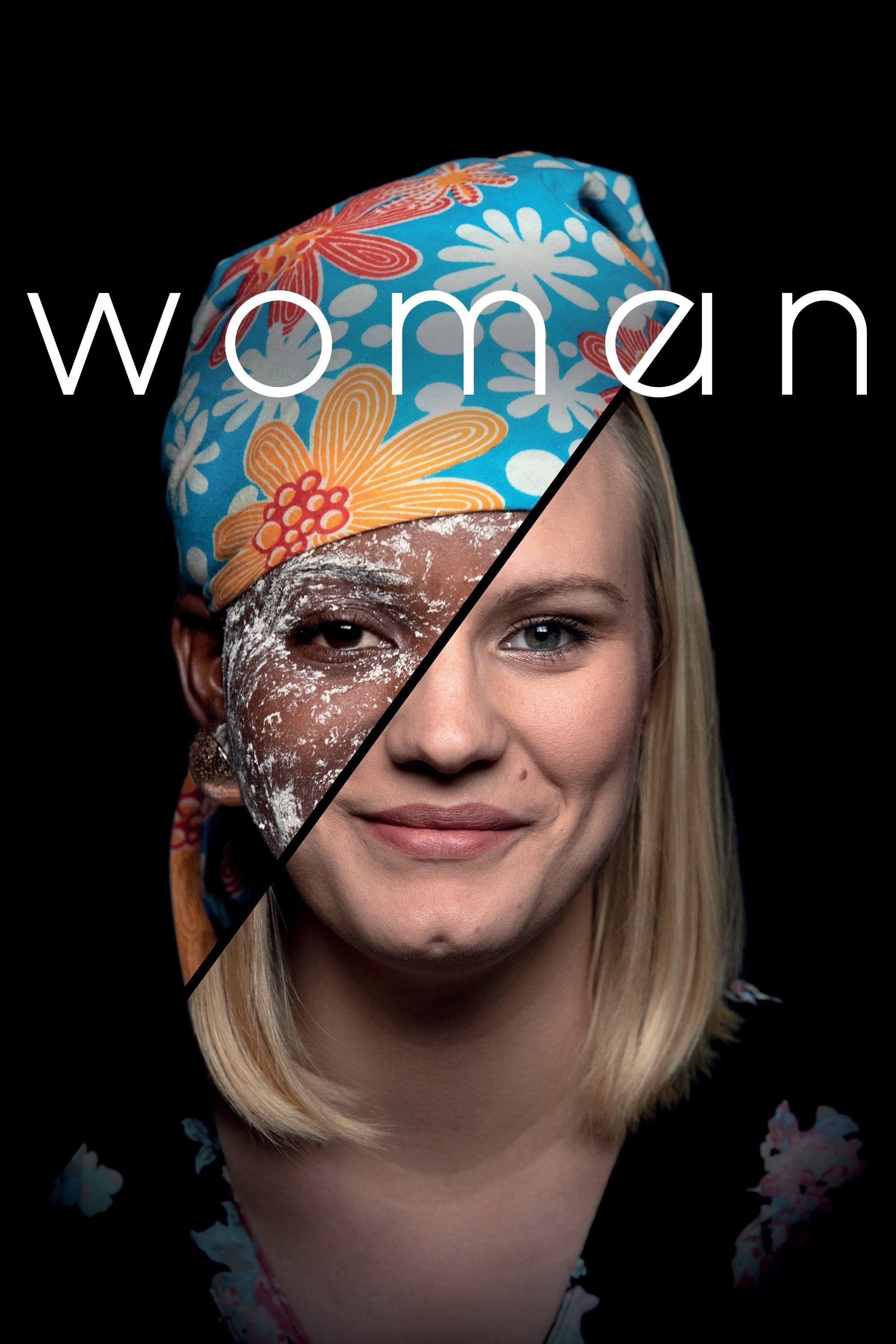
The film is based on interviews with 2,000 women from 50 countries, and covers the status of women all over the world. The topics covered include forced marriages, sexual assault, female genital mutilation, acid attacks, motherhood, sexuality, menstruation, education and the professional success of women.
Amber Heard and Nicole Kidman discuss their characters Mera and Atlanna.
Acclaimed for his unfiltered reporting and deadpan humor, Andrew Callaghan brings his gonzo style reporting to the undercurrents that led to the January 6 Capitol Riot. As one of the best-known and hardest working journalists of his generation, the 25-year-old ventures on a wild RV journey through America to take the pulse of a divided nation.
This real-life look at FBI counterterrorism operations features access to both sides of a sting: the government informant and the radicalized target.
A documentary on the expletive's origin, why it offends some people so deeply, and what can be gained from its use.
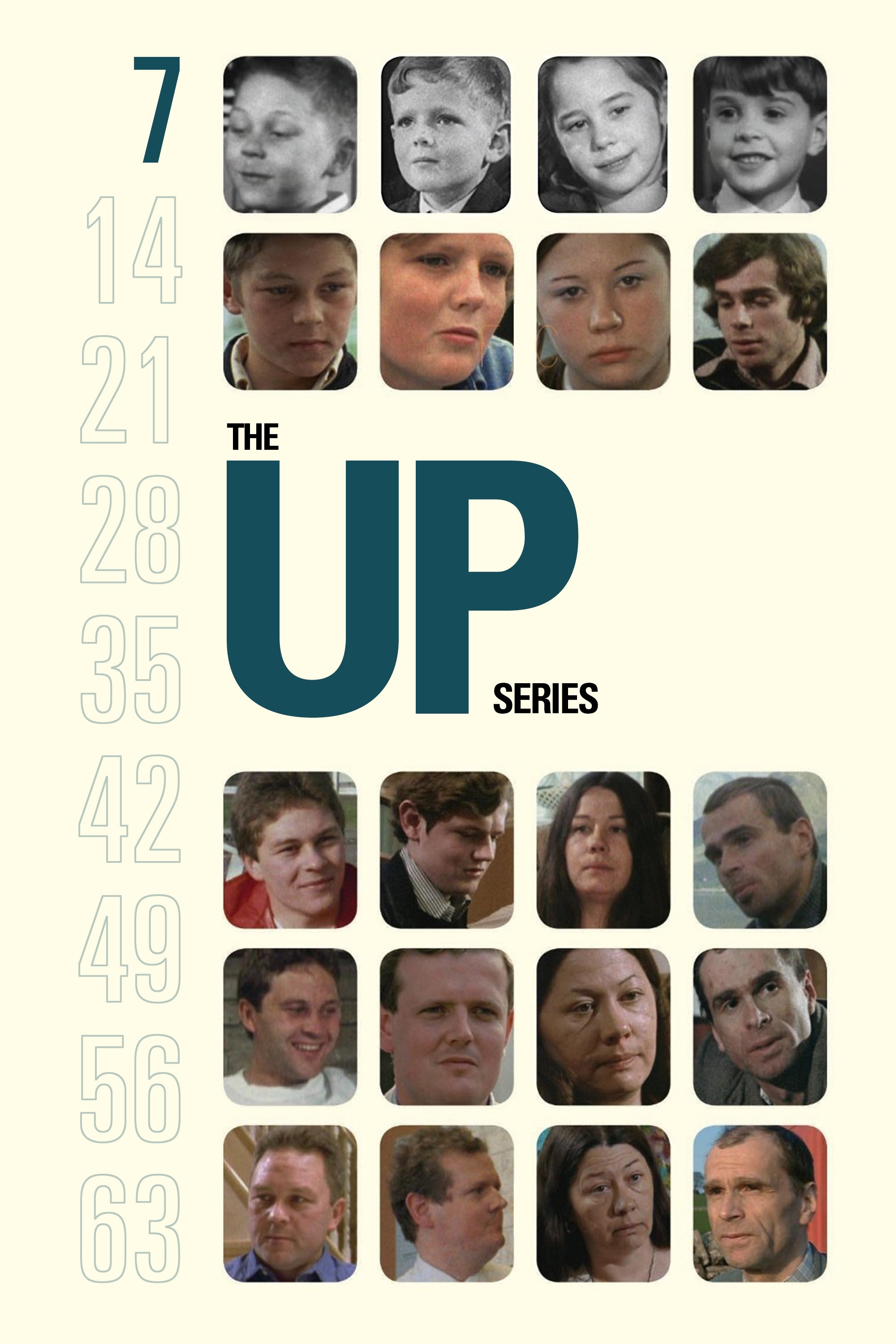
A group of British children aged 7 from widely ranging backgrounds are interviewed about a range of subjects. The filmmakers plan to re-interview them at 7 year intervals to track how their lives and attitudes change as they age.
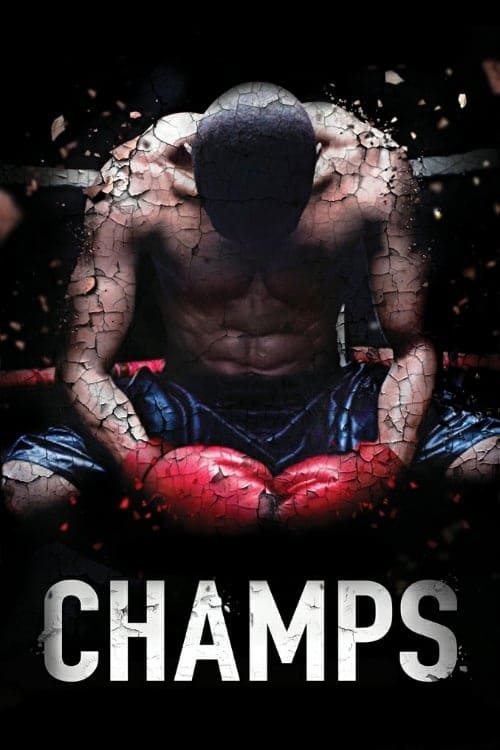
A documentary about the sport of boxing, as seen through the eyes of champions Mike Tyson, Evander Holyfield and Bernard Hopkins.