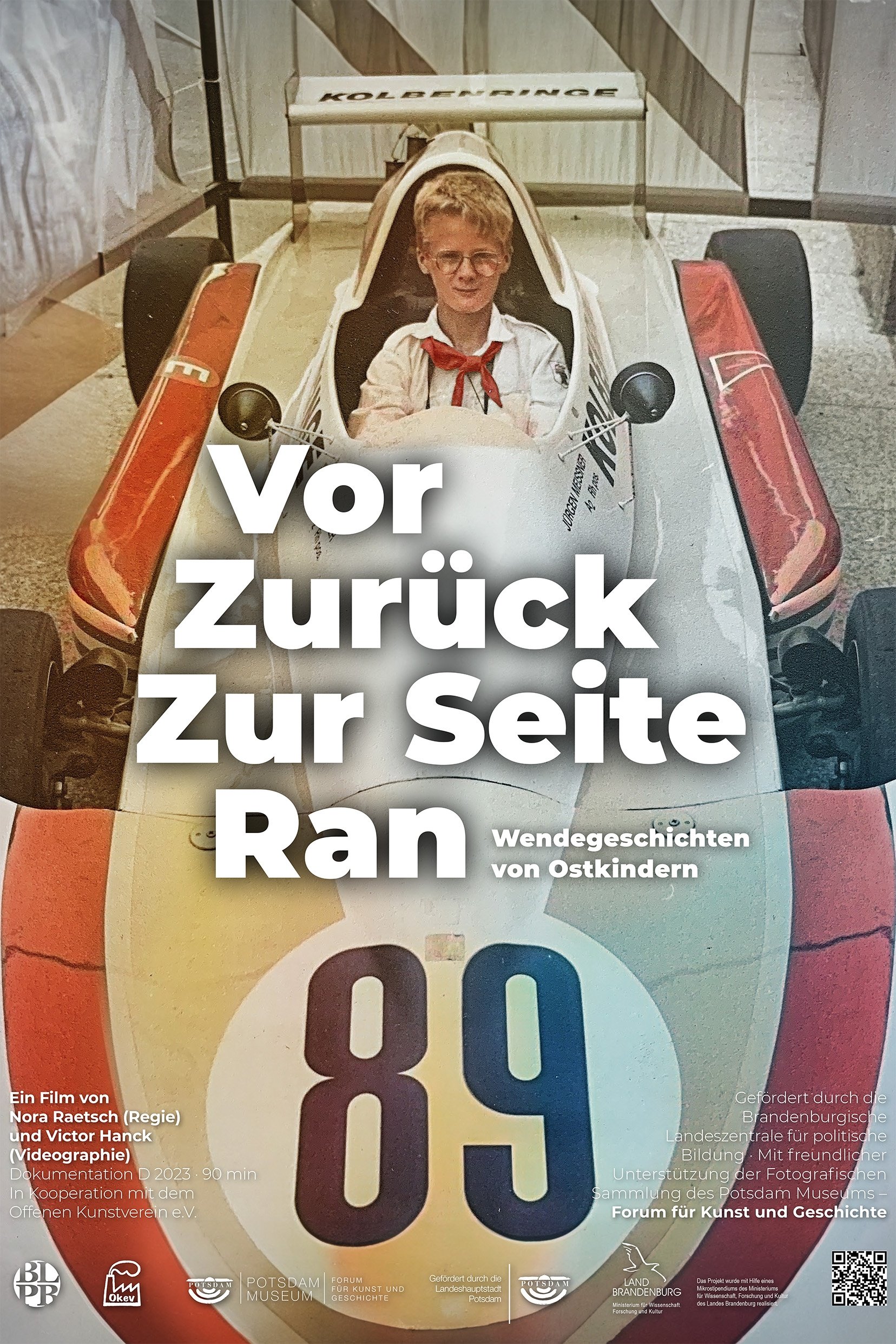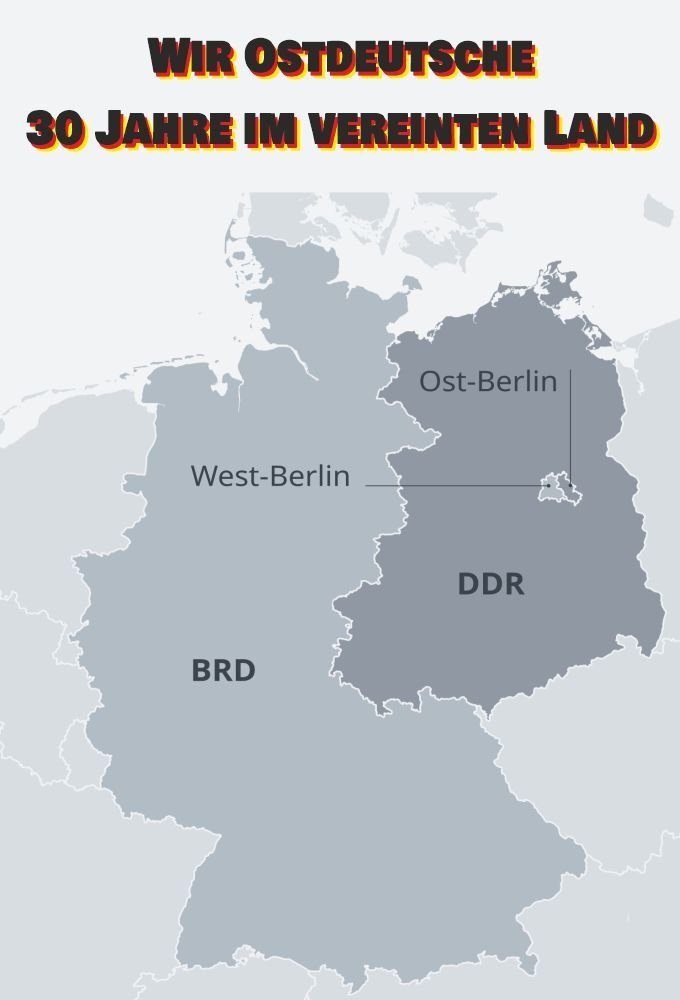
Children from socially disadvantaged families, either placed in care or admitted voluntarily, tell their stories and share their hopes. After reunification, they are released into the harsh reality of East Germany.
Social & External
The people behind it
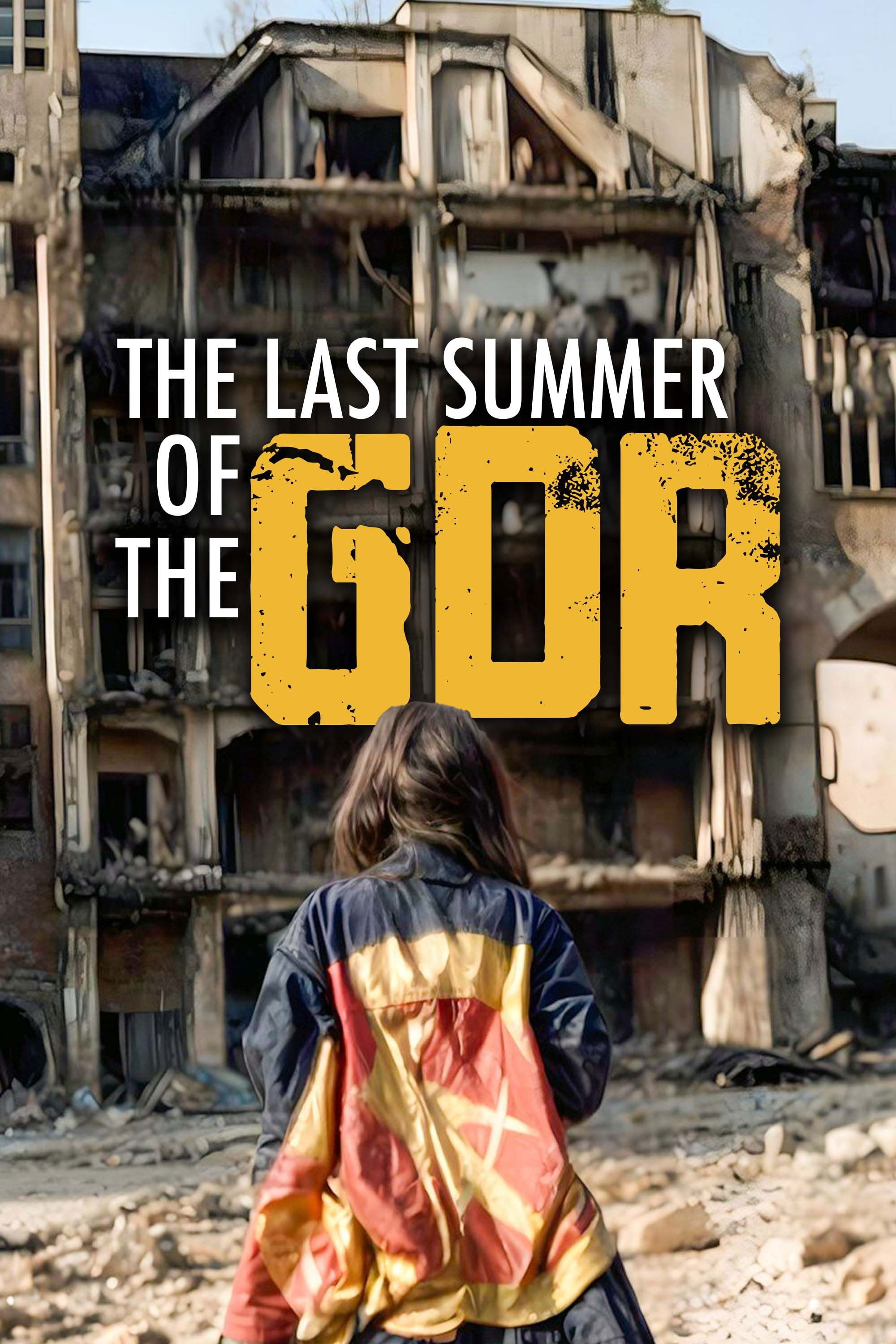
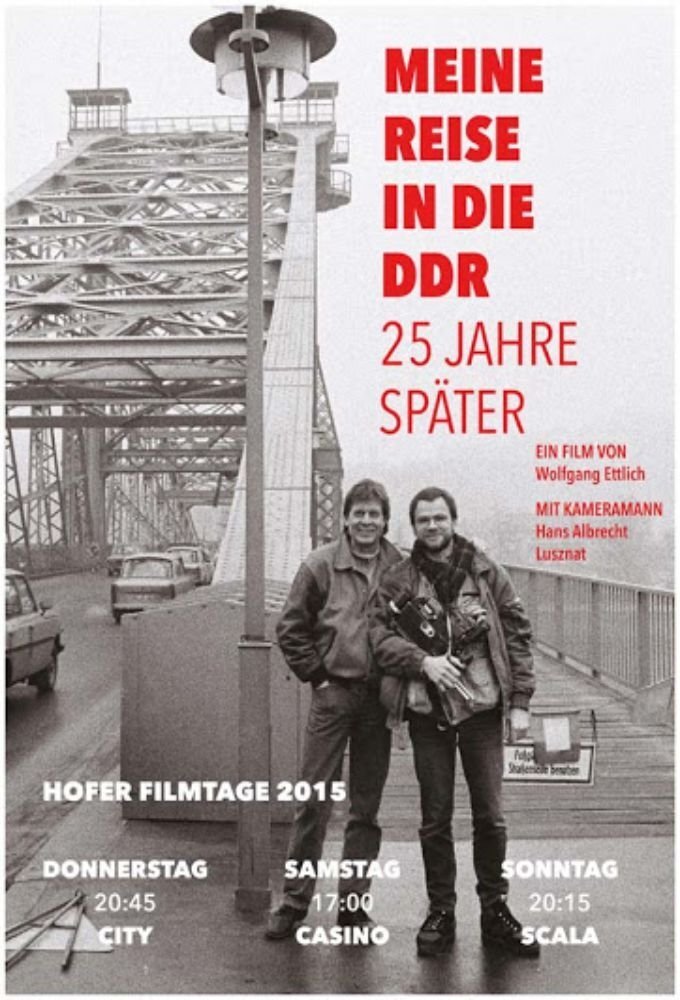
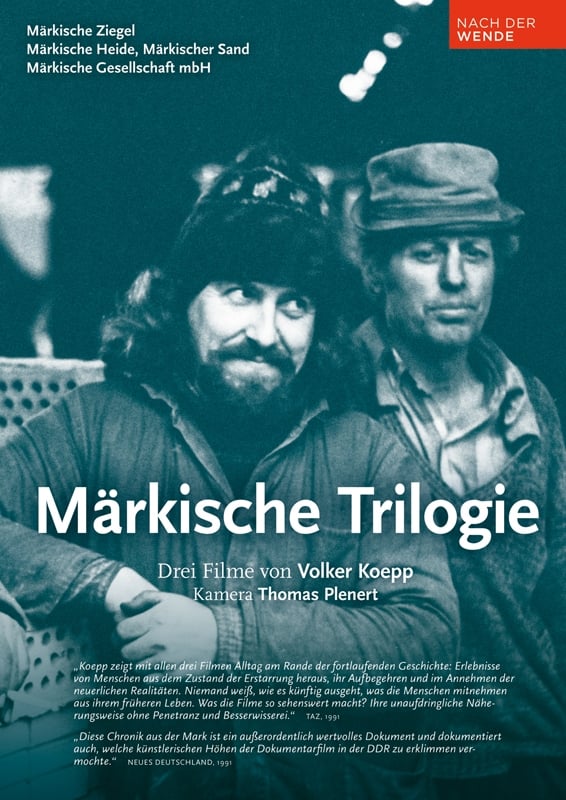
In late 1990 times are changing in Zehdenick, Brandenburg: Russian troops are leaving, the German Reunification brings euphoria and new hope, but unemployment rises steadily.
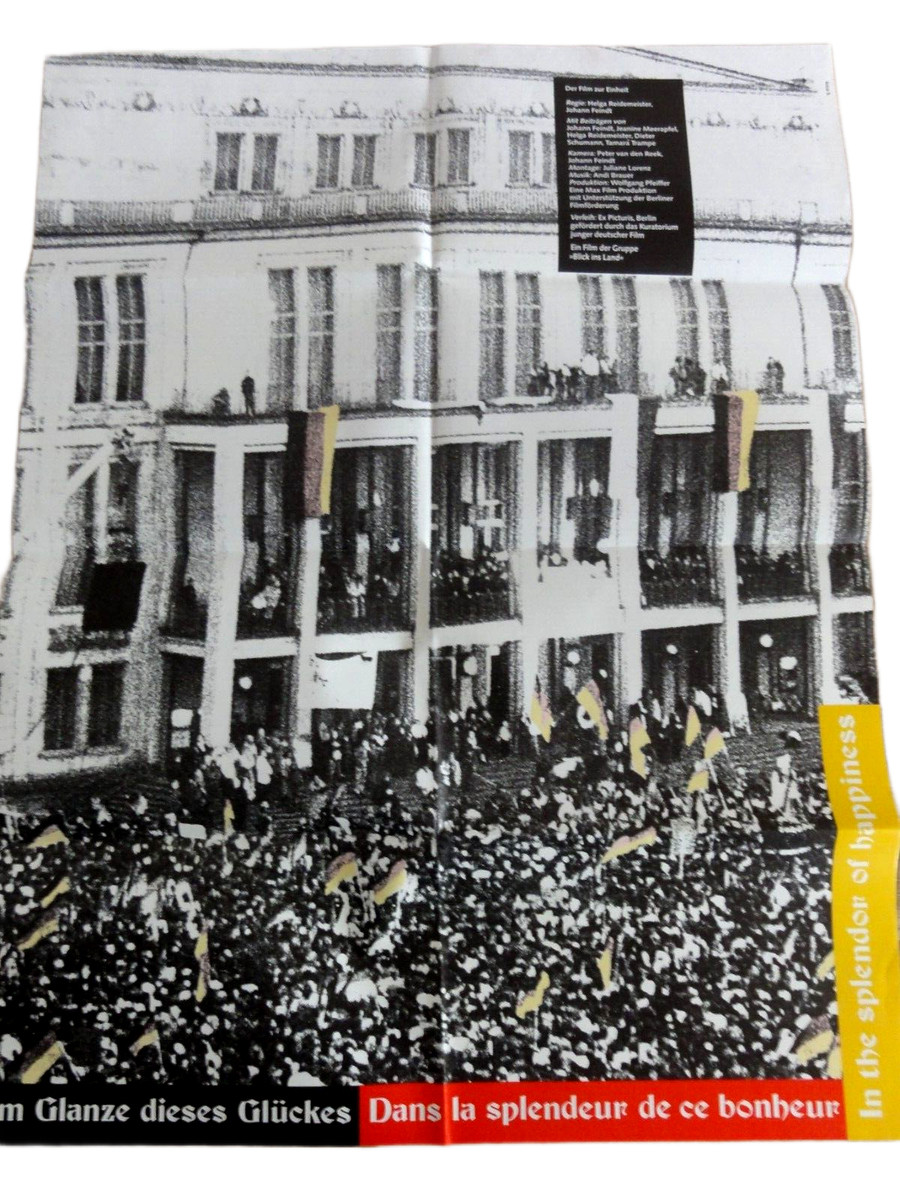
After the fall of the Berlin Wall, citizens of East Germany had to get used to a new way of consuming, working, and living. New-found freedoms were a breath of fresh air for many but in the chaos leading up to reunification with West Germany, the experience was also disconcerting.
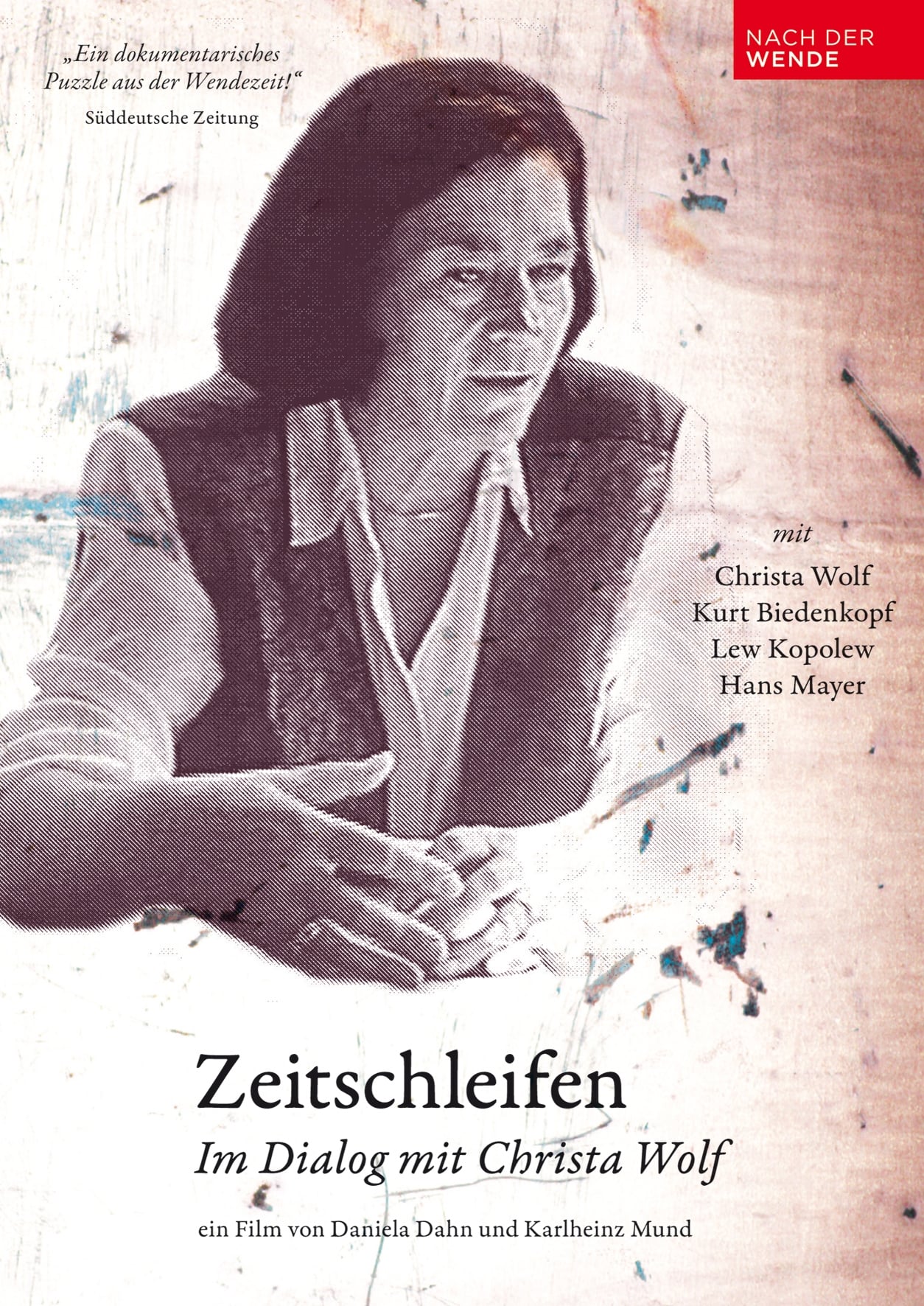
Journalist Daniela Dahn interviews the East-German author Christa Wolf during the German reunification: reflections on history, changing politics, life and work.
This report was broadcast on ARD in 1993. In 43 minutes, the development of psychiatry "in the third year after reunification" is shown using two institutions in the new federal states as examples. A touchstone for all of psychiatry and disability care to this day. The film shows a shocking way in which disabled people are treated. The commentary uses the perspective of those affected. 50 years after euthanasia in Germany, this documentary reminds us of this once again.
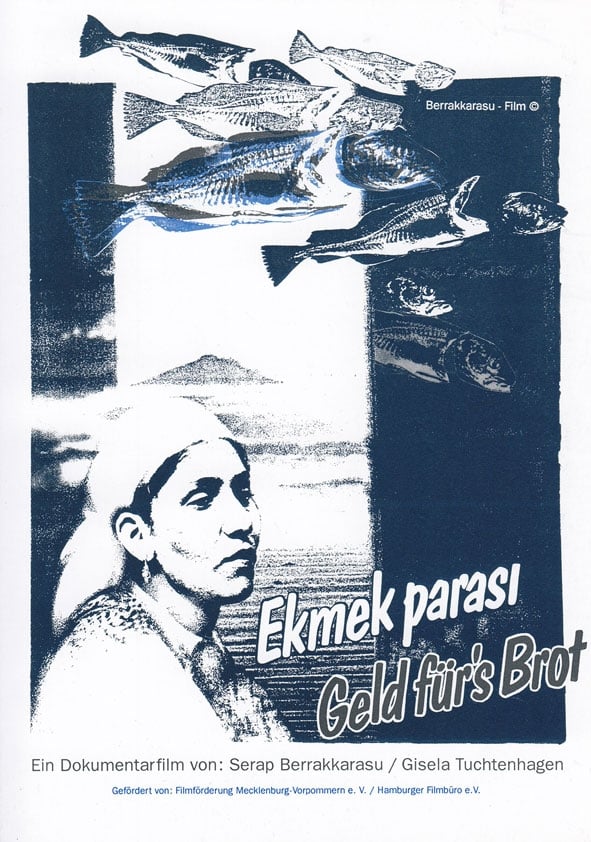
Women from Turkey and Mecklenburg are working together side-by-side at a fish-processing factory in Lübeck. As they work, they share stories about their lives, including their sorrows, griefs, hopes, and dreams, while expressing their longing for home and feelings of being lost in a foreign place.
In reunified Berlin, a city guide from the Eastern part of the city offers tours for West Berliners and grapples with his pre and post "Wende" identity.
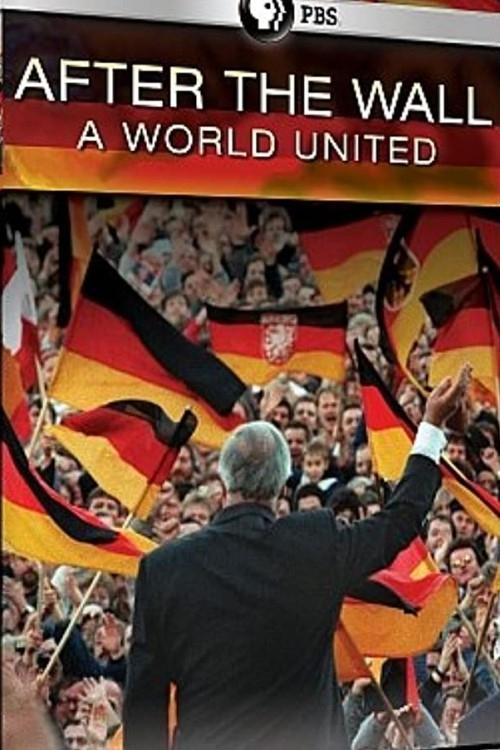
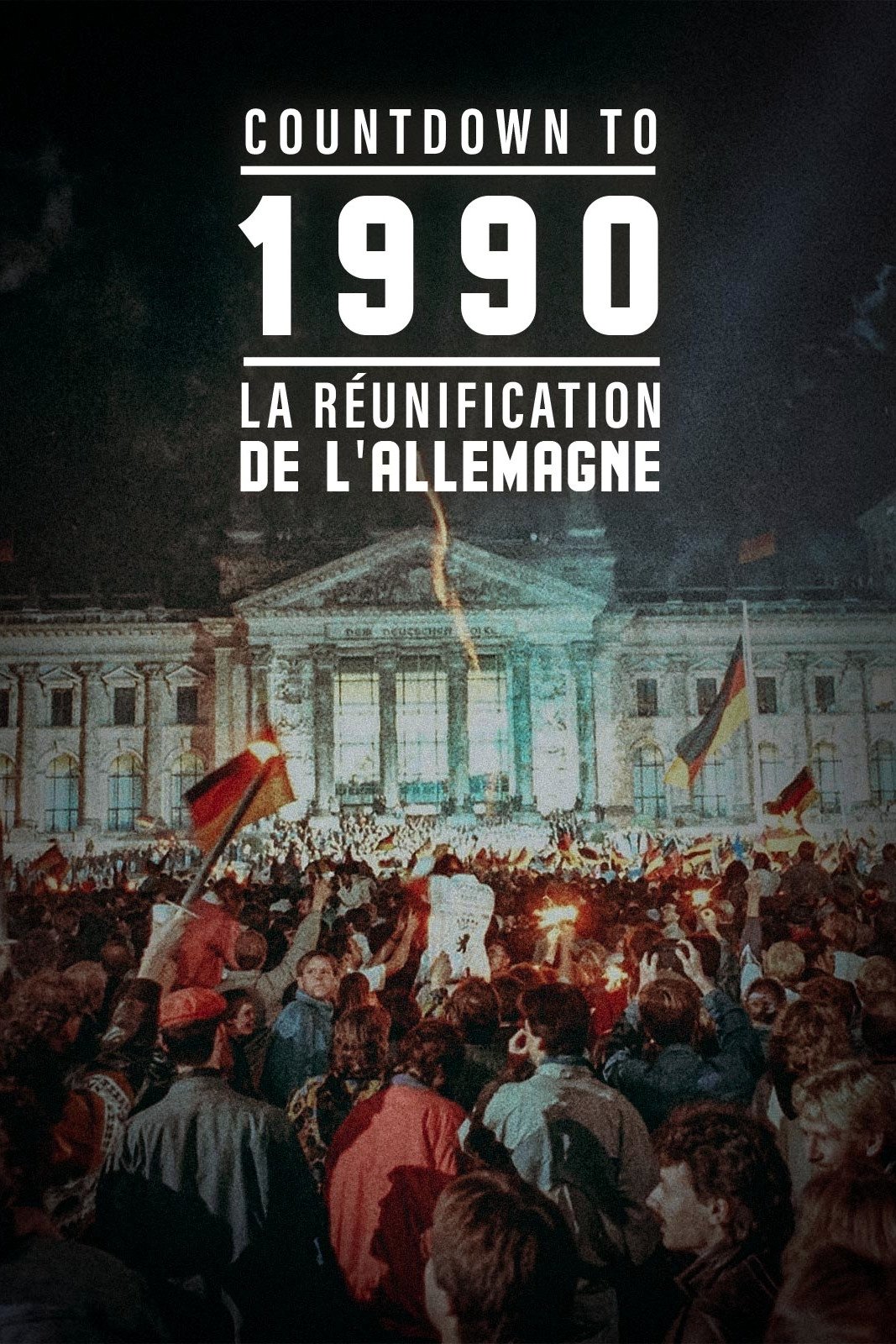
The Berlin Wall came down in 1989, bringing the reunification of Germany and an end to the Cold War. This documentary revisits the events surrounding the wall's historic collapse. Interviews with George Bush, Mikhail Gorbachev and Helmut Kohl offer insight into political maneuvering while firsthand accounts from Germans provide personal perspectives of this historic event that changed the world forever.
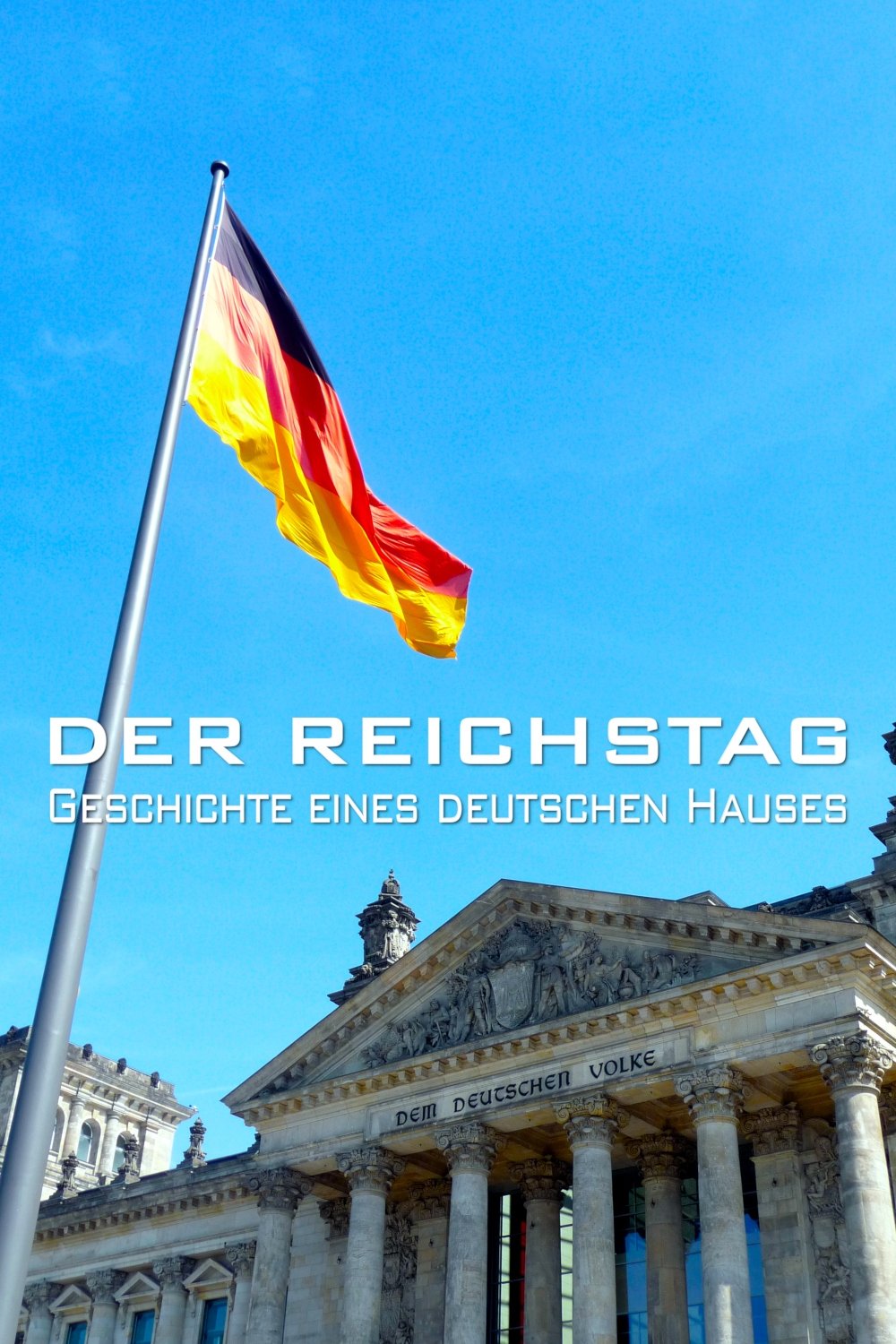
Docudrama telling the story of a building with a breath taking career that began in the empire, flourished in the Weimar Republic, perished in the Nazi dictatorship, and was rebuilt after its partial destruction.
Documentation about the intra-German relations after the reunification.
Citizens of East Germany talk about their experiences and feelings in the face of upcoming elections that will lead to reunification with the West. The past is tinged with regret, frustration and anger, while the future is uncertain.
Early summer 1990: West German money transporters carrying billions of Deutschmarks roll towards the former GDR. From the inner-German border, the People's Police and the heavily armed National People's Army take over guarding the transports. Over 25 billion Deutschmarks are transferred from West to East within a few weeks. On July 1, 1990, the German-German monetary union takes place. The citizens of the former GDR were to hold the D-Mark in their hands from this point onwards, but a huge amount of work had to be done before this could happen. 441 million banknotes had to be printed and 102 million coins minted. This is because the organizers of the Bundesbank barely had time to prepare for the largest money transport in history. Many contemporary witnesses describe their experiences in the documentary, which gives an insight into the exciting months before monetary union, the consequences of which still have an impact today.
Follows the Eastern German family Schütze and their greengrocer's shop for 10 years, beginning right after Germany's reunification.
In 1989, thirteen GDR scientists and technicians set off from East Berlin to the Georg Forster research station in the Antarctic. During their expedition the Berlin Wall fell on November 9th. Cut off from the images that go around the world, the men can only experience the historical events passively. When they returned in the spring of 1991, their homeland was a foreign country. The documentary reconstructs the thoughts and feelings of the East German researchers on the basis of eyewitness accounts, diary excerpts, letters, film material, grandiose landscape shots from the location of the action and unique photos to make the consequences of the events tens of thousands of kilometers away on the small GDR expedition in the middle of the eternal ice tangible.
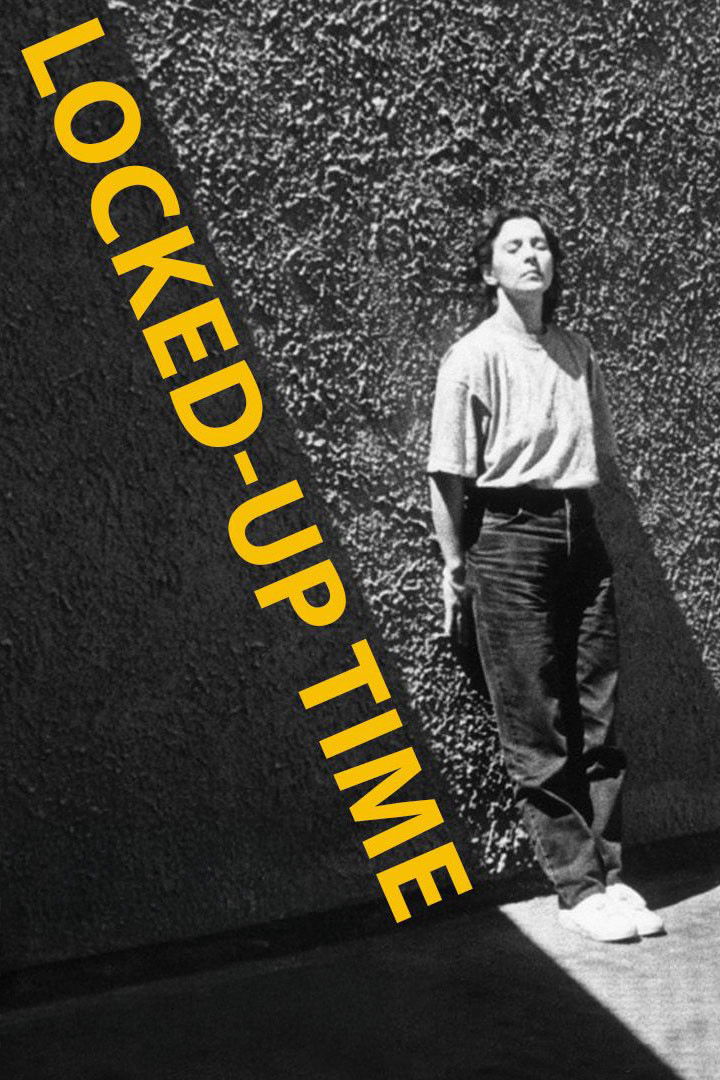
Filmmaker Sibylle Schoenemann, imprisoned by the GDR in 1984, was released to the FRG after having West Germany literally buy her freedom. In 1990 she went back and questioned those responsible.
In an intimate and joyful story of love in the face of loss, celebrated poets Andrea Gibson and Megan Falley find strength—and unexpected hilarity—in what might be their final year together.
Through deeply personal interviews with her siblings and an examination of the photographs, letters, and belongings left behind, Mariska assembles a new portrait of her mother Jayne Mansfield, an extraordinary and complex woman.
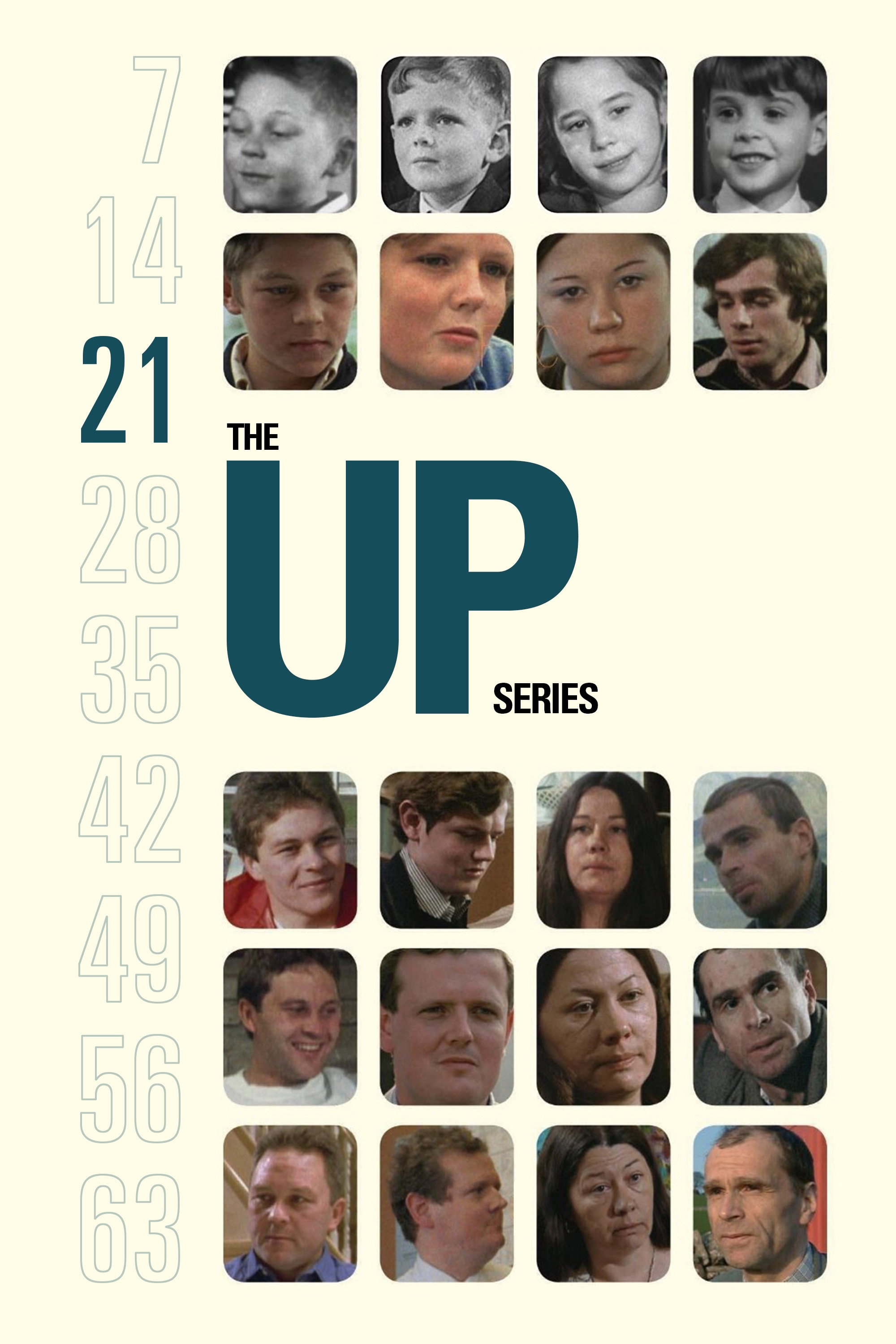
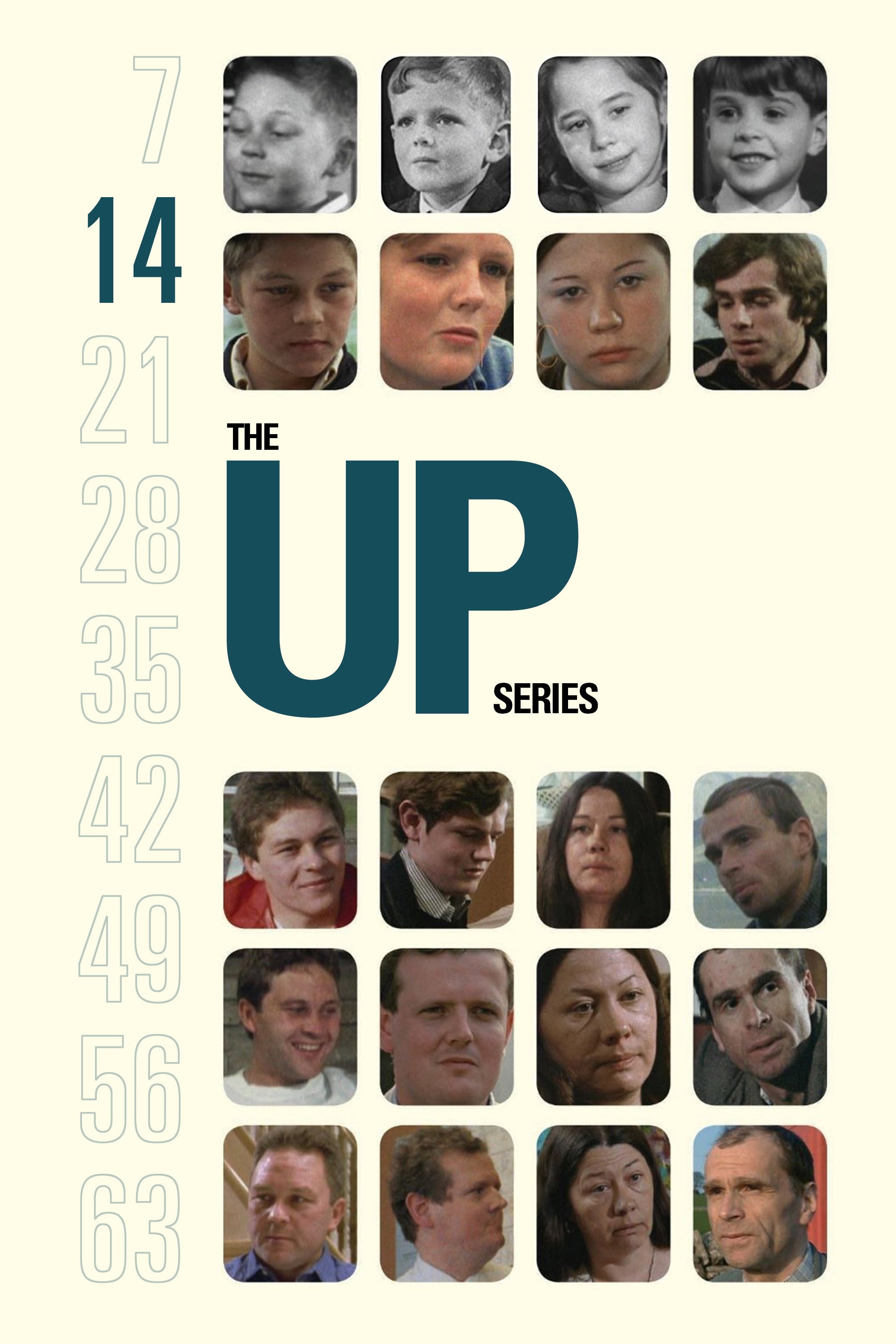
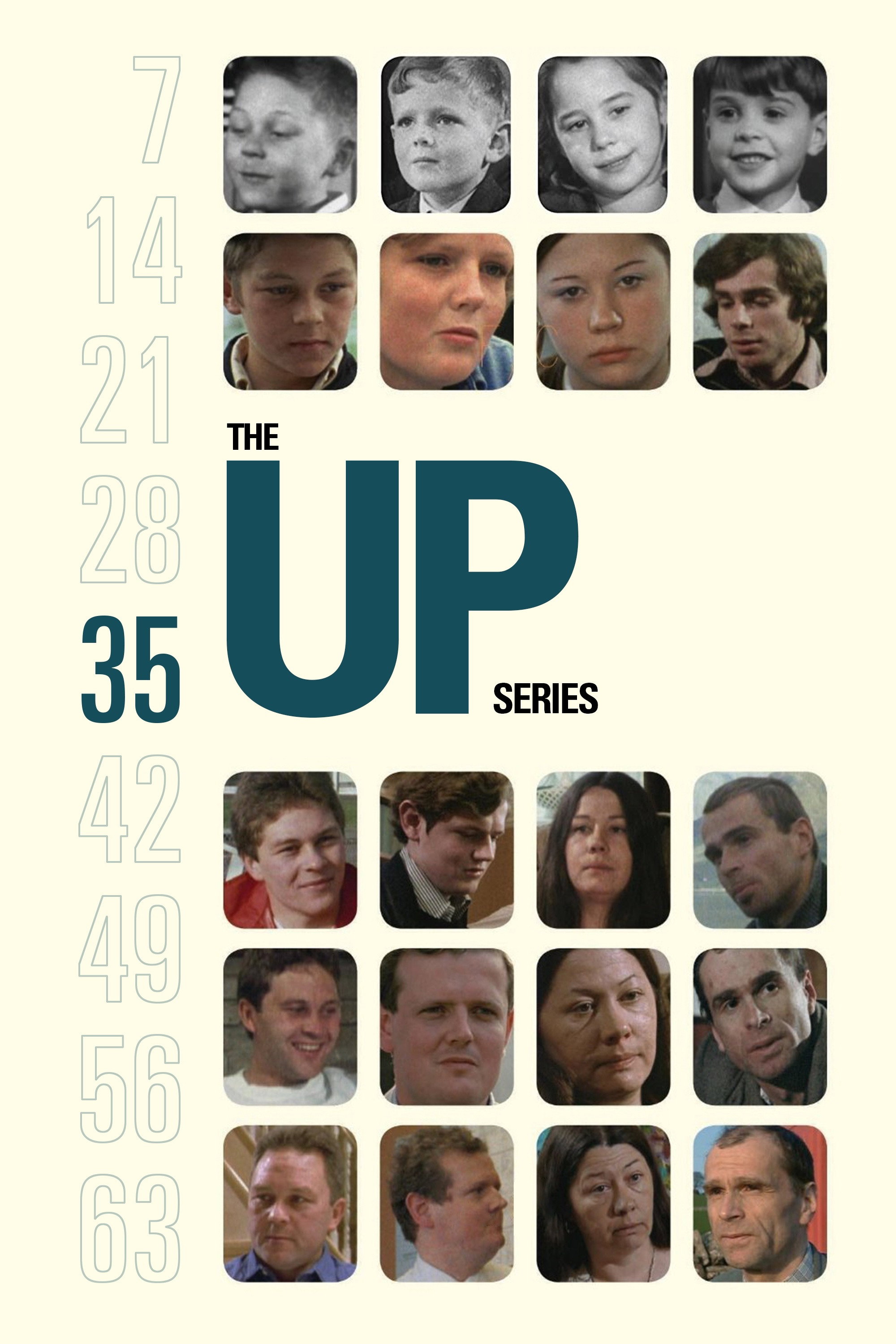
After another 7 year wait, director Michael Apted revisits the same group of British-born children from Seven Up! and 7 Plus Seven. The subjects are interviewed as to the changes that have occurred in their lives during the last seven years.
Those who knew iconic funnyman John Candy best share his story, in their own words, through never-before-seen archival footage, imagery, and interviews.
An inside look at one of the most anticipated movie sequels ever with James Cameron and cast.
A documentary on the expletive's origin, why it offends some people so deeply, and what can be gained from its use.
Alex Gibney explores the charged issue of pedophilia in the Catholic Church, following a trail from the first known protest against clerical sexual abuse in the United States and all way to the Vatican.
This revealing documentary honors the legendary Sidney Poitier—iconic actor, filmmaker, and civil rights activist. Featuring interviews with Denzel Washington, Spike Lee, Halle Berry, and more.
A group of British children aged 7 from widely ranging backgrounds are interviewed about a range of subjects. The filmmakers plan to re-interview them at 7 year intervals to track how their lives and attitudes change as they age.
Director Michael Apted revisits the same group of British-born adults after a 7 year wait. The subjects are interviewed as to the changes that have occurred in their lives during the last seven years.
In a crime-plagued neighborhood near Miami, brutal, bare-knuckled backyard fights give young men a chance to earn money -- and self-respect.
Over 35 years after Bob Lazar's revelations, this documentary exposes secrets of a facility the government still denies. Featuring Lazar's testimony, recreations, and new evidence, it reopens a case that continues to spark global curiosity
A look at the origins, history and conspiracies behind the "Majestic 12", a clandestine group of military and corporate figureheads charged with reverse-engineering extraterrestrial technology.
Alexander McQueen's rags-to-riches story is a modern-day fairy tale, laced with the gothic. Mirroring the savage beauty, boldness and vivacity of his design, this documentary is an intimate revelation of McQueen's own world, both tortured and inspired, which celebrates a radical and mesmerizing genius of profound influence.
49 Up is the seventh film in a series of landmark documentaries that began 42 years ago when UK-based Granada's World in Action team, inspired by the Jesuit maxim "Give me the child until he is seven and I will give you the man," interviewed a diverse group of seven-year-old children from all over England, asking them about their lives and their dreams for the future. Michael Apted, a researcher for the original film, has returned to interview the "children" every seven years since, at ages 14, 21, 28, 35, 42 and now again at age 49.In this latest chapter, more life-changing decisions are revealed, more shocking announcements made and more of the original group take part than ever before, speaking out on a variety of subjects including love, marriage, career, class and prejudice.
Al Pacino's deeply-felt rumination on Shakespeare's significance and relevance to the modern world through interviews and an in-depth analysis of "Richard III."
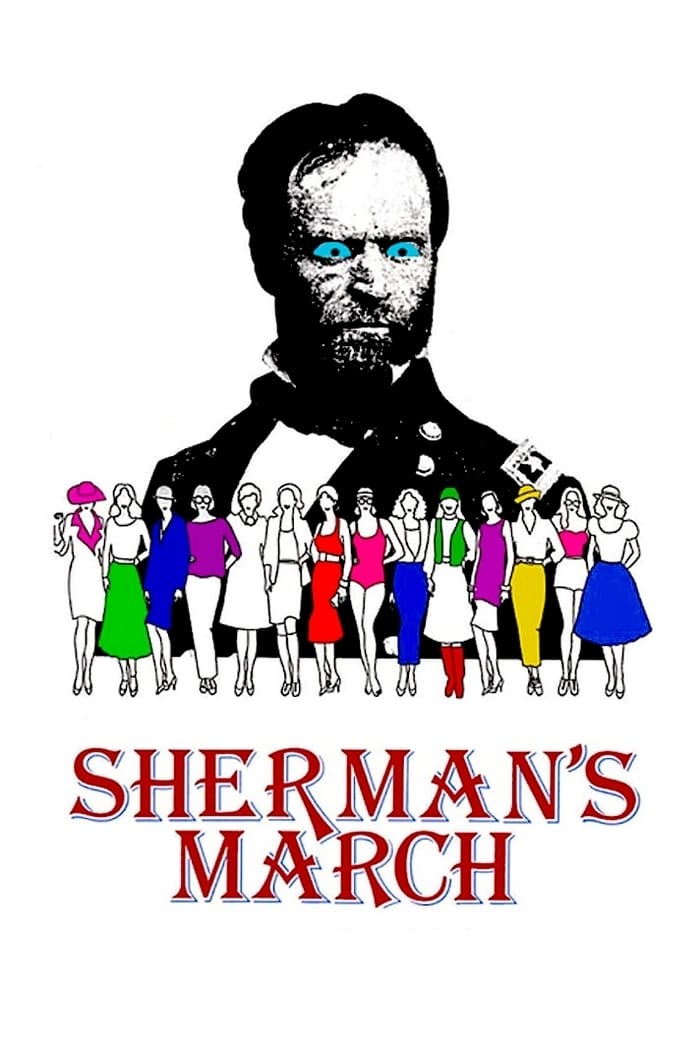
Documentarian Ross McElwee originally set out to make a travelogue of sorts tracing General William T. Sherman's infamous scorched-earth march through the Confederacy in the latter stages of the Civil War. Instead, haunted by a recent breakup with a girlfriend, McElwee ends up documenting his progress -- or lack thereof -- in starting a new relationship. His journey then becomes one of self-reflection and self-discovery rather than a historical/sociological exploration.
Daniel Craig candidly reflects on his 15 year adventure as James Bond. Including never-before-seen archival footage from Casino Royale to the upcoming 25th film No Time To Die, Craig shares his personal memories in conversation with 007 producers, Michael G Wilson and Barbara Broccoli.
Using the book 'Fragments', which collects Marilyn Monroe's poems, notes and letters, and with participation from the Arthur Miller and Truman Capote estates who have contributed more material, each of the actresses will embody the legend at various stages in her life.