Social & External
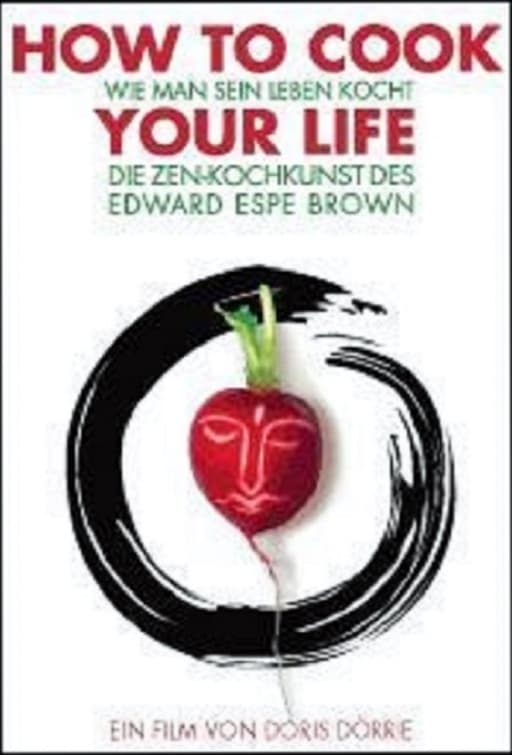
A Zen priest in San Francisco and cookbook author use Zen Buddhism and cooking to relate to everyday life.
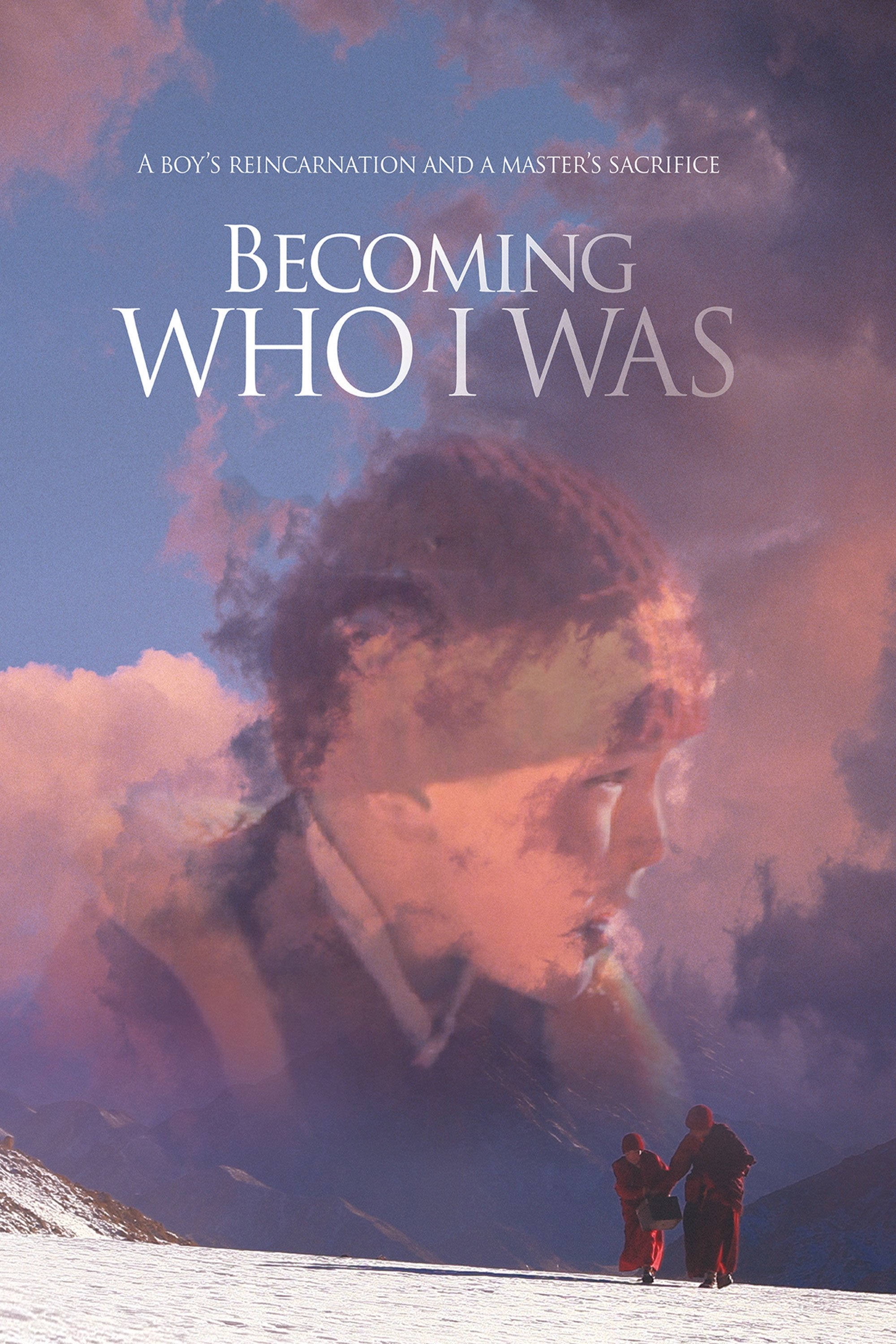
Angdu is no ordinary boy. Indeed, in a past life he was a venerated Buddhist master. His village already treats him like a saint as a result. The village doctor, who has taken the boy under his wing, prepares him to be able to pass on his wisdom. Alas, Tibet, Angdu’s former homeland and the centre of his faith, lies far away from his current home in the highlands of Northern India. On top of that, the conflict between China and Tibet makes the prospect of a trip there even more daunting. Undeterred by these harsh facts, the duo set off for their destination on foot, accompanied by questions of friendship and the nature of life. With its narrative approach steeped in a serene sense of concentration, this documentary film, composed over a period of eight years, stands as a fundamental experience in its own right.
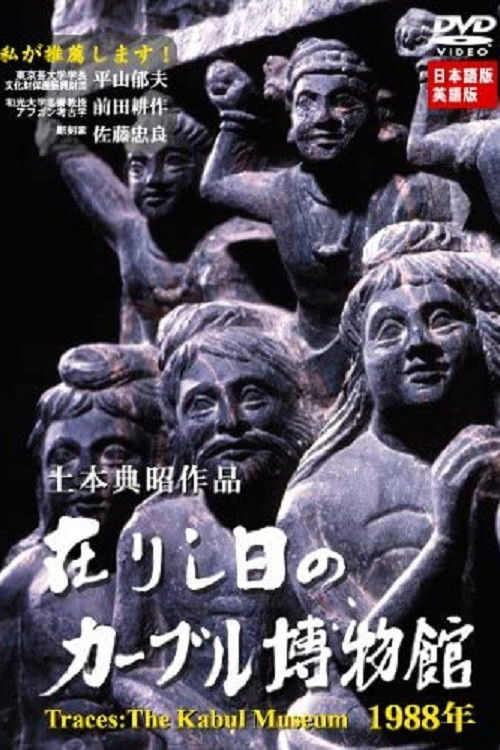
The Kabul National Museum, once known as the "face of Afghanistan," was destroyed in 1993. We filmed the most important cultural treasures of the still-intact museum in 1988: ancient Greco-Roman art and antiquitied of Hellenistic civilization, as well as Buddhist sculpture that was said to have mythology--the art of Gandhara, Bamiyan, and Shotorak among them. After the fall of the Democratic Republic of Afghanistan in 1992, some seventy percent of the contents of the museum was destroyed, stolen, or smuggled overseas to Japan and other countries. The movement to return these items is also touched upon. The footage in this video represents that only film documentation of the Kabul Museum ever made.
Narrated by Benedict Cumberbatch, Walk With Me is a cinematic journey into the world of a monastic community who practice the art of mindfulness with Zen Buddhist master Thich Nhat Hanh.
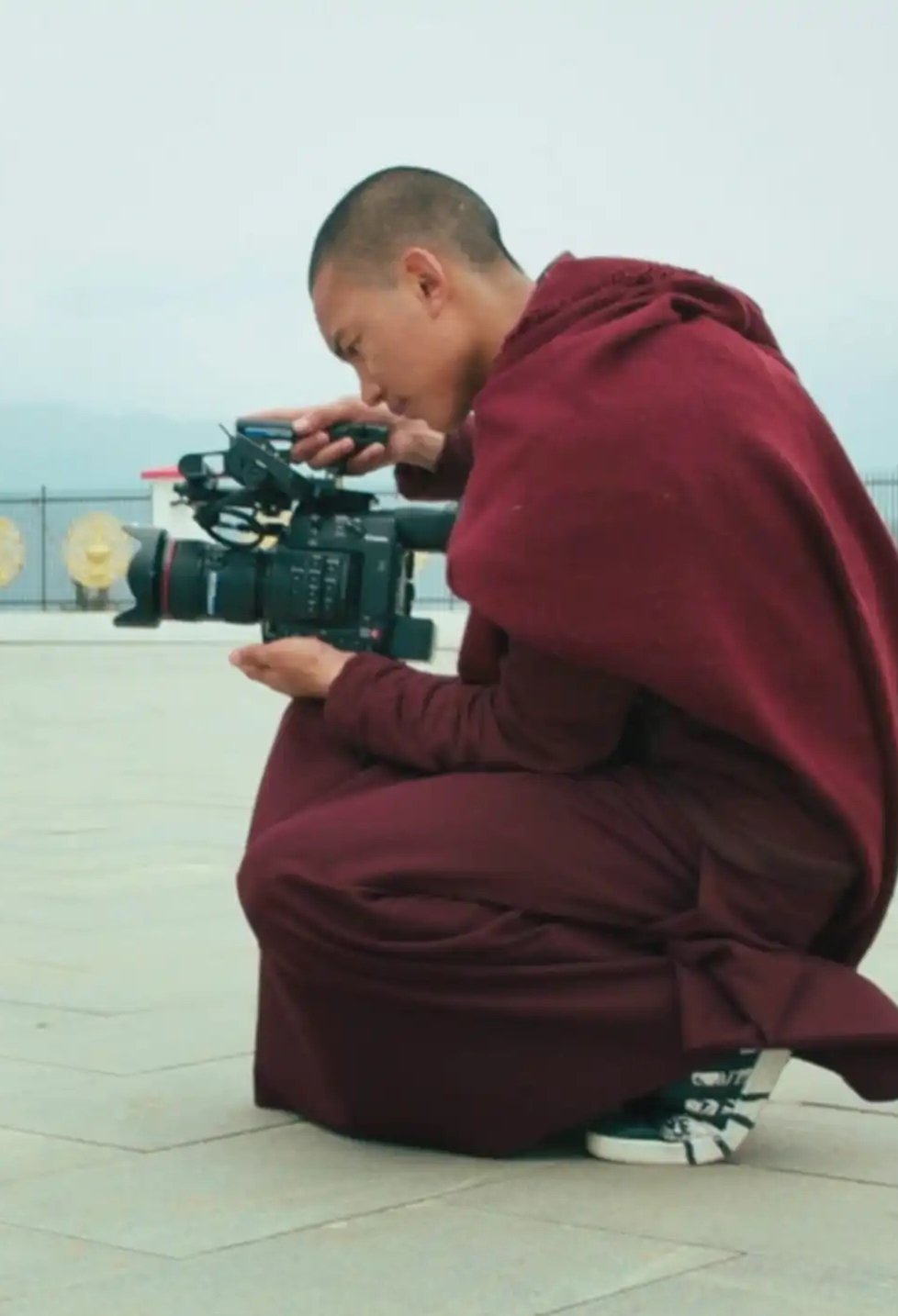
Rinzin Jurmey chose to join a monastery and dedicate his life to Buddhism at the age of 11, loving its rituals and traditions. Now 18, he moves harmoniously between mountain village and city, embracing tradition and pop culture, religion and hip-hop, prayer and video games. With guidance from cinematographer Cat Papadimitriou, Jurmey documents the ways in which he – and his country – are striving to preserve ancient practices while embracing modernity.
Buddhist monks open up about the joys and challenges of living out the precepts of the Buddha as a full-time vocation. Controversies swirling within modern monastic Buddhism are examined, from celibacy and the role of women to racism and concerns about the environment.
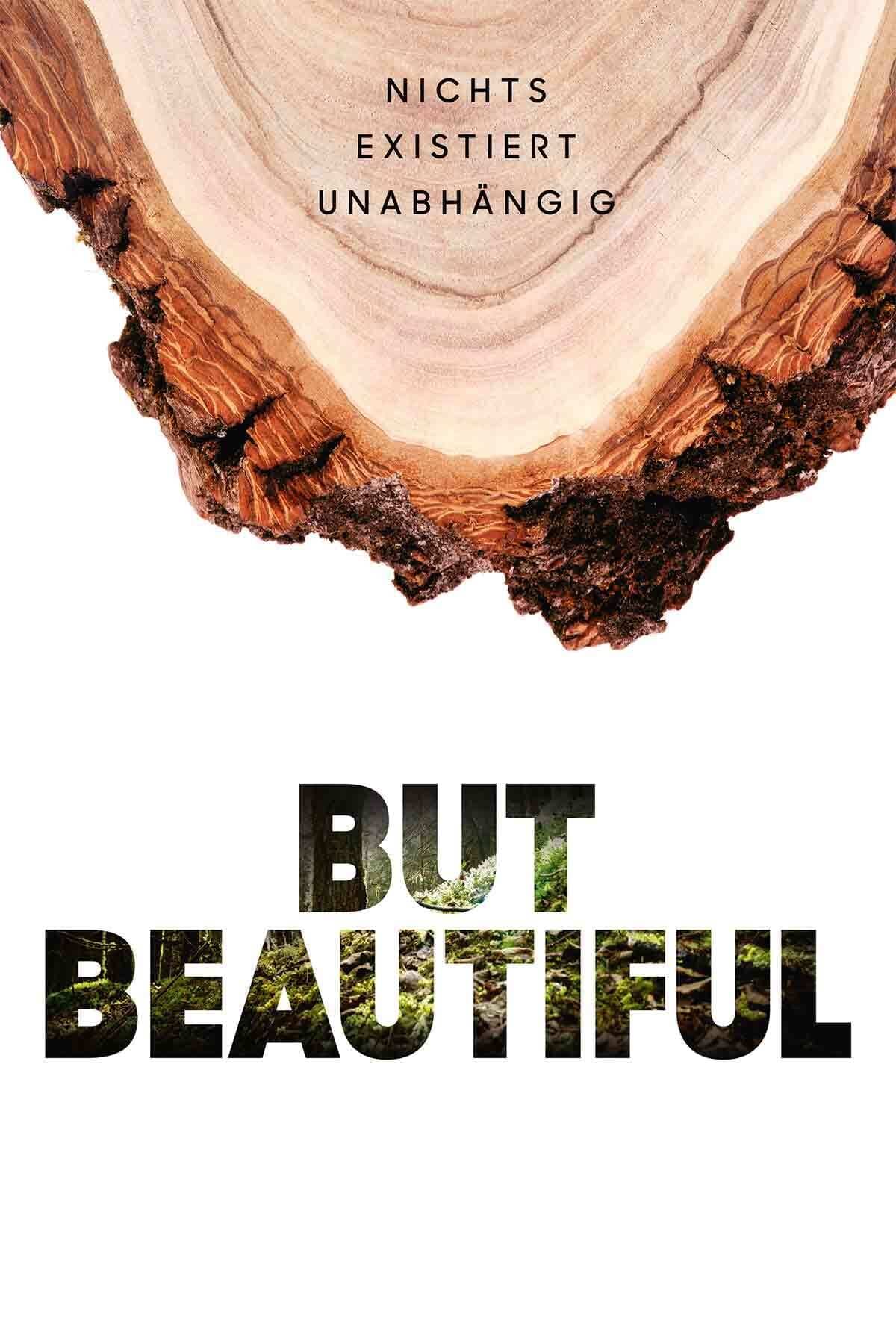
In his new film, Erwin Wagenhofer is looking for the good and beautiful in this world.
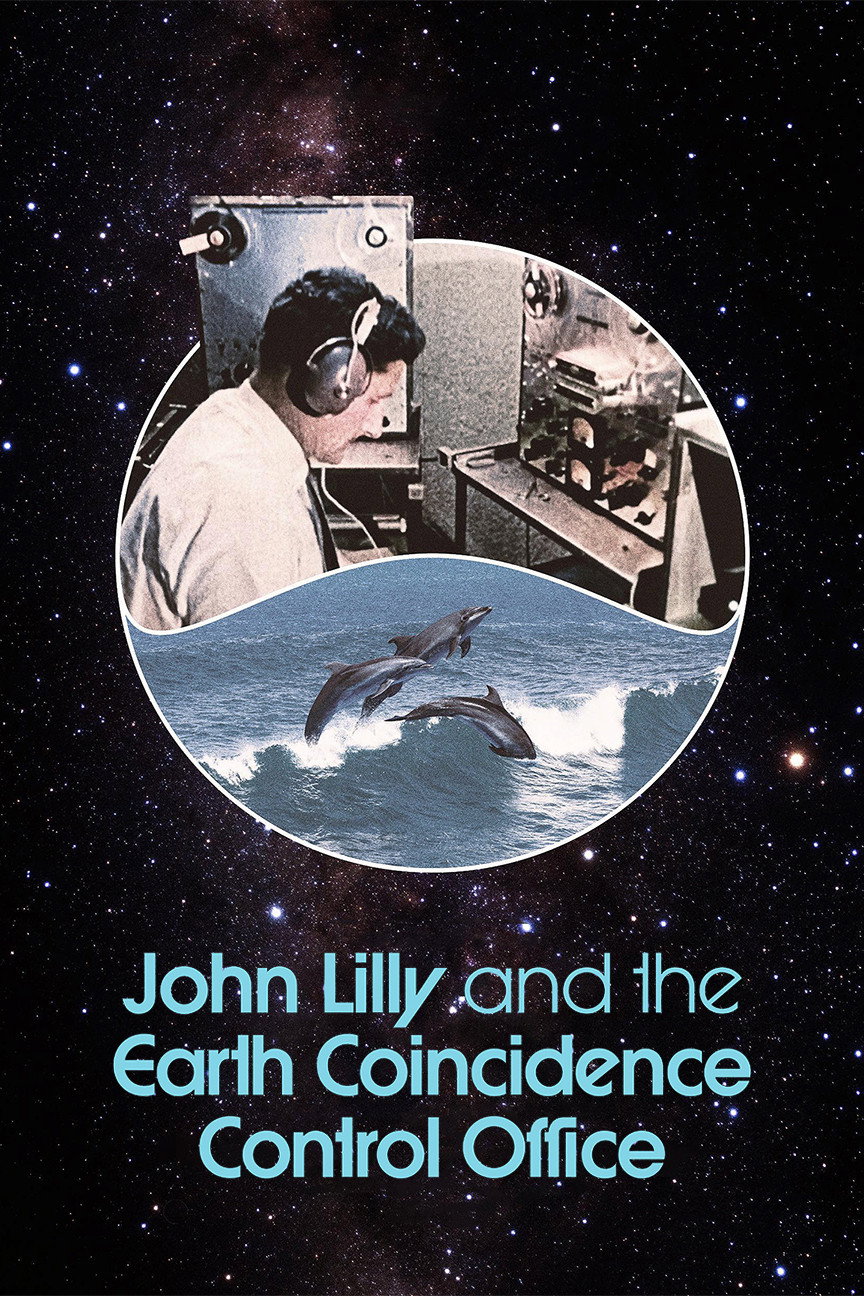
The daring experimenter Dr. John C. Lilly dedicated his life to radical self-investigation and unlocking the mysteries of consciousness and communication. “My body is my laboratory” was the motto, and his research on the language of dolphins and whales – as well as psychedelics and sensory deprivation – assured his own cult status in 20th-century pop culture as the basis for Ken Russel’s Altered States and Mike Nichols’s The Day of the Dolphin. Directors Michael Almareyda and Courtney Stephens, along with narrator Chloë Sevigny, explore the life of a determined scientist and his experiments into the psychonautical unknown.
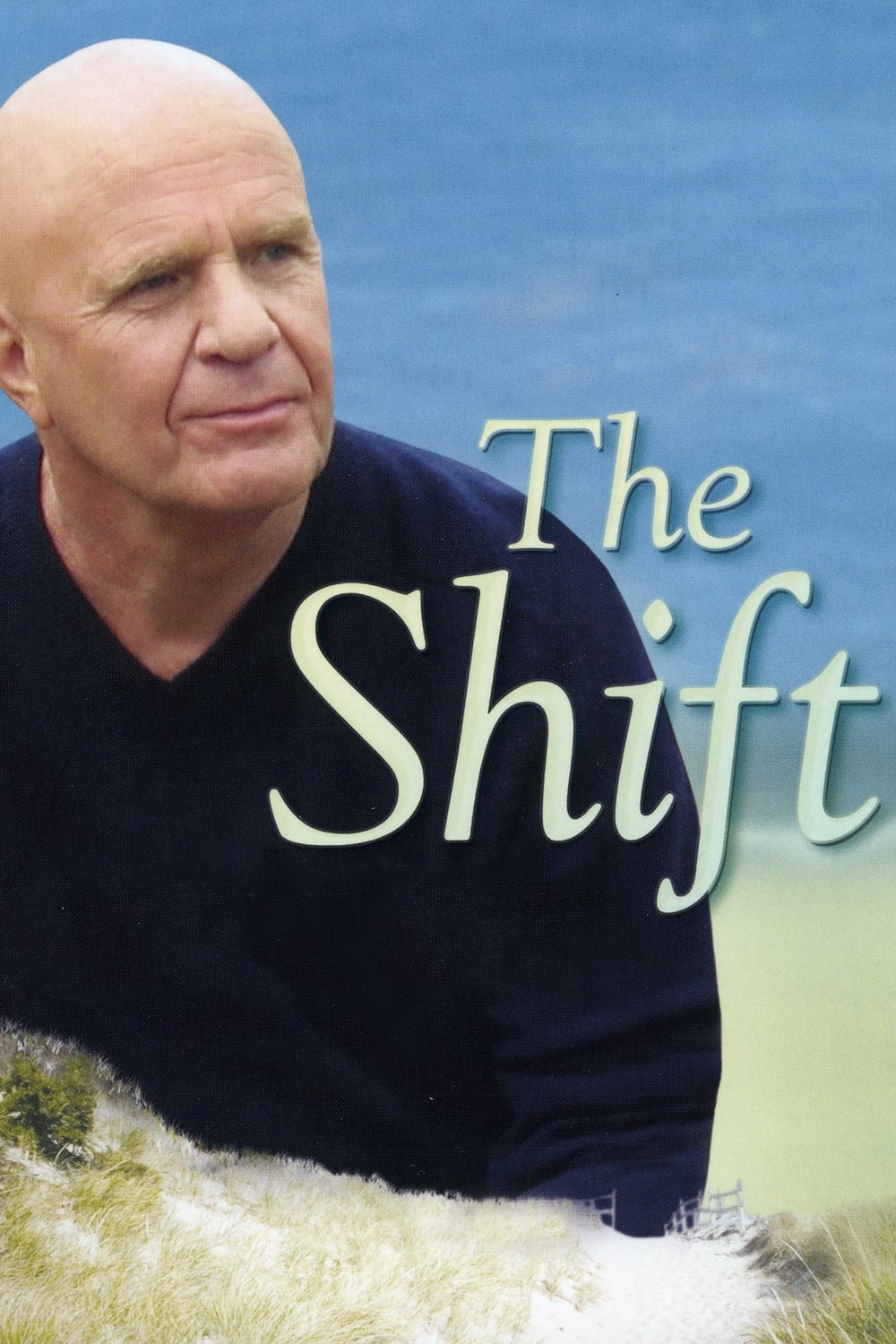
From the creators of You Can Heal Your Life: The Movie comes a compelling portrait of three modern lives in need of new direction and new meaning. In his first-ever movie, Wayne Dyer explores the spiritual journey in the second half of life when we long to find the purpose that is our unique contribution to the world. The powerful shift from the ego constructs we are taught early in life by parents and society—which promote an emphasis on achievement and accumulation—are shown in contrast to a life of meaning, focused on serving and giving back. Filmed on coastal California’s spectacular Monterey Peninsula, The Shift captures every person’s mid-life longing for a more purposeful, soul-directed life.
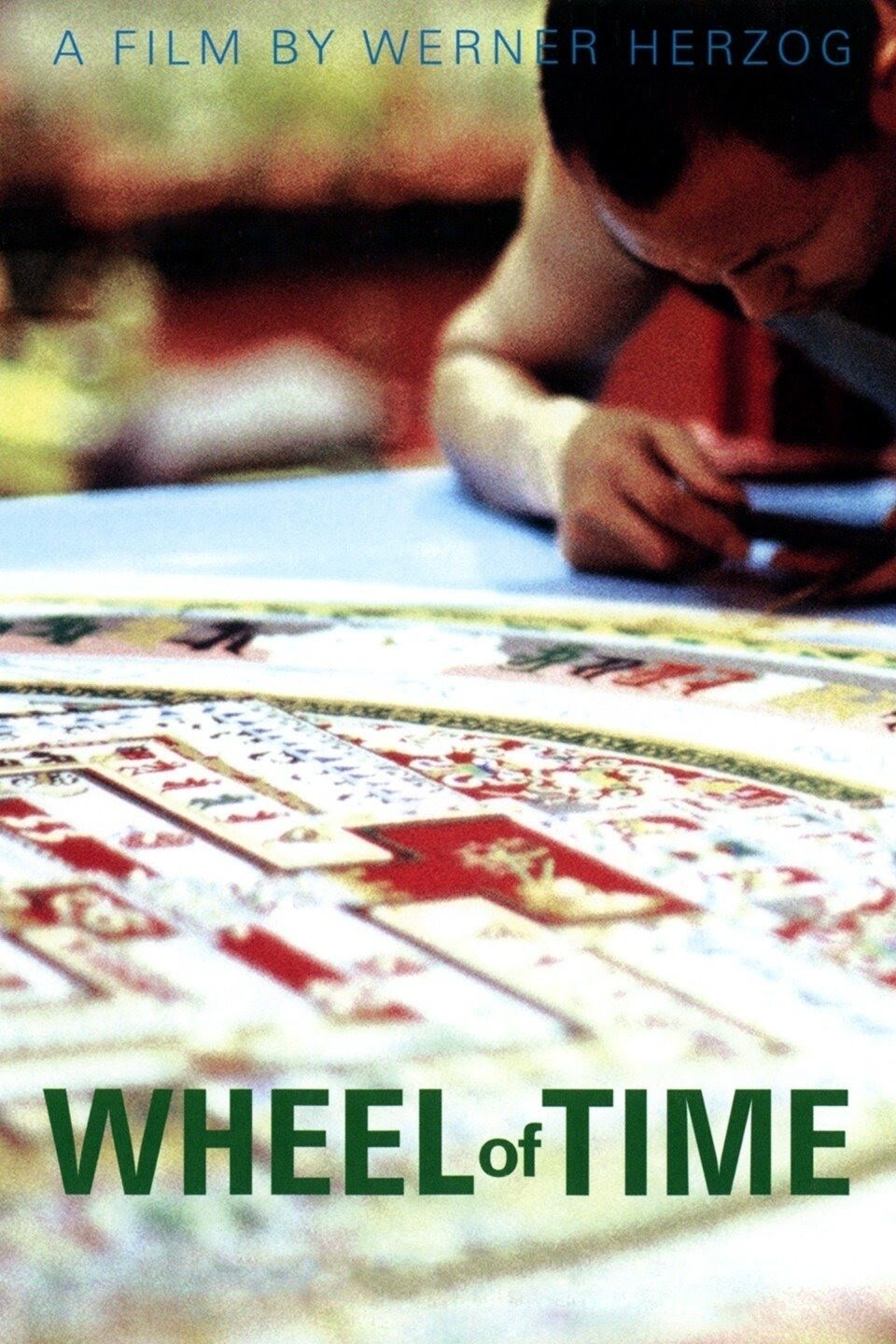
Wheel of Time is Werner Herzog's photographed look at the largest Buddhist ritual in Bodh Gaya, India.
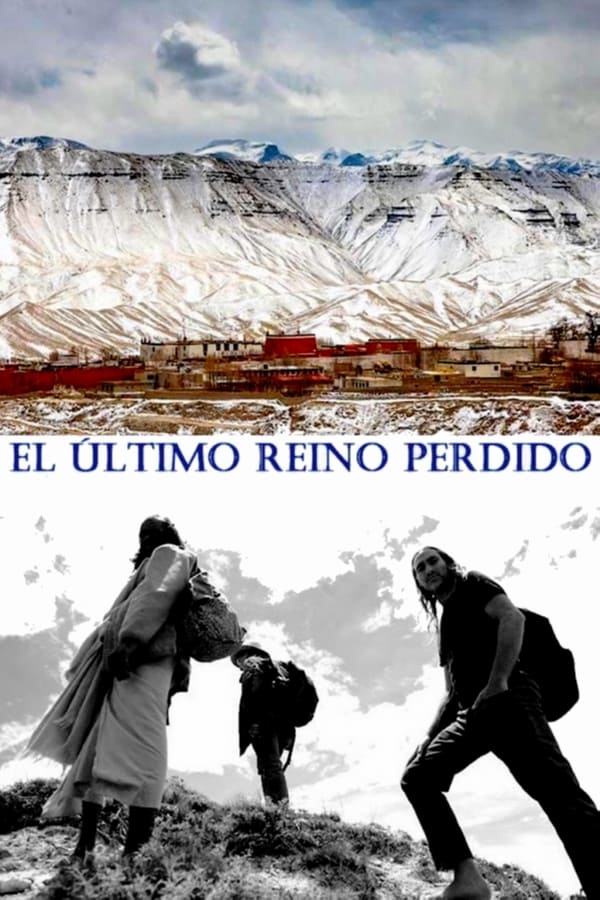
Following in the footsteps of his father, Folco Felzani embarks on an epic journey on foot in search of Mustang, the last lost kingdom, in northern Nepal. The story of a king without a kingdom. The adventure of a son without a father.
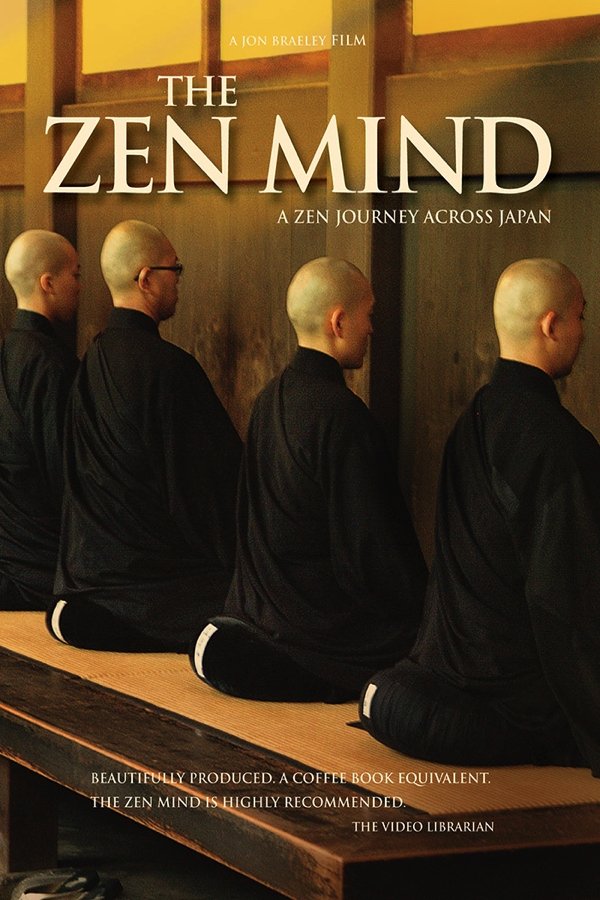
In the last fifty years the culture of Zen has spread far beyond Japan. Zen centers and zen retreats have sprung up throughout America and Europe. When Dogen, the founder of Soto Zen, brought Zen to Japan from China 800 years ago, it quickly took root and became an integral part of Japanese life. Yet what do we know about zen practice in Japan today? The Zen Mind is a fascinating journey across Japan to explore zen in its natural habitat.
This documentary for PBS by award-winning filmmaker David Grubin and narrated by Richard Gere, tells the story of the Buddha’s life, a journey especially relevant to our own bewildering times of violent change and spiritual confusion. It features the work of some of the world’s greatest artists and sculptors, who across two millennia, have depicted the Buddha’s life in art rich in beauty and complexity. Hear insights into the ancient narrative by contemporary Buddhists, including Pulitzer Prize winning poet W.S. Merwin and His Holiness the Dalai Lama. Join the conversation and learn more about meditation, the history of Buddhism, and how to incorporate the Buddha’s teachings on compassion and mindfulness into daily life.
The influential life and powerful messages of Vietnamese Buddhist monk Thich Nhat Hanh are explored in this biographical documentary. For more than 50 years, this amazing social activist has preached self-awareness and compassion for all living beings. Follow him as he travels through France and the United States—including a stop at the Vietnam War Memorial in Washington, D.C.—spreading peace by teaching mindfulness and forgiveness.
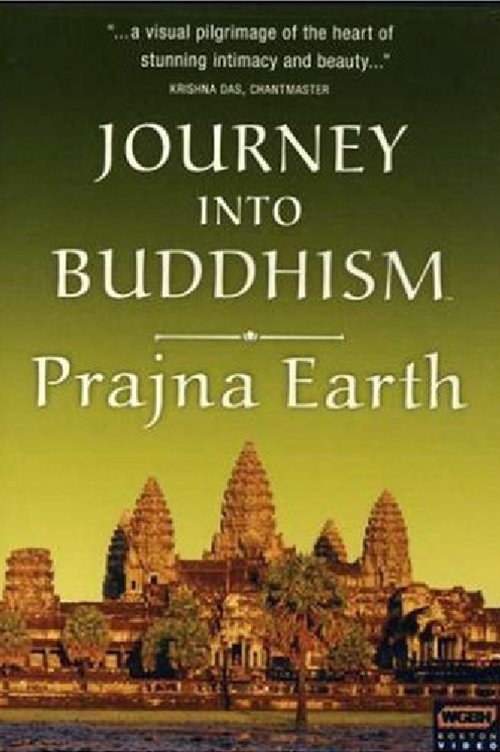
Prajna is the Sanskrit word for radiant wisdom, and yatra is the word for pilgrimage or spiritual journey. This visually stunning documentary is a cinematic pilgrimage exploring the lost civilization of Angkor in Cambodia, including the largest temple in the world, the magnificent Angkor Wat. The journey continues to sacred sites of the natural world, Hindu Bali, jungles of Java, and discovering Buddhist Borobudur. A John Bush film.
After World War II a group of young writers, outsiders and friends who were disillusioned by the pursuit of the American dream met in New York City. Associated through mutual friendships, these cultural dissidents looked for new ways and means to express themselves. Soon their writings found an audience and the American media took notice, dubbing them the Beat Generation. Members of this group included writers Jack Kerouac, William Burroughs, Allen Ginsberg. a trinity that would ultimately influence the works of others during that era, including the "hippie" movement of the '60s. In this 55-minute video narrated by Allen Ginsberg, members of the Beat Generation (including the aforementioned Burroughs, Anne Waldman, Peter Orlovsky, Amiri Baraka, Diane Di Prima, and Timothy Leary) are reunited at Naropa University in Boulder, CO during the late 1970's to share their works and influence a new generation of young American bohemians.
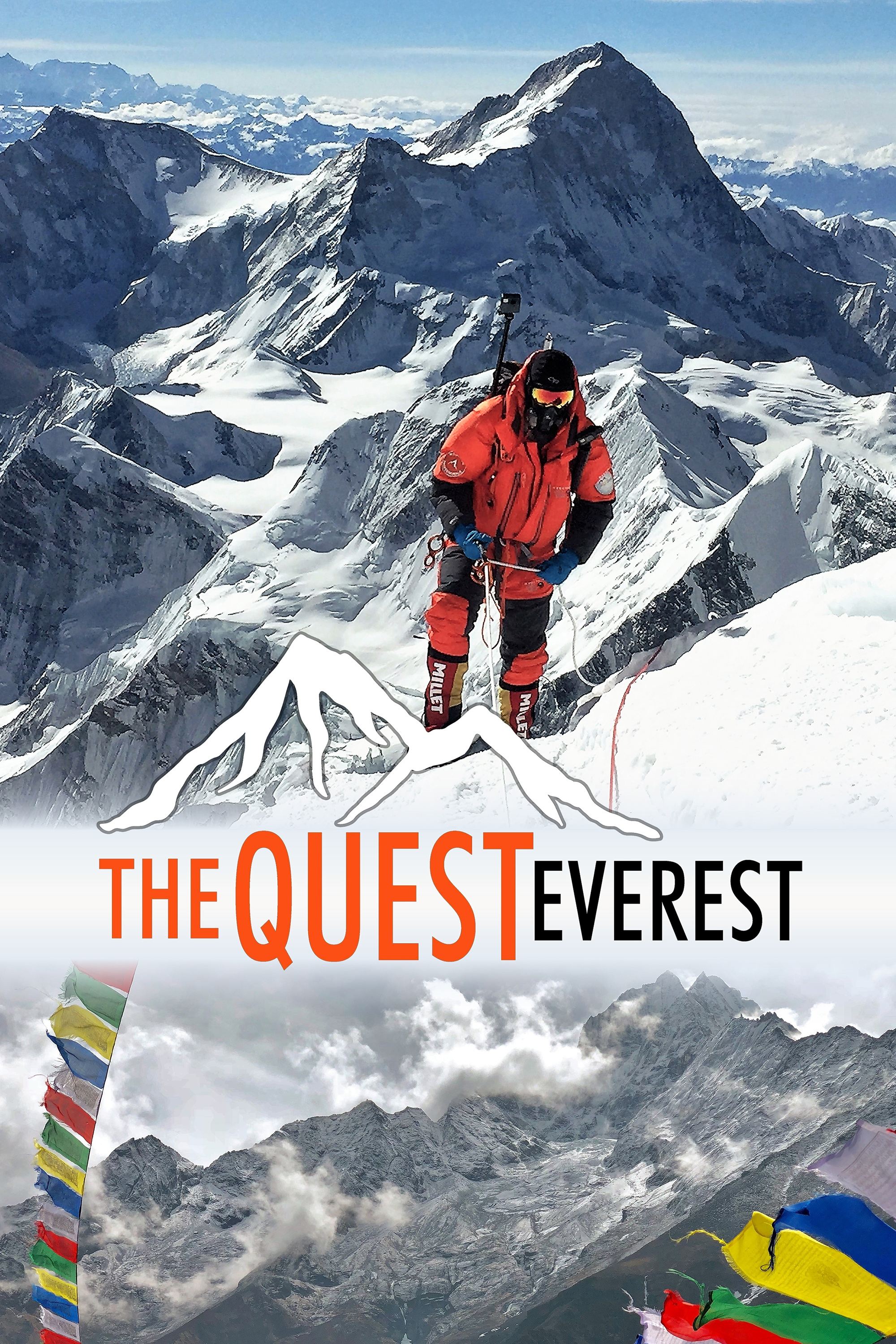
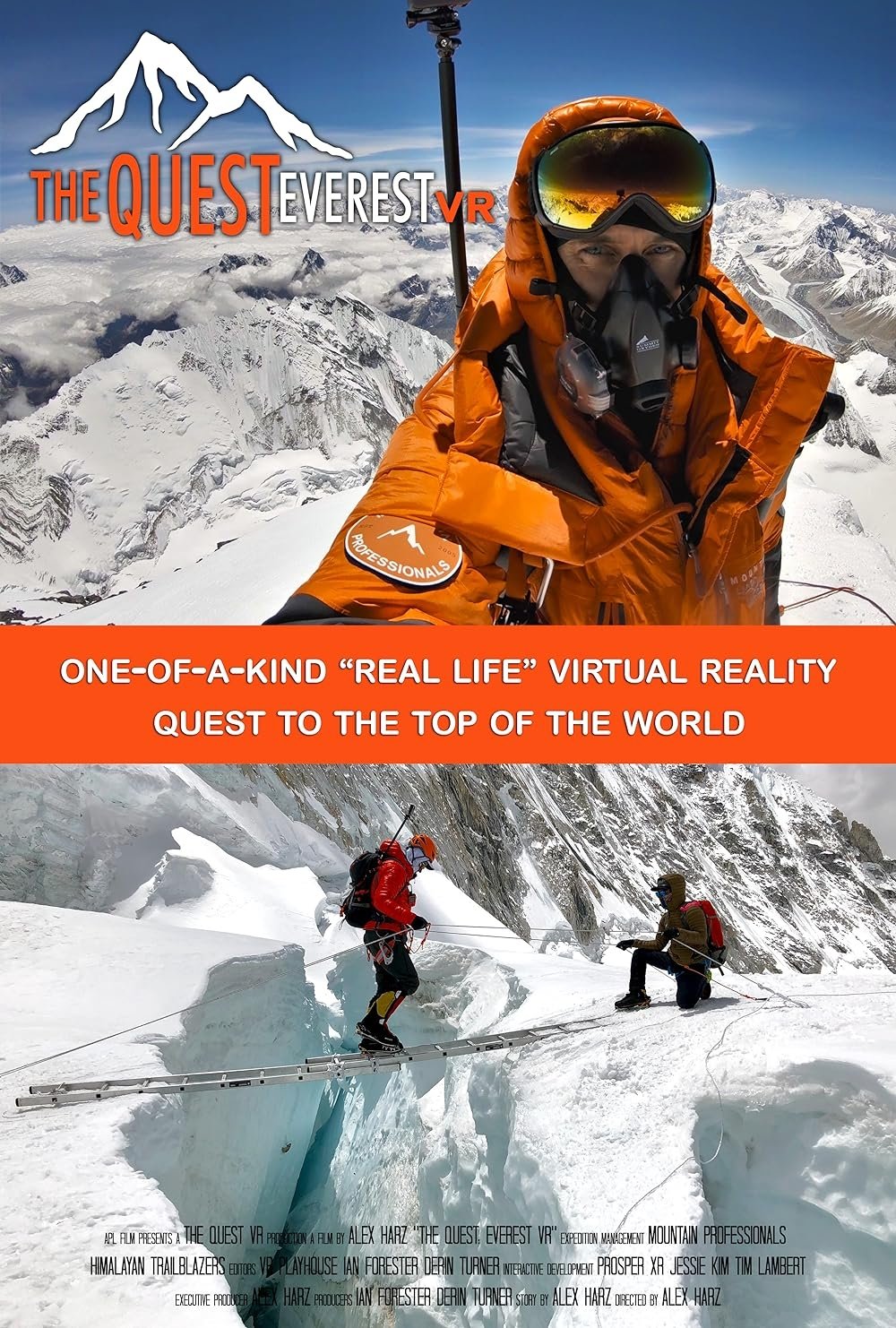
THE QUEST: Everest is a journey to deeper understand and climb the most iconic mountain in the world, Mt. Everest, and to reveal its amazing history and culture. From experiencing Everest like never before to witnessing unique stories about one of the most remarkable places on earth, THE QUEST: Everest is a one-of-a-kind cinematic tribute to the human spirit of adventure that lives inside us all.
'THE QUEST: Everest VR' is a one-of-a-kind "real-life" Virtual Reality documentary to climb and reveal the most legendary mountain on earth, Mt. Everest, in stunning 360 degree video! It is the only real-life Virtual Reality experience that puts you directly in the boots with filmmaker and explorer, Alex Harz, on an epic 52 day quest to the Top of the World (29,032 feet / 8849 meters), and the closest thing to climbing Everest without all the rigorous training, planning and high risk needed to physically step foot on the mountain! 'THE QUEST: Everest VR' can be experienced worldwide in Virtual Reality headsets, and on computers, phones, tablets, etc...
A detailing of the rise to prominence and global sporting superstardom of six supremely talented young Manchester United football players (David Beckham, Nicky Butt, Ryan Giggs, Paul Scholes, Phil and Gary Neville). The film covers the period 1992-1999, culminating in Manchester United's European Cup triumph.
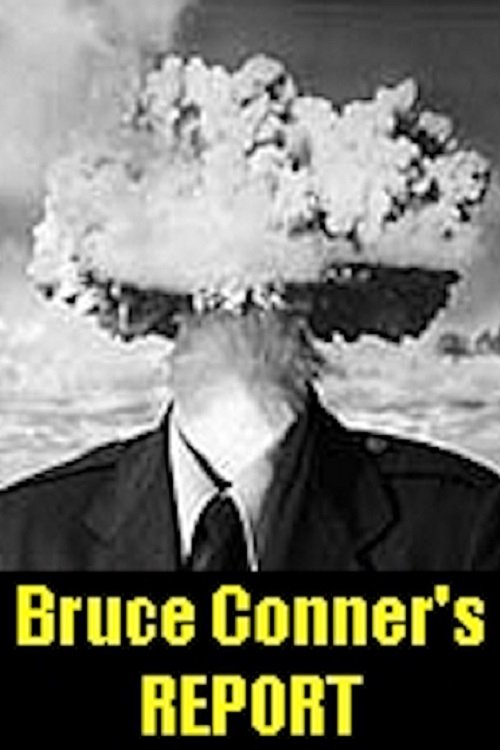
Bruce Conner’s most celebrated film for a reason: it takes historical moments that were replayed over and over on television—chilling repetition of Kennedy assassination coverage—and repurposes them into a meditation on how the media tries to exert authority and apply a sense of order to the anarchic. And though it may sound perverse to say so, the film is also—not incidentally—a thrill to watch. -- The A.V. Club
A documentary on a former Miss Wyoming who is charged with abducting and imprisoning a young Mormon Missionary.
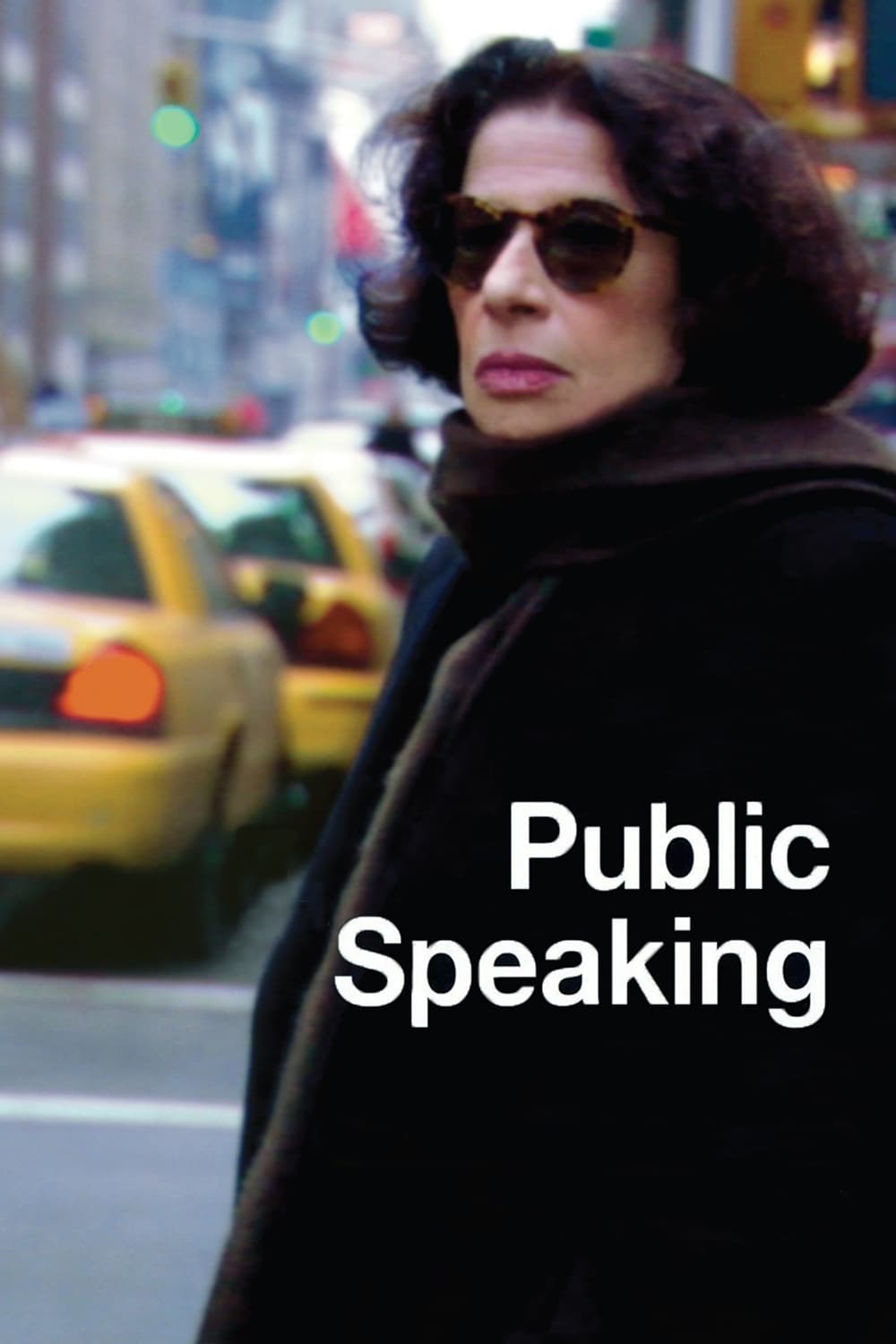
Martin Scorsese’s portrait of writer and social commentator Fran Lebowitz, celebrated for her sharp wit and observations on modern life. Filmed at New York’s Waverly Inn and intercut with archival footage and interviews, the documentary captures Lebowitz’s distinctive worldview through her spontaneous monologues and public appearances.
SEDUCED AND ABANDONED combines acting legend Alec Baldwin with director James Toback as they lead us on a troublesome and often hilarious journey of raising financing for their next feature film. Moving from director to financier to star actor, the two players provide us with a unique look behind the curtain at the world's biggest and most glamourous film festival, shining a light on the bitter-sweet relationship filmmakers have with Cannes and the film business. Featuring insights from directors Martin Scorsese, 'Bernando Bertolucci' and Roman Polanski; actors Ryan Gosling and Jessica Chastain and a host of film distribution luminaries.
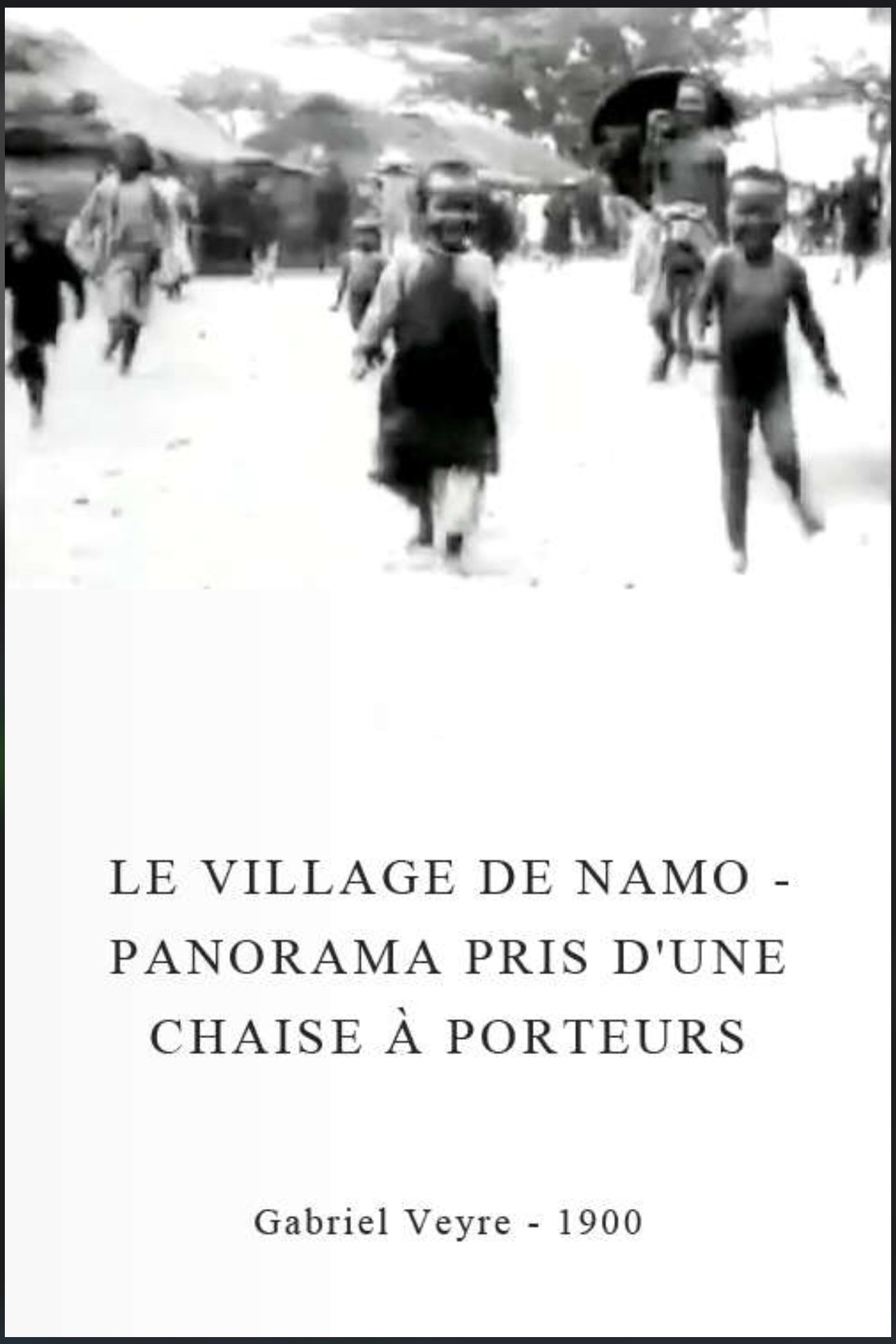
The film is a panorama shot-scene lasting just under a minute. The panorama film, as coined by Lumière, is a moving-camera shot--usually accomplished by placing the camera on a moving transport, such as a boat or train.
Those who knew iconic funnyman John Candy best share his story, in their own words, through never-before-seen archival footage, imagery, and interviews.
When Allied forces liberated the Nazi concentration camps in 1944-45, their terrible discoveries were recorded by army and newsreel cameramen, revealing for the first time the full horror of what had happened. Making use of British, Soviet and American footage, the Ministry of Information’s Sidney Bernstein (later founder of Granada Television) aimed to create a documentary that would provide lasting, undeniable evidence of the Nazis’ unspeakable crimes. He commissioned a wealth of British talent, including editor Stewart McAllister, writer and future cabinet minister Richard Crossman – and, as treatment advisor, his friend Alfred Hitchcock. Yet, despite initial support from the British and US Governments, the film was shelved, and only now, 70 years on, has it been restored and completed by Imperial War Museums under its original title "German Concentration Camps Factual Survey".
A documentary about the life and films of director John Ford.
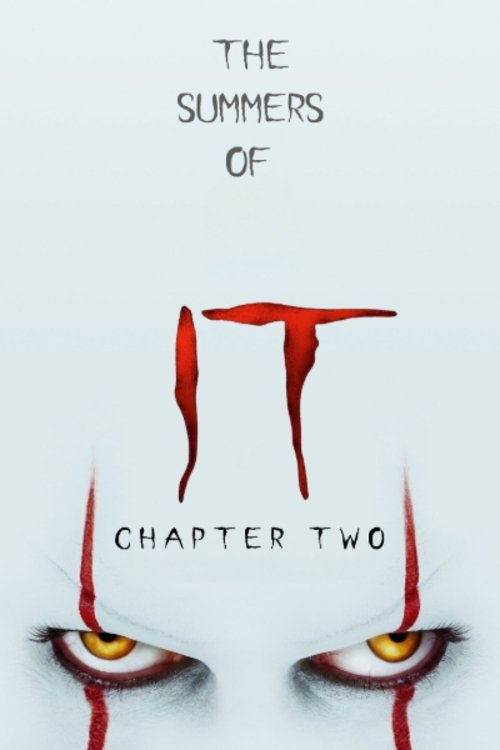
This documentary focuses on the actors and their journey over two summers to create the remake to the original IT, by Stephen King. The documentary originally released as bonus material, bundled with IT: Chapter Two.
The life and career of an actor, artist, and icon. His own journey through his own camera.
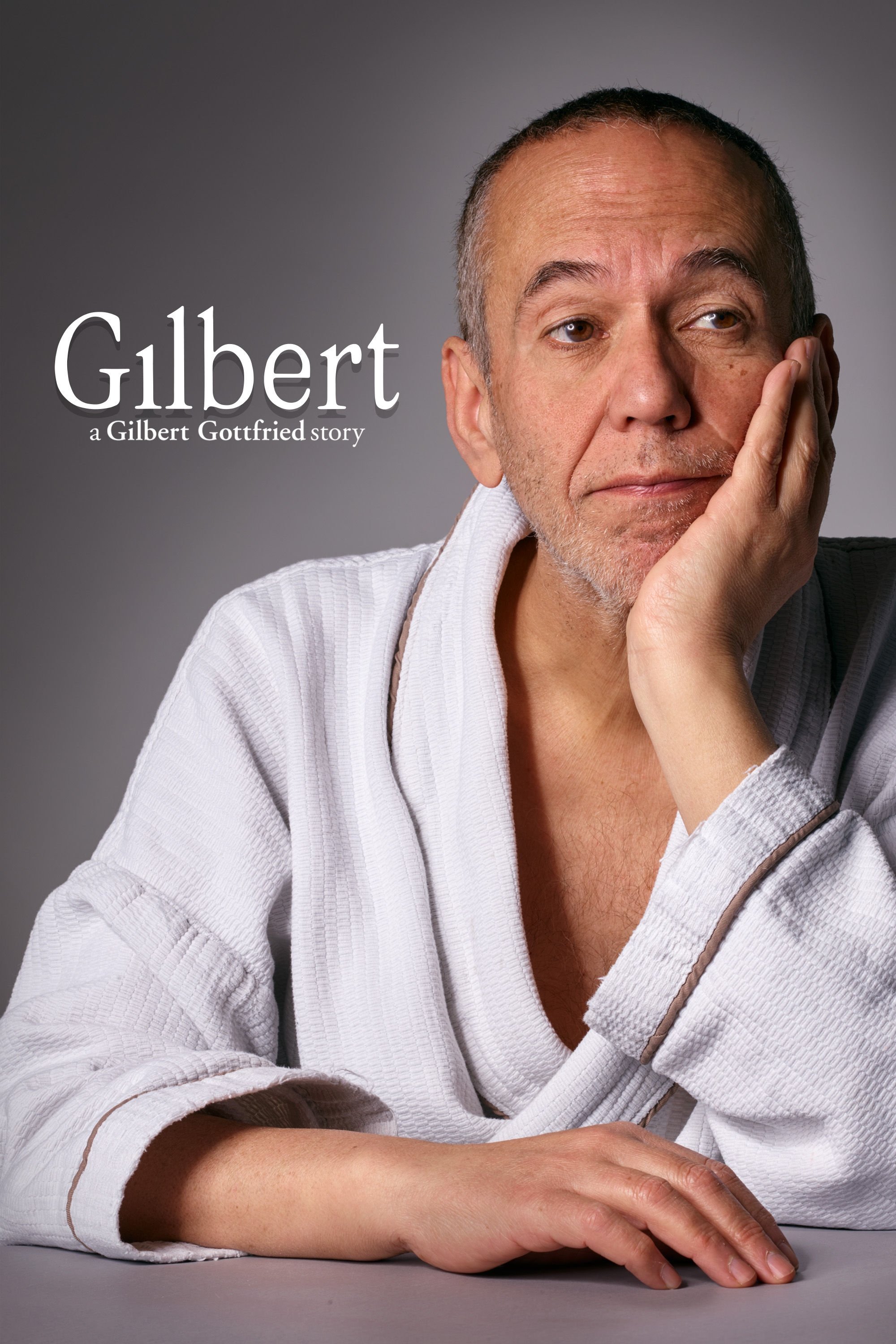
The life and career of one of comedy's most inimitable modern voices, Mr. Gilbert Gottfried.
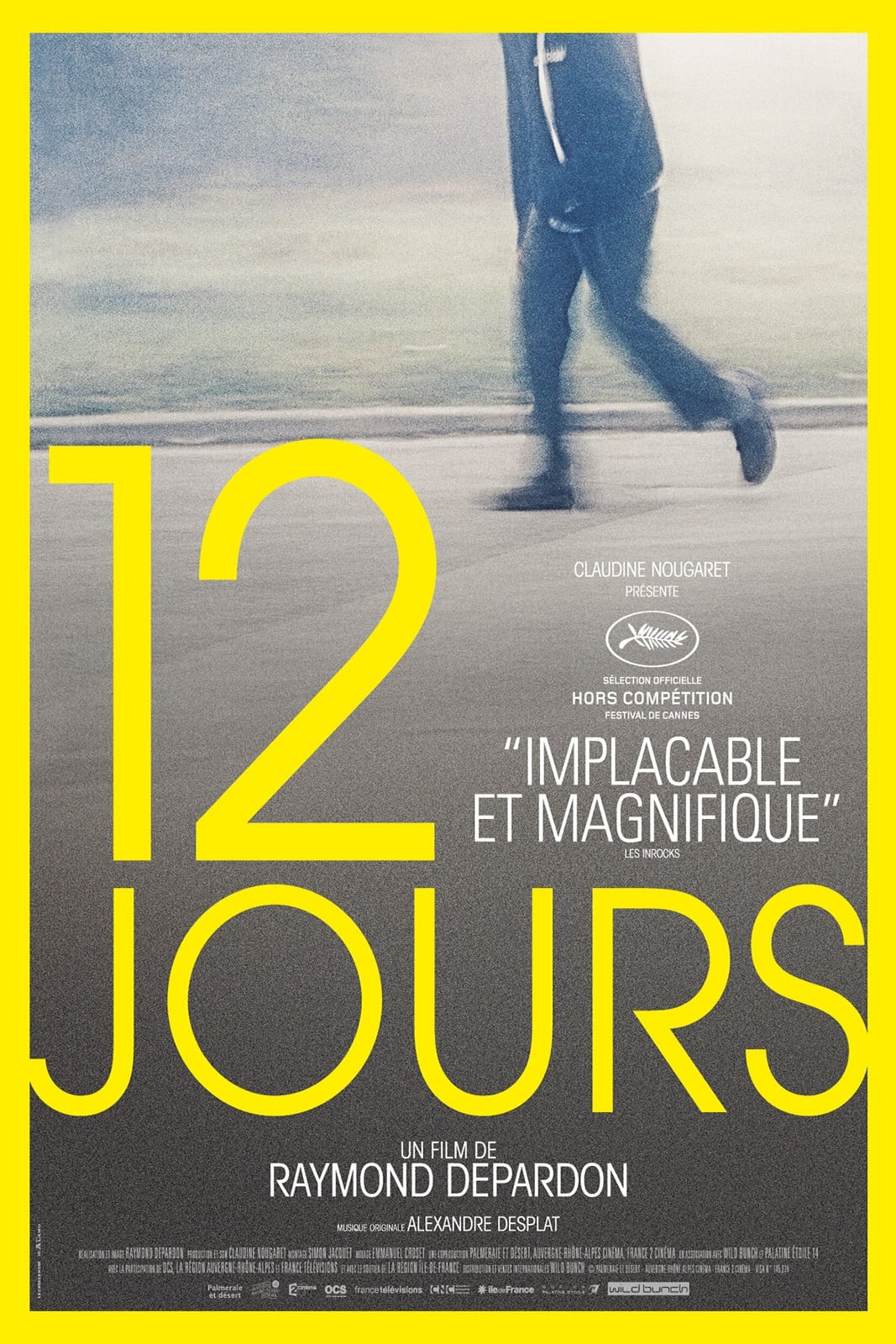
A new documentary by filmmaker-photographer Raymond Depardon – where justice and psychiatry meet.
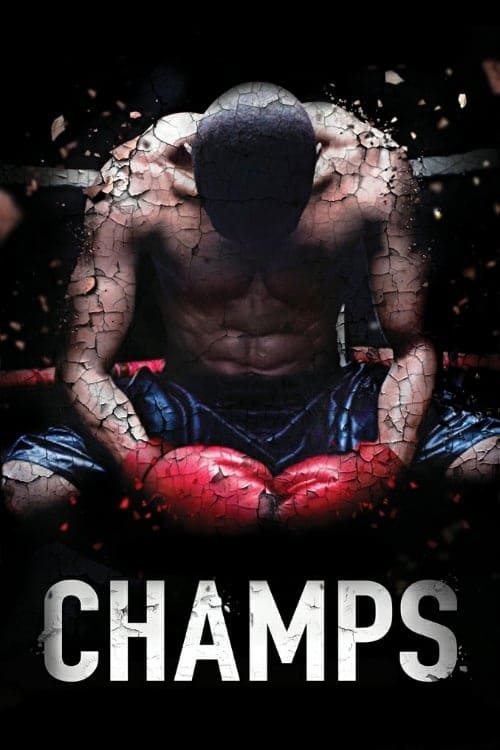
A documentary about the sport of boxing, as seen through the eyes of champions Mike Tyson, Evander Holyfield and Bernard Hopkins.
Daniel Craig candidly reflects on his 15 year adventure as James Bond. Including never-before-seen archival footage from Casino Royale to the upcoming 25th film No Time To Die, Craig shares his personal memories in conversation with 007 producers, Michael G Wilson and Barbara Broccoli.
This character-driven film considers the evolving sex trafficking landscape as seen by the main players: the exploited, the pimps, the johns that fuel the business, and the cops who fight to stop it.
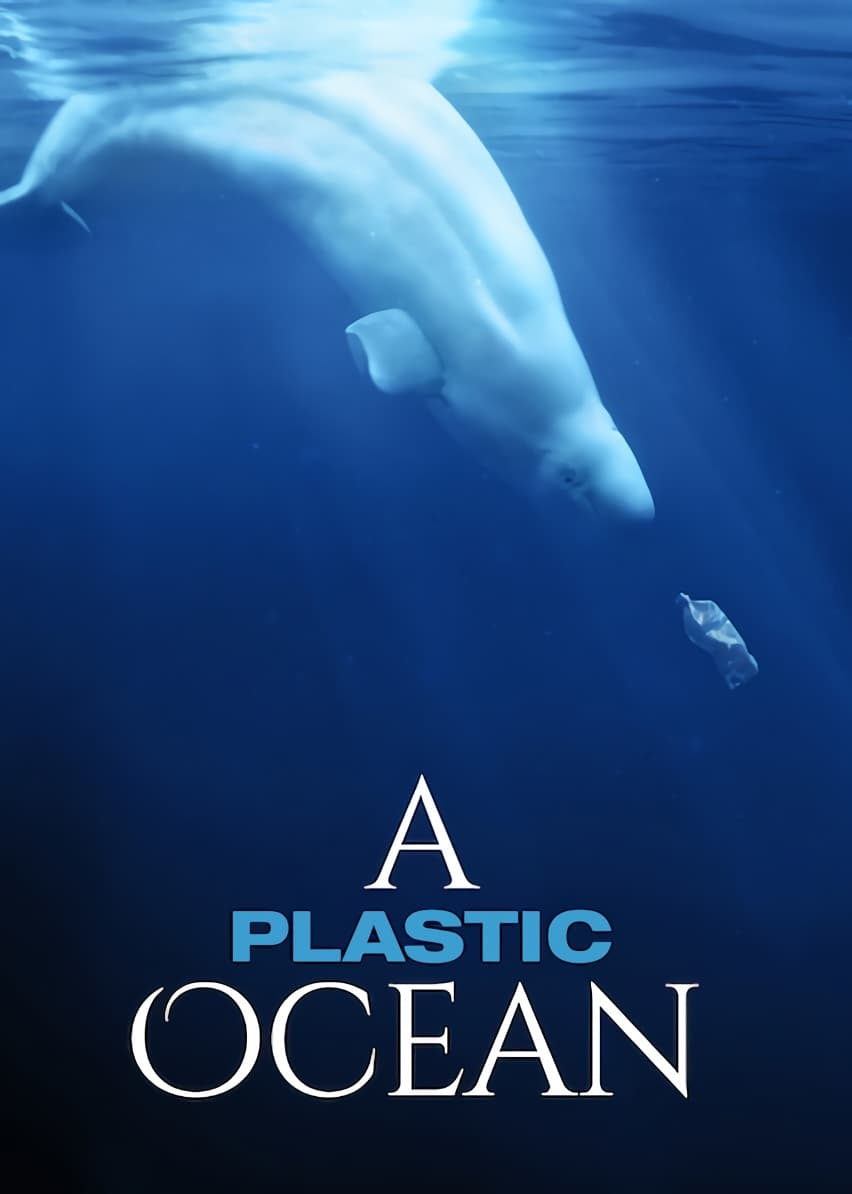
A documentary focused on plastic pollution in the world's oceans.
The film follows adventurer Jeff Johnson as he retraces the epic 1968 journey of his heroes Yvon Chouinard and Doug Tompkins to Patagonia.
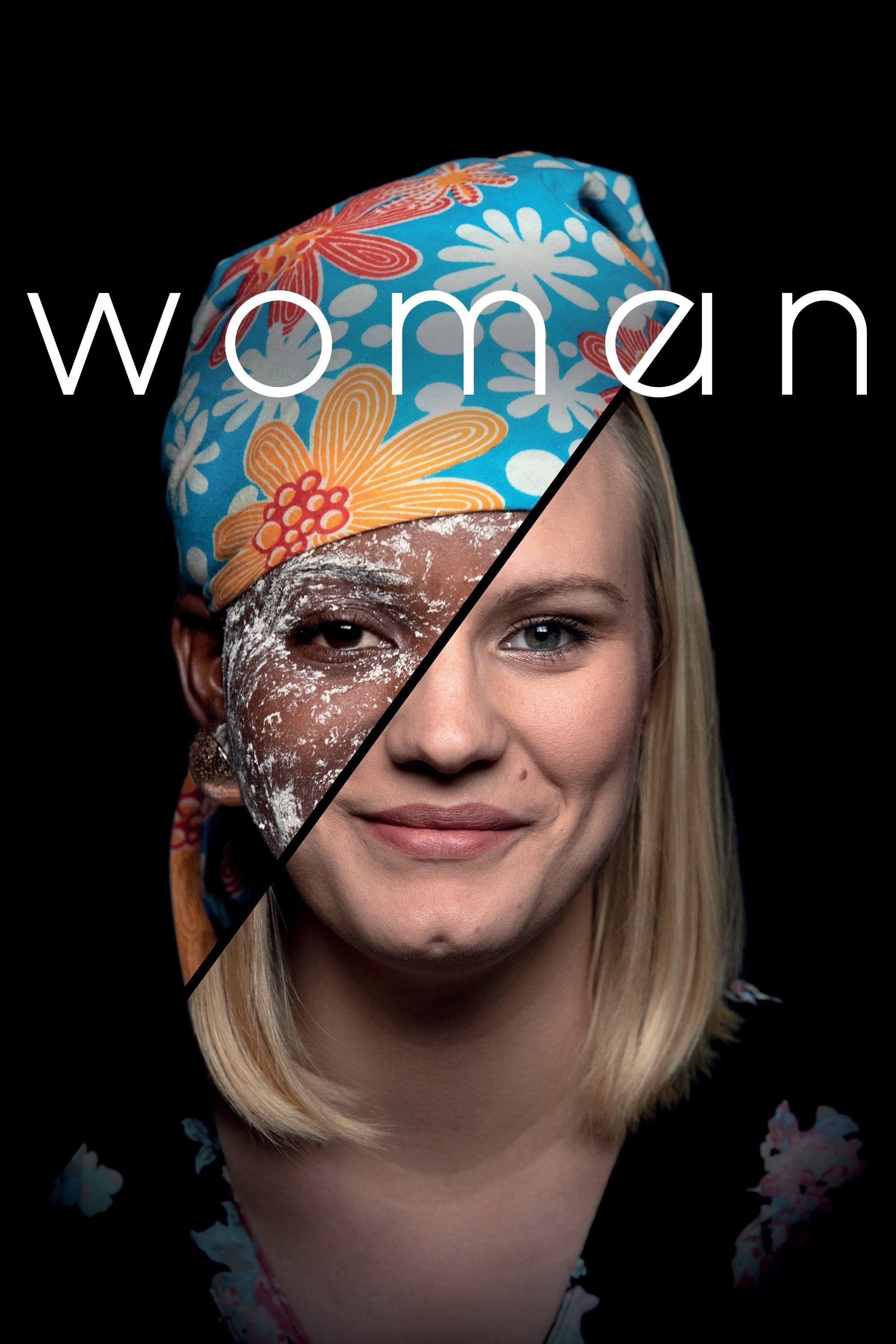
The film is based on interviews with 2,000 women from 50 countries, and covers the status of women all over the world. The topics covered include forced marriages, sexual assault, female genital mutilation, acid attacks, motherhood, sexuality, menstruation, education and the professional success of women.