Social & External
The people behind it
Mario da Silva Oliveira
PEDRO BRIZOLLA
LUCAS RIBEIRO CRODA
Sandro Luis Kolling
ILDA BRIZOLLA
Lourenço Vargas da Silva
SIDIANO AMAM
Sérgio Magalhães
In the early 20th century, one of the biggest stars of the Parisian stage was a Black artist who has since been forgotten: the clown Chocolat. This film by Samia Chala and Thierry Leclère tells the extraordinary story of this former Cuban slave who captivated the Lumière brothers, inspired the painter Toulouse-Lautrec, and later influenced writers such as Jean Cocteau. The meteoric rise of Chocolat—who was physically struck and mocked on stage by the "white clown" Footit—reflects the French public's discovery of the "Black man" during the era of colonial exhibitions and the Third Republic. It is a story that still resonates today. Drawing on exceptional archival footage, Chocolat’s epic life story is recounted by historian Gérard Noiriel and actor Marcel Bozonnet, both of whom brought the clown back to life on stage.

The story of young composer, Johannes Brahms, and his relationship with, Robert and Clara Schumann, the famous music couple that aided in his rise to fame.
A ride on the Zephyr at Pontchartrain Beach, a ride on the Canal Street streetcar, a journey along the New Basin Canal, exploring Lincoln Beach, watching the New Orleans Pelicans play ball, seeing the Mardi Gras Indians on tree-lined North Claiborne Avenue or just going to the neighborhood movie theatres. Visit some of the special places from New Orleans’ recent past.
Three friends Alek, Rudy and Zośka have to face the terrible face of World War II
Documentary about the arduous early years of the Sahrawi cause (1977)
Looking at the situation of the Sahrawi people in 1999, the documentary examines different aspects of institutions and organisation methods from the military to education, healthcare, camp administration and the search for solutions to the conflict in Western Sahara.
Filmed in the camps of Sahrawi refugees living in West-Algeria and Tifaritti (the liberated territory). The narrator, in his multiple interviews, examines the reality of these people who have been condemned to silence in exile. This is a direct and concise documentary that gives the refugees the opportunity to express themselves, as well as hearing from other people implicated in the conflict.
Grief is an inheritance. Perhaps the sorrow you feel today once belonged to a woman who, a thousand years ago, watched a mountain of books burn in the fire of an invasion.
In the summer of 1975, the young director Steven Spielberg set new standards for cinema worldwide with an oversized shark bite, a plastic shark fin and an unmistakable two-note main theme composed by John Williams. With the horror from the deep, a man-eating, gigantic great white shark, the film of the same name became a similarly traumatic reference as Alfred Hitchcock's "Psycho": it triggered lasting primal fears across generations. On the beaches of the world, there was clearly a "before" and an "after". Steven Spielberg, who was only 28 at the time, not only set new standards for the thriller genre, but also hid his biting criticism of US capitalism in the 1970s behind it.
A look at Palenque's best kept secret: The Red Queen.
Revealing the flaws of Japanese society, the 1995 sarin gas attack in the Tokyo subway prompted Murakami to return to his homeland, whose conformism he rejected, to examine it closely. This led to the creation of two works: Underground and 1Q84.
Based on a poem and archive images, the military aggression of the US army stationed in the Canal Zone against the Panamanian people who demand to raise their flag in the territory occupied since the beginning of the 20th century is reconstructed and denounced. The aggression that occurred between January 9 and 11, 1964 left a balance of 21 patriots.
Over three nights in April 1922, 13 men were murdered in west Cork, because, according the late Canadian historian Peter Hart, they were Protestants. This documentary goes to the root of the bitter dispute his controversial views have created.
A documentary exploring Saudi Arabia's hidden film culture, following movie lovers who grew up without theaters in the 1980s and uncovering the nation's pre-1979 cinematic history through pioneers who kept their passion alive.
In this feature-length documentary film essay, archival footage weaves together childhood memories from once-opposing sides on the Gorizia border to rethink—80 years after WWII, and amid renewed calls for rearmament—the meaning of home and belonging.
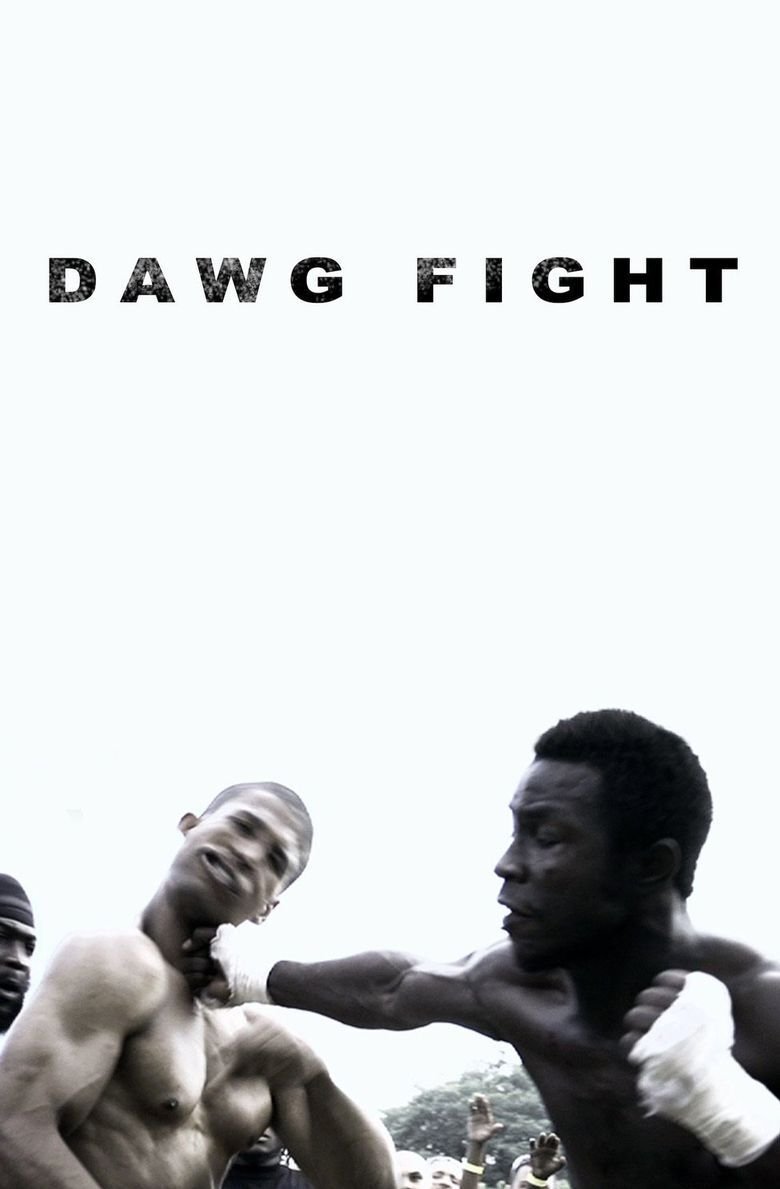
In a crime-plagued neighborhood near Miami, brutal, bare-knuckled backyard fights give young men a chance to earn money -- and self-respect.
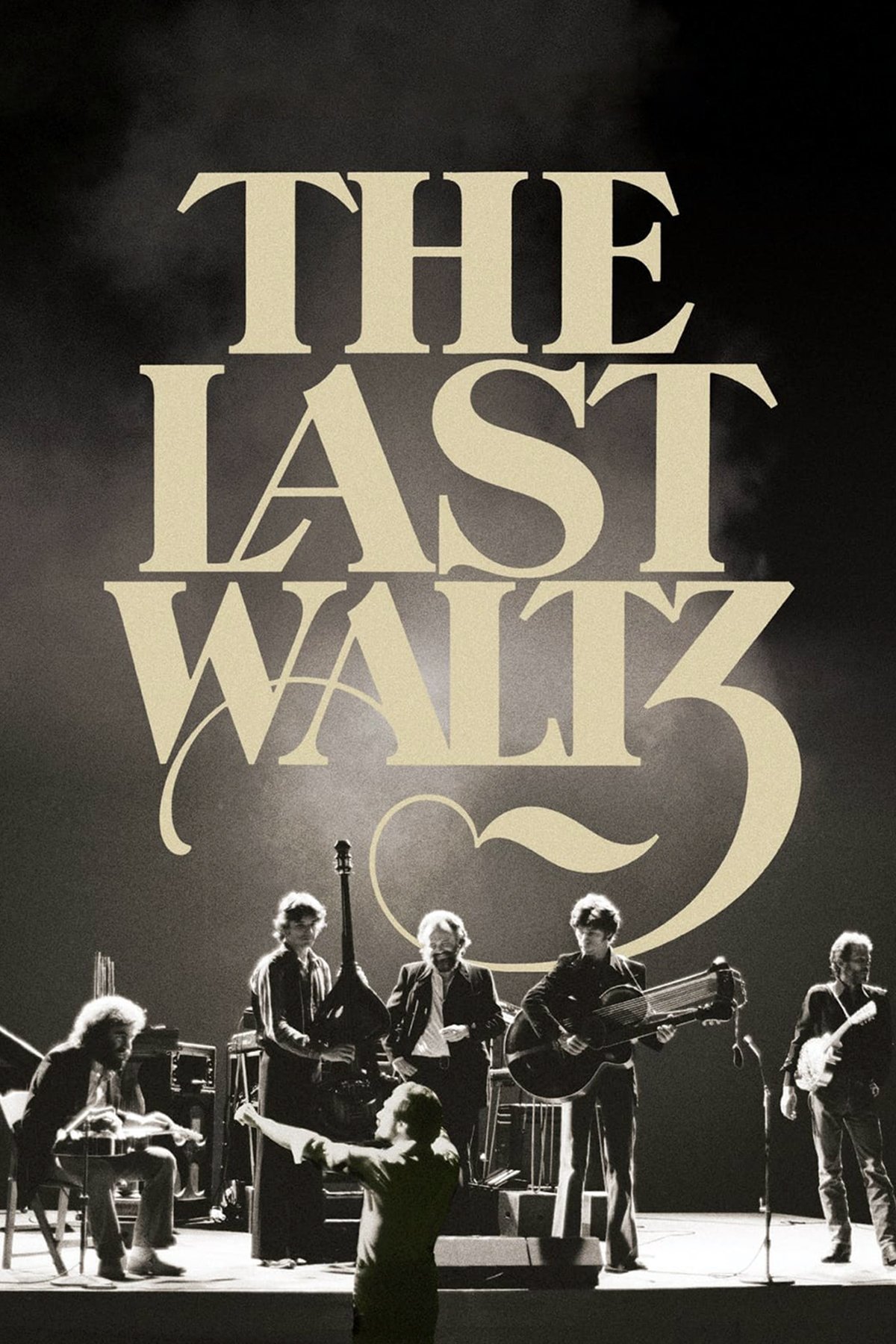
Martin Scorsese's documentary intertwines footage from The Band's incredible farewell tour with probing backstage interviews and featured performances by Eric Clapton, Bob Dylan, Joni Mitchell, Van Morrison, and other rock legends.
In an intimate and joyful story of love in the face of loss, celebrated poets Andrea Gibson and Megan Falley find strength—and unexpected hilarity—in what might be their final year together.
Experience the events of September 11, 2001 through the eyes of President Bush and his closest advisors as they personally detail the crucial hours and key decisions from that historic day.
Director Michael Apted revisits the same group of British-born adults after a 7 year wait. The subjects are interviewed as to the changes that have occurred in their lives during the last seven years.
From its distinctive neighborhoods to its architectural homes, Los Angeles has been the backdrop to countless movies. In this dazzling work, Andersen takes viewers on a whirlwind tour through the metropolis' real and cinematic history, investigating the myriad stories and legends that have come to define it, and meticulously, judiciously revealing the real city that lives beneath.
The history of cinematic sound, told by legendary sound designers and visionary filmmakers.
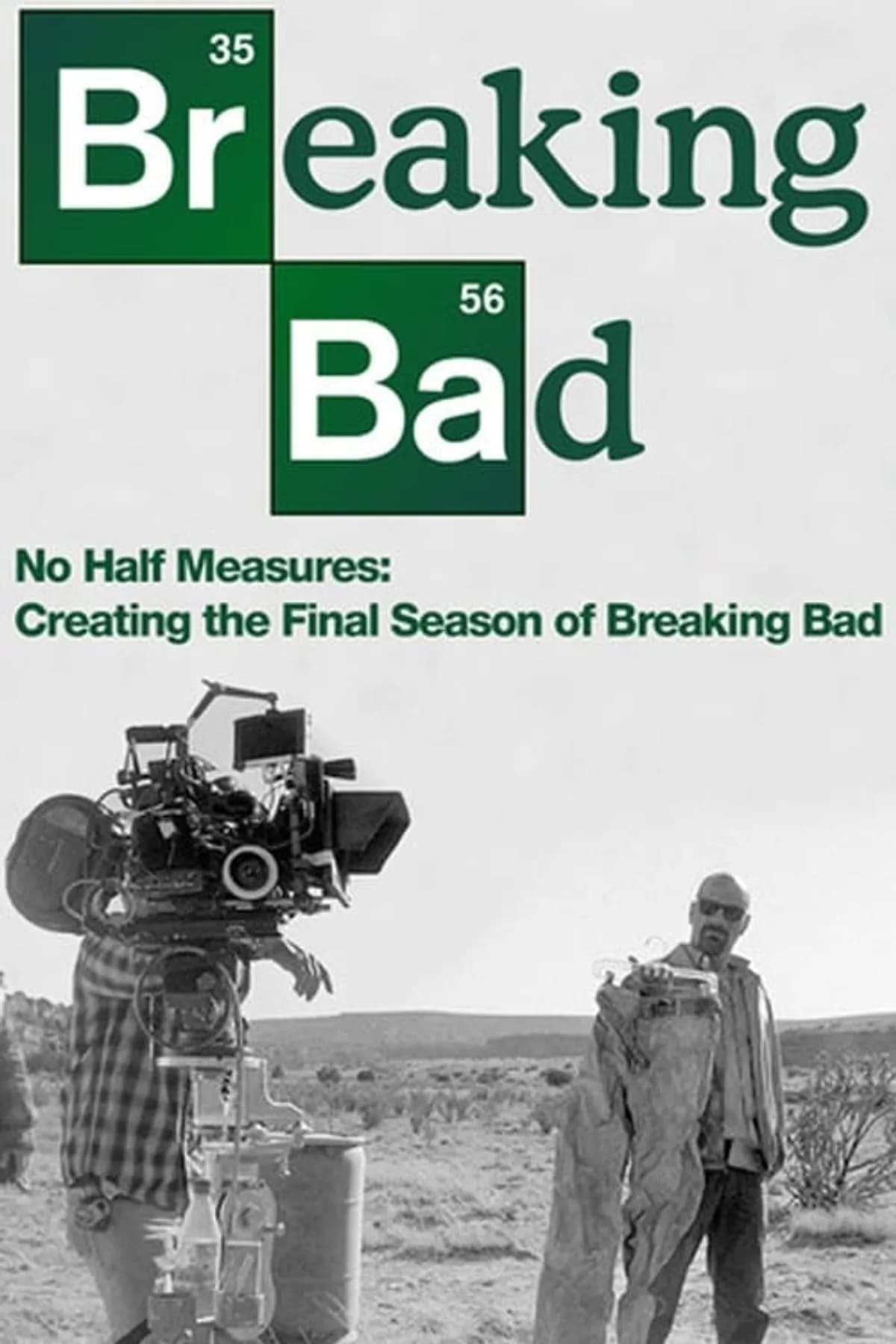
A documentary about the making of season five of the acclaimed AMC series Breaking Bad.
“The Soviet Story” is a story of an Allied power, which helped the Nazis to fight Jews and which slaughtered its own people on an industrial scale. Assisted by the West, this power triumphed on May 9th, 1945. Its crimes were made taboo, and the complete story of Europe’s most murderous regime has never been told. Until now...
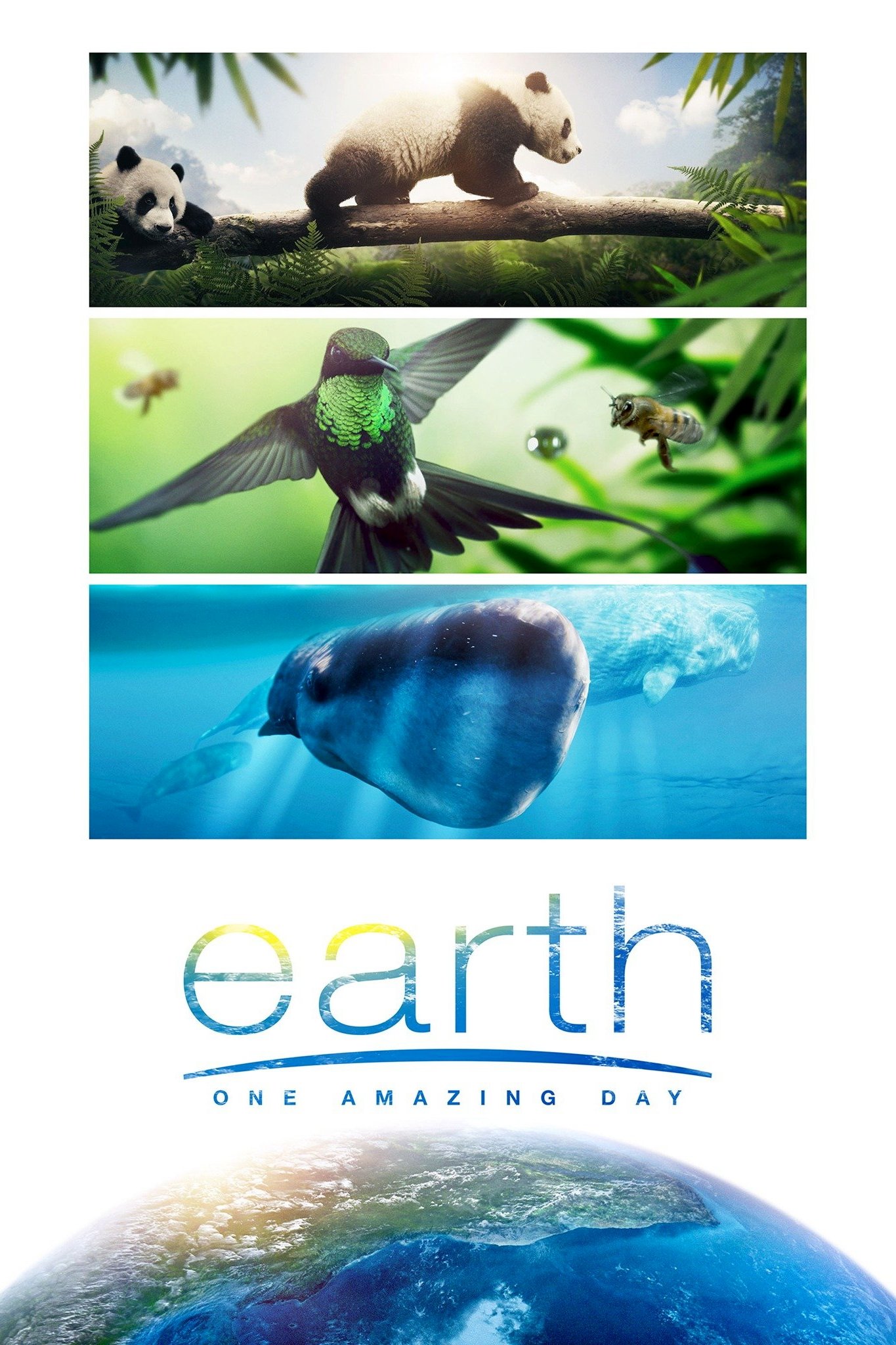
An astonishing journey revealing the awesome power of the natural world. Over the course of one single day, we track the sun from the highest mountains to the remotest islands to exotic jungles.
This revealing documentary honors the legendary Sidney Poitier—iconic actor, filmmaker, and civil rights activist. Featuring interviews with Denzel Washington, Spike Lee, Halle Berry, and more.
He's devoted his career to uncovering stories the powerful want buried. From My Lai to Abu Ghraib, dig into the life's work of journalist Seymour Hersh.
14-year-old Laura Dekker sets out on a two-year voyage in pursuit of her dream to become the youngest person ever to sail around the world alone.
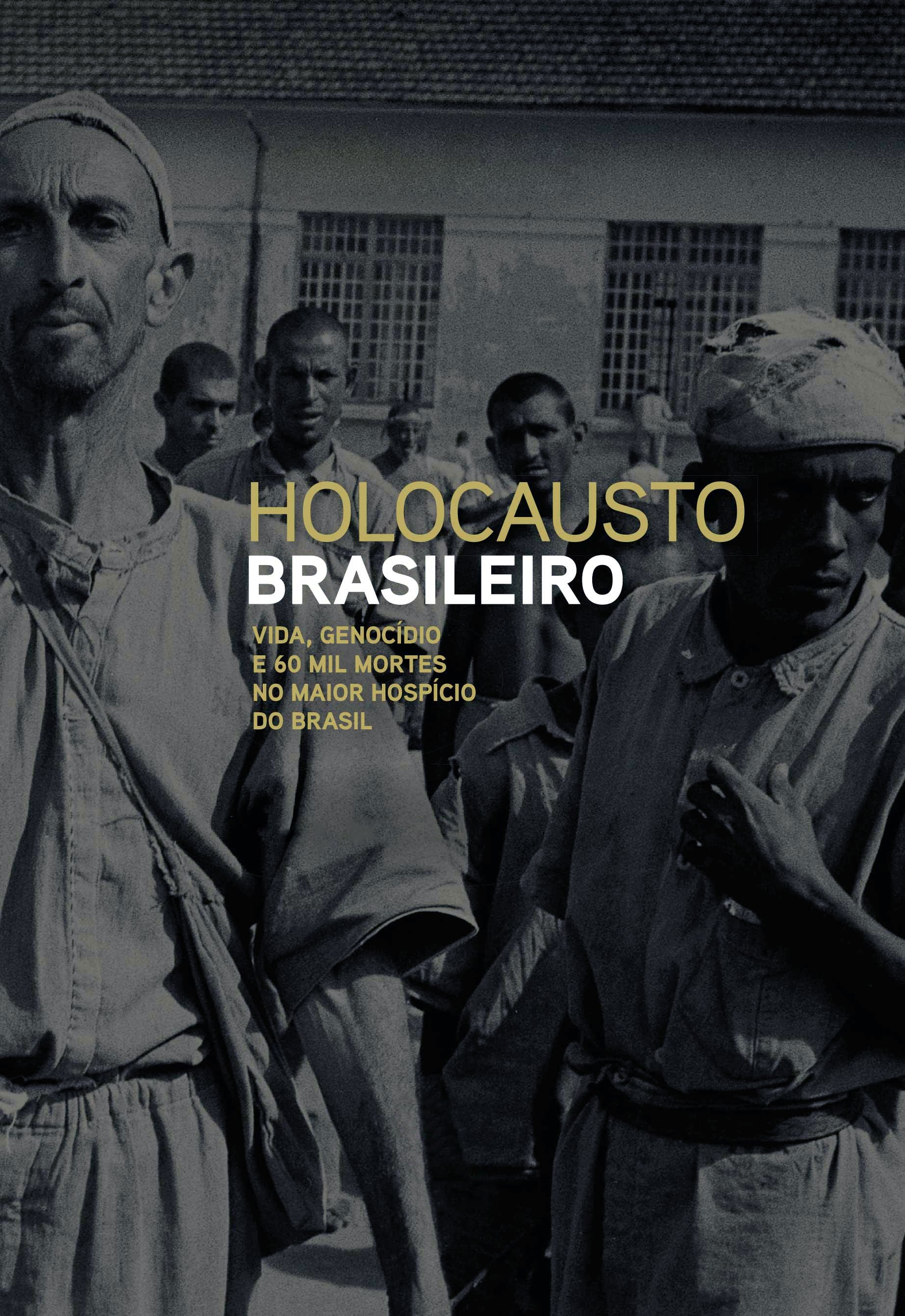
Award-winning journalist Daniela Arbex examines the horrors of the Colônia psychiatric hospital, where more than 60,000 people were killed over decades.
National Geographic's riveting effort recounts all 12 crewed missions using only archival footage, photos and audio.
A tribute to Italian filmmaker Sergio Corbucci (1926-90), presented by American filmmaker Quentin Tarantino.
Deep Blue is a major documentary feature film shot by the BBC Natural History Unit. An epic cinematic rollercoaster ride for all ages, Deep Blue uses amazing footage to tell us the story of our oceans and the life they support.
The film follows adventurer Jeff Johnson as he retraces the epic 1968 journey of his heroes Yvon Chouinard and Doug Tompkins to Patagonia.
An unprecedented and intimate look at the life, work and enduring legacy of British actress Audrey Hepburn (1929-1993).