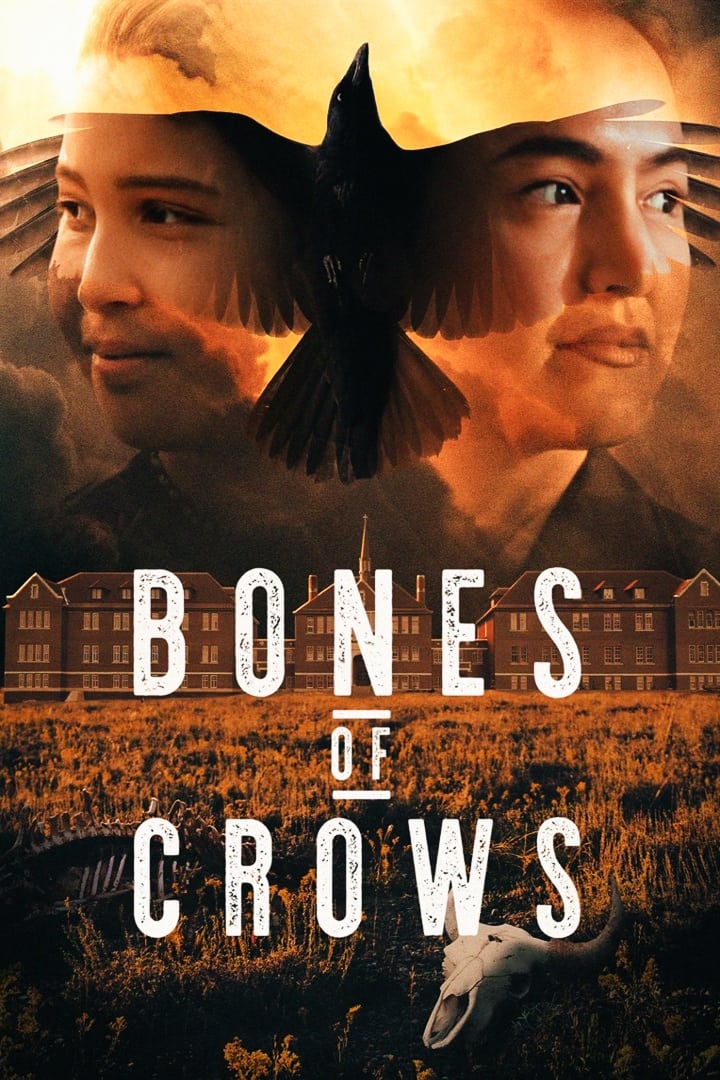
"Exploring Anishinaabe Heritage Through Gardens"
Anishinaabe elders of the Curve Lake First Nation reflect on the history, decline, and return of the traditional food gardens that connect their culture, land, and contemporary life.
Social & External
self
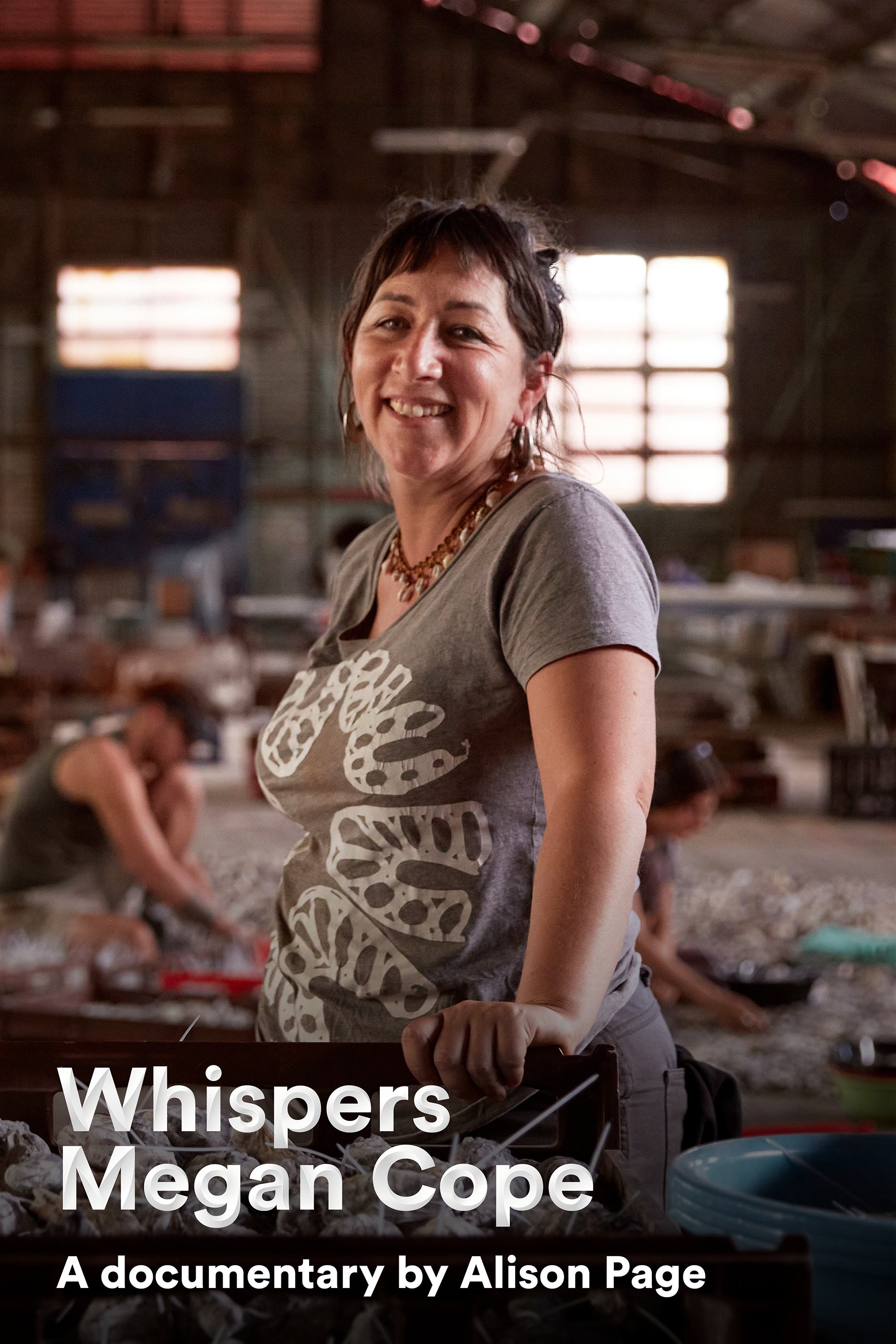
A documentary short which follows follow Quandamooka artist Megan Cope in the creation of her work 'Whispers' and the lead up to the opening of the exhibition at Sydney Opera House in 2023.
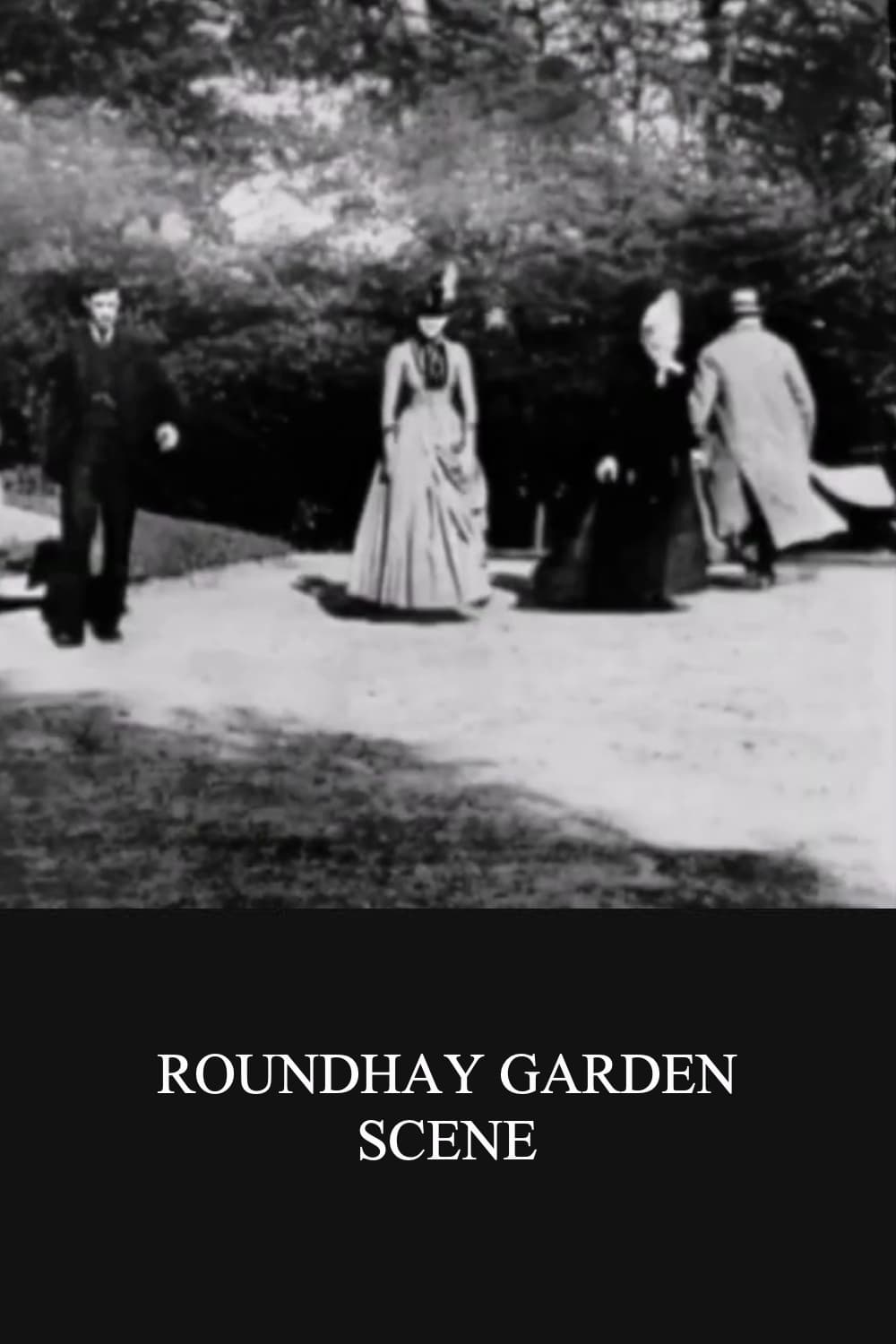
The earliest surviving motion-picture film, and believed to be one of the very first moving images ever created, was shot by Louis Aimé Augustin Le Prince using the LPCCP Type-1 MkII single-lens camera. It was taken on paper-based photographic film in the garden of Oakwood Grange, the Whitley family house in Roundhay, Leeds, West Riding of Yorkshire (UK), on 14 October 1888. The film shows Adolphe Le Prince (Le Prince’s son), Mrs. Sarah Whitley (Le Prince’s mother-in-law), Joseph Whitley, and Miss Harriet Hartley walking around in circles, laughing to themselves, and staying within the area framed by the camera. Roundhay Garden Scene is often associated with a recording speed of around 12 frames per second and runs for about 2 to 3 seconds.
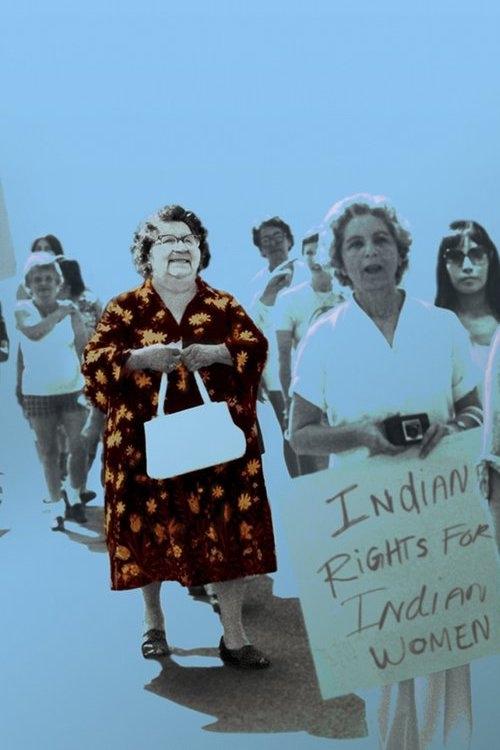
After marrying a settler, Mary Two-Axe Earley lost her legal status as a First Nations woman. Dedicating her life to activism, she campaigned to have First Nations women's rights restored and coordinated a movement that continues to this day. Kahnawake filmmaker Courtney Montour honours this inspiring leader while drawing attention to contemporary injustices that remain in this era of truth and reconciliation.
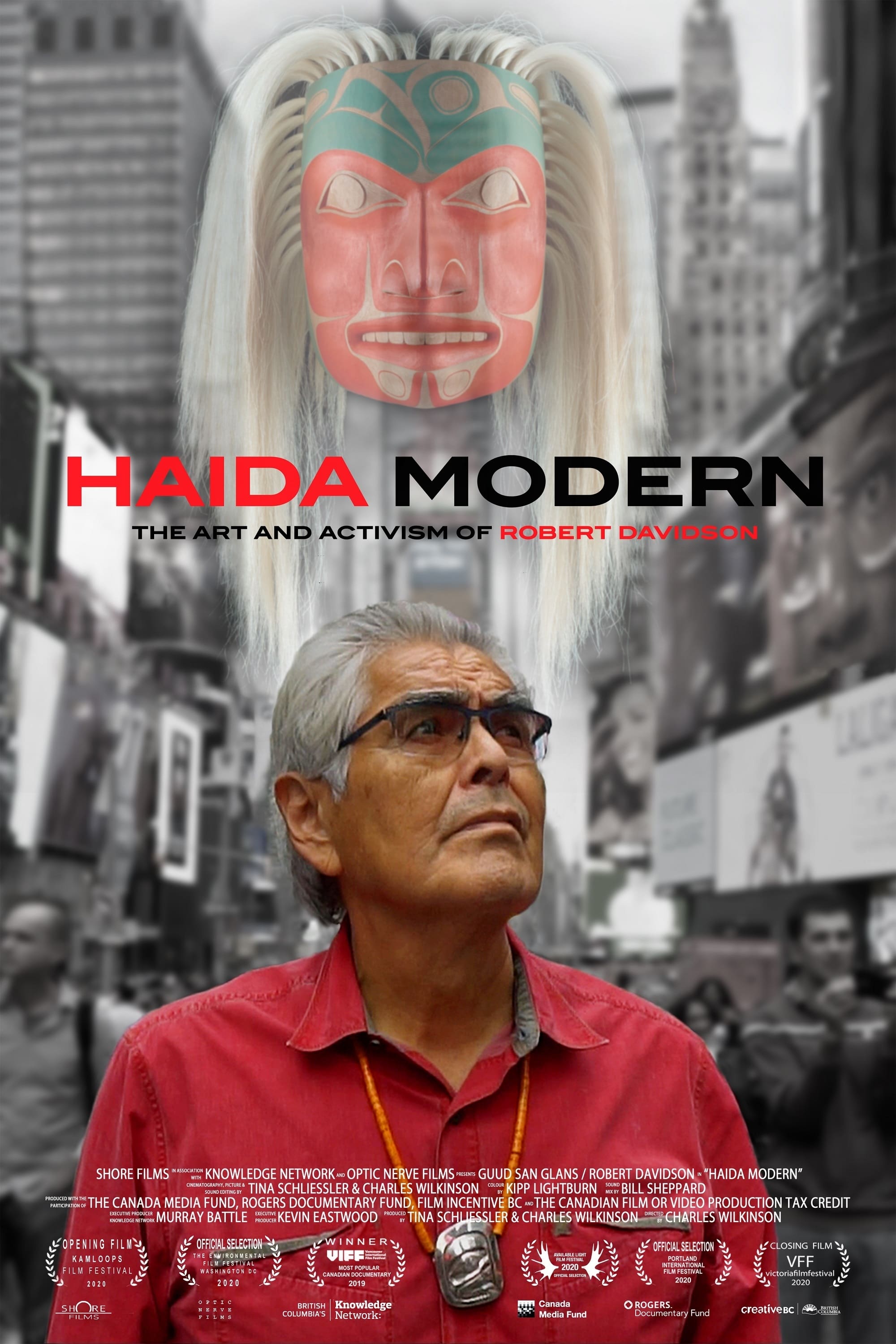
In the 50 years since he carved his first totem pole, Robert Davidson has come to be regarded as one of the world’s foremost modern artists. Charles Wilkinson (Haida Gwaii: On the Edge of the World) brings his trademark inquisitiveness and craftsmanship to this revealing portrait of an unassuming living legend. Weaving together engaging interviews with the artist, his offspring, and a host of admirers, Haida Modern extols the sweeping impact of both Davidson’s artwork and the legions it’s inspired.
Following Ontario farmer John Gorzo Jr. from the spring planting through the fall harvest this stark, intimate film strips away our bucolic fantasies and reveals how incredibly hard farmers work to produce the food we eat. As Gorzo struggles with unpredictable weather, globalized markets and rocky finances, we marvel at his perseverance in the face of such uncertain gain. “As the months went by, we clearly could see the strain on John’s face,” says director Paul Eichhorn. “It really offers viewers the chance to see first-hand the challenges facing farmers today.”
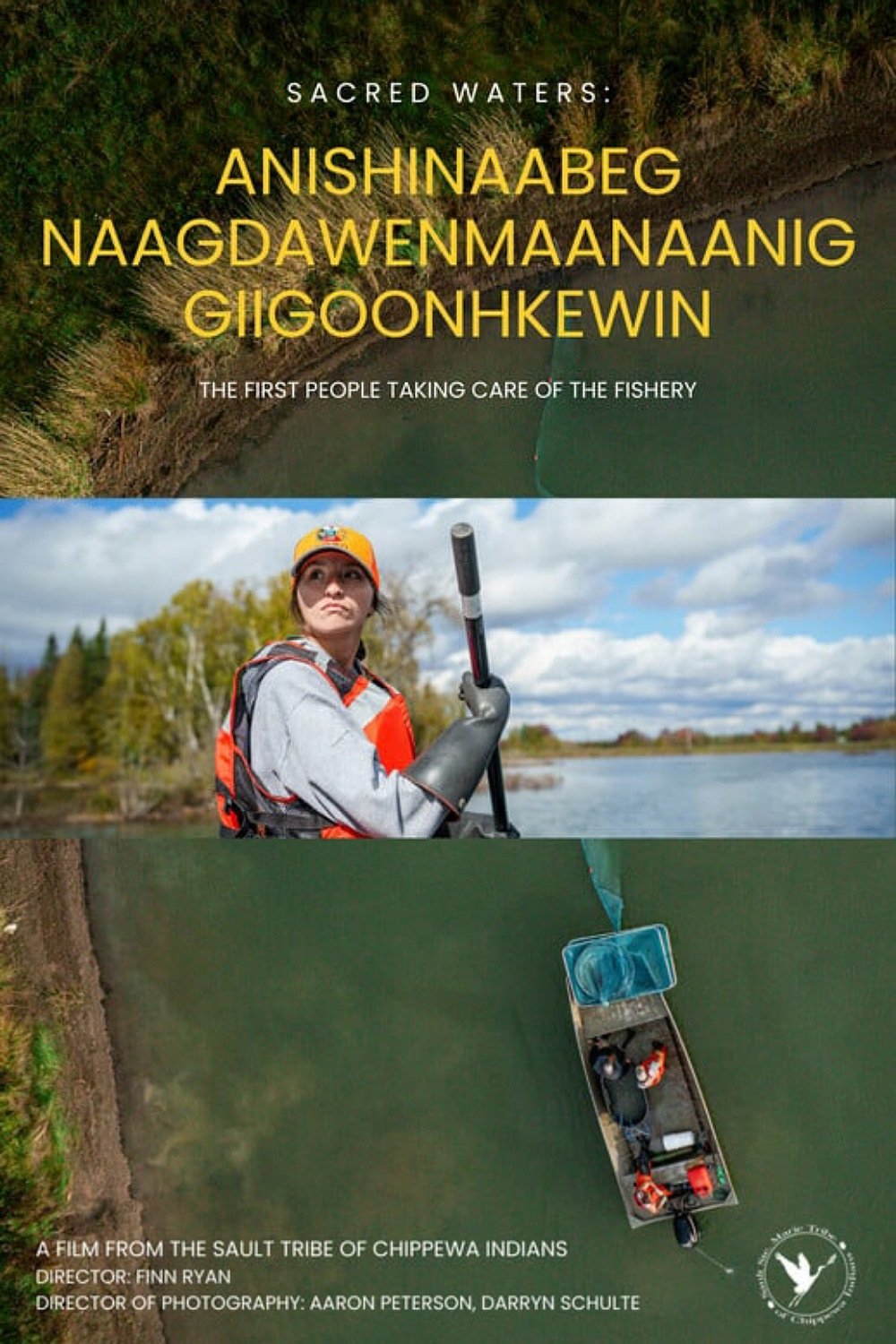
"The First People Taking Care of the Fishery" are the Sault Tribe of Chippewa Indians, the largest indigenous tribe east of the Mississippi. For generations, they have been stewarding the fisheries of their Great Lakes territory in Michigan's Upper Peninsula. This project explores the cultural and economic importance of the fishery to the tribe and how use historic and sustainable practices to ensure a healthy fishery and preserve their way of life for the next seven generations in the face of climate change and invasive species.
Follow filmmaker Elle-Máijá Tailfeathers as she creates an intimate portrait of her community and the impacts of the substance use and overdose epidemic. Witness the change brought by community members with substance-use disorder, first responders and medical professionals as they strive for harm reduction in the Kainai First Nation.
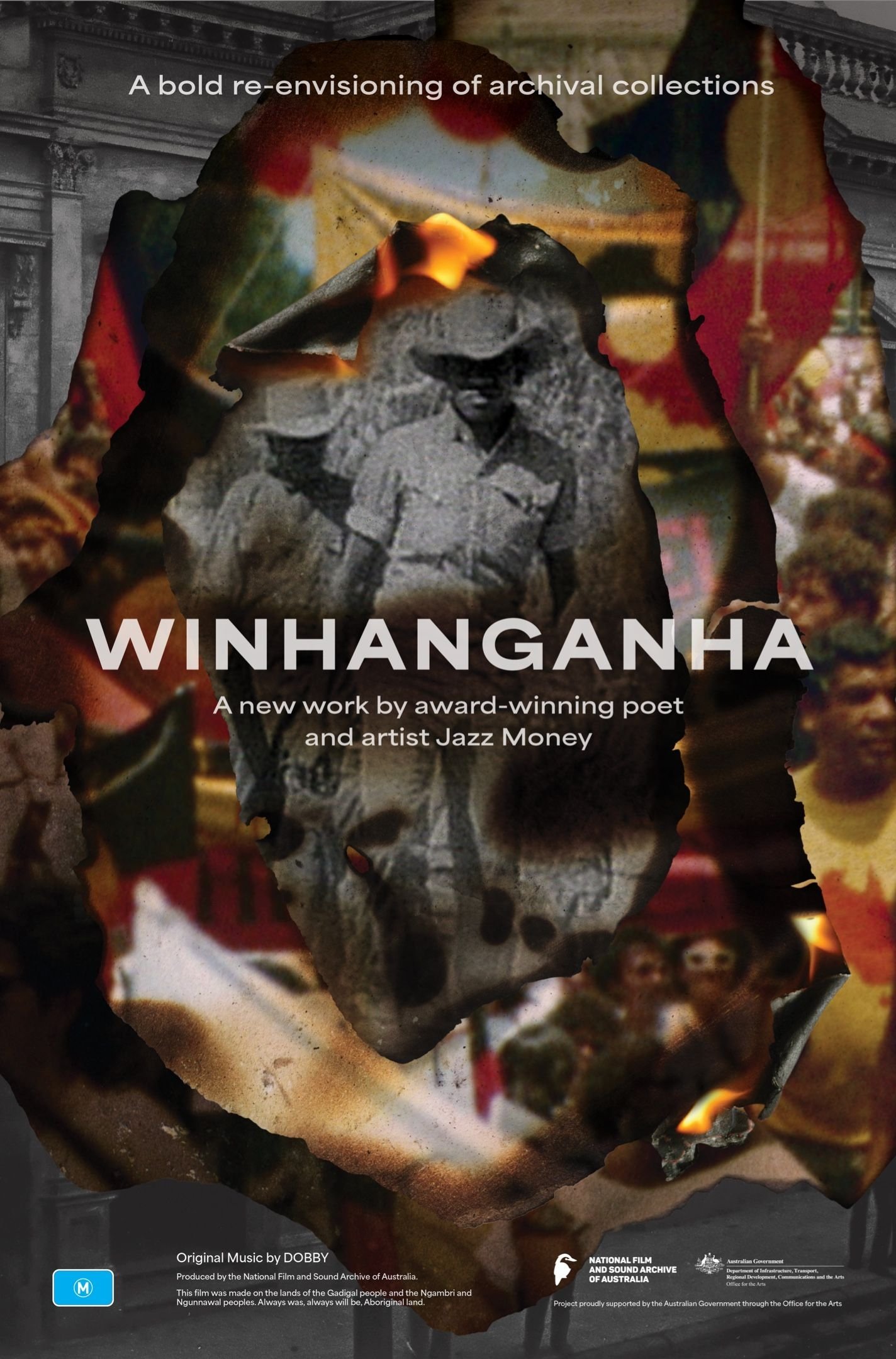
WINHANGANHA (Wiradjuri language: Remember, know, think) - is a lyrical journey of archival footage and sound, poetry and original composition. It is an examination of how archives and the legacies of collection affect First Nations people and wider Australia, told through the lens of acclaimed Wiradjuri artist, Jazz Money.
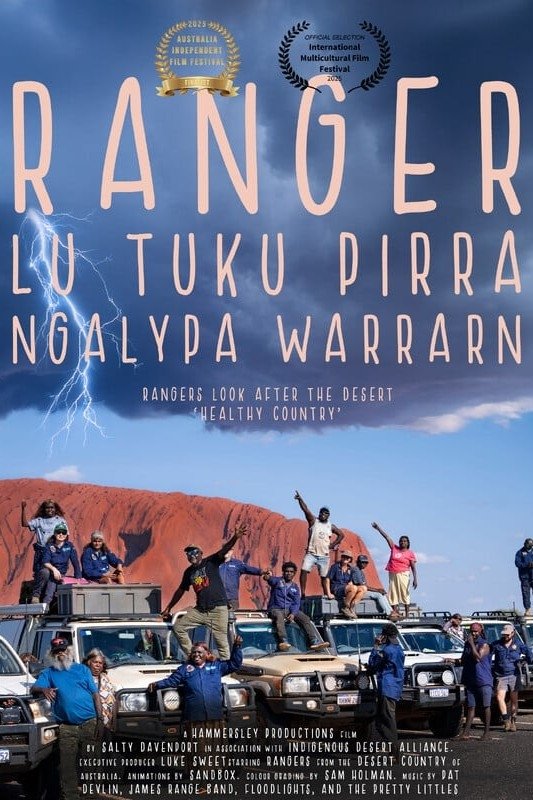
In November 2024, two Indigenous ranger teams set out on a 1,900-kilometre journey from the remote community of Bidyadanga in Western Australia to Uluru. Their destination: the largest gathering of Indigenous desert rangers in Australia — the Indigenous Desert Alliance Conference.
Cree matriarch Aline Spears survives a childhood in Canada’s residential school system to continue her family’s generational fight in the face of systemic starvation, racism, and sexual abuse. She uses her uncanny ability to understand and translate codes into working for a special division of the Canadian Air Force as a Cree code talker in World War II. The story unfolds over 100 years with a cumulative force that propels us into the future.
Taking its lead from French artists like Renoir and Monet, the American impressionist movement followed its own path which over a forty-year period reveals as much about America as a nation as it does about its art as a creative power-house. It’s a story closely tied to a love of gardens and a desire to preserve nature in a rapidly urbanizing nation. Travelling to studios, gardens and iconic locations throughout the United States, UK and France, this mesmerising film is a feast for the eyes. The Artist’s Garden: American Impressionism features the sell-out exhibition The Artist’s Garden: American Impressionism and the Garden Movement, 1887–1920 that began at the Pennsylvania Academy of the Fine Arts and ended at the Florence Griswold Museum, Old Lyme, Connecticut.
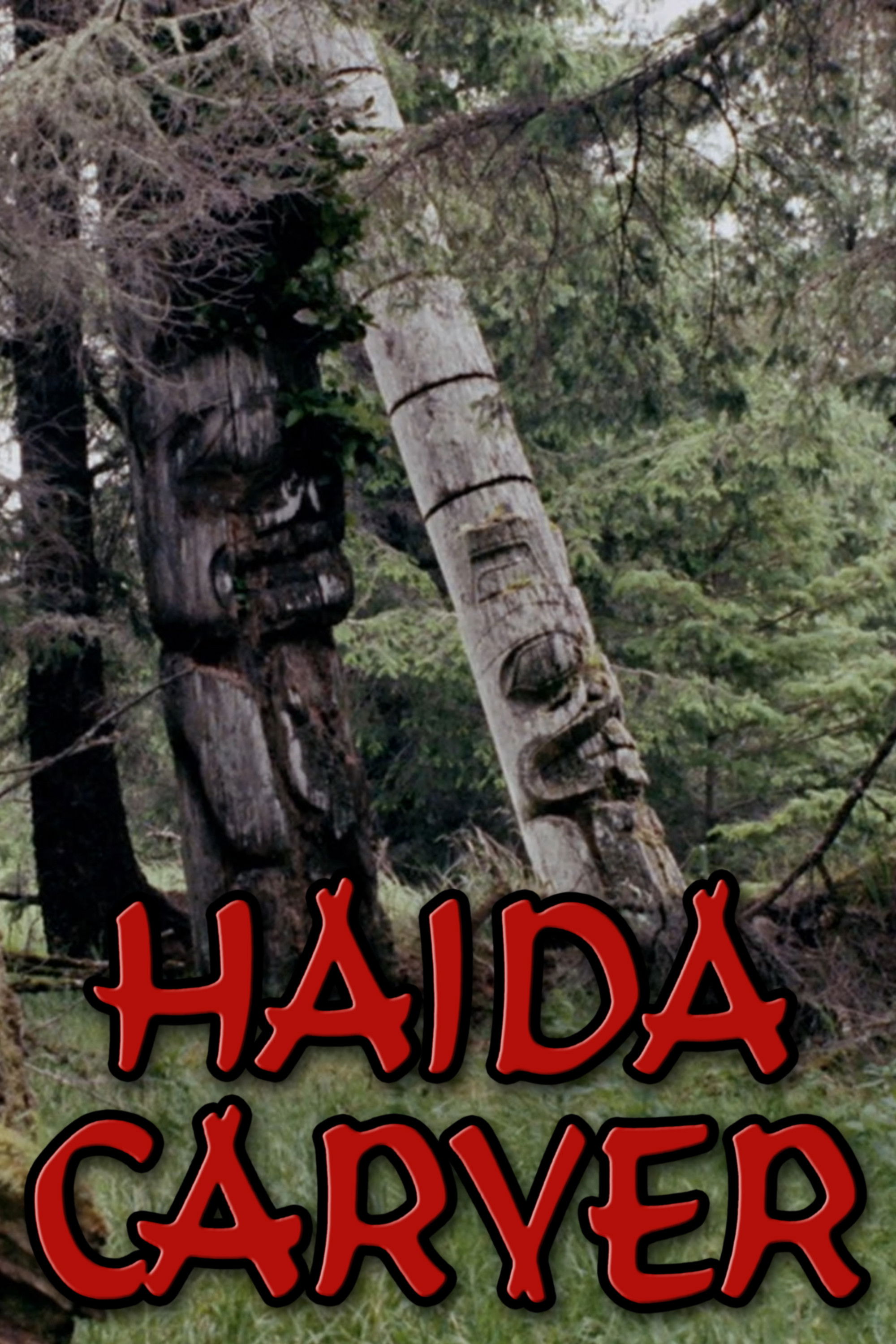
On Canada's Pacific coast this film finds a young Haida artist, Robert Davidson, shaping miniature totems from argillite, a jet-like stone. The film follows the artist to the island where he finds the stone, and then shows how he carves it in the manner of his grandfather, who taught him the craft.
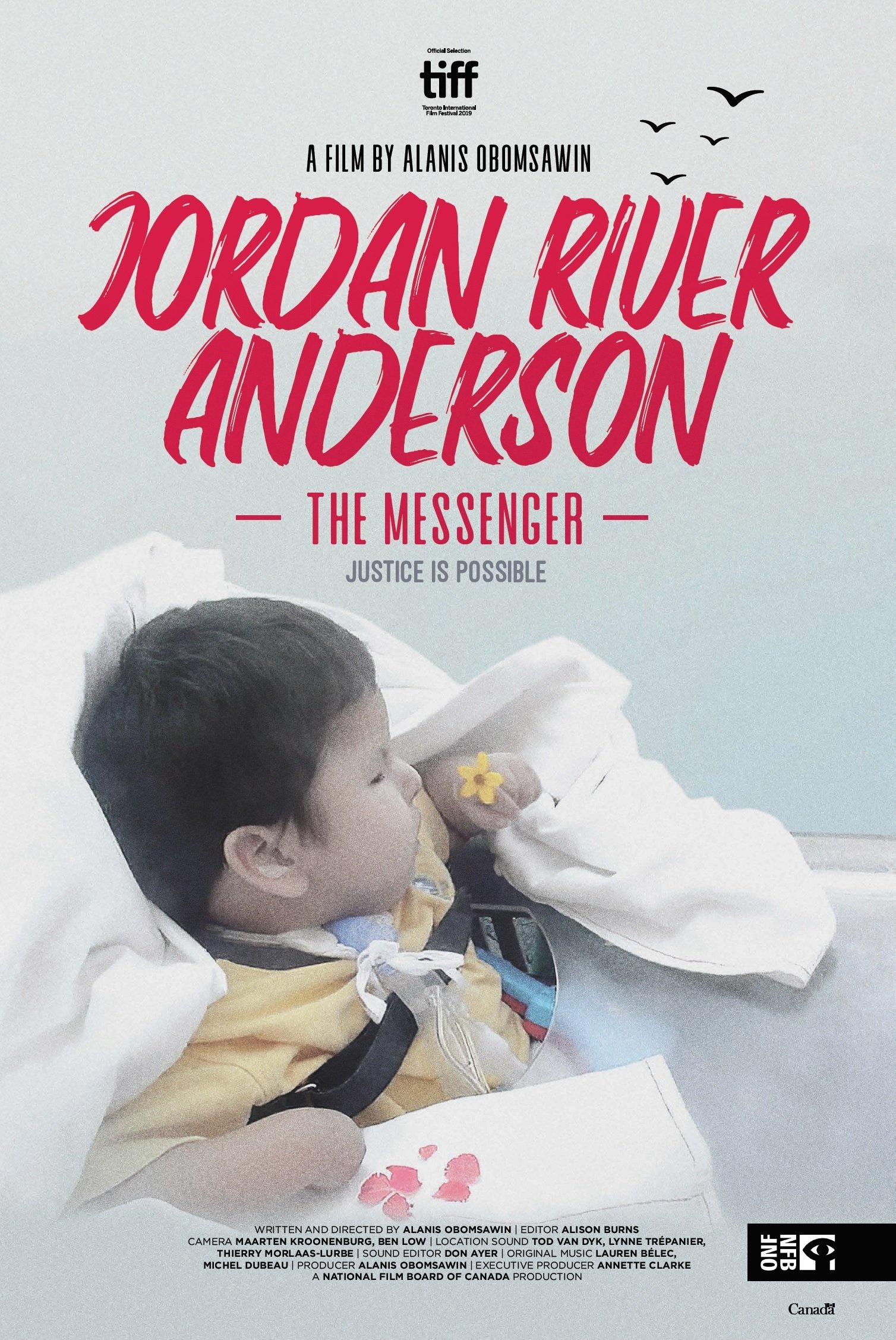
The story of a young boy forced to spend all five years of his short life in hospital while the federal and provincial governments argued over which was responsible for his care, as well as the long struggle of Indigenous activists to force the Canadian government to enforce “Jordan’s Principle” — the promise that no First Nations children would experience inequitable access to government-funded services again.
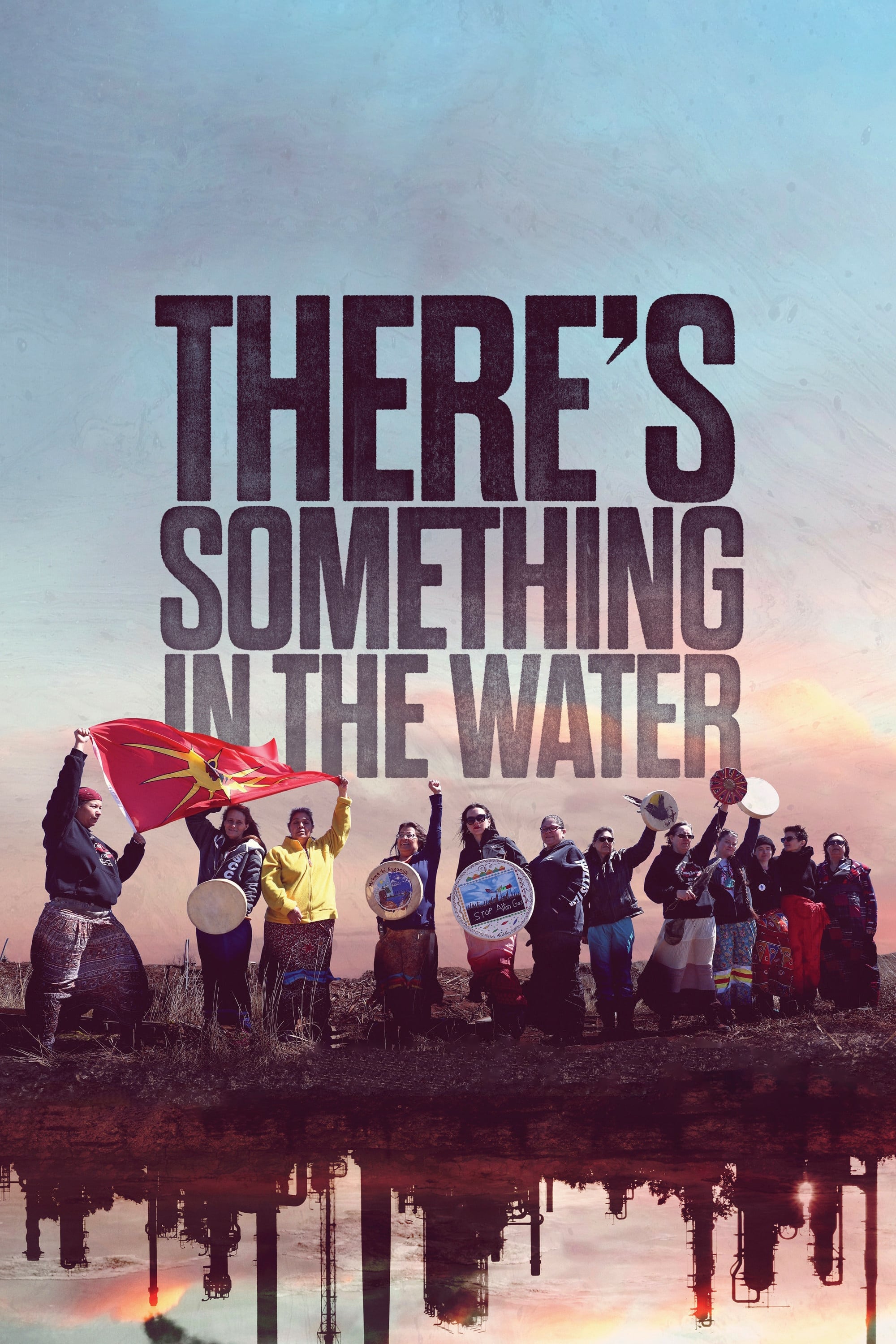
Elliot Page brings attention to the injustices and injuries caused by environmental racism in his home province, in this urgent documentary on Indigenous and African Nova Scotian women fighting to protect their communities, their land, and their futures.
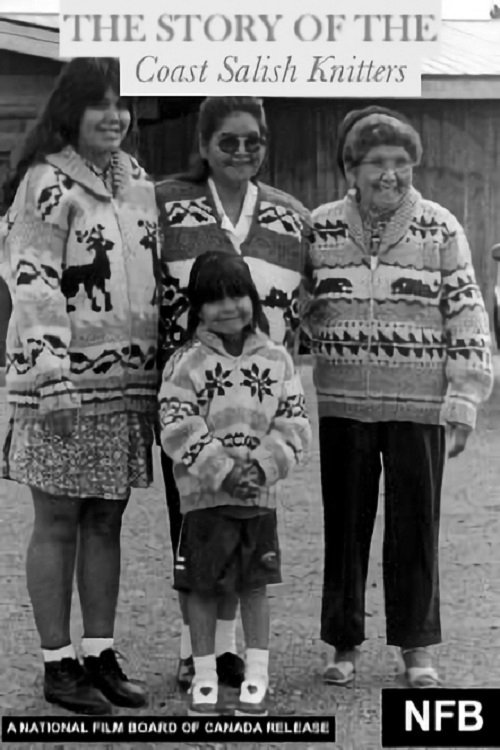
For almost a century, the Coast Salish knitters of southern Vancouver Island have produced Cowichan sweaters from handspun wool. These distinctive sweaters are known and loved around the world, but the Indigenous women who make them remain largely invisible.
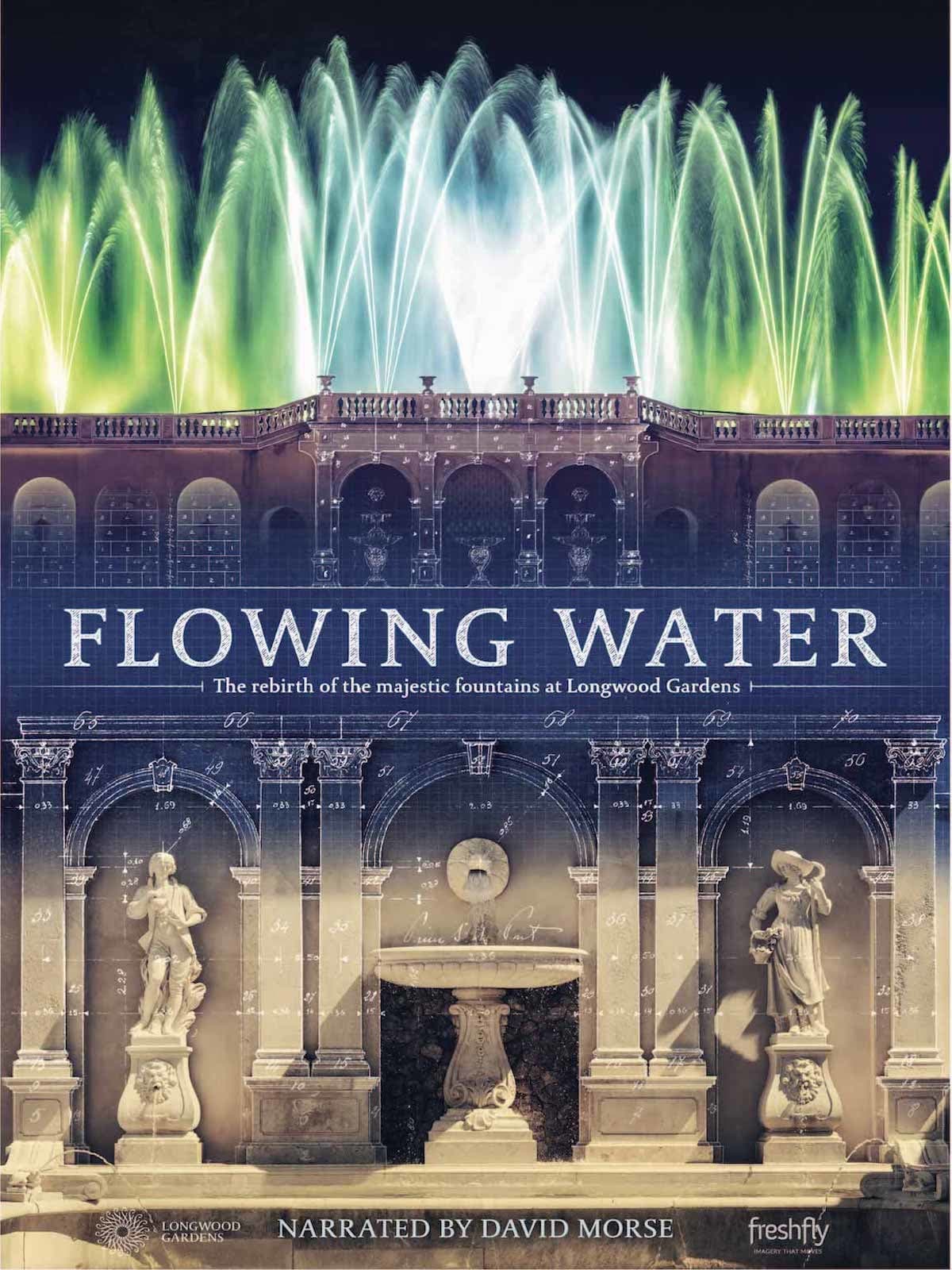
This documentary tells the story of the revitalization of the Longwood Garden's (Kennett Square, Pennsylvania) Main Fountain Garden, a lavish jewel in the crown of one of the greatest collections of fountains in the United States.
Olivia does nude yoga in a garden.
Amelia does some nude yoga in a garden.
Katrina does some nude yoga in a garden, sometimes with Lonna.
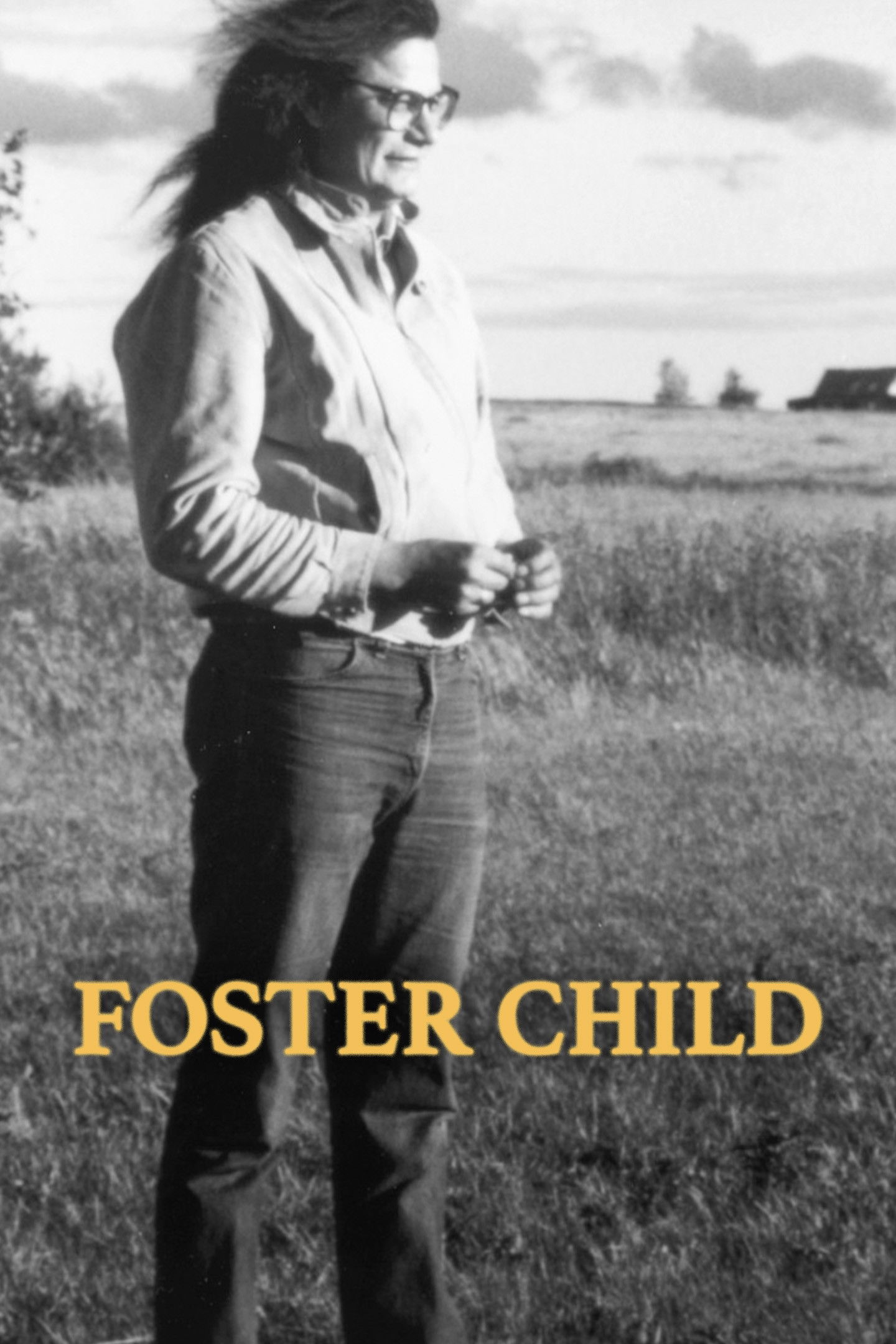
Gil Cardinal searches for his natural family and an understanding of the circumstances that led to his becoming a foster child. An important figure in the history of Canadian Indigenous filmmaking, Gil Cardinal was born to a Métis mother but raised by a non-Indigenous foster family, and with this auto-biographical documentary he charts his efforts to find his biological mother and to understand why he was removed from her. Considered a milestone in documentary cinema, it addressed the country’s internal colonialism in a profoundly personal manner, winning a Special Jury Prize at Banff and multiple international awards.
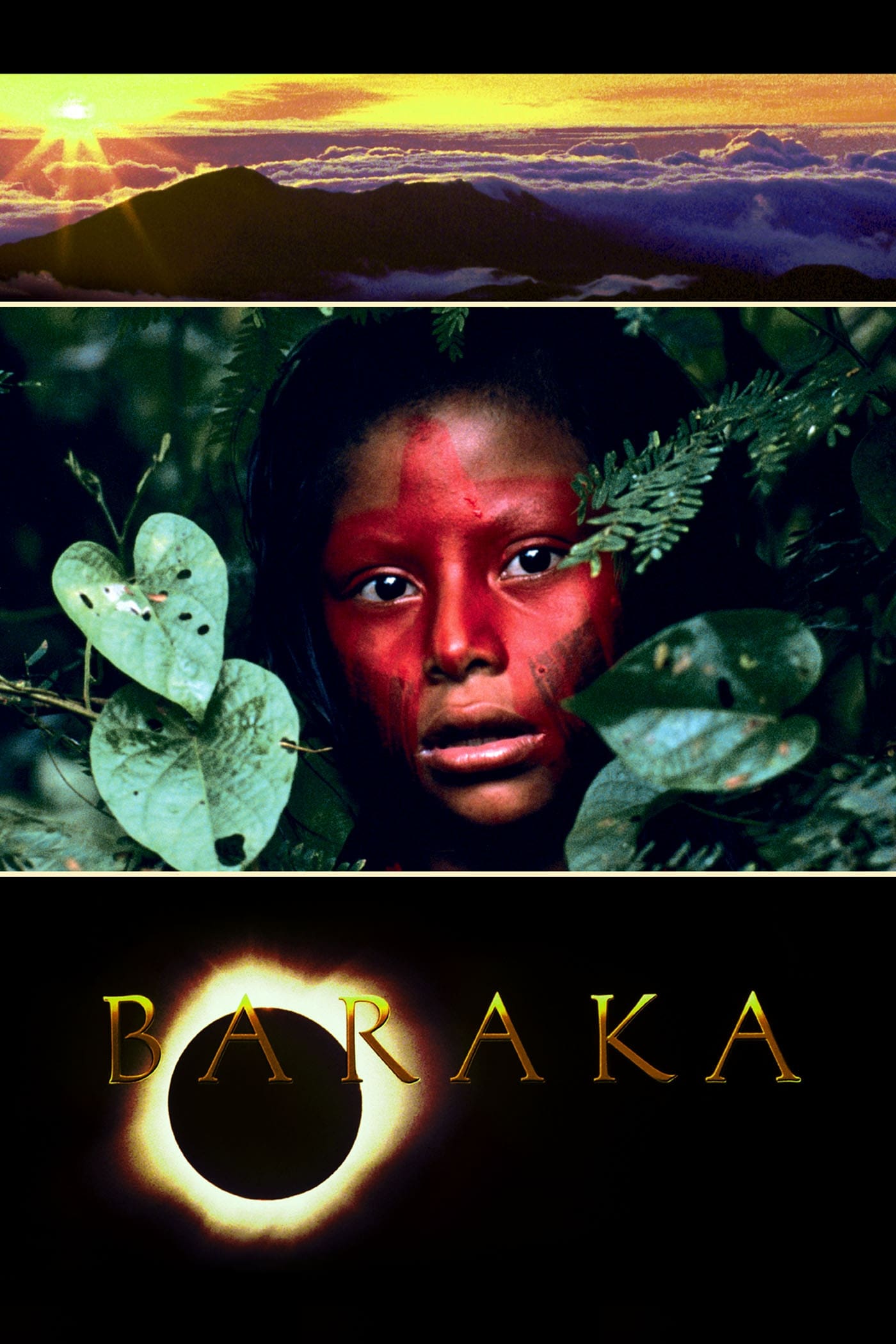
A paralysingly beautiful documentary with a global vision—an odyssey through landscape and time—that attempts to capture the essence of life.
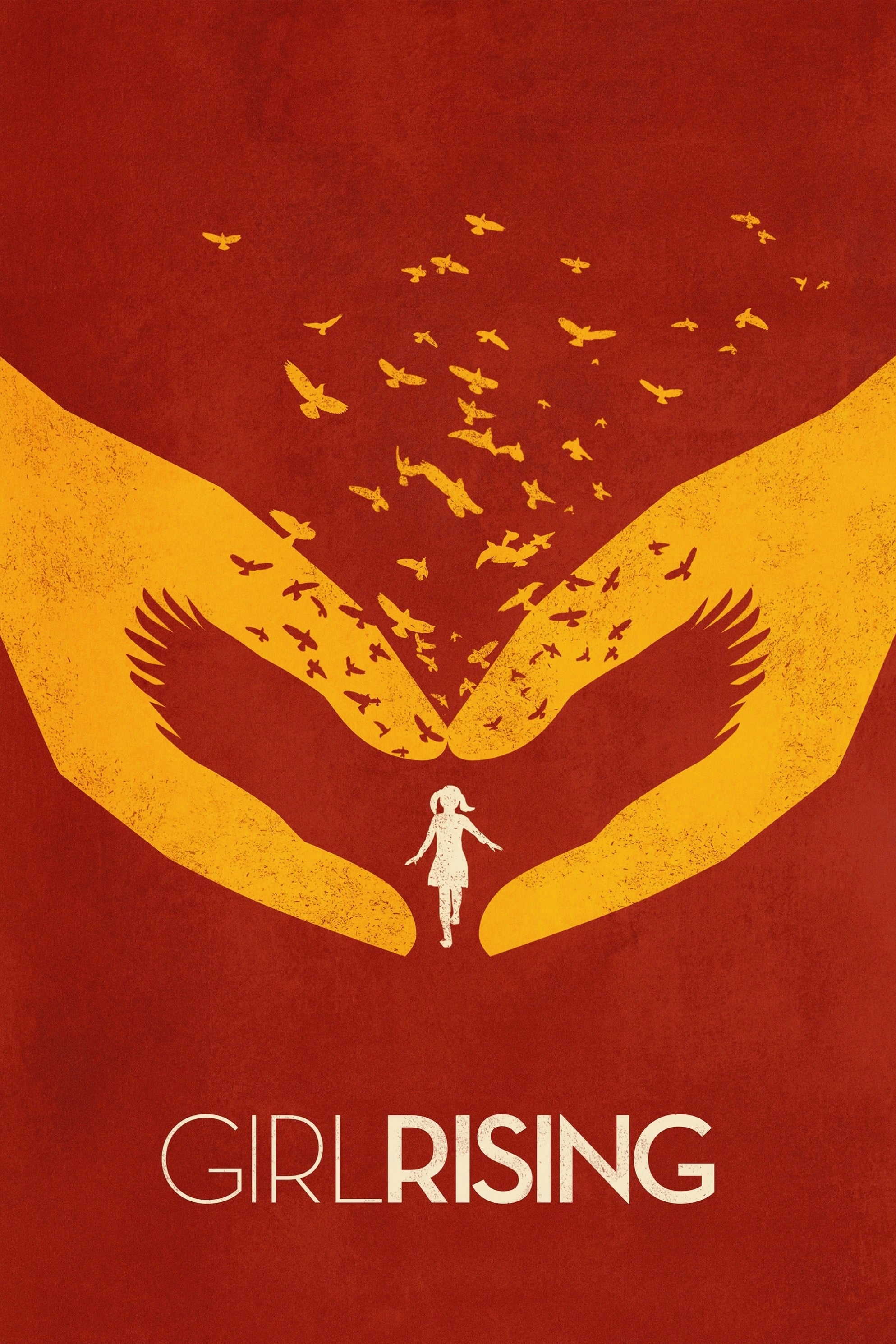
Nine filmmakers each profile a young girl from a different part of the world to weave a global tapestry of youth in the 21st century.
The history of cinematic sound, told by legendary sound designers and visionary filmmakers.
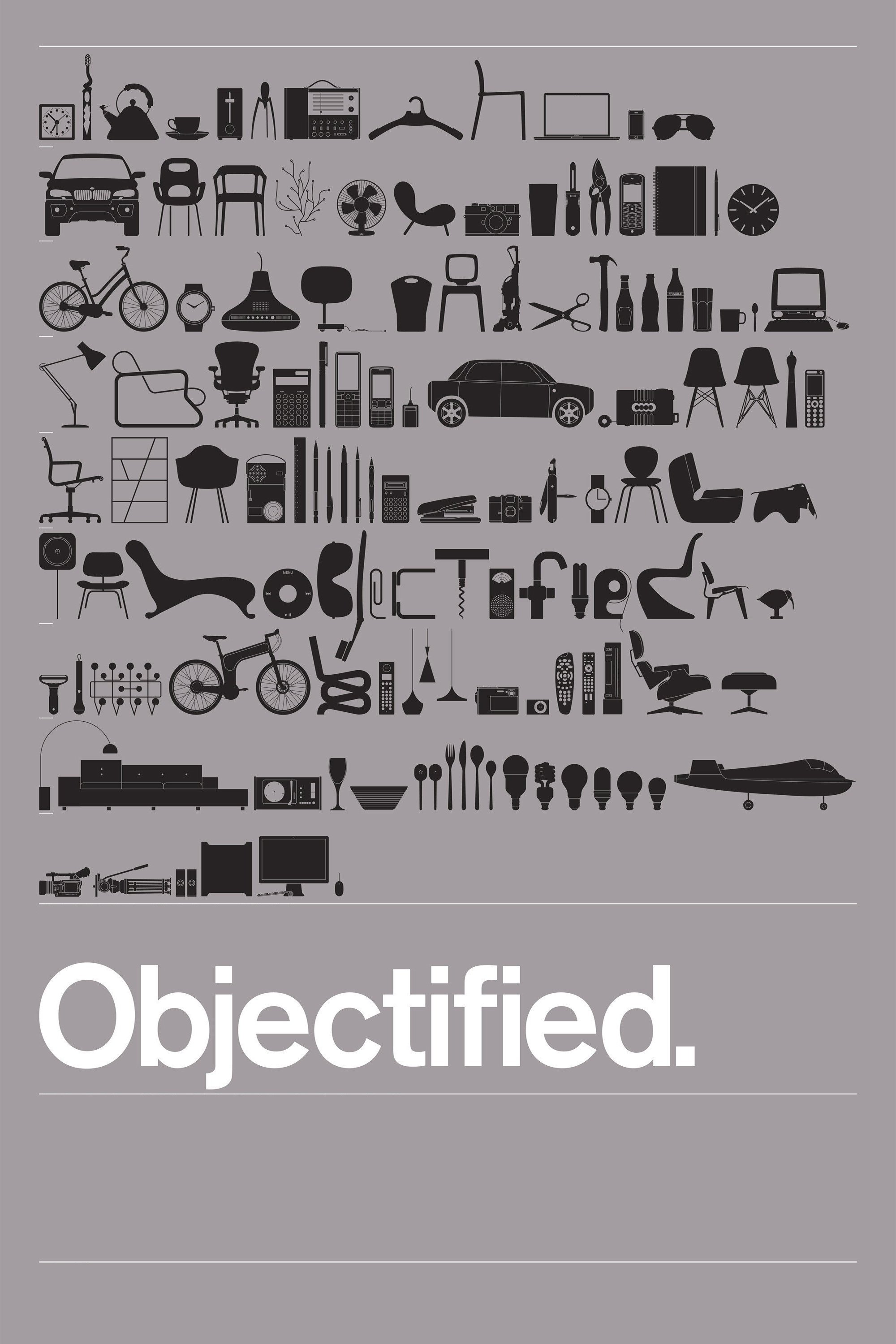
A feature-length documentary about our complex relationship with manufactured objects and, by extension, the people who design them.
The making of Matrix Revolutions, The (2003) is briefly touched on here in this documentary. Interviews with various cast and crew members inform us how they were affected by the deaths of Gloria Foster and Aaliyah, and also delve into the making of the visual effects that takes up a lot of screen time. Written by Rhyl Donnelly
Through deeply personal interviews with her siblings and an examination of the photographs, letters, and belongings left behind, Mariska assembles a new portrait of her mother Jayne Mansfield, an extraordinary and complex woman.
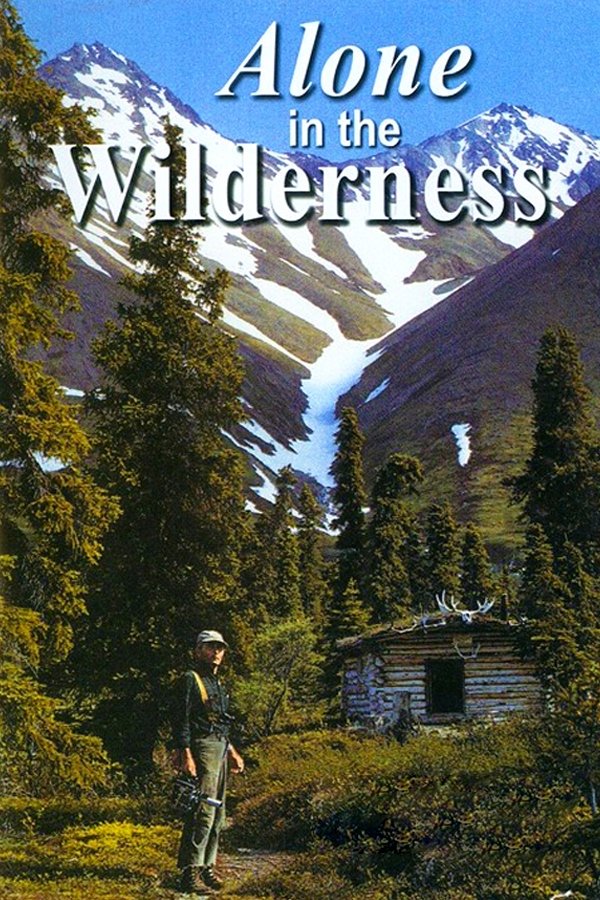
Dick Proenneke retired at age 50 in 1967 and decided to build his own cabin in the wilderness at the base of the Aleutian Peninsula, in what is now Lake Clark National Park. Using color footage he shot himself, Proenneke traces how he came to this remote area, selected a homestead site and built his log cabin completely by himself. The documentary covers his first year in-country, showing his day-to-day activities and the passing of the seasons as he sought to scratch out a living alone in the wilderness.
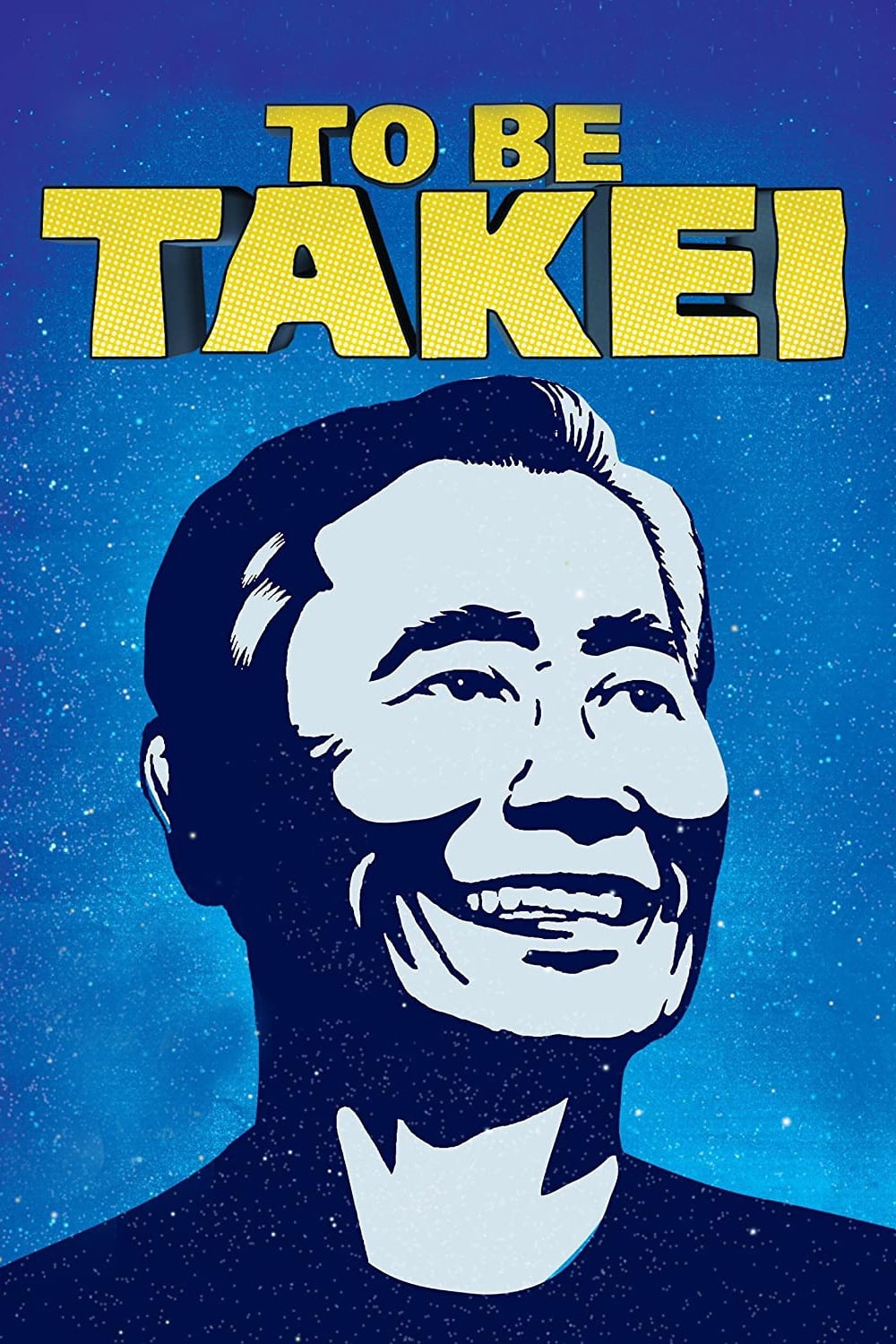
Over seven decades, actor and activist George Takei journeyed from a World War II internment camp to the helm of the Starship Enterprise, and then to the daily news feeds of five million Facebook fans. Join George and his husband, Brad, on a wacky and profound trek for life, liberty, and love.
An investigation into the ongoing threat caused by the phenomenon of “fake news” in the U.S., focusing on the real-life consequences that disinformation, conspiracy theories and false news stories have on the average citizen.
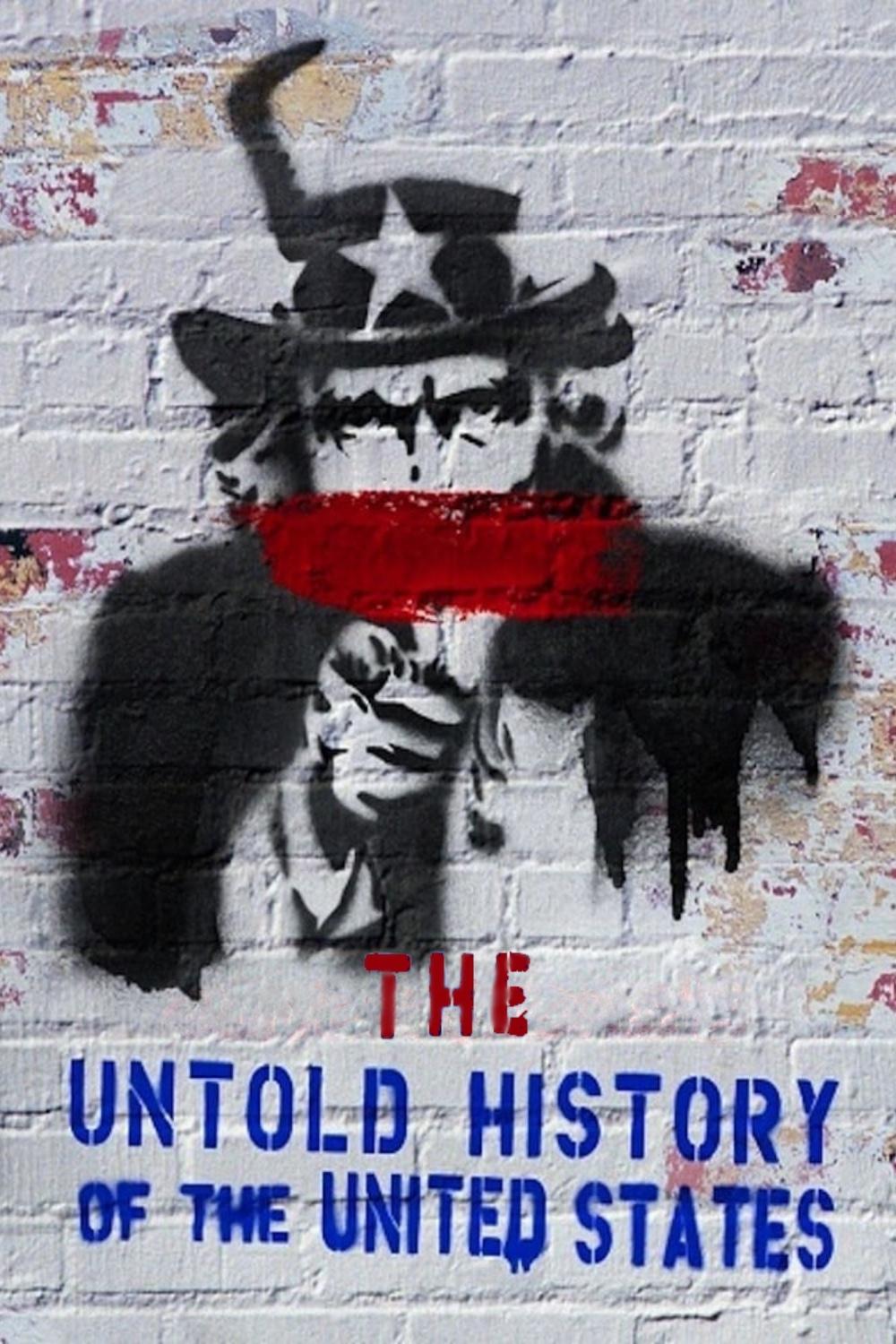
Oliver Stone charts the history of the United States from the Second World War to the present.
A documentary that explores the downloading revolution; the kids that created it, the bands and the businesses that were affected by it, and its impact on the world at large.
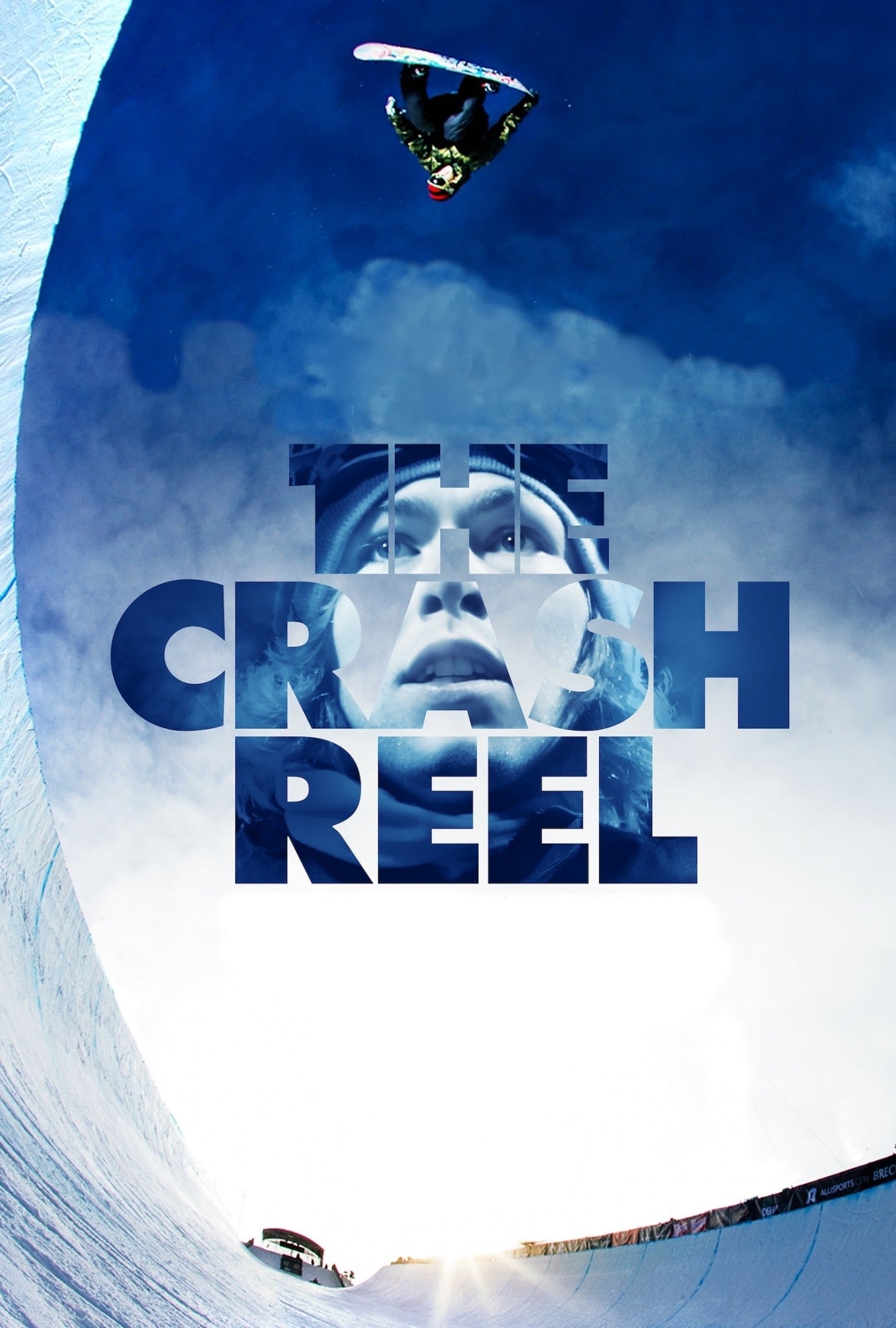
The Crash Reel tells the story of a sport and the risks that athletes face in reaching the pinnacle of their profession. This is Kevin Pearce’s story, a celebrated snowboarder who sustained a brain injury in a trick gone wrong and who now aims, against all the odds, to get back on the snow.
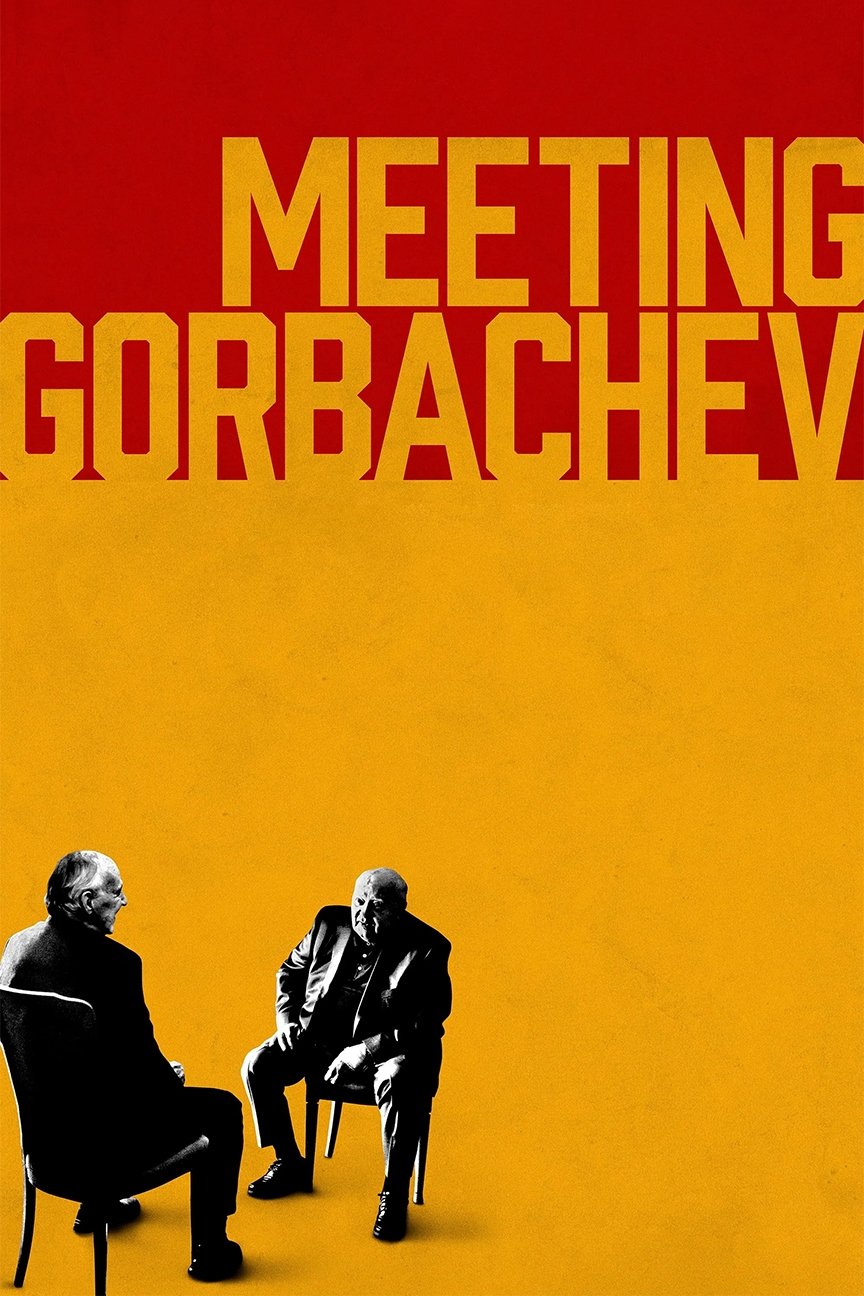
Mikhail Gorbachev, former president of the Soviet Union, sits down with filmmaker Werner Herzog to discuss his many achievements. Topics include the talks to reduce nuclear weapons, the reunification of Germany and the dissolution of his country.
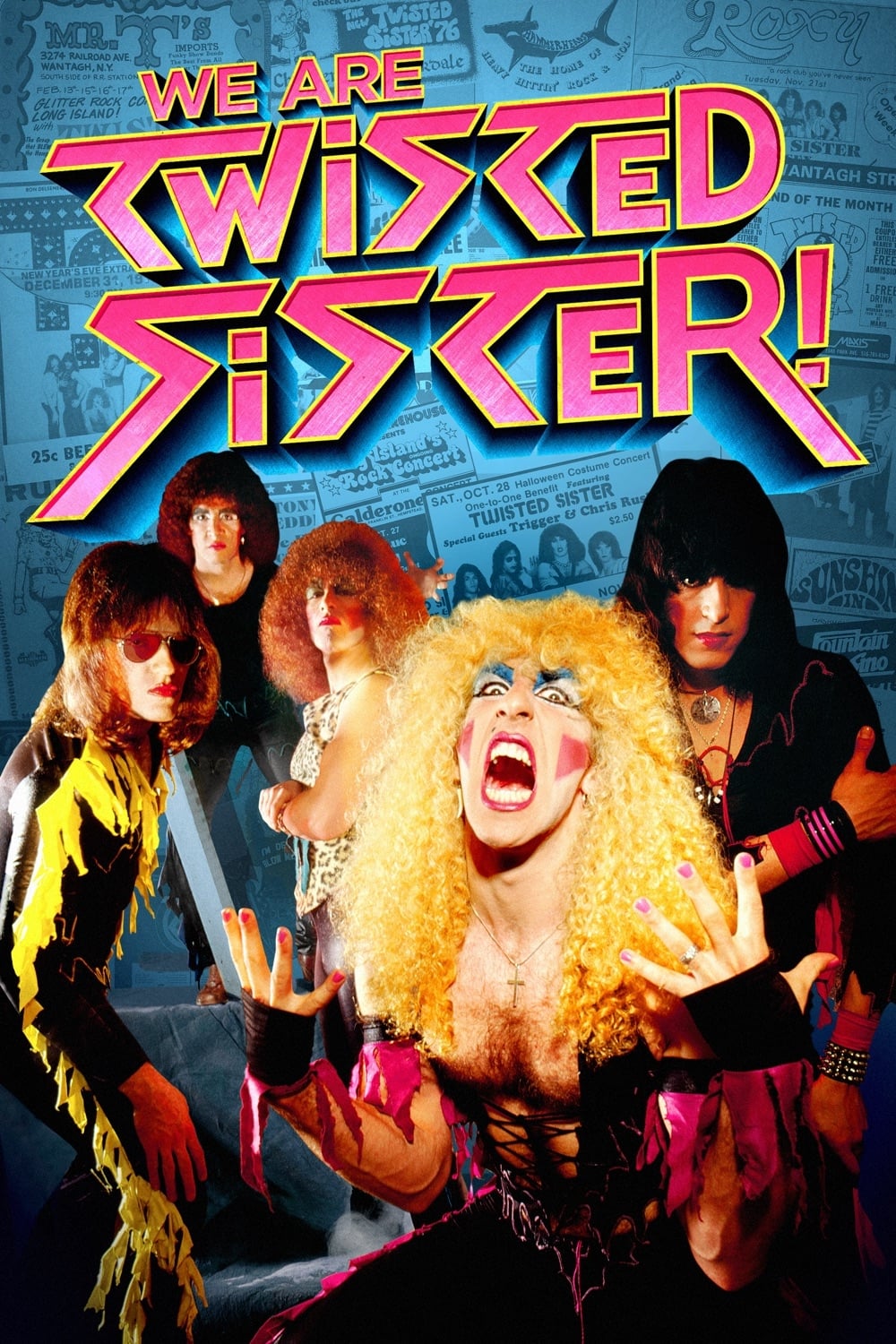
In 1984, American heavy metal band Twisted Sister became a global sensation. For 30 years, they been synonymous with hairspray, women's clothing and tasteless album covers. Until now. Ten years ago, director Andrew Horn was granted access to the archives of Twisted Sister founder Jay French and he explores the decade that preceded their breakthrough.
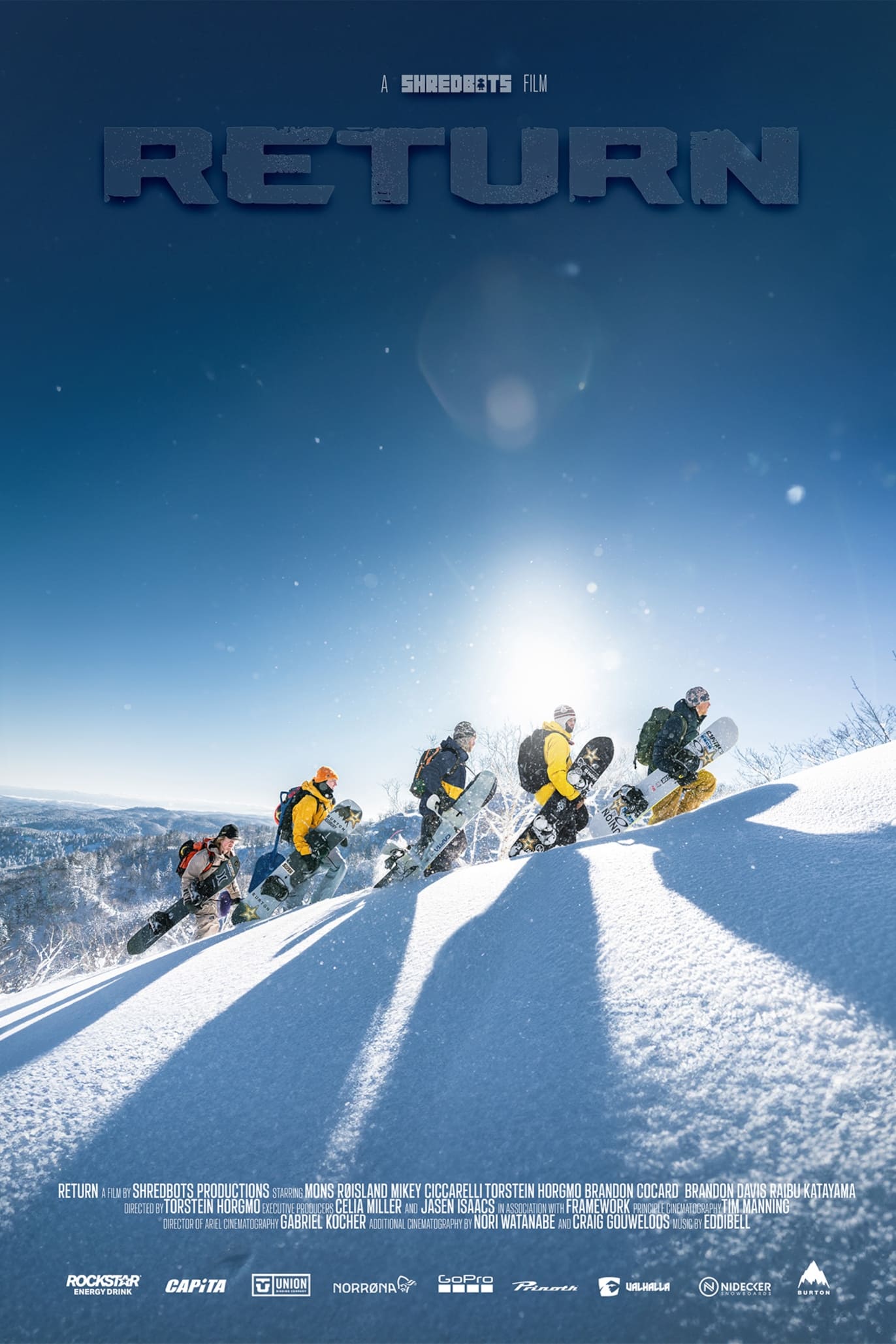
‘RETURN’ follows Torstein Horgmo, Mikey Ciccarelli, Mons Røisland, Brandon Cocard, Brandon Davis, and Raibu Katayama as they push the boundaries of what can be accomplished snowboarding when innovative minds join forces.
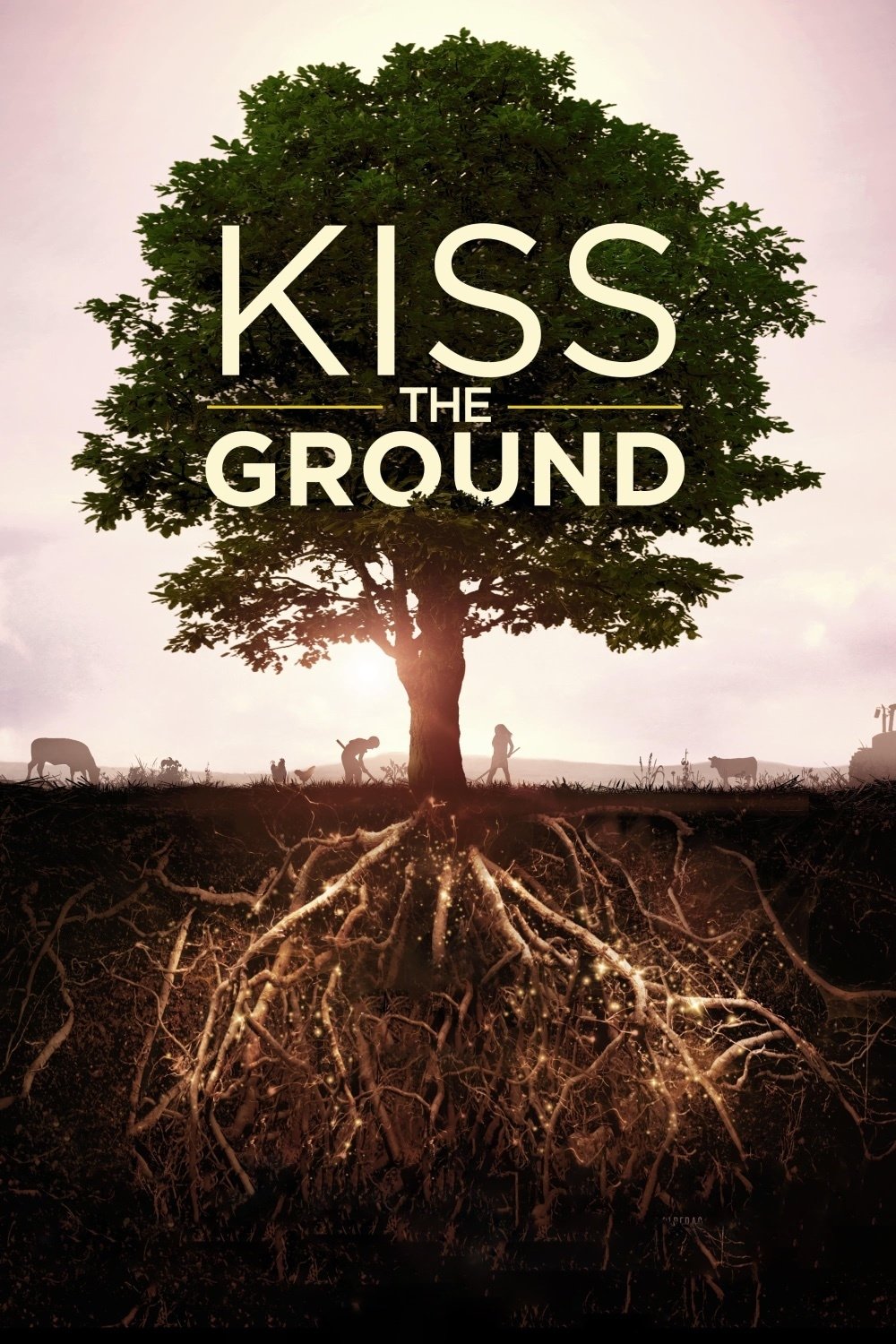
Sheds light on an alternative approach to farming called “regenerative agriculture” that could balance our climate, replenish our vast water supplies, and feed the world.
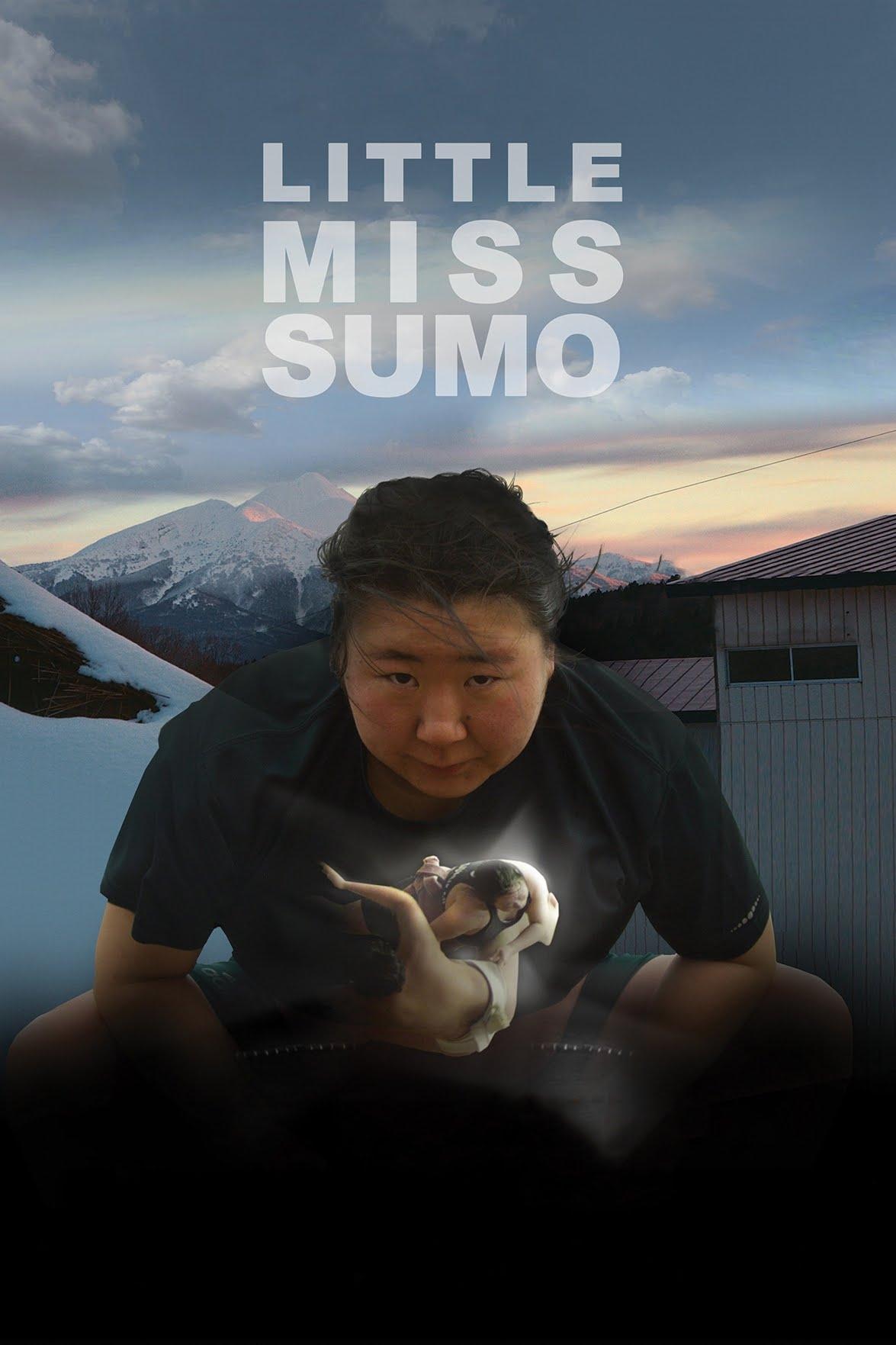
In an ancient sport traditionally reserved for men, 20-year-old female sumo prodigy Hiyori attempts to revolutionize Japan’s national pastime.
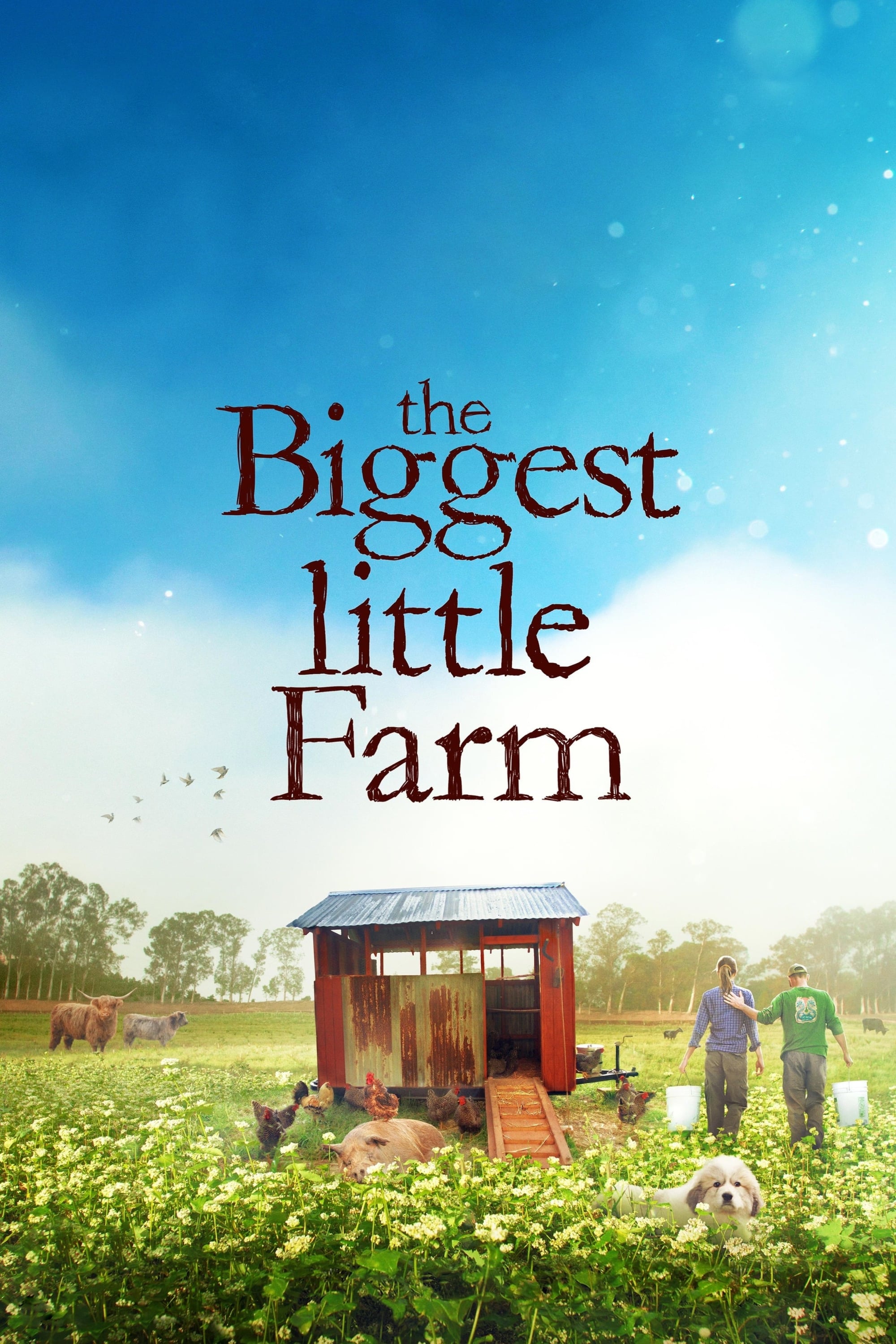
The successes and failures of a couple determined to live in harmony with nature on a farm outside of Los Angeles are lovingly chronicled by filmmaking farmer John Chester, in this inspiring documentary.
In the past 40 years, the War on Drugs has accounted for 45 million arrests, made America the world's largest jailer, and destroyed impoverished communities at home and abroad. Yet drugs are cheaper, purer, and more available today than ever. Where did we go wrong?
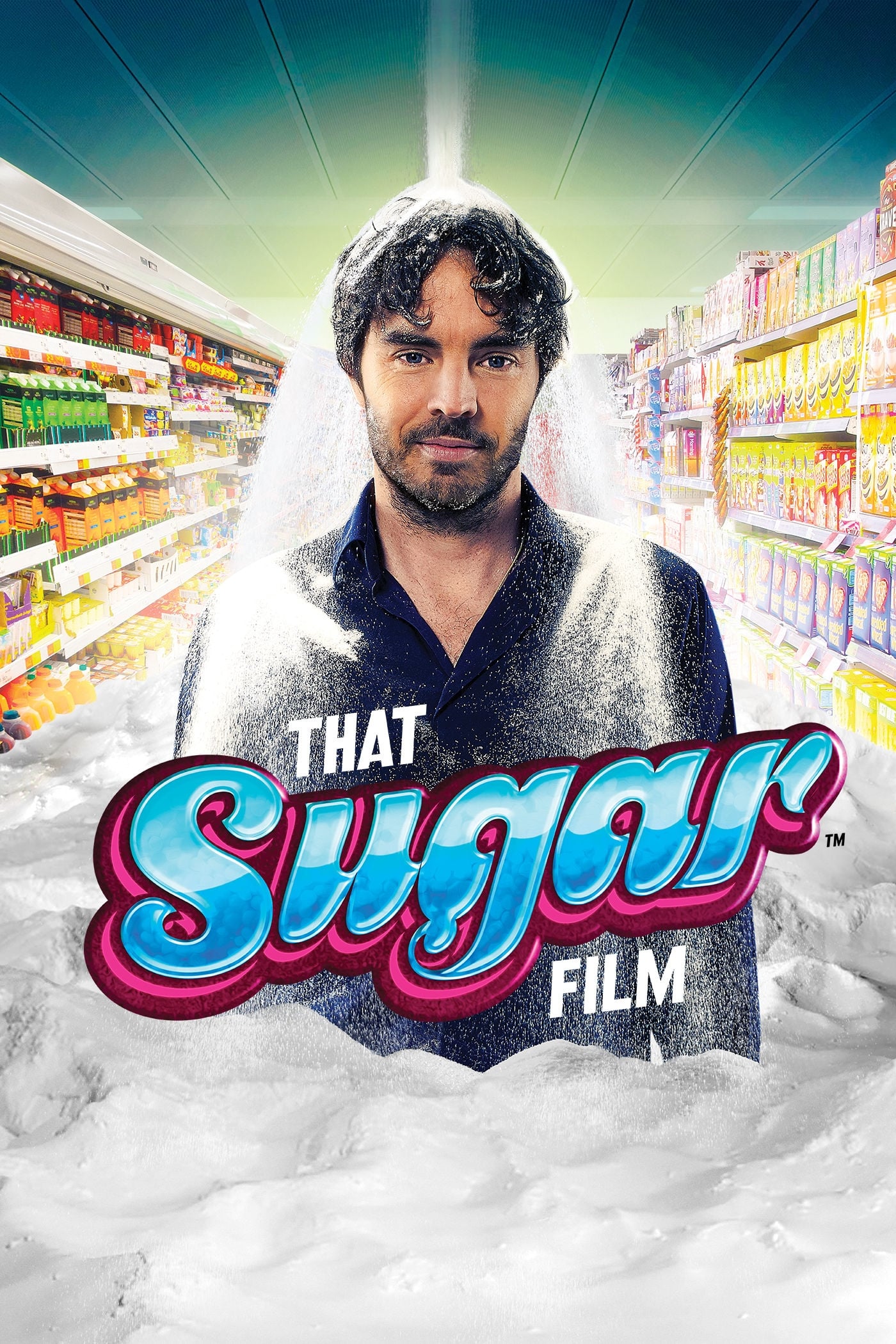
One man's journey to discover the bitter truth about sugar. Damon Gameau embarks on a unique experiment to document the effects of a high sugar diet on a healthy body, consuming only foods that are commonly perceived as 'healthy'. Through this entertaining and informative journey, Damon highlights some of the issues that plague the sugar industry, and where sugar lurks on supermarket shelves.