Social & External
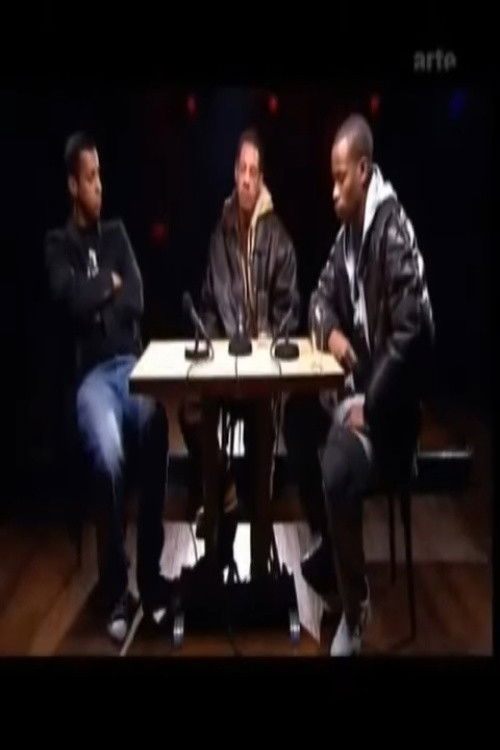
An investigation in the city prompted by the assault of a young person by a bus driver. All over the street, the collective goes out to meet people and question the processes of violence in their neighborhood.
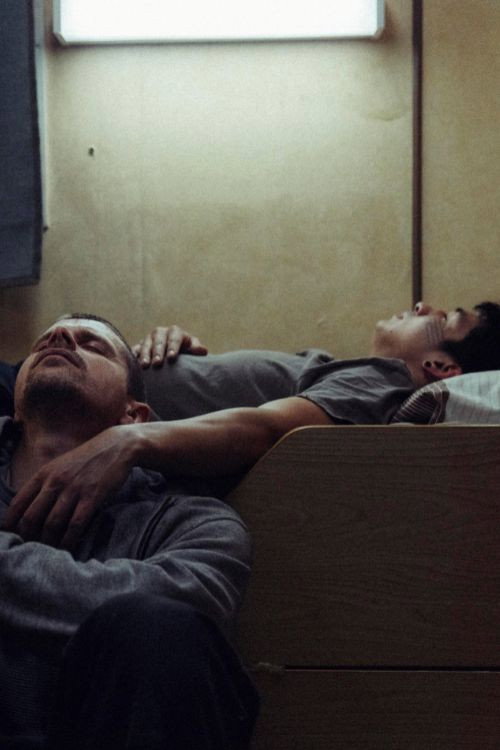
A cargo ship embarks on its final voyage of the year to resupply Inuit communities in the far north of Canada. During a storm off the coast of Labrador, the ship’s cook is found murdered in his cabin. With no way to identify the culprit among the twenty crew members, suspicion falls on Alupa, an Inuit mechanic and close friend of the victim. Unfolding in reverse, from the investigation back to the night of the storm and the murder, the film transcends the boundaries of a traditional whodunit to probe deeper questions of race, class, and sexual desire.
Upcoming documentary about Italian filmmaker Bernardo Bertolucci.
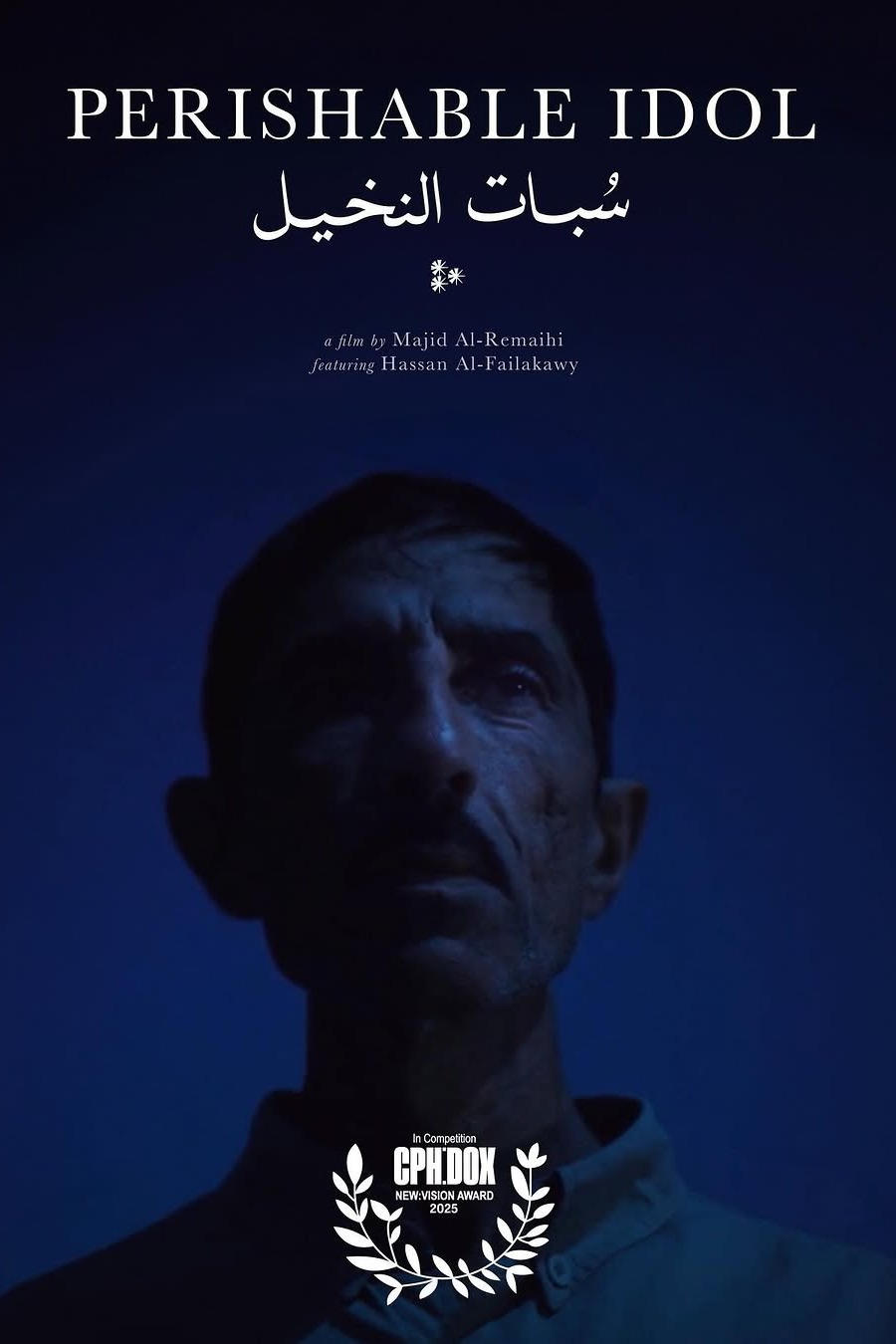
Failaka, previously Ikaros, the ancient island off the coast of Kuwait, recalls an oracle decades after the Gulf War left it deserted. Nature guards the island's ruins, animals roam it awaiting to be found, holes reach to its belly—the island where the pedigrees of pasts and futures meet. The film follows Hassan, a native to Failaka, but who had lost memory of its existence until a few years ago, when it brought him back to it.
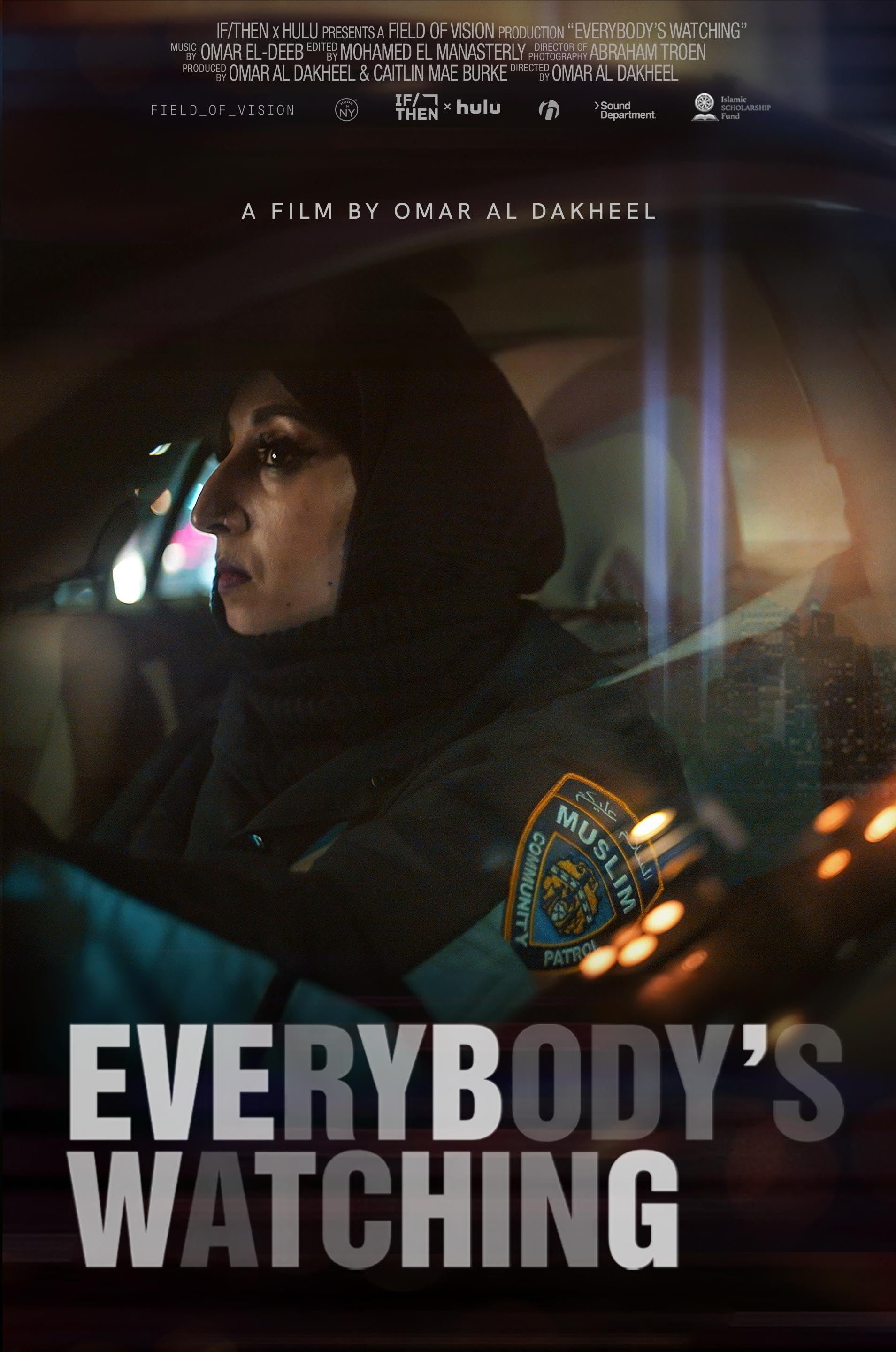
In NYC, a group of volunteers launch the first Muslim Community Patrol in America to combat the rising hate crimes in their community.
Sacred reservoirs in the Andes mountain range are the hidden sources of the Amazon River. This film chronicles the decades-long fight of the people in the highlands of Cajamarca against open pit mining operations that expropriate and contaminate the headwaters, poisoning thousands of miles ahead.
A soaked body float under the water pierced by a stone of messages and sensations, that are underneath a same word and a same concept: the eunf. Water. Source of life, hygiene, well-being and dignity, but is it like this for everyone?
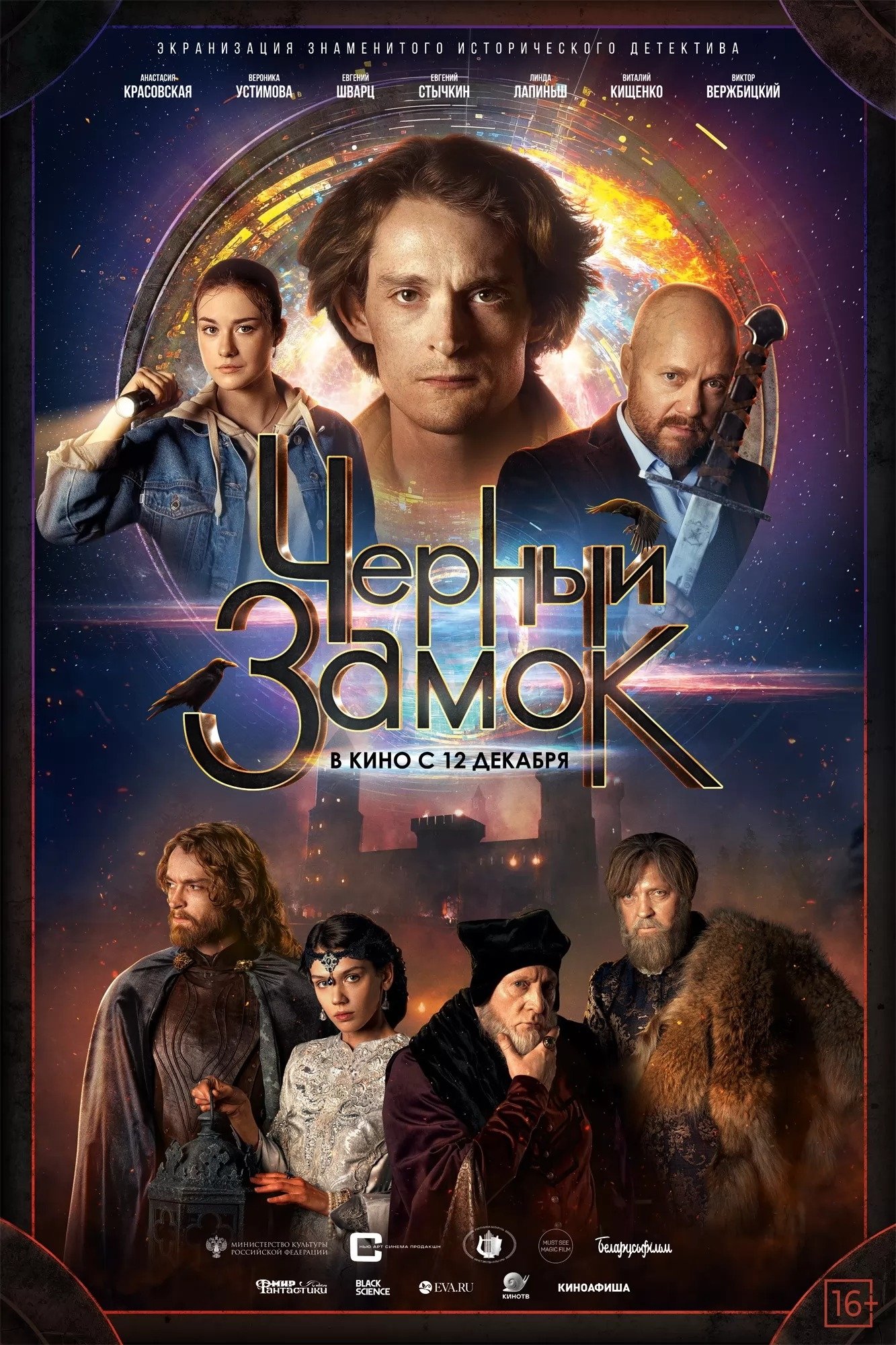
Young professor Anton Kosmich studies the history of Belarus. One day he is mystically transported to the Middle Ages, where he will have to unravel the secrets of the past millennia.
The history of cinematic sound, told by legendary sound designers and visionary filmmakers.
Director Claude Lanzmann spent 11 years on this sprawling documentary about the Holocaust, conducting his own interviews and refusing to use a single frame of archival footage. Dividing Holocaust witnesses into three categories – survivors, bystanders, and perpetrators – Lanzmann presents testimonies from survivors of the Chelmno concentration camp, an Auschwitz escapee, and witnesses of the Warsaw Ghetto Uprising, as well as a chilling report of gas chambers from an SS officer at Treblinka.
“The Soviet Story” is a story of an Allied power, which helped the Nazis to fight Jews and which slaughtered its own people on an industrial scale. Assisted by the West, this power triumphed on May 9th, 1945. Its crimes were made taboo, and the complete story of Europe’s most murderous regime has never been told. Until now...
When Allied forces liberated the Nazi concentration camps in 1944-45, their terrible discoveries were recorded by army and newsreel cameramen, revealing for the first time the full horror of what had happened. Making use of British, Soviet and American footage, the Ministry of Information’s Sidney Bernstein (later founder of Granada Television) aimed to create a documentary that would provide lasting, undeniable evidence of the Nazis’ unspeakable crimes. He commissioned a wealth of British talent, including editor Stewart McAllister, writer and future cabinet minister Richard Crossman – and, as treatment advisor, his friend Alfred Hitchcock. Yet, despite initial support from the British and US Governments, the film was shelved, and only now, 70 years on, has it been restored and completed by Imperial War Museums under its original title "German Concentration Camps Factual Survey".
This documentary examines the 1999 London bombings that targeted Black, Bangladeshi and gay communities, and the race to find the far-right perpetrator. He terrorized a city, seeking to ignite a race war but justice was served by those who wouldn't let his hate win.
Filmmaker Alain Resnais documents the atrocities behind the walls of Hitler's concentration camps.
A comedic, brutally honest documentary following self-destructive TV writer Dan Harmon as he takes his live podcast on a national tour.
Those who knew iconic funnyman John Candy best share his story, in their own words, through never-before-seen archival footage, imagery, and interviews.
A documentary about the life and films of director John Ford.
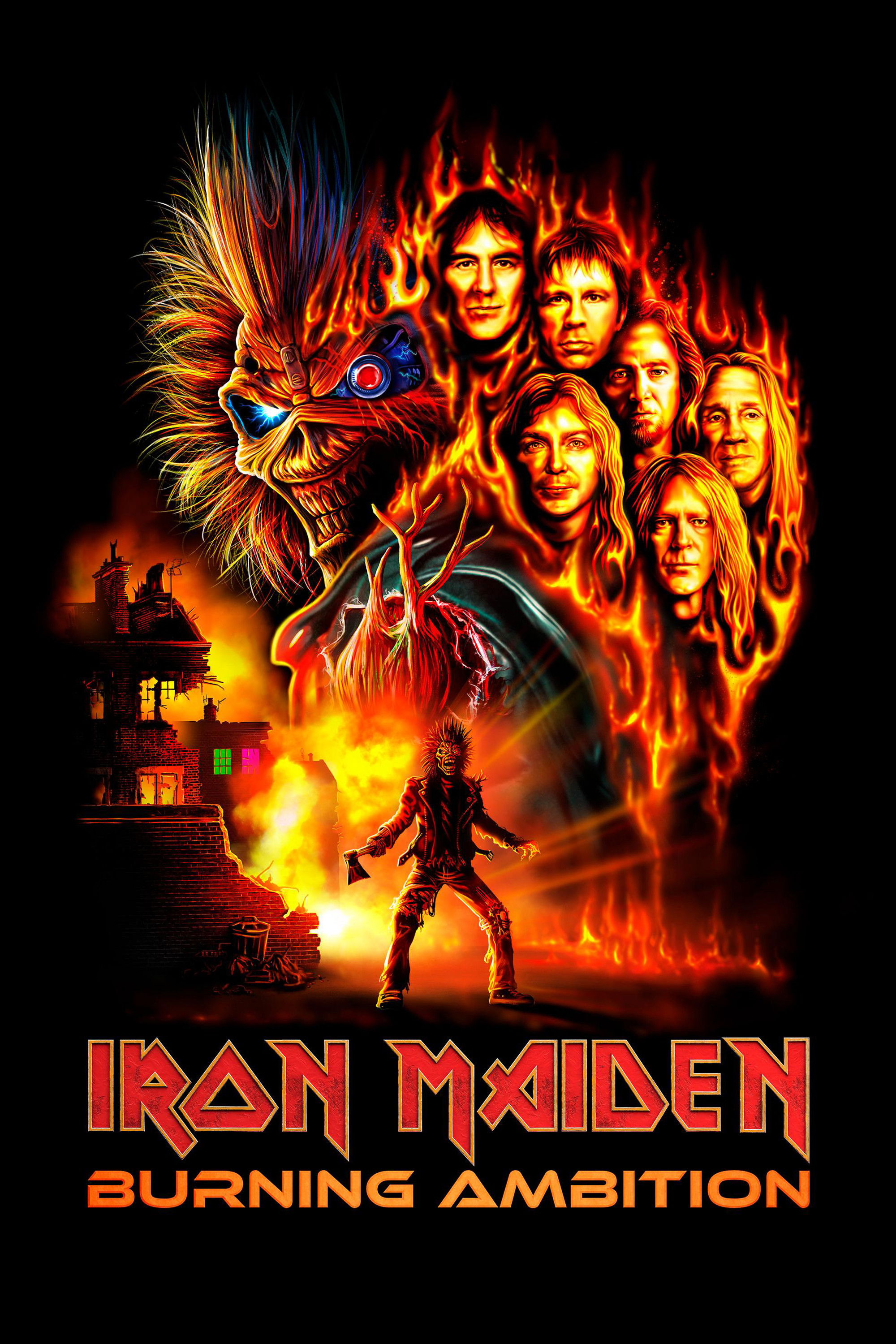
With unprecedented access to the official archives and intimate recollections from the band, both current and past, Iron Maiden: Burning Ambition invites fans to experience one of the most iconic journeys in music history. Spanning five decades, this electrifying documentary charts the band’s rise from the pubs of East London to the world’s biggest stadiums. Featuring exclusive interviews with band members and contributors such as Javier Bardem, Lars Ulrich and Chuck D, as well as all-new animated sequences of the band's legendary mascot, Eddie, the film offers a rare and intimate look at Iron Maiden’s uncompromising vision and unwavering connection with their truly global army of fans.
Alexander McQueen's rags-to-riches story is a modern-day fairy tale, laced with the gothic. Mirroring the savage beauty, boldness and vivacity of his design, this documentary is an intimate revelation of McQueen's own world, both tortured and inspired, which celebrates a radical and mesmerizing genius of profound influence.
The life and career of an actor, artist, and icon. His own journey through his own camera.
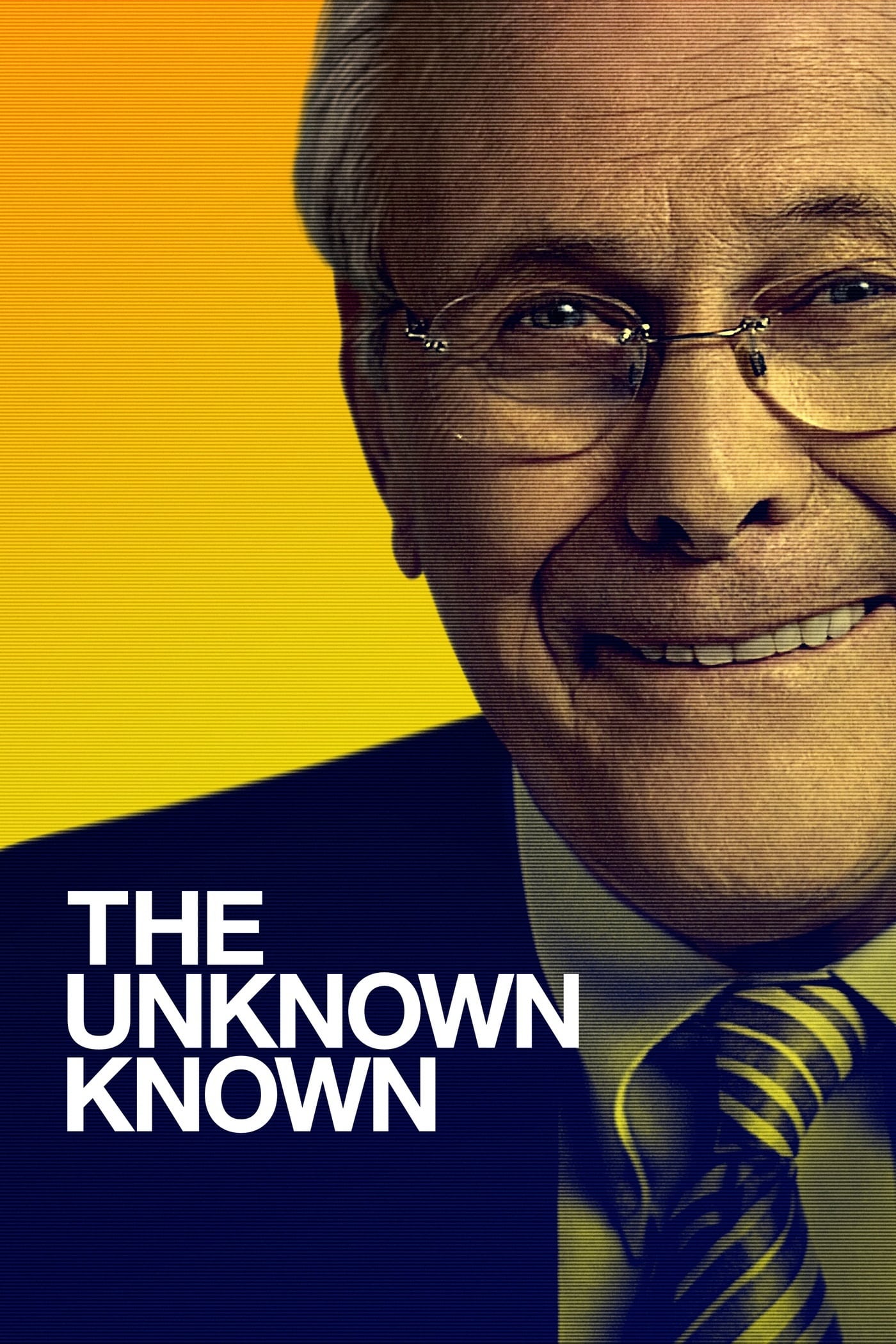
Former United States Secretary of Defense, Donald Rumsfeld, discusses his career in Washington D.C. from his days as a congressman in the early 1960s to planning the invasion of Iraq in 2003.
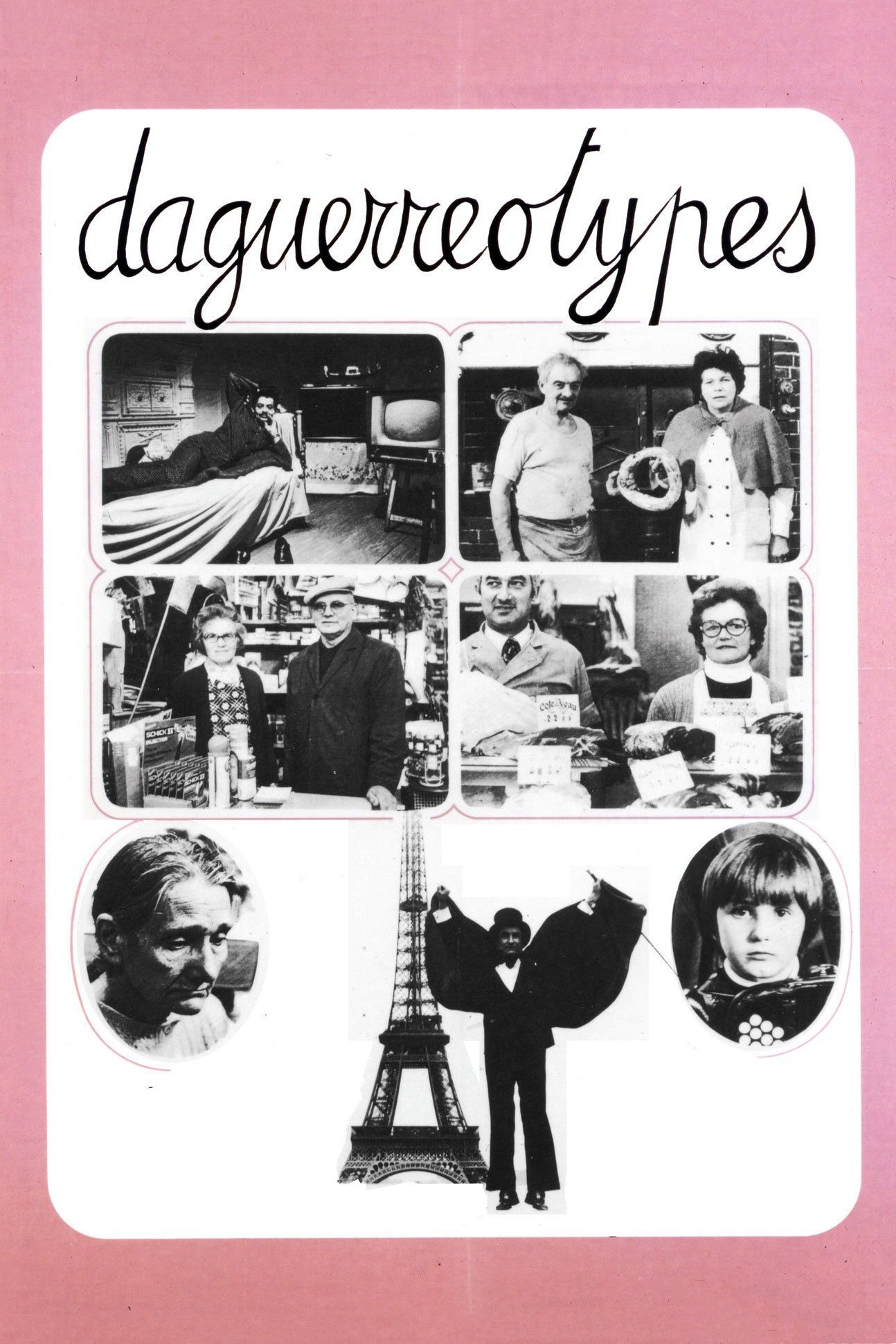
An intimate portrait of the small shops and shopkeepers of the Rue Daguerre in Paris, a picturesque street that has been the filmmaker’s home for more than 50 years.
The life and career of one of comedy's most inimitable modern voices, Mr. Gilbert Gottfried.
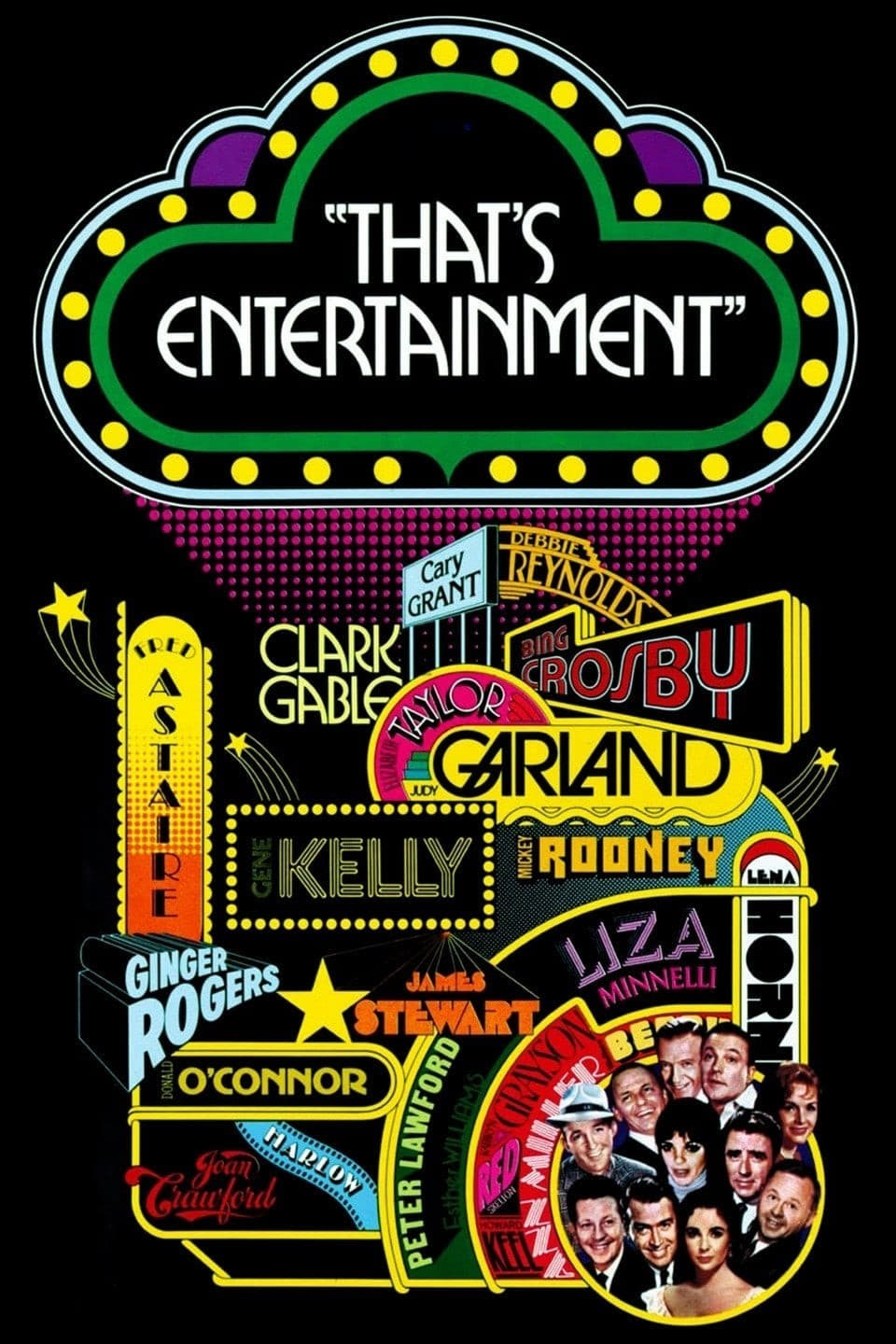
Various MGM stars from yesterday present their favorite musical moments from the studio's 50 year history.
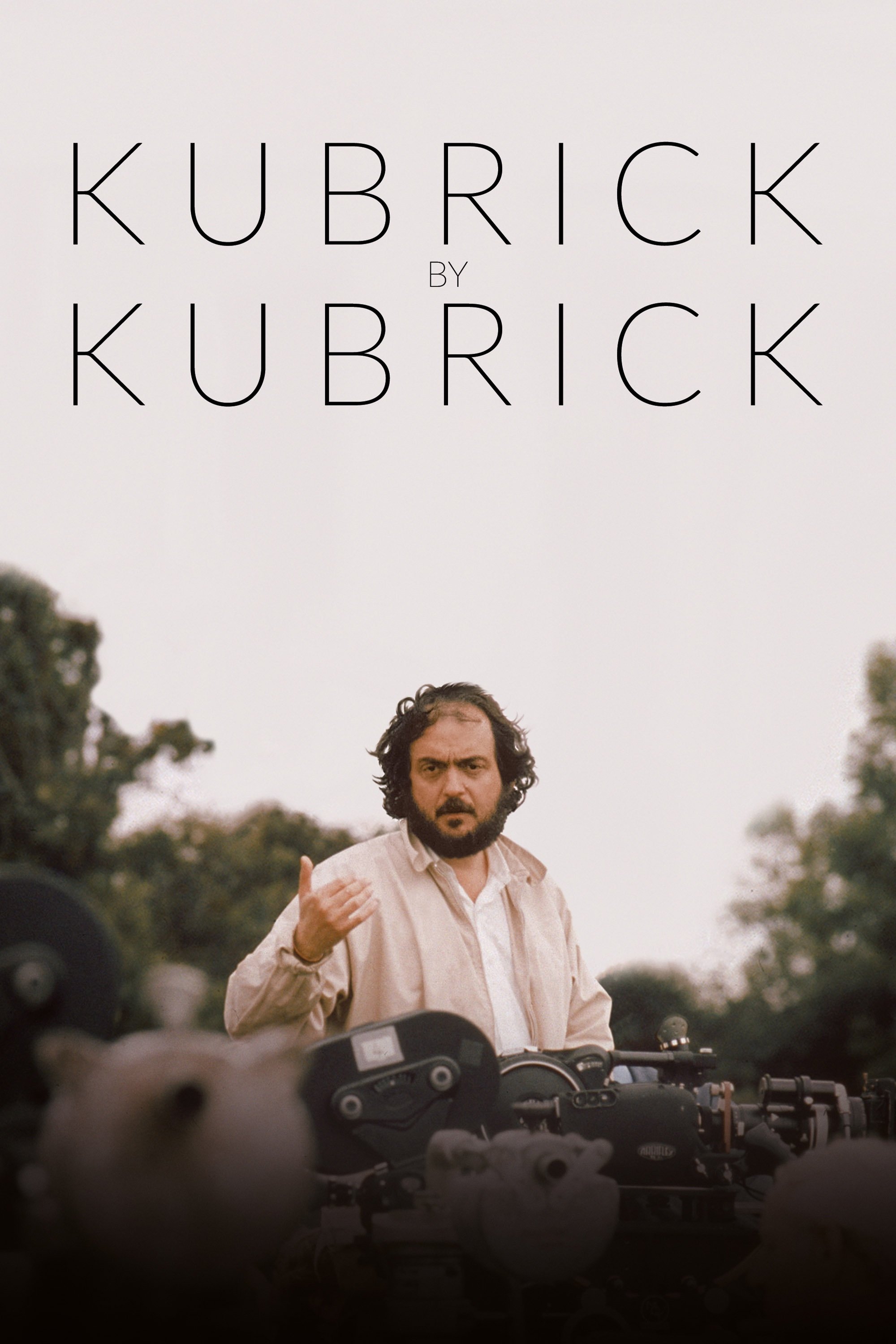
American filmmaker Stanley Kubrick (1928–1999), one of the greatest in history, but also one of the most reserved, gave few interviews throughout his long career, and none of them were filmed. A first-person journey through his life and work, based on a recorded conversation with French film critic Michel Climent.
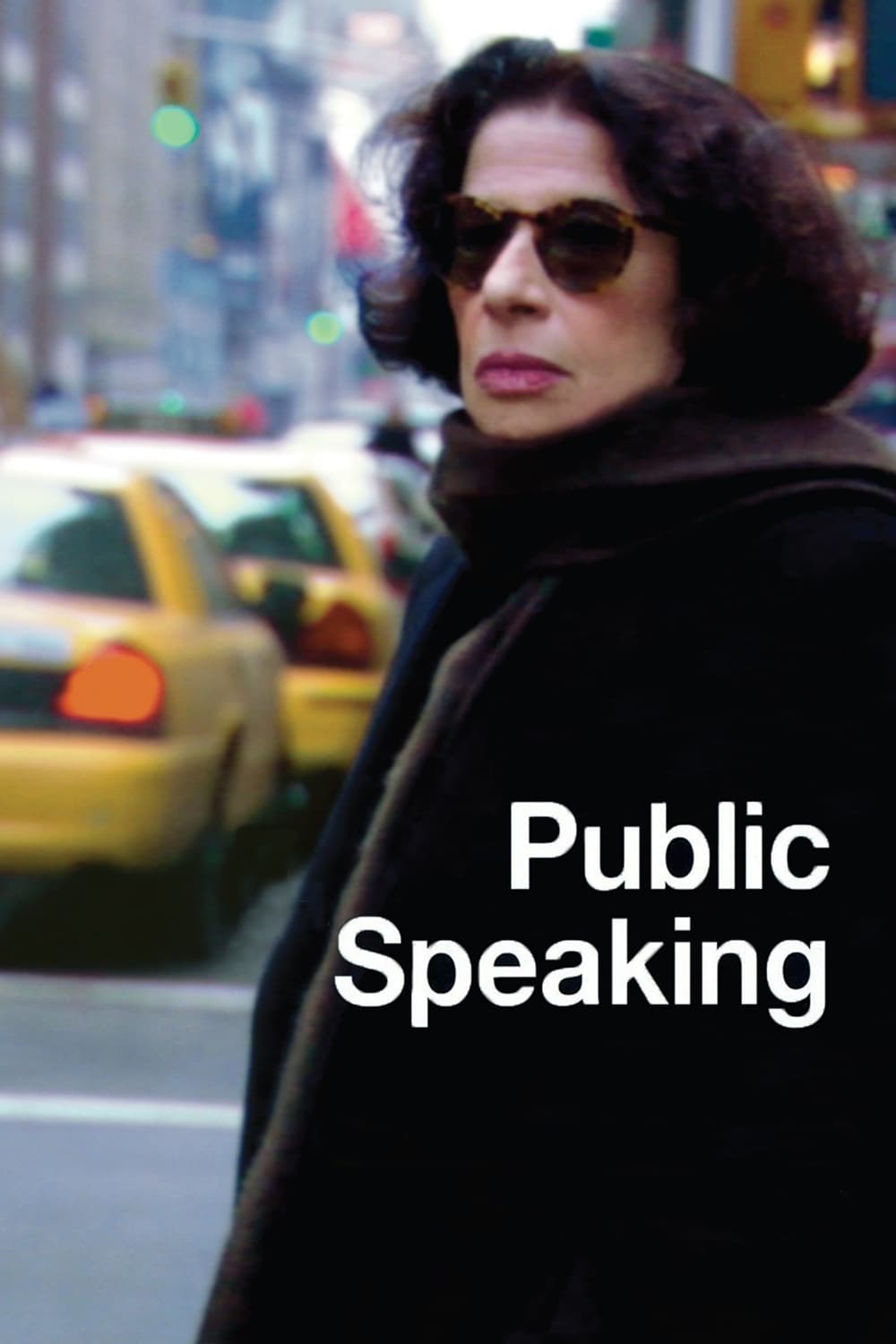
Martin Scorsese’s portrait of writer and social commentator Fran Lebowitz, celebrated for her sharp wit and observations on modern life. Filmed at New York’s Waverly Inn and intercut with archival footage and interviews, the documentary captures Lebowitz’s distinctive worldview through her spontaneous monologues and public appearances.
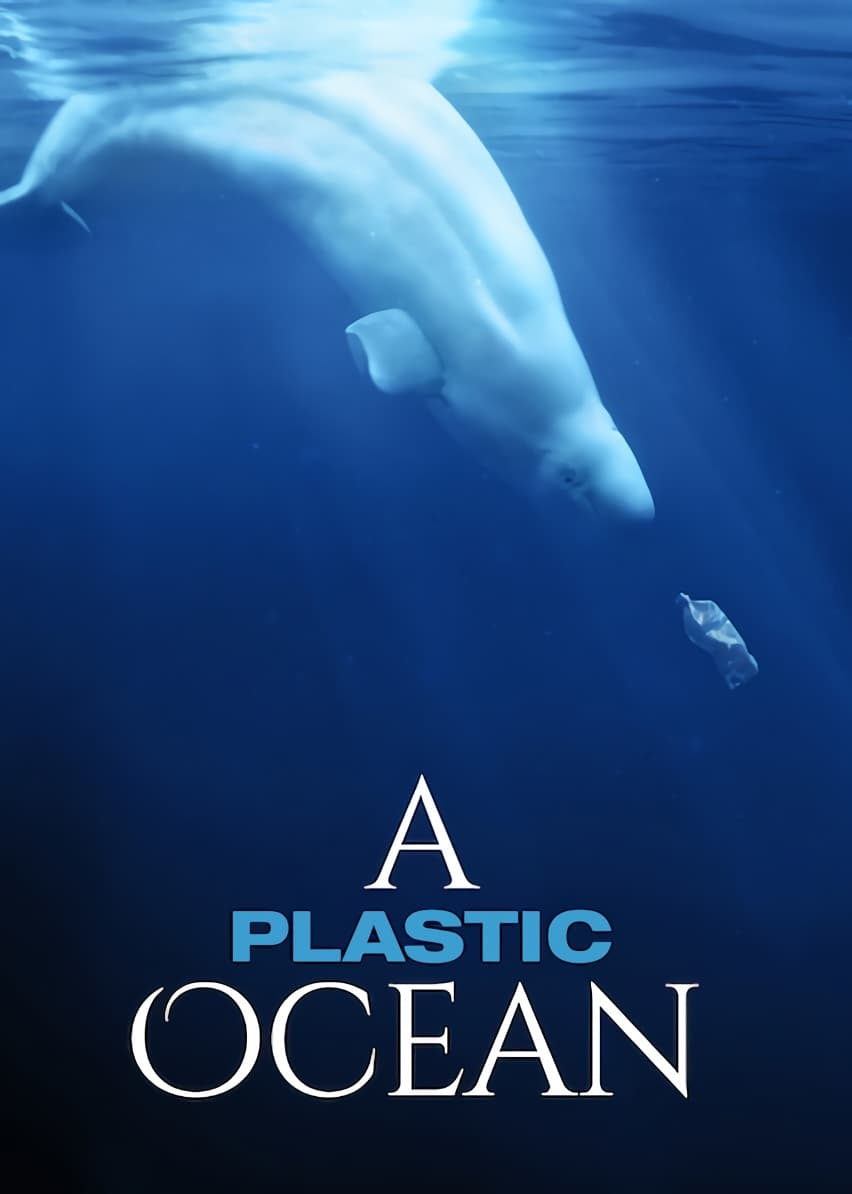
A documentary focused on plastic pollution in the world's oceans.
Prelude to War was the first film of Frank Capra's Why We Fight propaganda film series, commissioned by the Pentagon and George C. Marshall. It was made to convince American troops of the necessity of combating the Axis Powers during World War II. This film examines the differences between democratic and fascist states.