Social & External
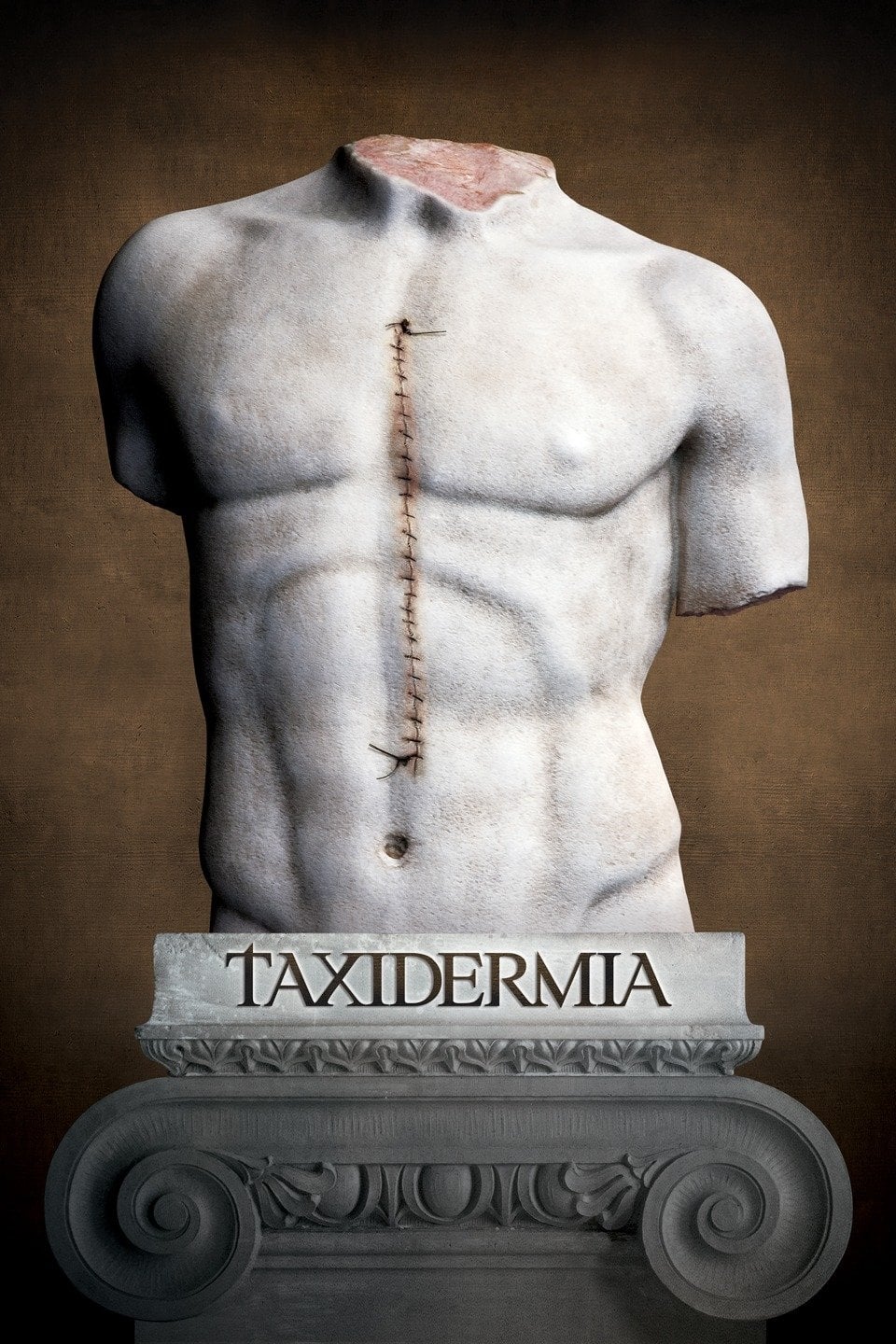
Set over three generations and beginning with a sexually frustrated orderly during WWII who relieves his tensions in the most outlandish, gross ways. The result of his liaison is a glutton who grows up to be a champion speed eater. He produces a child who becomes obsessed with taxidermy.
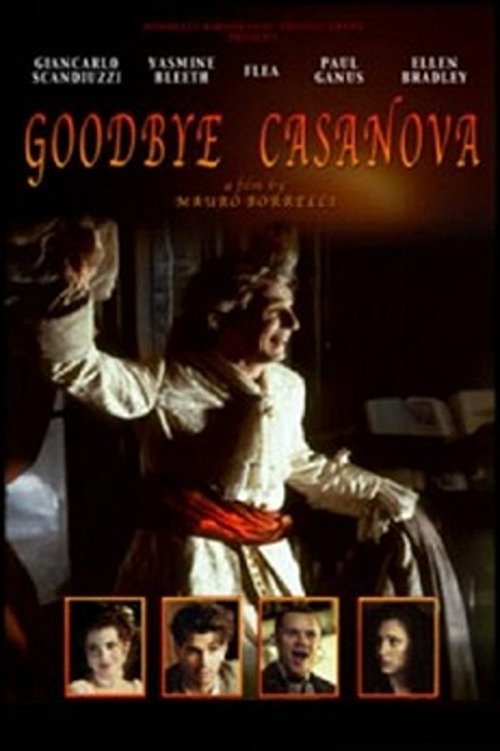
A aspiring novelist operates a tiny neighborhood bookstore. His wife is a talented painter. Their marriage is disintegrating, and they are about to sign their divorce papers. Meanwhile, the legendary Casanova and his lover Lavinia are characters trapped inside of a 17th-century children's book. The tragedy of the impending divorce triggers the release of Casanova and Lavinia from the confines of the children's pop-up book.
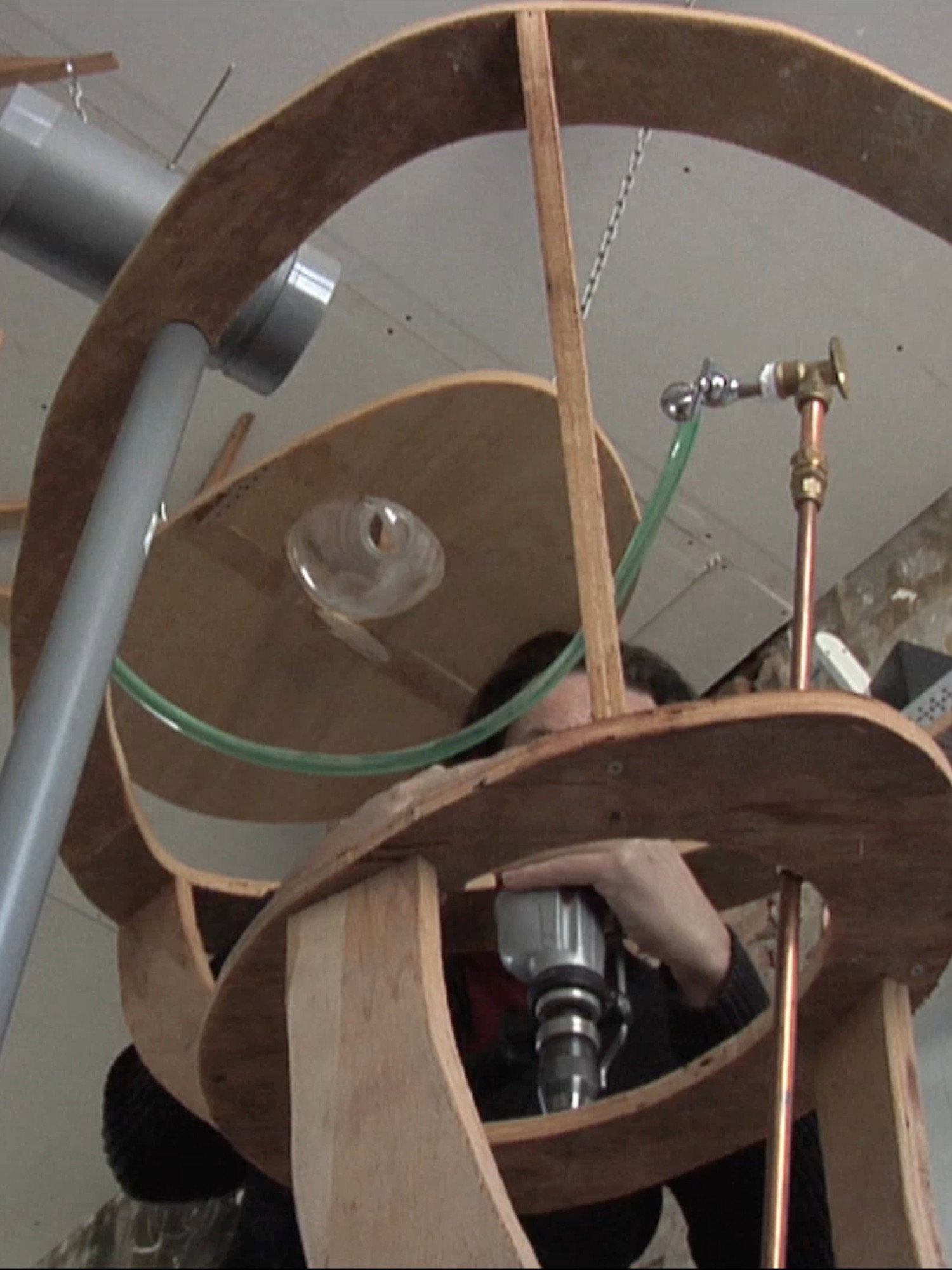
Philipp Fleischmann develops special cameras designed to formulate specific relations between the material of the footage (16 or 35 mm film) and the object of the recording. For instance, in his 2013 project “Main Hall,” he deconstructs the main exhibition hall of the Viennese Secession, filming the exhibition architecture with 19 individual cameras and thus creating images that show the view of the exhibition space onto itself. Fleischmann’s recent work, “Untitled (Generali Foundation Vienna)" identifies the film camera as a spacial object-form by itself. Correlating with the history of artistic interventions on site, the object is placed in the former exhibition space of the Generali Foundation at Wiedner Hauptstrasse 15, Vienna, and provided with a cinematographic view.
Hélio, a college freshman, discovers his senses and his own mind through a psychedelic, strange and terrifying event. The event is surrounded by a monstrous silhouette, his best friend, blood and rock. Meanwhile, a film student reflects on his ideas and aspirations about filmmaking.
An exiled magician finds an opportunity for revenge against his enemies muted when his daughter and the son of his chief enemy fall in love in this uniquely structured retelling of the 'The Tempest'.
Nearly devoid of editing resources, the videos feature single shots of anonymous people in daily life, subtly revealed/highlighted through zooming. Instead of uncovering reality, though, the videos end up turning it into pure invention. The “videorhizomes” are not limited to production and screening in regular, traditional circuits. The process includes sending the videos to a person that is randomly chosen from the phone book.
A narcissistic fitness fanatic argues with his significant other over breakfast about who is the healthier of the two.
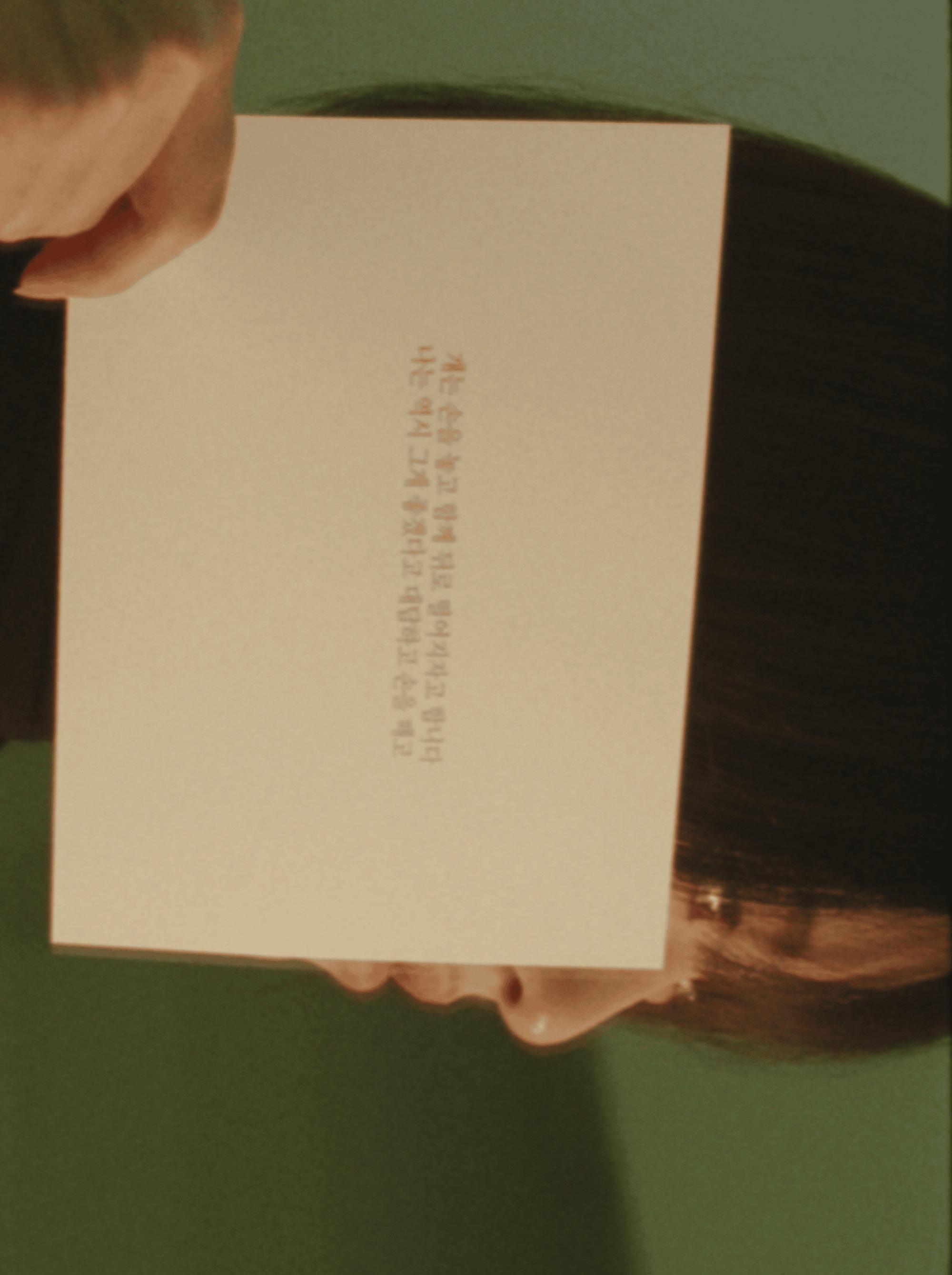
withal our bodies we are is a work combining text and the moving image of body movements. In the text, the speaker feels awkward and nervous at a club and meets ’Jiwon‘, visiting different places and sharing communal movements and affect. Based on the senses emerging from the text - nervousness, self-consciousness, relaxedness, awkwardness, and etc. - Sunghyun who performed for this piece choreographed movements with me. In this work, Sunghyun presents texts that are printed in reverse on the mirror and performs movements that are sometimes related, not related, or maybe extended from the text. By putting text and movements together, we think about how our bodies move and what it is about to move together with others.
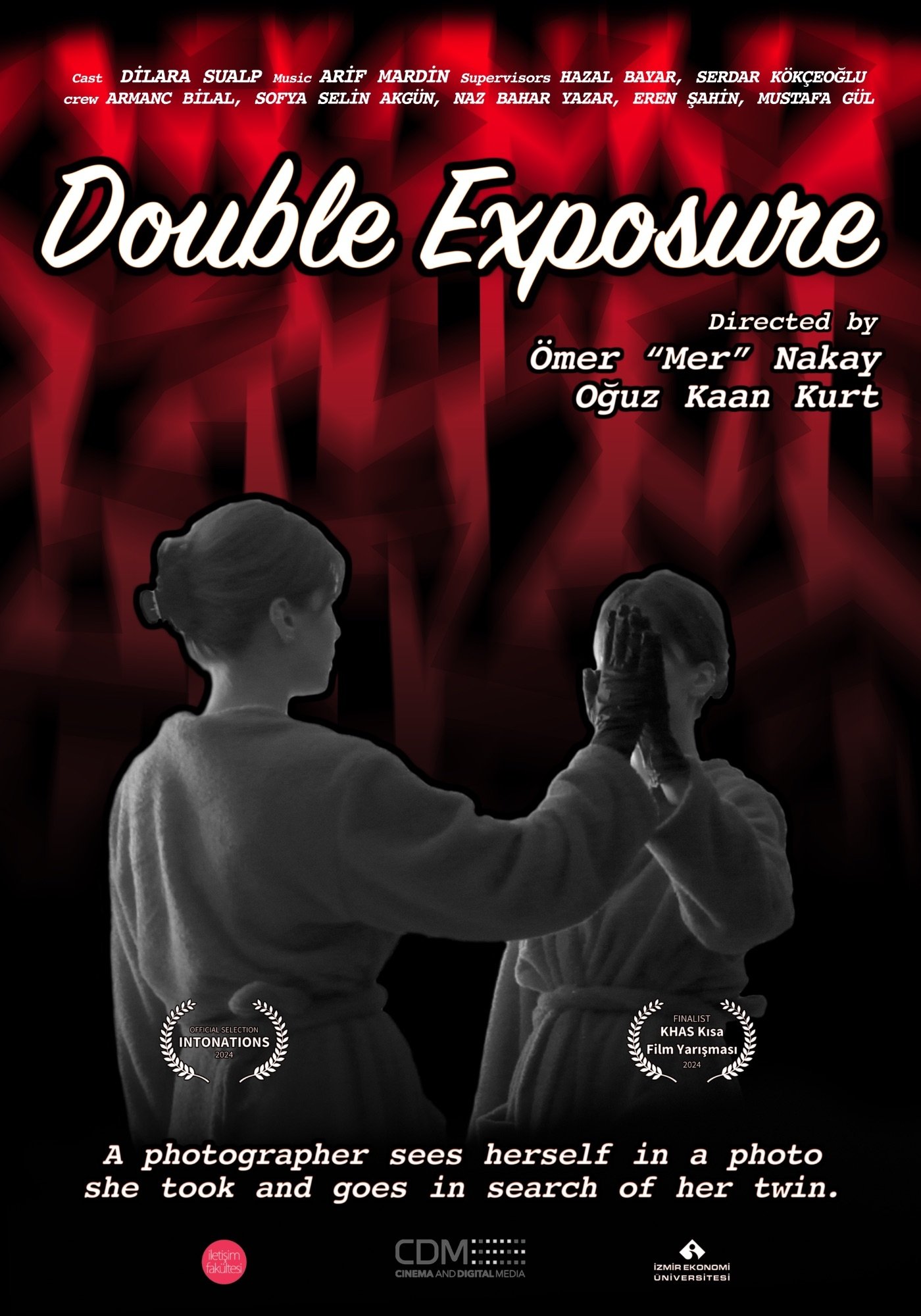
A photographer girl enters a street to take street photographs as usual and takes a few photos that she thinks are normal. When she washes the photos and hangs them, she sees that she is actually in one of the photos and goes in search of that person.
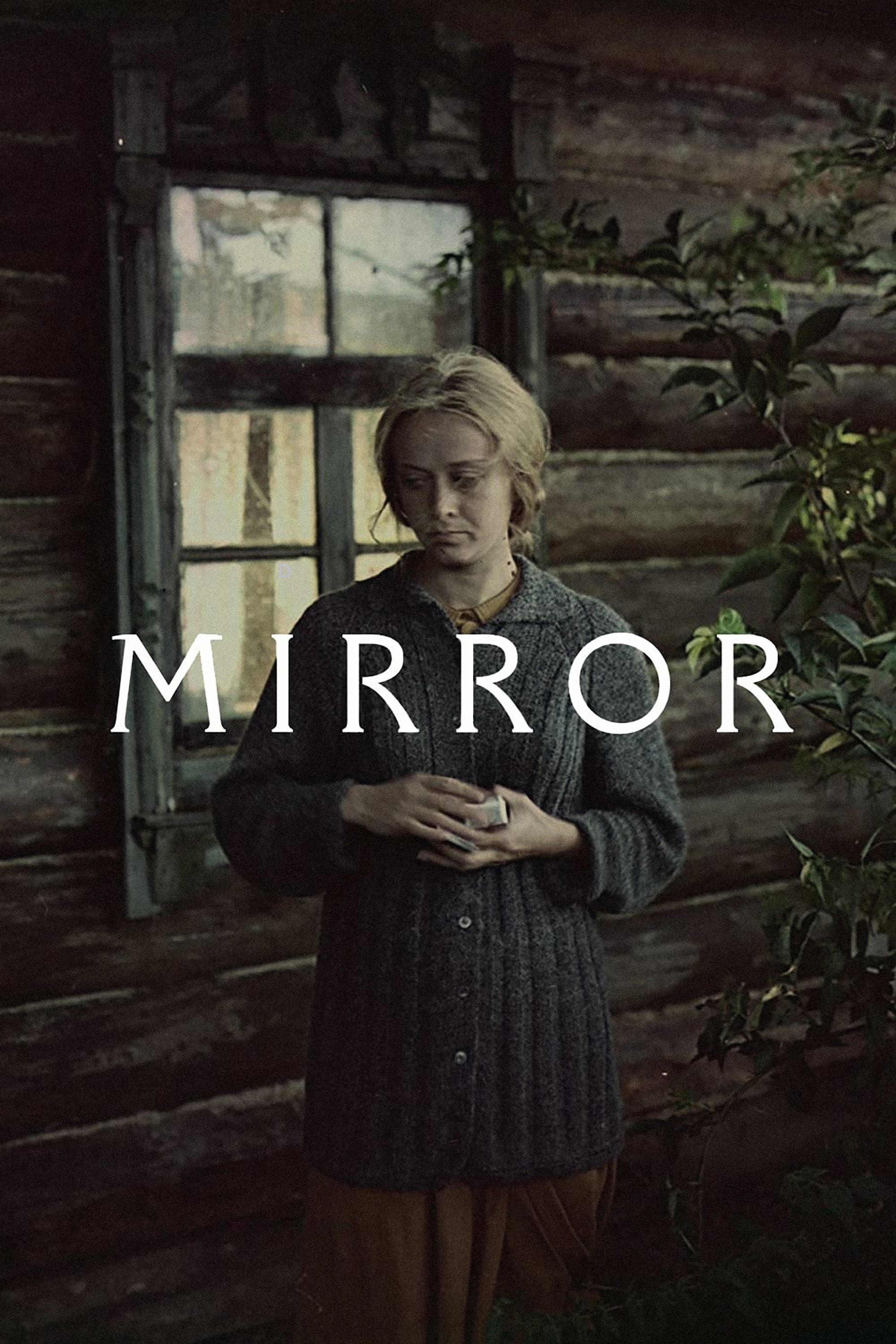
A dying man in his forties recalls his childhood, his mother, the war and personal moments that tell of and juxtapose pivotal moments in Soviet history with daily life.
Writes Ando, "Oh! My Mother was the first work I made using a newly bought 16mm camera I had purchased with the writer Shuji Terayama in Paris. This piece was selected for the Oberhausen International Film Festival. In 1969, there were, of course, no video cameras like ones we see now, and color TVs were only found at broadcast television studios. I had just been employed at the TBS (Tokyo Broadcasting System), and I often snuck into the studios after hours to experiment with the equipment. Oh! My Mother was made using the feedback effect, which is produced by infinitely expanding the image by looping the video."
After his mother's death, a young man edits the family's home videos to bring back her image. As he delves into the occult he begins to reveal the paradoxical magic of memories and cinema.
A comic study of 20th-century history, reconstructing the life of writer, creator and professional prisoner Tulse Luper. Born in 1911 Newport and last heard of in 1989, Luper’s life is pieced together from the evidence found in 92 suitcases scattered across the globe. In the first of three parts, we follow Luper through three distinct episodes: as a child during the First World War; as an explorer in Mormon Utah; and as a writer in Belgium during the rise of fascism.
Dreamy days and nights in the head of an introverted and isolated teenager who is swallowed in the depths of his imagination.
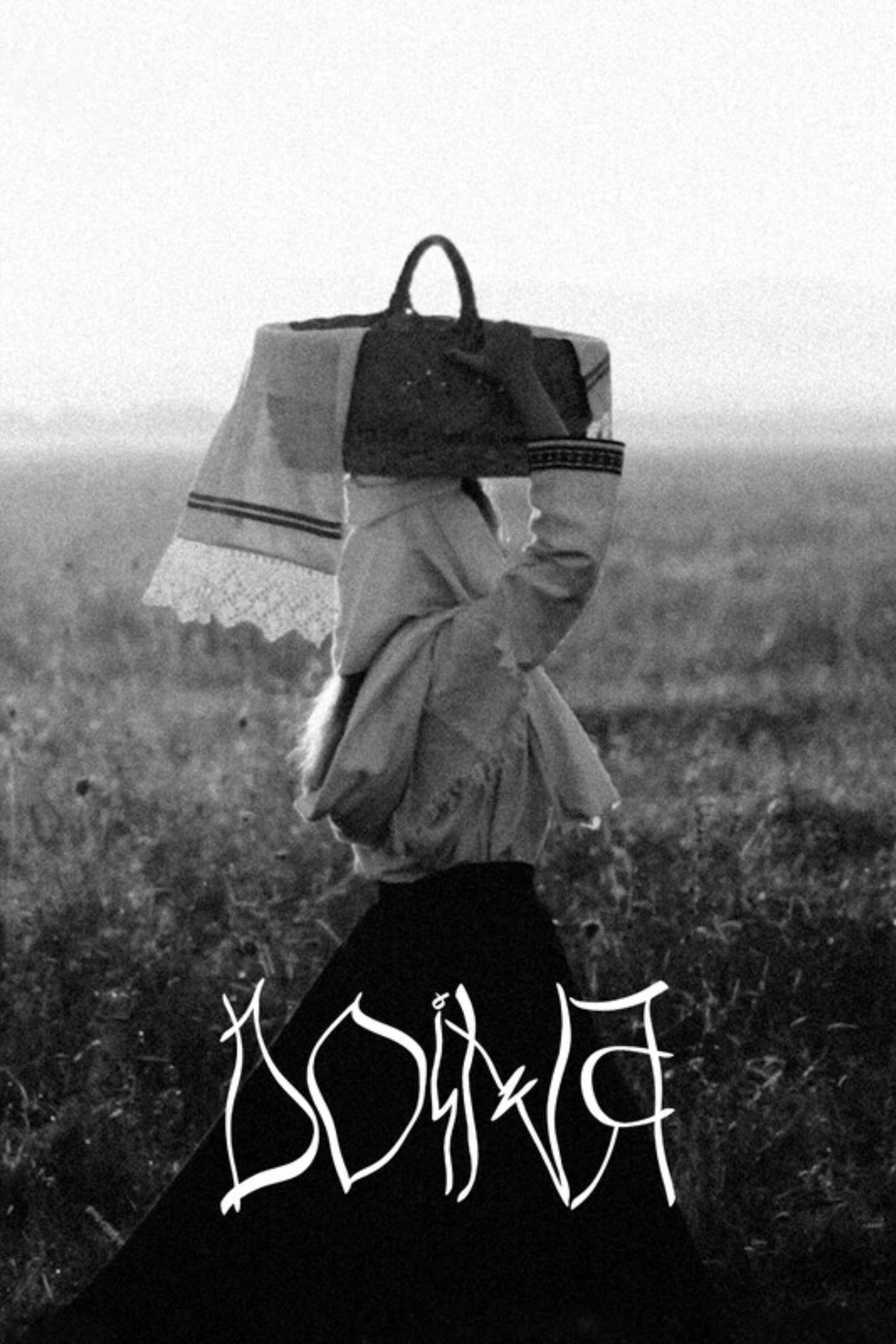
Doina, a shepherd’s wife in ancient Romania, turns her daily routine into ritual. When nature foretells his death, her journey through grief blends realism, myth, and magic, where despair meets imagination.
An early Super 8 film by Heather McAdams, made while she was an MFA student at the School of the Art Institute of Chicago.
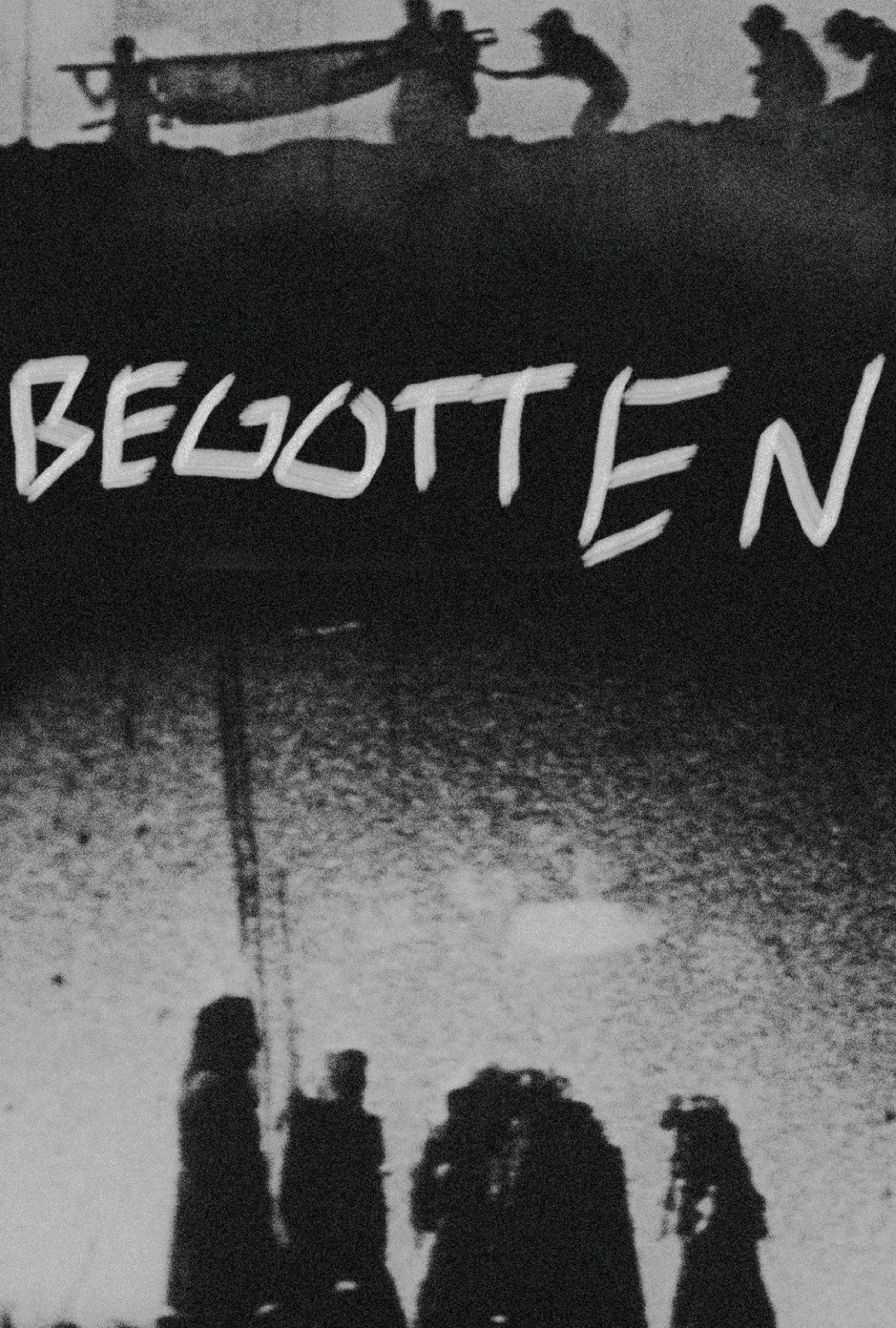
Begotten is the creation myth brought to life, the story of no less than the violent death of God and the (re)birth of nature on a barren earth.
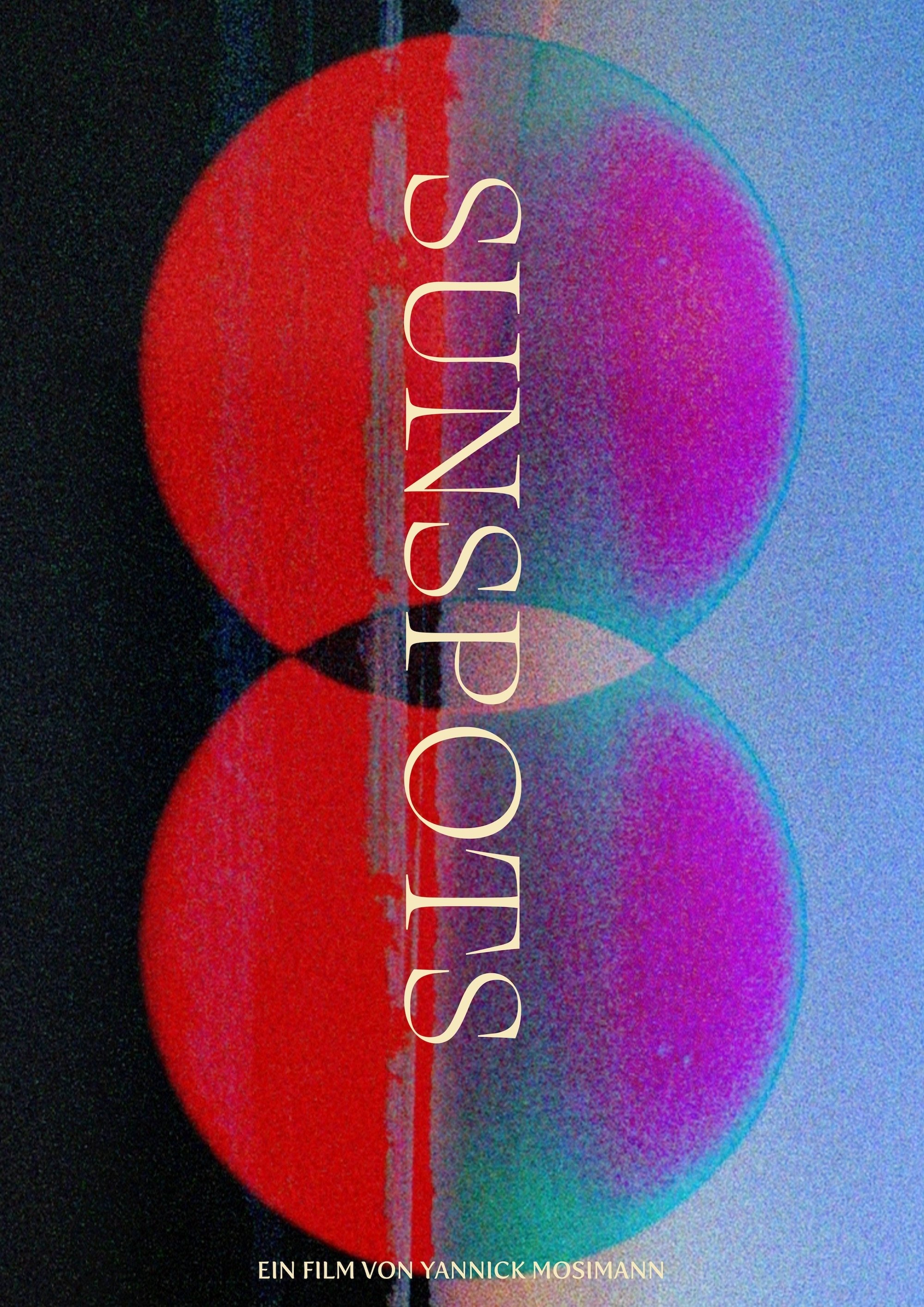
In SUNSPOTS, several 16mm shots of the sun are layered and superimposed, paired with a soundscape consisting of volcanos, fire, plastic and the audible solar sounds recorded by the Solar and Heliospheric Observatory (SOHO).
In the final days of the American Civil War, an emigre Hungarian military officer attempts to map the situation of the enemy. Many veterans of the 1848 War of Independence in Hungary fought on the northern side. Experienced Fiala, Boldogh who struggles with homesickness and the reckless Vereczky all experience their enforced emigration in different ways and news of impending peace elicits different reactions from them all.
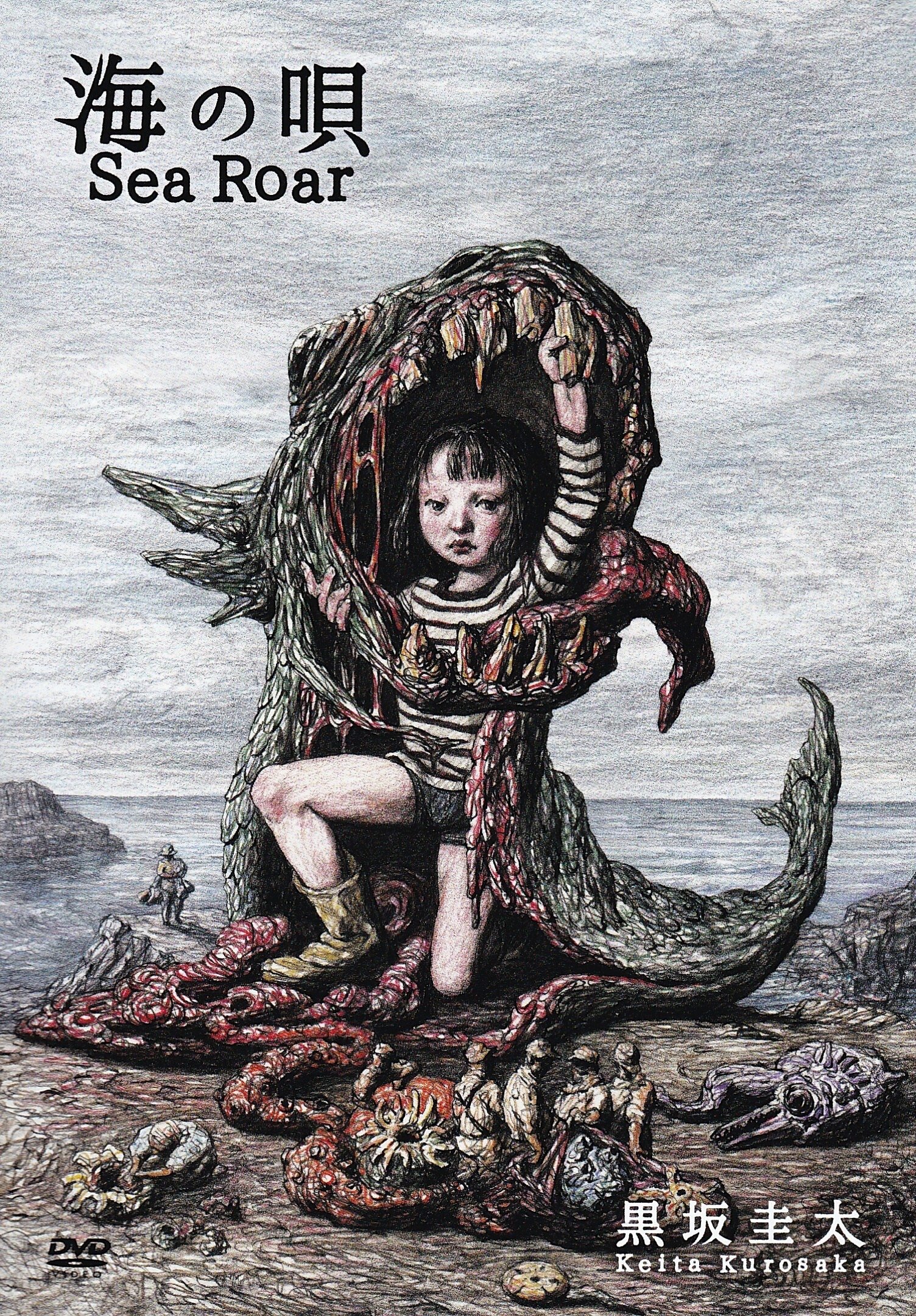
In a certain fishing village, a memorial service is held to burn abandoned boats, and old fishing boats that have finished their duty have a dream on the verge of death. Deep-sea fish galloping through the alleys, fishermen pulling long ropes, ghosts of screaming girls...
An atmospheric essay, which is an alternative version of Count Dracula, a film directed by Jess Franco in 1970; a ghostly narration between fiction and reality.
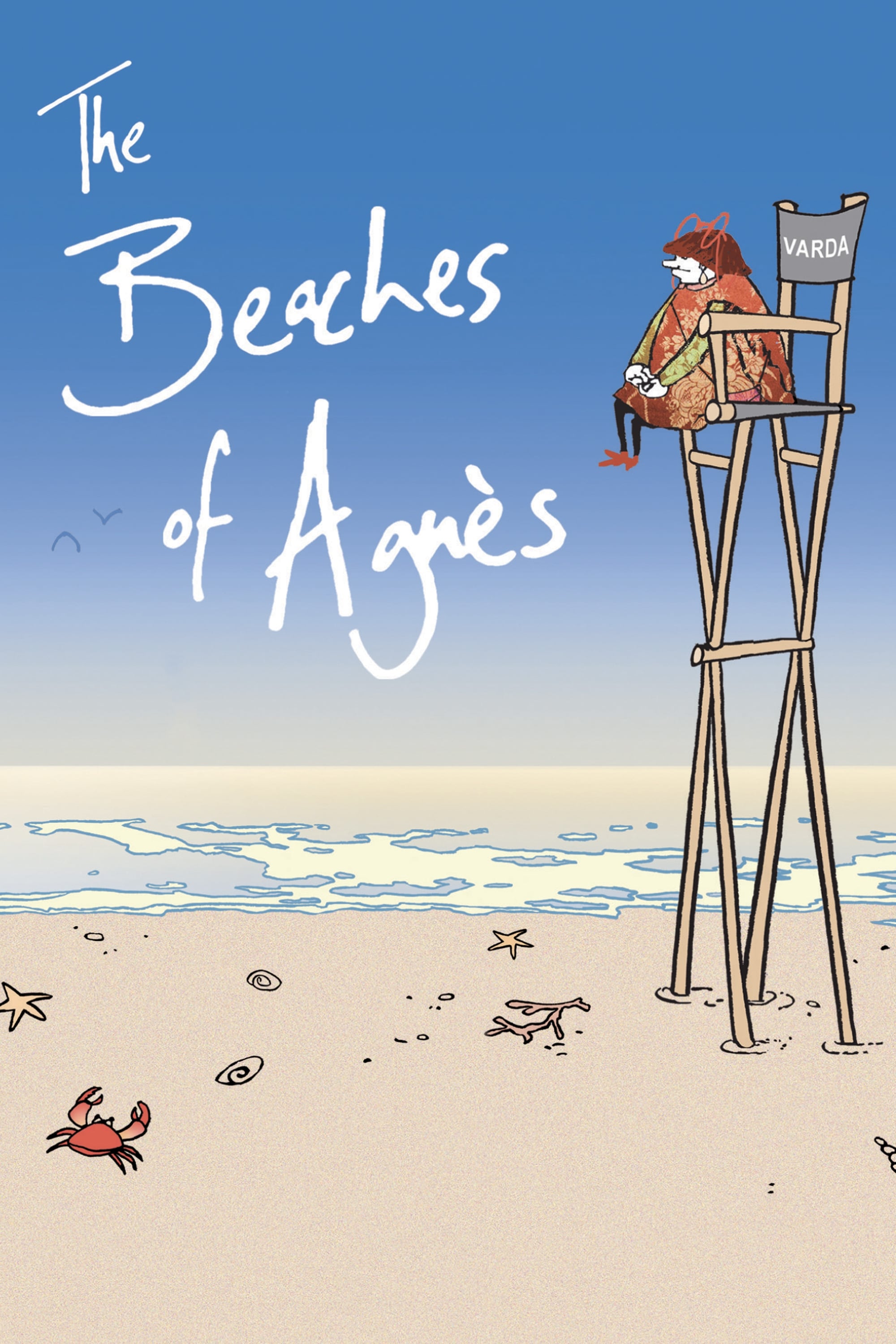
Filmmaking icon Agnès Varda, the award-winning director regarded by many as the grandmother of the French new wave, turns the camera on herself with this unique autobiographical documentary. Composed of film excerpts and elaborate dramatic re-creations, Varda's self-portrait recounts the highs and lows of her professional career, the many friendships that affected her life and her longtime marriage to cinematic giant Jacques Demy.
A look behind the lens of Christopher Nolan's space epic.
A nameless drifter navigates a barren landscape punctuated by satellite dishes, radio towers and droning airplanes. Stopping periodically in anonymous hotel rooms, she makes attempts to connect to an unidentified second party.
The film is a panorama shot-scene lasting just under a minute. The panorama film, as coined by Lumière, is a moving-camera shot--usually accomplished by placing the camera on a moving transport, such as a boat or train.
This special explores the return of Obi-Wan Kenobi and Anakin Skywalker to the screen, as well as Ewan McGregor and Hayden Christensen to their classic roles. Director Deborah Chow leads the cast and crew as they create new heroes and villains that live alongside new incarnations of beloved Star Wars characters, and an epic story that dramatically bridges the saga films.
Capturing Avatar is a feature length behind-the-scenes documentary about the making of Avatar. It uses footage from the film's development, as well as stock footage from as far back as the production of Titanic in 1995. Also included are numerous interviews with cast, artists, and other crew members. The documentary was released as a bonus feature on the extended collector's edition of Avatar.
In Le Livre d’Image, Jean-Luc Godard recycles existing images (films, documentaries, paintings, television archives, etc.), quotes excerpts from books, uses fragments of music. The driving force is poetic rhyme, the association or opposition of ideas, the aesthetic spark through editing, the keystone. The author performs the work of a sculptor. The hand, for this, is essential. He praises it at the start. “There are the five fingers. The five senses. The five parts of the world (…). The true condition of man is to think with his hands. Jean-Luc Godard composes a dazzling syncopation of sequences, the surge of which evokes the violence of the flows of our contemporary screens, taken to a level of incandescence rarely achieved. Crowned at Cannes, the last Godard is a shock film, with twilight beauty.
In the Realms of the Unreal is a documentary about the reclusive Chicago-based artist Henry Darger. Henry Darger was so reclusive that when he died his neighbors were surprised to find a 15,145-page manuscript along with hundreds of paintings depicting The Story of the Vivian Girls, in What is Known as the Realms of the Unreal, of the Glodeco-Angelinnian War Storm, Cased by the Child Slave Rebellion.
Bruce Conner's landmark experimental film consisting entirely of found footage edited to a new score.
In Manhattan's Central Park, a film crew directed by William Greaves is shooting a screen test with various pairs of actors. It's a confrontation between a couple: he demands to know what's wrong, she challenges his sexual orientation. Cameras shoot the exchange, and another camera records Greaves and his crew. Sometimes we watch the crew discussing this scene, its language, and the process of making a movie. Is there such a thing as natural language? Are all things related to sex? The camera records distractions - a woman rides horseback past them; a garrulous homeless vet who sleeps in the park chats them up. What's the nature of making a movie?
Short film made with the help of the Sundance Film Institute and serving as a proof-of-concept for the subsequent feature film.
Witness the never-before-seen footage and true story behind the John Wick phenomenon – from independent film to billion-dollar franchise.
A playful exercise in intermittent animation and spasmodic imagery. Playing with the laws relating to persistence of vision and after-image on the retina of the eye, McLaren engraves pictures on blank film creating vivid, percussive effects.
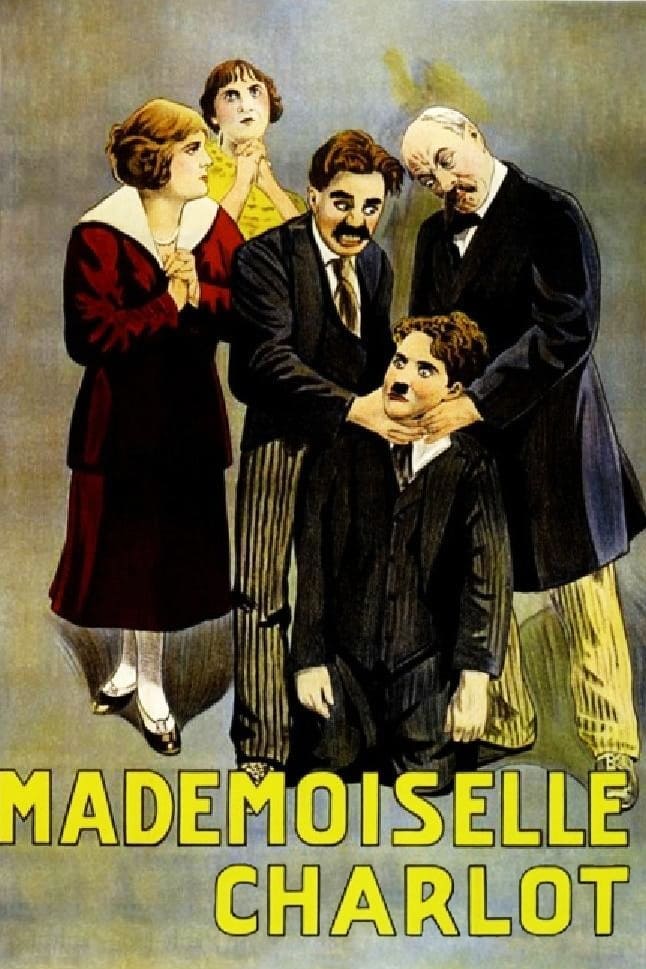
Mother, father and daughter go to the park. The women doze off on a bench while the father plays a hide-and-seek game with a girl, blindfolded. Charlie leads him into a lake. Both dozing ladies on the bench fall for Charlie and invite him for dinner. The father returns home with a friend. Charlie rushes upstairs and dresses like a woman, shaving his mustache. Both men fall for Charlie.
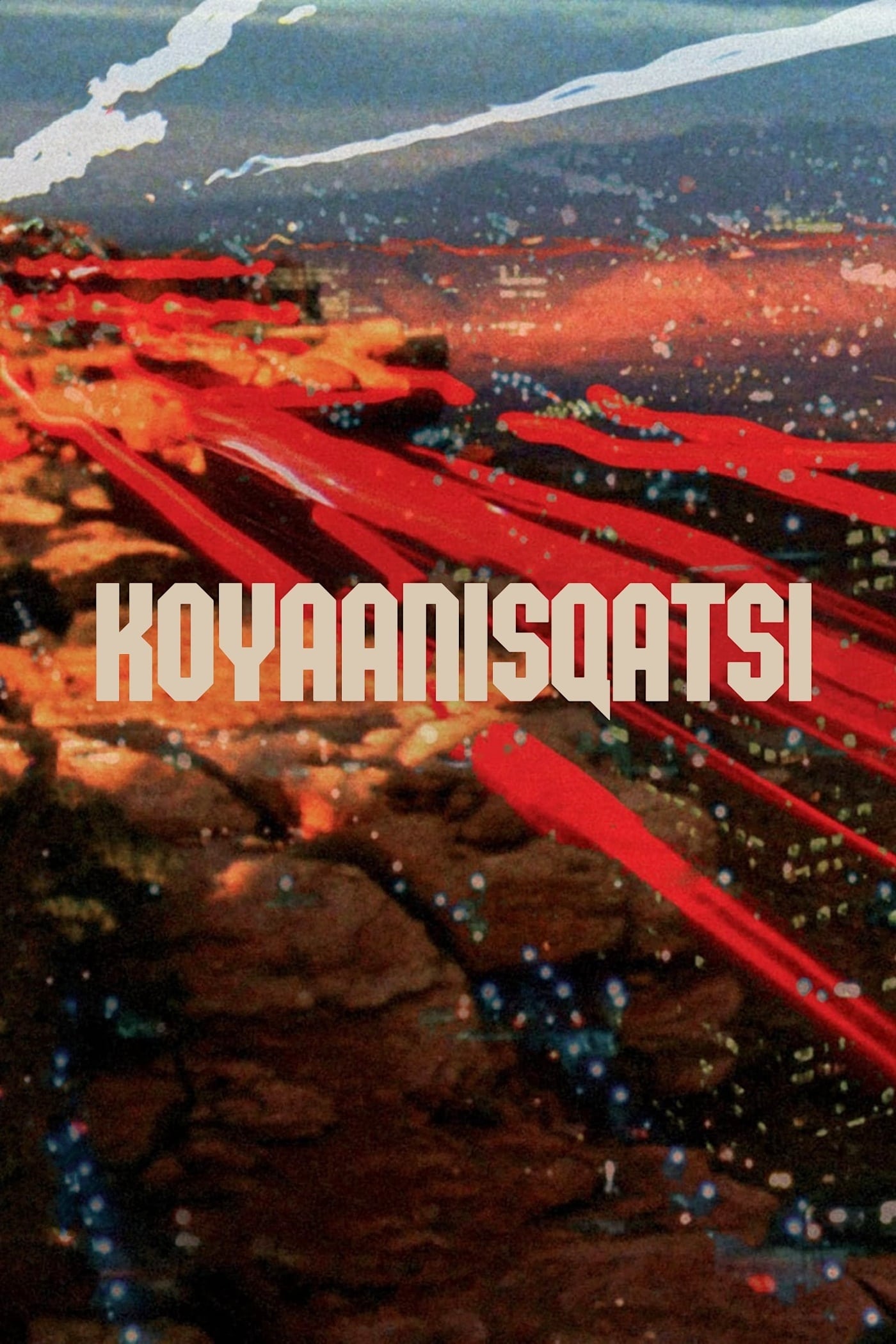
Takes us to locations all around the US and shows us the heavy toll that modern technology is having on humans and the earth. The visual tone poem contains neither dialogue nor a vocalized narration: its tone is set by the juxtaposition of images and the exceptional music by Philip Glass.
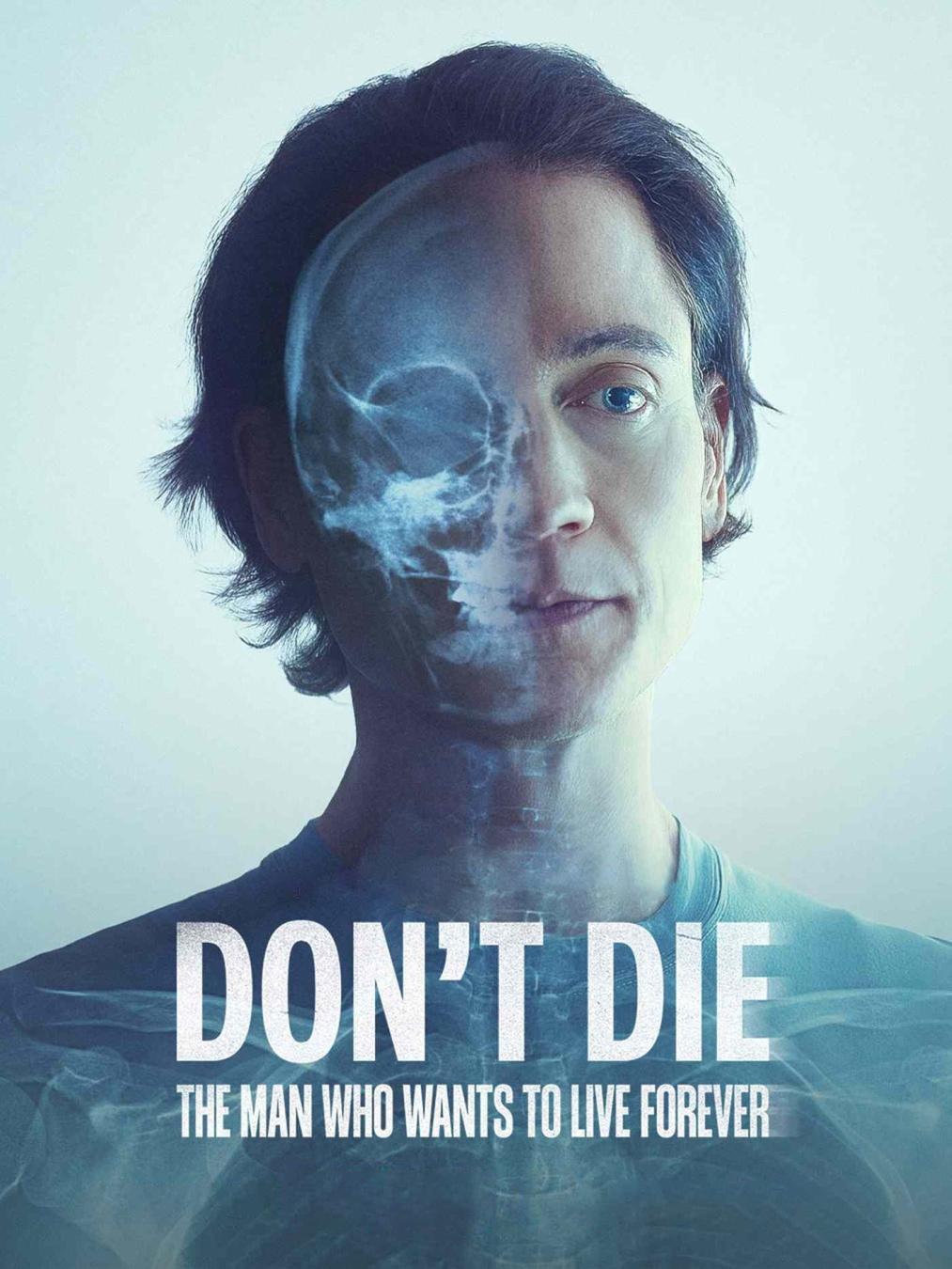
In this documentary, wealthy entrepreneur Bryan Johnson puts his body and fortune on the line to defy aging and extend his life beyond all known limits.
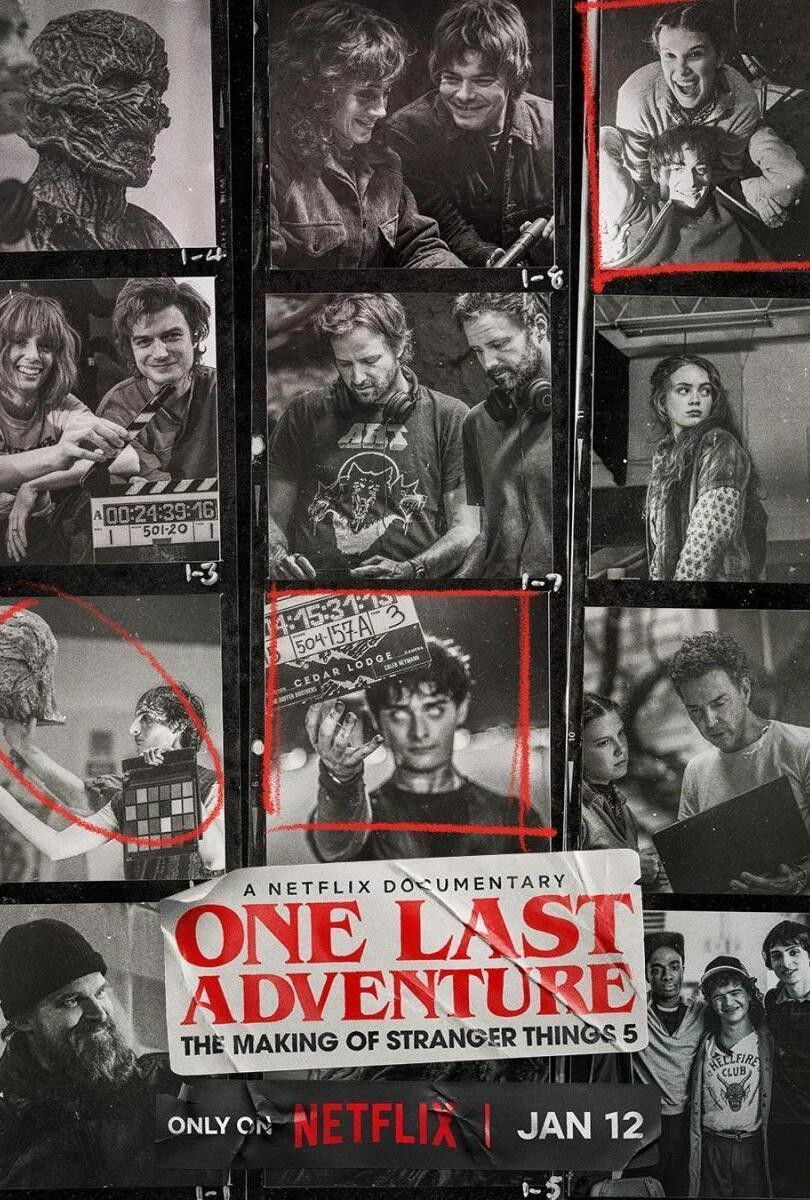
An inside look at the years of effort and craft that went into the final installment of the Duffer Brothers' generation-defining series.
Told through performances, TV interviews, home movies, family photographs, private letters and unpublished memoirs, the film reveals the essence of an extraordinary woman who rose from humble beginnings in New York City to become a glamorous international superstar and one of the greatest artists of all time.
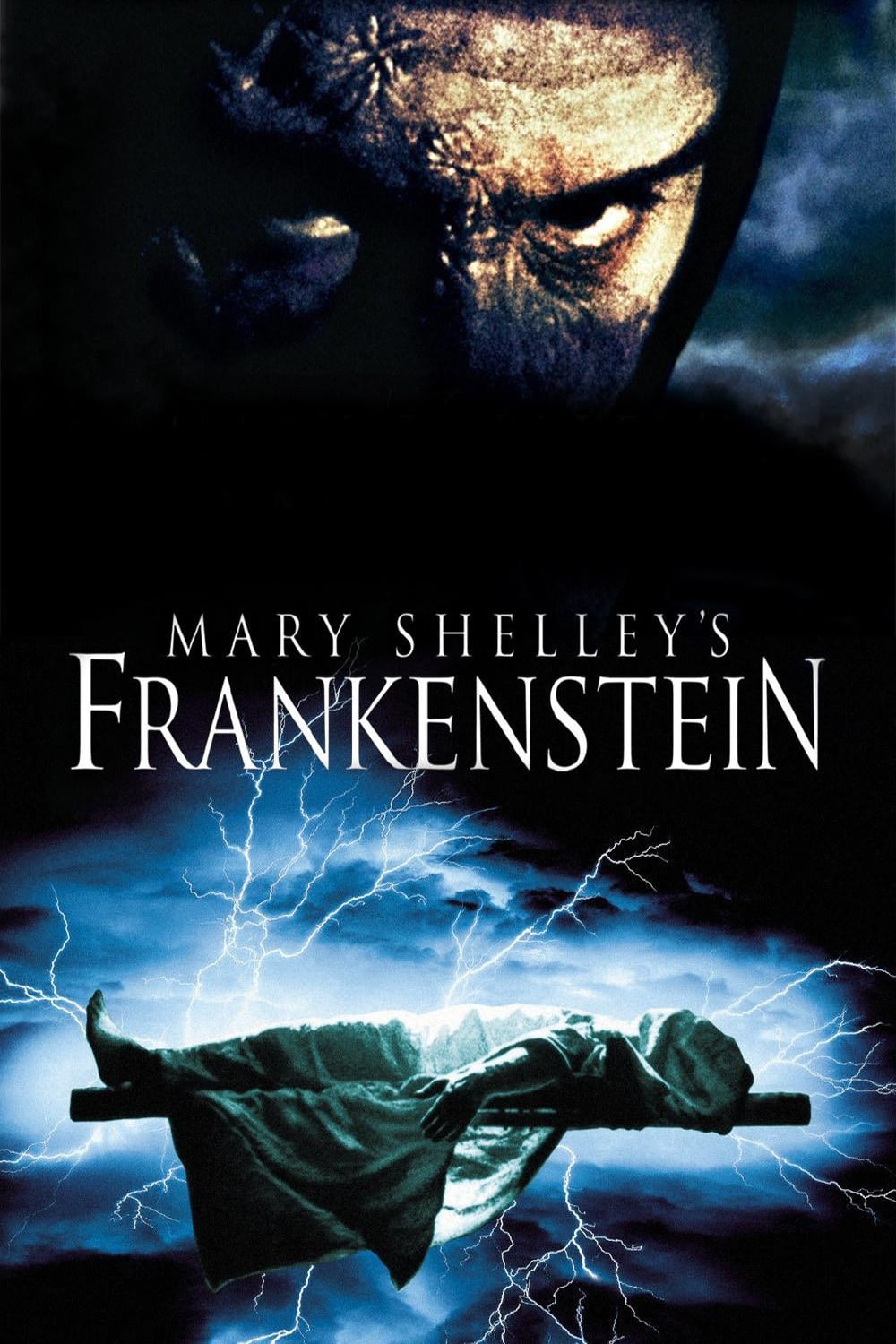
Victor Frankenstein is a promising young doctor who, devastated by the death of his mother during childbirth, becomes obsessed with bringing the dead back to life. His experiments lead to the creation of a monster, which Frankenstein has put together with the remains of corpses. It's not long before Frankenstein regrets his actions.