Social & External
This short documentary illustrates rural French Canadian life in the early 1940s. The film follows Alexis Tremblay and his family through the busy autumn days as they bring in the harvest and help with bread baking and soap making. Winter sees the children revelling in outdoor sports while the women are busy with their weaving, and, with the coming of spring young and old alike repair to the fields once more to plough the earth in preparation for another season of varied crops. One of the first NFB films to be produced, directed, written and shot by women.
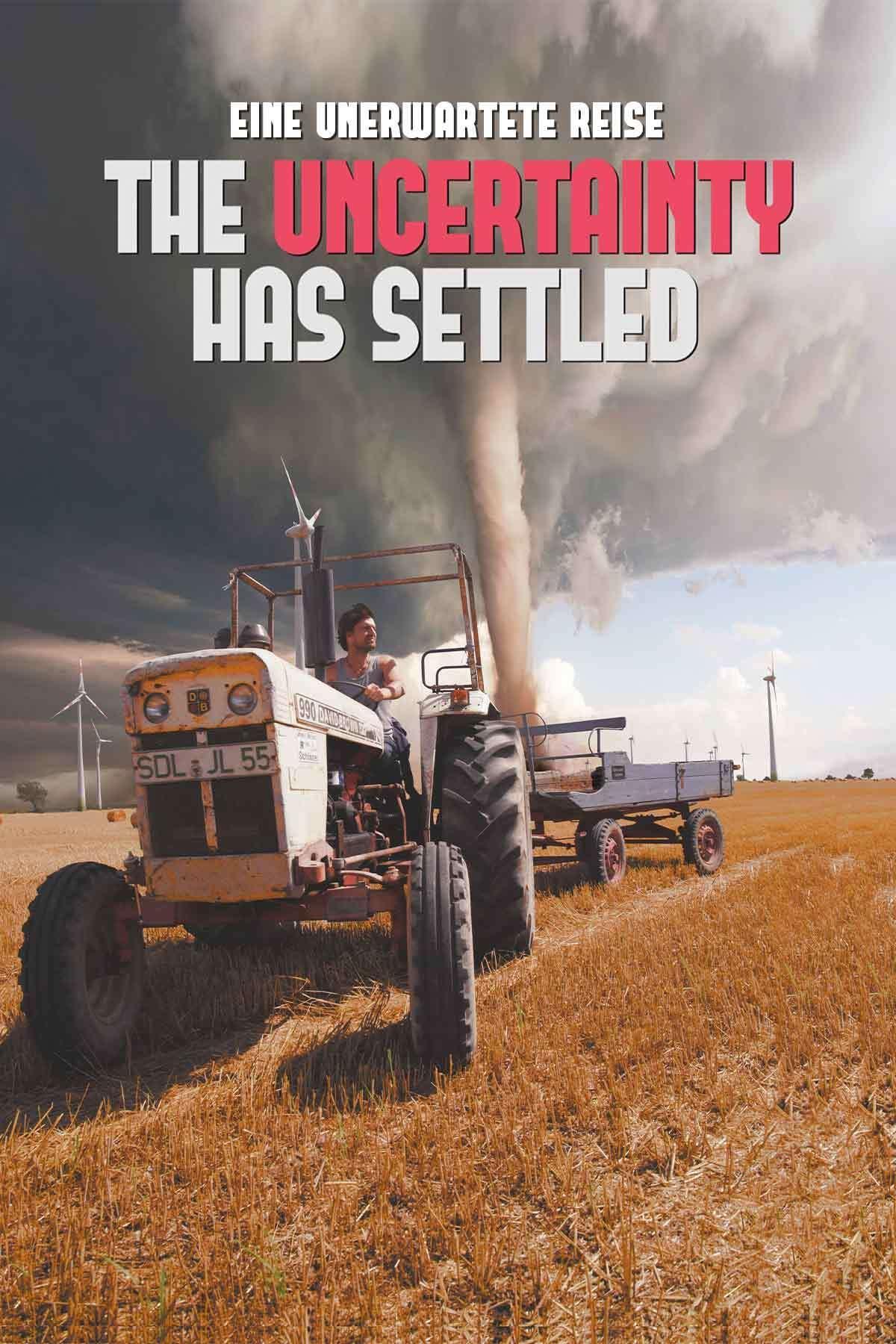
Agriculture and its perspective in modern times. The change from farmers to energy supplier raise questions. Are we doing the right thing?
This short documentary offers a humorous look at horse-pulling contests in Ontario and the people who prepare for them. We travel from the farm to the contest, where excitement runs high and the quips do not lack in local colour. Which of these magnificent creatures will be able to pull the heaviest load and win the prize?
Railroad of Hope consists of interviews and footage collected over three days by Ning Ying of migrant agricultural workers traveling from Sichuan in China's interior, to the Xinjiang Autonomous Region, China's northwest frontier.[1] Through informal interviews aboard the cramped rail cars, Ning Ying explores the hopes and dreams of the workers, many of whom have never left their homes before.
For almost three years, nature filmmaker and ecologist David Cebulla has been observing wild Common hamsters. He not only tries to learn more about the species, but also documents why hamsters are globally threatened with extinction. David travels from the western border of the distribution area in France via Germany, Poland, Austria and Hungary to the eastern border of the distribution area in the Kazakh steppe. In the process, he manages to capture some unique and fantastic images. But during the project, it becomes increasingly difficult to find animals living in the wild.
Documentary filmmaker Robert Kenner examines how mammoth corporations have taken over all aspects of the food chain in the United States, from the farms where our food is grown to the chain restaurants and supermarkets where it's sold. Narrated by author and activist Eric Schlosser, the film features interviews with average Americans about their dietary habits, commentary from food experts like Michael Pollan and unsettling footage shot inside large-scale animal processing plants.
This 10-minute short documentary exploring the shifting state of the American poultry industry was preserved in 2015 from an original nitrate print. More information is available on the film's page in the National Film Preservation Foundation's website, where this version can be found featuring original music by Michael D. Mortilla.
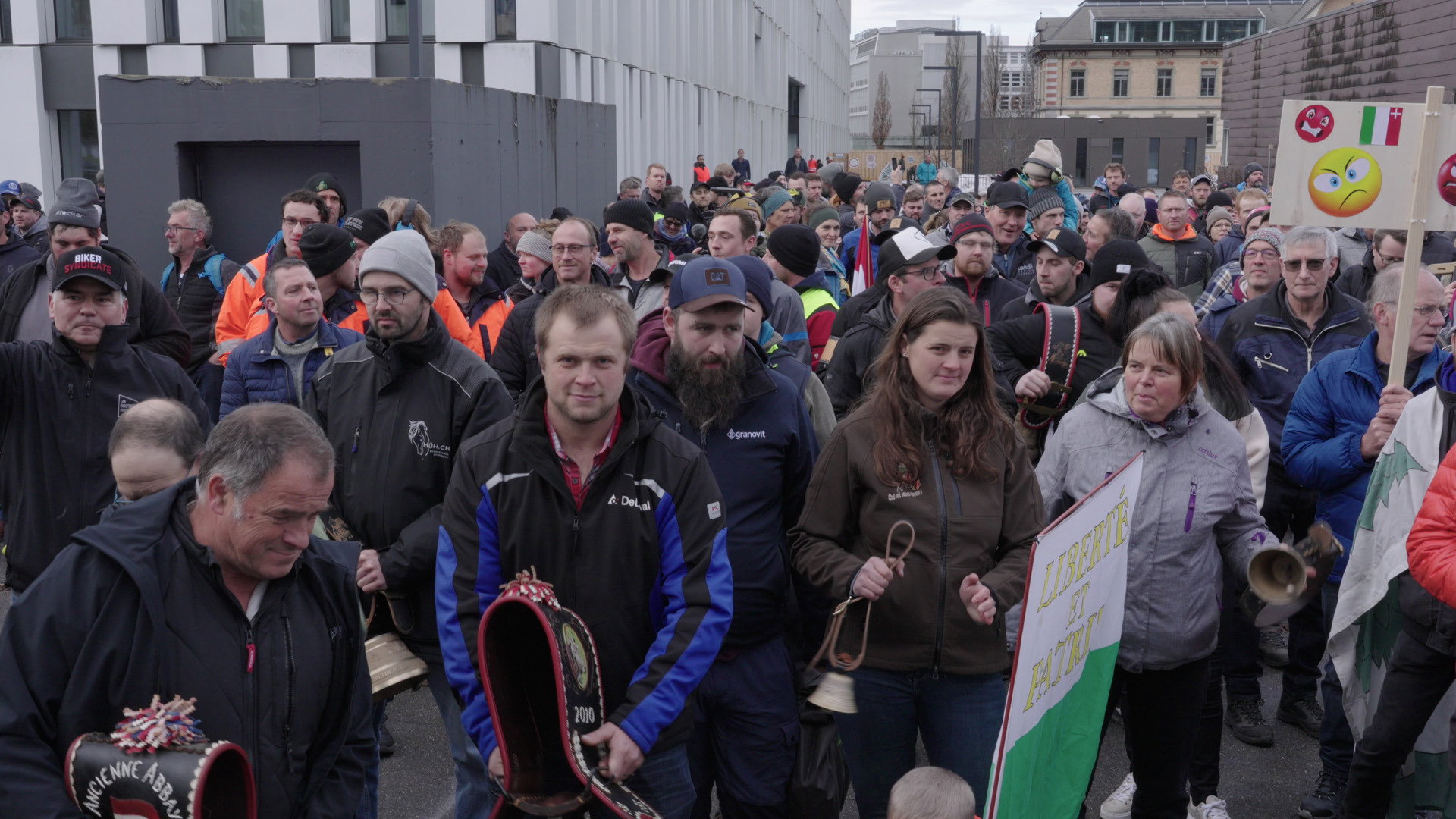
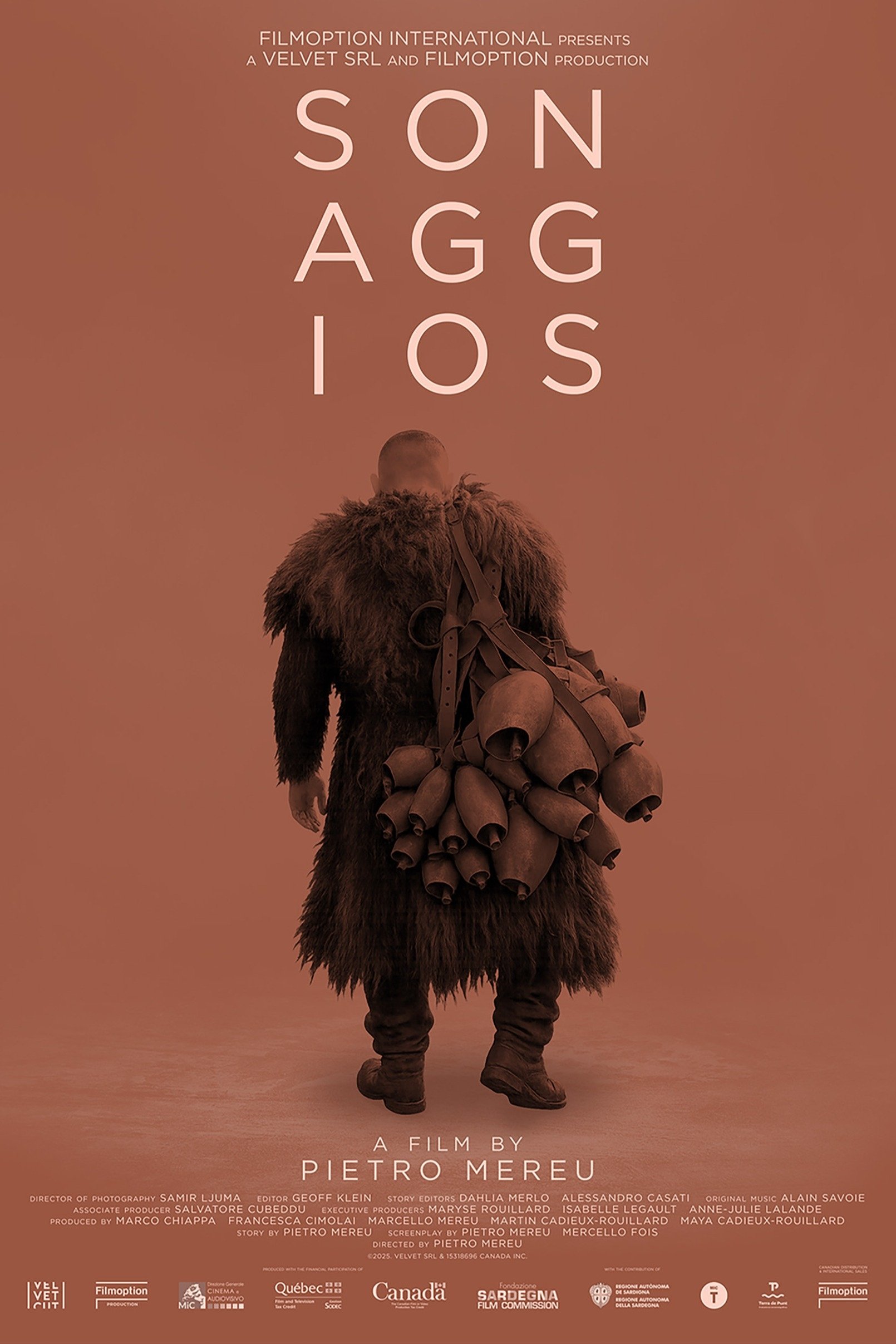
In the Sardinian town of Tonara, where the ancient art of crafting cowbells teeters on the edge of extinction, a family battles to preserve their heritage, passing down skills to a new generation while grappling with personal struggles and the pull of modernity. English subtitles.
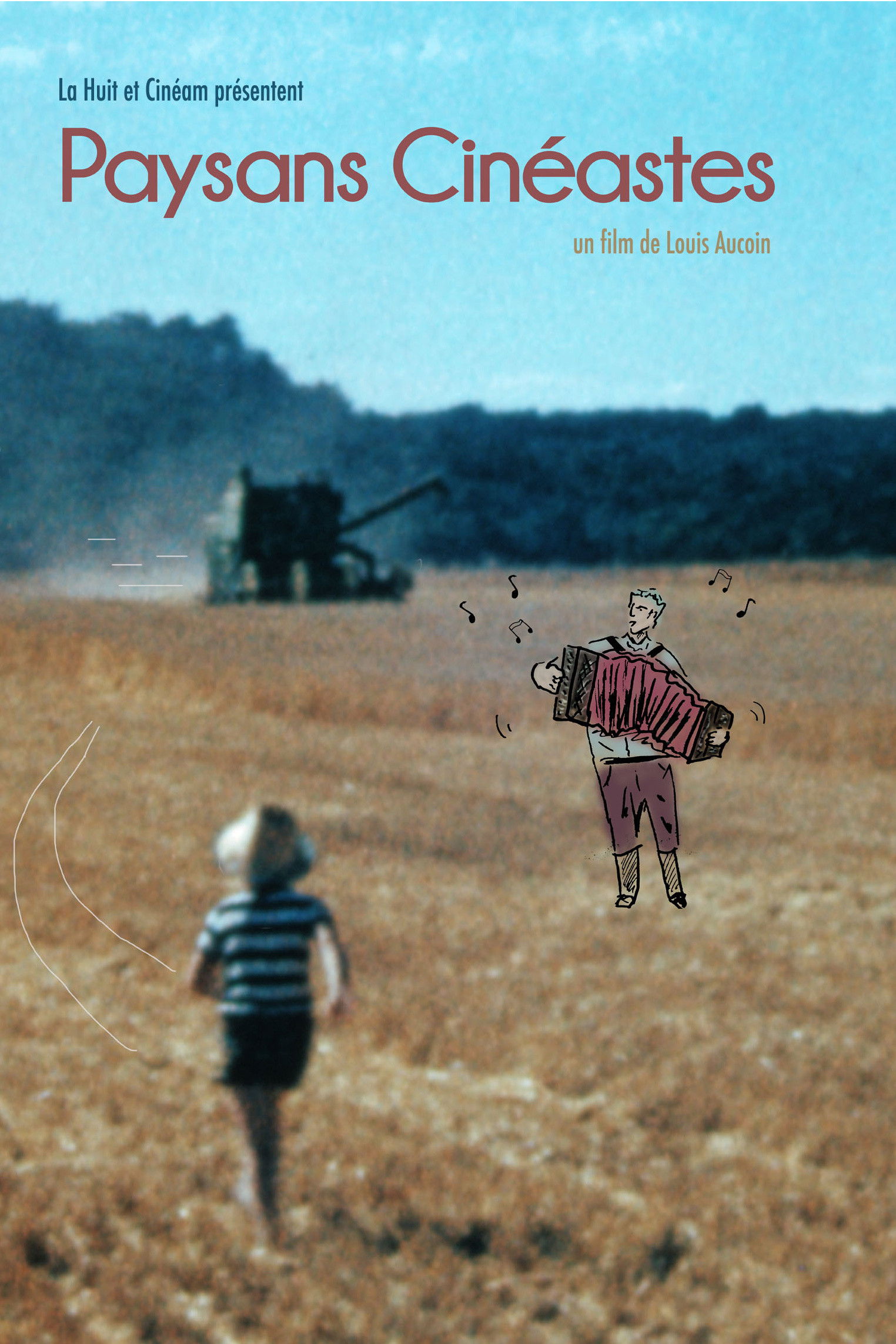
Farmers in the Île-de-France region, they filmed life on the farm, working in the fields, and family and village celebrations on 8 mm or Super 8 film. From the 1950s to the 1980s, these testimonies unfold a history of rural life: we move away from a peasant and family model to industrial agriculture for export. Through these family images, I attempt to answer my own questions about our agricultural future. In the 1950s, the land of Île-de-France fed us.
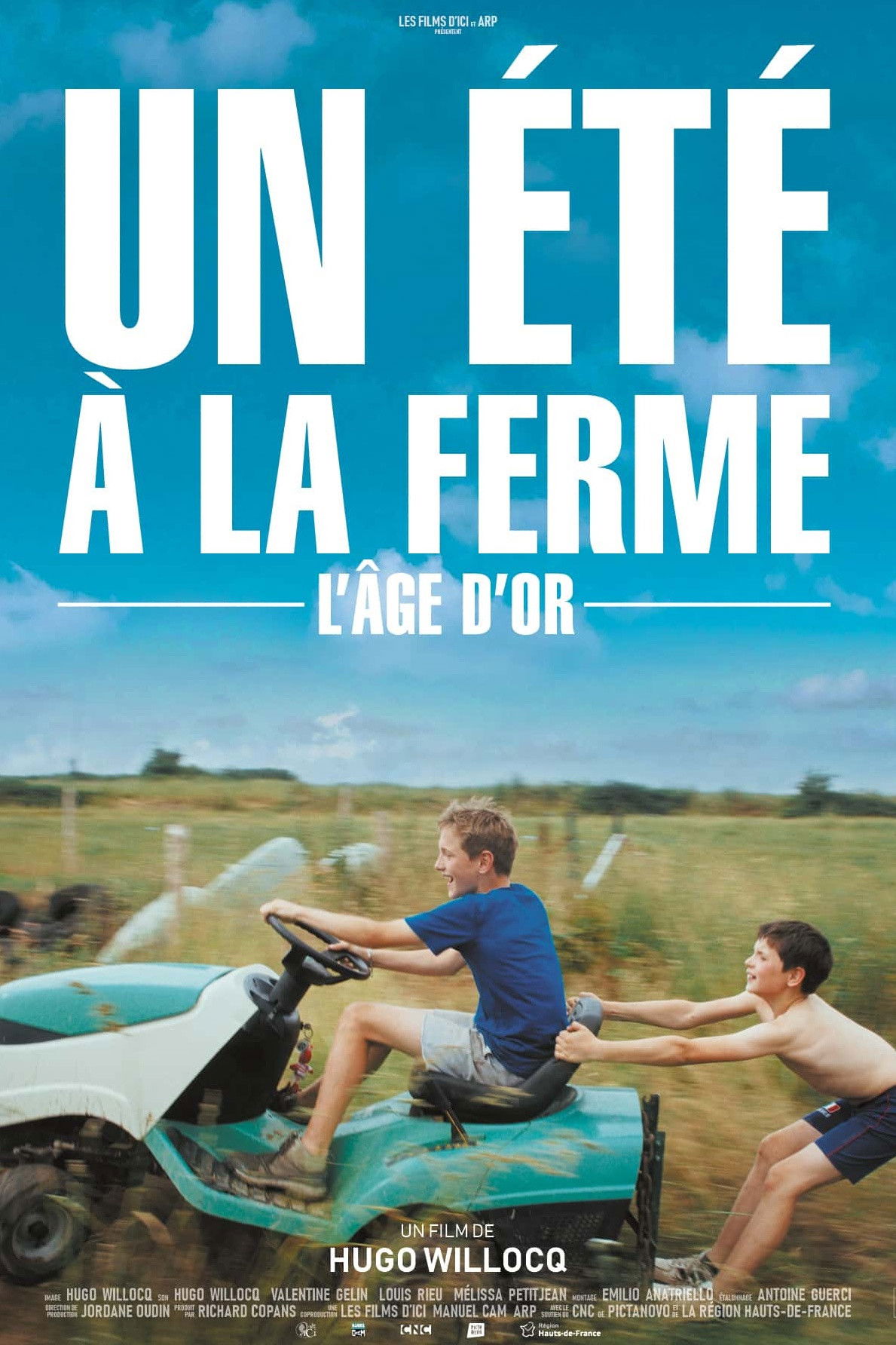
A documentary following 12-year-old Paul and his brother Germain during a transformative summer in rural France. The film explores the loss of innocence as Paul confronts the harsh financial and physical realities of his family's farming livelihood, highlighting the father-son bond and an uncertain future.
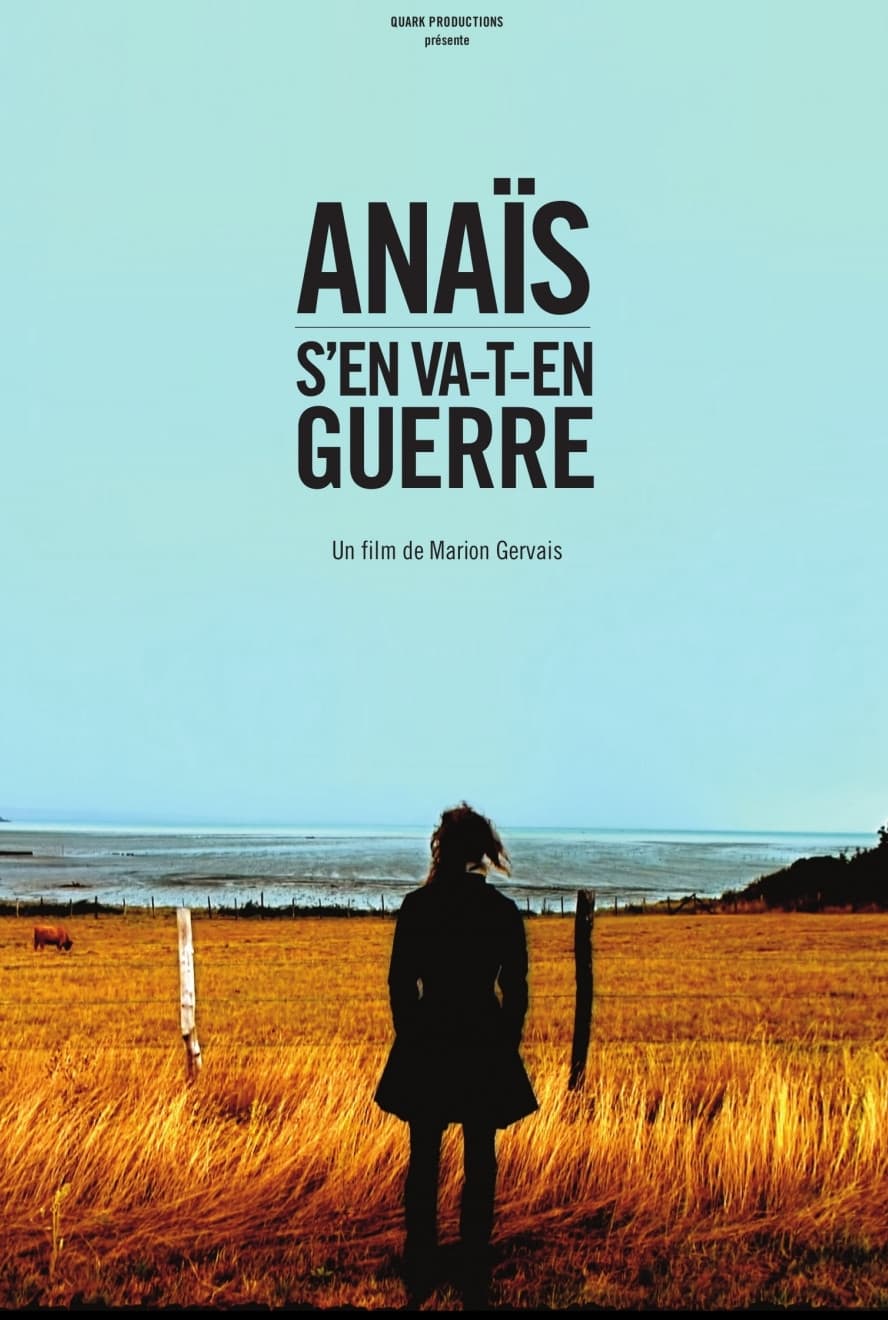
Anaïs is 24 and nothing can stop her. Neither the bureaucratic rules of administration, nor the misogynistic teachers, nor the out-of-order tractor, nor the whims of the weather. One day she will be a farmer and grow her own aromatic and medicinal herbs. The film follows this hard liner, all alone against the rest of the world. She doesn’t care.
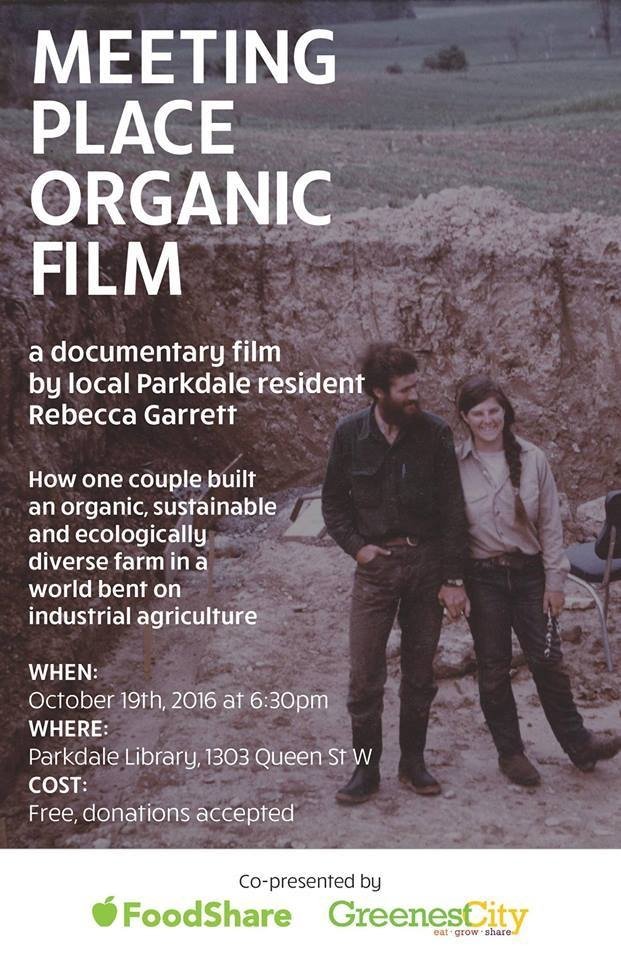
Local, organic, and sustainable are words we associate with food production today, but 40 years ago, when Fran and Tony McQuail started farming in Southwestern Ontario, they were barely spoken. Since 1973, the McQuails have been helping to build the organic farming community and support the next generation of organic farmers. This is a documentary about the McQuails that explores the very real ways their farm has contributed to the long term ecological viability of agriculture in Ontario. It is a call to action for all those who believe there is a better way to take care of our planet and feed the world.
From the Black Earth is a collaboration between Bristol based company Cables and Cameras, and a local farmer Humphrey Lloyd. Employing both lucid speakers and poetic camera work, the film poses stark questions such as; why does food poverty exist in a nation of plenty, and why are people of colour so under represented not only in our countryside and farms, but in the environmental movement more broadly? By giving a platform to people of colour who are connecting with nature and working the land, this short documentary starts to unpick these questions...
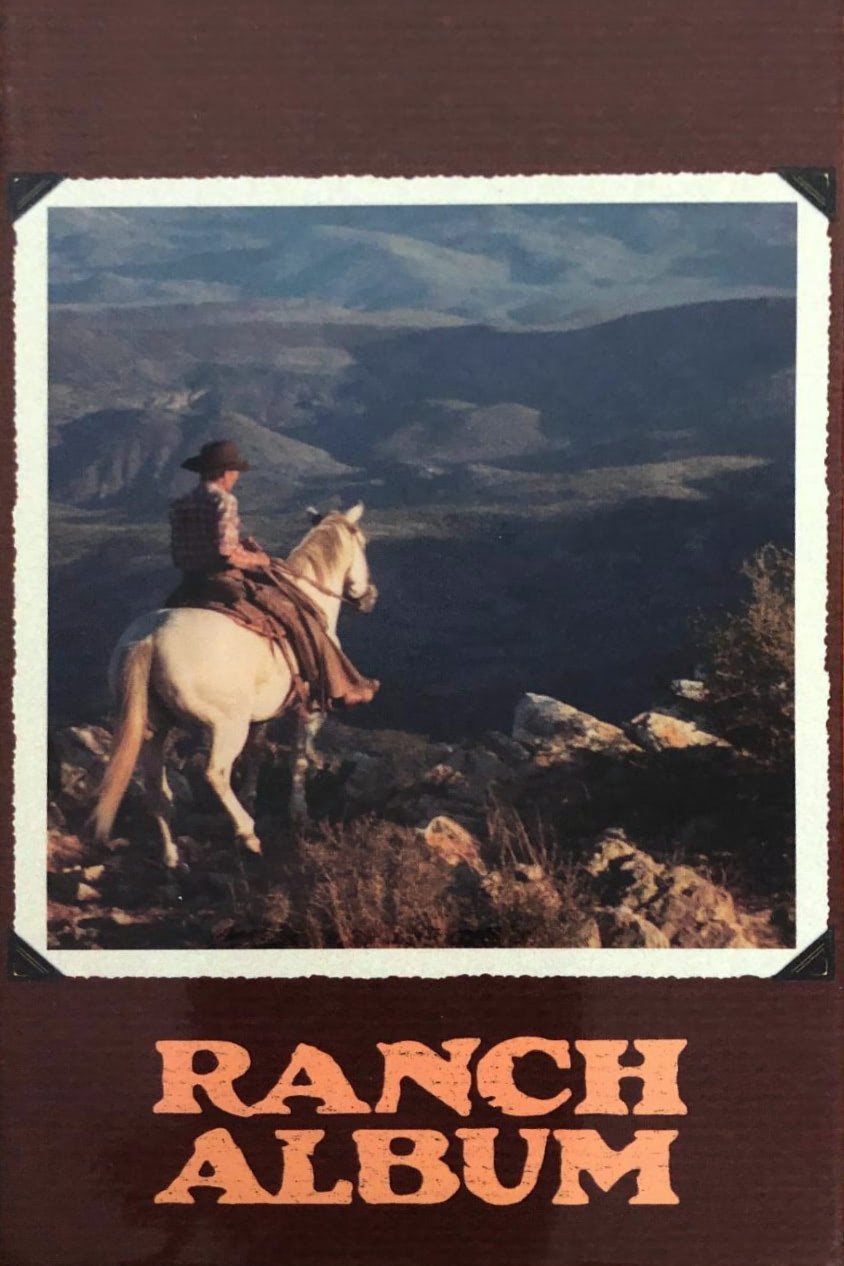
Ranch Album depicts real cowboy life and rough country ranching in Northern Arizona season by season, revealing a sense of spirit and culture that have survived in the American west for a very long time.
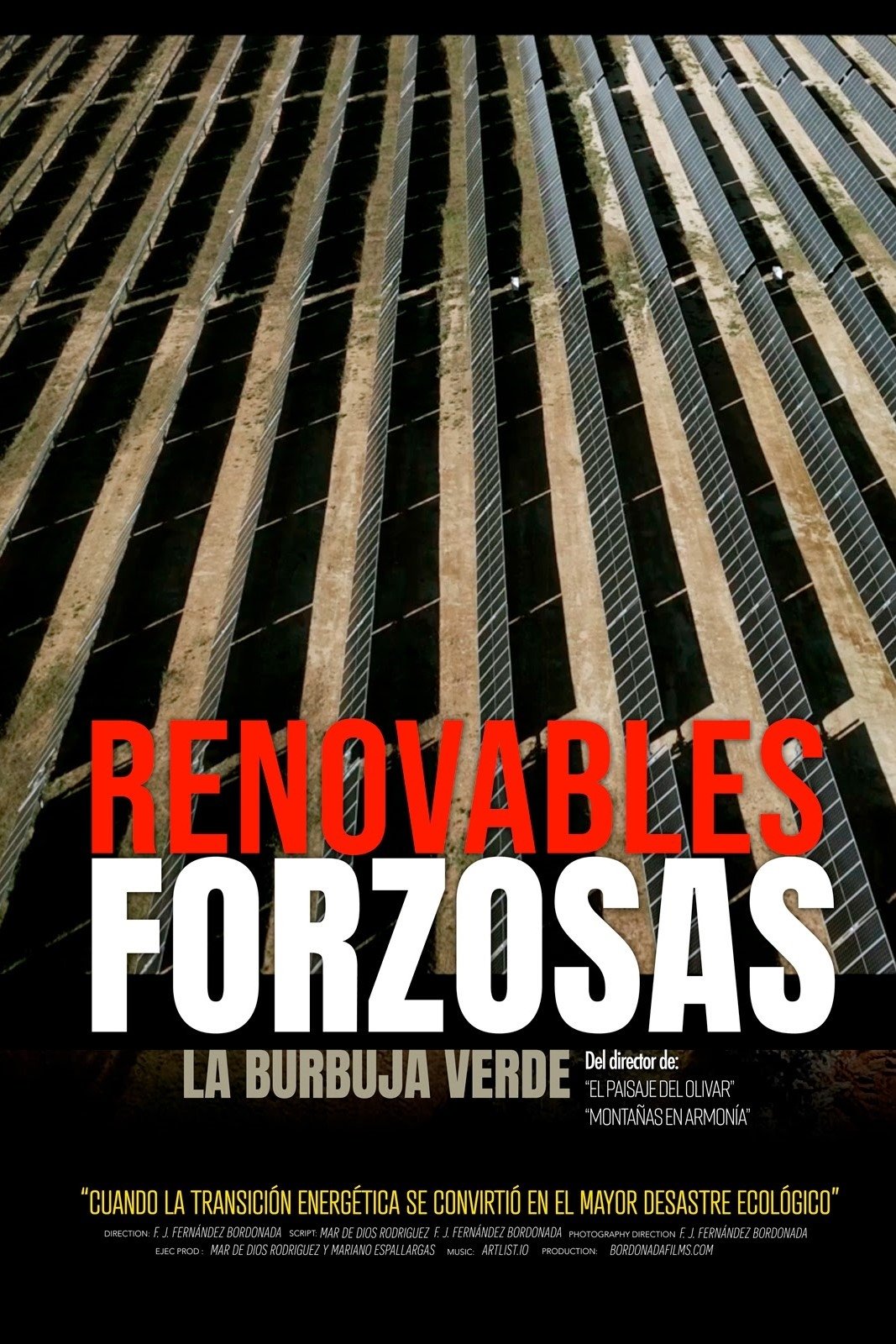
In Lopera (Jaén), the ecological transition has turned into a nightmare: centuries-old olive groves are being uprooted to make way for massive photovoltaic plants, in an unfair battle between powerful corporations and the local community. Through firsthand testimonies, striking visuals, and an analysis of the current energy model, Forced Renewables reveals how progress, when poorly planned and disconnected from rural life, can lead to an unprecedented ecological, social, and economic disaster.
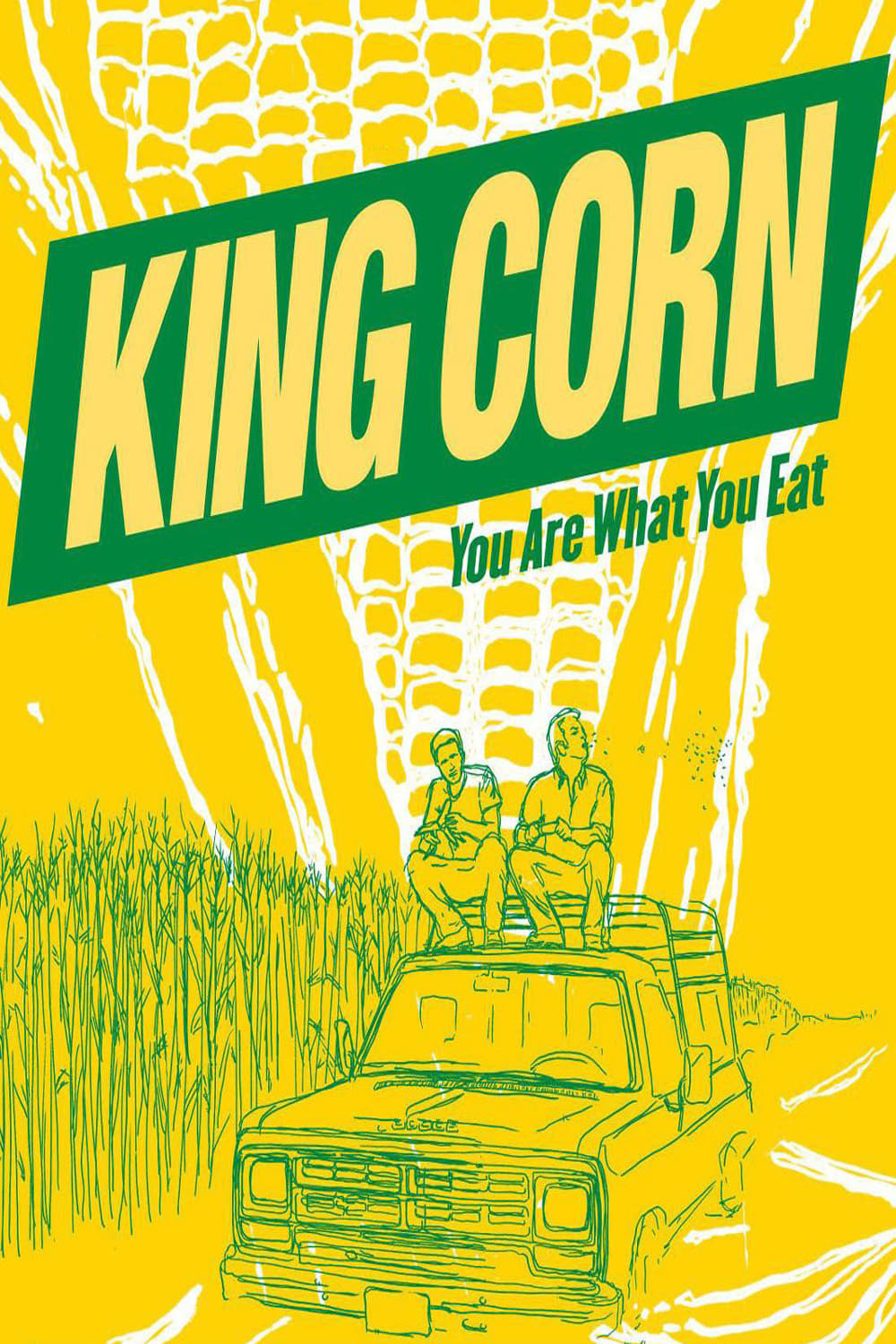
King Corn is a fun and crusading journey into the digestive tract of our fast food nation where one ultra-industrial, pesticide-laden, heavily-subsidized commodity dominates the food pyramid from top to bottom – corn. Fueled by curiosity and a dash of naiveté, two college buddies return to their ancestral home of Greene, Iowa to figure out how a modest kernel conquered America. With the help of some real farmers, oodles of fertilizer and government aide, and some genetically modified seeds, the friends manage to grow one acre of corn. Along the way, they unlock the hilarious absurdities and scary but hidden truths about America’s modern food system in this engrossing and eye-opening documentary.
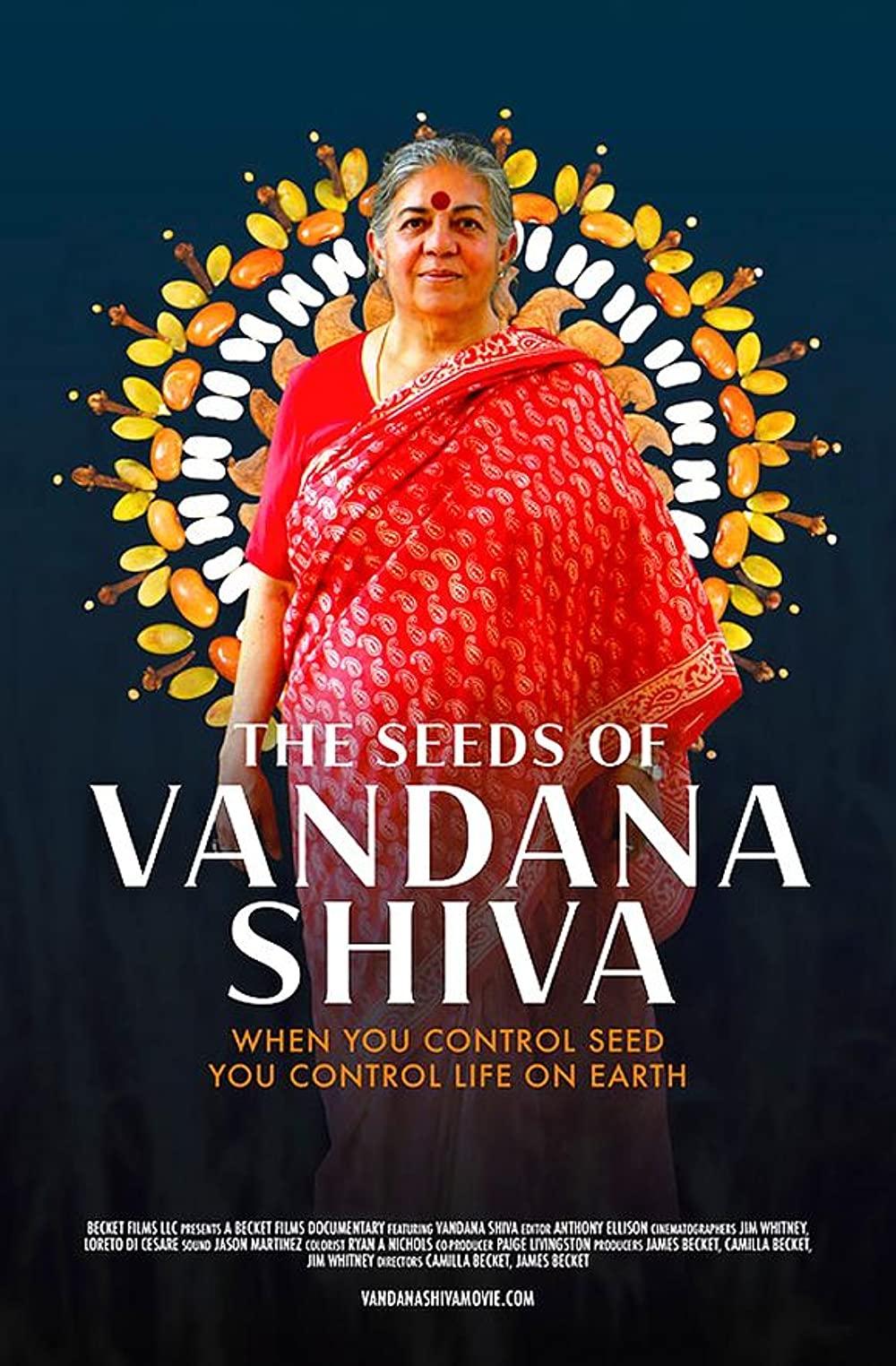
How did the willful daughter of a Himalayan forest conservator become Monsanto’s worst nightmare? The Seeds of Vandana Shiva tells the remarkable life story of Gandhian eco-activist Dr. Vandana Shiva, how she stood up to the corporate Goliaths of industrial agriculture, rose to prominence in the regenerative food movement, and inspired an international crusade for change.
A purely observational non-fiction film that takes viewers into the ethically murky world of end-of-life decision making in a public hospital.
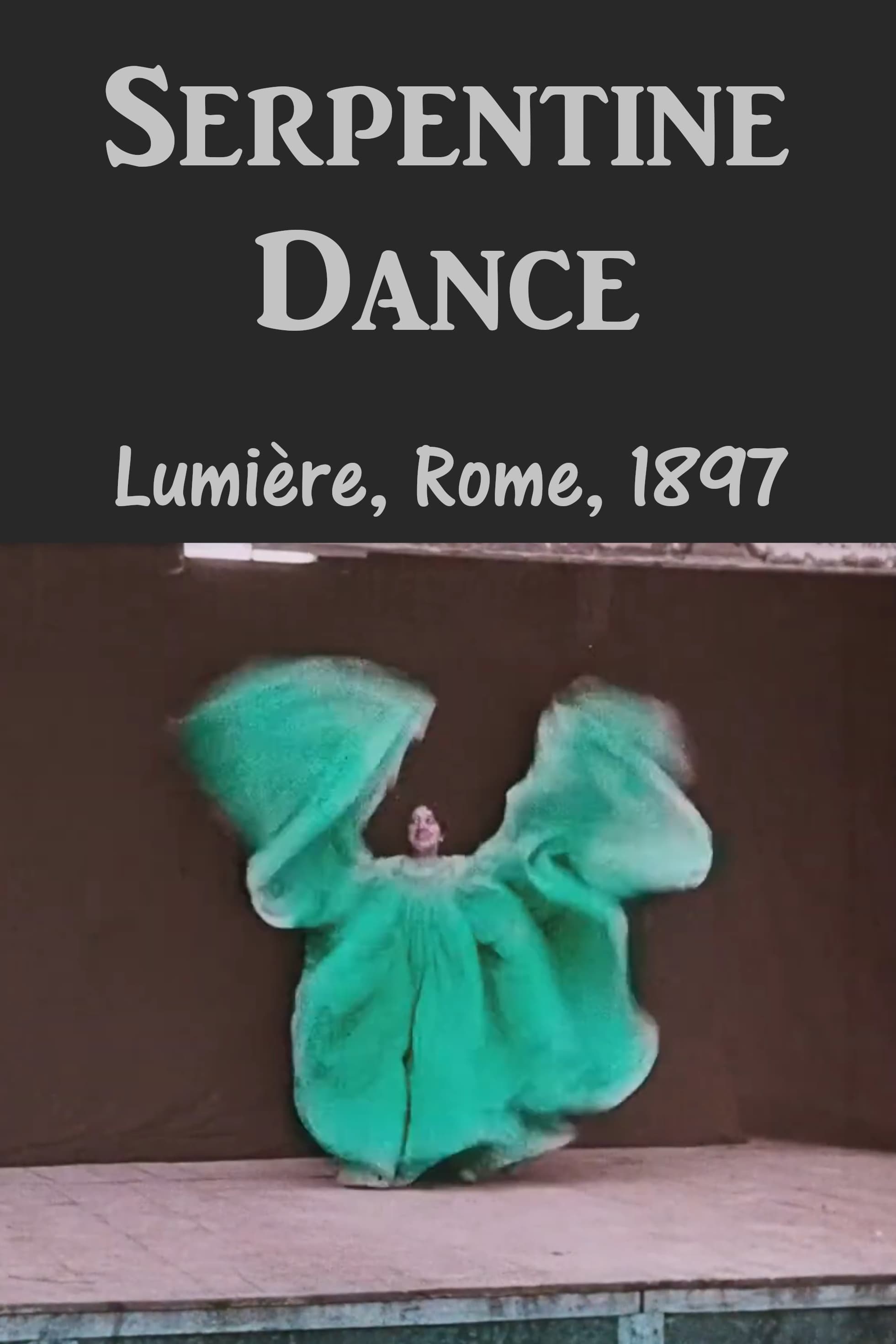
Angelic and demonic serpentine dance from dawn of cinema. Hand-colored frame by frame. Lumière no. 765 or 765.1 (colorized, different dancer?).
A documentary that explores the downloading revolution; the kids that created it, the bands and the businesses that were affected by it, and its impact on the world at large.
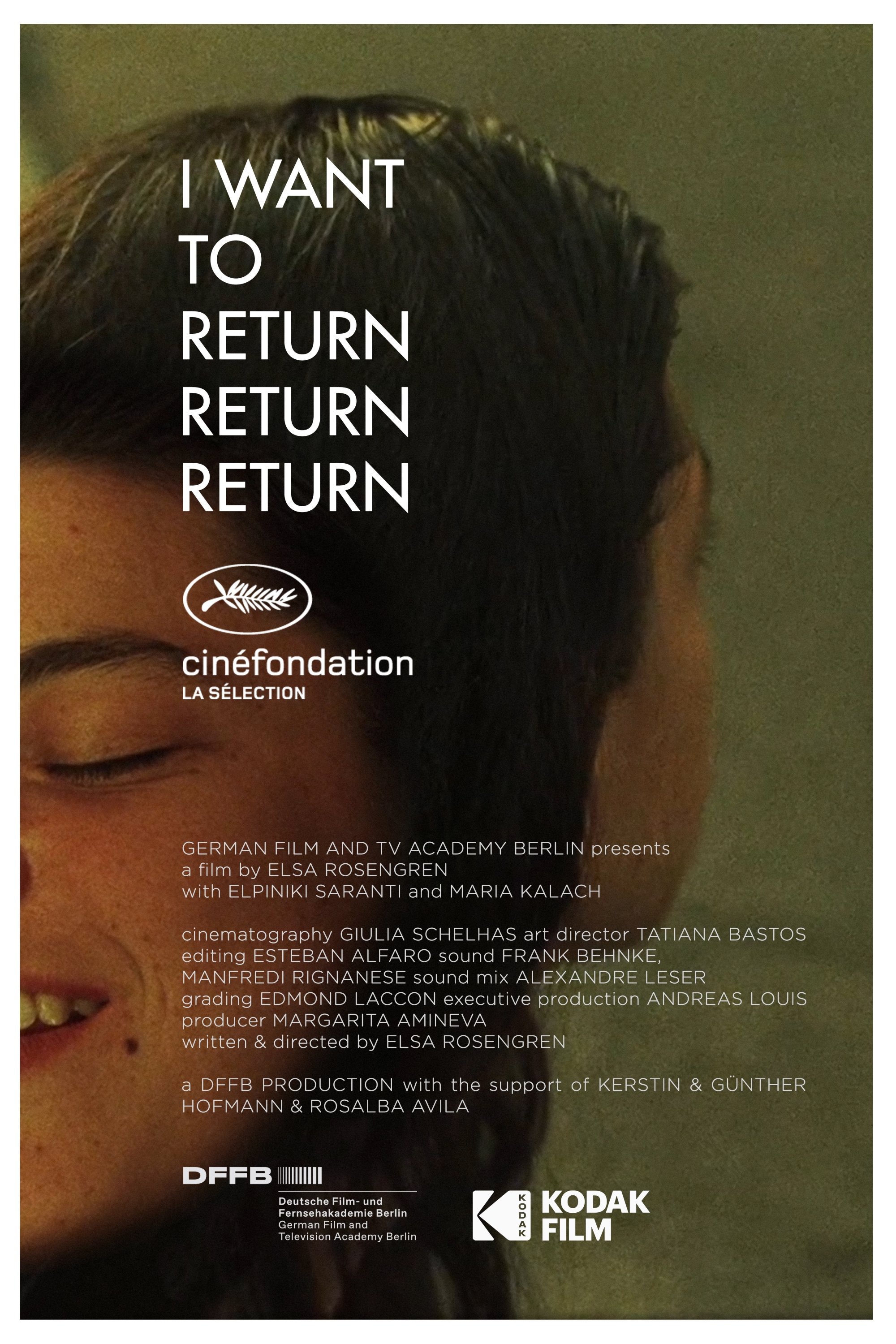
A depiction of the Wrangelkiez neighbourhood in Berlin. The people portrayed tell their life stories. One woman came to the neighbourhood a decade ago to work in Berlin’s still unfinished Brandenburger Airport, one man reminisces his childhood on a Tobacco farm in Kentucky, another speaks of an exceptional day in an otherwise monotonous workplace. These portraits are interwoven with the story of Elpi, a Greek woman who is waiting for the long overdue visit of an old important friend. The outcome of this mixture is a film which captures the lives and perspectives of some of Wrangelkiez’s most commanding citizens, while at the same time evoking the loss that change and time passing means for places and for people.
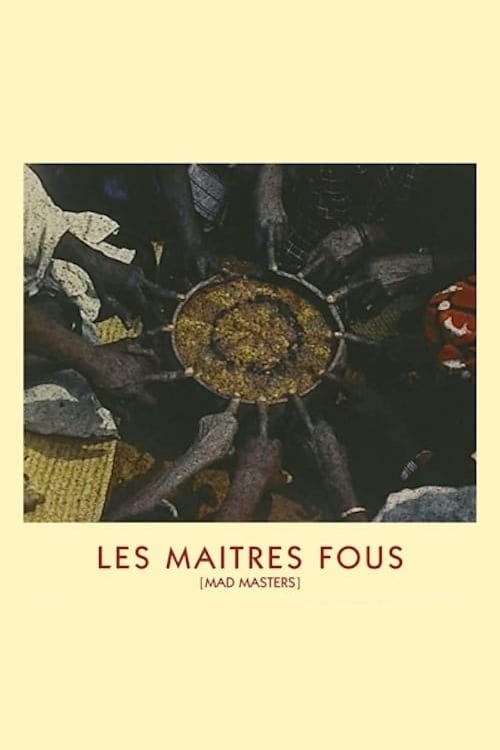
The subject of the film was the Hauka movement. The Hauka movement consisted of mimicry and dancing to become possessed by French Colonial administrators. The participants performed the same elaborate military ceremonies of their colonial occupiers, but in more of a trance than true recreation.
A comedic, brutally honest documentary following self-destructive TV writer Dan Harmon as he takes his live podcast on a national tour.
“Showrunners” is the first ever feature length documentary film to explore the fascinating world of US television showrunners and the creative forces aligned around them. These are the people responsible for creating, writing and overseeing every element of production on one of the United State’s biggest exports – television drama and comedy series. Often described as the most complex job in the entertainment business, a showrunner is the chief writer / producer on a TV series and, in most instances, the show’s creator. Battling daily between art and commerce, showrunners manage every aspect of a TV show’s development and production: creative, financial and logistical.
A documentary about how a dominant cultural and demographic institution both sustains their traditional activities and adapts to the digital revolution.
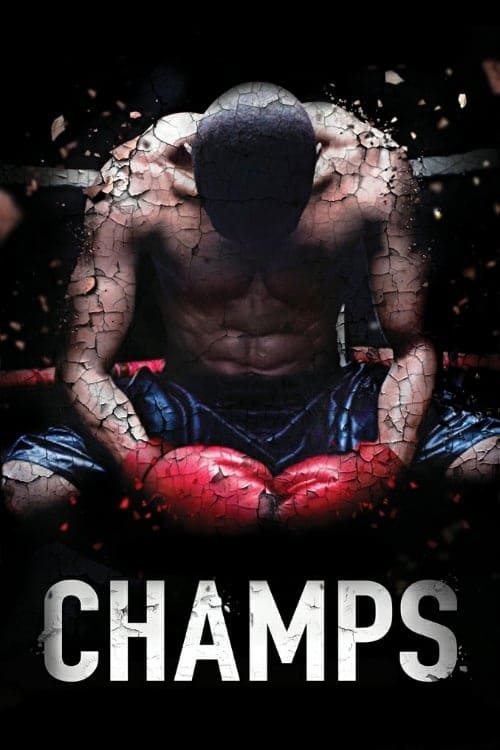
A documentary about the sport of boxing, as seen through the eyes of champions Mike Tyson, Evander Holyfield and Bernard Hopkins.
A non-narrated documentary following the lovesome lives of four infants from birth to their first birthday. The babies featured are two from rural areas: Ponijao from Opuwo, Namibia, and Bayar from Bayanchandmani, Mongolia, as well as two from urban areas: Mari from Tokyo, Japan, and Hattie from San Francisco, USA.
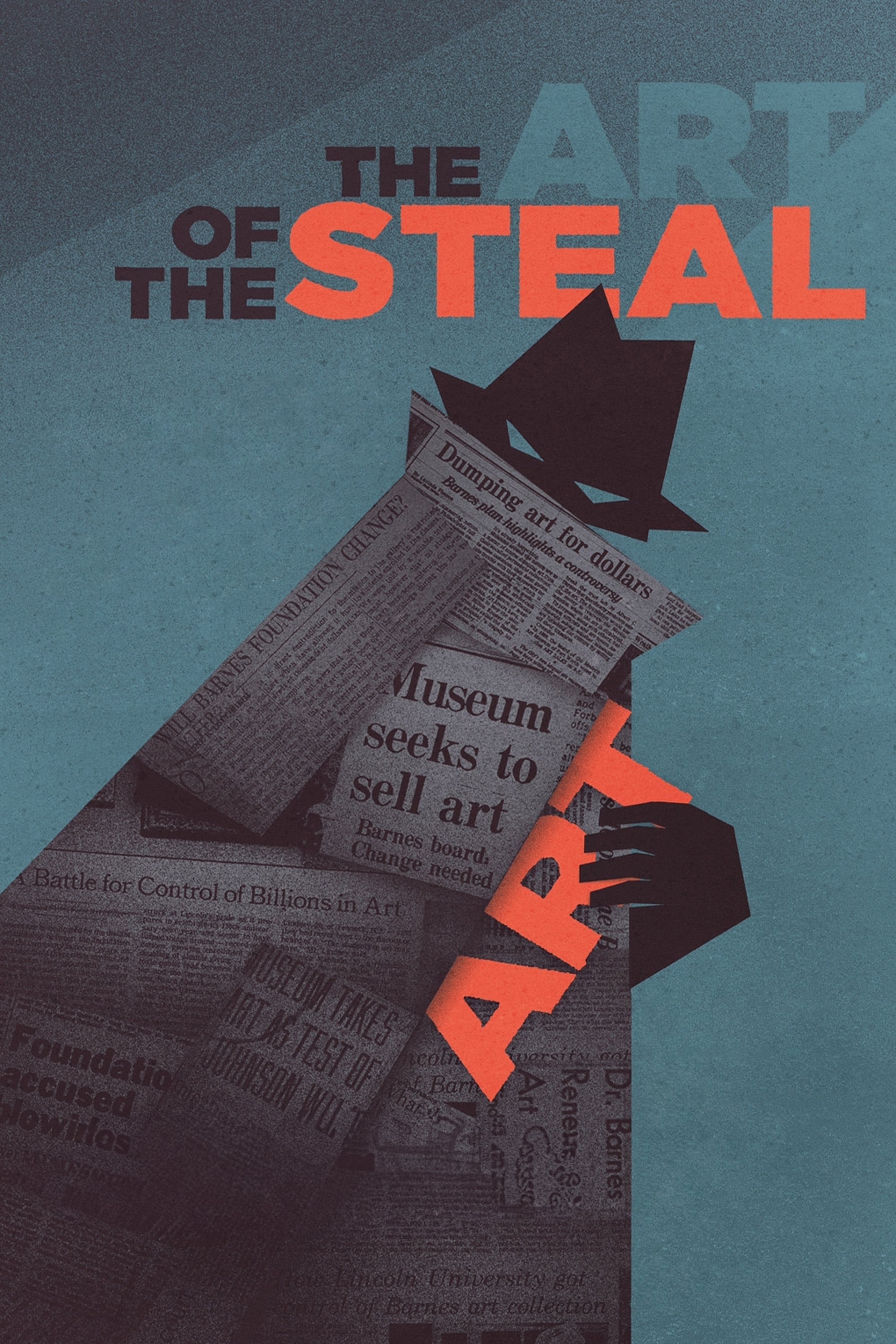
A gripping tale of intrigue and mystery in the art world, this film traces the history of a collection of Post-Impressionist paintings - worth billions - which became the subject of a power struggle after the death of its owner. Dr. Albert Barnes.
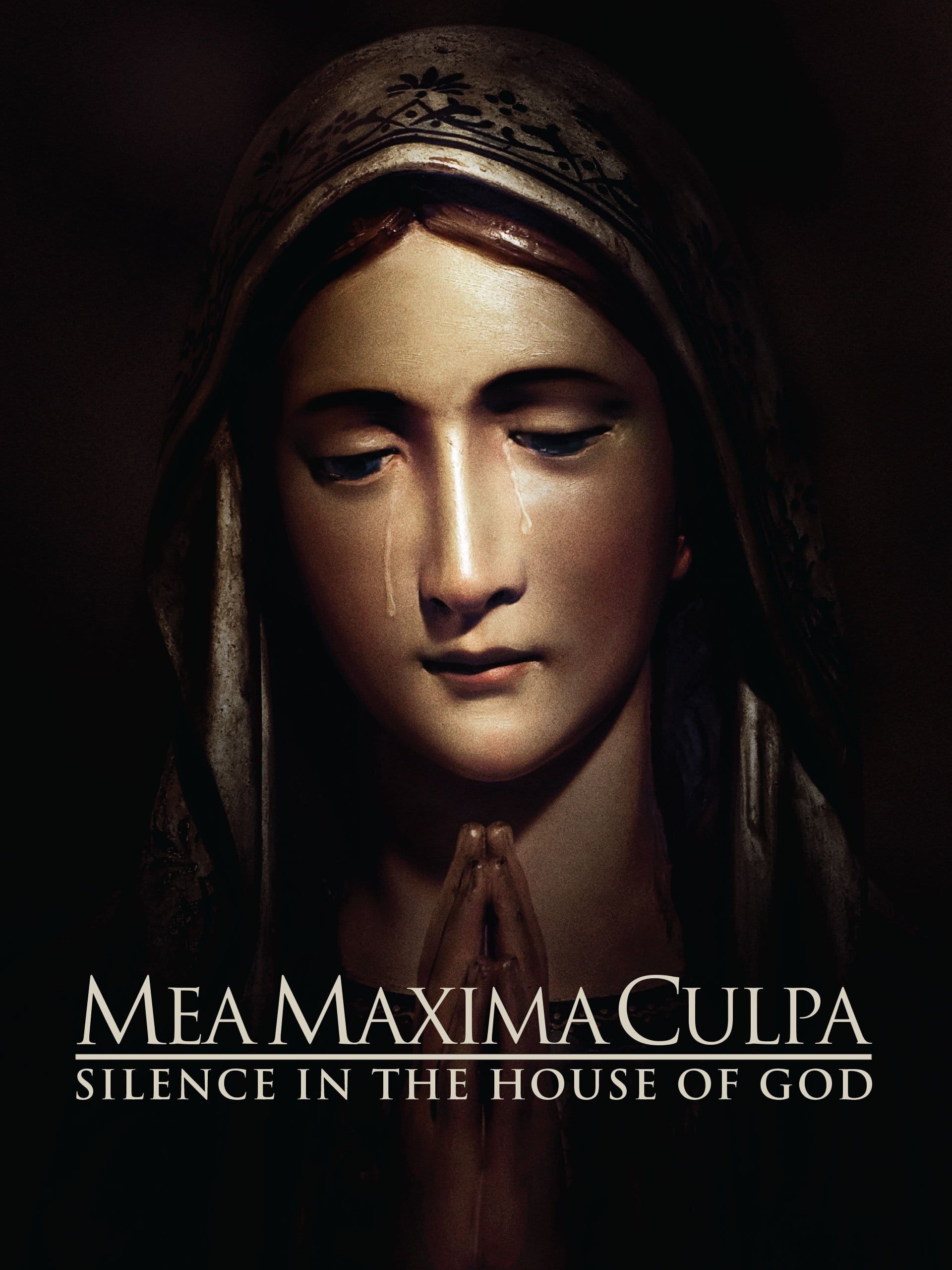
Alex Gibney explores the charged issue of pedophilia in the Catholic Church, following a trail from the first known protest against clerical sexual abuse in the United States and all way to the Vatican.
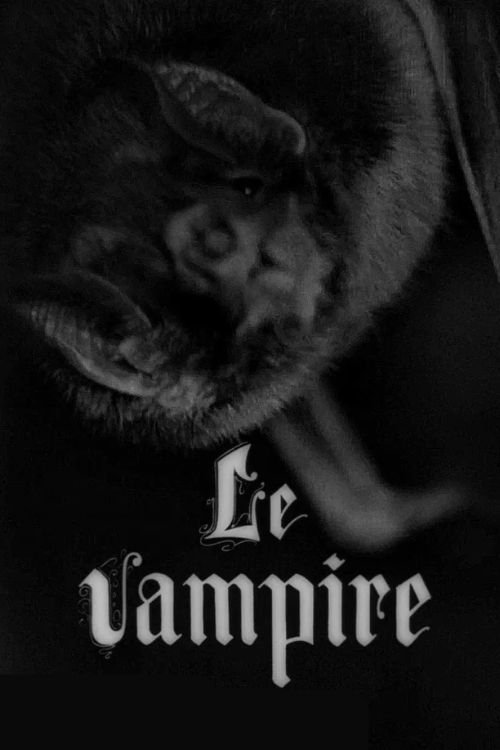
After a look at some strange creatures, the narrator and camera take us to the Chaco forest, on the borders of Paraguay, Argentina, and Brazil, where a vampire bat lives, desmodus rotondus, attacking wildlife and domesticated creatures, killing small ones by draining all their blood and killing large ones by leaving a parasite in their bloodstream. Four inches long, with a 12-inch wingspread, we see it walk, approach a victim, pull out a patch of fur large enough for it to engage its teeth, then lap six or seven ounces of blood. Its saliva may be an anesthetic keeping its victims from waking. A stub nose and harelip contribute to its efficiency and its hideous look.
Brilliant, long in-the-works story of the life and art of the world's greatest comedian and the cinema's first genius, Charlie Chaplin. Produced, written and directed by renowned film critic Richard Schickel.
This character-driven film considers the evolving sex trafficking landscape as seen by the main players: the exploited, the pimps, the johns that fuel the business, and the cops who fight to stop it.
JB Smoove and Martin Starr host a celebration of 20 years of "Spider-Man" movies, from the Sam Raimi trilogy to Marc Webb's movies and the trio from Jon Watts.
Filmed along the Emeryville Mudflats near San Francisco, Junkopia captures a landscape of sculptural installations made from driftwood and discarded materials. Chris Marker, John Chapman, and Frank Simeone transform these ephemeral artworks—set against highways and the distant city—into a quiet meditation on art, decay, and the modern environment.
SEDUCED AND ABANDONED combines acting legend Alec Baldwin with director James Toback as they lead us on a troublesome and often hilarious journey of raising financing for their next feature film. Moving from director to financier to star actor, the two players provide us with a unique look behind the curtain at the world's biggest and most glamourous film festival, shining a light on the bitter-sweet relationship filmmakers have with Cannes and the film business. Featuring insights from directors Martin Scorsese, 'Bernando Bertolucci' and Roman Polanski; actors Ryan Gosling and Jessica Chastain and a host of film distribution luminaries.
A documentary on legendary movie-poster artist Drew Struzan.
A documentary about the Bibliothèque Nationale in Paris. It presents the building, with its processes of cataloguing and preserving all sorts of printed material, as both a monument of cultural memory and as a monstrous, alien being.