
Social & External
Self
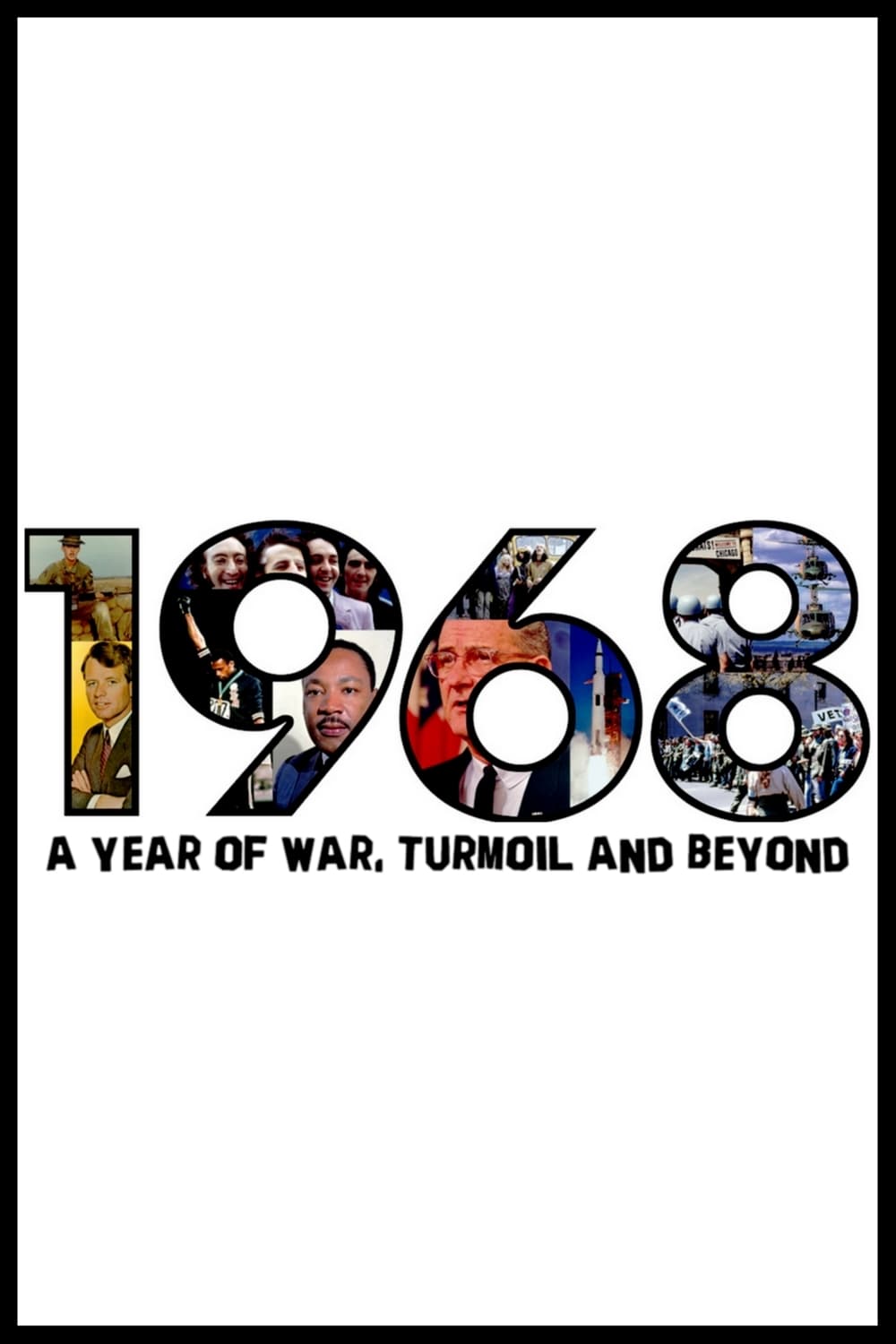
The Tet Offensive during the Vietnam War, the Civil Rights Movement, the May events in France, the assassinations of Martin Luther King and Robert F. Kennedy, the Prague Spring, the Chicago riots, the Mexico Summer Olympics, the presidential election of Richard Nixon, the Apollo 8 space mission, the hippies and the Yippies, Bullitt and the living dead. Once upon a time the year 1968.
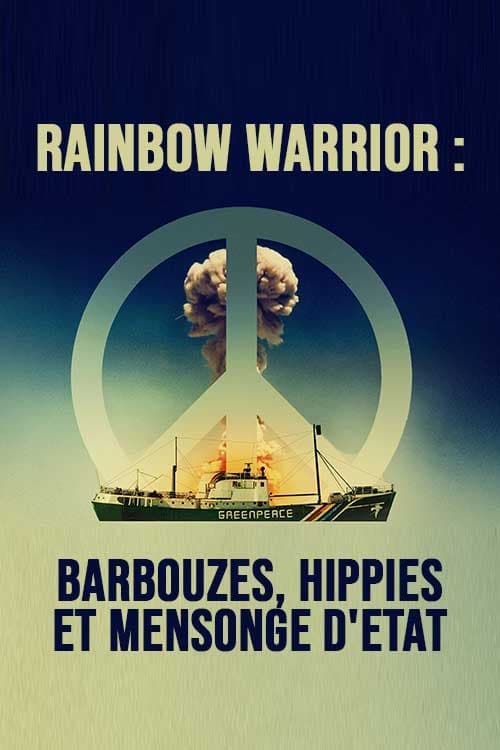
The Rainbow Warrior was a Greenpeace ship that was bombed by operatives of the French government, in New Zealand in 1985, while heading to a protest against nuclear testing, tragically taking the life of photographer Fernando Pereira. Edward McGurn’s enlightening and exciting documentary uncovers a tangled tale of nuclear weapons, geopolitical coverups, and attempts to take action against impending environmental collapse. Was Pereira’s death an accident or part of a larger political plot?
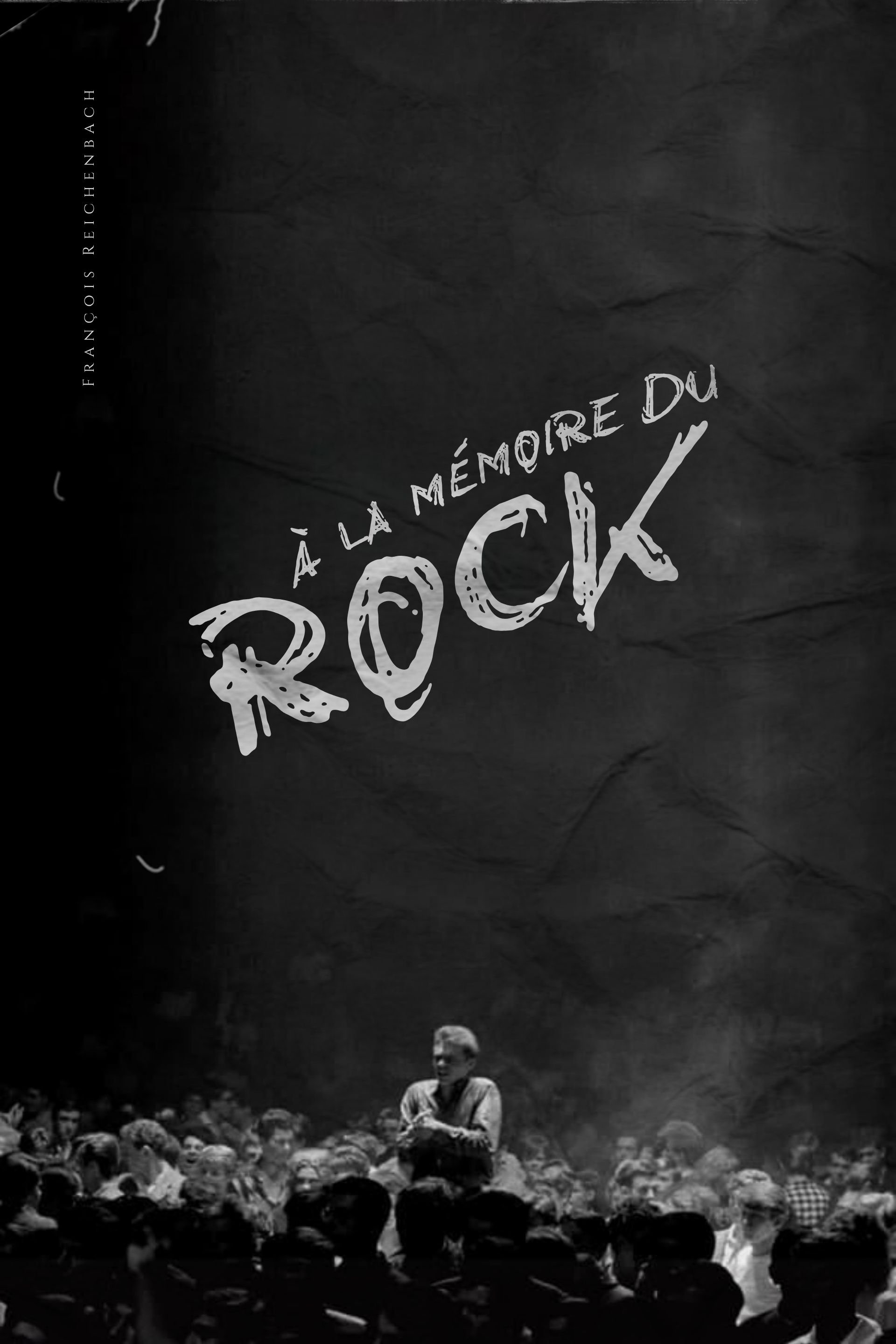
The rock-wild youth of the 1960s during the apparitions of their idols.
yaya/ayat explores identities, being lost in translation and distance. But at its core it's about the filmmaker longing for a relationship with her geographically distant grandma and her journey to Greece to find her. This is an experimental documentary about how being a part of any diaspora shapes a person's identity.
In 1900, the eyes of the whole world are on Paris. The World's Fair welcomed 50 million amazed visitors, and the city celebrated itself in a glamorous era. This period went down in history as the "Belle Époque." Elaborately restored and colorized historical photographs bring to life the exciting life in Paris between the end of the 19th century and the beginning of World War I in 1914. Bicycles, cars, airplanes, moving pictures, newly founded film studios, revolutionary composers and painters, avant-garde ballet performances, fashion houses, summer resorts on the Atlantic coast – life was intoxicating. People celebrate in the variety shows, cabarets, and revue theaters of Paris. Moulin Rouge, Folies Bergères, Bal Tabarin—in Paris, the nights are long and life is too short to sleep through. It is a dance on the volcano, given the political developments in the world.
Fourty years ago, in May 1981, with François Mitterrand's election, some people were letting themselves dream about a better life while others were predicting the coming of soviet tanks upon the Champs-Élysées. If we gladly remember the turning point of austerity in 83, there were also the wage rises, the fifth week of paid leave, the abolition of death penalty, the decriminalisation of homosexuality, or the advent of independent radio stations. Rare archives and accounts by those who were at the heart of this story give an overview of it and shed light on lesser-known aspects.
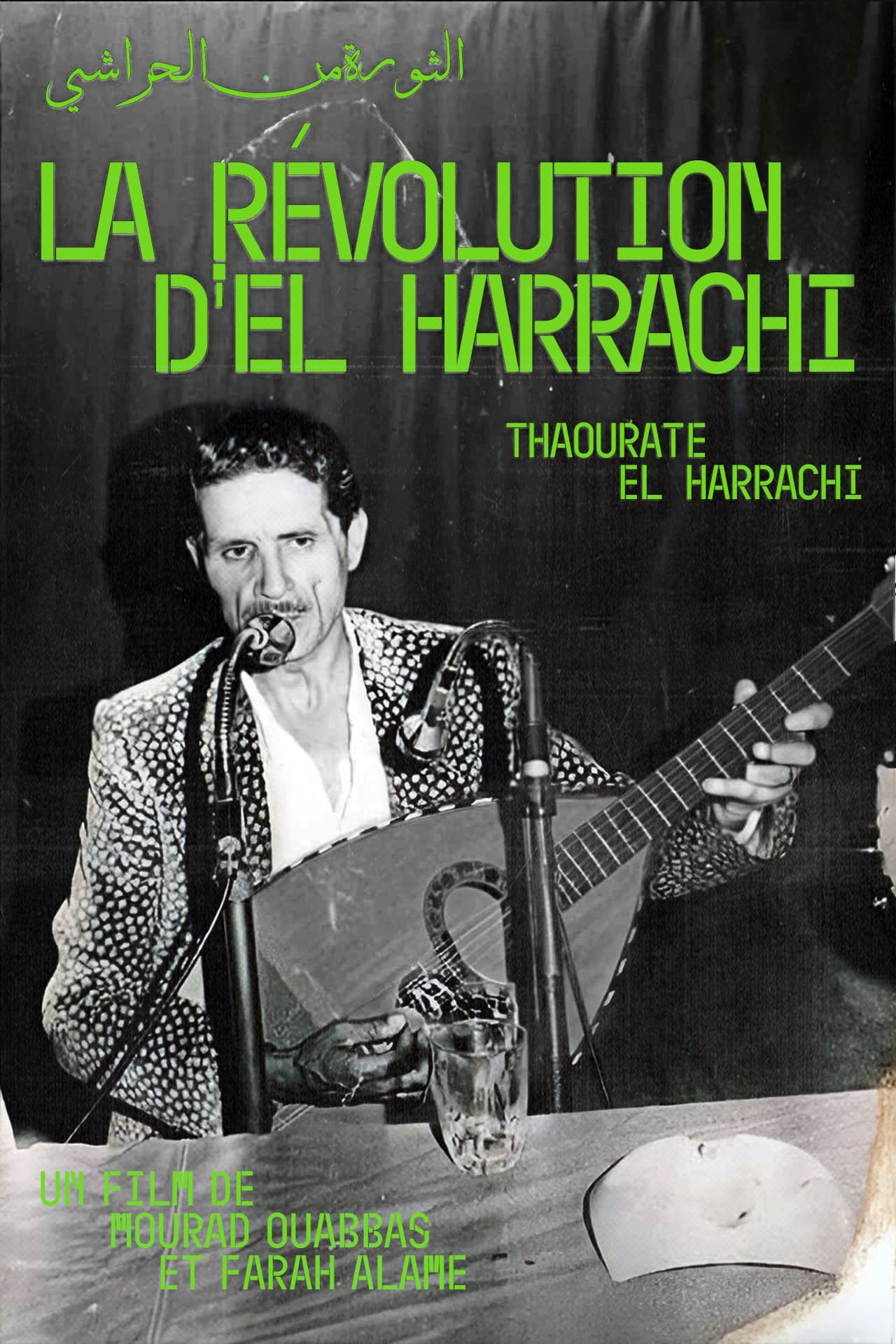
The artistic journey of Dahmane El Harrachi, born in 1925 in Algiers, bears the mark of his experience. An attentive and vigilant observer of the environment of immigrant workers, Dahmane has always avoided falling into the ambient miserabilism. From the Algerian Chaâbi, he has kept certain melodic lines and a clear propensity for sayings drawn from the oral poetic tradition. El Harrachi uses simple language, understandable by all popular sectors of the Maghreb, which partly explains its wide success. In 1949, he went to France and it was in cafes, springboard places where people come to breathe the air of the country, that he performed regularly. Elegant, with his beautiful atmosphere, the “bluesman” of the suburbs seduces, upsets and stirs consciences. Discovered late by the new generation, the creator of Ya Rayah met a tragic end, on August 31, 1980, in a car accident, on the Algiers coast which he sublimated above all else.
From May 10, 1940, France is living one of the worst tragedies of it history. In a few weeks, the country folds, and then collapsed in facing the attack of the Nazi Germany. On June 1940, each day is a tragedy. For the first time, thanks to historic revelations, and to numerous never seen before images and documents and reenacted situations of the time, this film recounts the incredible stories of those men and women trapped in the torment of this great chaos.
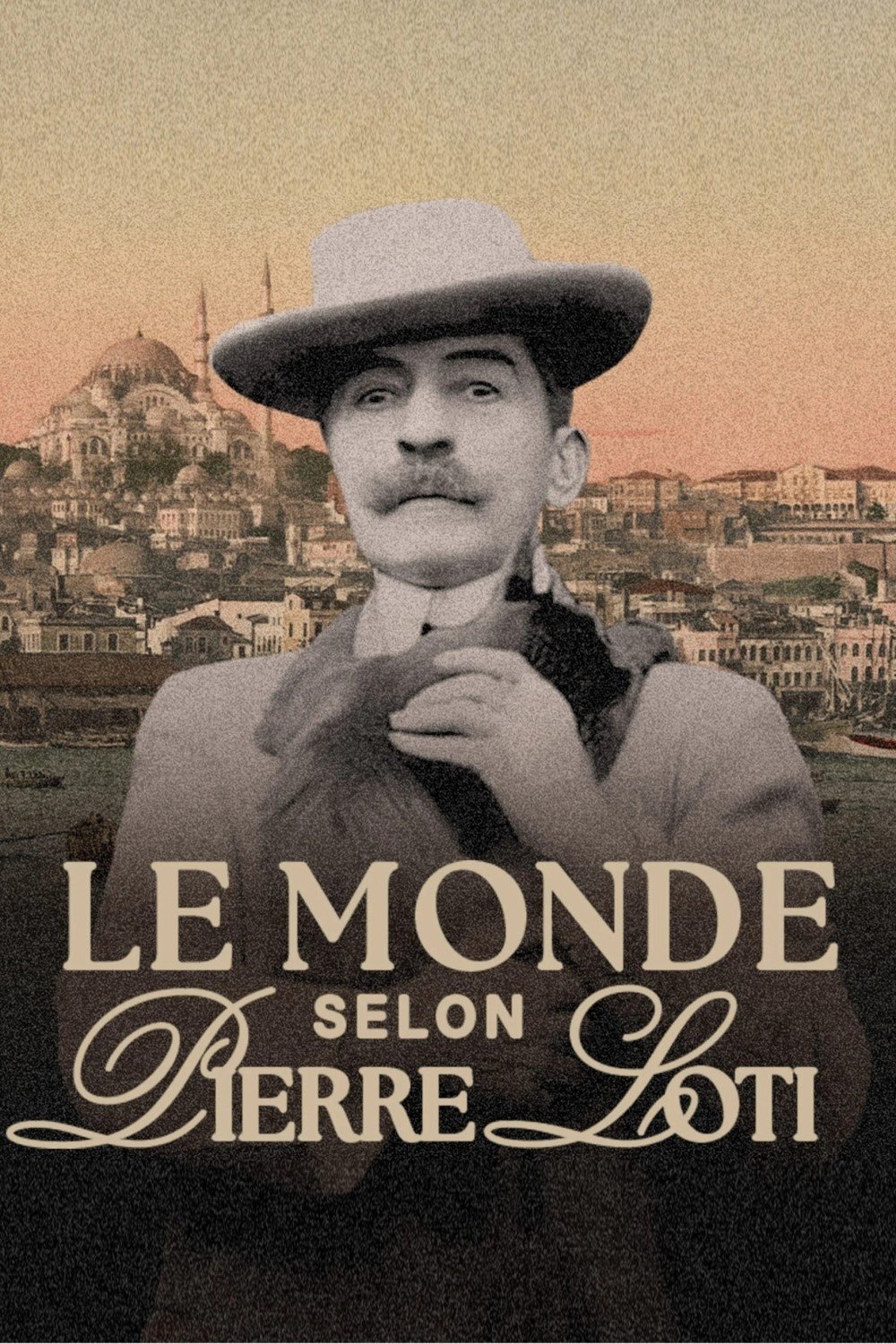
The incredible house of Pierre Loti (1850-1923) in Rochefort will reopen to the public in June 2025. This is an opportunity to look back on the romantic life of one of the most widely read and translated authors of his time. The writer-officer, who joined the navy at the age of 17, traveled around the world as his assignments took him. Through his literary work, he built a sensitive memory of the diversity of cultures at the turn of the 20th century, questioning the major geopolitical upheavals of his time. The film draws heavily on Loti's own words, combined with a collection of rare archives from the period.
Kang Aries and Kang Oca are two cultural observers of Kujang who try to provide a justification perspective on the Kujang Philosophy made by one of the blacksmiths named Abah Jajang, where the general public often considers that Kujang is a sharp weapon. The two of them "Kang Aris & Kang Oca" entered the realm of the trial to defend the essence of Kujang, so as not to be considered misunderstood by the general public.
The Dawn is Too Far: Stories of Iranian-American Life poetically narrates the story of a community of Iranian Americans who have made the San Francisco Bay Area their home over the past five decades. The film explores Iranian immigration through turbulent histories of dissent, revolution, war, and separation, and the reinvention of identity in a new land and culture. The Dawn is Too Far highlights how Iranian students, activists, and artists have navigated displacement while drawing on and influencing Bay Area culture. This community offers a more nuanced story of the Iranian diaspora—the ways that this community enriches the region where they live, work, and build families. The Dawn is Too Far undermines the tired and overplayed news headlines that are dominated by narratives of enmity and mistrust between the government of Iran and the U.S., to offer a more humane understanding of the how people's lives and the sacrifices they make are part of the larger story of immigration.
A local fisherwoman navigates her way through a male dominated environment to work in an industry that has been essential to island life for hundreds of years.
A sock puppet explores a family history told from the perspective of a mother and father.
In 150 years, twice marked by total destruction —a terrible earthquake in 1923 and incendiary bombings in 1945— followed by a spectacular rebirth, Tokyo, the old city of Edo, has become the largest and most futuristic capital in the world in a transformation process fueled by the exceptional resilience of its inhabitants, and nourished by a unique phenomenon of cultural hybridization.
The sudden media attention has disrupted the tranquility of a club in Adrogué, in the greater Buenos Aires area. Brown's football team, coached by Pablo Vicó, has brought fame to a neighborhood not so accustomed to the spotlight of the football world.
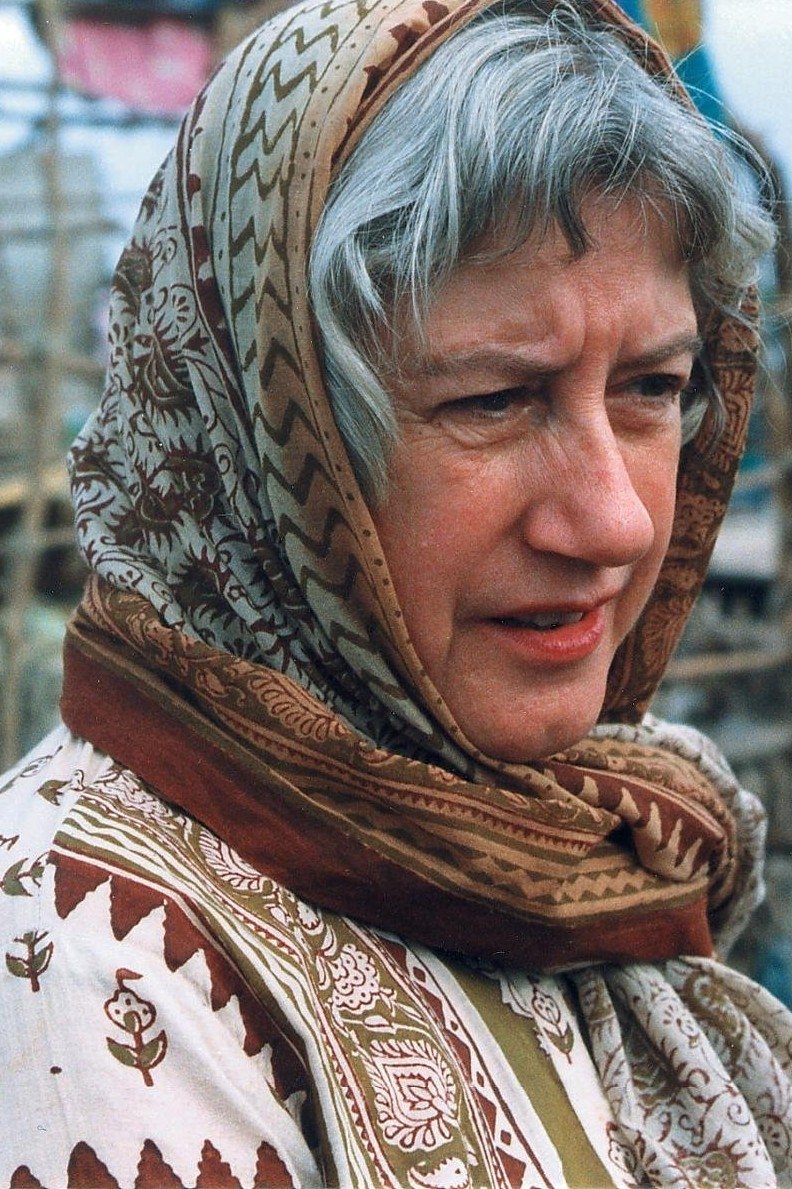
A Calling to Care is the inspiring story of 55 year-old Grace Stanley, a Canadian nurse who left her home and prestigious career behind to answer a calling halfway around the world in Karachi, Pakistan. Teaching nursing to local women in a strict Muslim culture that forbids them to even to touch men is a formidable task. However, Grace challenges her own values and belief systems to find common ground with her students, helping them to excel and feel respect for themselves in a culture that doesn't respect them. Whether it is getting her hands painted with henna, swimming fully-clothed in the ocean, or marching bravely with them on International Women's Day, Grace bonds with her students in a very special way, and ultimately discovers how the West can learn a lot more from the Third World than she ever thought.
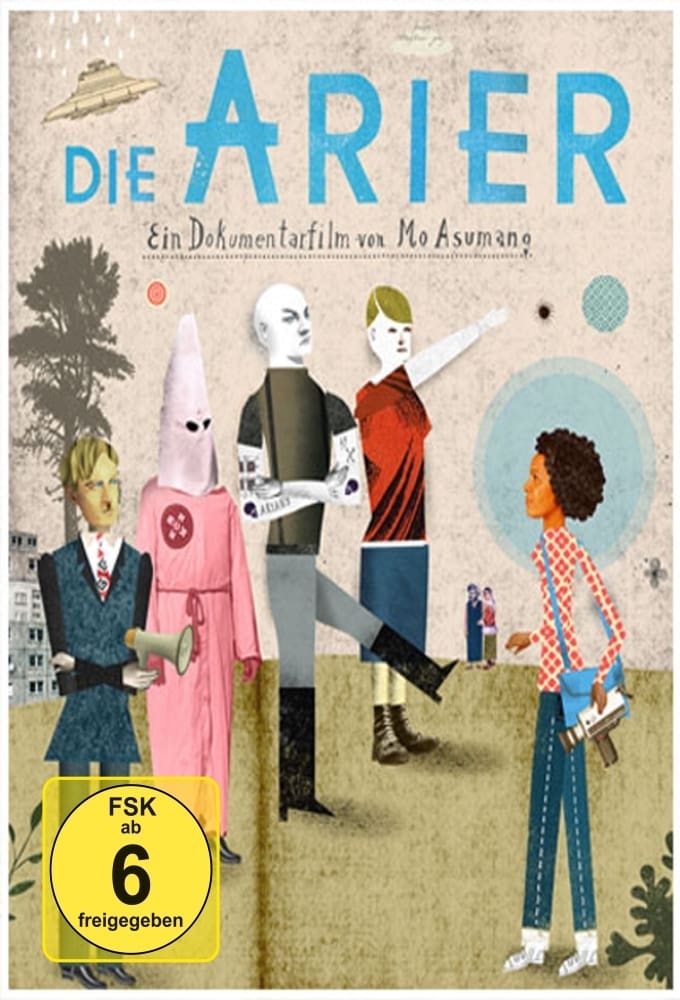
THE ARYANS is Mo Asumang's personal journey into the madness of racism during which she meets German neo-Nazis, the US leading racist, the notorious Tom Metzger and Ku Klux Klan members in the alarming twilight of the Midwest. In The ARYANS Mo questions the completely wrong interpretation of "Aryanism" - a phenomenon of the tall, blond and blue-eyed master race.
In 1970, a British film crew set out to make a straightforward literary portrait of James Baldwin set in Paris, insisting on setting aside his political activism. Baldwin bristled at their questions, and the result is a fascinating, confrontational, often uncomfortable butting of heads between the filmmakers and their subject, in which the author visits the Bastille and other Parisian landmarks and reflects on revolution, colonialism, and what it means to be a Black expatriate in Europe.
Filmmaker Christopher Quinn observes the ordeal of three Sudanese refugees -- Jon Bul Dau, Daniel Abul Pach and Panther Bior -- as they try to come to terms with the horrors they experienced in their homeland, while adjusting to their new lives in the United States.
This documentary charts 20 years of the French national soccer team, Les Bleus, whose ups and downs have mirrored those of French society.
The subject of the film was the Hauka movement. The Hauka movement consisted of mimicry and dancing to become possessed by French Colonial administrators. The participants performed the same elaborate military ceremonies of their colonial occupiers, but in more of a trance than true recreation.
Commissioned by the journal Présence Africaine, this short documentary examines how African art is devalued and alienated through colonial and museum contexts. Beginning with the question of why African works are confined to ethnographic displays while Greek or Egyptian art is celebrated, the film became a landmark of anti-colonial cinema and was banned in France for eight years.
A documentary film depicting five intimate portraits of migrants who fled their country of origin to seek refuge in France and find a space of freedom where they can fully experience their sexuality and their sexual identity: Giovanna, woman transgender of Colombian origin, Roman, Russian transgender man, Cate, Ugandan lesbian mother, Yi Chen, young Chinese gay man…
Alexander McQueen's rags-to-riches story is a modern-day fairy tale, laced with the gothic. Mirroring the savage beauty, boldness and vivacity of his design, this documentary is an intimate revelation of McQueen's own world, both tortured and inspired, which celebrates a radical and mesmerizing genius of profound influence.
The Oscar nominated actor best known for his role of Mr. Miyagi, left behind a painfully revealing autobiographical record of his much-too-brief time here on earth. Tracing his journey from being bed bound as a boy to the bright lights and discrimination in Hollywood. Deep inside that sweet, generous, multi-talented performer seethed an army of demons, that even alcohol and drugs couldn't mask.
Working from the text of James Baldwin’s unfinished final novel, director Raoul Peck creates a meditation on what it means to be Black in the United States.
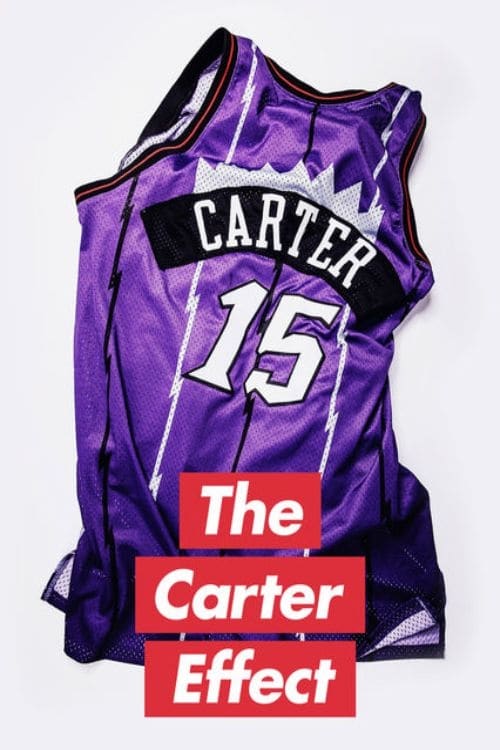
In his latest documentary, Sean Menard gives viewers an unprecedented look at Vince Carter: the six-foot-six, eight-time NBA All-Star from Daytona Beach who made waves in the Canadian basketball scene when he joined the Toronto Raptors in 1998.
Hüseyin Al Baldawi arrives in Brussels in August 2015. He has traveled thousands of kilometers until he got there from Iraq. A year after his arrival, he receives his residence permit and decides to go to Greece. This journey from Brussels to Athens involves the viewers on the difficulties faced by Hüseyin and thousands of other immigrants. While the story of Hüseyin is taking shape through the countries he travels, the forgotten people he meets and the selfish society of Europe give us many messages, as well.
A detailing of the rise to prominence and global sporting superstardom of six supremely talented young Manchester United football players (David Beckham, Nicky Butt, Ryan Giggs, Paul Scholes, Phil and Gary Neville). The film covers the period 1992-1999, culminating in Manchester United's European Cup triumph.
The most comprehensive retrospective of the '80s action film genre ever made.
This documentary revisits the French football team's controversial 2010 World Cup and the bus strike that sparked global headlines and national outrage.
This revealing documentary honors the legendary Sidney Poitier—iconic actor, filmmaker, and civil rights activist. Featuring interviews with Denzel Washington, Spike Lee, Halle Berry, and more.
Rachel Dolezal became infamous when she was unmasked as a white woman passing for black so thoroughly that she had become the head of her local N.A.A.C.P. chapter. This portrait cuts through the very public controversy to reveal Dolezal’s motivations.
Martin Scorsese, Robert De Niro, Joe Pesci, and Al Pacino in conversation about The Irishman.
Jonas Mekas weaves an elegiac diary film from his 1971–72 return to Lithuania, chronicling a visit to his birthplace of Semeniškiai after decades in exile. Blending personal memory with documentary observation, the film becomes both a portrait of homecoming and a meditation on displacement, family, and the passage of time.
“White Boy Rick”, as he was called, was a novelty: A white teenager seemingly running a major inner-city drug operation. In May of 1987, 17-year-old Richard Wershe Jr. was charged with a non-violent, juvenile drug offense. By the time of his arrest he was already a Detroit legend, frequently making front-page headlines and leading the local television news. In this film, gangsters, hit men, journalists and federal agents struggle to explain why he remains in prison at nearly 50 years old. The possible explanation is more stunning than the crimes Wershe was alleged to have committed.
Photographer Estevan Oriol and artist Mister Cartoon turned their Chicano roots into gritty art, impacting street culture, hip hop and beyond.