Social & External
Entrevistado

Self (archive footage)
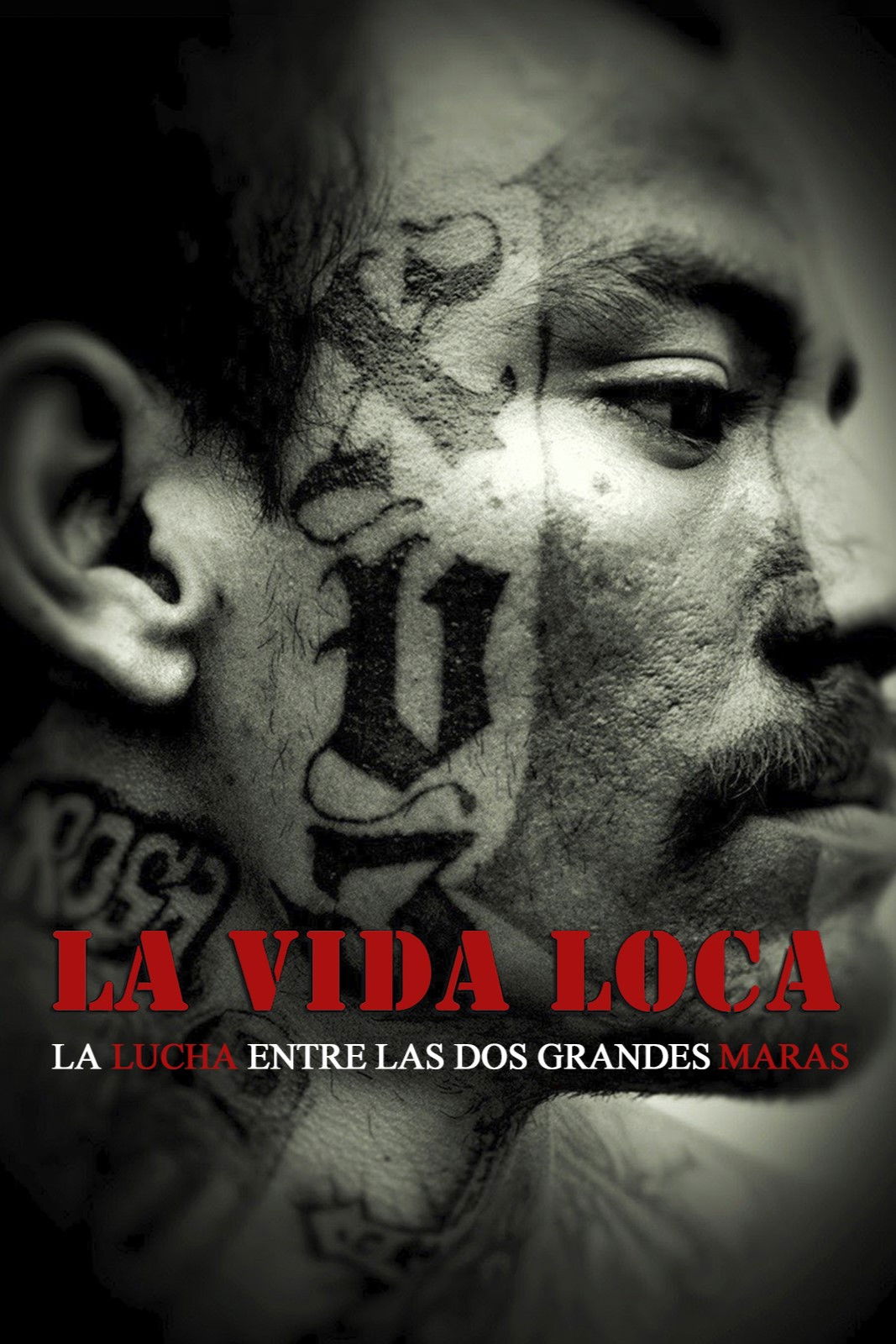
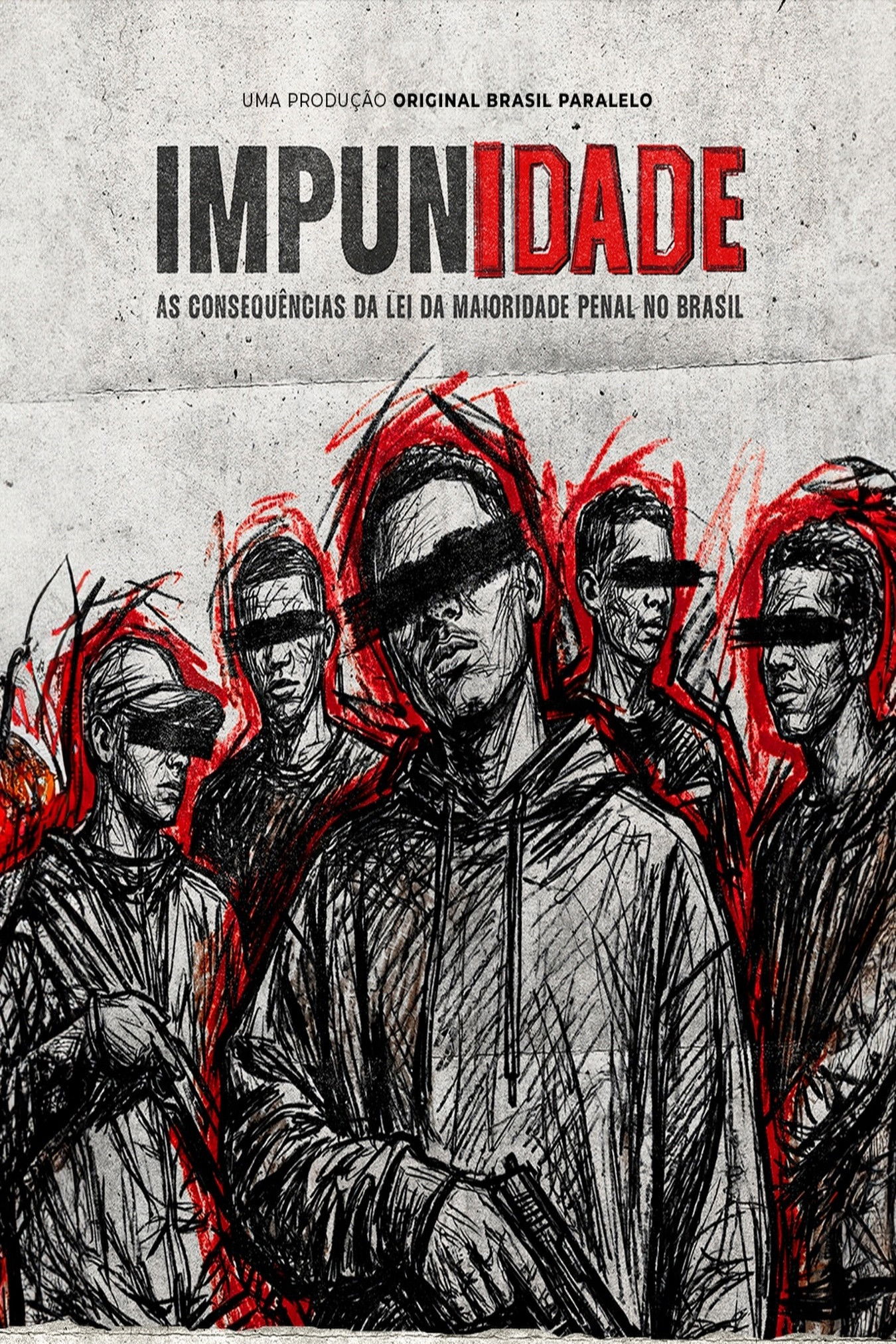
A documentary about the rival gangs Mara 18 and Mara Salvatrucha, originating in Los Angeles but terrorizing El Salvador. It explores their origins as possible founding myths of organized crime in a globalized world.
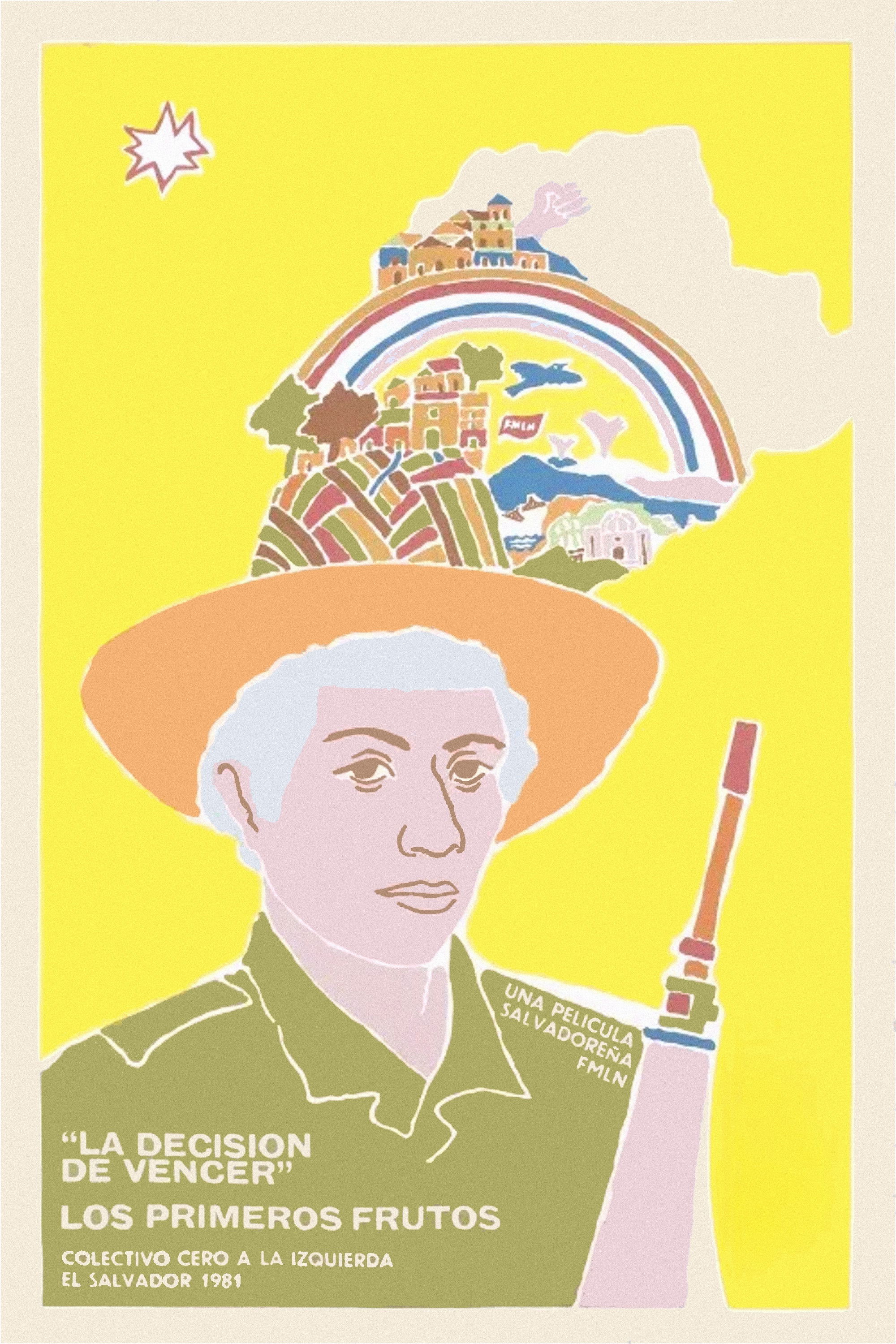
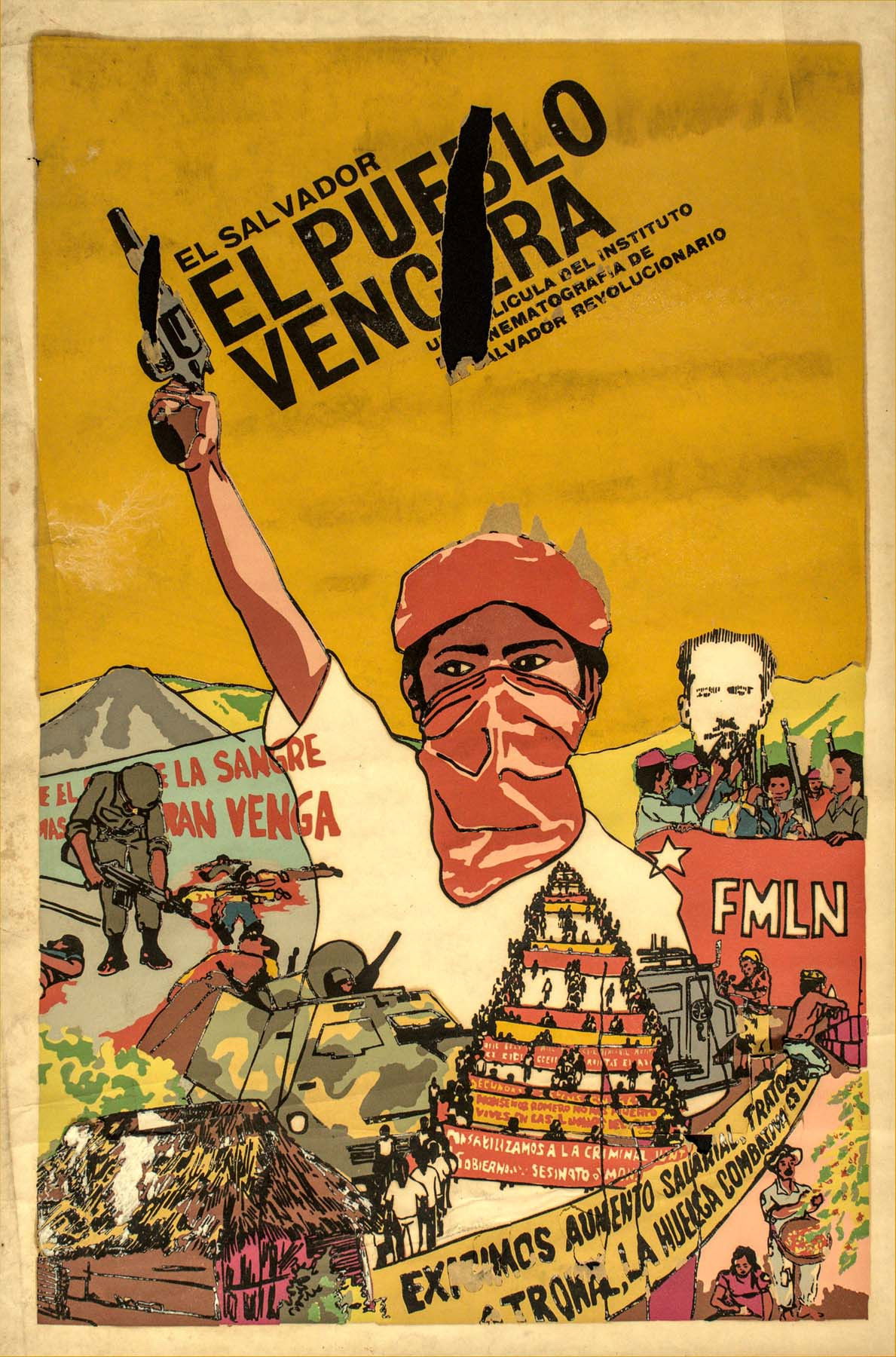
Filmed by Guillermo Escalón in July 1981, it shows daily life in territories under guerrilla control in the Francisco Sánchez Northeastern Front, Department of Morazán,
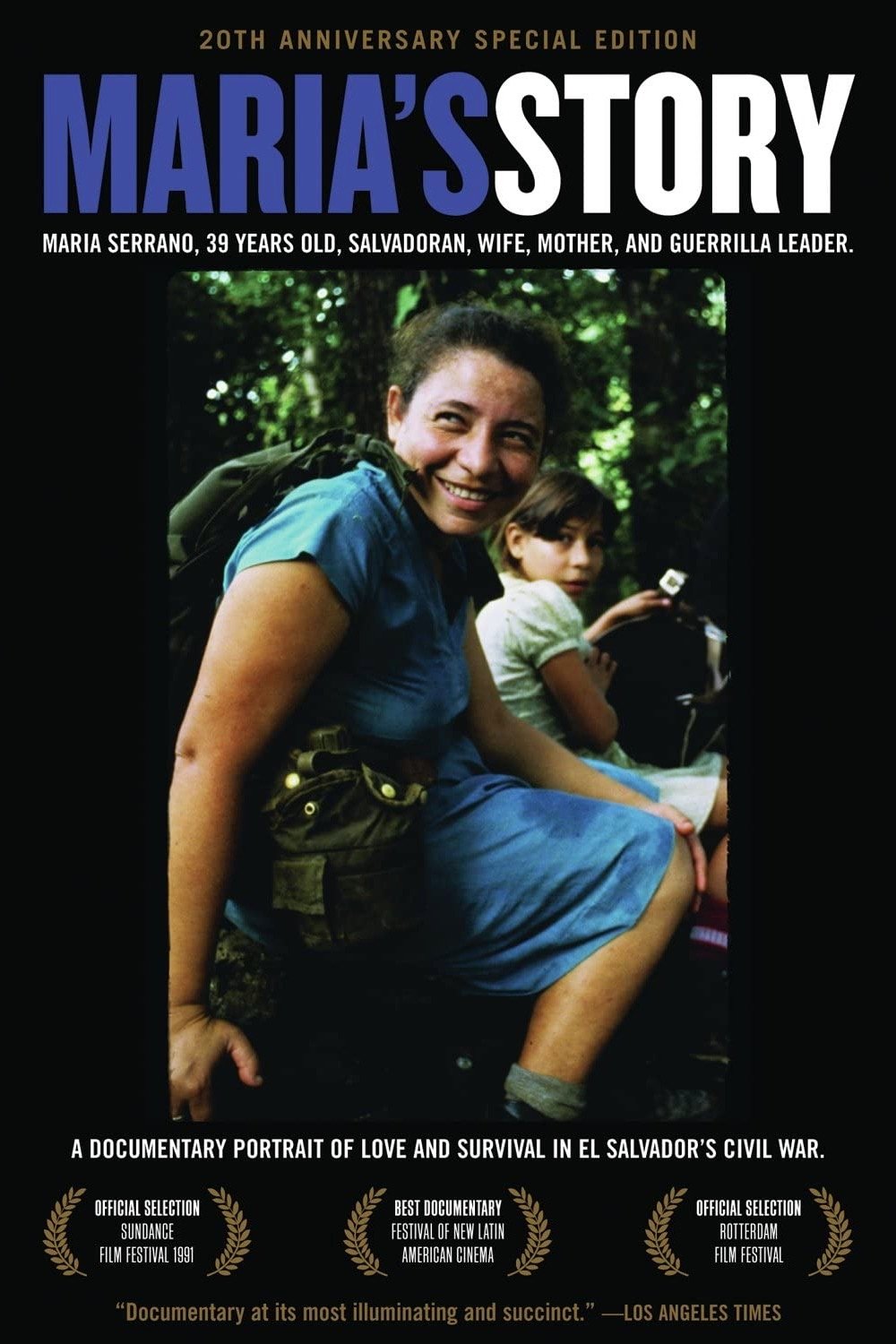
It is El Salvador, 1989, three years before the end of a brutal civil war that took 75,000 lives. Maria Serrano, wife, mother, and guerrilla leader is on the front lines of the battle for her people and her country. With unprecedented access to FMLN guerrilla camps, the filmmakers dramatically chronicle Maria's daily life in the war.
This documentary juxtaposes scenes of El Salvador's opposition factions, including U.S. government advisors and government troops, and guerrillas and their sympathizers.
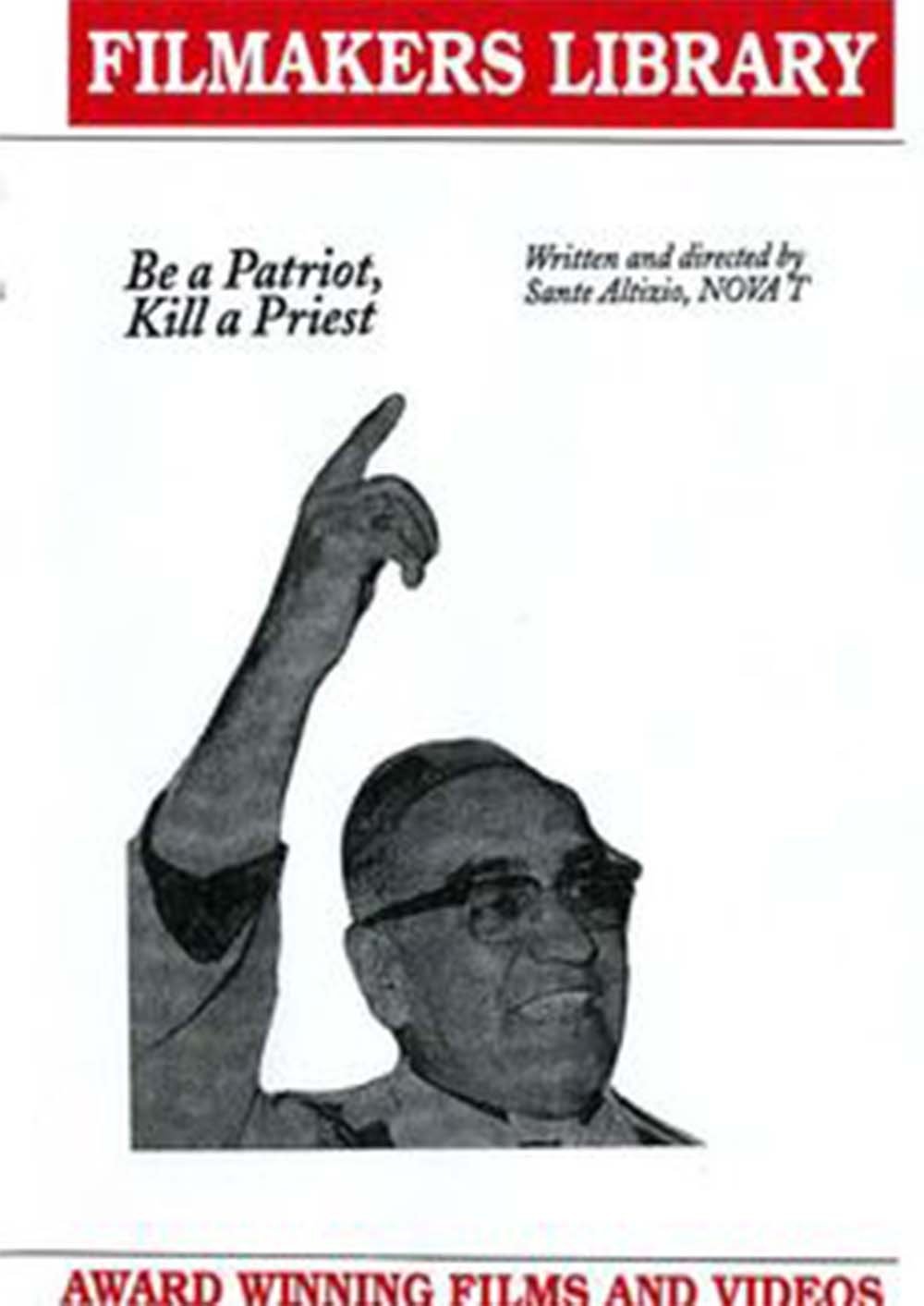
The war in El Salvador was the most cruel and bloody Latin America has ever seen. During that time of turmoil Latin American bishops created the famous preferential option for the poor, demanding justice, food and education in the name of the gospel. Using interviews and old footage, the film follows the civil war and the role of the Church in it. In 1977, after the murder of Father Rutilio Grande, the Archbishop Oscar Romero took a strong anti government position, broadcasting sermons over Radio Luz demanding that the government stop the repression. He could not understand why he was thought to be a follower of Karl Marx, when he knew "he followed only Jesus Christ." An inspiring film about people of faith who stood up against injustice.
A meditation on the intersection of Afro-Caribbean and Indigenous American existence.
Fleeing the 1980 Civil War in El Salvador, Dora Rodriguez, among a group of twenty-five asylum seekers, were abandoned by their guide and left to fend for themselves in the relentless Sonoran desert of Arizona.
Years after the Salvadoran military destroyed the village of Cinquera in that country’s civil war, survivors have returned to rebuild their community. Soulful, beautifully rendered, this amazing debut is an evocative testament to place, memory and the power of life to rebound from tragedy.
Filmed on the war fronts of Chalatenango and Guazapa, the film is based on the construction of Local Popular Powers (PPL) in areas under guerrilla control.
This documentary examines the formation of labor unions in El Salvador and the systematic violations of workers’ rights that characterized the country during the 1980s. Through testimonies and on-the-ground footage, it exposes the climate of employer authoritarianism and repression faced by workers, situating these conflicts within a broader history of social unrest that dates back to the 1930s and re-emerged with intensity in the 1980s. The film also depicts how the guerrilla movement carried out campaigns of political and labor awareness among peasants and workers, encouraging collective organization and the defense of labor rights. Ultimately, the documentary reveals the “two faces” of El Salvador: on one side, state power embodied by the army and the police; on the other, the opposition represented by guerrilla forces and grassroots popular organizations.
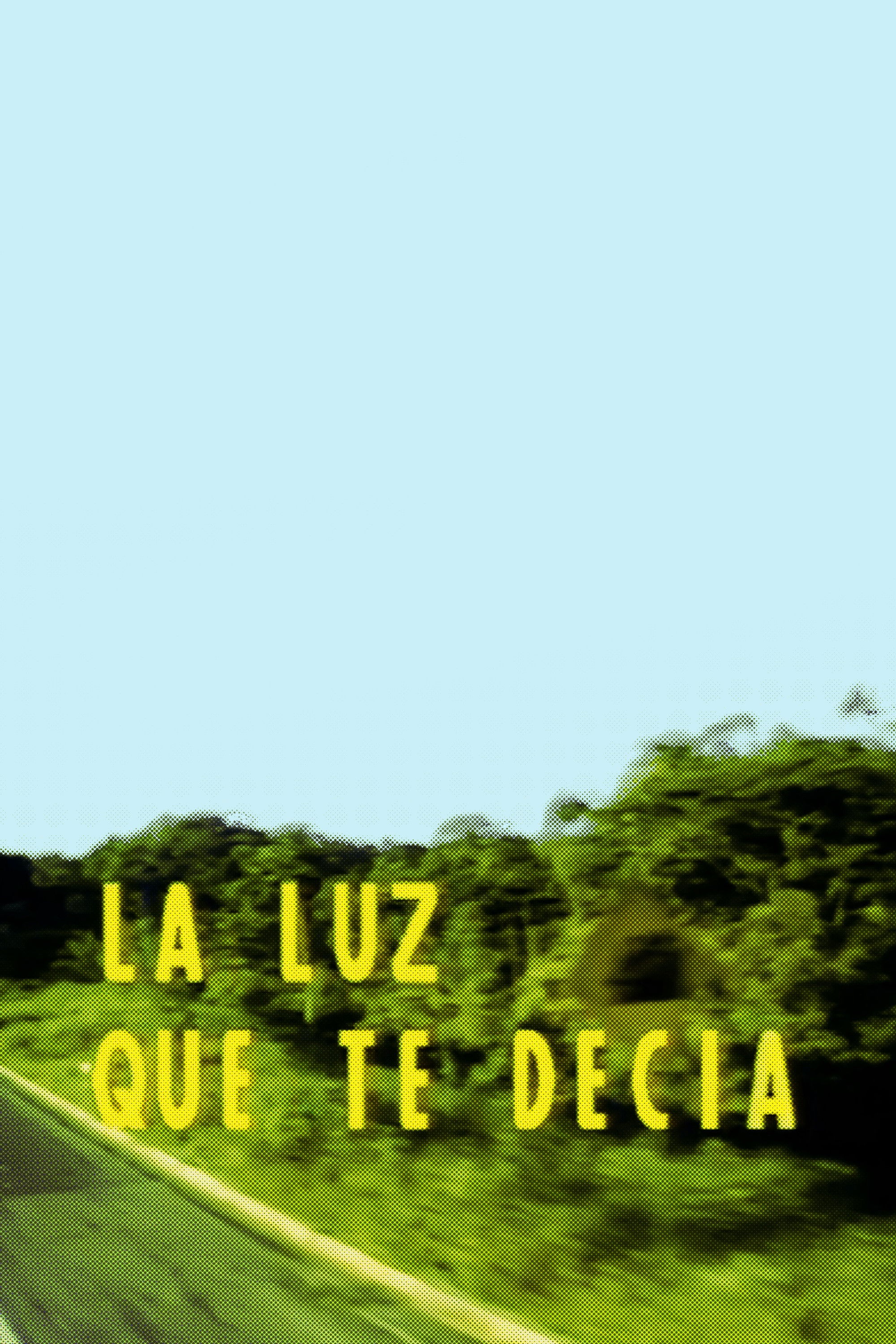
Filmed during the Salvadoran civil war, La luz que te decía documents the struggles of the country’s labor and trade union movement amid escalating political violence. Through strike footage, congress meetings, marches, and first-person testimonies, the film portrays a society marked by state repression, workers’ mobilization, and efforts to build national and international solidarity. The documentary pays particular attention to the strike of the National Water Authority workers (ANDA), featuring members of the SETA union who describe the causes of the protest, the repression they faced, and the survival strategies adopted during the conflict. Testimonies from other unions, grassroots organizations, and international labor groups broaden the film’s perspective beyond a single labor dispute.
Produced by the Radio Venceremos System, chronicles the first decade of the guerrilla broadcaster that became a crucial communication tool for the FMLN during El Salvador’s civil war. Through archival footage, radio transmissions, testimonies, and scenes of daily life in liberated zones, the film traces the station’s military, political, and cultural role, from reporting on combat operations and peasant struggles to fostering literacy, music, and international solidarity. The documentary portrays Radio Venceremos not only as a strategic instrument of war, but as a symbol of resistance, collective organization, and revolutionary memory.
A production by Radio Venceremos in 1992. The documentary's central objective is to showcase Radio Venceremos' new role after the end of the armed conflict, portraying it as a radio station that would continue serving the needs of the Salvadoran people. The documentary includes some of Radio Venceremos' broadcasts during the Salvadoran peace process.
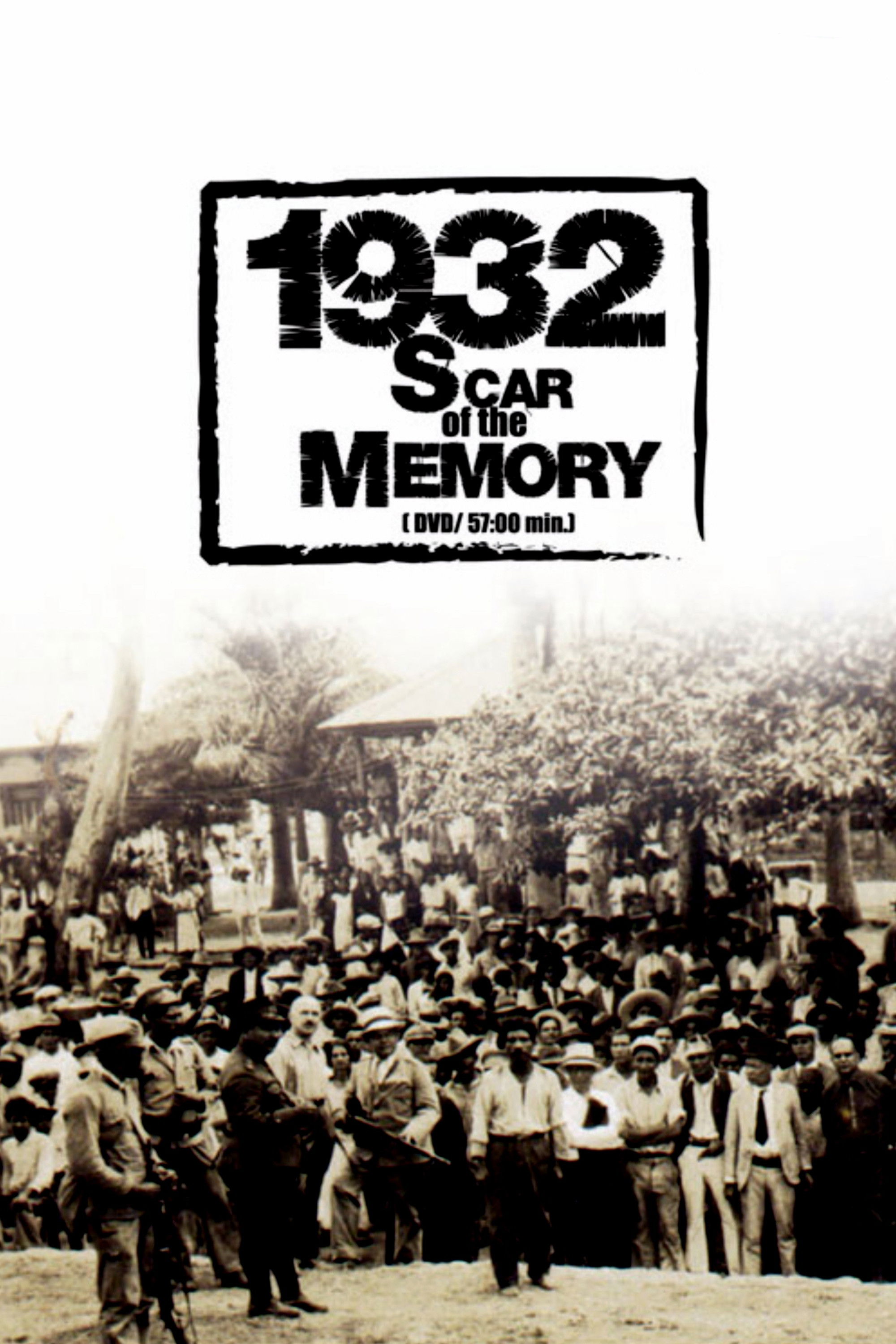
January 22, 1932. An unprecedented peasant uprising erupts in western El Salvador, as a group of Latino and indigenous peasants cut army supply lines, attack a military garrison, and take control over several towns. Retribution is swift. After three days, the army and militias move in and, in some villages, slaughter all males over age 12. Elsewhere, they summarily execute anyone suspected of having a link to the Communists. Over the next few weeks, 10,000 people are massacred.
The battle of El Salvador and its revolutionary history, from the time of the Spanish conquest and colonization, to the insurgency of the 80s, approached by a Puerto Rican filmmaker immersed in the conflict. Depicts a host of F.M.L.N. guerrillas marching forth from Monte Alzaco, the spiritual home of Salvadoran resistance.
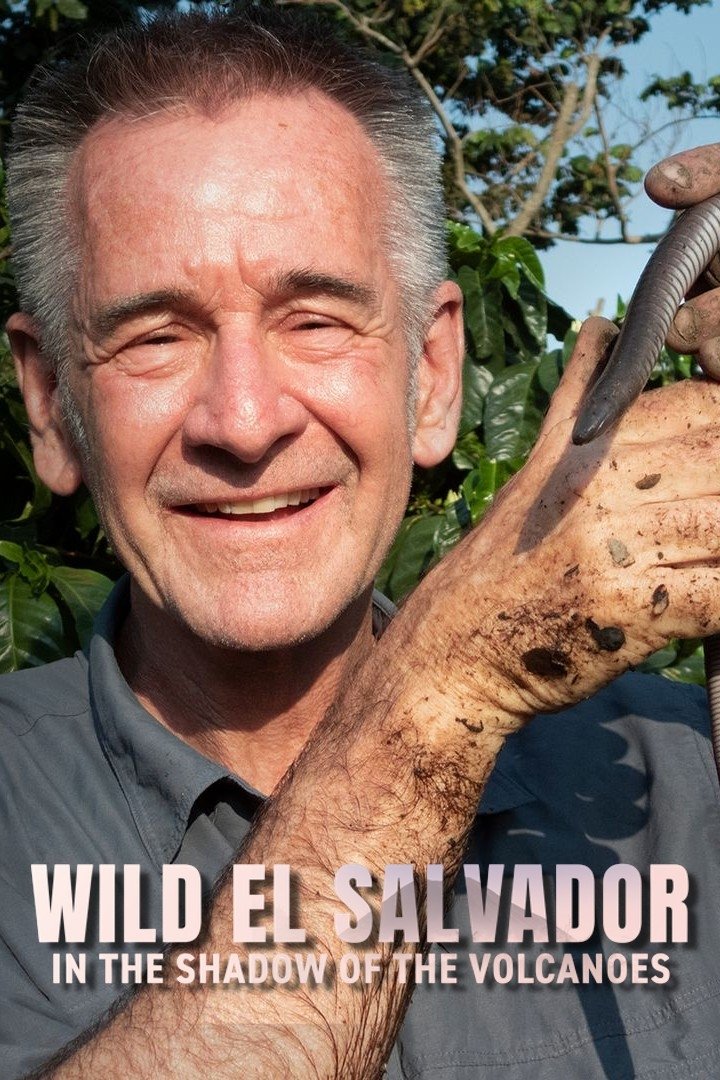
Join affable presenter Nigel Marven as he explores El Salvador, the volatile land of volcanoes with a colorful culture and natural history. Follow along as he climbs an active volcano near the capital San Salvador, comes face-to-face with a crocodile, cuddles a caecilian, fights fire with fire, dives deep into a volcanic lake, and discovers the Pompeii of Central America.
This documentary examines the 1999 London bombings that targeted Black, Bangladeshi and gay communities, and the race to find the far-right perpetrator. He terrorized a city, seeking to ignite a race war but justice was served by those who wouldn't let his hate win.
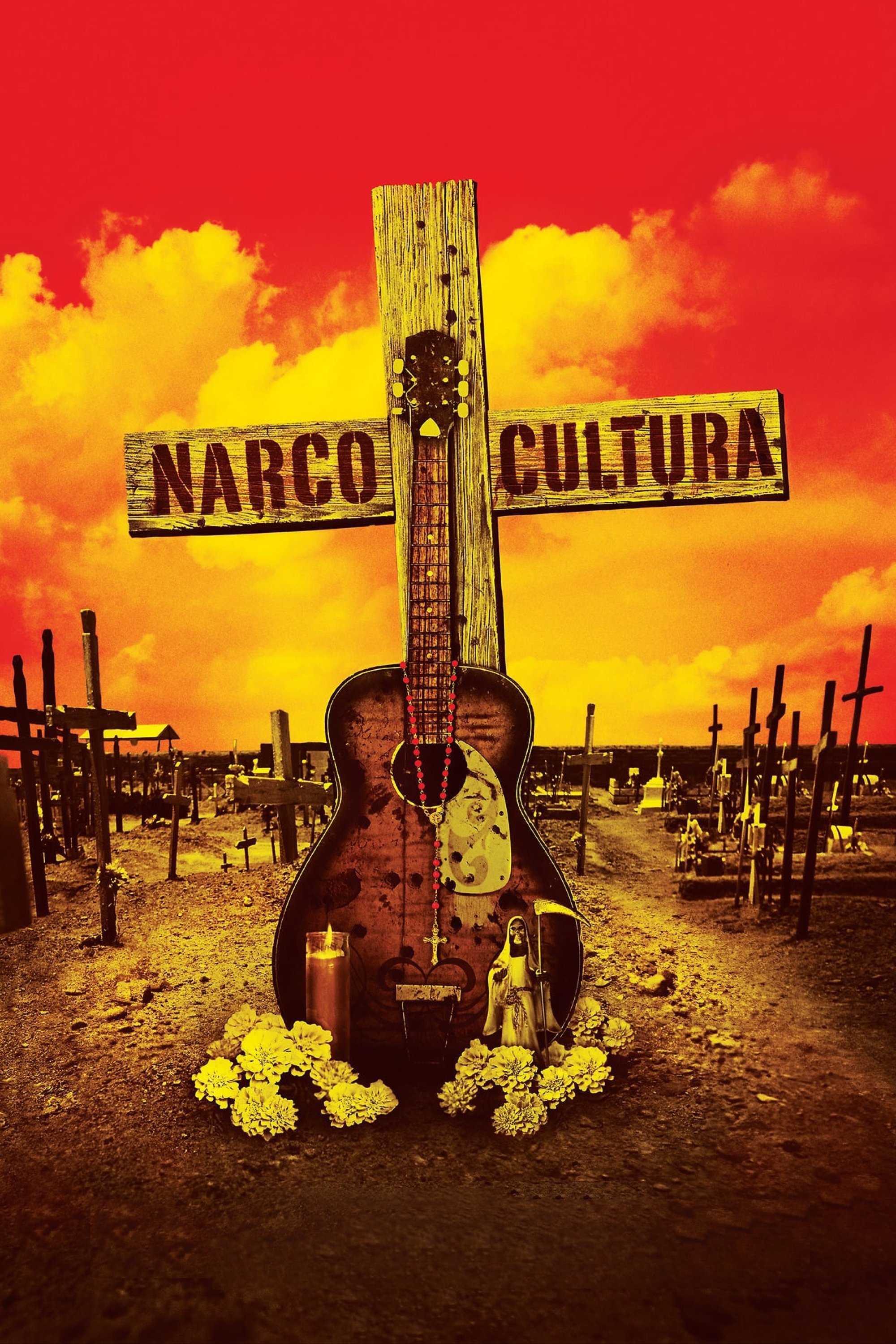
To a growing number of Mexicans and Latinos in the Americas, narco-traffickers have become iconic outlaws and the new models of fame and success. They represent a pathway out of the ghetto, nurturing a new American dream fueled by the war on drugs. Narco Cultura looks at this explosive phenomenon from within, exposing cycles of addiction to money, drugs, and violence that are rapidly gaining strength on both sides of the U.S.-Mexico border
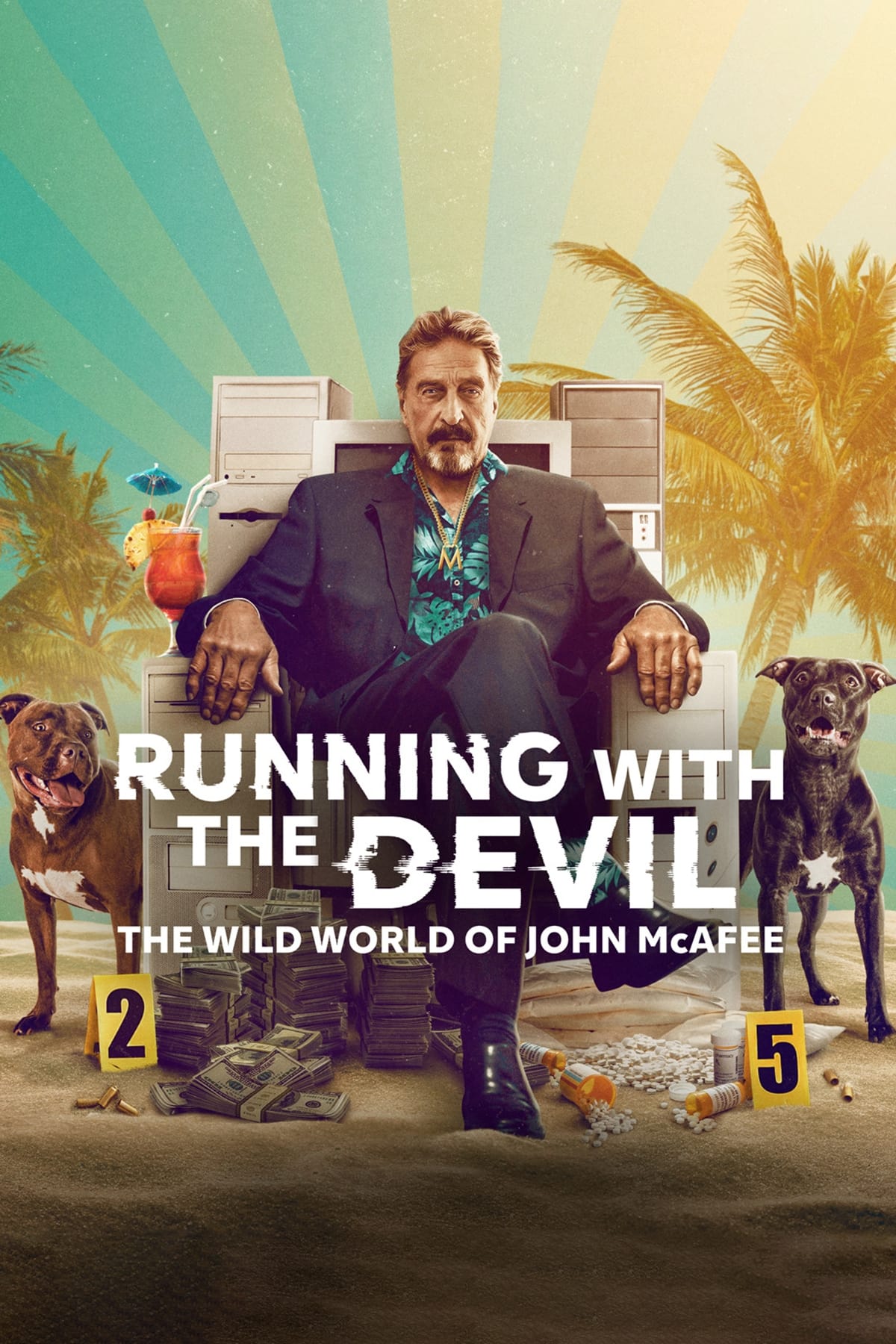
Through raw, revealing footage and interviews with fugitive tech pioneer John McAfee, this documentary uncovers new layers of his wild years on the run.
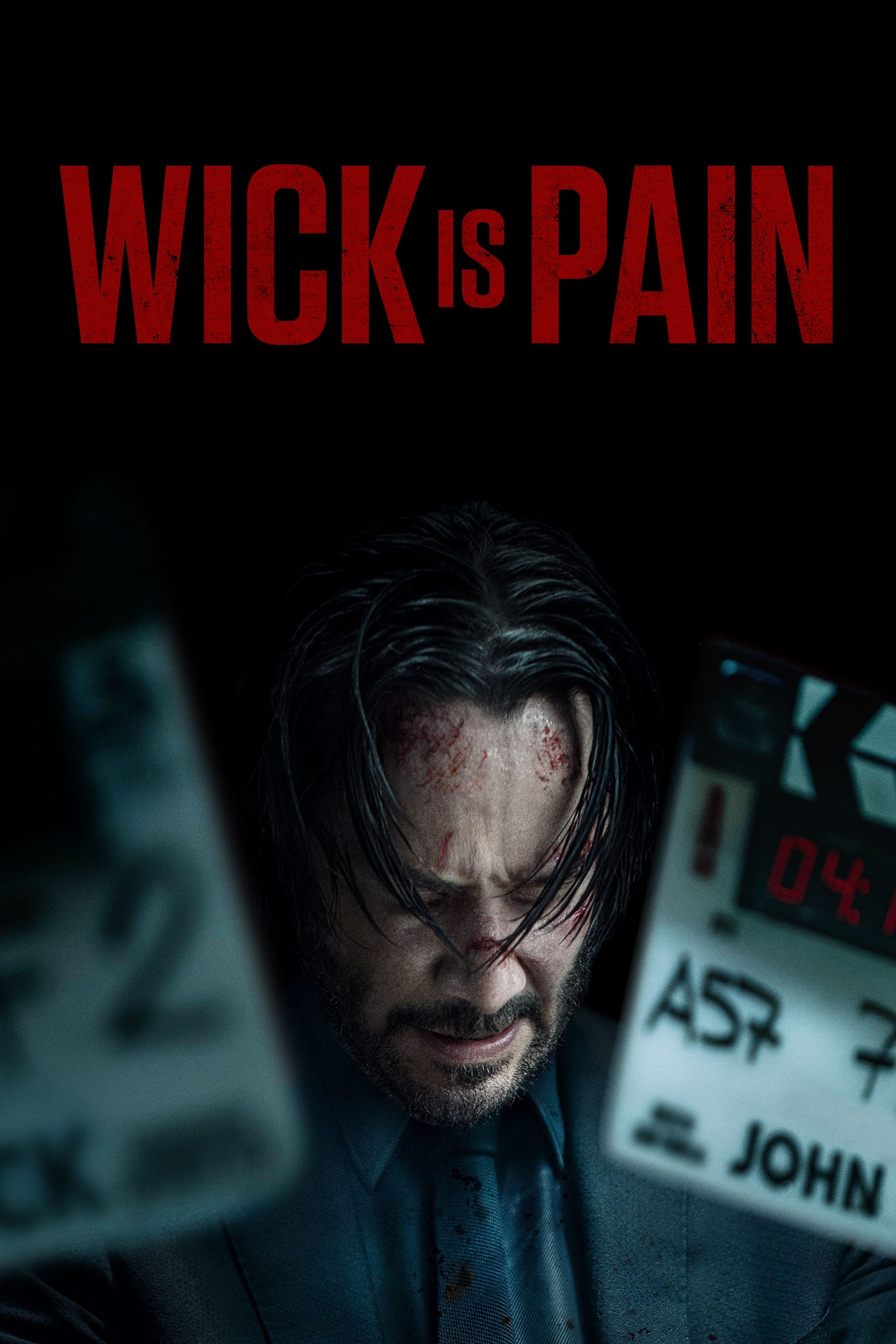
Witness the never-before-seen footage and true story behind the John Wick phenomenon – from independent film to billion-dollar franchise.
Vulgar, taunting texts blow up the phones of a teen and her boyfriend. Who's sending them — and why? This twisty documentary reveals the shocking answer.
A subjective documentary that explores various theories about hidden meanings in Stanley Kubrick's classic film The Shining. Five very different points of view are illuminated through voice over, film clips, animation and dramatic reenactments.
A documentary on the expletive's origin, why it offends some people so deeply, and what can be gained from its use.
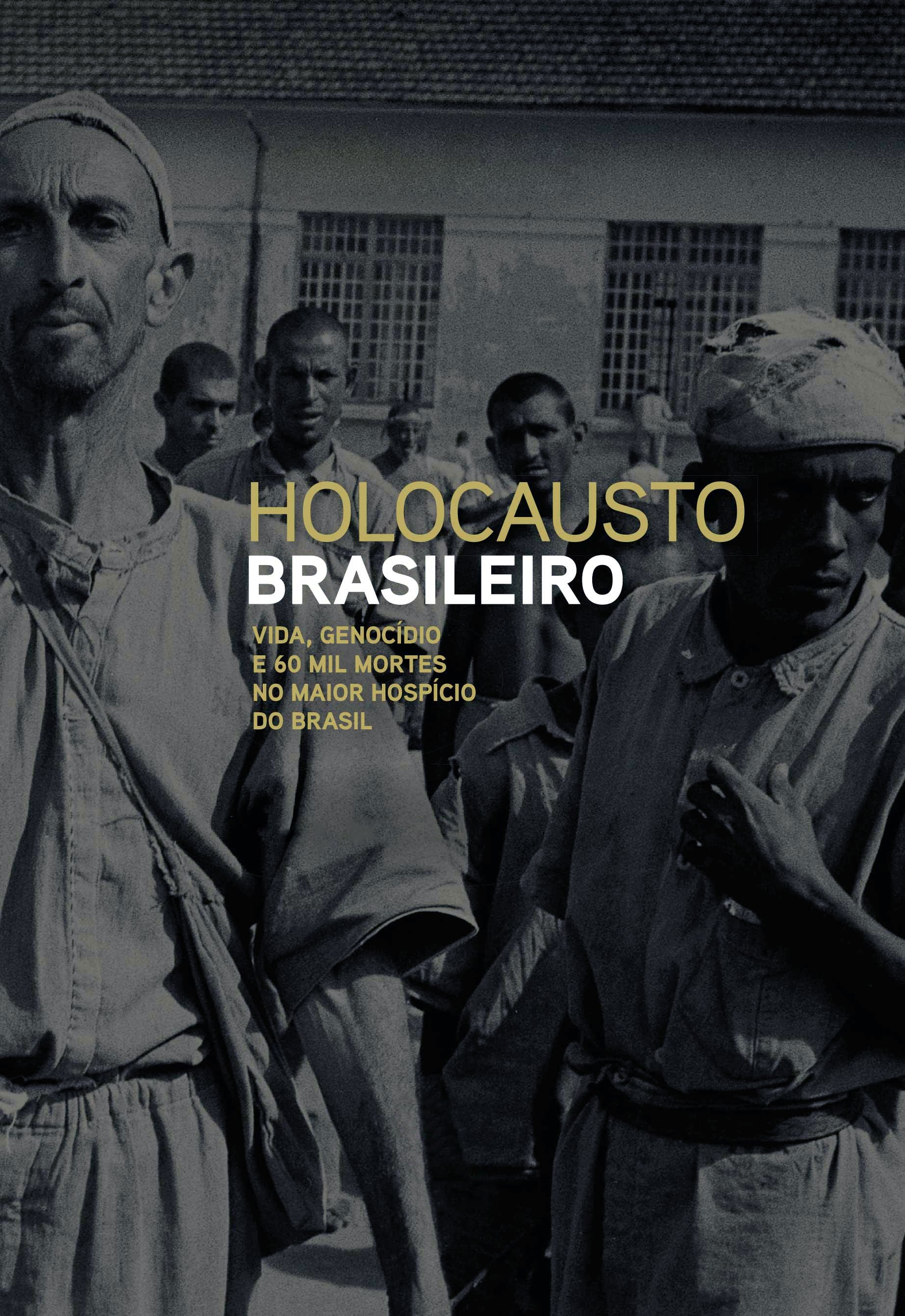
Award-winning journalist Daniela Arbex examines the horrors of the Colônia psychiatric hospital, where more than 60,000 people were killed over decades.
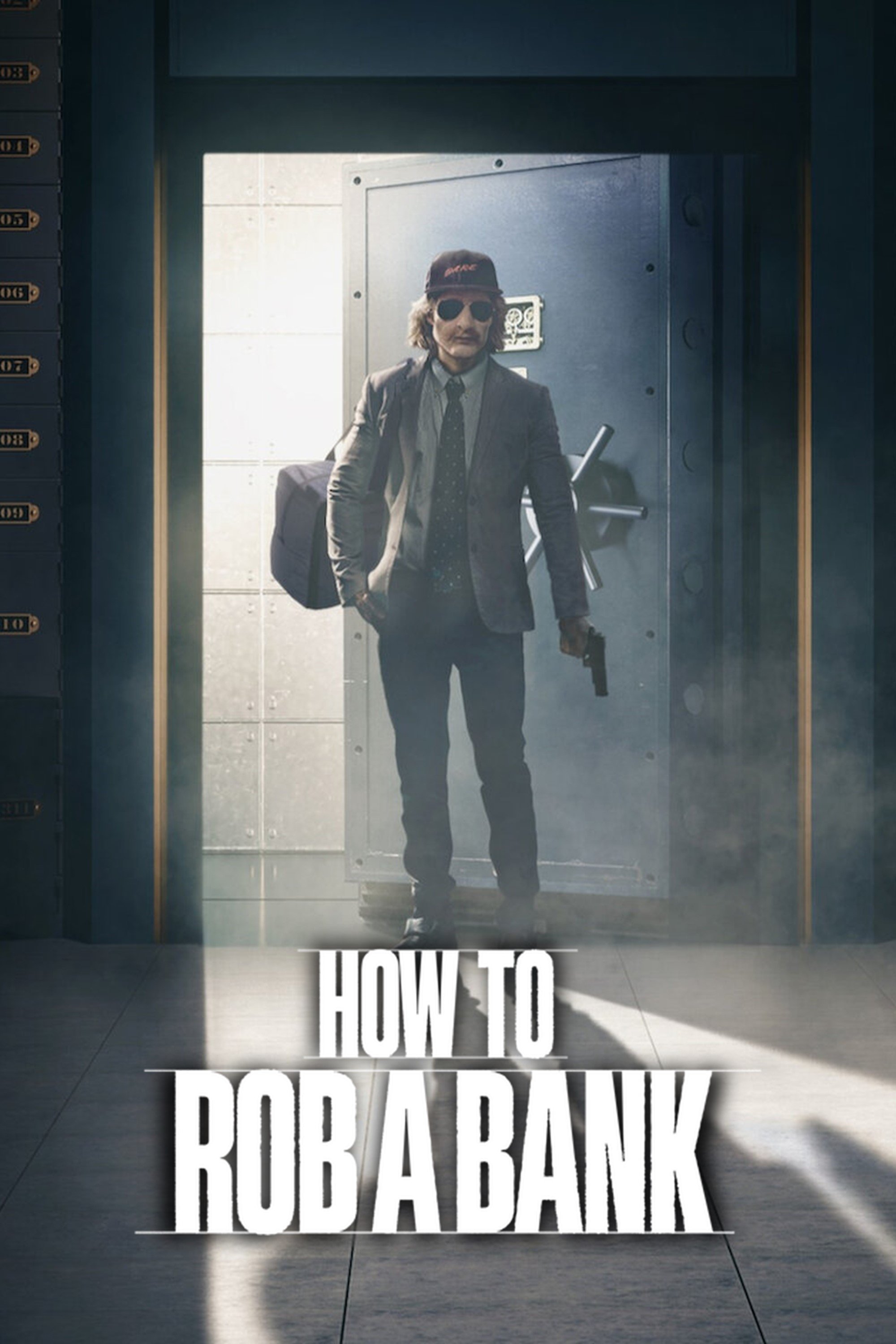
In this true-crime documentary, a charismatic rebel in 1990s Seattle pulls off an unprecedented string of bank robberies straight out of the movies.
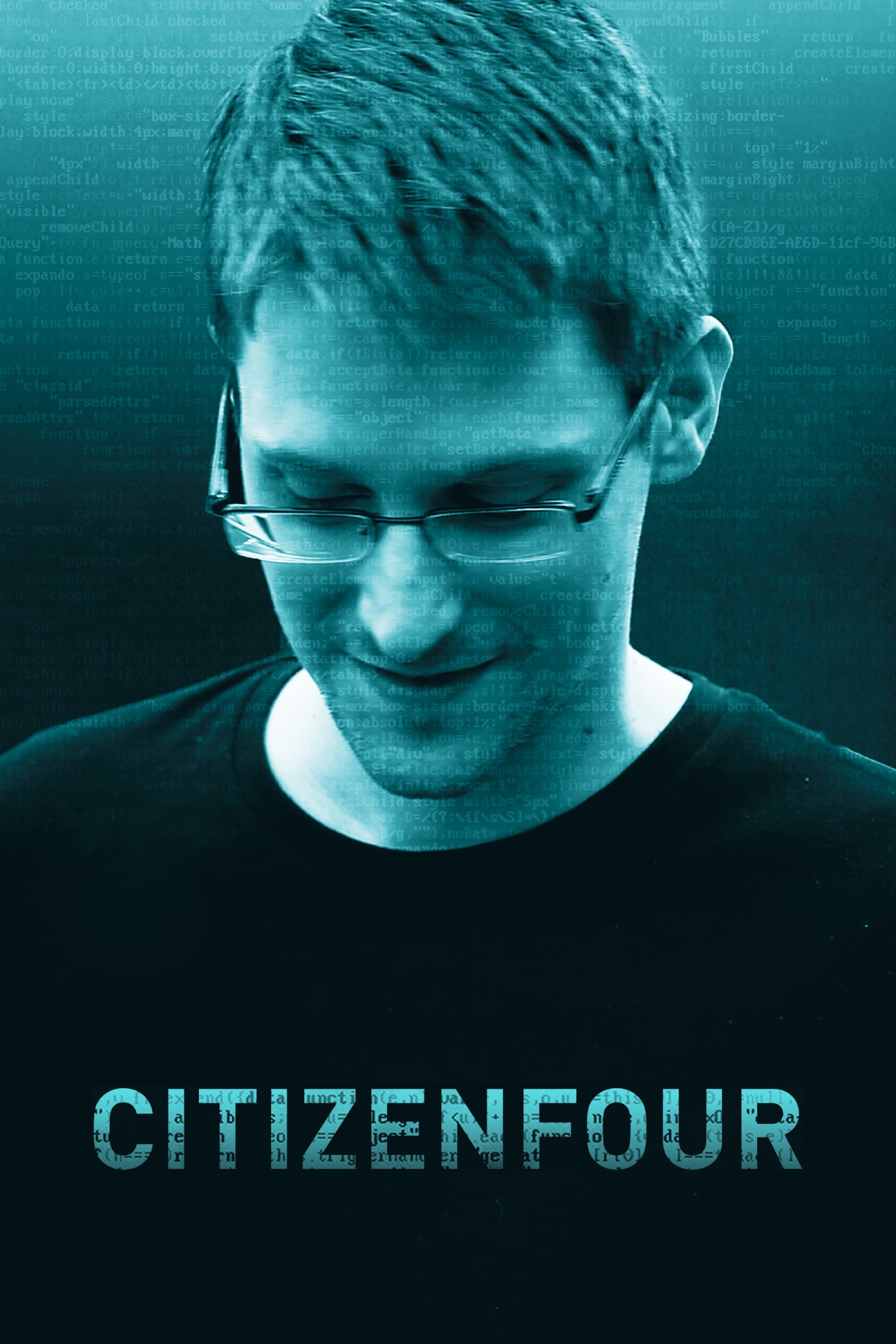
In June 2013, Laura Poitras and reporter Glenn Greenwald flew to Hong Kong for the first of many meetings with Edward Snowden. She brought her camera with her.
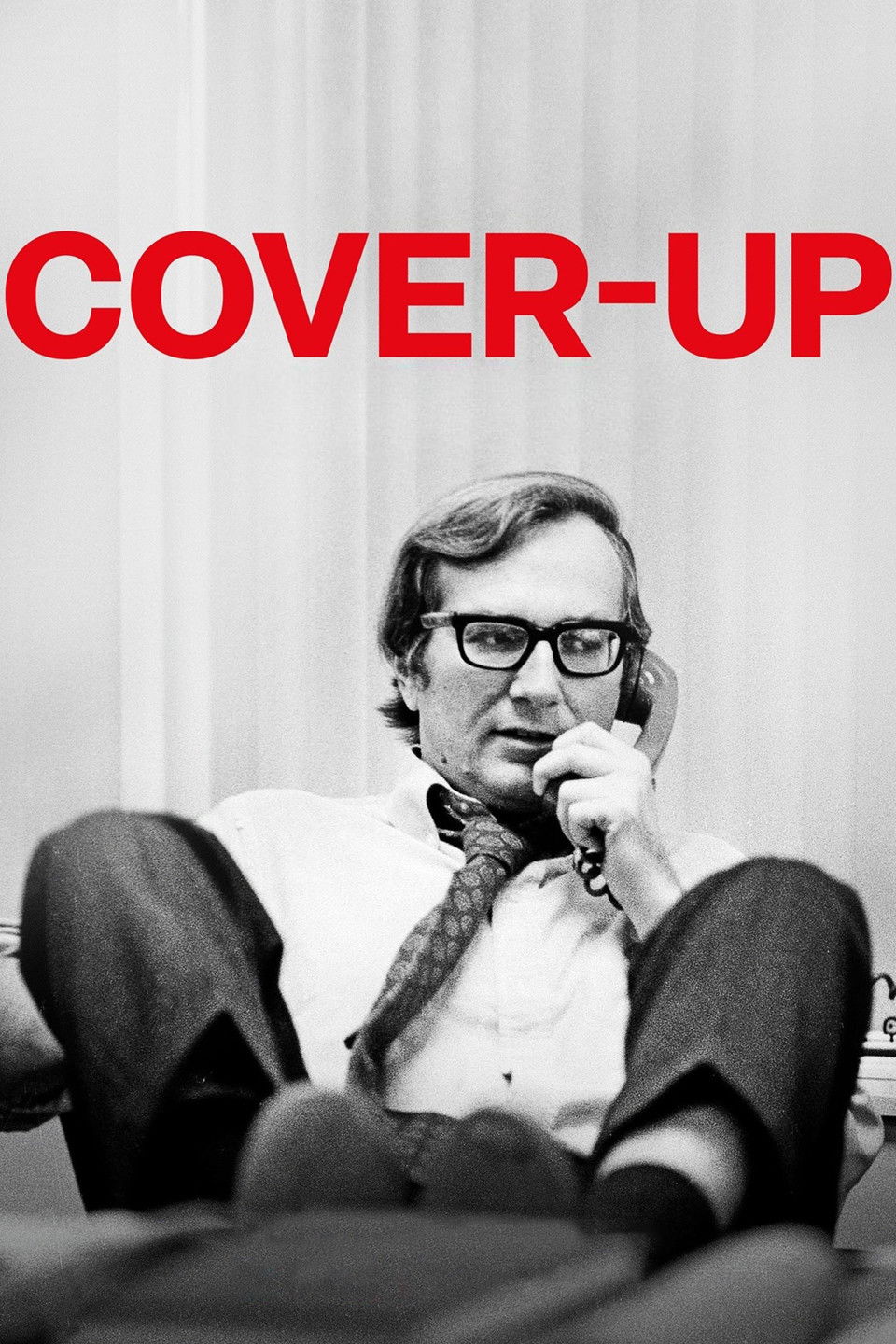
He's devoted his career to uncovering stories the powerful want buried. From My Lai to Abu Ghraib, dig into the life's work of journalist Seymour Hersh.
A love letter from a young mother to her daughter, the film tells the story of Waad al-Kateab’s life through five years of the uprising in Aleppo, Syria as she falls in love, gets married and gives birth to Sama, all while cataclysmic conflict rises around her. Her camera captures incredible stories of loss, laughter and survival as Waad wrestles with an impossible choice– whether or not to flee the city to protect her daughter’s life, when leaving means abandoning the struggle for freedom for which she has already sacrificed so much.
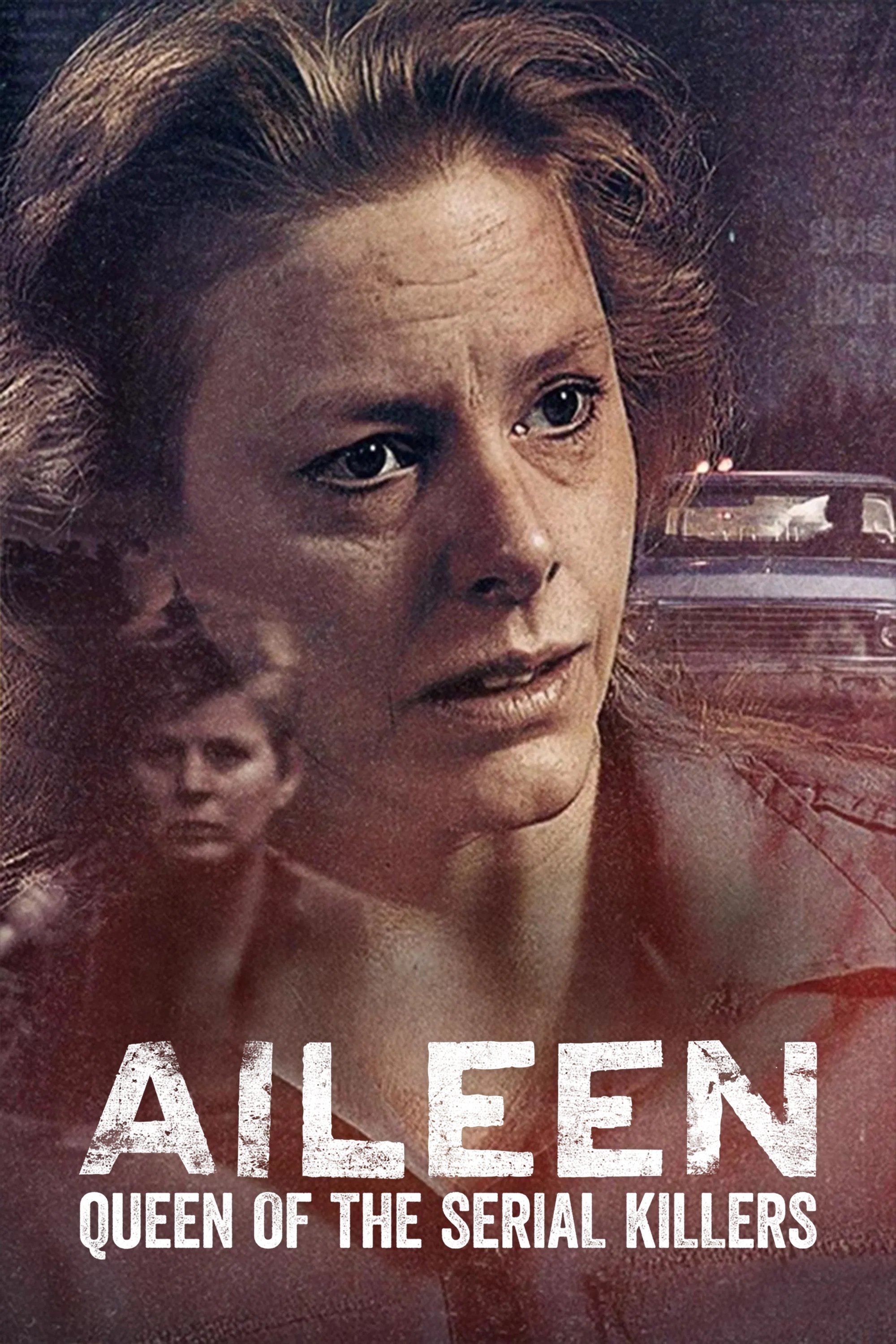
Aileen Wuornos remains a rarity: a female serial killer. From childhood abuse to death-row revelations, this documentary revisits her life and crimes.
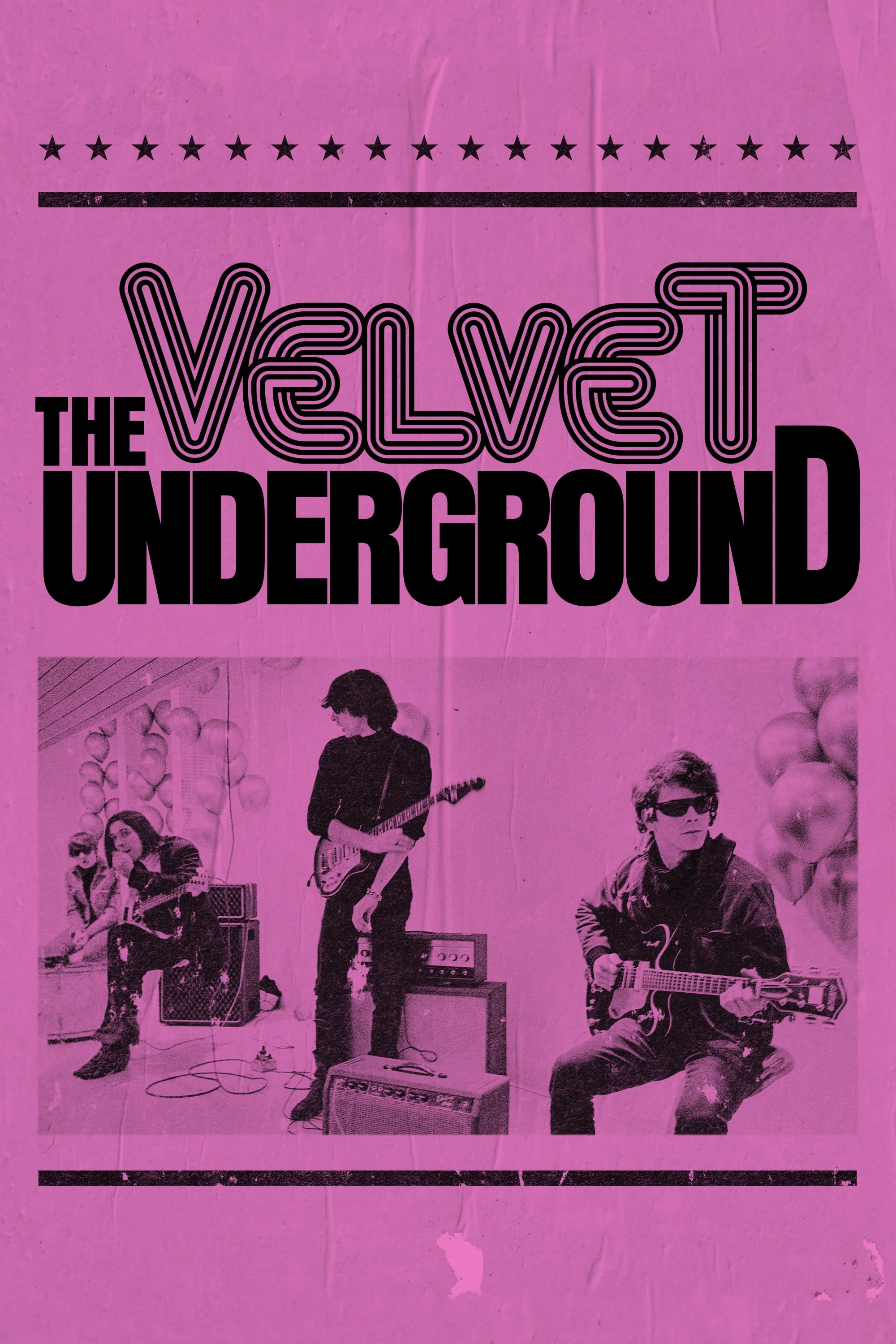
Experience the iconic rock band's legacy in the first major documentary to tell their story. Directed with the era’s avant-garde spirit by Todd Haynes, this kaleidoscopic oral history combines exclusive interviews with dazzling archival footage.
In the 1980s, ruthless Colombian cocaine barons invaded Miami with a brand of violence unseen in this country since Prohibition-era Chicago - and it put the city on the map. "Cocaine Cowboys" is the true story of how Miami became the drug, murder and cash capital of the United States, told by the people who made it all happen.
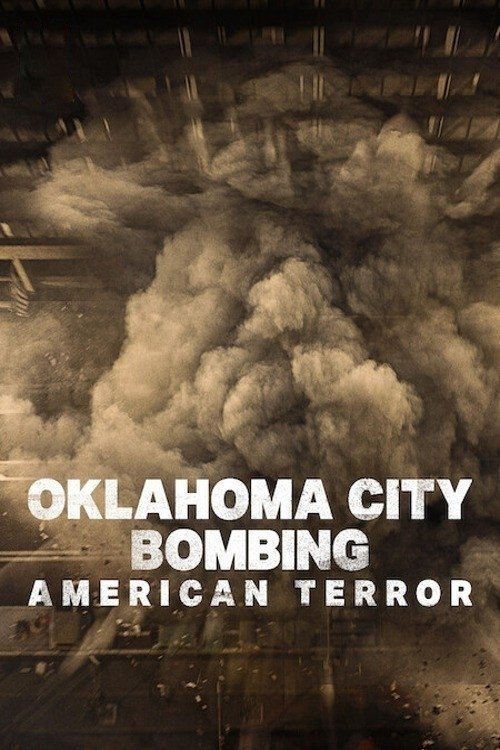
This gripping documentary revisits the shocking 1995 bombing of an Oklahoma City federal building, the deadliest act of domestic terrorism in US history.
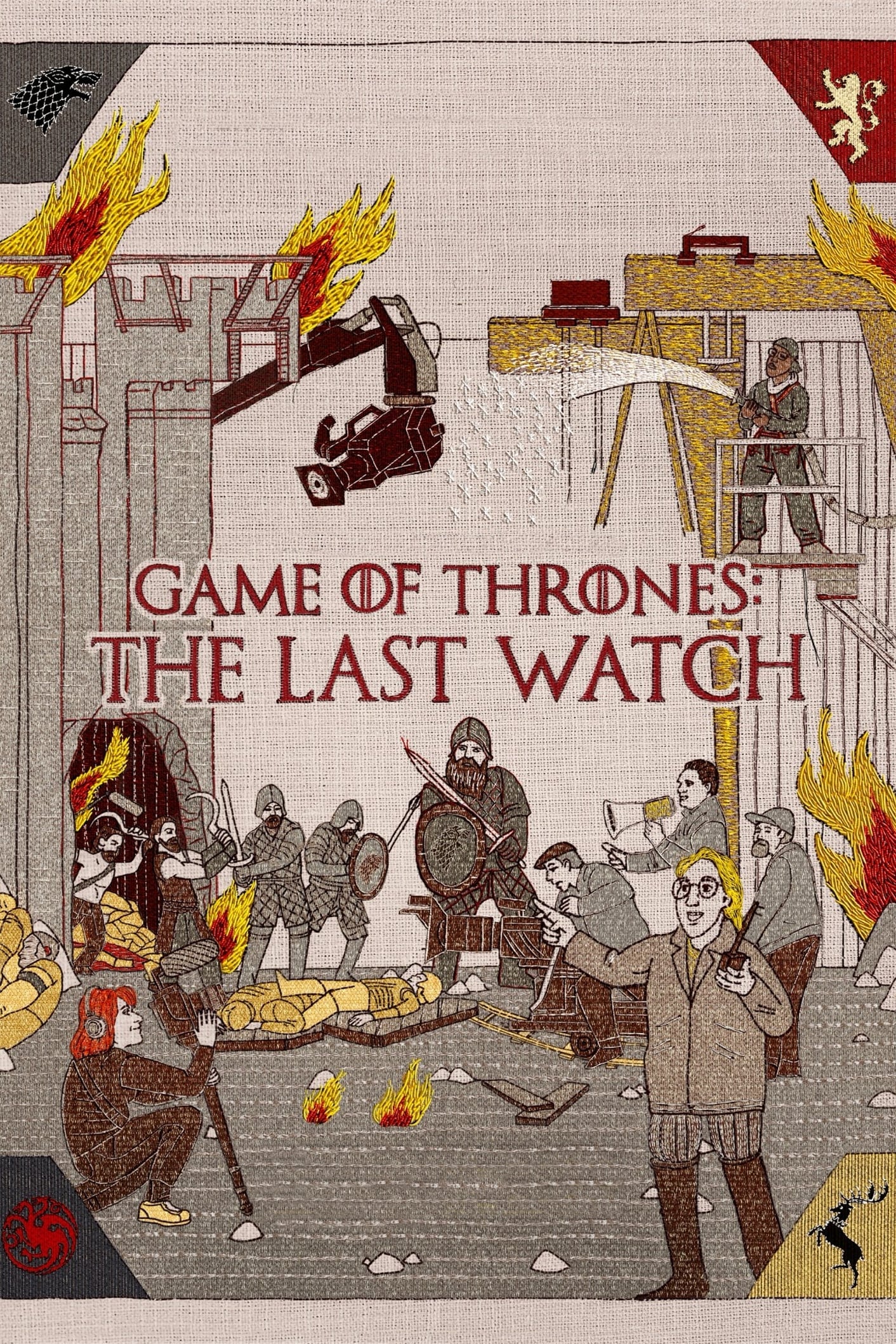
For a year, acclaimed British filmmaker Jeanie Finlay was embedded on the set of the hit HBO series “Game of Thrones,” chronicling the creation of the show’s most ambitious and complicated season. Debuting one week after the series 8 finale, GAME OF THRONES: THE LAST WATCH delves deep into the mud and blood to reveal the tears and triumphs involved in the challenge of bringing the fantasy world of Westeros to life in the very real studios, fields and car-parks of Northern Ireland. Made with unprecedented access, GAME OF THRONES: THE LAST WATCH is an up-close and personal portrait from the trenches of production, following the crew and the cast as they contend with extreme weather, punishing deadlines and an ever-excited fandom hungry for spoilers. Much more than a “making of” documentary, this is a funny, heartbreaking story, told with wit and intimacy, about the bittersweet pleasures of what it means to create a world – and then have to say goodbye to it.
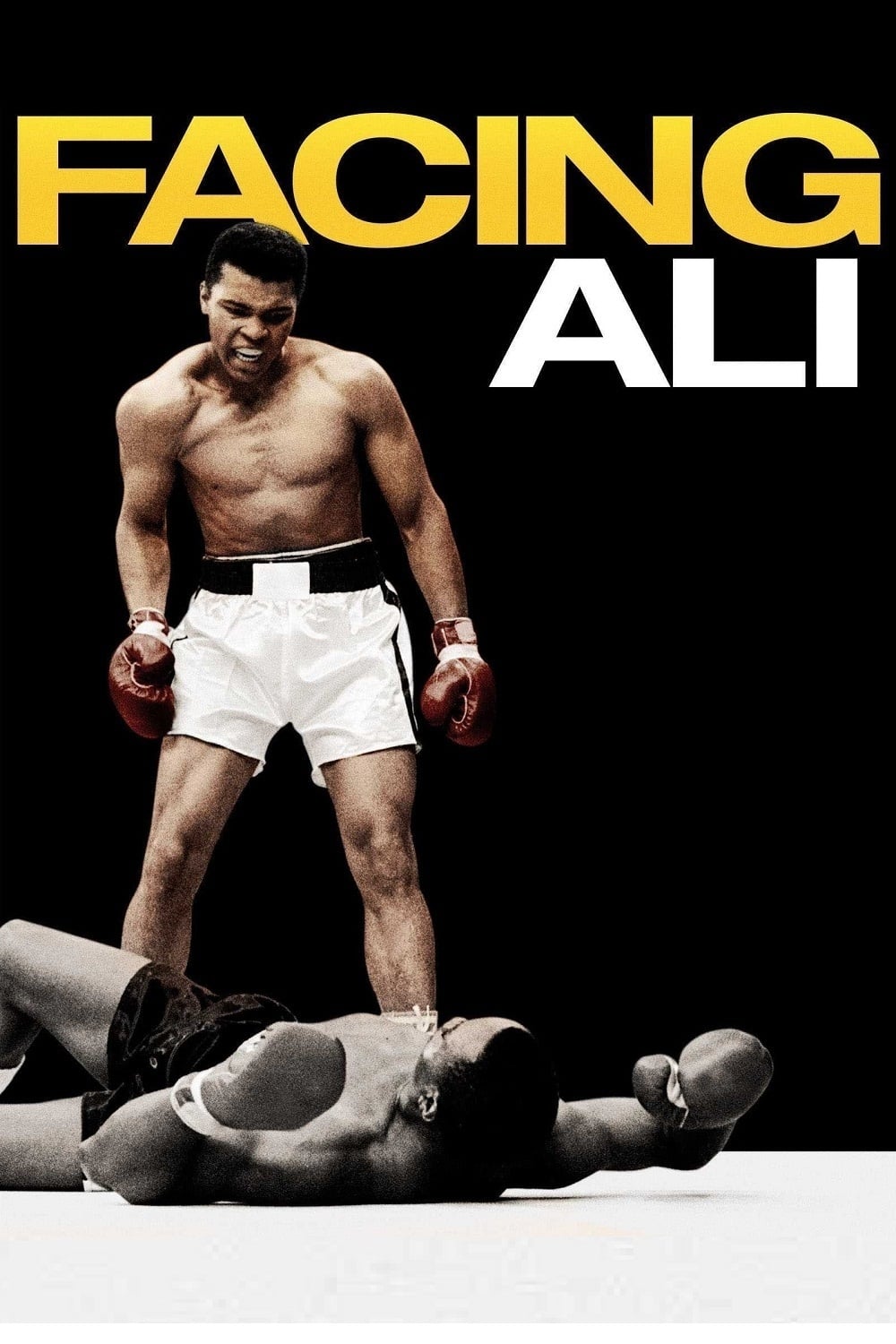
Ten of Muhammad Ali's former rivals pay tribute to the three-time world heavyweight champion.
While investigating the furtive world of illegal doping in sports, director Bryan Fogel connects with renegade Russian scientist Dr. Grigory Rodchenkov—a pillar of his country’s “anti-doping” program. Over dozens of Skype calls, urine samples, and badly administered hormone injections, Fogel and Rodchenkov grow closer despite shocking allegations that place Rodchenkov at the center of Russia’s state-sponsored Olympic doping program.
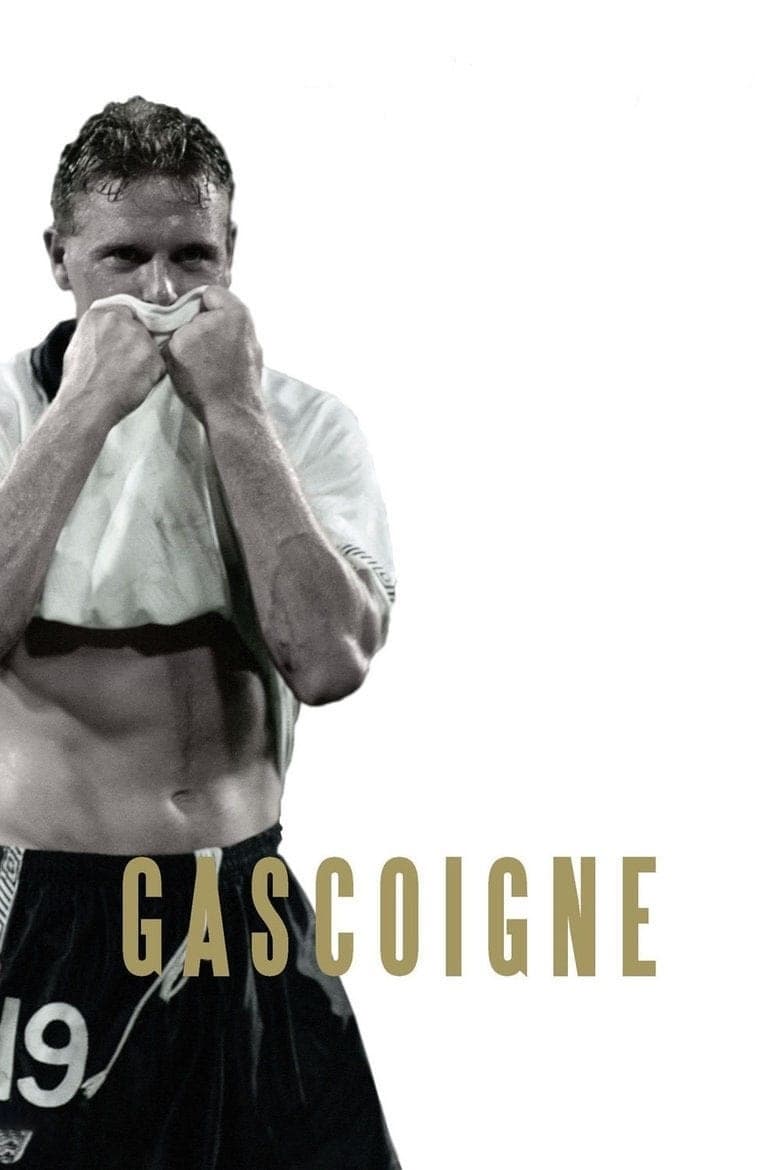
A feature length, theatrical documentary on the life of Paul Gascoigne, one of the greatest footballers that ever lived: delving deep into his psyche, vulnerabilities, fears and triumphs.