When a woman's husband leaves town, she begins to see odd things happening in her house. Afraid that gangsters are after her, she becomes increasingly anxious.
Social & External
The people behind it
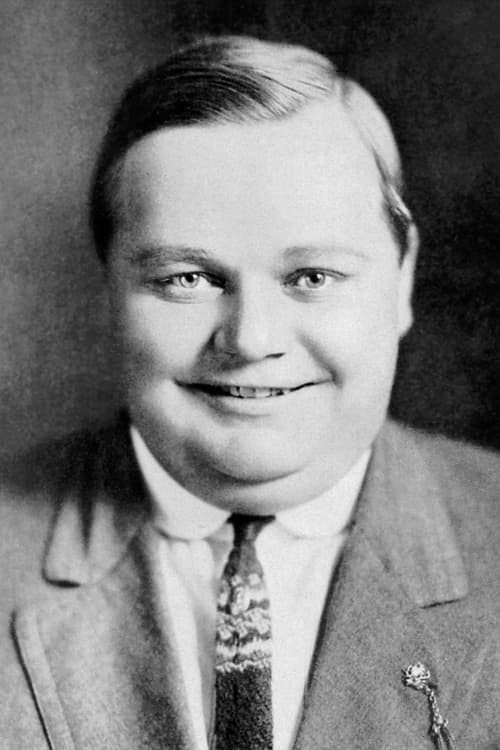
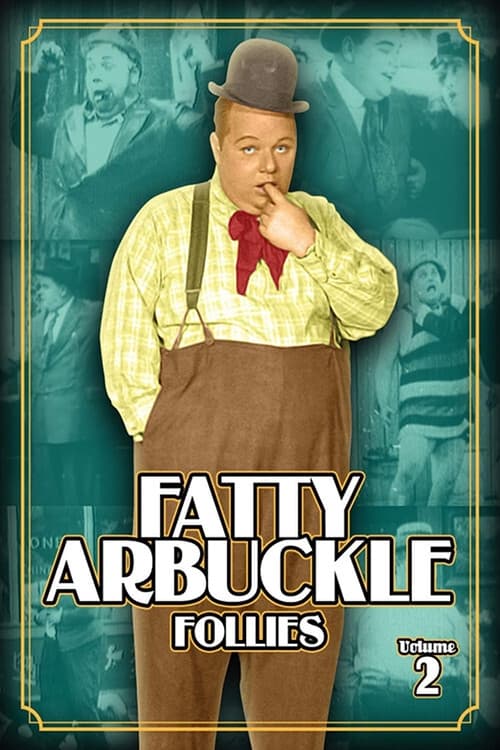
Roscoe Arbuckle
Fatty
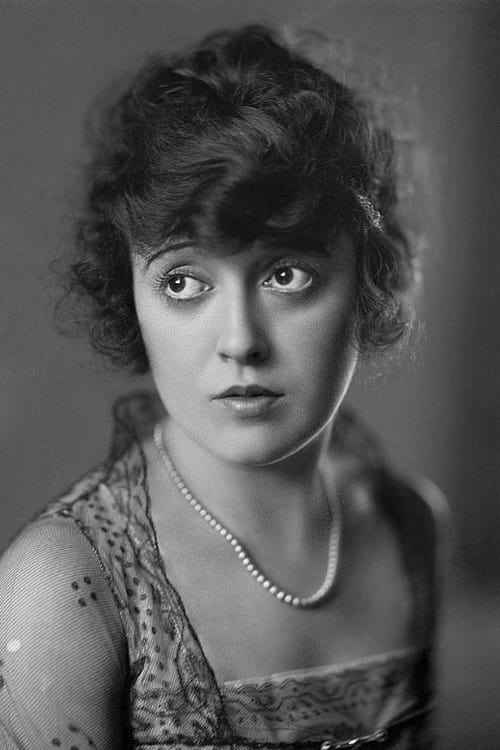
Mabel Normand
Mabel
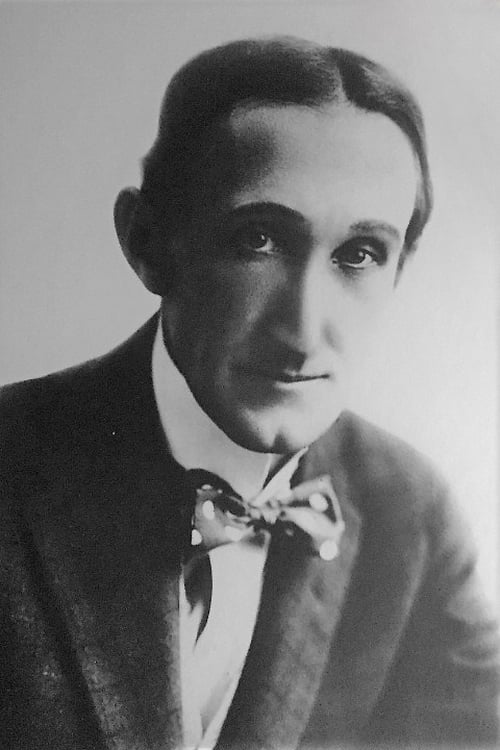
Dan Albert
Bystander (uncredited)
Joe Bordeaux
Organ Grinder's Friend / Crowd Control Cop (uncredited)
Jimmy Bryant
Crowd Control Cop (uncredited)
Mae Busch
Woman in Black (uncredited)
Glen Cavender
Organ Grinder (uncredited)
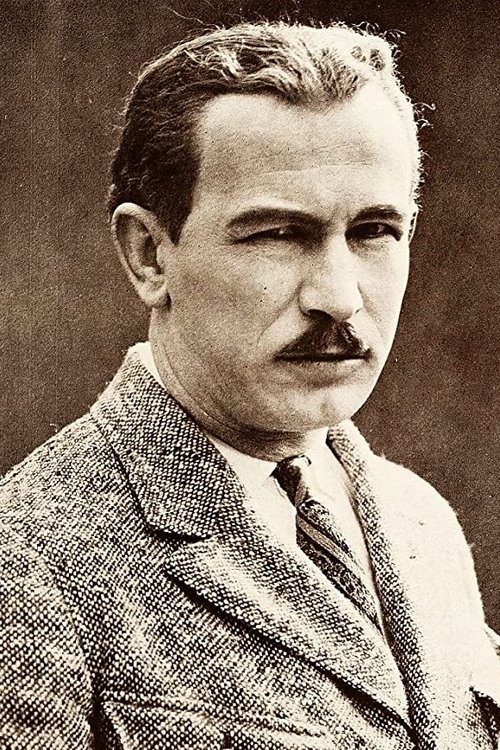
Alice Davenport
Woman (uncredited) (unconfirmed)
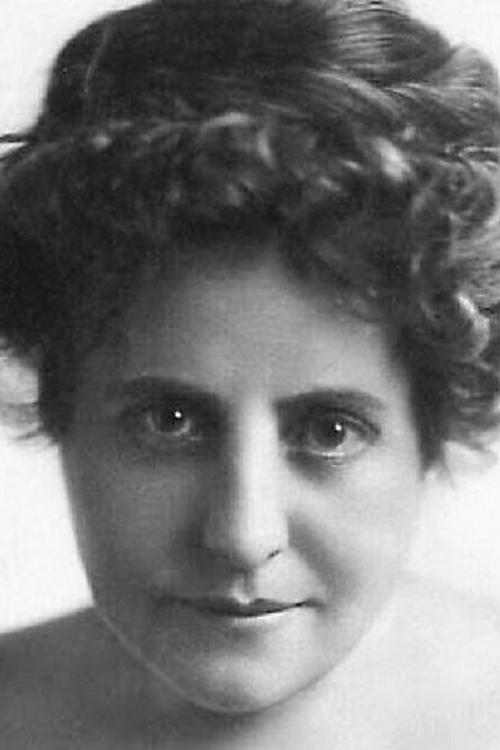
Frank Hayes
Alice Howell
A policeman spots a dog stealing a piece of meat from a butcher's shop, and gives chase. Soon several more policemen have joined the pursuit. But the chase does not turn out as the policemen expect.
"Max quarrels so with his wife that the lady leaves him. Our hero then attempts to do his own cooking, etc. He buys a fowl, but it proves to be still alive, and after he has chased it with a revolver, partly plucked it, shaved and finally half-roasted it, the bird is still alive and wings its way off. Max next turns his attention to blacking his boots, upsets the liquid blacking, spoons it up, and a minute later is using the same spoon to stir the broth. He writes for his wife to return home, but soon after sending the letter hears he is heir to a large fortune, and lives in the seventh heaven of delight - until his wife returns." (The Bioscope, Feb. 15, 1912)
A traveller is shown to a room in an inn. After a brief dispute with the hostess and a porter, he is left to himself. But strange things begin to happen in his room, and before long he has created a disturbance that has everyone running to his room to find out what is going on.
A science fantasy film that deals with an extraordinary race to the north pole by rival parties of balloonists. Based on the novel "The Adventures of Captain Hatteras" by Jules Verne.
Snub is a traffic cop and succeeds in mixing things up by trying to flirt with every pretty girl motorist.
A boy finds it difficult to live up to his father's reputation at his school.
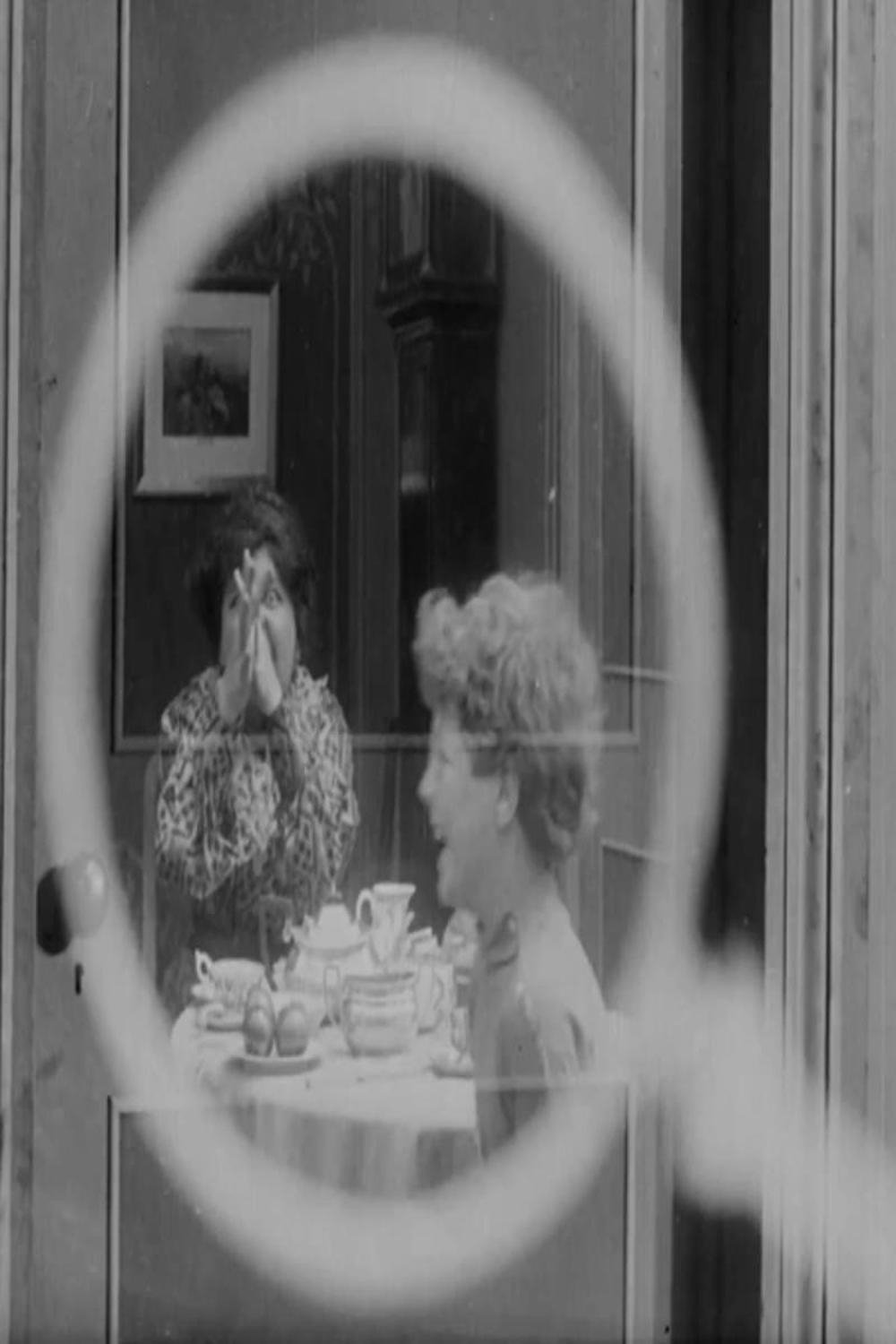
A man peeping through a keyhole at an attractive young woman gets his comeuppance. This film, presumed lost, is often mistaken for Ferdinand Zecca's "What Is Seen Through a Keyhole" (1901).
“A comic subject, clear, bright and characteristic. Shows four girls in their night dresses, engaged in an animated pillow fight. During the action the pillows become torn, and the feathers fly over their heads and about the room in great numbers, producing with the white dresses and the black background a novel effect. Sharp, full of action, and popular in character.” (Edison Catalog)
Tetsuo Nomoto, a young college graduate tries to find a decent job by himself. Later on, he will marry his girlfriend, Machiko, whom he hides the fact that he has no job. Hardships come quickly, which forces Machiko to find a job in a bar.
A kidnapped boy proves to be more than his abductor can handle.
A young, upstanding lumberjack heads to college, where he quickly becomes introduced to a world of hazing, pranks, and class camaraderie. Will his moral principles survive the transition?
A constable and a subway attendant are working late at night in an underground station when a well-dressed man with a cigar in his teeth enters with his arms around two women dressed in long skirts and jackets, gloves, and fancy hats. The trio laugh and stumble on the platform as if having a hilarious time, getting the attention of the policeman who attempts to stop their bawdy behavior.
A man in black tie and tails enters a high-society parlor where a settee sits beneath an open window. He goes to the window and gestures to someone. From outside, a man in a burglar's outfit (watch cap, wide striped shirt, and dark jacket) appears and gets his instructions from the man in tails. A woman wearing a jeweled tiara enters with a second man who leaves her in the company of our mastermind. He sits her on the settee, chats her up, leaning toward her with one arm curling behind her head.
A man hides his valuables under his mattress before going to sleep, blissfully unaware of the two burglars on his roof.
A man and a woman, both dressed in rough clothing, go around and around, half dancing and half wrestling, until they tumble to the ground in a heap. The Apache dance was named not after the Indians of the American Southwest, but the lower class demimondaines of Paris. Acts like this were popular because they permitted their audiences to go slumming, attending events that looked and seemed risky but in truth were not. Acts like this were part of the reason that public dancing was often seen as disreputable. Polite society restricted their dancing to private parties where dances like the waltz and polka -- which had been shocking half a century earlier -- were performed. It would take the influence of Vernon and Irene Castle and the rise of night clubs during Prohibition to make public dancing respectable again. In the meantime, there's this. It's not very graceful.
A boy is led into the frame by two nursemaids who give him a big ball to play with. For the remainder of the film heads appear and disappear, stage props blow up and turn into other objects or people, and finally Bob Kick disappears.
A group of girls in al all-girl college dormitory spend a wild night among thieves, cross-dressing boys and wild animals like a man-eating gorilla. Blue Ribbon comedy produced by Joe Rock, directed by Percy Pembroke, starring Alice Ardell and Gale Henry.
Gold digging blonde Lorelei and her brunette friend Dorothy are searching for rich husbands. This film is believed lost.
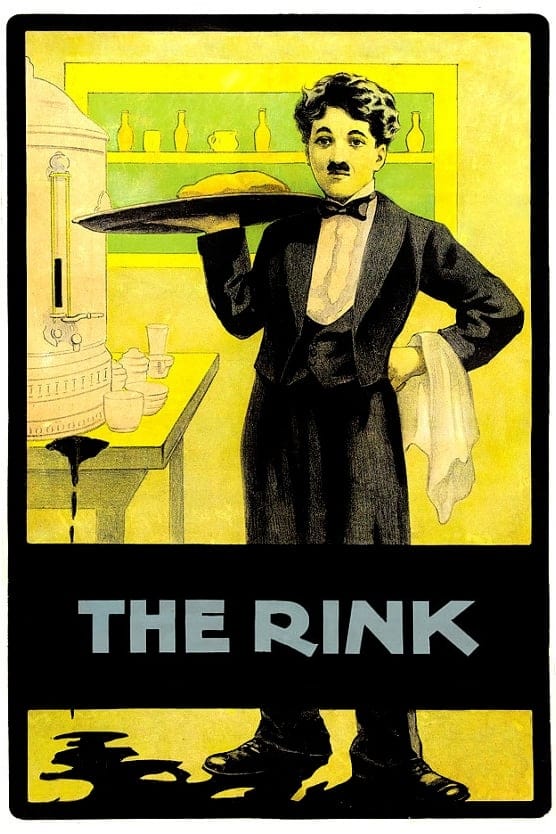
After amusements working in a restaurant, a waiter uses his lunch break to go roller skating.
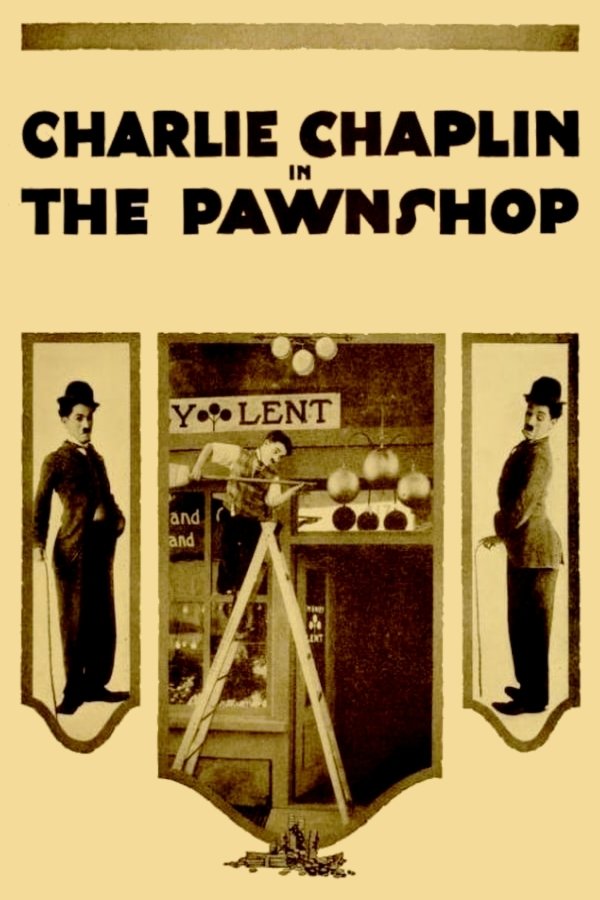
A pawnbroker's assistant deals with his grumpy boss, his annoying co-worker and some eccentric customers as he flirts with the pawnbroker's daughter, until a perfidious crook with bad intentions arrives at the pawnshop.
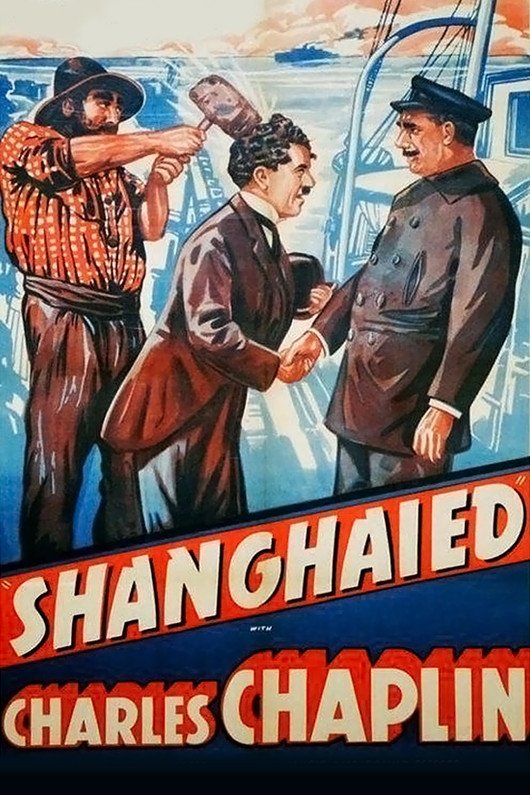
A shipowner intends to scuttle his ship on its last voyage to get the insurance money. Charlie, a tramp in love with the owner's daughter, is grabbed by the captain and promises to help him shanghai some seamen. The daughter stows away to follow Charlie. Charlie assists in the galley and attempts to serve food during a gale.
Edna's father wants her to marry wealthy Count He-Ha. Charlie, Edna's true love, impersonates the Count at dinner, but the real Count shows up and Charlie is thrown out. Later on Charlie and Edna are chased by her father, The Count, and three policeman. The pursuers drive off a pier.
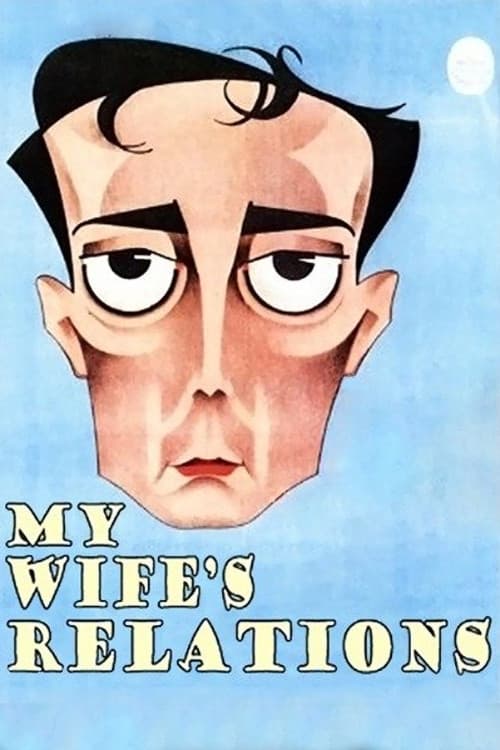
Buster and a woman are mistakenly married and her initially unfriendly family begins to treat him nicely when they come to believe he has a large inheritance awaiting him.
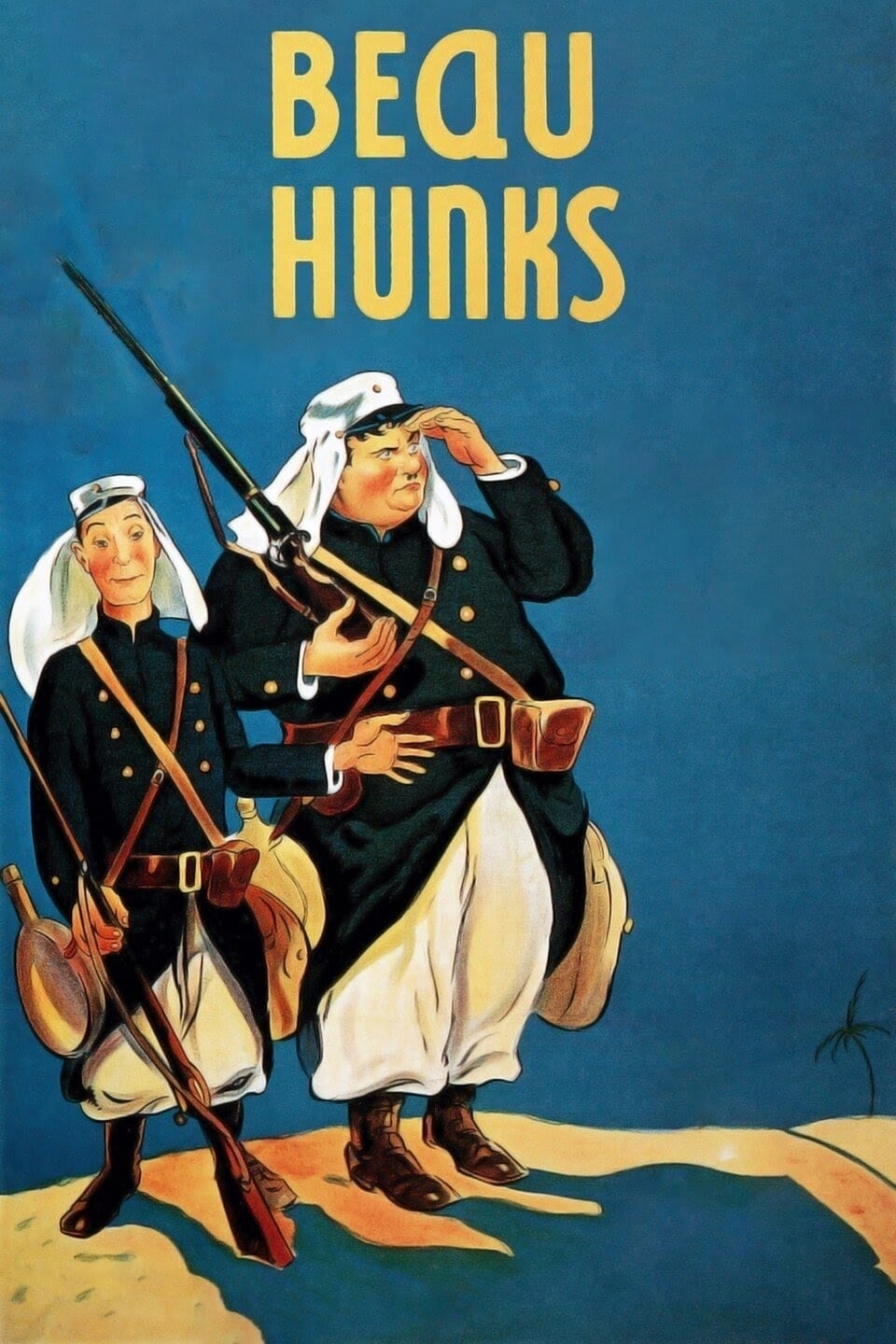
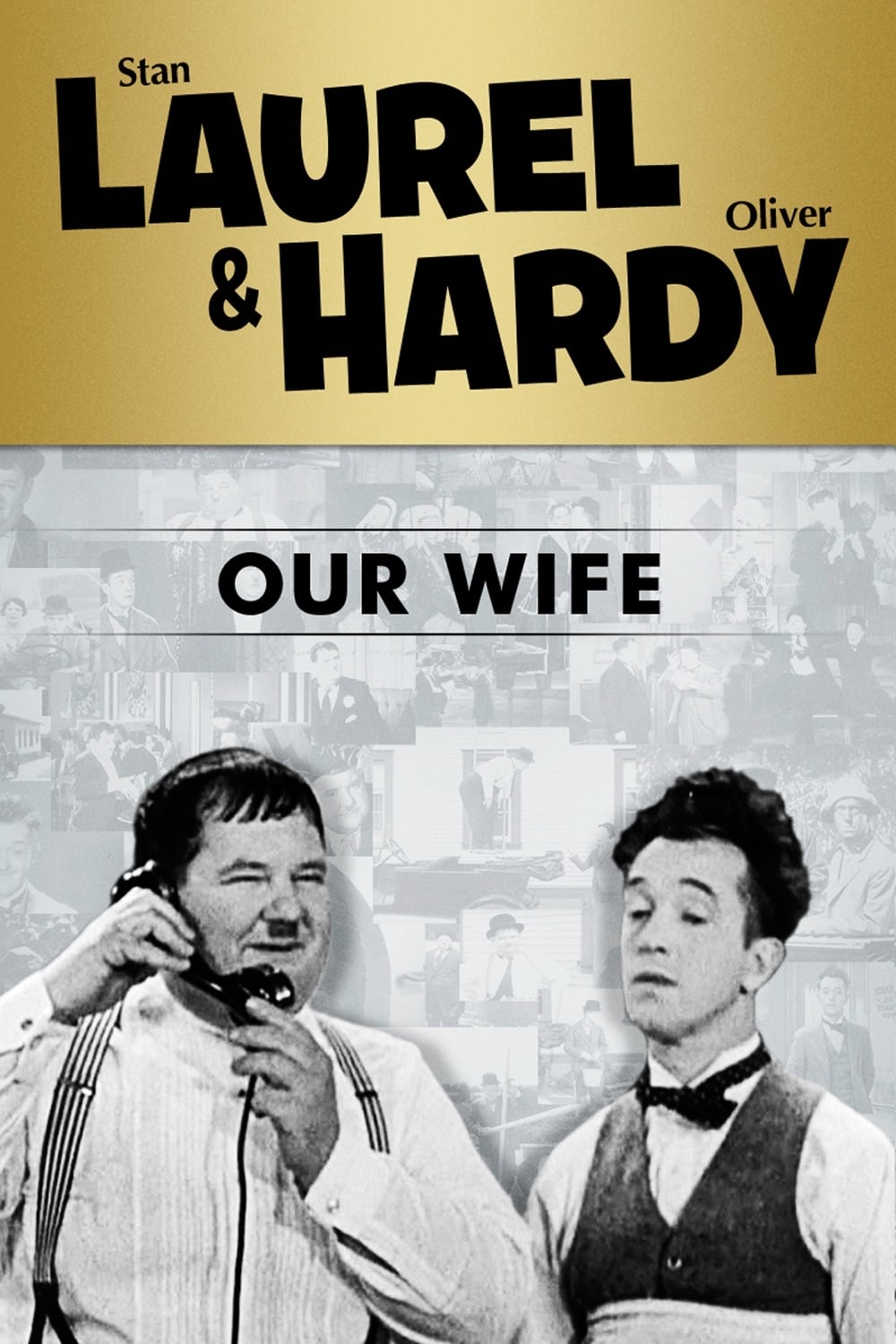
Stan and Ollie are musicians attempting to travel by train to Pottsville.
When a young girl’s sketchbook falls into a strange pond, her drawings come to life—chaotic, real, and on the loose. As the town descends into chaos, her family must reunite and stop the monsters they never meant to unleash.
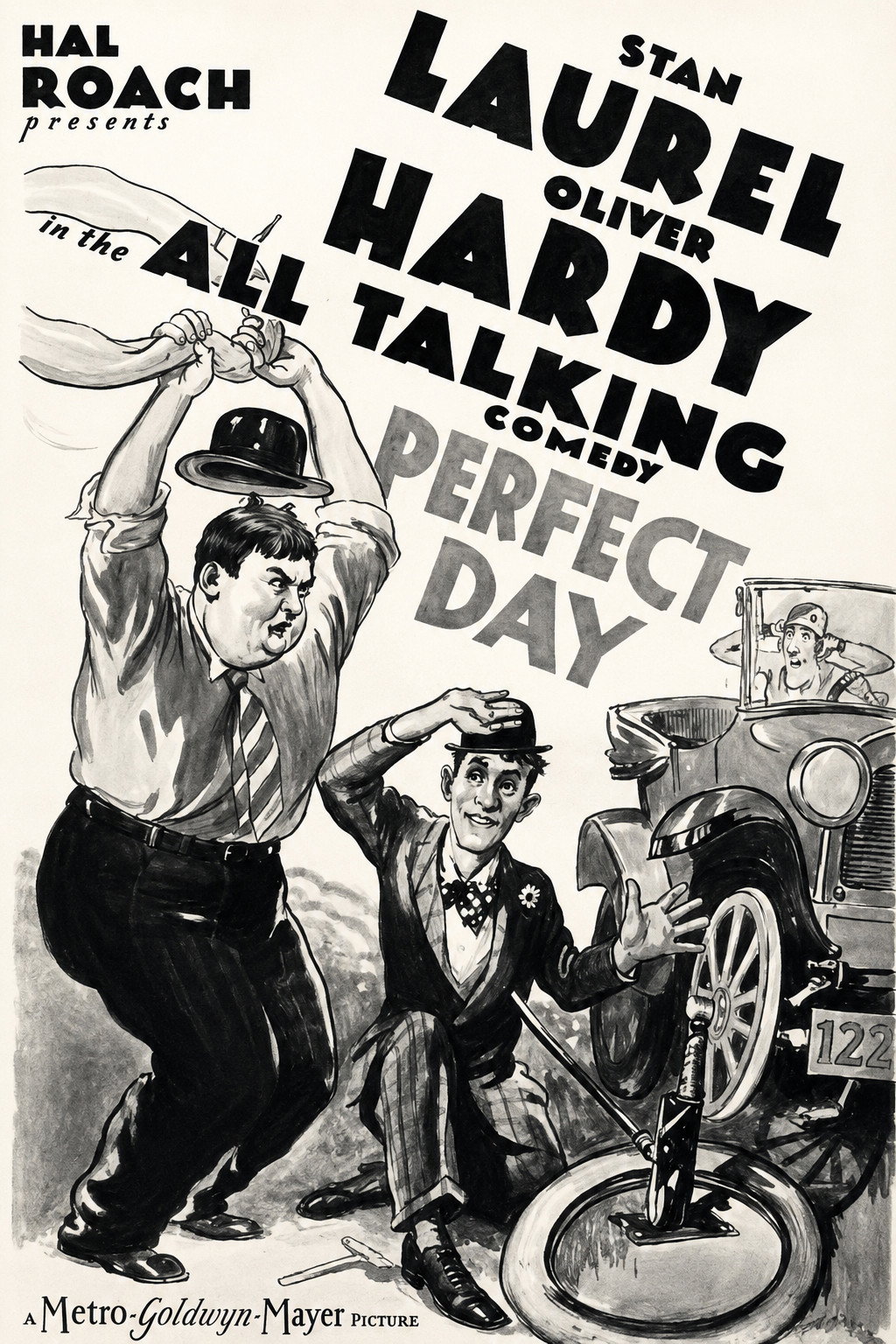
Two families embark on a pleasant Sunday picnic but manage to run into a variety of issues with their temperamental automobile. Each incident requires repeated exits and reboardings by Laurel, Hardy, their wives and grouchy, gout-ridden Uncle Edgar.
Three Chaplin silent comedies "A Dog's Life", "Shoulder Arms", and "The Pilgrim" are strung together to form a single feature length film. Chaplin provides new music, narration, and a small amount of new connecting material. "Shoulder Arms" is now described as taking place in a time before "the atom bomb".
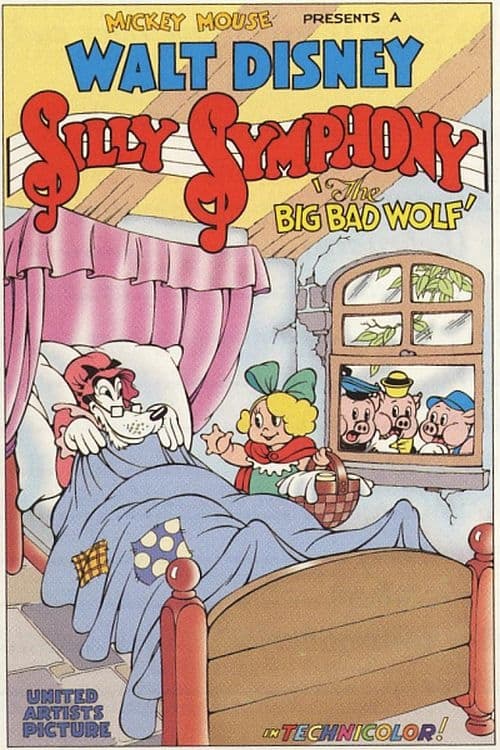
The Big Bad Wolf torments Little Red Riding Hood and the Three Little Pigs.
Donald is an admiral on a seagoing voyage with his nephews in which they encounter a ravenous shark.
Although they are successful fishmongers, Stan convinces Ollie that they should become fishermen too, but making a boat seaworthy isn't an easy task.
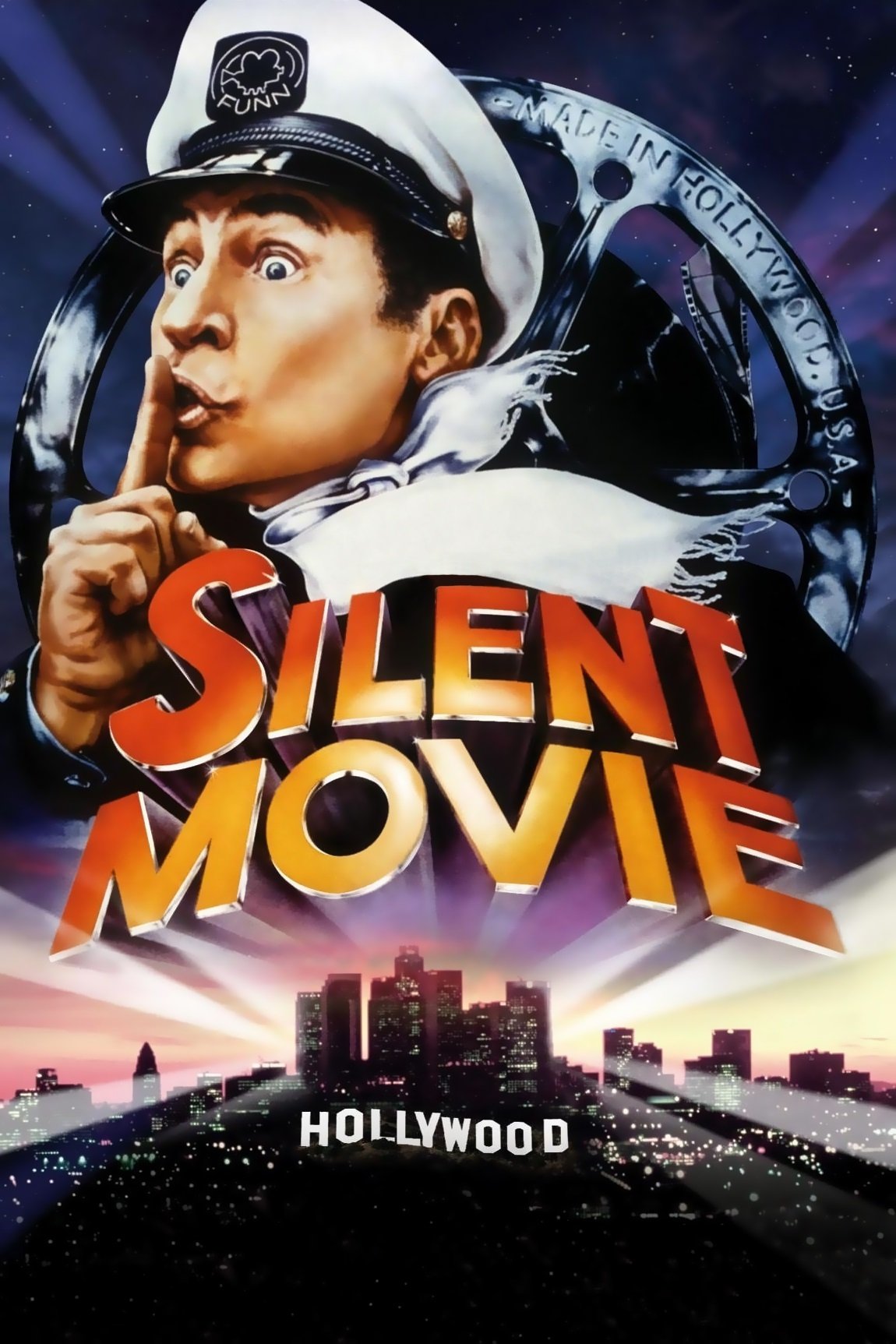
Aspiring filmmakers Mel Funn, Marty Eggs and Dom Bell go to a financially troubled studio with an idea for a silent movie. In an effort to make the movie more marketable, they attempt to recruit a number of big name stars to appear, while the studio's creditors attempt to thwart them.
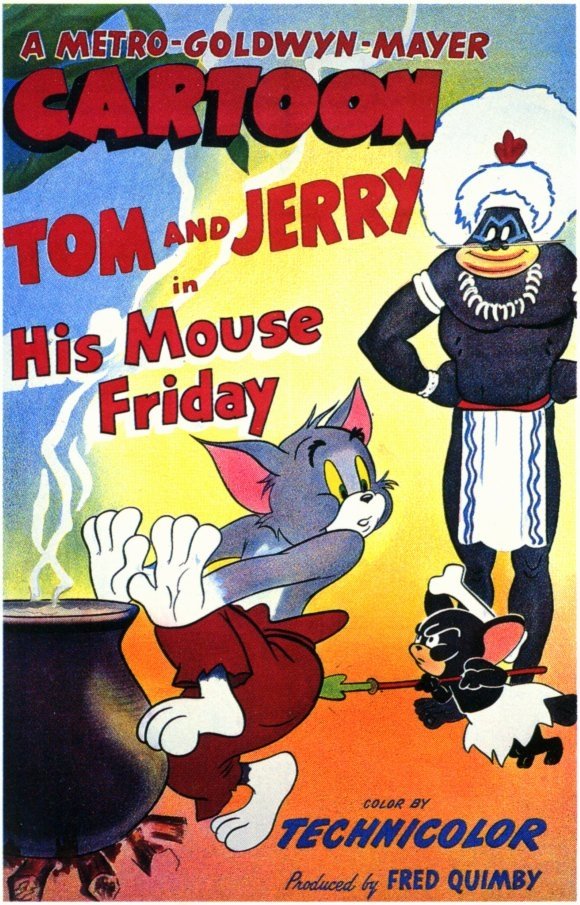
Spike the bulldog, grateful to Jerry for getting him out of the dogcatcher's van, offers to help the little mouse any time he whistles. Tom, Jerry's feline tormentor, seeks to overcome this new disadvantage.
Donald's sister Dumbella sends her three sons Huey, Dewey, and Louie to visit their uncle Donald. They prove to be quite a handful for Donald, even with help from his book on child rearing.
A narrator explains the history of the Olympic Games while Goofy demonstrates events.
A medicine man is sent looking for the son of his tribal king, and brings back an American golfer and a host of goons intent on keeping him in the golf tournament.
Taking all the places on both teams, Goofy demonstrates the game of football with varying results, having problems with the coach and the goal post.
After a visit to a pub, Charlie and Ben cause a ruckus at a posh restaurant. Charlie later finds himself in a compromising position at a hotel with the head waiter's wife.
A modern retelling of Shakespeare's classic comedy about two pairs of lovers with different takes on romance and a way with words.
Groot investigates a spooky noise that’s been haunting the Quadrant, which leads to an intense dance off.
Mickey has been reading Alice in Wonderland, and falls asleep. He finds himself on the other side of the mirror, where the furniture is alive.