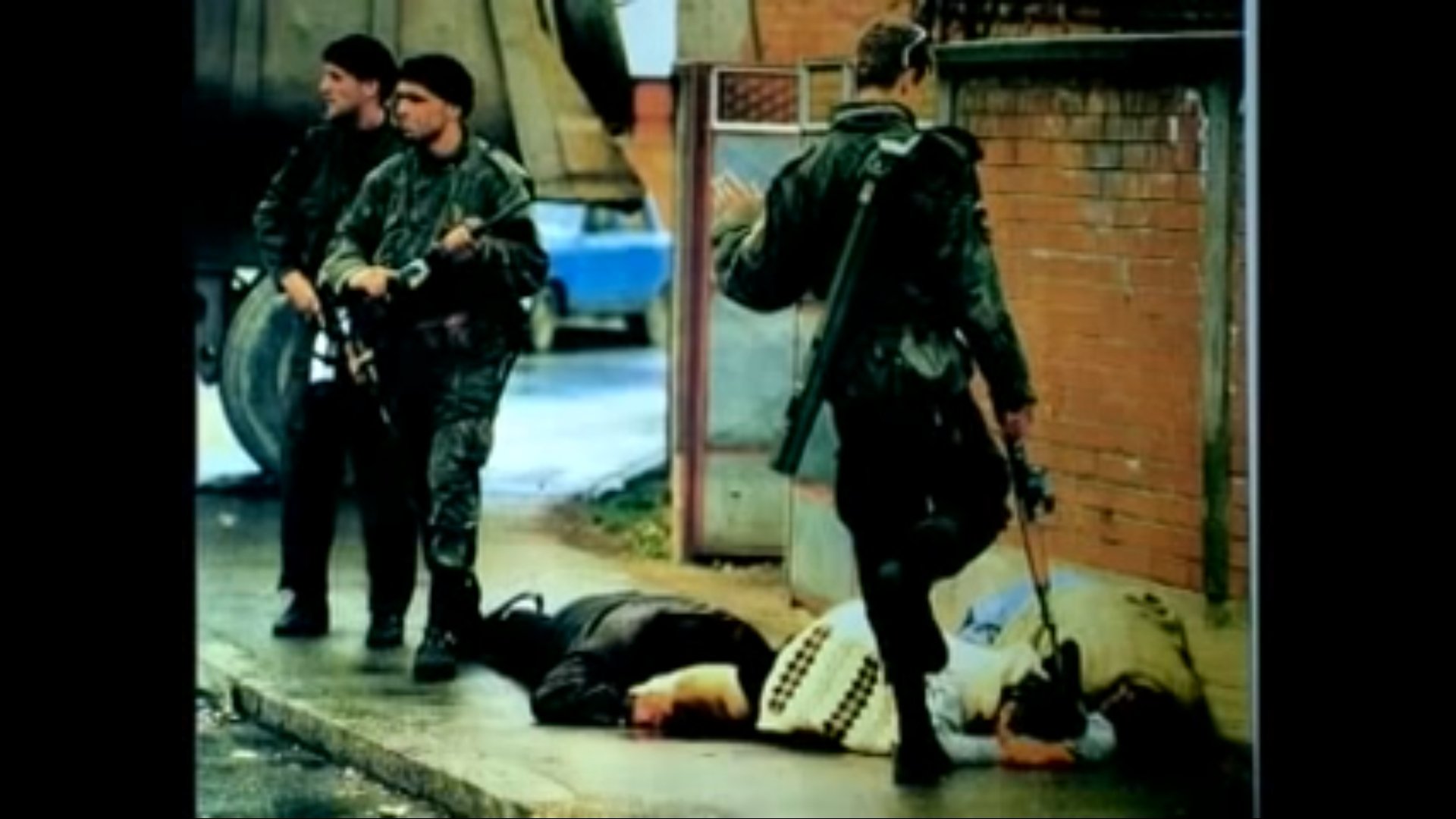
A short two-minute rumination on the once volatile situation during the period of the Bosnian War presented in the form of a photo-montage with accompanying text.
Social & External
Narrator
When Peter went to the war with the Nazis to the front, his son gave him a rhinoceros beetle he captured near his home, which the soldier took with him. Now they have to plunge into battle and fighting to see how the sky becomes black because of the gunpowder and the enemy siege, and hundreds of bullets are circling around them. But they will go back to where someone waits for them.
Set in 1942, DECIMATION tells the story of ten Russian soldiers accused of cowardice and their subsequent punishment.
"In 1904, disgusted by the aftermath of the Spanish-American War and the subsequent Philippine-American War, Mark Twain wrote a short anti-war prose poem called "The War Prayer." His family begged him not to publish it, his friends advised him to bury it, and his publisher rejected it, thinking it too inflammatory for the times. Twain agreed, but instructed that it be published after his death, saying famously: None but the dead are permitted to tell the truth."
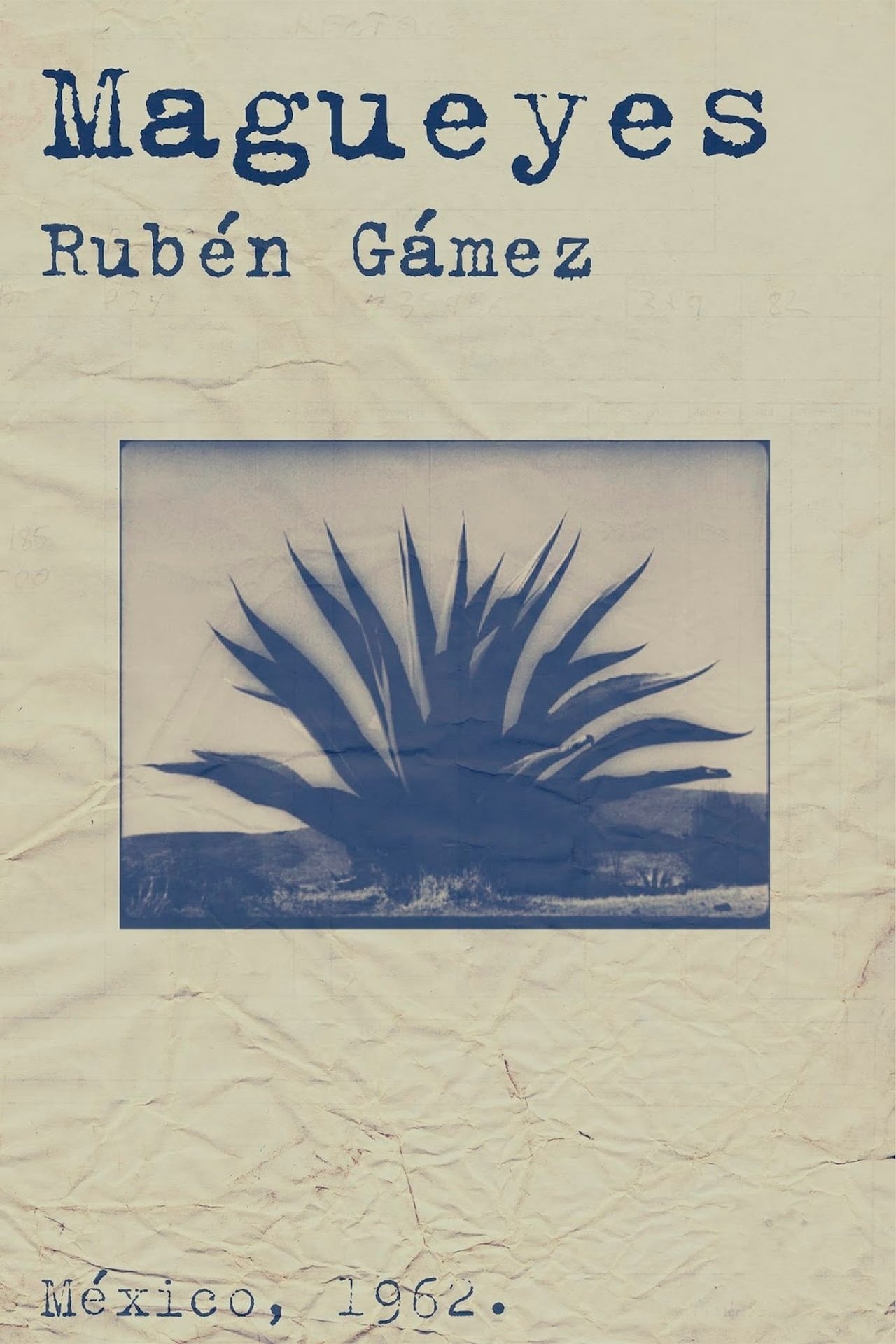
Experimental filmmaker Rubén Gámez explores the iconography of the maguey plant in Mexican cinematic history.
Although Nuni has been selected to play the lead (King David) in his Jerusalem grade school play, he'd secretly rather play the princess role instead.
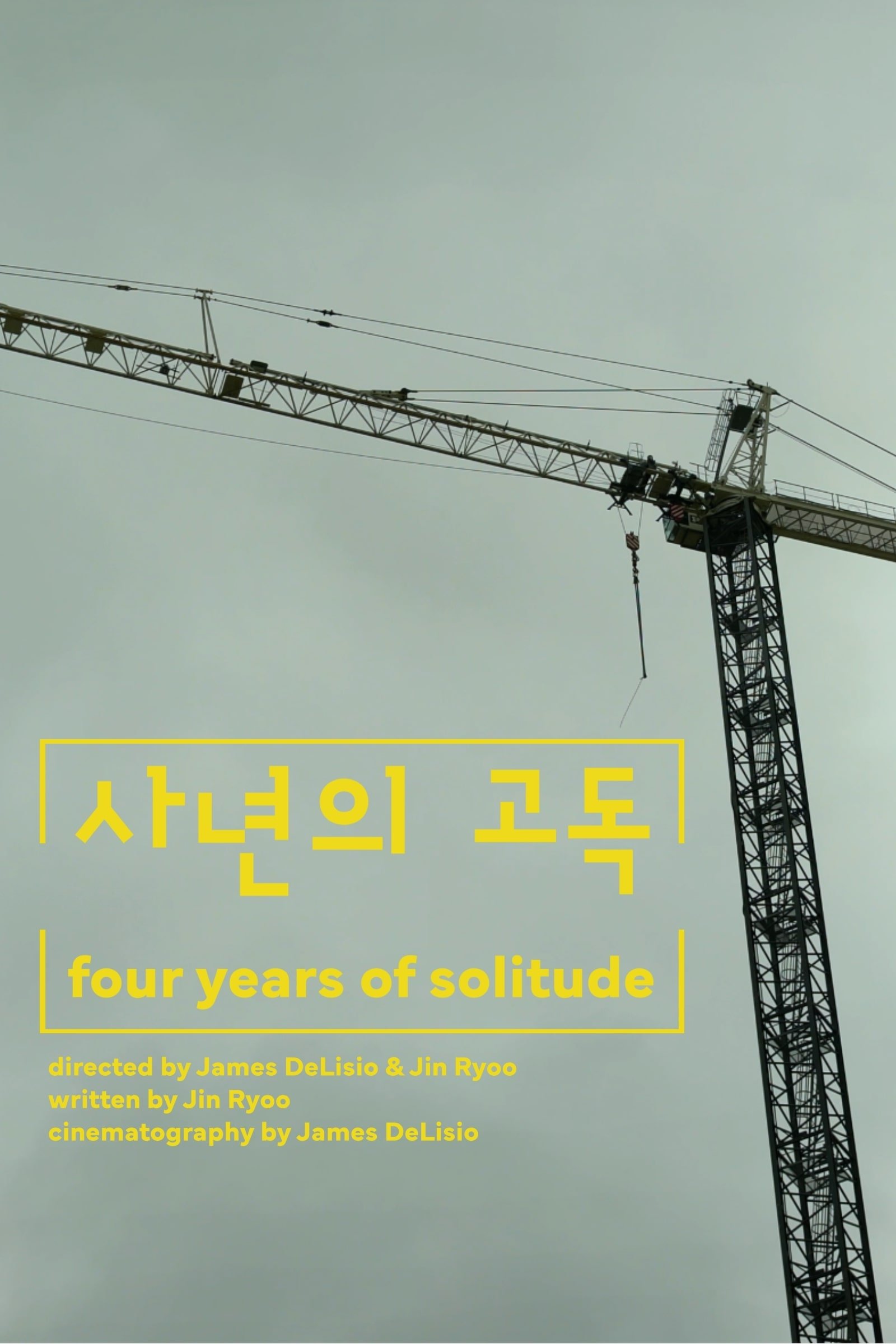
A written testimony by co-director Jin Ryoo on his experience preparing for Korean compulsory military service is juxtaposed with images of an empty UCSD campus, the desolate construction sites sprawling off of it, and the Mt. Soledad Veterans Memorial.
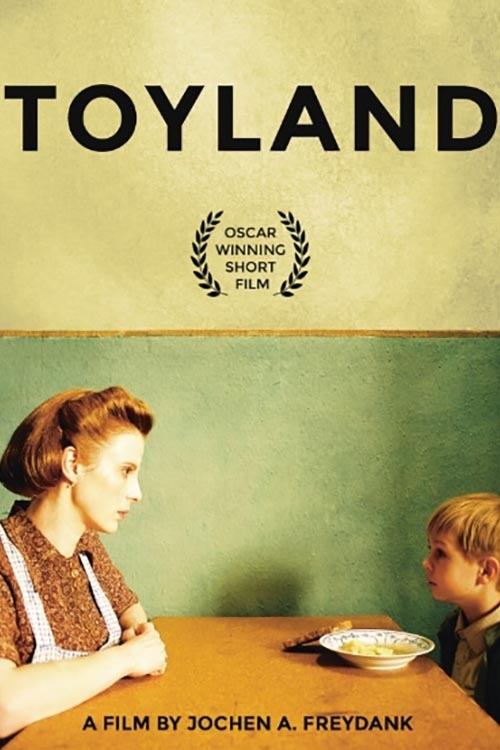
On a winter morning, a mother goes to waken her son Heinrich; his bed is empty. She leaves her flat to find him. The neighbors' door, with a Star of David painted on it, is ajar, the furnishings in disarray, the family gone. She asks passersby, runs to the police then on to the rail yard. Flashbacks show that Heinrich and the neighbors' son Paul are six years old and best friends. Paul's family's deportation is expected soon; Heinrich's mother tells her son that they're going to Toyland. Heinrich wants to go with them, has a bag packed, and listens for their departure. His mother realizes he's joined them, and her resolve becomes more urgent. Will she arrive in time to save Heinrich?
Short film about Russian soldiers during World War I.
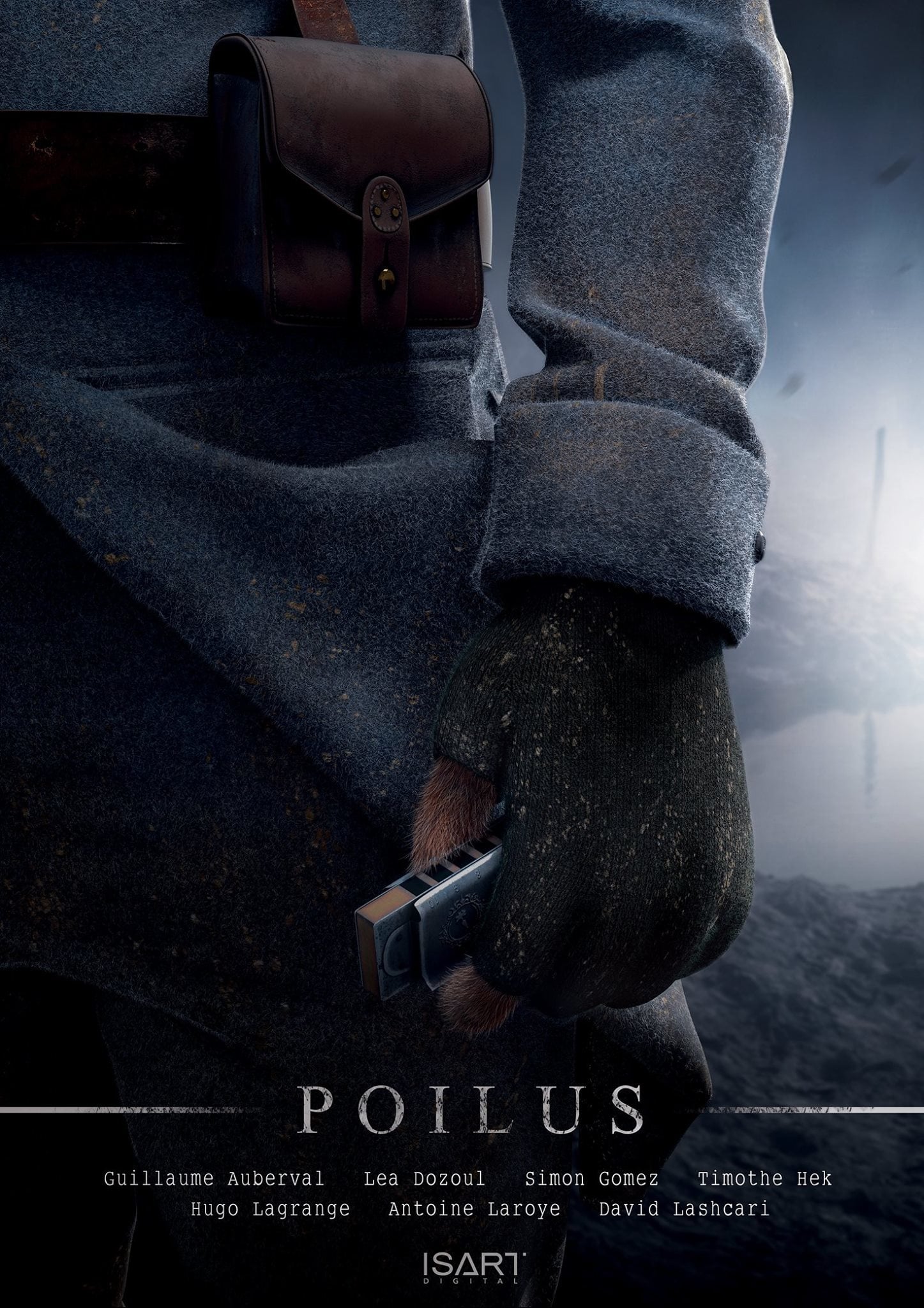
A young hare named Ferdinand is playing the harmonica before the battle. Soon the signal for attack will be given, and Ferdinand will face the terrible enemy on the battlefield.
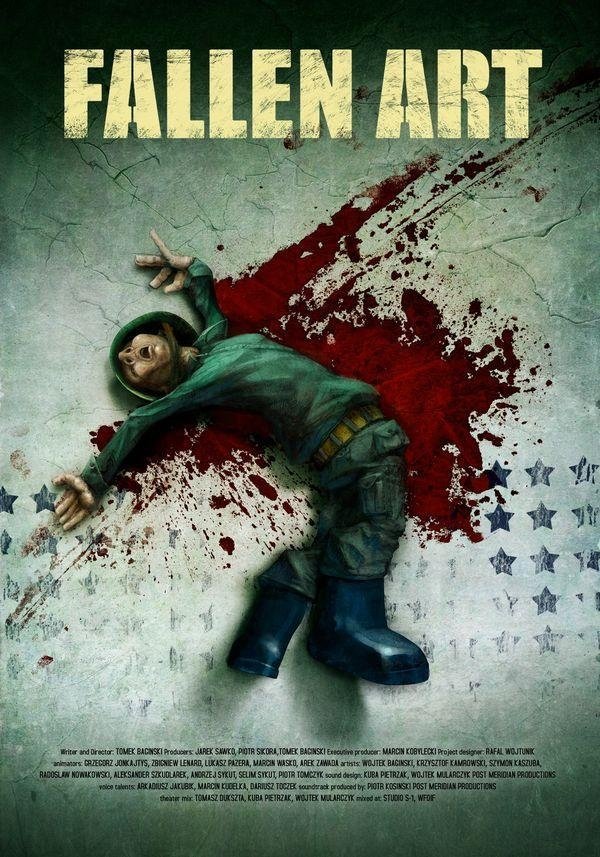
Fallen Art presents the story of General A, a self-proclaimed artist. His art, however, consists of a deranged method of stop motion photography, where the individual frames of the movie are created by photographs made by Dr. Johann Friedrich, depicting the bodies of dead soldiers, pushed down by Sergeant Al from a giant springboard onto a slab of concrete.
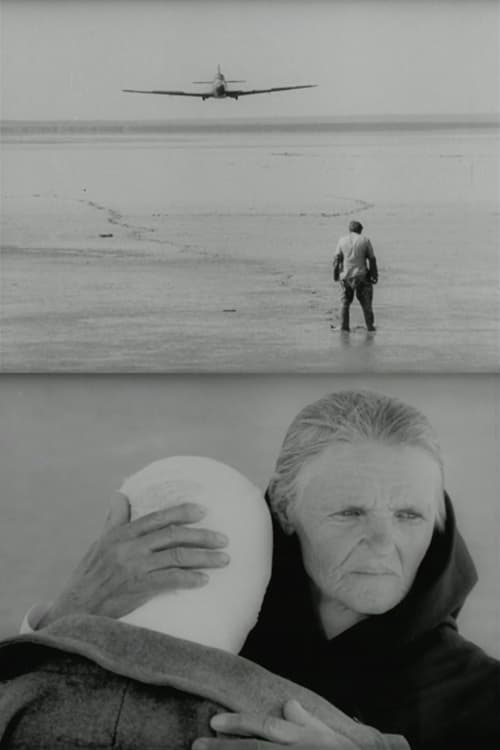
This film ballad is dedicated to those who never returned home from WW2. A group of retreating Soviet soldiers, crossing a lunar terrain in a desperate attempt to escape death, is attacked by a German fighter plane that appears like a bolt from the blue. One by one they are killed. Then suddenly, in an unlikely denouement bordering on the mystical, the attacker is shot down with a simple rifle. For ideological reasons that defy understanding this film, one of Viktor Hres’ earliest works, was shelved in 1967 by Soviet censors. In 2010, it was restored by the Debut Studio of the Oleksander Dovzhenko Film Studio with the support of the Ministry of Culture and Tourism of Ukraine.
A story of broken humanity following the invasion of a technologically superior alien species. Bleak, harrowing, and unrelenting, the humans must find enough courage to go on fighting.
LETTERS, a dramatic historical fiction written by Mrs. Evelyn Merritt in 2010, tells the story of U.S. soldiers and their loved ones through their correspondence beginning with the Civil War and ending with the War in Iraq. Sahuarita High School students adapted the Readers’ Theatre play into a movie, reasoning the student actors would be kept safe from Covid-19 by filming them individually, and afterward the footage could be reassembled into a screenplay following the original dialogue.
Set in an alternate, post-apocalyptic 1976, a filmmaker follows a worn and disillusioned photographer who, despite the circumstances, continues to make pictures.
In 1943, Joseph, a Jewish man, was arrested by the Germans in front of his 13-year-old daughter, Suzanne, in the apartment where they were hiding. By abandoning his daughter, Joseph saved her life.
The Driver is drafted by the UN to rescue a wounded war photographer named Harvey Jacobs from out of hostile territory. While they are leaving Jacobs tells the Driver about the horrors he saw as a photographer, but he regrets his inability to help war victims. Jacobs answers the driver curiosity about why he is a photographer by saying how his mother taught him to see. He gives the Driver the film needed for a New York Times story and also his dog tags to give to his mother. When they reach the border, they are confronted by a guard who begins to draw arms as Jacobs begins taking pictures, trying to get himself killed. The Driver drives through a hail of gunfire to the border, but finds Jacobs killed by a bullet through the seat. The Driver arrives in America to visit Jacobs' mother and share the news of him winning the Pulitzer prize and hand over the dog tags, only to discover that she is blind.
Sentenced to community service, a privileged and self-consumed young woman encounters a war veteran at a soup kitchen and realizes that she has the potential to support him on his road to wellness, while doing the same for herself.
On the London Underground, a young man relives past traumas as he endures the sensory overload of rush hour, only to look up and see a young woman at the end of the carriage going through the same PTSD symptoms. Their recognition of each other's condition allows them a moment of peace before the train jolts them back into reality and she disappears at the next platform.
The story revolves around 3 soldiers who are on the outskirts of a war torn city. They are patrolling an area when a bomb is accidentally set off and they have to wait for help.
During Napoleonic wars, a young idealistic drummer, in search of glory, arrives on the battlefield and discovers the horrors of war.
Featuring interviews with filmmakers and industry legends, discover the origins and evolution of The Joker, and learn why The Clown Prince of Crime is universally hailed as the greatest comic-book supervillain of all time.
Prelude to War was the first film of Frank Capra's Why We Fight propaganda film series, commissioned by the Pentagon and George C. Marshall. It was made to convince American troops of the necessity of combating the Axis Powers during World War II. This film examines the differences between democratic and fascist states.
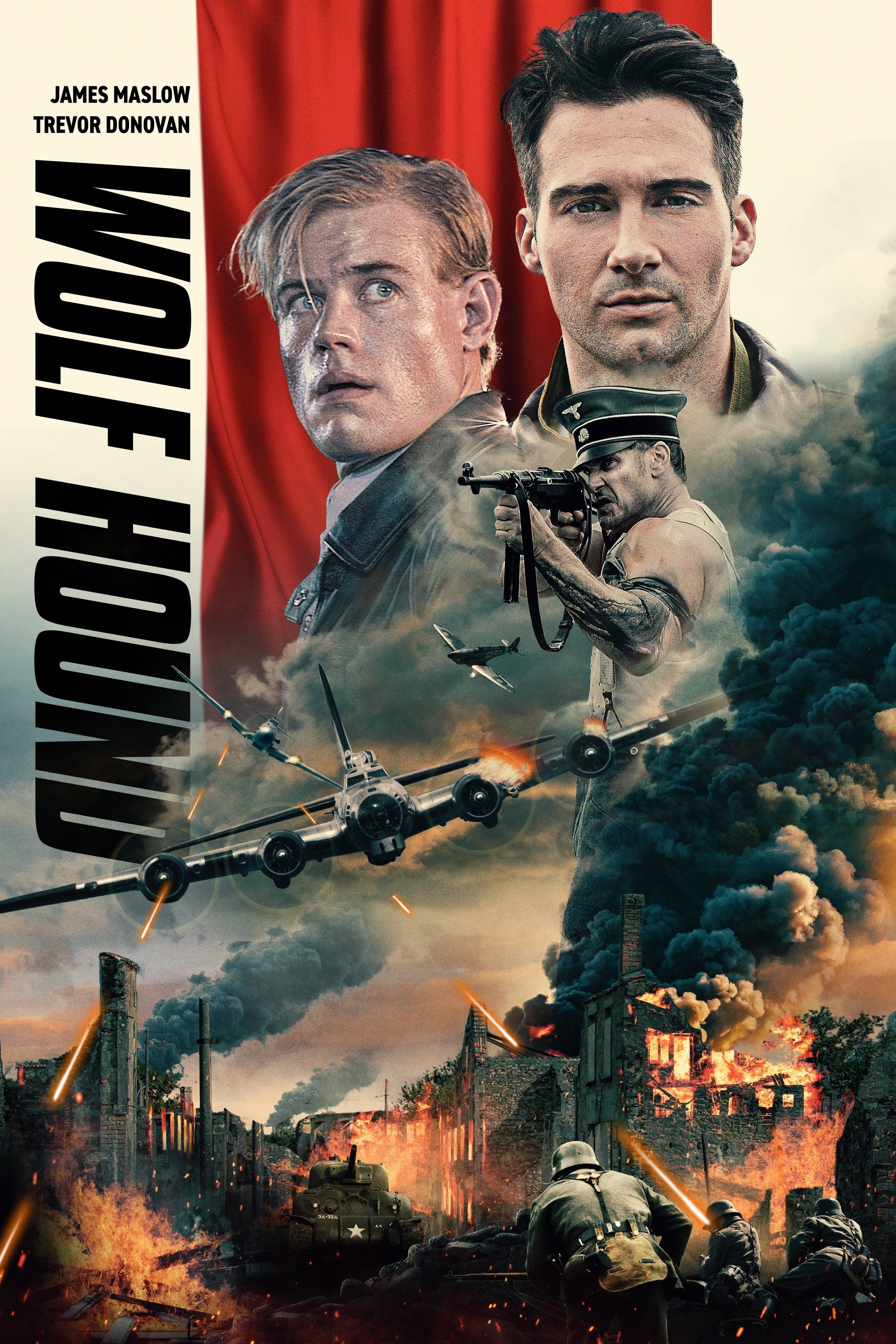
Inspired by the real-life German special operations unit KG 200 that shot down, repaired, and flew Allied aircraft as Trojan horses, "Wolf Hound" takes place in 1944 German-occupied France and follows the daring exploits of Jewish-American fighter pilot Captain David Holden. Ambushed behind enemy lines, Holden must rescue a captured B-17 Flying Fortress crew, evade a ruthless enemy stalking him at every turn, and foil a plot that could completely alter the outcome of World War II.
The Driver drives a wounded diplomat, who carries a mysterious briefcase, while under helicopter attack. During the attack the briefcase is struck by a bullet, causing a display on it to begin counting down, and it to leak an unknown fluid from the bullet hole. The Driver manages to destroy his pursuers, but refuses to proceed without knowing the contents of the damaged briefcase. It is revealed that the diplomat guards a human heart for a peacekeeper, whose life is needed for the continued freedom of the people. The case is delivered, and the tyrant is forced to give up his attempt to take the country by force. The Driver leaves for another mission.
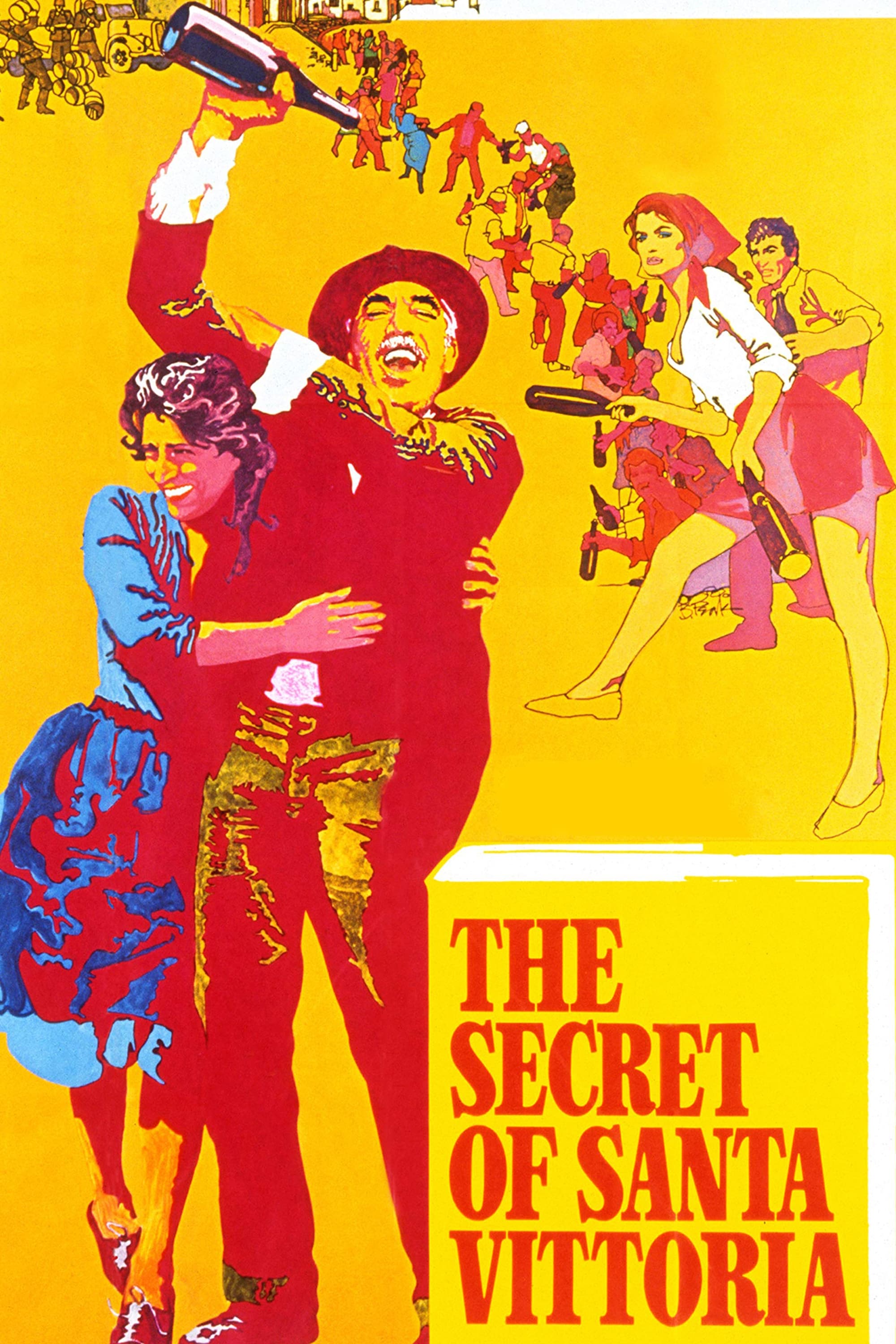
During World War II, Italian villagers hide their wine from the German army.
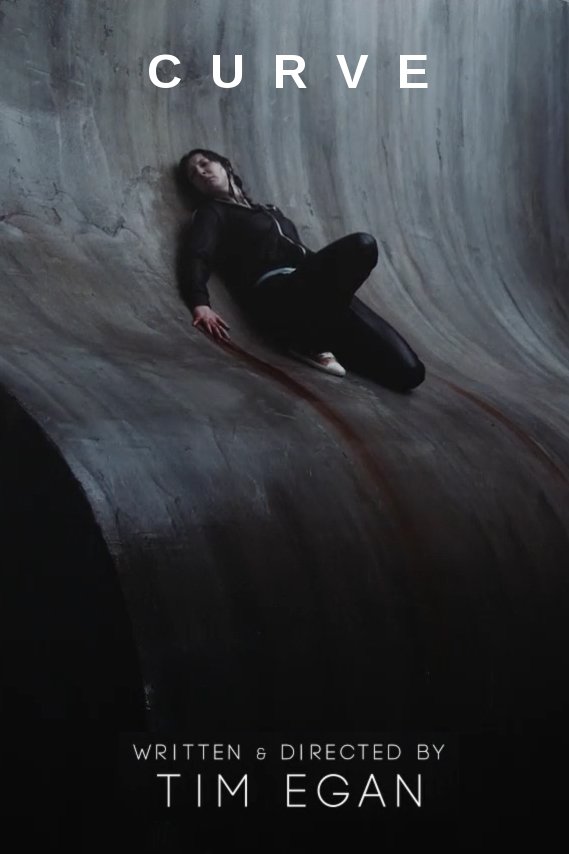
Clinging to a smooth, curved surface high above a sentient abyss, a woman tries to cover the few feet back to safety without losing purchase and falling to her death.
During the harrows of WWII, Jo, a young shepherd along with the help of the widow Horcada, helps to smuggle Jewish children across the border from southern France into Spain.
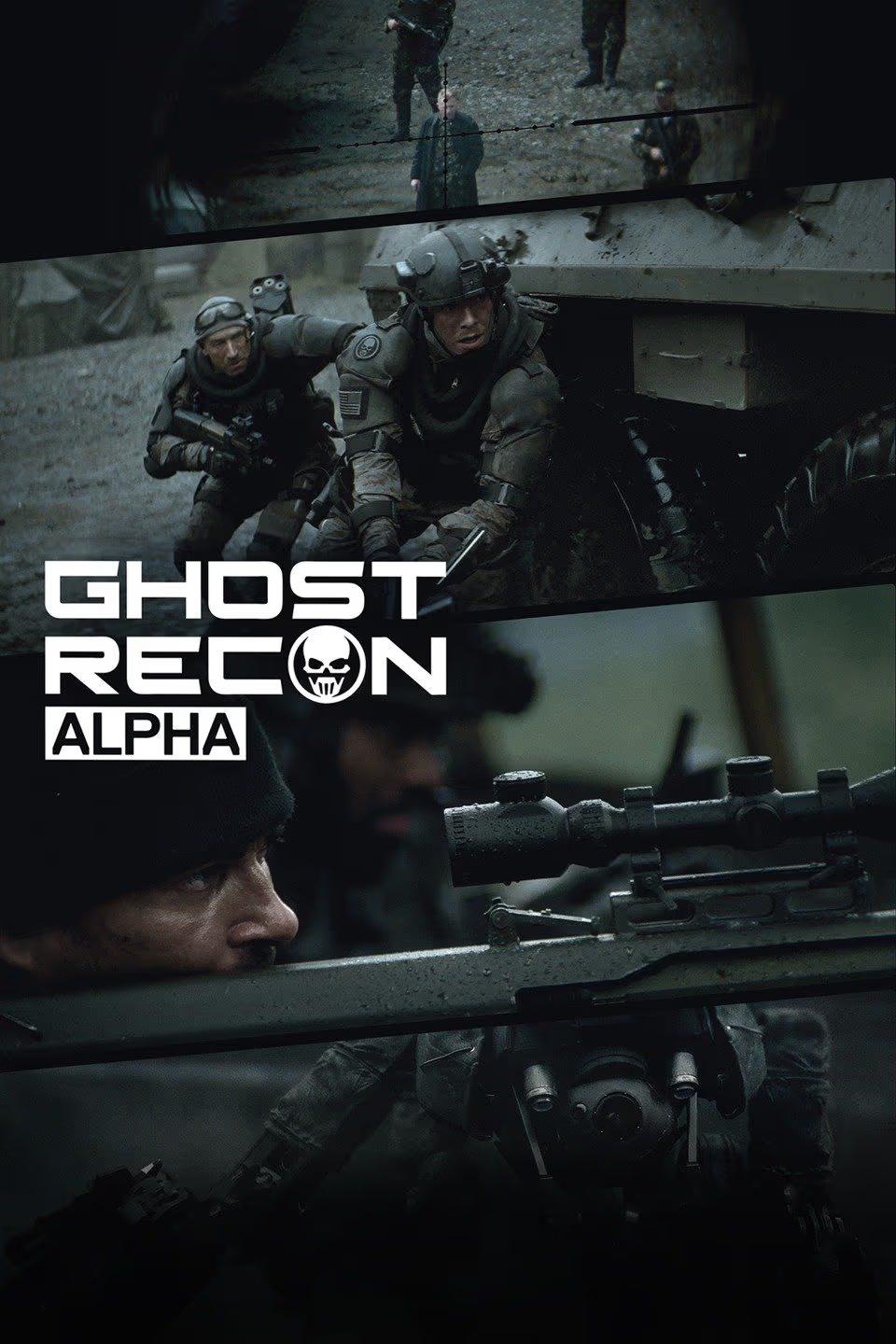
Ghost Recon: Alpha sees a team led by Ghost Leader infiltrate a trade at a Russian depot between a general and a mysterious other figure.
The Driver is hired by the FBI to help defuse a hostage situation. A disgruntled employee has kidnapped a CEO and has hidden her, demanding $5,088,042. The Driver delivers the money, writing the sum on his hand as instructed by the hostage taker. After he is told that he holds the life of a person in his hand, he is ordered to burn the money. As he complies, the federal agents break in and attempt to subdue the man, who shoots himself in the head before he reveals where the woman is hidden. The Driver then tries to find the hostage before she drowns in the trunk of a sinking car. As a twist, the kidnapped woman is revealed to be the hostage taker's lover. She coldly taunts the dying man in the hospital.
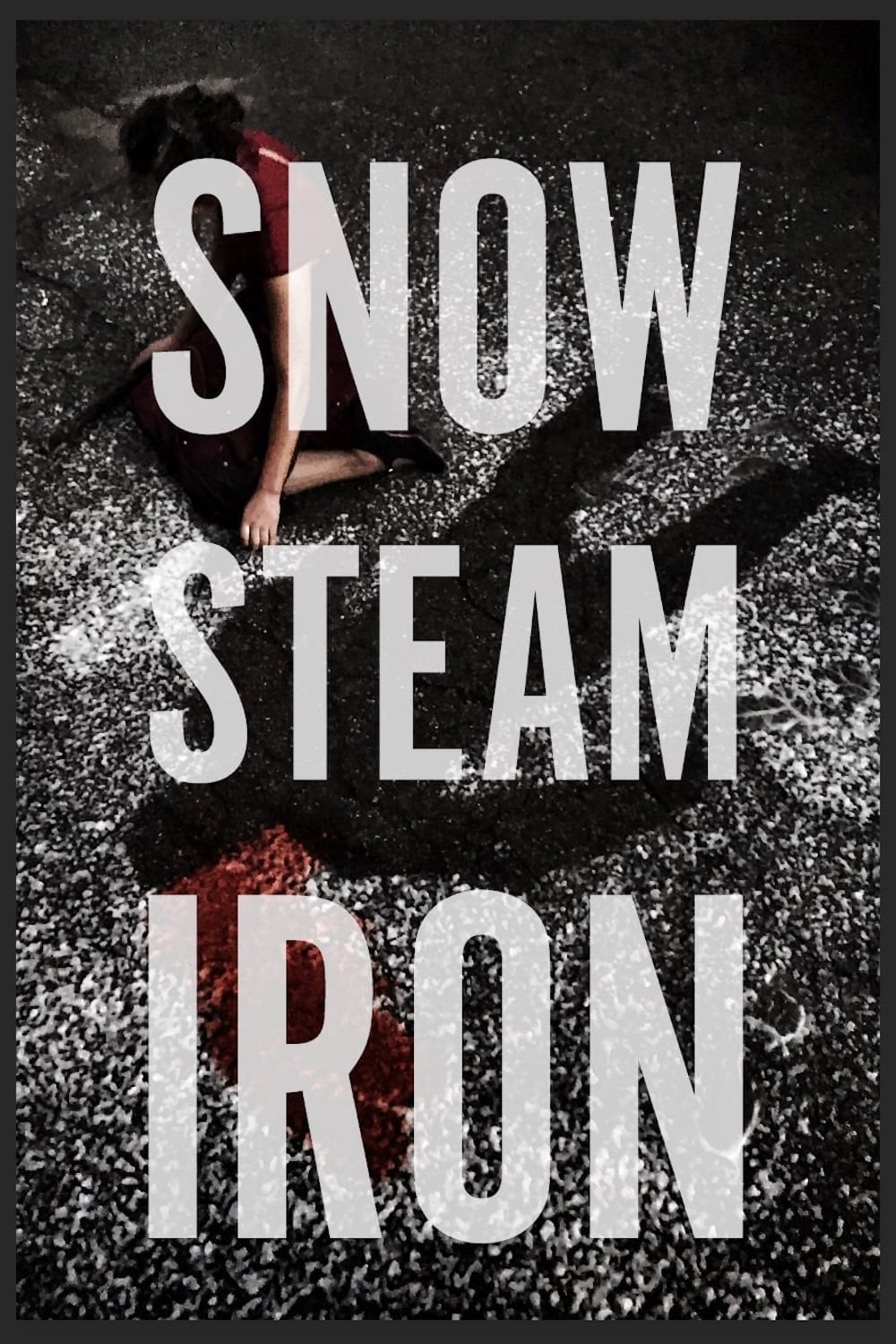
“Snow gently falls on the blood-stained streets of a seedy out-of-time New York City. Steam envelopes the nightmare unfolding within its narrow alleys. Iron is the will of the one who would dare to resist… fight… survive.”
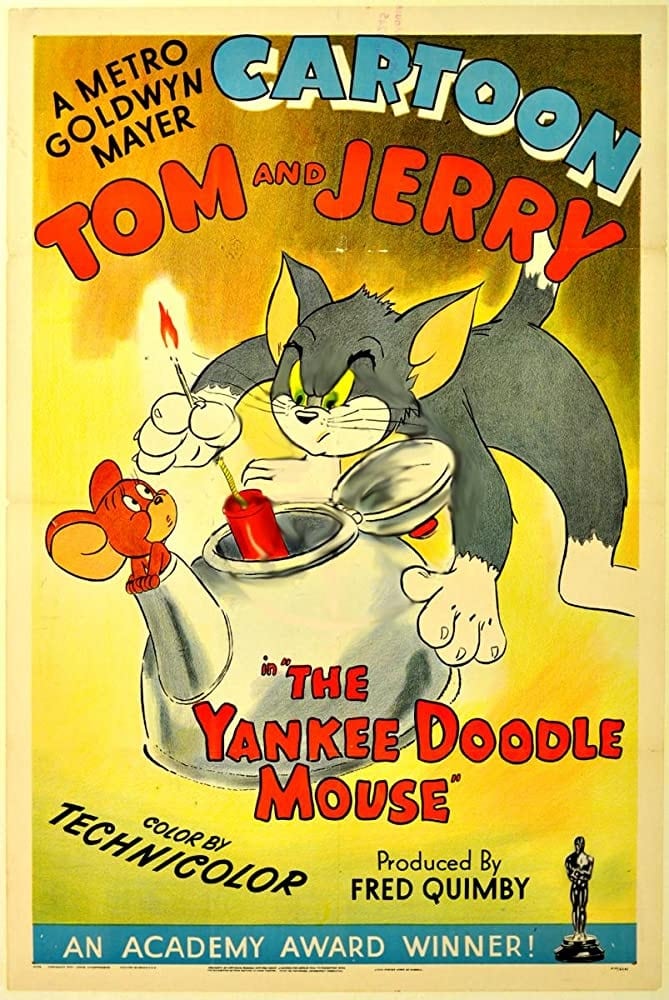
As Tom and Jerry stage their typical fight sequences, the patriotic soldier theme of the title is evidenced by such things as a carton of eggs labeled "Hen Grenades"; Jerry dropping light bulbs from an airplane like bombs; and Jerry sending a telegram with the message "Sighted Cat - Sank Same." Musical phrasings from various patriotic war songs are heard throughout. The cut scene after Jerry hitting Tom with the board 4 times was cut from the 1950 reissue print for a war bond joke, and the original footage is currently considered "lost" due to the negatives destroyed in the 1978 George Eastman House fire.
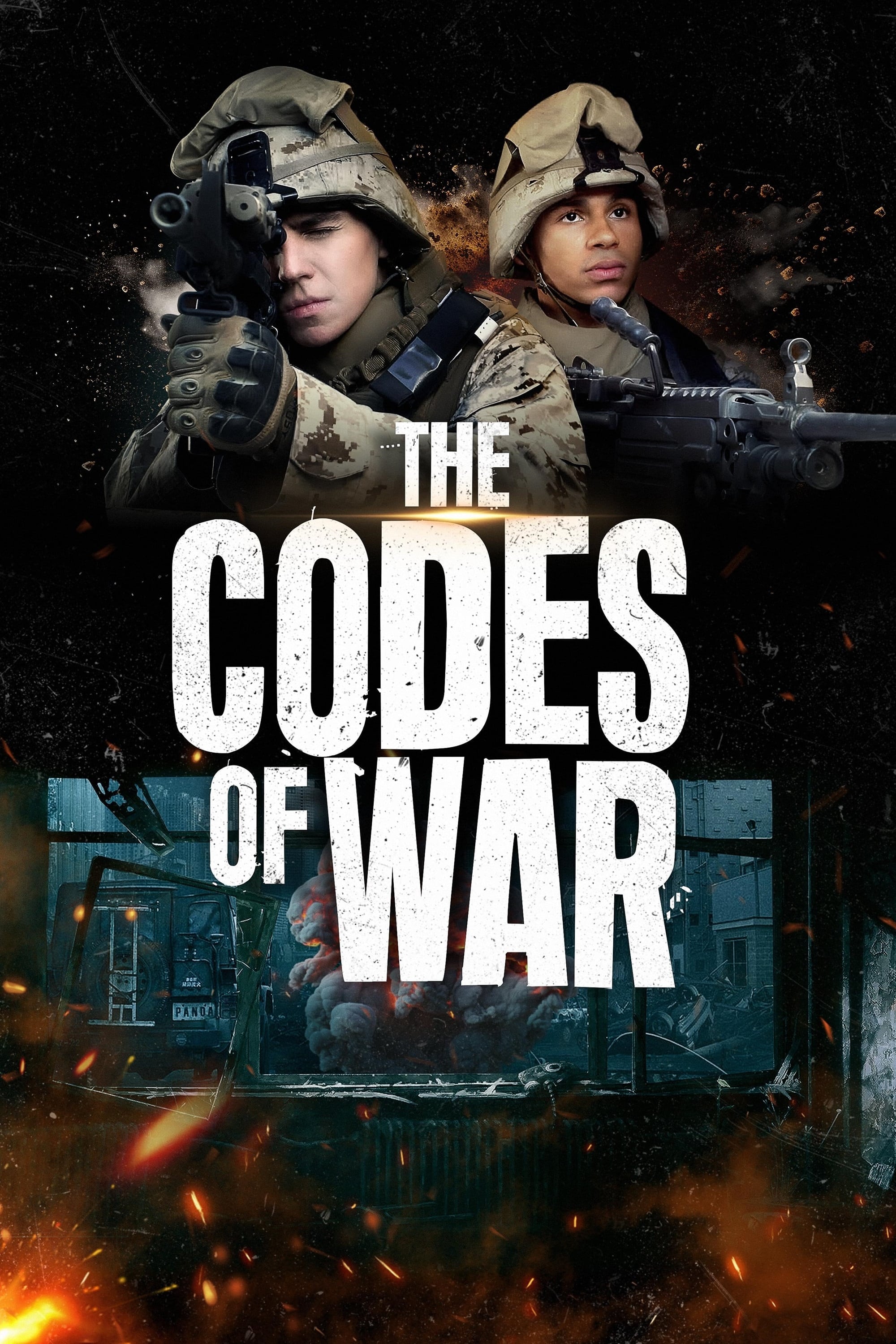
War stories about family, ethics and honor include the true story of two U.S. Marines who in a span of six seconds, must stand their ground to stop a suicide truck bomb, a Navy Corpsman who attempts to hold on to his humanity, and a WW2 soldier who gets separated from his squad and is forced to re-evaluate his code.
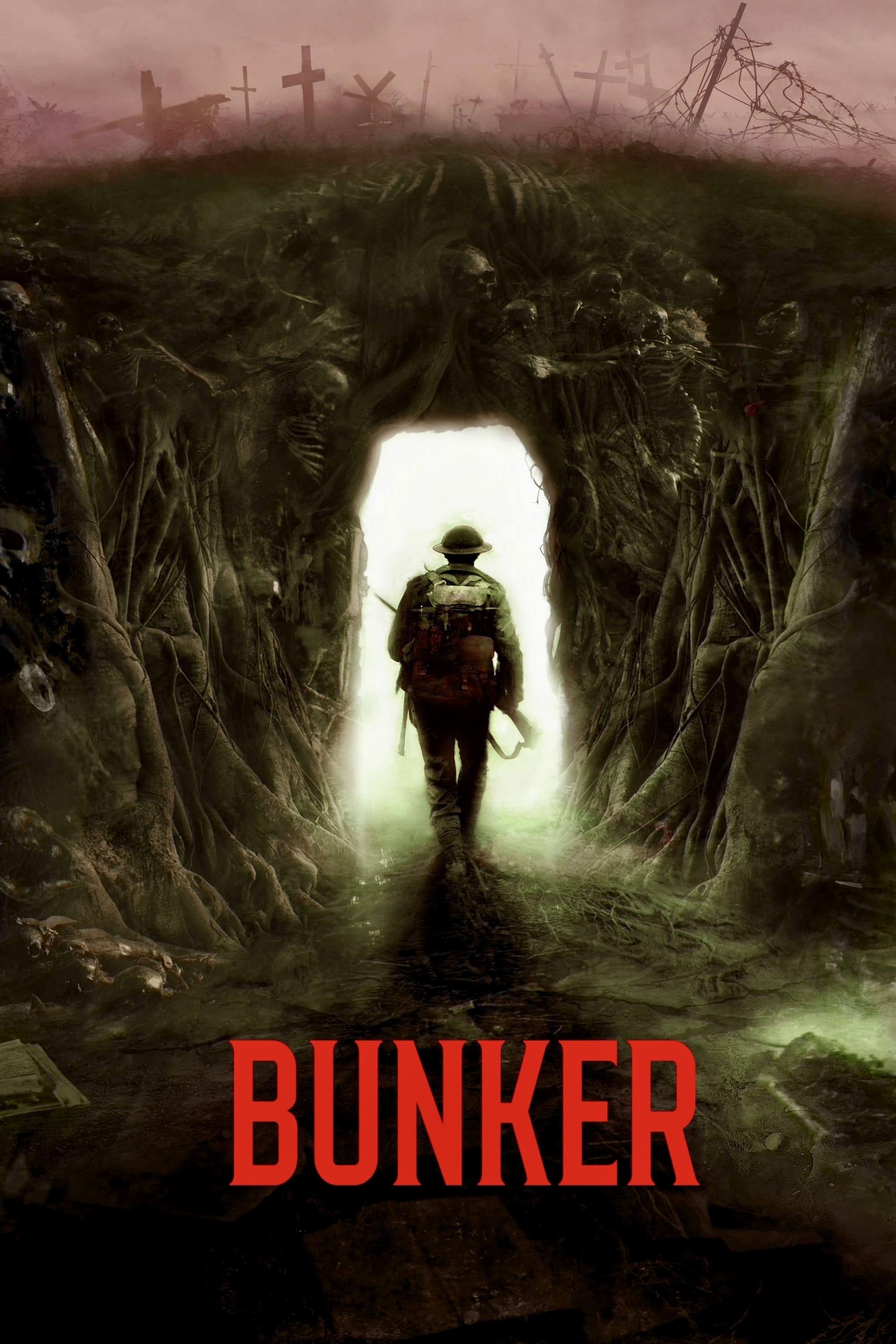
Trapped in a bunker during World War I, a group of soldiers are faced with an ungodly presence that slowly turns them against each other.
This short film continues the adventures of the title character as he tries to retrieve his elusive acorn.
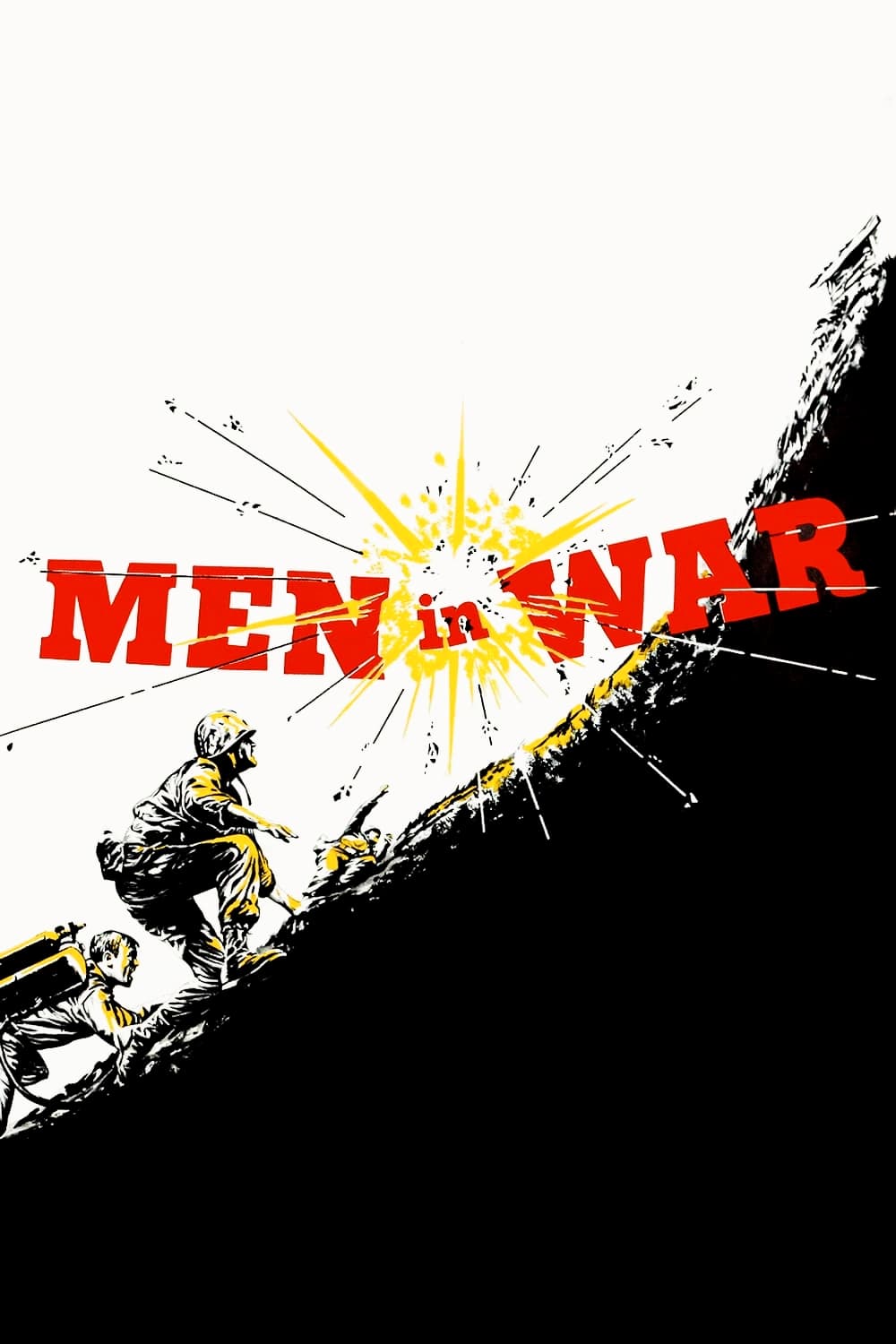
In Korea, on 6 September 1950, Lieutenant Benson's platoon finds itself isolated in enemy-held territory after a retreat. Soon they are joined by Sergeant Montana, whose overriding concern is caring for his catatonic colonel. Benson and Montana can't stand each other, but together they must get the survivors to Hill 465, where they hope the division is waiting. It's a long, harrowing march, fraught with all the dangers the elusive enemy can summon.
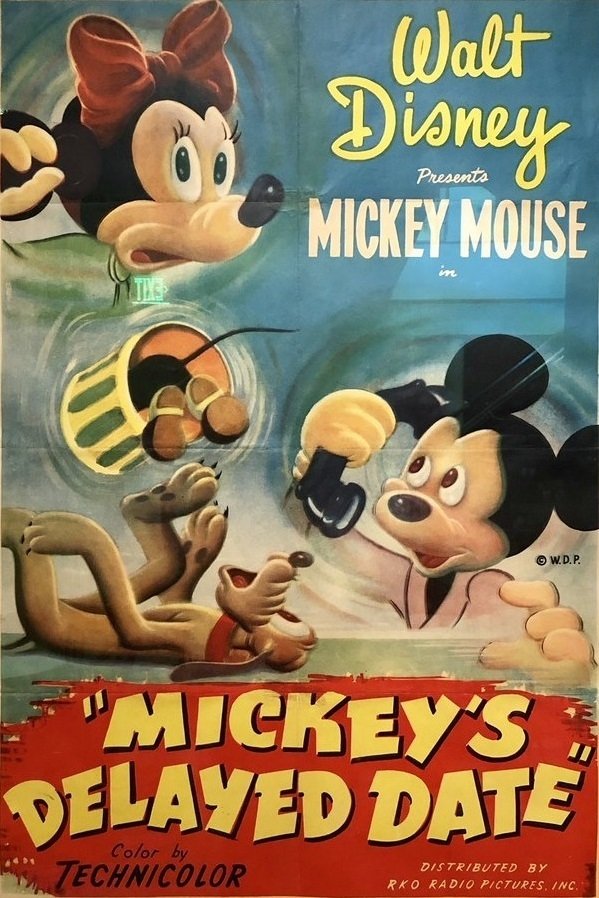
Even though Mickey's evening started slow and lazy, things get moving in a hurry when Minnie calls from outside the big dance, wondering why he's late. Luckily his best pal Pluto is happy to help wrangle the uncooperative evening wear and help get him out the door...without the tickets
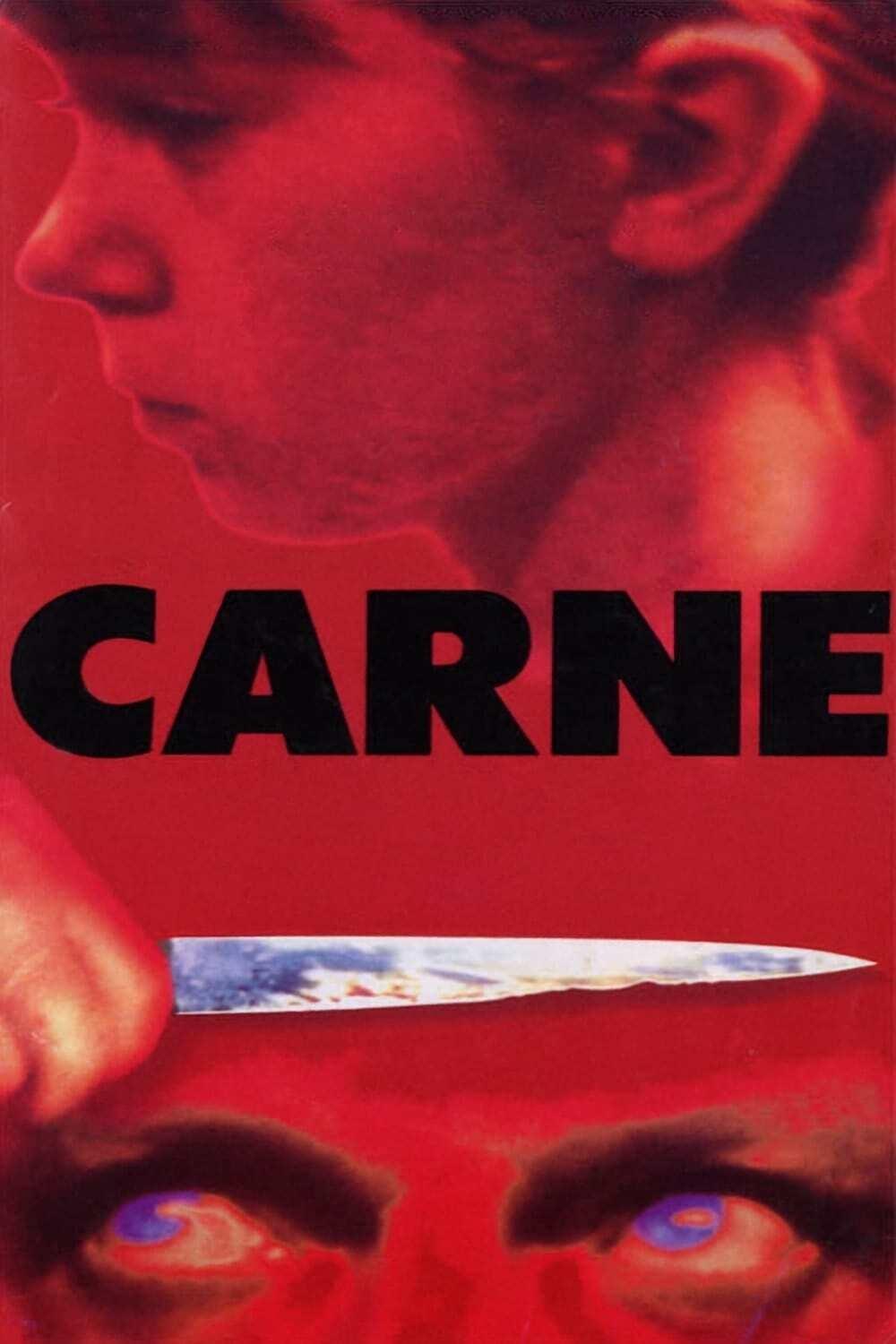
After a dreadful incident coupled with an ungovernable paroxysm of violence, a butcher will fall into a downward spiral that will burn to the ground whatever dignity still remained in him.
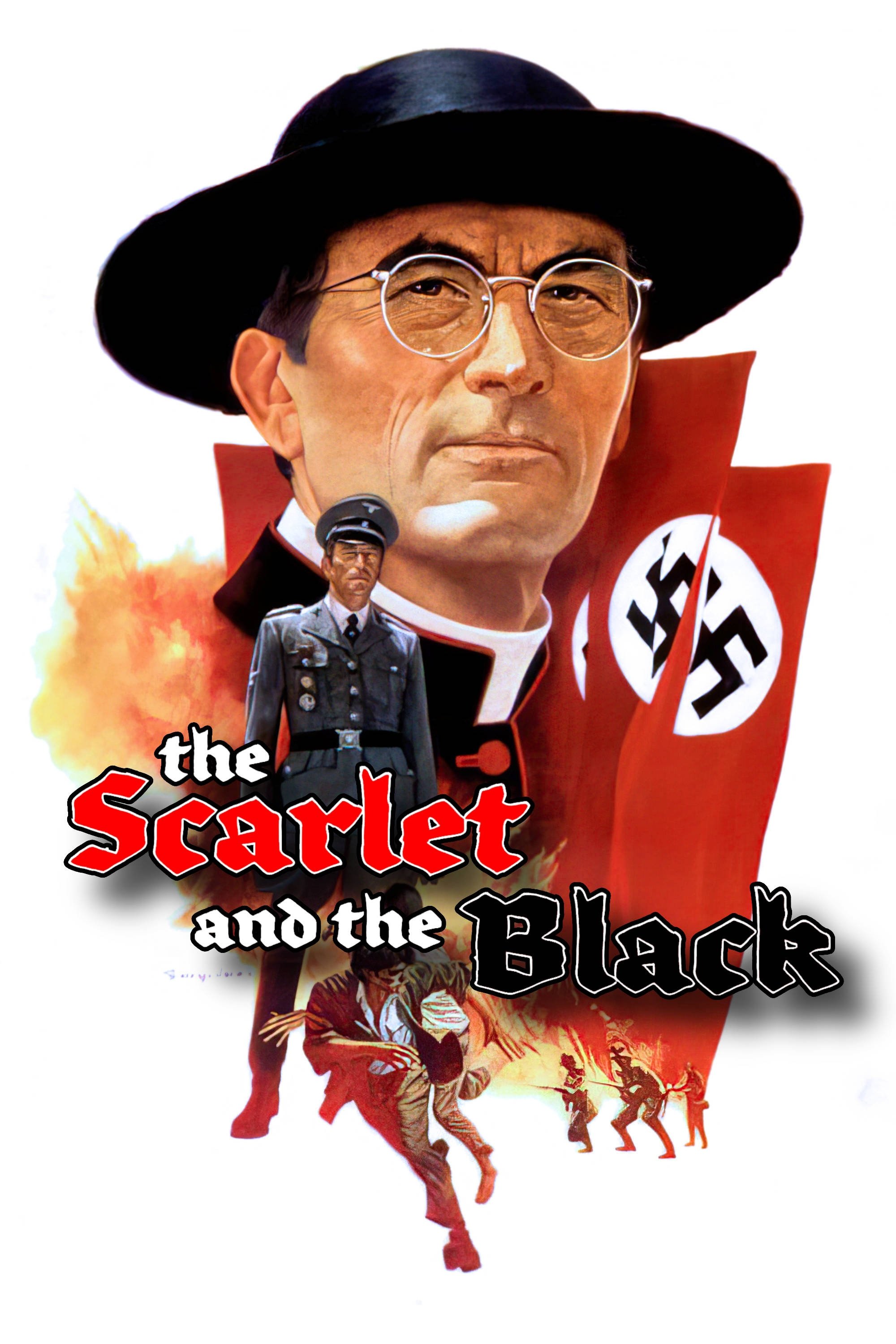
Fr. Hugh O'Flaherty is a Vatican official in 1943-45 who has been hiding downed pilots, escaped prisoners of war, and Italian resistance families. His activities become so large that the Nazis decide to assassinate him the next time he leaves the Vatican.
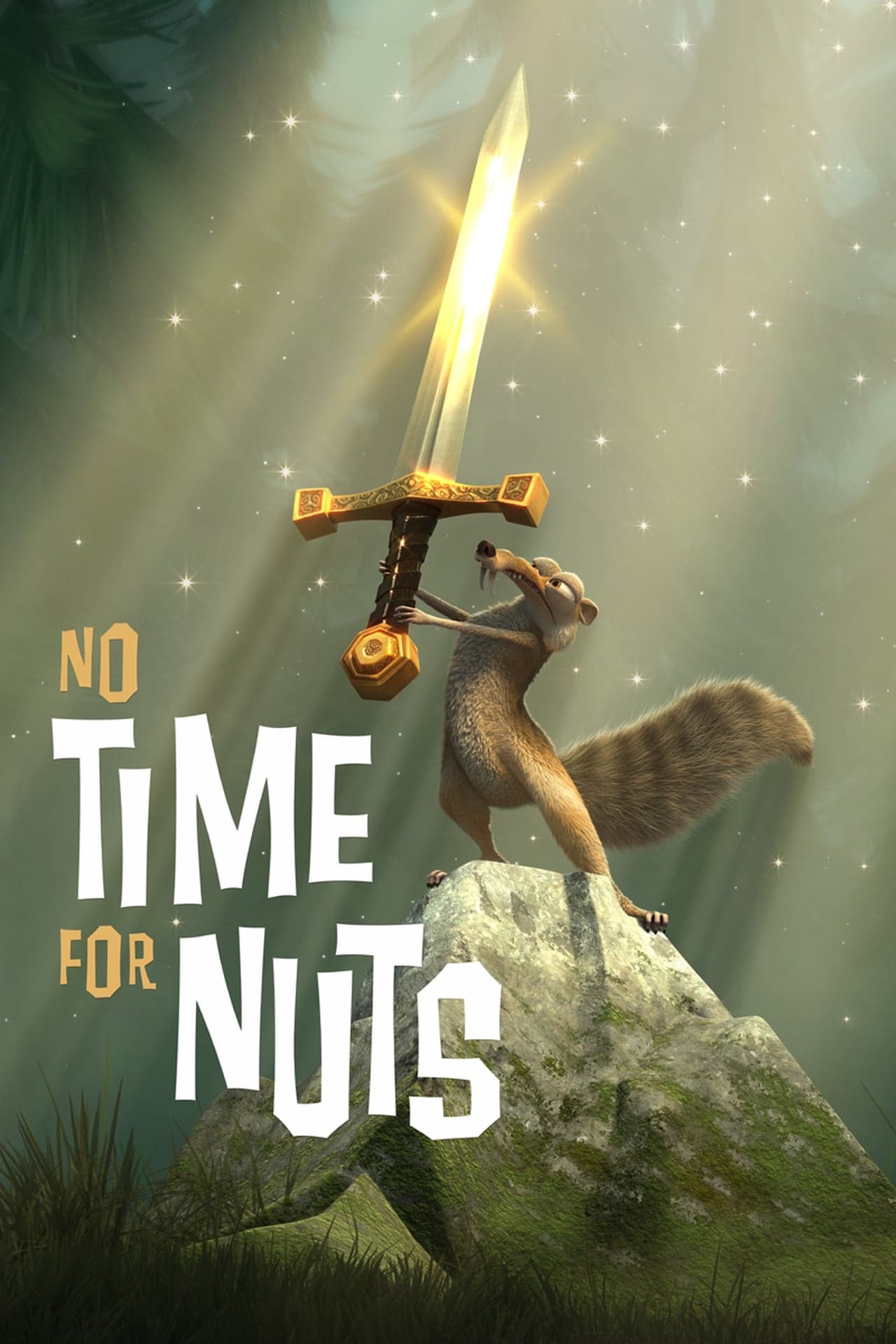
Scrat comes across a time machine and is transported to various times all in pursuit of his beloved acorn.