Travelogue released on December 18th, 1916. Produced by Burton Holmes.
Social & External
The people behind it
This short celebrates the 20th anniversary of MGM. Segments are shown from several early hits, then from a number of 1944 releases.
Promotion reel/souvenir of a 1939-40 meeting of the Paramount Studios sales people.
For one-night-only blood was spilled in the mud.
Mohammed Alsaleh, a young Syrian refugee, is rebuilding his life after being granted asylum in Canada. In Vancouver, he counsels and helps resettle newly-arrived Syrian refugee families so that they may find new homes and begin again.
The far-right political movement known as QAnon has taken off around the world, mobilising a committed band of believers dedicated to fighting what they claim is an 'online war' against corrupt, child abusing elites. In the United States, the Federal Bureau of Investigation (FBI) has declared QAnon a potential domestic terrorism threat. For one family, QAnon has caused division so severe that they had to report their relative - Tim Stewart, a QAnon conspiracy theorist - to Australia's national security hotline. In a concerning twist, it emerged that Stewart has had a longstanding friendship with Australian Prime Minister Scott Morrison - leading to speculation about QAnon and Australia's highest ranks of political power. A look at the alarming movement which has caused ripples through the world, through the eyes of one family.
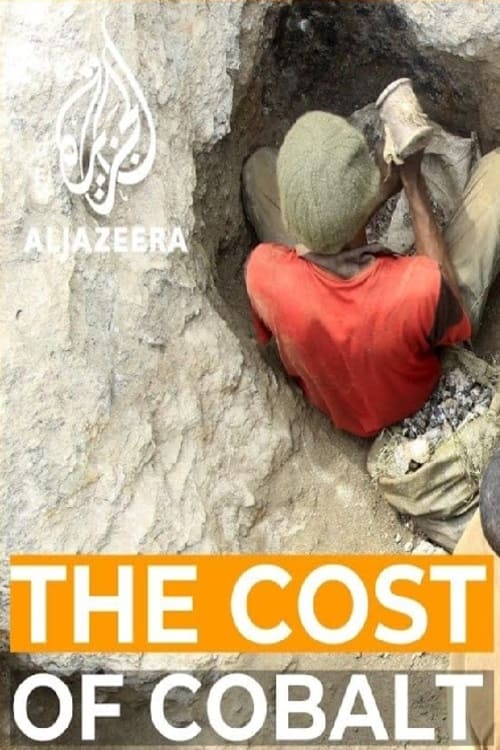
In the cobalt mining areas of Katanga in the Democratic Republic of the Congo (DRC), babies are being born with horrific birth defects. Scientists and doctors are finding increasing evidence of environmental pollution from industrial mining which, they believe, may be the cause of a range of malformations from cleft palate to some so serious the baby is stillborn. More than 60% of the world’s reserves of cobalt are in the DRC and this mineral is essential for the production of electric car batteries, which may be the key to reducing carbon emissions and to slowing climate change. In The Cost of Cobalt we meet the doctors treating the children affected and the scientists who are measuring the pollution. Cobalt may be part of the global solution to climate change, but is it right that Congo’s next generation pay the price with their health? Many are hoping that the more the world understands their plight, the more pressure will be put on the industry here to clean up its act.
Filmmaker Alain Resnais documents the atrocities behind the walls of Hitler's concentration camps.
On the surface, this collection of shorts by up-and-coming African American filmmakers arrived at a perfect time. The cutting-edge products of the New Black Cinema of the early '90s had disappeared, giving way to embarrassingly stereotypical, scatological fare such as Booty Call and Next Friday. This feature-packed compilation (which includes production notes, interviews with all of the filmmakers, and audio commentary by four) attempts to prove that African American cinema is intent on moving past the lowbrow humor, as six of the seven shorts steer clear of any comedy.
A first feature based on sexual events. An actress undertakes her desire of directing her first movie, without a budget or any production company funding her project. She gathers a group of professional actors and actresses, and proposes a project based on a very particular experience: stepping on their fears through a metaphorical 'leap of faith'. As the project advances, individual conflicts will arise affecting the shoot, making the movie crew wonder whether or not they should go on. Will they take the leap of faith with all its consequences?
Menhaden: The Most Important Fish in the Bay examines the role of a little-known, oily, little fish in the Chesapeake Bay. From its original concept as a classic man-versus-environment story, the film evolved to reflect the complexity of sustaining a menhaden fishery that many diverse interests depend on. The outcome: a story that seamlessly weaves together different perspectives on the menhaden fishing industry and its culture utilizing engaging personal vignettes, scientific data and creative visual storytelling techniques. Techniques include archival footage blended with cinematic live-action footage, musical performances and original, handmade animations.
In Nigeria, a young Canadian doctor serves in a local mission hospital and learns much from the experience. Stationed abroad under the Canadian University Service Overseas Plan, Dr. Alex McMahon and his schoolteacher wife find every day a fresh challenge. An interesting study of intercultural help.
The story of a unique Georgian musician - Gia Iashvili, who makes music for the sake of creating and remains little-known in his own country.
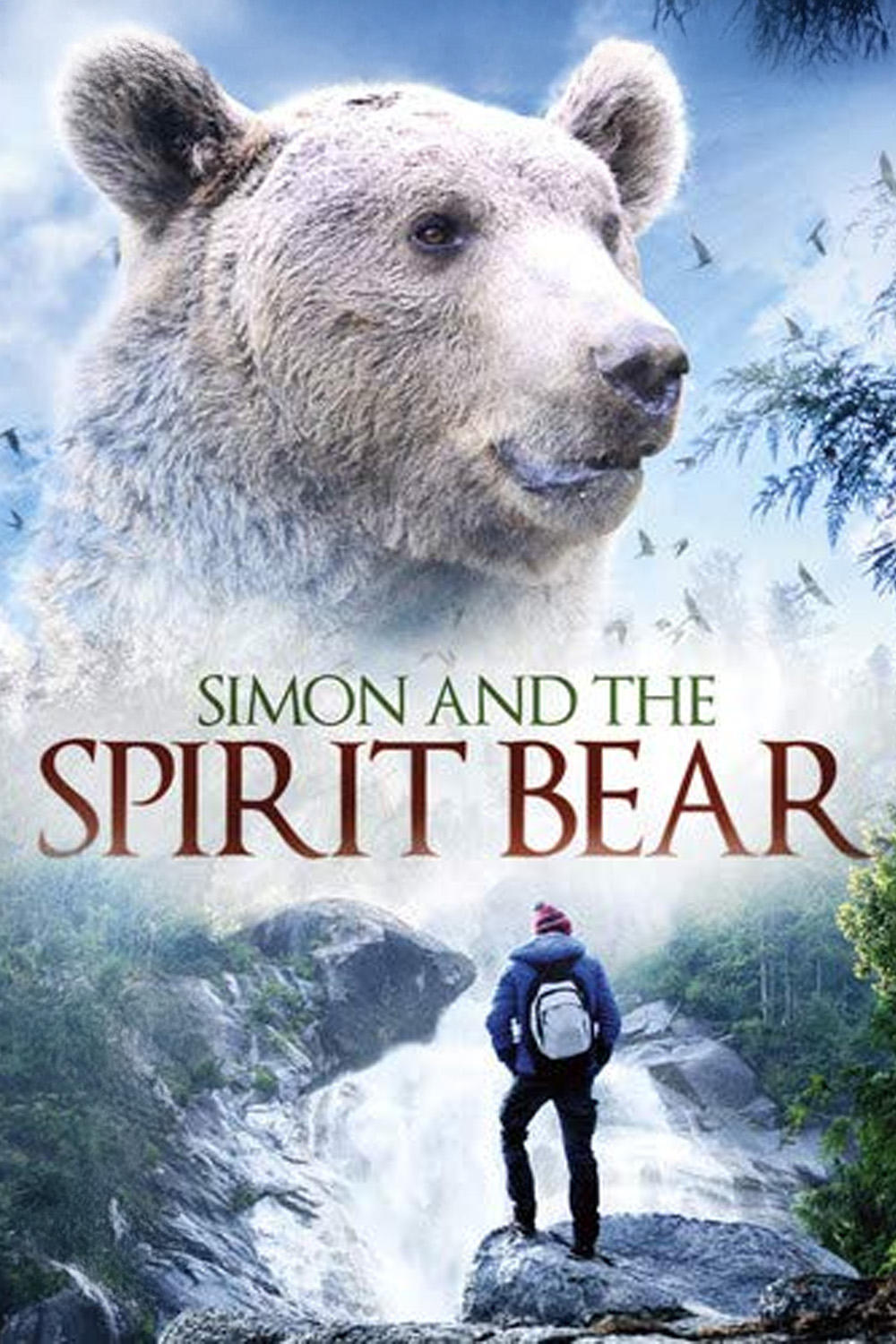
While most teens spend their days in a self-absorbed haze, Simon Jackson was out in the world connecting with anyone who could help him save the spirit bear. For this, Simon became one of Time's Heroes of the Planet. It's a remarkable accomplishment for one so young, and an inspiring story for lovers of wilderness of all ages. But his devotion to the cause made him an outcast amongst his peers.
Explore timely, personal stories of LGBTQI+ families who strive to build lives in their communities despite biased legislation and mounting prejudice.
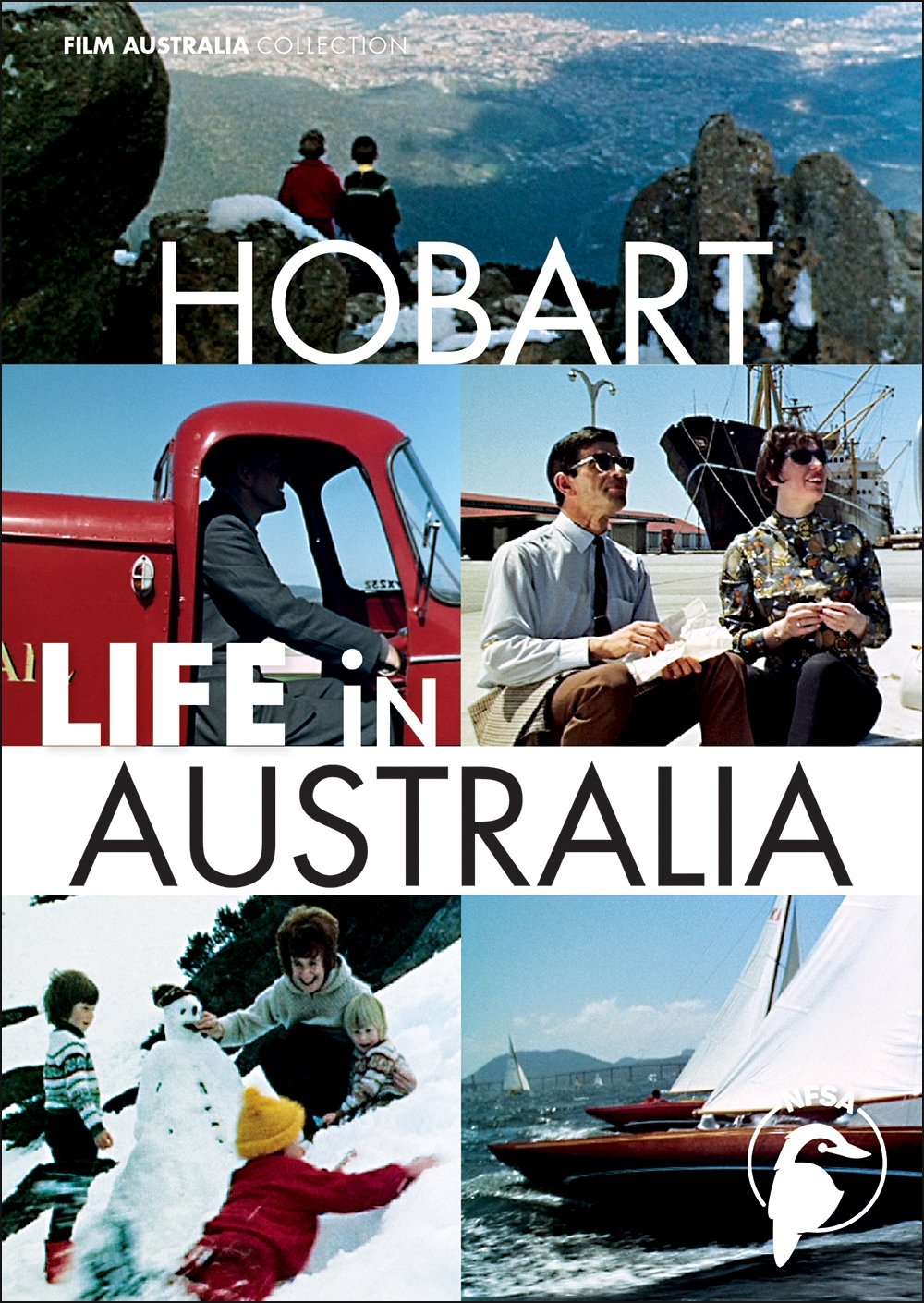
Life in Australia: Hobart shows scenes illustrating daily life, industry, recreation and the tourist features of Hobart, Tasmania.
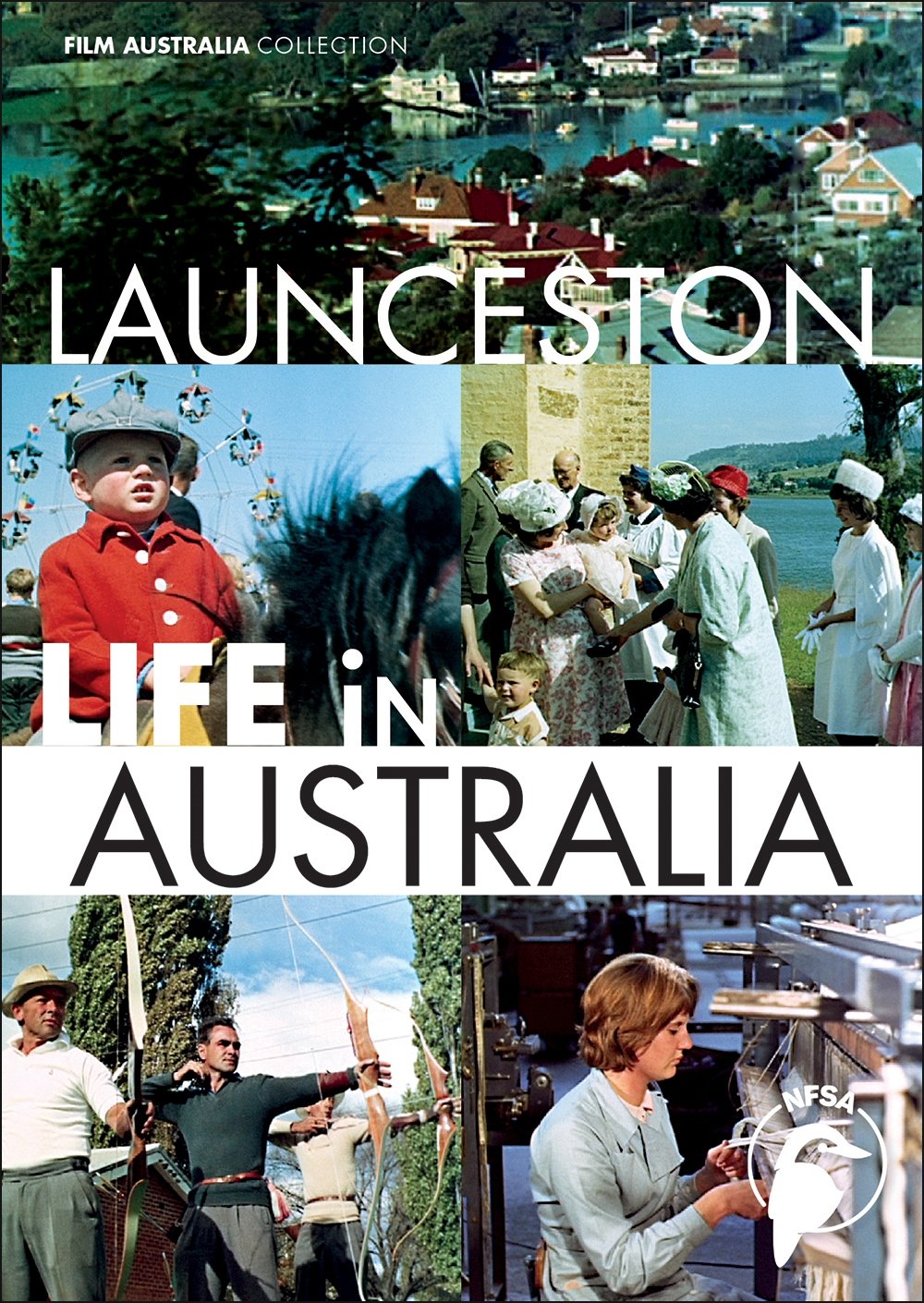
A picture of life in the Tasmanian town of Launceston in the mid 1960s.
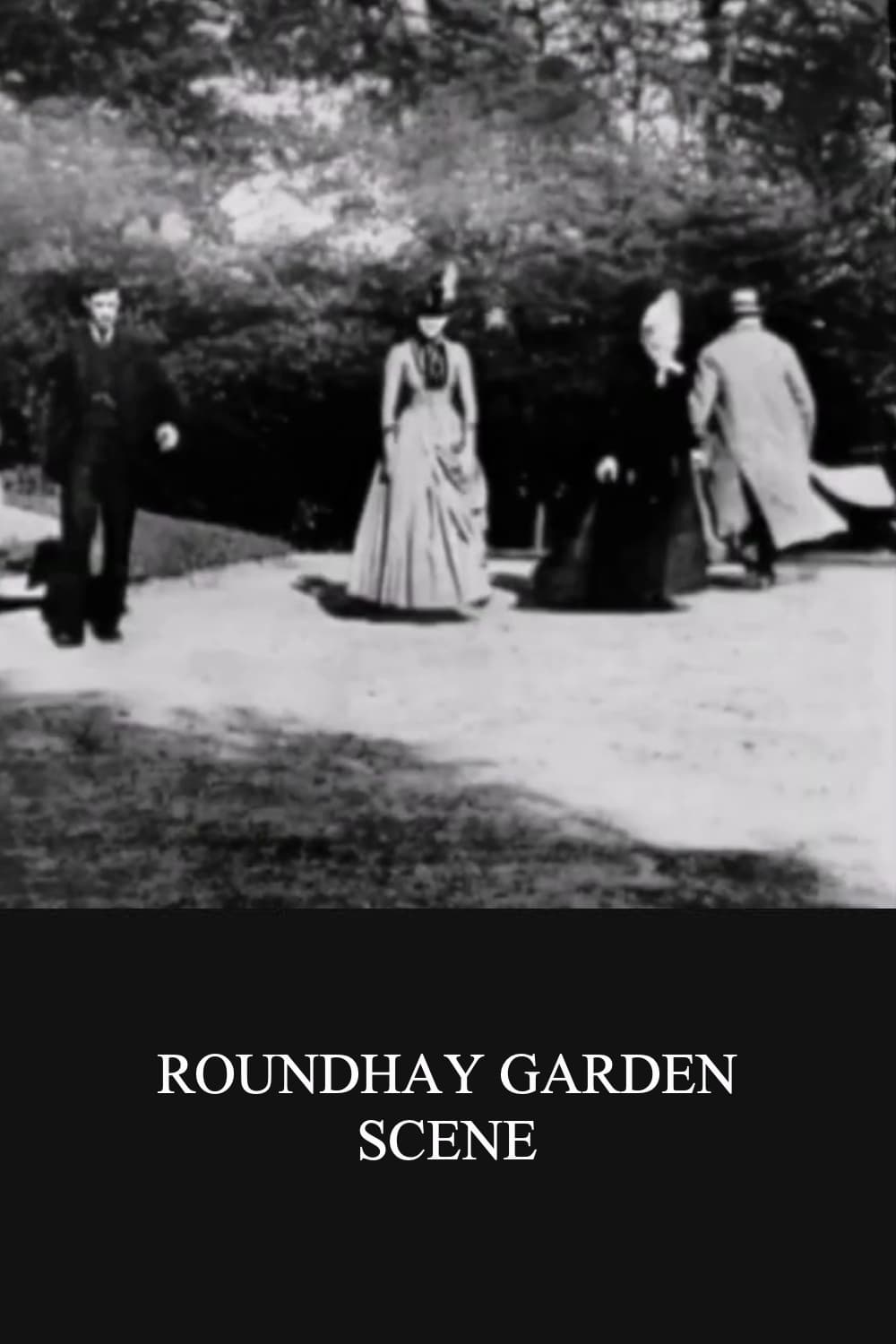
The earliest surviving motion-picture film, and believed to be one of the very first moving images ever created, was shot by Louis Aimé Augustin Le Prince using the LPCCP Type-1 MkII single-lens camera. It was taken on paper-based photographic film in the garden of Oakwood Grange, the Whitley family house in Roundhay, Leeds, West Riding of Yorkshire (UK), on 14 October 1888. The film shows Adolphe Le Prince (Le Prince’s son), Mrs. Sarah Whitley (Le Prince’s mother-in-law), Joseph Whitley, and Miss Harriet Hartley walking around in circles, laughing to themselves, and staying within the area framed by the camera. Roundhay Garden Scene is often associated with a recording speed of around 12 frames per second and runs for about 2 to 3 seconds.
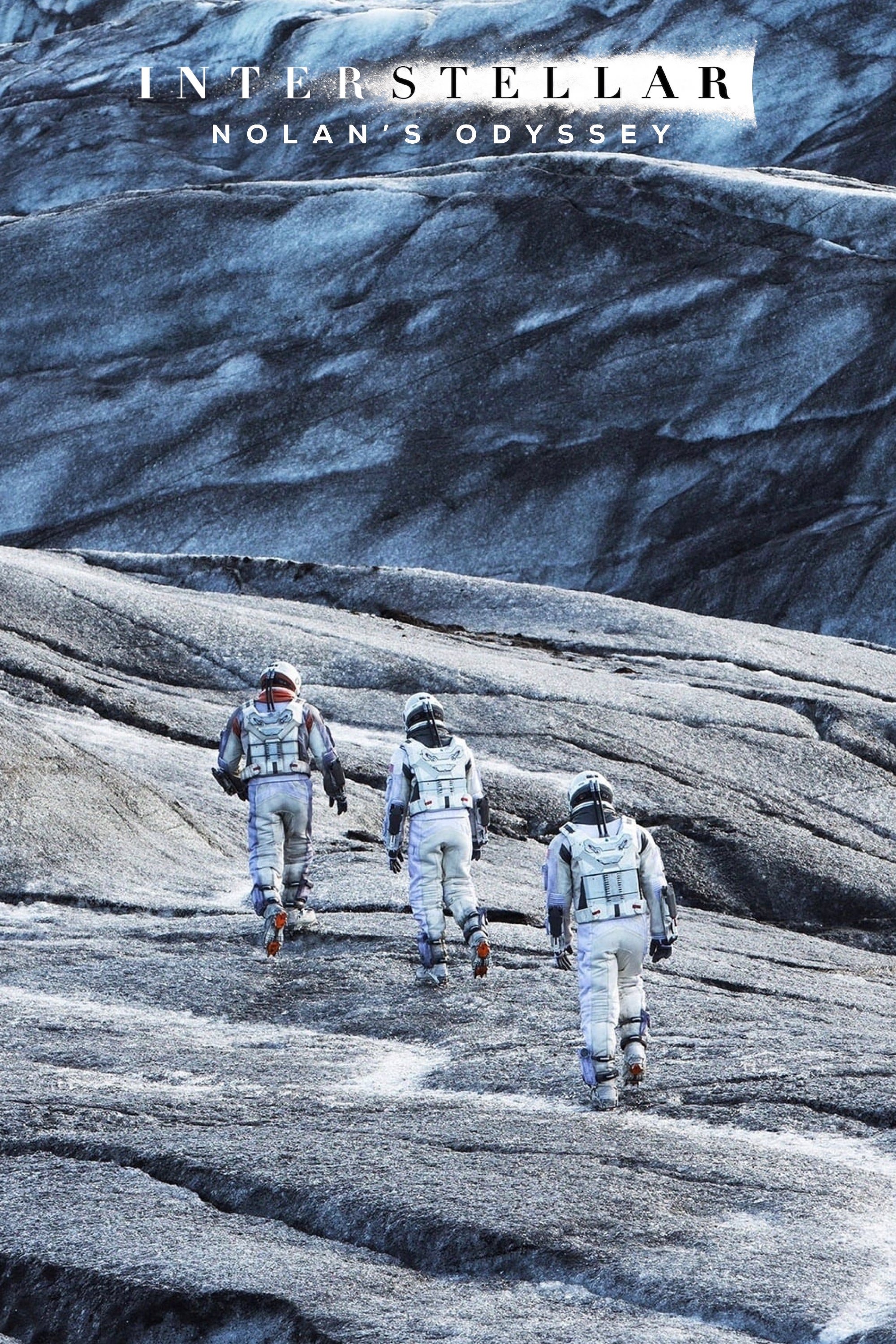
A look behind the lens of Christopher Nolan's space epic.
Documentarian Ross McElwee originally set out to make a travelogue of sorts tracing General William T. Sherman's infamous scorched-earth march through the Confederacy in the latter stages of the Civil War. Instead, haunted by a recent breakup with a girlfriend, McElwee ends up documenting his progress -- or lack thereof -- in starting a new relationship. His journey then becomes one of self-reflection and self-discovery rather than a historical/sociological exploration.
The film follows adventurer Jeff Johnson as he retraces the epic 1968 journey of his heroes Yvon Chouinard and Doug Tompkins to Patagonia.
Daniel Craig candidly reflects on his 15 year adventure as James Bond. Including never-before-seen archival footage from Casino Royale to the upcoming 25th film No Time To Die, Craig shares his personal memories in conversation with 007 producers, Michael G Wilson and Barbara Broccoli.
The history of cinematic sound, told by legendary sound designers and visionary filmmakers.
Director Michael Apted revisits the same group of British-born adults after a 7 year wait. The subjects are interviewed as to the changes that have occurred in their lives during the last seven years.
In an intimate and joyful story of love in the face of loss, celebrated poets Andrea Gibson and Megan Falley find strength—and unexpected hilarity—in what might be their final year together.
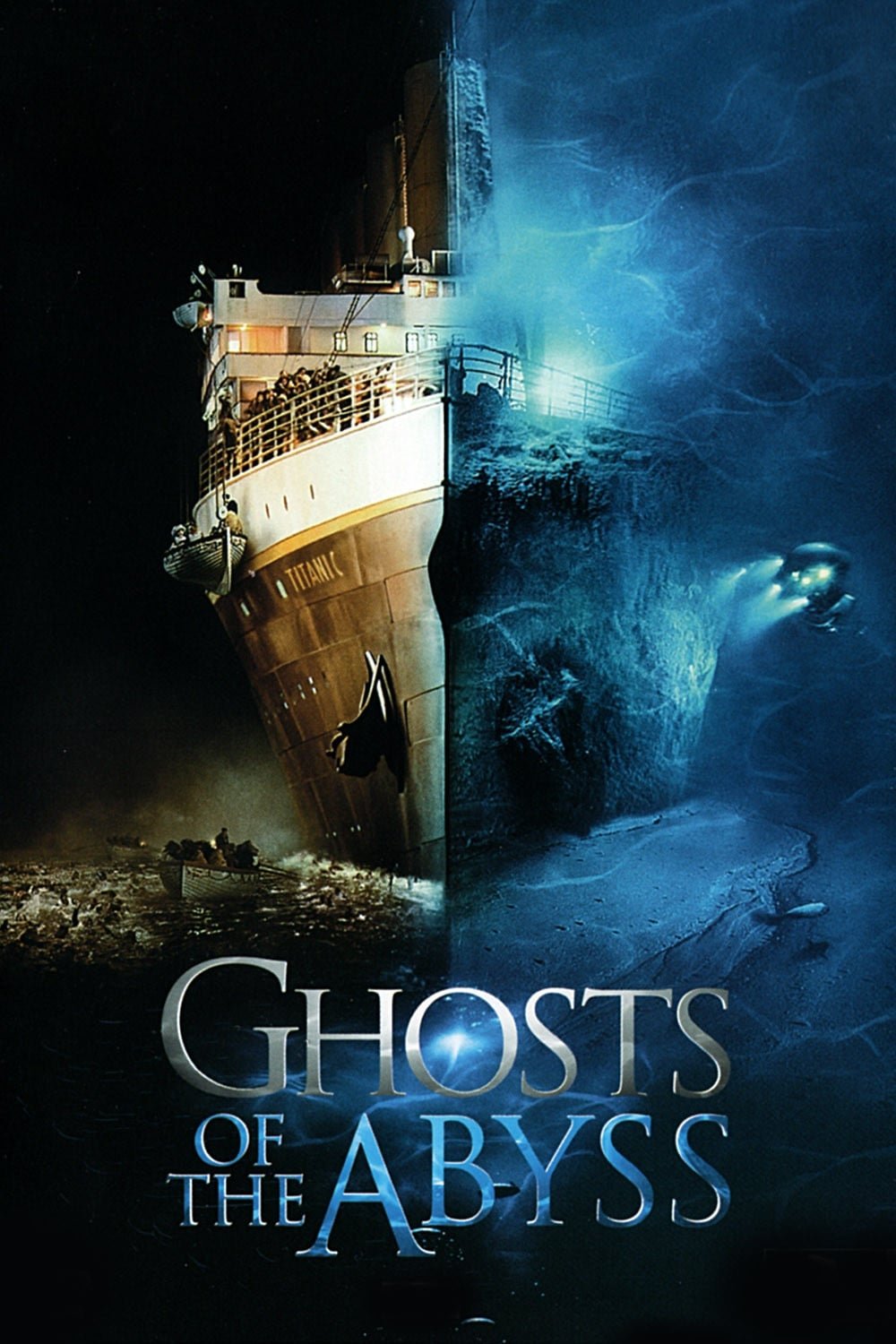
With a team of the world's foremost historic and marine experts as well as friend Bill Paxton, James Cameron embarks on an unscripted adventure back to the wreck of the Titanic where nearly 1,500 souls lost their lives almost a century ago.
Filmed at the end of Taylor Swift's record-breaking Eras Tour in Vancouver, B.C., this complete, in-depth 45-song concert includes the complete 'The Tortured Poets Department' set and special mashups.
When Allied forces liberated the Nazi concentration camps in 1944-45, their terrible discoveries were recorded by army and newsreel cameramen, revealing for the first time the full horror of what had happened. Making use of British, Soviet and American footage, the Ministry of Information’s Sidney Bernstein (later founder of Granada Television) aimed to create a documentary that would provide lasting, undeniable evidence of the Nazis’ unspeakable crimes. He commissioned a wealth of British talent, including editor Stewart McAllister, writer and future cabinet minister Richard Crossman – and, as treatment advisor, his friend Alfred Hitchcock. Yet, despite initial support from the British and US Governments, the film was shelved, and only now, 70 years on, has it been restored and completed by Imperial War Museums under its original title "German Concentration Camps Factual Survey".
An inside look at one of the most anticipated movie sequels ever with James Cameron and cast.
Ranjit, a farmer in India, takes on the fight of his life when he demands justice for his 13-year-old daughter, the victim of a brutal gang rape. His decision to support his daughter is virtually unheard of, and his journey unprecedented.
The story lives forever in this feature-length documentary that charts the making of Star Wars: The Rise of Skywalker.
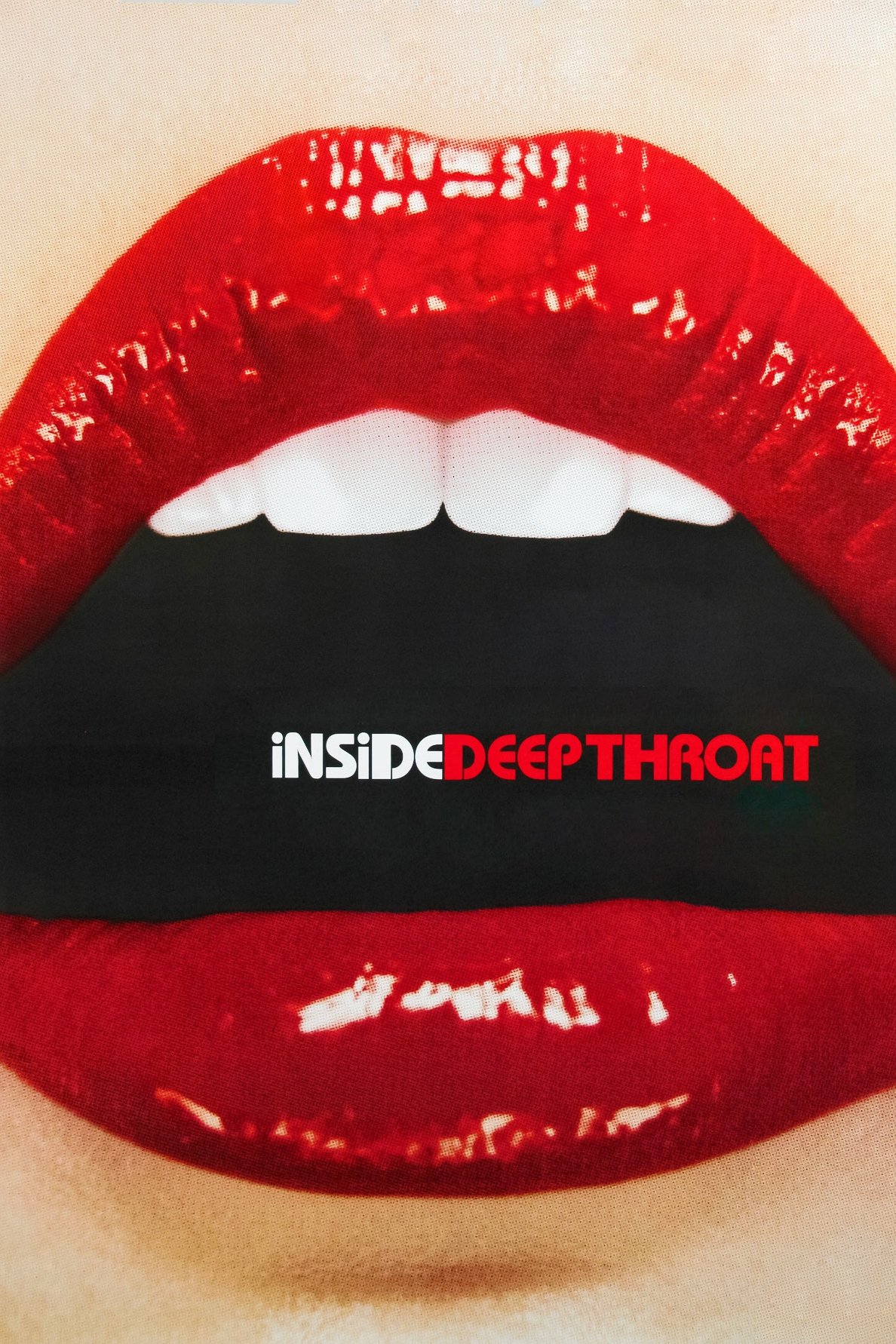
In 1972, a seemingly typical shoestring budget pornographic film was made in a Florida hotel: "Deep Throat," starring Linda Lovelace. This film would surpass the wildest expectation of everyone involved to become one of the most successful independent films of all time. It caught the public imagination which met the spirit of the times, even as the self-appointed guardians of public morality struggled to suppress it, and created, for a brief moment, a possible future where sexuality in film had a bold artistic potential. This film covers the story of the making of this controversial film, its stunning success, its hysterical opposition along with its dark side of mob influence and allegations of the on set mistreatment of the film's star.
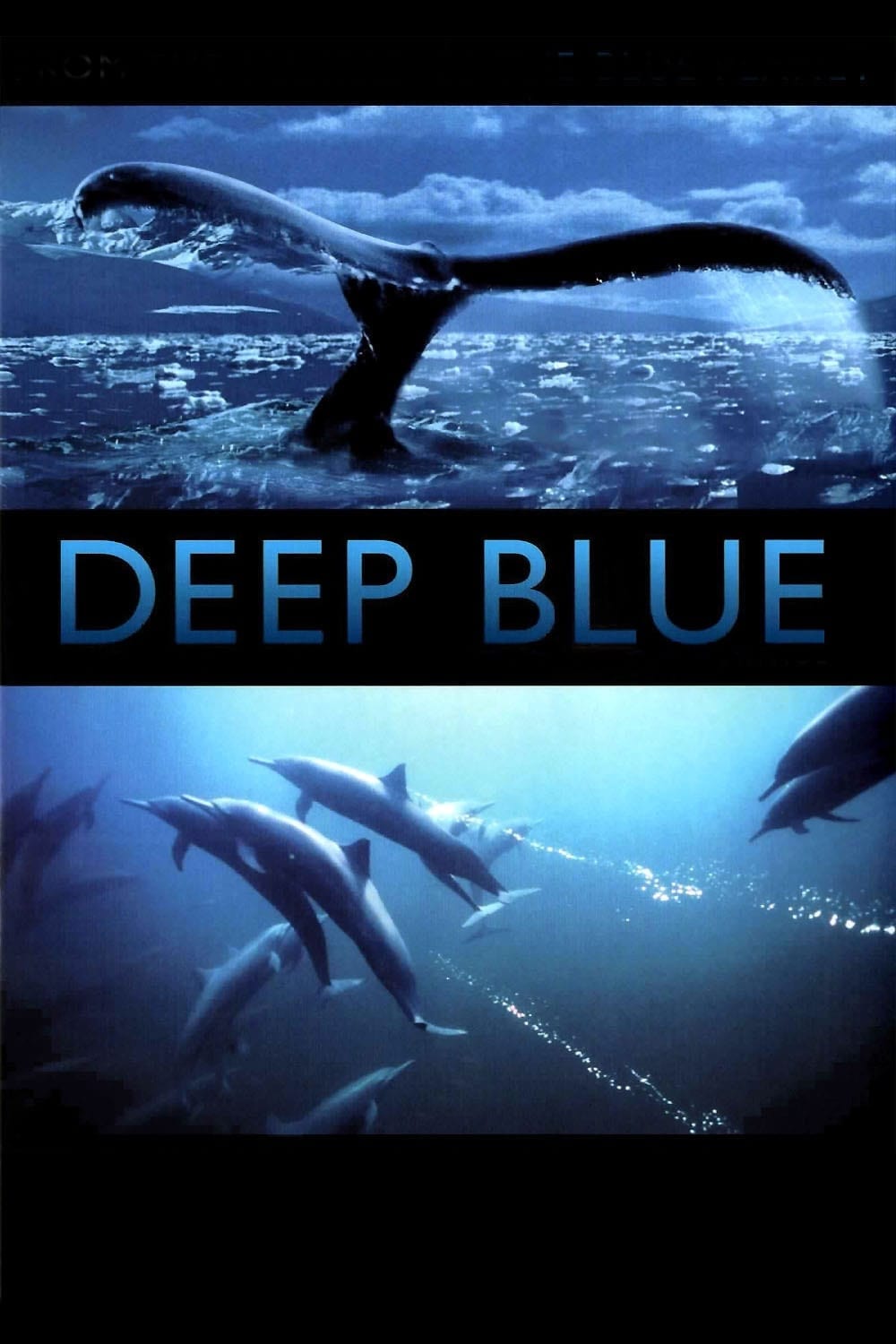
Deep Blue is a major documentary feature film shot by the BBC Natural History Unit. An epic cinematic rollercoaster ride for all ages, Deep Blue uses amazing footage to tell us the story of our oceans and the life they support.
A visual montage portrait of our contemporary world dominated by globalized technology and violence.
The James Webb Telescope stirs imaginations with vivid photos of distant galaxies. This documentary tracks its historic journey from inception to launch.
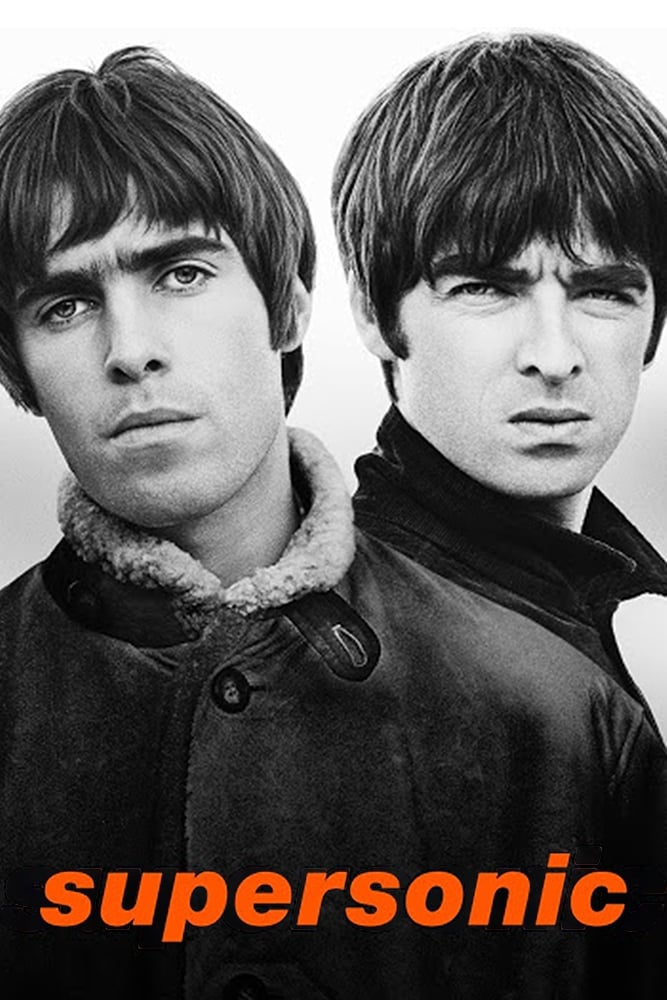
Supersonic charts the meteoric rise of Oasis from the council estates of Manchester to some of the biggest concerts of all time in just three short years. This palpable, raw and moving film shines a light on one of the most genre and generation-defining British bands that has ever existed and features candid new interviews with Noel and Liam Gallagher, their mother, and members of the band and road crew.