Travelogue released on the 5th of June, 1916. Produced by Burton Holmes.
Social & External
The people behind it
A 20-minute documentary film about the Kyrgyz people living by the Narym River.
Life in a Kyrgyz aul (village) in the mountains connected to the rest of the world by a cable bridge, and the teenage boys who are constructing the rope of the bridge. A rope bridge which the locals call “The devil’s bridge” forms part of each and every event which takes place in a small village lost in the mountains of the Kyrgyz Republic. A platform driven by a huge winch which they have to pull with their own strength to cross the torrent is their only link with the outside world. But the director of the documentary wondered something else: “Does this bridge unite or does it actually separate?” Through the mist and over the thrashing waters, the inhabitants of the area glide along their ropes. A film, in the director’s own words, about ordinary people who live in an extraordinary place.
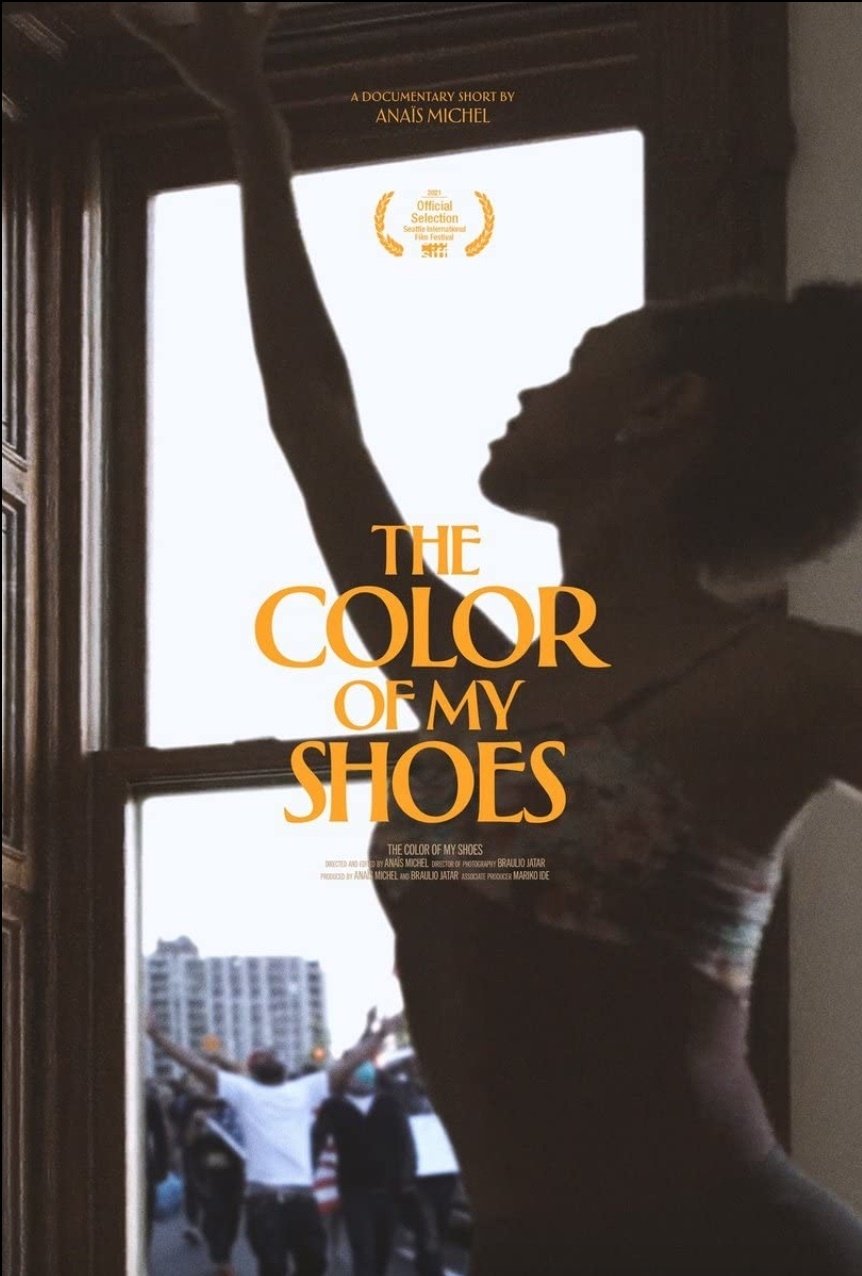
Dance Theater of Harlem's Lindsey Donnell reflects on the obstacles she and other ballet dancers face in ballet and society.
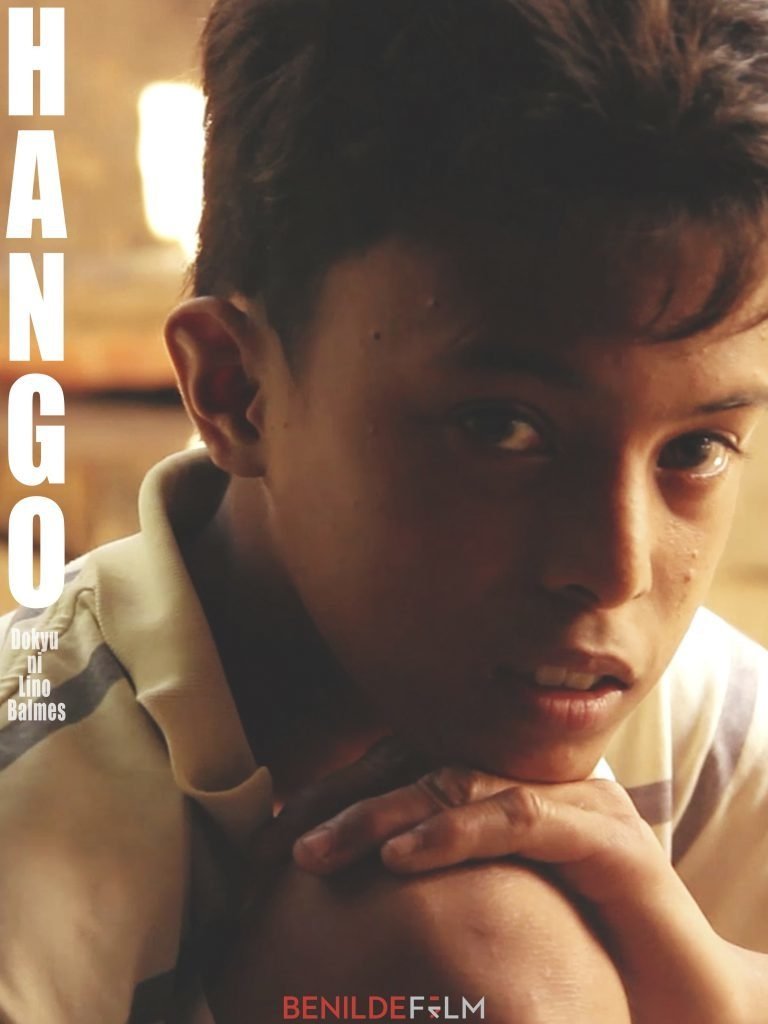
A straightforward story of a grandfather and grandchild who work as fishermen in Bacoor, Cavite.
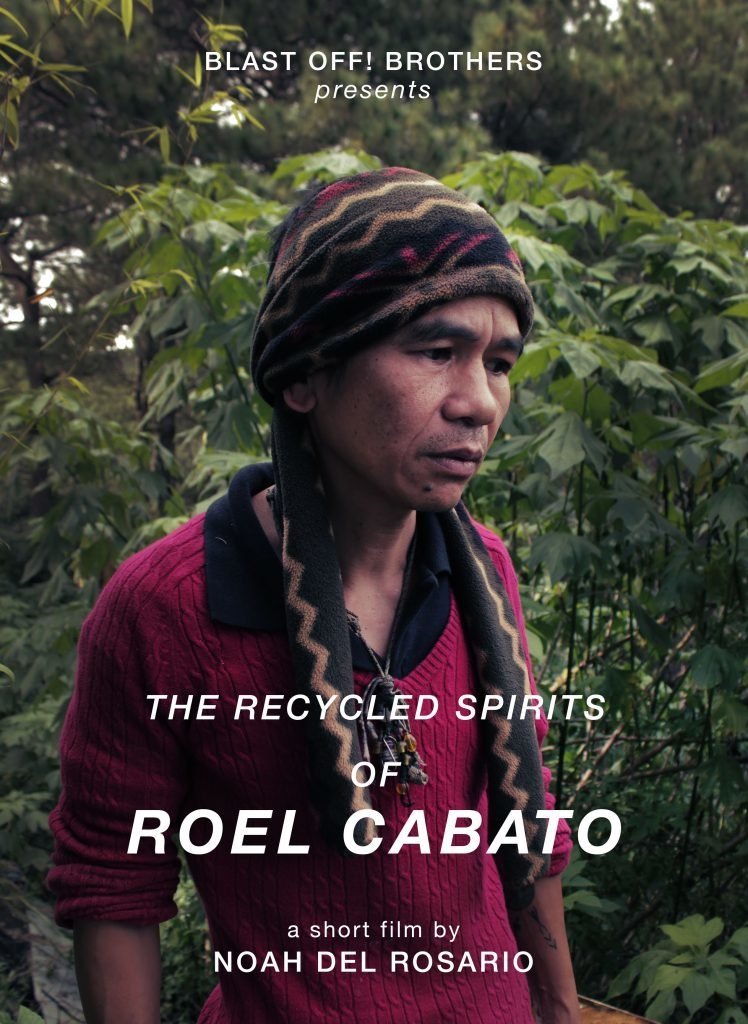
Roel Cabato, a Baguio-based Ilocano-Ifugao artist-environmentalist who creates artwork from rummaged materials and showcases them in his home and art space, Hanan’chi. Through his creations, he conveys his spiritual connection with his Ifugao background, as well as his campaign for environmentalism and recycling.
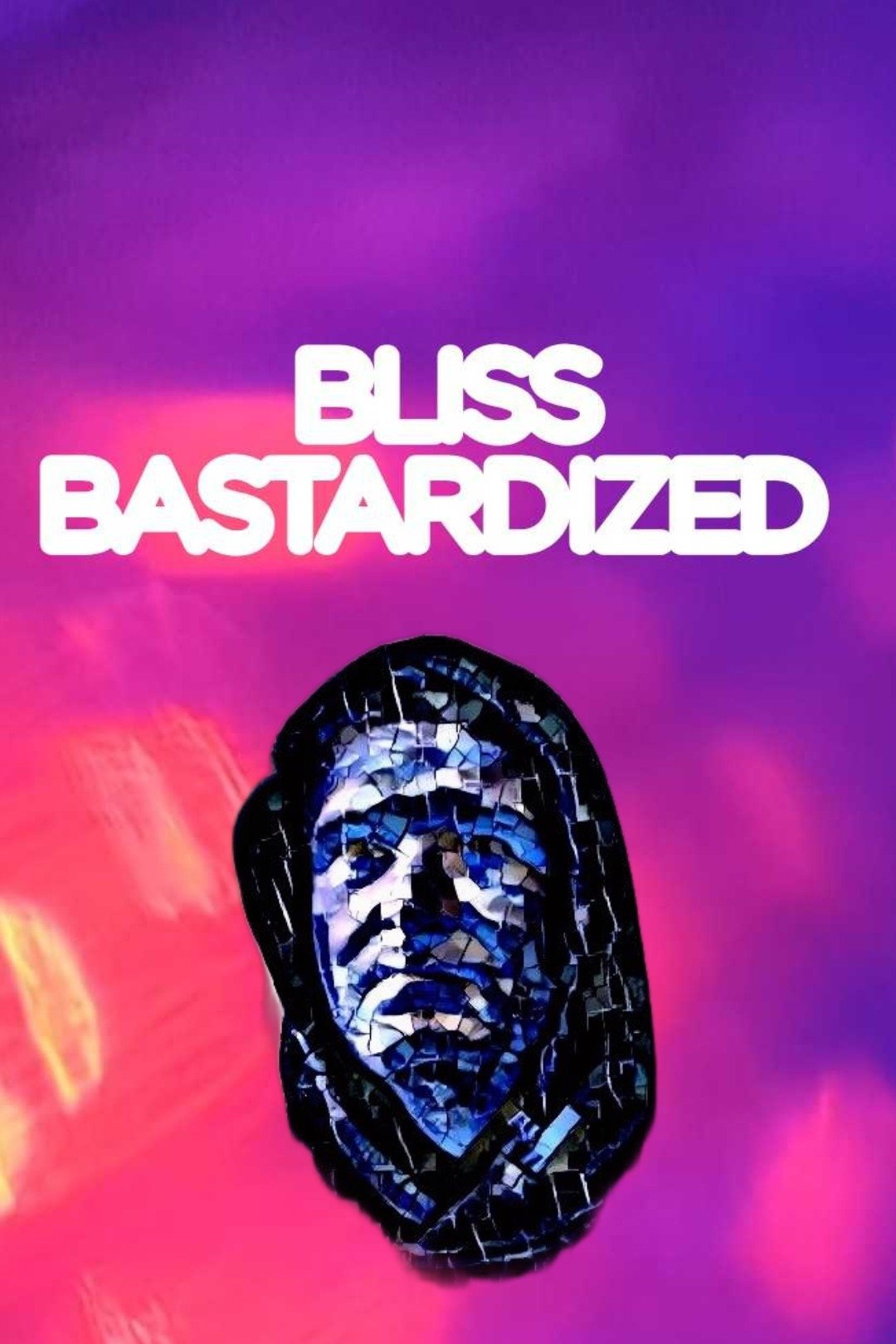
An unconventional portrait of a recovering addict. Tales of drugs, sex, death, and hope.
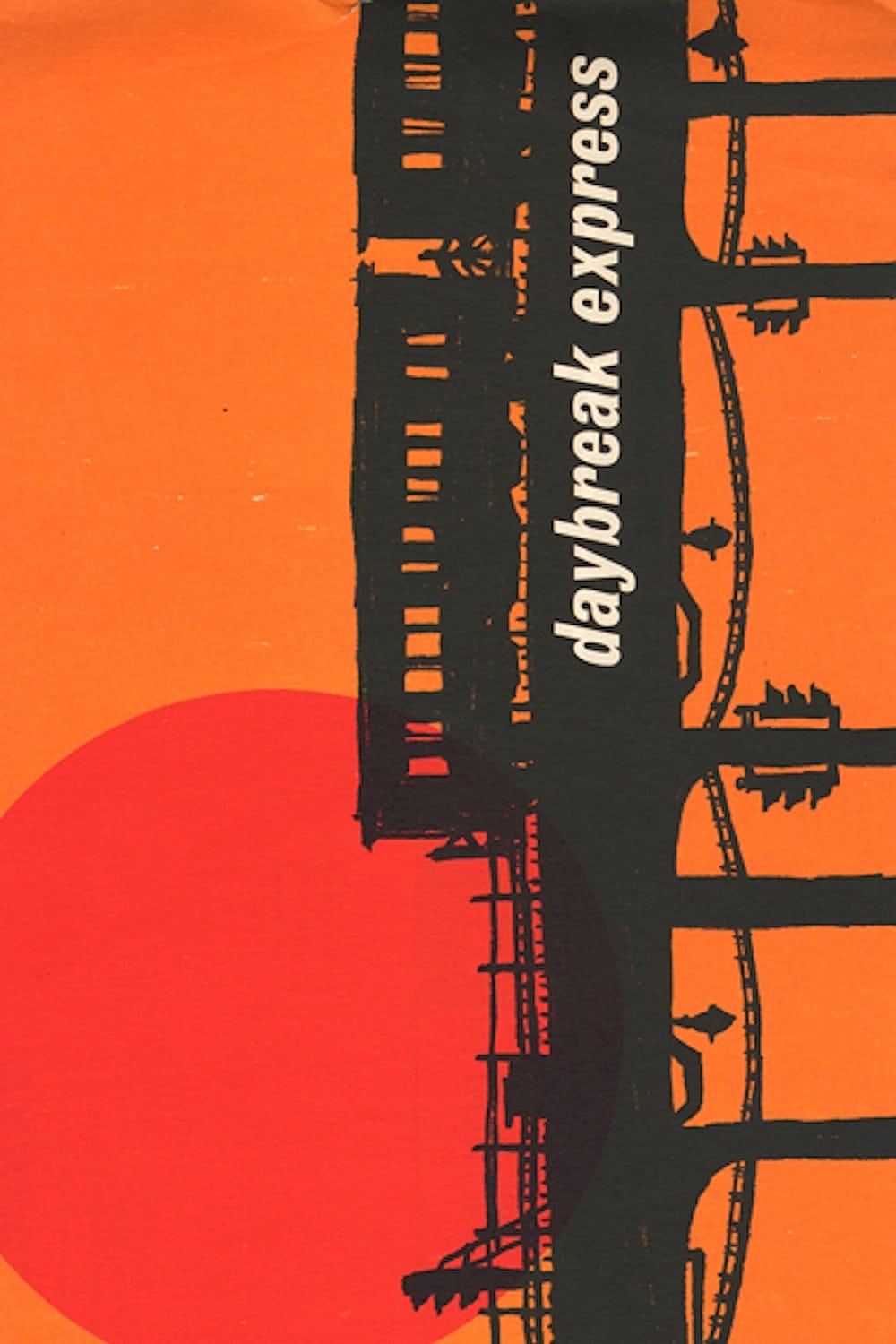
Set to a classic Duke Ellington recording "Daybreak Express", this is a five-minute short of the soon-to-be-demolished Third Avenue elevated subway station in New York City.
An aspiring documentary filmmaker named Simon Rosenthal tries to get some attention for his film about skinheads versus Turkish immigrants. However, as a Jewish man in today's Germany, his fears for the future prompt him to move to the moon.
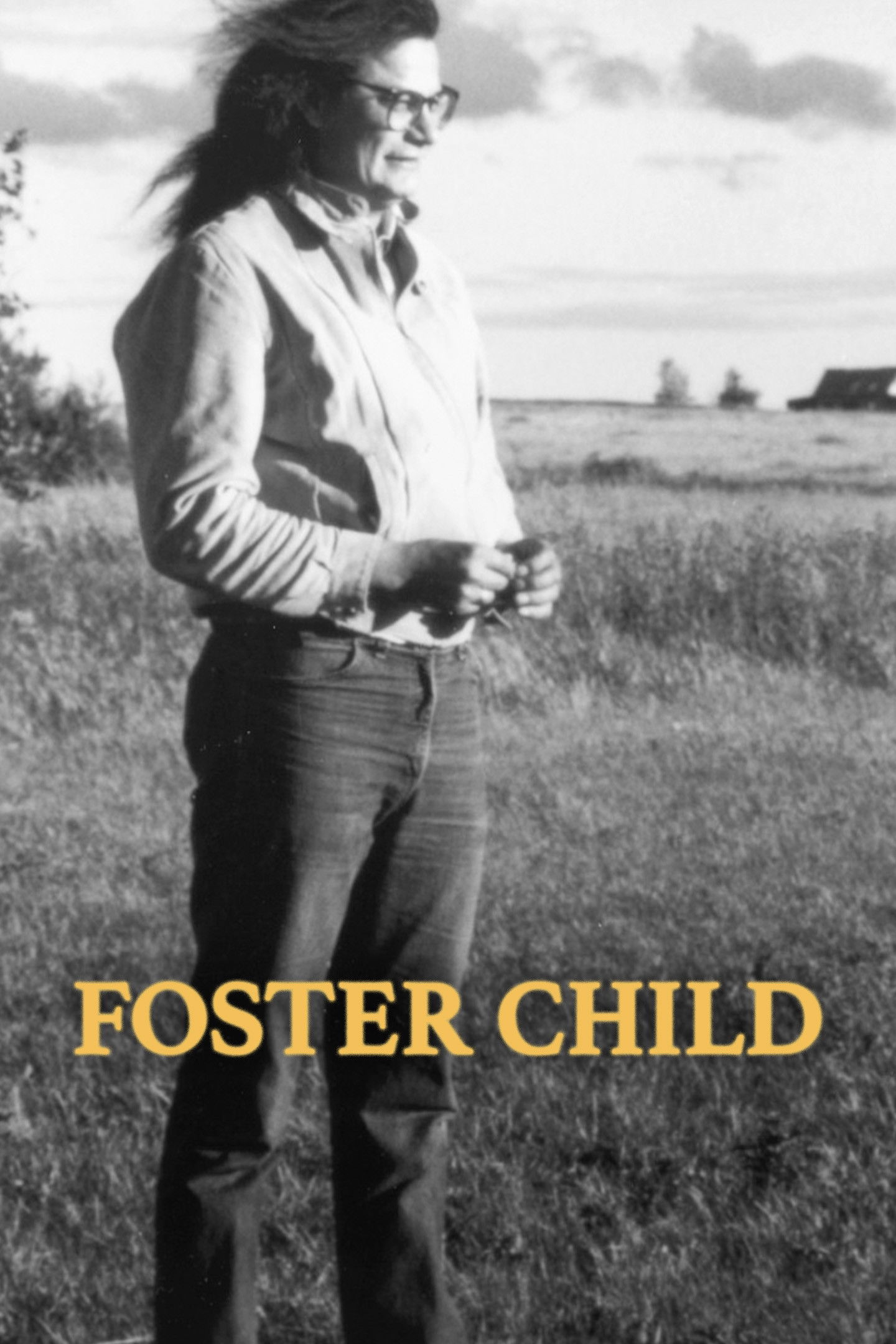
Gil Cardinal searches for his natural family and an understanding of the circumstances that led to his becoming a foster child. An important figure in the history of Canadian Indigenous filmmaking, Gil Cardinal was born to a Métis mother but raised by a non-Indigenous foster family, and with this auto-biographical documentary he charts his efforts to find his biological mother and to understand why he was removed from her. Considered a milestone in documentary cinema, it addressed the country’s internal colonialism in a profoundly personal manner, winning a Special Jury Prize at Banff and multiple international awards.
Short film on the manufacture of glassware
The film gives a survey on innate behaviour patterns of the grey-lag goose. The first part shows reproductive behaviour. In the second part some behaviour patterns of gosling being imprinted on their human foster parent are shown: following reaction, separation of two flocks according to their imprinting, response to the alarm call and landing "by order" of the flying young.
Wilhelm Emter demonstrates individual muscles and muscle groups of the shoulder region, chest region, torso and abdominal region and the arm in practice on his extremely trained body.
Infantry bullets smashing a clay wall shot in slow motion at 1500 fps to give a rough demonstation of the dumdum impact. Temporal resolution of the process by means of spark cinematography at 70.000 fps.
A short silent documentary on the making of the 1931 Abel Gance directed film, "La Fin du Monde".
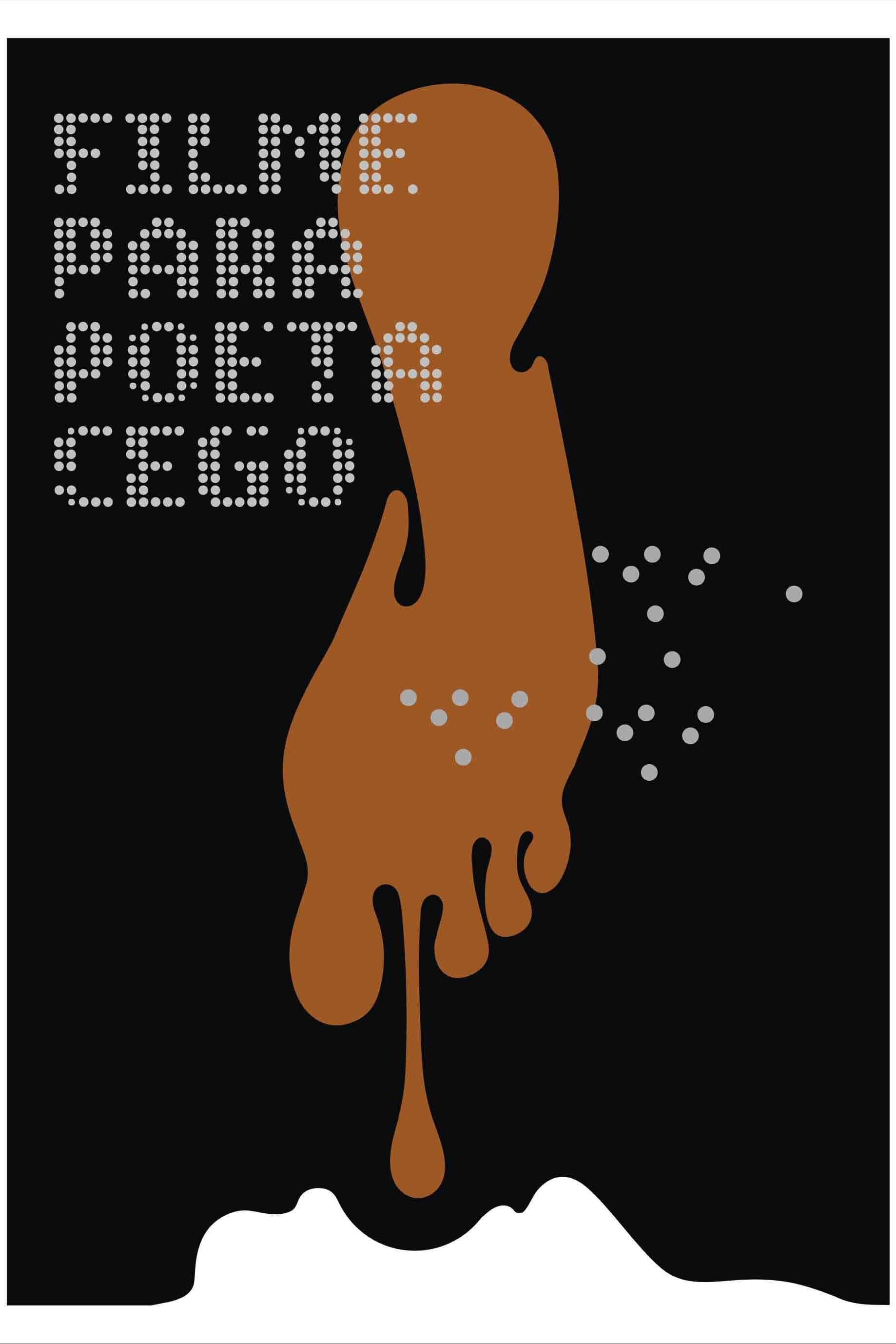
Glauco Mattoso, a blind sadomasochistic poet, agrees to participate in a documentary about his own life, but the conditions he imposes raise difficulties to the work of the young director.
East German short documentary
24 hours at the Berlin traffic accident standby service. The frequency of accidents on the streets of the capital of the German Democratic Republic (GDR) becomes apparent, including inappropriate and increased speed, pedestrian errors, failure to give way and driving under the influence of alcohol. Major Busse, the head of the Berlin Traffic Accident Investigation Unit, raises the question of whether the GDR has developed its own kind of driving. The camera provides interesting insights into the carelessness and aggressiveness of road users, which can lead to serious injuries and deaths
Evocation of the Oradour-sur-Glane Massacre on 10 June 1944, when 642 of its inhabitants were slaughtered by a Nazi Waffen SS company, based on a visit to Diors' Museum of the Three Wars" and archive photographs.
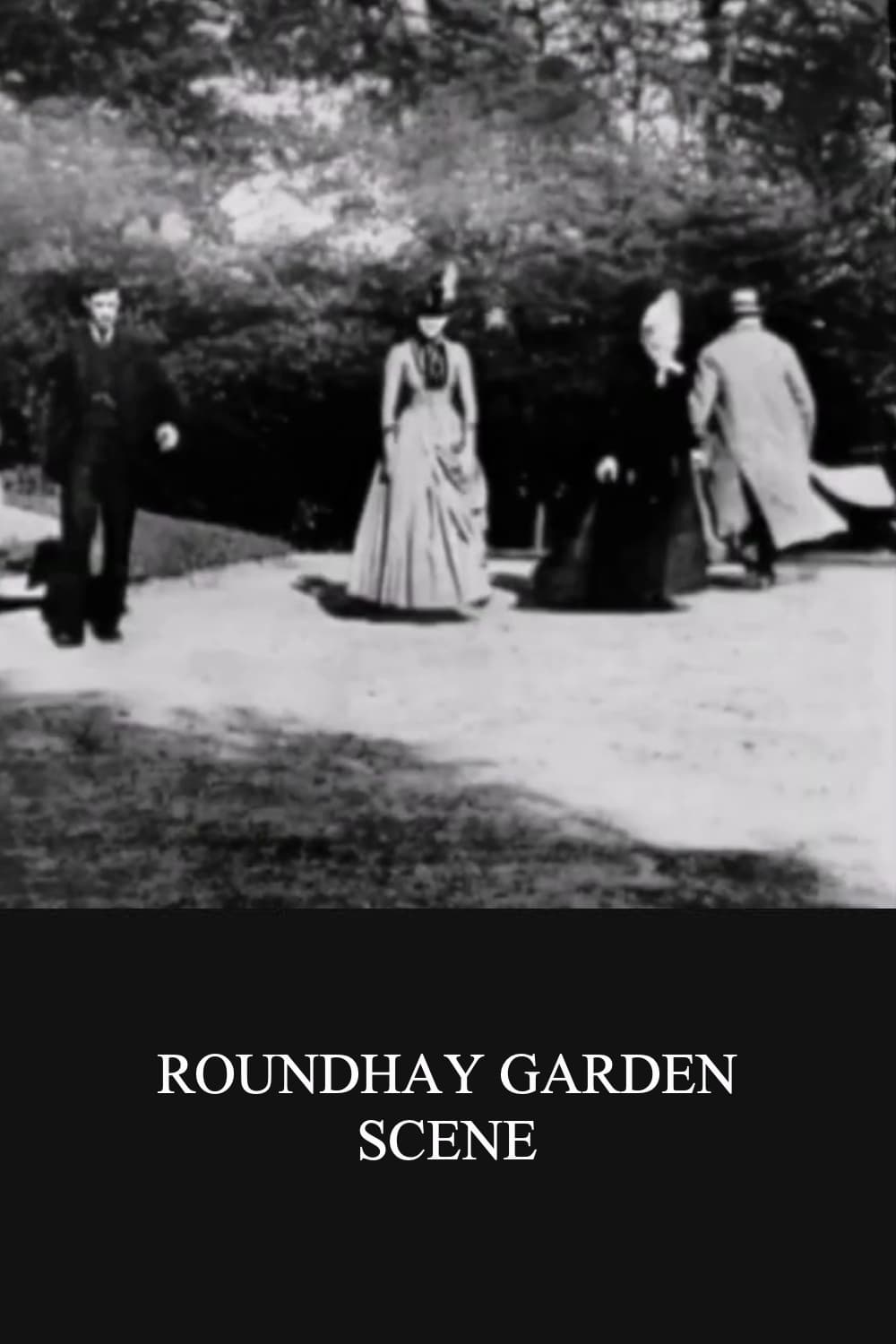
The earliest surviving motion-picture film, and believed to be one of the very first moving images ever created, was shot by Louis Aimé Augustin Le Prince using the LPCCP Type-1 MkII single-lens camera. It was taken on paper-based photographic film in the garden of Oakwood Grange, the Whitley family house in Roundhay, Leeds, West Riding of Yorkshire (UK), on 14 October 1888. The film shows Adolphe Le Prince (Le Prince’s son), Mrs. Sarah Whitley (Le Prince’s mother-in-law), Joseph Whitley, and Miss Harriet Hartley walking around in circles, laughing to themselves, and staying within the area framed by the camera. Roundhay Garden Scene is often associated with a recording speed of around 12 frames per second and runs for about 2 to 3 seconds.
Documentarian Ross McElwee originally set out to make a travelogue of sorts tracing General William T. Sherman's infamous scorched-earth march through the Confederacy in the latter stages of the Civil War. Instead, haunted by a recent breakup with a girlfriend, McElwee ends up documenting his progress -- or lack thereof -- in starting a new relationship. His journey then becomes one of self-reflection and self-discovery rather than a historical/sociological exploration.
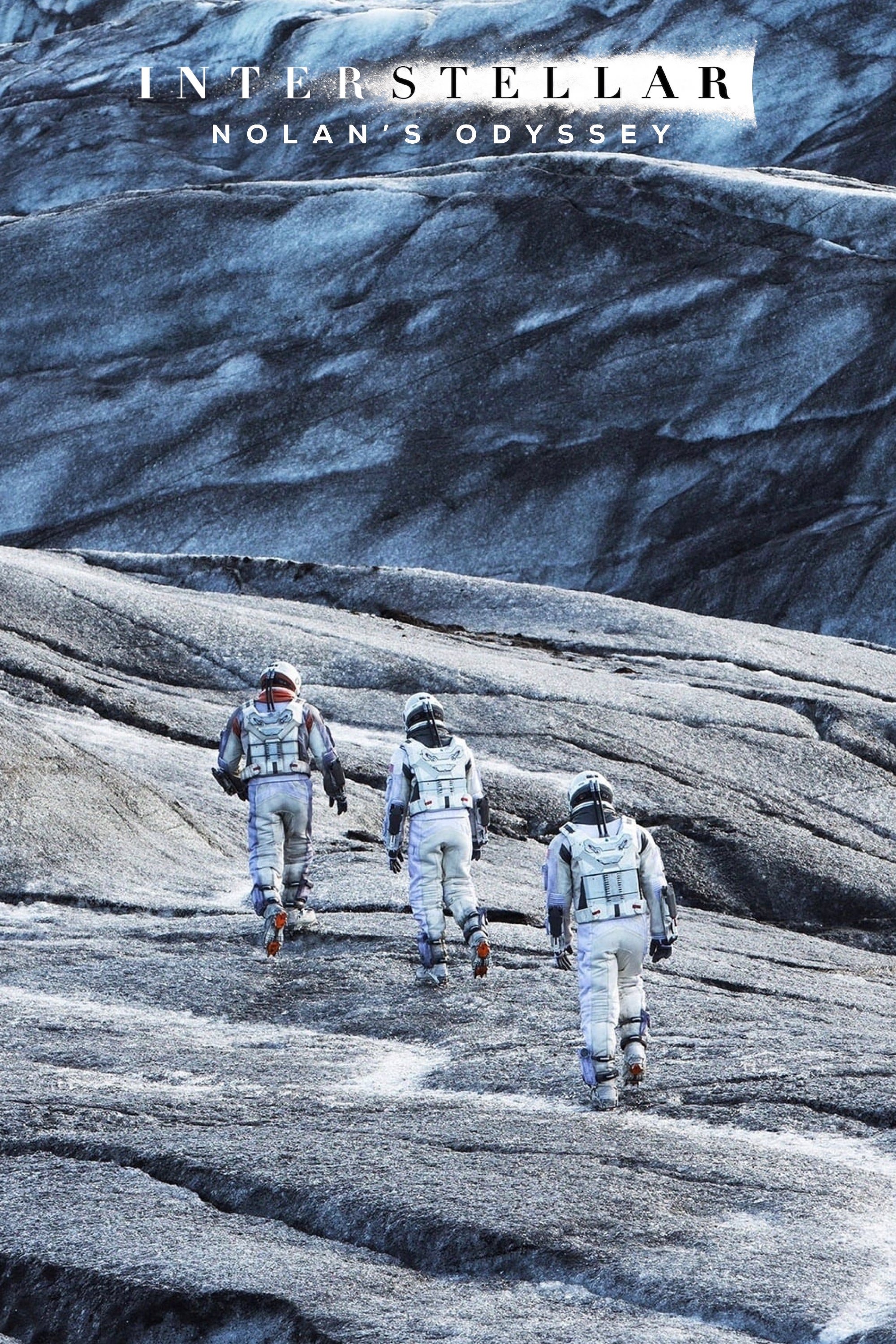
A look behind the lens of Christopher Nolan's space epic.
Carefully picked scenes of nature and civilization are viewed at high speed using time-lapse cinematography in an effort to demonstrate the history of various regions.
An inside look at one of the most anticipated movie sequels ever with James Cameron and cast.
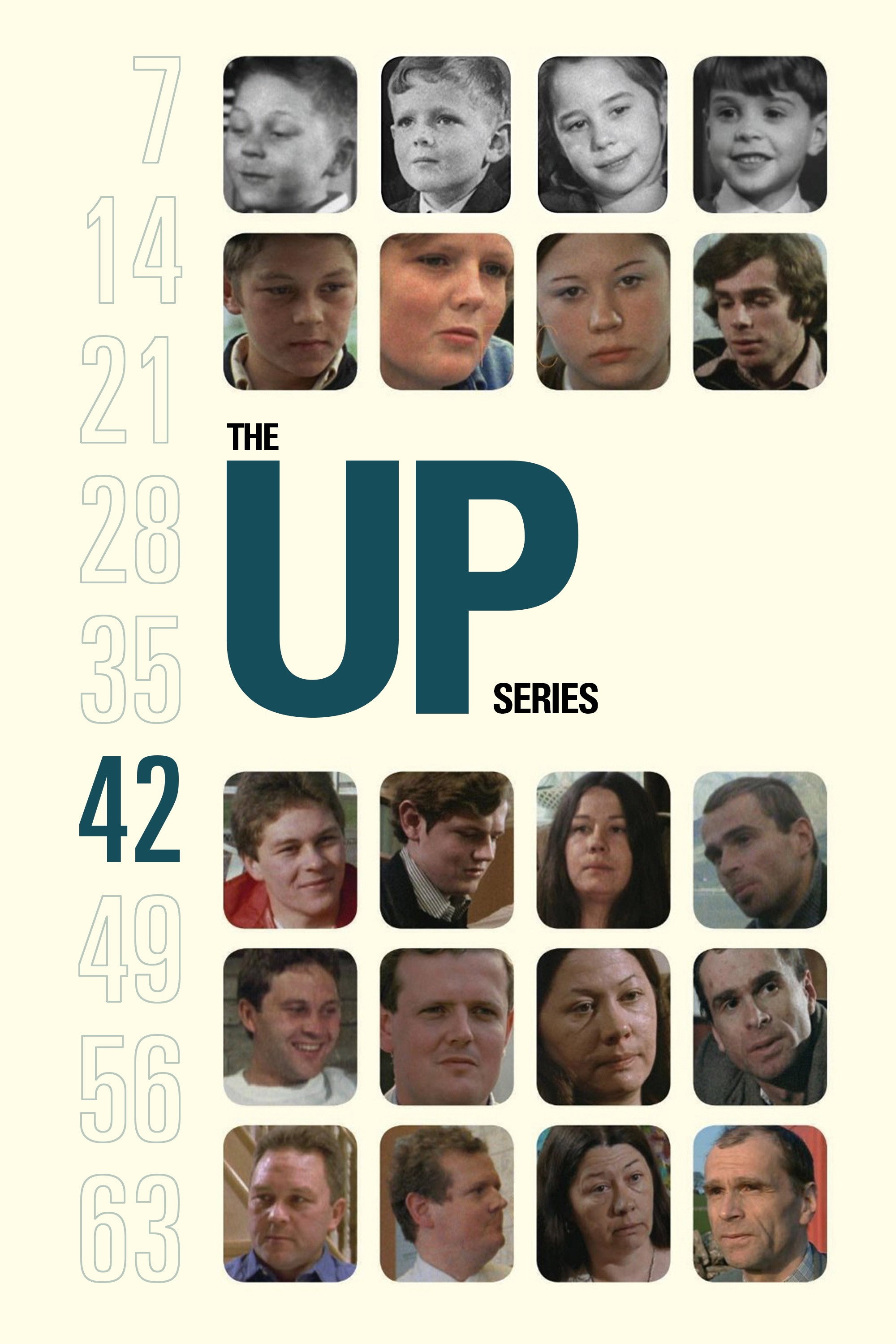
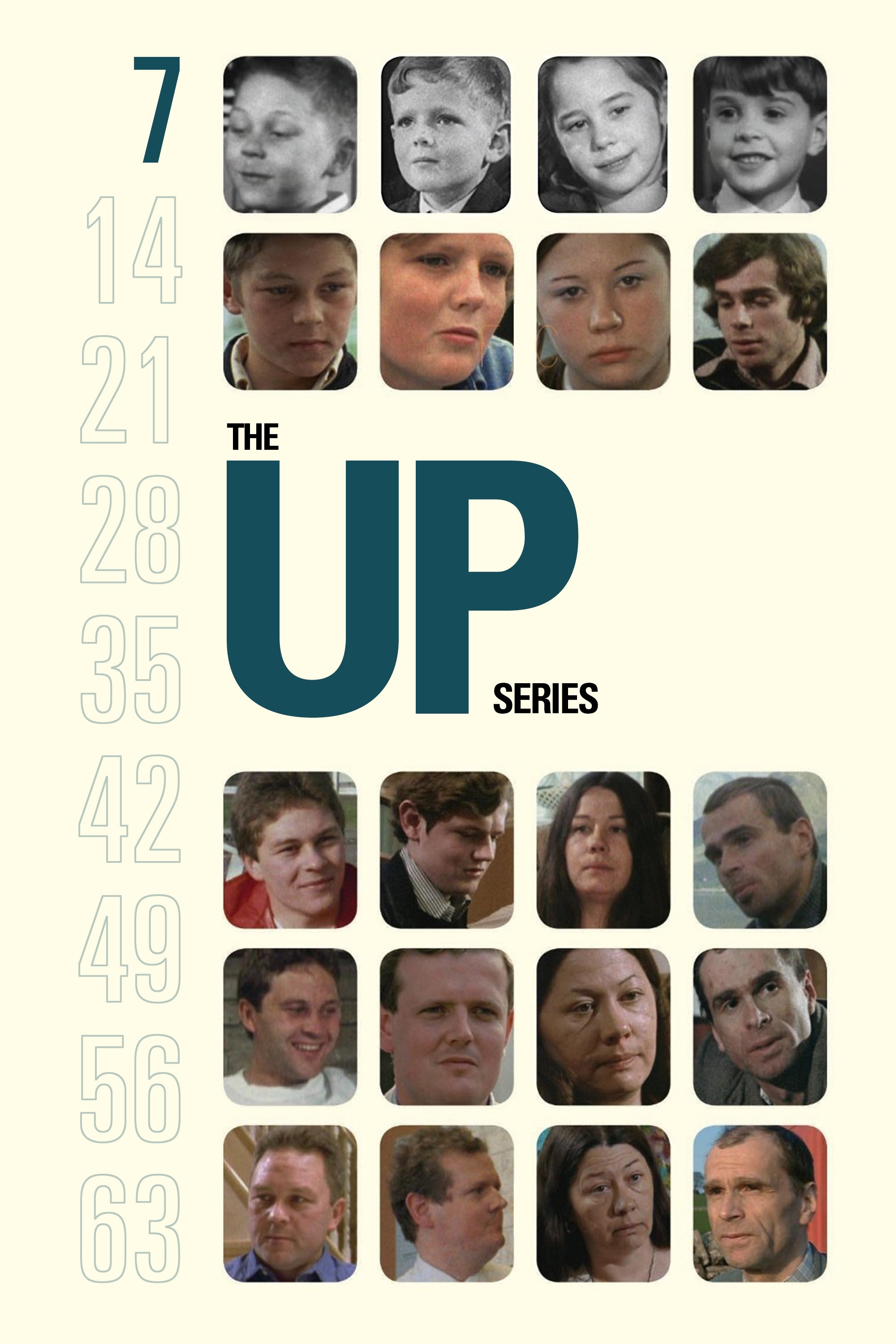
Director Michael Apted revisits the same group of British-born adults after a 7 year wait. The subjects are interviewed as to the changes that have occurred in their lives during the last seven years.
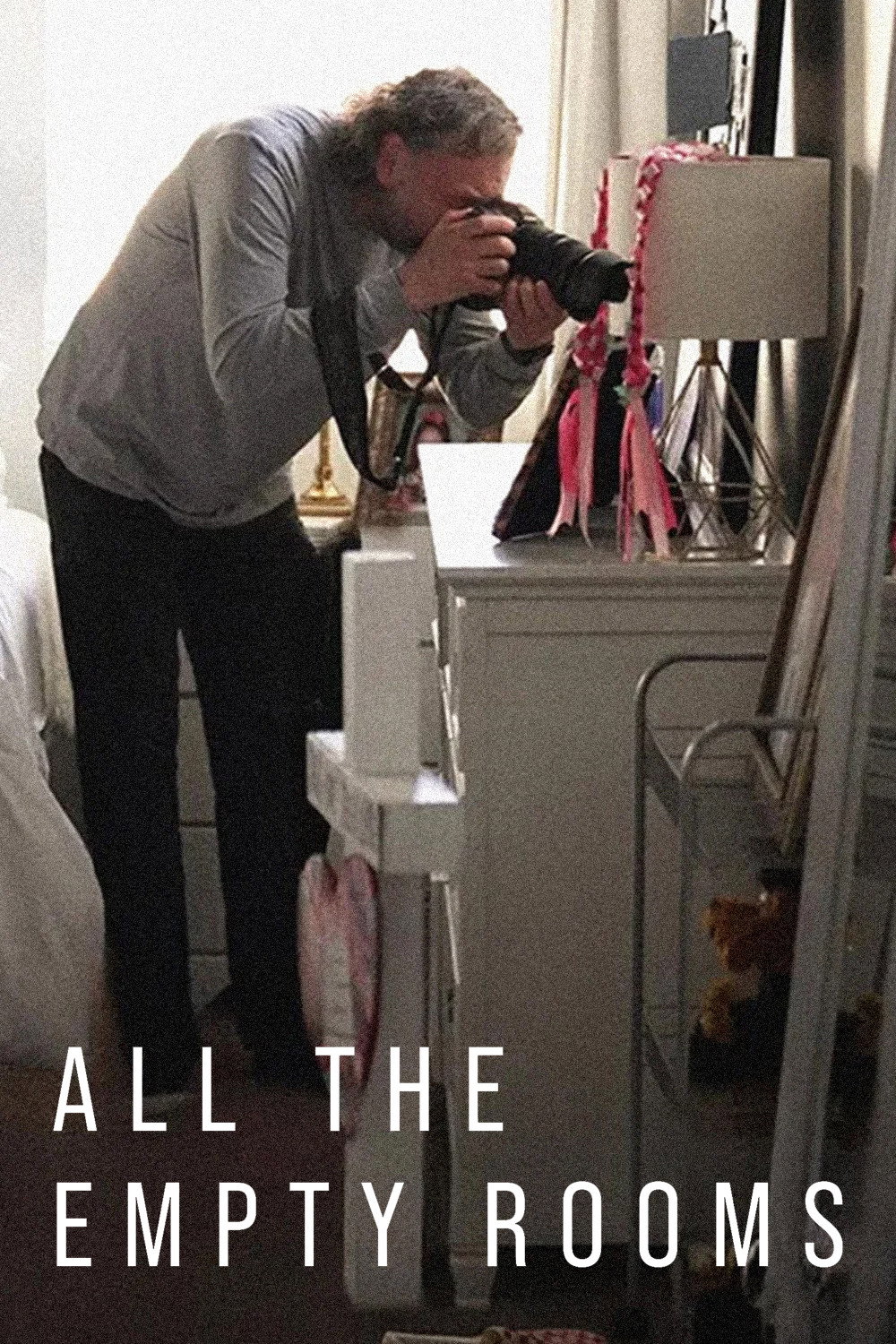
A journalist and a photographer set out to memorialize the bedrooms left behind by children killed in school shootings.
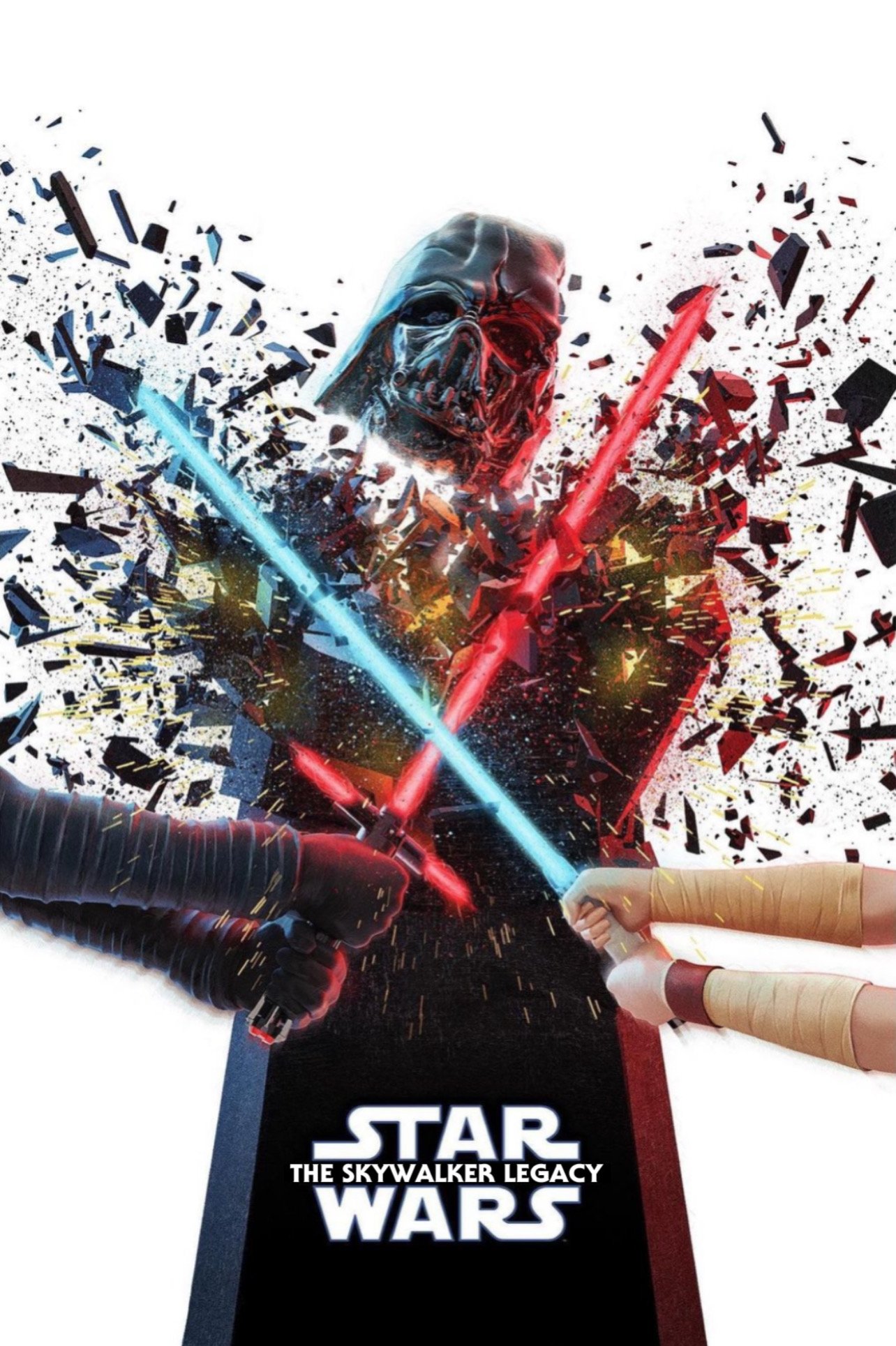
The story lives forever in this feature-length documentary that charts the making of Star Wars: The Rise of Skywalker.
Daniel Craig candidly reflects on his 15 year adventure as James Bond. Including never-before-seen archival footage from Casino Royale to the upcoming 25th film No Time To Die, Craig shares his personal memories in conversation with 007 producers, Michael G Wilson and Barbara Broccoli.
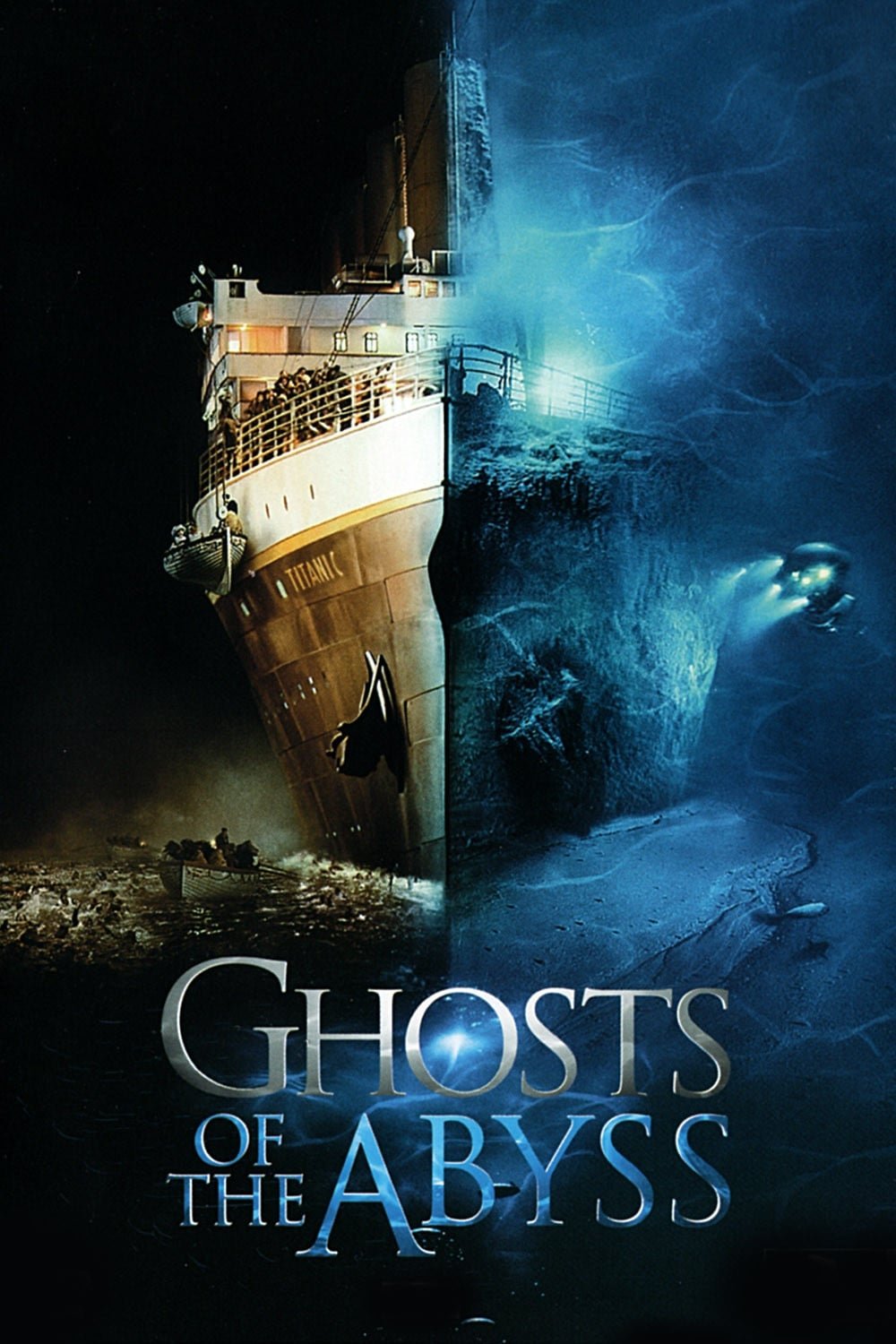
With a team of the world's foremost historic and marine experts as well as friend Bill Paxton, James Cameron embarks on an unscripted adventure back to the wreck of the Titanic where nearly 1,500 souls lost their lives almost a century ago.
When Allied forces liberated the Nazi concentration camps in 1944-45, their terrible discoveries were recorded by army and newsreel cameramen, revealing for the first time the full horror of what had happened. Making use of British, Soviet and American footage, the Ministry of Information’s Sidney Bernstein (later founder of Granada Television) aimed to create a documentary that would provide lasting, undeniable evidence of the Nazis’ unspeakable crimes. He commissioned a wealth of British talent, including editor Stewart McAllister, writer and future cabinet minister Richard Crossman – and, as treatment advisor, his friend Alfred Hitchcock. Yet, despite initial support from the British and US Governments, the film was shelved, and only now, 70 years on, has it been restored and completed by Imperial War Museums under its original title "German Concentration Camps Factual Survey".
A visual montage portrait of our contemporary world dominated by globalized technology and violence.
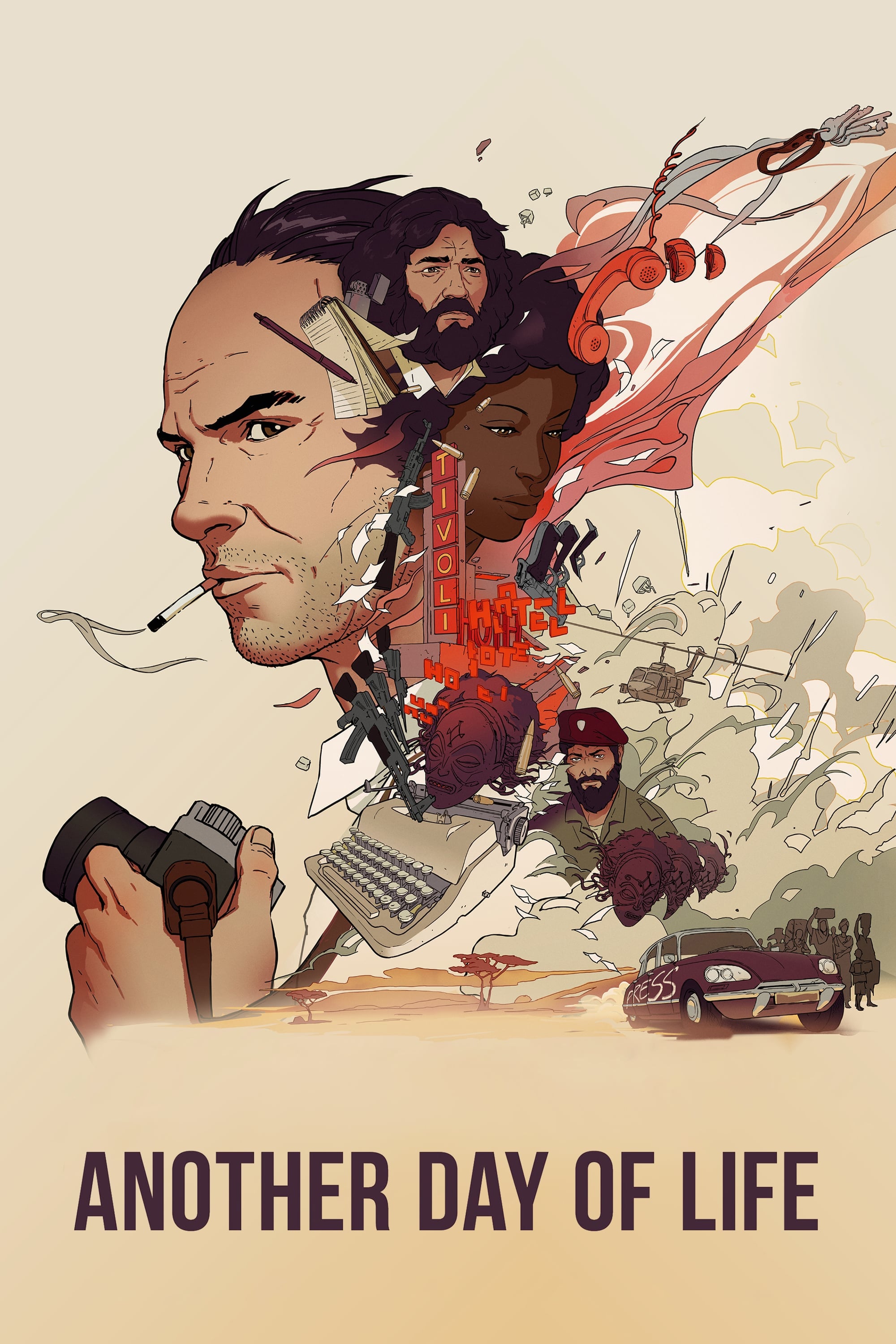
In 1975, Ryszard Kapuściński, a veteran Polish journalist, embarked on a seemingly suicidal road trip into the heart of the Angola's civil war. There, he witnessed once again the dirty reality of war and discovered a sense of helplessness previously unknown to him. Angola changed him forever: it was a reporter who left Poland, but it was a writer who returned…
14-year-old Laura Dekker sets out on a two-year voyage in pursuit of her dream to become the youngest person ever to sail around the world alone.
Echo is a youngster who can't quite decide if it's time to grow up and take on new responsibilities-or give in to her silly side and just have fun. Dolphin society is tricky, and the coral reef that Echo and his family call home depends on all of its inhabitants to keep it healthy. But Echo has a tough time resisting the many adventures the ocean has to offer.
The history of cinematic sound, told by legendary sound designers and visionary filmmakers.
JB Smoove and Martin Starr host a celebration of 20 years of "Spider-Man" movies, from the Sam Raimi trilogy to Marc Webb's movies and the trio from Jon Watts.
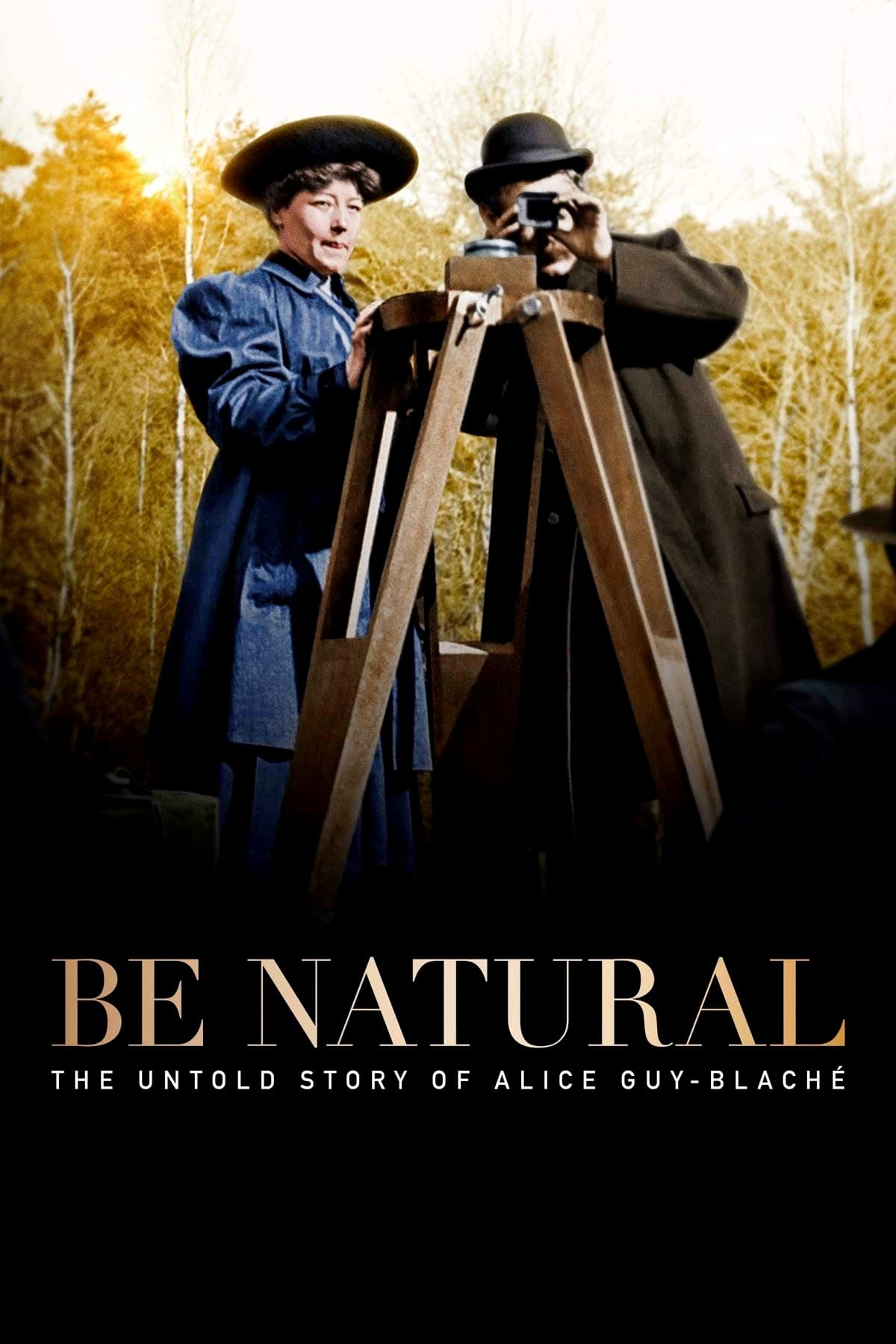
The epic life story of Alice Guy-Blaché (1873–1968), a French screenwriter, director and producer, true pioneer of cinema, the first person who made a narrative fiction film; author of hundreds of movies, but banished from history books. Ignored and forgotten. At last remembered.
A group of British children aged 7 from widely ranging backgrounds are interviewed about a range of subjects. The filmmakers plan to re-interview them at 7 year intervals to track how their lives and attitudes change as they age.
Various MGM stars from yesterday present their favorite musical moments from the studio's 50 year history.