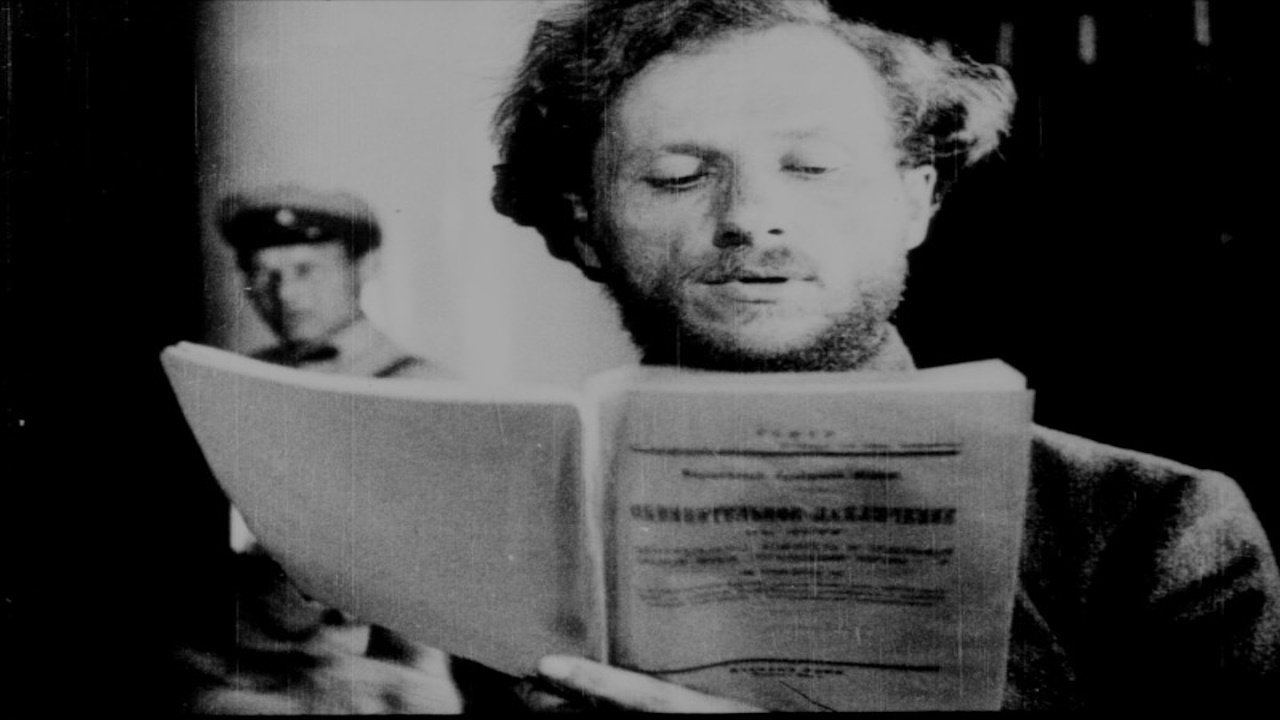
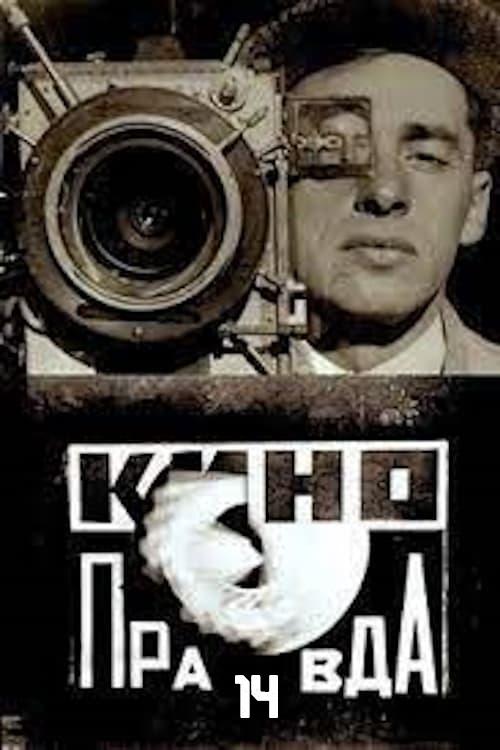
Dziga Vertov-directed Soviet newsreel covering: Trial of the Socialist Revolutionaries / Demonstrators carrying banners.
Social & External
Himself (archive footage)
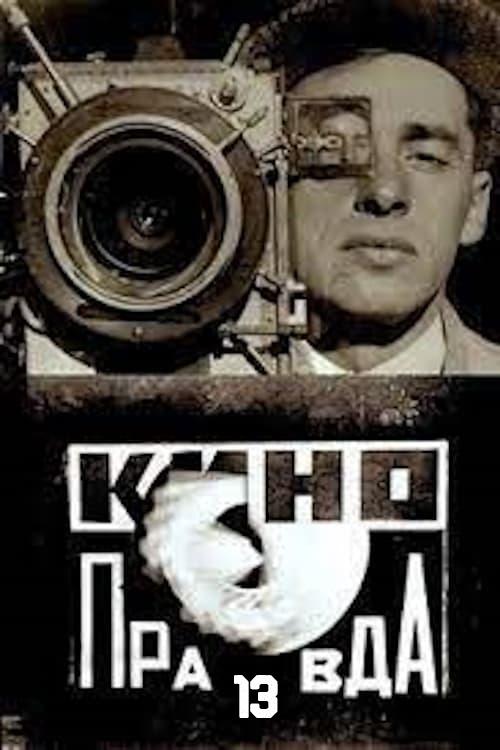
Dziga Vertov-directed Soviet newsreel covering: A bet is placed on the outcome of the Trial of the Socialist Revolutionaries / The verdict / People in streetcars and on the street / A crashed aircraft / Reconstruction of streetcar line 13 / Peacetime use of tanks – airport construction work.
Dziga Vertov-directed Soviet newsreel covering: Congress of the "Living Church" / Opening of the horse racing season / Demonstration of an American movie camera / Operation of mobile projection units.
Dziga Vertov-directed Soviet newsreel covering: International Youth Day and demonstrations / All-Russian Olympiad / Streetcar collision / Construction of automobiles in a Petrograd factory.
Dziga Vertov-directed Soviet newsreel covering: All-Russian Congress of Trade Unions / Delegations and diplomats / Renaming of a confectionery factory / Unloading supplies / Komsomol Day / Red Army maneuvers.
Lost Dziga Vertov-directed Soviet newsreel
Dziga Vertov-directed Soviet newsreel covering: IV. Congress of the Comintern / Congress of the Profintern.
Dziga Vertov-directed Soviet newsreel covering: Arts and crafts exhibition / Actions against hunger / Eisenstein's first film "Dnevnik Glumova" ("Glumov's Diary") / Young Pioneers / May 1, parades
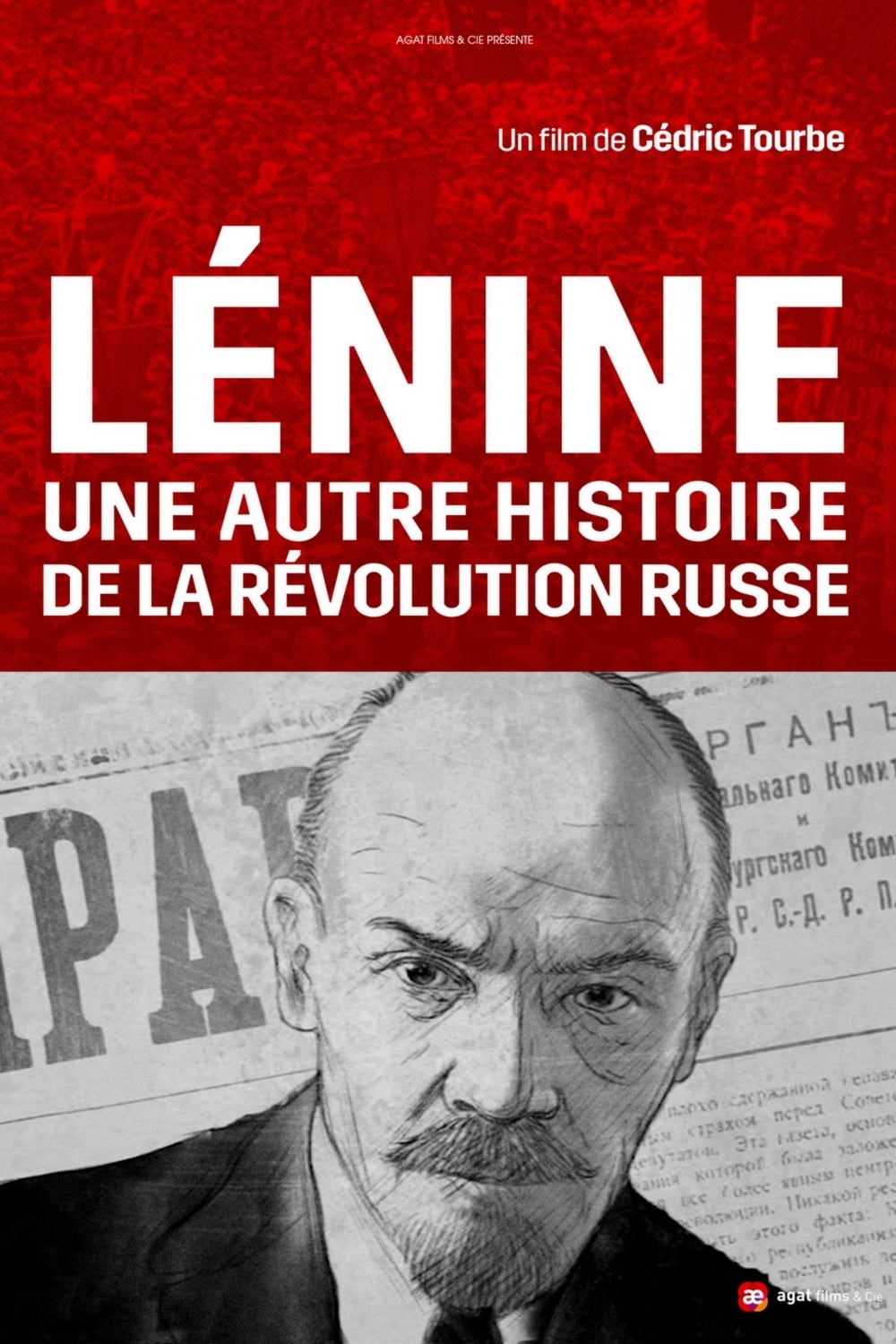
Vladimir Ilyich Ulyanov, better known as Lenin, is remembered as the instigator of the October Revolution of 1917 and, therefore, as one of the men who changed the shape of the world at that time and forever, but perhaps the actual events happened in a way different from that narrated in the history books…
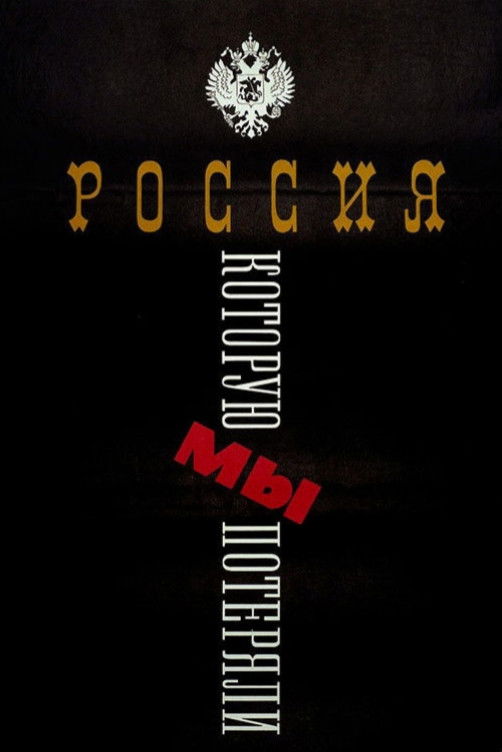
The sequel of feature-publicistic film «You Can’t Live Like That». Showing the countrymen charmless and sometimes scaring life picture of once great power with pain and anger, the author tries to uncover the reason of the country’s and nation’s tragedy.
Starting in 1881 this film shows the personal battle between Lenin's Ulyanov family and the royal Romanovs that eventually led to the Russian revolution.
A portrait of the leading female Bolshevik (and later Worker’s Opposition) revolutionary leader Alexandra Kollontai using her own words.
Emmy Awards nominee for "Outstanding Individual Achievement in a Craft: Research: Multi-faceted portrait of the man who succeeded Lenin as the head of the Soviet Union. With a captivating blend of period documents, newly-released information, newsreel and archival footage and interviews with experts, the program examines his rise to power, deconstructs the cult of personality that helped him maintain an iron grip over his vast empire, and analyzes the policies he introduced, including the deadly expansion of the notorious gulags where he banished so many of his countrymen to certain death.
Russia, 1917. After the abdication of Czar Nicholas II Romanov, the struggle for power confronts allies, enemies, factions and ideas; a ruthless battle between democracy and authoritarianism that will end with the takeover of the government by Vladimir Lenin and the Bolsheviks.
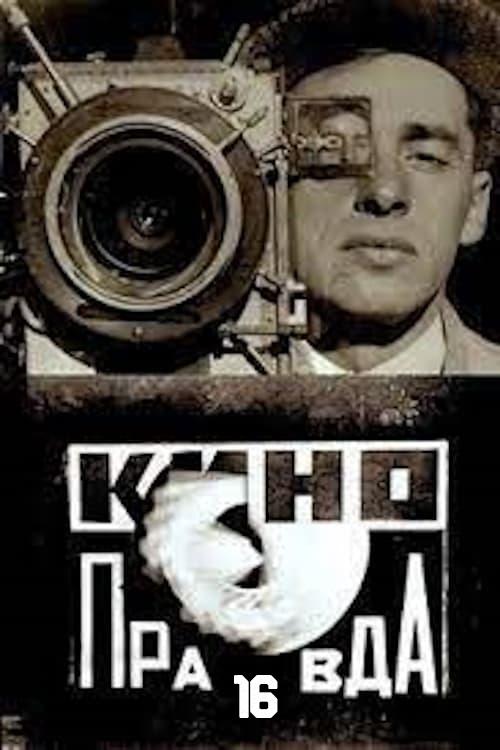
Dziga Vertov-directed Soviet newsreel covering: Trial of the Socialist Revolutionaries / Rebuilding of the destroyed Siberian village of Taseevo / Railroad station Sljudjanka / Abandoned mica pits near Lake Baikal / Soči health resort / Chudjakovskij-Park / Beach near Tuapse / The loading of silk / Afghanistan, Kabul / Peacetime use of tanks / Mountain road / Chapel in the Caucasus.
Dziga Vertov-directed Soviet newsreel covering: Against war / Against Gods / Education / Agitation / Sports and gymnastics / Danger of war.
This film shows the leaders of organizations that emerged after the Russian Revolution. It is the fragment of ‘Anniversary of the Revolution’ made by Vertov in 1918.
Dziga Vertov-directed Soviet newsreel covering: The opening of an electric generating station / Trial of the Socialist Revolutionaries.
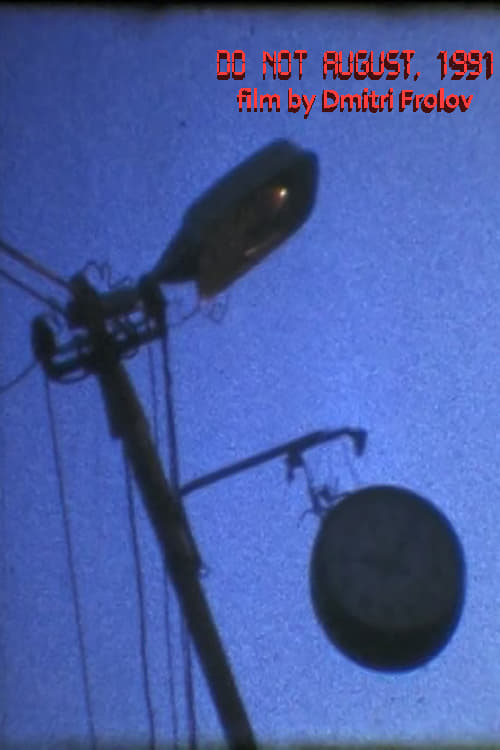
The film was made in the days of the August 1991 coup in Leningrad, USSR . Respecting the manner of a proprietary parallel cinema with the use of hand-held camera . Subsequently, Lars von Trier in his " Dogma " went on the same way , using a handheld camera without a tripod or placing special light. The soundtrack of the film is the soundtrack Emergency Committee appeal for the All-Union Radio August 19, 1991 . The film captured the moment of change red tricolor flag on the roof of the Mariinsky Palace on August 20, 1991.
Dziga Vertov-directed Soviet newsreel. The first themed issue of Kino-Pravda, devoted to the fifth anniversary of the October Revolution in 1922.
Dziga Vertov-directed Soviet newsreel made to commemorate the first anniversary of the death of Vladimir Ilich Lenin (21st January 1924 - 1925) drawn from 'The Final Journey', a Pravda feuilleton written on the occasion of Lenin's funeral by the man who had introduced Vertov to cinema, Mikhail Koltsov. Contains: First anniversary of Lenin's death: 1. Assassination attempt on Lenin and Soviet Russia's progress under his leadership / 2. Lenin's illness, death and funeral / 3. The year after Lenin's death
A detailing of the rise to prominence and global sporting superstardom of six supremely talented young Manchester United football players (David Beckham, Nicky Butt, Ryan Giggs, Paul Scholes, Phil and Gary Neville). The film covers the period 1992-1999, culminating in Manchester United's European Cup triumph.
In the Realms of the Unreal is a documentary about the reclusive Chicago-based artist Henry Darger. Henry Darger was so reclusive that when he died his neighbors were surprised to find a 15,145-page manuscript along with hundreds of paintings depicting The Story of the Vivian Girls, in What is Known as the Realms of the Unreal, of the Glodeco-Angelinnian War Storm, Cased by the Child Slave Rebellion.
A look at the origins, history and conspiracies behind the "Majestic 12", a clandestine group of military and corporate figureheads charged with reverse-engineering extraterrestrial technology.
Behind-the-scenes documentary about how Lionel Messi succeeded in lifting the World Cup – the only trophy to have eluded him in an incredible career.
A documentary about the life and films of director John Ford.
The film follows adventurer Jeff Johnson as he retraces the epic 1968 journey of his heroes Yvon Chouinard and Doug Tompkins to Patagonia.
SEDUCED AND ABANDONED combines acting legend Alec Baldwin with director James Toback as they lead us on a troublesome and often hilarious journey of raising financing for their next feature film. Moving from director to financier to star actor, the two players provide us with a unique look behind the curtain at the world's biggest and most glamourous film festival, shining a light on the bitter-sweet relationship filmmakers have with Cannes and the film business. Featuring insights from directors Martin Scorsese, 'Bernando Bertolucci' and Roman Polanski; actors Ryan Gosling and Jessica Chastain and a host of film distribution luminaries.
Those who knew iconic funnyman John Candy best share his story, in their own words, through never-before-seen archival footage, imagery, and interviews.
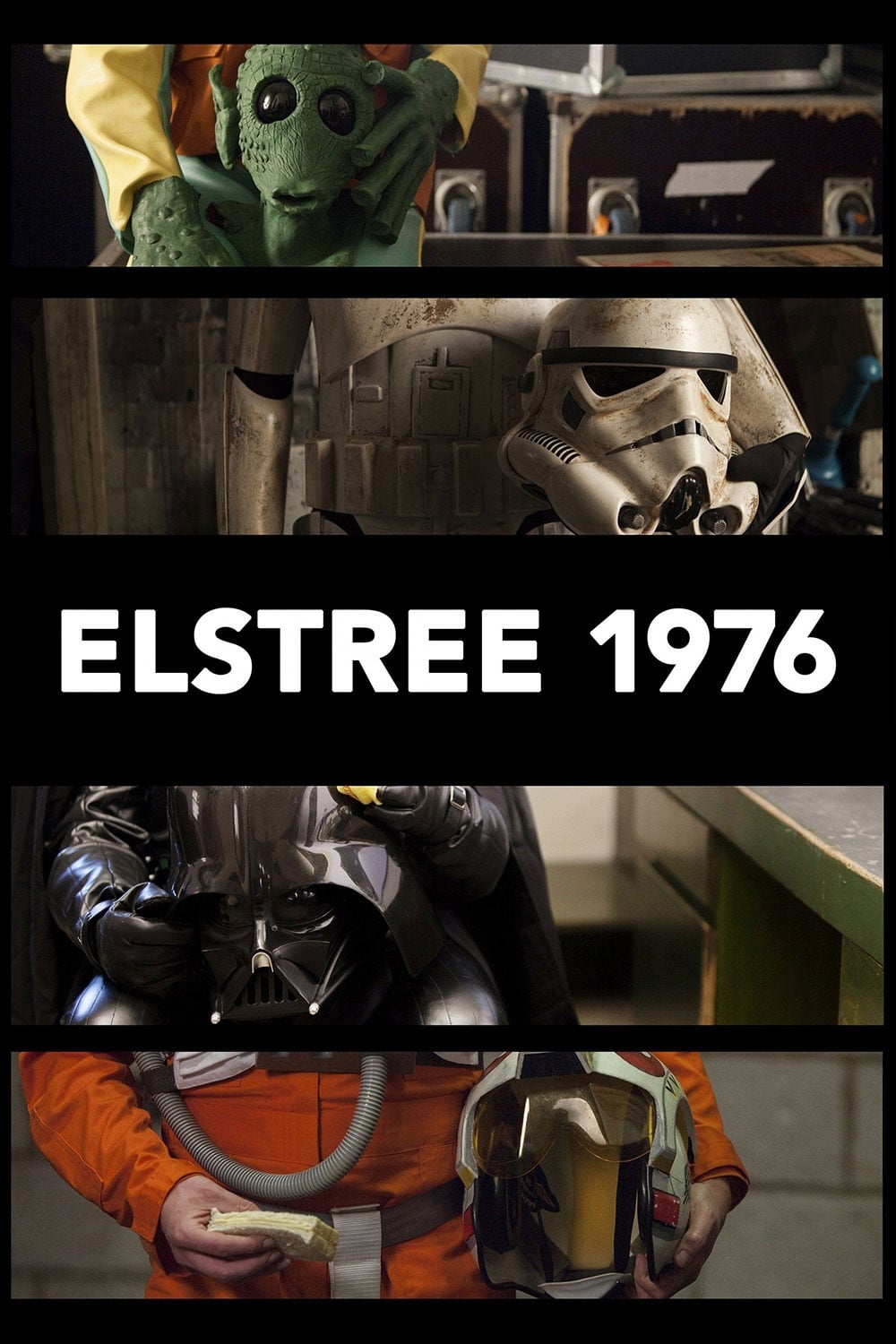
A documentary about ten very different lives connected by having appeared onscreen wearing masks or helmets in Star Wars.
A subjective documentary that explores various theories about hidden meanings in Stanley Kubrick's classic film The Shining. Five very different points of view are illuminated through voice over, film clips, animation and dramatic reenactments.
The story lives forever in this feature-length documentary that charts the making of Star Wars: The Rise of Skywalker.
This special explores the return of Obi-Wan Kenobi and Anakin Skywalker to the screen, as well as Ewan McGregor and Hayden Christensen to their classic roles. Director Deborah Chow leads the cast and crew as they create new heroes and villains that live alongside new incarnations of beloved Star Wars characters, and an epic story that dramatically bridges the saga films.
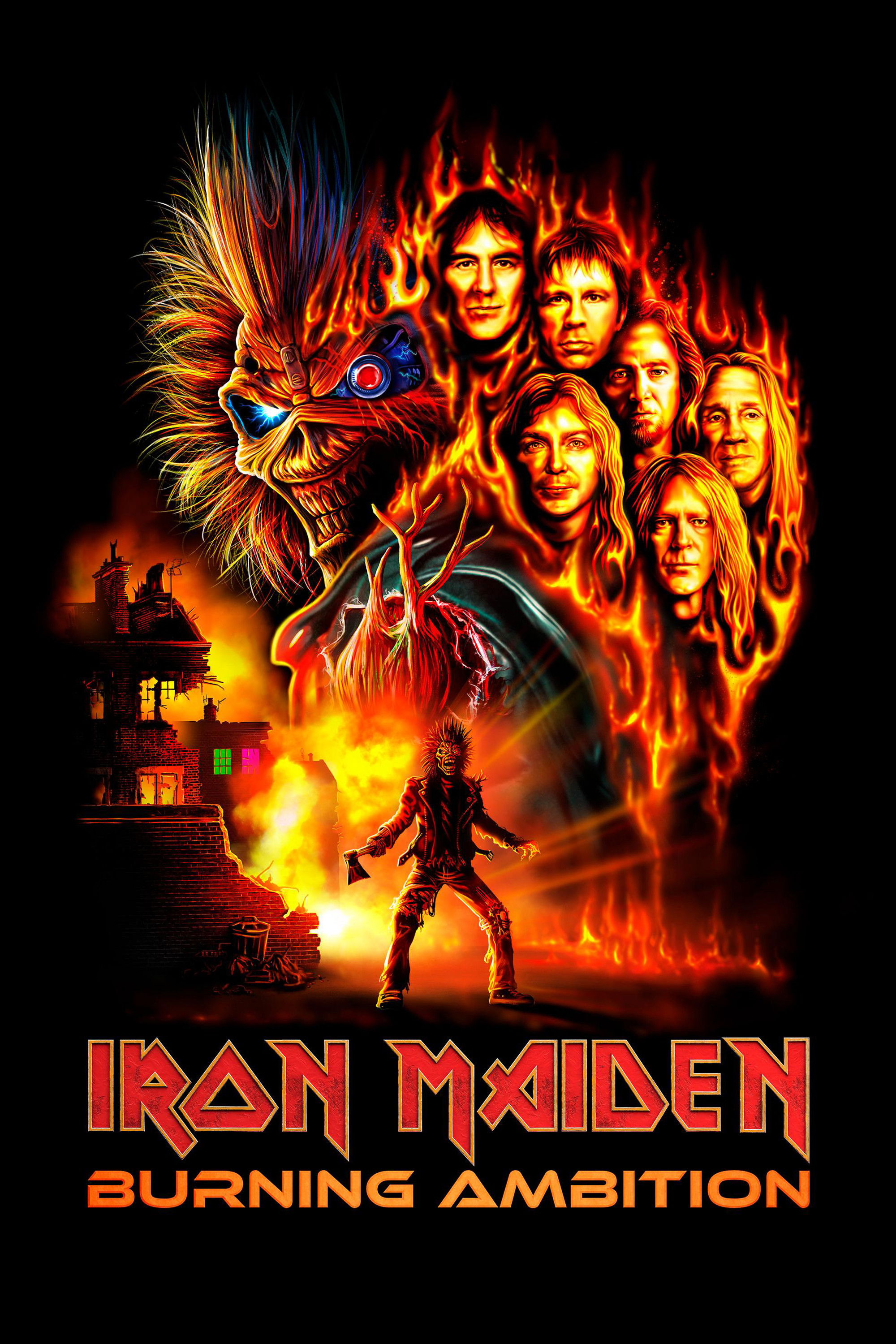
With unprecedented access to the official archives and intimate recollections from the band, both current and past, Iron Maiden: Burning Ambition invites fans to experience one of the most iconic journeys in music history. Spanning five decades, this electrifying documentary charts the band’s rise from the pubs of East London to the world’s biggest stadiums. Featuring exclusive interviews with band members and contributors such as Javier Bardem, Lars Ulrich and Chuck D, as well as all-new animated sequences of the band's legendary mascot, Eddie, the film offers a rare and intimate look at Iron Maiden’s uncompromising vision and unwavering connection with their truly global army of fans.
A look behind the lens of Christopher Nolan's space epic.
A documentary focused on plastic pollution in the world's oceans.
Ross McElwee sets out to make a documentary about the lingering effects of General Sherman's march of destruction through the South during the Civil War, but is continually sidetracked by women who come and go in his life, his recurring dreams of nuclear holocaust, and Burt Reynolds.
Bruce Conner’s most celebrated film for a reason: it takes historical moments that were replayed over and over on television—chilling repetition of Kennedy assassination coverage—and repurposes them into a meditation on how the media tries to exert authority and apply a sense of order to the anarchic. And though it may sound perverse to say so, the film is also—not incidentally—a thrill to watch. -- The A.V. Club
This documentary promoting the joys of life in a Soviet village centers on the activities of the Young Pioneers. These children are constantly busy, pasting propaganda posters on walls, distributing hand bills, exhorting all to "buy from the cooperative" as opposed to the Public Sector, promoting temperance, and helping poor widows. Experimental portions of the film, projected in reverse, feature the un-slaughtering of a bull and the un-baking of bread.
When Allied forces liberated the Nazi concentration camps in 1944-45, their terrible discoveries were recorded by army and newsreel cameramen, revealing for the first time the full horror of what had happened. Making use of British, Soviet and American footage, the Ministry of Information’s Sidney Bernstein (later founder of Granada Television) aimed to create a documentary that would provide lasting, undeniable evidence of the Nazis’ unspeakable crimes. He commissioned a wealth of British talent, including editor Stewart McAllister, writer and future cabinet minister Richard Crossman – and, as treatment advisor, his friend Alfred Hitchcock. Yet, despite initial support from the British and US Governments, the film was shelved, and only now, 70 years on, has it been restored and completed by Imperial War Museums under its original title "German Concentration Camps Factual Survey".
As a visually radical memoir, CAMERAPERSON draws on the remarkable footage that filmmaker Kirsten Johnson has shot and reframes it in ways that illuminate moments and situations that have personally affected her. What emerges is an elegant meditation on the relationship between truth and the camera frame, as Johnson transforms scenes that have been presented on Festival screens as one kind of truth into another kind of story—one about personal journey, craft, and direct human connection.