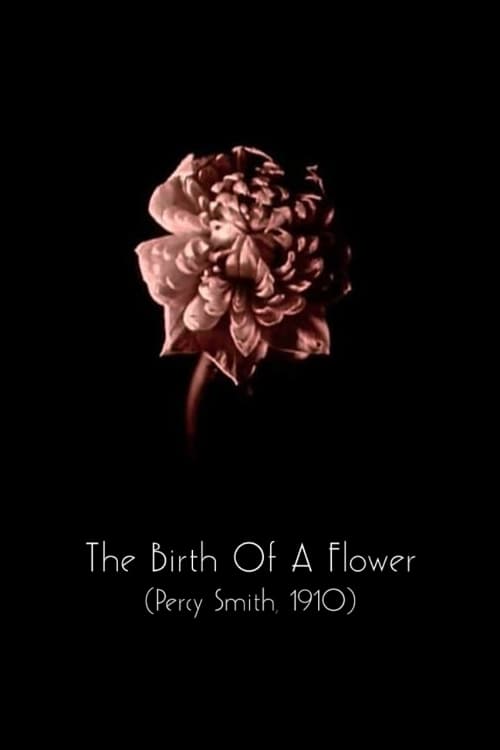
"Percy Smith (1880-1944) was world famous as a photographer of plant life. Probably the first British example of time-lapse photography as applied to the growth of plants." Monthly Film Bulletin, November 1955.
Social & External
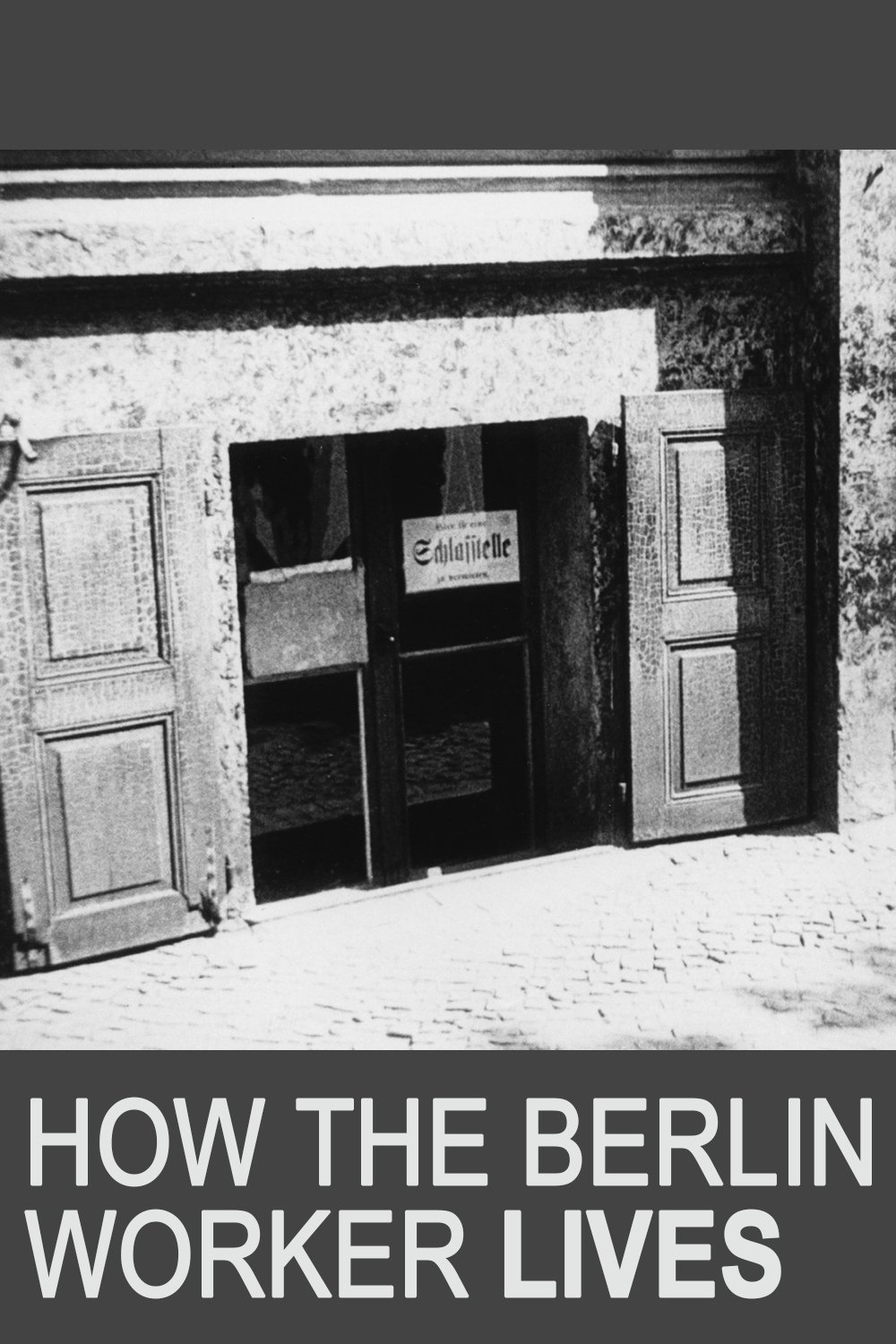
This documentary shows how the Berliner workers lived in 1930. The director Slatan Dudow shows through images: a) the workers leaving the factory; b) the raise of the rents; c) the "unpleasant" guest, meaning the justice officer that brings the eviction notice; d) the fight of classes of the houses of capitalists and working classes; e) the parks of the working class; f) the houses of the working class, origin of the tuberculosis and the victims; g) the playground of the working class; h) the swimming pool for the working class, ironically called the "Baltic Sea" of the working class; i) the effects of humidity of basement where a family lives, with one member deaf; j) one working class family having dinner while the capitalist baths his dog; k) the eviction notice received from an unemployed family and their eviction.
This story began with a blind, bull elephant called Pla-Ra. Paul Barton took his piano to ElephantsWorld, a Sanctuary on the banks of the River Kwai in Thailand and began playing to the elephants while they were eating. "They were all having Barna Grass and it was that time of the day, when the elephants get to eat a lot and they don't waste a moment because they know that moment won't last forever," Paul recalls. "Pla-Ra was behind the piano with a mouthful of barna grass and I started to play Beethoven. Pla-Ra was chewing, and as soon as I played the first chords, he stopped eating with stalks of Barna grass protruding from each side of his mouth, and that's the way he stayed until the end of the piece." "Each time I played music for Pla-Ra, whether flute or piano, there was an identical reaction. Pla-Ra would stand for a while, and then he would curl his trunk and hold his trunk in his mouth until the piece was over. No matter how long that piece was, he would stay like that." ...
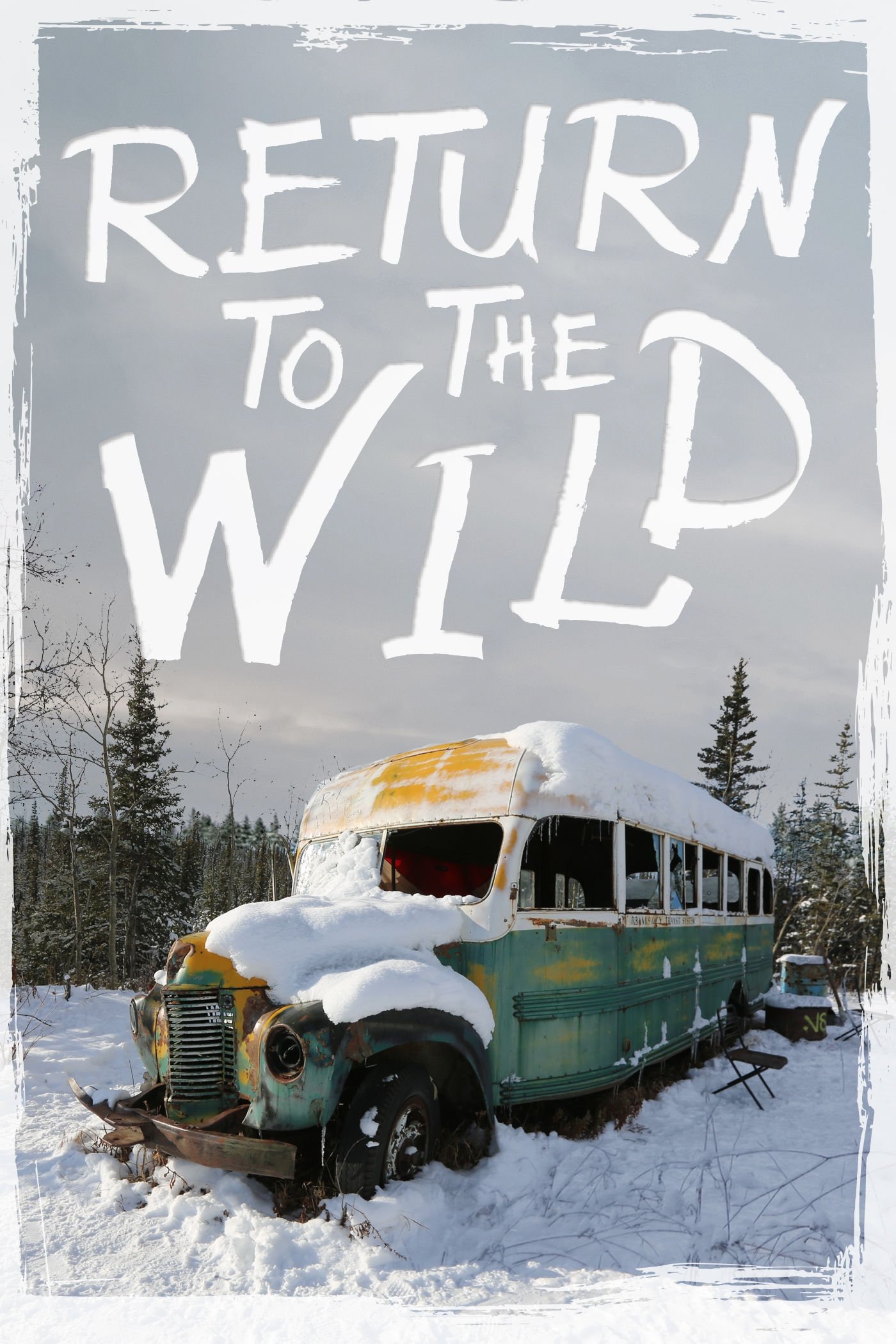
Twenty years ago, a young American hiker named Chris McCandless, the accomplished son of successful middle class parents, was found dead in an abandoned bus in the Alaskan wilderness and became the subject of the best-selling book and movie “Into the Wild.” Now, PBS retraces Chris McCandless’ steps to try to piece together why he severed all ties with his past, burnt or gave away all his money, changed his name and headed into the Denali Wilderness. McCandless' own letters, released for the first time, as well as new and surprising interviews, probe the mystery that still lies at the heart of a story that has become part of the American literary canon and compels so many to this day.
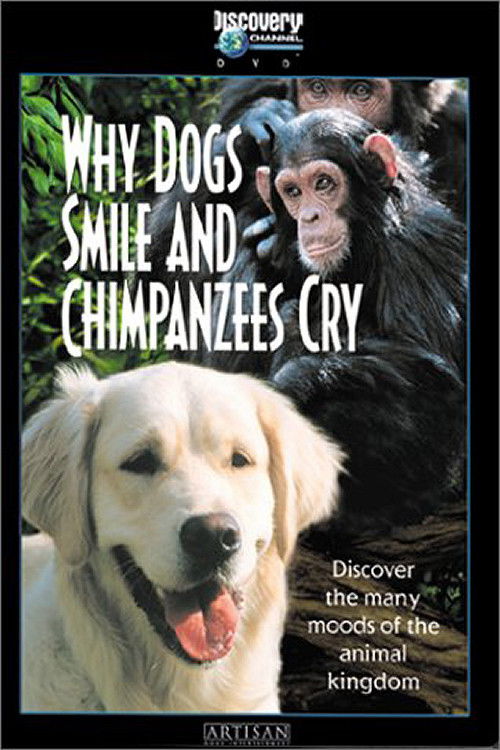
Is it human conceit to attribute emotions to animal actions, or are emotions basic to life on earth? Wildlife filmmakers and scientists make a convincing argument for the latter in this gripping film.
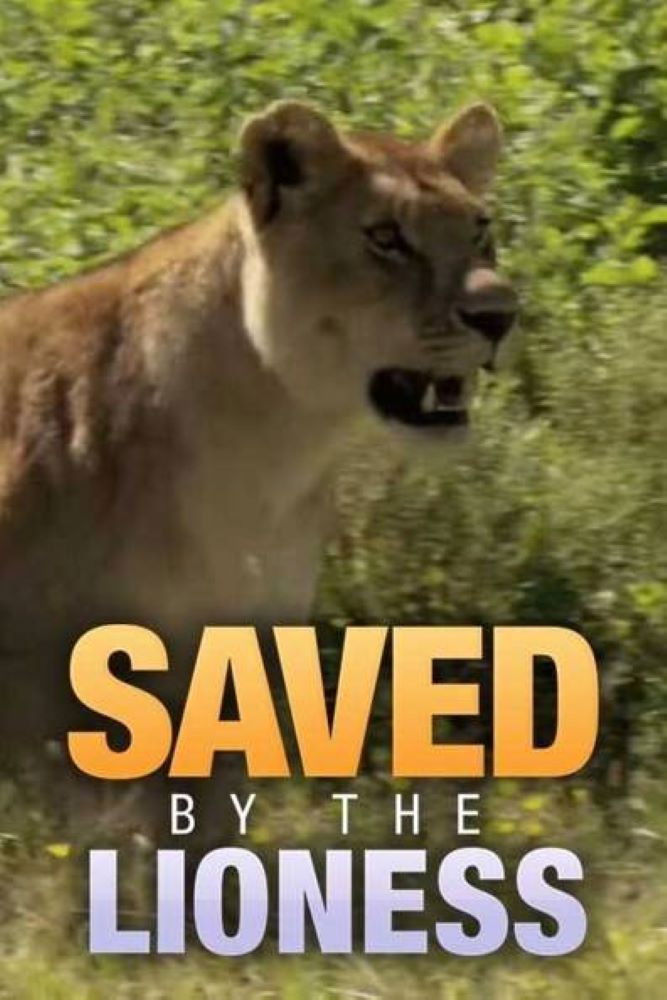
Nature documentary about a young wildebeest in the wilderness of Africa. The gnu calf strays from the herd and comes upon a lioness that kidnaps it. Instinctively, it treats the lion like its mother. And miraculously enough, the lioness does not see the calf as its prey. Like a true Survivor, the calf manages to escape from the lion's den and find its way back to its real mother.
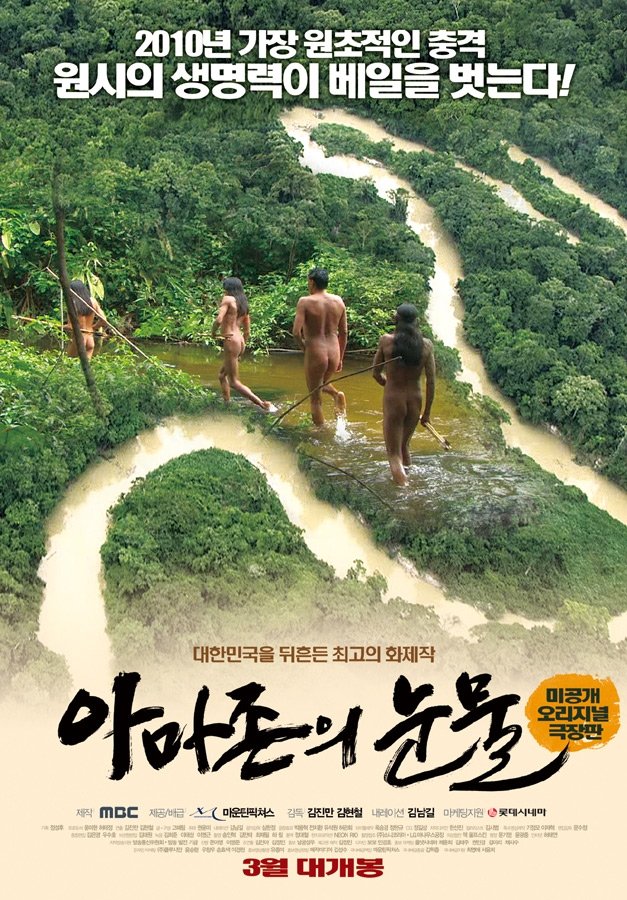
A documentary about environment destruction in the Amazon and the tribes living there. Produced for the 48th anniversary of MBC, Korea. A brilliant records of the itinerary for 250 days through the Amazon.
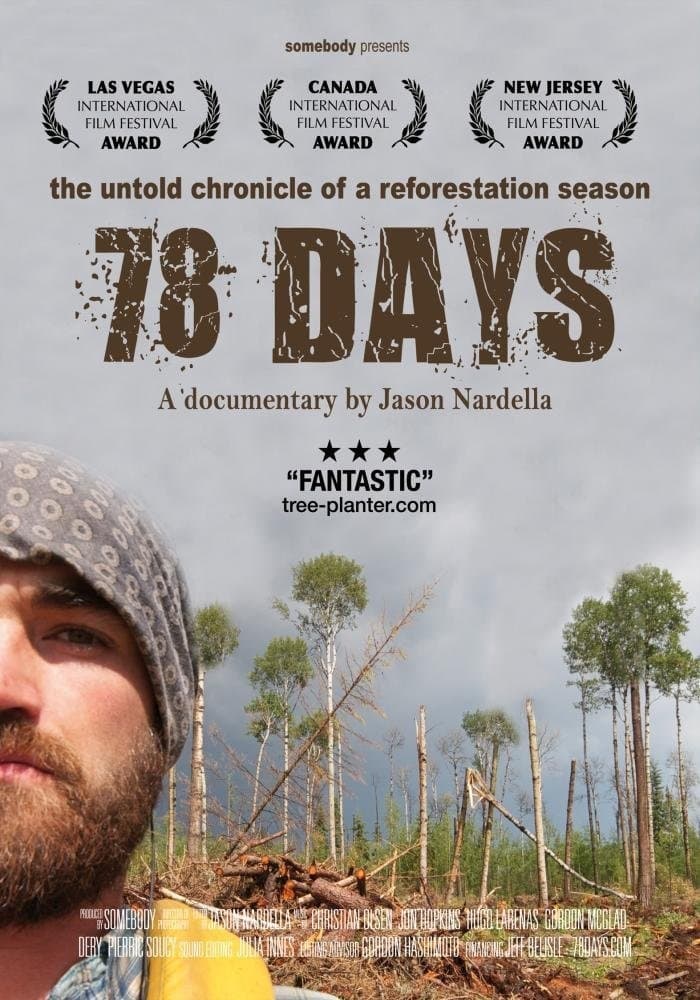
Tree planting is one of the most physically and mentally demanding jobs in Canada. Working long days in the baking sun of desolate clear cuts, you can expect rain storms and snow covered tents: that's tree planting in Northern Alberta. In this documentary, veteran planters share their experiences as they struggle through each day of what has become the longest and most difficult season ever!
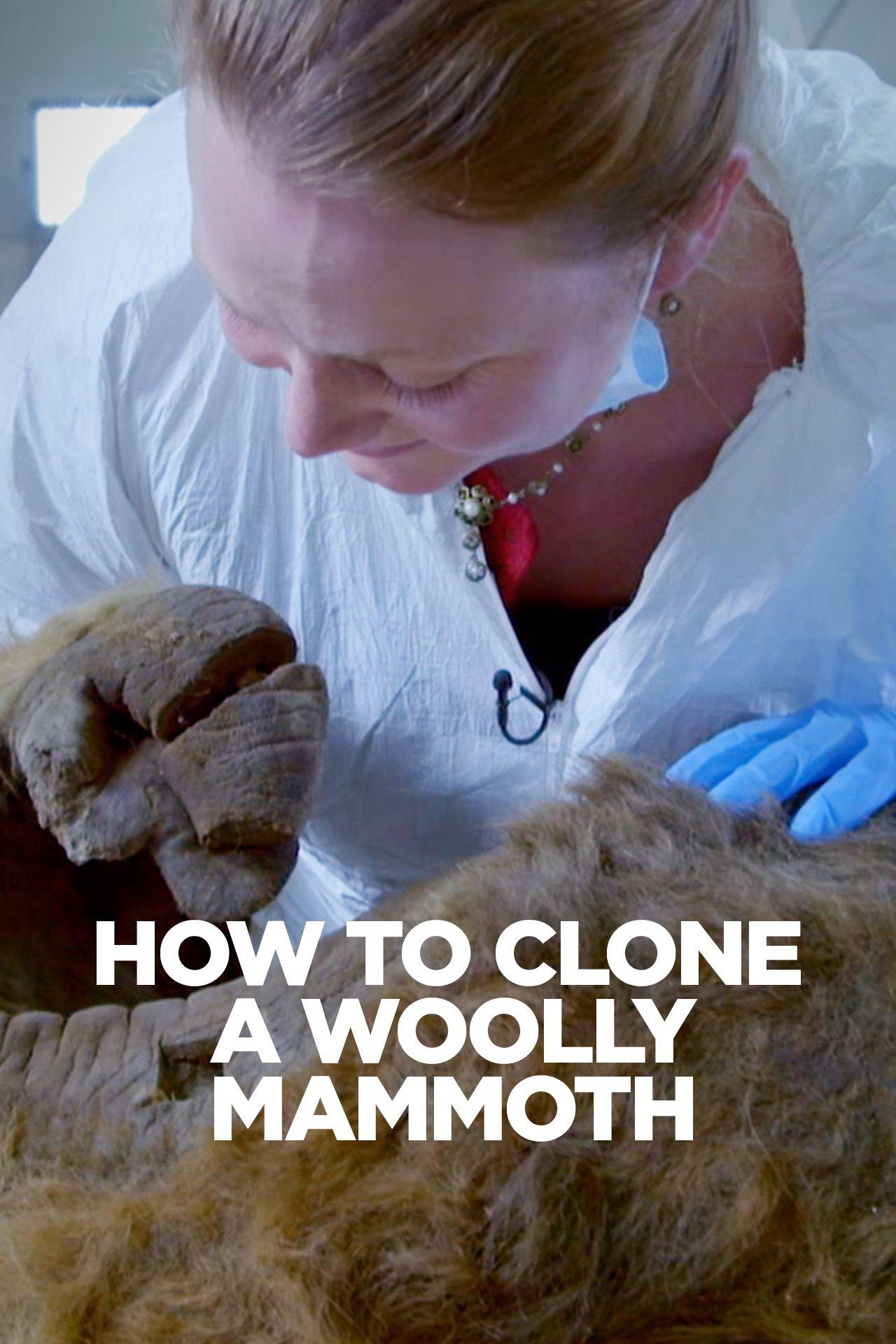
The Siberian discovery of the best-preserved woolly mammoth on record has teams of experts working around the globe, and around the clock, on some of the most ambitious projects in science. In Russia, paleontologists are conducting a historic autopsy on the 40,000-year-old beast to find out how it lived, and how it died. Meanwhile labs in South Korea and at Harvard University are using the latest advances in DNA manipulation in hopes of cloning the furry giant and introducing it to the modern world.
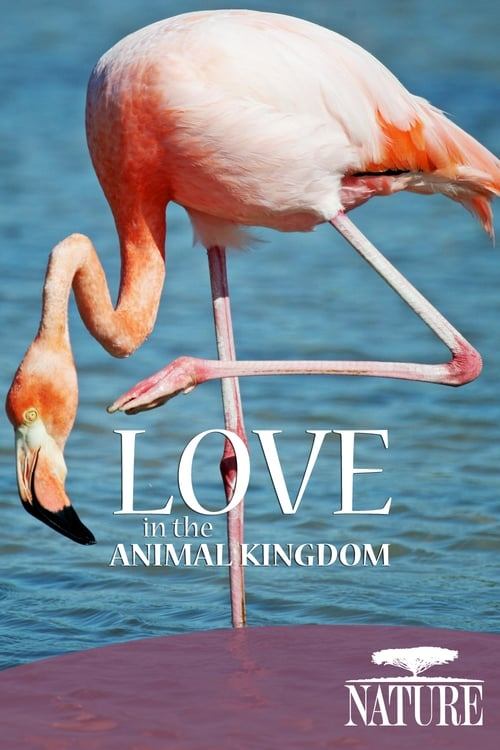
Animals dance, sing, flirt, and compete with everything they’ve got to find and secure a mate. For many, the all-important bonds they share as a couple are what enable the next generation to survive. But can we call these bonds love? In this delightful, provocative look at the love life of animals, we see the feminine wiles of a young gorilla, the search for Mr. Right among a thousand flamingos, the open “marriages” of blue-footed boobies, the soap opera arrangements of gibbons, and all the subtle, outrageous, romantic antics that go into finding a partner. These are love stories all right, as various and intriguing as the lovers themselves.
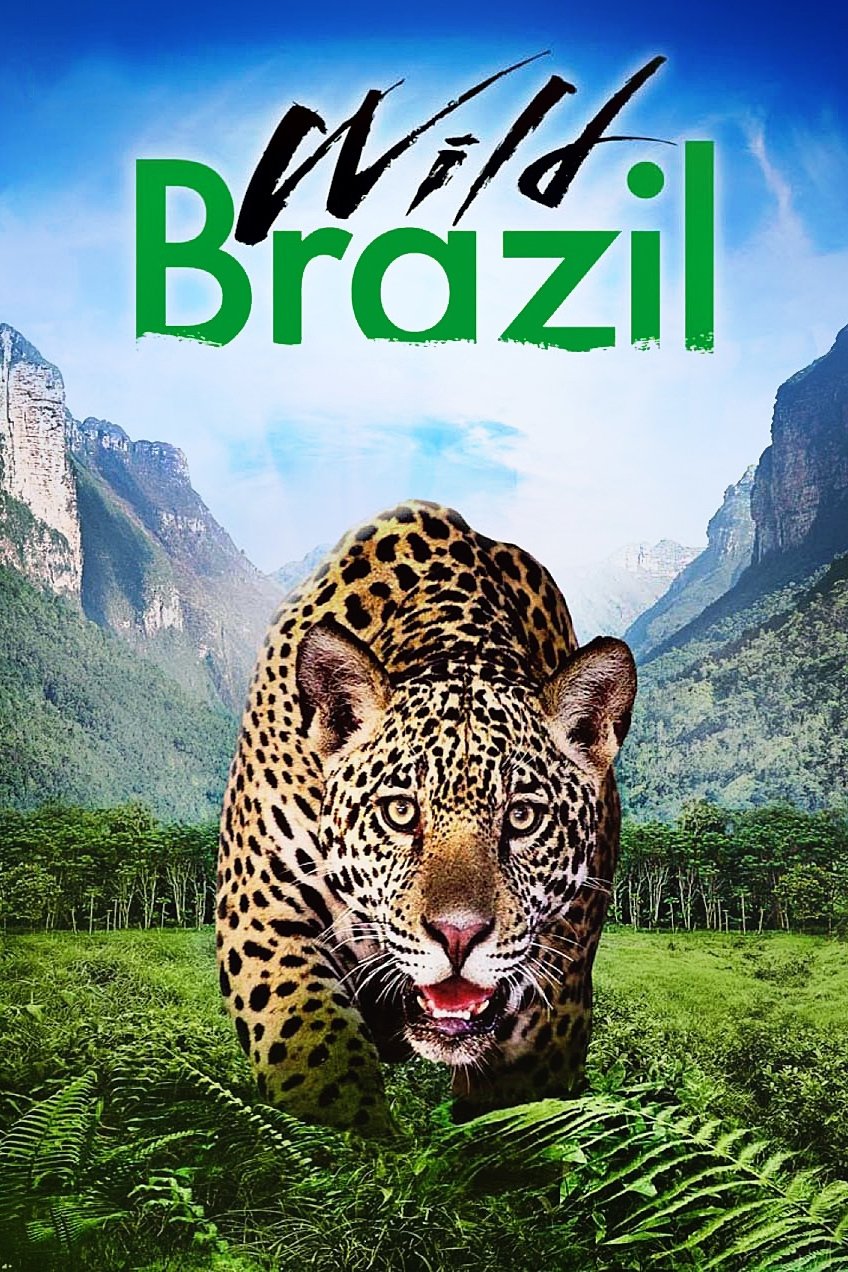
Go up-river and deep into the jungle far from Brazil's cities and stadiums, where families of giant otters, tufted capuchin monkeys and mischievous coati (South American raccoon cousins) rally their wits to survive in a breathtakingly beautiful yet dangerous land.
Shot both on and from an elevated electric train.
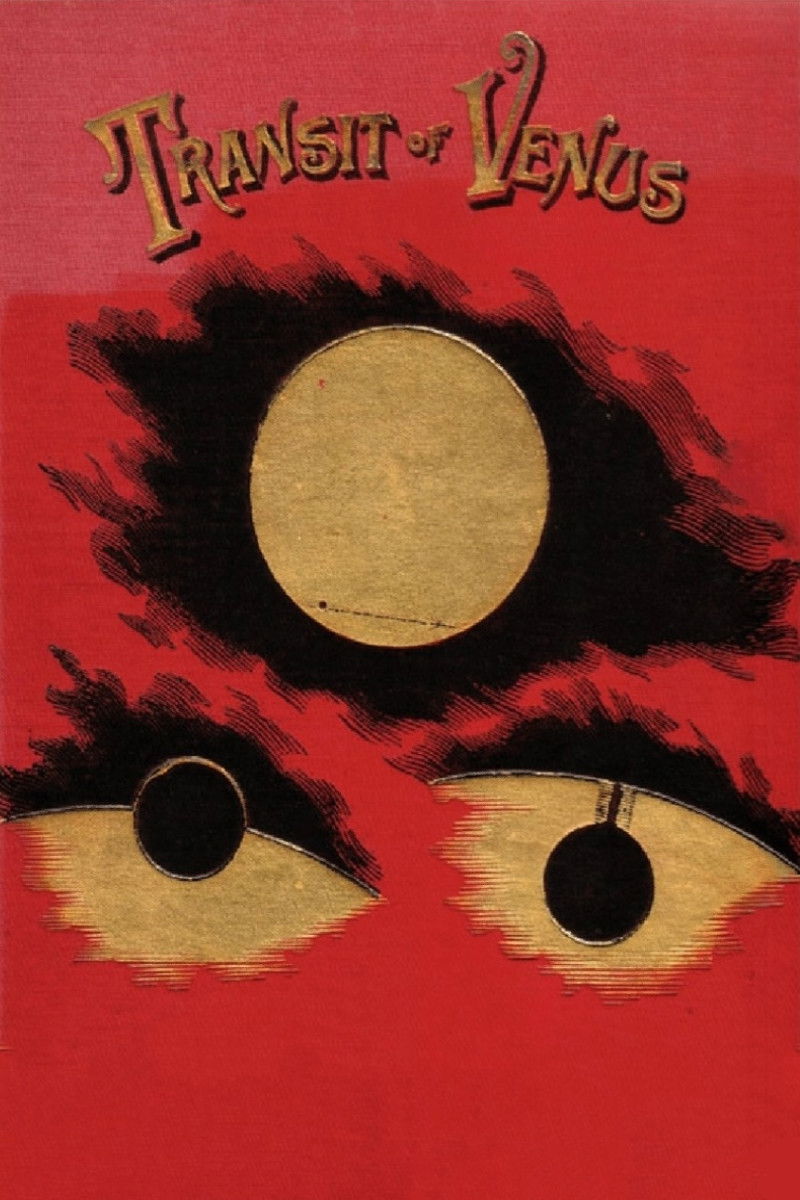
Photo sequence of the rare transit of Venus over the face of the Sun, one of the first chronophotographic sequences. In 1873, P.J.C. Janssen, or Pierre Jules César Janssen, invented the Photographic Revolver, which captured a series of images in a row. The device, automatic, produced images in a row without human intervention, being used to serve as photographic evidence of the passage of Venus before the Sun, in 1874.
A dream walk through the United States of America; a meditation on the thoughts and ideals of its inhabitants, as they are exposed in their silent but eloquent home movies.
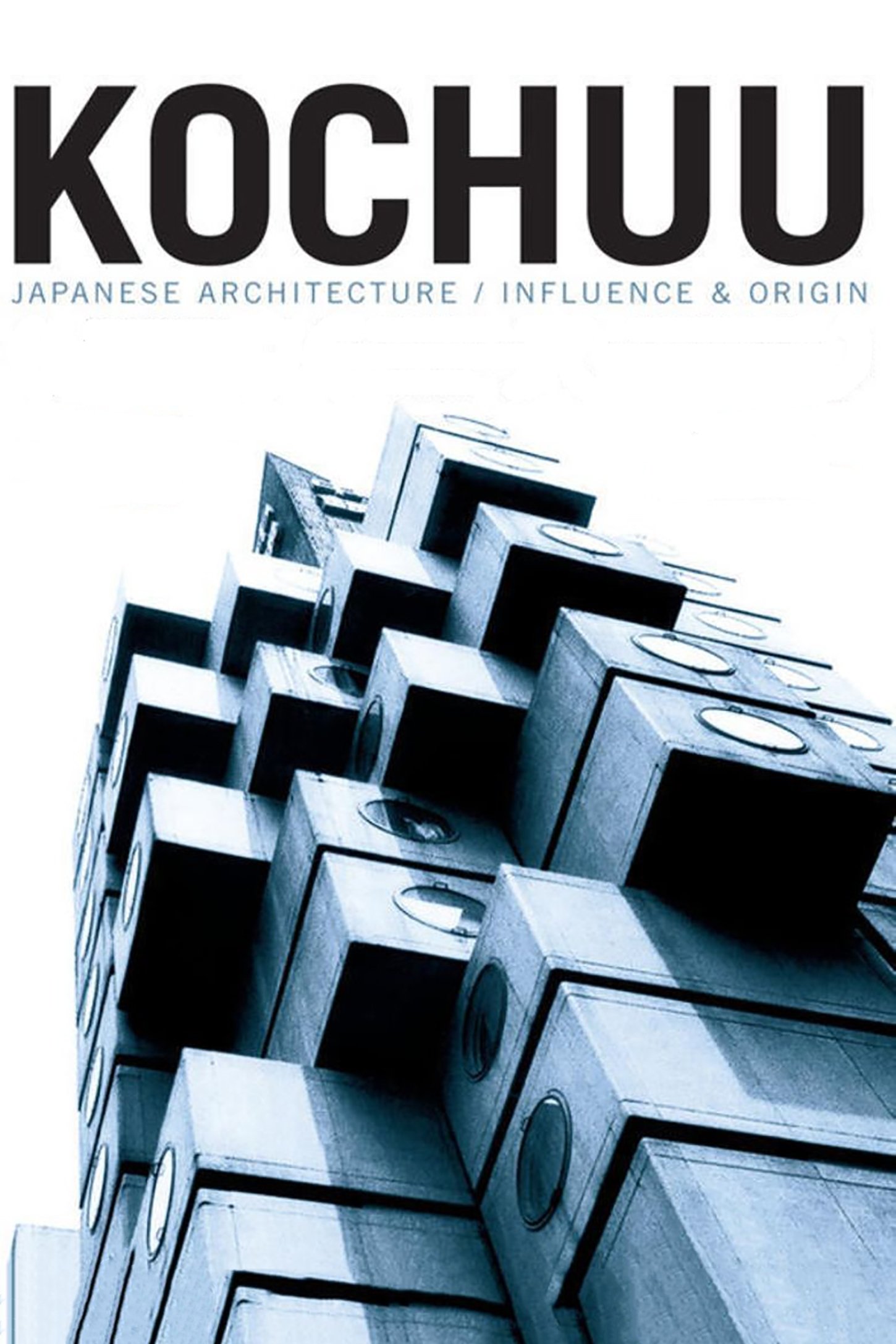
A film about modern Japanese architecture, its roots in the Japanese tradition and its impact on the Nordic building-tradition. Winding its way through visions of the future, traditions, nature, concrete, gardens and high-tech, KOCHUU tells us how contemporary Japanese architects strive to unite the ways of modern man with the old philosophies in astounding constructions. Interviews with, and works by, Japanese architects Tadad Ando, Kisho Kurokawa, Toyo Ito and Kazuo Shinohara and Scandinavian architects Sverre Fehn, Kristian Gullichsen and Juhani Pallasmaa.
At the beginning of Sumadijska street in the vicinity of Slavija Square on the 11th August 1913, the Serbian victorious army from the Second Balkan War led by the Crown Prince Alexander Karadjordjevic was given a huge welcome by the highest military and political authorities of Serbia and Belgrade, representatives of civil organizations and national institutions, as well as several tens of thousands of people from Belgrade, Serbia and Vojvodina.
Iceland's first non-narrative full-feature film's focus is set on presenting Iceland in a way it has never been presented before, using various elements of high-end cinematography. There are places everyone knows, but there are also thousands of well hidden places. To find these locations one has to be adventurous or a local, and to capture them right, one has to be creative and extremely patient.
Short film about the attractions of the Italian coastal town of Rapallo.
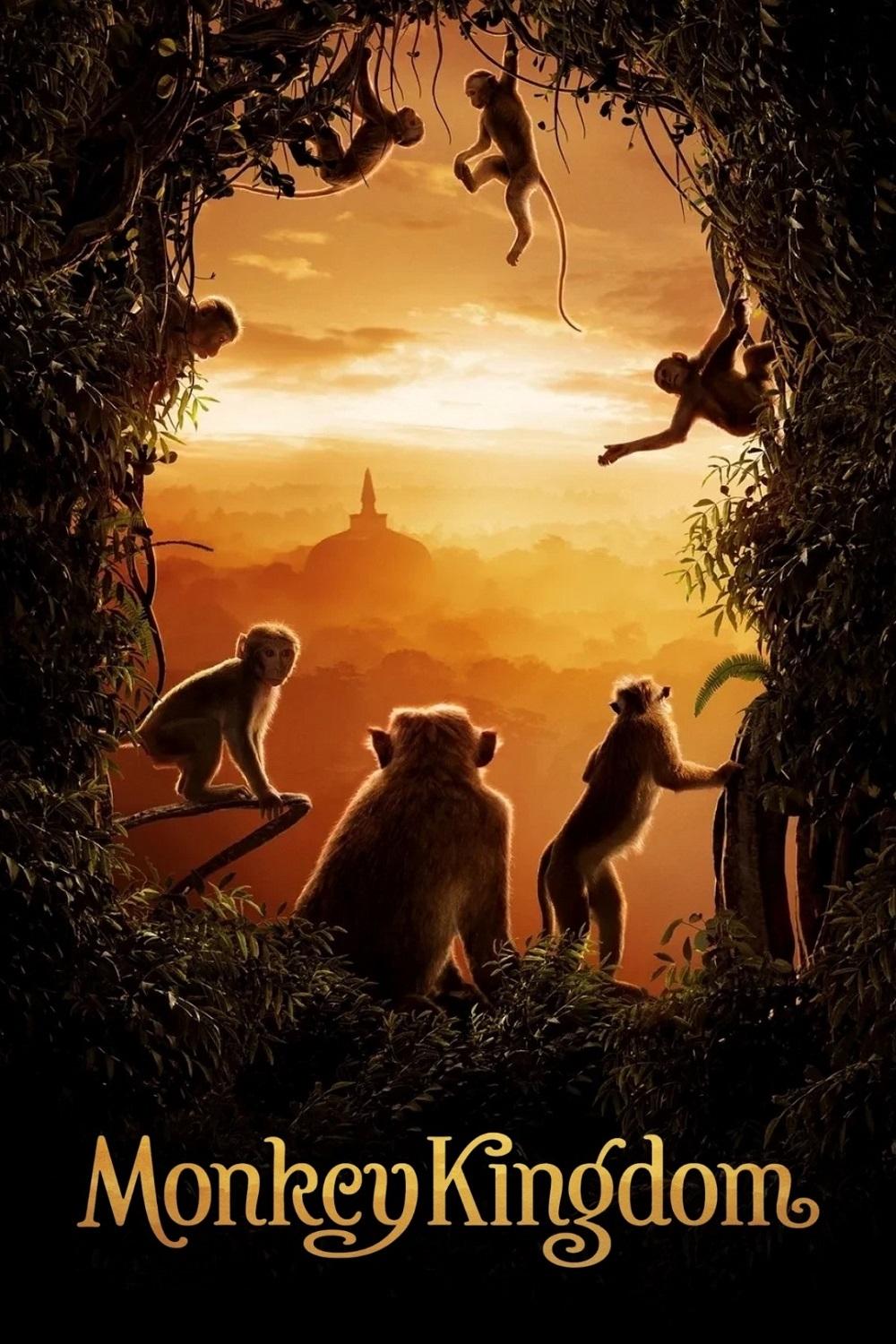
A newborn monkey and its mother struggle to survive within the competitive social hierarchy of the Temple Troop, a dynamic group of monkeys who live in ancient ruins found deep in the storied jungles of South Asia.
Shark: Mind of a Demon With Fabien Cousteau is a 2006 documentary/reality television special. The film was the result of an attempt by Fabien Cousteau to study the great white shark in its natural surroundings using a submarine shaped like a shark called Troy.
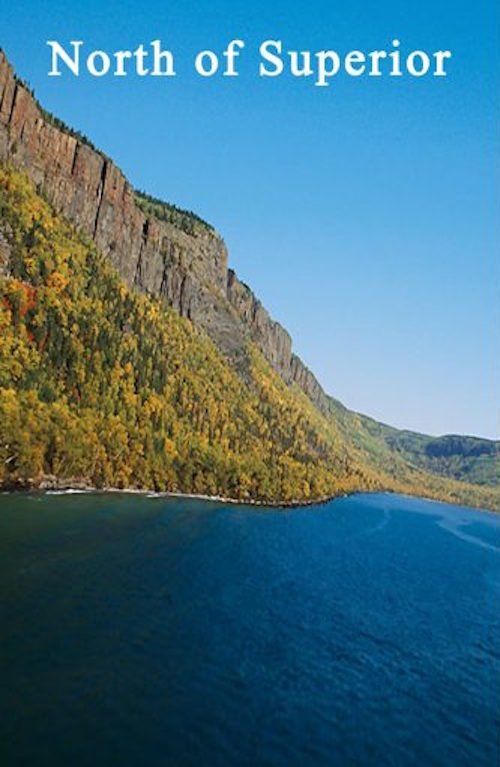
The second IMAX film made, commissioned by the Ontario Government, and produced by MultiScreen Corporation, later to become IMAX corporation. North of Superior is a Northern Ontario travelogue, and was the first short feature to be shown at the newly created Ontario government theme park, Ontario Place, in it's state of the art cinema, Cinesphere, the first permanent IMAX installation.
Carefully picked scenes of nature and civilization are viewed at high speed using time-lapse cinematography in an effort to demonstrate the history of various regions.
Time-lapse photography showing the one month-long demolition of the Star Theatre in New York.
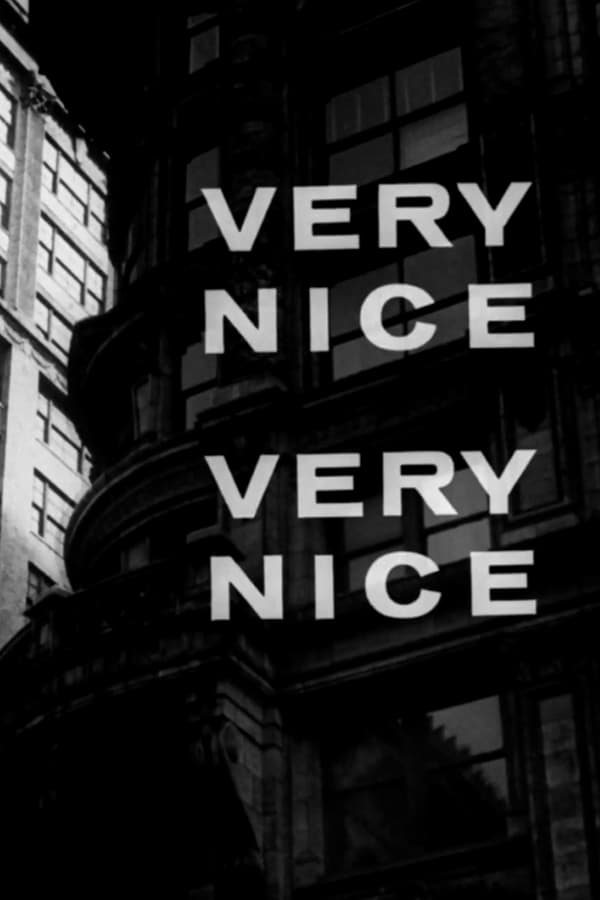
Arthur Lipsett's first film is an avant-garde blend of photography and sound. It looks behind the business-as-usual face we put on life and shows anxieties we want to forget. It is made of dozens of pictures that seem familiar, with fragments of speech heard in passing and, between times, a voice saying, "Very nice, very nice." The film was nominated for an Oscar for Best Live Action Short Film.
A visual montage portrait of our contemporary world dominated by globalized technology and violence.
Told through performances, TV interviews, home movies, family photographs, private letters and unpublished memoirs, the film reveals the essence of an extraordinary woman who rose from humble beginnings in New York City to become a glamorous international superstar and one of the greatest artists of all time.
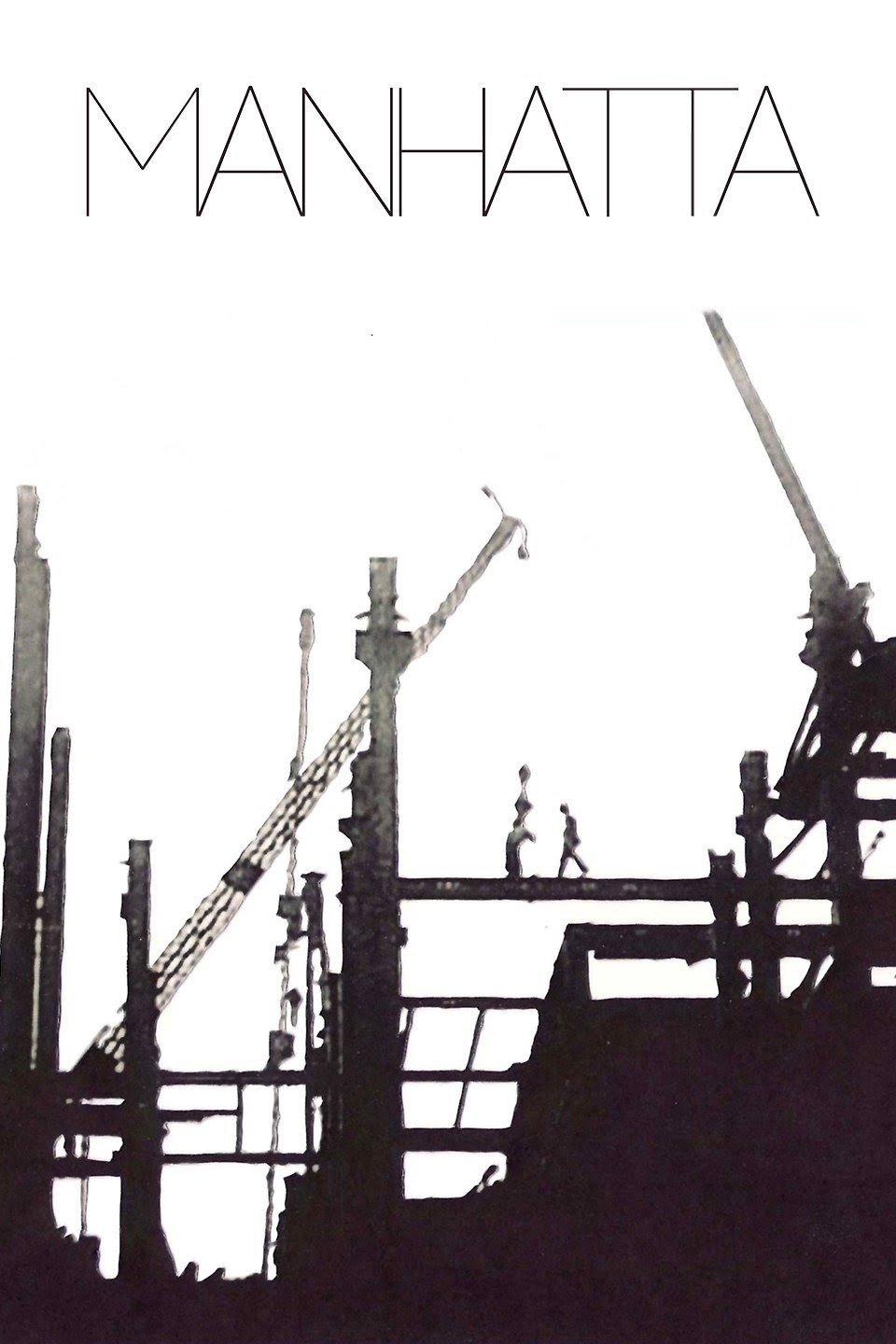
Morning reveals New York harbor, the wharves, the Brooklyn Bridge. A ferry boat docks, disgorging its huddled mass. People move briskly along Wall St. or stroll more languorously through a cemetery. Ranks of skyscrapers extrude columns of smoke and steam. In plain view. Or framed, as through a balustrade. A crane promotes the city's upward progress, as an ironworker balances on a high beam. A locomotive in a railway yard prepares to depart, while an arriving ocean liner jostles with attentive tugboats. Fading sunlight is reflected in the waters of the harbor. The imagery is interspersed with quotations from Walt Whitman, who is left unnamed.
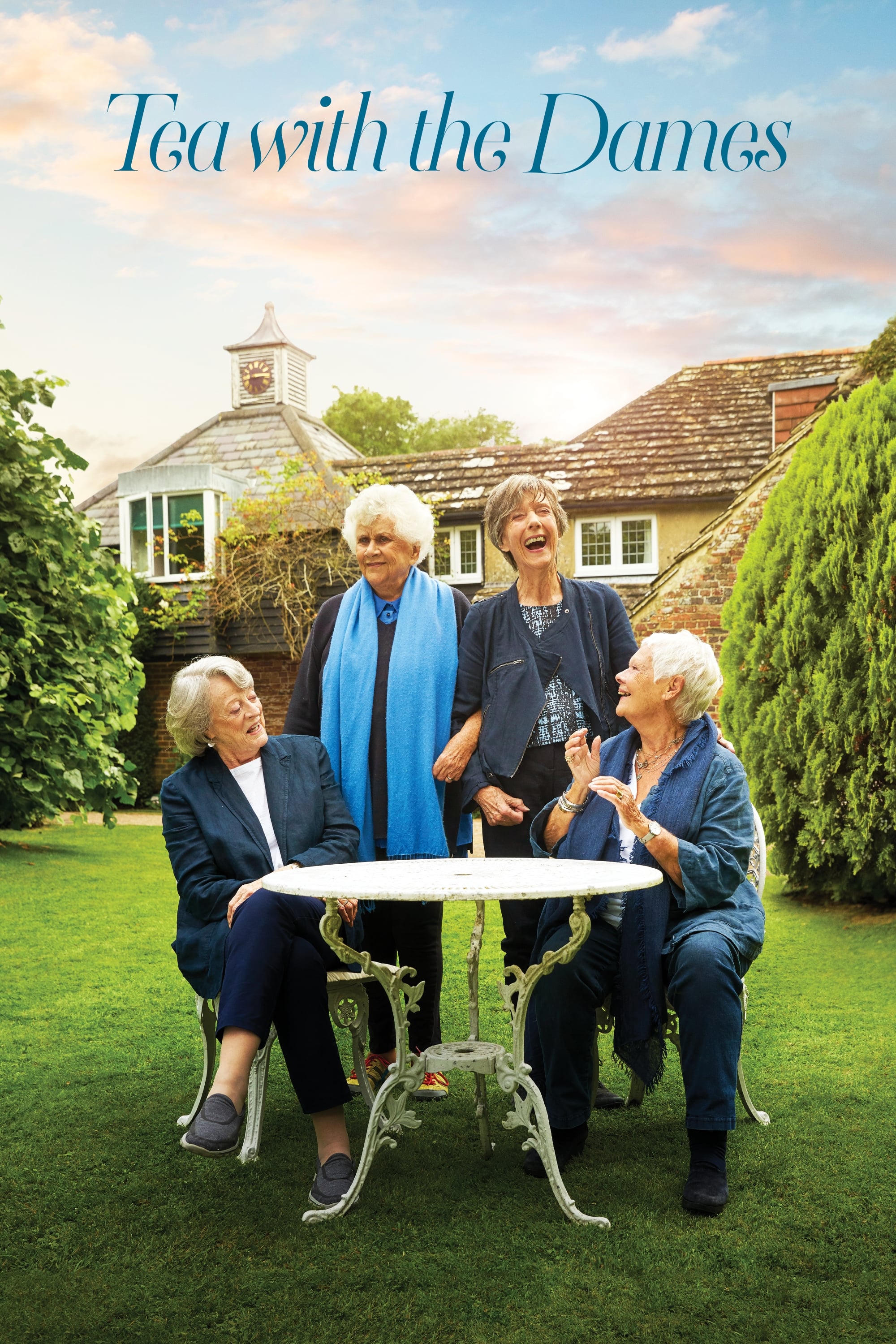
BBC Arena's documentary on the Dames of British Theatre and film featuring Maggie Smith, Eileen Atkins, Judi Dench and Joan Plowright on screen together for the first time as they reminisce over a long summer weekend in a house Joan once shared with Sir Laurence Olivier.
An exploration of technologically developing nations and the effect the transition to Western-style modernization has had on them.
A compilation of over 30 years of private home movie footage shot by Lithuanian-American avant-garde director Jonas Mekas, assembled by Mekas "purely by chance", without concern for chronological order.
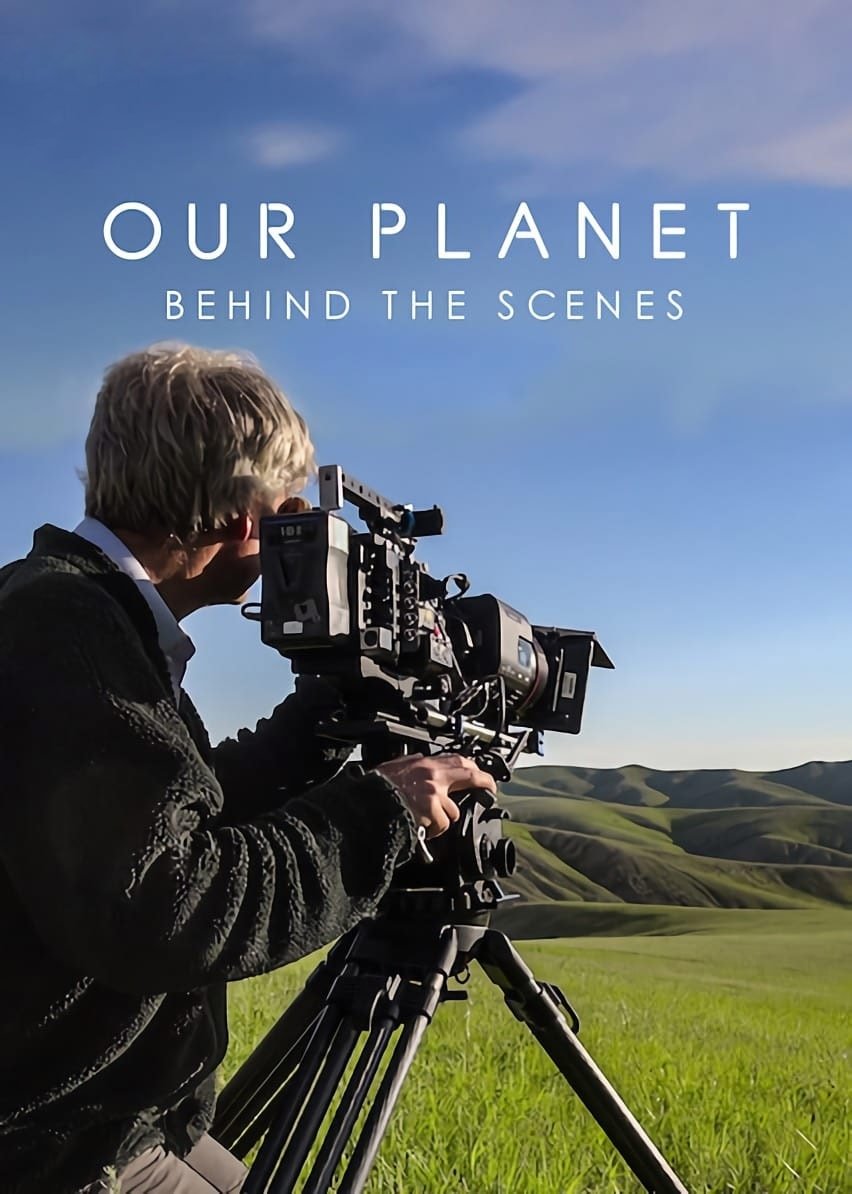
Years spent recording footage of creatures from every corner of the globe is bound to produce a bit of drama. Here's a behind-the-scenes look.
Ram Dass is one of the most important cultural figures from the 1960s and 70s. A pyschedelic pioneer, author of Be Here Now, beloved spiritual teacher, and outspoken advocate for death-and-dying awareness, Ram Dass is now himself approaching the end of life. Since suffering a life-changing stroke twenty years ago, he has been living at his home on Maui and deepening his spiritual practice — which is centered on love and his idea of merging with his surroundings and all living things. Shot in a nuanced cinematic style, the film is an intimate summary of his life learning and awareness, and is ultimately a poetic meditation on life, death, and the soul’s journey home.
A detailing of the rise to prominence and global sporting superstardom of six supremely talented young Manchester United football players (David Beckham, Nicky Butt, Ryan Giggs, Paul Scholes, Phil and Gary Neville). The film covers the period 1992-1999, culminating in Manchester United's European Cup triumph.
Daniel Craig candidly reflects on his 15 year adventure as James Bond. Including never-before-seen archival footage from Casino Royale to the upcoming 25th film No Time To Die, Craig shares his personal memories in conversation with 007 producers, Michael G Wilson and Barbara Broccoli.
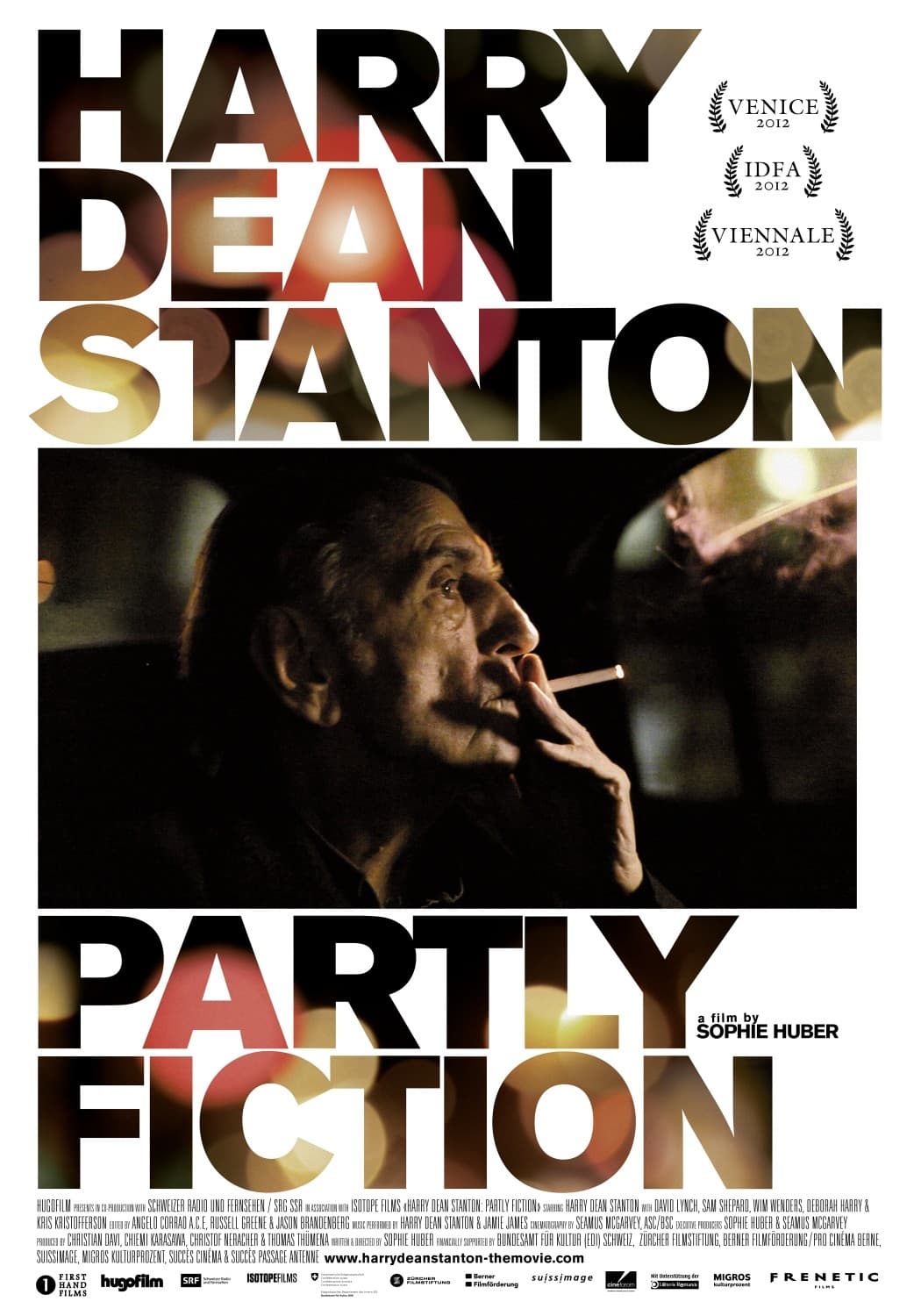
An impressionistic portrait of the iconic actor Harry Dean Stanton comprised of intimate moments, film clips from some of his 250 films and his renditions of American folk songs.
The life and career of an actor, artist, and icon. His own journey through his own camera.
A purely observational non-fiction film that takes viewers into the ethically murky world of end-of-life decision making in a public hospital.
As a visually radical memoir, CAMERAPERSON draws on the remarkable footage that filmmaker Kirsten Johnson has shot and reframes it in ways that illuminate moments and situations that have personally affected her. What emerges is an elegant meditation on the relationship between truth and the camera frame, as Johnson transforms scenes that have been presented on Festival screens as one kind of truth into another kind of story—one about personal journey, craft, and direct human connection.
Capturing Avatar is a feature length behind-the-scenes documentary about the making of Avatar. It uses footage from the film's development, as well as stock footage from as far back as the production of Titanic in 1995. Also included are numerous interviews with cast, artists, and other crew members. The documentary was released as a bonus feature on the extended collector's edition of Avatar.
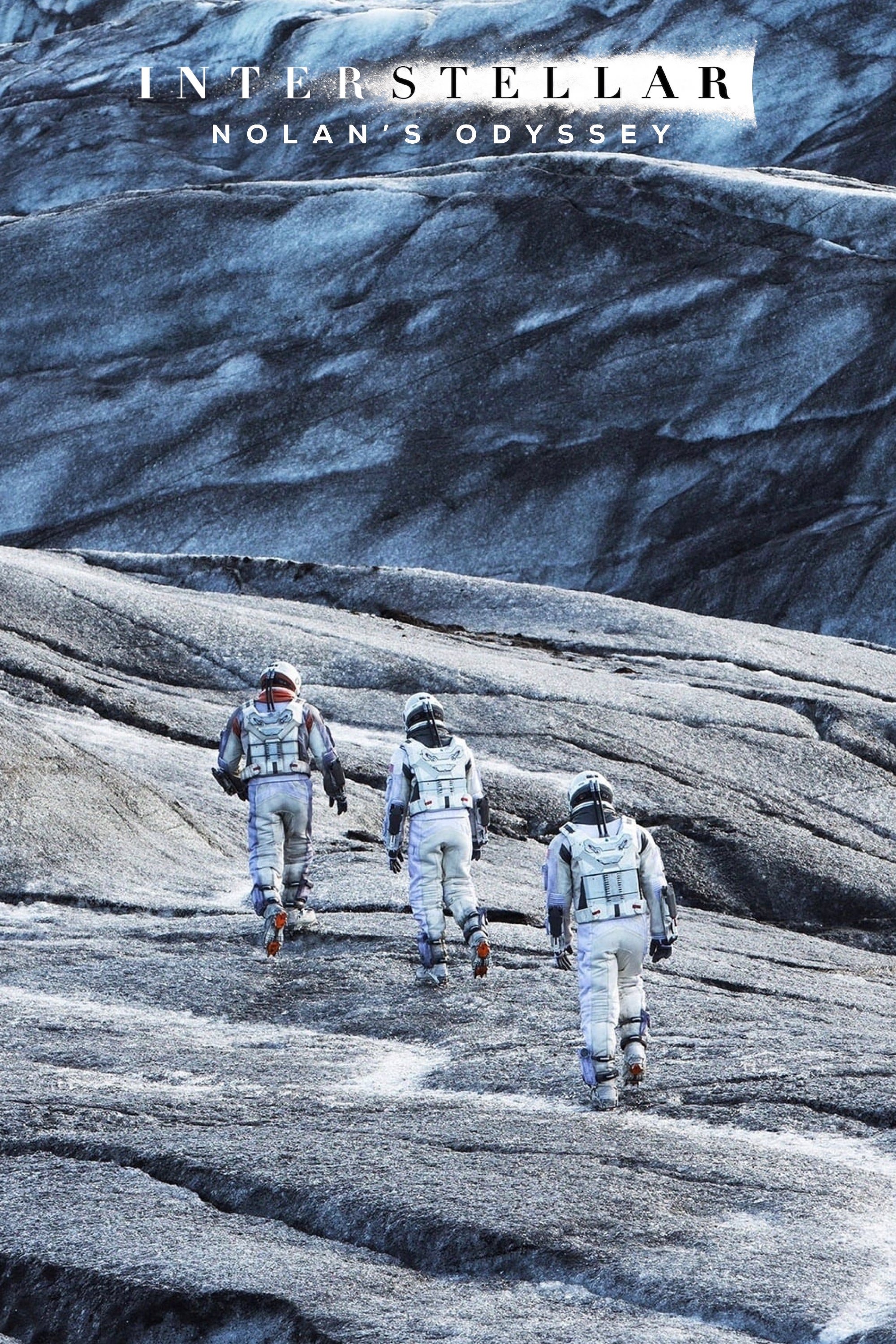
A look behind the lens of Christopher Nolan's space epic.
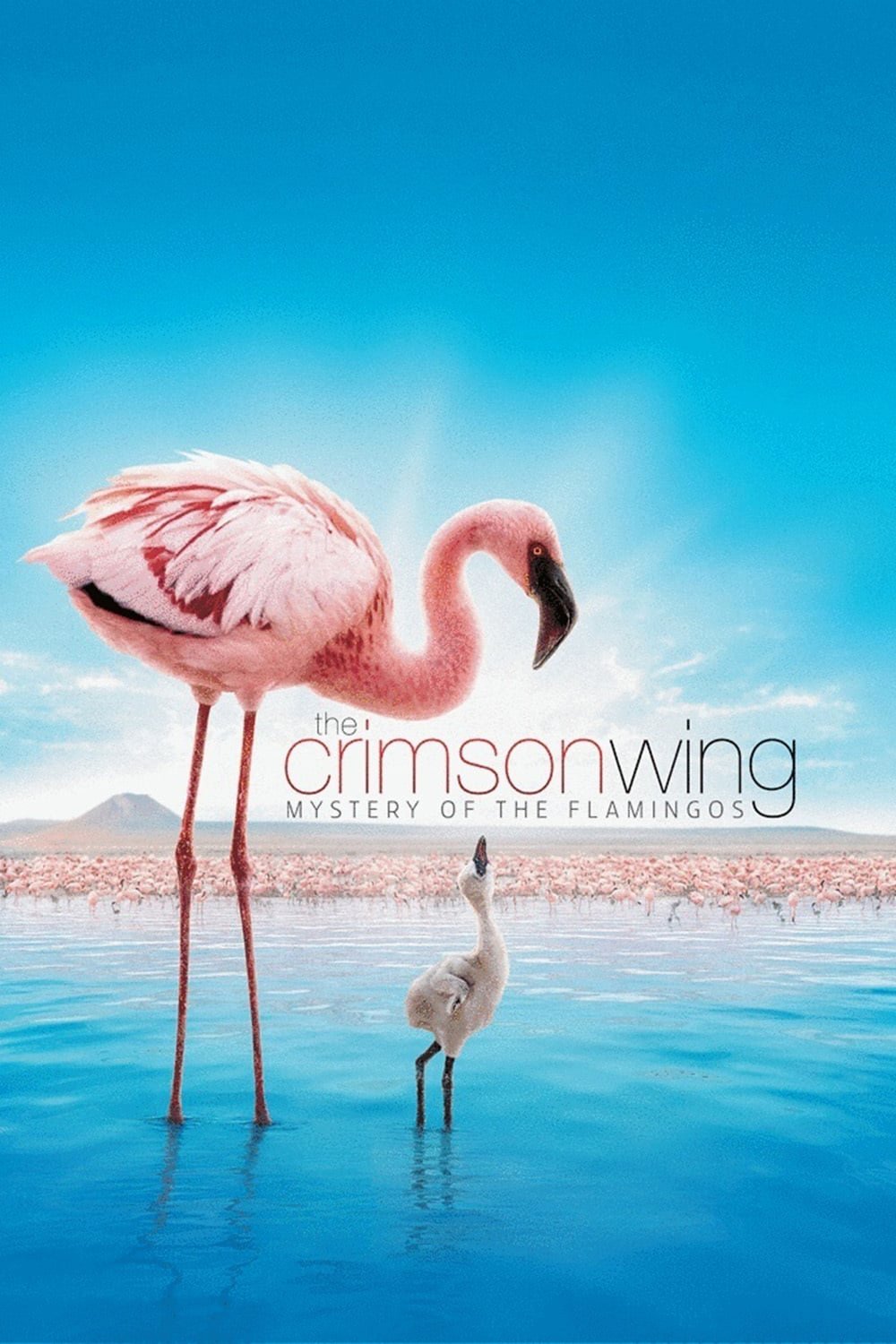
In the remote and forgotten wilderness of Lake Natron, in northern Tanzania, one of nature's last great mysteries unfolds: the birth, life and death of a million crimson-winged flamingos.