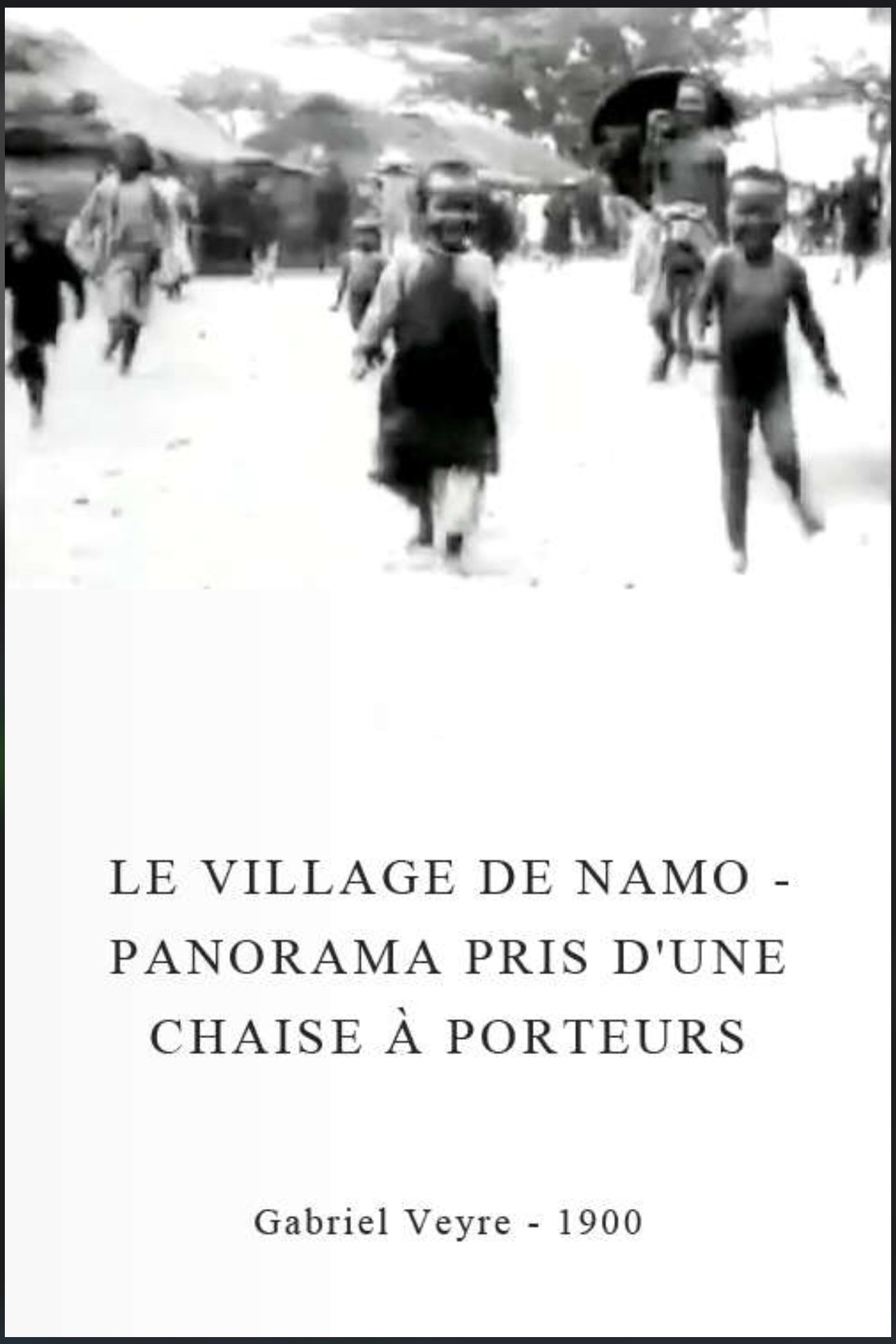
Visitors come and go to the thermal springs of Le Mont-Dore. Some are wrapped up in warm garments, some arrive in palanquins.
Social & External
From Elsinore shipyard launched the steamer AP Bemstorff sliding slowly out into the harbor.
Farmers' wives from Amager selling flowers.
The horse-drawn tram "Hønen" comes running along Nørregade and into the Old Square. "Hønen"'s last trip was on June 14, 1915.
Horse carriages seen at the Copenhagen Town Square.
The remains of the Baltic Violence have been eroded away by the large steam excavator. There is a man standing at the railway cutting as trains pass. He throws something into the railway cutting. This person is seen in several of the recordings from 1913. It may be journalist Anker Kirkeby.
Street Trading in Copenhagen in about 1913. The old butcher stalls by Nicholas Church, called the "stomach" before demolition.
Swimming. The Russian swimmer Romantschenko visits Copenhagen. He jumps into the water and swims around in the harbor, and he is later seen together with journalist Anker Kirkeby.
A documentary short film showing the flying of an airplane by the famous French pilot Chevillard.
A short, early documentary work showing insects exhibiting extreme strength and agility.
This film records the vast public response to the early death of Vera Kholodnaya, the first star of Russian cinema.
An experimental documentary about the life-story of a British teenager, Sam.
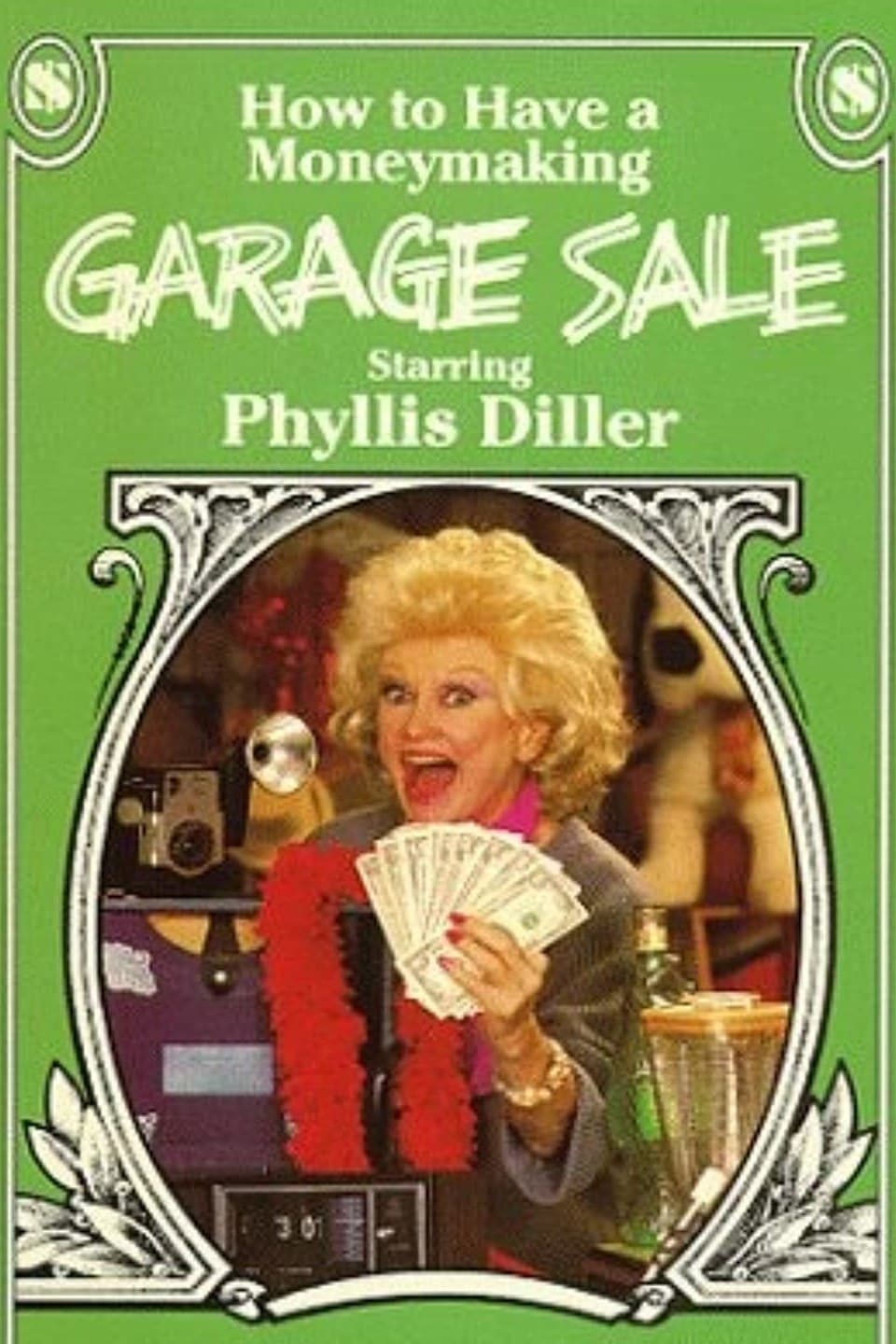
Learn today's simple, step-by-step way to make more money with less effort...and have fun! Phyllis Diller shares her "garage sale secrets" with you, digging into closets, plowing through old boxes and clearing out the attic as she organizes an attractive, moneymaking garage sale.
Jean Reno discusses his career and his role in the film Léon: The Professional (1994).
A short film to warn children of sexual predators.
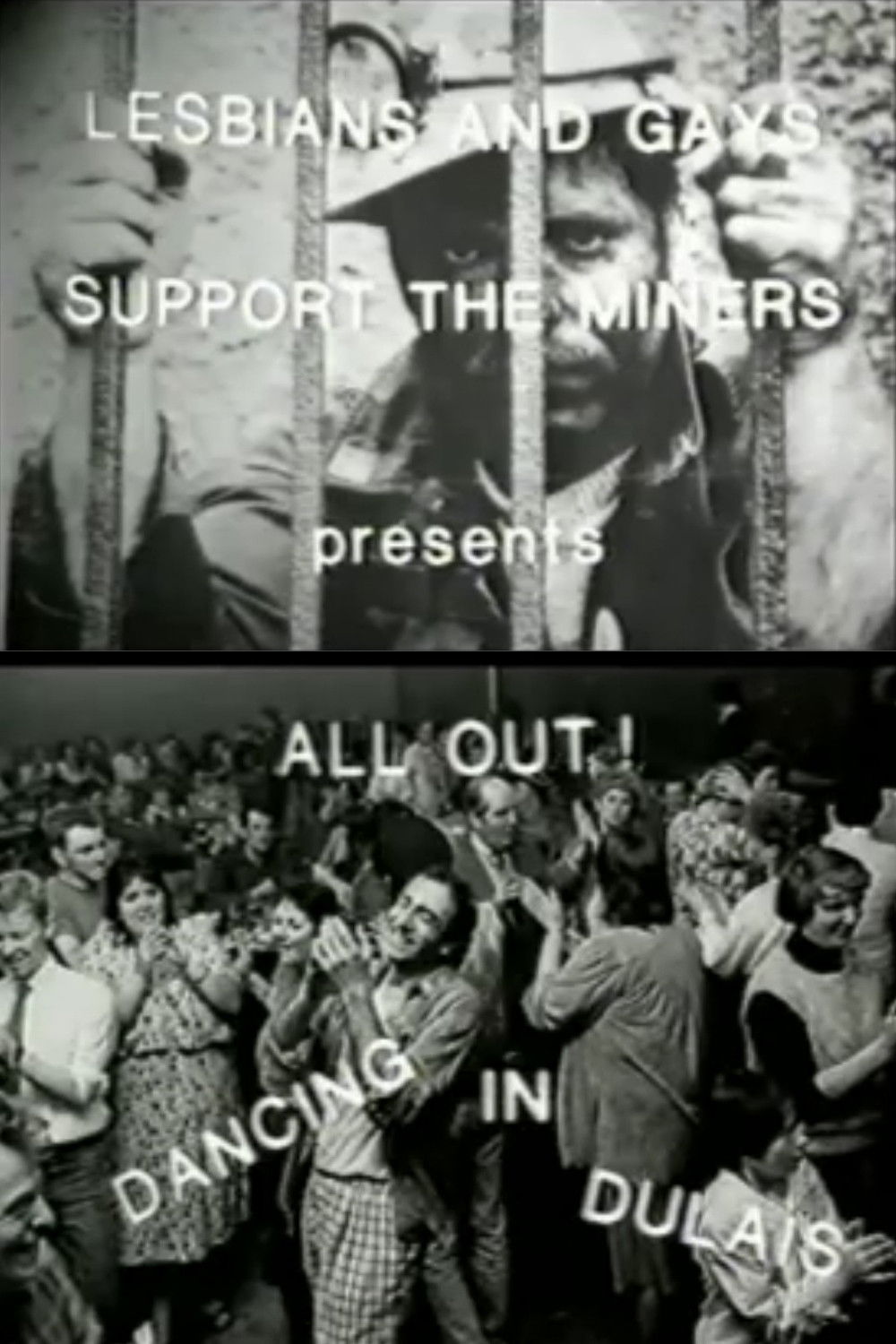
Dancing in Dulias was made by members of Lesbians and Gays Support the Miners (LGSM) and Lesbians Against Pit Closures during and immediate after the 1984/85 minders strike. Like the forthcoming movie, Pride, it documents the interactions between lesbians and gay men and the miners and their families in Dulais in South Wales - only this time it's the real thing. As well as some memorable footage that includes the Blaenant Lodge banner leading the 1985 Lesbian and Gay Pride march and LGSM members struggling with bingo at the local community hall, the film documents the wider political impact of this seemingly unlikely alliance. (cont. http://www.cambridgefilmfestival.org.uk/films/2014/dancing-in-dulais#sthash.HScQCj7E.dpuf)
In 1967, a young David Lynch grabbed his new Bolex 16mm camera, to film his friend and mentor Bushnell Keeler and brother Dave Keeler sailing on the Chesapeake Bay in Bush's King's Cruiser. This was David Lynch's very first film, which he prefers to call a "home movie". It depicts a man, a painter, who changed David's life forever pursuing the artist's life, which he continues to this day.
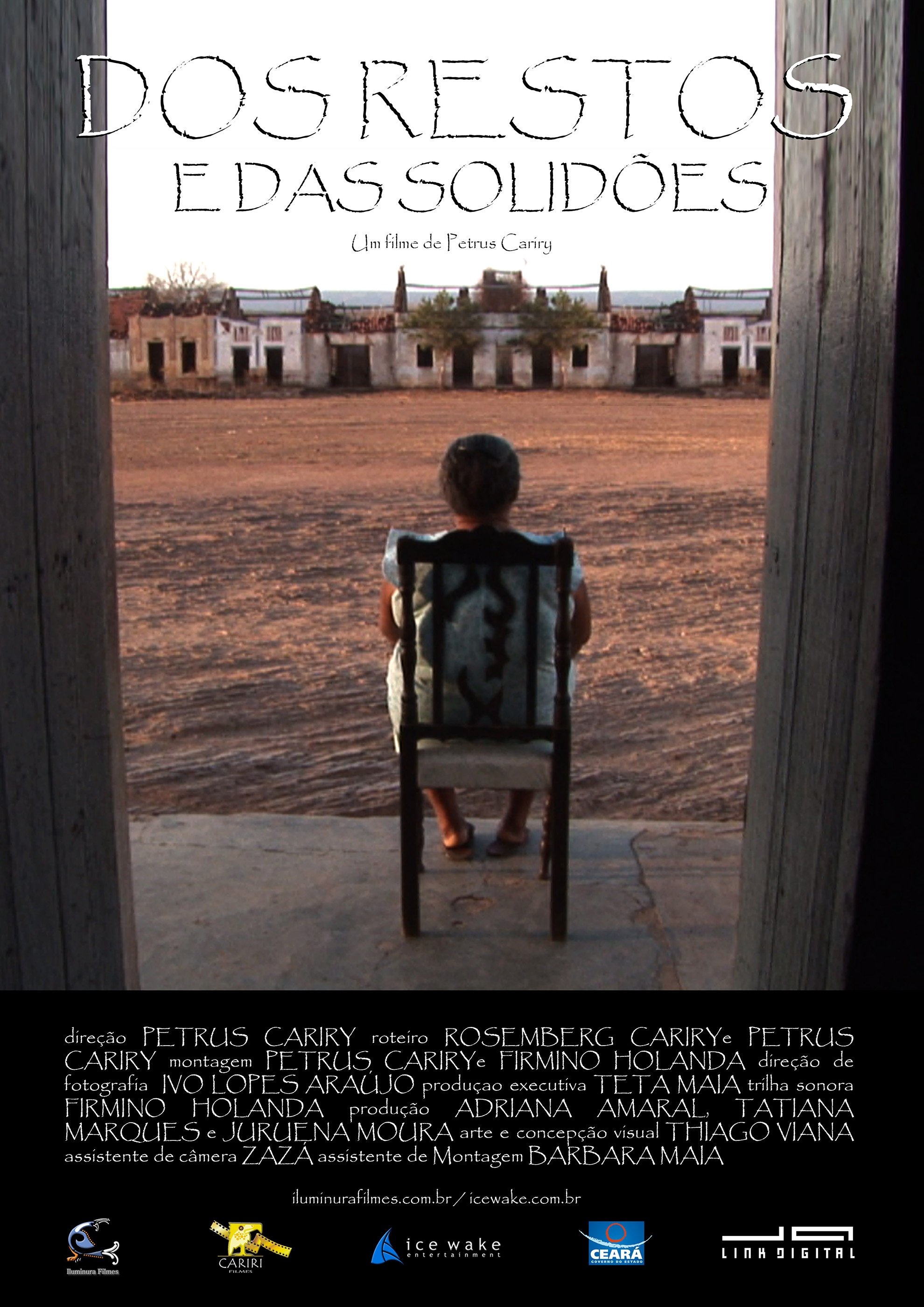
In the interior of the Inhamuns, the driest and poorest piece of land in Ceará, the ghost town of Cococi, among ruins and neglect, is a kind of living museum from immemorial times. In the middle of the deep caatinga, wandering among the ruins and the shadows, lives Dona Laura, 70 years old, brooding over memories and pain.
A short dance film in Pathécolor, also know as stencil colouring. The editing cuts correspond with the dancers' costume changes. More about stencil colouring at http://zauberklang.ch/filmcolors/timeline-entry/1218/.
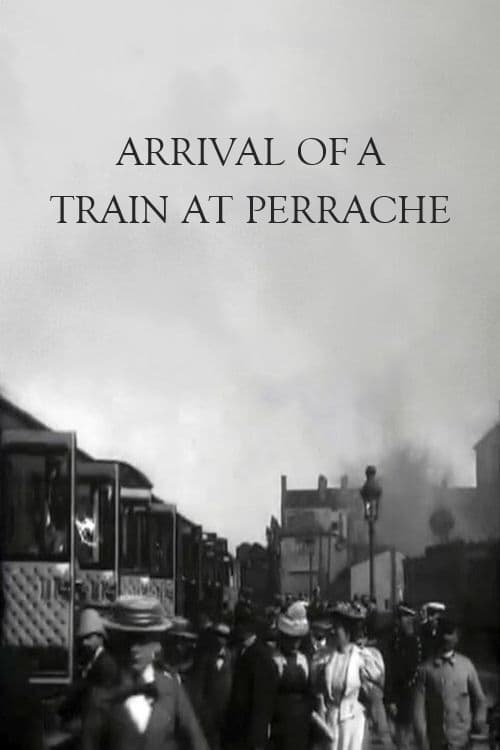
A trains arrives at Perrache station and people disembark.
A purely observational non-fiction film that takes viewers into the ethically murky world of end-of-life decision making in a public hospital.
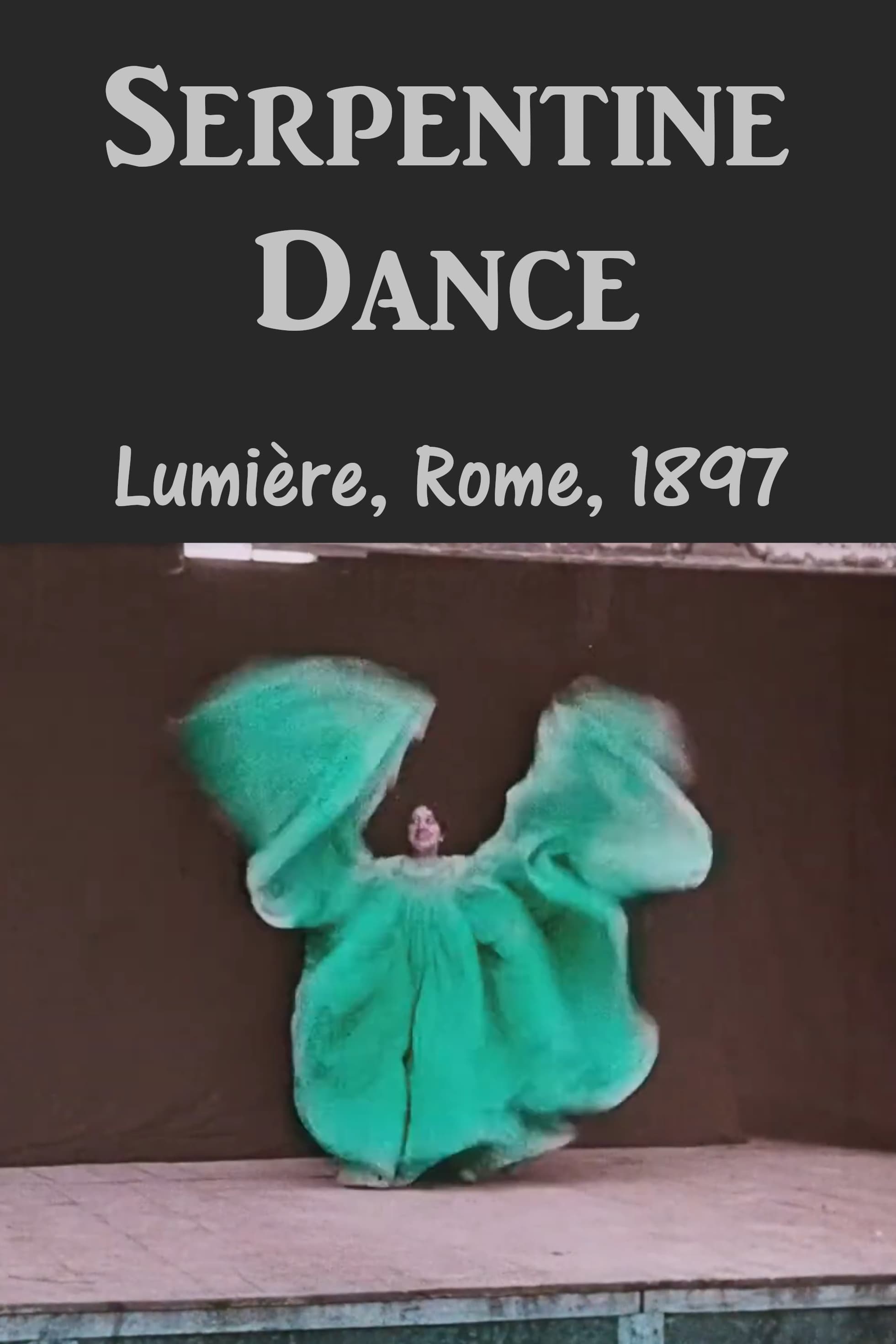
Angelic and demonic serpentine dance from dawn of cinema. Hand-colored frame by frame. Lumière no. 765 or 765.1 (colorized, different dancer?).
Featuring interviews with filmmakers and industry legends, discover the origins and evolution of The Joker, and learn why The Clown Prince of Crime is universally hailed as the greatest comic-book supervillain of all time.
Filmed along the Emeryville Mudflats near San Francisco, Junkopia captures a landscape of sculptural installations made from driftwood and discarded materials. Chris Marker, John Chapman, and Frank Simeone transform these ephemeral artworks—set against highways and the distant city—into a quiet meditation on art, decay, and the modern environment.
The subject of the film was the Hauka movement. The Hauka movement consisted of mimicry and dancing to become possessed by French Colonial administrators. The participants performed the same elaborate military ceremonies of their colonial occupiers, but in more of a trance than true recreation.
Alex Gibney explores the charged issue of pedophilia in the Catholic Church, following a trail from the first known protest against clerical sexual abuse in the United States and all way to the Vatican.
Al Pacino's deeply-felt rumination on Shakespeare's significance and relevance to the modern world through interviews and an in-depth analysis of "Richard III."
JB Smoove and Martin Starr host a celebration of 20 years of "Spider-Man" movies, from the Sam Raimi trilogy to Marc Webb's movies and the trio from Jon Watts.
SEDUCED AND ABANDONED combines acting legend Alec Baldwin with director James Toback as they lead us on a troublesome and often hilarious journey of raising financing for their next feature film. Moving from director to financier to star actor, the two players provide us with a unique look behind the curtain at the world's biggest and most glamourous film festival, shining a light on the bitter-sweet relationship filmmakers have with Cannes and the film business. Featuring insights from directors Martin Scorsese, 'Bernando Bertolucci' and Roman Polanski; actors Ryan Gosling and Jessica Chastain and a host of film distribution luminaries.
Filmed in 1896 by Alexandre Promio for the Lumière company, this short actuality presents one of the earliest traveling shots in cinema. With the camera mounted on a gondola, the film glides along Venice’s Grand Canal, capturing passing gondolas, bustling waterfront activity, and the city’s iconic architecture from a moving perspective. This simple yet groundbreaking technique introduced audiences to a new way of experiencing motion on screen.
A compilation of over 30 years of private home movie footage shot by Lithuanian-American avant-garde director Jonas Mekas, assembled by Mekas "purely by chance", without concern for chronological order.
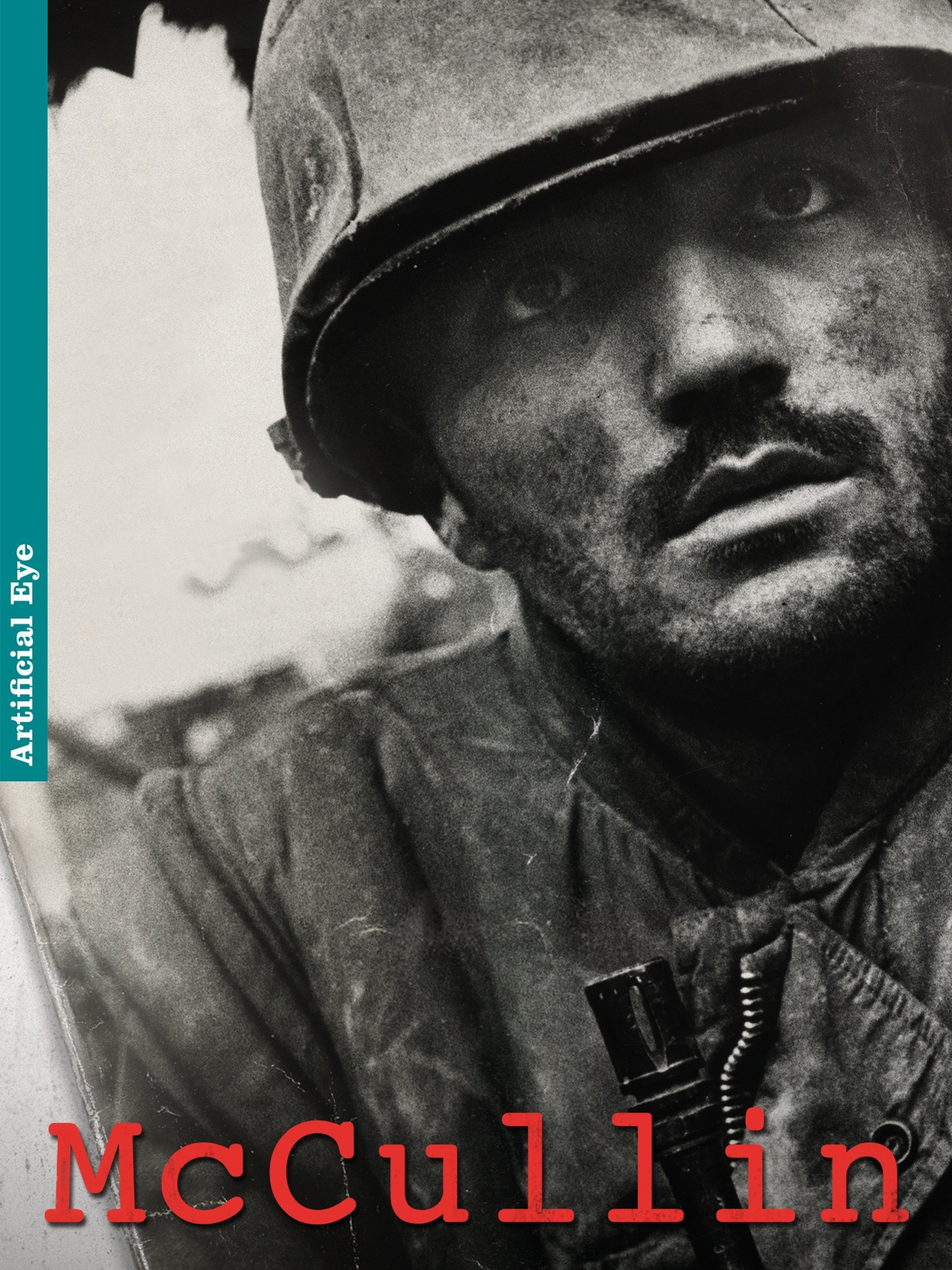
Biographical documentary of the war photographer Don McCullin, with sections on his upbringing, early work for the Observer and extensive war reporting for the Sunday Times until the purchase of the newspaper by Rupert Murdoch in the 1980s.
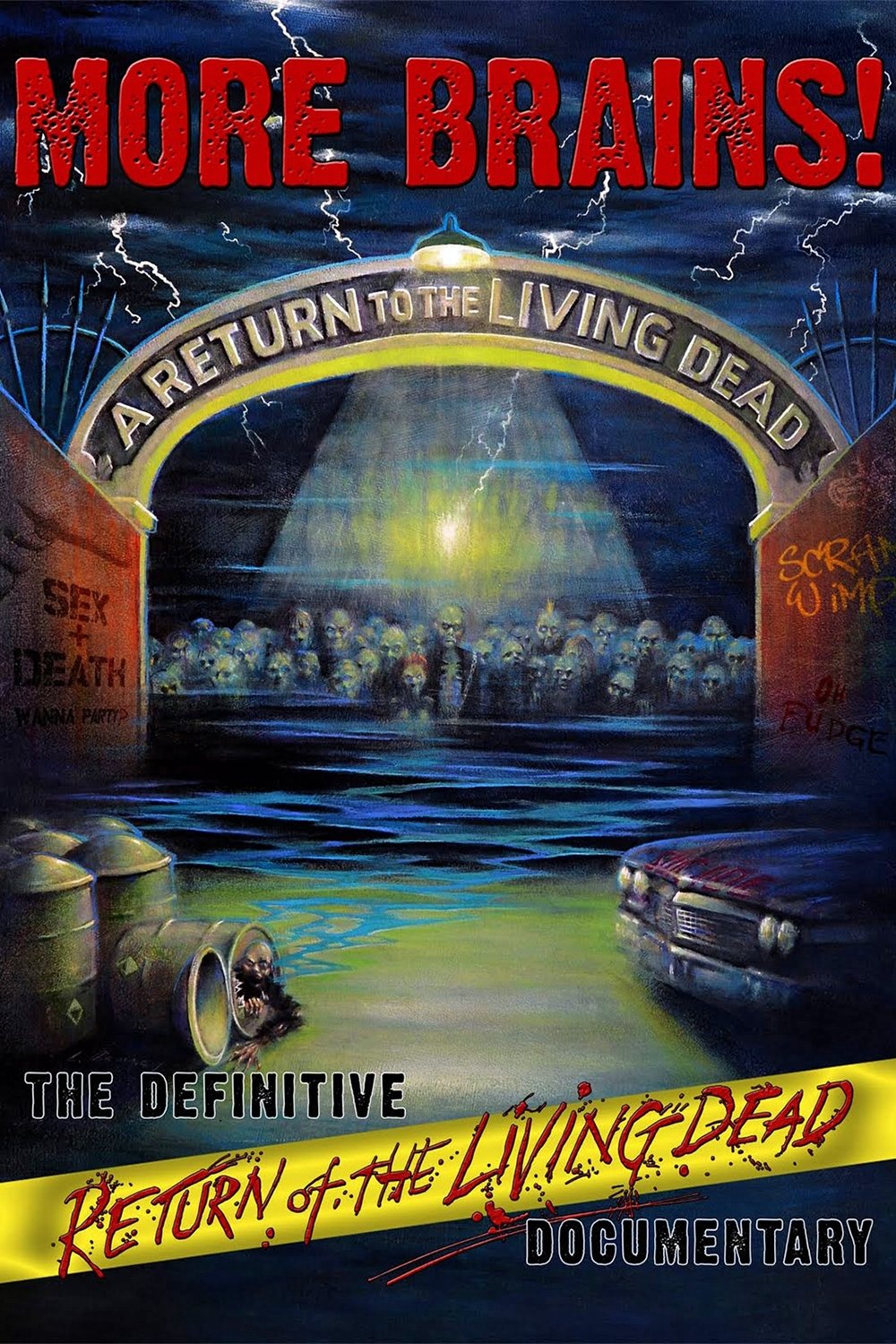
Retrospective documentary about the making of the horror cult classic "The Return of the Living Dead."
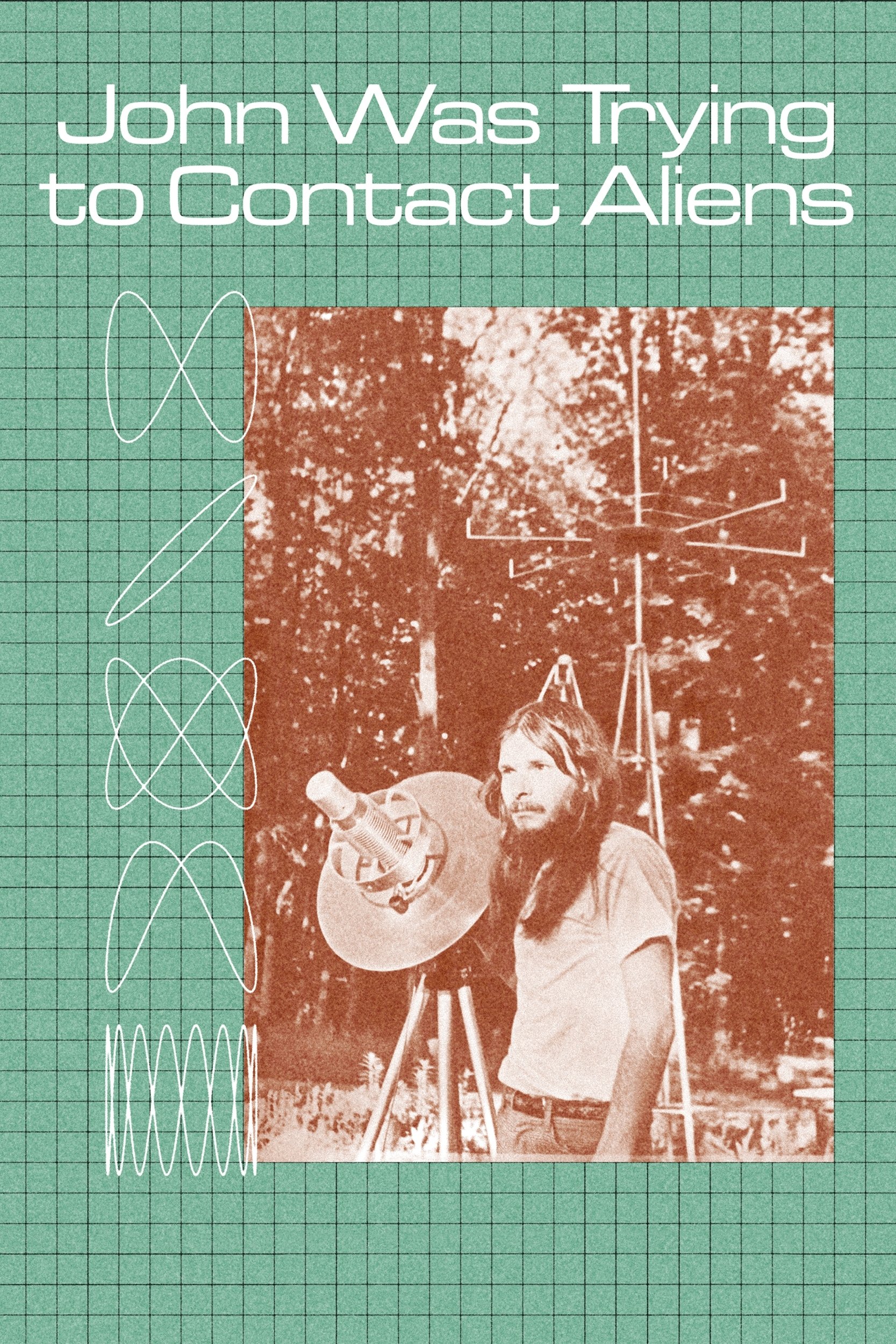
John Shepherd spent 30 years trying to contact extraterrestrials by broadcasting music millions of miles into space. After giving up the search, he makes a different connection here on earth.
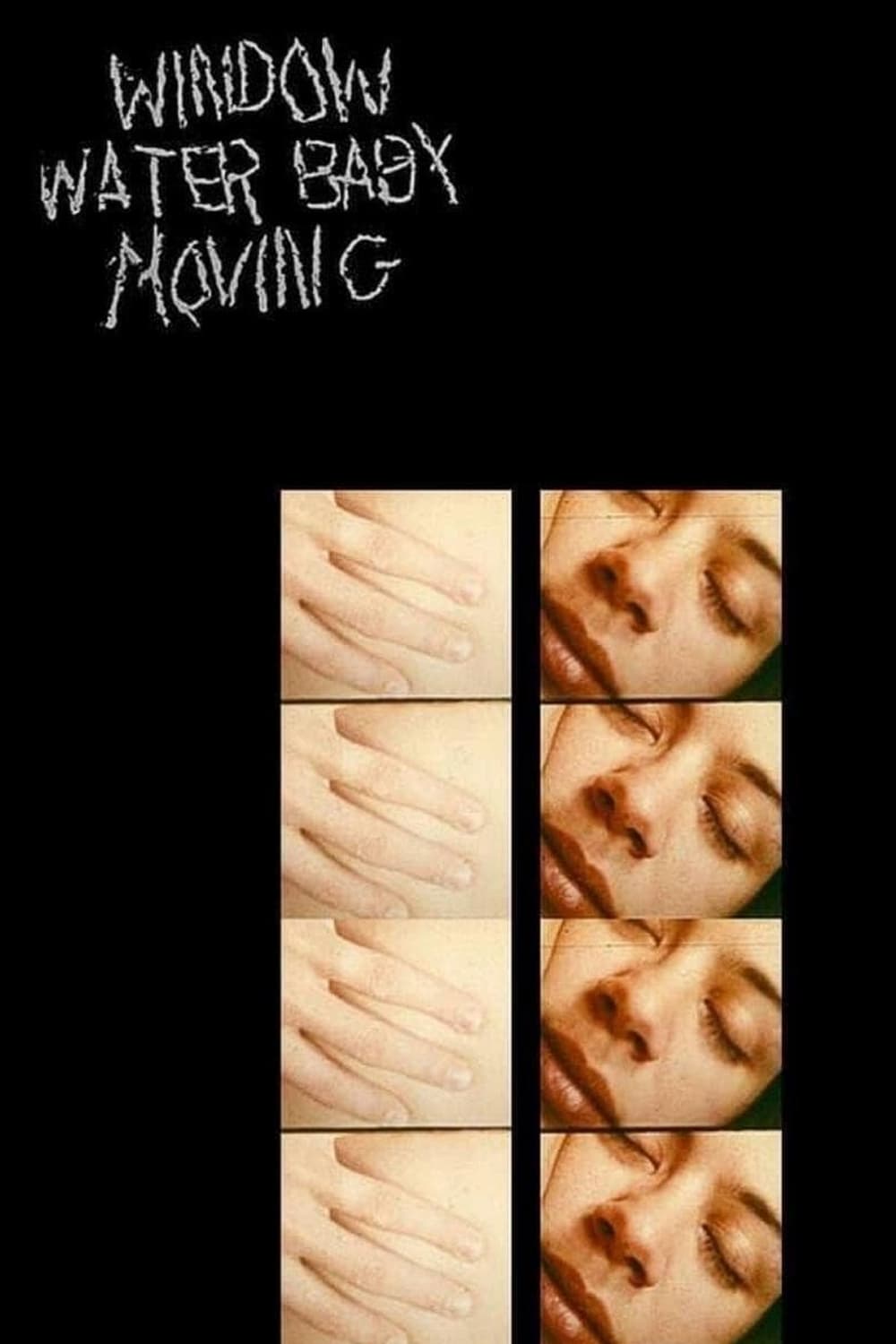
On a winter's day, a woman stretches near a window then sits in a bathtub of water. She's happy. Her lover is nearby; there are close ups of her face, her pregnant belly, and his hands caressing her. She gives birth: we see the crowning of the baby's head, then the birth itself; we watch a pair of hands tie off and cut the umbilical cord. With the help of the attending hands, the mother expels the placenta. The infant, a baby girl, nurses. We return from time to time to the bath scene. By the end, dad's excited; mother and daughter rest.
The film is a panorama shot-scene lasting just under a minute. The panorama film, as coined by Lumière, is a moving-camera shot--usually accomplished by placing the camera on a moving transport, such as a boat or train.
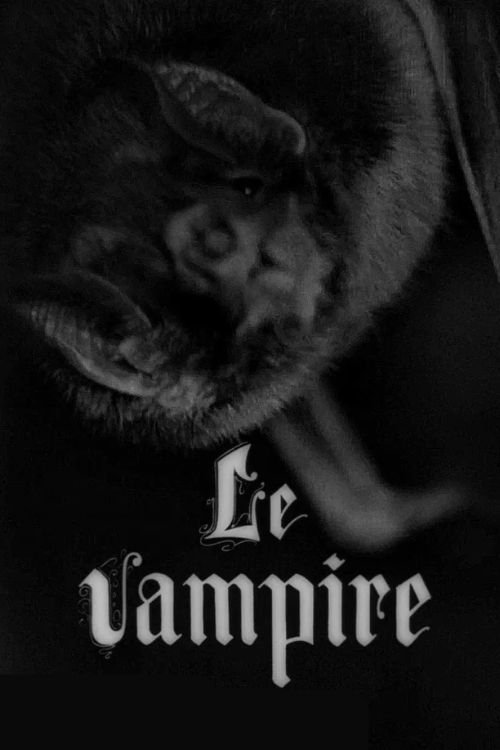
After a look at some strange creatures, the narrator and camera take us to the Chaco forest, on the borders of Paraguay, Argentina, and Brazil, where a vampire bat lives, desmodus rotondus, attacking wildlife and domesticated creatures, killing small ones by draining all their blood and killing large ones by leaving a parasite in their bloodstream. Four inches long, with a 12-inch wingspread, we see it walk, approach a victim, pull out a patch of fur large enough for it to engage its teeth, then lap six or seven ounces of blood. Its saliva may be an anesthetic keeping its victims from waking. A stub nose and harelip contribute to its efficiency and its hideous look.
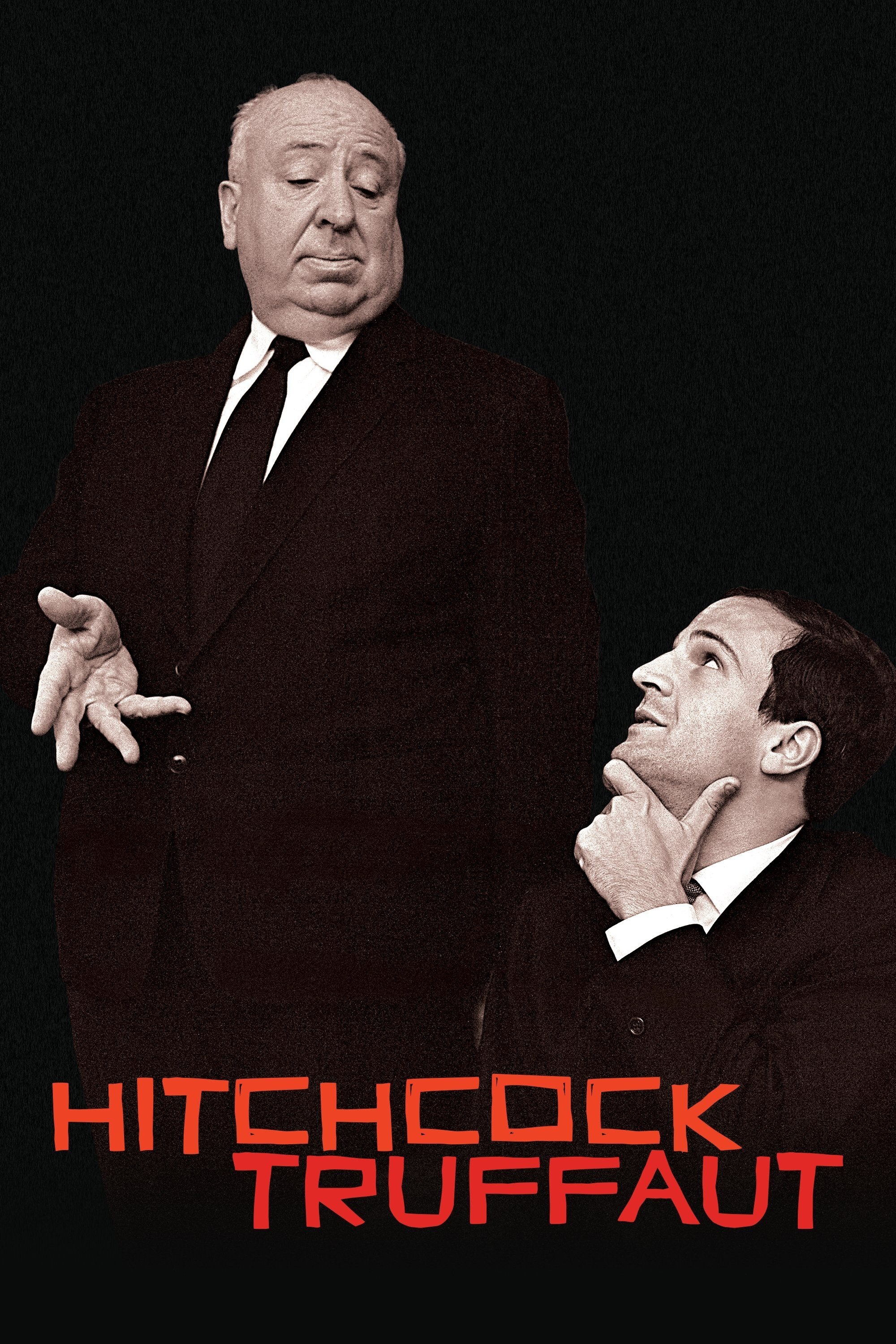
Filmmakers discuss the legacy of Alfred Hitchcock and the book “Hitchcock/Truffaut” (“Le cinéma selon Hitchcock”), written by François Truffaut and published in 1966.
Daniel Craig candidly reflects on his 15 year adventure as James Bond. Including never-before-seen archival footage from Casino Royale to the upcoming 25th film No Time To Die, Craig shares his personal memories in conversation with 007 producers, Michael G Wilson and Barbara Broccoli.