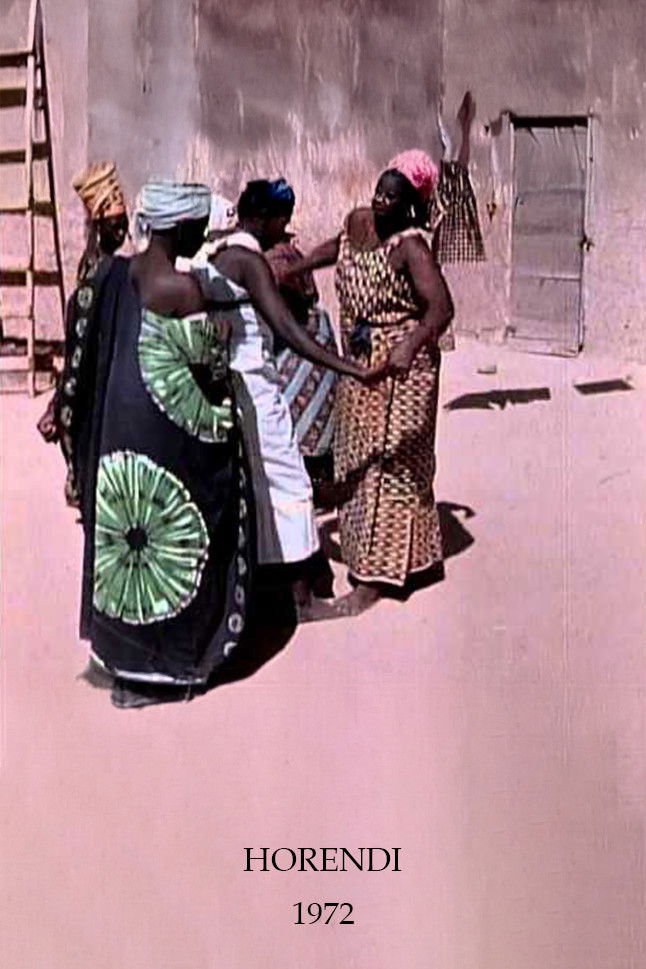
A seven-day initiation ceremony is documented in which two women undergo ritual healing following a diagnosis of spirit possession, presented without narration, intertitles, or explanatory commentary.
Social & External
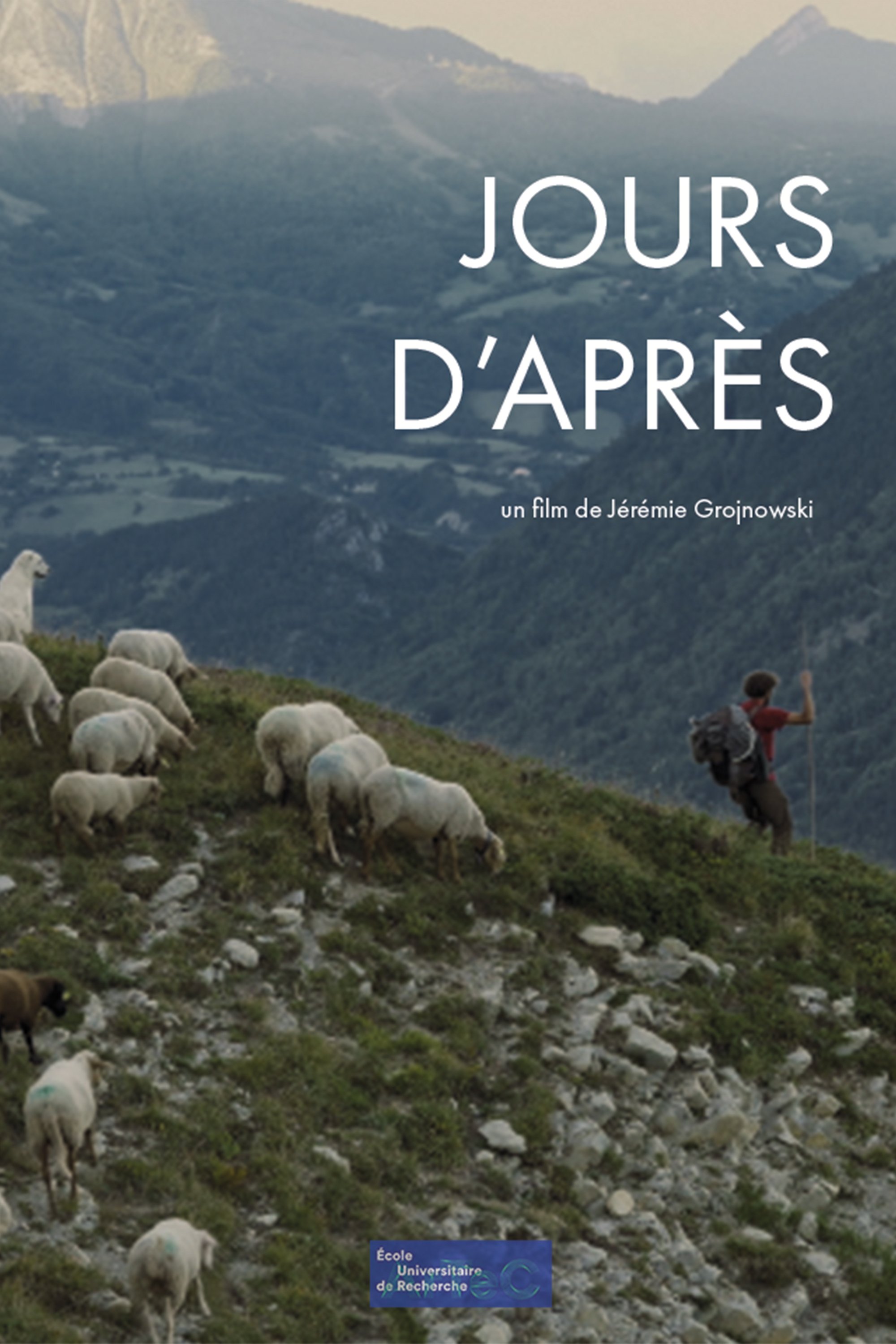
In Isère, in the mountainous region of Trièves, is the Tournesol farm, an experiential farm totally autonomous in energy, a veritable laboratory for renewable energies. Jean-Philippe and his family live there from sheep farming and organic market gardening. But in September 2017, a violent fire destroyed the farm and its facilities. While the family has lost everything, a surge of solidarity is taking place so that the Tournesol farm is reborn from its ashes.
The people of Unamenshipu (La Romaine), an Innu community in the Côte-Nord region of Quebec, are seen but not heard in this richly detailed documentary about the rituals surrounding an Innu caribou hunt. Released in 1960, it’s one of 13 titles in Au Pays de Neufve-France, a series of poetic documentary shorts about life along the St. Lawrence River. Off-camera narration, written by Pierre Perrault, frames the Innu participants through an ethnographic lens. Co-directed by René Bonnière and Perrault, a founding figure of Quebec’s direct cinema movement.
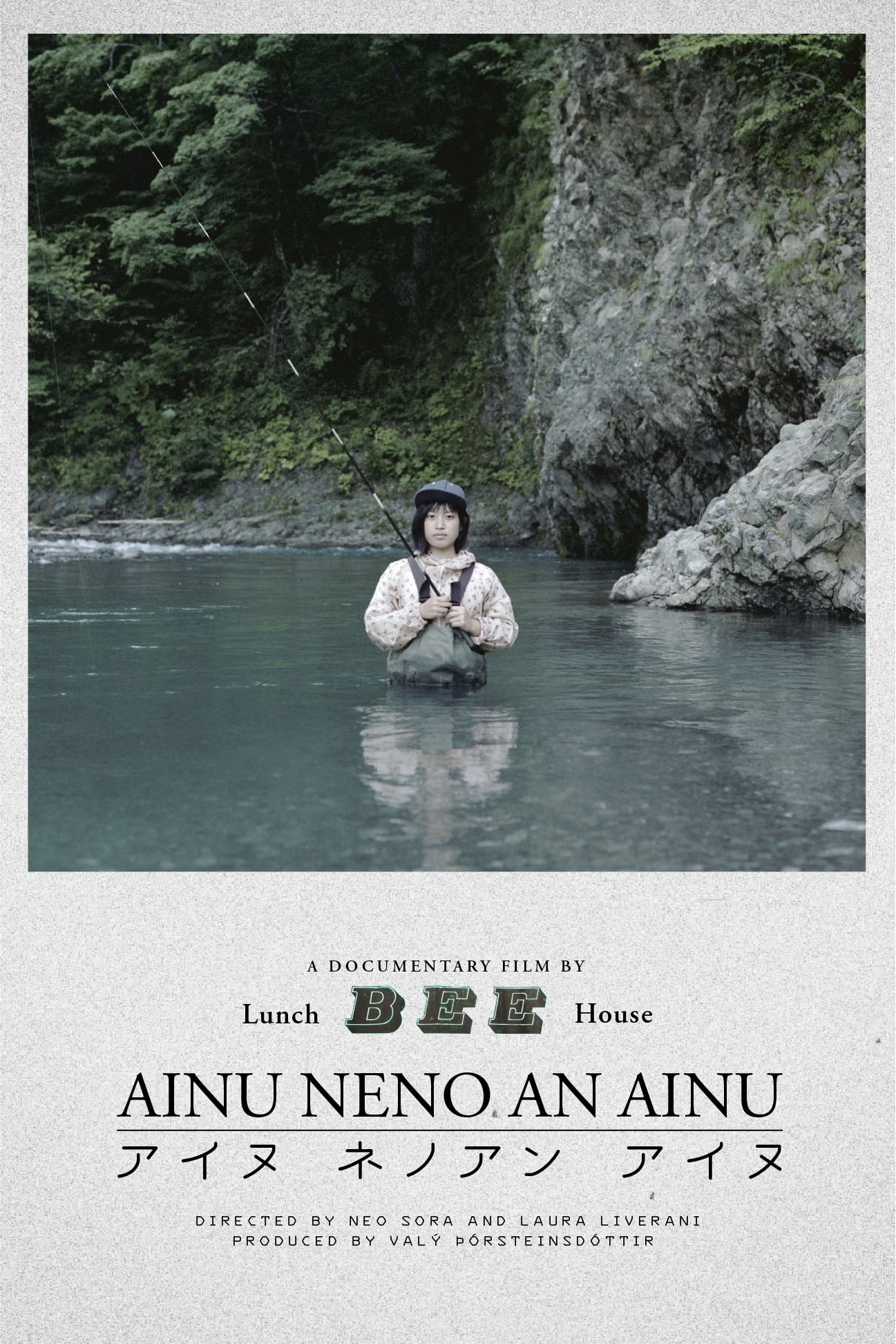
This documentary started as part of a photography project about the indigenous Ainu population in northern Japan, portraying people from tightly knit communities. They feel deeply connected by their culture and tradition. With gorgeous pictures, the directors explore how different generations of Ainu reflect on their identity after centuries of oppression.
AMIN portrays Qashqai musician Amin Aghaie, a young modern nomad and his family who despite facing steep financial, cultural and political obstacles are dedicated to their art and culture. Amin travels to remote towns and villages to record the music of the surviving masters whose numbers decline each year. His nomadic family are selling their meager belongings to help support their son's education in performance and ethnomusicology at Tchaikovsky's Conservatory in Kyiv, Ukraine, but it is not enough. Amin, desperate to finish his academic education, sells his violins one at a time just to pay for his tuition.
Robert J. Flaherty’s follow-up to Nanook of the North shifts from the Arctic to the South Seas, portraying Samoan village life with a painterly eye. Blending ethnographic detail with a romanticized “Gauguin idyll,” the film celebrates daily rituals, communal traditions, and the passage into adulthood, suffused with what Flaherty called “pride of beauty, pride of strength.”
Forest of Bliss is an unsparing yet redemptive account of the inevitable griefs, religious passions and frequent happinesses that punctuate daily life in Benares, India's most holy city. The film unfolds from one sunrise to the next without commentary, subtitles or dialogue. It is an attempt to give the viewer a wholly authentic, though greatly magnified and concentrated, sense of participation in the experiences examined by the film.
The Bapst Brothers: Romain, Maurice and Jacques – whom we will also meet in The Gruyere Chronicle (produced in 1990) – are peasants and carriers and work with their father. In autumn and winter, they bid for the community’s wood, cut down the pine trees and bring down the logs through the snowy woods by horse-drawn sleigh.
Germaine Dierterlen talks about Dogon mythology at a conference on the Bandiagara cliffs. The Songo canopy is a sacred site in Bandiagara. Its walls are covered with paintings depicting the different phases of creation. A little further on, in a cave near the village of Bongo, symposium participants are discussing the Tellem, the people who lived in the houses built into the cliffs before the arrival of the Dogon. The archaeological remains and migratory movements of these two peoples are discussed.
In Sangha, through the window of her house, Germaine greets Djamgouno, her main informant. He then translates for her a conversation she has with a half-blind old man. She recounts her memories of a past party at which Amadigné worked with her as an informant. Later, in front of the cliff, Germaine, Djamgouno and Pangalé are sitting on rocks, and Germaine talks about the many caves that can be visited by climbing small spelunking ladders. Rouch intervenes during the interview, asking the protagonists about the settlement of the cliff by the Dogon, who learned from the Tellem how to climb the cliff. Rouch then asks about the Tellem's predecessors who lived there 2,400 years ago. Germaine admits the ignorance of researchers on the subject, and Rouch concludes by joking about the new task that now falls to Germaine Dieterlen.
This intimate ethnographic study of Voudoun dances and rituals was shot by Maya Deren during her years in Haiti (1947-1951); she never edited the footage, so this “finished” version was made by Teiji Ito and Cherel Ito after Deren’s death.
A portrait of Zomo, the second of Damouré Zika’s many children. Employed at the zoo of the National Museum of Niger in Niamey, he offers us a tour, showing us the animals he takes care of. Then, when the work is finished, he invites us to an impromptu concert by “Jeunesse Gawey,” the “popular music” orchestra he forms with his brothers and sisters, who sing and dance for us pretty songs about their lives, their family, and Nigerien youth.
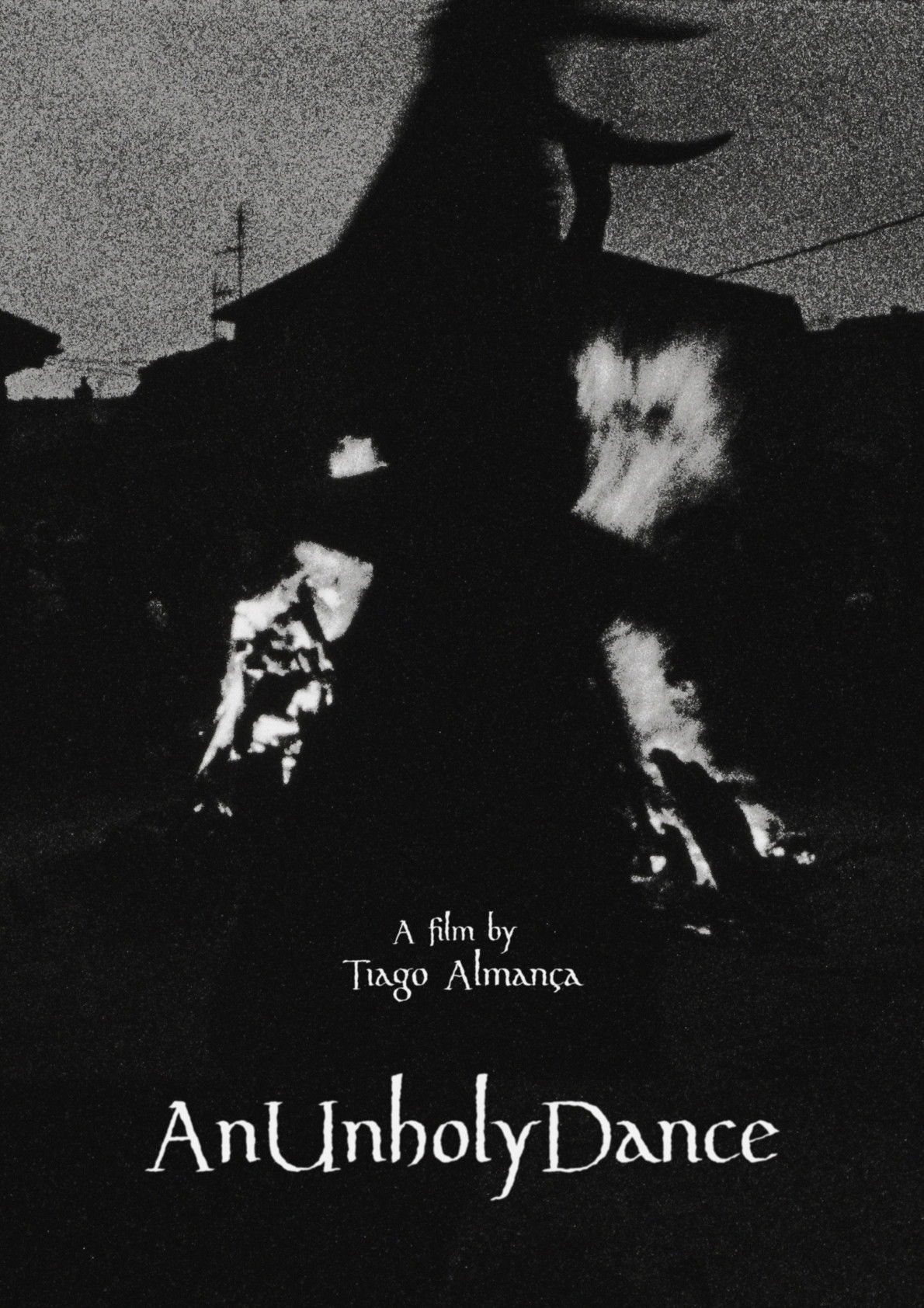
Every winter, a small town in Castilla-La Mancha called Luzón transforms into a little hell. Its inhabitants, dressed as devils, venture into the darkness and roam its streets with horns, bells, and smeared with soot. Una dança non sancta could have been just an anthropological documentary. Instead, it delves into the inferno with the town’s residents to participate in and immortalize this unholy ritual.

Shigeki, one of the Ainu people of northern Japan, follows the traditions of his ancestors and teaches his son Motoki about their heritage. But how can old customs be revived after centuries of suppression?
Rites and operation of the circumcision of thirty Songhai children on the Niger. Material of this film has been used to make "Les Fils de l'Eau".
An ethnographic film by Milovan Gavazzi, the founder of Croatian ethnology. The films displays a practice that was already a rarity at the time.
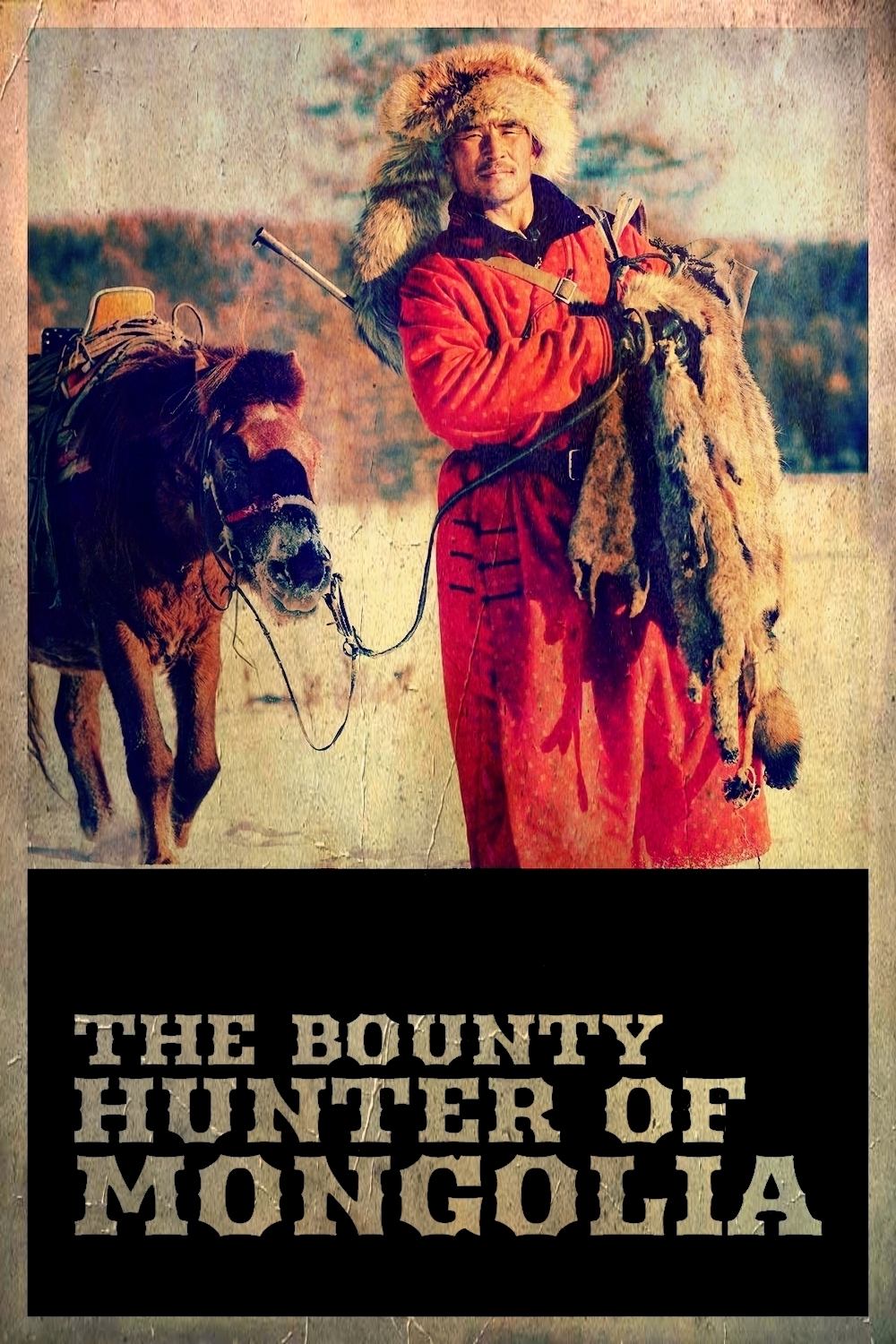
In the Darhat valley in northern Mongolia, the horses of nomadic tribes are stolen by bandits who then sell them to Russian slaughterhouses. Shukhert, a brave horseman, relentlessly pursues them through the Mongolian taiga, bordering Siberia.
David and Judith MacDougall are exploring the marriage rituals and roles of Turkana women in this ethnographic documentary. The film's biggest part is taken up by talks between the Turkana people. As one of the first ethnographic documentaries "A Wife Among Wives" subtitles these talks so that the viewer can get a better and probably more personal understanding of the life of the Turkana.
The young goat herders from the cliff of Bandiagara practice on the stone drums of their ancestors. An ethnomusicological film experiment describing the subtle plays of the right and left hand of Dogon drummers.
A synaesthetic portrait made between French Polynesia and Brittany, Color-blind follows the restless ghost of Gauguin in excavating the colonial legacy of a post-postcolonial present.
A documentary about how a dominant cultural and demographic institution both sustains their traditional activities and adapts to the digital revolution.
A detailing of the rise to prominence and global sporting superstardom of six supremely talented young Manchester United football players (David Beckham, Nicky Butt, Ryan Giggs, Paul Scholes, Phil and Gary Neville). The film covers the period 1992-1999, culminating in Manchester United's European Cup triumph.
Alexander McQueen's rags-to-riches story is a modern-day fairy tale, laced with the gothic. Mirroring the savage beauty, boldness and vivacity of his design, this documentary is an intimate revelation of McQueen's own world, both tortured and inspired, which celebrates a radical and mesmerizing genius of profound influence.
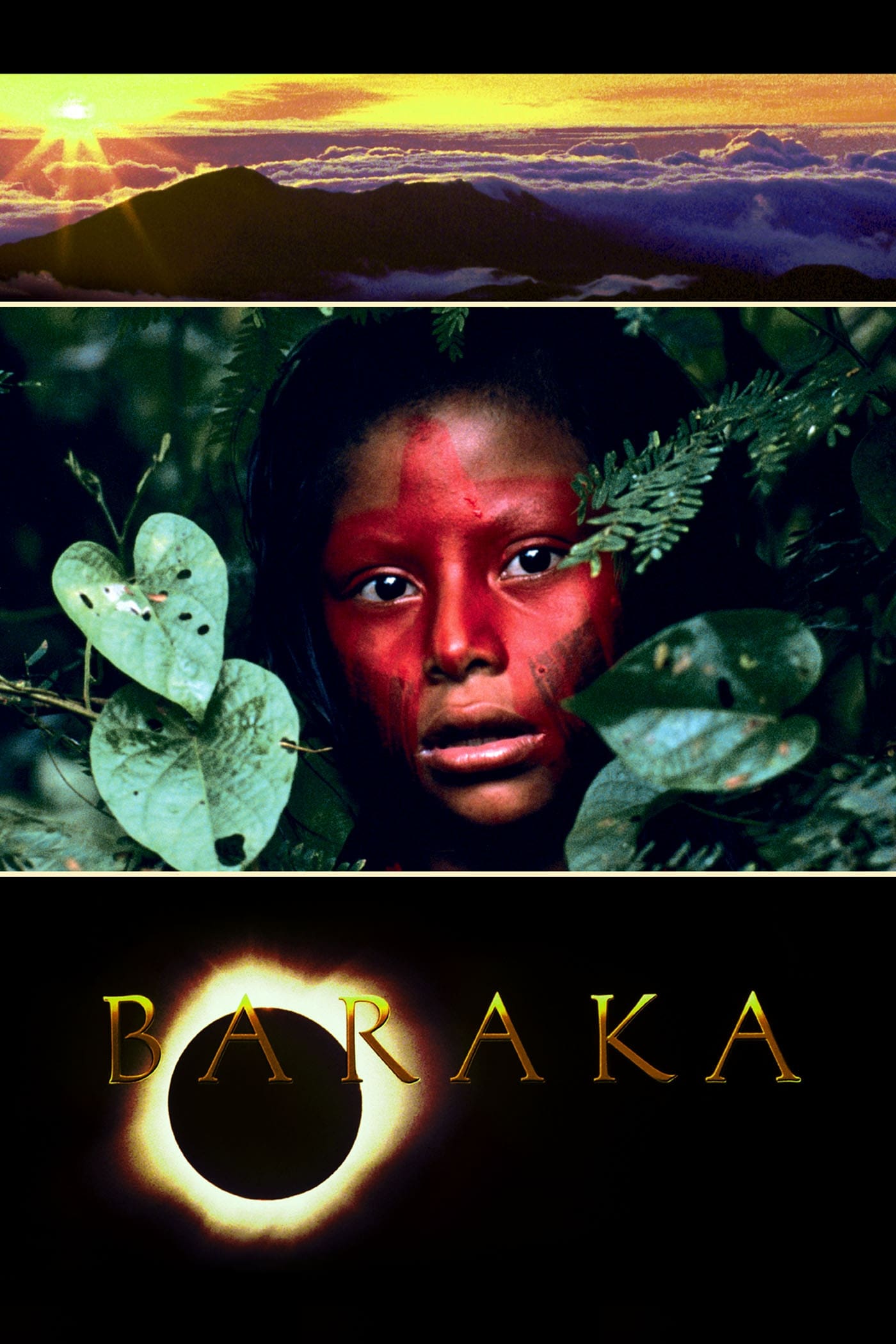
A paralysingly beautiful documentary with a global vision—an odyssey through landscape and time—that attempts to capture the essence of life.
A documentary on the expletive's origin, why it offends some people so deeply, and what can be gained from its use.
In the Realms of the Unreal is a documentary about the reclusive Chicago-based artist Henry Darger. Henry Darger was so reclusive that when he died his neighbors were surprised to find a 15,145-page manuscript along with hundreds of paintings depicting The Story of the Vivian Girls, in What is Known as the Realms of the Unreal, of the Glodeco-Angelinnian War Storm, Cased by the Child Slave Rebellion.
A compilation of over 30 years of private home movie footage shot by Lithuanian-American avant-garde director Jonas Mekas, assembled by Mekas "purely by chance", without concern for chronological order.
A documentary about the making of David Fincher's 2008 film THE CURIOUS CASE OF BENJAMIN BUTTON. Virtually every element in the evolution of the Fincher's film is documented here, from the project's attachment to numerous other directors during the 1990s, to its shoot in 2006 and 2007 in New Orleans, to its complex, CGI-intensive postproduction process.
SEDUCED AND ABANDONED combines acting legend Alec Baldwin with director James Toback as they lead us on a troublesome and often hilarious journey of raising financing for their next feature film. Moving from director to financier to star actor, the two players provide us with a unique look behind the curtain at the world's biggest and most glamourous film festival, shining a light on the bitter-sweet relationship filmmakers have with Cannes and the film business. Featuring insights from directors Martin Scorsese, 'Bernando Bertolucci' and Roman Polanski; actors Ryan Gosling and Jessica Chastain and a host of film distribution luminaries.
A visual montage portrait of our contemporary world dominated by globalized technology and violence.
An exploration of technologically developing nations and the effect the transition to Western-style modernization has had on them.
Lyrical and powerfully personal essay film that reflects on the deaths of her husband Lou Reed, her mother, her beloved dog, and such diverse subjects as family memories, surveillance, and Buddhist teachings.
With exclusive access to his extraordinary unseen and unheard personal archive including hundreds of hours of audio recorded over the course of his life, this is the definitive Marlon Brando cinema documentary. Charting his exceptional career as an actor and his extraordinary life away from the stage and screen with Brando himself as your guide, the film will fully explore the complexities of the man by telling the story uniquely from Marlon's perspective, entirely in his own voice. No talking heads, no interviewees, just Brando on Brando and life.

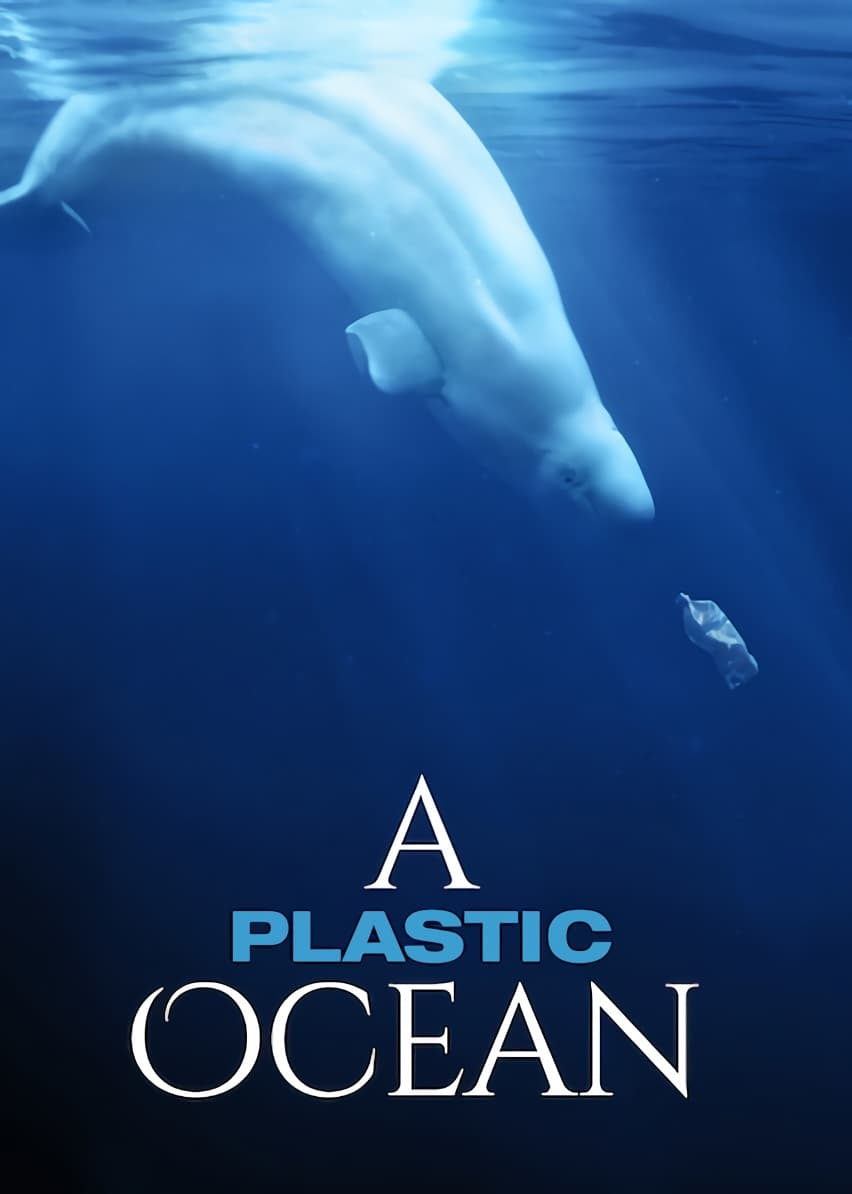
A documentary focused on plastic pollution in the world's oceans.
From the heights of her modeling fame to her tragic death, this documentary reveals Anna Nicole Smith through the eyes of the people closest to her.
A documentary on the making of the three Godfather films, with interviews and recollections from the film makers and cast. This feature also includes the original screen tests of some of the actors for "The Godfather" film, and some candid moments on the set of "The Godfather: Part III."
A documentary about the life and films of director John Ford.
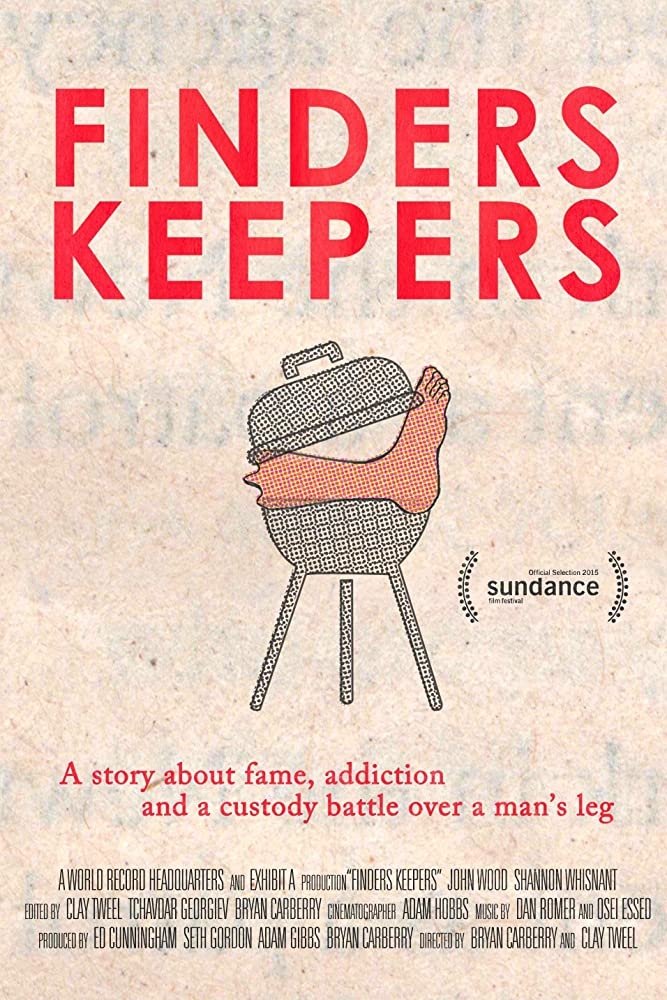
In this documentary, recovering addict and amputee John Wood finds himself in a stranger-than-fiction battle to reclaim his mummified leg from Southern entrepreneur Shannon Whisnant, who found it in a grill he bought at an auction and believes it therefore to be his rightful property.
A documentary chronicling Queen and Lambert's incredible journey since they first shared the stage together on "American Idol" in 2009.
Daniel Craig candidly reflects on his 15 year adventure as James Bond. Including never-before-seen archival footage from Casino Royale to the upcoming 25th film No Time To Die, Craig shares his personal memories in conversation with 007 producers, Michael G Wilson and Barbara Broccoli.