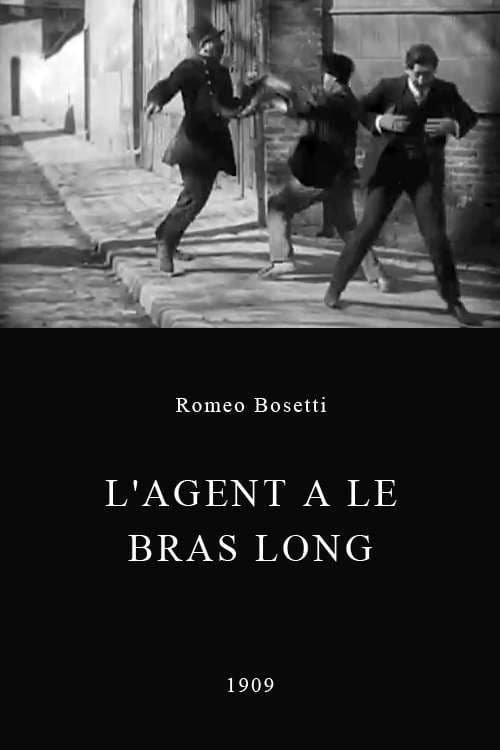
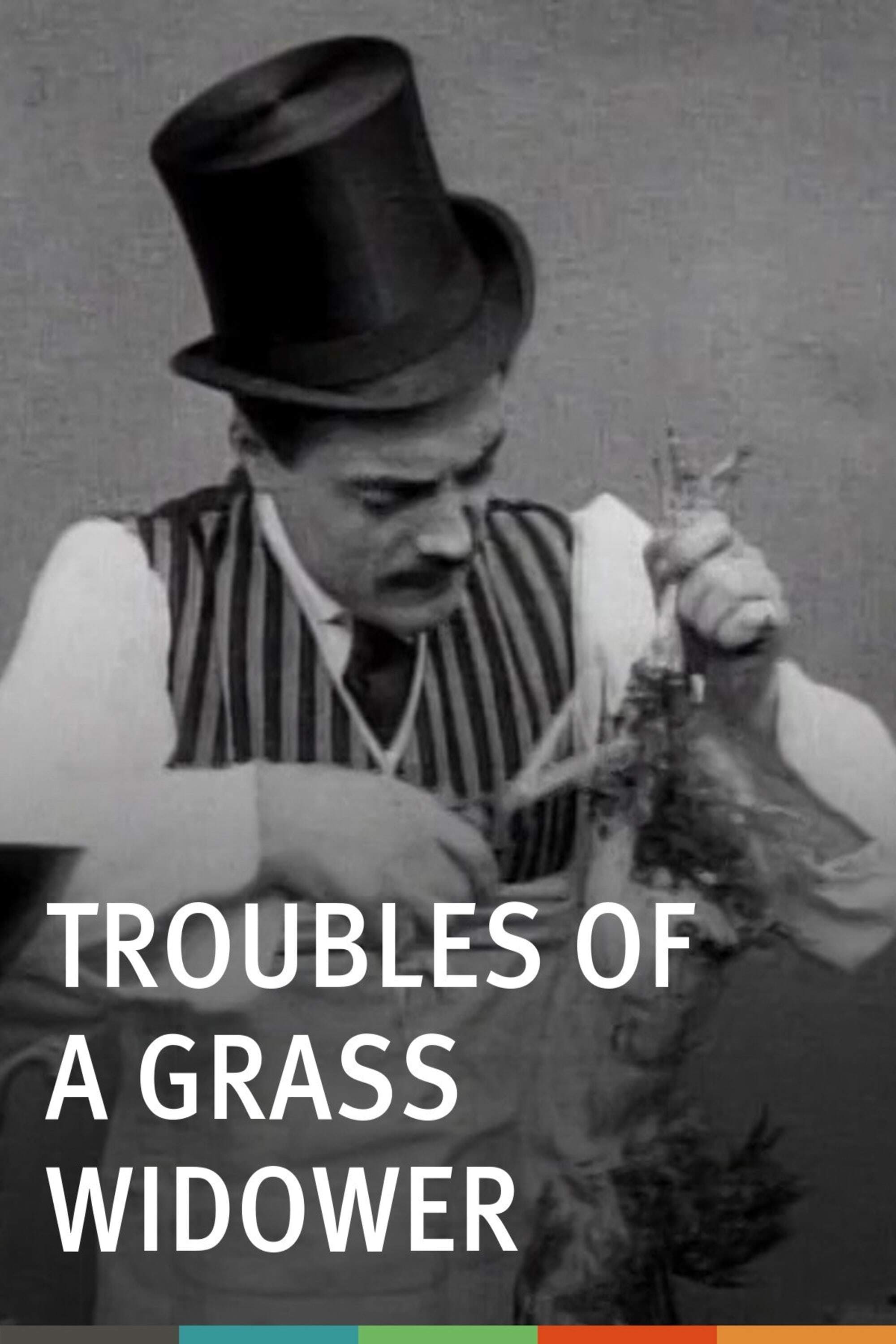
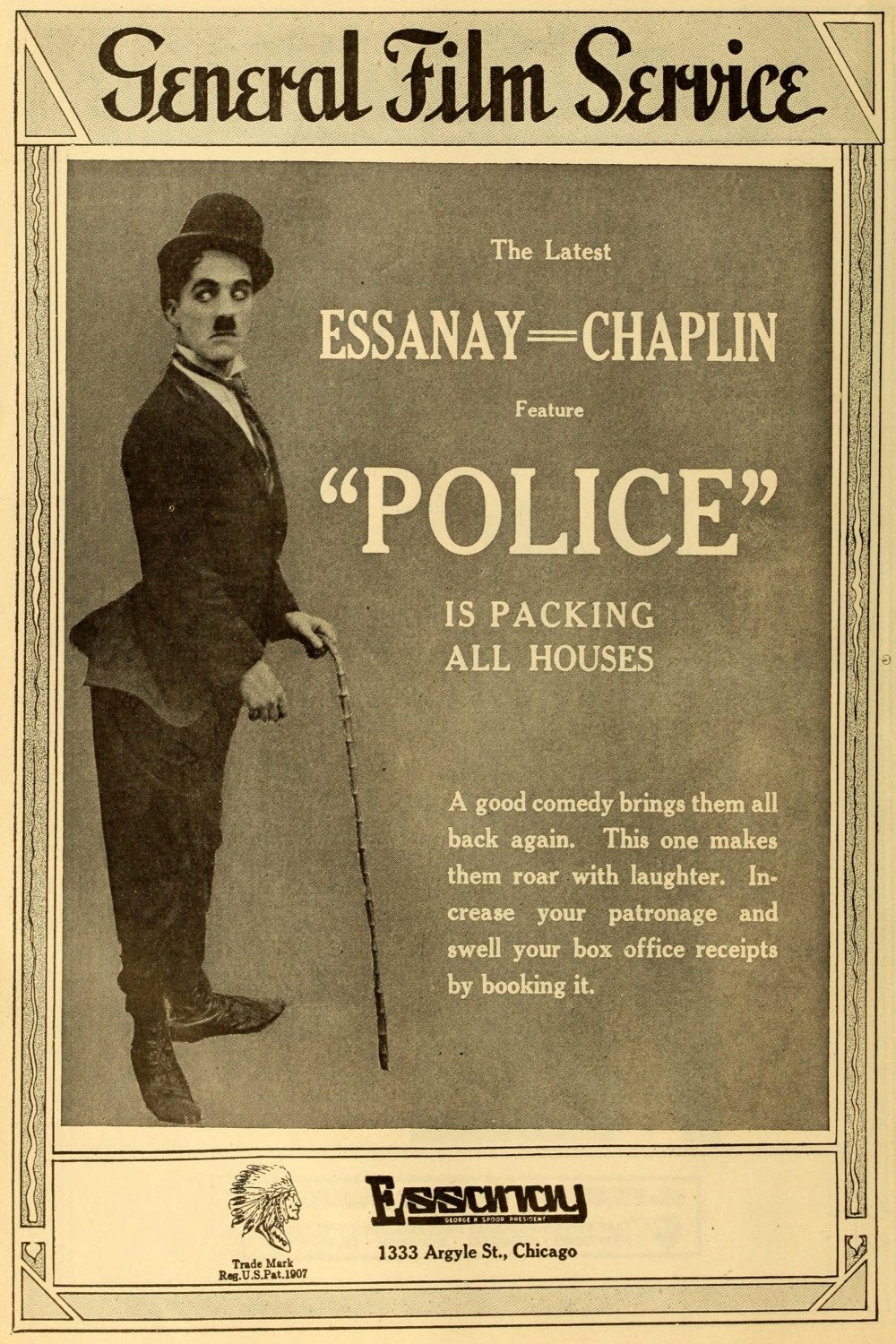
The exploits of a policeman who literally has the long arm of the law.
Social & External
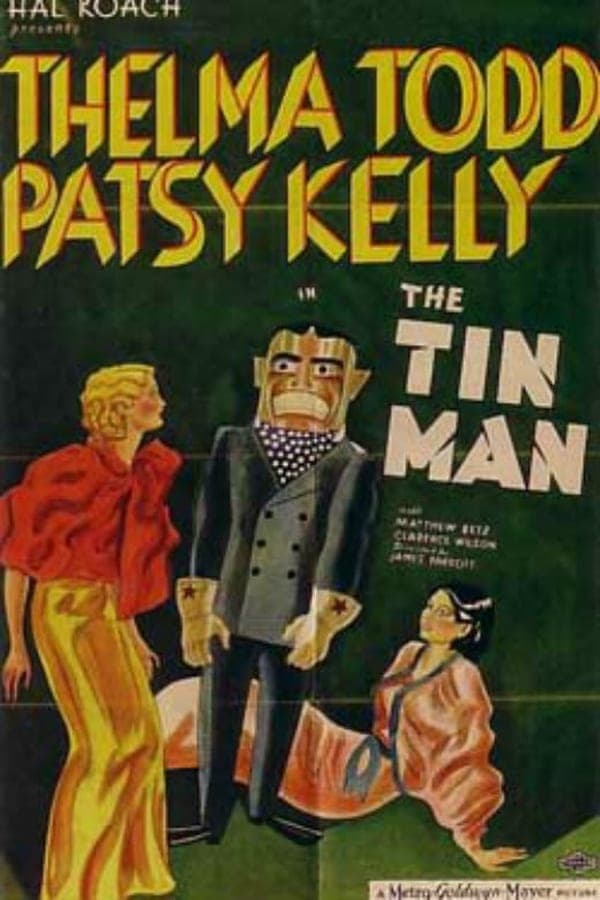
Thelma and Patsy find themselves in a spooky house inhabited by a nut who is a mechanical genius and has made a robot who does everything. The inventor manipulates the robot's control board from a hidden room. The girls are soon in a panic. Patsy gets into an argument with the robot and loses the match of wits. Blackie Burke, an escaped convict, is using the house as a hideout, and this adds to the problems the girls already have.
Dr. Cockroach comes up with a brilliant plan to break themselves out of Area 52 – but to implement the plan, he has to trick B.O.B. into thinking it’s his birthday.
One of the two earliest horror films ever made. This film is presumed lost. In this black comedy scene, the bottom falls out of a coffin, the corpse tumble out, and is jolted back to life. Short sequences like this, as well as street scenes and dancing geisha girls were the main subjects of early Nippon cinema, pioneered by Shiro Asano and Shibata Tsunekichi from 1897 onwards. In creating dramatic, scenes, film-makers naturally chose the most striking or bizarre. Another undocumented film, recalled by cameraman Shiro Asano.
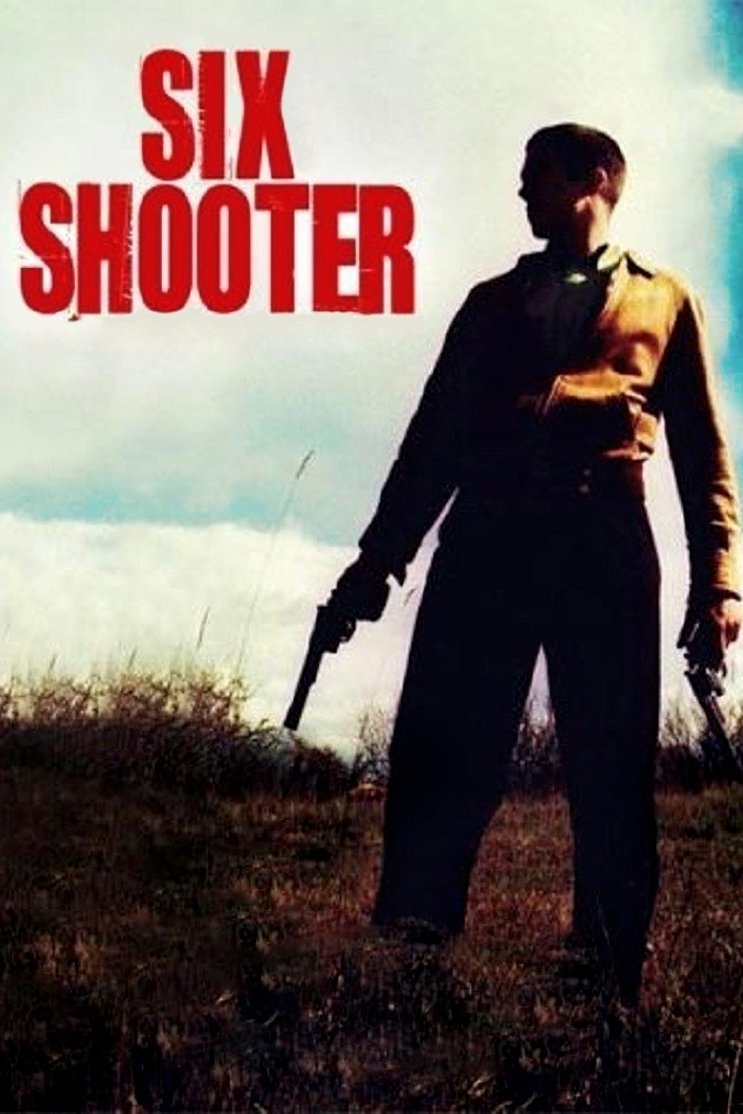
Overwhelmed by grief following the death of his wife, Donnelly shares a train carriage home with a troubled young man identified only as the 'Kid'. As the Kid becomes more agitated and foul-mouthed, the journey takes on a violent and dangerous hue – for the bereaved Donnelly and for other hapless passengers on the train. Academy Award Winner: Best Live Action Short Film – 2005
With script and direction by Pablo Villaça and starring the comedian Geraldo Magela, Morte Cega has as main character a failed filmmaker named Francis (Maurício Canguçu, producer and one of the main actors of the theatrical success "Believe, a Spirit Downloaded Me"). One night, Francis has a frightening dream about Magela, known throughout the country for playing the character O Ceguinho. Determined to make a short film based on this dream, Francis uses his producer friend, Martinho (Carlos Magno Ribeiro, who acted in Villaça's first short, A_ética), to get to the comedian. From then on, the meeting brings unexpected results for everyone involved.
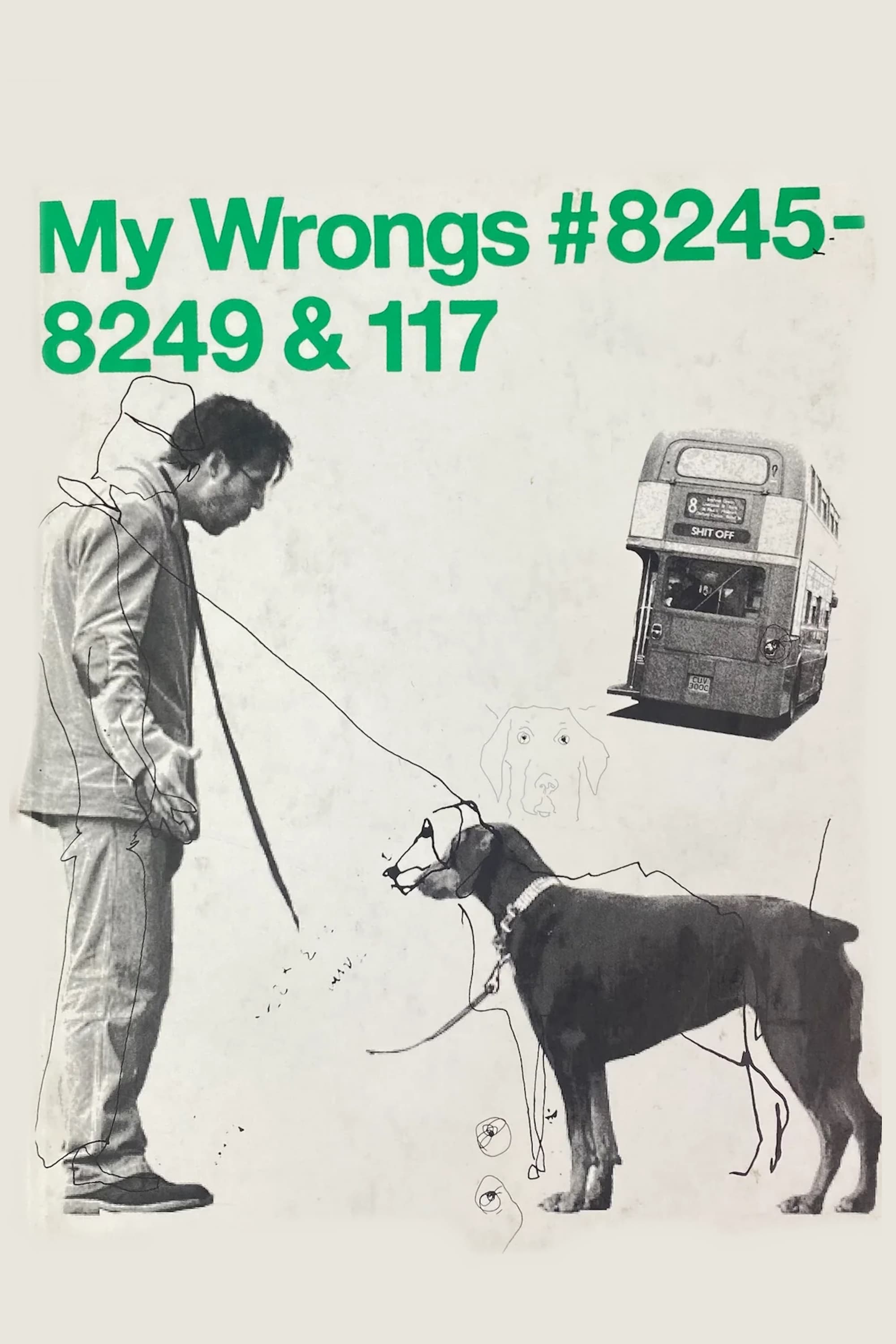
An unnamed man is house-sitting for his friend Imogen. Imogen calls to remind him to take her dog Rothko for a walk, but Rothko takes him for a walk instead.
At Thanksgiving, a tramp arrives in a homeless-hostile town.
Rigadin and his rival use camera/projector systems to reach their objectives.
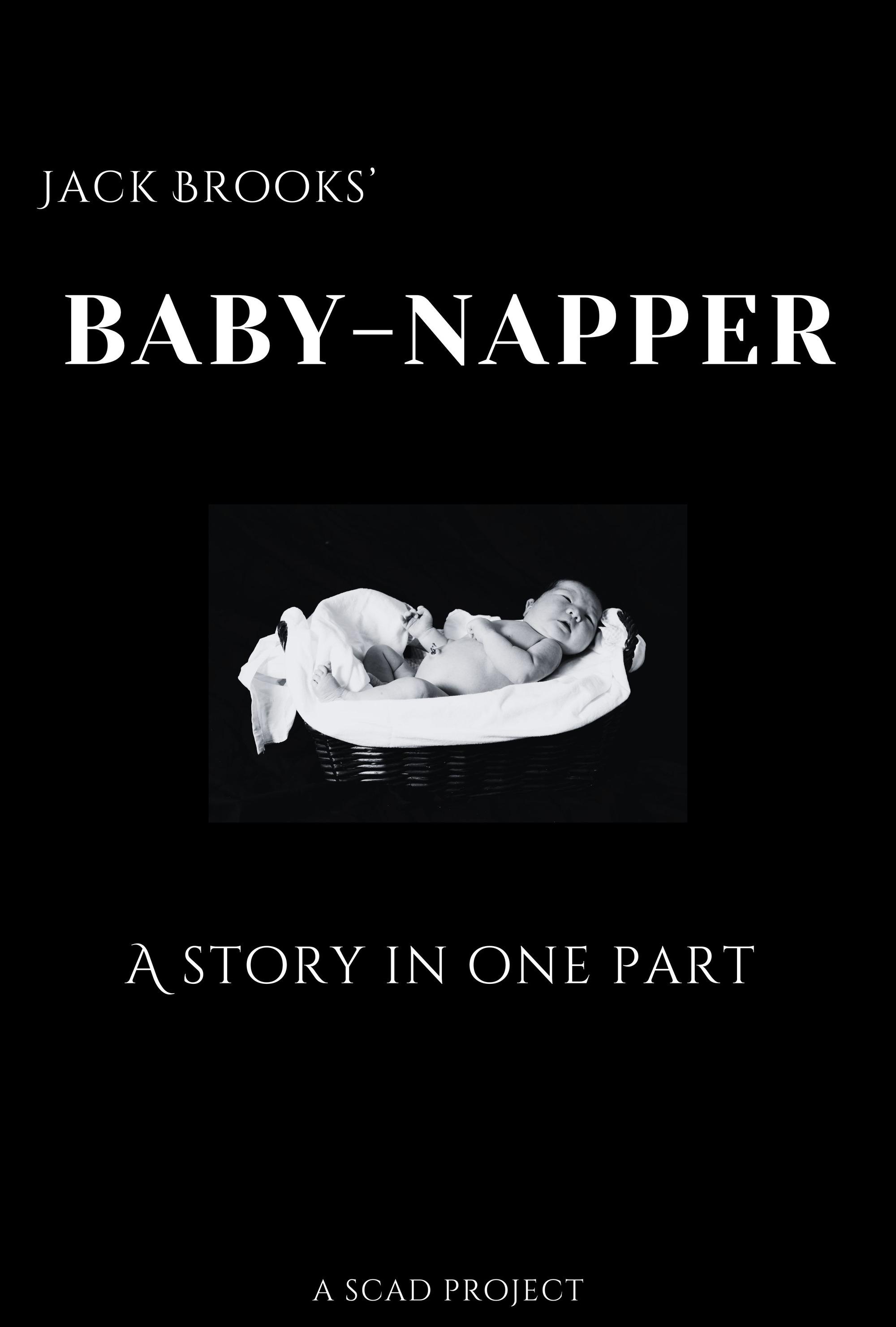
A silent film following a broken father and his misfit baby.
From Richard Gale, mad maker of CRITICIZED, comes a film that will never have you looking at cutlery the same way again. Set-up as an epic-length trailer for an upcoming release, HORRIBLY SLOW... depicts a man's endless pursuit by what has got to be one of the most determined and patient murderers the screen has ever seen.
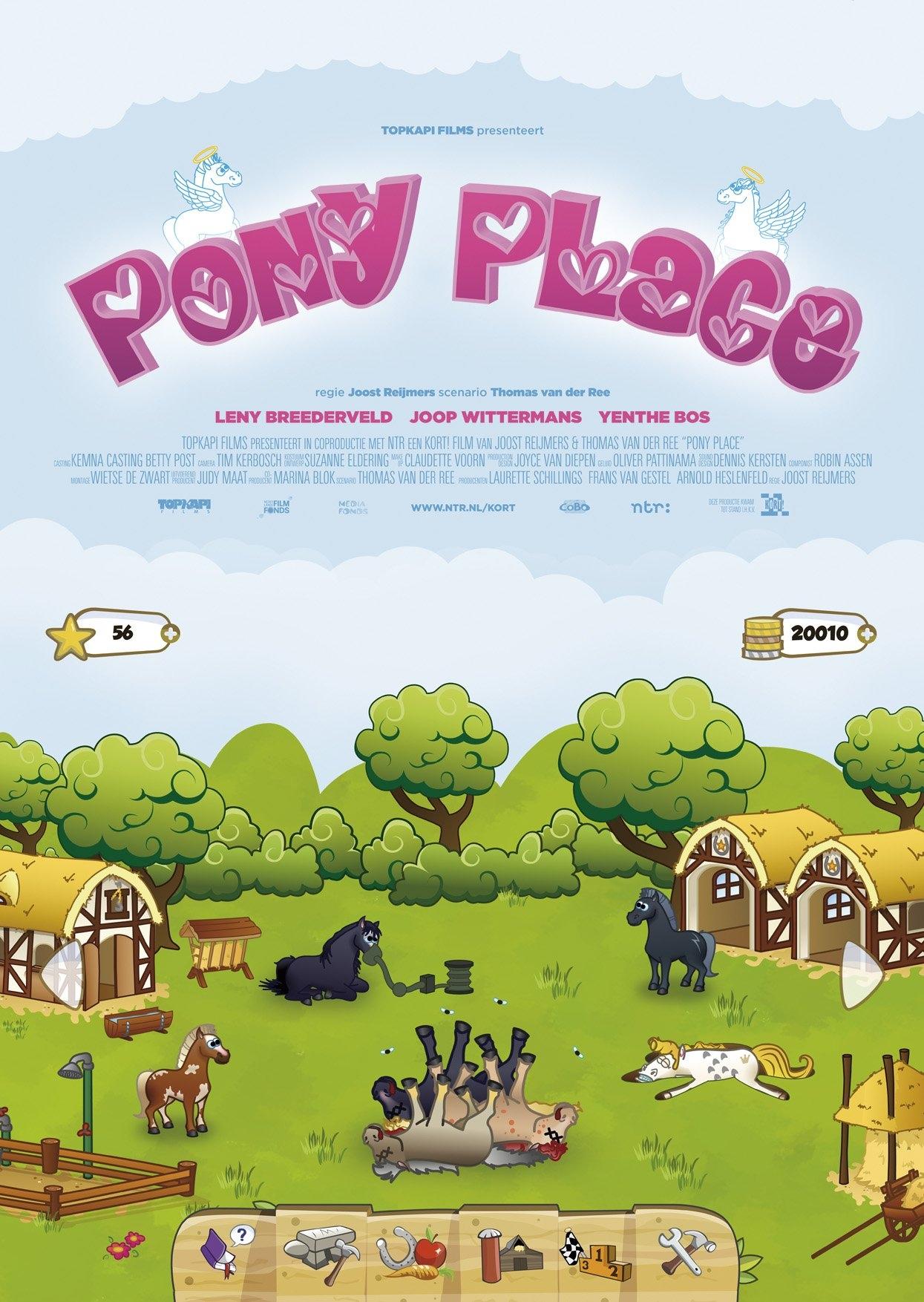
Grandmother Koba has to take care of her grandchild Emma's digital horse farm.
Cinematic fairy tale and adaptation of the story "Ochesel and Balaior" by Marin Iorda. The story of two brothers that are diametrically opposed who, as children, go in search of the Enchanted Fortress.
A housewife tires of her husband's annoying behavior and returns to her mother. At first, the husband is quite pleased to have the house all to himself. But he quickly discovers that even the most basic domestic chores can be fraught with difficulty.
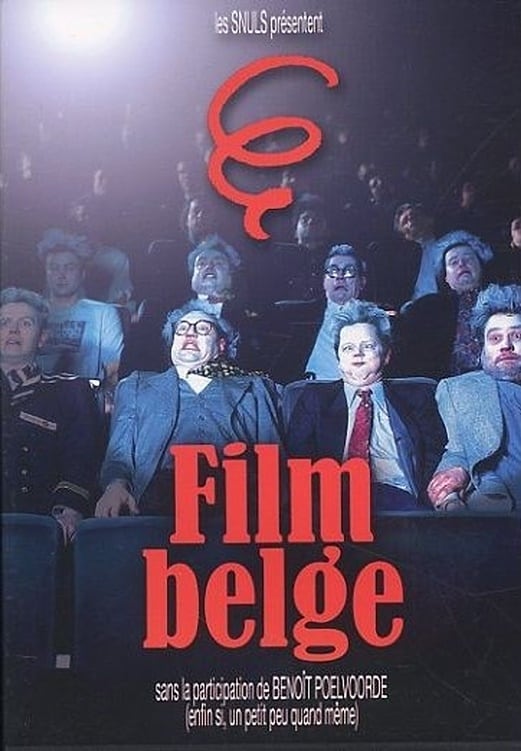
Scene 23, Slow pan The wind whistles over the dykes of the Willebroek Canal. Armand sighs. The viewer should feel goose bumps under their thick sweater. Make it clear that at this moment, Armand is craving a cup of Borain coffee. Scene 456, Armand's farm Armand puts down his coffee cup. Through the window, he sees a beautiful Romanian refugee with AIDS playing the cello in the beet field. Behind Armand, his wife, a former RTBF announcer, commits suicide by hitting herself with hot potatoes. Scene 2,347, sublime landscape of Flanders Armand can't take it anymore: will he choose the position of deputy for the Vlaamse Blok or that of puppeteer subsidized by the CUCF? No one can say.
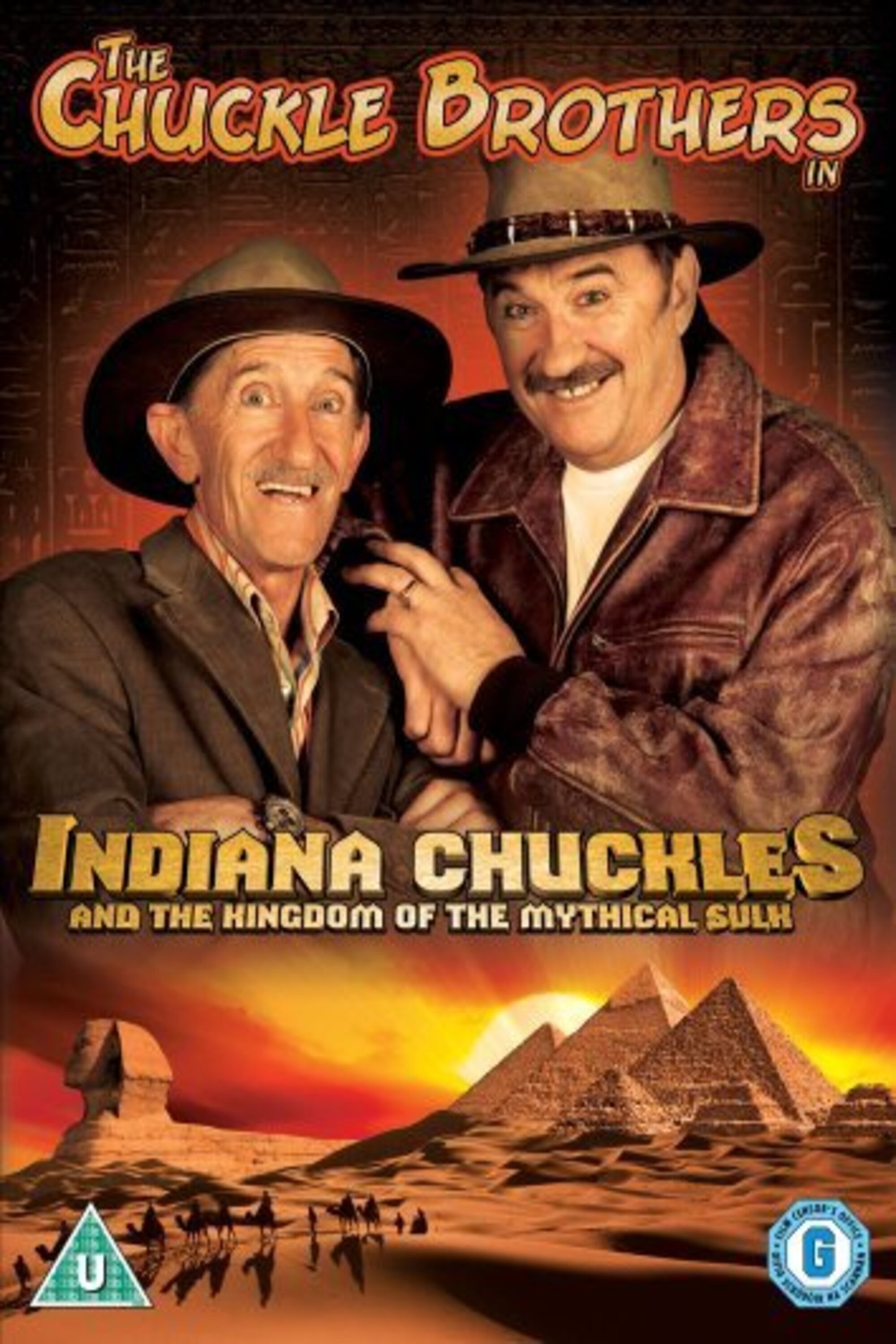
Paul and Barry set off for Morocco in search of an old treasure map which is being used as a table cloth in a restaurant and end up on a mad-cap adventure.
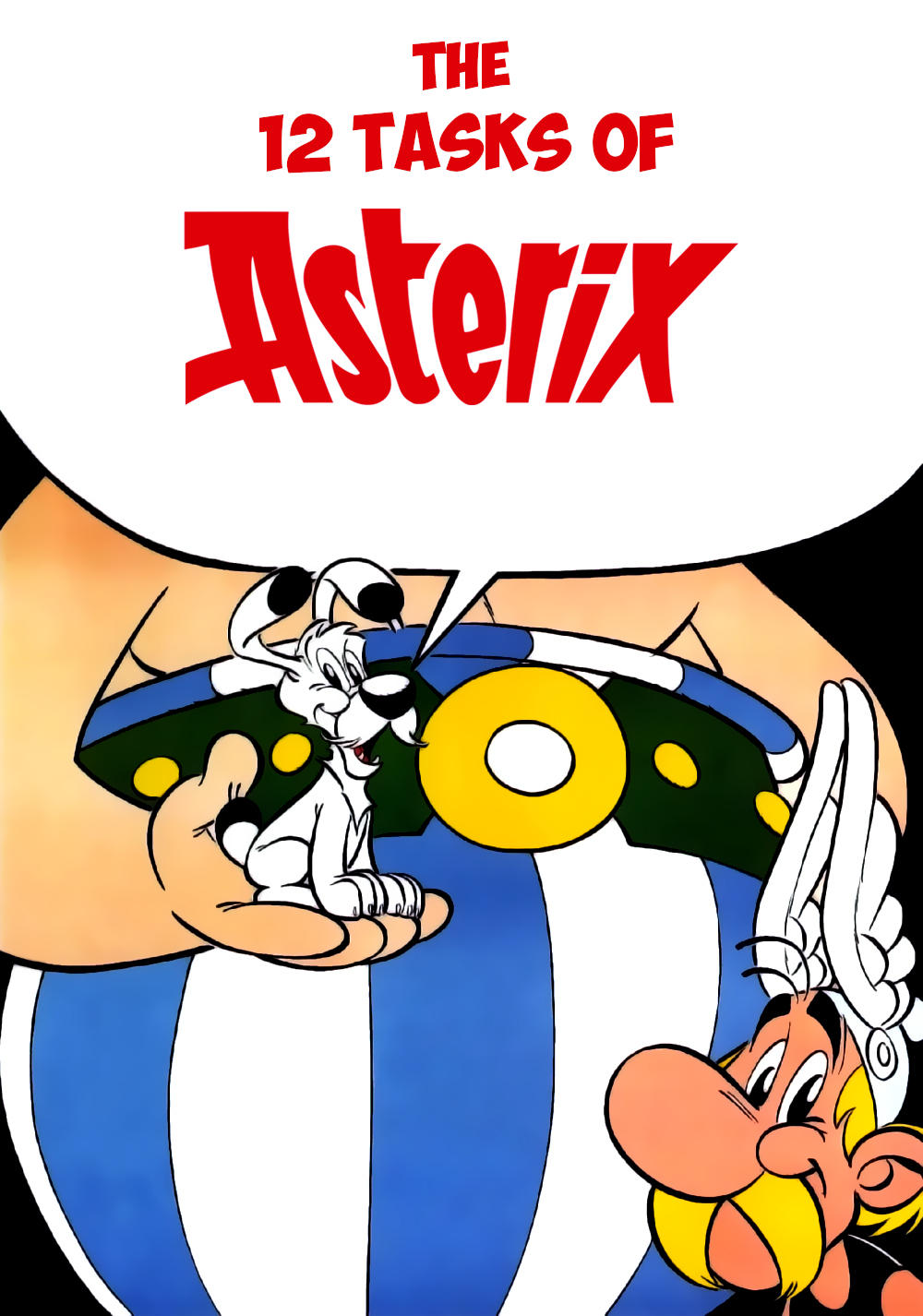
Asterix and Obelix depart on an adventure to complete twelve impossible tasks to prove to Caesar that they are as strong as the Gods. You'll roar with laughter as they outwit, outrun, and generally outrage the very people who are trying to prove them "only human".
An 1895 British short black and white silent comedy film featuring two drunken men and a boy squabbling in a small bar.
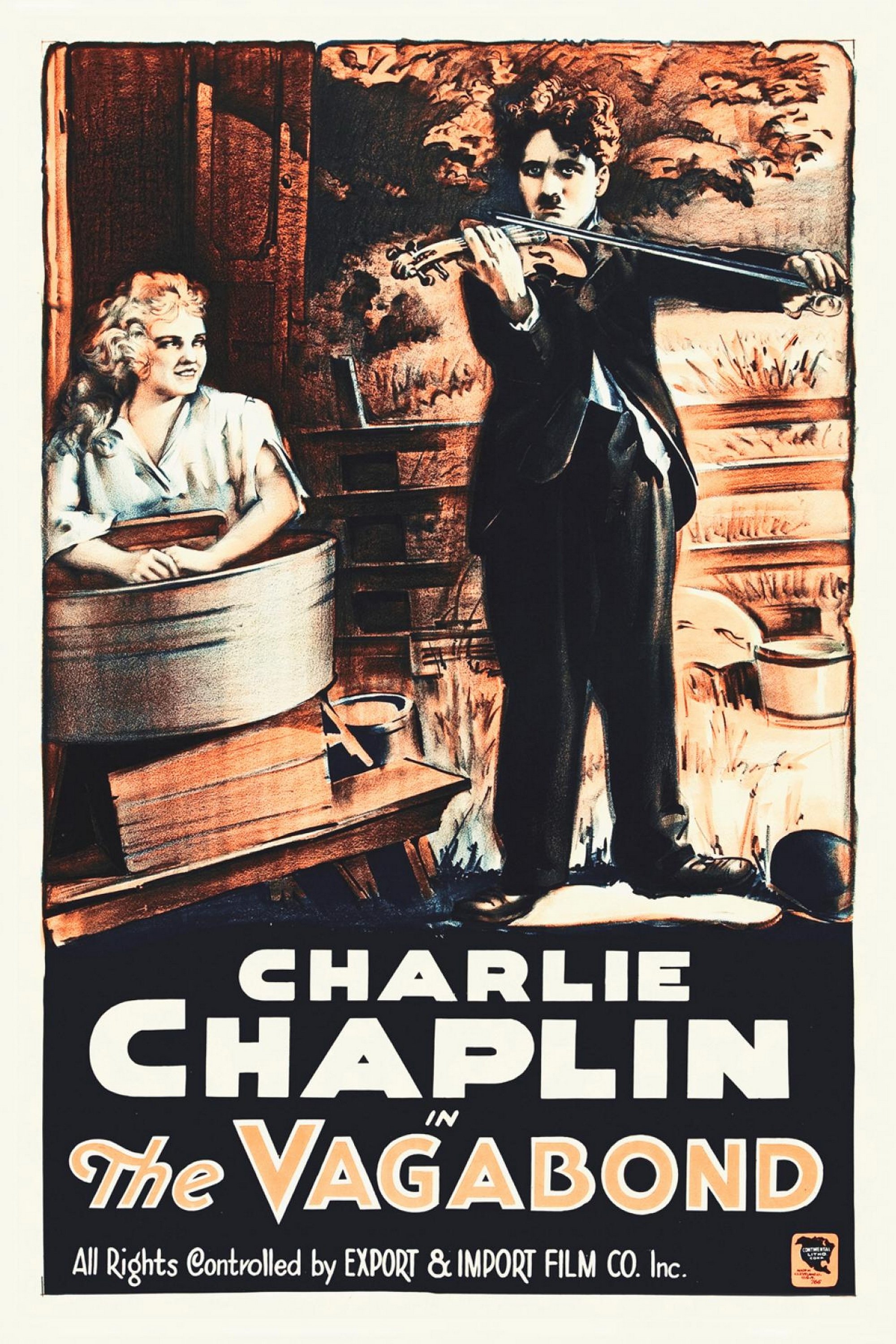
A tramp tries to earn money by playing the violin, but he’s soon facing off against the jealous competition.
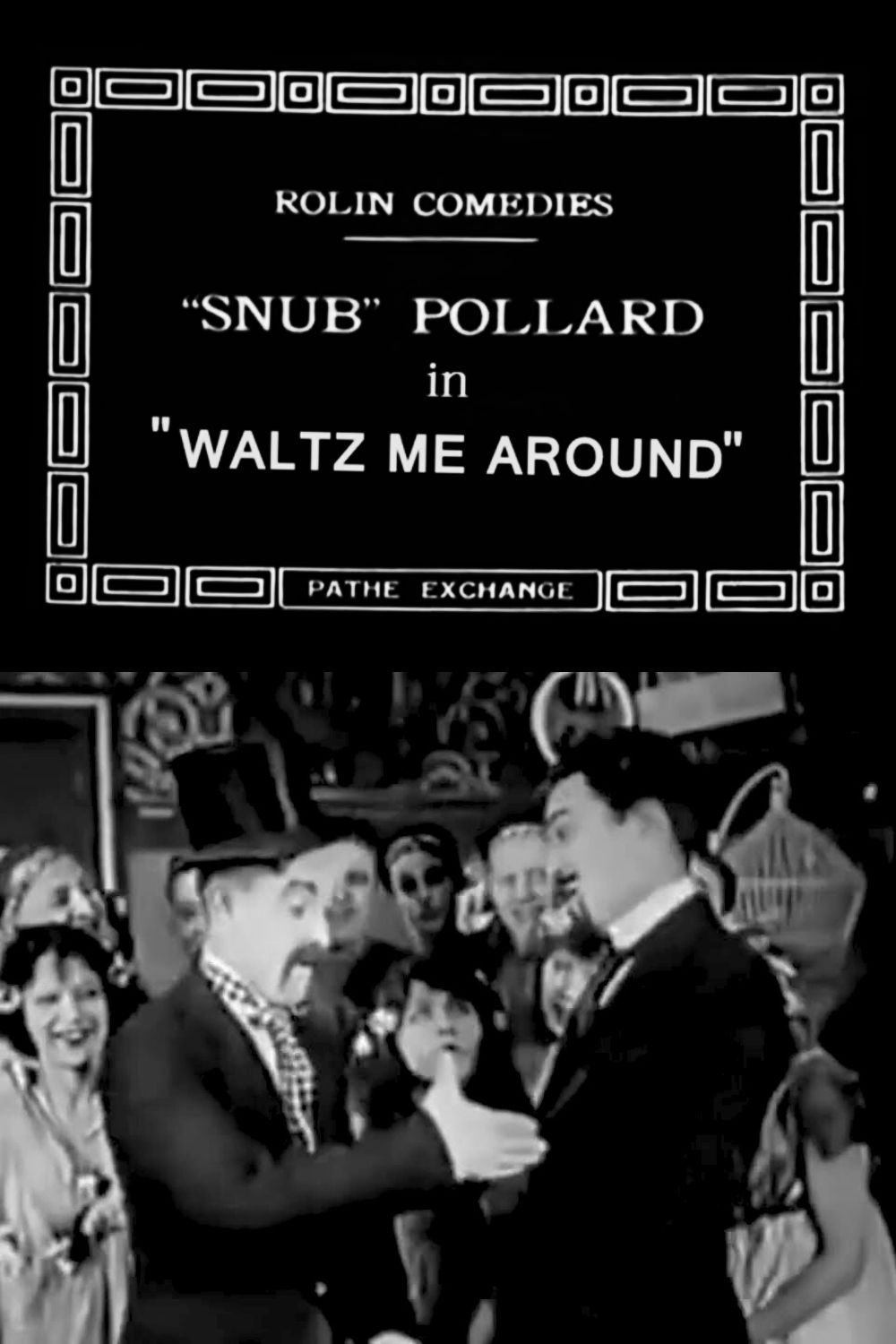
Snub, the delivery man, and his assistant, Sunny, are returning from a delivery when they almost run over a lost woman. After she asks for directions, they accompany the woman to a dance school, where Snub is mistaken for the new professor.
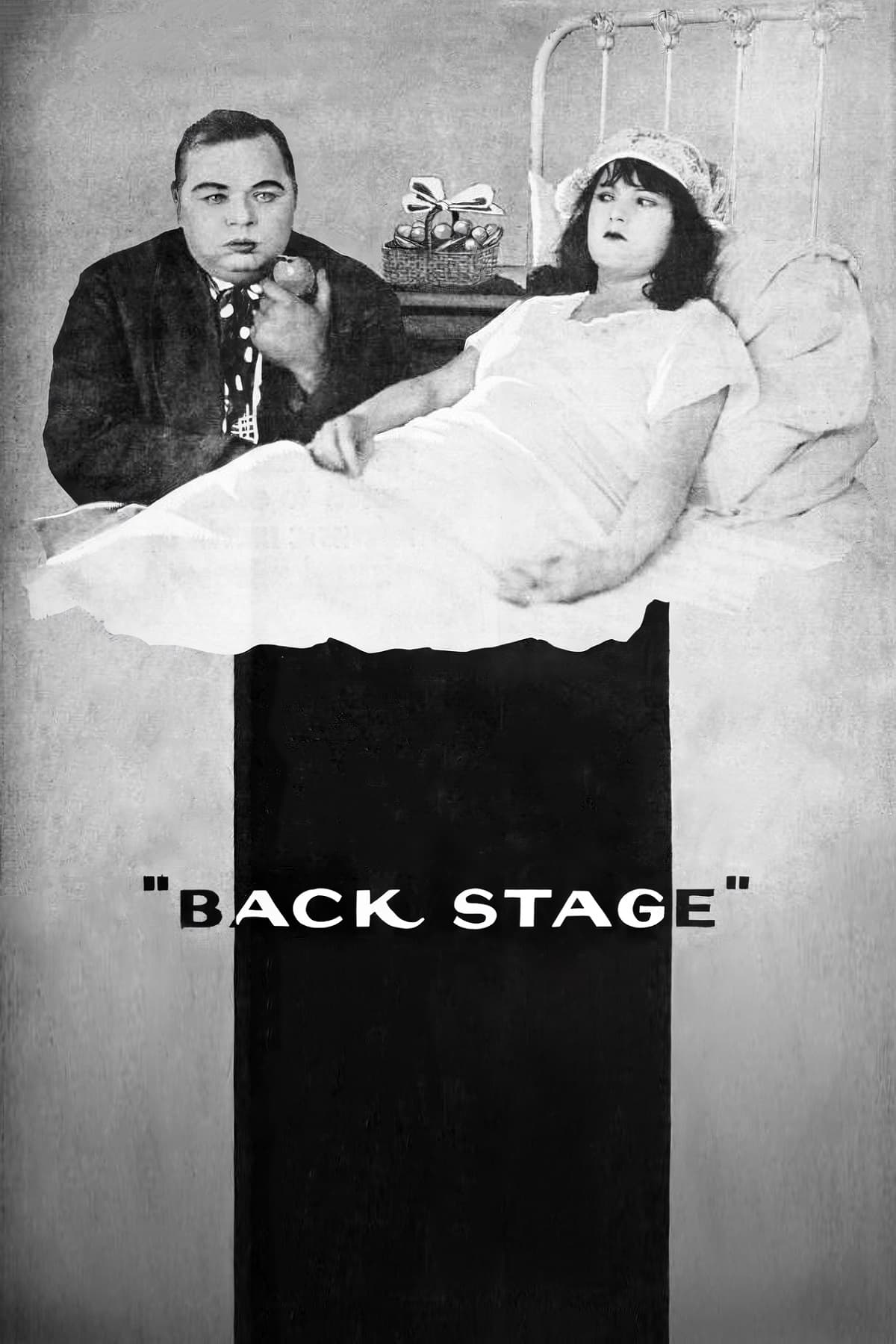
Roscoe and Buster give a bullying Strongman the what-for, but after the performance troupe quits it's up to Fatty and Buster to keep the show going.
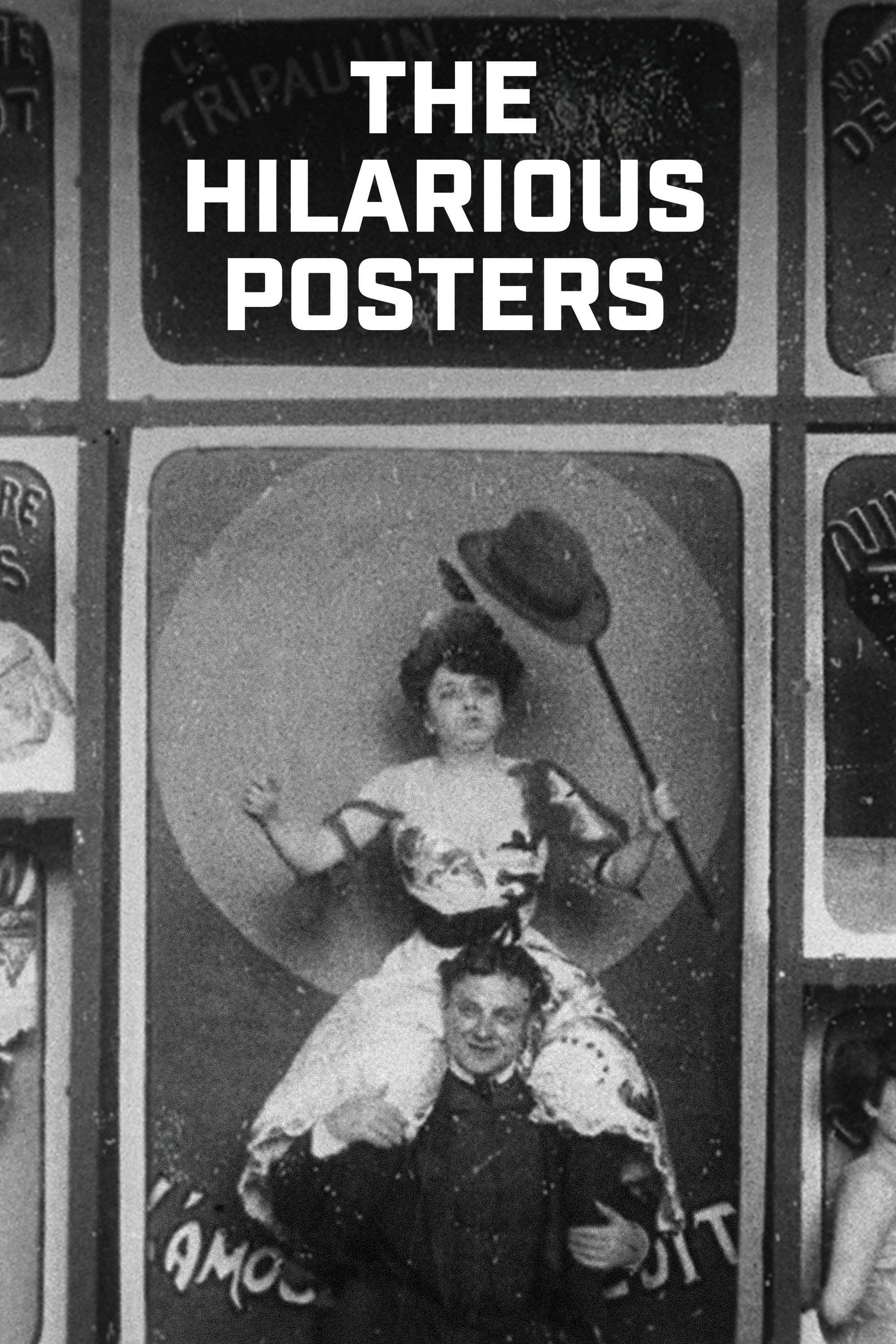
A wall full of advertising posters comes to life.
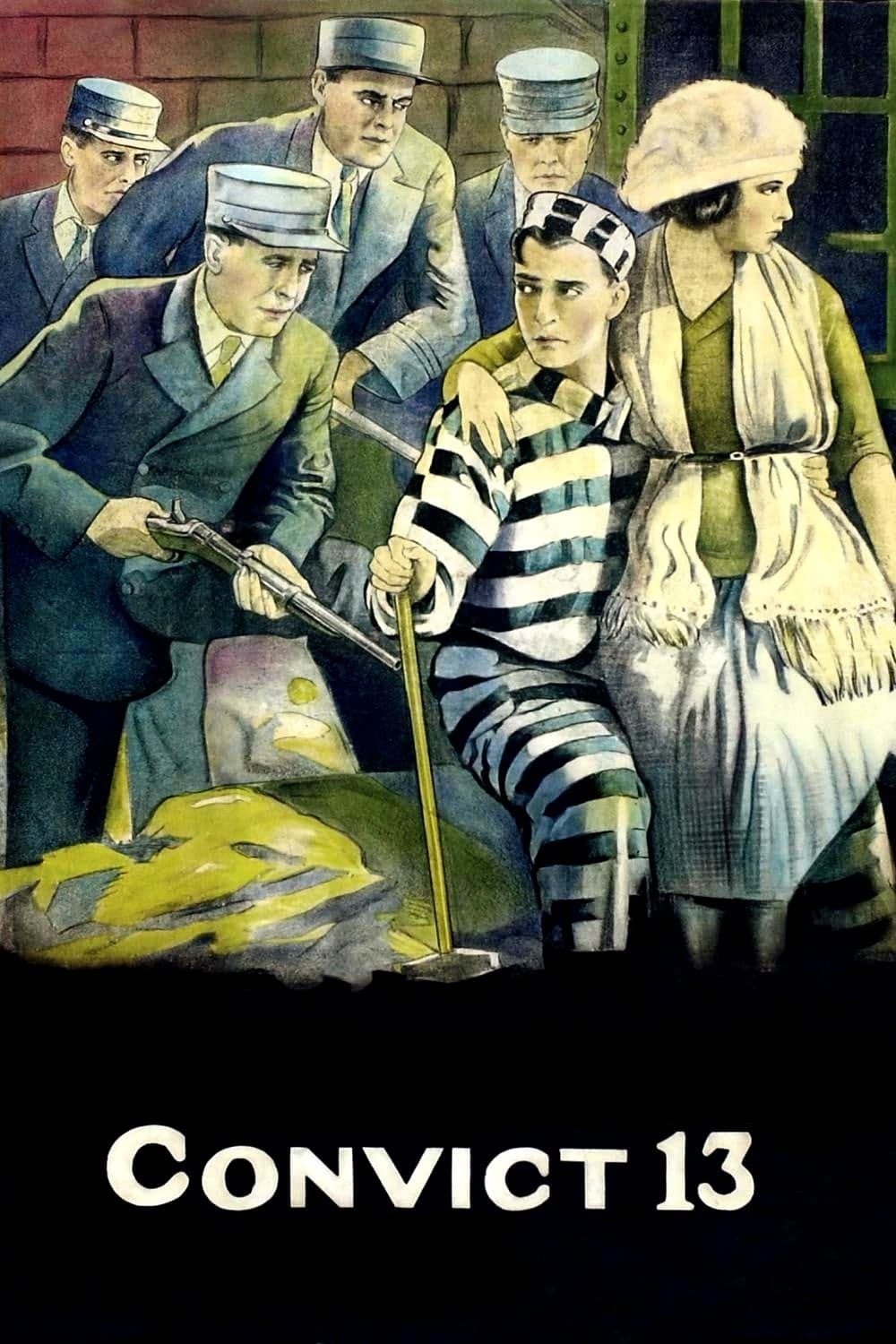
A young golfer is mugged by an escaped convict and finds himself in a prison where he foils a jailbreak.
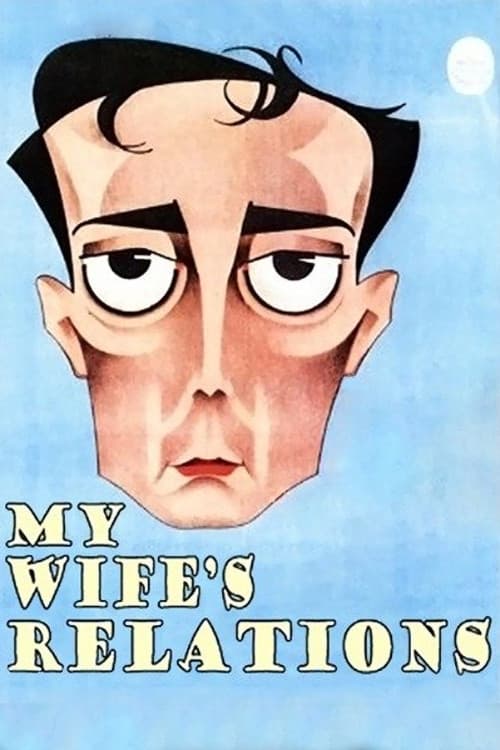
Buster and a woman are mistakenly married and her initially unfriendly family begins to treat him nicely when they come to believe he has a large inheritance awaiting him.
Charlie is released from prison and immediately swindled by a fake parson. A fellow ex-convict convinces Charlie to help burglarize a house.
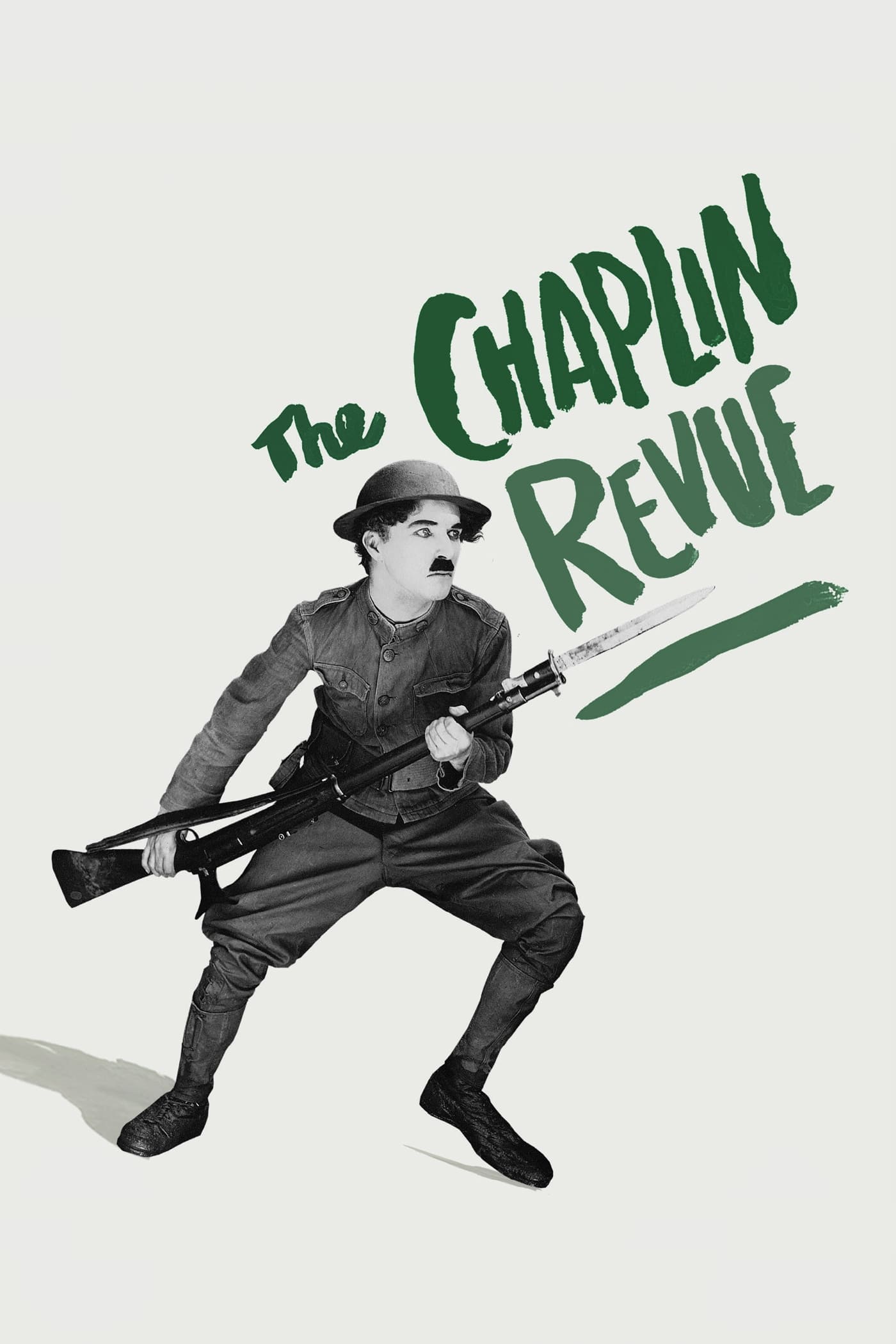
Three Chaplin silent comedies "A Dog's Life", "Shoulder Arms", and "The Pilgrim" are strung together to form a single feature length film. Chaplin provides new music, narration, and a small amount of new connecting material. "Shoulder Arms" is now described as taking place in a time before "the atom bomb".
Charlie takes care of a man in a wheelchair.
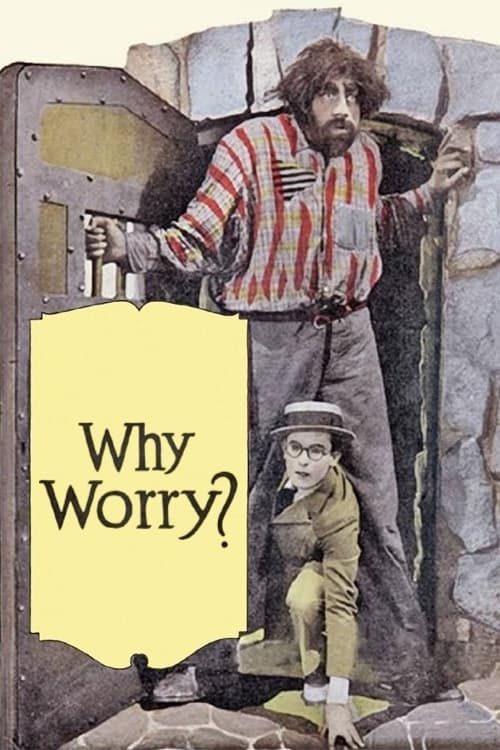
A hypochondriac vacations in the tropics for the fresh air - and finds himself in the middle of a revolution instead.
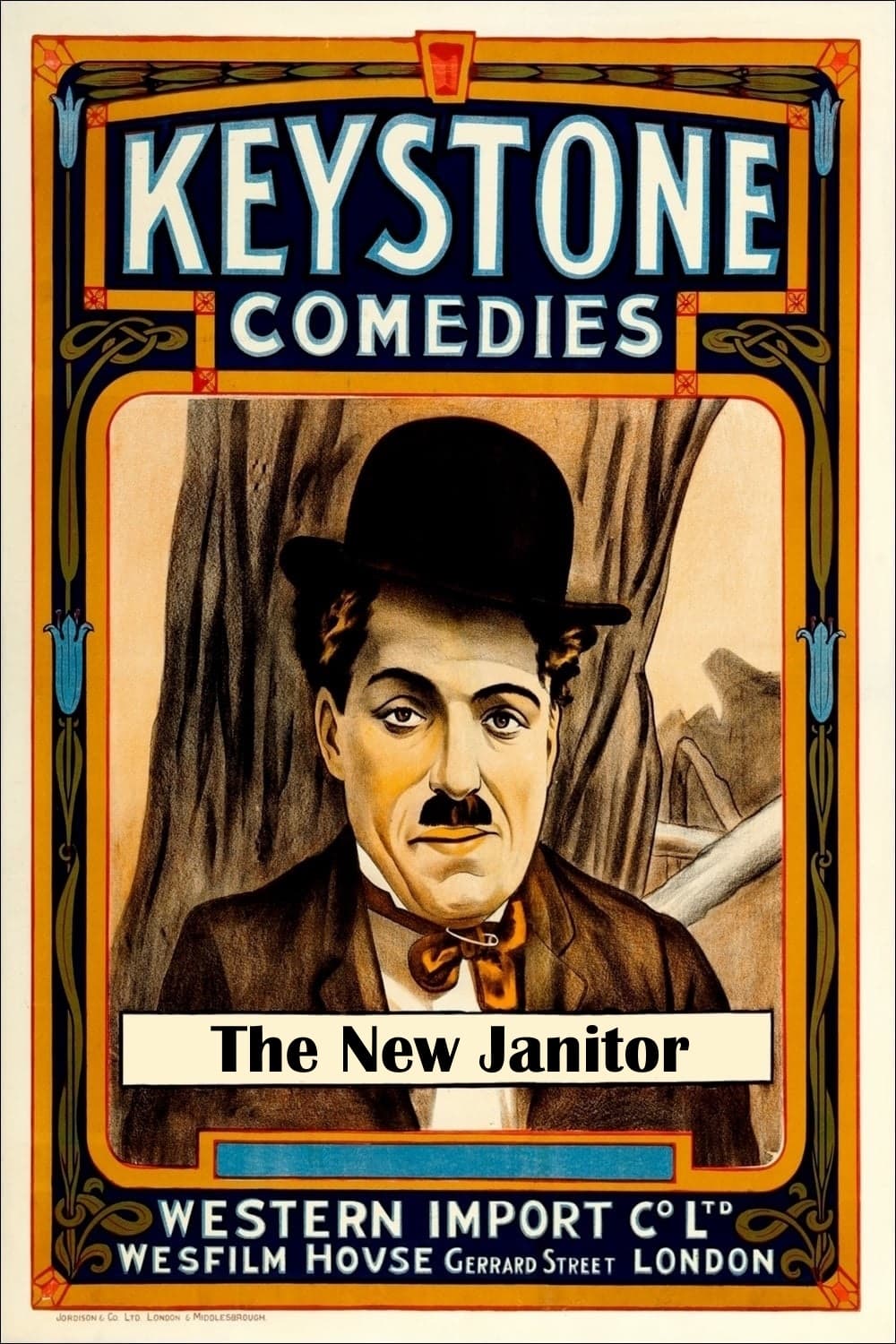
The hero, a janitor played by Chaplin, is fired from work for accidentally knocking his bucket of water out the window and onto his boss the chief banker (Tandy). Meanwhile, one of the junior managers (Dillon) is being threatened with exposure by his bookie for gambling debts unpaid. Thus the manager decides to steal from the company.
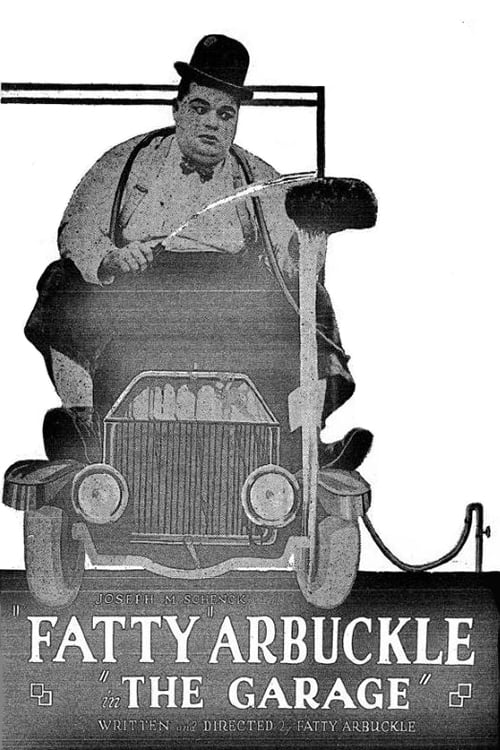
Roscoe and Buster operate a combination garage and fire station. In the first half they destroy a car left for them to clean. In the second half they go off on a false alarm and return to find their own building on fire.
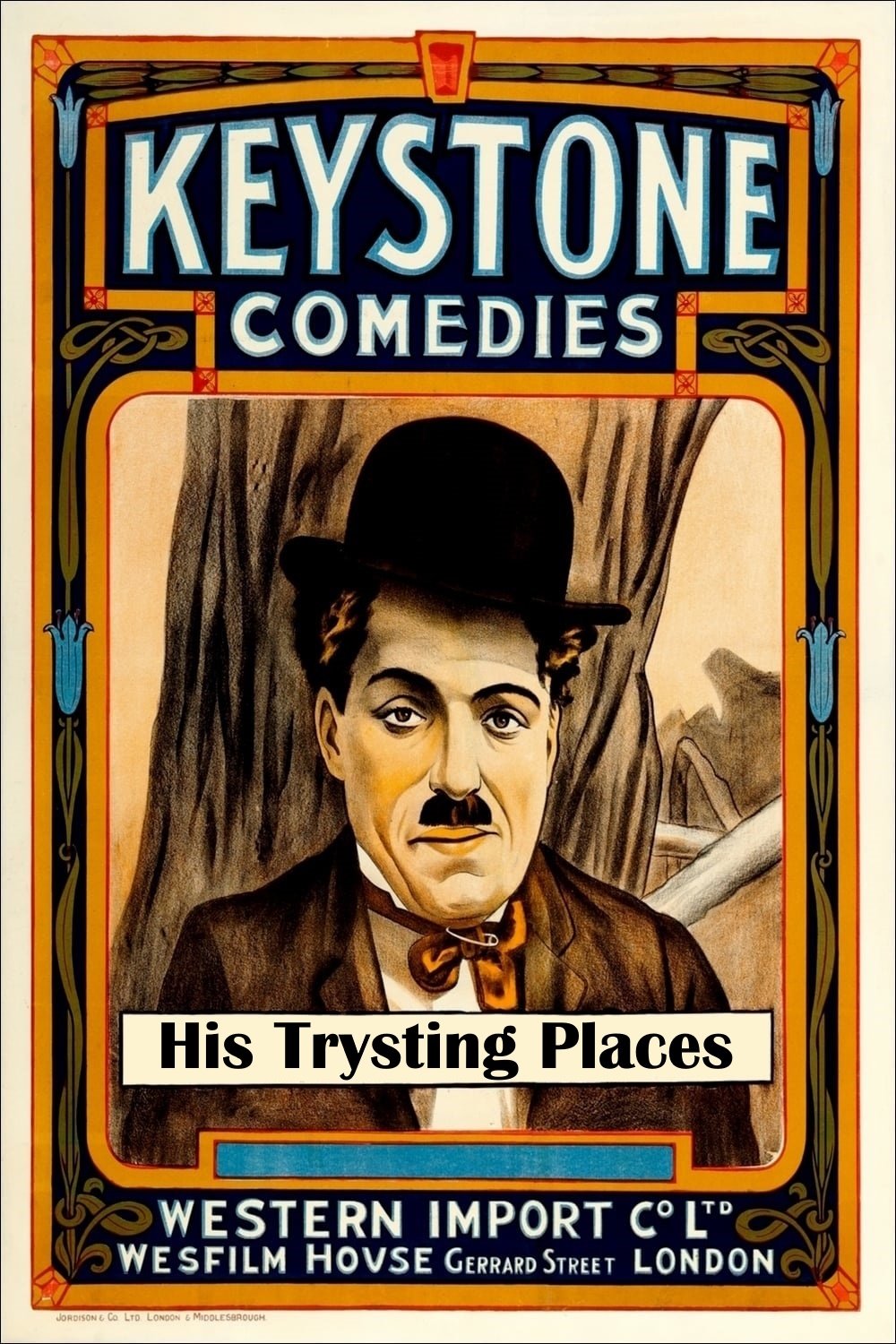
On his way to a restaurant, Ambrose, a happily married man, obliges to mail a letter for a woman in the apartment lobby. Unbeknownst to him, the letter is about a rendezvous with her own lover at their "trysting place". Elsewhere, after some domestic frustration, Charlie runs an errand to buy a baby bottle before stopping at the same restaurant. After a confrontation there, they both inadvertently leave with each other's coats. Later, their wives independently discover what appears to be incriminating evidence of extramarital affairs from the pockets of the swapped garments. It all comes to a head when all four of them find themselves at the "trysting place" in the park.
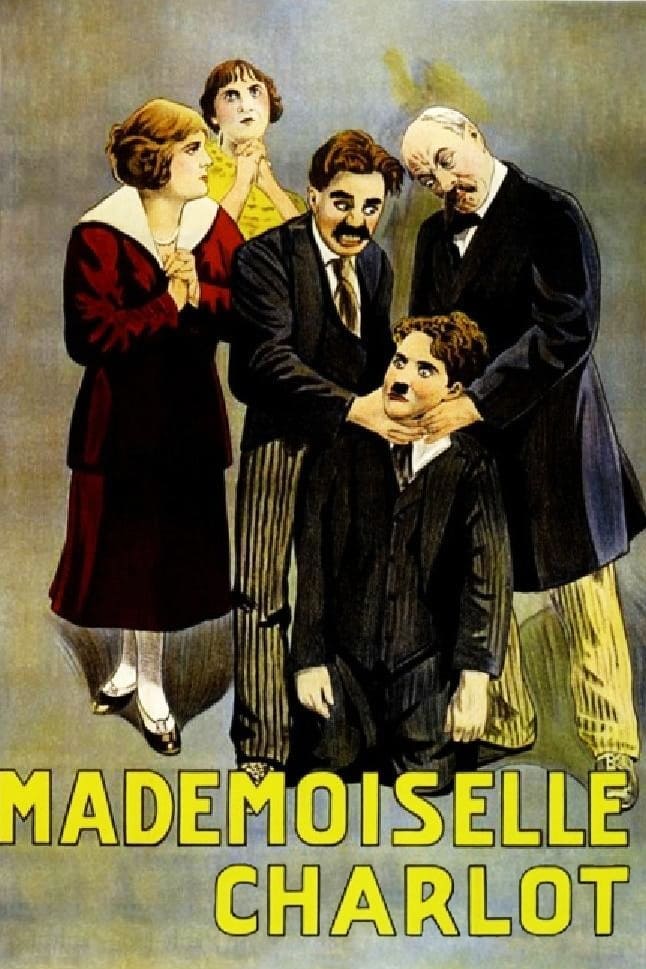
Mother, father and daughter go to the park. The women doze off on a bench while the father plays a hide-and-seek game with a girl, blindfolded. Charlie leads him into a lake. Both dozing ladies on the bench fall for Charlie and invite him for dinner. The father returns home with a friend. Charlie rushes upstairs and dresses like a woman, shaving his mustache. Both men fall for Charlie.
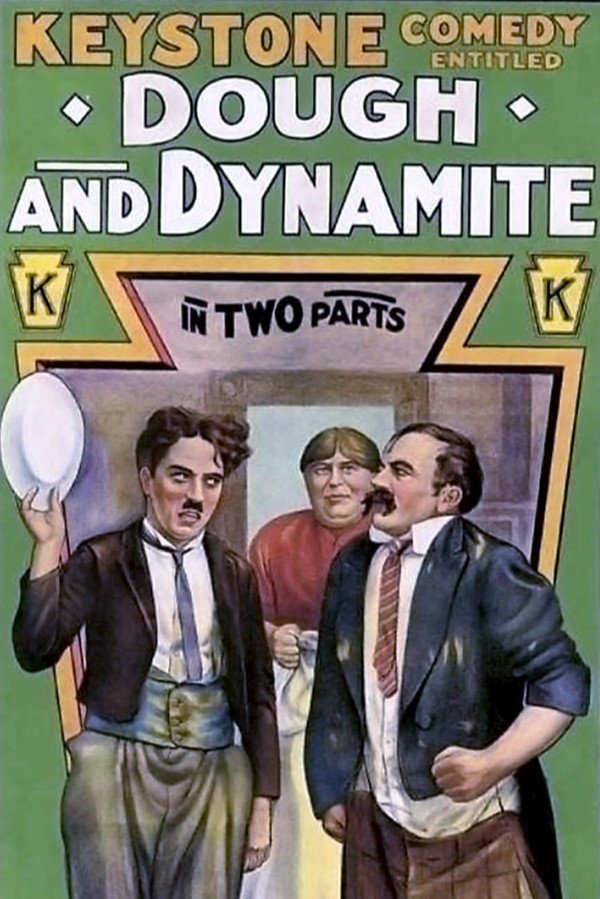
Pierre and Jacques are working as waiters at a restaurant where the cooks go on strike. When the two are forced to work as bakers, the striking cooks put dynamite in the dough, with explosive results.
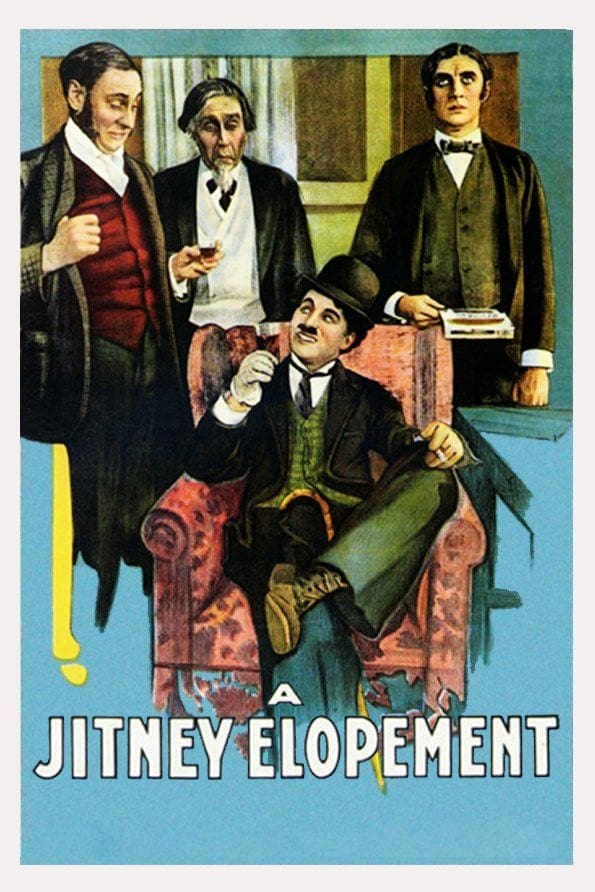
Edna's father wants her to marry wealthy Count He-Ha. Charlie, Edna's true love, impersonates the Count at dinner, but the real Count shows up and Charlie is thrown out. Later on Charlie and Edna are chased by her father, The Count, and three policeman. The pursuers drive off a pier.
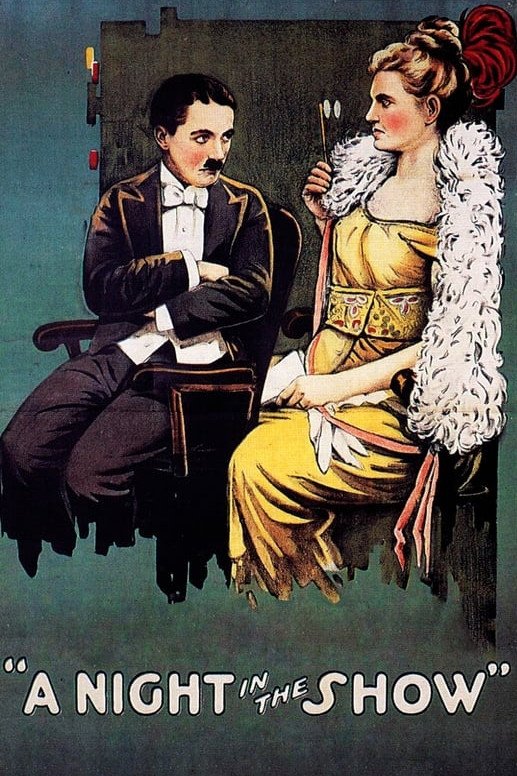
Two disruptive theater patrons, the wealthy drunk Mr. Pest (played by Charlie Chaplin) and the rowdy working-class Mr. Rowdy (also played by Chaplin), attend a live vaudeville theater production. Their constant antics, seat-hopping, and physical altercations quickly overshadow the acts on stage and plunge the entire theater into absolutely hilarious chaos.
A young man schemes to drum up business for his girlfriend's employer but after seeing her being intimate with another man, he attempts to commit suicide.
A magical glowing white motorcar ignores policemen, drives up buildings, flies through outer space, and can transform into a horse and carriage.
Mabel goes home after being humiliated by a masher whom her husband won't fight. The husband goes off to a bar and gets drunk.
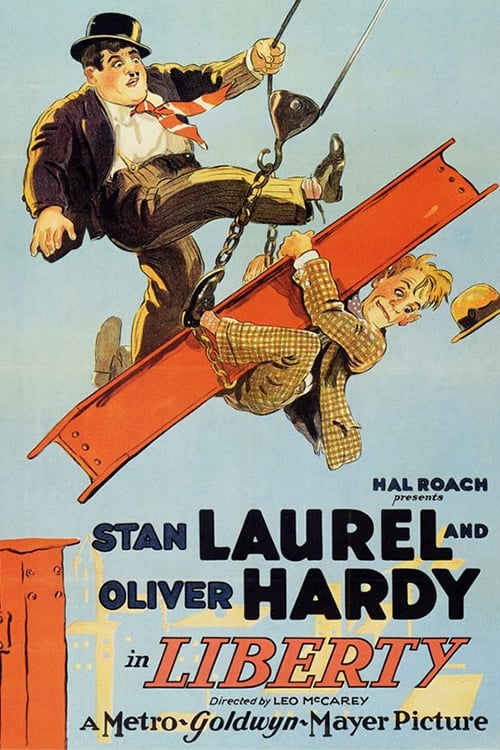
While changing clothes in a getaway car, escaped convicts Stan and Ollie mistakenly put on each other's pants. They spend the rest of the film trying to exchange pants in various unlikely settings.
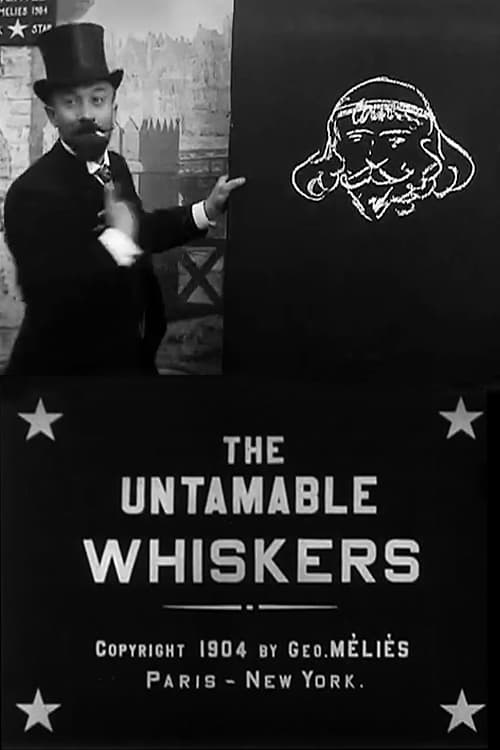
The background of this picture represents a scene along the beautiful river Seine in Paris. A gentleman enters, and taking a blackboard from the side of the picture, he draws on it a sketch of a novelist. Then, standing in the centre, he causes the living features of his sketch to appear in the place of his own, which is utterly devoid of whiskers. The change is made so mysteriously that the eye cannot notice it until one sees quite another person in the place of the first. Again another sketch is shown on the board, this one being that of a miser; then an English cockney; a comic character; a French policeman, and last of all, the grinning visage of Mephistopheles. It is almost impossible to give this film a more definite description; suffice it to say that it is something entirely new in motion pictures and is sure to please. (Méliès Catalog)